1/8
Central heating - everything you need to know about heating your home
This comprehensive guide explores central heating systems, providing essential information to help homeowners stay warm and potentially save money, particularly during winter. It emphasizes that efficient central heating is crucial for maintaining warmth and comfort. The article highlights that different heating systems are better suited for various properties, and choosing a system that offers comfort at the lowest running cost is generally advisable. The guide delves into various aspects of central heating, starting with fuel types. It explains that in the UK, boilers are predominantly fueled by gas or electricity. Gas boilers are common for homes connected to the natural gas grid, offering quicker heating and generally lower running costs, though gas is a non-renewable source. Electric central heating, while potentially more environmentally friendly and having lower maintenance, typically has a lower flow rate, meaning longer wait times for hot water. Oil central heating is mentioned as a less common alternative requiring bulk storage.
The article then details the three main types of boilers: combi, conventional (open vent/heat only), and system boilers. A combi boiler is a single unit providing both heating and instant hot water directly from the mains. Conventional boilers require a hot water cylinder and cold water storage tanks, usually in the loft, drawing water from the mains to the hot water cylinder. System boilers also use a hot water cylinder but do not need loft tanks as they operate with a pressurized heating circuit from the mains. The choice of boiler depends on factors such as property size and hot water demand. Combi boilers are ideal for smaller homes seeking space-saving solutions and instant hot water at a single point, but they struggle with multiple hot water demands simultaneously. Conventional boilers, with their storage cylinders, can provide hot water to multiple outlets without pressure or temperature drops, but require more space and longer wait times for heating. System boilers act as a middle ground, offering multi-outlet hot water capacity without the need for loft tanks.
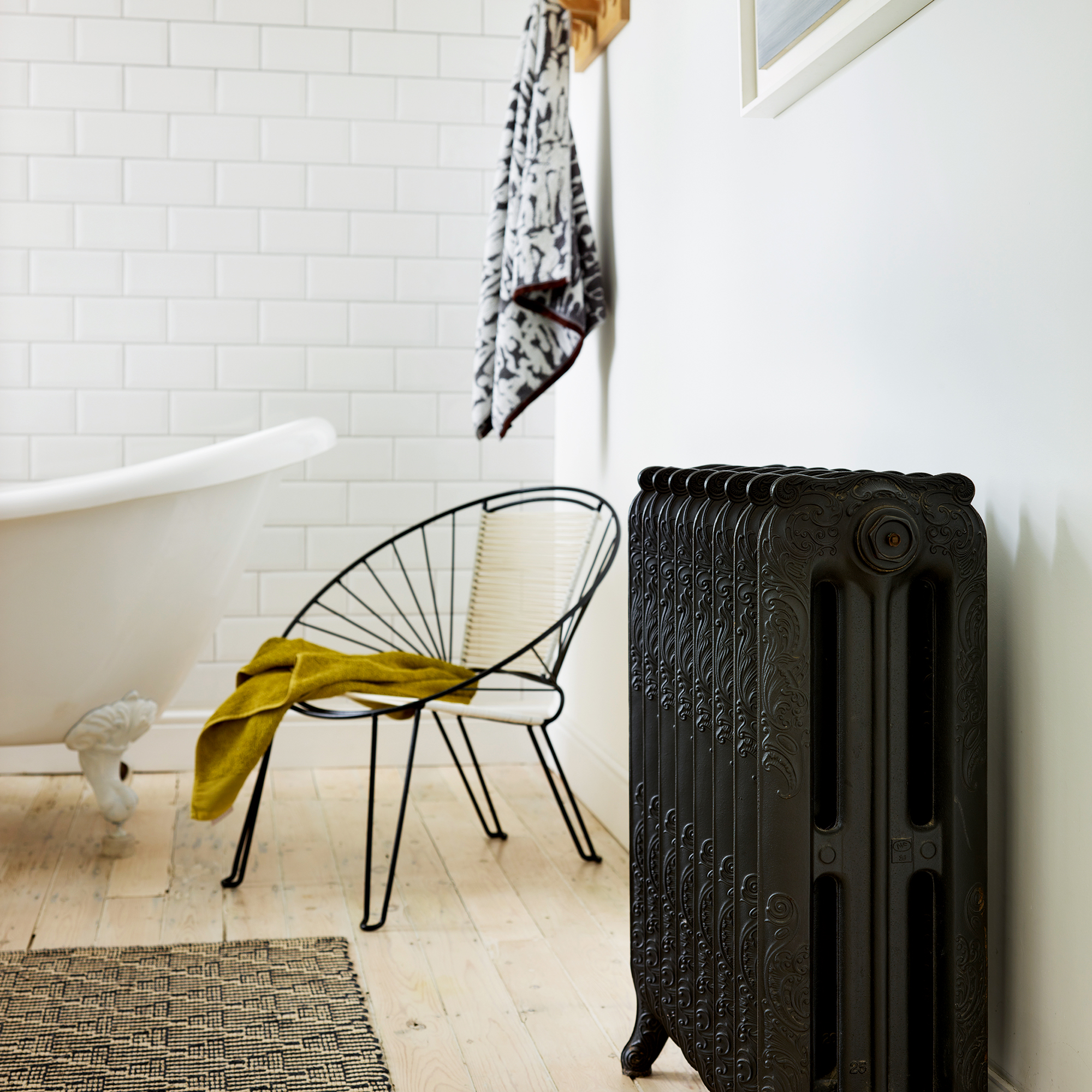
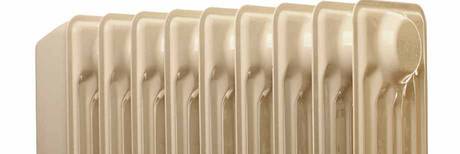
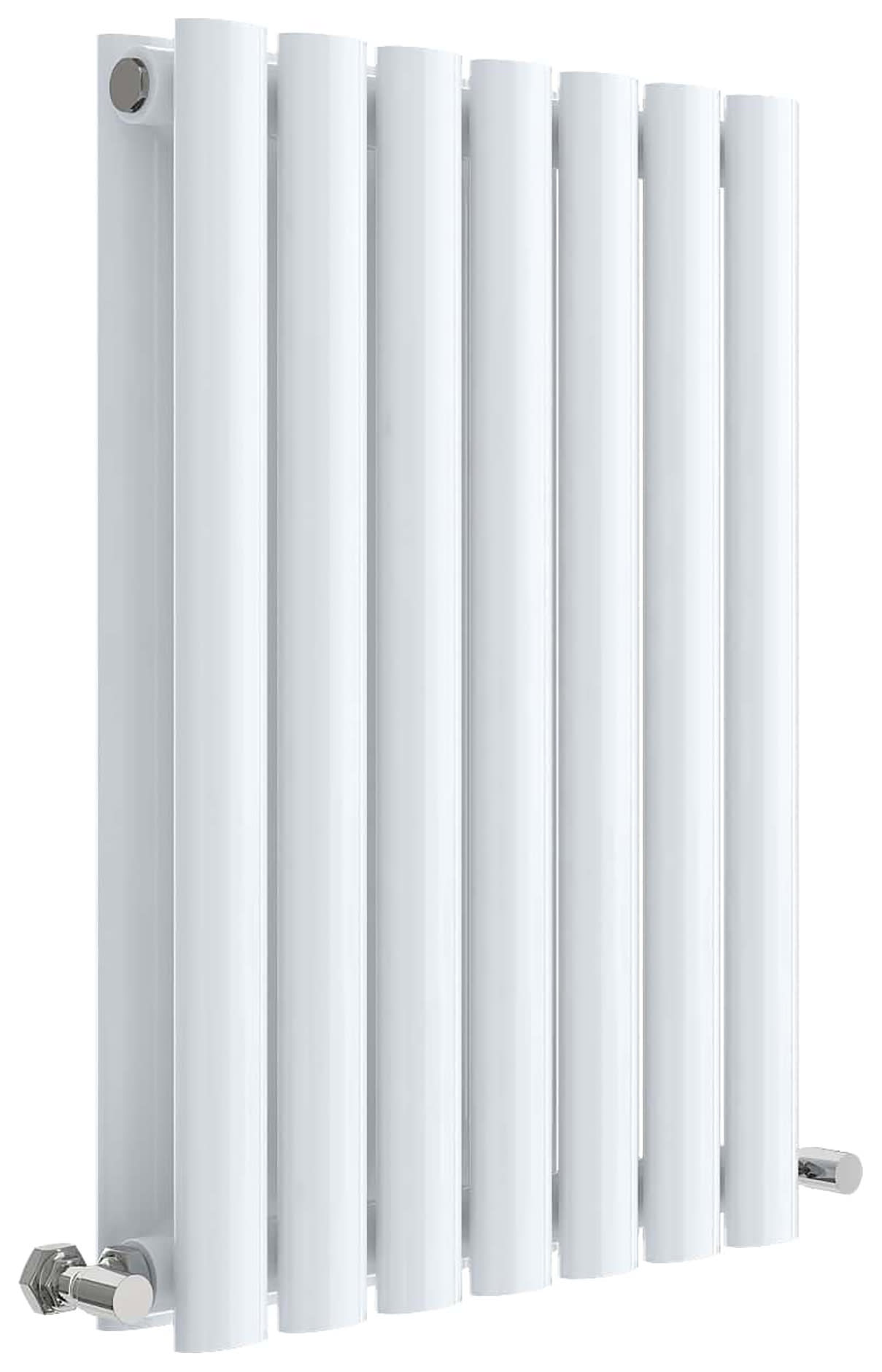
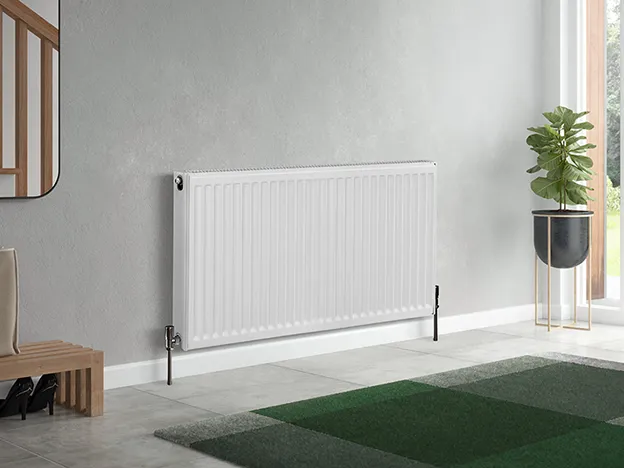
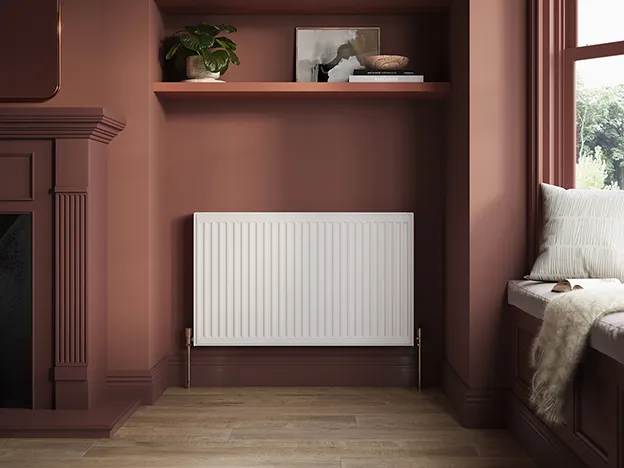
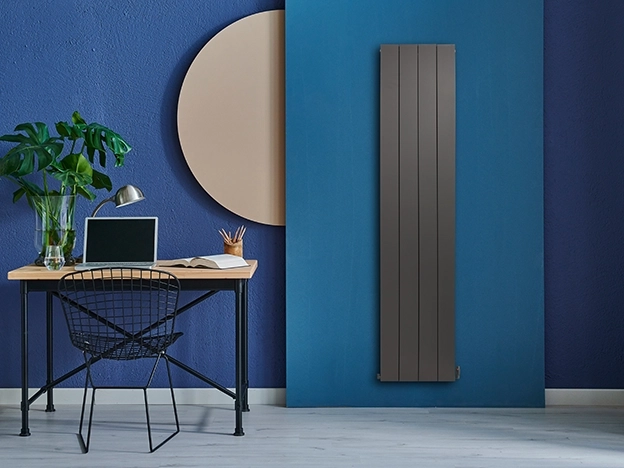
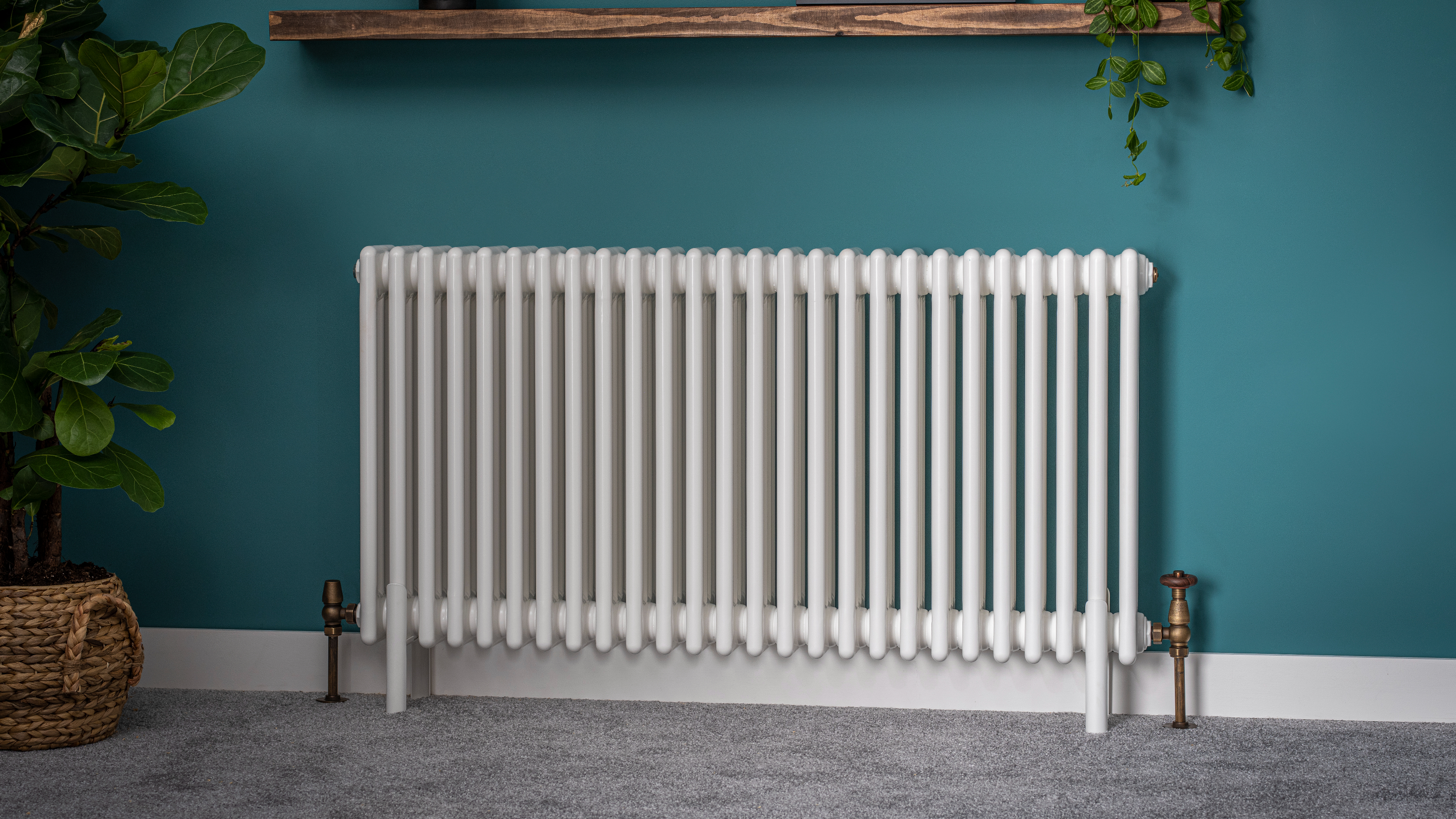
Radiators are discussed as the primary means of distributing heat. The guide stresses the importance of selecting radiators that are both aesthetically pleasing and efficient. It introduces the concept of British Thermal Unit (BTU) level, explaining that each room has an individual heat requirement, and radiators should be chosen to match this output for optimal efficiency and cost-saving. Placing radiators in the coldest areas of a room, typically under windows in older homes, is recommended, with modern double-glazed homes offering more flexibility in placement. The article advises aiming for one radiator per every four meters in a room and notes that modern steel or chrome radiators heat efficiently, while older cast-iron ones heat slowly but retain heat longer.
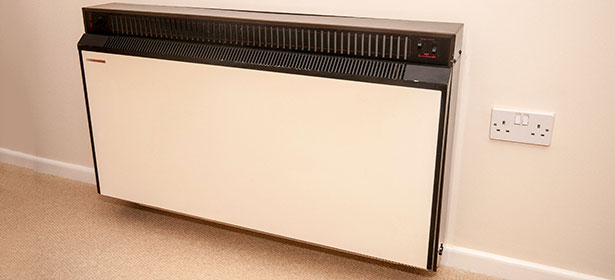
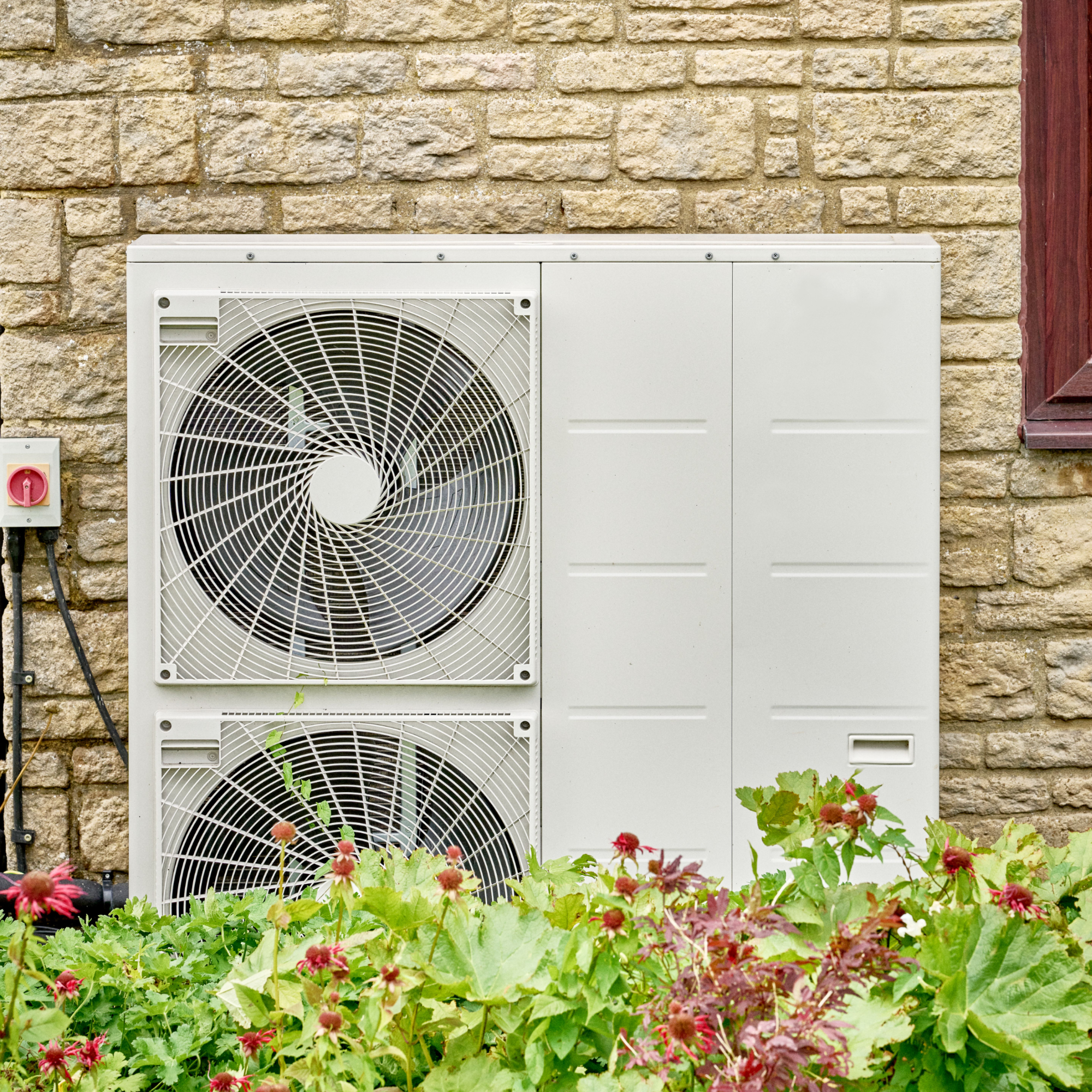
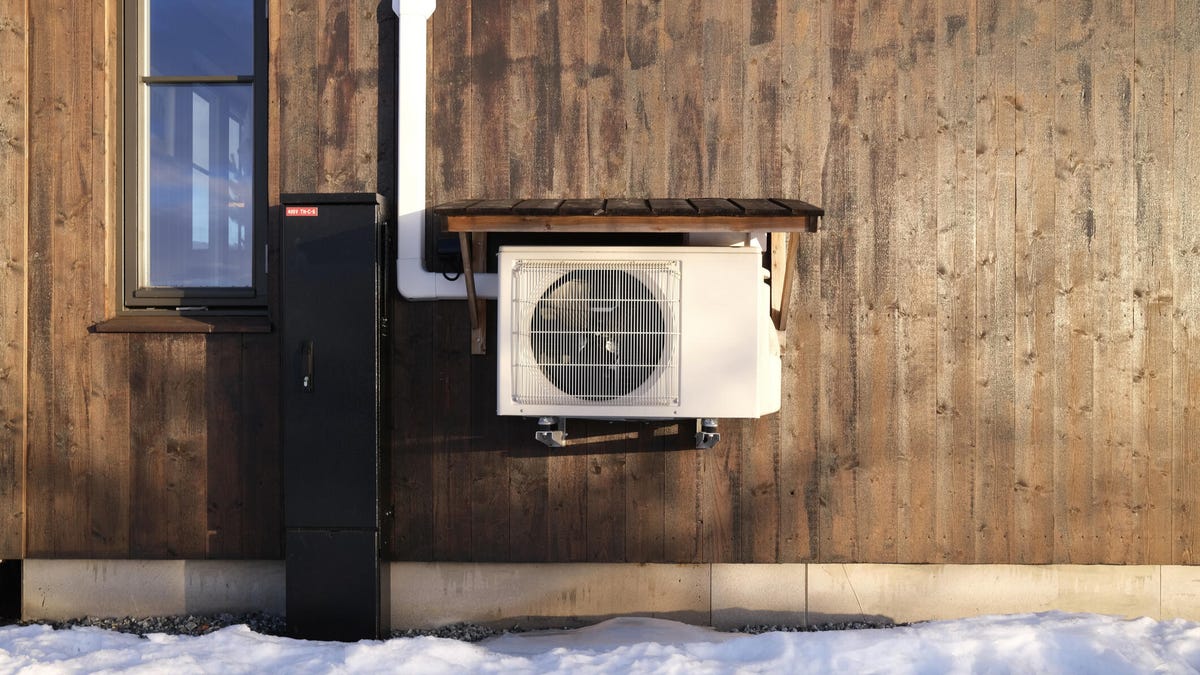
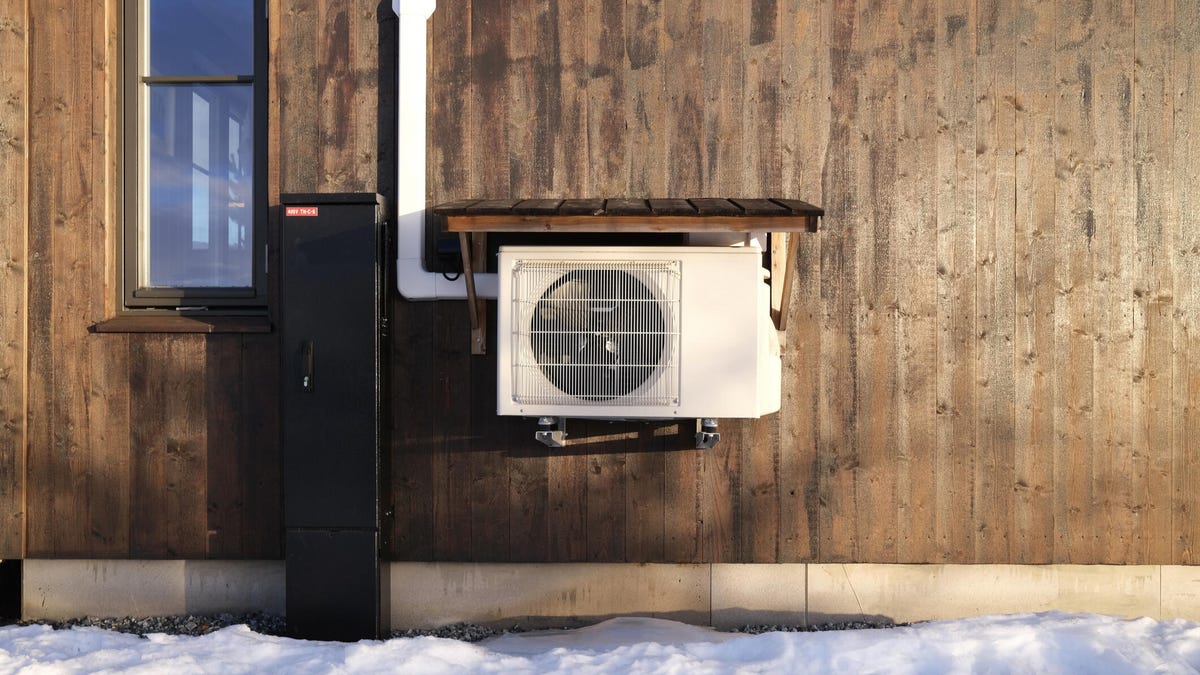
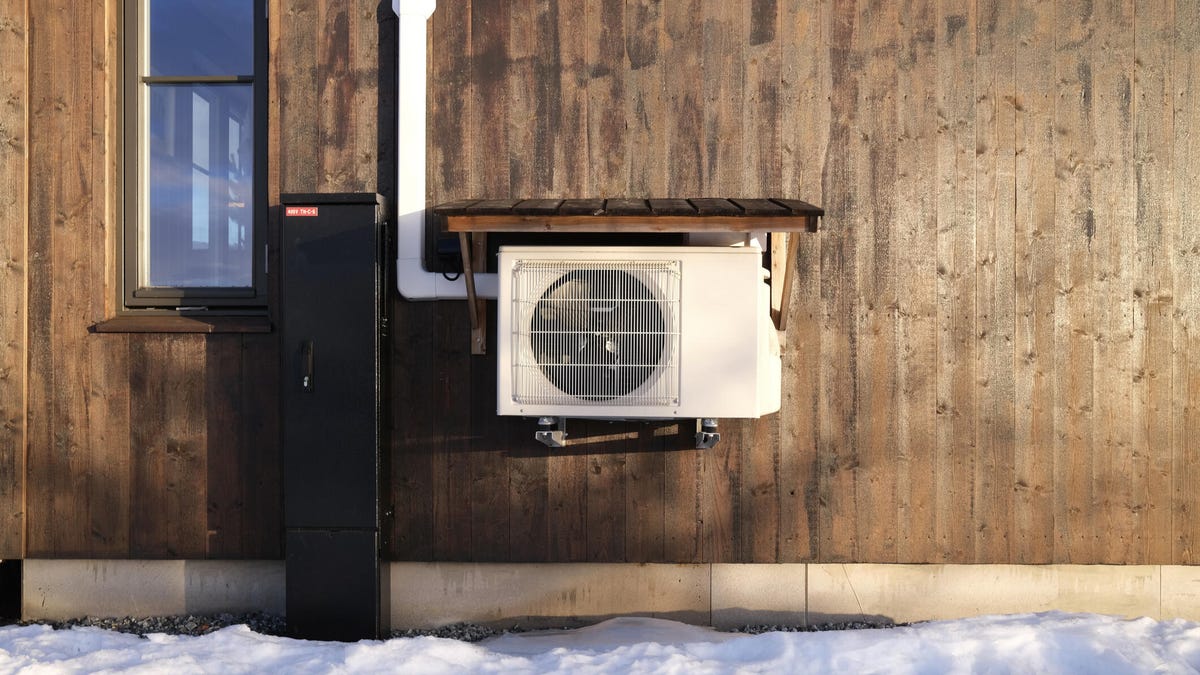
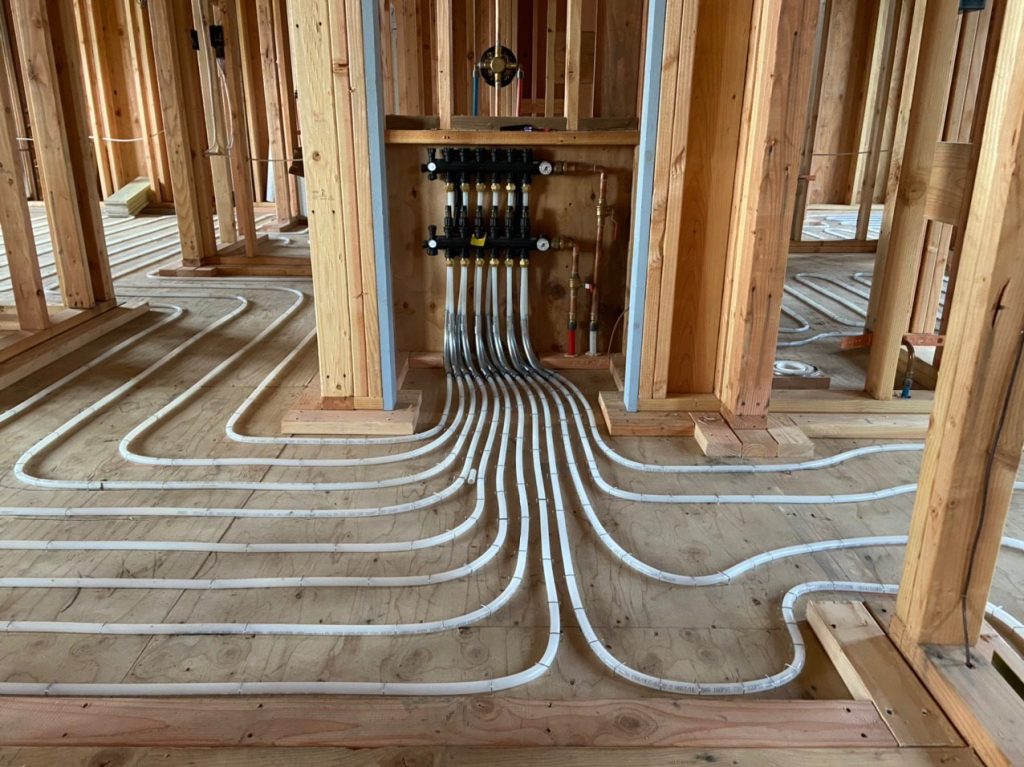
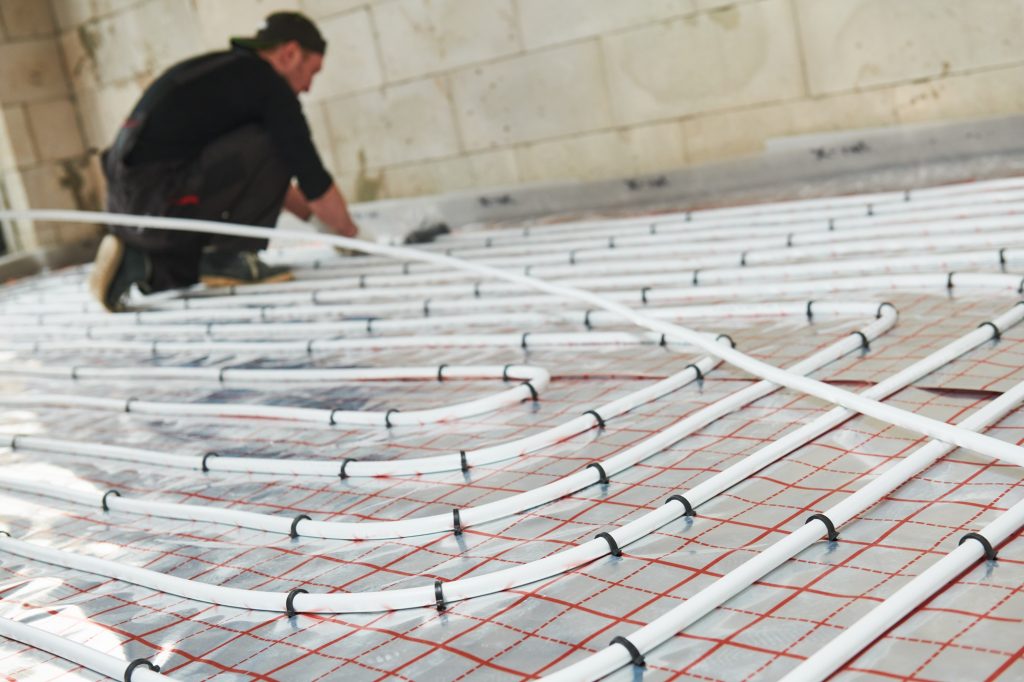
Finally, the article categorizes central heating systems into wet, dry, storage heater, and district systems. Wet systems, common with boilers, circulate hot water through pipes and radiators. Dry systems involve heating cold air and circulating it via ducts. Storage heater systems, powered by electricity, store heat overnight for gradual release. District heating systems centralize heat generation and distribute it to multiple buildings. While gas boilers are currently the cheapest to run, the article notes a future shift towards renewable energy sources like heat pumps and solar panels, especially with upcoming regulations and rising gas prices, suggesting these will offer long-term savings and environmental benefits despite higher initial costs.
#CentralHeating #BoilerTypes #RadiatorSelection #HomeEnergy #EnergyEfficiency #RenewableEnergy #GasBoilers #ElectricBoilers #HomeComfort #CentralHeating #BoilerTypes #RadiatorSelection #HomeEnergy #EnergyEfficiency #RenewableEnergy #GasBoilers #ElectricBoilers #HomeComfort
Há 0 comentários no total
 Ainda não há comentários
Você também pode gostar
Electric Central Heating

Smart Heating


Experts Urge Homeowners to Avoid This Radiator Mistake That 'Exaggerates' How Well It Will Heat Your Home

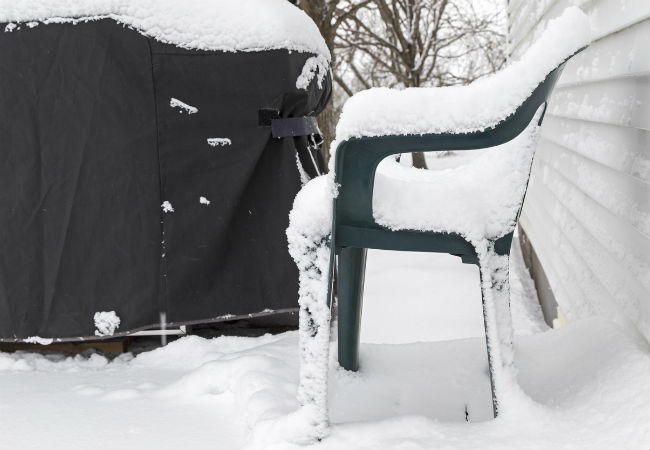
All About Outdoor Radiant Heating Systems
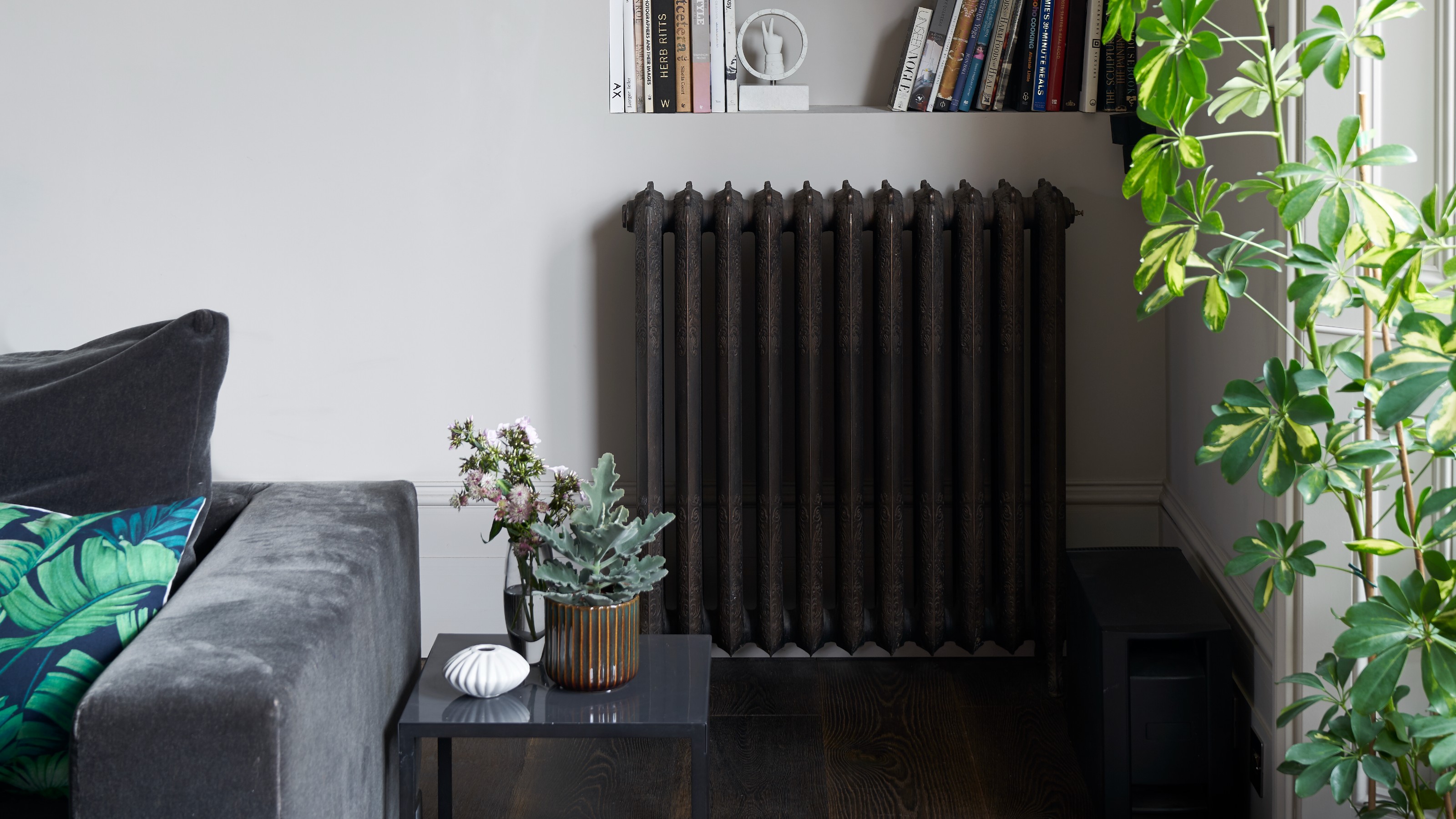
What’s the most efficient way to heat a house? How to heat your home for less, according to experts

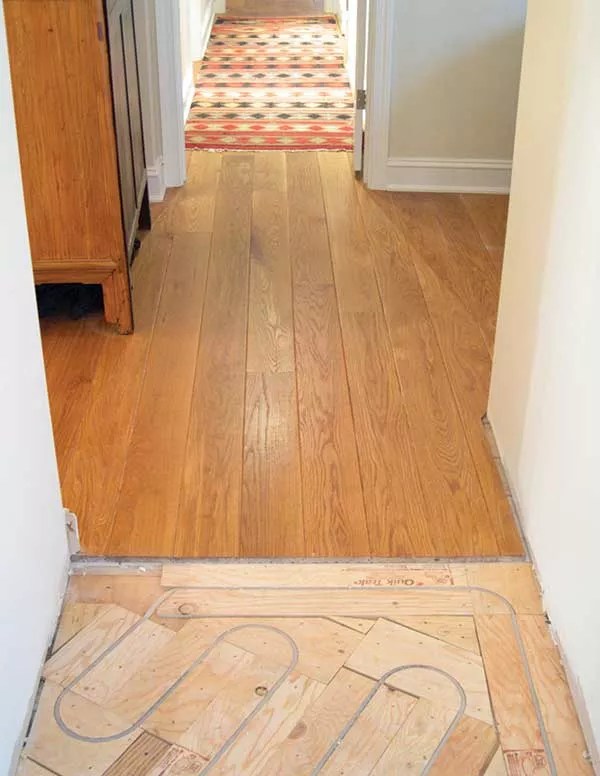
Radiant Heating
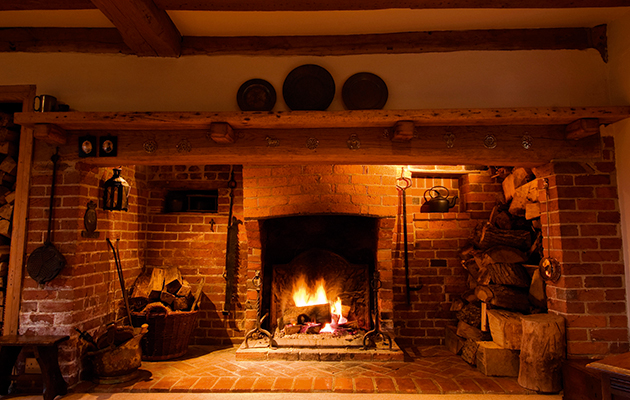
Guide: How to heat your country house
Radiators


Choosing a heater


The Ultimate Guide To Warmth: How To Choose The Best Room Heater For Your Home?
3 reasons I regret not putting underfloor heating in my home office – it’s definitely moving up my priority list
HVAC Buying Guide: What to Know When You're Shopping


Could This Ancient Relic Still Be the Best Way to Heat Your Home?

6 of the best heater ideas to warm up your home this winter

Our Favorite Energy-Efficient Space Heater Adds Style to Our Homes While Heating

How Radiant Heat Can Transform Your Home for the Better With Barron Heating, AC, Electrical & Plumbing

What is the cheapest electric heater to run? Experts reveal

Comfort: Heating & Cooling

The best space heaters in 2025

Hydronic Baseboard Heater Buyers Guide: How to Choose, Costs and Installation, Safety Considerations