1/9
HVAC Buying Guide: What to Know When You're Shopping
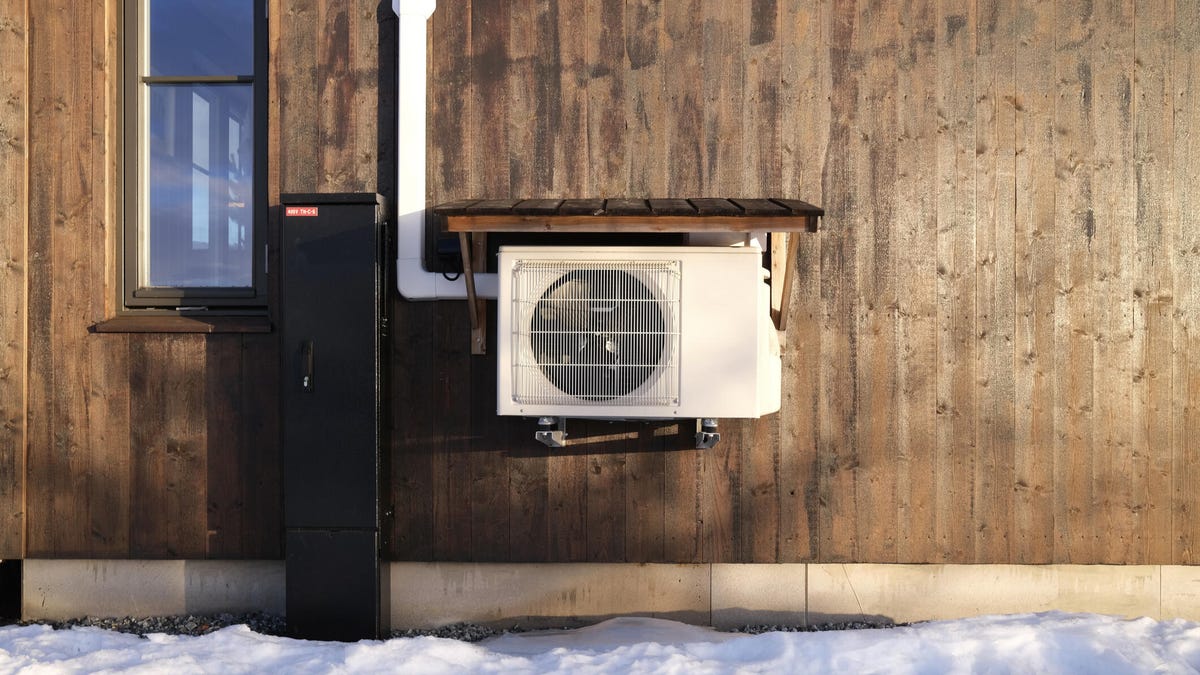
This comprehensive guide explores the intricacies of Heating, Ventilation, and Air Conditioning (HVAC) systems, emphasizing their crucial role in home comfort and budgeting. It delves into the operational principles of various HVAC systems, including traditional gas furnaces, central air conditioning units, and the more modern air source and ground source heat pumps. The article highlights how standard systems like gas furnaces and central ACs operate by circulating air and adjusting its temperature using natural gas or refrigerants, respectively. In contrast, heat pumps are presented as versatile options capable of both heating and cooling, with air source models transferring heat to or from outside air and ground source (geothermal) systems utilizing the stable temperatures of the earth, offering higher efficiency despite greater initial installation costs.
The article provides a detailed pros and cons analysis for each HVAC system type. Hot-air gas furnaces are noted for their effectiveness in extremely cold weather and potential affordability when gas prices are low, but come with the drawbacks of extensive ductwork and reliance on fossil fuels. Central air conditioning is valued for its contribution to home comfort and potential resale value, powered by clean energy, yet it also requires ductwork and can be expensive to install and operate initially. Air source heat pumps offer both heating and cooling, can run on clean energy, and are more energy-efficient than other electric heating methods, though new installations can be costly and mini-split units might be considered aesthetically unpleasing by some. Ground source heat pumps are lauded for their high efficiency and environmental benefits, running on clean energy and providing dual functionality, but they represent the most significant upfront investment and necessitate invasive property modifications for installation.
The guide strongly advocates for heat pumps, particularly mini-split air source heat pumps for existing homes and central systems for new constructions, citing their efficiency, cost-effectiveness, and comfort. It also offers practical advice on selecting a reputable HVAC installer, recommending obtaining multiple quotes and ensuring a guaranteed installation timeline in the contract. The importance of regular HVAC maintenance, such as changing air filters for ductwork systems and professional annual or biennial checks for furnaces and heat pumps, is underscored to prolong system life.
Furthermore, the article informs readers about available financial incentives, including a federal tax credit covering 30% of project costs up to $2,000 for air source heat pumps, and other federal rebates for biomass stoves/boilers, central AC, gas furnaces, and geothermal heat pumps. It advises checking local power companies for additional state-level credits. Finally, the importance of improving a home's overall energy efficiency through insulation and weather-sealing is discussed as a means to reduce heat loss and potentially allow for a smaller, more economical heating system, noting that these improvements also qualify for significant tax credits.
#HVAC #HomeEnergy #HeatPumps #AirConditioning #Furnaces #EnergyEfficiency #HomeImprovement #TaxCredits #SustainableLiving #HVAC #HomeEnergy #HeatPumps #AirConditioning #Furnaces #EnergyEfficiency #HomeImprovement #TaxCredits #SustainableLiving
0 comment in total
 No comments yet
You may also like
HVAC Maintenance Guide: What to DIY and When to Call a Pro
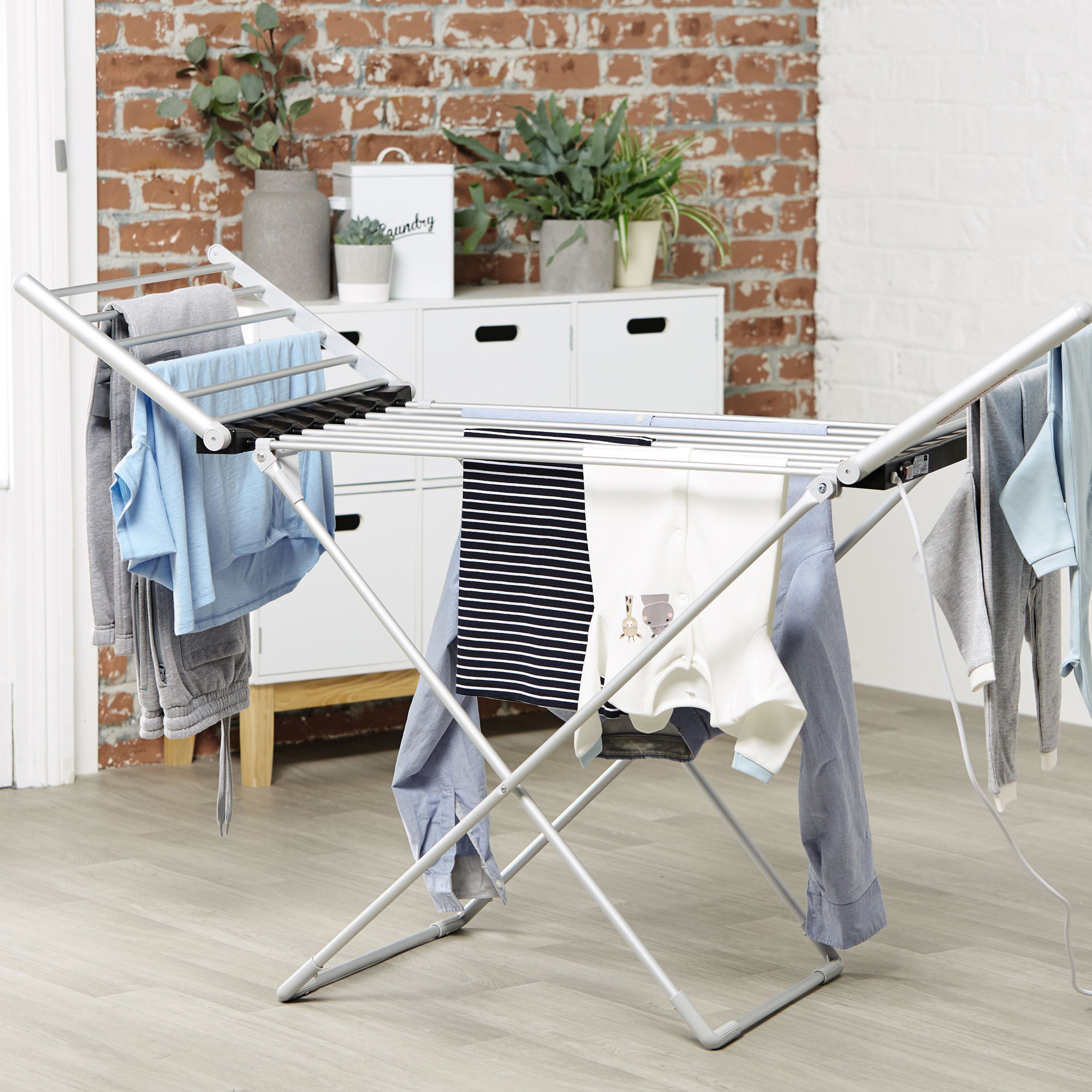
6 common mistakes people make when buying a heated clothes airer – and how to avoid them
Shopping for a new fridge? Pay attention to these 5 things

Story from Advantage Heating & Air Conditioning: 5 dark truths about the HVAC industry and how they can cost money
Central heating - everything you need to know about heating your home
Here’s what to look for when buying a new fan — from ceiling fans to handhelds


The Ultimate Guide To Warmth: How To Choose The Best Room Heater For Your Home?

HVAC pros reveal if you should close vents in unused rooms – the answer feels counter-intuitive but it's true

The Best HVAC Service Companies in America

5 Best HVAC Companies

8 Things You Should Know Before Shopping at Homesense


Experts Urge Homeowners to Avoid This Radiator Mistake That 'Exaggerates' How Well It Will Heat Your Home

Hydronic Baseboard Heater Buyers Guide: How to Choose, Costs and Installation, Safety Considerations


Rules for buying a hot tub – pro tips on selecting the best

Best HVAC Contractors In Los Angeles

The best air conditioners, and why we still recommend the Midea U
How to get the most life out of your AC and Heating system

The Best Heating & Air Conditioning Companies in Midland, MI

Choosing a heater


What to know before you spring for radiant heat floors