1/12
Here’s what to look for when buying a new fan — from ceiling fans to handhelds
In areas where air conditioning is not available or its usage is being minimized, a fan serves as an effective and economical alternative for temperature regulation. Carl Prouty, a tech expert at Abt Electronics, highlights that fans operate more quietly and consume significantly less energy than window or wall air conditioners, leading to reduced operating costs. Their portability also allows for easy relocation between rooms and on-the-go use.
Selecting the appropriate fan involves considering several key features. The type and size of the fan are crucial, as larger fans are designed to circulate air throughout entire rooms, while smaller ones are primarily for personal cooling. Multiple fan speeds offer adjustable airflow intensity, and oscillation helps distribute cool air across larger spaces. Price often correlates with additional features and design sophistication.
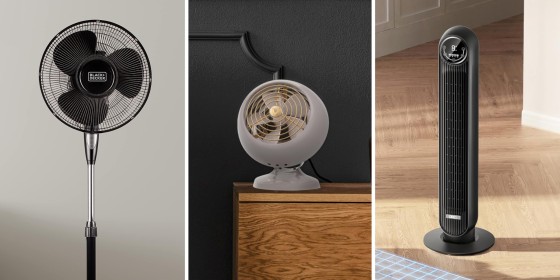
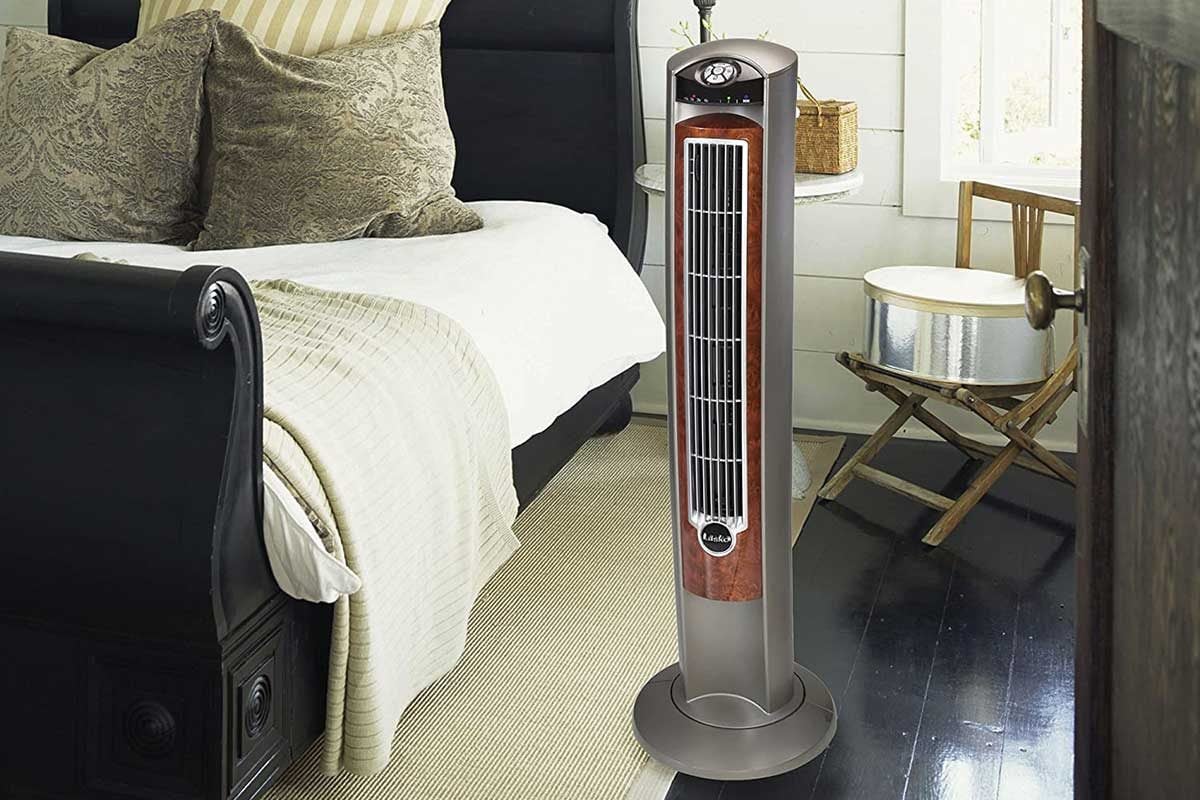
This guide explores various fan types and recommends specific models. Tower fans, like the Dreo Nomad One S and Vornado OSC84, are tall, narrow, and suitable for small spaces, with features such as smart controls, multiple modes, and oscillation. The Dreo Nomad One S boasts an 8-hour timer, a touchscreen display, and a design that allows for easy cleaning, while the Vornado OSC84 provides efficient air circulation without constant oscillation and offers four strengths with eight timing options. Another recommended Vornado tower fan is praised for its surprising power, effectively cooling spaces on hot and humid days.
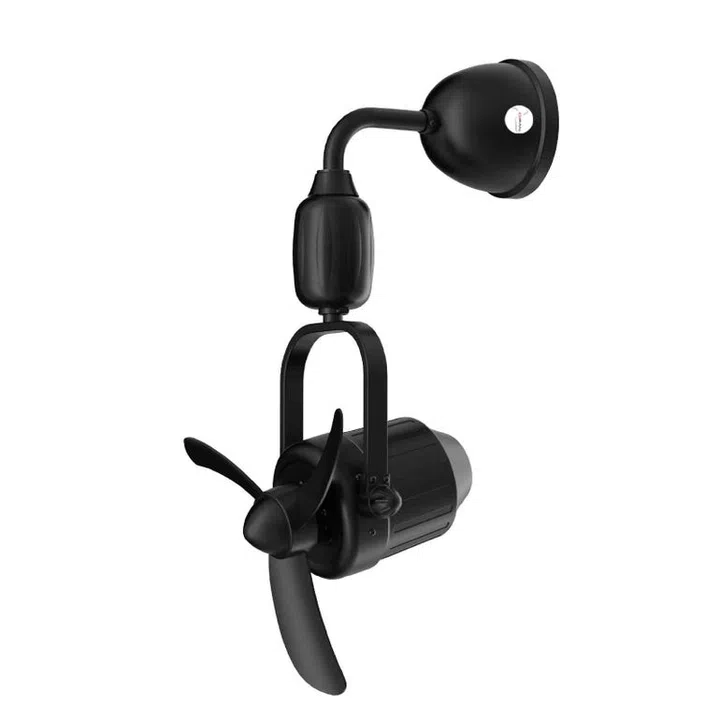
For personal cooling, options include handheld and neck fans. The Snawowo Mini Handheld Personal Portable Fan features flexible legs for versatile placement and three fan speeds. The Comlife Bladeless Neck Fan is lauded for its powerful airflow, even on its lowest setting, and offers three speeds with adjustable airflow angles, providing three to nine hours of use on a full charge. Desk fans, such as the Vornado Flippi V6 and Vornado VFan Mini Classic, are compact and powerful, suitable for individual workspaces. The Flippi V6 is noted for its minimal footprint and adjustable tilt, while the VFan Mini offers a vintage aesthetic with an adjustable tilted head. The Treva Portable Desktop Battery Powered Fan is a foldable, battery-operated option for desks or outdoor use.
Window fans, exemplified by the Holmes Bionaire Twin Window Fan, are installed in window frames to draw in cool outdoor air, consuming less energy and being easier to set up than window AC units. This model includes a remote control and adjustable panels for a proper fit. Pedestal fans, like the Black & Decker Stand Fan and Lasko Oscillating Pedestal Fan, are larger versions of desk fans designed to stand on the floor. The Black & Decker model features an auto-timer, adjustable height and tilt, and an LED display, while the Lasko model, a basic yet reliable option, offers a tilt-back head and a wide base for stability.
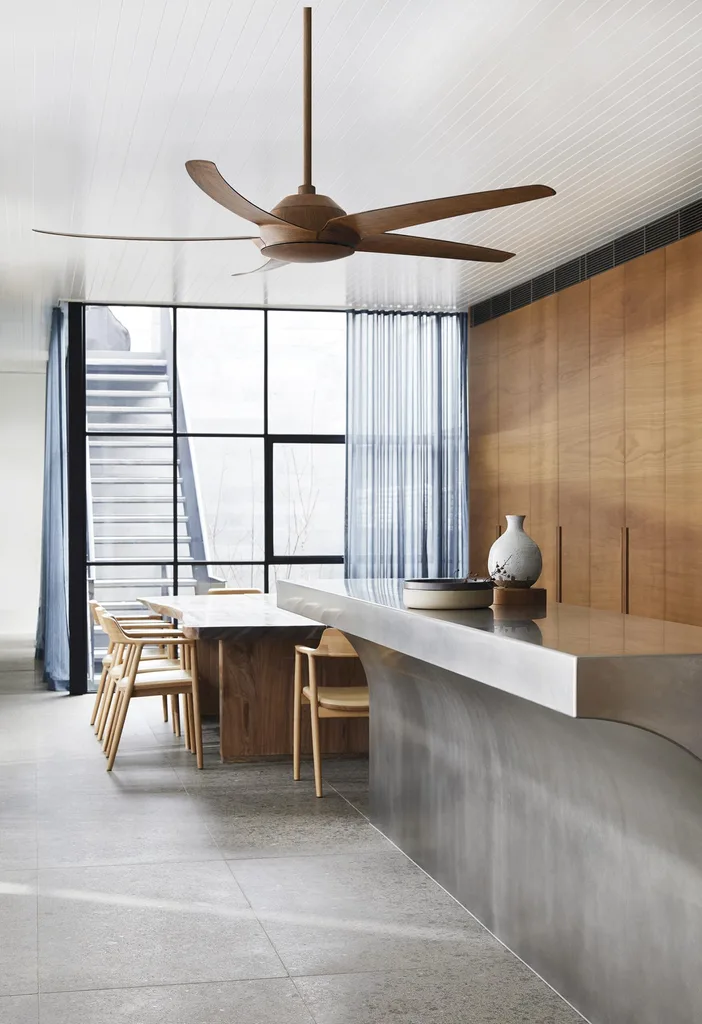
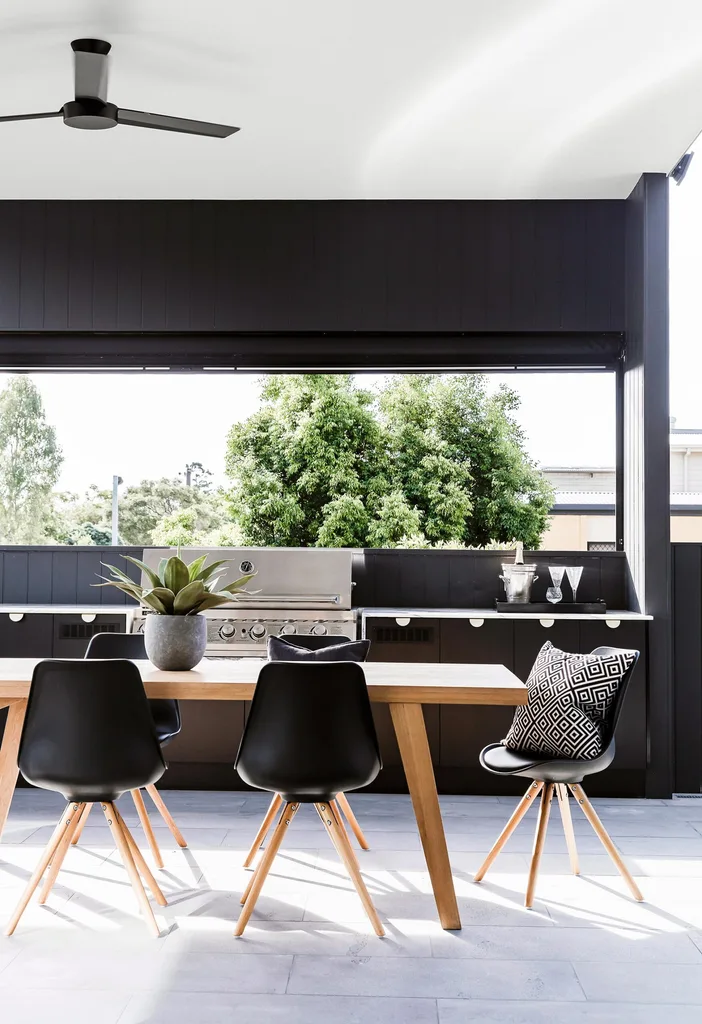
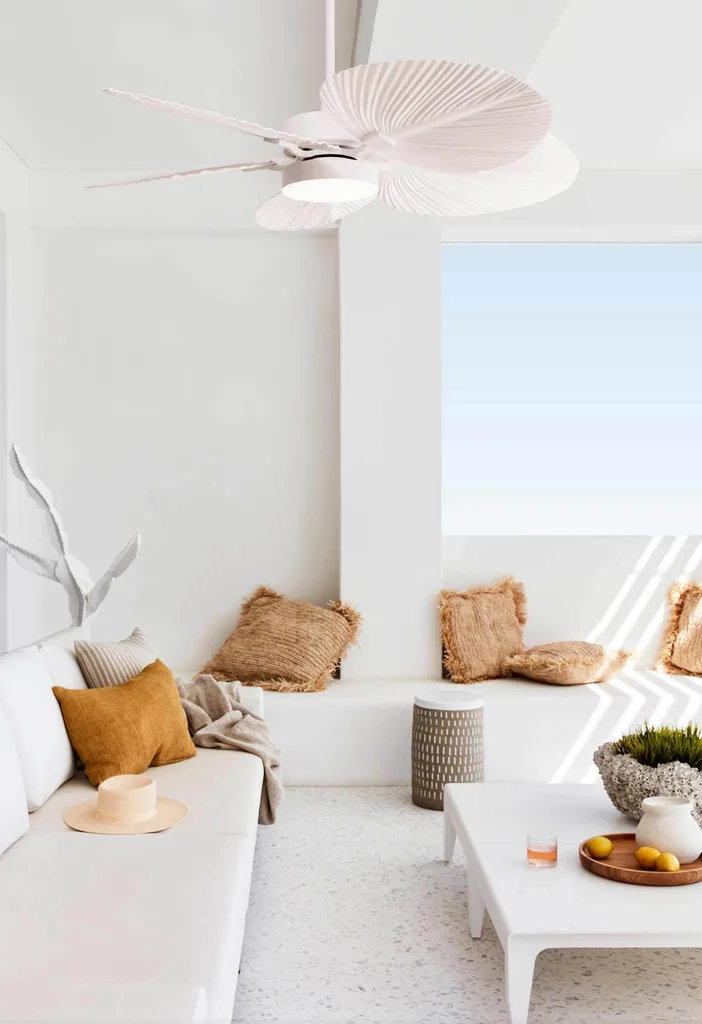
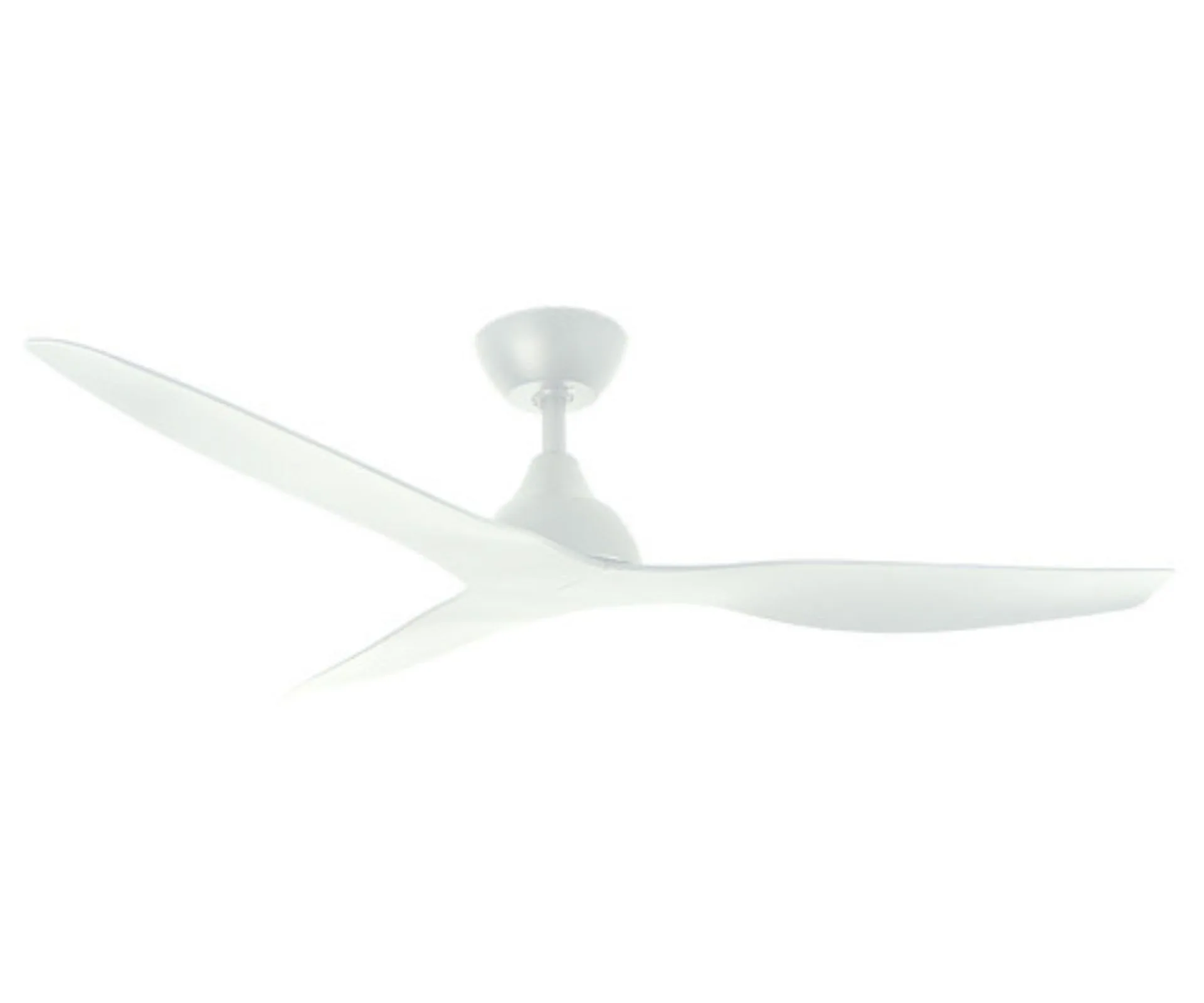
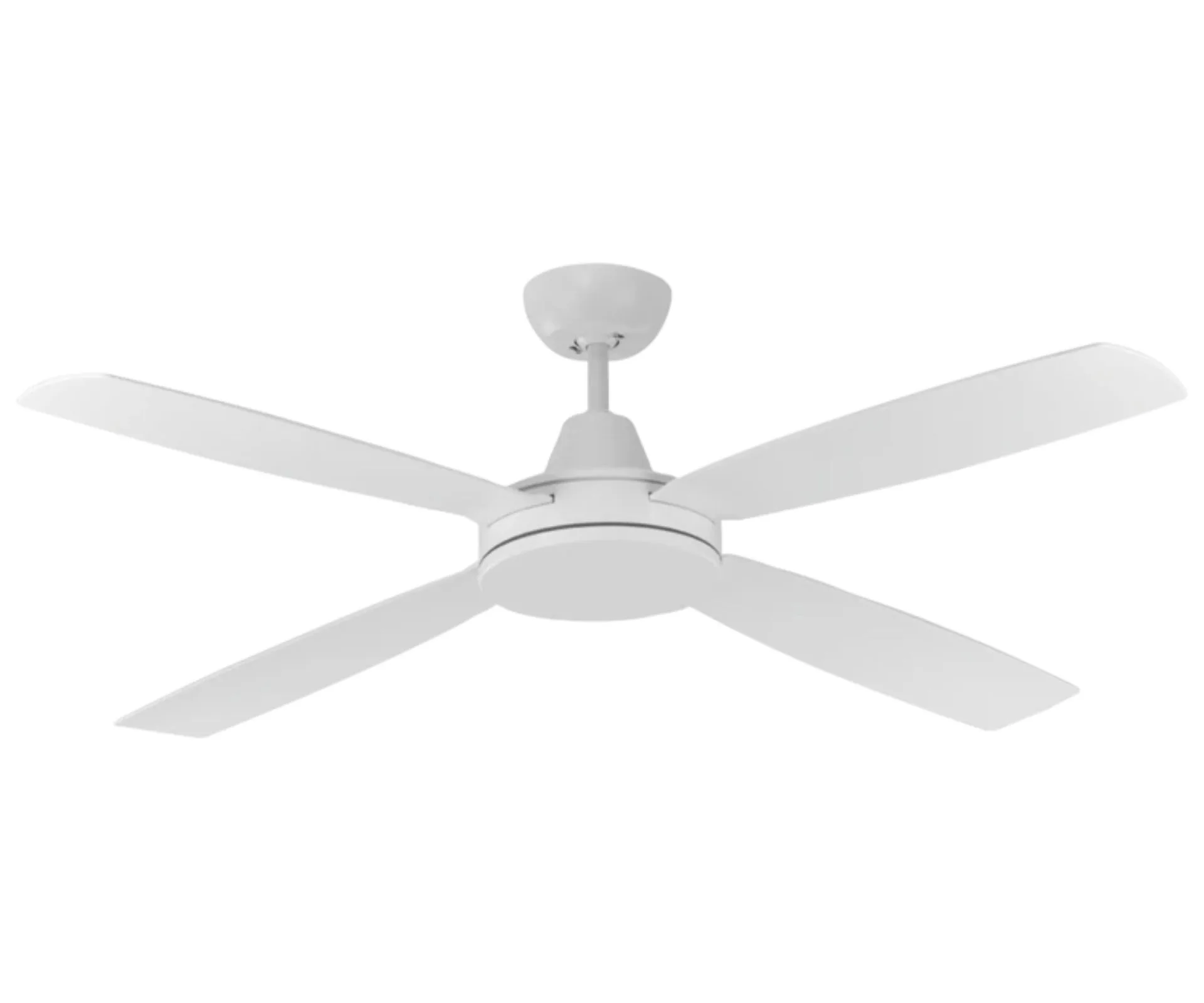
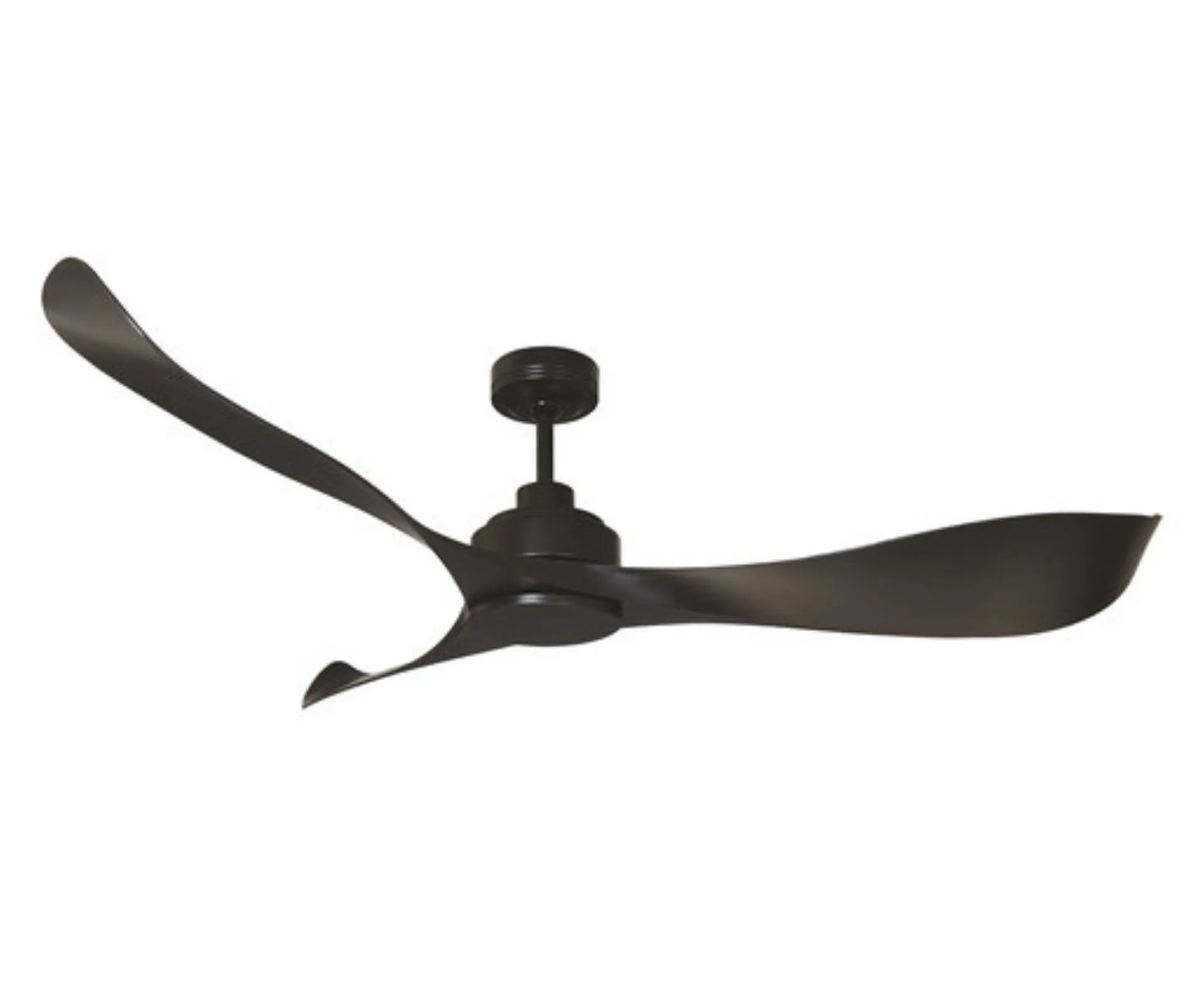
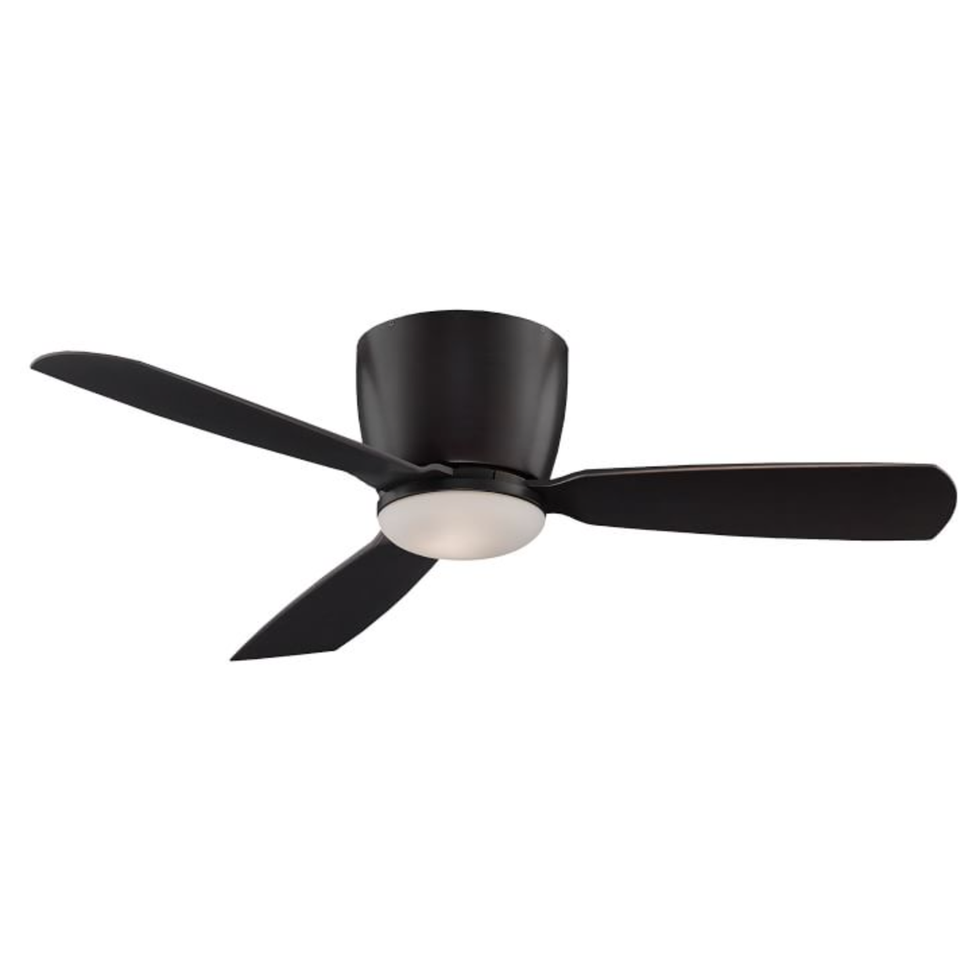
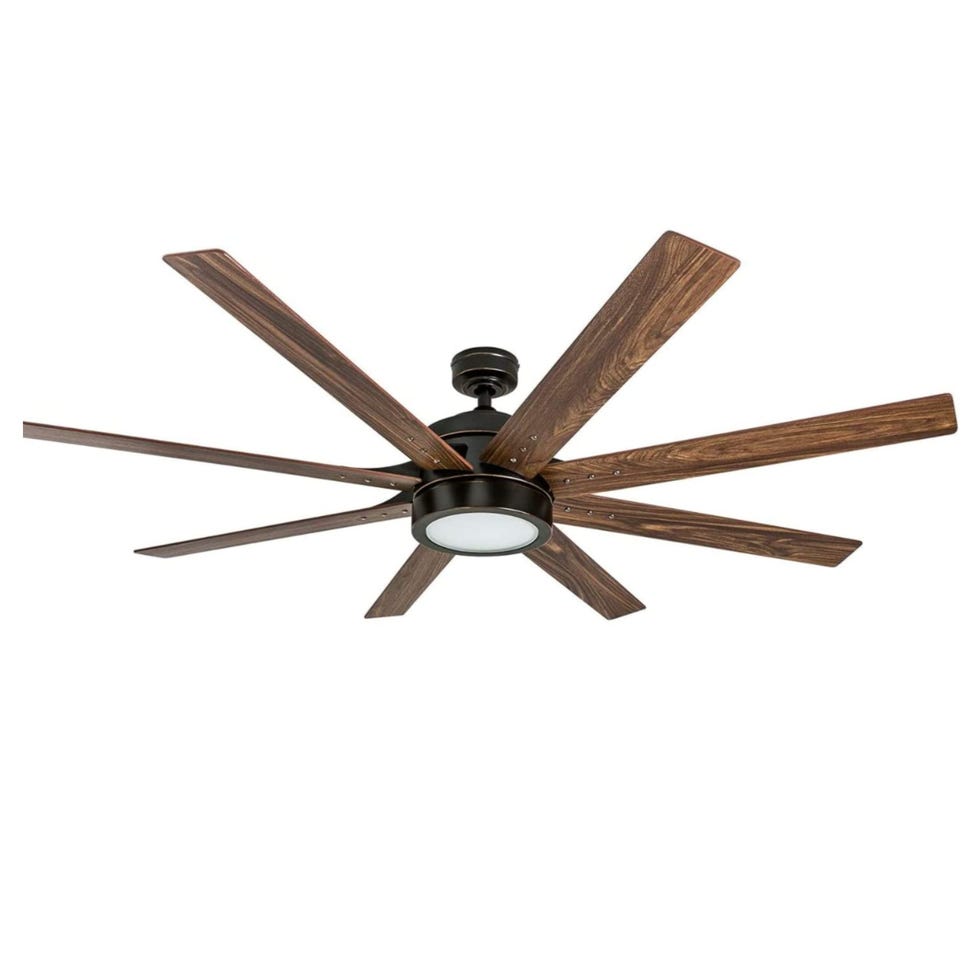
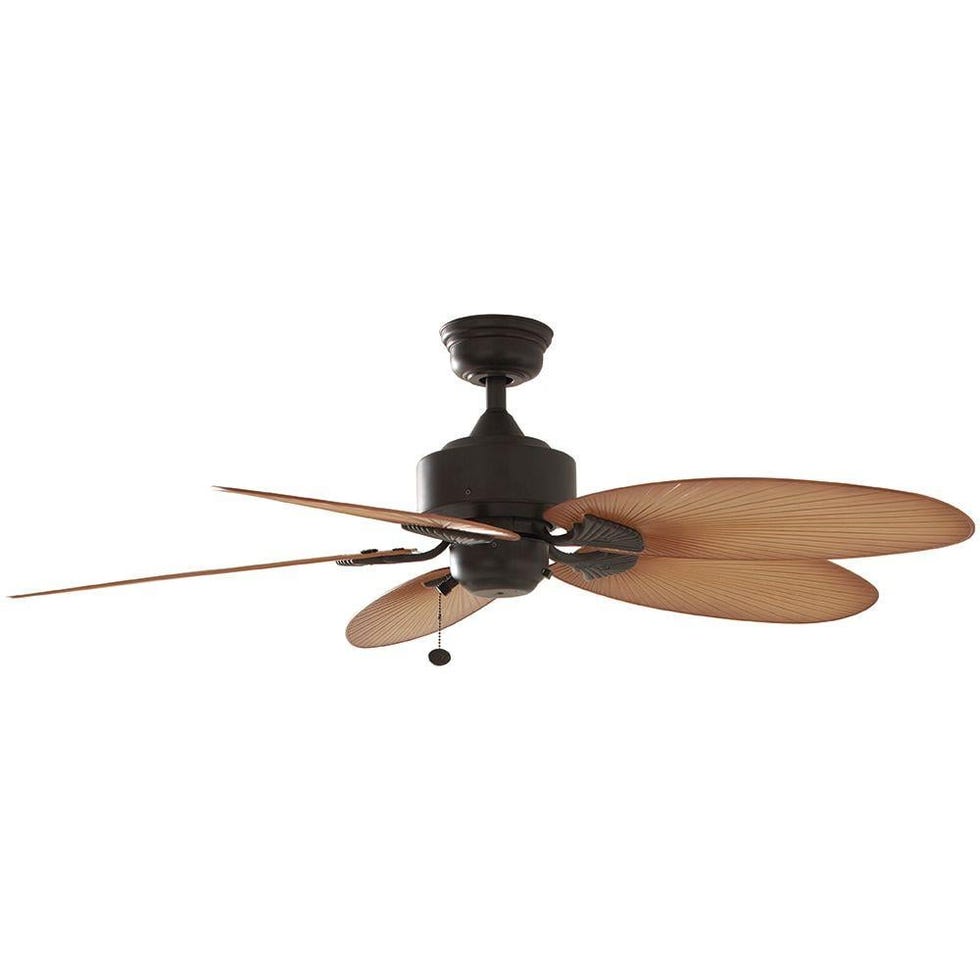
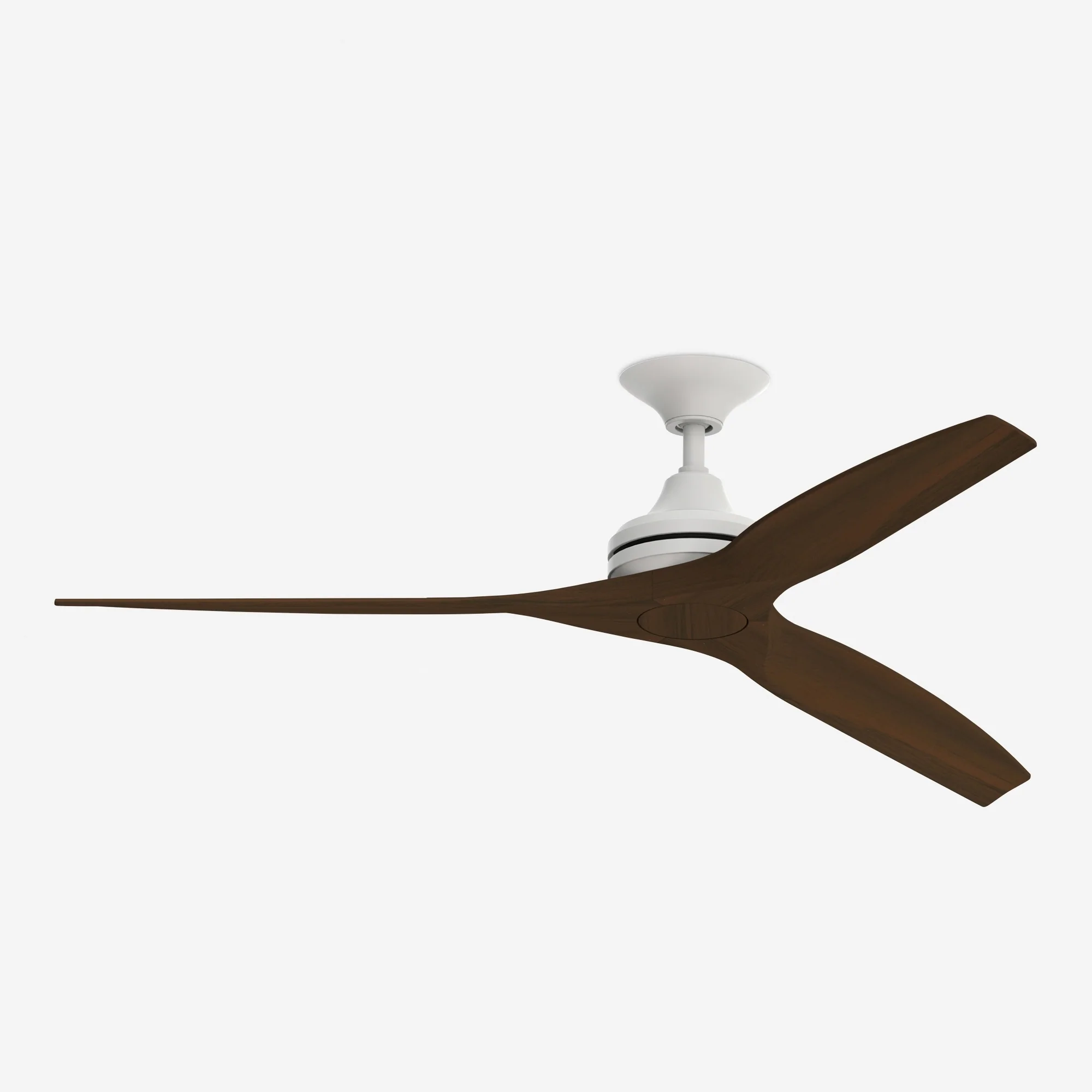
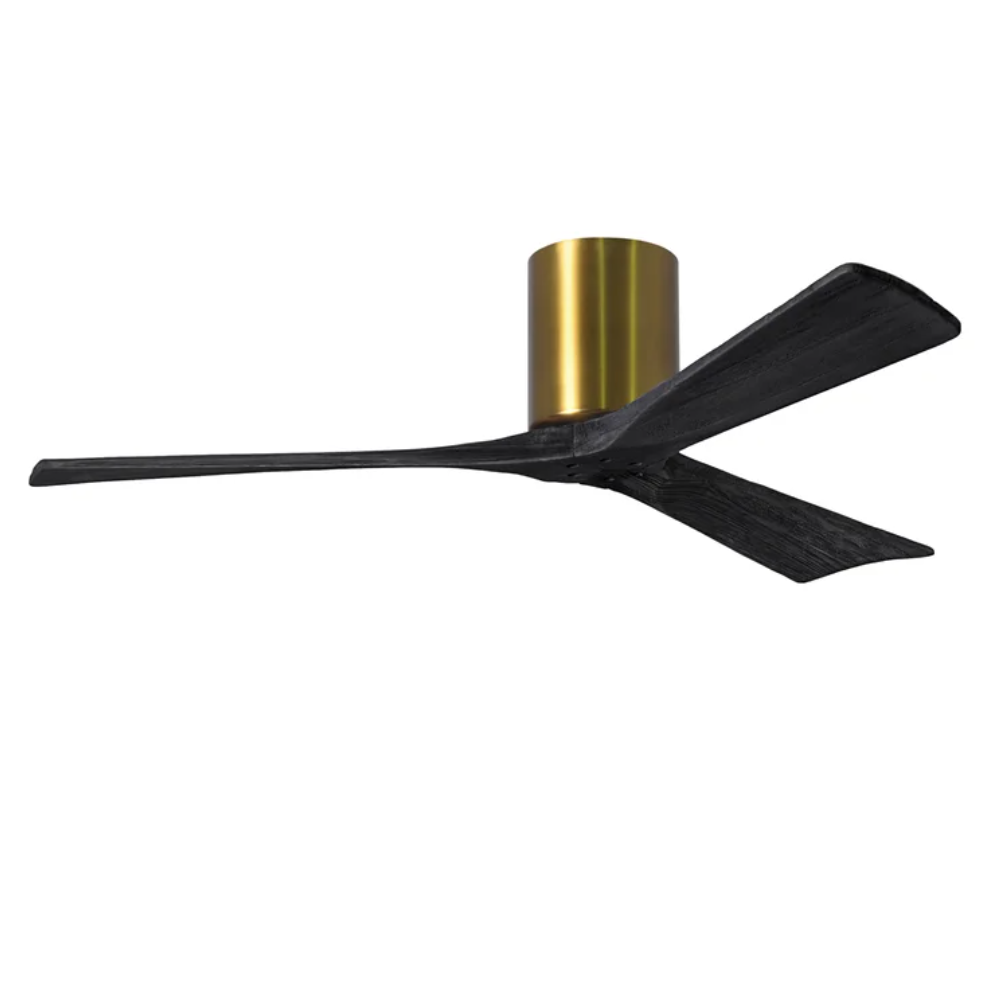
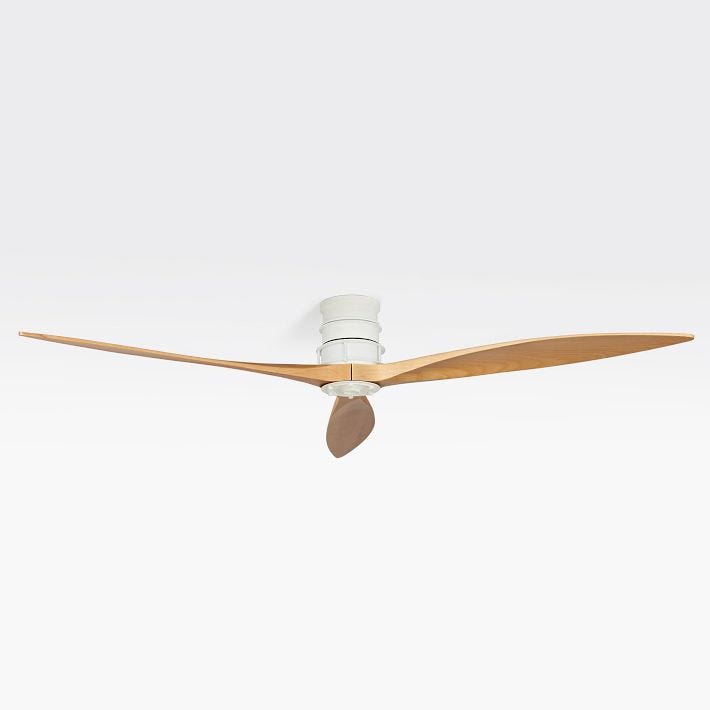
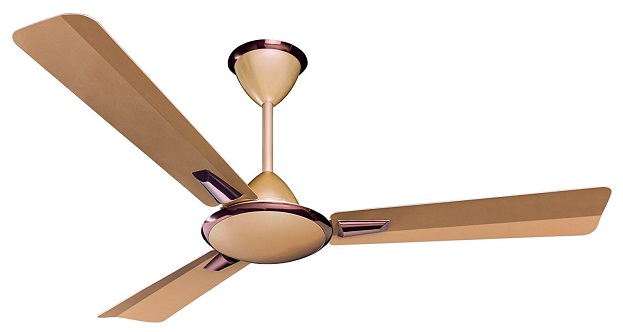
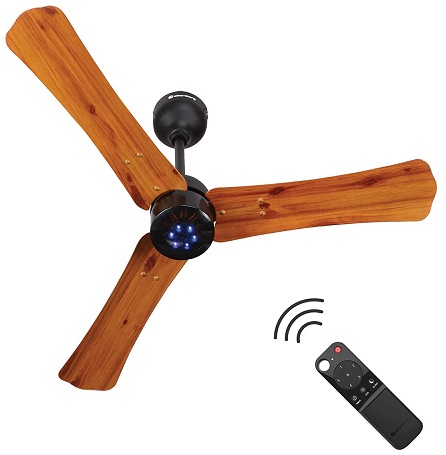
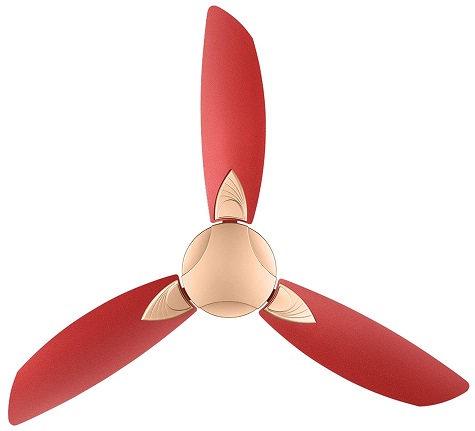
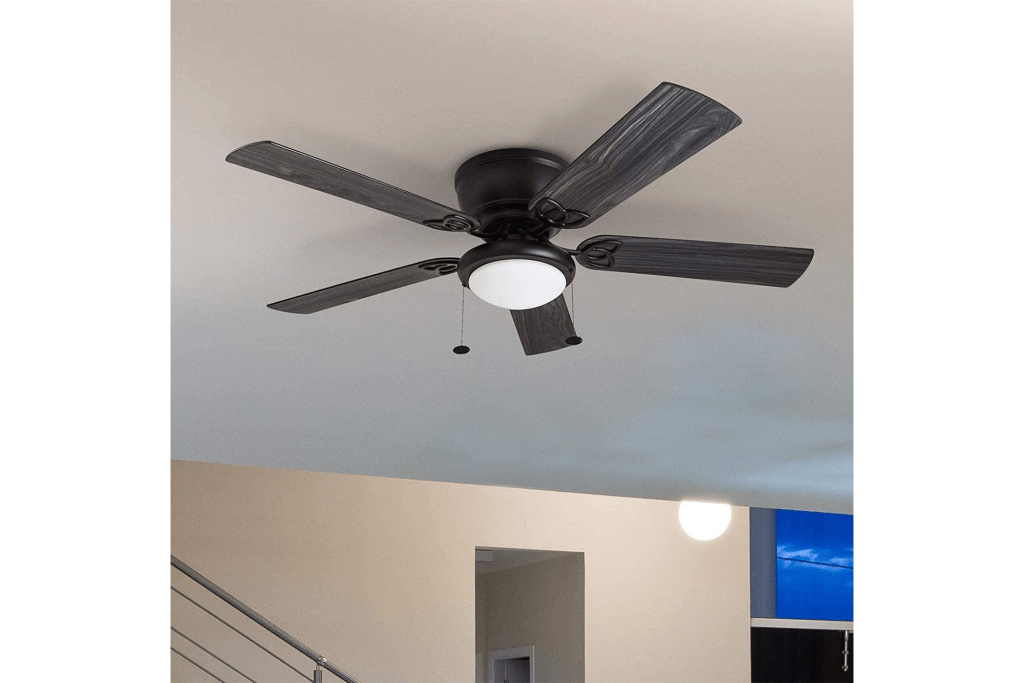
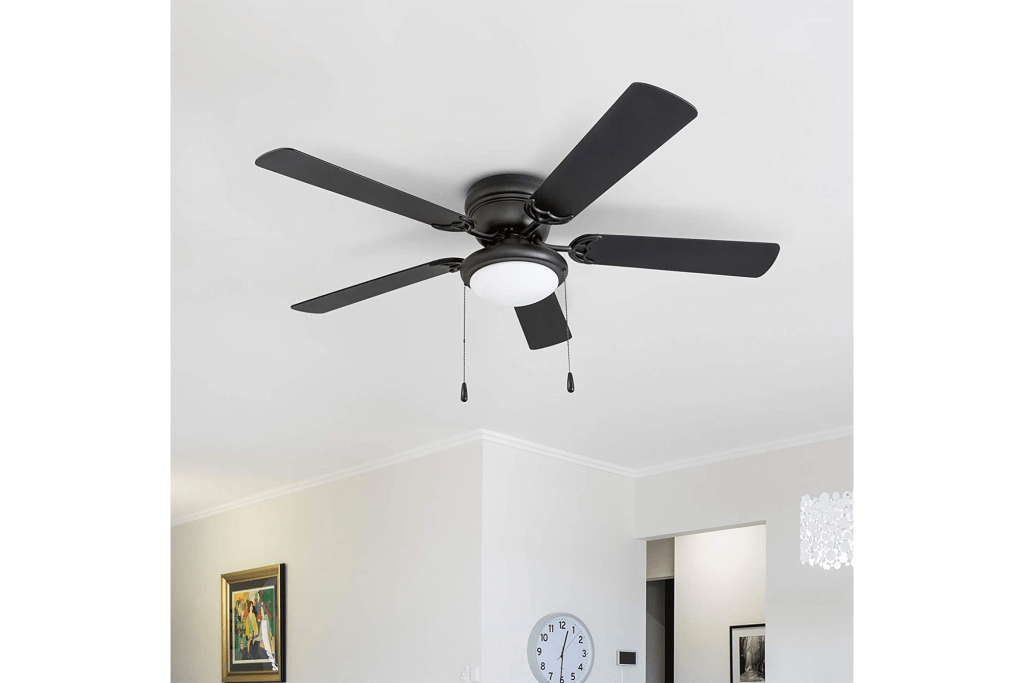
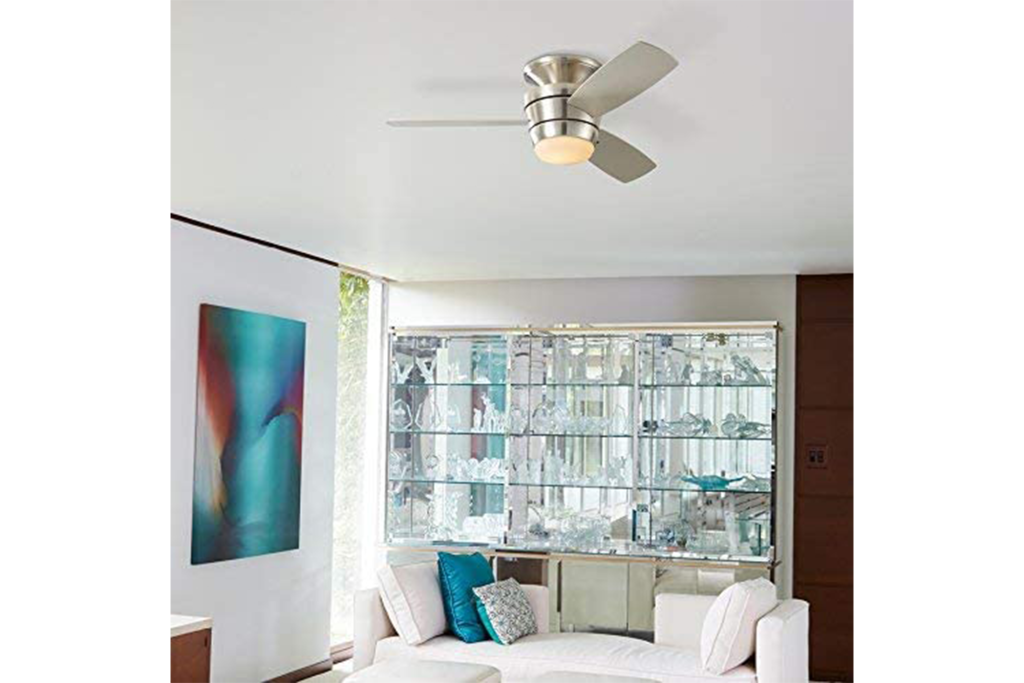
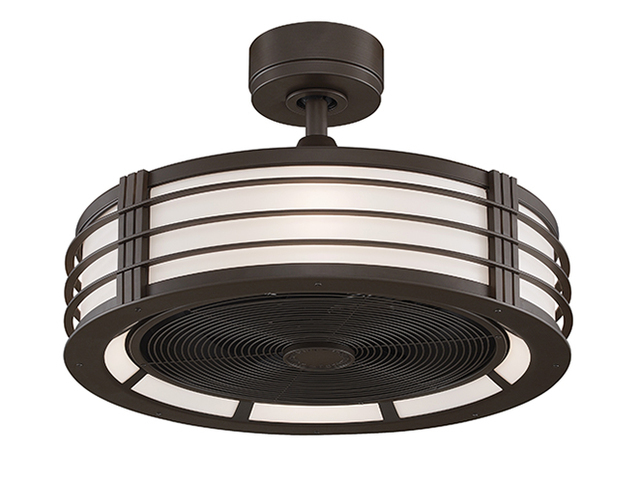
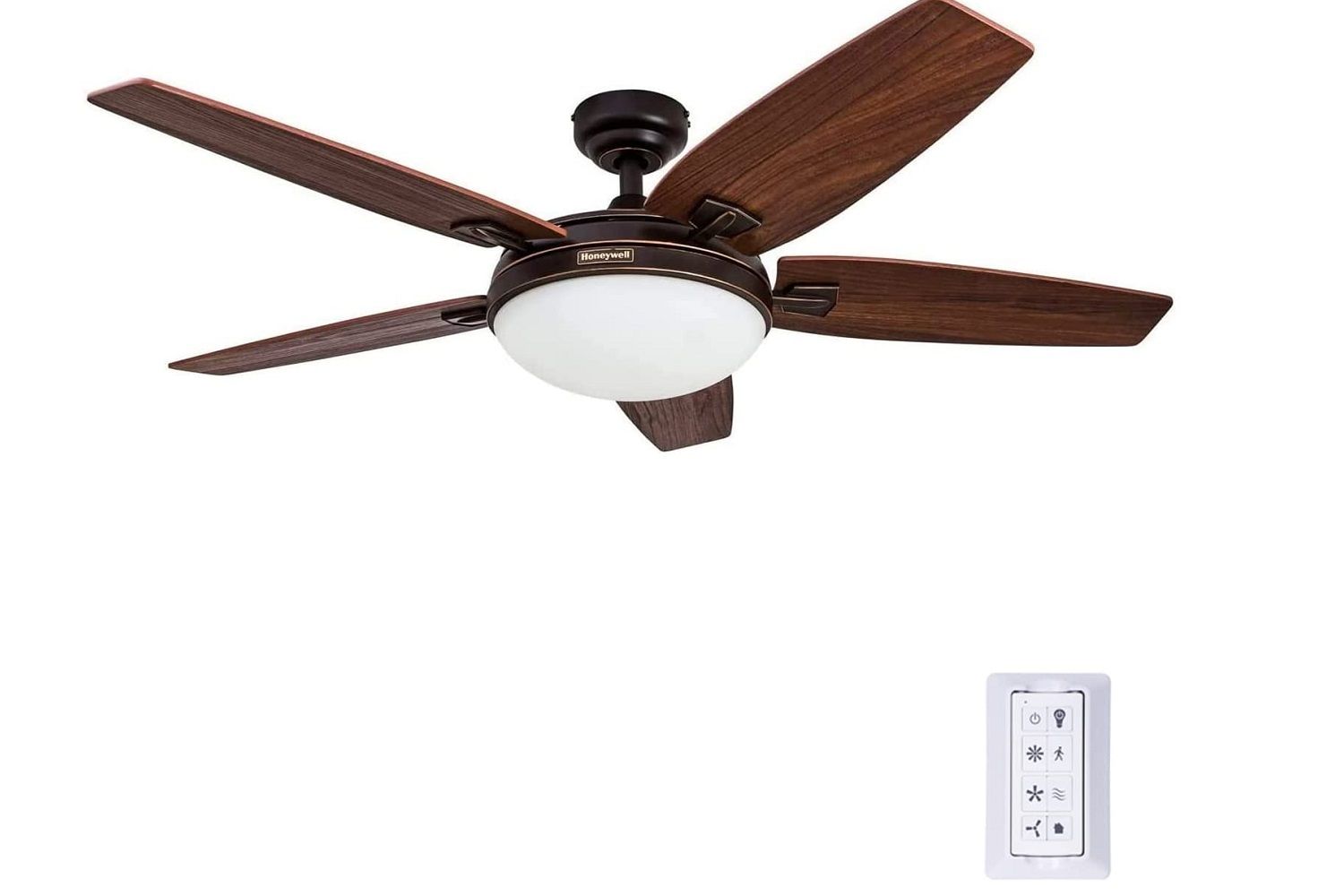
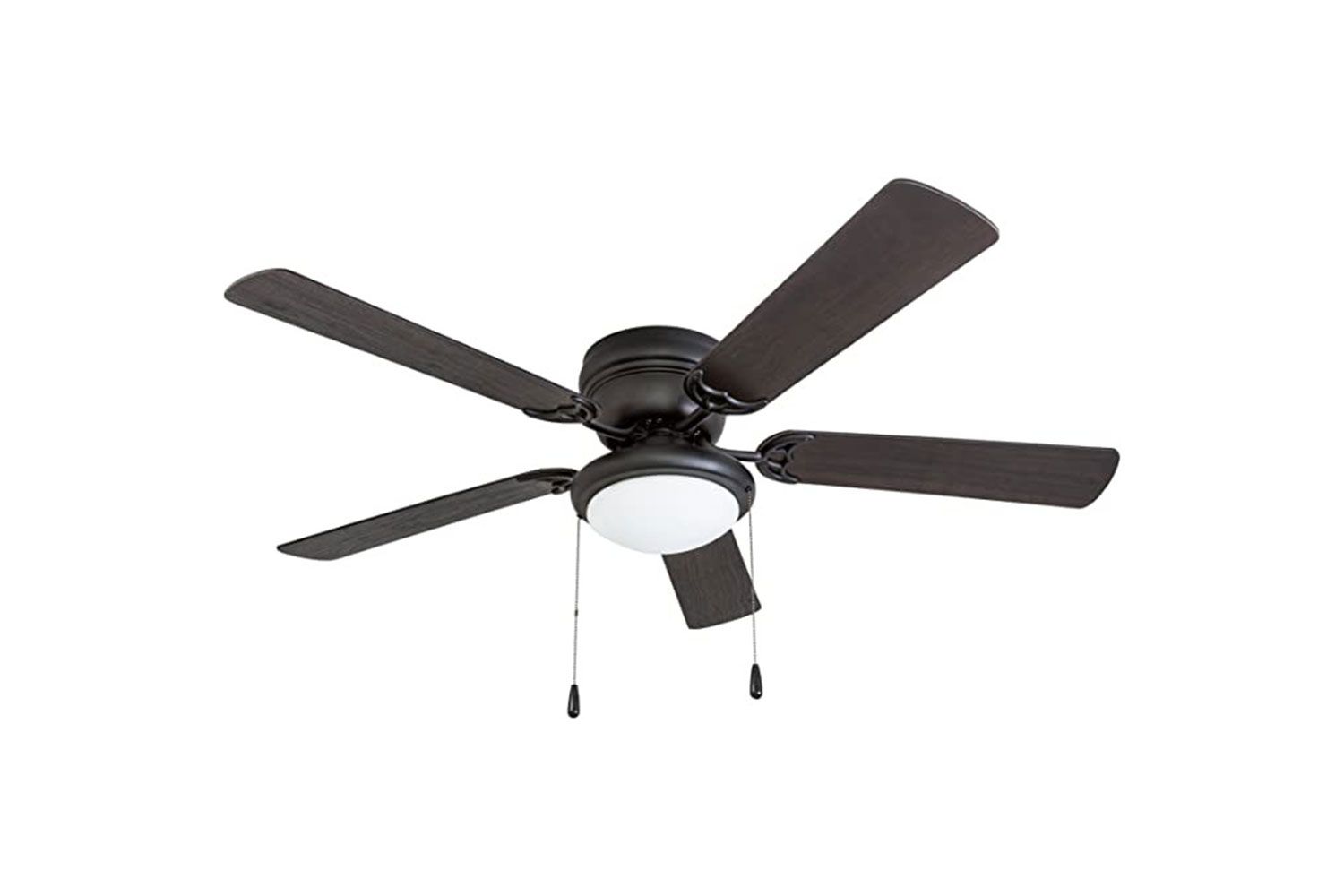
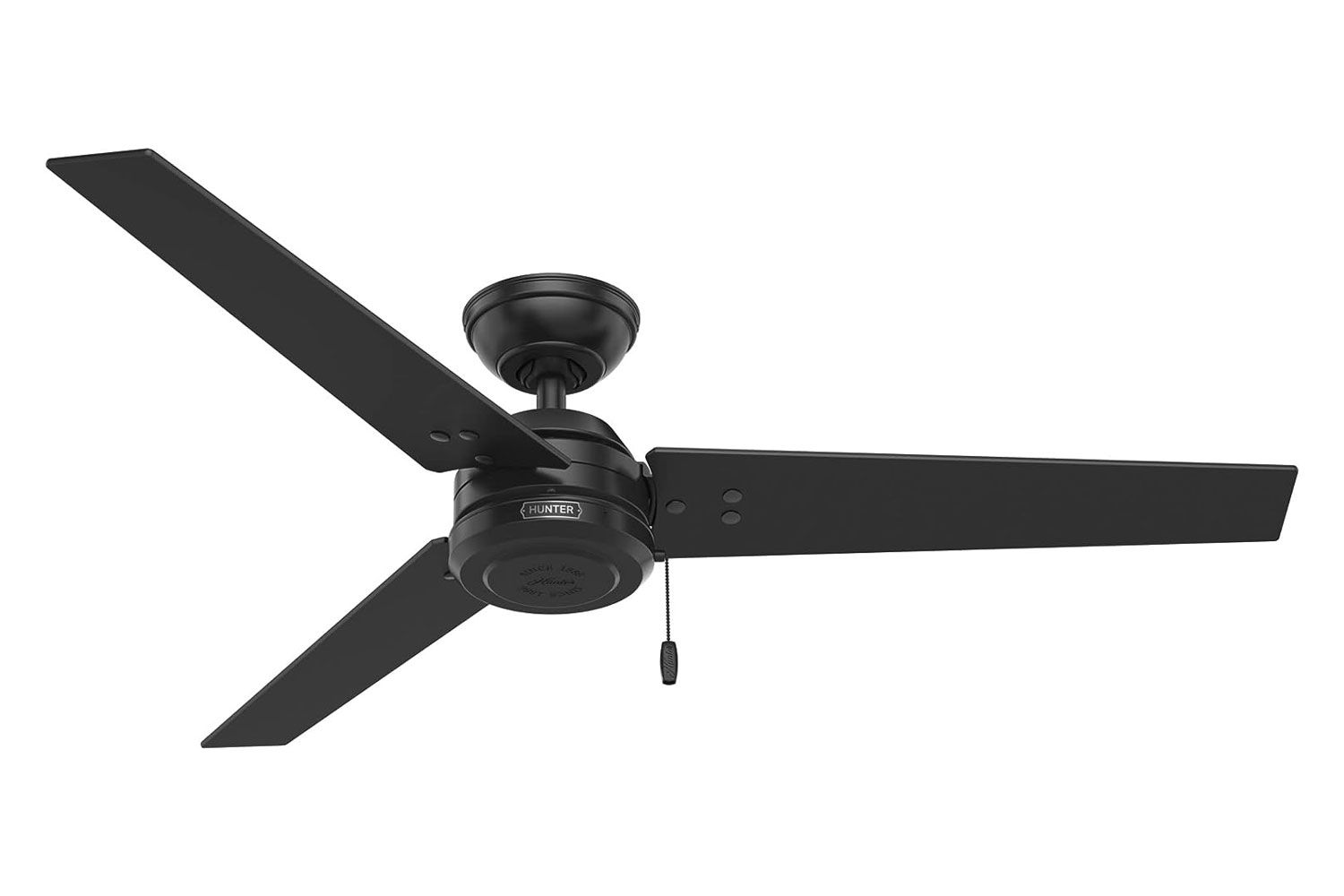
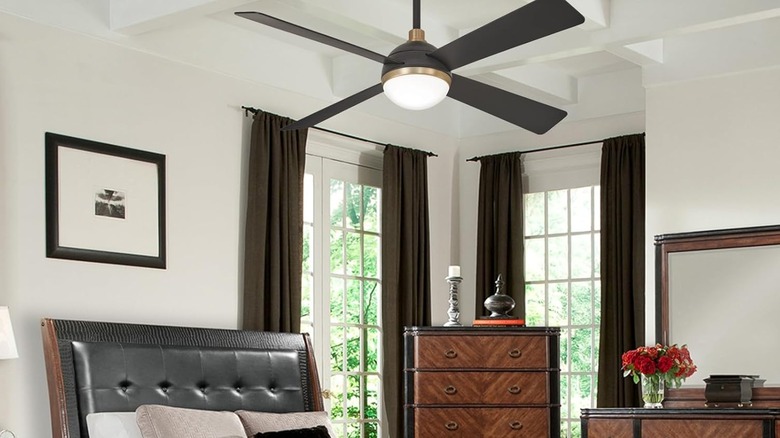
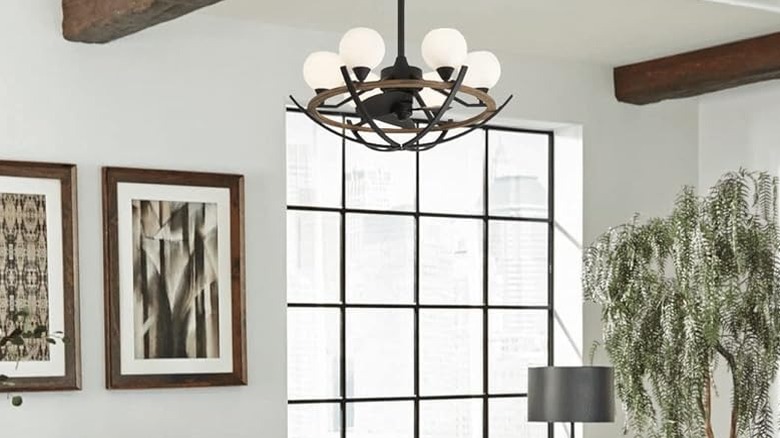
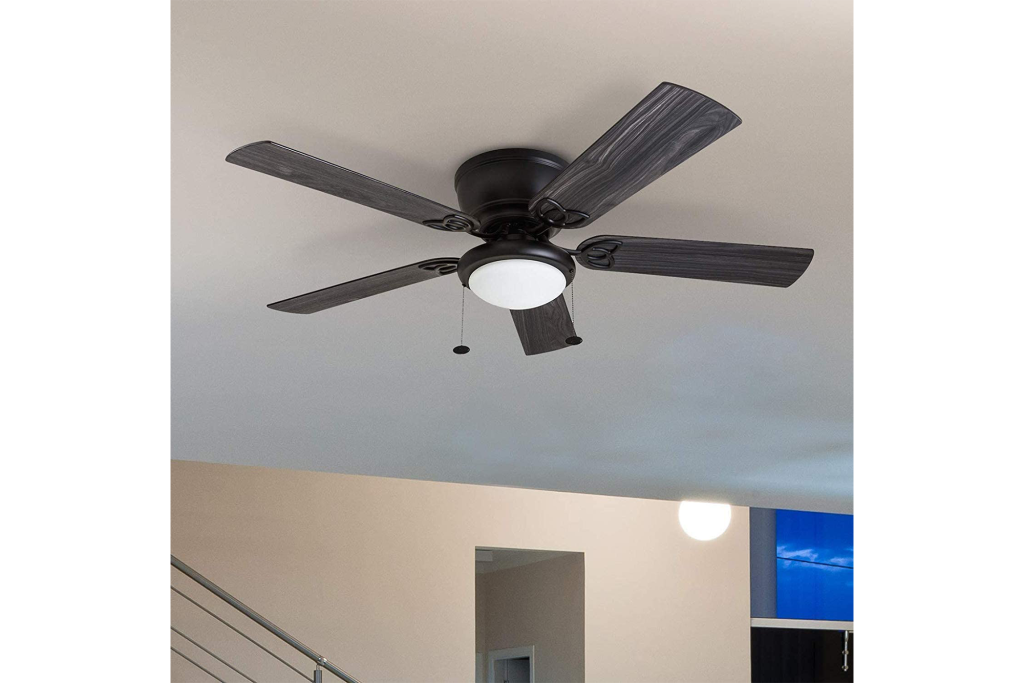
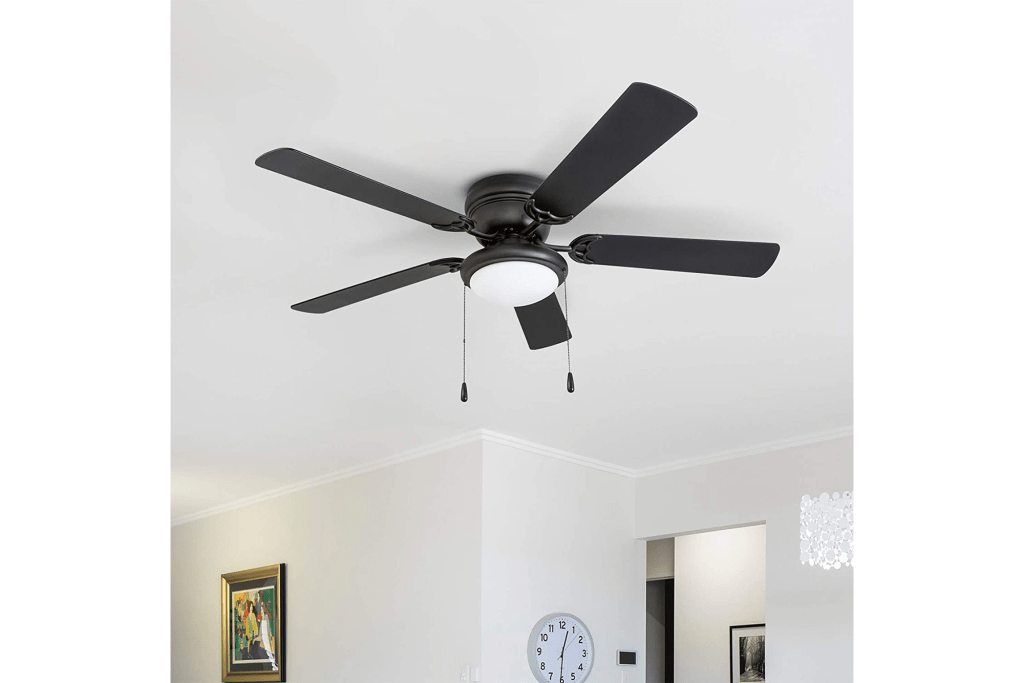
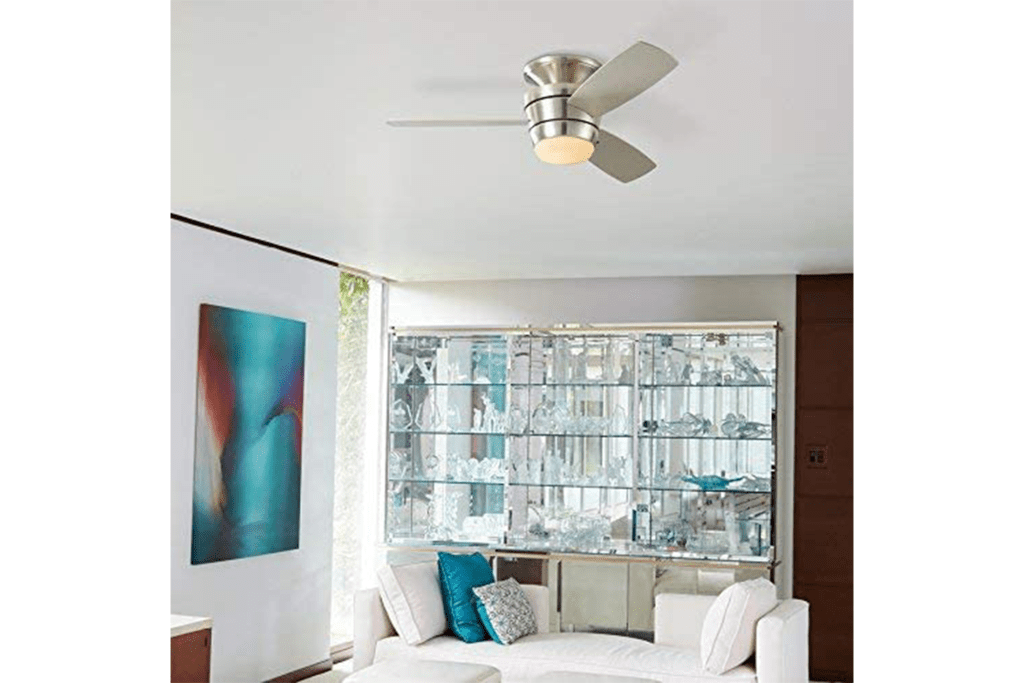
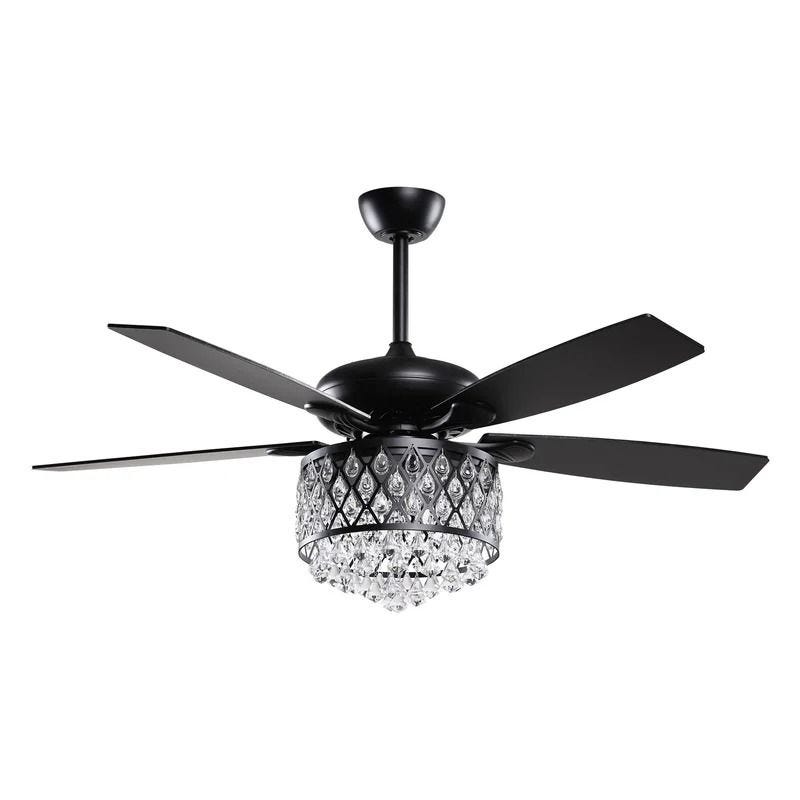
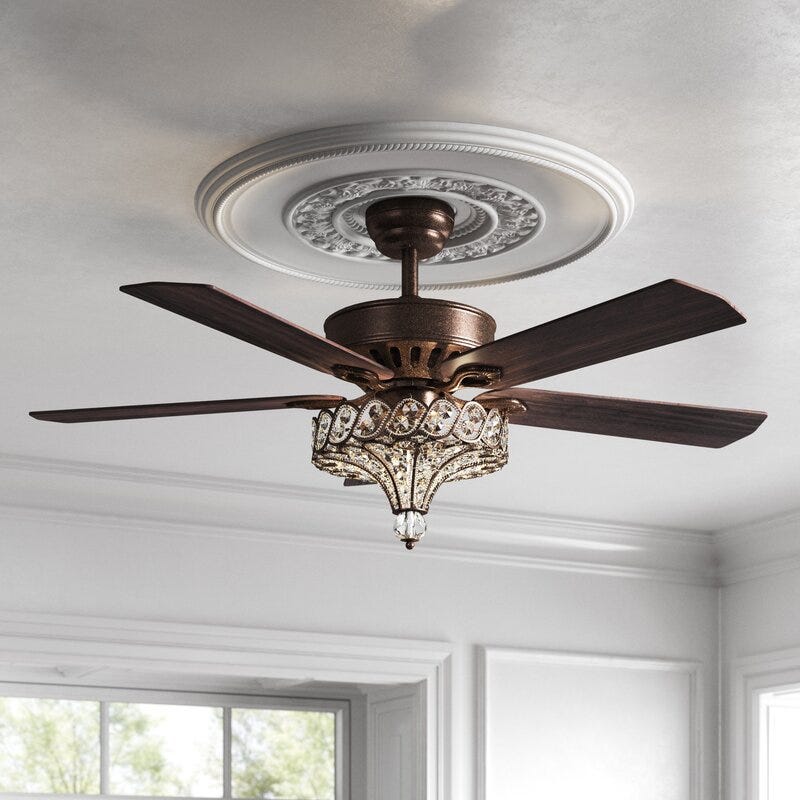
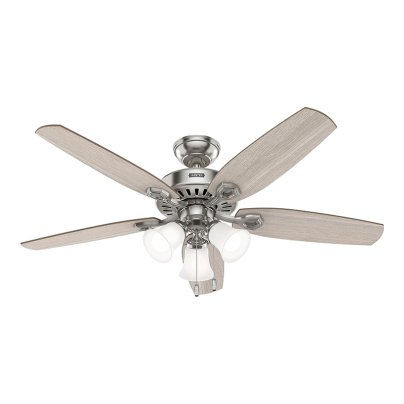
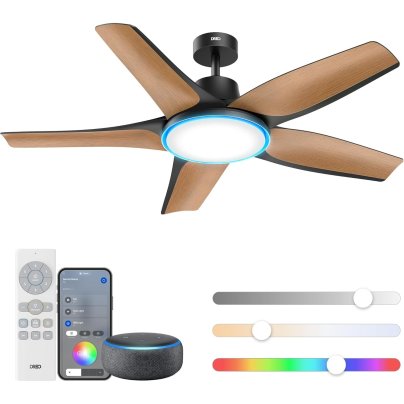
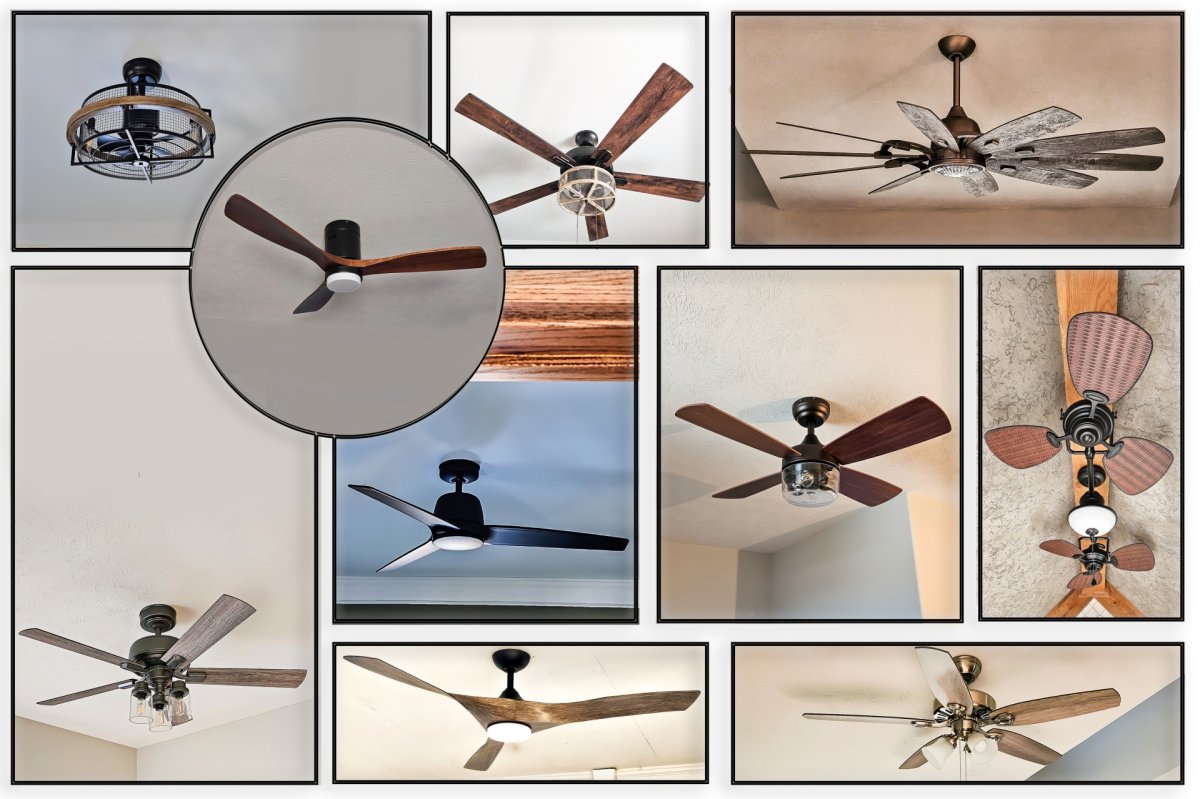
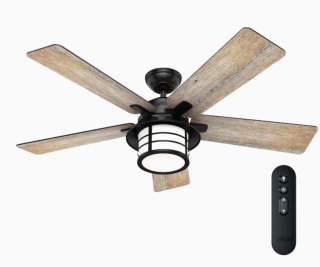
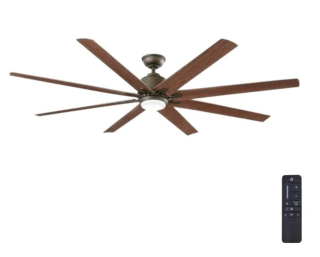
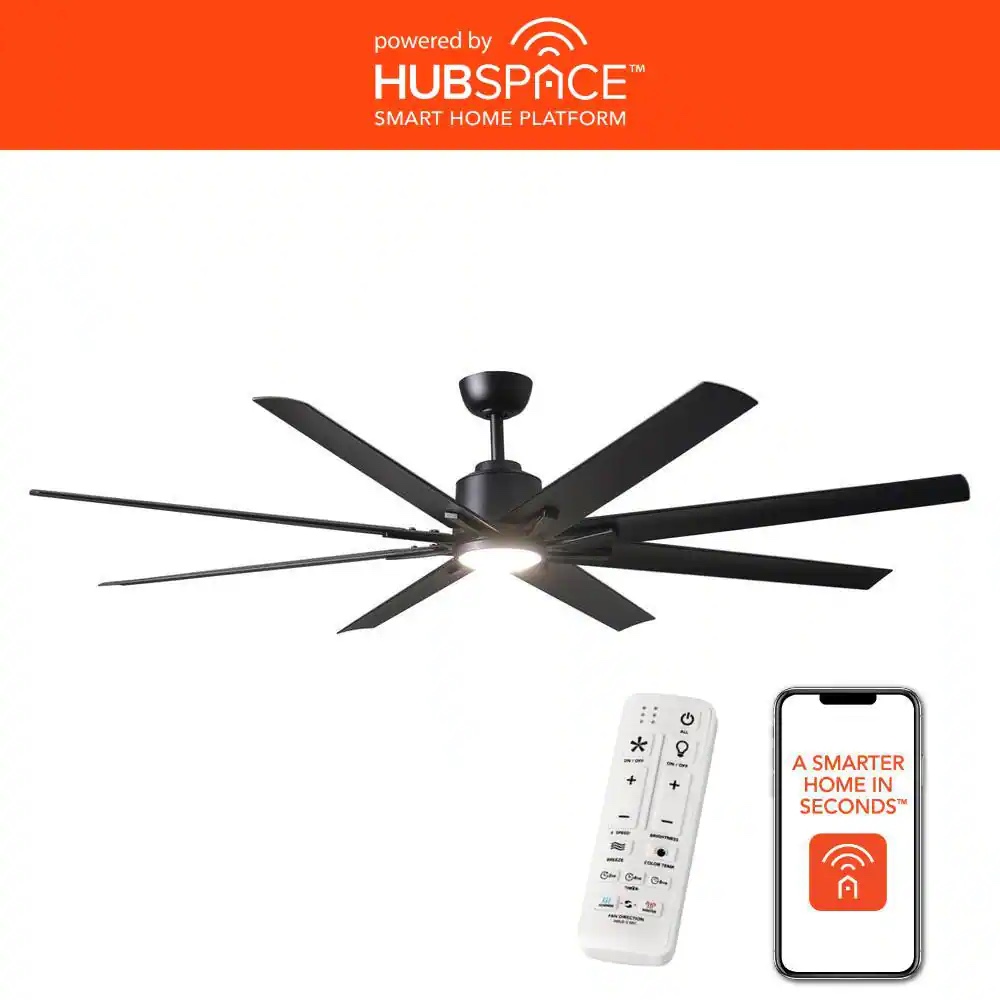
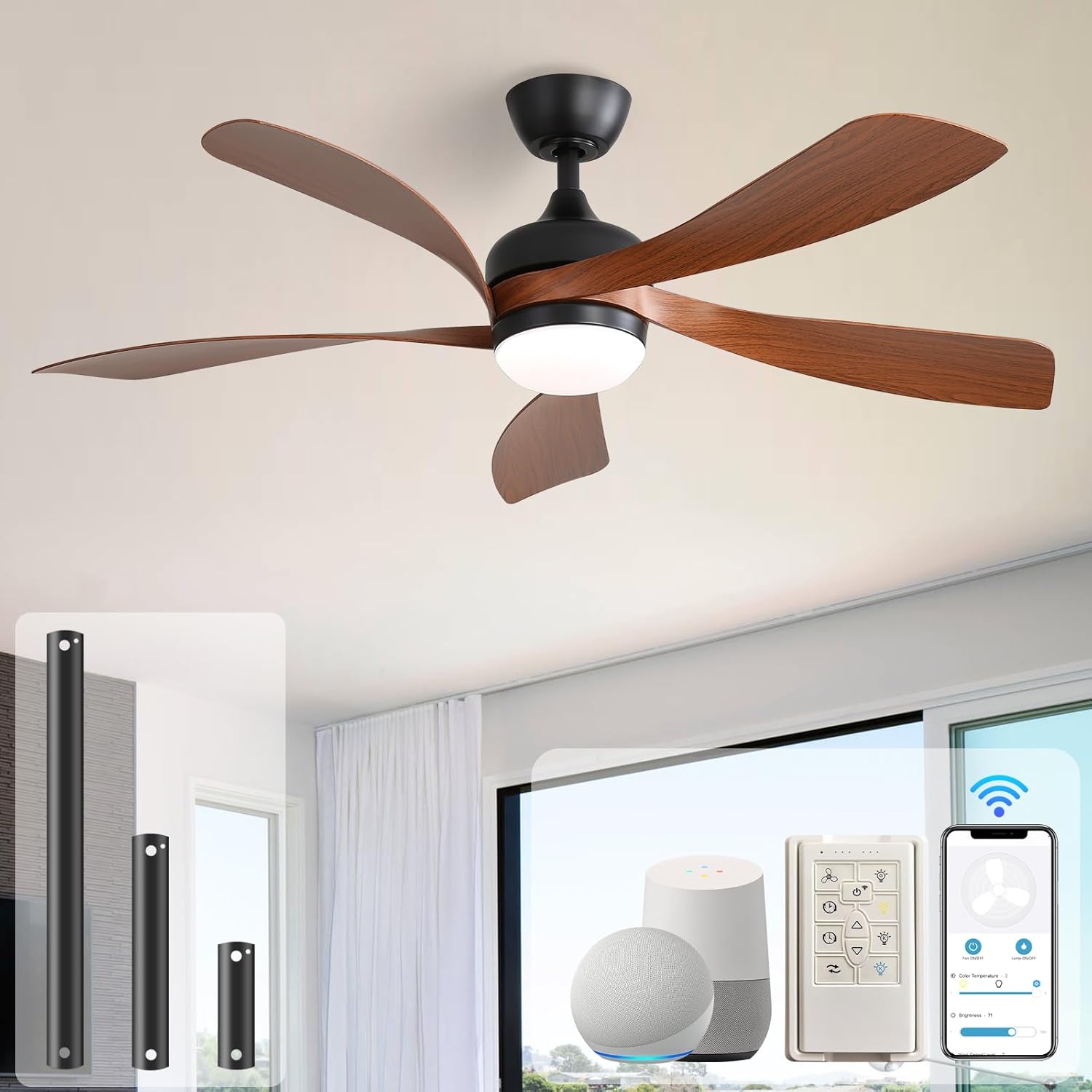
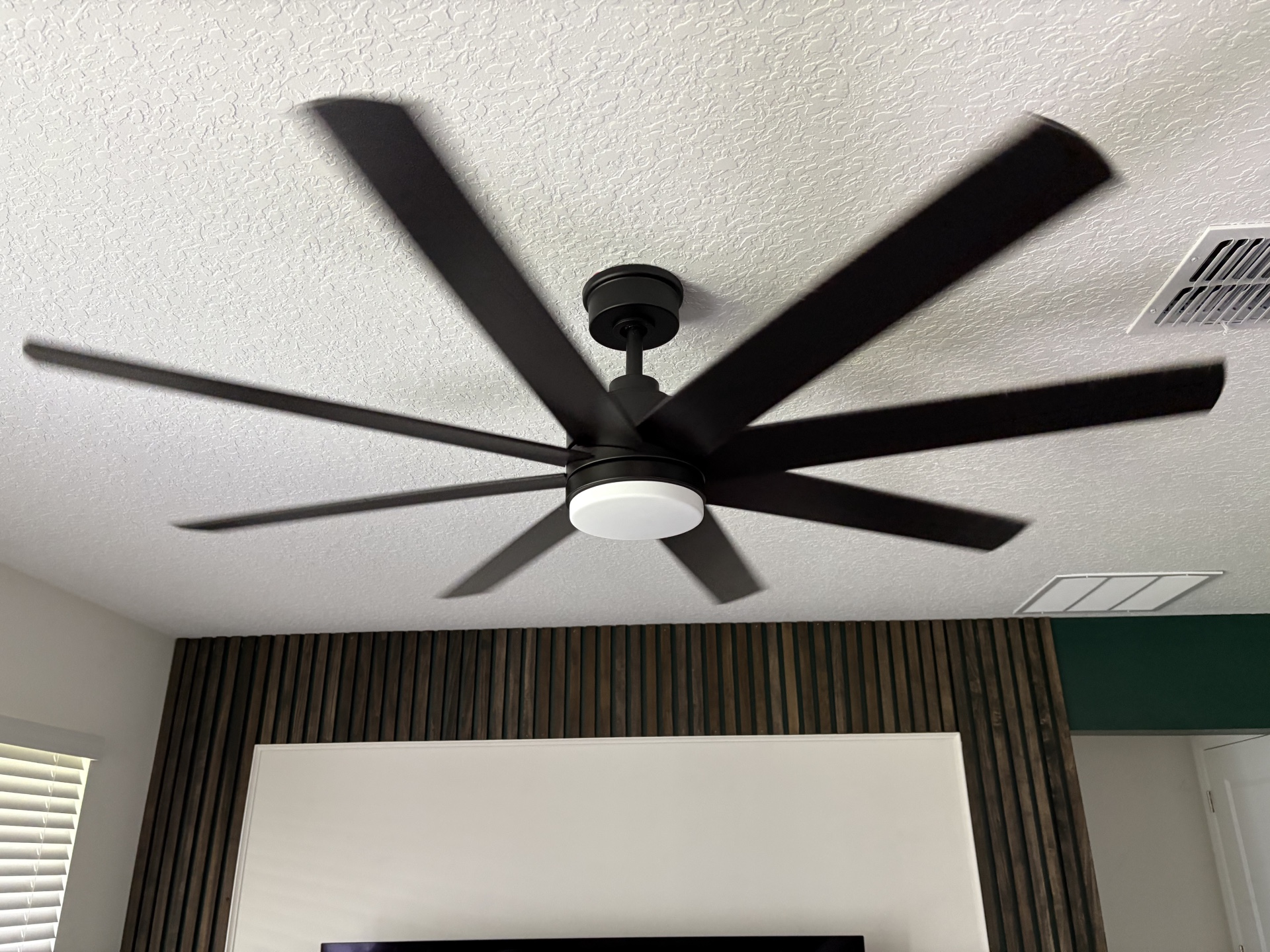
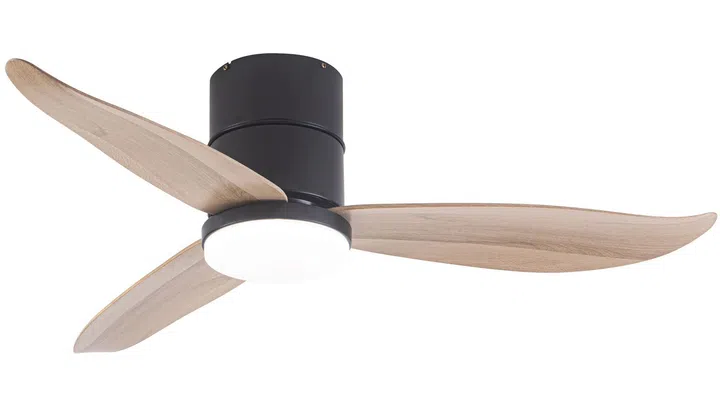
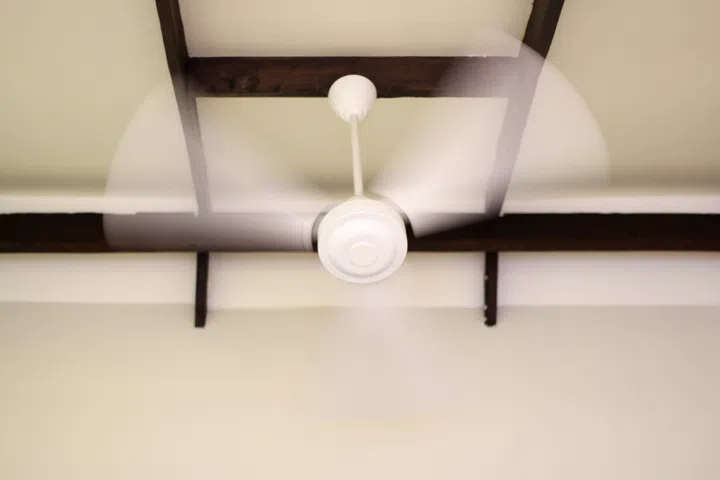
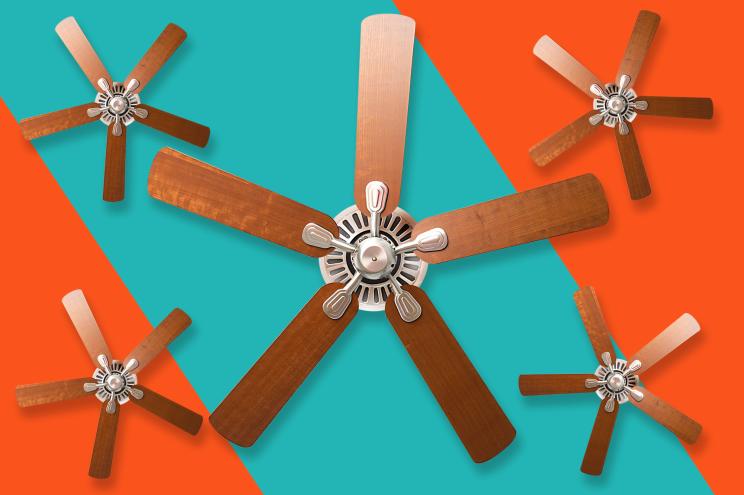
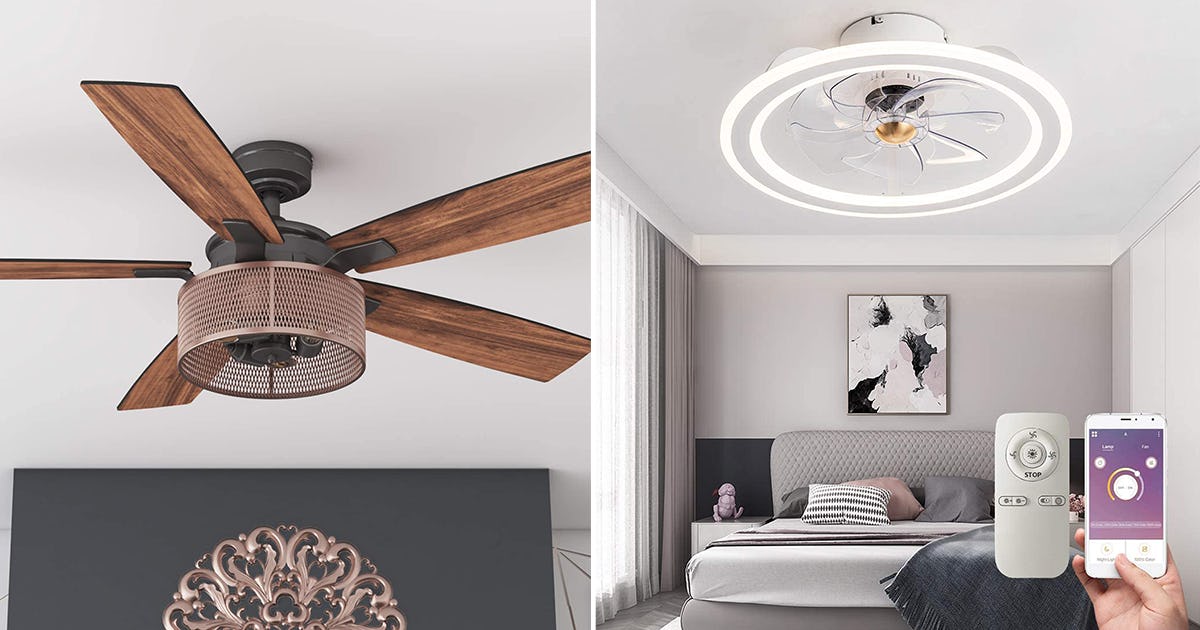
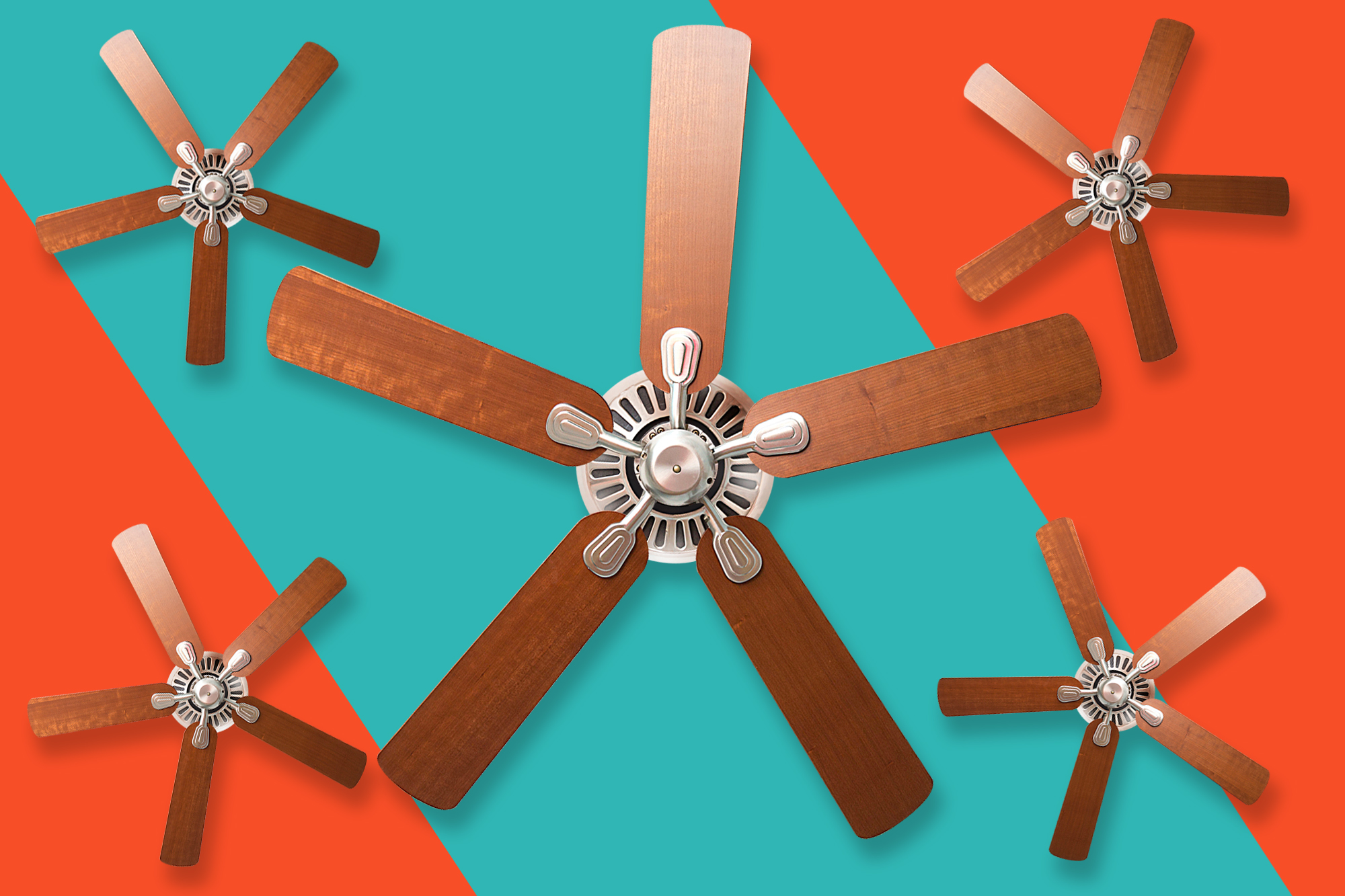
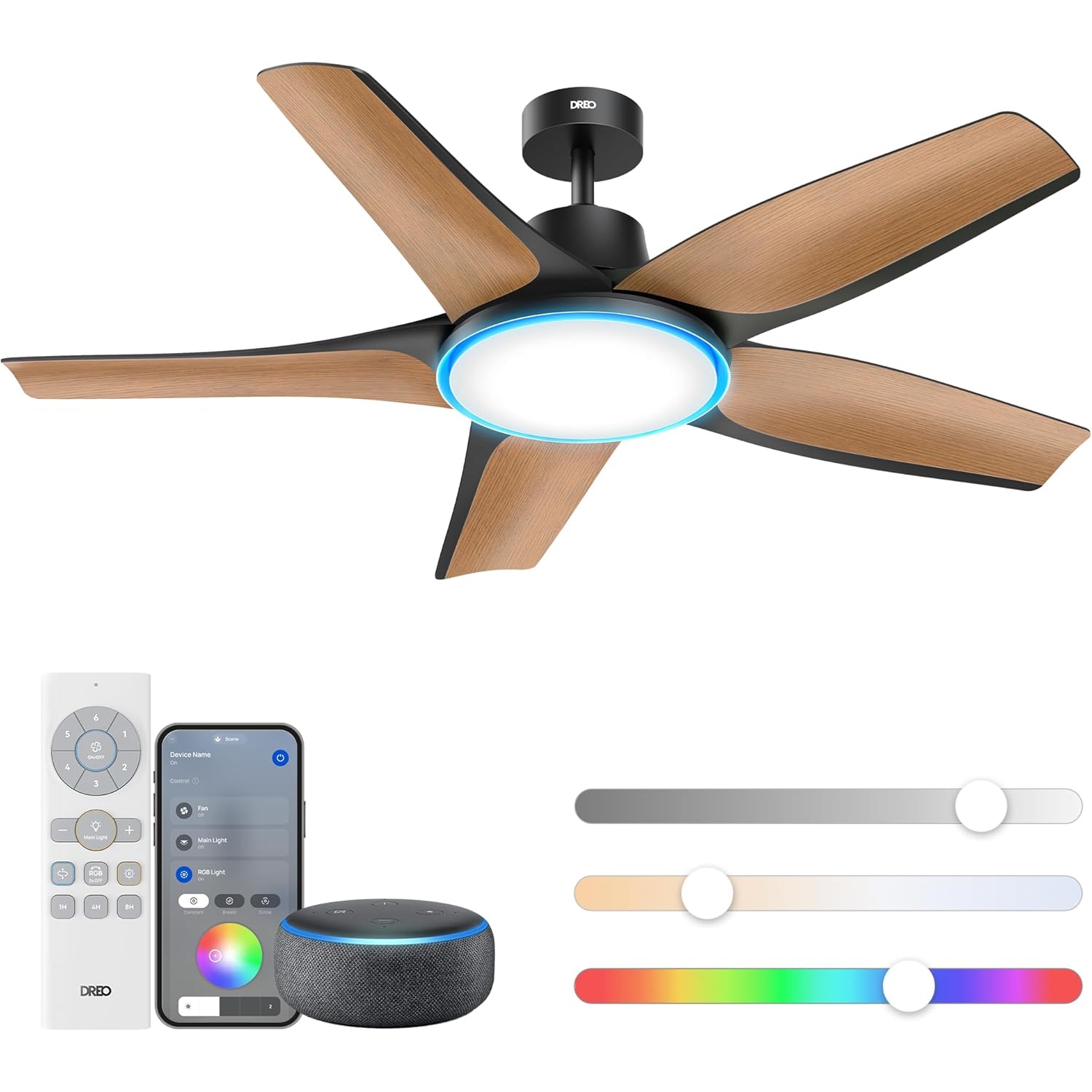
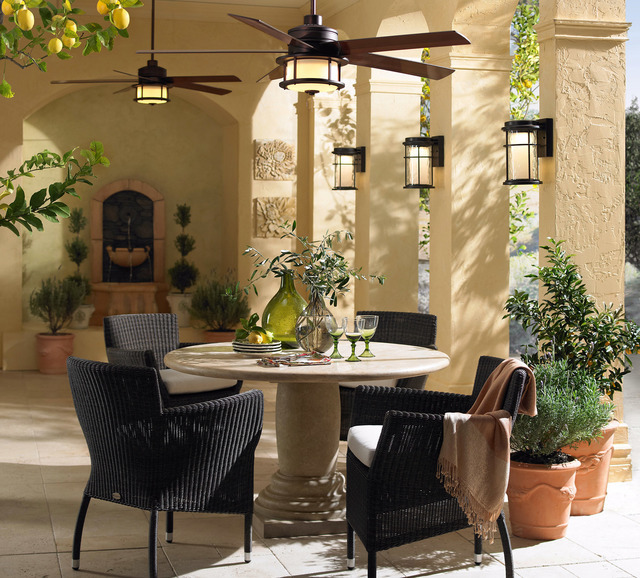
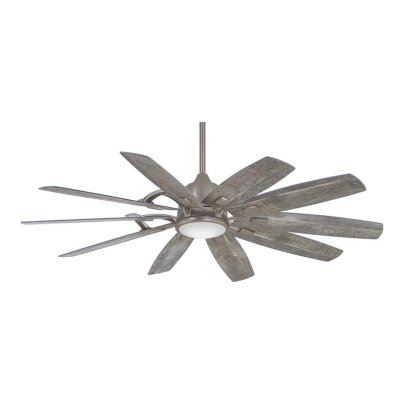
Ceiling fans, such as the Honeywell Carnegie Ceiling Fan, are permanently installed and designed to circulate air throughout rooms. This model includes a dimmable light and the ability to reverse blade direction for warm air circulation. When shopping, consumers should prioritize features like remote controls for convenience, smart features for app or voice control, and filters for air purification, considering replacement costs. Oscillation is important for widespread air distribution, and various modes cater to different user preferences and environmental conditions.
#FanComparison #HomeCooling #ApplianceReview #SmartHome #EnergyEfficiency #SummerEssentials #PersonalCooling #HomeComfort #FanComparison #HomeCooling #ApplianceReview #SmartHome #EnergyEfficiency #SummerEssentials #PersonalCooling #HomeComfort
0 comment in total
 No comments yet
You may also like
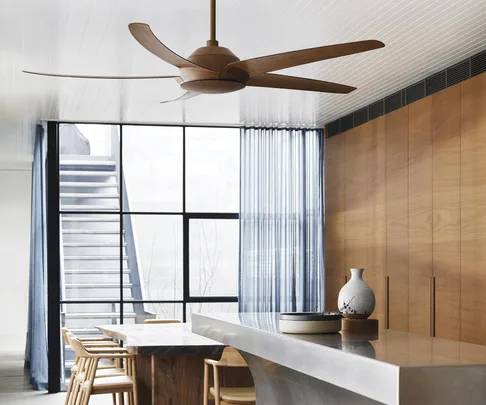
Ceiling fans 101: a guide to choosing the right one

10 Modern and Best Ceiling Fans For Home In India 2024

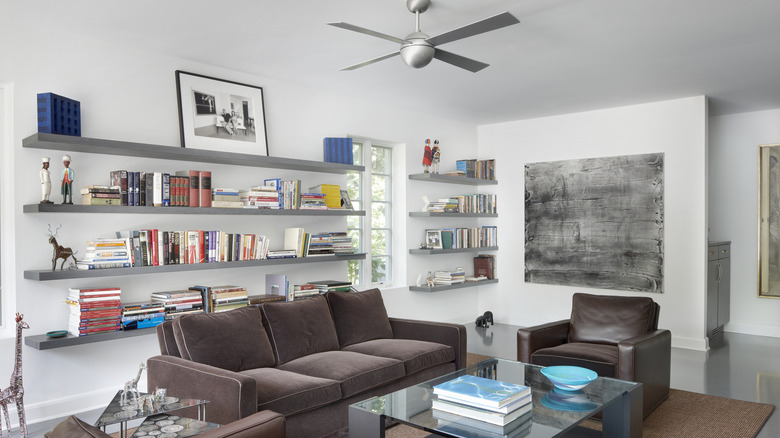
The Best Ceiling Fans For Each Room Of Your Home
The ultimate guide to choosing the perfect ceiling fan: Top 10 picks in November 2023 - Hindustan Times


How to choose the best ceiling fans for your home

The 16 best ceiling fans for extra airflow, plus expert tips
We’re A Fan! These Are The Best Ceiling Fans To Help Keep Your Home Cool


7 top-rated ceiling fans to consider this year


16 Best Ceiling Fans You Can Buy Online Right Now

The ultimate guide to choosing the perfect ceiling fan: Top 10 picks in November 2023 | Hindustan Times
The 16 best ceiling fans for extra airflow in 2023, plus expert tips
Spin Smarter, Not Harder: Our Favorite Smart Ceiling Fans
Tower Fans: What To Know Before You Buy

Ceiling fans: A new spin on cooling your home | Home and Garden | Life
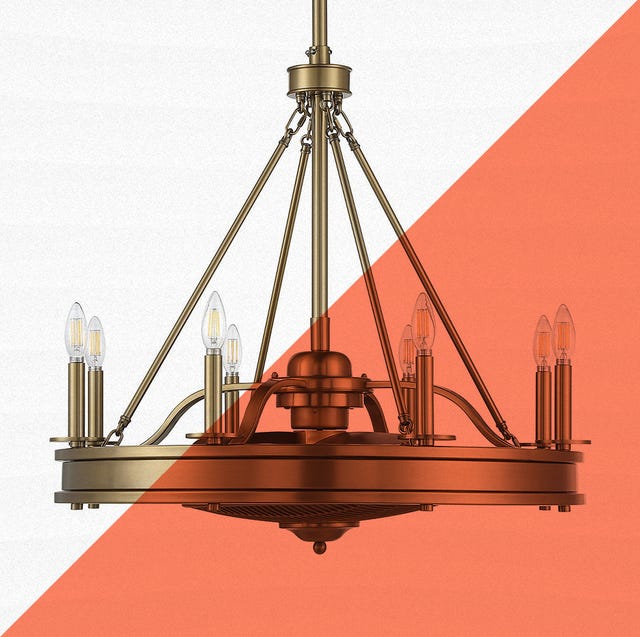
The Best Fandeliers—Or Fan-Chandeliers—to Spruce Up Your Home
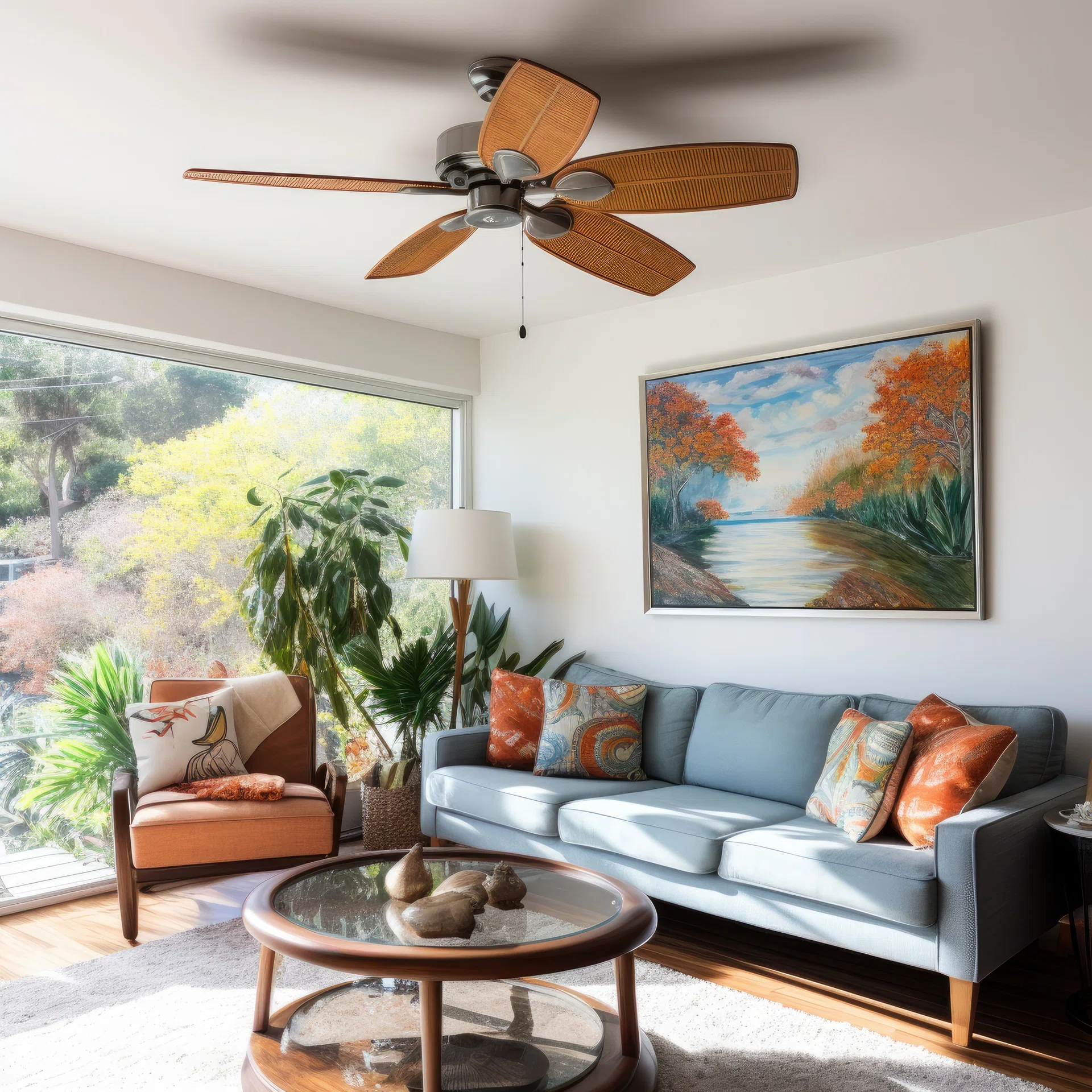
10 Best Ceiling Fans in Singapore
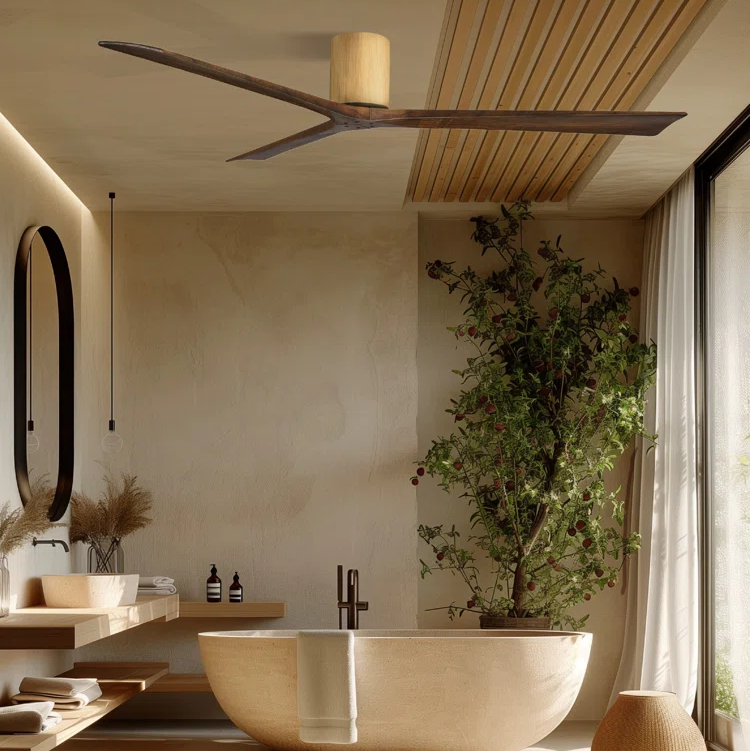
There's a Cool Ceiling Fan for Every Vibe and Budget

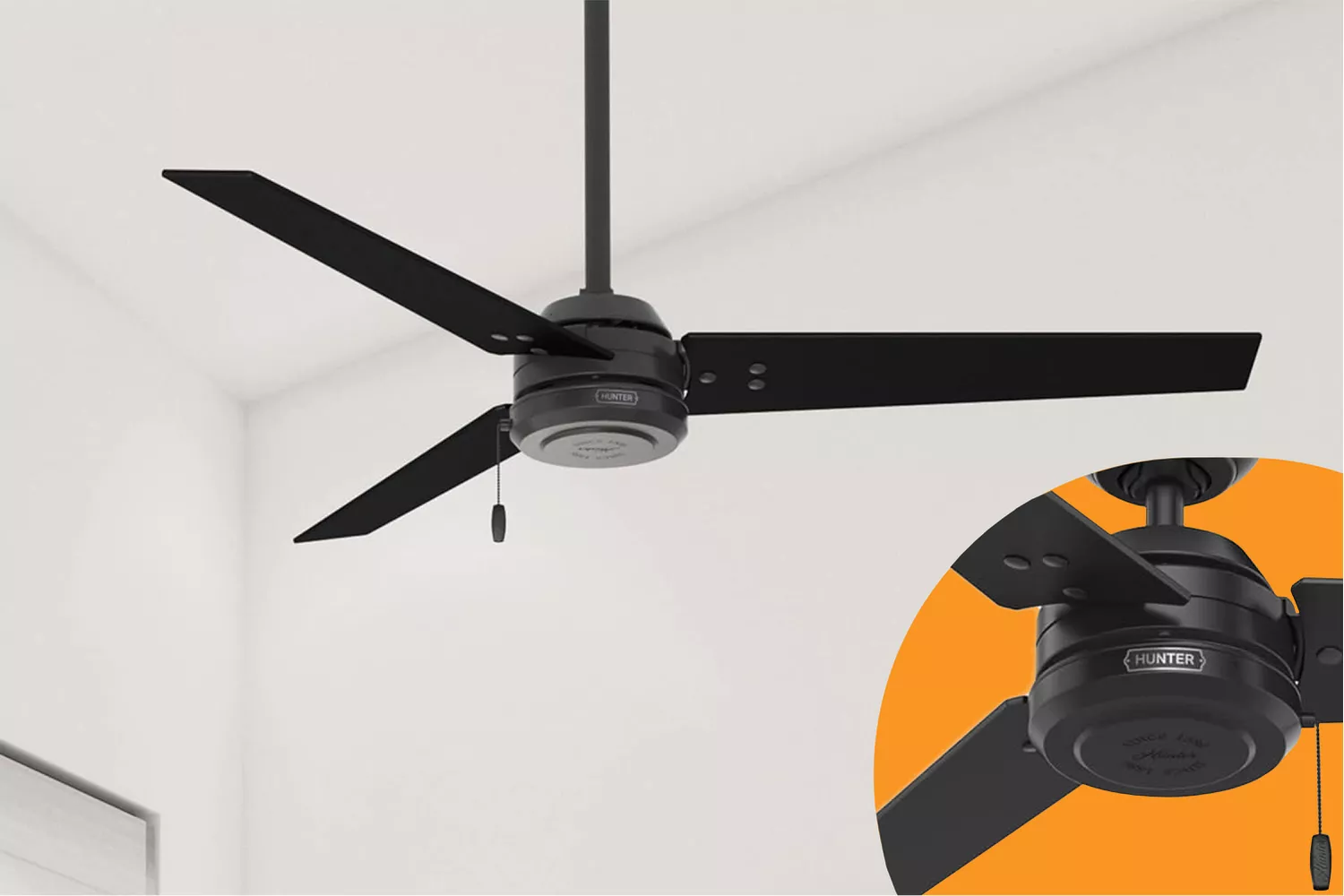
We Spent 1,200 Hours Testing Which Ceiling Fans Are the Most Cooling — These Are Our Winners
The Best Ceiling Fans for a Breezy, Comfortable Home


What you need to know about ceiling fans