1/6
6 of the best heater ideas to warm up your home this winter
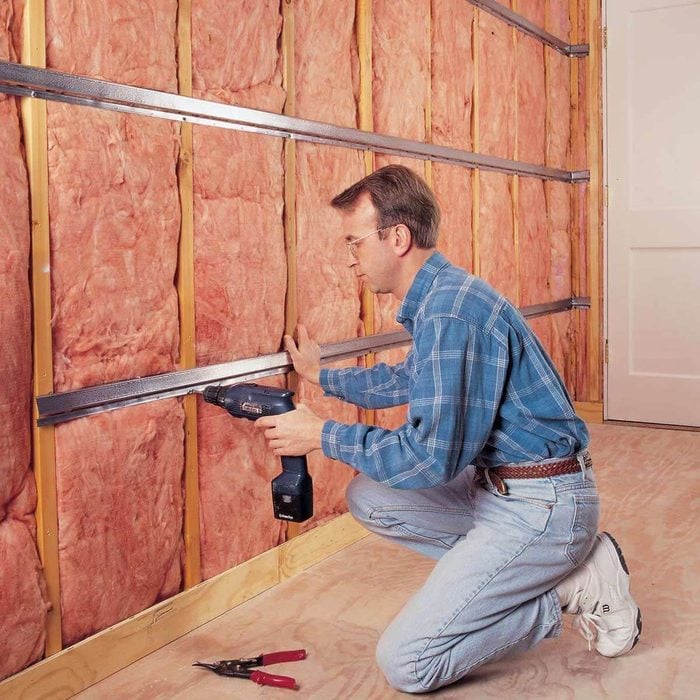
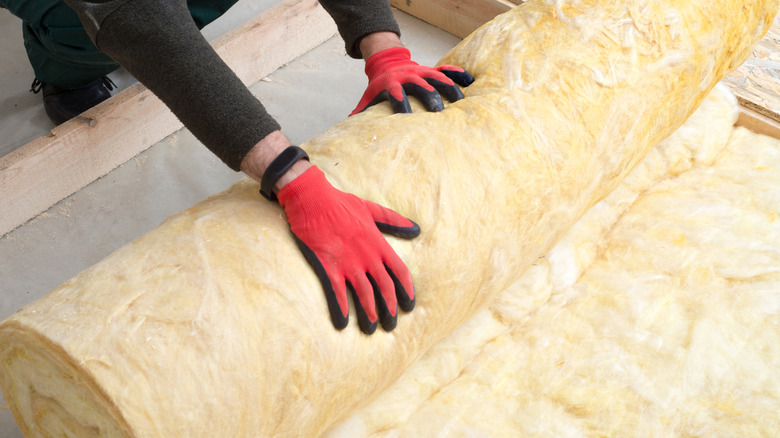
Selecting an appropriate heating system is a critical component of home renovation planning. The article provides an overview of six distinct heating options, including wood burners, geothermal heat pumps, reverse cycle heating/cooling systems, underfloor heating, gas ducted heating, and radiators, to assist homeowners in making informed decisions. Emphasis is placed on the importance of insulation as a foundational step before choosing any heating system, as it can significantly reduce heat loss and long-term expenses.
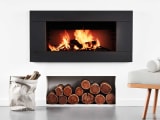
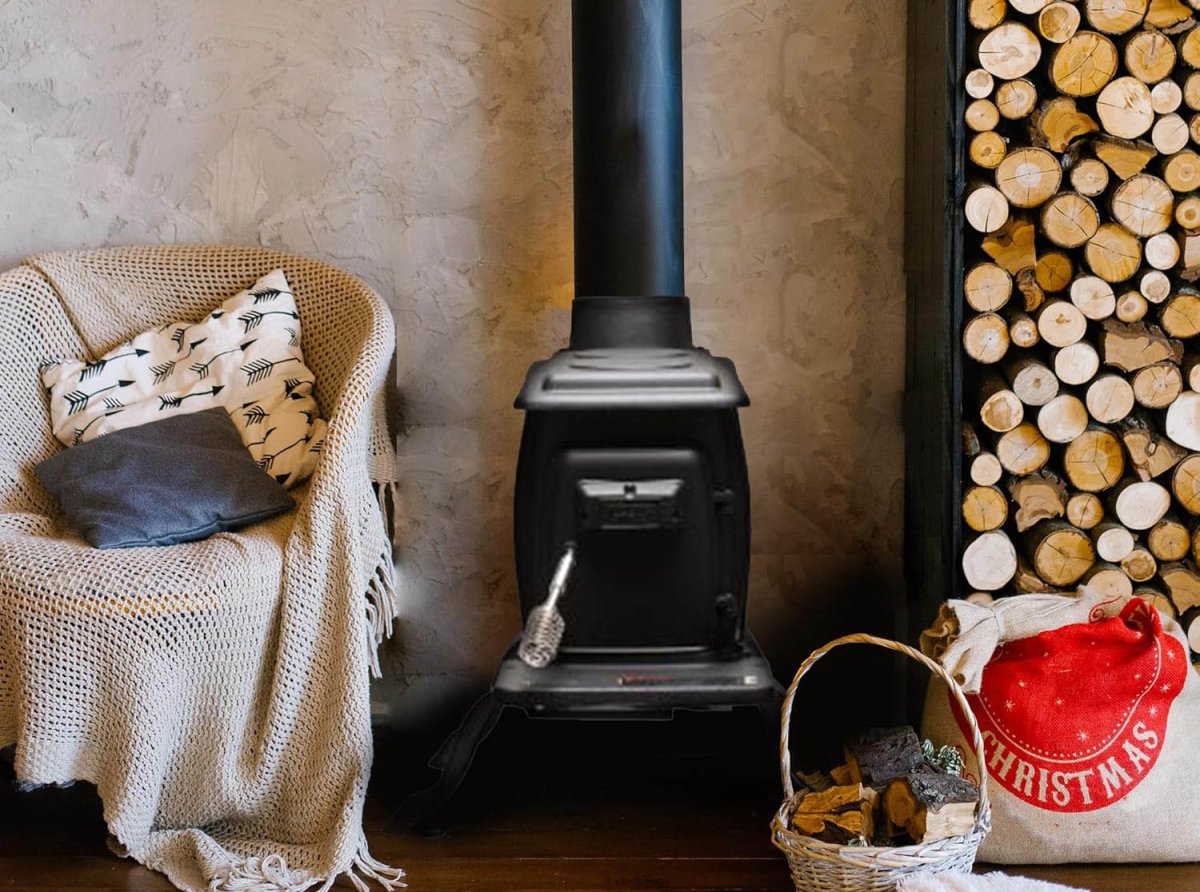
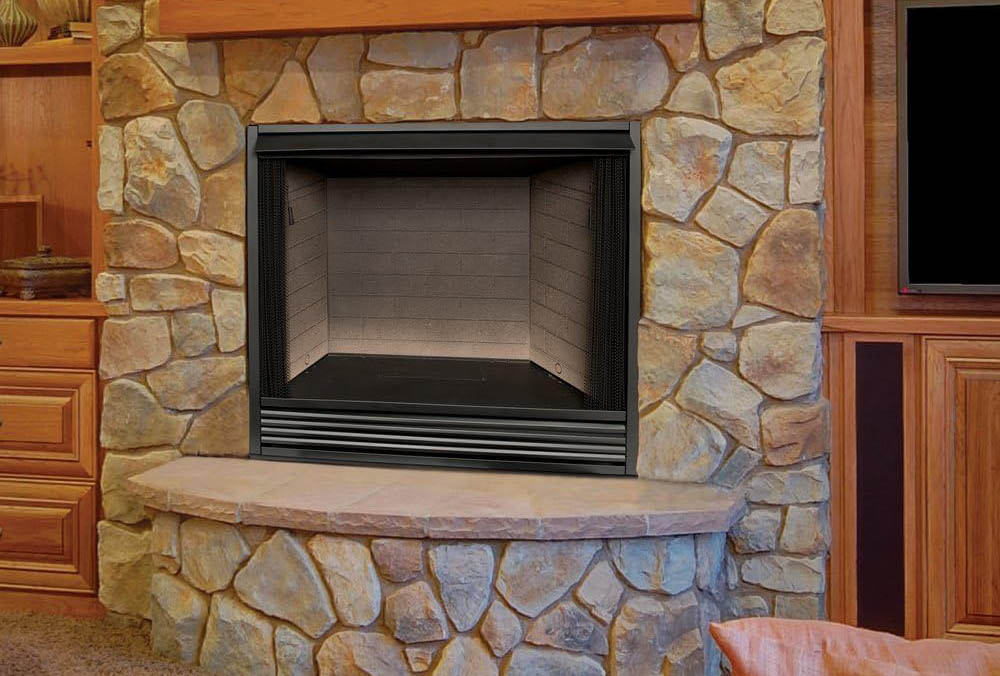
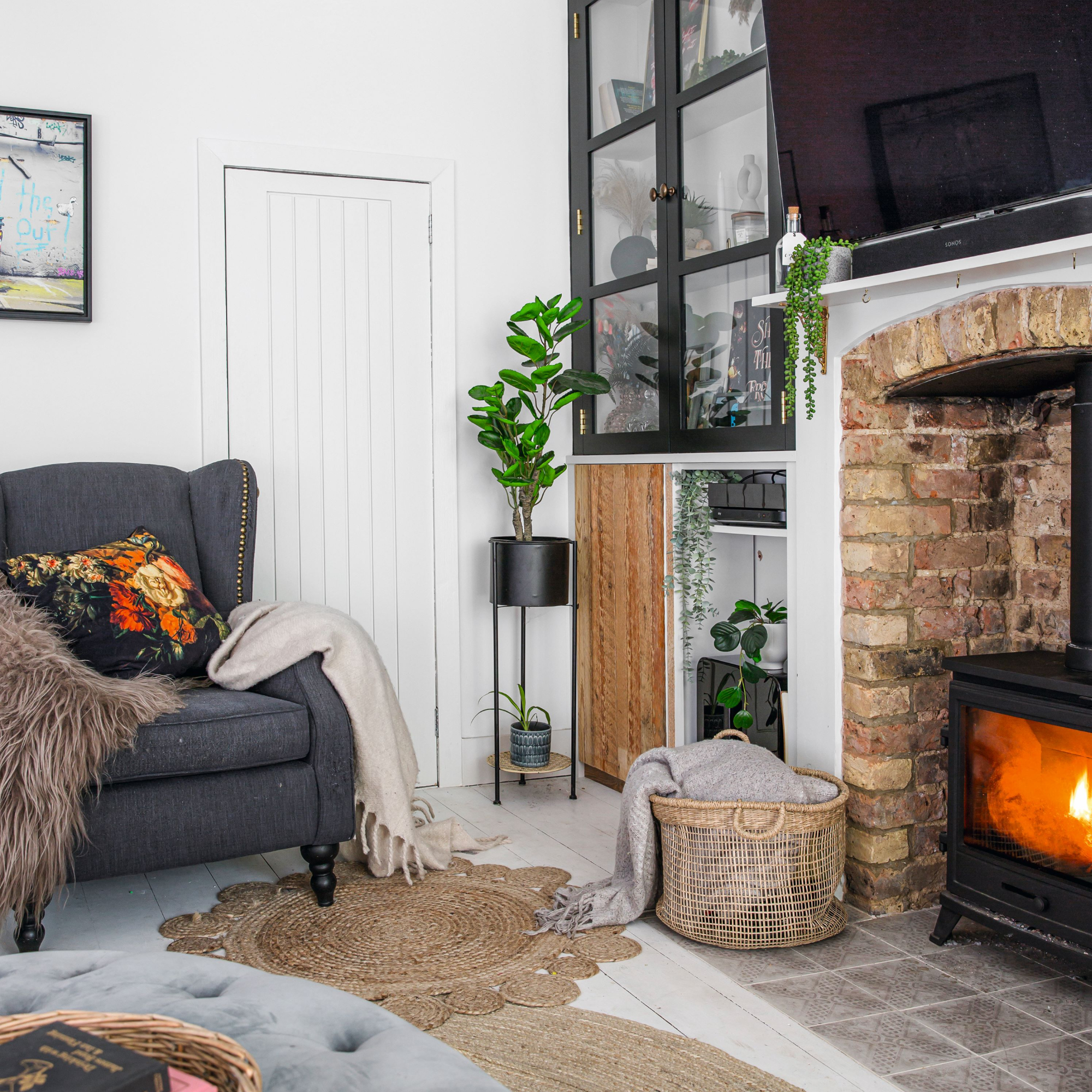
The wood burner, while aesthetically pleasing and suitable for single rooms, is highlighted as an option for specific climate zones. Modern, eco-friendly models can burn compacted sawdust or wood pellets with minimal pollution, and sustainably grown wood in a slow-combustion burner produces low CO2. However, they are not practical for heating an entire modern home and require effort to operate, with a potential risk of carbon monoxide emission if malfunctioning.
Geothermal heat pumps, available as air source or ground source, absorb thermal energy from the environment to heat a fluid for distribution. These electric systems are more efficient than natural gas or electricity alone, converting 1 kWh into 3.5 units of useful heat. While they have a low carbon footprint and are ideal for underfloor heating, installation costs are high, ranging from approximately $7,000 for air source to $30,000 for ground source pumps. Big-picture planning, such as integrating them with radiant hydronic underfloor heating, can maximize their efficiency and cost savings.
Reverse cycle heating/cooling systems come in ducted, split, and multi-split variants. Ducted systems offer whole-home coverage but are expensive to install and run, requiring careful placement of the compressor for efficiency. Split systems are more efficient and easier to install, providing temperature control for specific rooms. These systems offer both heating and cooling capabilities, providing quick temperature adjustments.
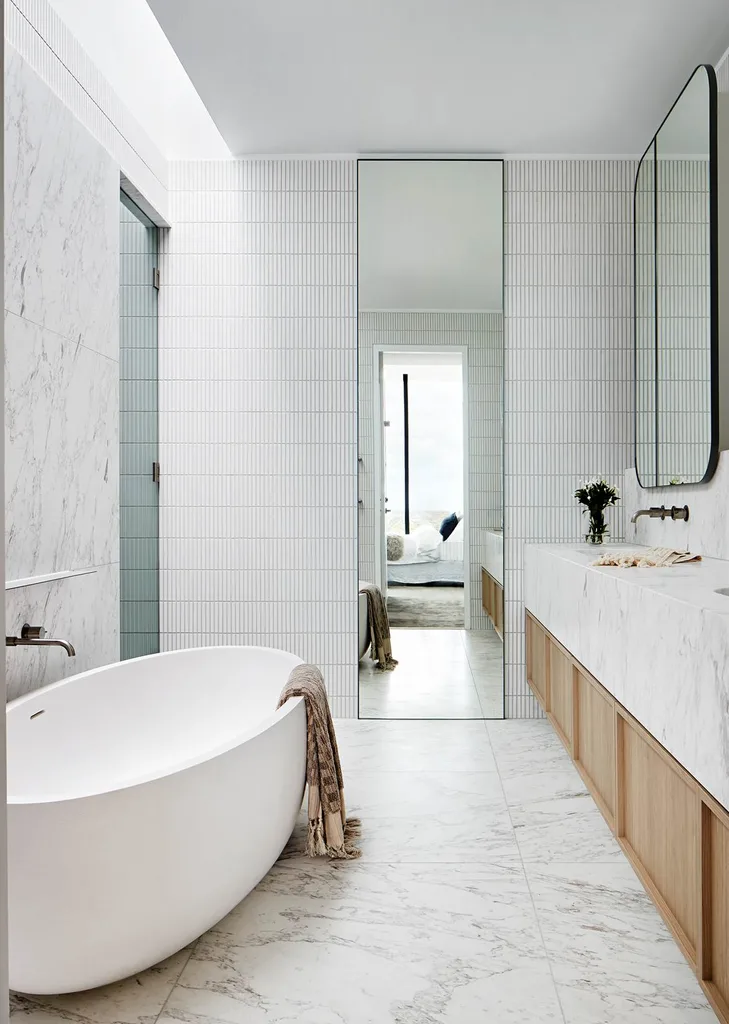
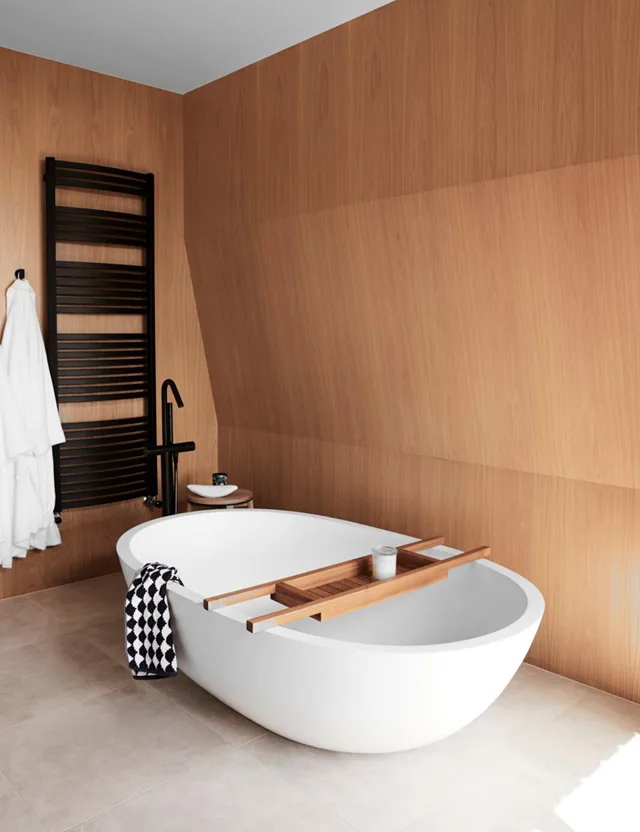
Underfloor heating systems are categorized into electric 'dry' and water-based 'wet' types. Wet systems, which involve pipes under the floor circulating low-temperature water, are efficient and distribute heat evenly, reducing the circulation of allergens. Installation costs for a whole-house wet system can exceed $4,000. Dry systems, using electrical wires or mats, are cheaper to install but more expensive to run. The choice of floor covering is crucial, with solid materials like stone and terracotta being most effective, and engineered timber often preferred over solid timber for stability under heat.
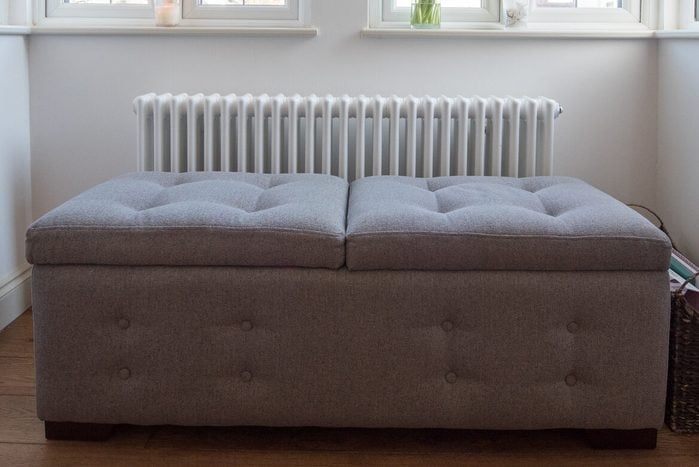
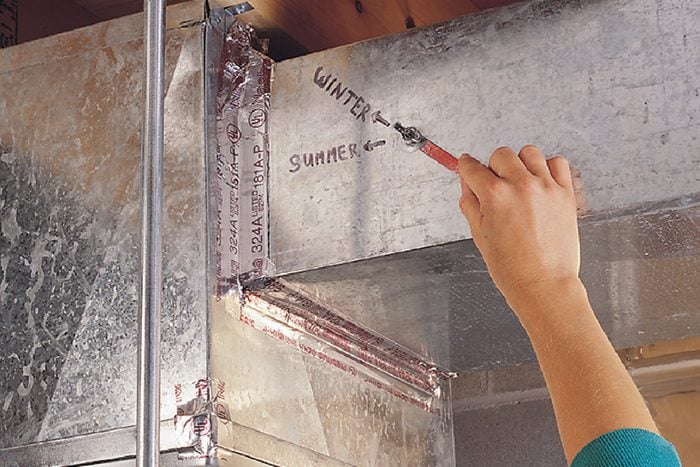
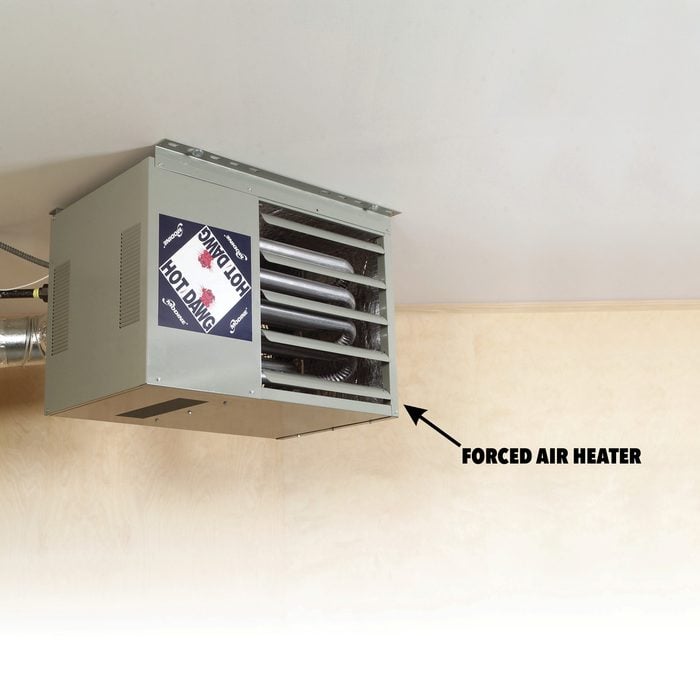
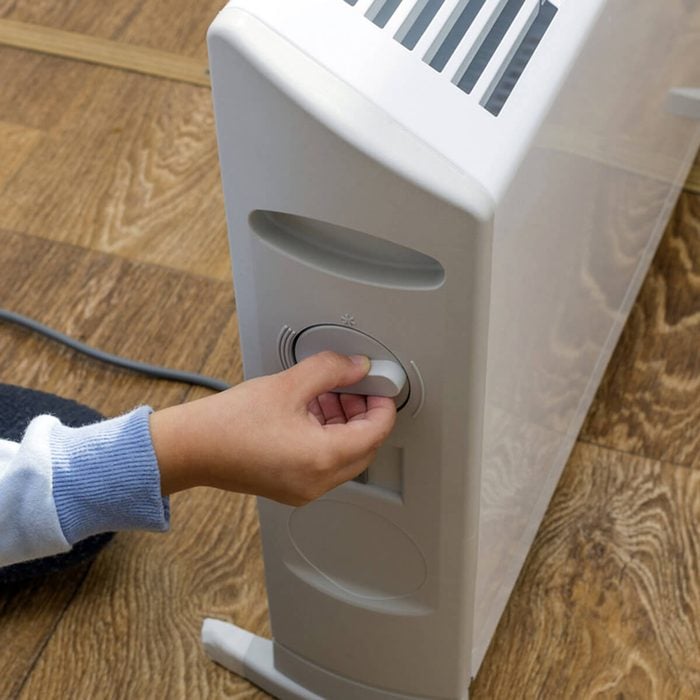
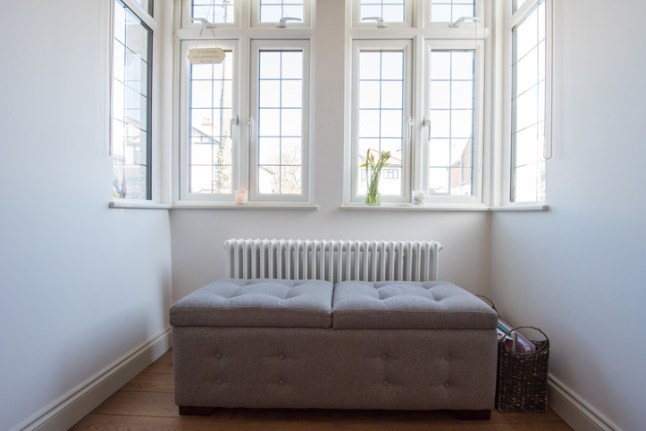
Gas ducted heating utilizes a fixed natural or LPG gas heater to warm air, which is then distributed through ducts. High-end systems modulate gas usage to maintain desired temperatures, reducing energy consumption. Installation costs range from $4,000 to $6,000, with reasonable running costs. The system is unobtrusive but some individuals find it noisy. Lastly, radiators, common in colder climates, efficiently heat homes by circulating water from a boiler. Installation can cost around $5,000, with low running costs. They offer room-specific temperature control but rely on convection, which can lead to uneven heat distribution, and their effectiveness is reduced if obstructed by furniture or curtains.
#HomeHeating #RenovationPlanning #WoodBurner #GeothermalHeatPump #ReverseCycleAirConditioning #UnderfloorHeating #GasDuctedHeating #RadiatorSystems #HomeImprovement #HomeHeating #RenovationPlanning #WoodBurner #GeothermalHeatPump #ReverseCycleAirConditioning #UnderfloorHeating #GasDuctedHeating #RadiatorSystems #HomeImprovement
0 comment in total
 No comments yet
You may also like

7 easy and efficient ways to keep your house warm this winter

9 cheap ways to heat your home this winter for under £10 each

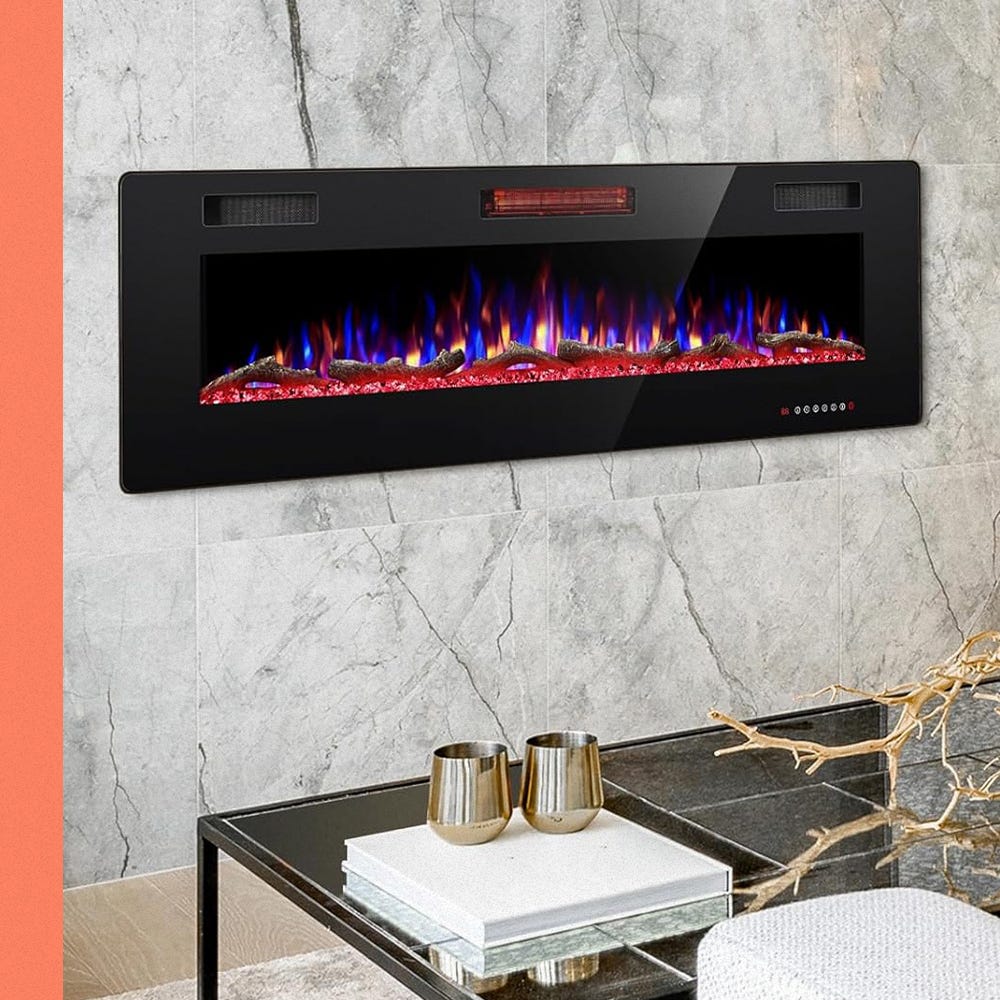
Turn Your Home Into a Cozy Winter Retreat With Our Favorite Electric Fireplaces
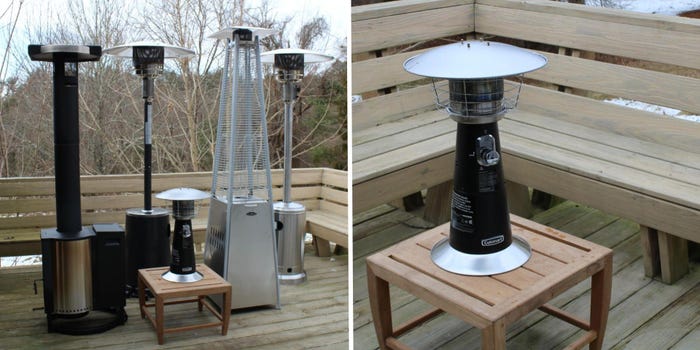
The best patio heaters keep you toasty, even in the dead of winter — these are our top picks
7 fireplace ideas for the home this winter
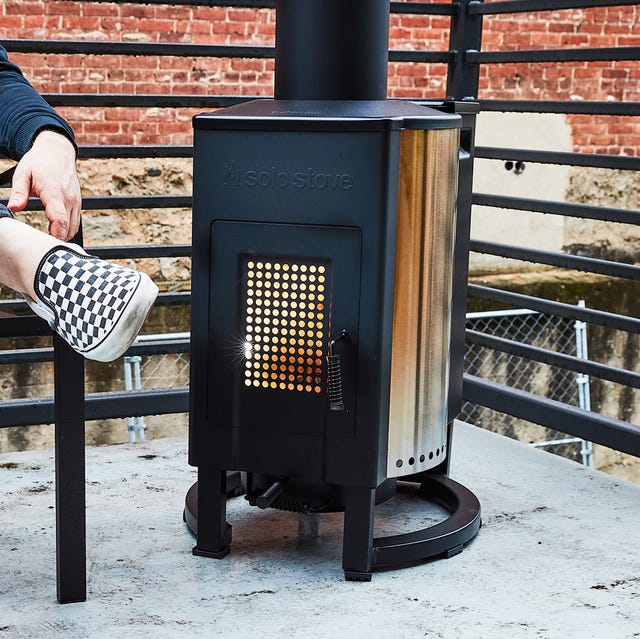
The Best Patio Heaters to Help You Enjoy Your Time Outdoors This Winter

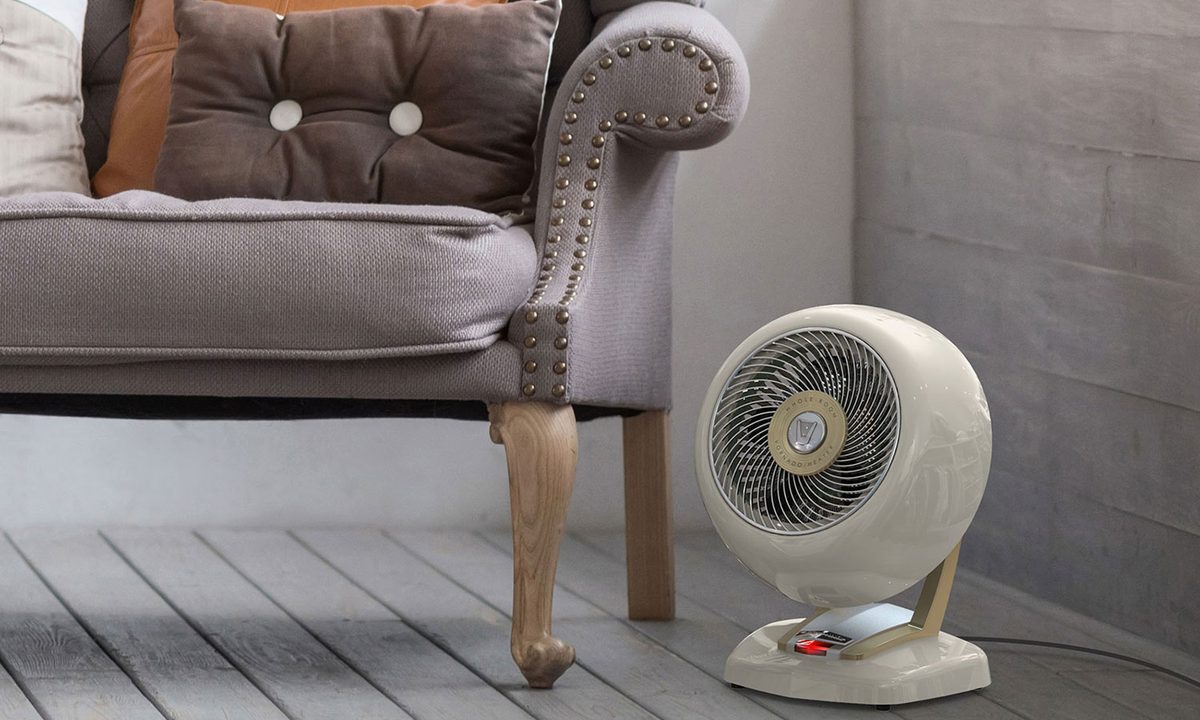
The 9 Best Space Heaters to Heat Up Your Digs
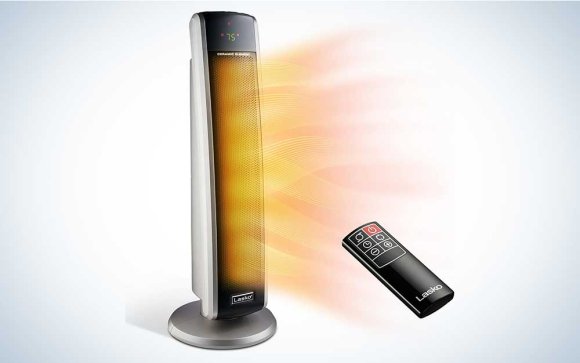
The best space heaters in 2025

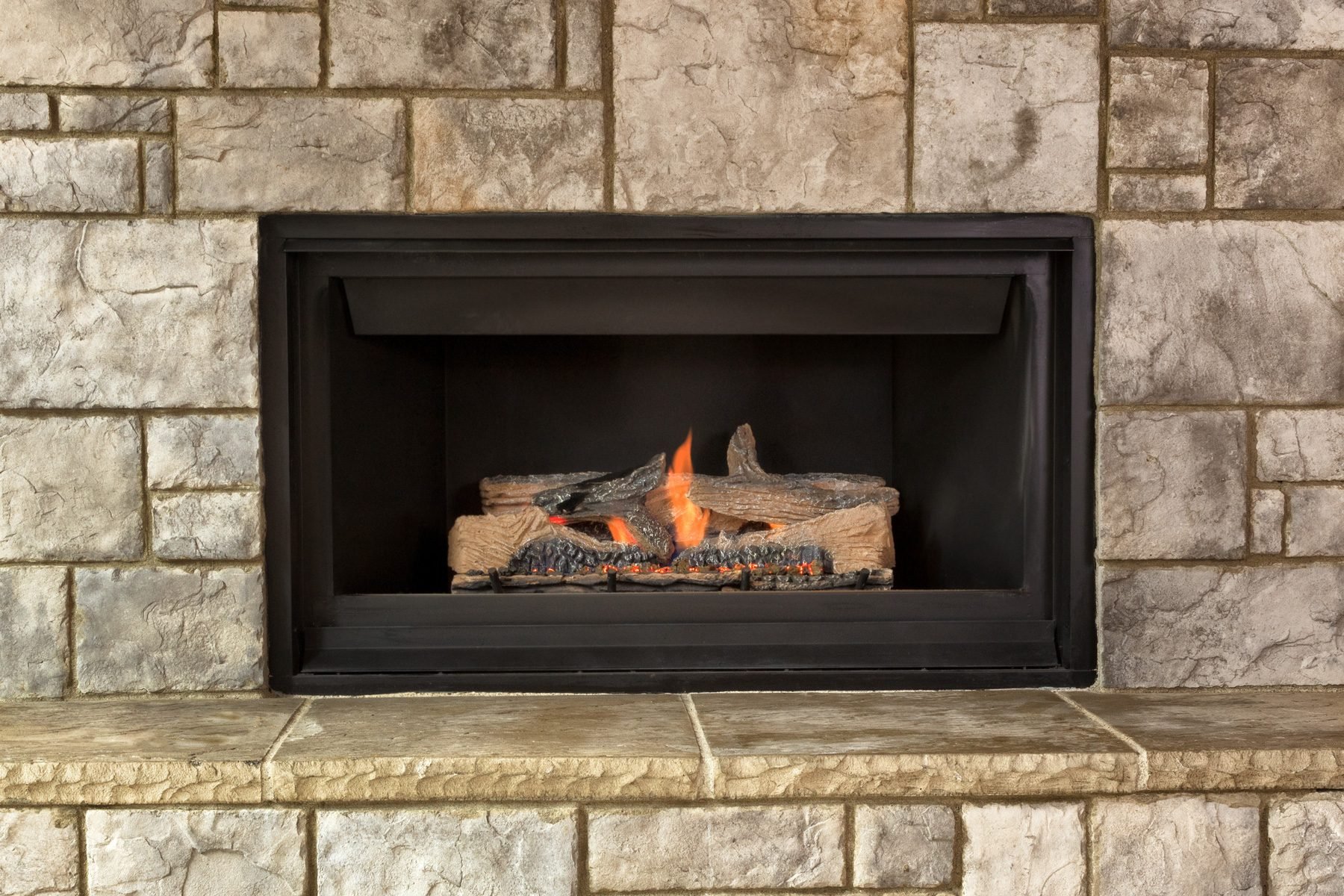
17 Tips and Hacks to Help Keep Your House Warm This Winter

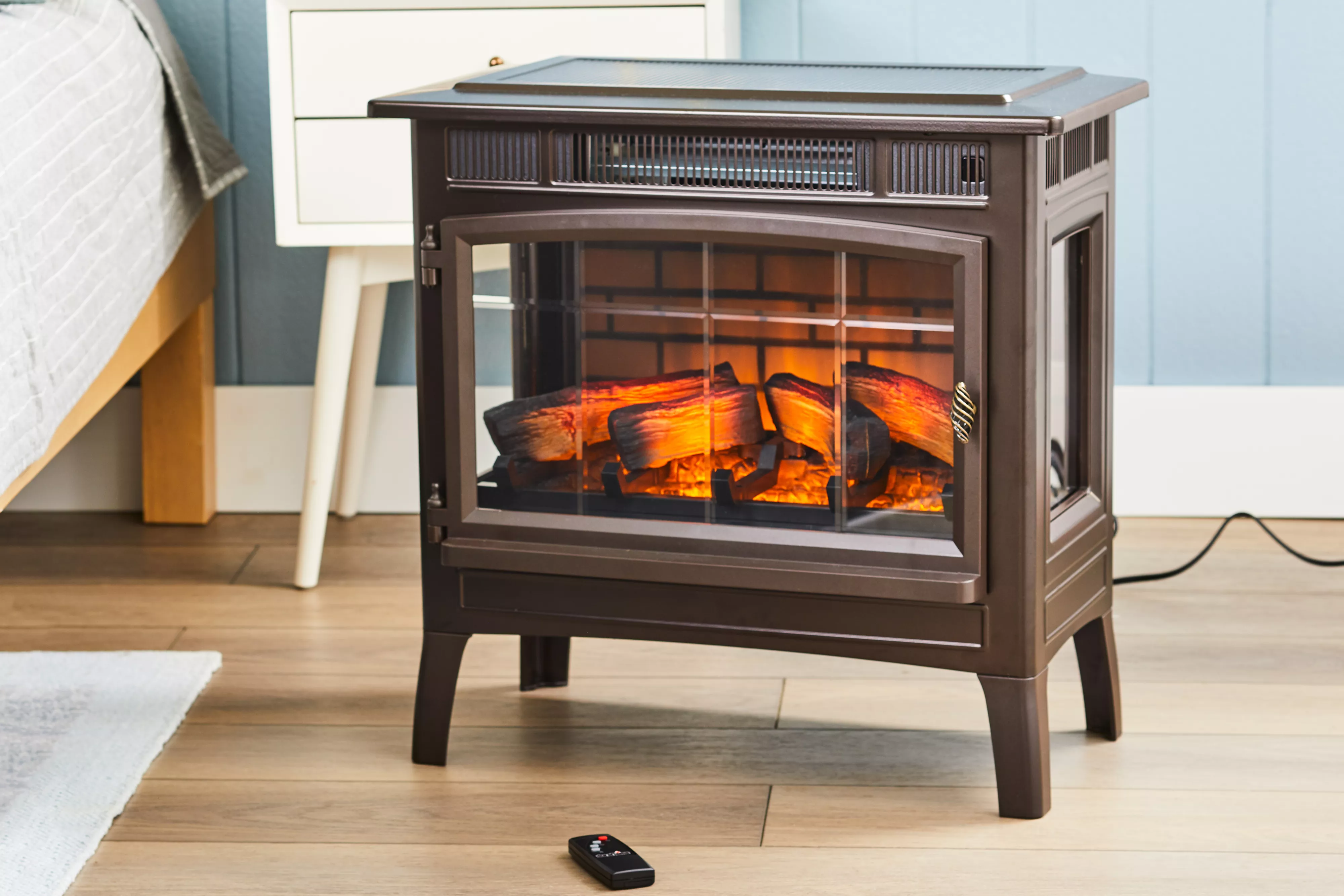
These 5 Space Heaters Will Keep You Extra Toasty This Winter

What is the cheapest electric heater to run? Experts reveal
13 Of The Best Home Renovation Projects To Tackle During Winter


Heat your home efficiently this winter
6 affordable ways to heat your bathroom in winter

The must-have items to get you through winter
The Best Electric Wall Heaters for Added Warmth


11 Best Ways to Heat a Garage In the Winter
The 12 Best Indoor Fireplaces for Cozying Up this Winter
How to keep your house warm in winter — 29 budget-friendly and easy ways to stay cosy

The Ultimate Guide To Warmth: How To Choose The Best Room Heater For Your Home?