1/7
The Best Patio Heaters to Help You Enjoy Your Time Outdoors This Winter
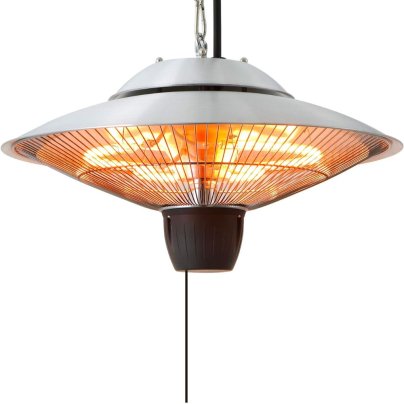
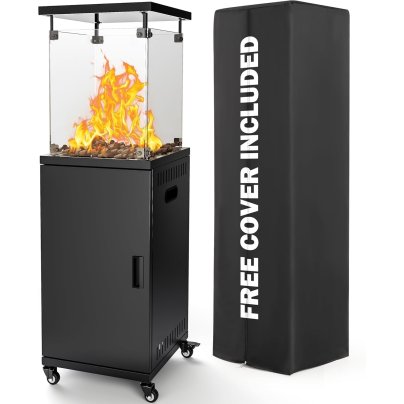
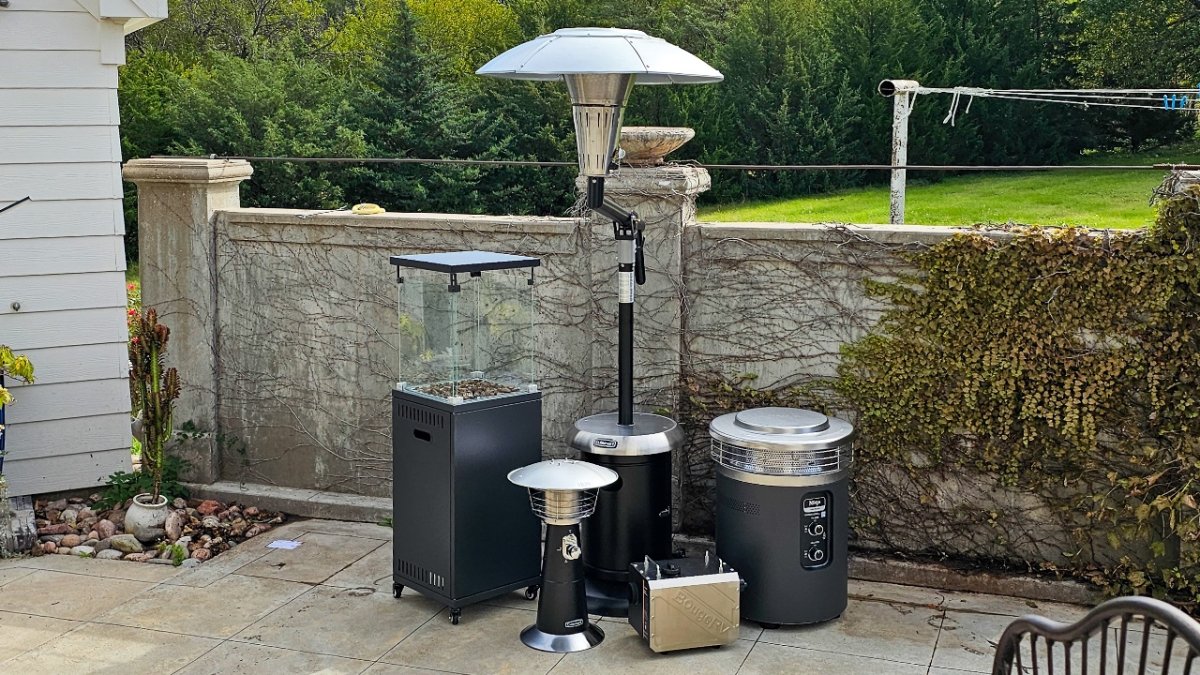
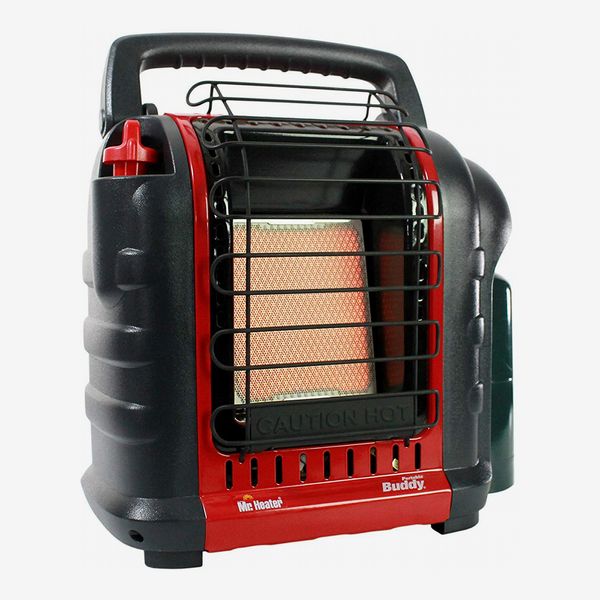
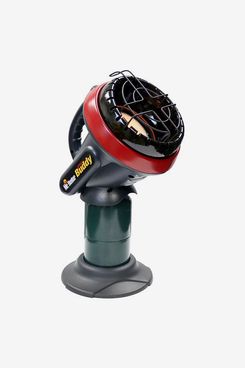
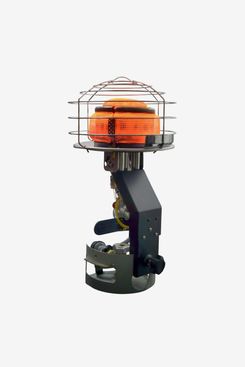
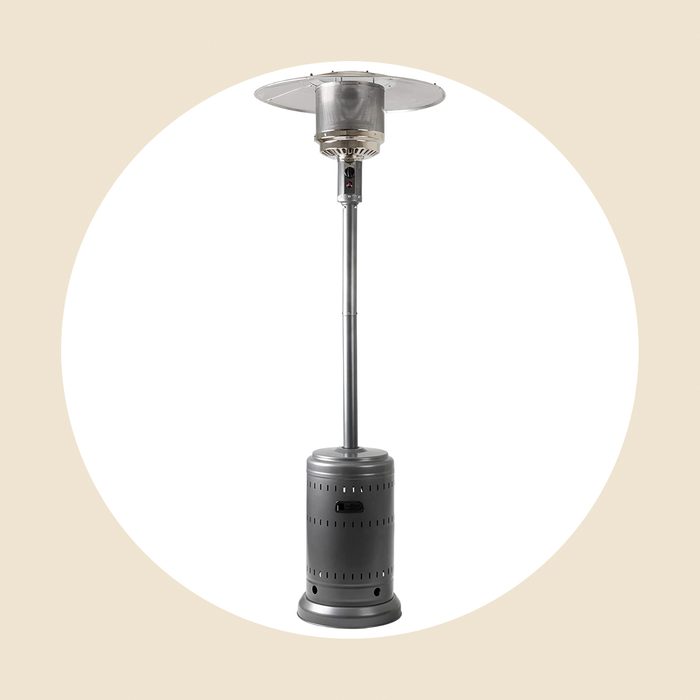
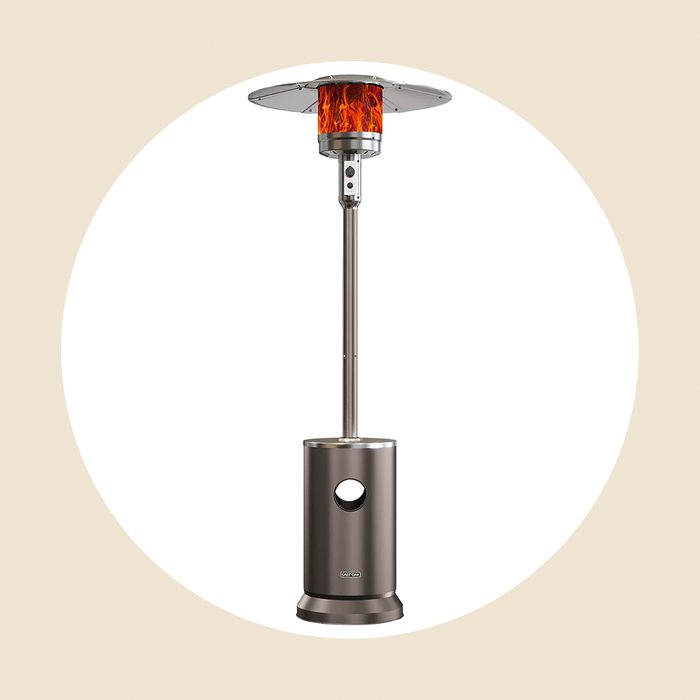
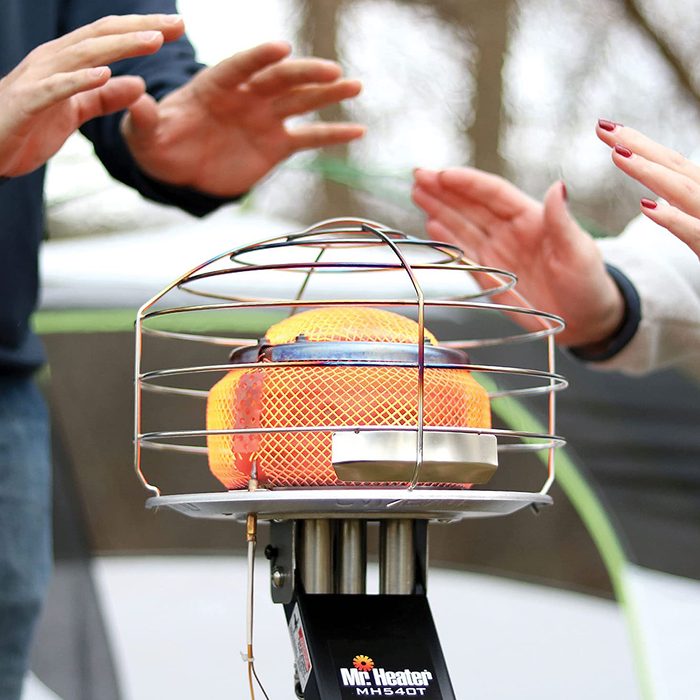
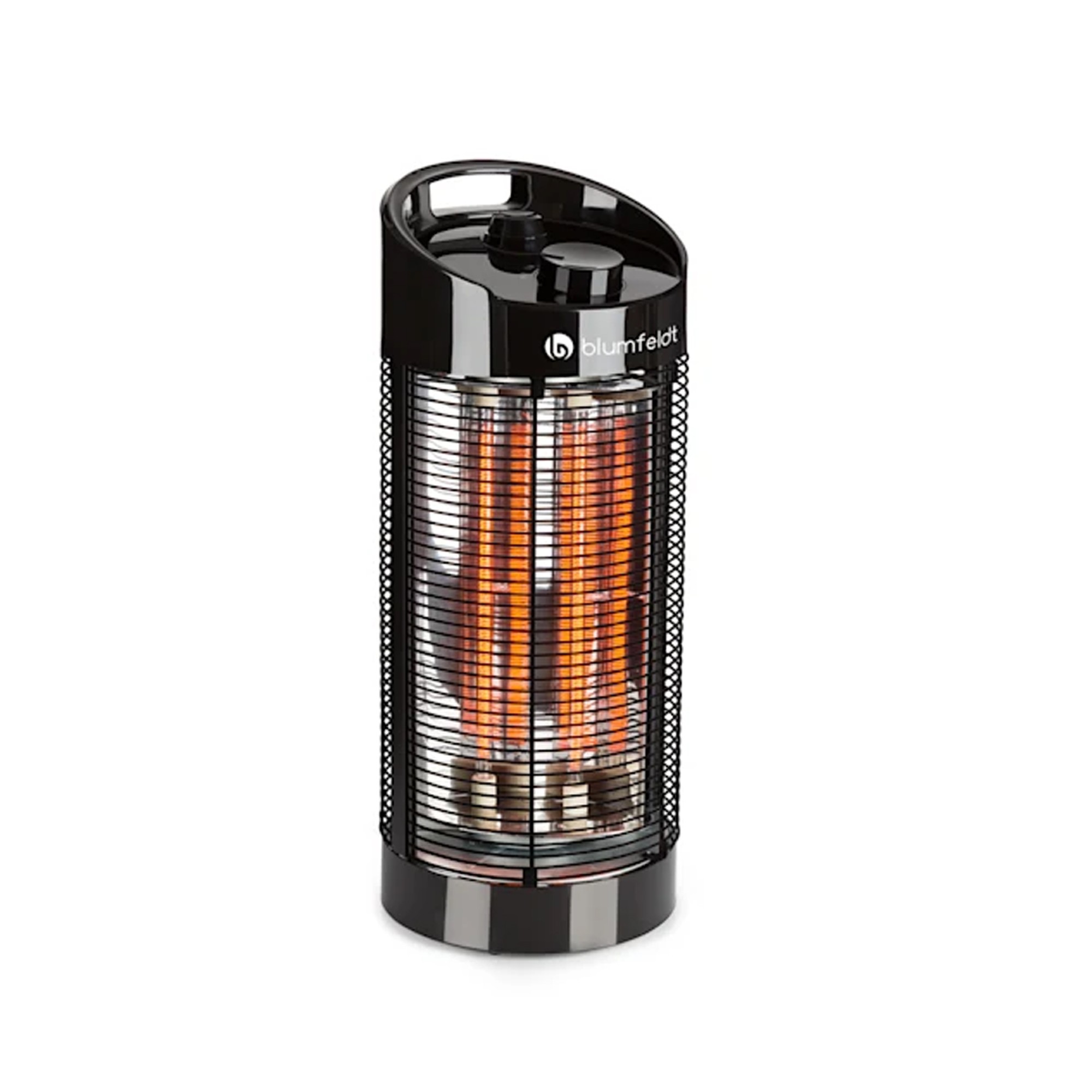
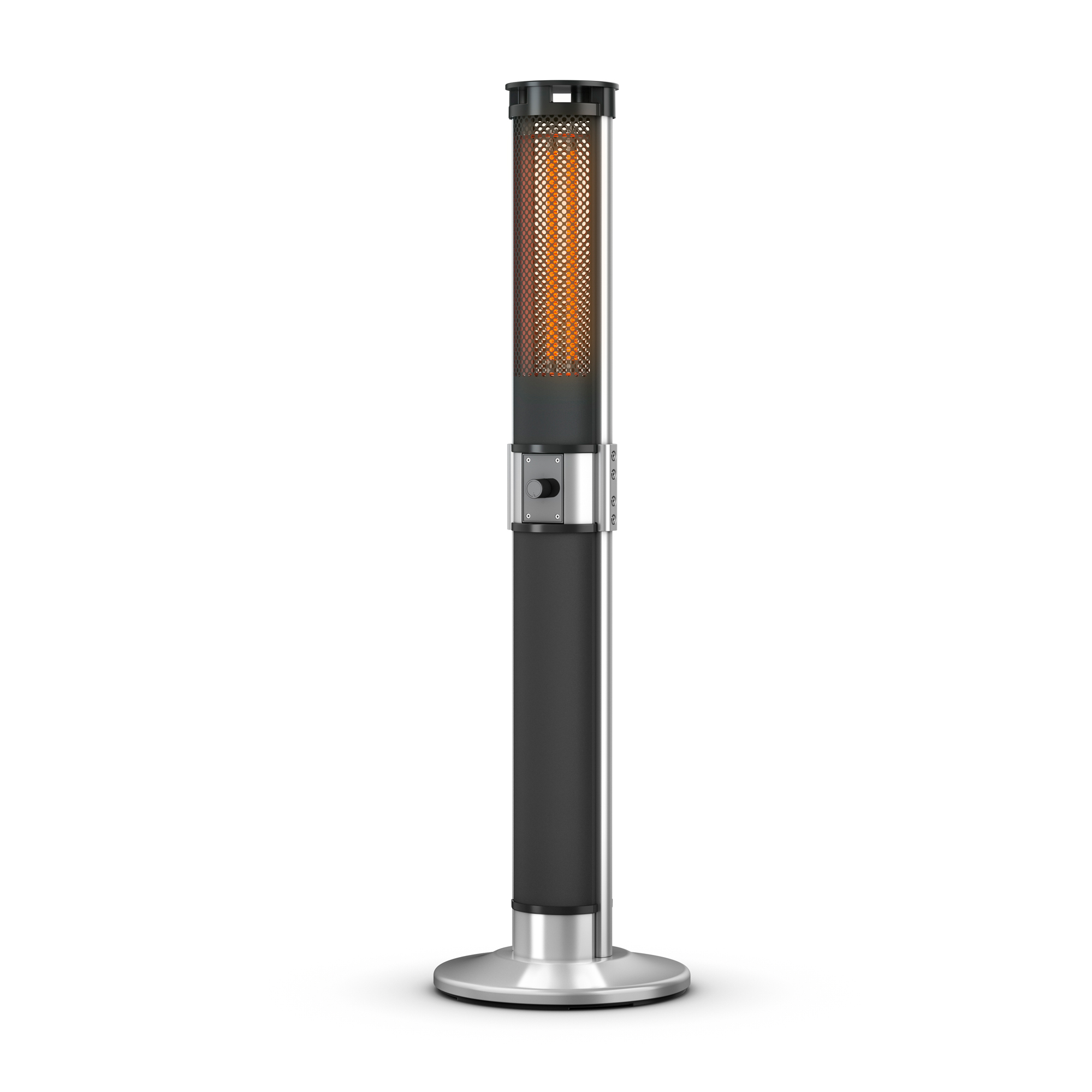
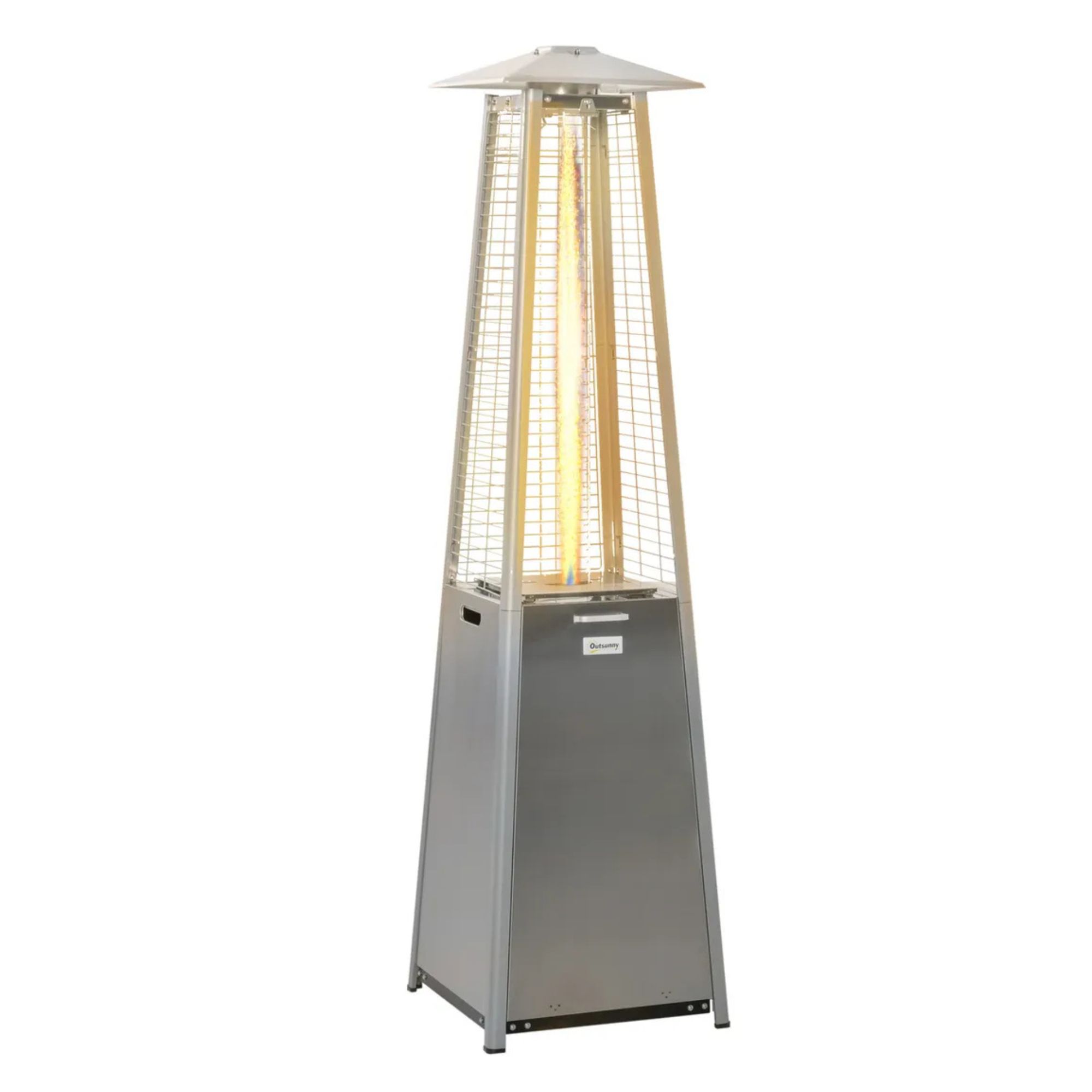
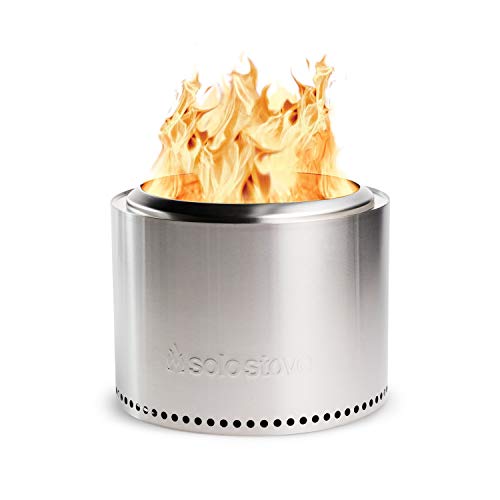
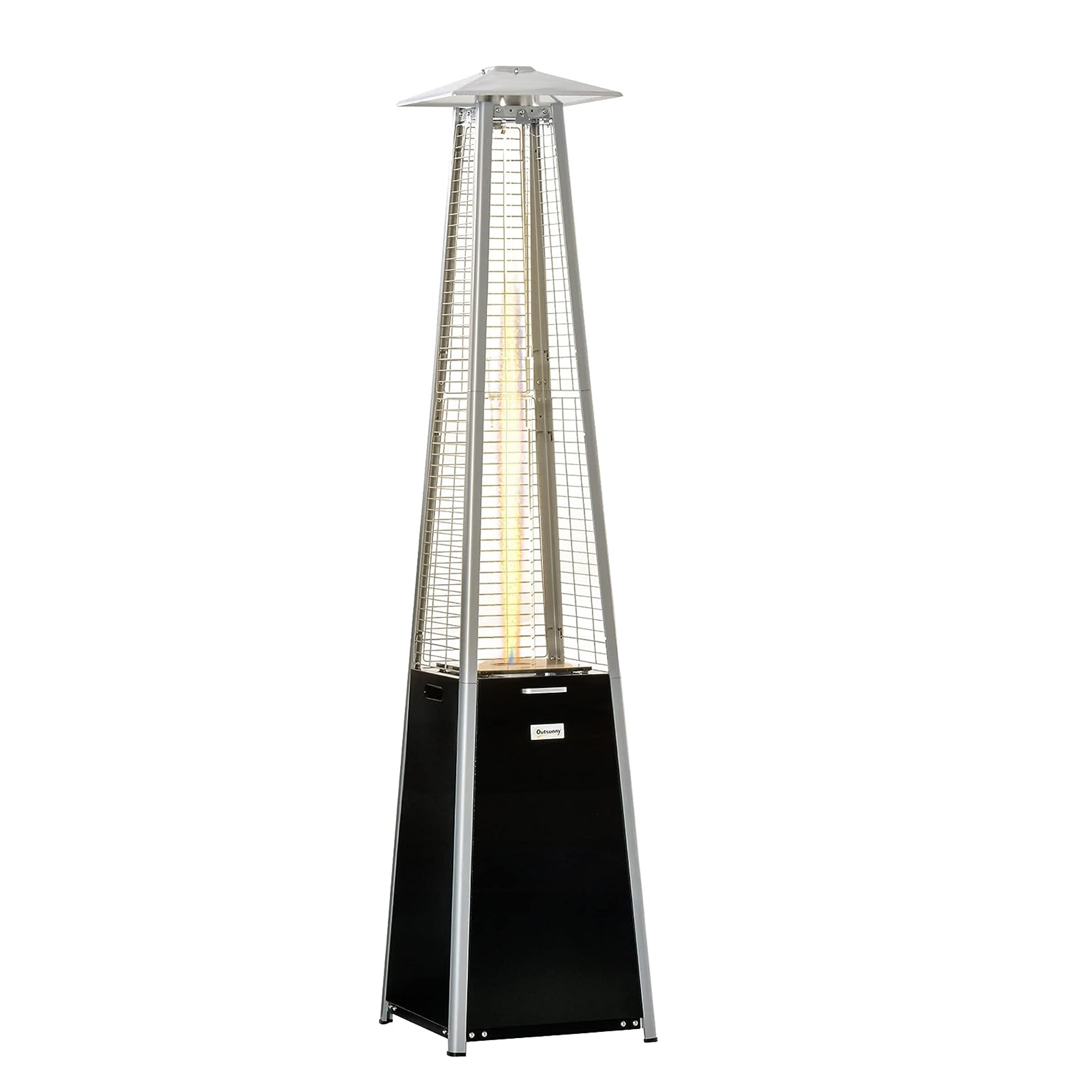
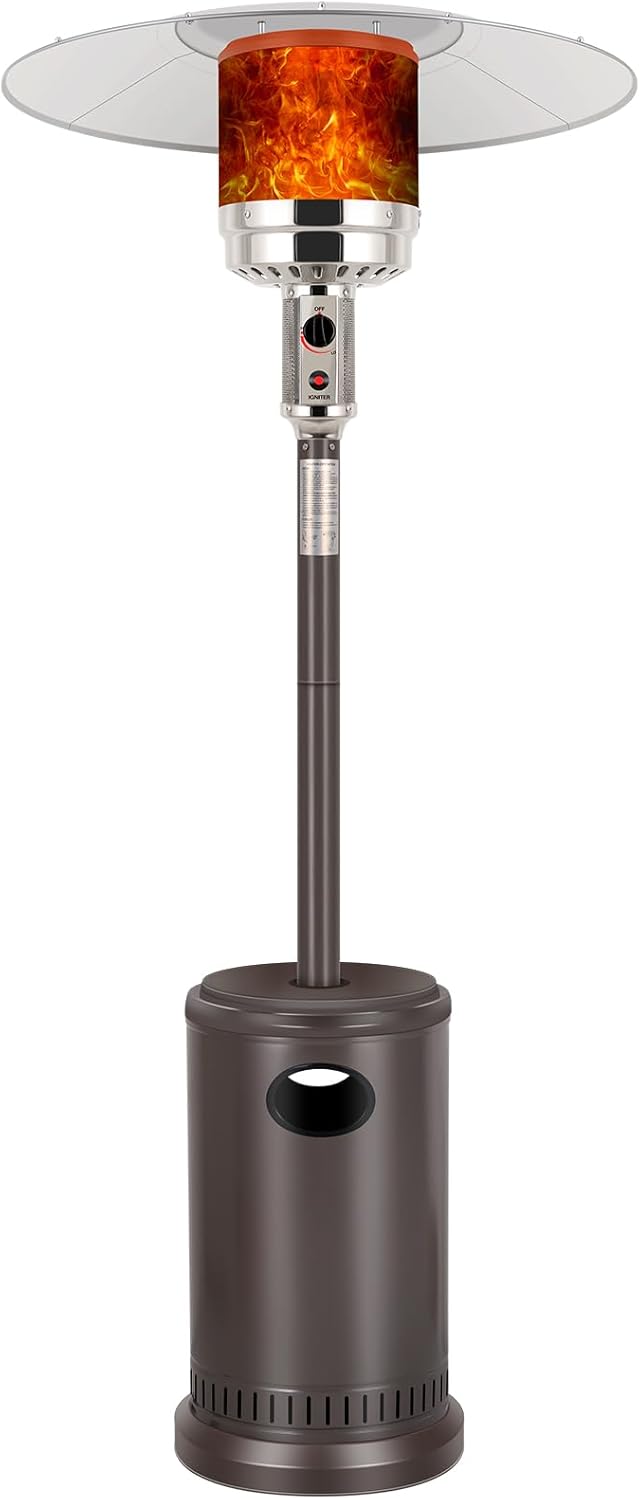
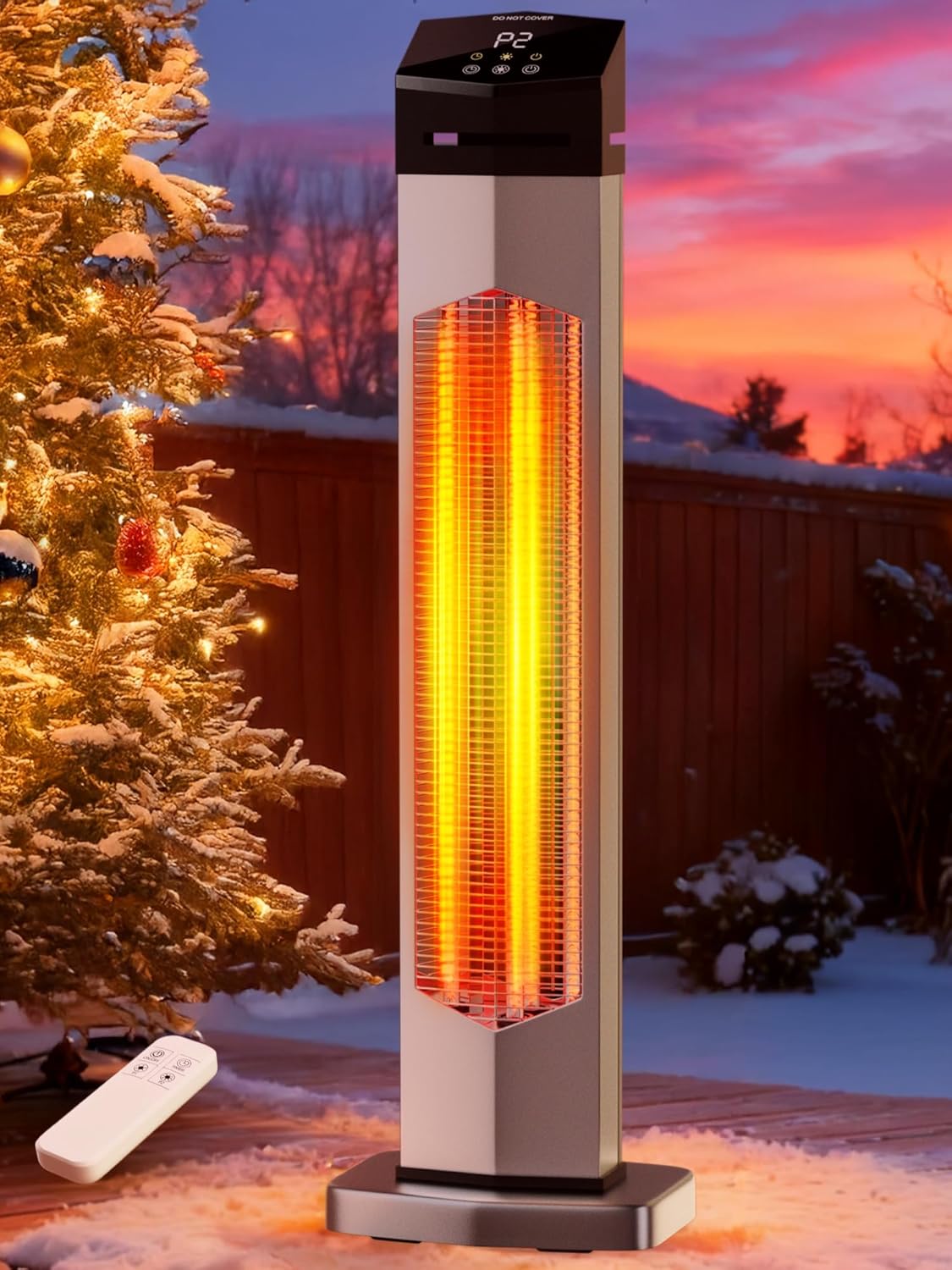
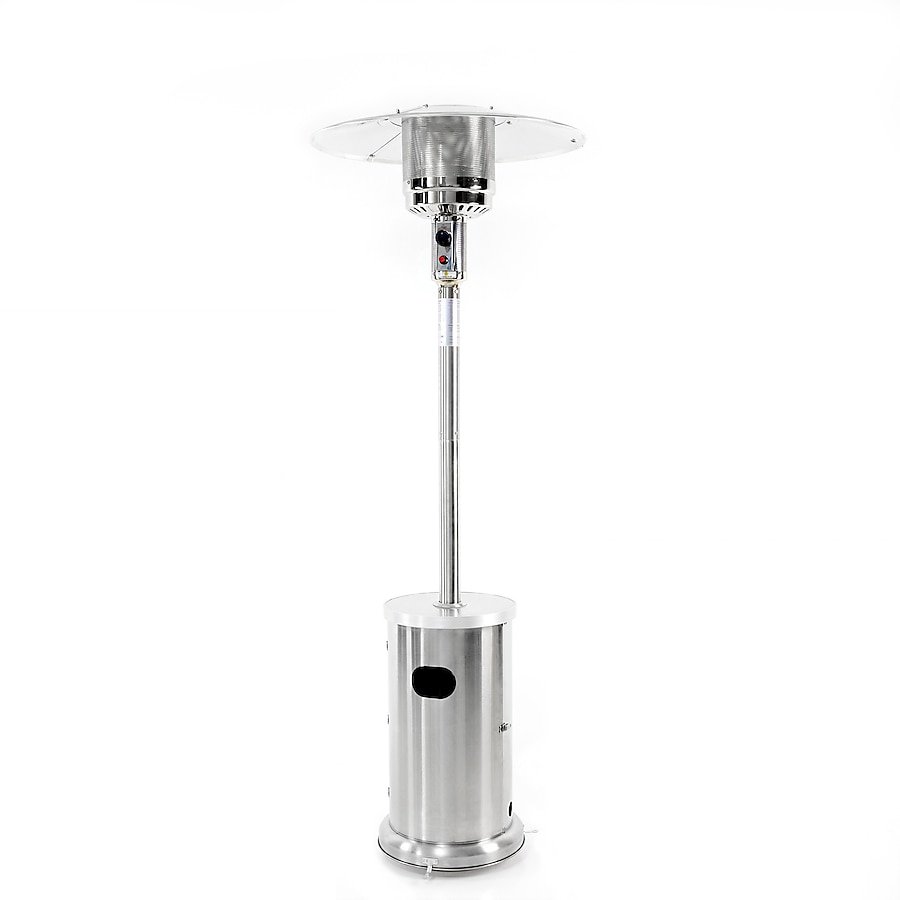
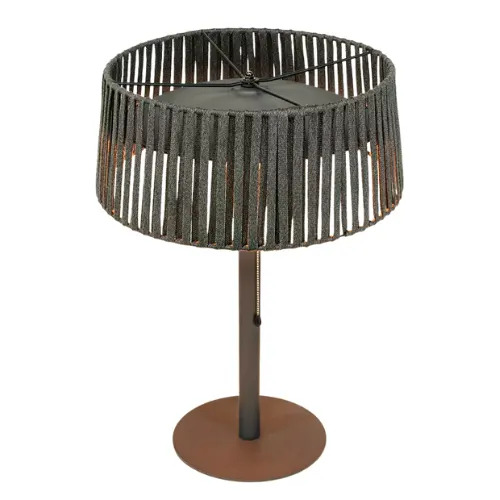
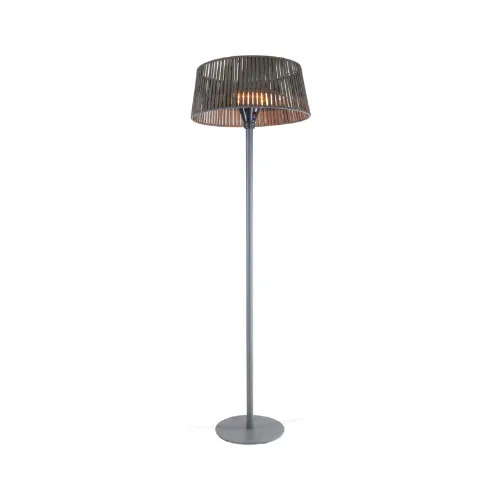
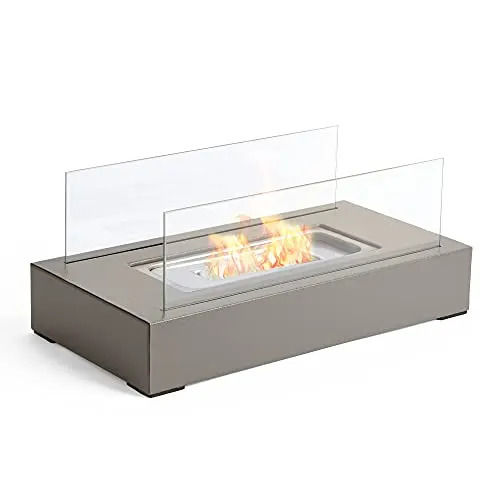
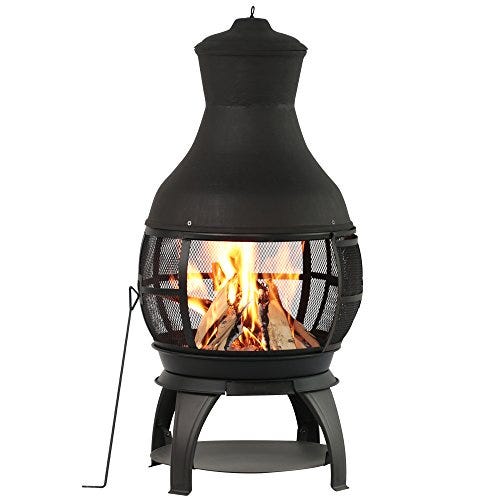
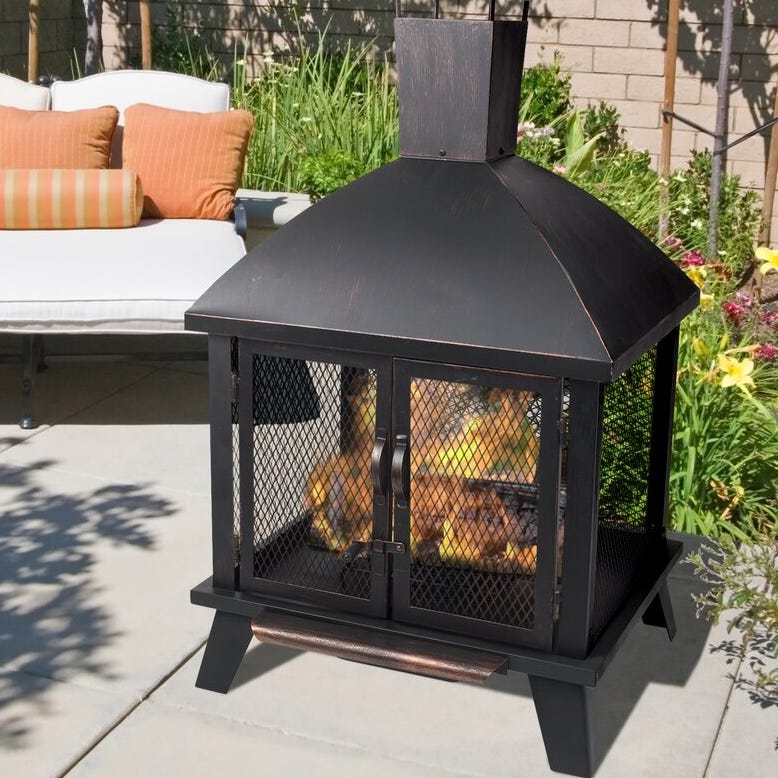
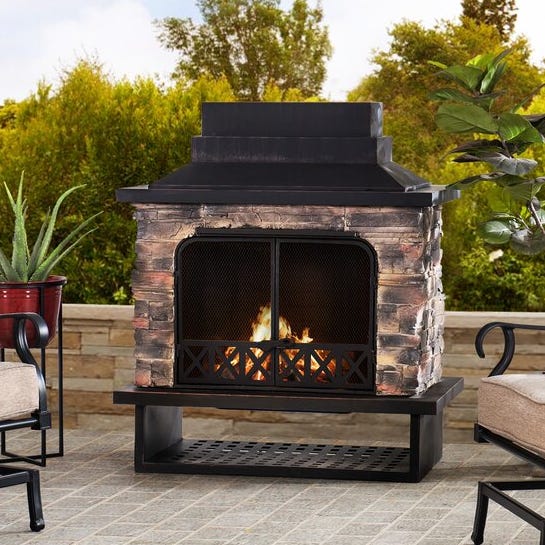
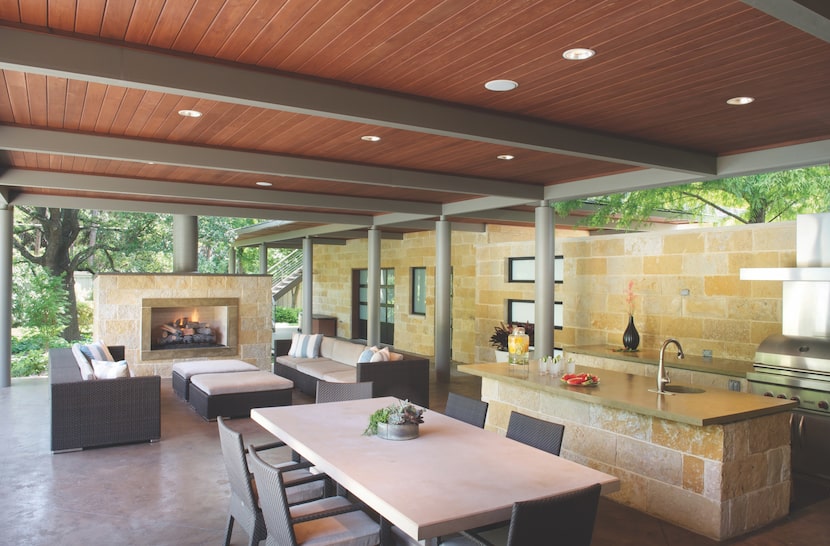
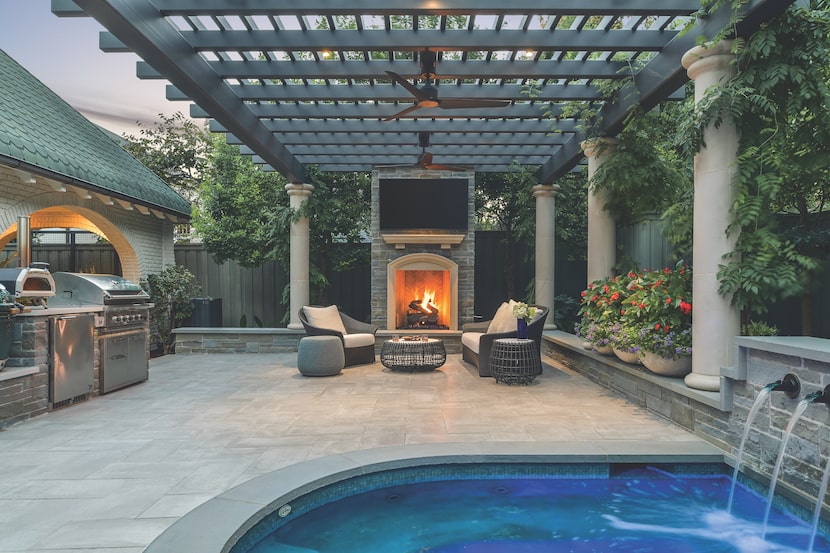
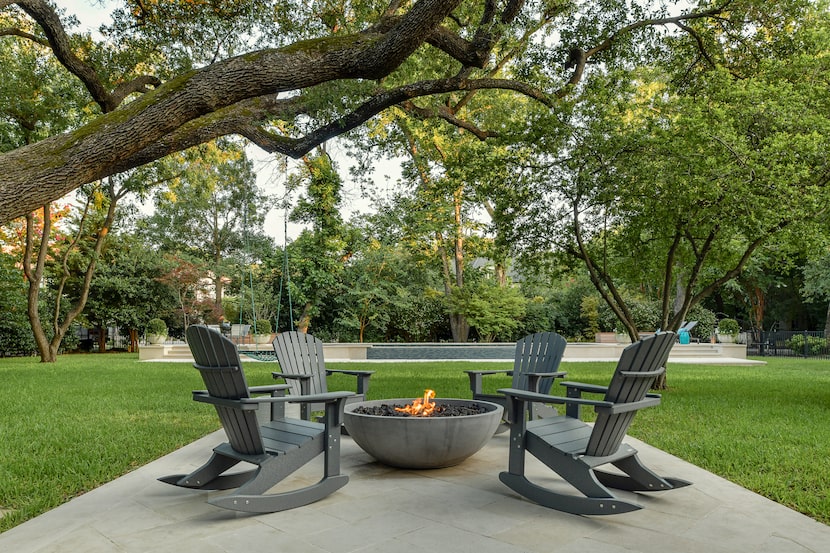
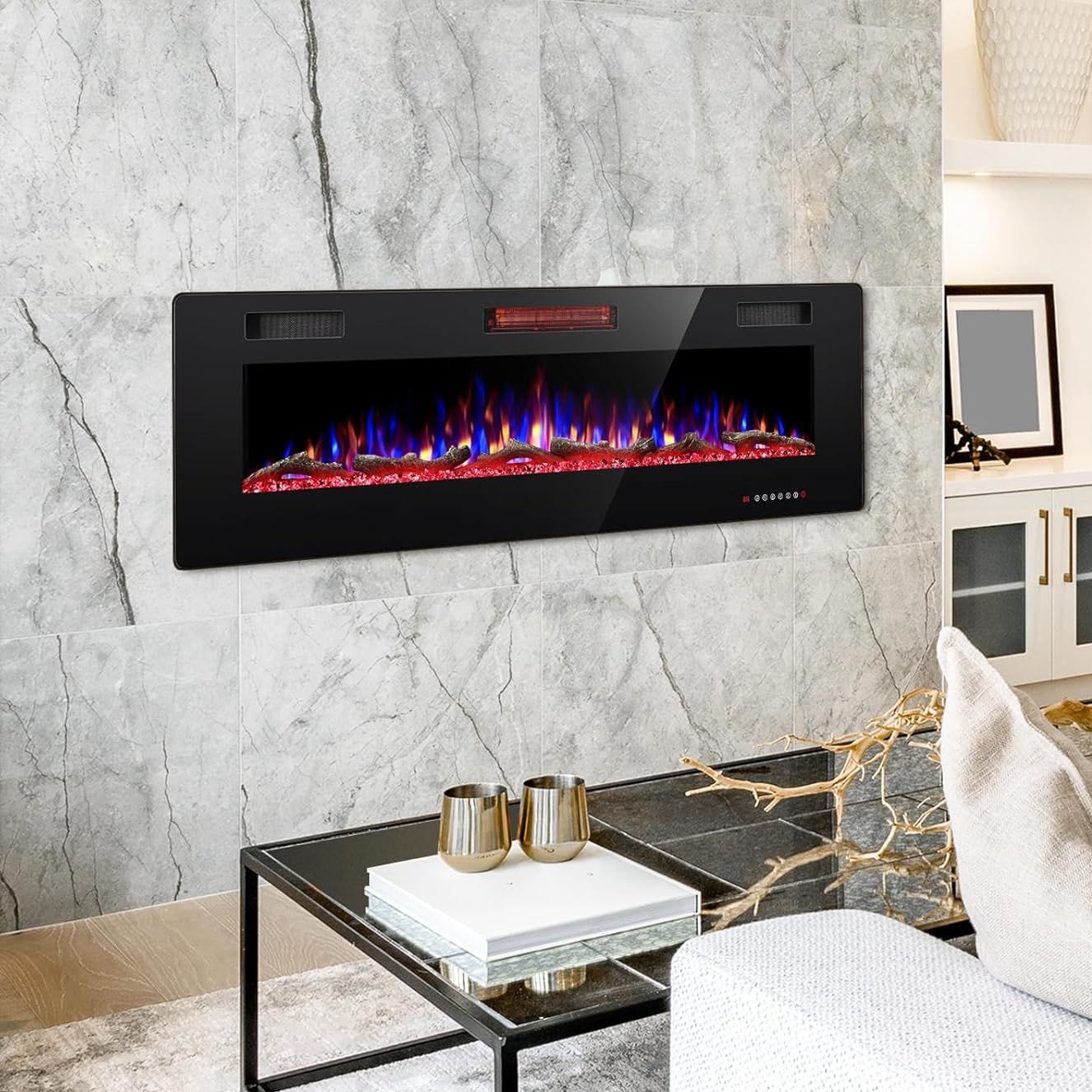
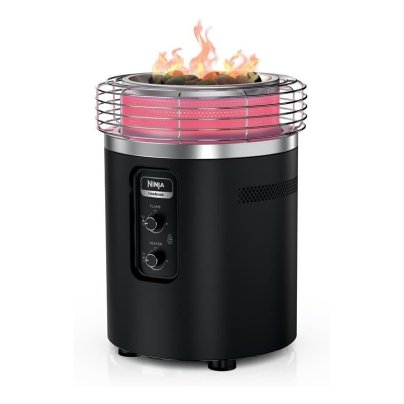
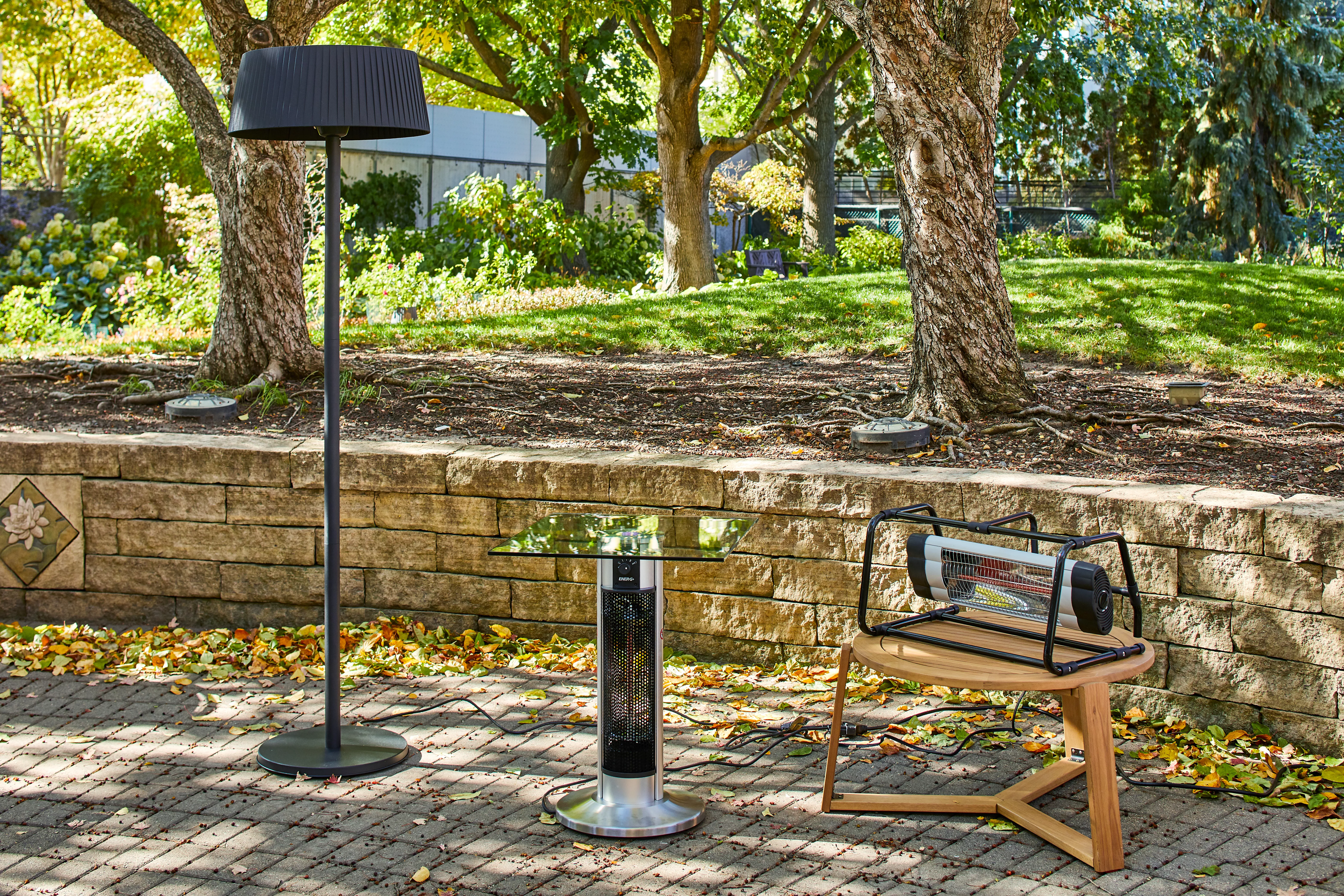
The transition into colder months often limits the use of outdoor living spaces, but patio heaters offer a practical solution to extend the enjoyment of decks and patios. Unlike traditional fire pits, which provide localized heat and open flames, patio heaters project warmth in a radius, effectively heating a larger area. Modern patio heaters come in various forms, including classic freestanding units, wall-mounted, ceiling-mounted, and even tabletop models, catering to different space requirements and aesthetic preferences. These devices typically use propane, natural gas, wood pellets, or electricity as their fuel source, each offering distinct advantages and considerations.
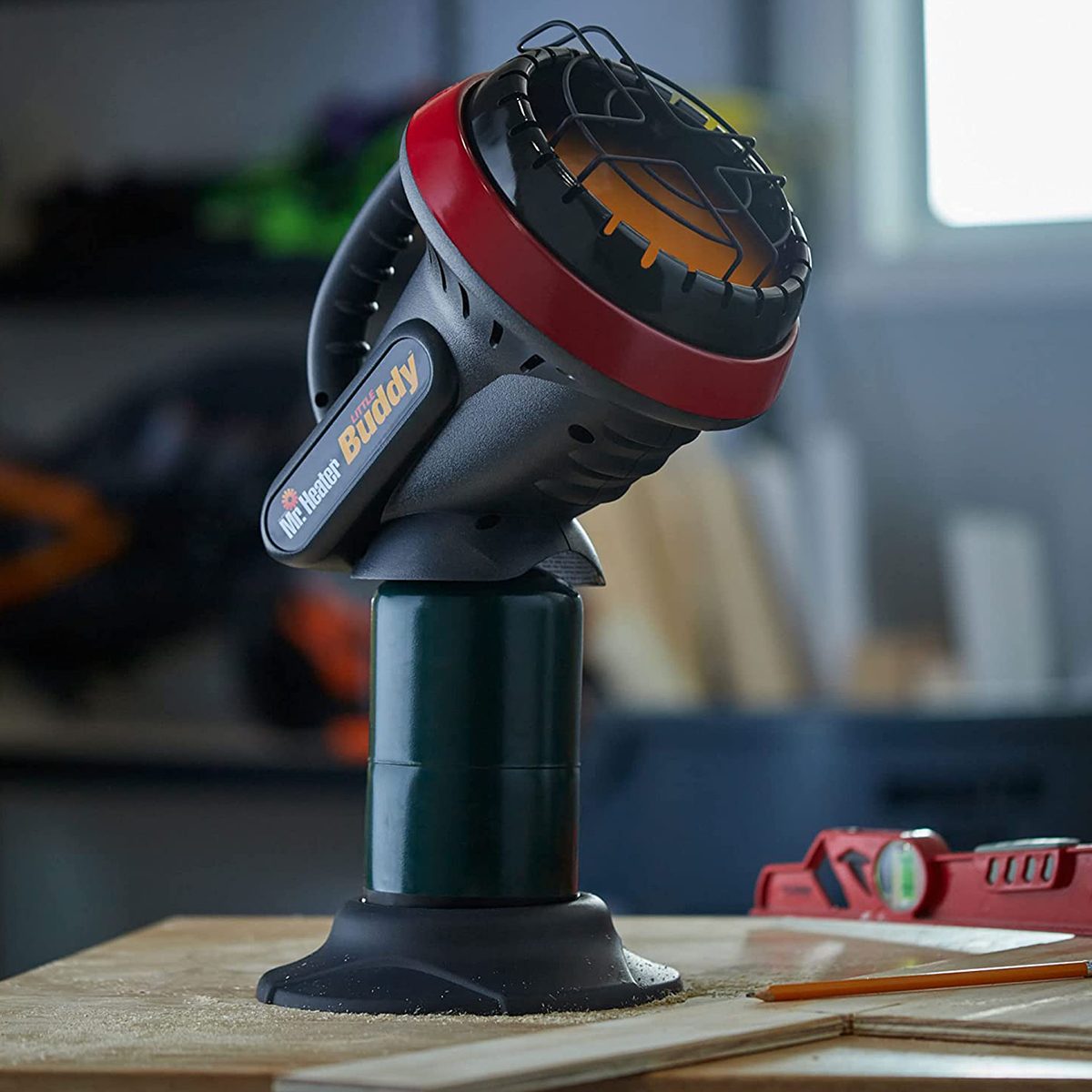
Propane and natural gas heaters are known for their high heat output, measured in BTUs (British Thermal Units), and are often portable with wheeled bases. Propane models offer convenience with internal fuel storage, while natural gas heaters provide a continuous fuel supply without the need for refills, albeit requiring a fixed installation near a gas line. Electric patio heaters, on the other hand, are highly convenient due to their instant heat, low maintenance, and ability to operate without open flames, making them suitable for both indoor and outdoor use. However, they might be more expensive to run and often require a corded power source.
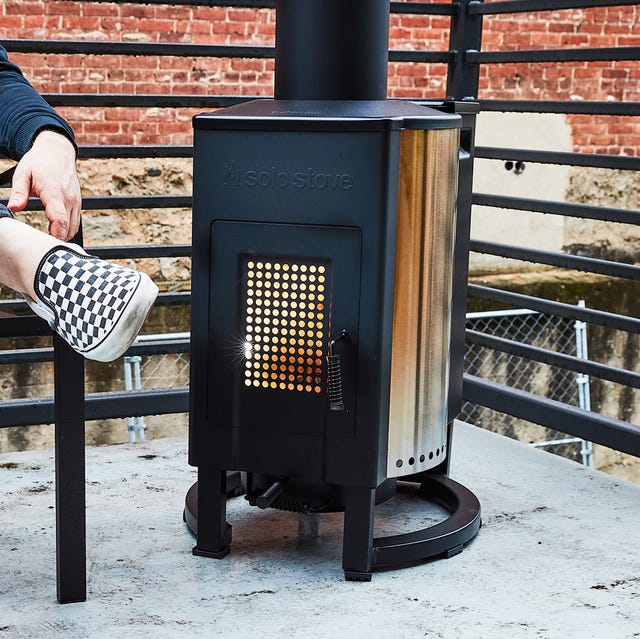
Wood pellet patio heaters represent a more sustainable option, utilizing compressed wood pellets for fuel. They are efficient, produce fewer emissions, and their fuel source is often more cost-effective. However, they require a consistent supply of pellets and a reliable power source for ignition. The selection of a patio heater should be based on several factors, including the desired heat output, the size of the outdoor space, the local climate, and portability needs. For instance, large patios in very cold climates might benefit from multiple high-BTU units, while smaller spaces or occasional use might be better served by a more compact or tabletop model.
Optimal use of a patio heater involves strategic placement to maximize heat distribution, typically in a central location or angled towards gathering areas for directional heaters. It is also advisable to turn on the heater approximately 30 minutes before use to allow the area and furniture to warm up. While patio heaters significantly enhance outdoor comfort in cool weather, they do not replicate indoor warmth entirely, so wearing appropriate clothing layers is still recommended. Most patio heaters operate using infrared heating technology, which directly warms objects and surfaces rather than heating the air, providing a more immediate and efficient sense of warmth similar to sunlight.
#PatioHeaters #OutdoorLiving #HomeComfort #SeasonalDecor #ProductReview #HomeImprovement #OutdoorHeating #InfraredHeating #PatioHeaters #OutdoorLiving #HomeComfort #SeasonalDecor #ProductReview #HomeImprovement #OutdoorHeating #InfraredHeating
0 comment in total
 No comments yet
You may also like
The Best Patio Heaters for Cozy Outdoor Living

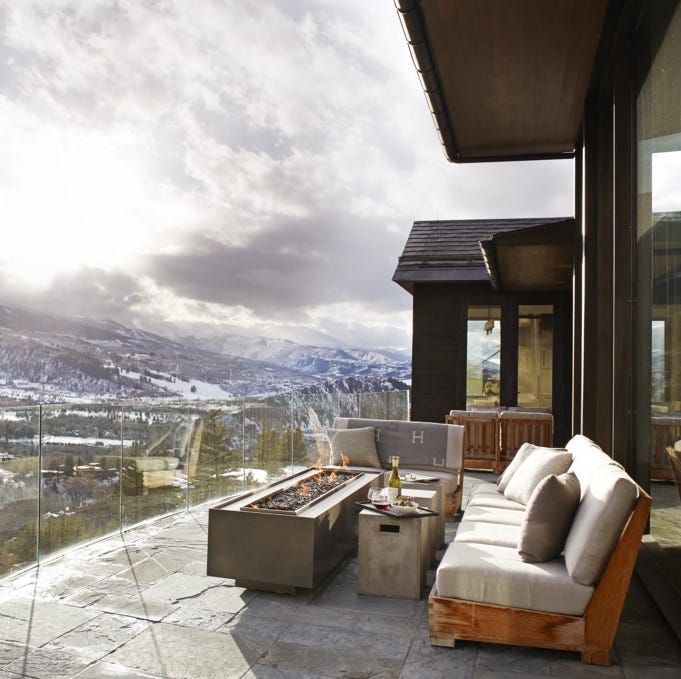
8 Best Fire Pits for Keeping Your Backyard Cozy All Winter Long
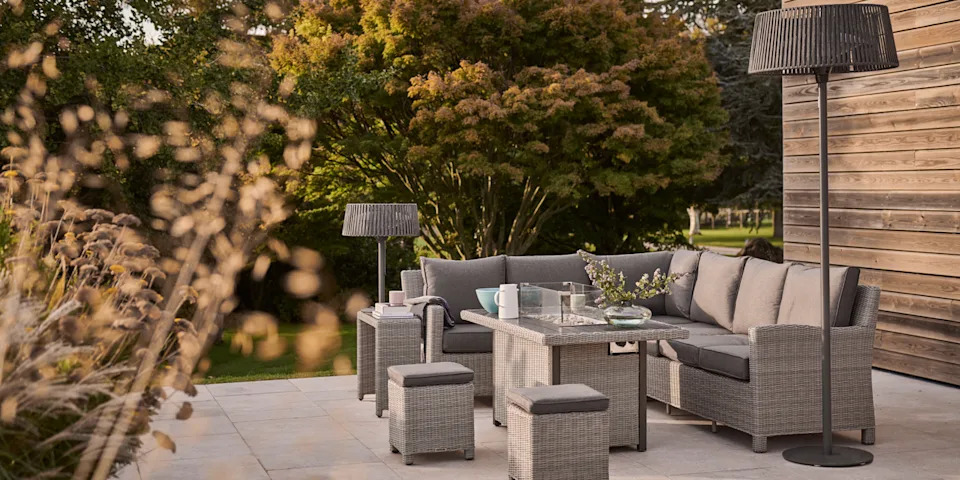
An Outdoor Heater the Size of a Table Lamp? This Compact Design Makes Your Garden Autumn-Proof, and Looks Good While Doing It
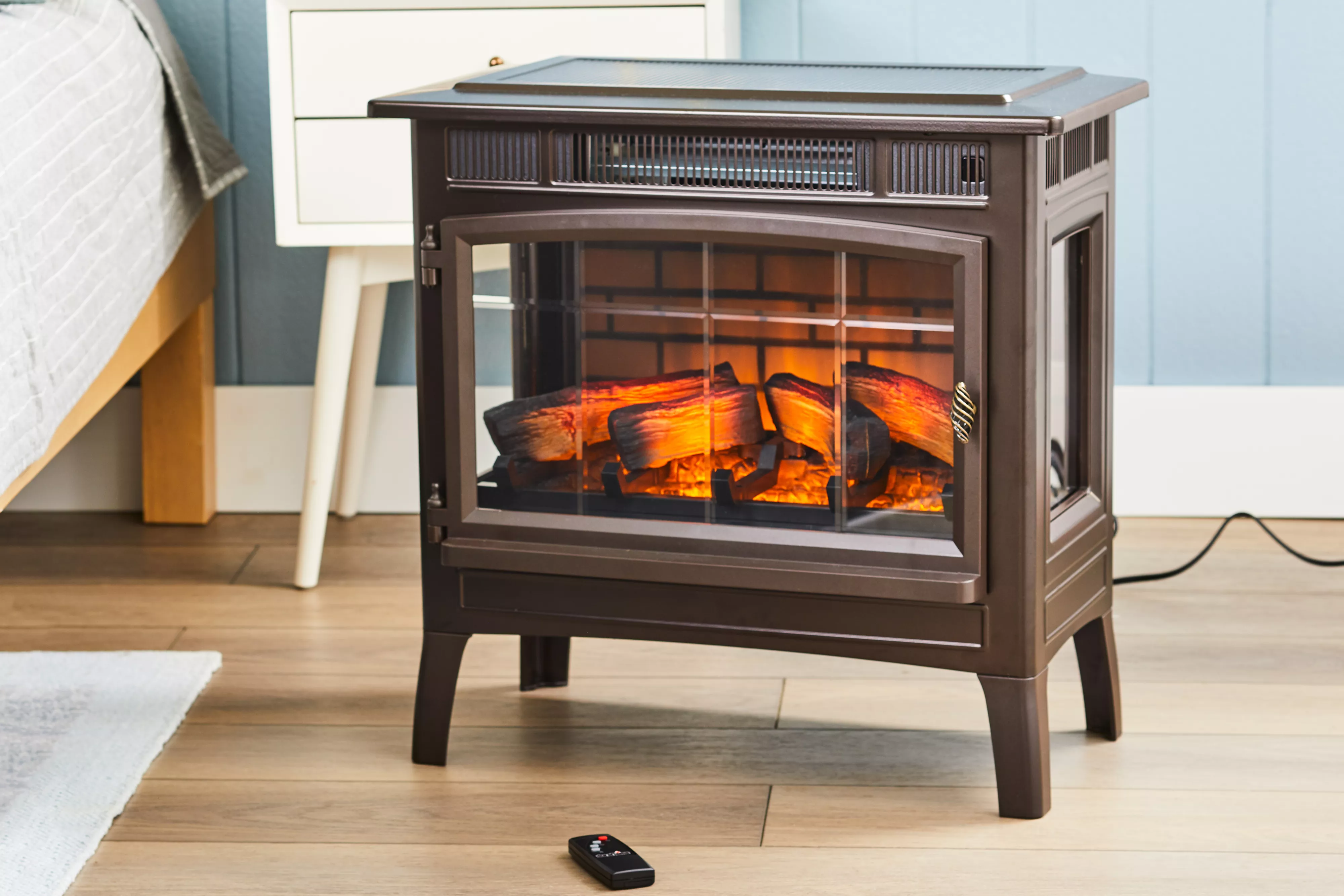
These 5 Space Heaters Will Keep You Extra Toasty This Winter

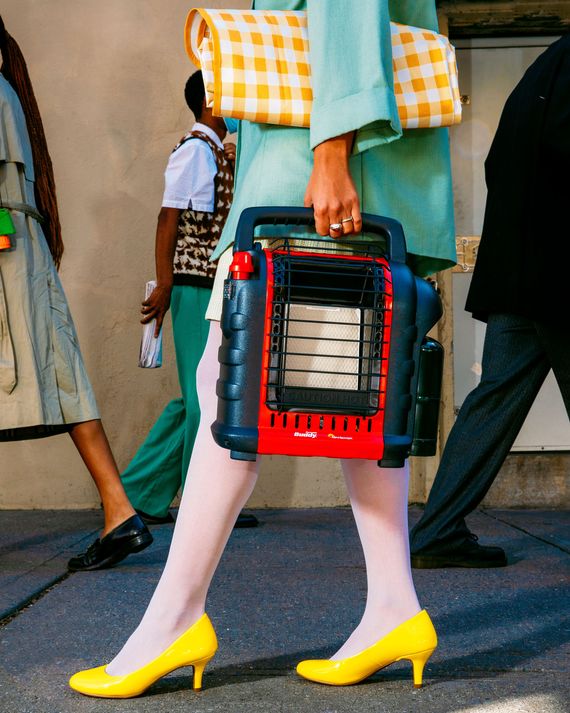
The 12 Very Best Outdoor Heaters
6 of the best heater ideas to warm up your home this winter

Yes, You Can Effectively Heat Your Outdoor Space Gas-Free—Here's How
8 backyard covered patio ideas – expert approved ways to adapt your set-up for year round living
11 Best Amazon Patio Heaters to Keep You Warm on Cold Nights

Planning a Backyard Hangout? These 9 Tested Patio Heaters Deliver Real Warmth

Chill Out and Keep Warm With One of These Stylish Outdoor Fireplaces
The 12 Best Indoor Fireplaces for Cozying Up this Winter
The best patio heaters keep you toasty, even in the dead of winter — these are our top picks
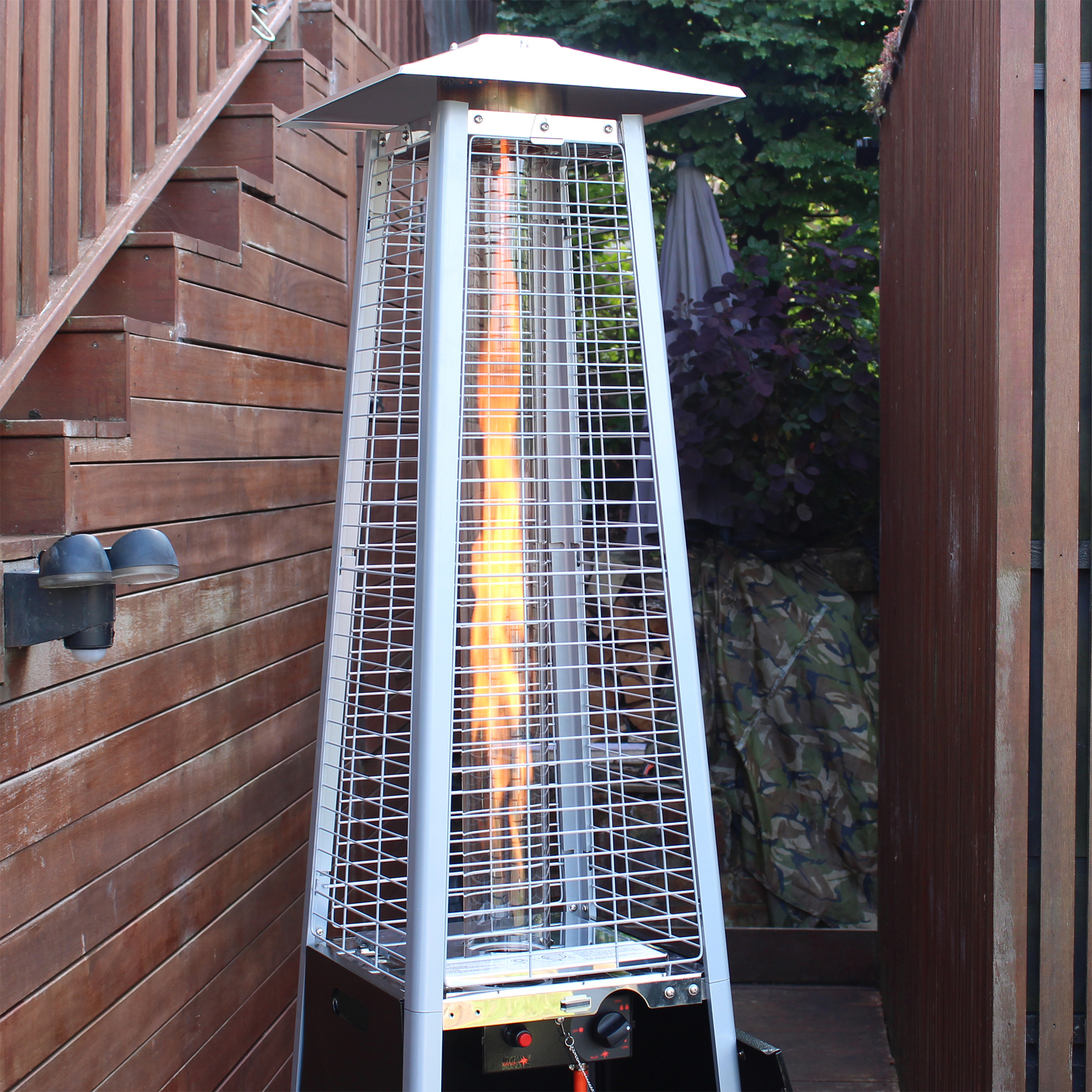
Outsunny 11.2kw Pyramid Gas Patio Heater review – no need for an electrical socket with this versatile gas heater
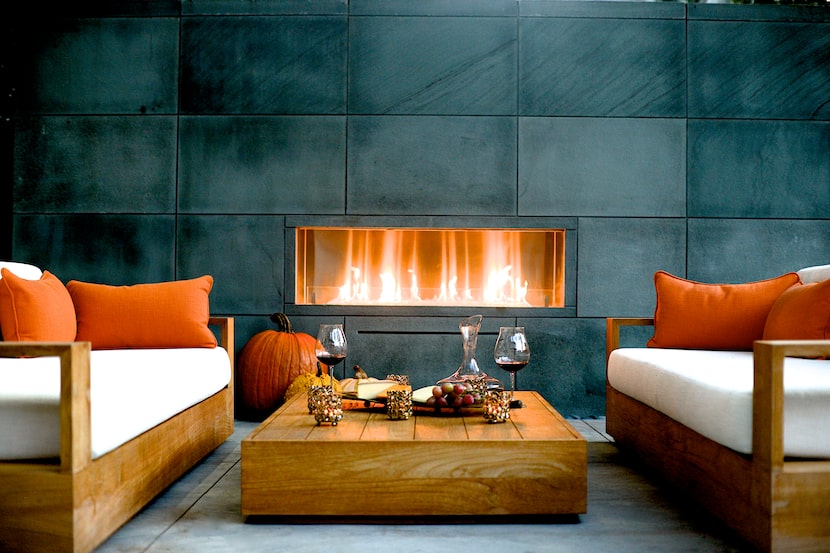
How to create the coziest of outdoor spaces this fall, according to North Texas experts

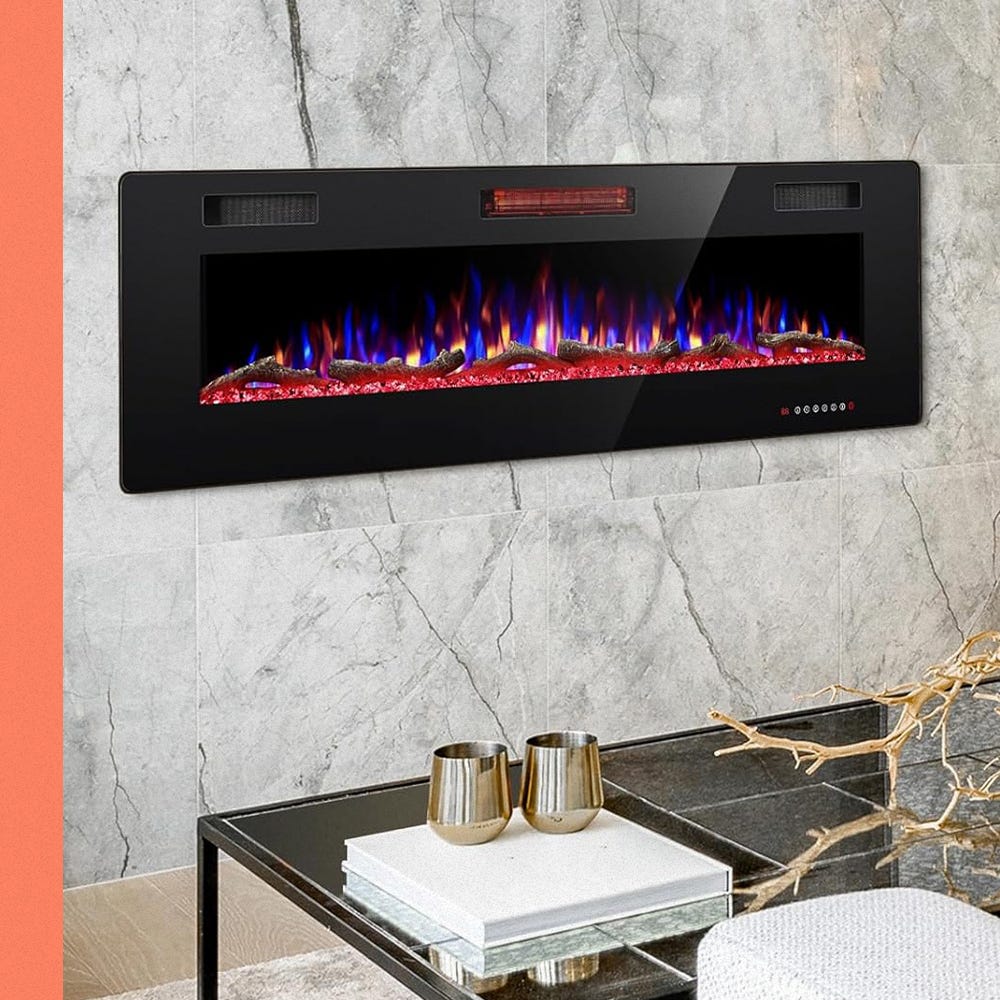
Turn Your Home Into a Cozy Winter Retreat With Our Favorite Electric Fireplaces
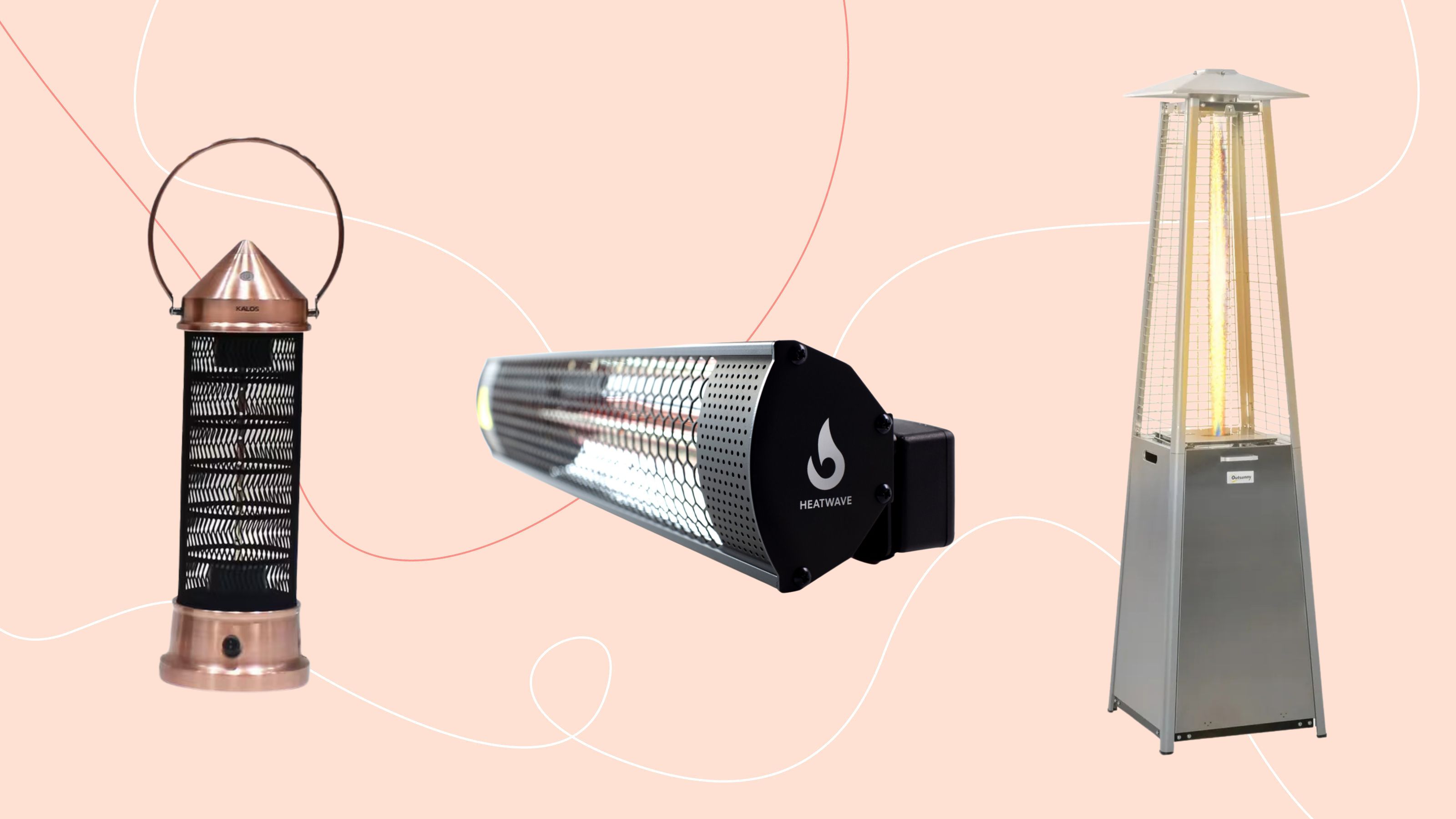
The best patio heater for every space and budget – tried-and-tested favourites that will warm up chilly summer nights
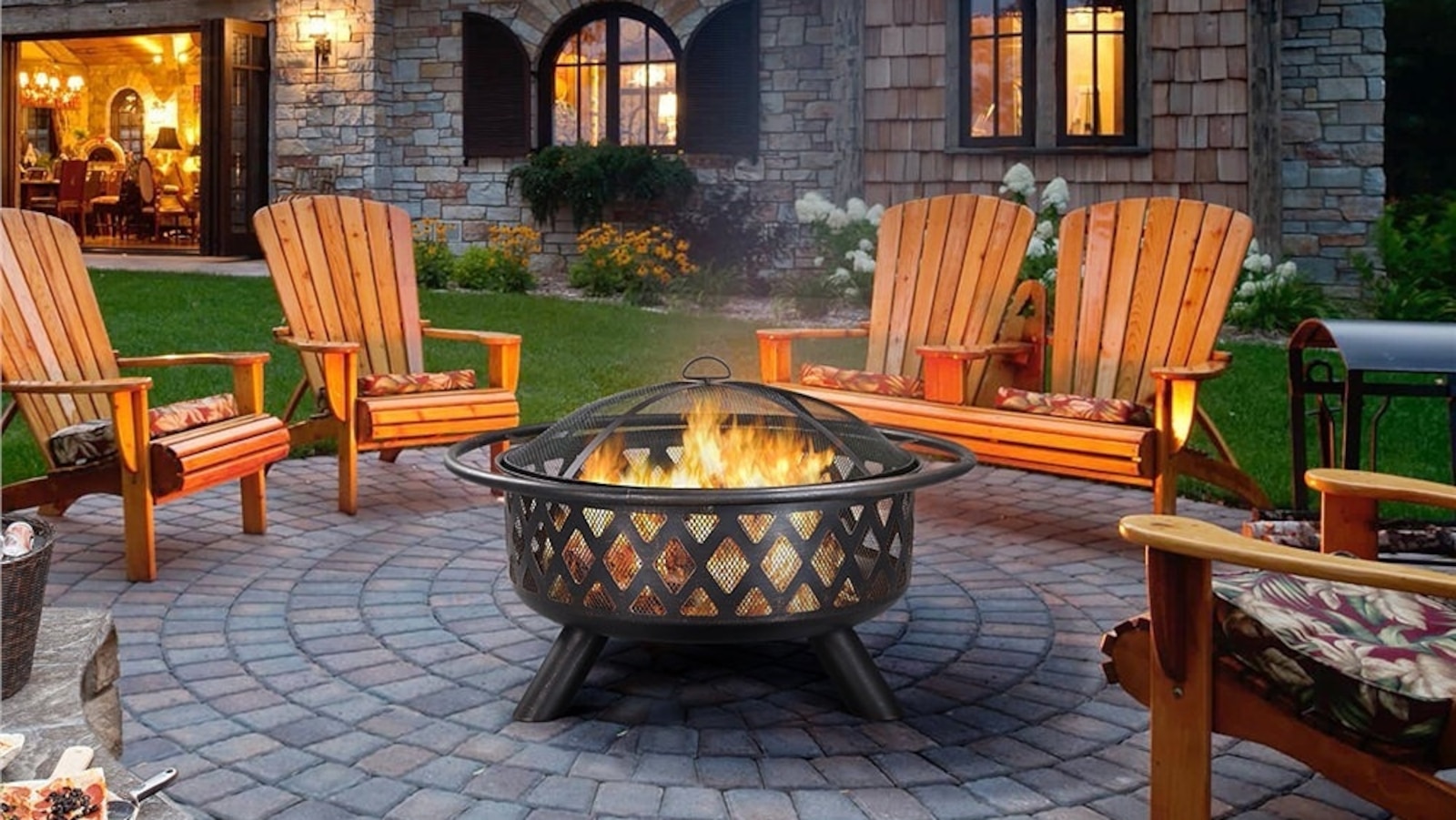
Outdoor deals on patio furniture, heaters, grills and more
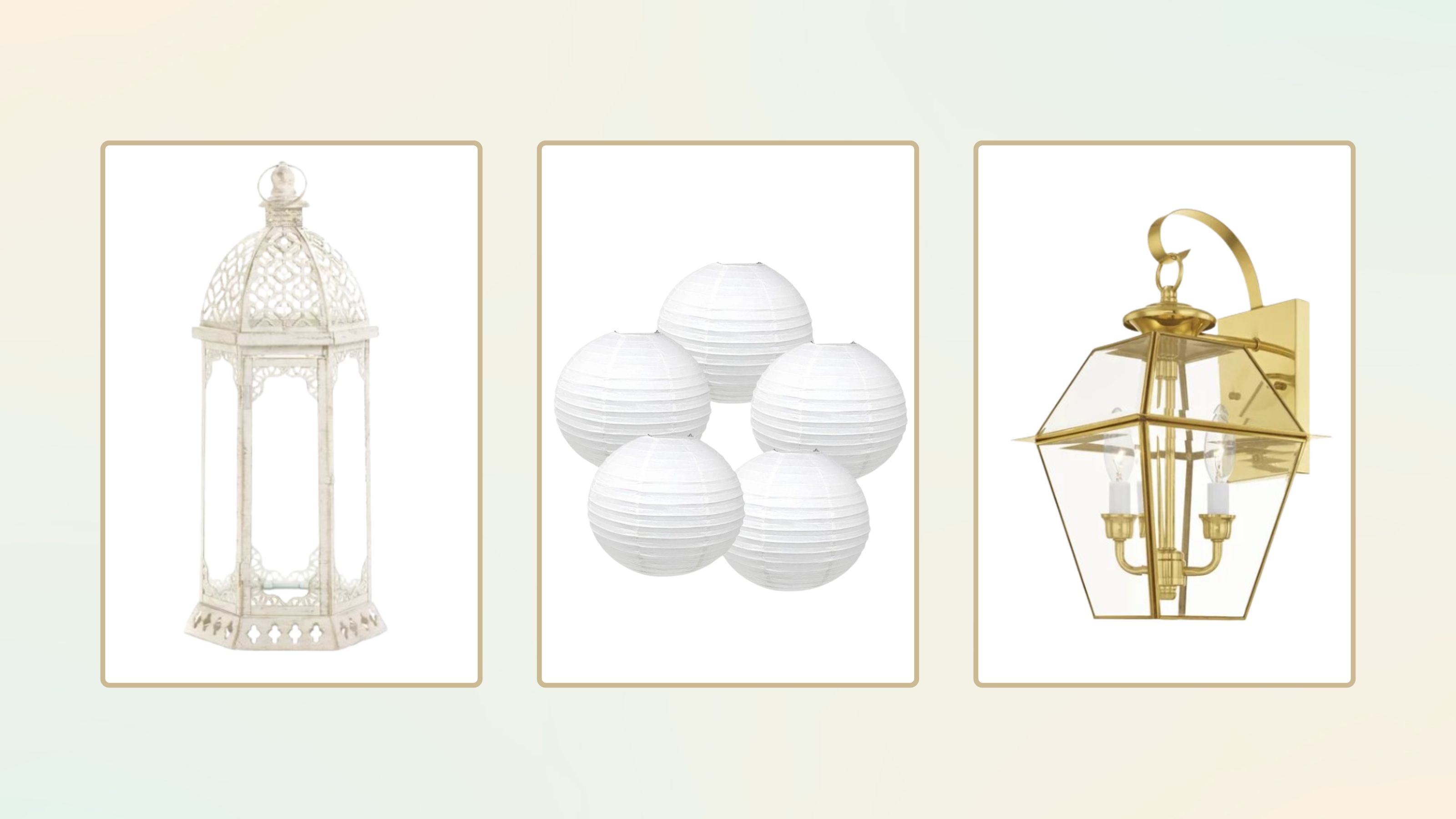
Best outdoor lanterns — 12 beautiful buys that will add a warm glow to your backyard


A backyard fireplace is the ultimate winter luxury