1/5
Electric Central Heating
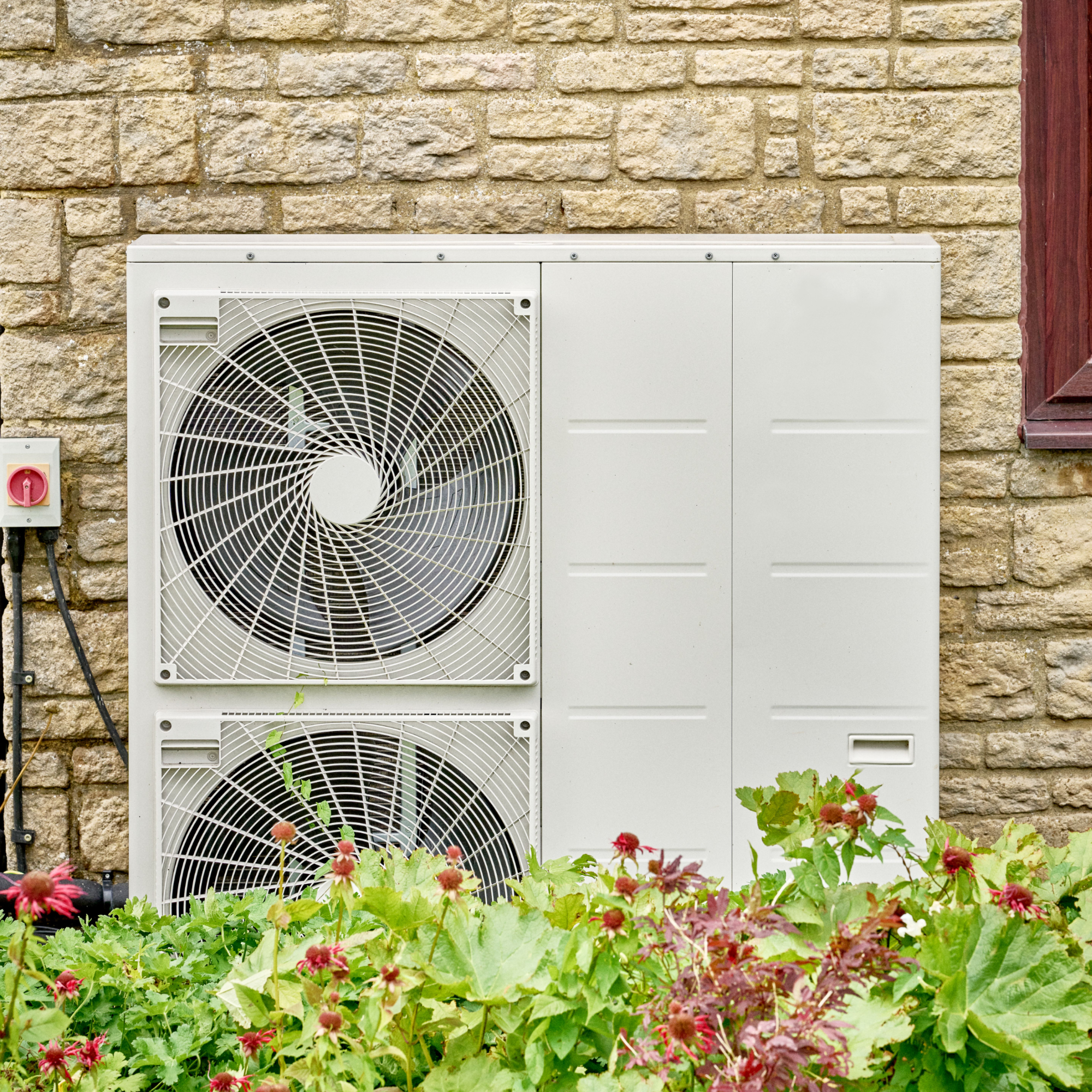
Electric heating serves as the primary heat source for many UK homes, especially those not connected to the gas grid. While relatively inexpensive to install and maintain, it can be costly to operate due to electricity being approximately four times more expensive per kilowatt-hour than gas. Various electric heating systems are available, including electric radiators and panel heaters, electric central heating with an electric boiler, night storage heaters, and infrared heating. Heat pumps, though powered by electricity, offer significantly higher efficiency and lower running costs compared to traditional electric heating, despite their higher installation costs, which can be offset by government grants.
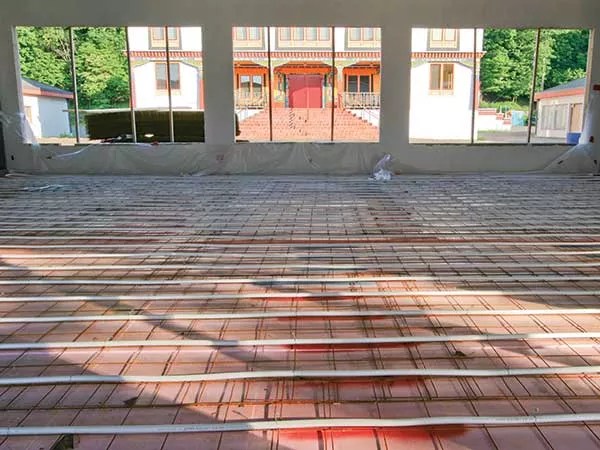
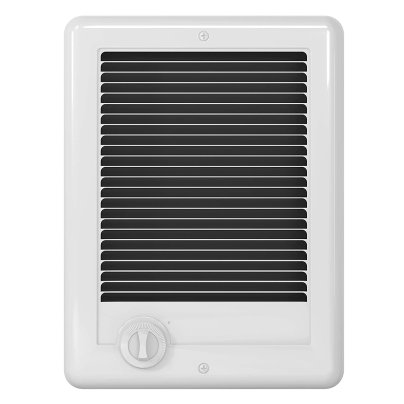
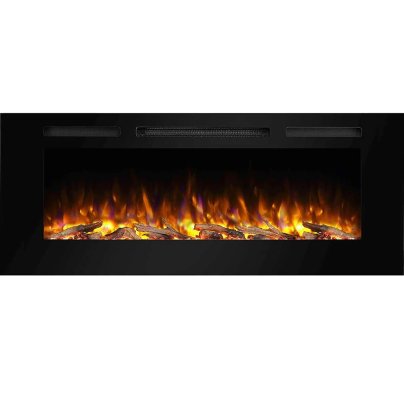
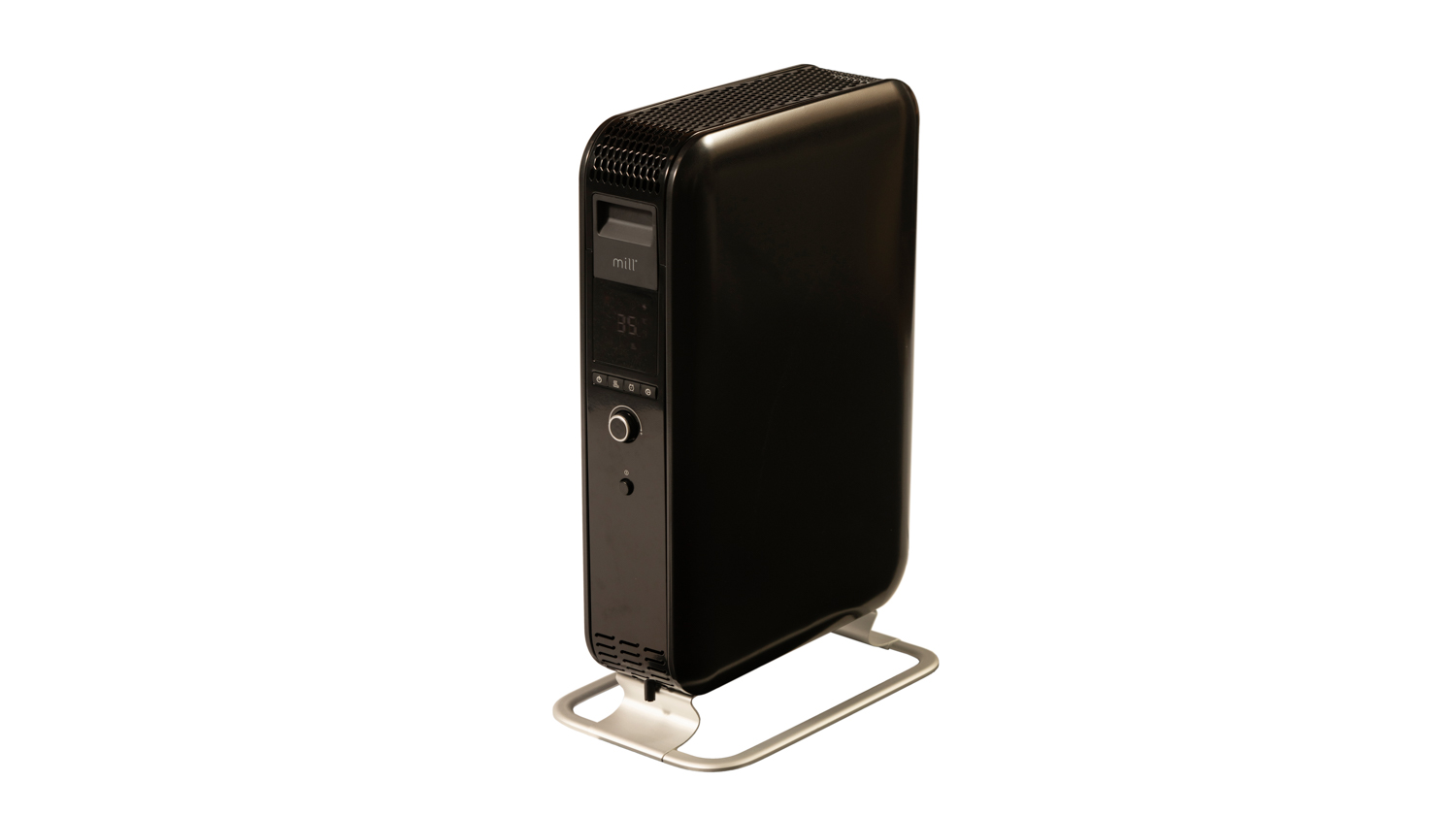
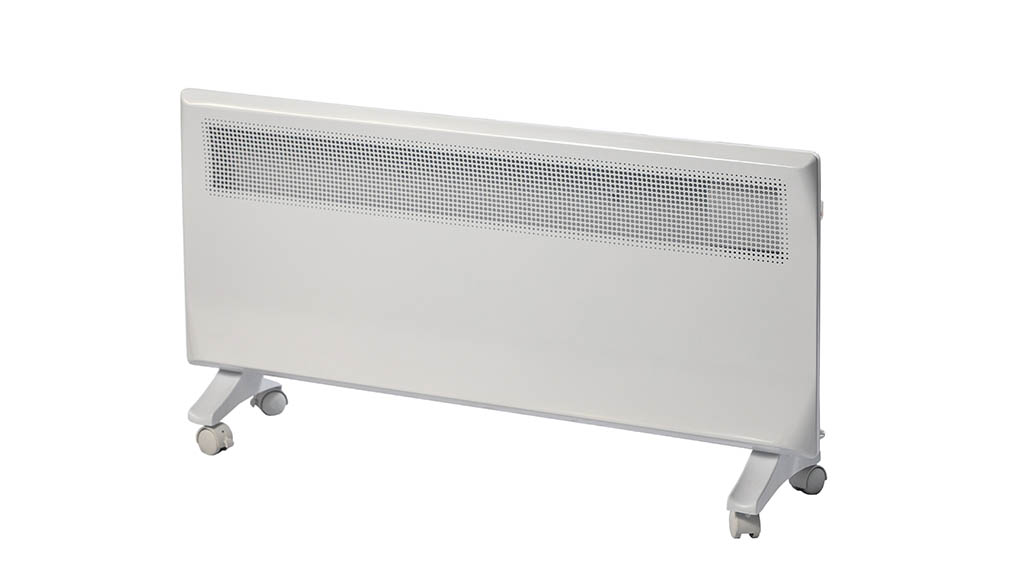
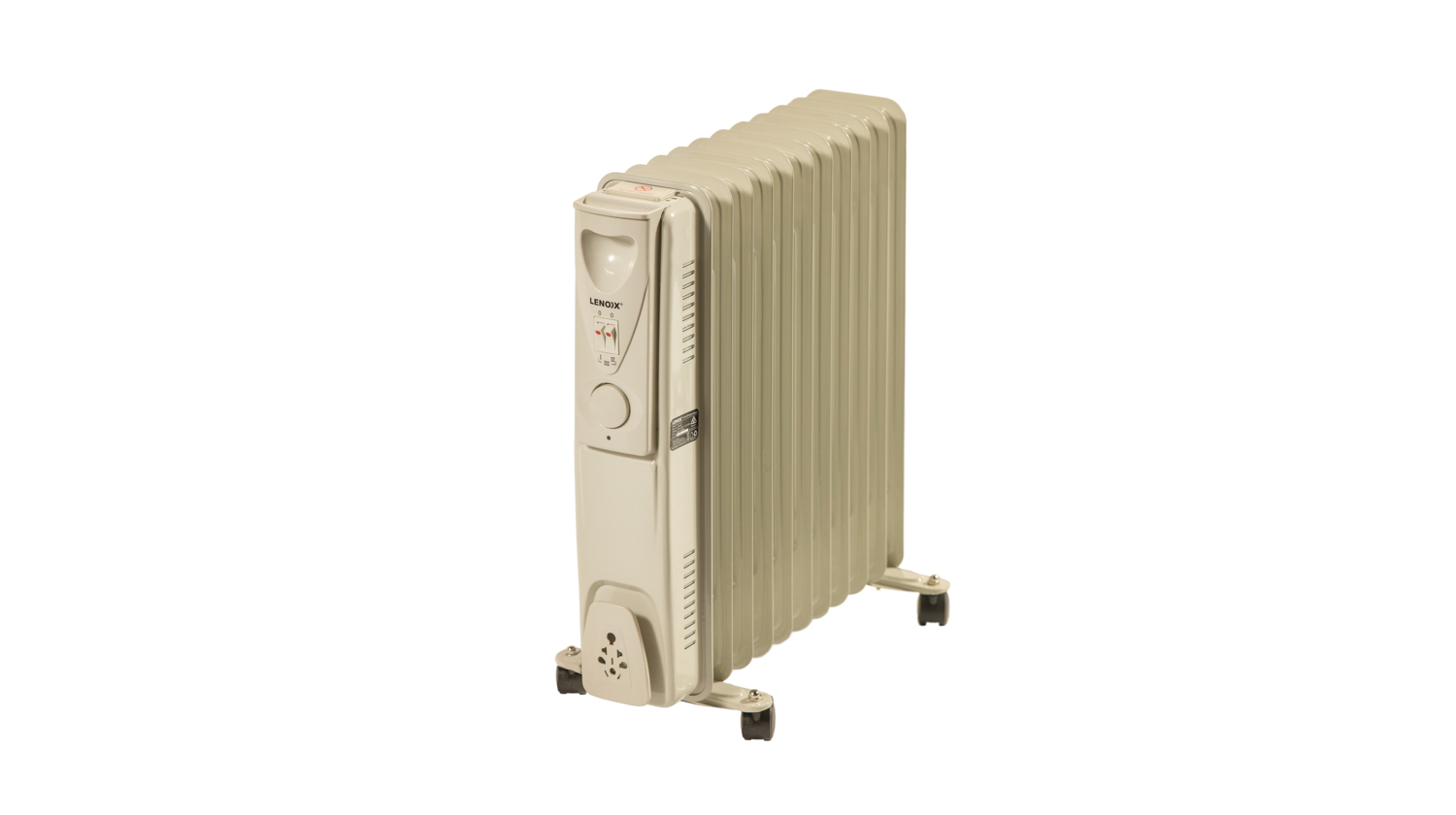
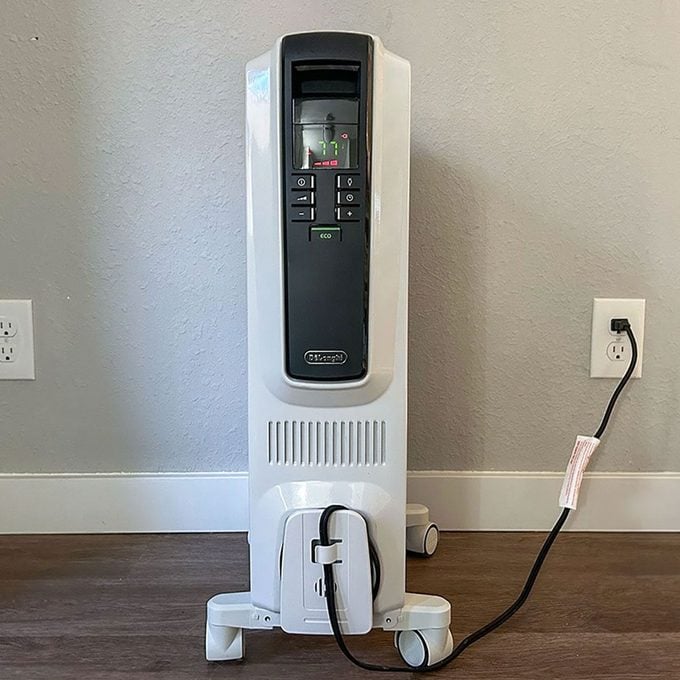
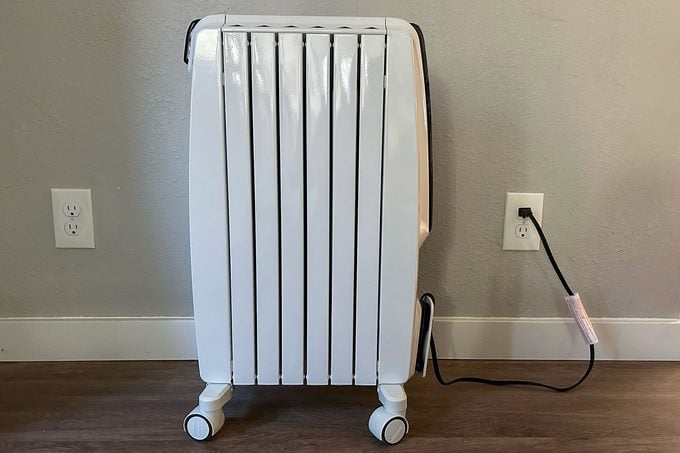
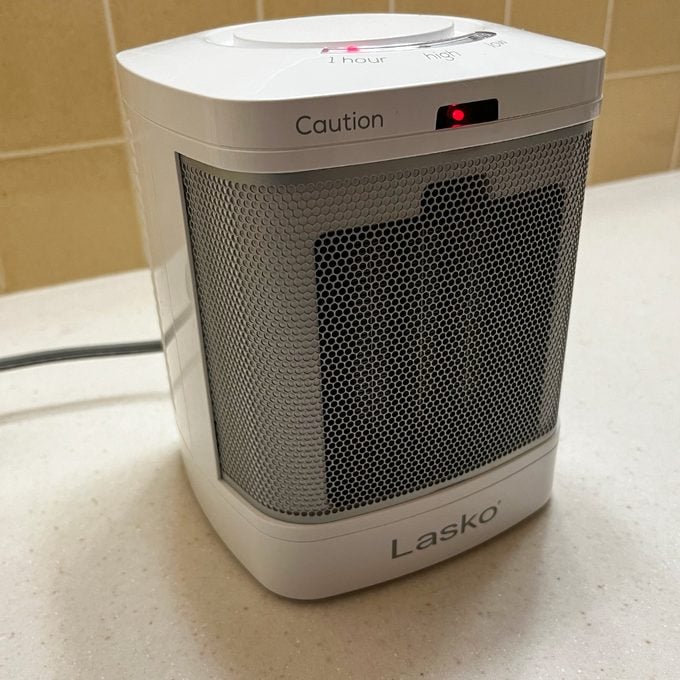
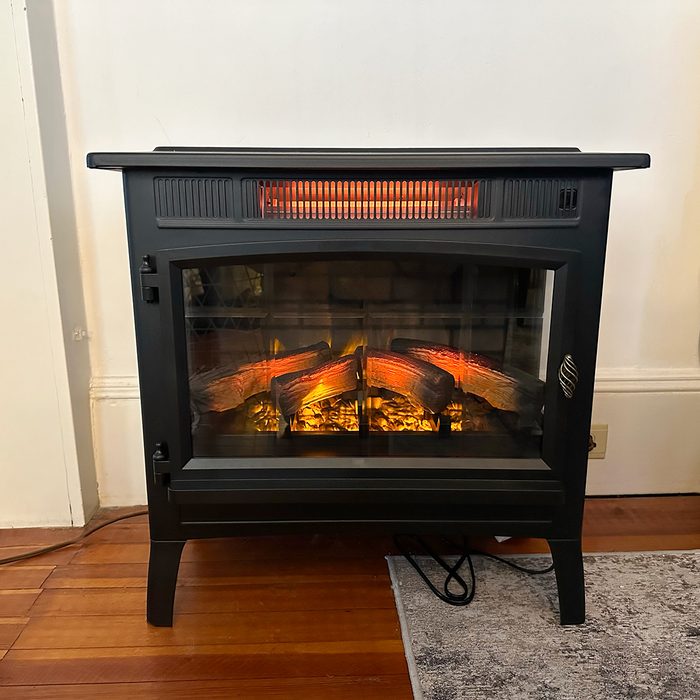
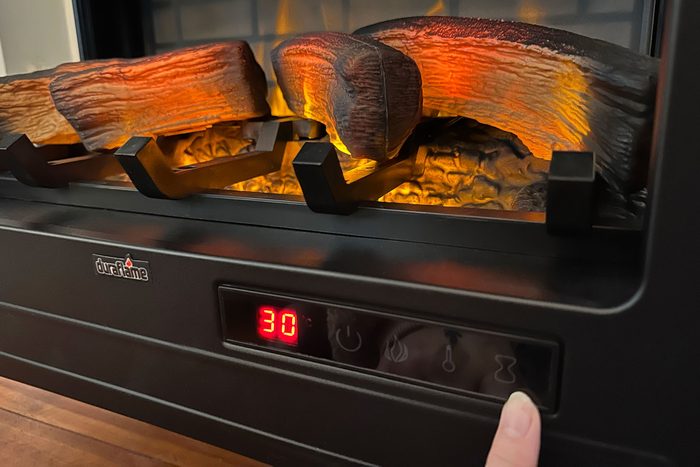
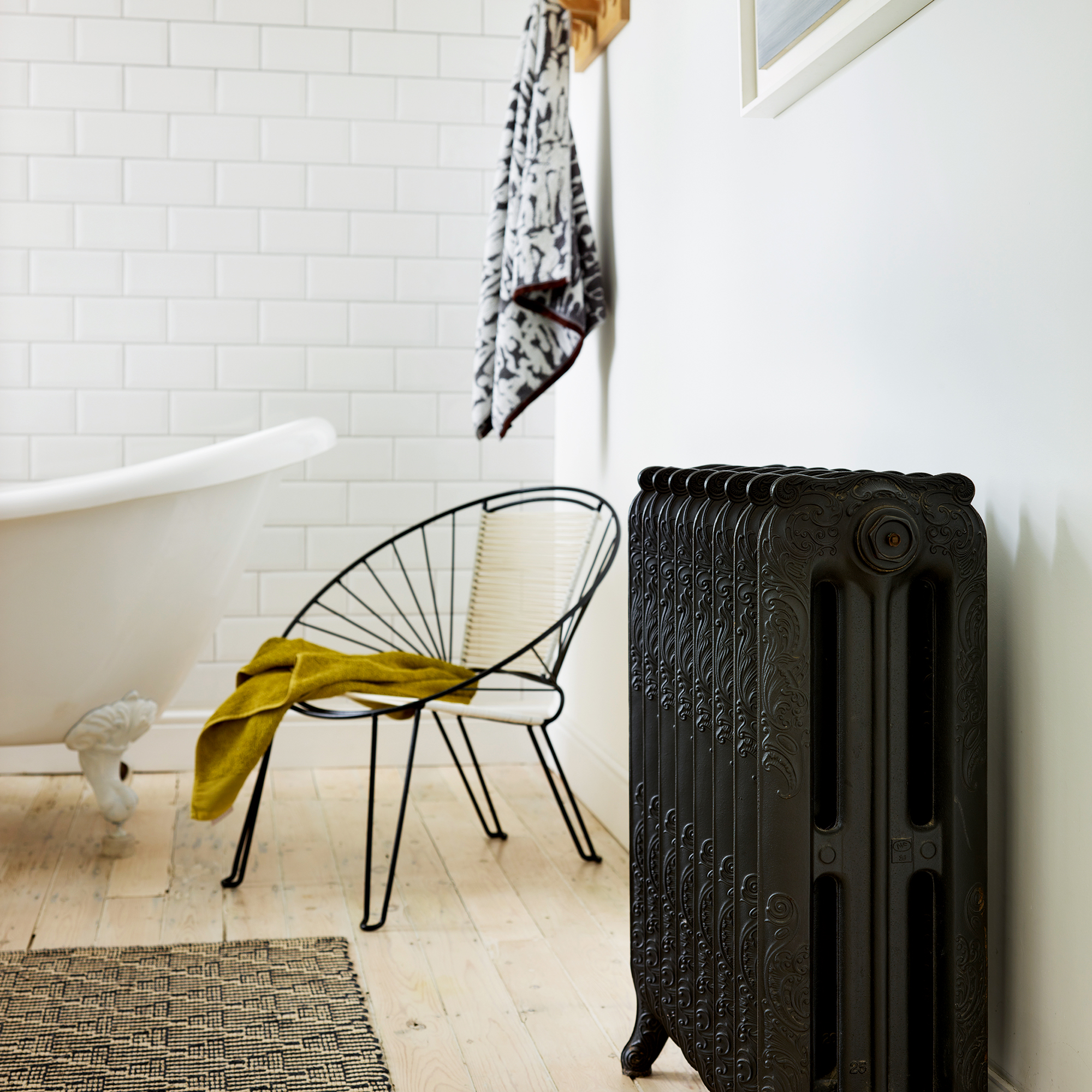
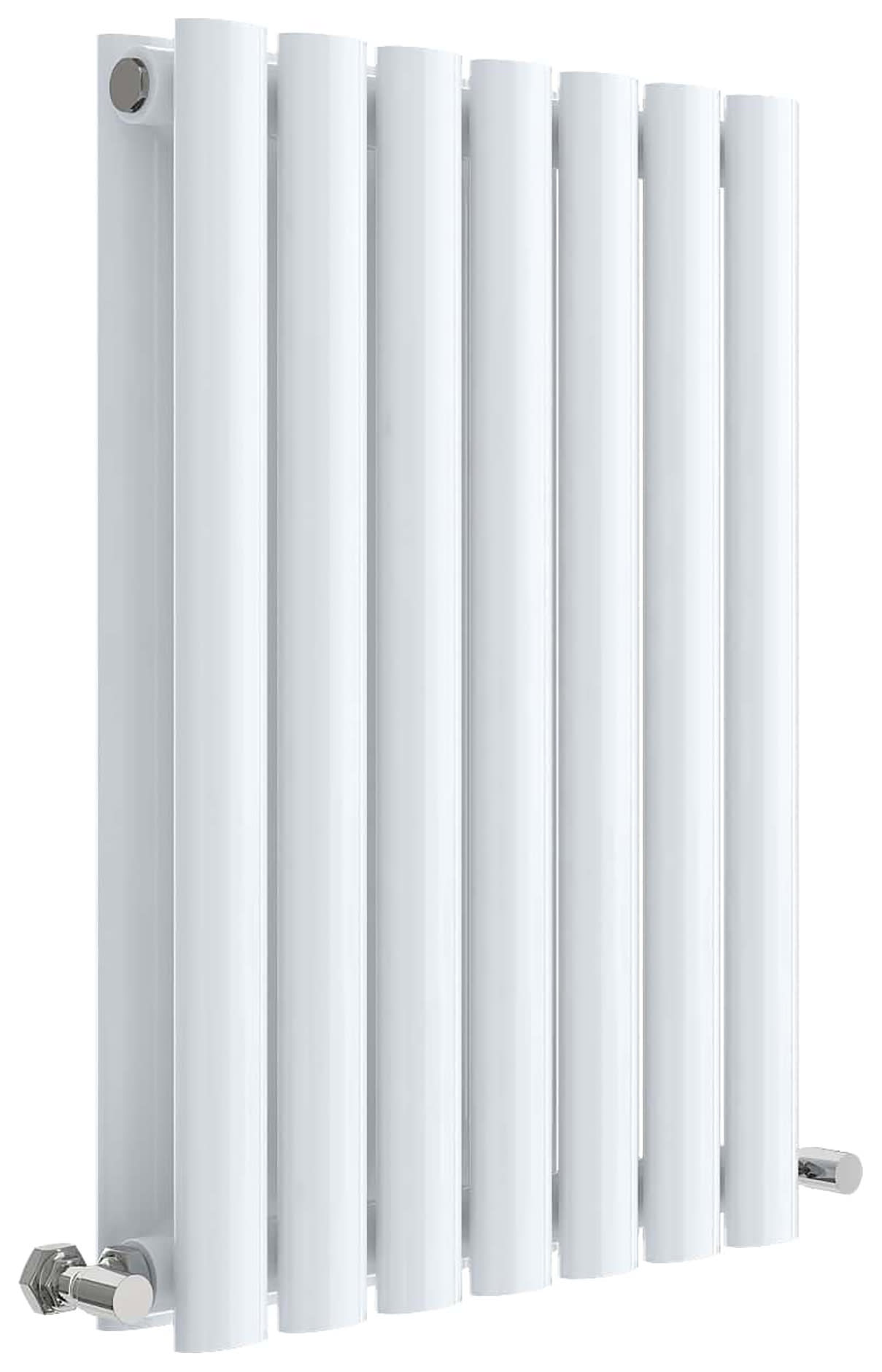
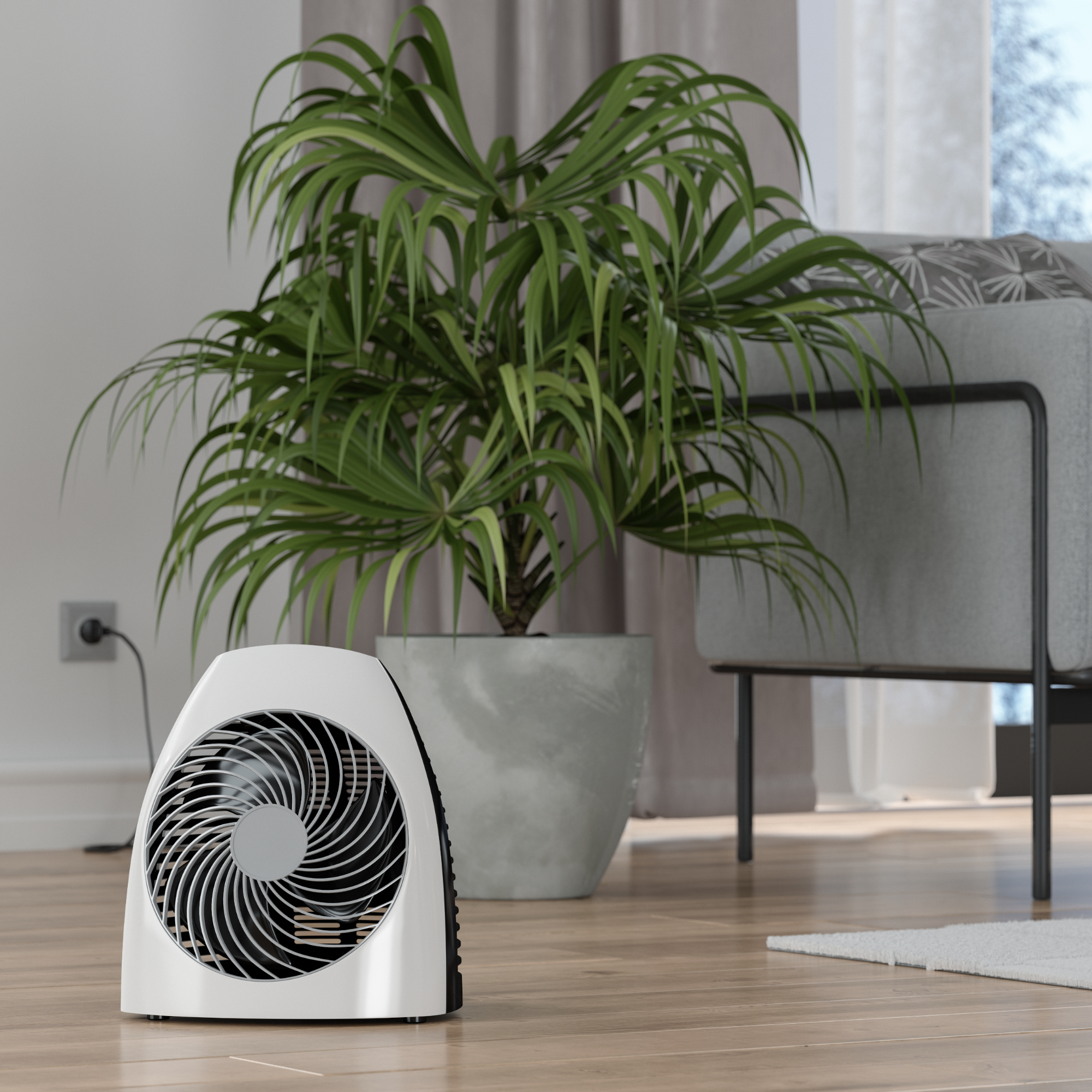
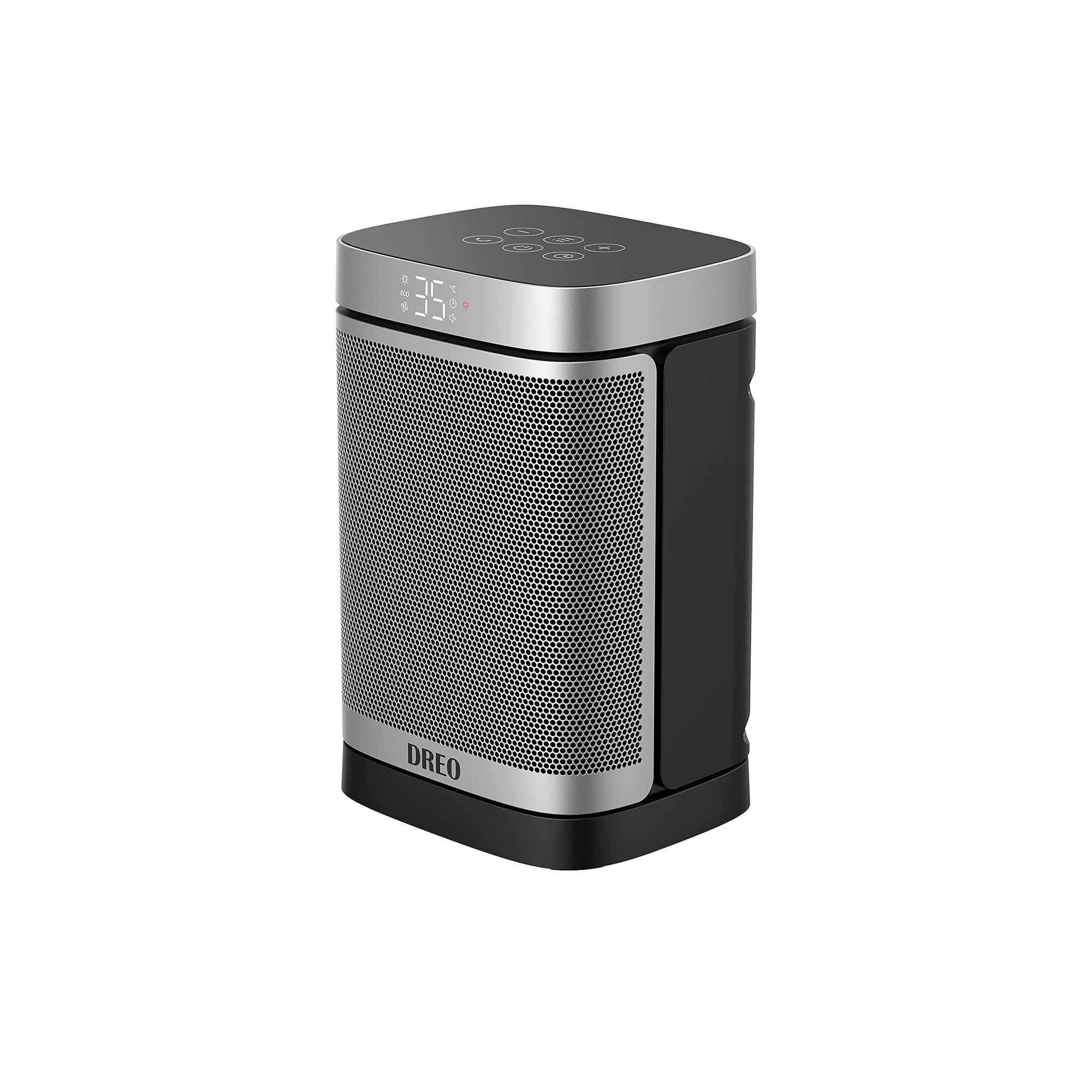
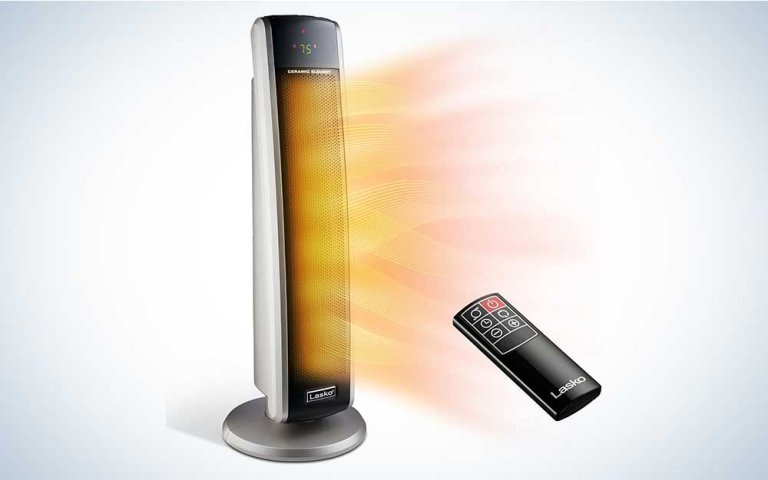
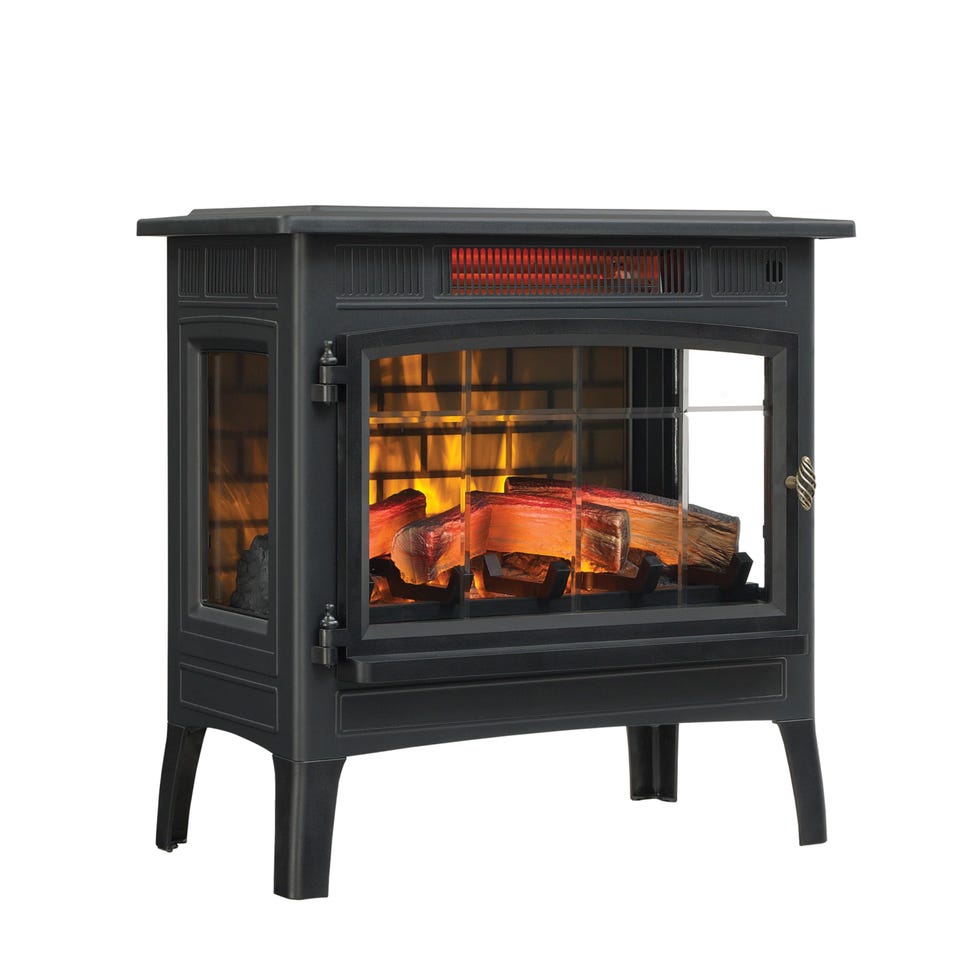
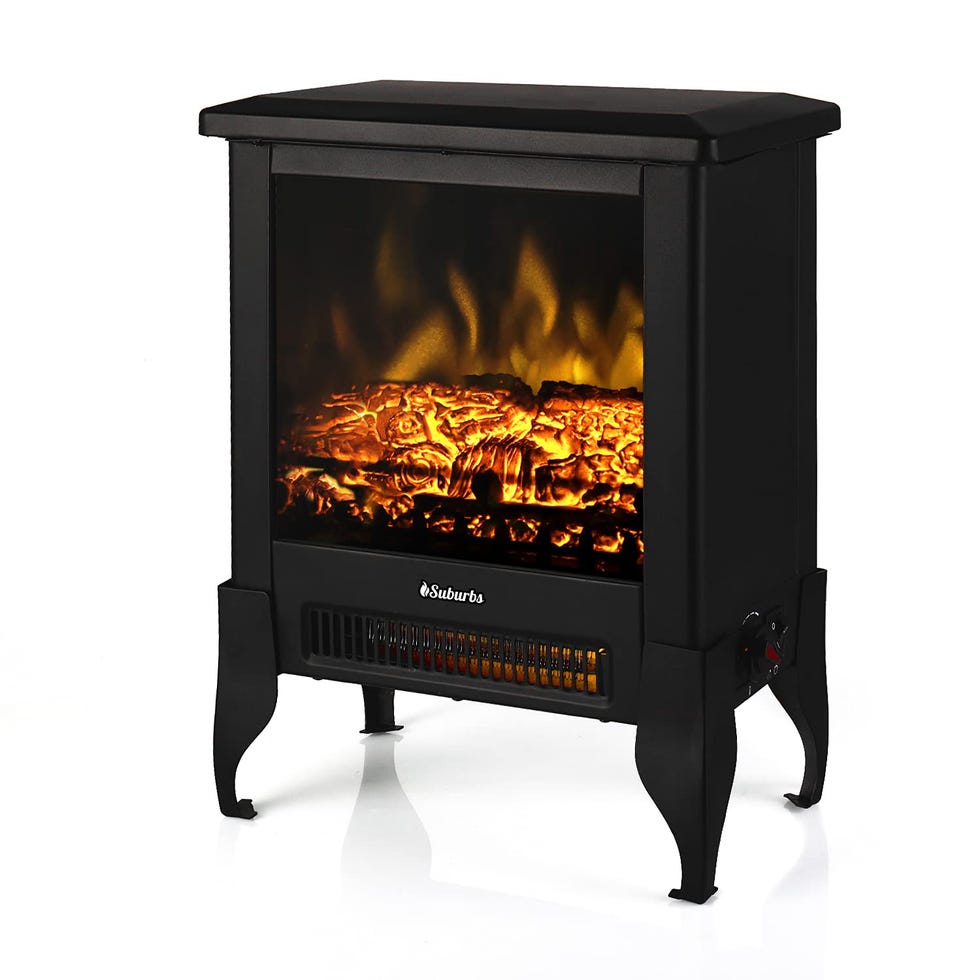
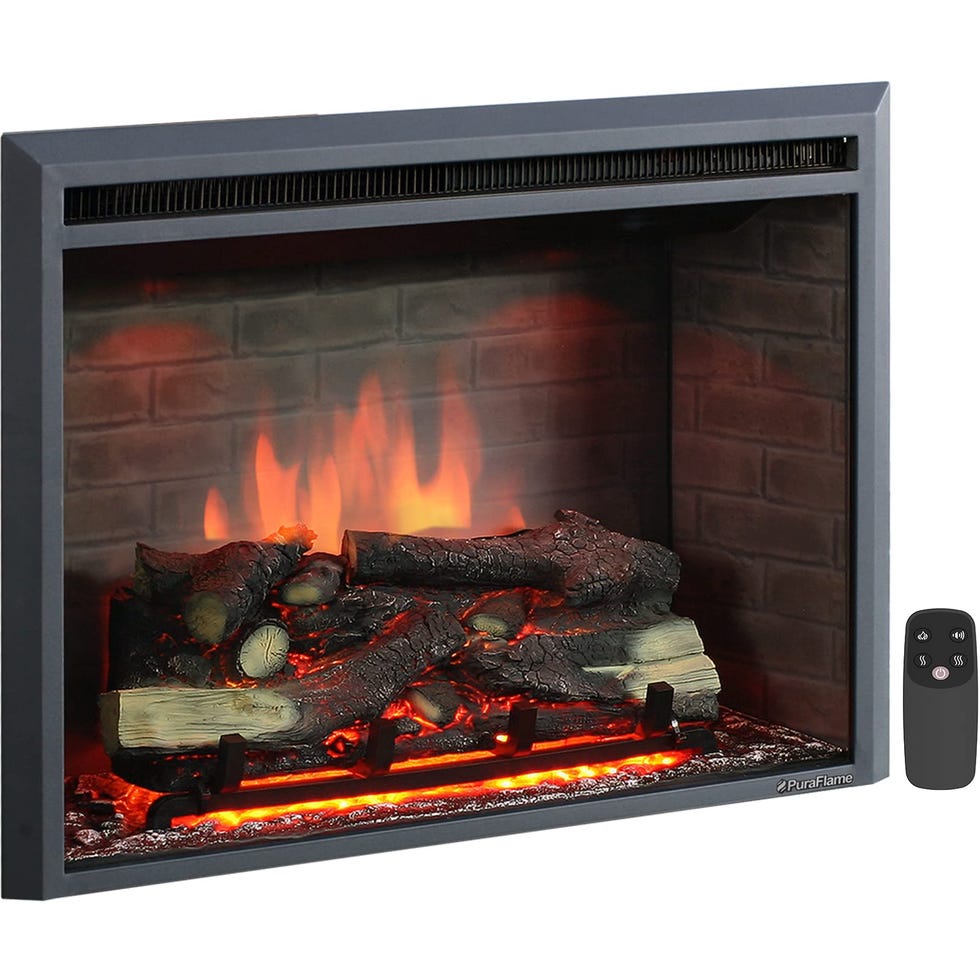
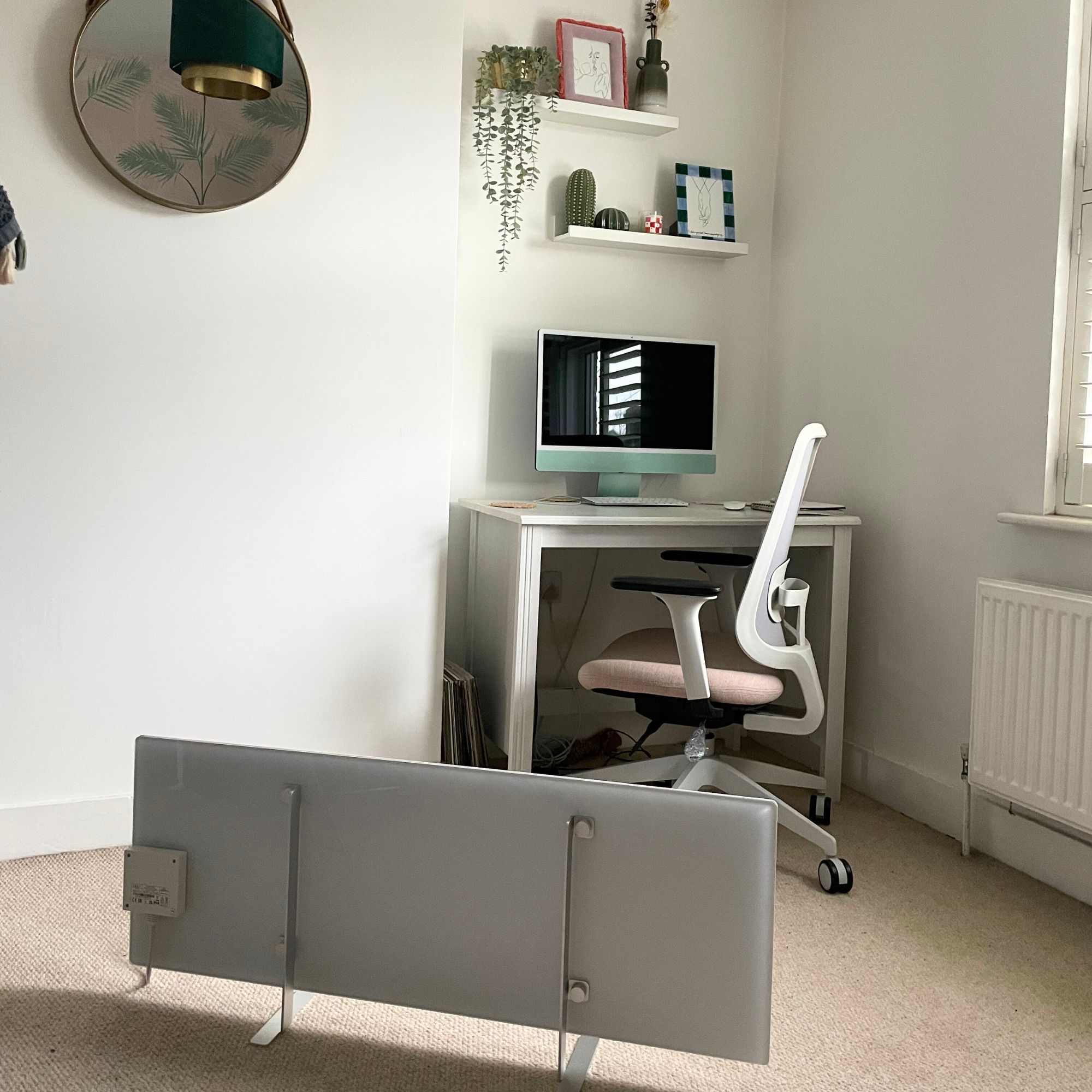
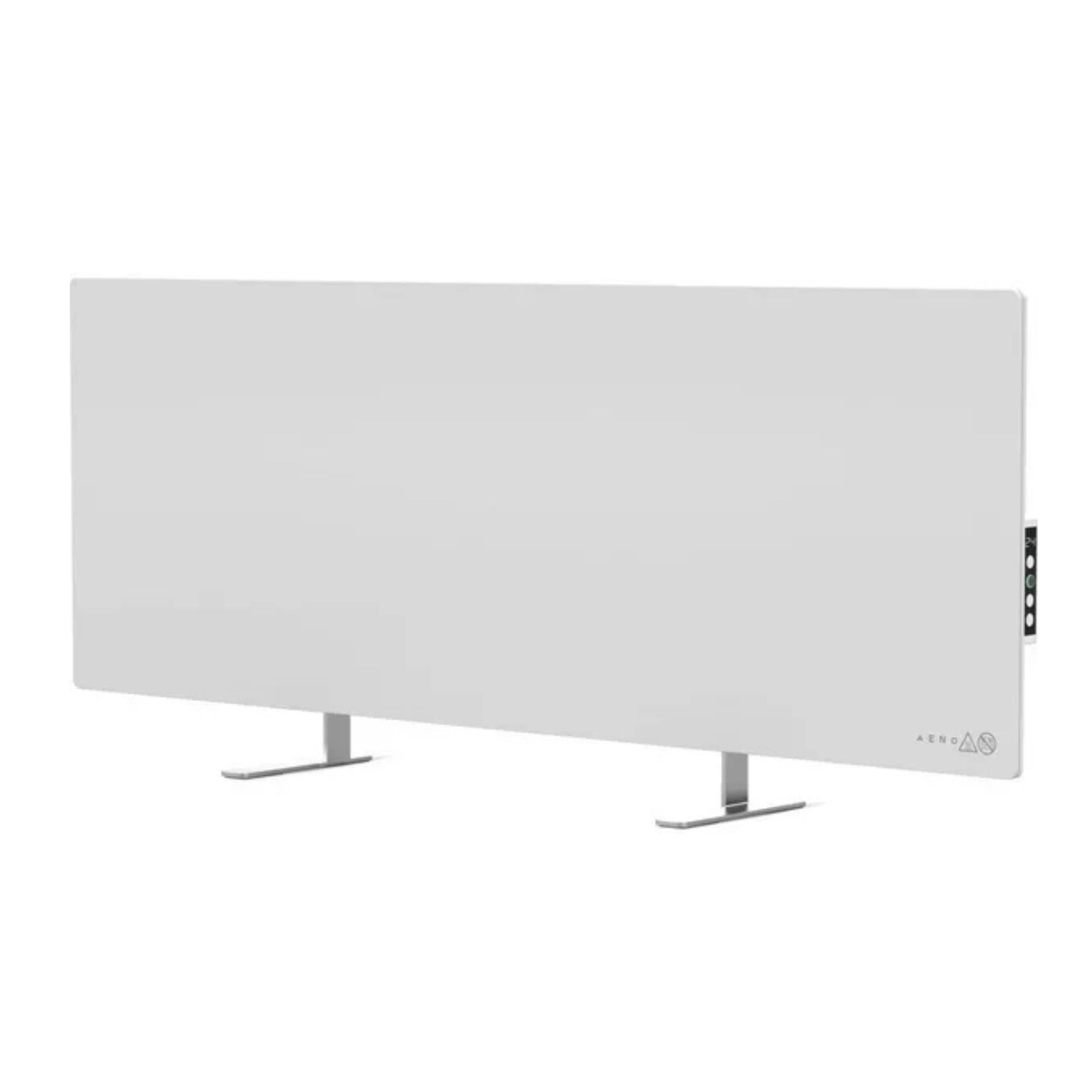
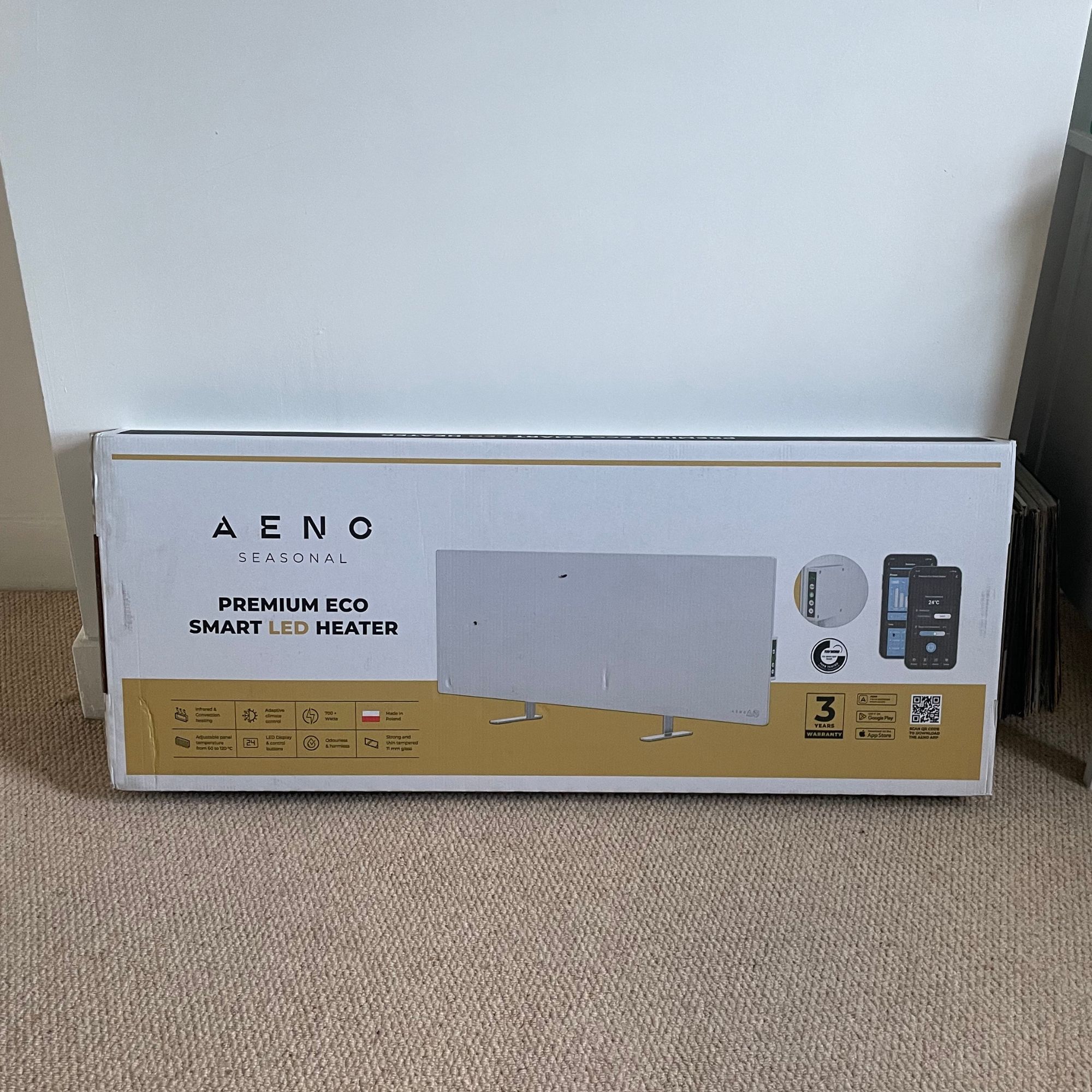
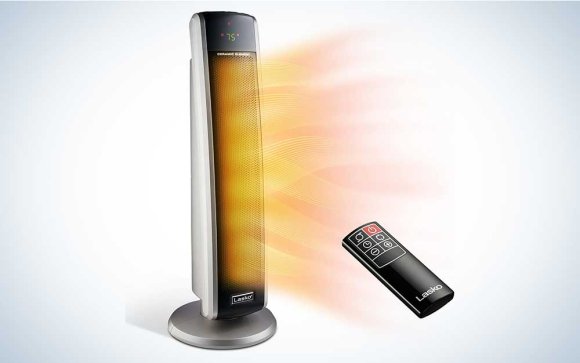
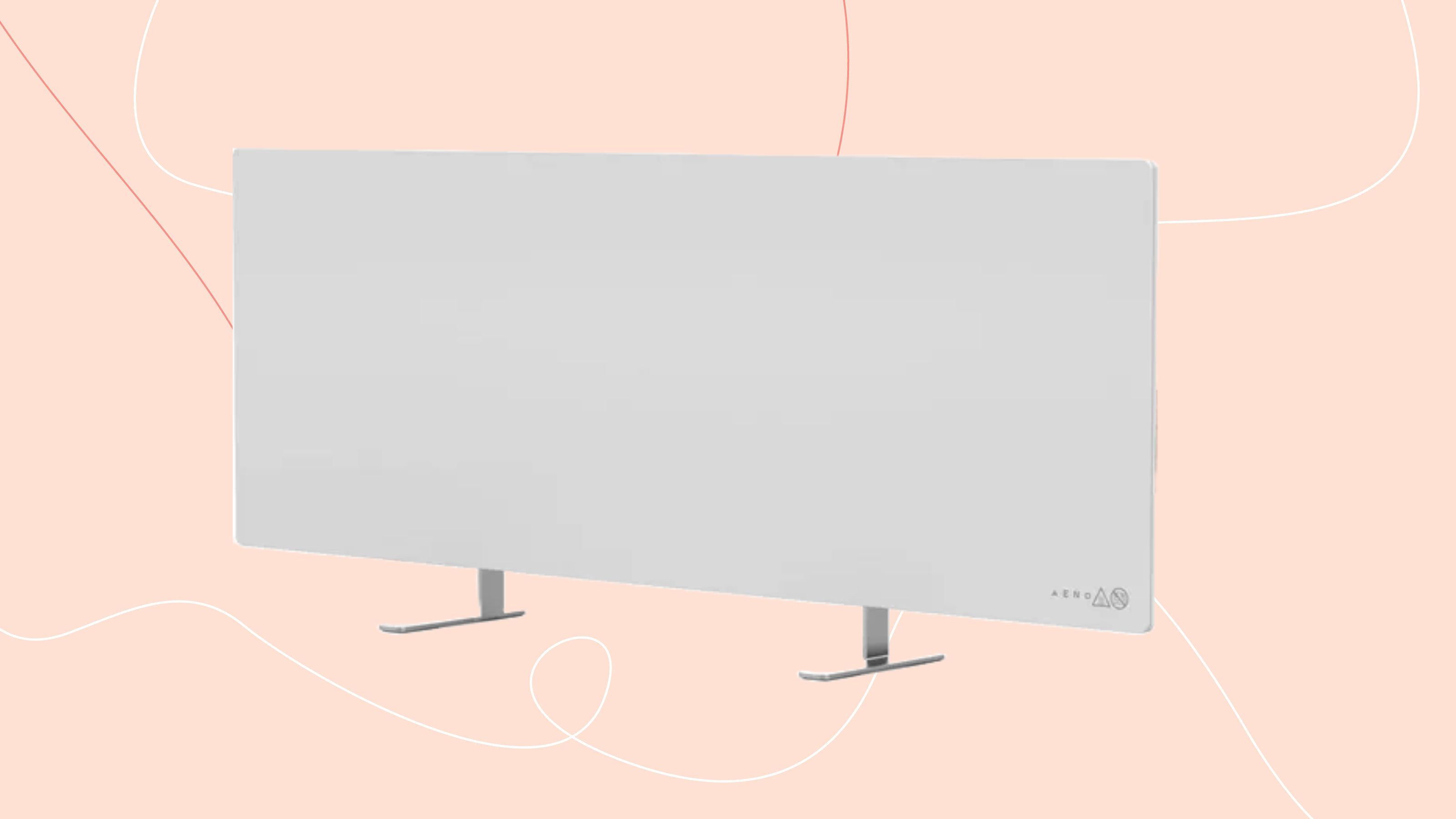
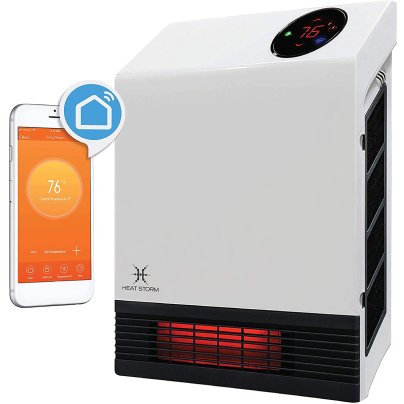
Electric radiators and panel heaters are direct heating systems comprising separate units in each room, plugging directly into the mains. Their running costs can be mitigated by using solar panels and battery storage, particularly for evening use. These heaters are also suitable for flexible heating of individual rooms or supplementing gas central heating. Modern electric heaters, manufactured since January 2018, include thermostats, programmable timers, and temperature controls, with some offering smart heating capabilities. Electric underfloor heating provides an efficient alternative, using heating elements beneath the entire floor to radiate warmth evenly. Homes relying on electric heaters for space heating will need separate solutions for hot water, such as solar water heating, electric boilers, or immersion heaters.
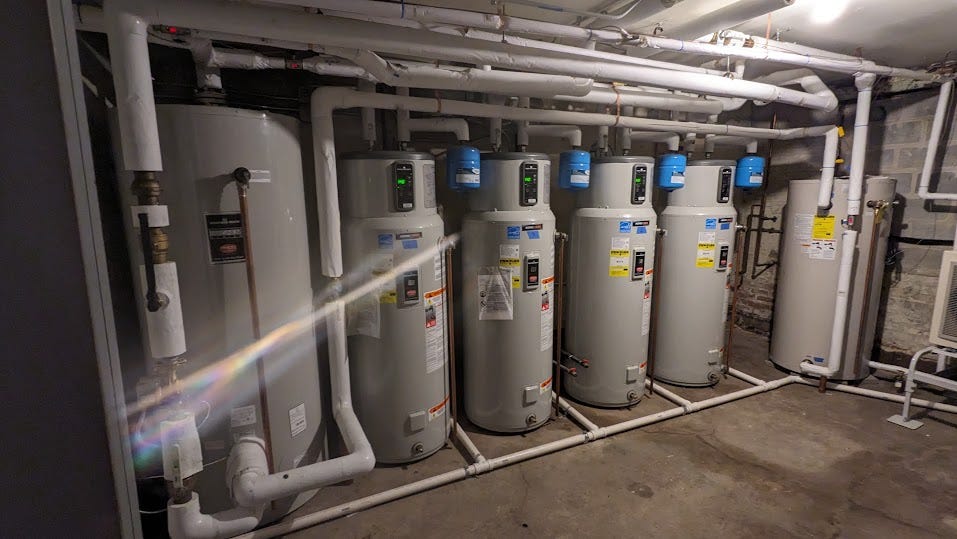
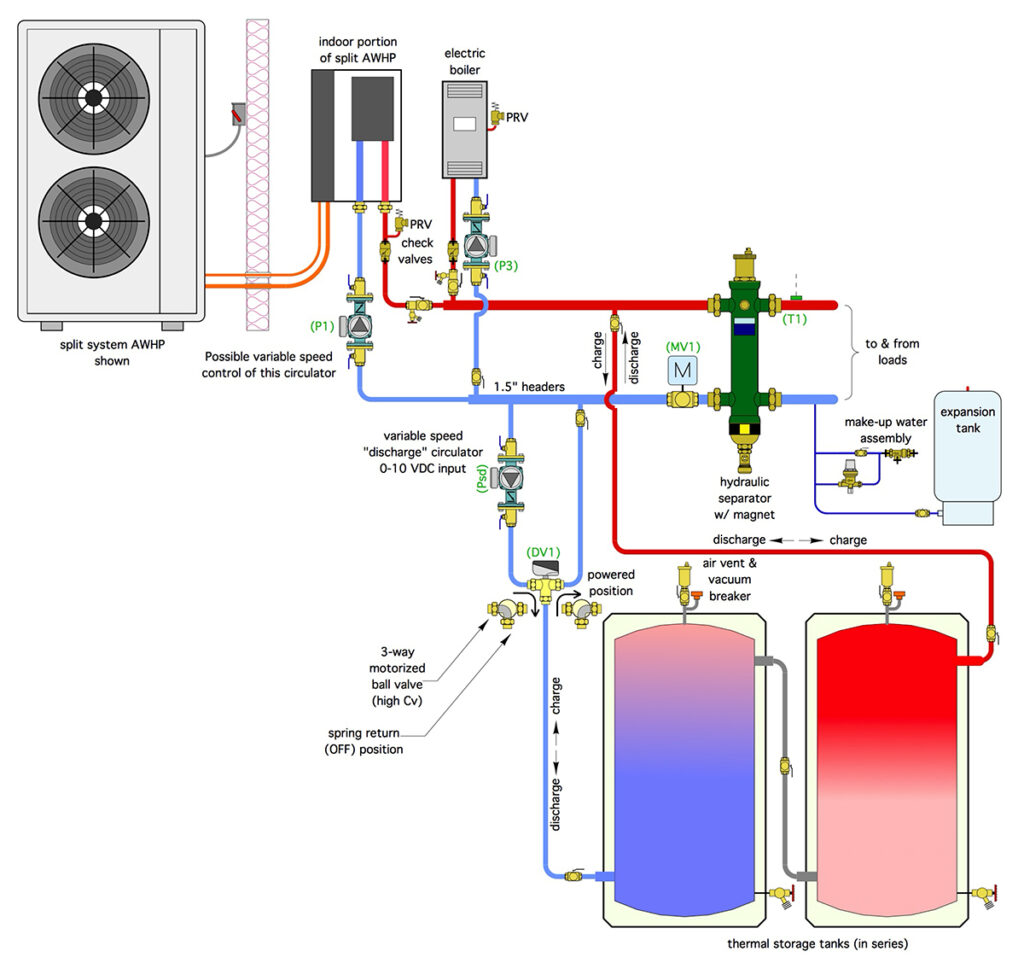
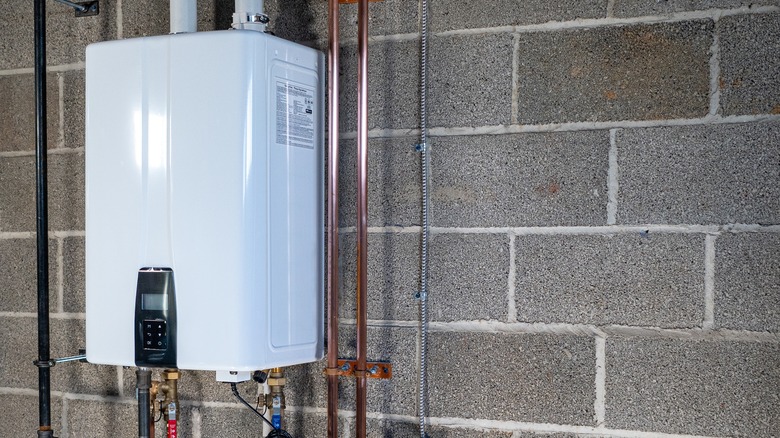
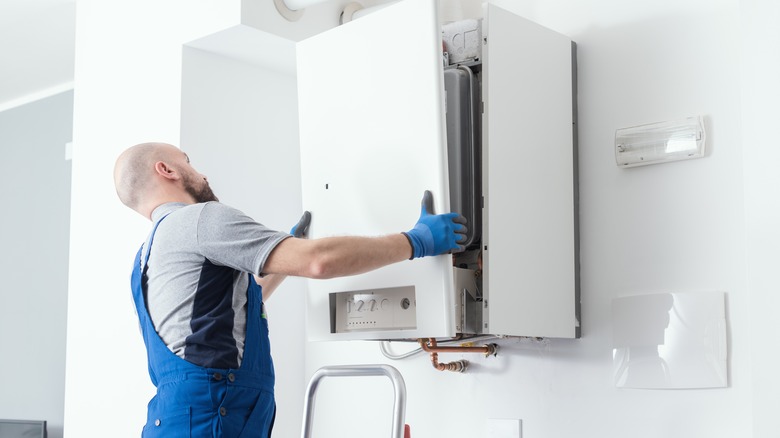
Electric central heating systems can combine electric radiators with an electric boiler. Electric boilers function similarly to gas boilers but use electricity to heat water, offering advantages like quiet operation, compact size, and no need for flues or gas pipes, simplifying installation by a qualified electrician. Electric thermal store boilers heat a high-density storage core using electricity, transferring this heat to a wet central heating system, underfloor heating, or a water tank. Advanced models incorporate smart technology for off-peak charging and can be powered by solar panels.
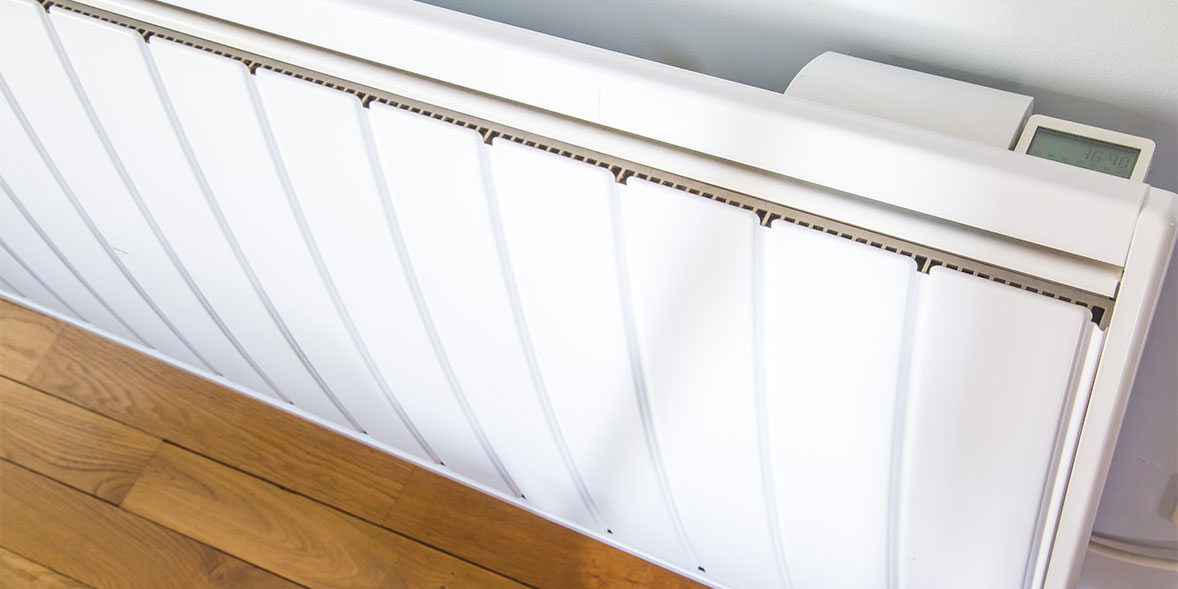
Storage heaters, often called night storage heaters, store heat in a dense core overnight when electricity tariffs are cheaper, releasing it gradually throughout the day. They typically utilize specialist Economy 7 or 10 electricity meters, or smart meters with time-of-use tariffs. A drawback is that standard electricity rates during peak times are higher than single-rate tariffs. Modern storage heaters have significantly improved, featuring thermostats, Wi-Fi controls, programmable timers, fans, and open window detectors. High heat-retention models can retain up to 45% of heat for 24 hours, and combination storage heaters include an additional convection heater for on-demand warmth.
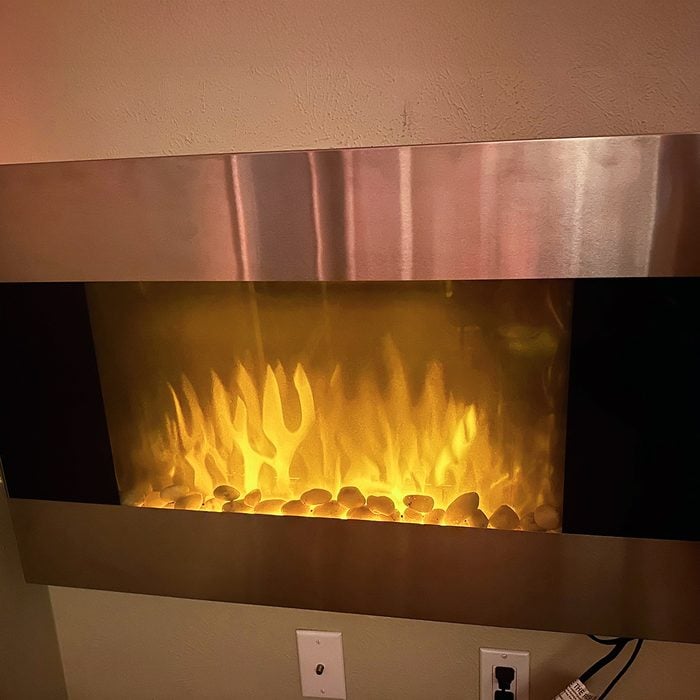
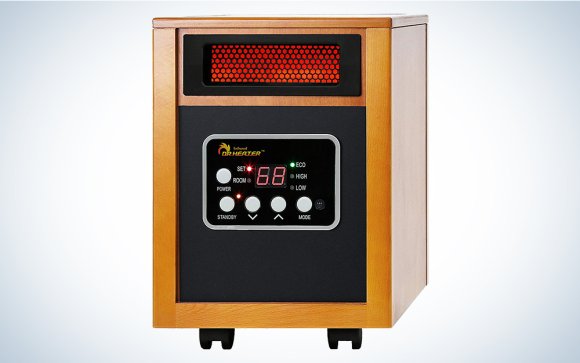
Infrared heating is a direct electric heating method that warms objects and people directly rather than the air, leading to more efficient energy use. Panels emit infrared light, causing molecules in objects to vibrate and generate heat, which is then radiated into the room. These thin panels come in various designs, including colored, mirrored, or artwork-printed options, and can be installed on walls and ceilings or as underfloor heating or wallpaper.
The cost of electric heating involves both installation and running expenses. Basic electric radiators are inexpensive to install, while modern storage heaters can cost around £400 each per room. Electric boilers have similar installation costs to gas boilers, but switching to electric central heating may necessitate electrical rewiring and potentially a new supply fuse. Maintenance costs for electric systems are minimal, with no annual servicing required. However, electricity is considerably more expensive than gas, making electric heating potentially double the cost of gas heating for comparable warmth. Running costs are influenced by home size, insulation quality, system efficiency, usage habits, location, and whether electricity is self-generated.
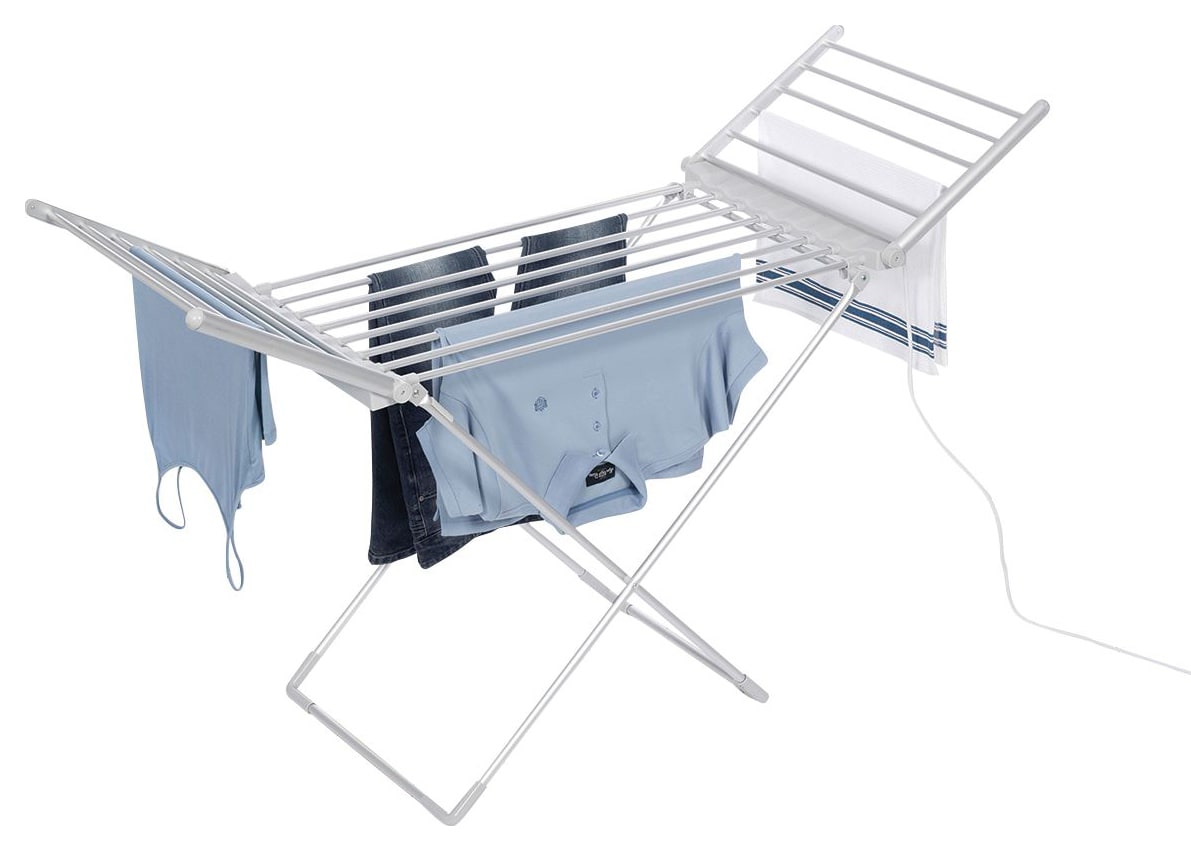
Generating electricity with solar panels can reduce running costs, with a 4kWp system potentially generating around 3,500kWh annually. Storing excess solar electricity in batteries or heat batteries allows for later use, maximizing savings. Battery storage also enables utilization of cheaper off-peak electricity from time-of-use tariffs. Excess solar energy can be sold back to the National Grid via the Smart Export Guarantee. Electricity tariffs for electric heating often include Economy 7 (seven hours of cheaper electricity overnight) and Economy 10 (seven hours overnight, three hours at another time). Smart meters offer access to new time-of-use tariffs with cheaper rates during low-demand periods. While single-rate tariffs can be used, they make electric heating expensive. However, time-of-use tariffs can make peak-time appliance use more costly. Secondary electric heating, such as portable heaters or towel rails, is suitable for short-term, localized heating but can be very expensive if used extensively. Overall, electric heating offers lower installation and maintenance costs and can be carbon-neutral with renewable energy, but its higher running costs compared to gas remain a significant consideration, especially with peak-time electricity prices on specific tariffs.
#ElectricHeating #HomeHeatingSystems #EnergyEfficiency #RenewableEnergy #SmartHome #ElectricityTariffs #SolarPanels #HomeEnergyPlanning #InfraredHeating #ElectricHeating #HomeHeatingSystems #EnergyEfficiency #RenewableEnergy #SmartHome #ElectricityTariffs #SolarPanels #HomeEnergyPlanning #InfraredHeating
0 comment in total
 No comments yet
You may also like
Central heating - everything you need to know about heating your home
The electric heaters to avoid buying

Smart Heating

The 6 Best Electric Fireplaces, Tested by BHG

Radiant Heating
What Type of Space Heater Is the Safest?


Could This Ancient Relic Still Be the Best Way to Heat Your Home?

Residential Boilers

This Central Heat Pump Water Heater In Chicago Was One Of The First To Be Installed In A Cold Climate
![Electric Boilers: When and Where? [30 Mechanical Minutes]](https://gstatic.ideal.house/news/images/8a8383b4d3c94743abed2d0d30617505.jpg)
Electric Boilers: When and Where? [30 Mechanical Minutes]
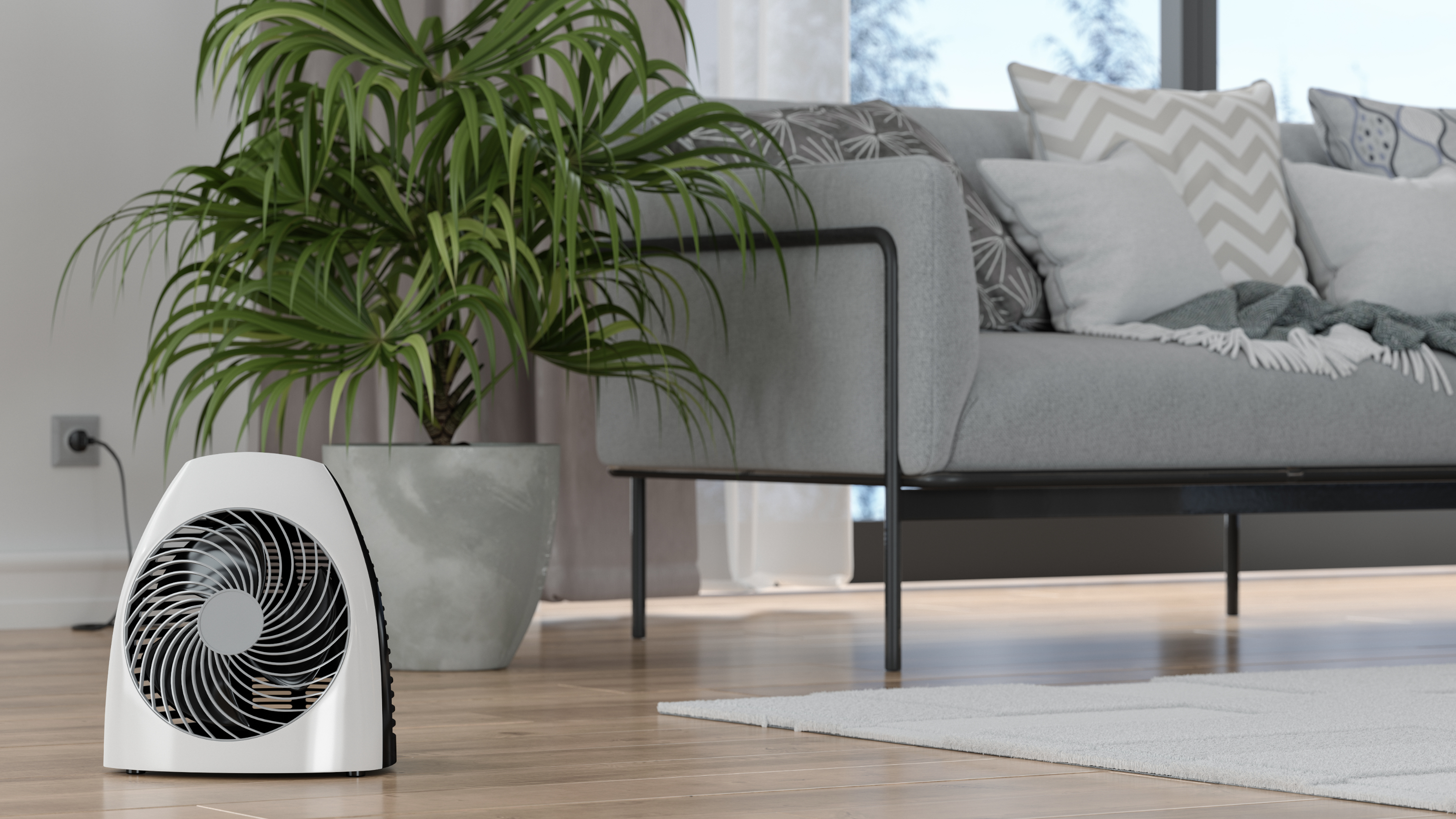
What is the cheapest electric heater to run? Experts reveal
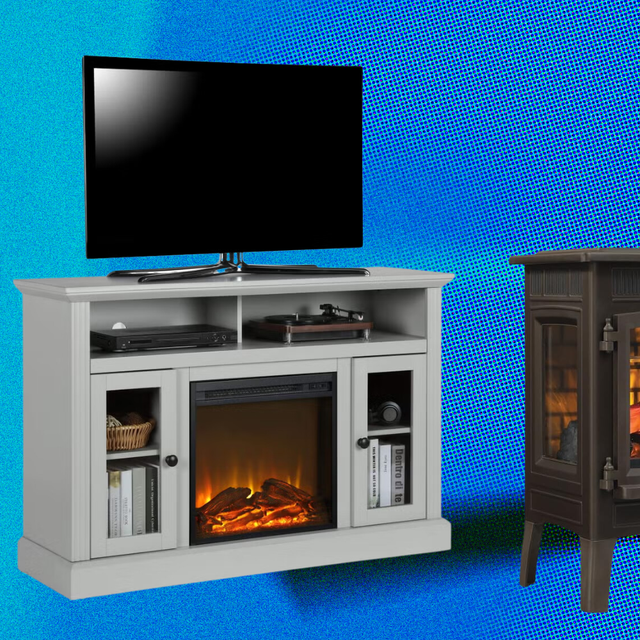
Here's Why You're Going to Want an Electric Fireplace This Winter

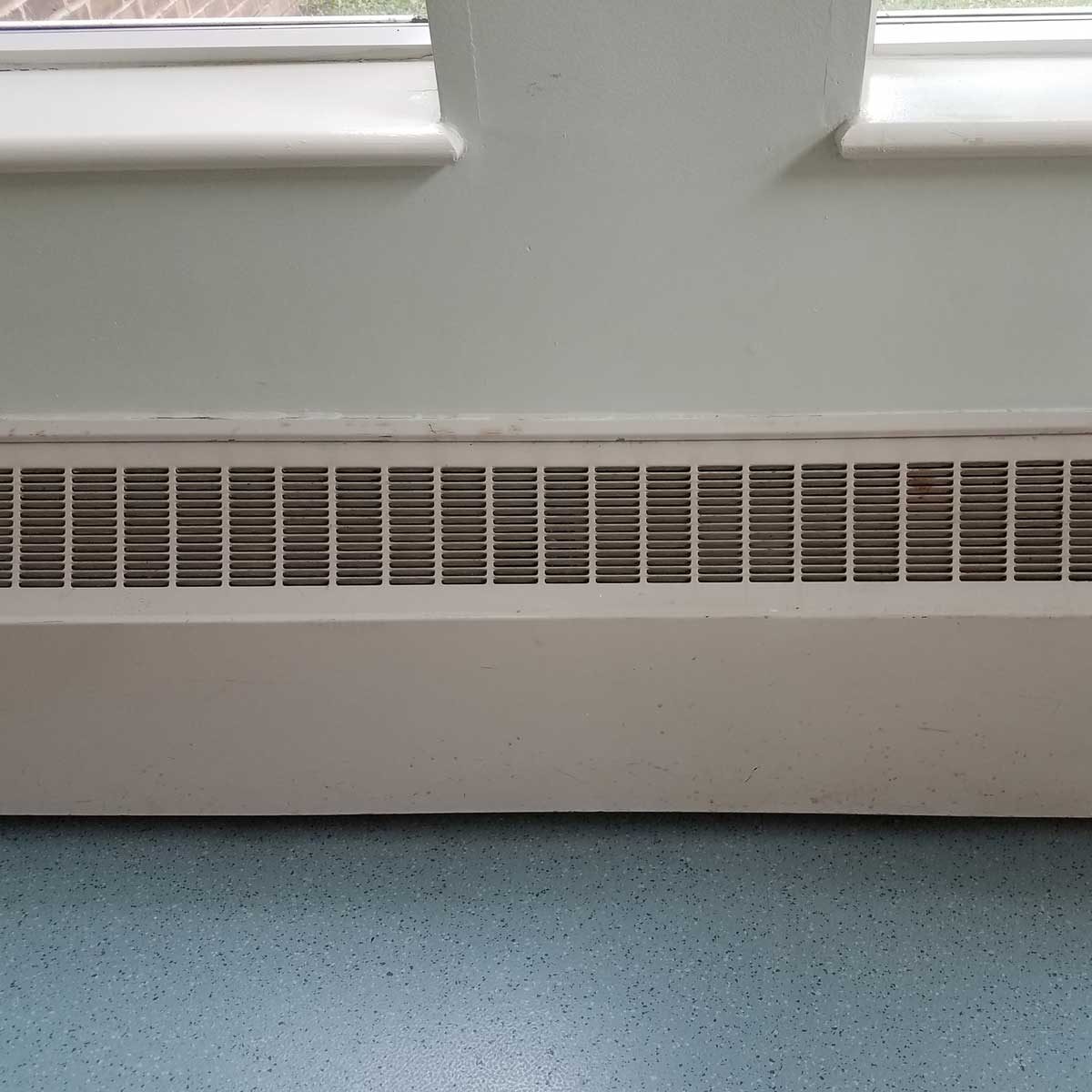
Hydronic Baseboard Heater Buyers Guide: How to Choose, Costs and Installation, Safety Considerations
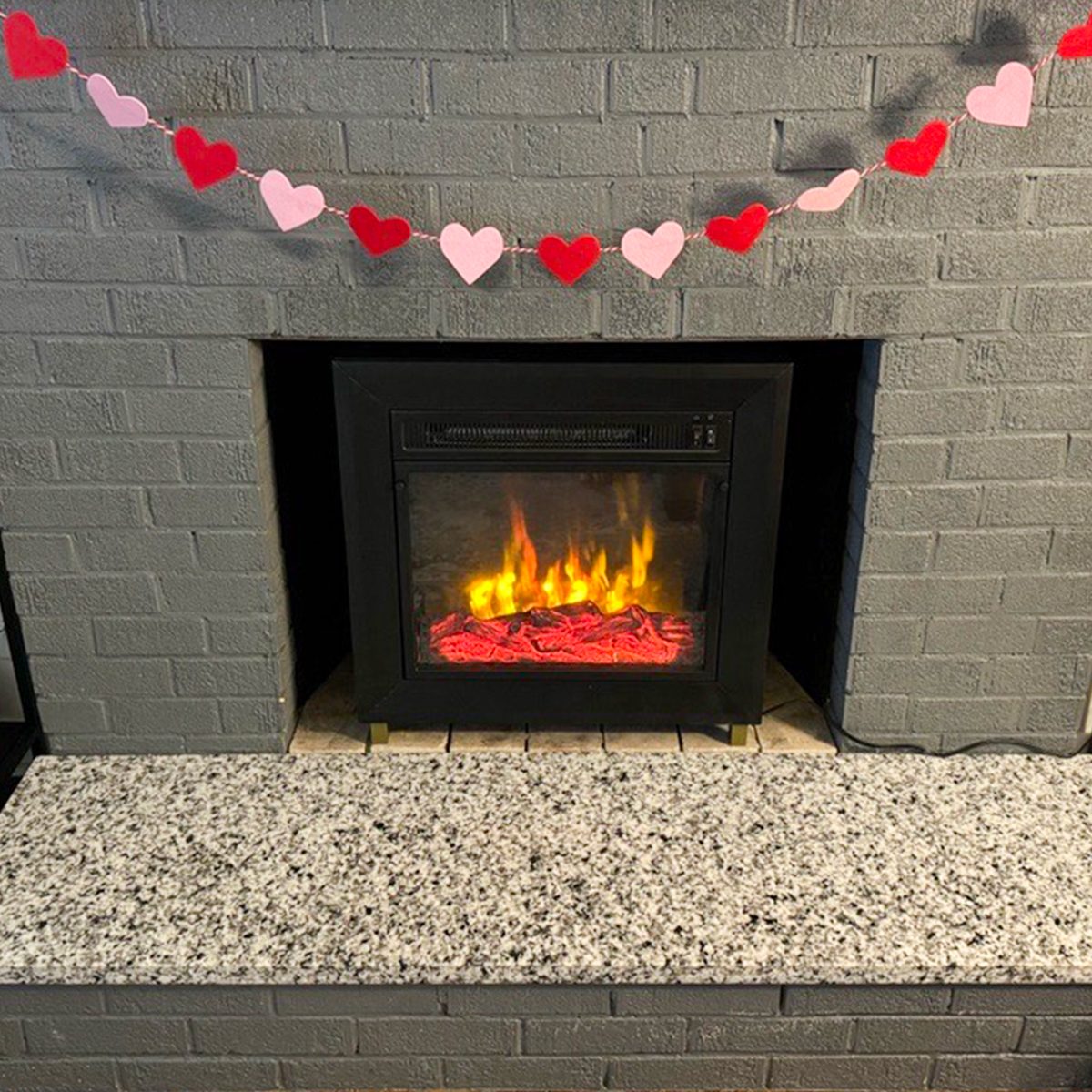
The 4 Best Electric Fireplaces, Tested by Shopping Experts
The best space heaters in 2025

This smart panel heater costs just pennies to run — it’s so effective I’ve been using it every day in lieu of my radiators
The Best Electric Wall Heaters for Added Warmth

What’s the most efficient way to heat a house? How to heat your home for less, according to experts

How Much Should You Spend On A New Electric Water Heater?

The best electric fireplaces are safe, stylish, and powerful — these are our favorites