Installing Deck Joists
This article details the critical aspects of installing deck joists, emphasizing the proper selection and installation of joist hangers and fasteners for structural integrity and safety. Joist hangers are essential components that transfer vertical loads from the joists to the ledger and rim beam, prevent joists from rotating, resist uplift forces, and secure joists against withdrawal. Adherence to manufacturer instructions is paramount for the stability and safety of the deck.
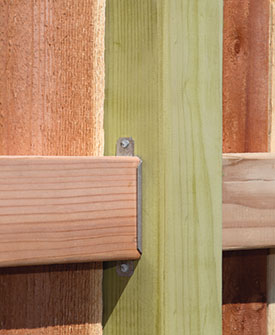
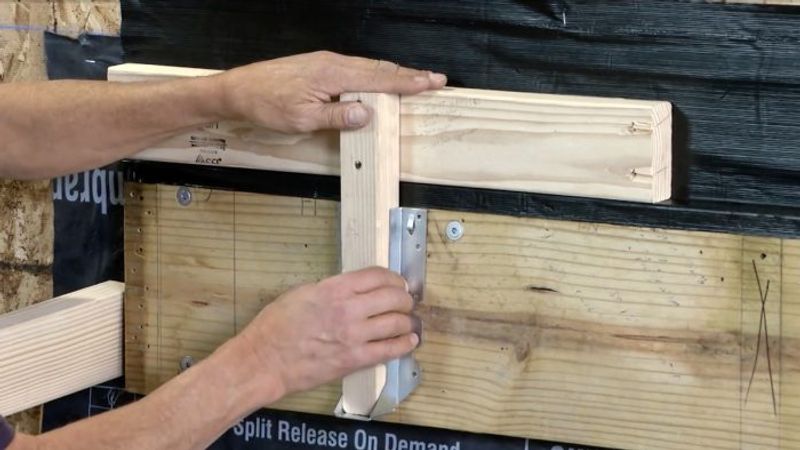
The article outlines specific considerations for joist-hanger sizing. Manufacturers offer hangers for standard dimensional lumber sizes, such as 2x4, 2x6, and 2x8. Hangers are typically about 1 inch shorter than the lumber's depth, meaning a 2x10 hanger is approximately 8 inches tall for a 9-1/4 inch tall 2x10 joist. Shorter hangers, like a 2x6 hanger on a 2x8 joist, are permissible if the hanger's sides support at least 60% of the joist's height and the combined dead and live loads do not exceed the hanger's capacity. For end joists, concealed or inverted flange hangers are recommended. These require the joists to be cut shorter than those used with regular flange hangers, as their flanges are turned inward and fasteners are driven into the joist pocket.
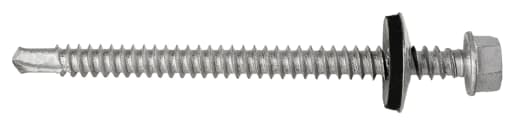
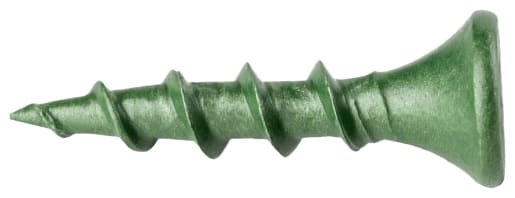
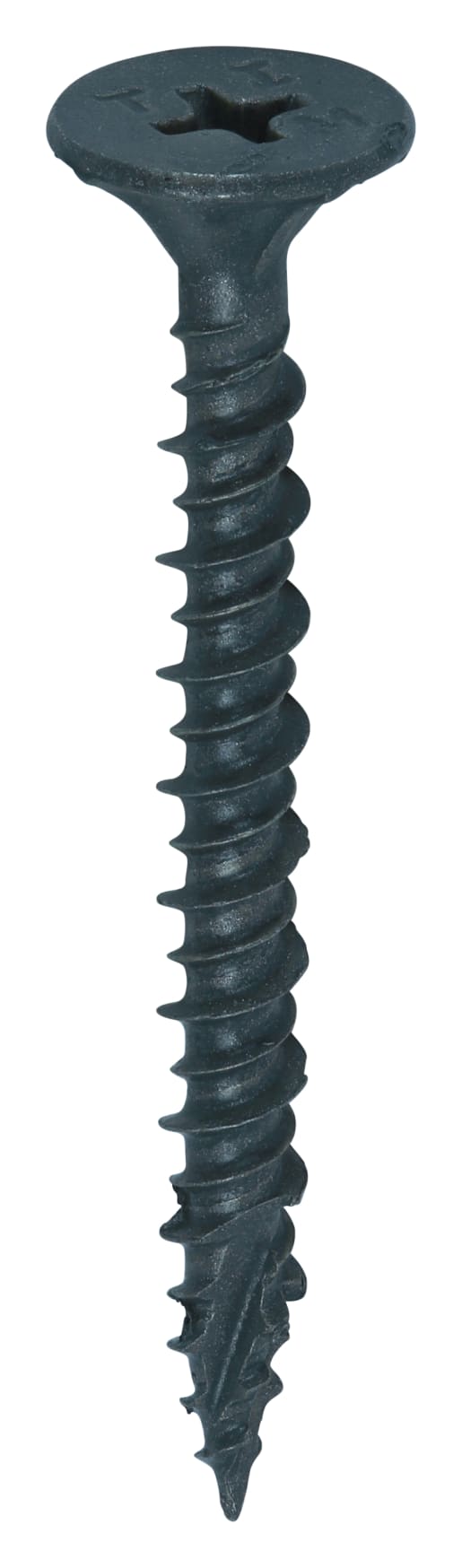
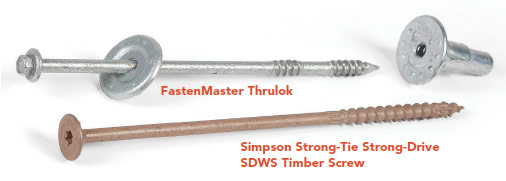
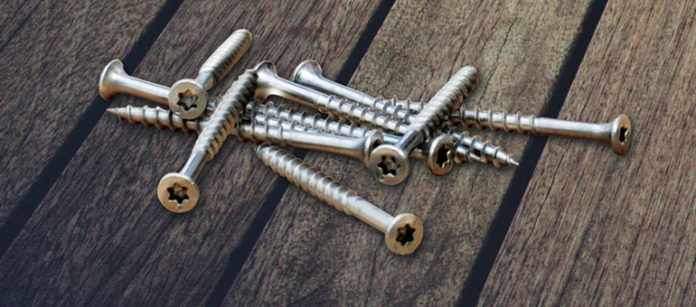
Fastener selection is another crucial element. Only common framing nails are approved for joist hangers; other types like roofing, drywall, or concrete nails are prohibited. The shank diameter is critical, with 10d (0.148 inch) nails generally required. Smaller diameter nails, such as sinkers or box nails (0.133 inch), are not acceptable. Nail length is determined by the manufacturer and location; face nails driven into the ledger are usually 1-1/2 inches long, while diagonal nails must be at least 3 inches long (full 10d) to ensure sufficient penetration for uplift and gravity load capacities. Mixing metals is discouraged; galvanized hardware should be used with galvanized fasteners, and stainless steel with stainless fasteners. While screws can be used, they must be approved structural connector screws, not decking, drywall, or wood screws. Structural connector screws are brand-specific, so it is important to use those provided by the hanger manufacturer. Pneumatic or cordless nailers designed for metal connector nails can be used, provided the indexing tip is correctly positioned in the hanger hole to prevent hardware damage.
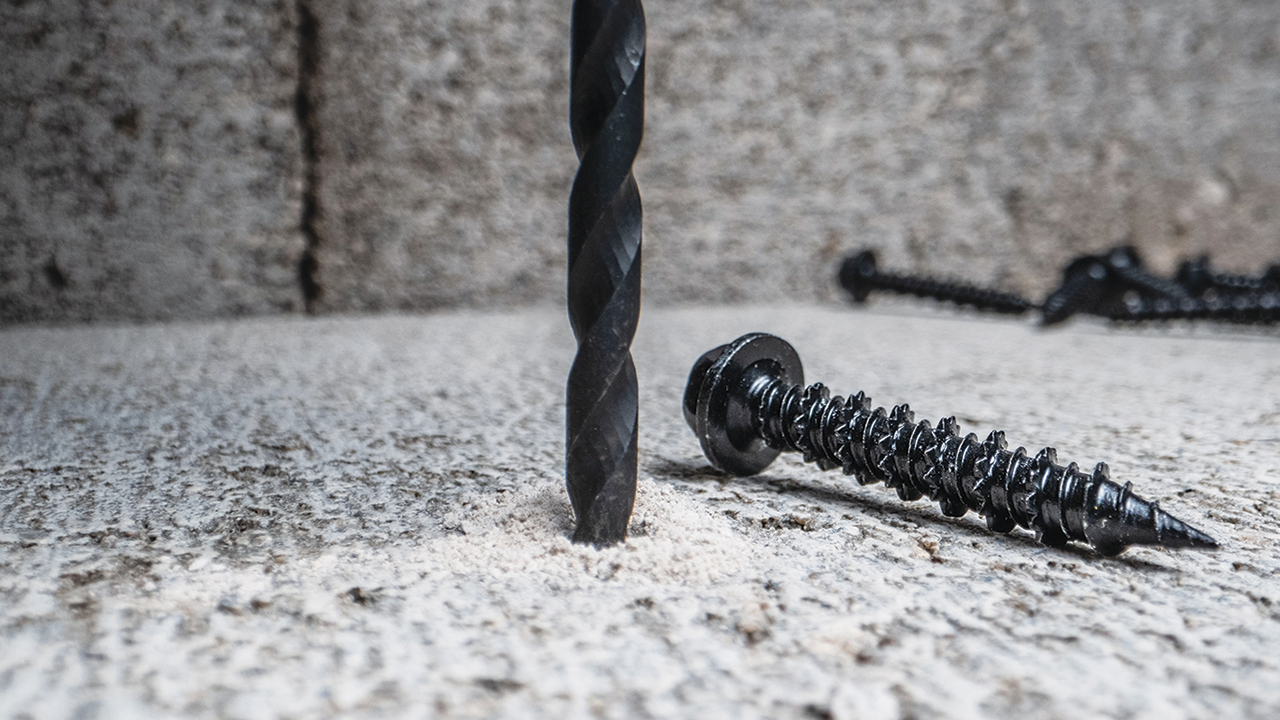
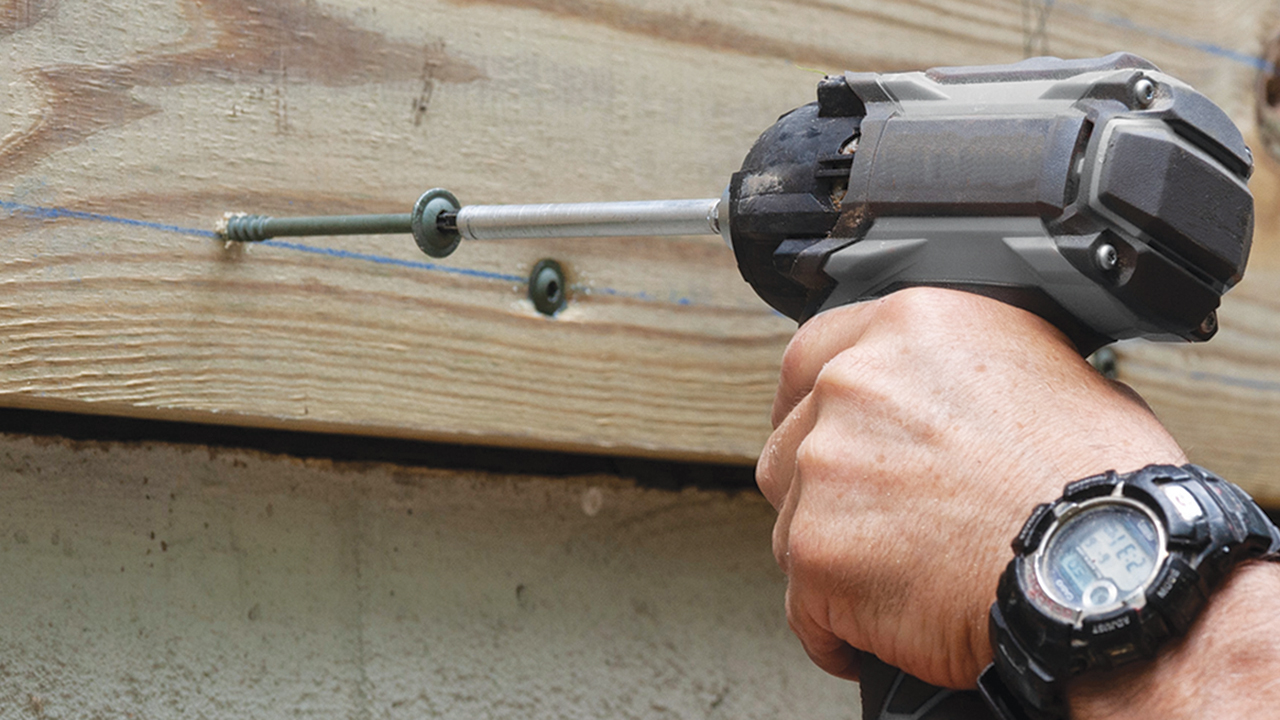
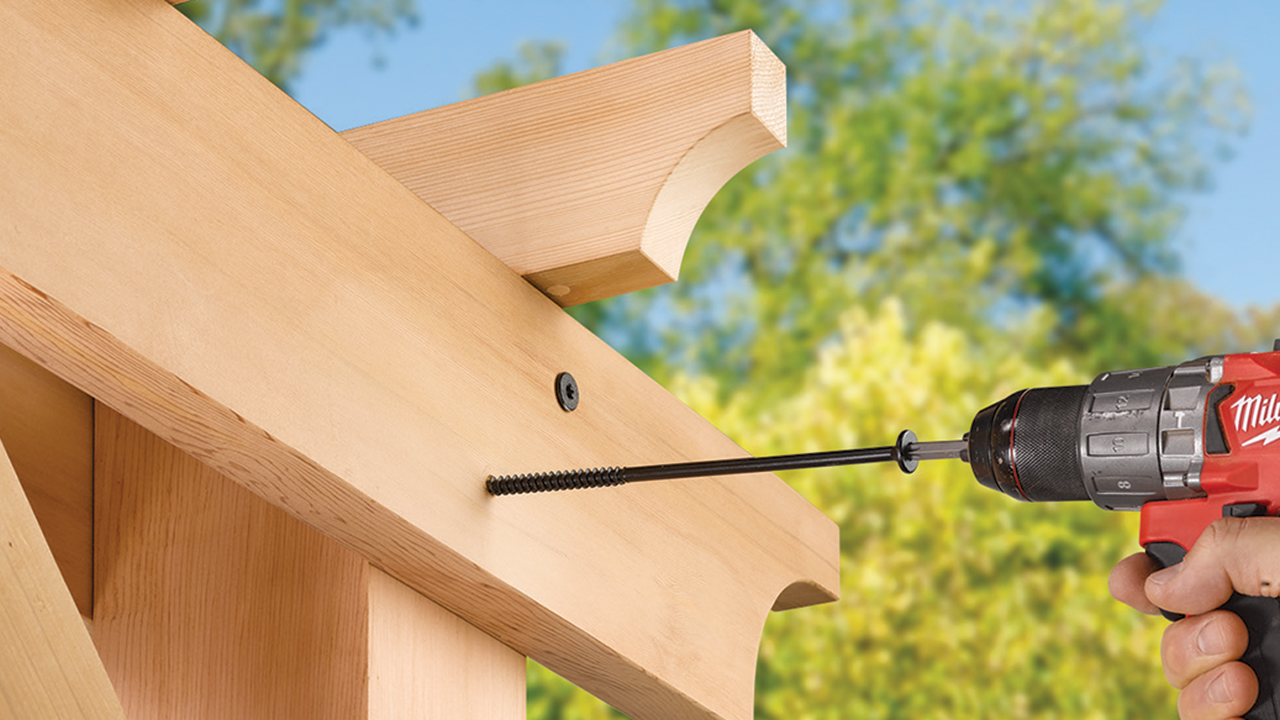
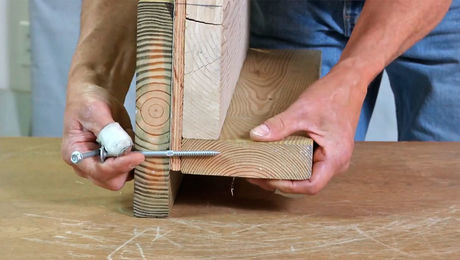
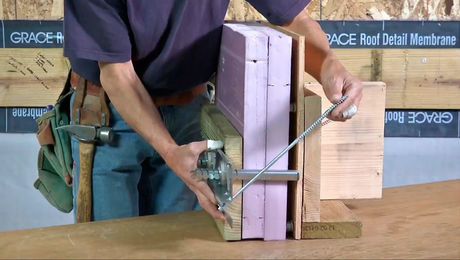
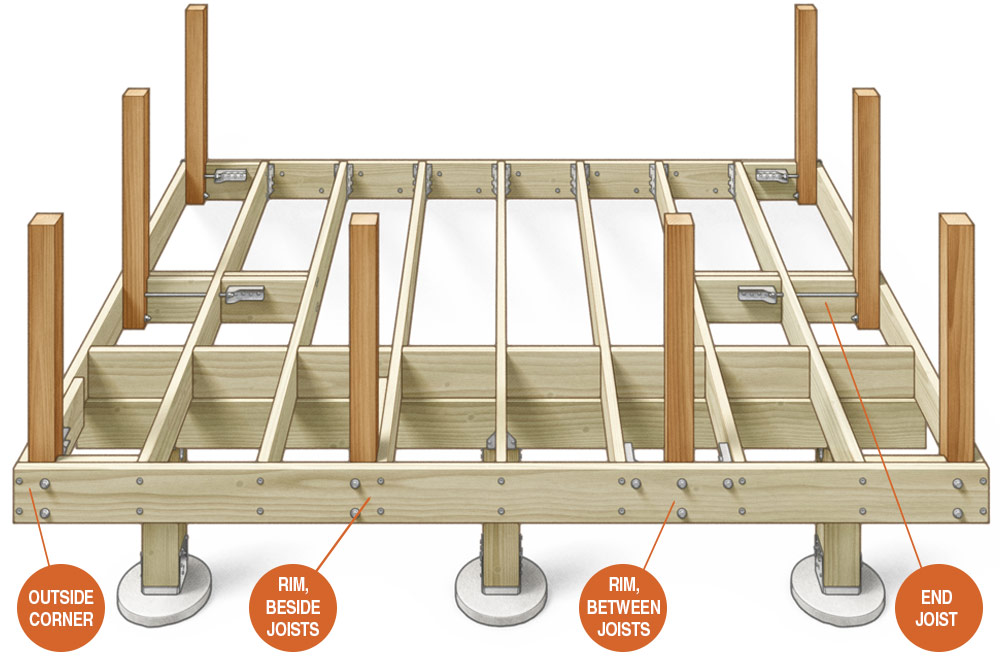
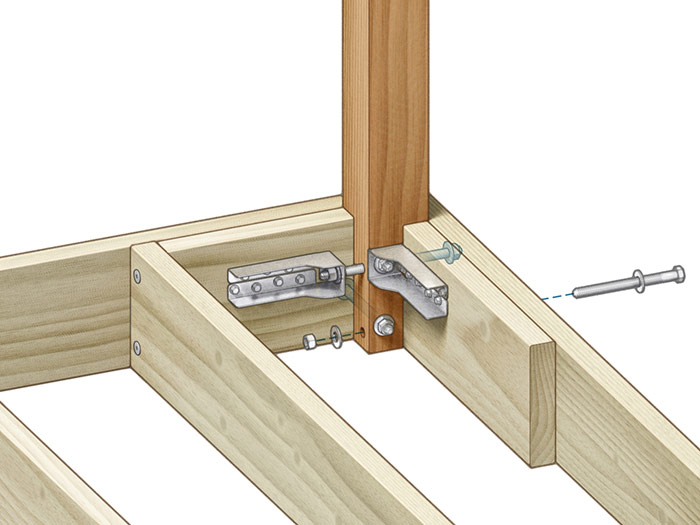
The article also addresses fastening the rim joist to the ends of the joists. While three 10d galvanized nails can be used, they may pull out over time, leading to joist twisting. Structural screws, similar to those used for attaching a ledger to a house, offer a more secure alternative. There is no prescriptive length guide for using screws instead of nails for the rim joist, but for guardrail post mounting, consulting the screw manufacturer's instructions for screw length in joists adjacent to posts is advised. The International Residential Code (IRC) mandates that joists be fastened to beams with four 8d galvanized nails or metal connectors, with some regions requiring metal connectors for enhanced seismic, high wind, or flood zone resistance.
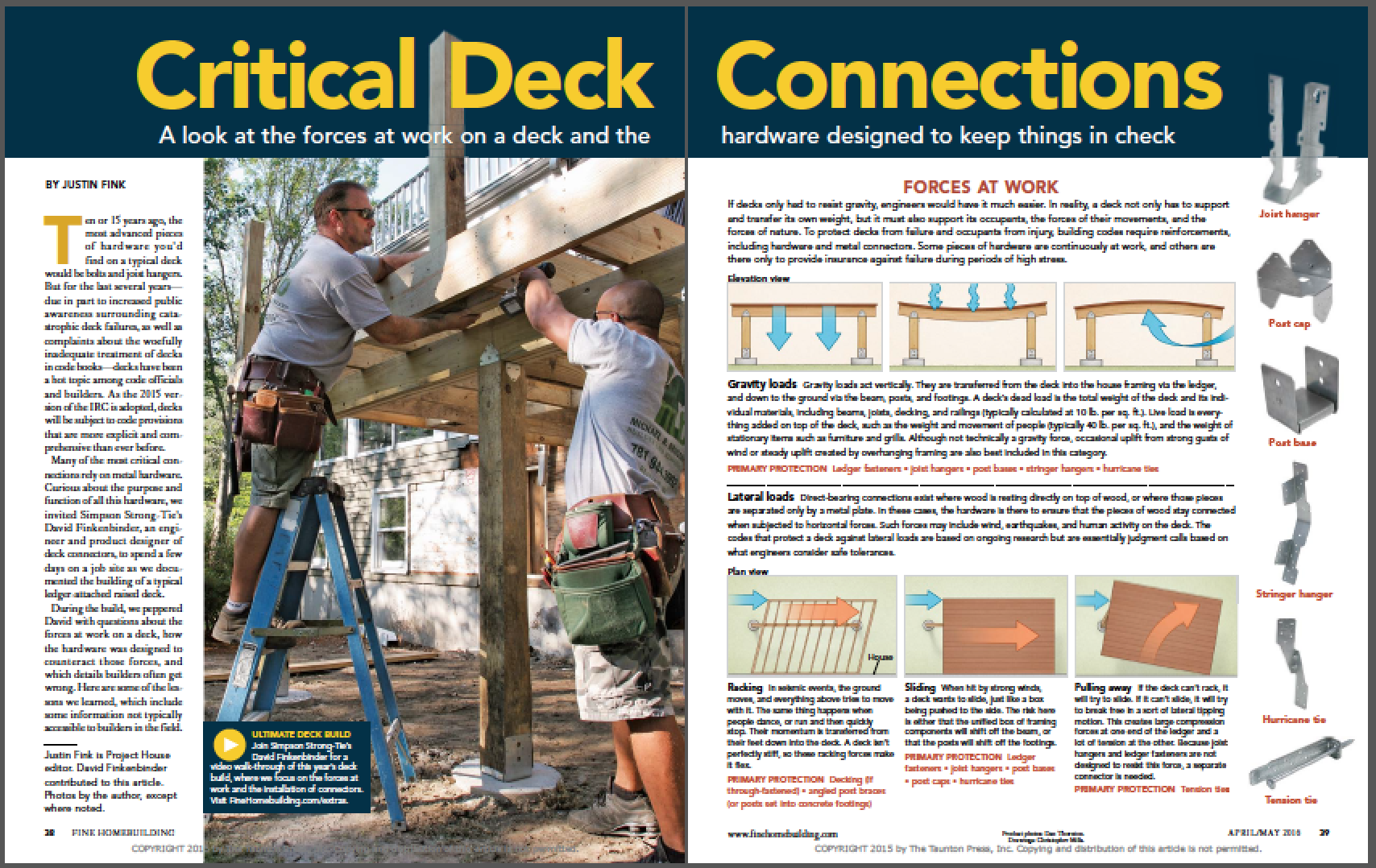
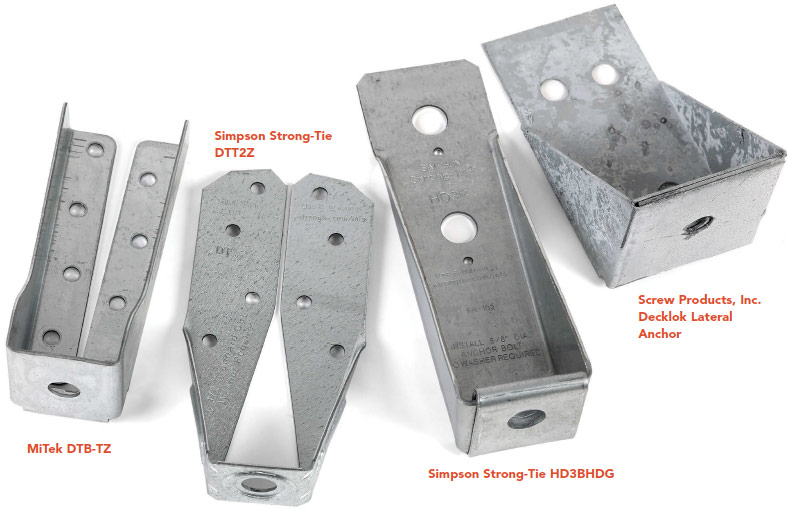
Corrosion resistance is also highlighted, emphasizing that all metal hardware used on decks must be galvanized to G-185 level for outdoor use with pressure-treated lumber, or made of stainless steel, to prevent corrosion. The article concludes by providing references to related articles and videos on joist installation and critical deck connections, along with product information from manufacturers like MiTek/USP and Simpson Strong-Tie, covering hurricane ties, joist hangers, and structural screws.
#DeckConstruction #JoistInstallation #JoistHangers #DeckFasteners #StructuralConnectors #BuildingCodes #DeckSafety #HardwareSelection #HomeImprovement #DeckConstruction #JoistInstallation #JoistHangers #DeckFasteners #StructuralConnectors #BuildingCodes #DeckSafety #HardwareSelection #HomeImprovement
0 comment in total
 No comments yet
You may also like
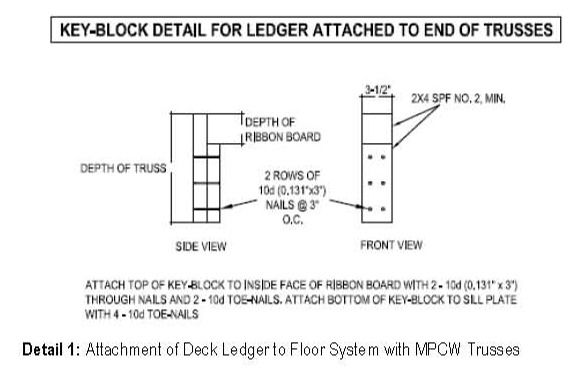
Attaching a Deck Ledger to Floor Truss
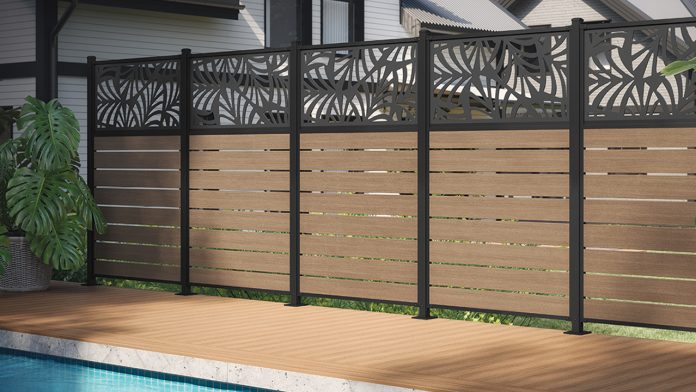
In Depth: Deck Railings & Accessories


7 signs you need to replace your wooden deck – the red flags to look out for in your garden
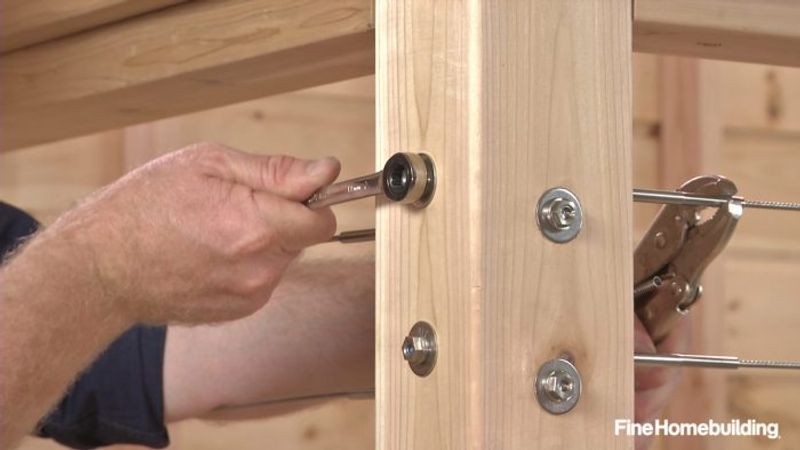
How to Install Cable Rail Around Wood-Post Corners
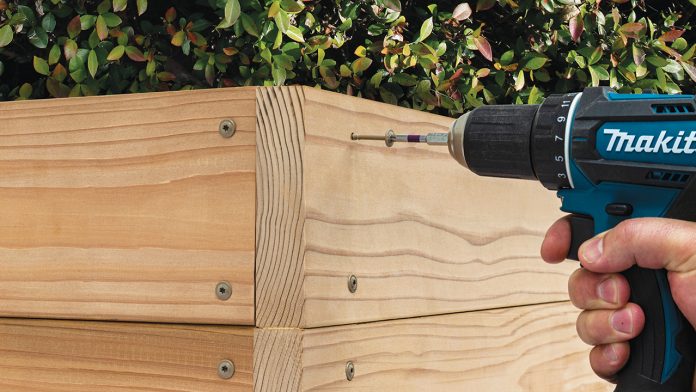
In Depth: Deck Fasteners

How to install wooden panelling

Deck Framing: Connectors and Hardware
Jul 2018: Old meets new in backyard deck reno


Decking Screws
Support And Connect Stair Stringers For Strong Stairs
A Deck Builder’s Tool Kit

Product Picks: July 2022

Decking Balustrades & Posts

In Depth Extra: Deck fasteners

The Best Deck Stains of 2026

Deck N Cable Railing enhances Austin homes with custom railings, decks, more
Deck Railing Fasteners
12 Code-Compliant Post-to-Frame Connections for Deck Guards
Custom Railing Ideas
Handyman Hints: You need your deck's posts to pass inspection