How to Install Cable Rail Around Wood-Post Corners
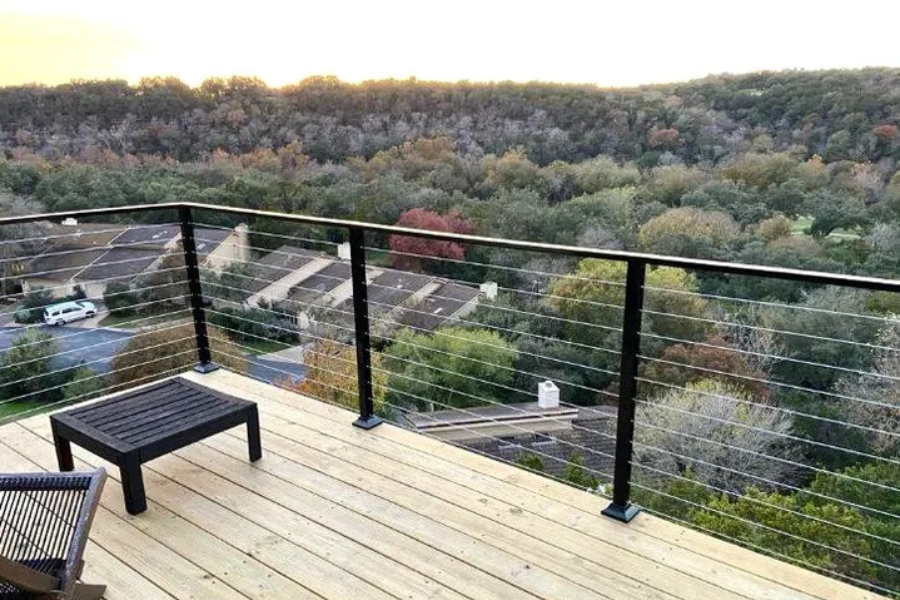
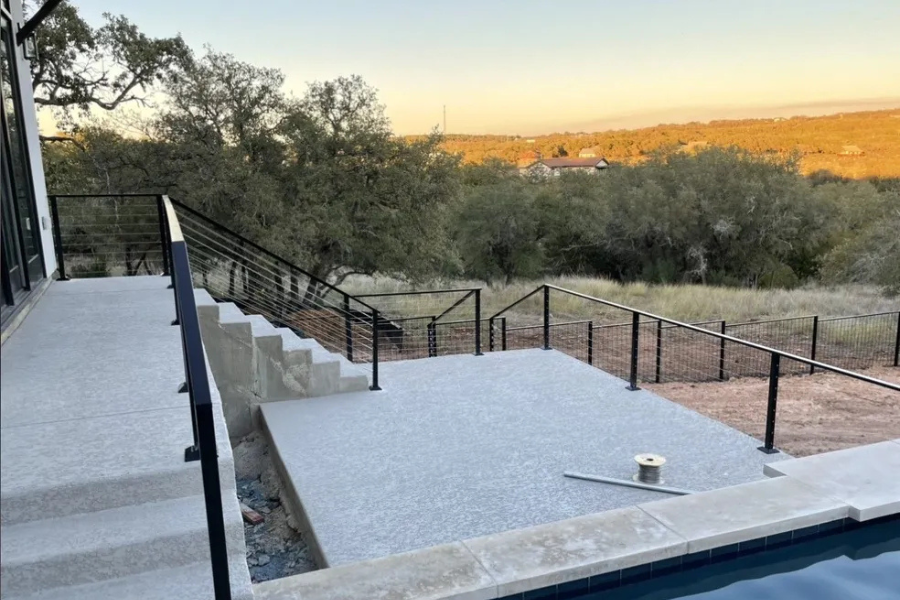
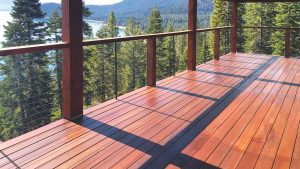
Cable railings are a popular choice for deck projects due to their clean aesthetic and minimal maintenance requirements. When installing these railings around corners with wooden posts, there are two primary methods, each suitable for different design preferences. The choice between a single-post or double-post corner configuration dictates how the cables are routed and secured, ultimately influencing the railing's appearance and installation process. Both methods aim to ensure the cables are tight and straight, contributing to a professional and visually appealing deck-railing system.
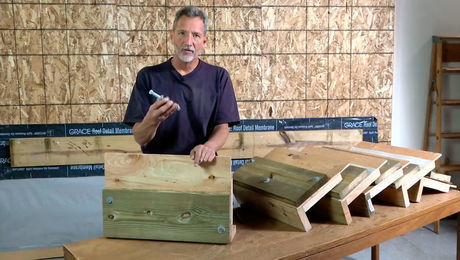
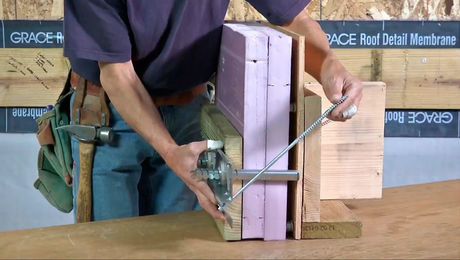
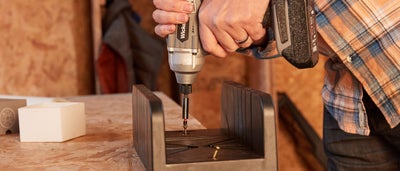
For single-post corners, individual cables cannot run continuously around the corner. Instead, each cable terminates at the post. This means one set of cables extends from one side of the corner, and a separate set extends from the other side. A critical aspect of this method is preventing the cables from intersecting within the post. To achieve this, the cable holes need to be staggered by approximately half an inch. A jig, cut to half an inch shorter than the vertical distance between the decking and the top rail, can be used to accurately drill these staggered holes. Once the holes are drilled, the threaded end of each cable is guided through its respective hole and secured with a nut. After all cables are properly tensioned, decorative caps can be added to the nuts for a more refined finish, enhancing the overall look of the railing.
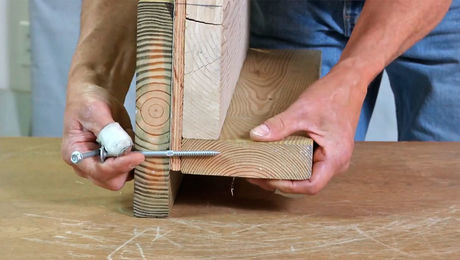
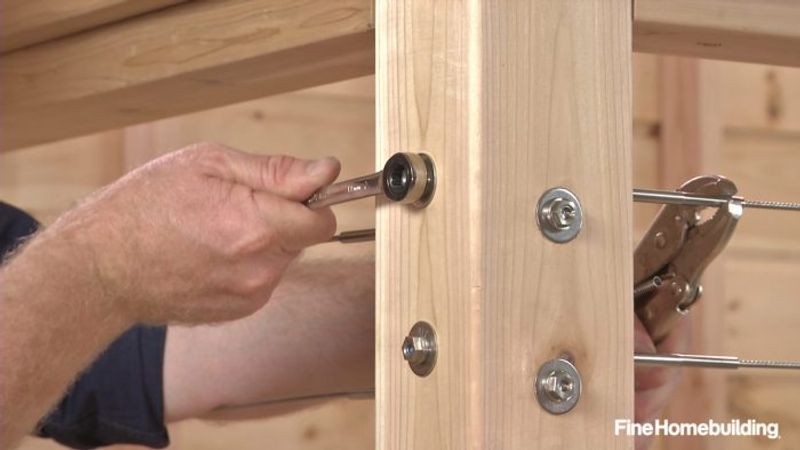
In contrast, double-post corners offer the advantage of allowing a single cable to wrap continuously around the corner without any offset. This design ensures that the cable remains in the same plane as it turns the corner, providing a seamless and uninterrupted line. Before threading the cables, protector sleeves must be installed in the posts. These sleeves are essential for safeguarding the wood from potential damage or marring caused by the cables during the tensioning process. A threading needle can be a valuable tool during installation, as it helps to guide the cable smoothly through the holes, preventing individual strands from catching or fraying. After the cables are successfully threaded, they are securely fastened to a terminal post located beyond the corner. The final step involves tensioning the cables to achieve the desired taughtness and structural integrity, completing the installation.
#CableRailing #DeckConstruction #WoodPosts #CornerInstallation #HomeImprovement #DIYProjects #DeckDesign #RailingSystems #ConstructionTechniques #CableRailing #DeckConstruction #WoodPosts #CornerInstallation #HomeImprovement #DIYProjects #DeckDesign #RailingSystems #ConstructionTechniques
0 comment in total
 No comments yet
You may also like
Deck Railing Fasteners
Attaching a Deck Ledger to Floor Truss
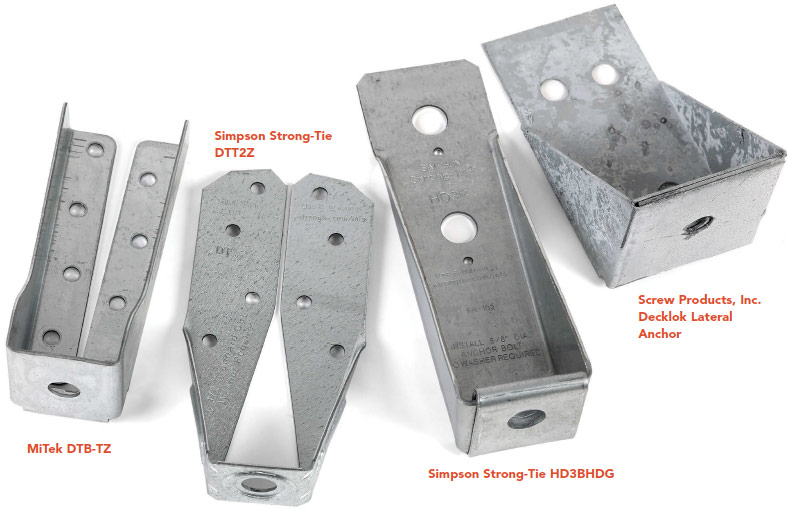
12 Code-Compliant Post-to-Frame Connections for Deck Guards

Building a Split-rail Fence

How to install wooden panelling

In Depth: Deck Railings & Accessories

A deep dive into the Chesapeake

Fence Nails | Fence Staples

Deck N Cable Railing enhances Austin homes with custom railings, decks, more

Westbury® Bella Cavo Horizontal Cable Railing
6 Cord Management Boxes That Will Soothe Your Tangled Soul

These easy-to-install cord covers help me hide all my TV's pesky cables
Install a Mid-Span Rail Post
Custom Railing Ideas
Here's How to Hide Your Ugly TV Cables and Wires

Installing Deck Joists
How to hang a curtain pole
In Depth: Deck Fasteners
How to Attach Ledgers for Deck Framing
How to Notch Deck Posts with a Chainsaw