1/11
Deck Railing Fasteners
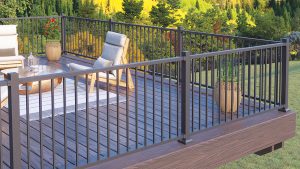
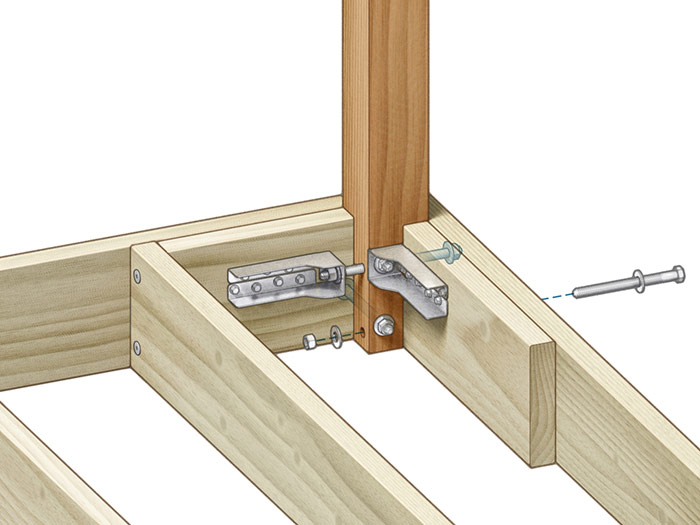
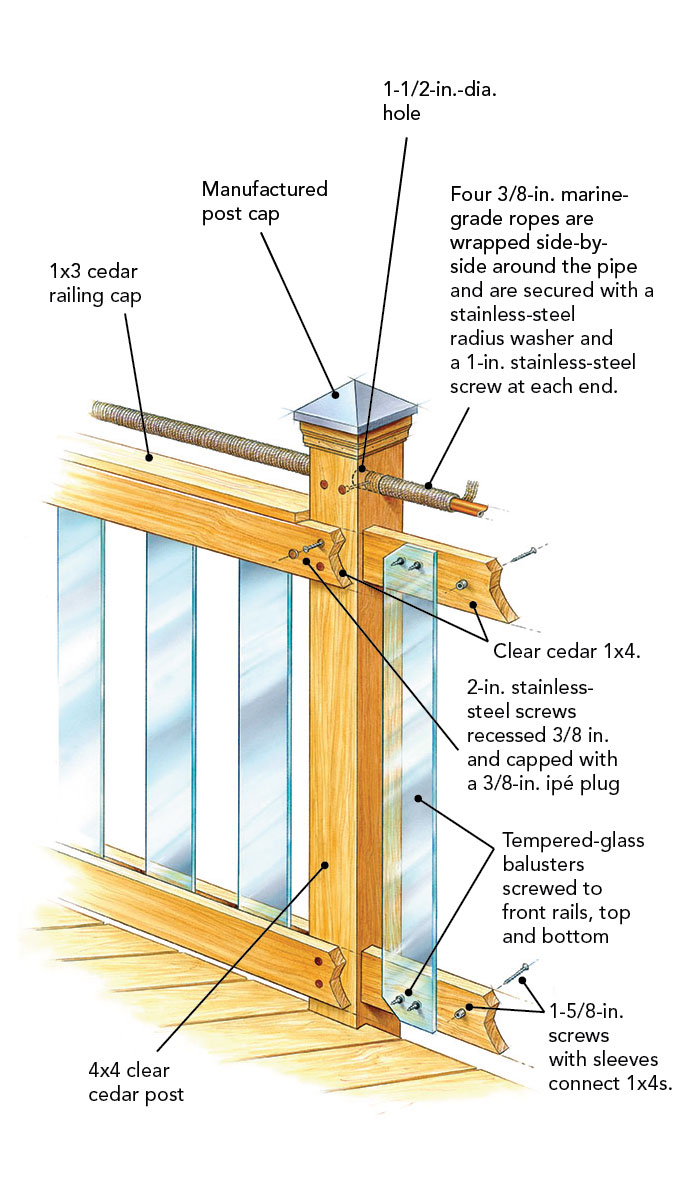
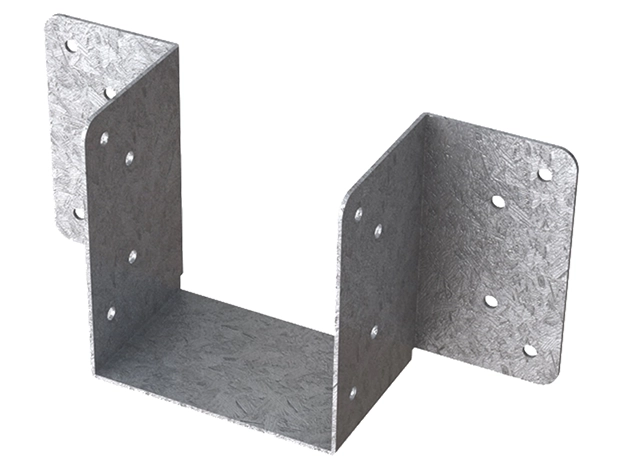
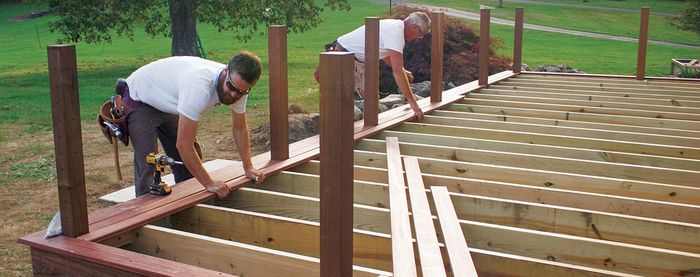
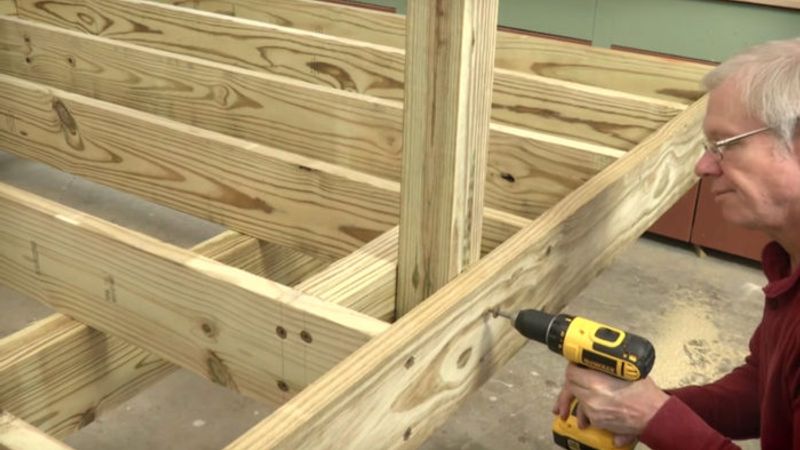
The stability of deck guardrail systems, comprising rails and balusters or other infill, fundamentally relies on how robustly the underlying deck framing and 4x4 wood guardrail posts are secured. Early 2000s testing by VA Tech revealed that conventional deck building methods for fastening guard posts often failed to meet code-required load specifications and safety factors. These failures occurred irrespective of whether posts were secured with screws, blocking, bolts, or a combination of these methods, leading to either post connection or deck frame failure. However, the research identified that reinforcing posts to the deck frame using metal hardware capable of transferring the load directly into the deck joists allowed posts to withstand the required loads without excessive deflection.
The core principle behind effective guardrail post fastening is to reinforce the deck framing or the post itself at the point where the post connects to the deck frame. Initially, bracketed connections were developed based on VA Tech's findings, and this concept has since evolved to include various block and screw connections that achieve the same objective of reinforcing the deck frame at the post mounting location. The specific details of these connections can vary considerably, depending on whether the posts are installed inside the rim board and end joists of the deck or positioned on the outside.
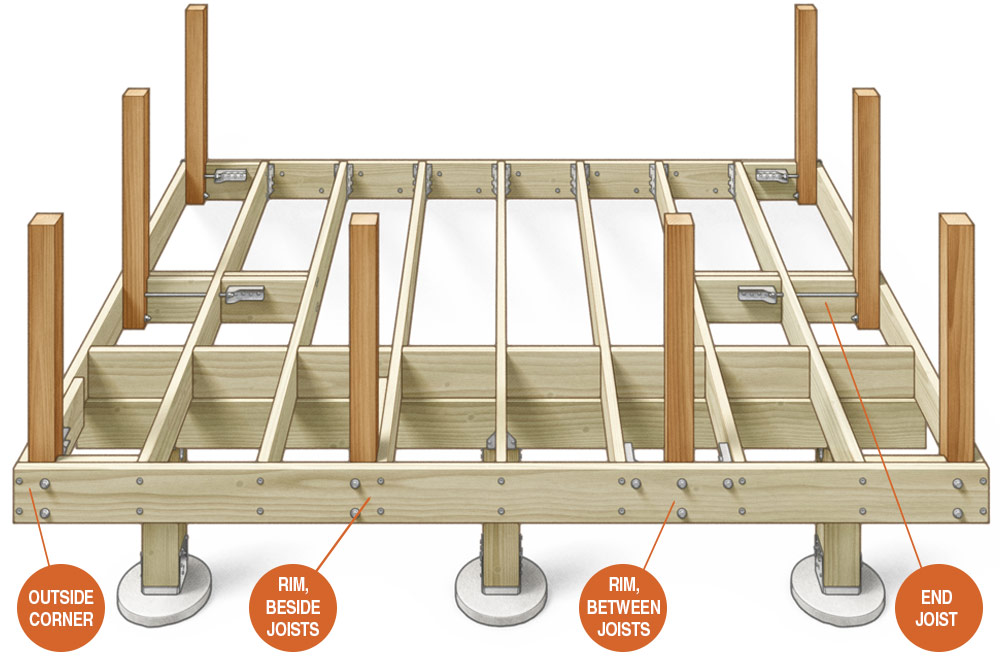
A guardrail post functions as a lever, with its fulcrum located at the base. This mechanical arrangement means that even a small force applied to the top of the post can generate a substantial force at the top of the rim board or end joist. Consequently, the integrity of the connection at this critical juncture is paramount for the overall safety and stability of the guardrail system. The article details more than a dozen different post-to-frame configurations, offering comprehensive insights into various installation techniques. These examples provide a foundation for extrapolating solutions to other common deck construction scenarios, including those involving inside corners and clipped or diagonal corners.
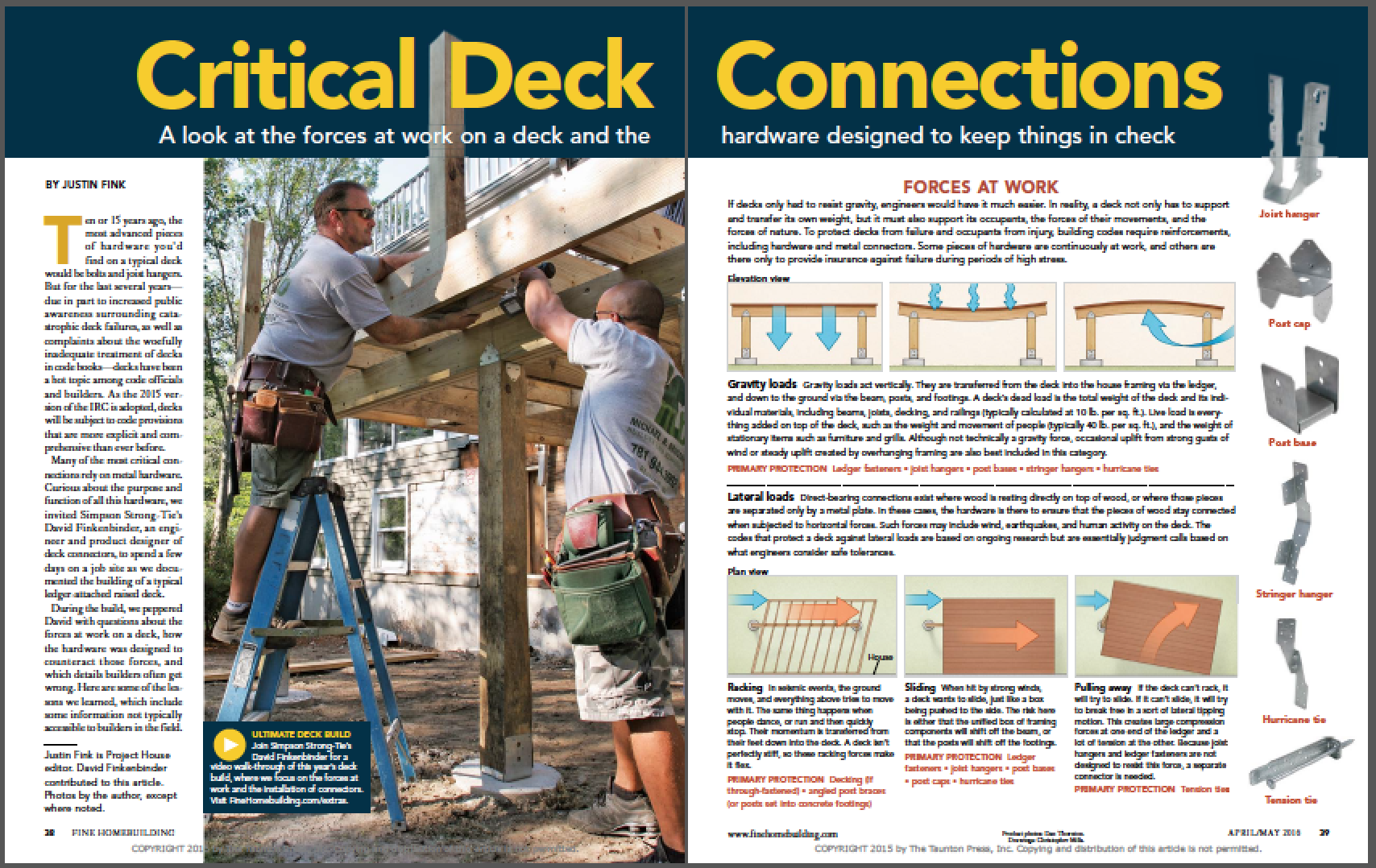
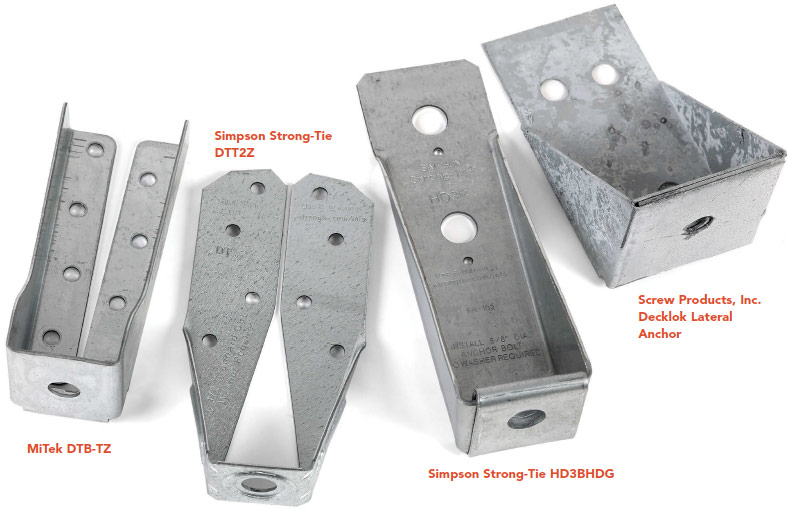
To further support understanding and implementation, the article references several external resources. These include articles and videos focusing on guardrail posts, code-compliant screwed guardrail-post connections, general code-compliant guardrail-post connections, and guidance on starting railing installations correctly. Additionally, it provides product information from manufacturers like MiTek/USP, specifically mentioning the Deck Tie Back, and Simpson Strong-Tie, highlighting products such as the DTT Deck Tension Tie, and various guides for guard post, guard rail, and baluster installations using structural fasteners, along with a comprehensive deck connection and fastening guide.
The content also forms part of a video series that systematically covers various aspects of deck construction. Other videos in this series address topics such as installing and flashing deck ledgers, options for fastening deck ledgers (including over brick, foam, and thick claddings), deck footing options, fastening deck posts to footings, fastening beams to deck posts, installing deck joists, lateral load deck connector options, and building strong deck stairs. This comprehensive approach ensures that builders have access to detailed guidance for constructing secure and code-compliant deck guardrail systems.
#DeckConstruction #GuardrailFastening #DeckSafety #BuildingCodes #StructuralConnections #DeckHardware #HomeImprovement #OutdoorLiving #DIYDeck #DeckConstruction #GuardrailFastening #DeckSafety #BuildingCodes #StructuralConnections #DeckHardware #HomeImprovement #OutdoorLiving #DIYDeck
0 comment in total
 No comments yet
You may also like
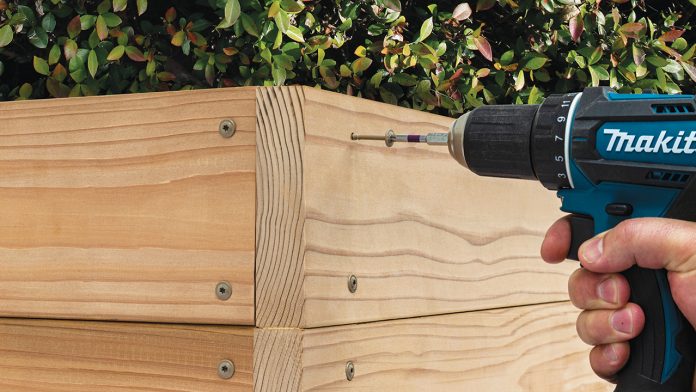
In Depth: Deck Fasteners

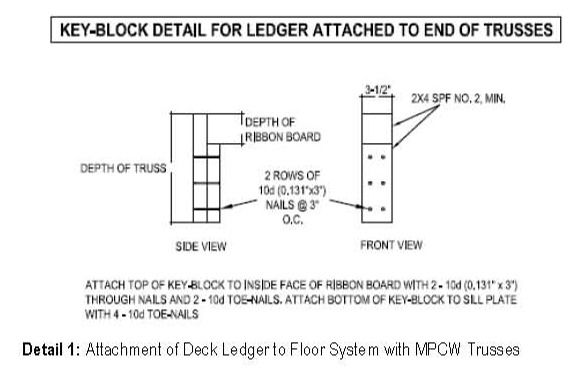
Attaching a Deck Ledger to Floor Truss
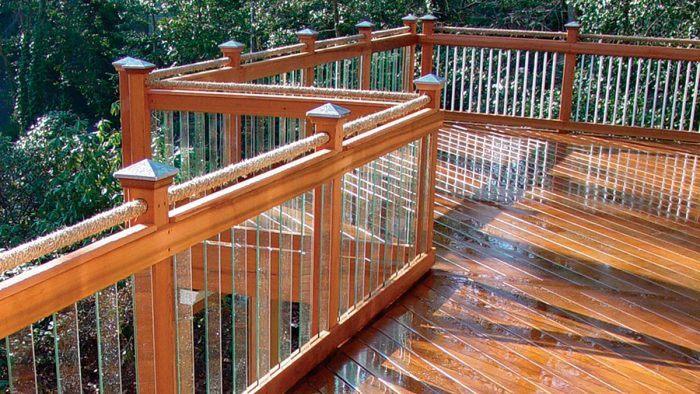
Custom Railing Ideas
PRODUCT PICKS: Nov / Dec 2015
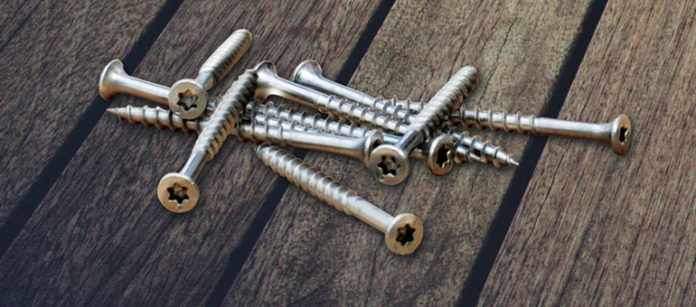
In Depth Extra: Deck fasteners
Screws

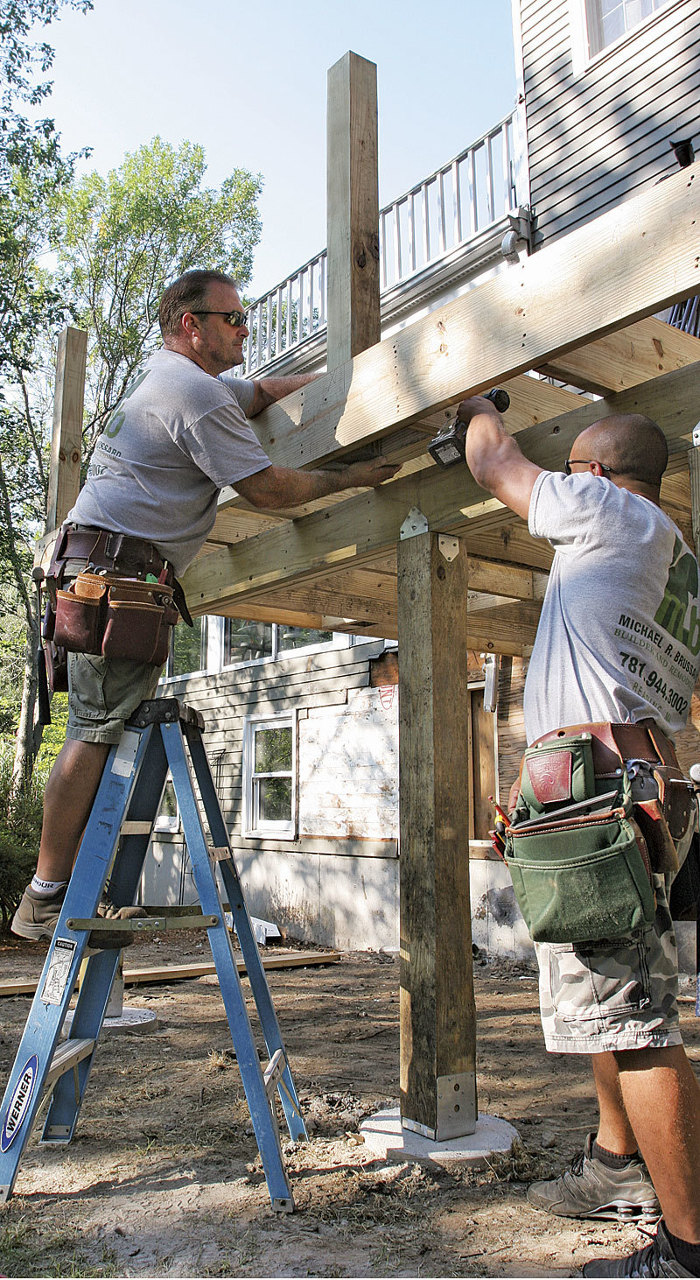
Deck Framing: Connectors and Hardware

Roofing Nails
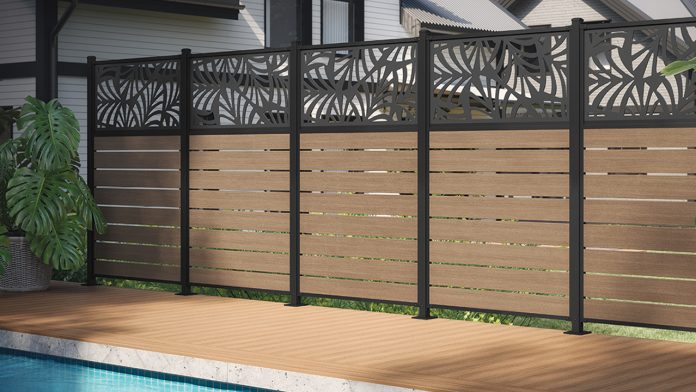
In Depth: Deck Railings & Accessories
A deep dive into the Chesapeake
Here's How To Find The Best Screw For Your Project

Builders' Metalwork
Installing Deck Joists
12 Code-Compliant Post-to-Frame Connections for Deck Guards
Deck N Cable Railing enhances Austin homes with custom railings, decks, more

Roofing Bolts

Decking Screws

A Deck Builder’s Tool Kit
Nails
Install a Mid-Span Rail Post