1/9
Here's How To Find The Best Screw For Your Project
Understanding the different types of fasteners is essential for any homeowner undertaking DIY projects or assembling furniture. This guide, featuring insights from Roy Berendsohn, a senior editor at Popular Mechanics, demystifies seven common fasteners, including screws and bolts, explaining their characteristics and appropriate applications. This knowledge can simplify tasks ranging from furniture assembly to home repairs and renovations.
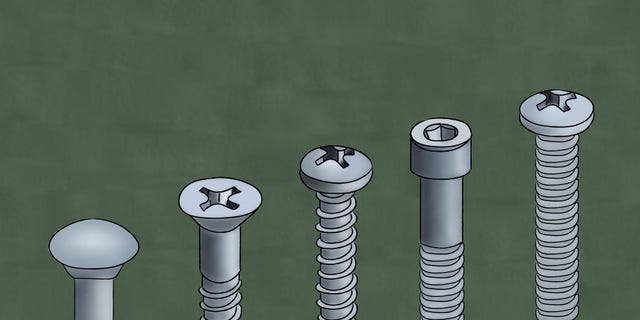
Hex bolts, also known as hex cap screws, are characterized by their six-sided heads and are primarily used for fastening wood to wood or metal to wood. Unlike carriage bolts, hex bolts require a wrench or socket to hold the head in place while tightening or loosening the nut. They feature small threads and a smooth shank, and can be made of plain steel for interior use or stainless steel/galvanized for exterior applications.
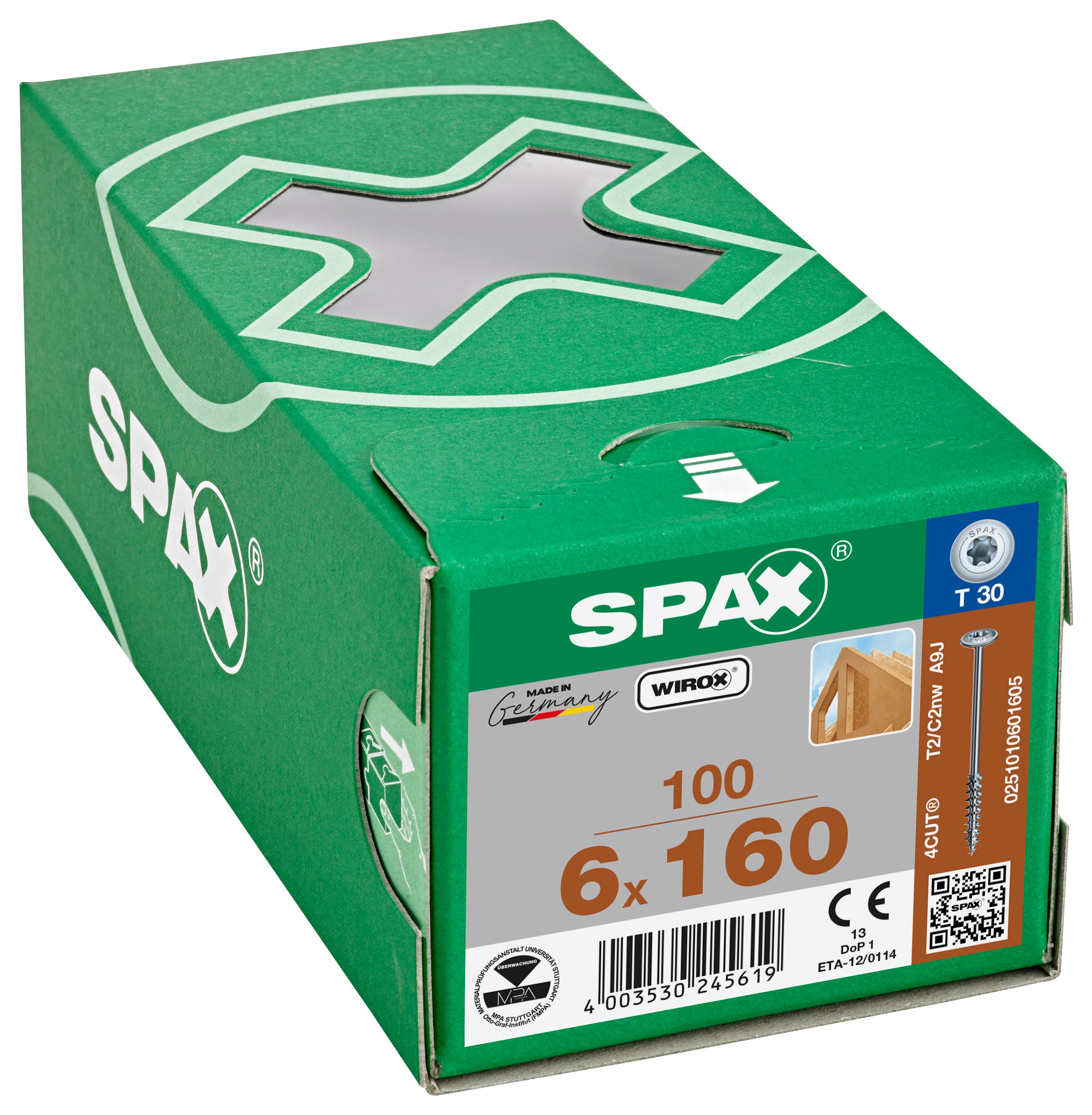
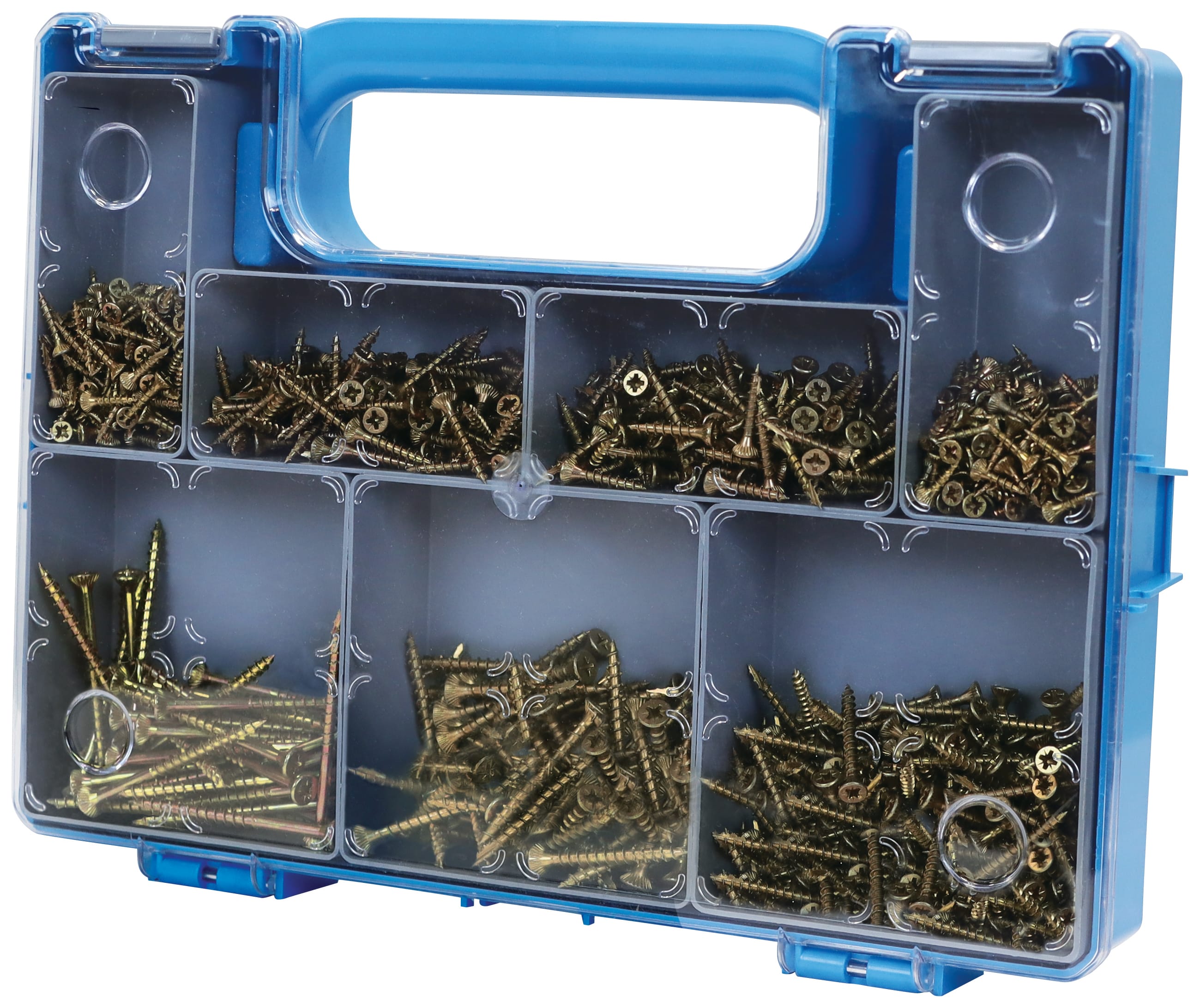
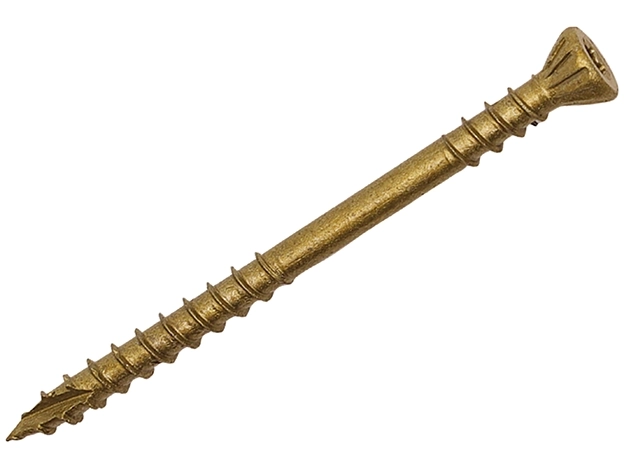
Wood screws have threaded shafts designed to attach wood to wood. The thread count per inch varies, with fewer threads being ideal for softwoods like pine and spruce, and finer threads suitable for hardwoods. Wood screws come with various head types, including common round heads that sit above the workpiece and flat heads that recess into it. They are available in materials such as plain steel, brass, stainless steel, or steel with a weather-resistant finish.
Sheet metal screws are specialized for joining two pieces of sheet metal or connecting sheet metal to other metals like tubing. These fasteners typically have round, flat, or hex heads and are often referred to as "self-tapping" screws because their tips are designed to cut threads into the receiving metal. They are commonly made from plain steel, weather-resistant coated steel, aluminum, or stainless steel to maximize weather resistance.
Machine screws represent a hybrid between small bolts and screws, used for fastening metal to metal or metal to plastic. In household applications, they are frequently used for securing electrical components, such as light fixtures. These screws are either threaded into pre-tapped holes or require a nut if the hole is not tapped.
Socket screws are a type of machine screw distinguished by their cylindrical heads, which accommodate an Allen wrench. These screws are typically used for metal-to-metal connections that require a tight, secure fit and are often found in items that may need frequent disassembly and reassembly.
Lag bolts, more commonly known as lag screws, are robust fasteners with large diameters and significant lengths, designed to penetrate wood deeply. They create firm connections that resist loosening, making them ideal for outdoor structures like decks, docks, and wood-retaining walls. Due to the corrosive nature of pressure-treated exterior wood, lag screws are often hot-dipped in zinc or made from stainless steel for corrosion resistance.
Carriage bolts are related to lag screws but feature a round head with a cube-shaped extension beneath it. This extension cuts into the wood, preventing the bolt from turning as the nut is tightened, which simplifies assembly and deters tampering. The nut is usually positioned on the back of the assembly, making the fastener difficult to undo without proper tools. Understanding these fasteners empowers homeowners to select the correct hardware for their projects, ensuring durability and structural integrity.
#HomeRenovation #DIYProjects #Fasteners #Screws #Bolts #Woodworking #HomeImprovement #Hardware #HomeRenovation #DIYProjects #Fasteners #Screws #Bolts #Woodworking #HomeImprovement #Hardware
 No comments yet
Screws


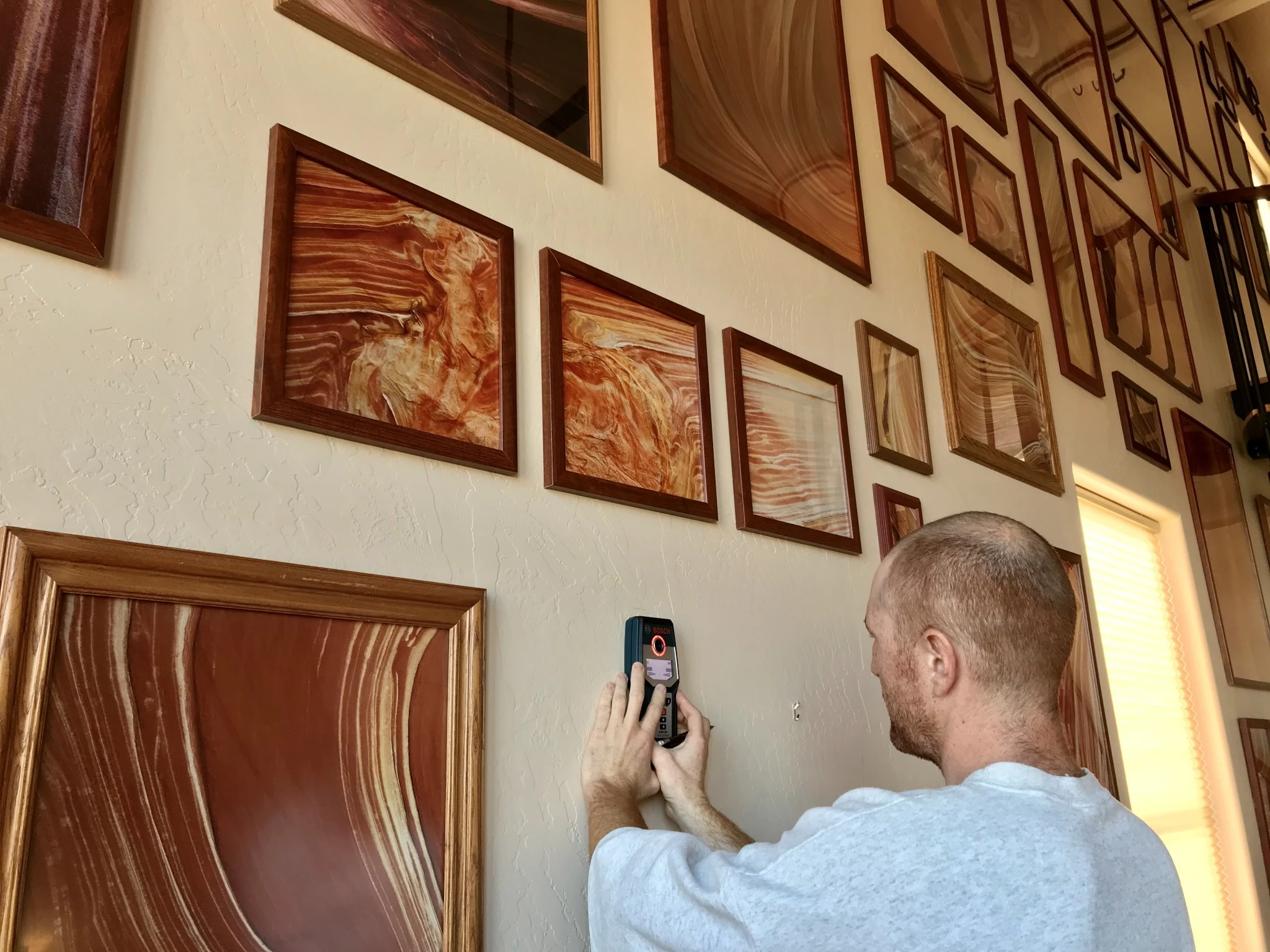
The Best Stud Finders

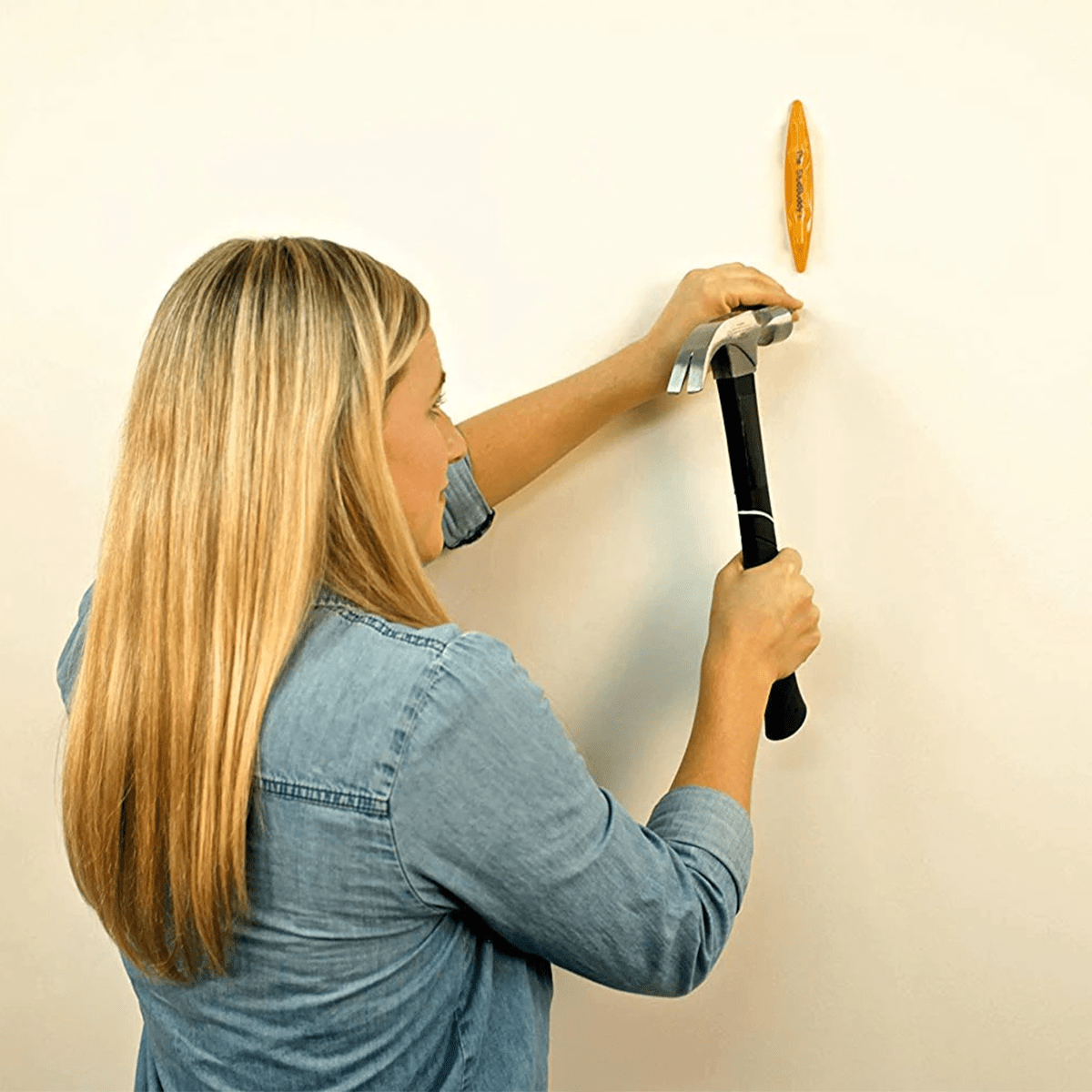
8 Best Stud Finders

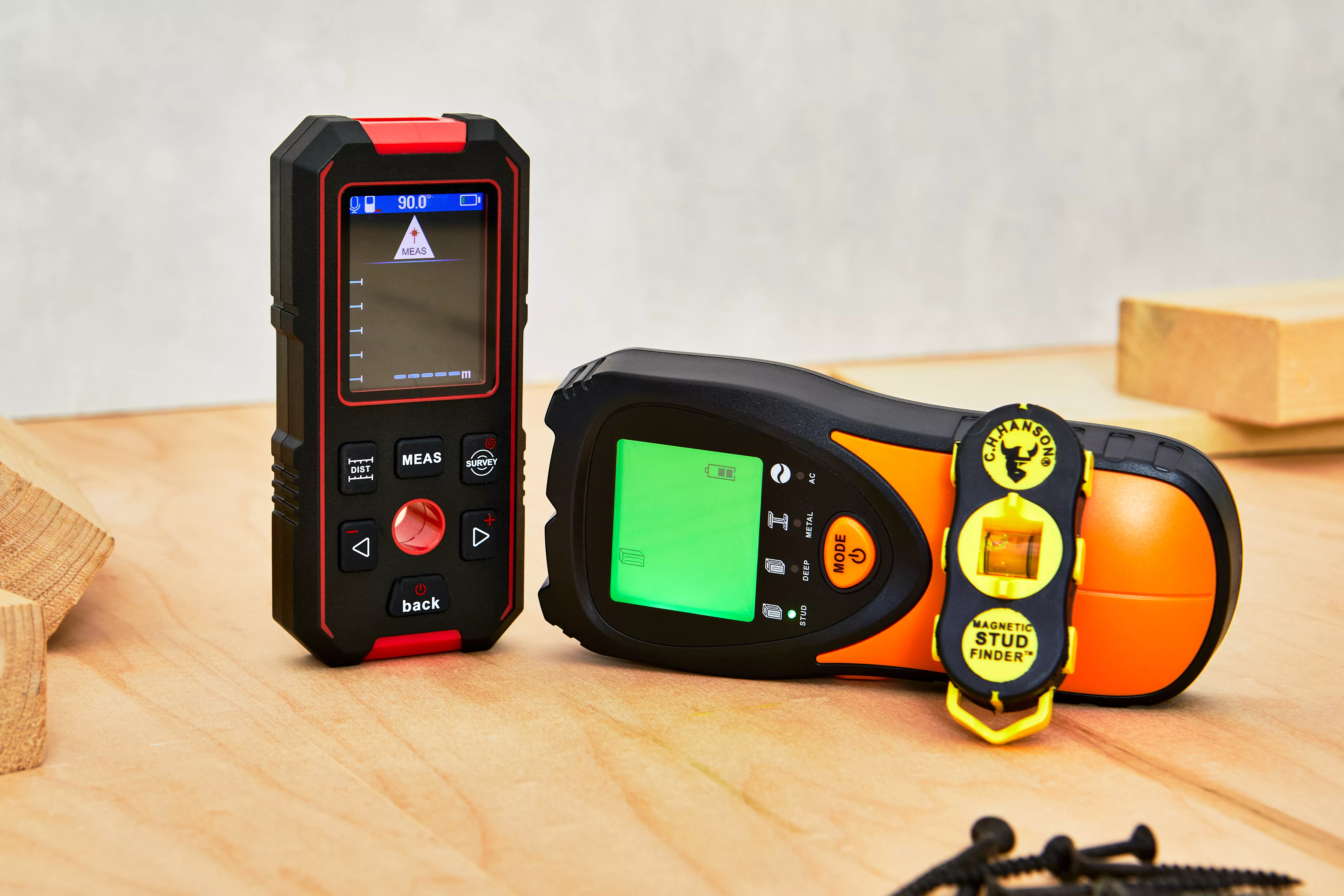
The 5 Best Stud Finders for Your Home DIY Projects