Building a Split-rail Fence
Split-rail fences, also known as snake rails, offer a nostalgic and rustic aesthetic to properties, harking back to their origins in the 1800s where they were used for livestock management and even to mark positions on Civil War battlefields. Historically, these fences were constructed by splitting rails from logs using hammers and wedges, then stacking them in a zig-zag pattern, eliminating the need for digging post holes. This method made them a simple and practical fencing solution.
Today, acreage owners are increasingly installing split-rail fencing to enhance their property's rustic appeal and potentially increase its value. Sam Lough, a West Virginia-based specialist in historic fencing, notes that a typical split-rail fence is built five rails high, reaching approximately 40 inches. The rails themselves are about eleven feet long and have a circumference of 12-14 inches. For enhanced longevity and easier maintenance, Lough recommends placing a flat rock or a couple of bricks beneath each end of the rail sections. This practice elevates the wood off the ground, preventing premature decay and facilitating mowing around the fence.
When planning the fence layout, it is crucial to anticipate the zig-zag pattern. This can be achieved by marking the desired locations with rocks and string. One method involves placing a stake at the starting point, extending a straight string to another stake at the end of the desired line, and then positioning flat rocks approximately every 7-8 feet along this line. To define the zig-zag, an additional string can be placed about three feet back from the main line on the side where the zig is intended.
While split-rail fences offer a distinctive look, their lack of anchored post holes makes them susceptible to being blown over in strong winds. To mitigate this, Lough advises securing each rail with a deck screw as it is laid. Properly constructed, a split-rail fence is durable, with an expected lifespan of several decades. Furthermore, these fences require minimal maintenance, as the wood typically does not need sealing.
#SplitRailFence #HistoricFencing #RuralLifestyle #PropertyValue #OutdoorDesign #RusticAppeal #FenceConstruction #FarmFencing #SplitRailFence #HistoricFencing #RuralLifestyle #PropertyValue #OutdoorDesign #RusticAppeal #FenceConstruction #FarmFencing
0 comment in total
 No comments yet
You may also like
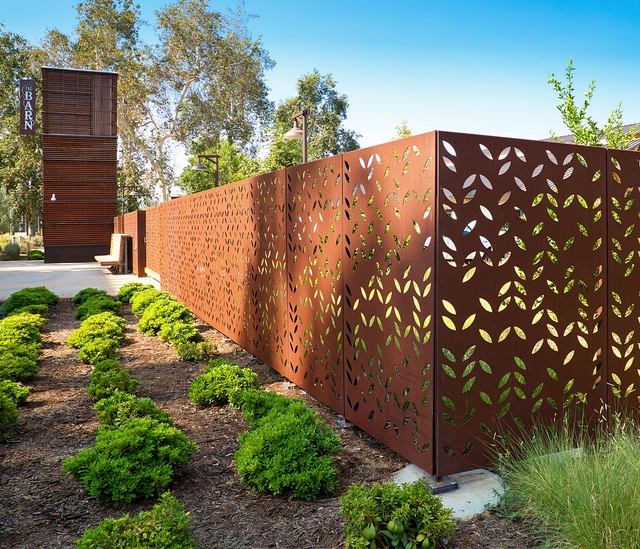
Fence System from BŌK Modern

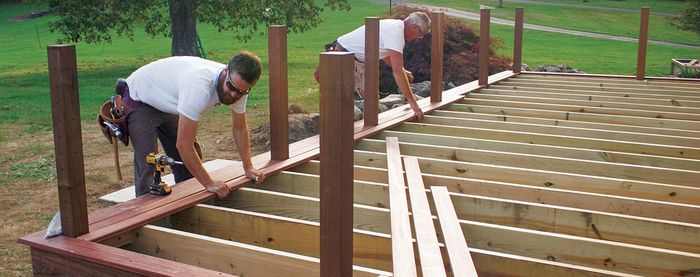
Deck Railing Fasteners

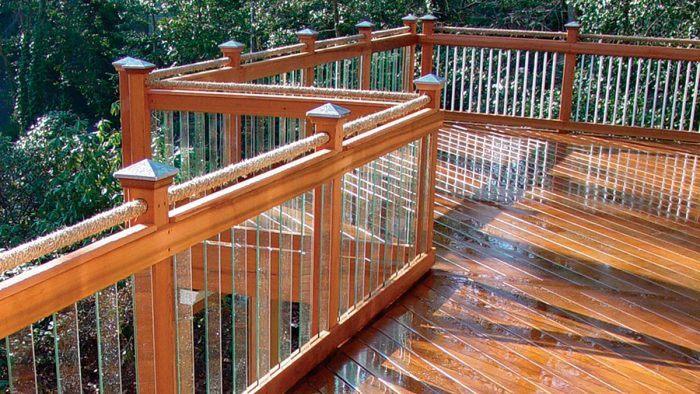
Custom Railing Ideas
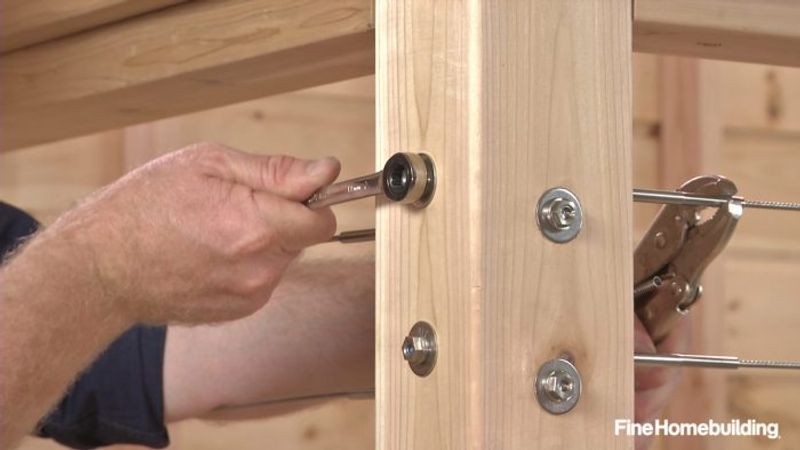
How to Install Cable Rail Around Wood-Post Corners
6m Sliding Gate for Woven Wire Mesh Chain Link Fence Factory Price

Cyclone Wire Fence Design,Chain Link Fence With Barbed Wire on Top
Westbury® Bella Cavo Horizontal Cable Railing

Security Galvanized Cyclone Chain Link Fences for Residential
Apr 2017: This fencing project had an interesting twist

Install a Mid-Span Rail Post
Railing Solutions from Jakob

The Best Chain Link Fence Panels for Privacy and Security

Fences


Garden Fence Panels

Interna-Rail® VUE Aluminum Railing from Hollaender

Interna-Rail® KLEAR Aluminum Railing from Hollaender

Hollaender Catalog

This is the 1 simple $8 fix to stop your fence panels rattling this summer

Garden Gates & Railings


Slater Young’s home tip: No to horizontal railings