1/6
7 Concrete Alternatives
The construction industry is experiencing a surge in innovation regarding concrete alternatives, driven by concerns about concrete's significant contribution to global carbon dioxide emissions (8% annually) and the push for more sustainable building practices. While concrete is fundamental to modern civilization, its production is energy-intensive, involving the super-heating of limestone with fossil fuels, and causes environmental damage through quarrying and water consumption. Scientists, government entities, and the concrete industry are actively researching and developing new materials to mitigate these issues.
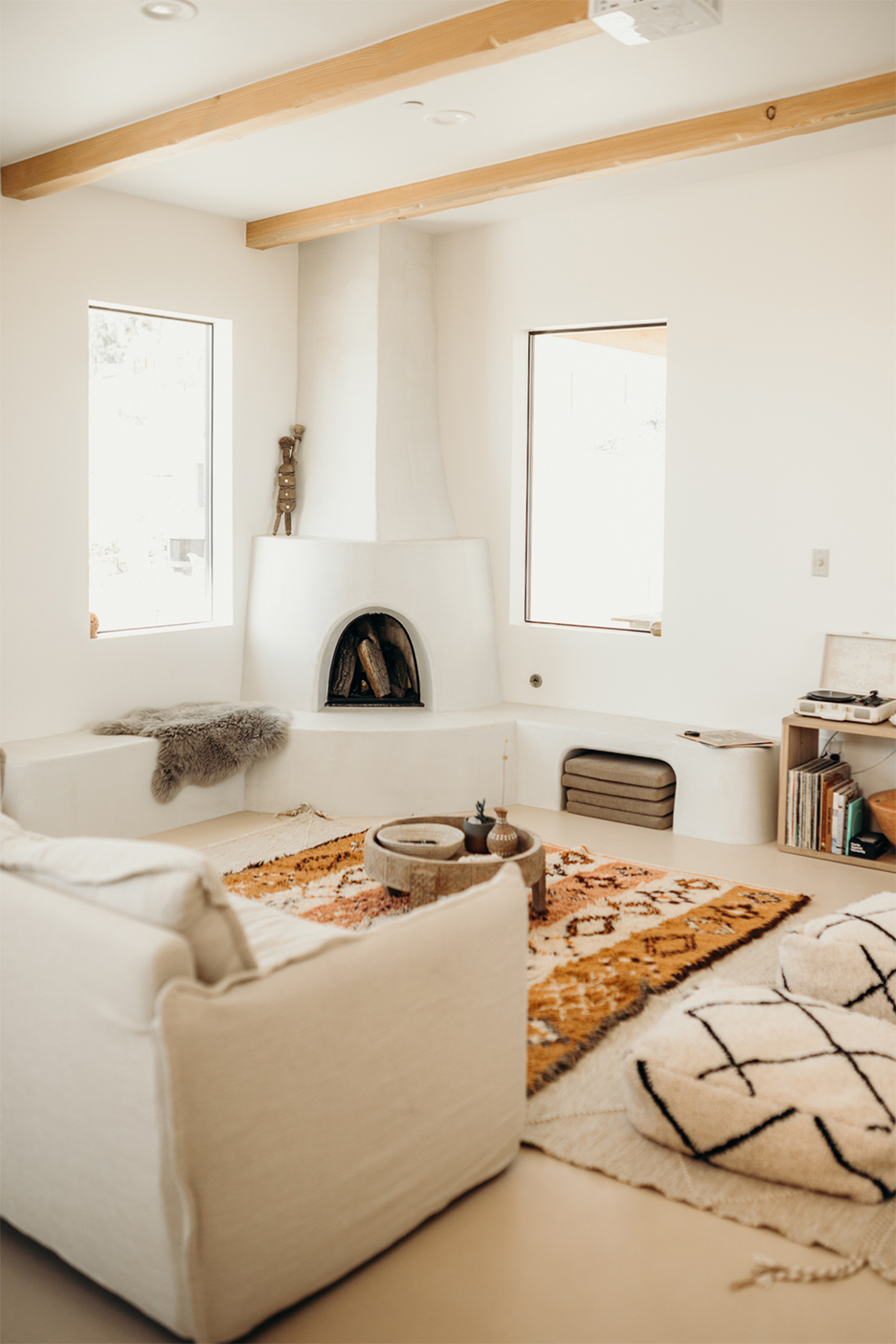
Emerging alternatives offer several advantages. Many provide enhanced crack resistance due to better tensile strength, allowing for more unique architectural designs. Some new technologies, drawing inspiration from traditional earthen building methods like adobe, improve temperature regulation in homes, reducing energy demands for heating and cooling. Furthermore, these alternatives address the environmental impact of traditional concrete by reducing carbon emissions, minimizing landscape disruption from quarrying, and decreasing water usage.
Several greener concrete alternatives are becoming more accessible for home building and improvement projects. Hempcrete, made from hemp hurd, lime, sand, and water, is one-eighth the weight of concrete and resistant to mold, insects, fire, and earthquakes. Although not suitable for foundations or load-bearing walls, it excels in interior walls and insulation (R-value of 2.4 to 4.8), serving as a carbon-negative replacement for drywall due to CO2 sequestration during growth and in the final product. While generally more expensive than standard concrete, its environmental benefits are significant.
Compressed earth blocks, modernized versions of ancient building techniques, incorporate fibers, bamboo, or rebar for added strength. They are fire-resistant, offer excellent insulation, and can substitute standard masonry products. Environmentally conscious, they are unfired, often made locally from readily available materials, and can be cost-competitive with concrete. Green concretes, such as ashcrete and fiber cement, modify traditional concrete by replacing some energy-intensive components with eco-friendly materials. Ashcrete, using fly ash from coal combustion, can be stronger and cure faster than standard cement, often at a lower cost. Fiber cement, made with wood pulp, resists cracking and warping, making it suitable for roofing and siding panels, though it is slightly more expensive than vinyl siding.
Ferrock, a carbon-negative alternative, utilizes 95% recycled materials, combining industrial steel dust and ground-up glass, then exposing them to high CO2 concentrations. This process results in a material up to five times stronger than regular concrete with superior compressive strength and flexibility, making it ideal for earthquake-prone regions, pavers, walkways, and marine projects. Currently, it is not widely available for consumer purchase. Mycelium, or mushroom block, derived from fungi fibers, is a lightweight, versatile, fire, water, and mold-resistant, self-healing material that can be grown into any shape. While not yet mass-marketed, it can be grown DIY for various applications. Fungi and bacteria are also being explored as binders in traditional cements.
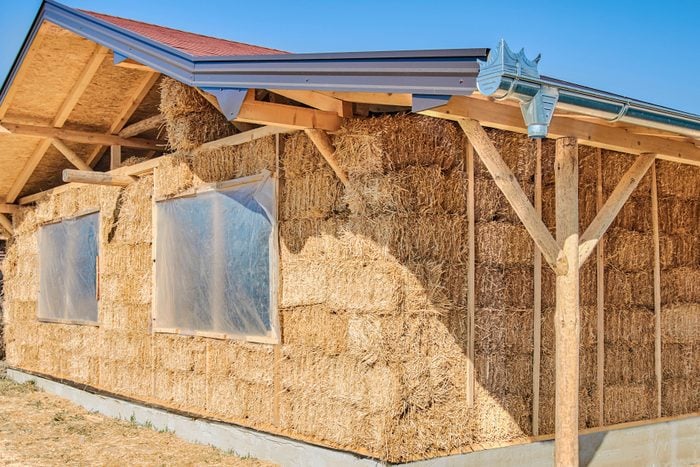
Straw bales, an ancient building material revitalized in the 1970s, involve tightly baled straw anchored with rebar, bamboo, or wood, then covered with plaster or plywood. These walls provide effective temperature and sound insulation, improved fire resistance, and good earthquake and wind resistance. Straw is a renewable, nontoxic, carbon-friendly, and affordable material, with some building codes and banks now recognizing and financing straw-bale construction. Even the traditional concrete industry is evolving, with current "ordinary Portland cement" already incorporating waste products to reduce its environmental impact. Innovations like polymer fibers, soon to be replaced by solid carbon, are being added to concrete to sequester carbon.
#ConcreteAlternatives #SustainableBuilding #EcoFriendlyMaterials #Hempcrete #EarthBlocks #GreenConstruction #CarbonNegative #Mycelium #StrawBaleConstruction #ConcreteAlternatives #SustainableBuilding #EcoFriendlyMaterials #Hempcrete #EarthBlocks #GreenConstruction #CarbonNegative #Mycelium #StrawBaleConstruction
0 opmerkingen in totaal
 Nog geen opmerkingen
Dit vindt u mogelijk ook leuk
Sustainable Concrete Panel Construction | Spotlight on Nexii and Vero Building Systems

Concrete design ideas: how to make them work in any home

More Practical Than Plaster and Cement: This Material Is on Our Reno Radar
Sustainable Material Spotlight: Concrete
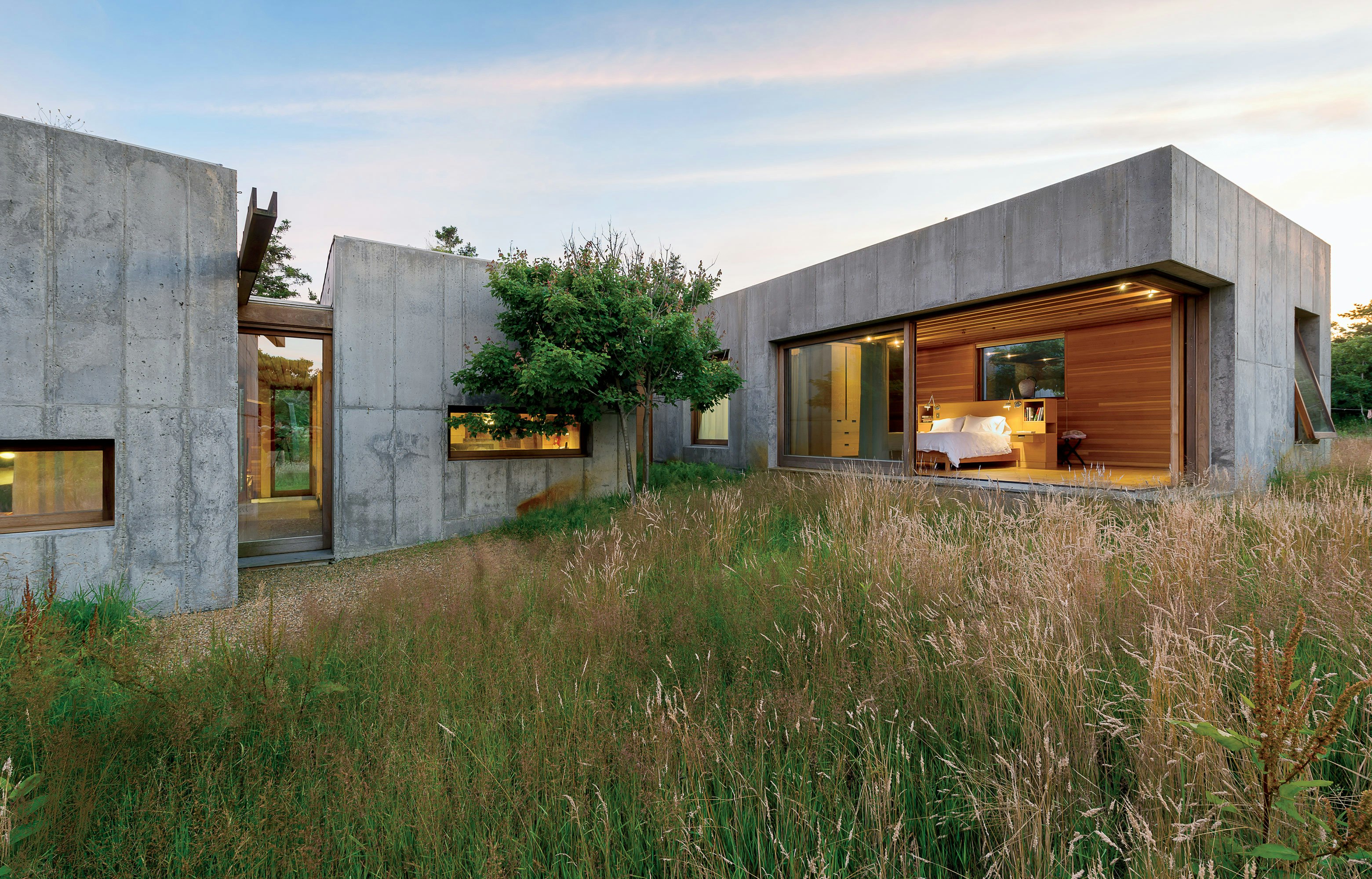
Material Guide: The Benefits of Building With Concrete

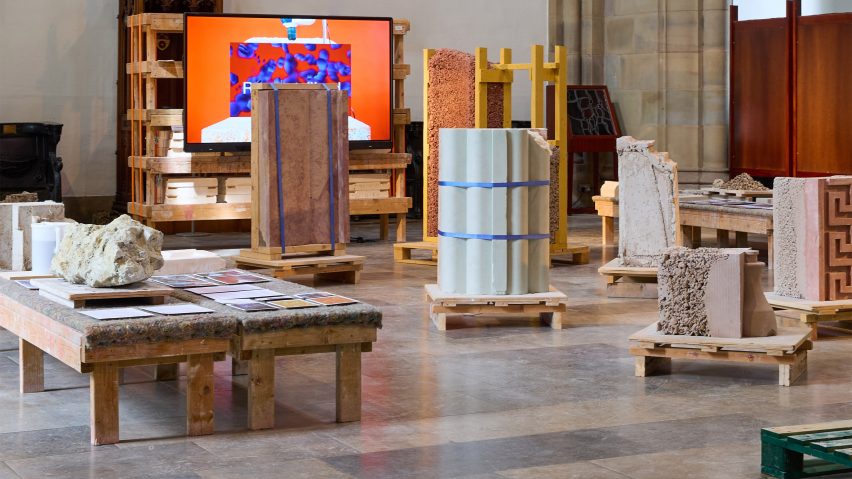
Poured Earth is a sustainable construction method modelled on concrete casting
Decorative concrete contractor
How Good Is INSL-X Paint by Benjamin Moore? A Tested Review


Cement

Turning Gray to Great
How to Apply Multi-Color Dyes to Polished Concrete
The 10 Best Concrete Paints That Seal the Deal
Concrete solutions for attractive, durable finishes

7 alternatives to engineered stone for your dream kitchen!

5 brilliant budget alternatives to paving slabs that won't cost the earth
Move Over Granite (and Quartz)! These Alternatives Are What We're Dreaming of For Design-Forward Kitchens

Six examples of fabric-cast concrete that are breaking the mould
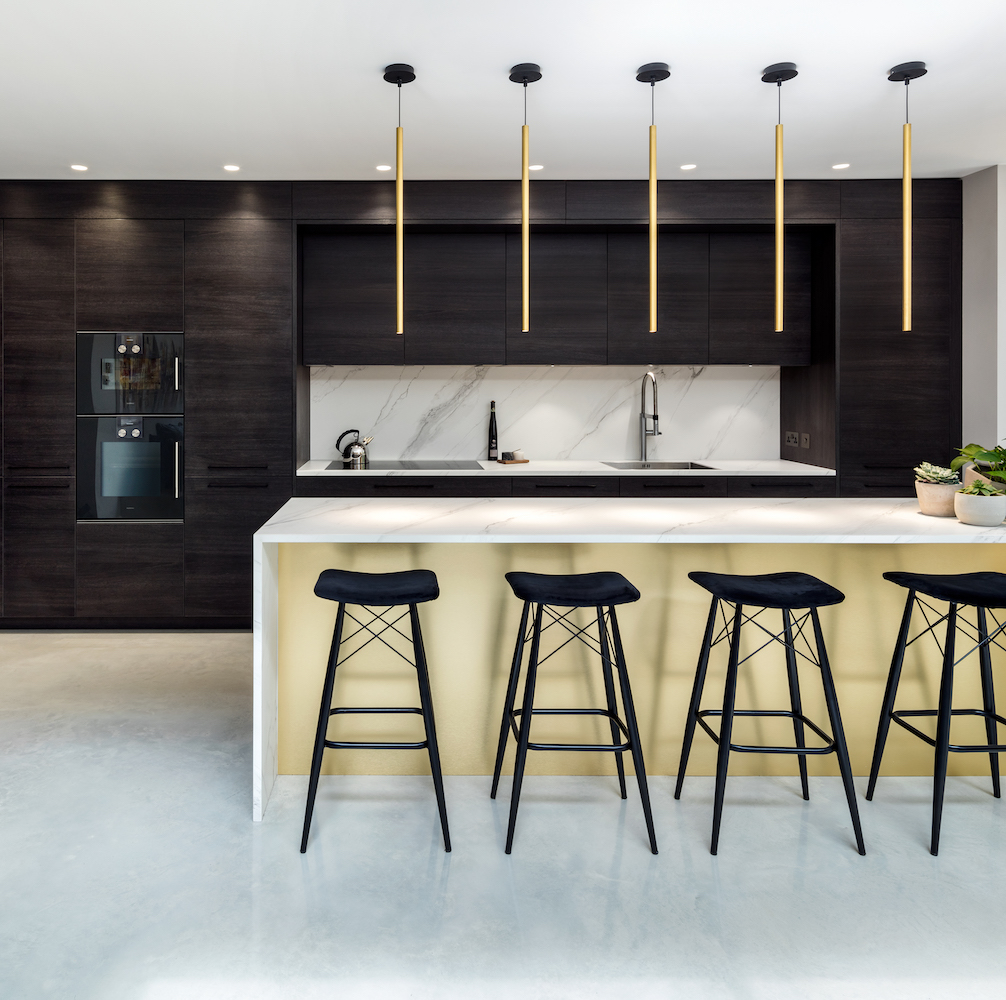
Concrete kitchen floor ideas – 17 ways to introduce this popular style
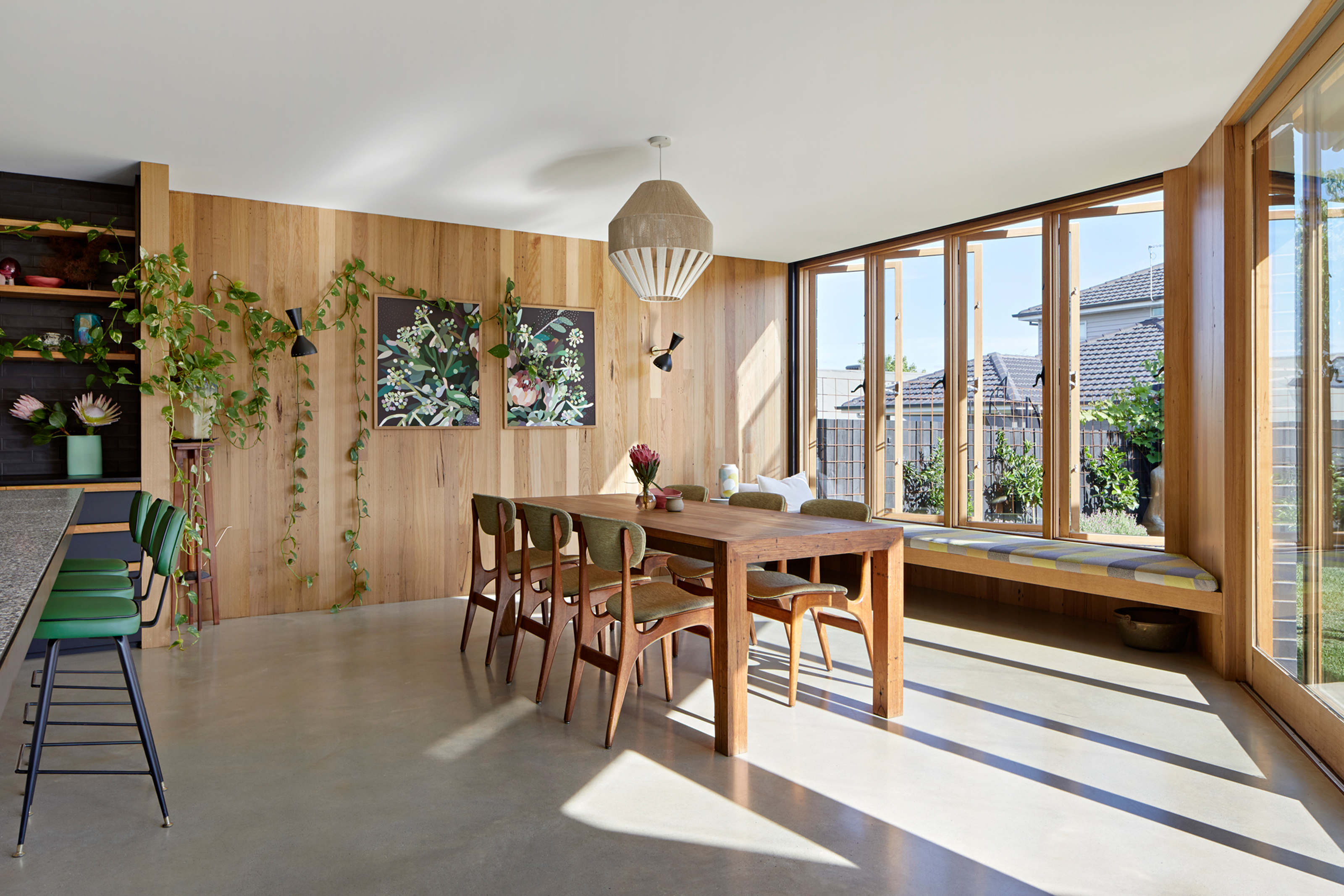
8 concrete flooring ideas that will convince you this style can be surprisingly luxurious
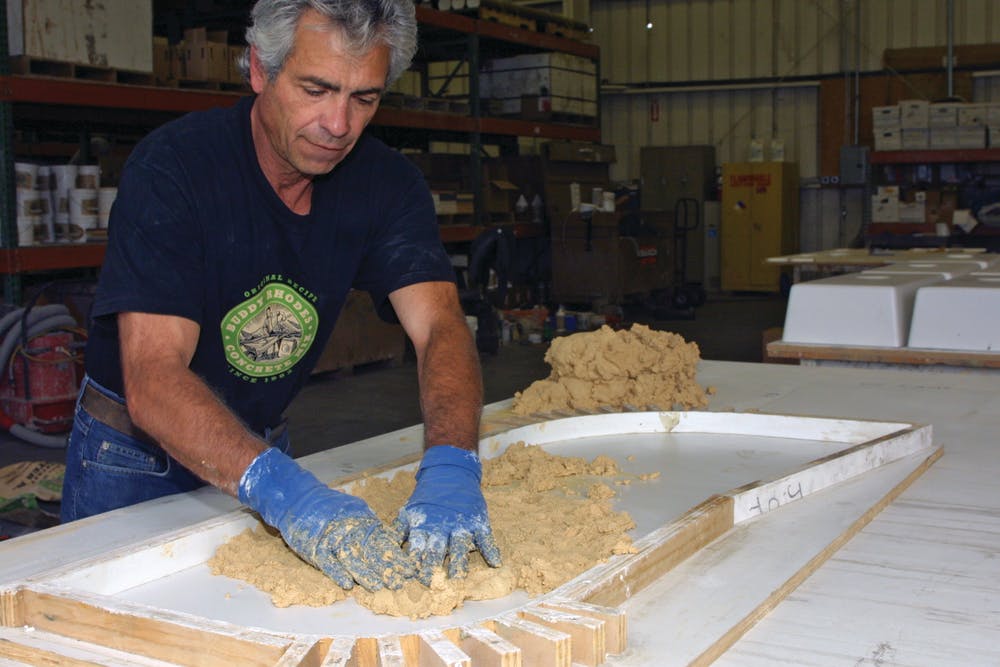
How to Choose a Concrete Countertop Mix Design