1/9
Concrete design ideas: how to make them work in any home
Concrete, a material historically appreciated and occasionally avoided for its association with brutalism, is experiencing a resurgence in contemporary architecture and interior design. Originating with mortar in 1750 and seeing reinforced structures by 1900, concrete has been a foundational element in iconic architectural works by figures such as Le Corbusier and Louis Kahn. Today, new techniques have elevated concrete from a mere substructure to a celebrated aesthetic element, appearing in facades, flooring, and furniture in award-winning homes.
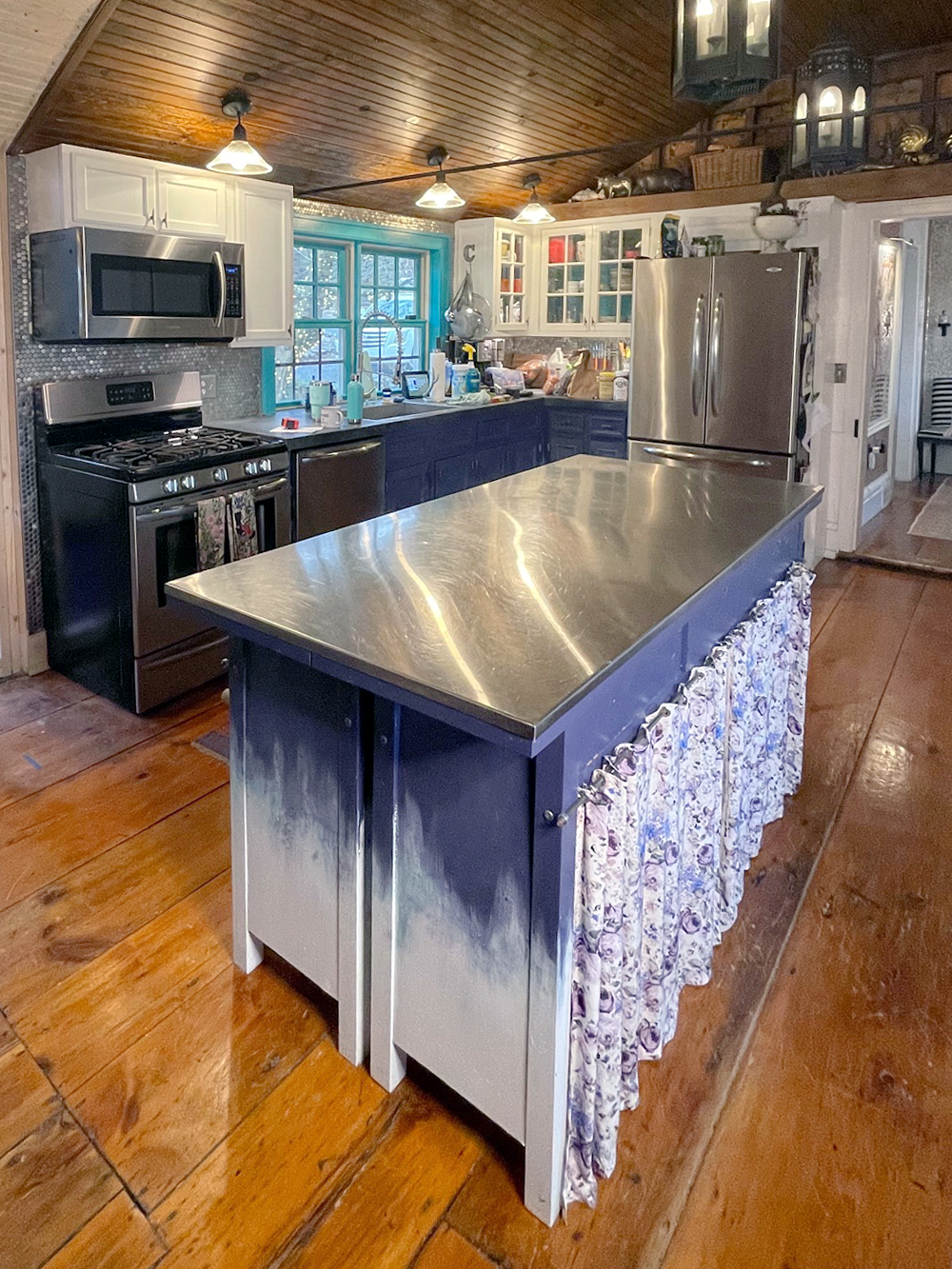
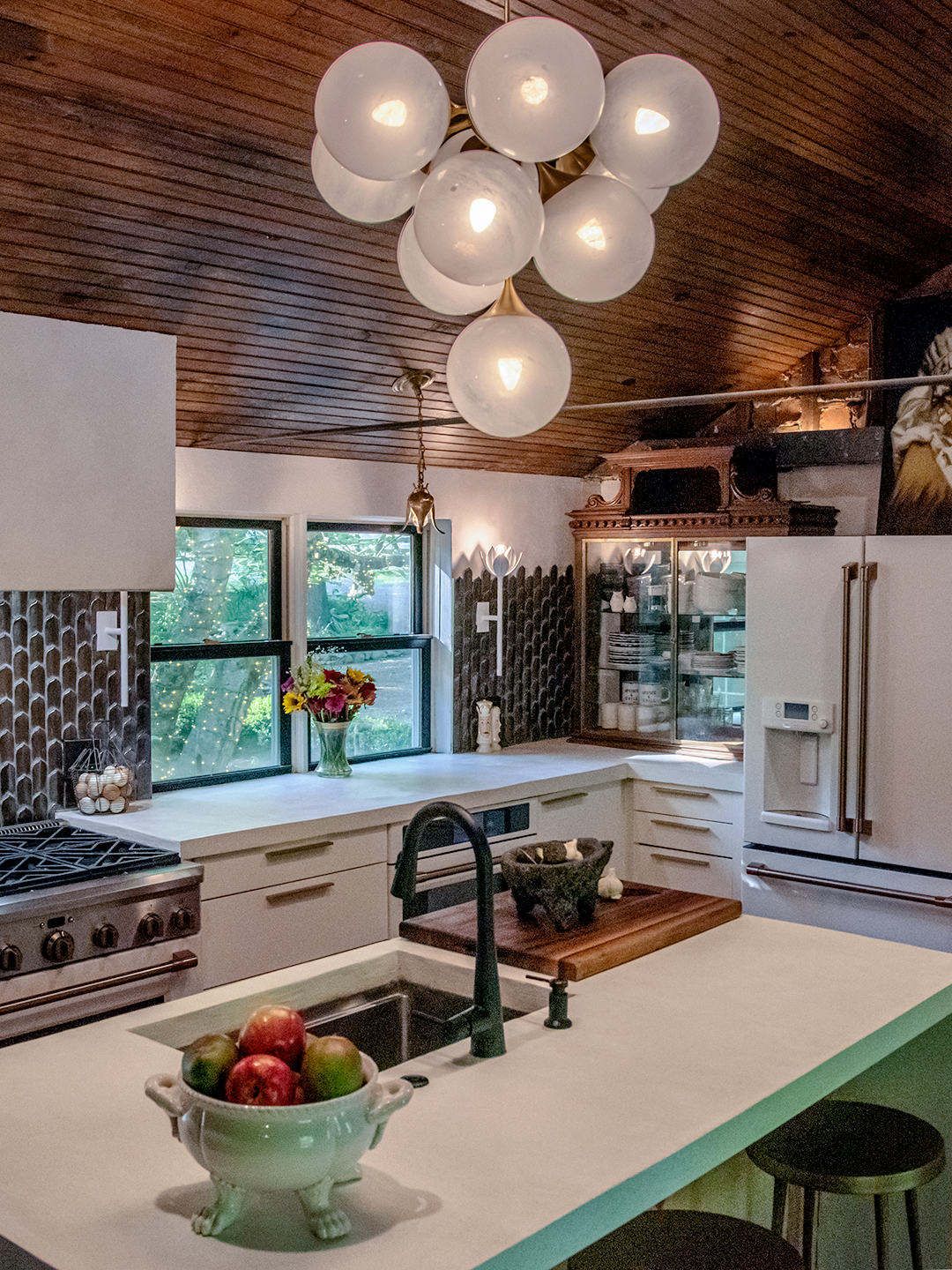
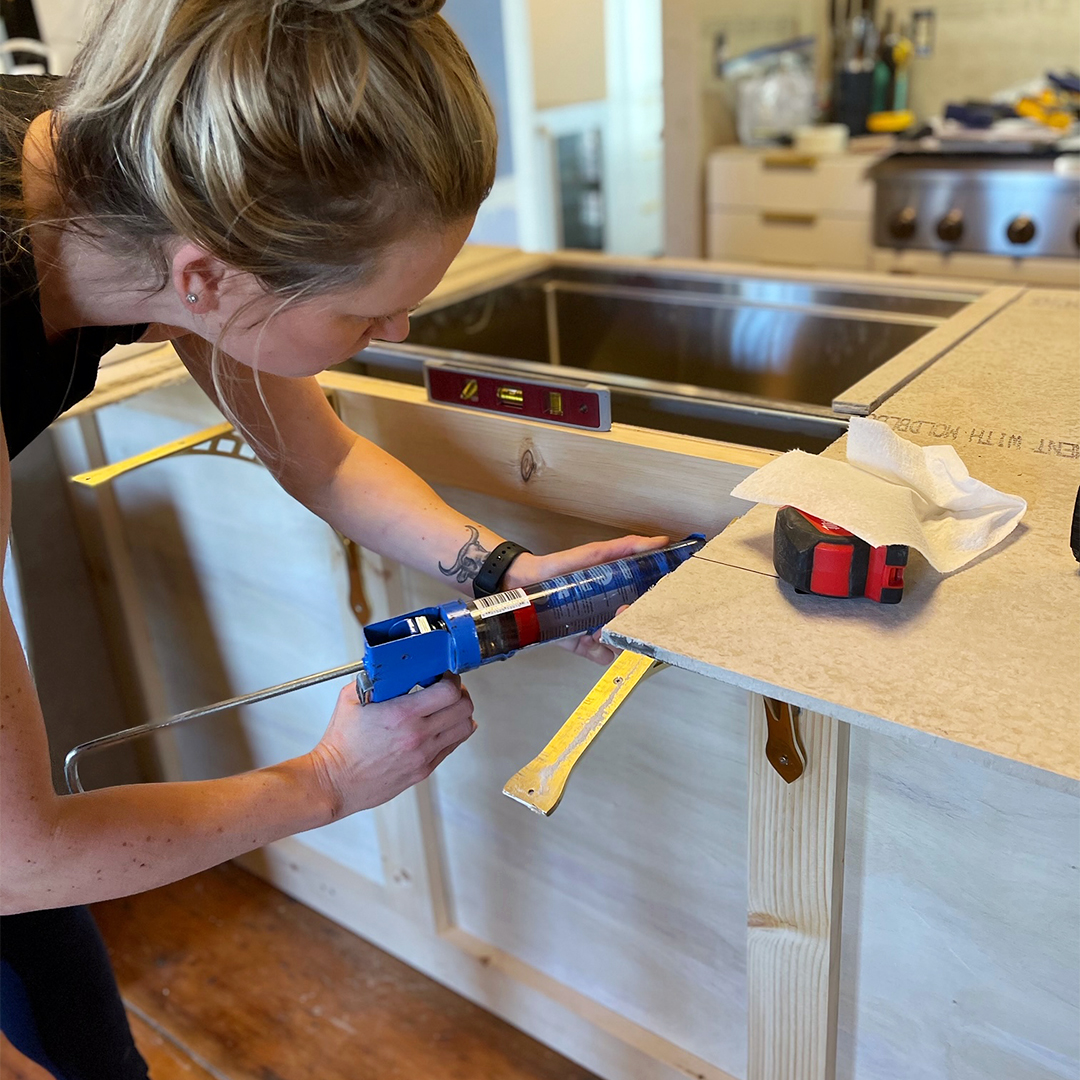
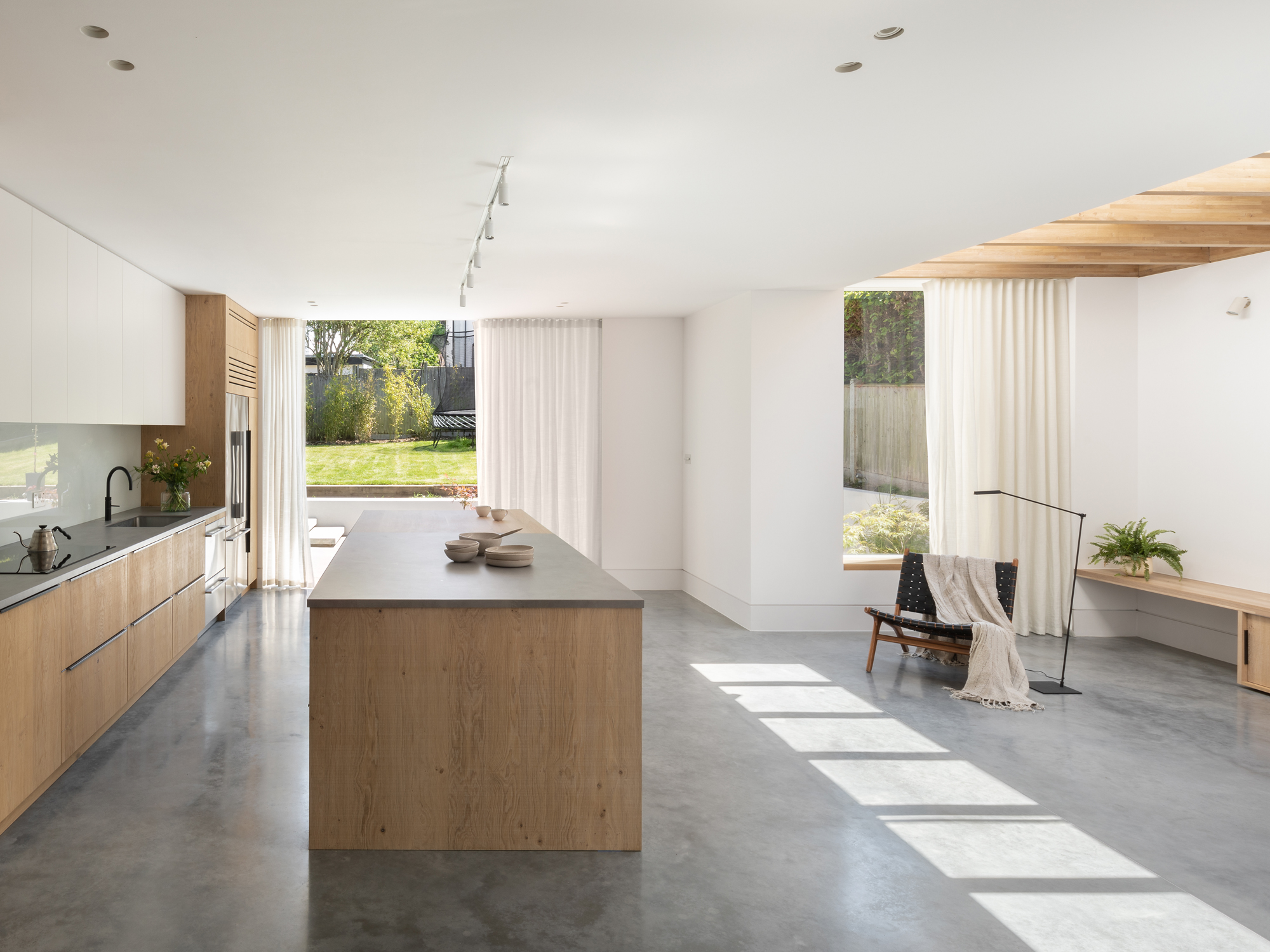
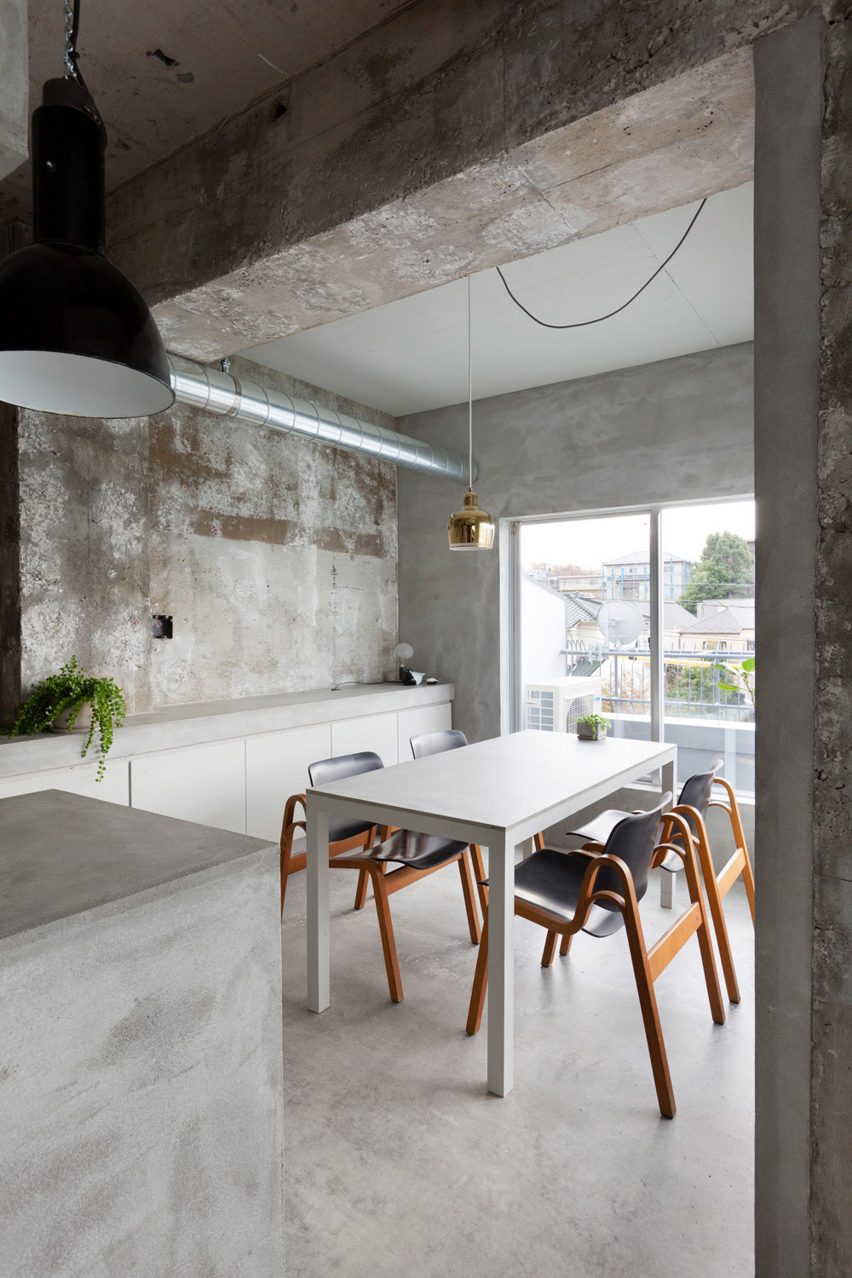
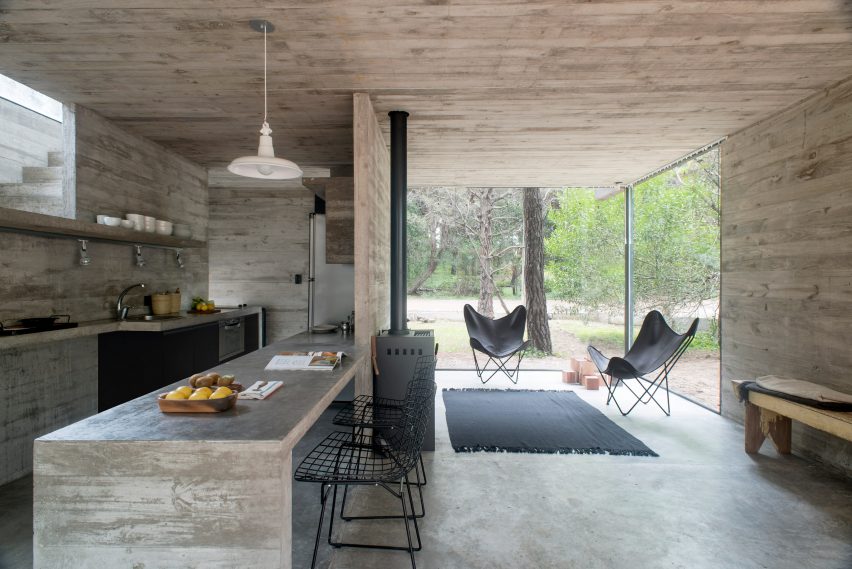
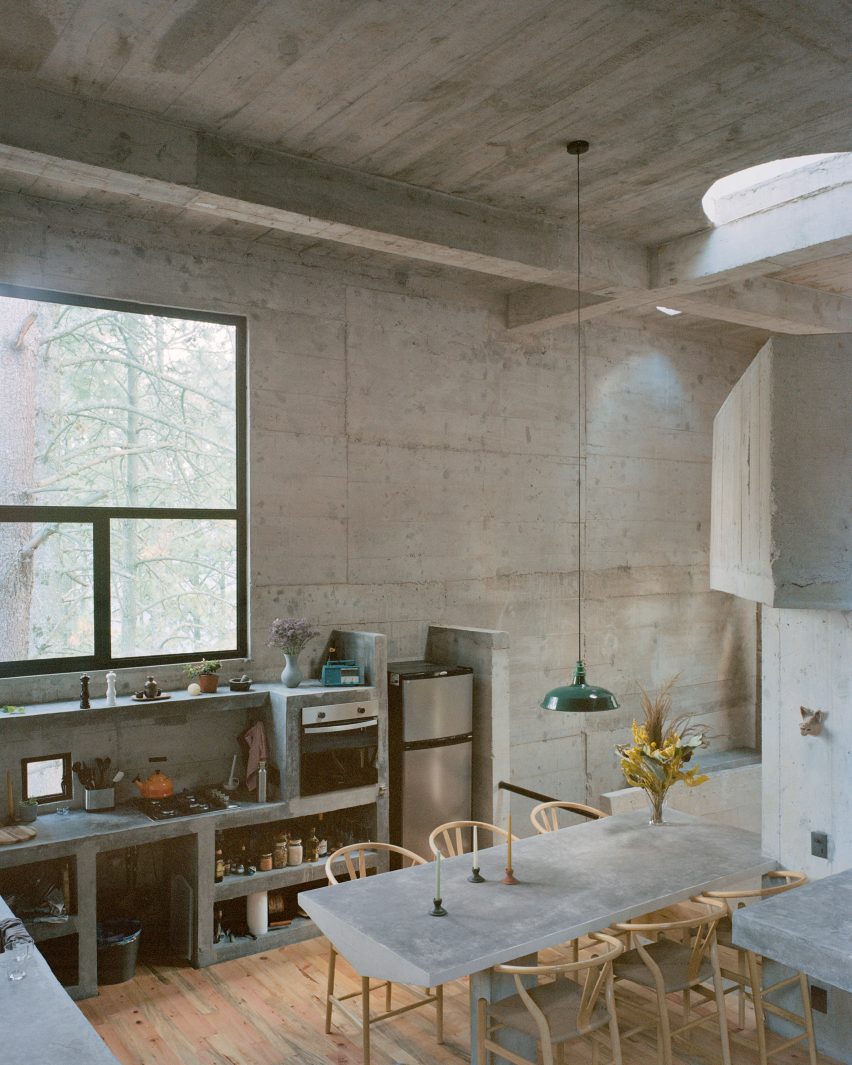
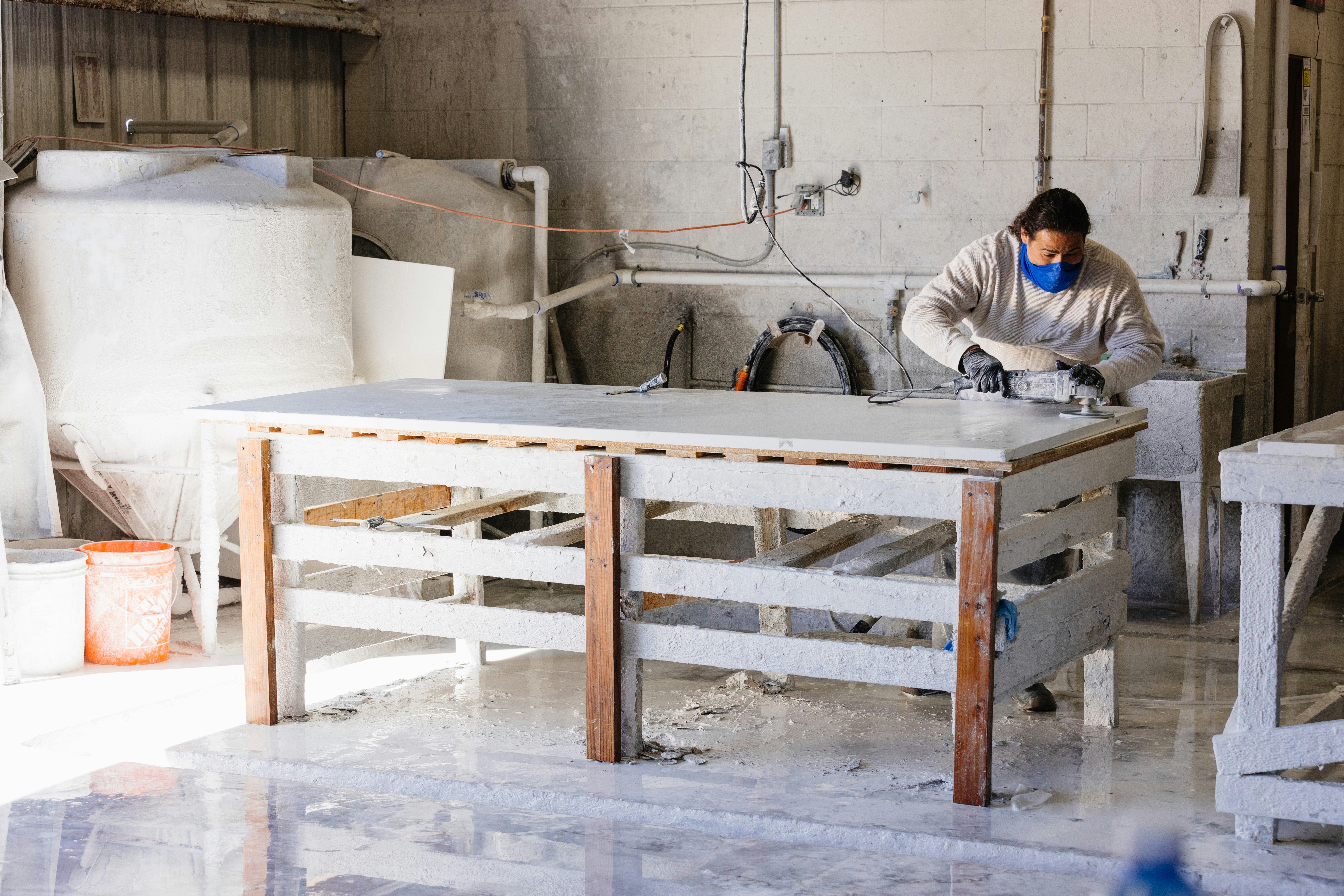
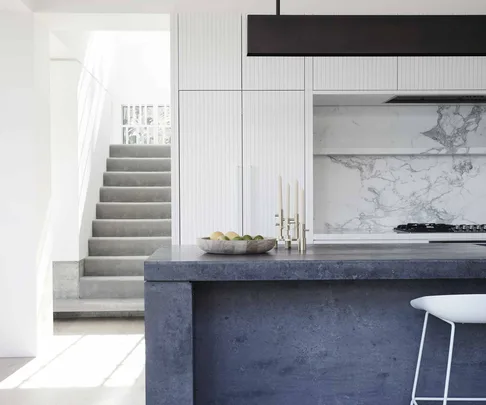
Integrating concrete into a home can be achieved through architectural elements. Its durability and ease of cleaning make it suitable for kitchen islands and bathroom vanities. Interior designer Tamsin Johnson highlights its hardiness for benchtops, noting its ability to be both subtle and impactful depending on its detailing. Concrete can introduce either a soft or a hard edge to an interior, with Johnson appreciating its low-key tone that allows other design features to stand out. Architect Madeleine Blanchfield emphasizes concrete's unique seamlessness, unlimited by size or shape, and its capacity to be imprinted with various textures or patterns, contributing a bespoke quality to each piece with its natural patina and air bubbles.
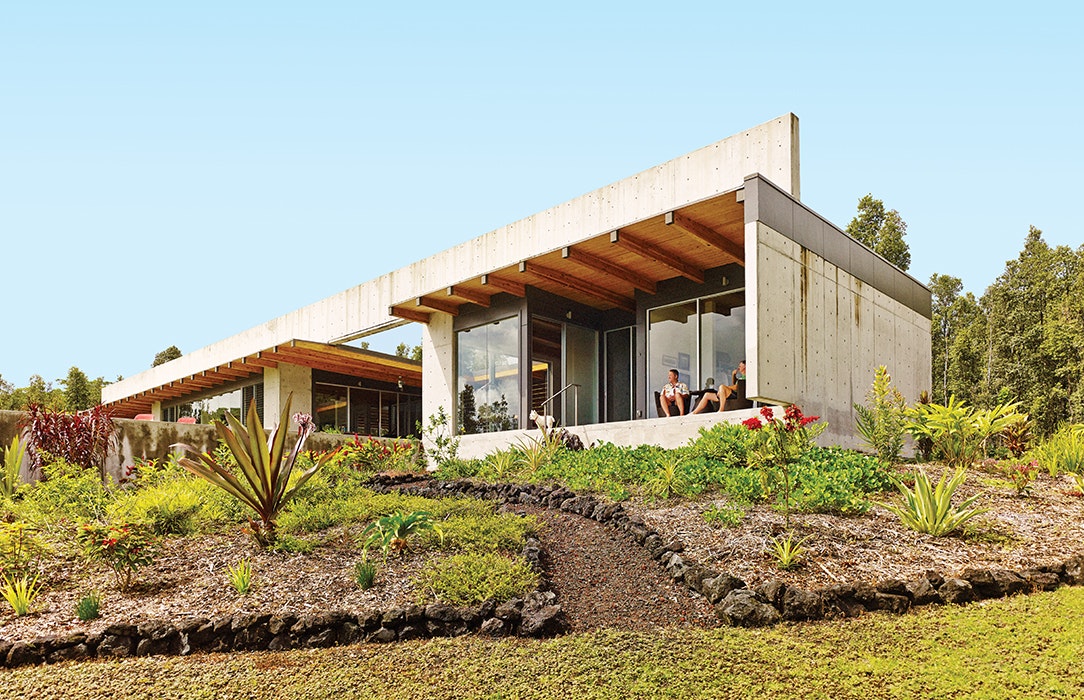
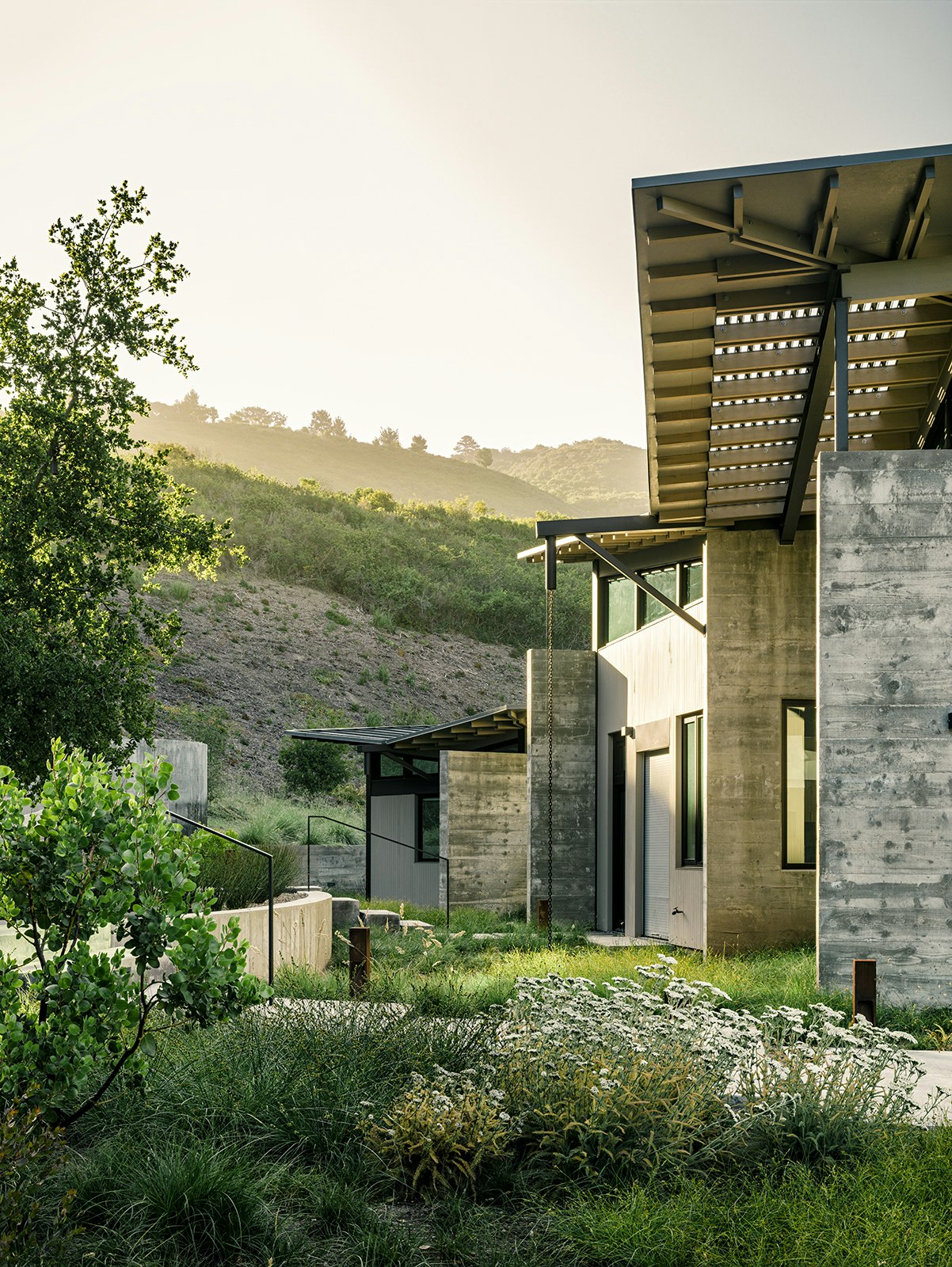
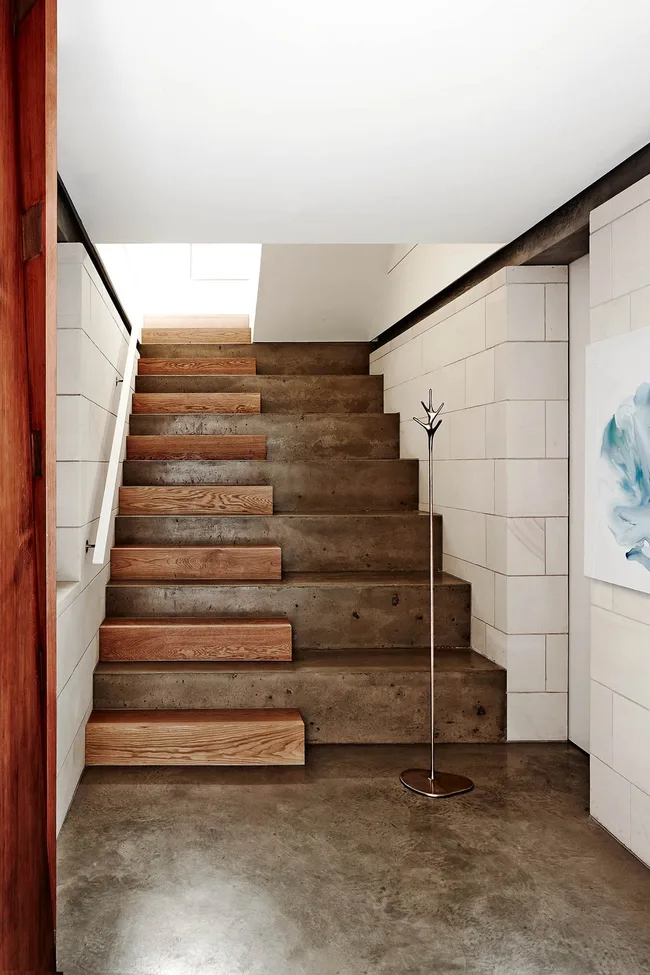
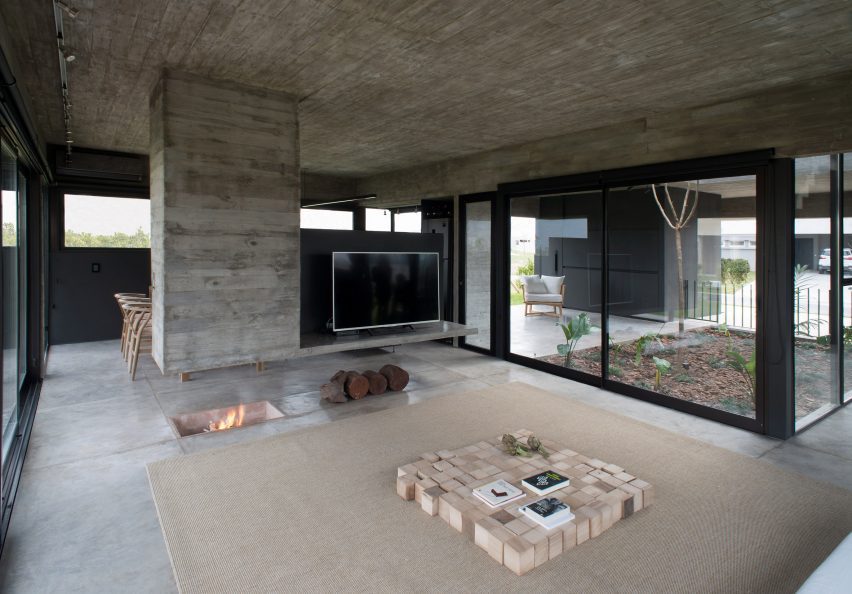
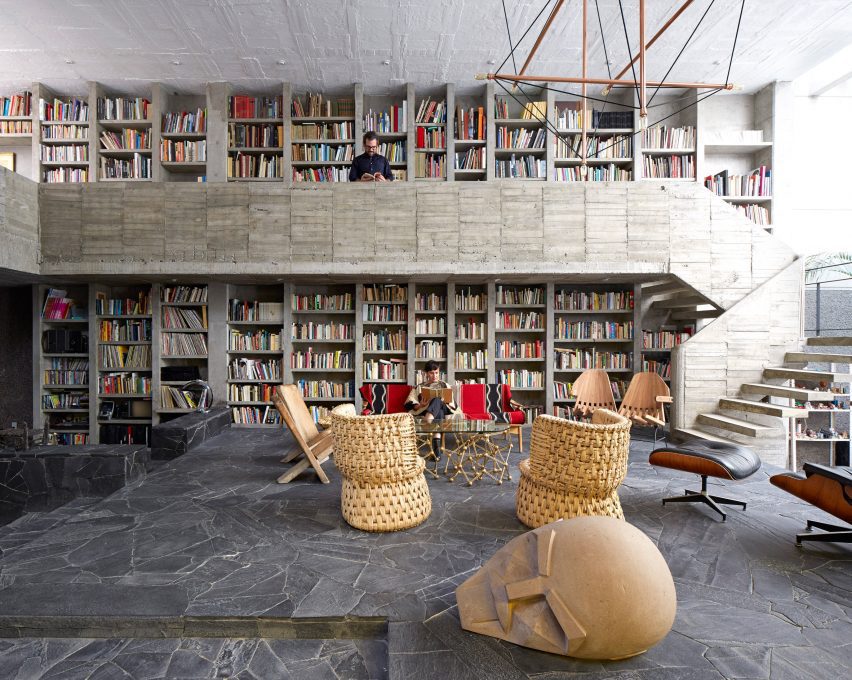
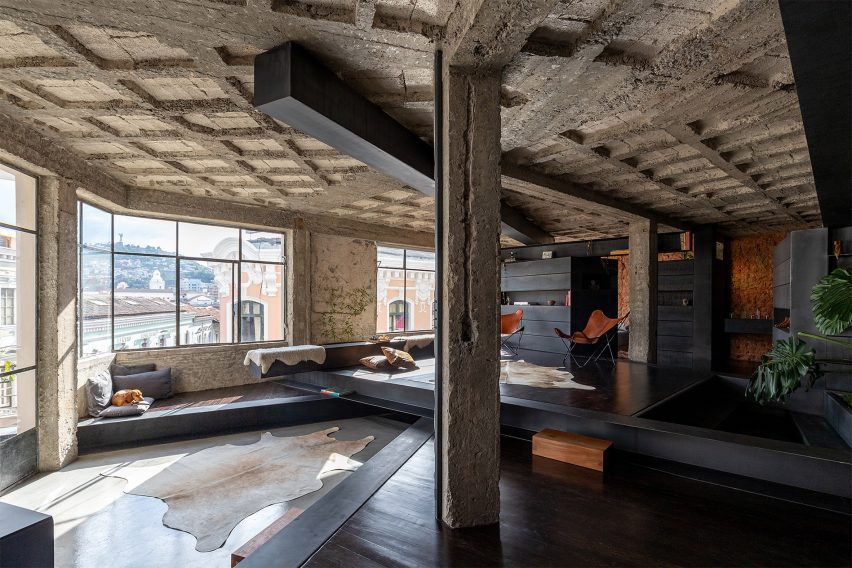
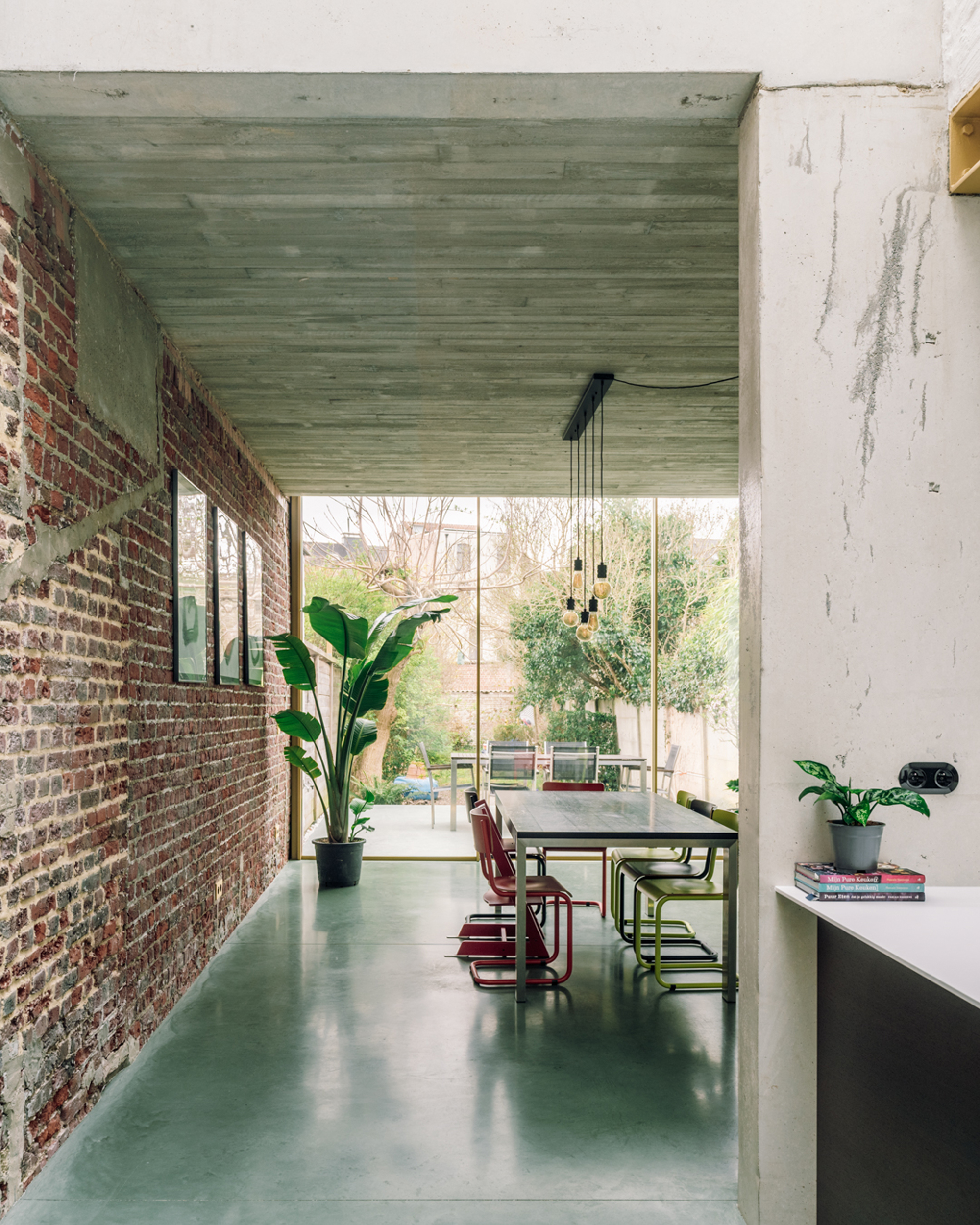
For walls, beautifully finished concrete adds inherent interest both internally and externally. John Bornas, director of Workroom, explains that careful detailing can transform concrete from an industrial material into an invaluable layer within a home. Whether cast on-site or precast, a high-quality finish often means leaving the concrete unpainted, allowing the construction markings to serve as decoration. Once perceived as cold or monastic, concrete now features in playful and decorative interiors, with Aaron Roberts of Edition Office valuing its plasticity and textural qualities. The aesthetic of off-form concrete can vary from smooth (using steel or plywood) to textured (using timber boards or corrugated sheeting). Precast concrete, cured in reusable molds off-site, offers advantages in material quality control and cost-effectiveness compared to site-specific formwork.
While concrete can be a cost-effective building material for many applications, achieving a high-quality finish requires skilled craftsmen. Although initial costs for elements like off-form concrete columns can be high, they are finished items requiring little further work, making them durable and low-maintenance over time. However, concrete is prone to "concrete cancer," the corrosion of internal steel reinforcement, which can compromise structural integrity if not addressed. This issue can be caused by poor waterproofing, saltwater exposure, weather, and ground movement.
Maintenance involves sealing decorative surfaces due to concrete's porous nature, and promptly repairing cracks to prevent water penetration. Daily cleaning typically involves warm water and dishwashing liquid; baking soda can be added for tougher stains. Harsh chemicals like vinegar should be avoided as they can damage the concrete. Floors can be repolished to restore their original appearance.
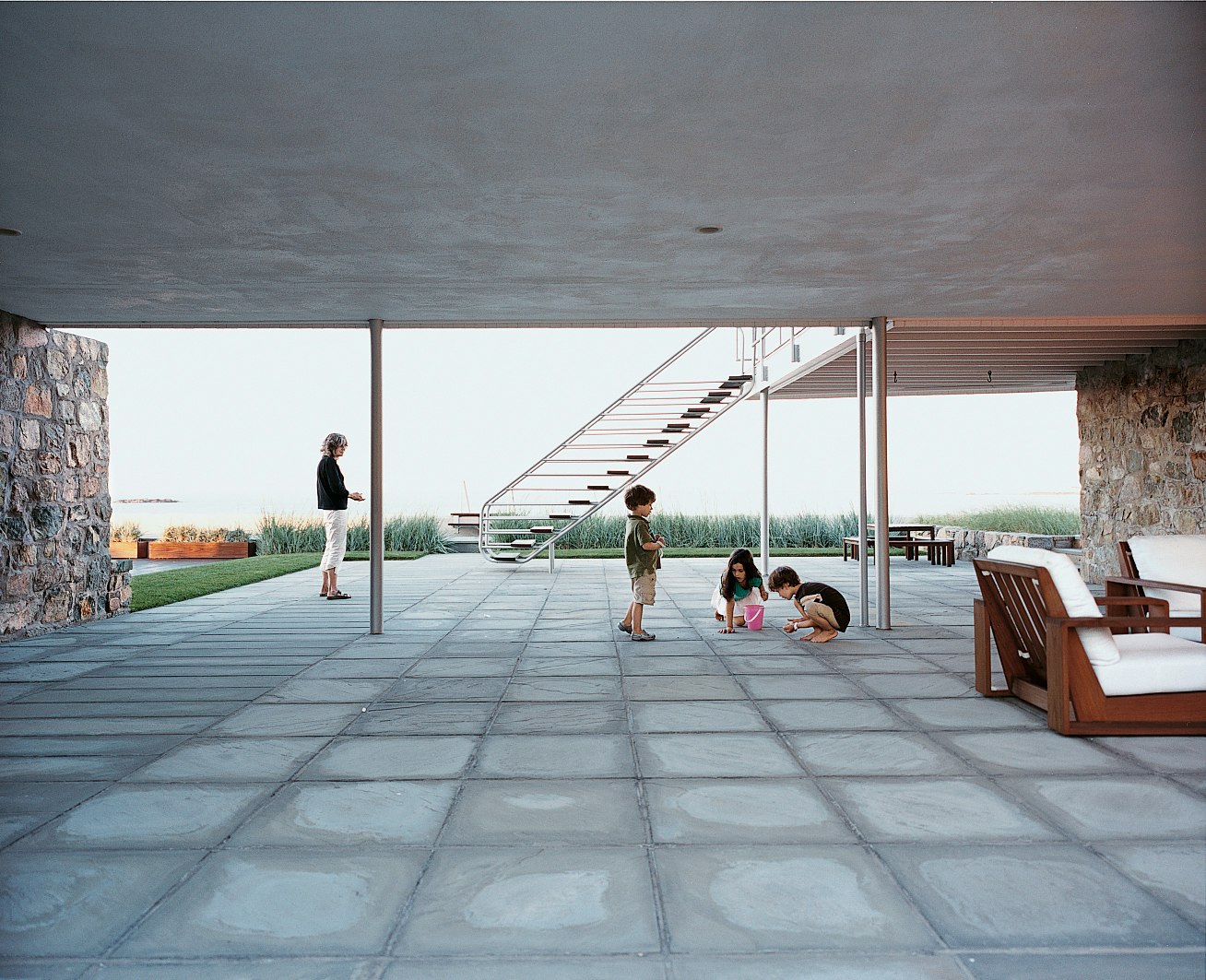
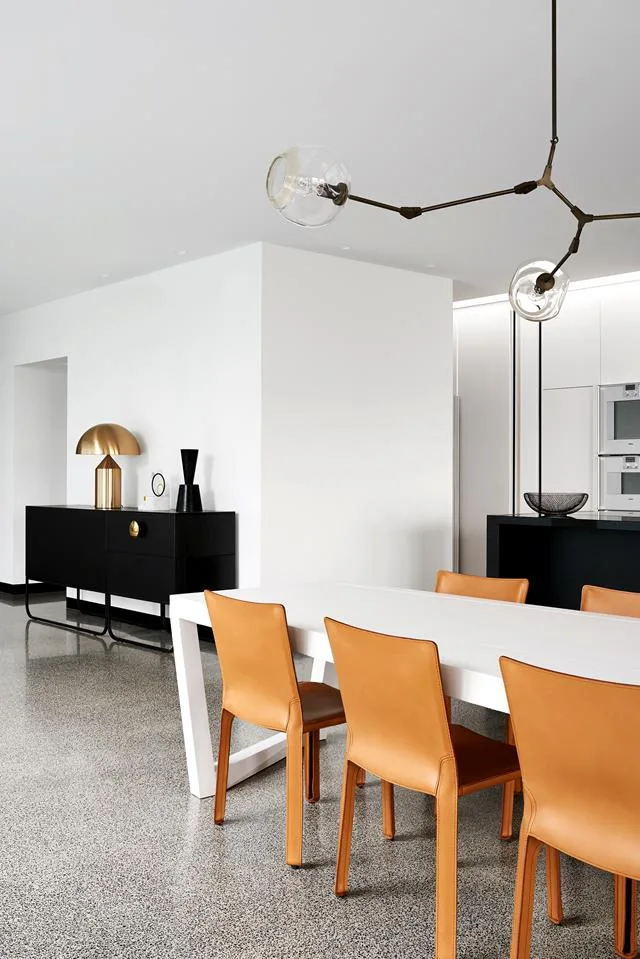
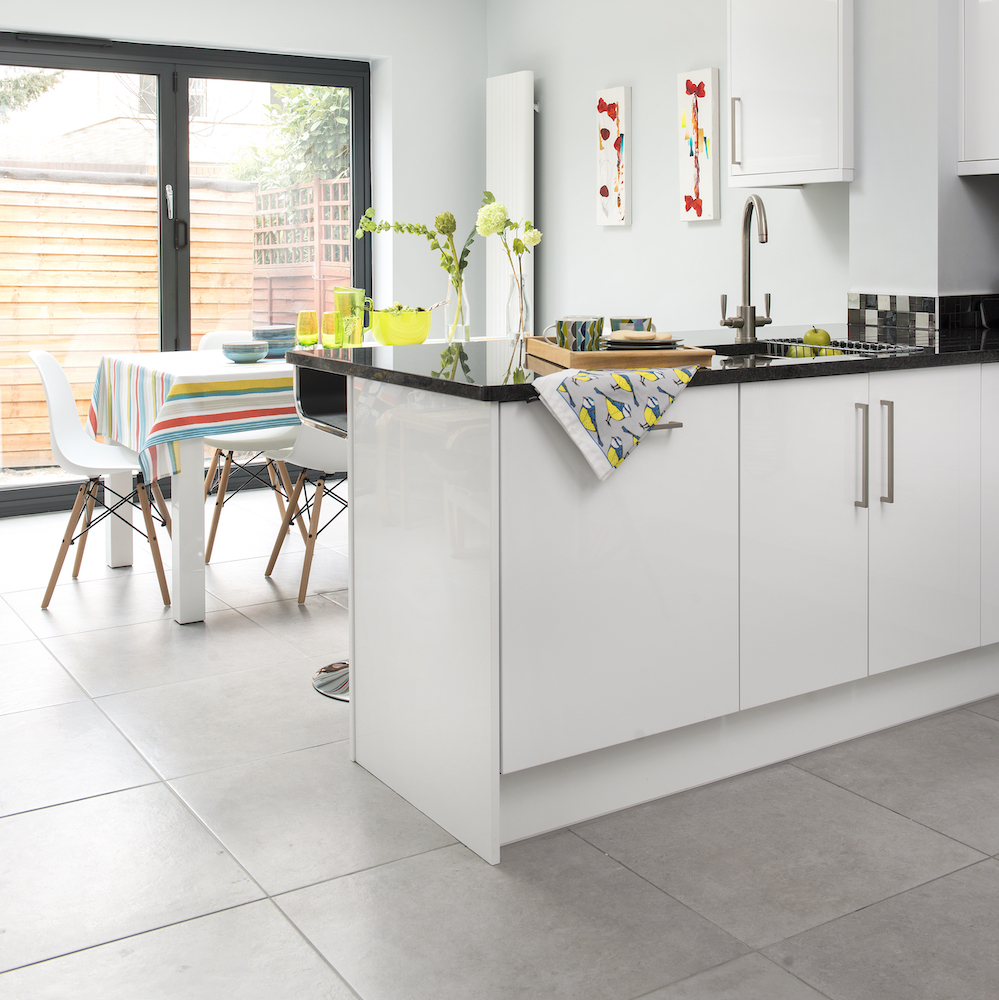
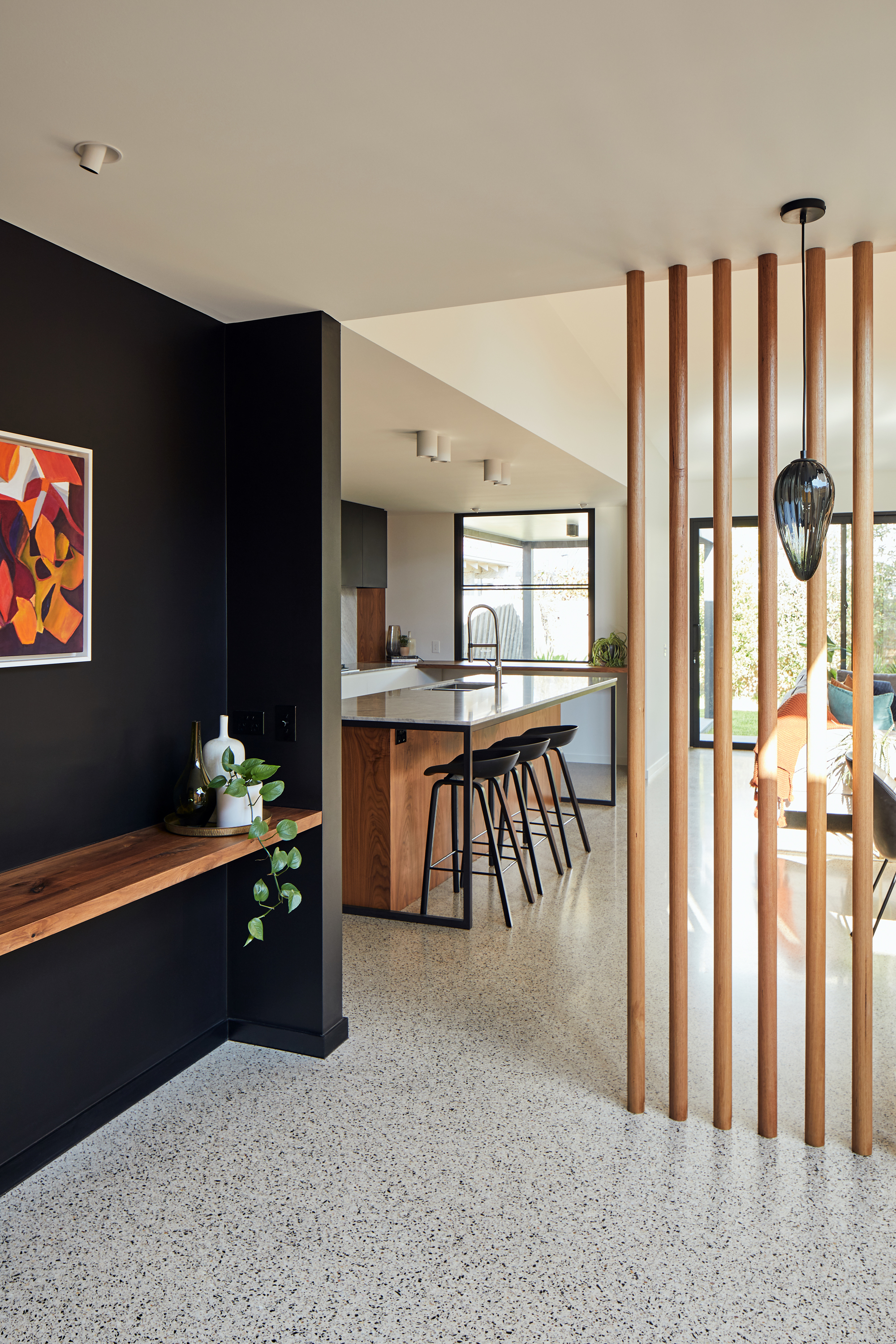
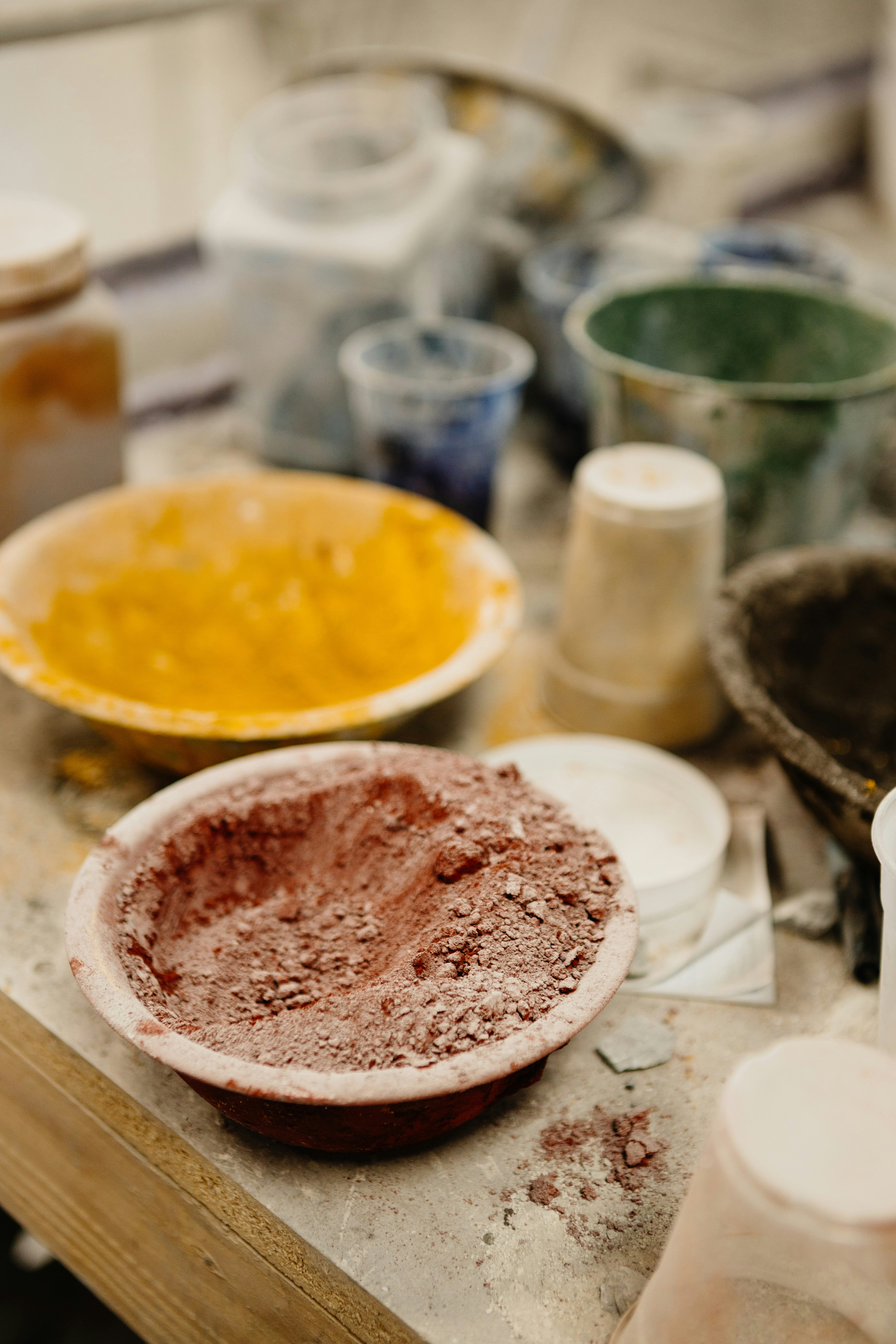
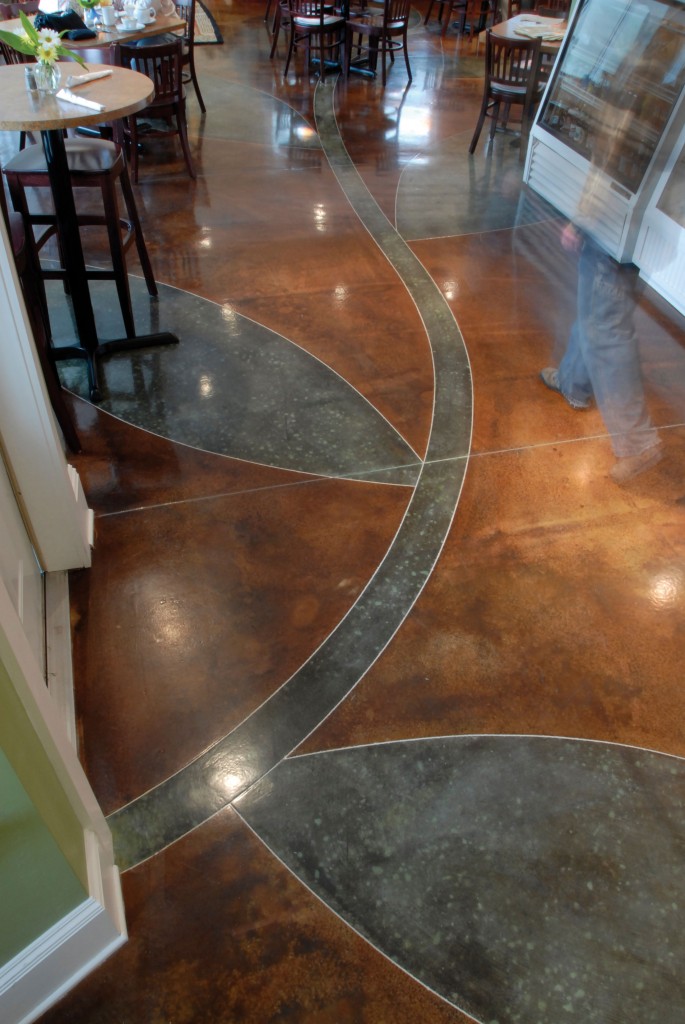
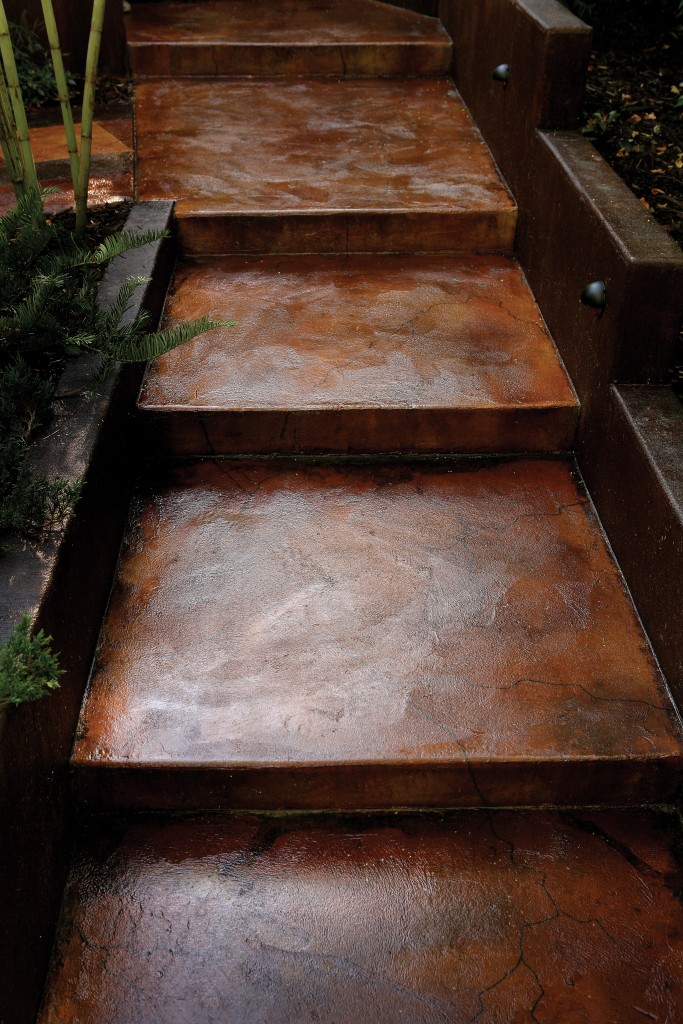
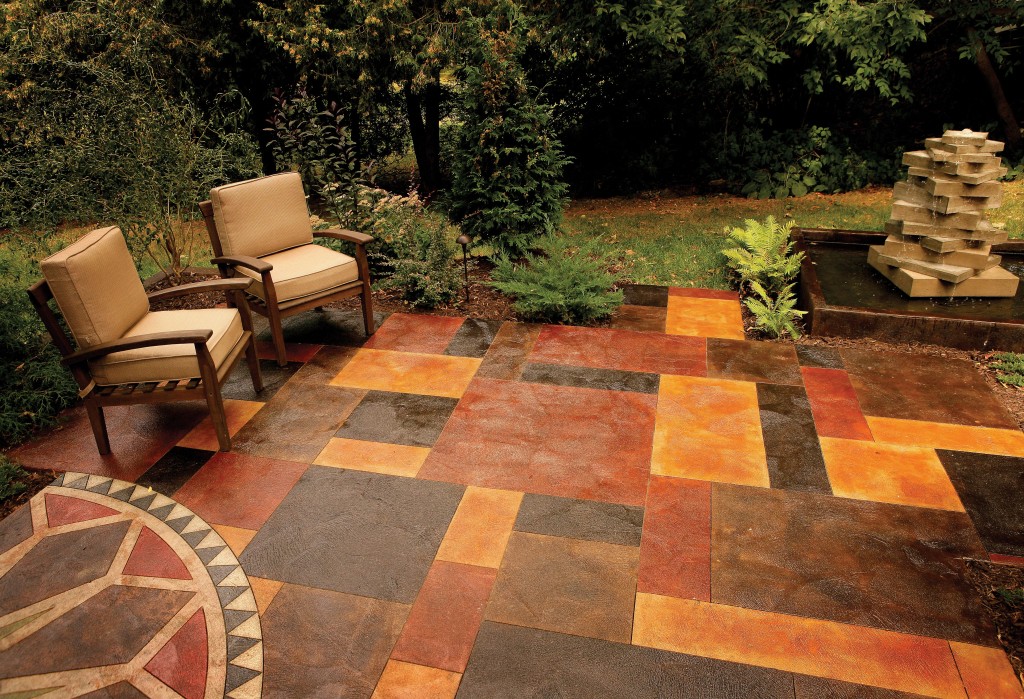
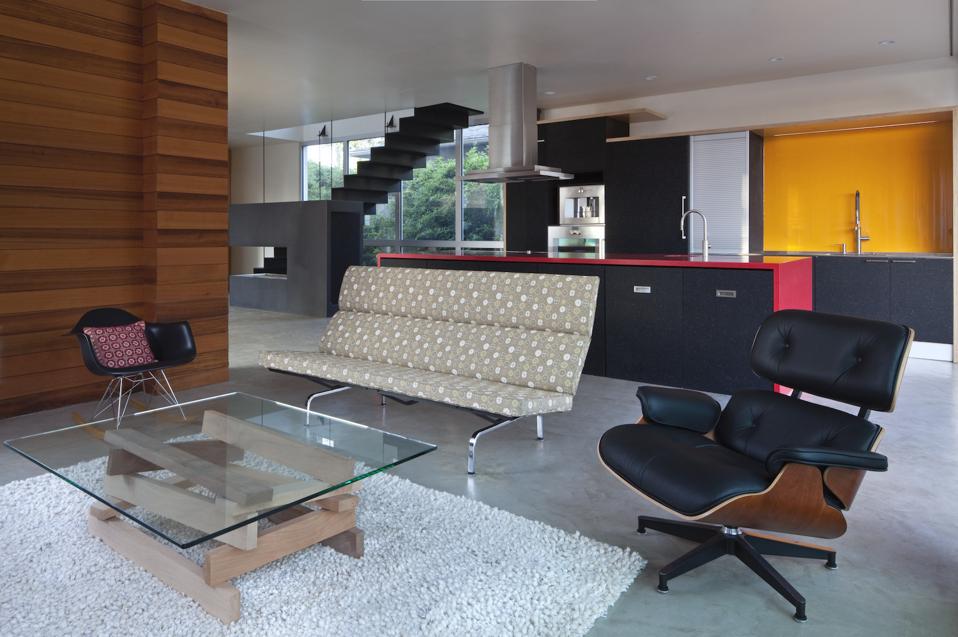
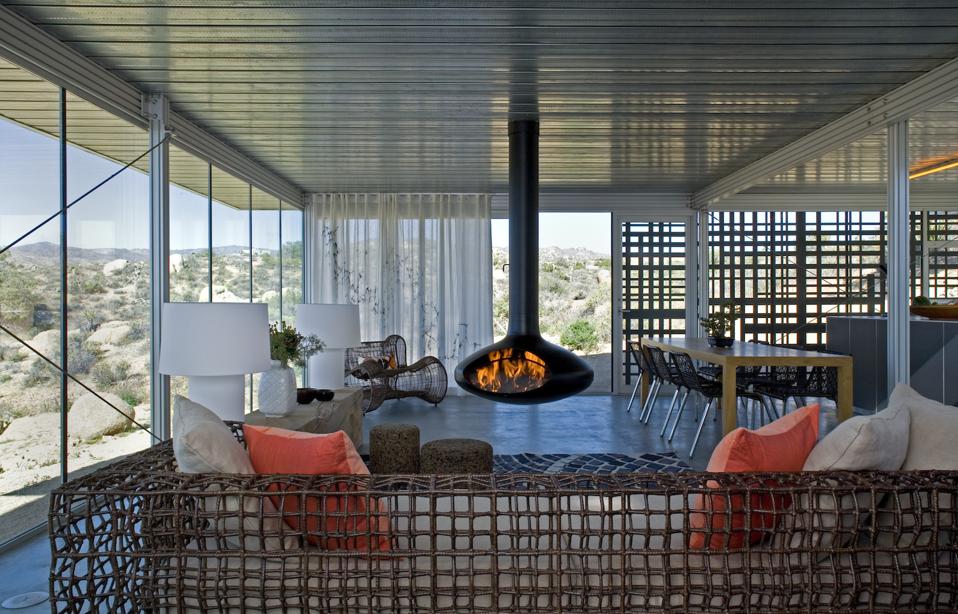
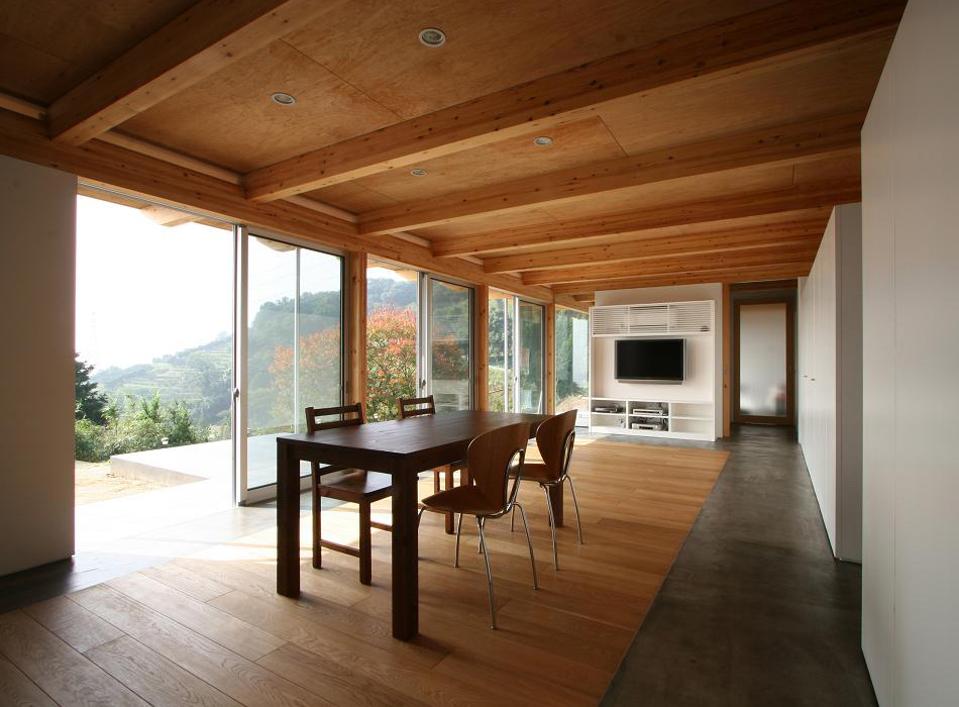
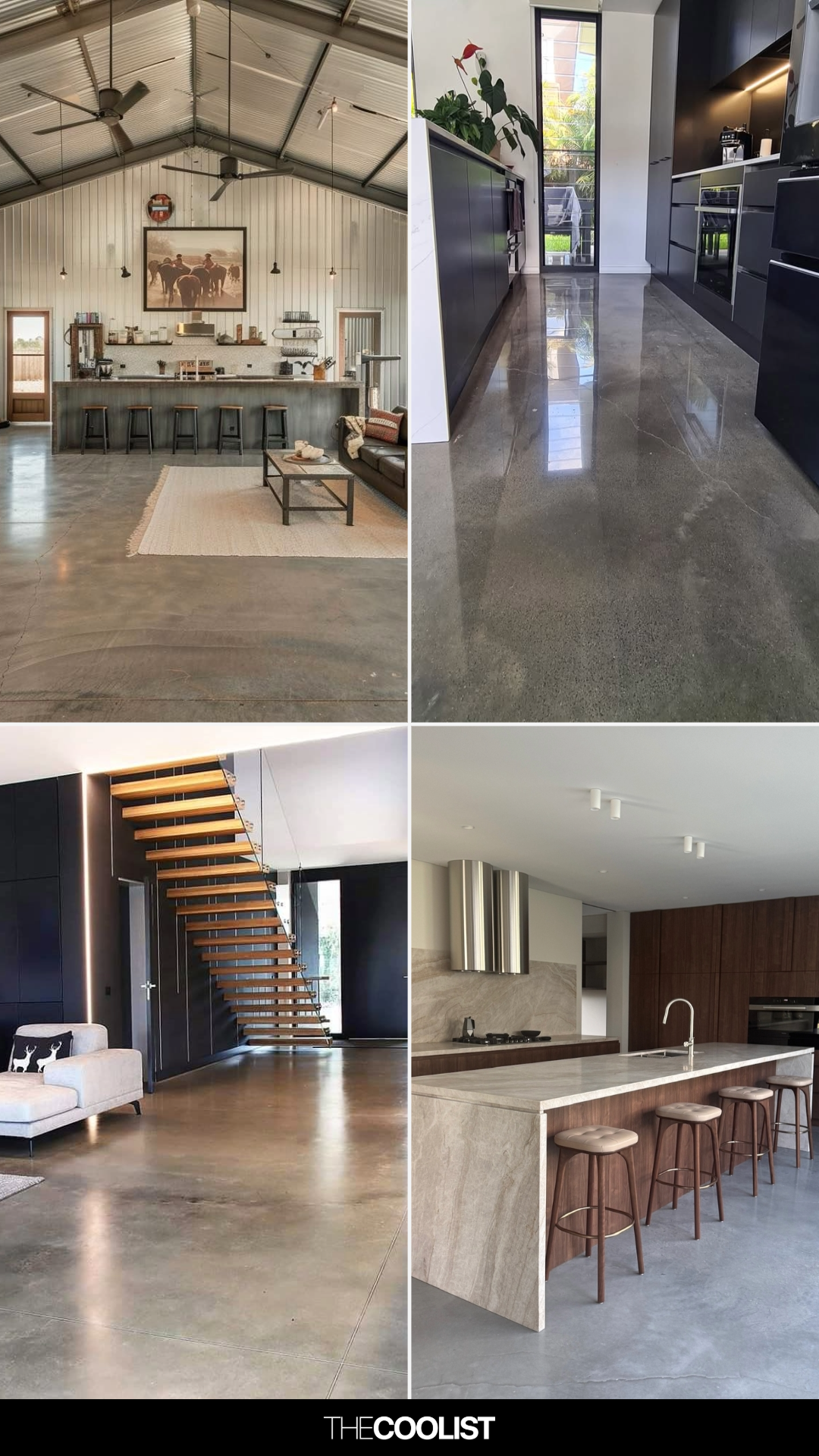
Concrete flooring has moved beyond warehouse conversions to become a popular choice in residential settings. Despite a common perception of being cold, architects like John Bornas find it to be quite the opposite when incorporated correctly. It is comparable to timber in cost but superior in high-traffic areas, offering elegance, robustness, practicality, and resistance to fire and flood. Concrete floors can be polished to various degrees, from a heavy polish revealing more aggregate to a perfectly smooth steel trowel finish. Other finishing options include epoxy coating in various shades or colored concrete achieved by adding pigment before or after pouring. When considering thermal properties, concrete is a cold surface, and while heating can be integrated in new builds, it's advisable to insulate against heat loss to maximize its thermal mass capabilities, especially in darker rooms.
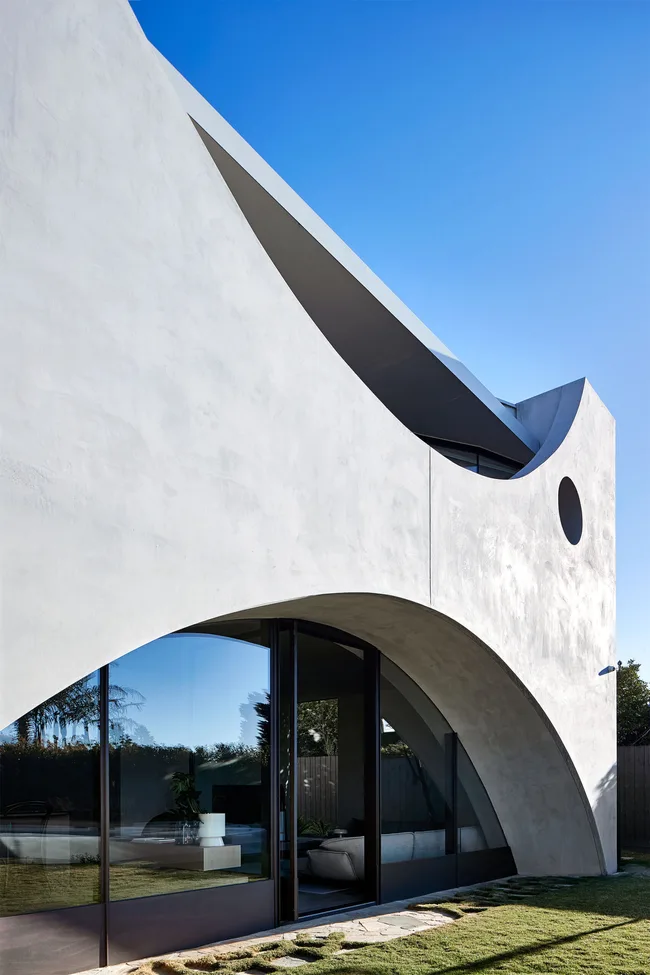
Overall, the advantages of concrete, such as its durability, flexibility in design, and readily available ingredients, generally outweigh its disadvantages. Its ability to be cast into almost any shape offers immense design freedom. Despite the curing time adding to project timelines and the potential for concrete cancer, its long-term low maintenance and structural integrity make it a versatile and increasingly sought-after material in modern home design.
#ConcreteDesign #ArchitecturalElements #InteriorDesign #HomeRenovation #BuildingMaterials #ConcreteFlooring #ContemporaryArchitecture #SustainableDesign #ConcreteDesign #ArchitecturalElements #InteriorDesign #HomeRenovation #BuildingMaterials #ConcreteFlooring #ContemporaryArchitecture #SustainableDesign
0 comment in total
 No comments yet
You may also like
Material Guide: The Benefits of Building With Concrete

How to Cheat Your Way to DIY Concrete Countertops That Look Like Stone
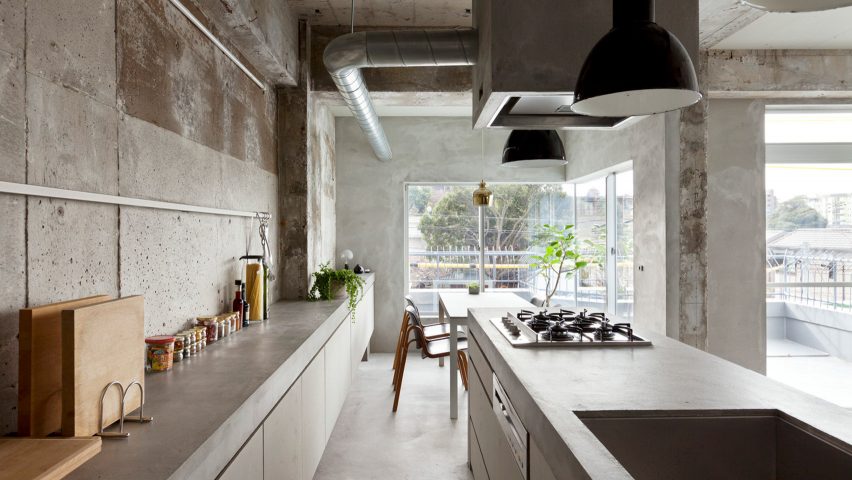
Eight concrete kitchens with raw and tactile surfaces
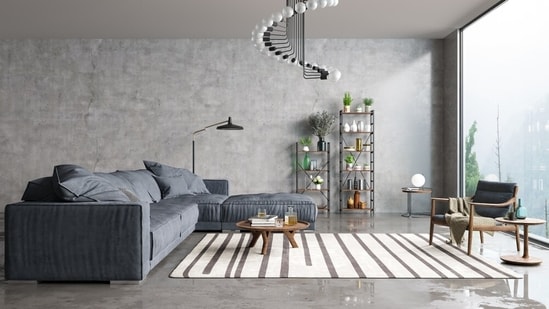
Concrete in interior design: Tips on how to master contemporary styles like minimalist and industrial aesthetics | Hindustan Times

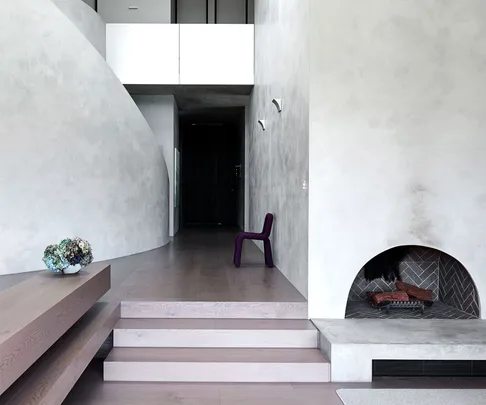
11 homes that embrace concrete
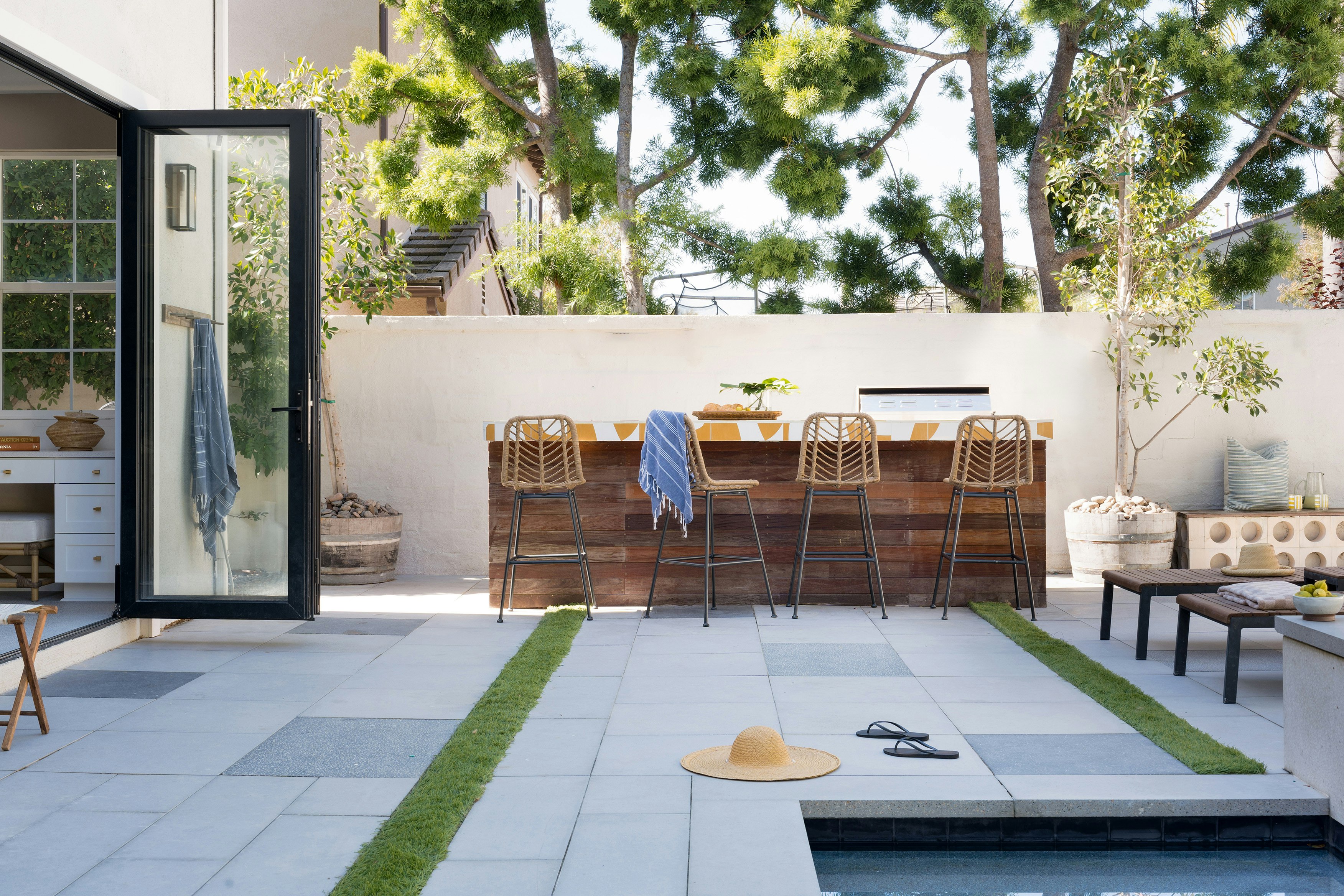
Patterned Concrete and Geometric Tiles Turn This California Renovation Into a Cheerful Oasis
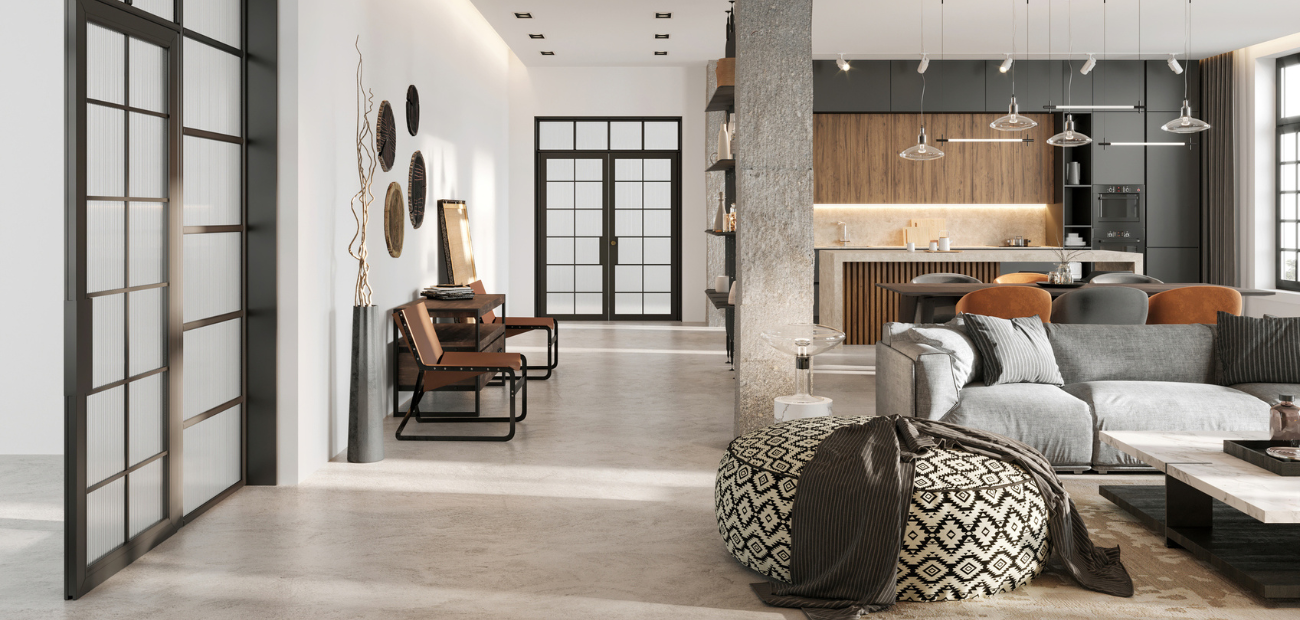
Sustainable Material Spotlight: Concrete

Creative Concrete: Poetry in Non-Motion

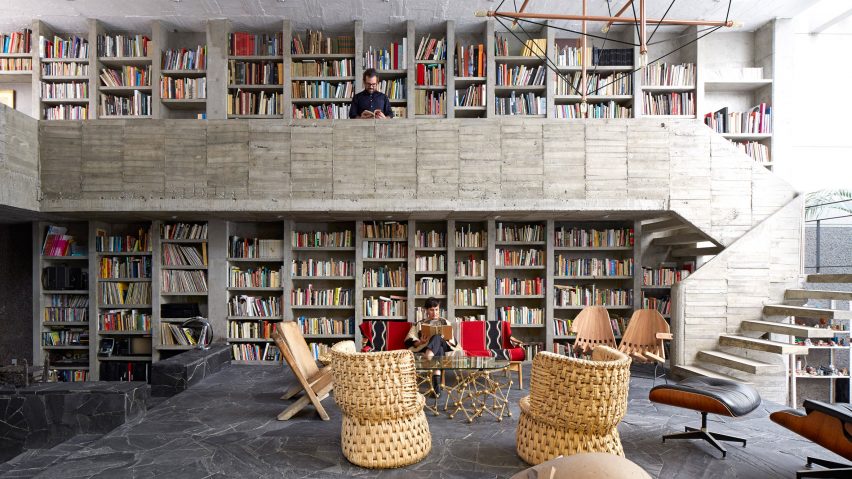
Ten living rooms that use concrete to create textural interest

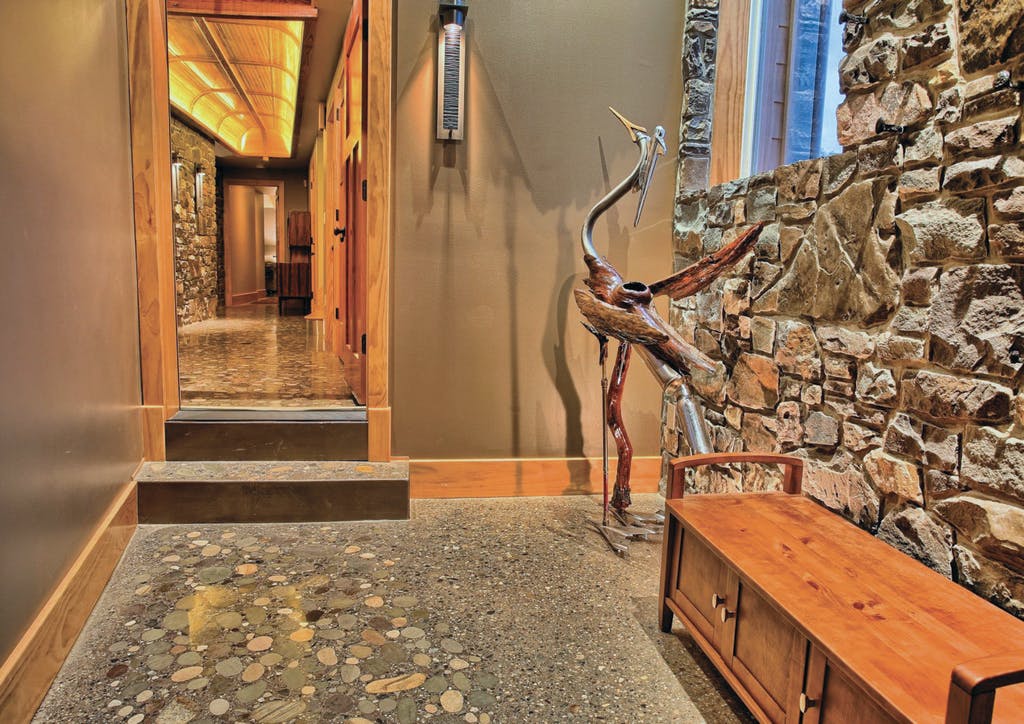
River Stone and Glass Aggregate Create a Polished Concrete River


DIY-er turned a concrete path into a dream brick entryway with this smart stencil hack

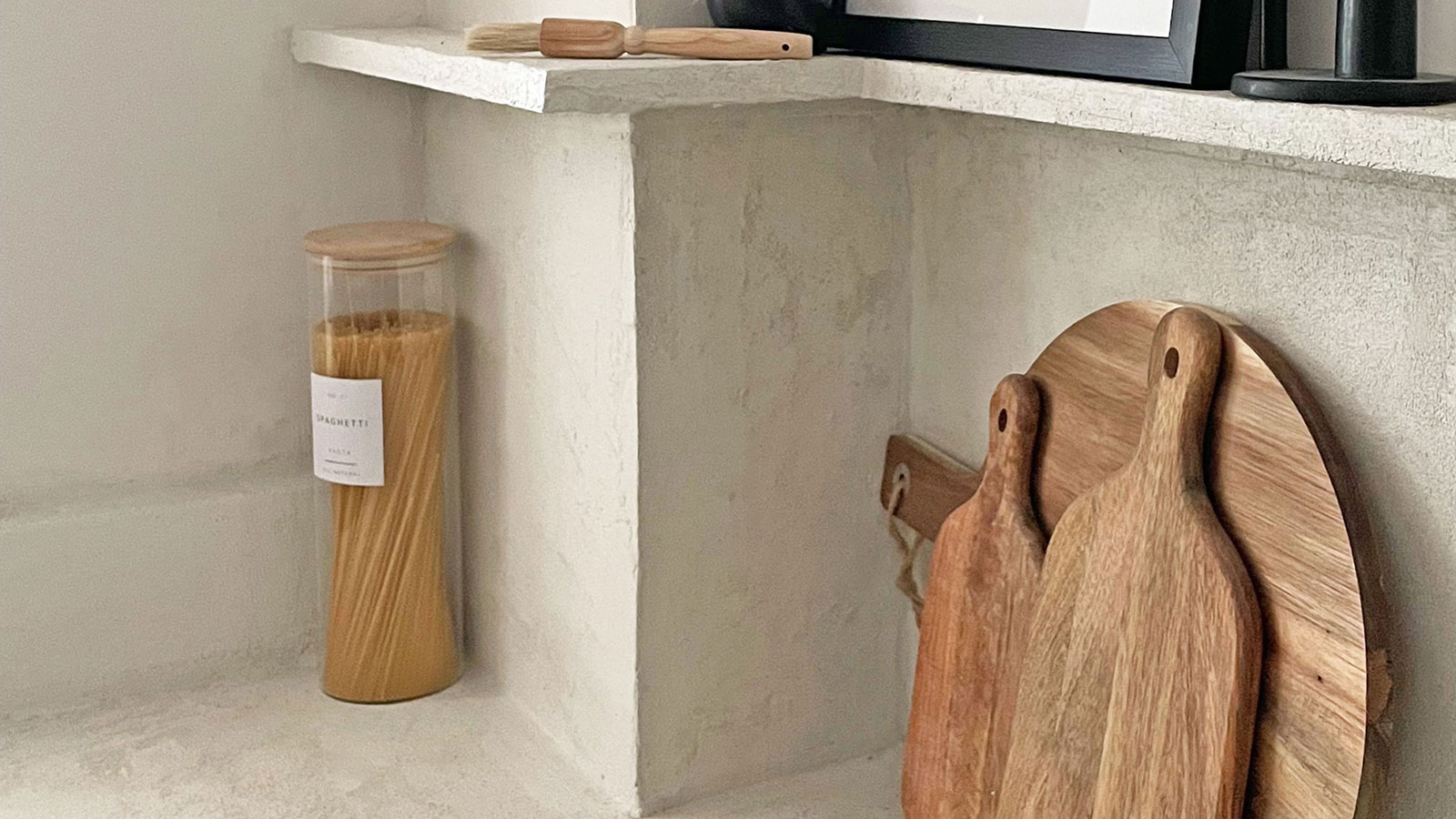
10 stylish ways to use microcement in your home and garden

25 Concrete Floor Ideas for Home No One Shares Because Once You Live With Them, Other Floors Feel Fake

Acme Brick
edg Reveals 3-D Printed Cast Concrete Collection
Concrete Floors: The Hot And Cold Of Them

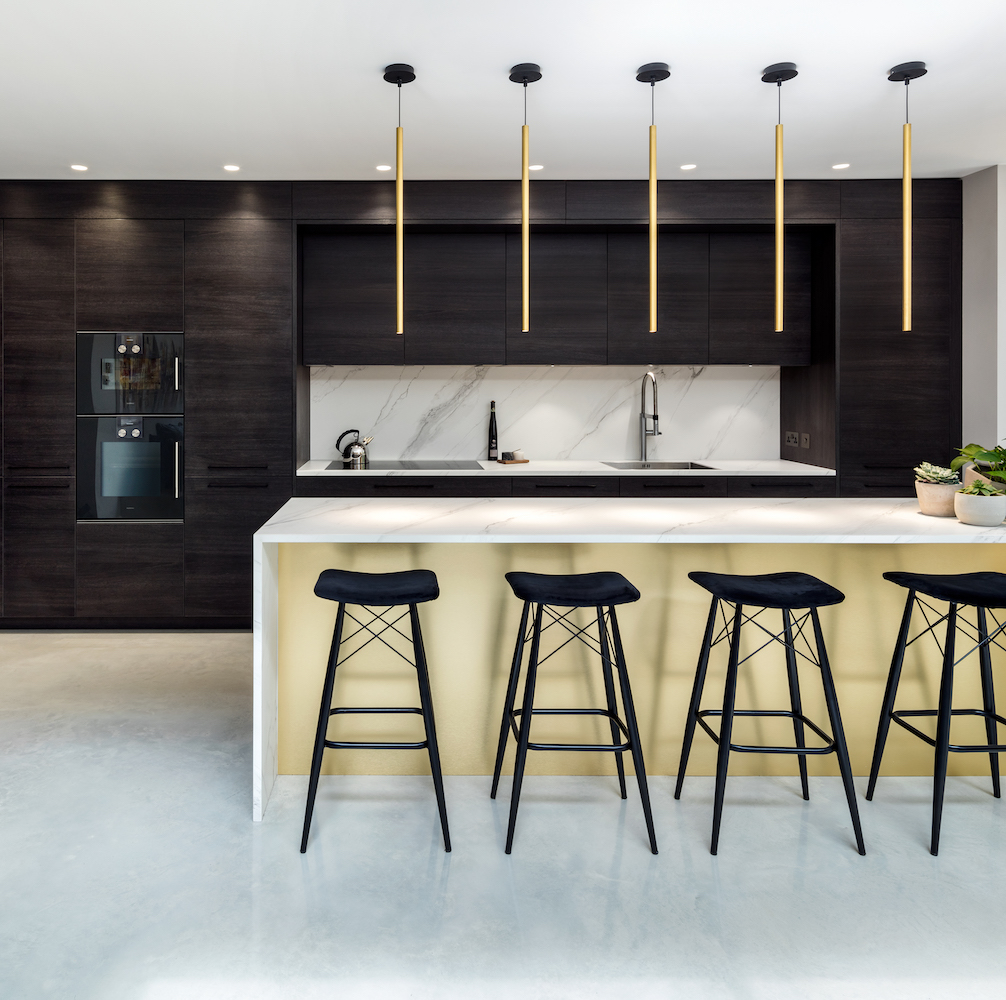
Concrete kitchen floor ideas – 17 ways to introduce this popular style
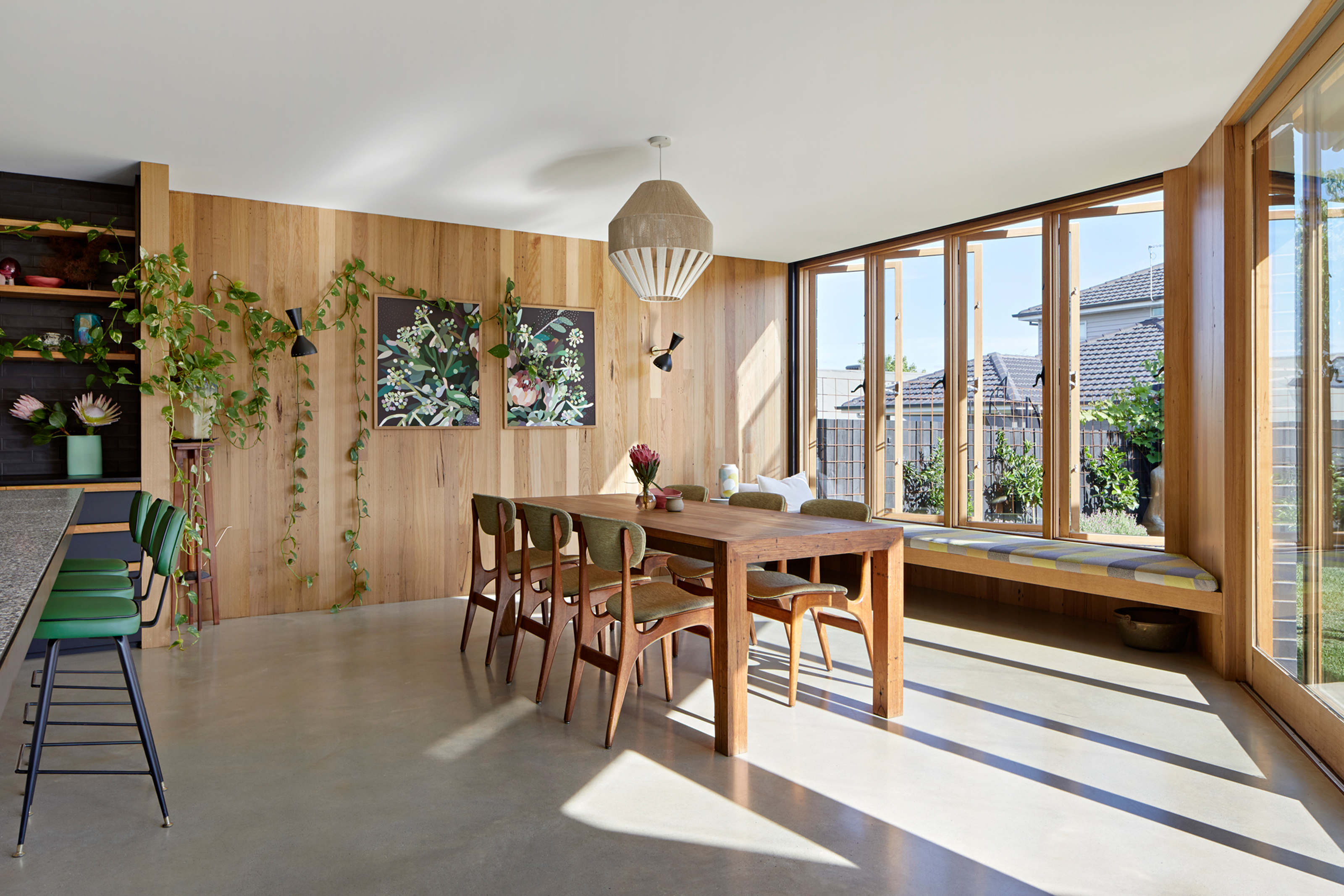
8 concrete flooring ideas that will convince you this style can be surprisingly luxurious

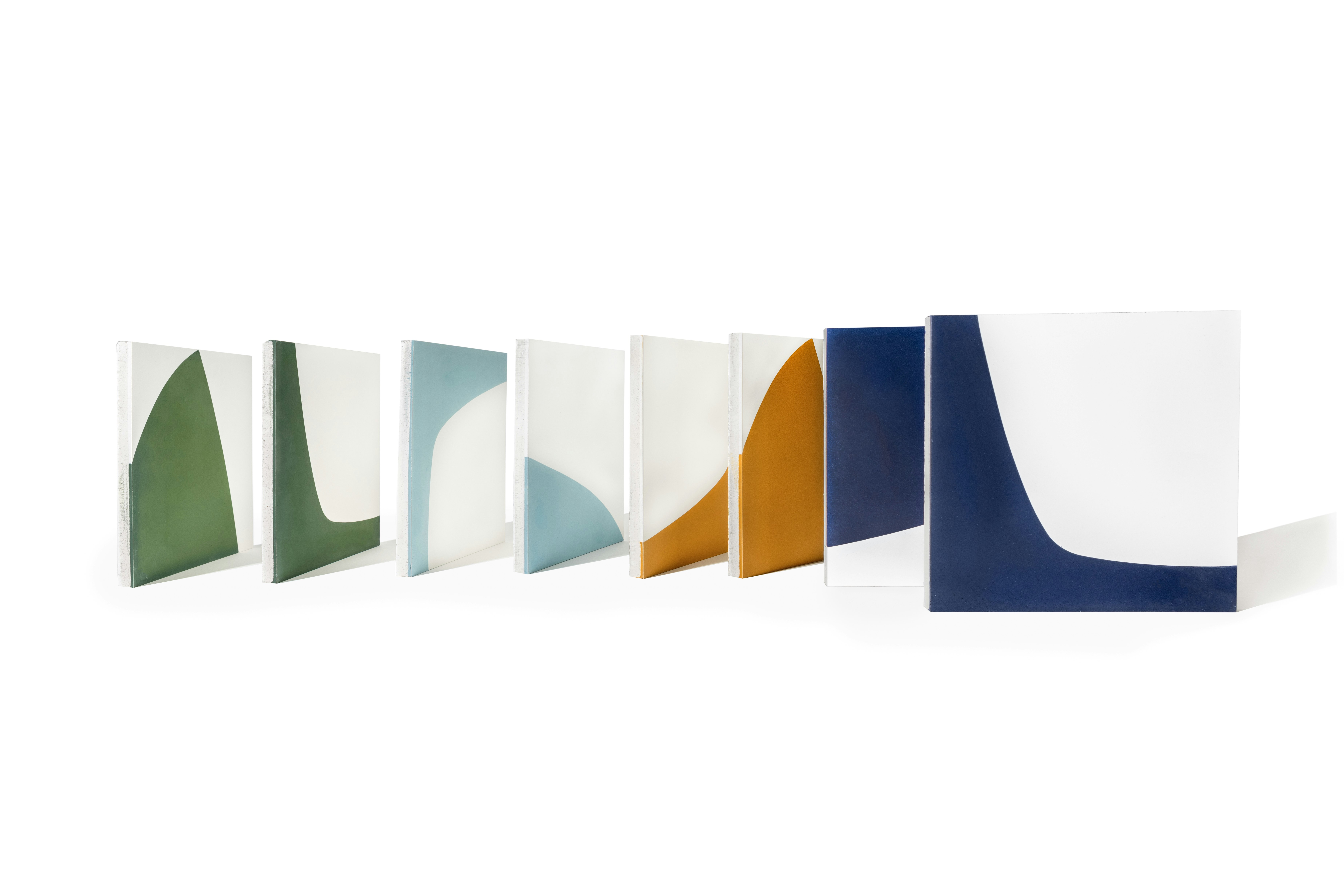
Dwell and Concrete Collaborative Announce a New Line of Tiles Inspired by Surfboard Design
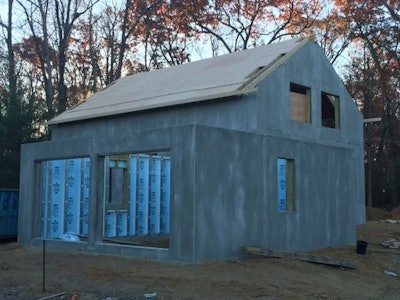
Concrete Benefits of Building a Concrete Home