1/5
More Practical Than Plaster and Cement: This Material Is on Our Reno Radar
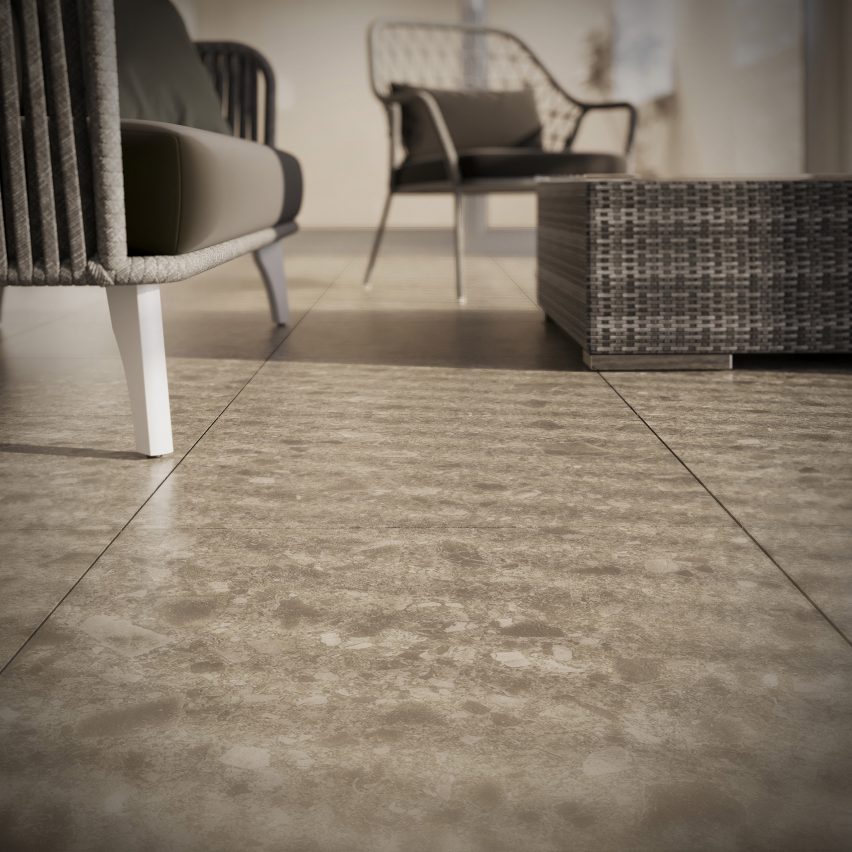
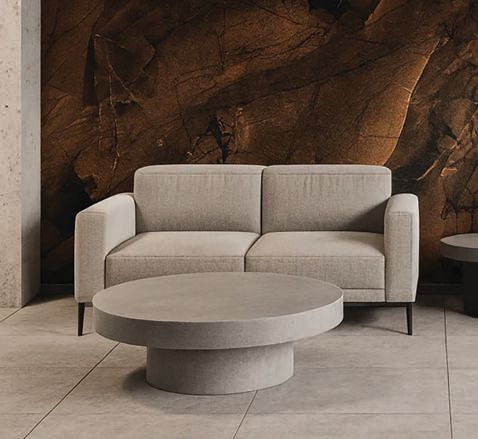
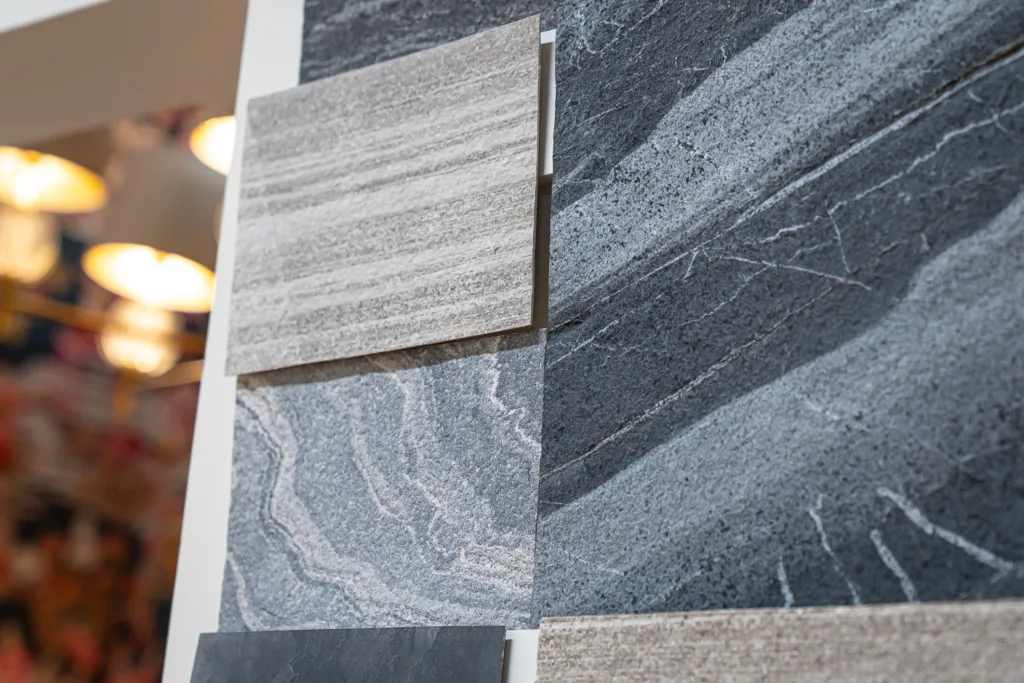
Microcement, a composite coating made from a blend of cement, water-based resins, and mineral pigments, is emerging as a practical and versatile material in home renovation. Originating from Europe, particularly popular in Greece and Spain, microcement has recently gained traction in the U.S. in the last five years. Unlike traditional concrete, microcement is significantly lighter, with each layer being approximately three-sixteenths of an inch thick, allowing it to be applied over various substrates like plywood. Its non-porous nature distinguishes it from plaster, making it resistant to staining, an advantage for surfaces like kitchen countertops and walls.
Applications for microcement are extensive, ranging from floors, baseboards, fireplaces, and kitchen surfaces to built-in furniture and shower walls. Its waterproof quality, when sealed, makes it an ideal choice for bathrooms, where it can provide a rustic aesthetic, reminiscent of Mediterranean designs, without the need for grout. The material's ability to be customized in color further enhances its appeal, allowing for personalized design expressions. Suppliers like Topciment from Spain and Promix in New Jersey offer various types of microcement, catering to different functional and decorative needs, including options robust enough for swimming pool floors.
While microcement offers numerous benefits, its application is a meticulous process that typically requires professional expertise. Each layer demands 24 hours to cure and dry before the subsequent one can be applied, and skilled trowel work is essential for a smooth finish. This complexity suggests that DIY application may not be suitable for most homeowners. For instances where microcement is integrated with custom elements, such as cabinet doors, it is layered directly onto existing frames, with cabinet fronts then made to fit the created niches.
Despite its resilience, microcement, like any surface material, can show minor wear, such as nicks and stains, in high-traffic areas over time. However, its overall durability and hygienic properties—due to the absence of grout lines—are significant advantages. Homeowners who have used microcement report that it maintains a warmer feel than polished concrete or lime plaster, contributing to an inviting and spa-like atmosphere. The material's practicality, aesthetic versatility, and low maintenance requirements position it as a noteworthy option for modern home renovations, offering a blend of durability and sophisticated design.
#Microcement #HomeRenovation #InteriorDesign #BuildingMaterials #KitchenDesign #BathroomDesign #MaterialInnovation #DesignTrends #HomeImprovement #Microcement #HomeRenovation #InteriorDesign #BuildingMaterials #KitchenDesign #BathroomDesign #MaterialInnovation #DesignTrends #HomeImprovement
0 comment in total
 No comments yet
You may also like

Poured Earth is a sustainable construction method modelled on concrete casting

Acme Brick, Tile and Stone – Florence

Six examples of fabric-cast concrete that are breaking the mould

Smartstone sintered surfaces drive minimalism in Cremorne home's kitchen

Facade Panel – Twine from Rieder Smart Elements GmbH & Co KG

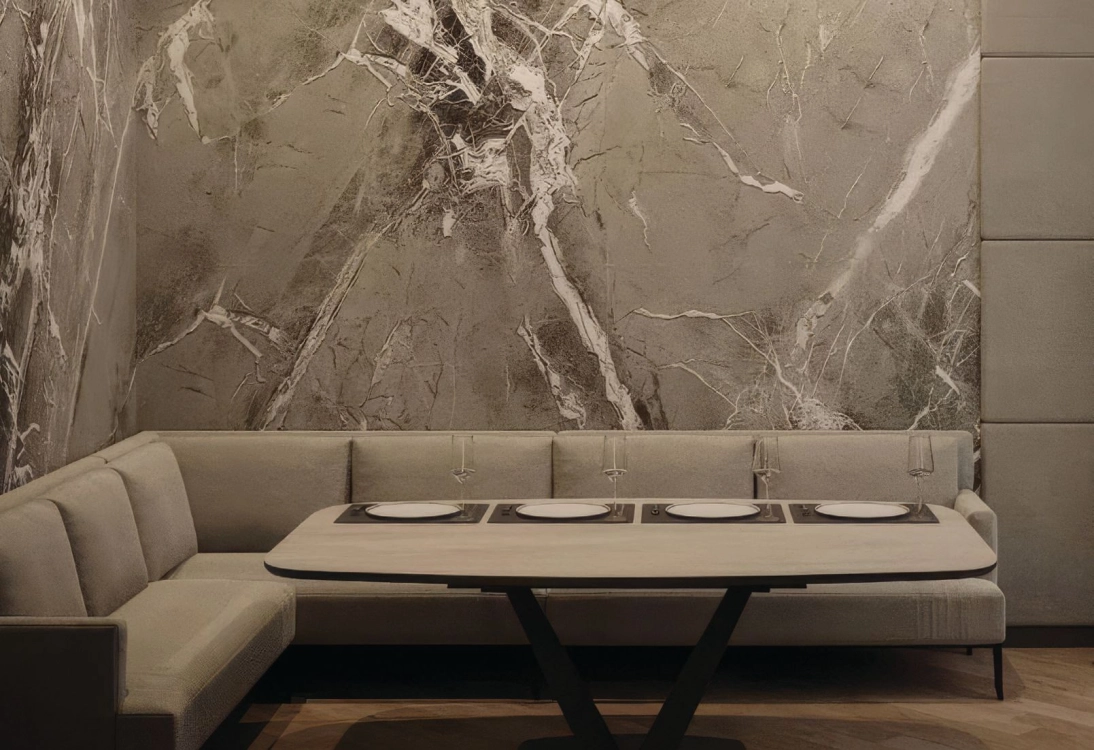
Dunya Home Design Redefines Interiors With Innovative Materials
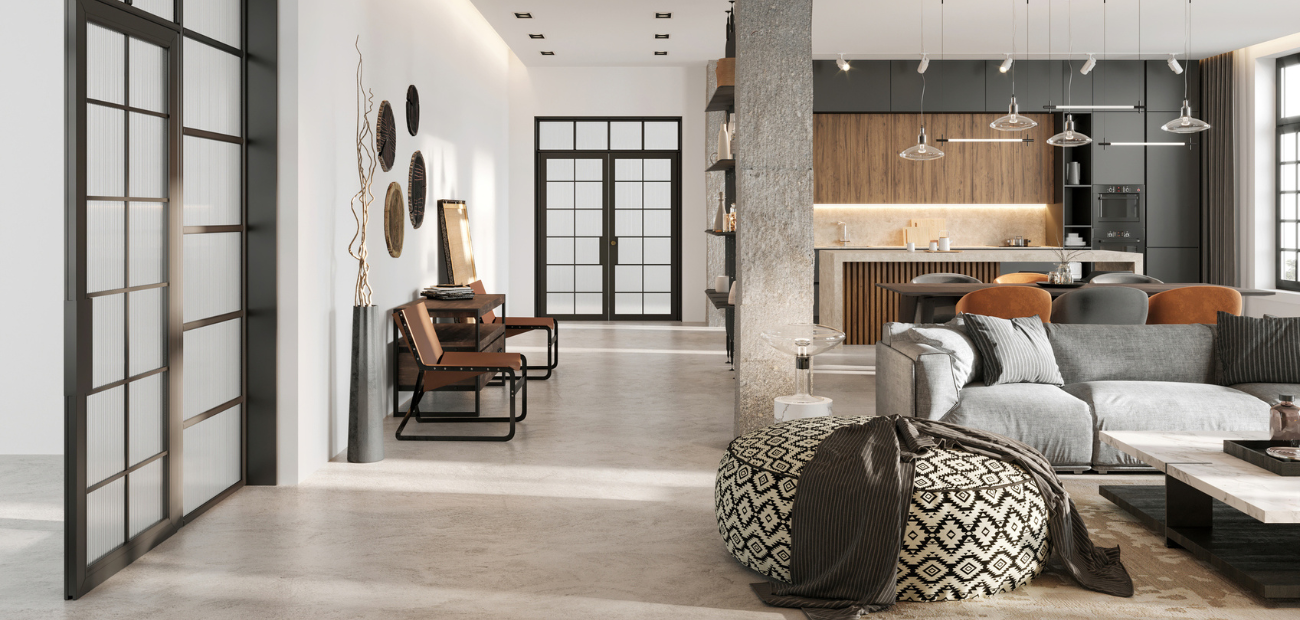
Sustainable Material Spotlight: Concrete

Cement

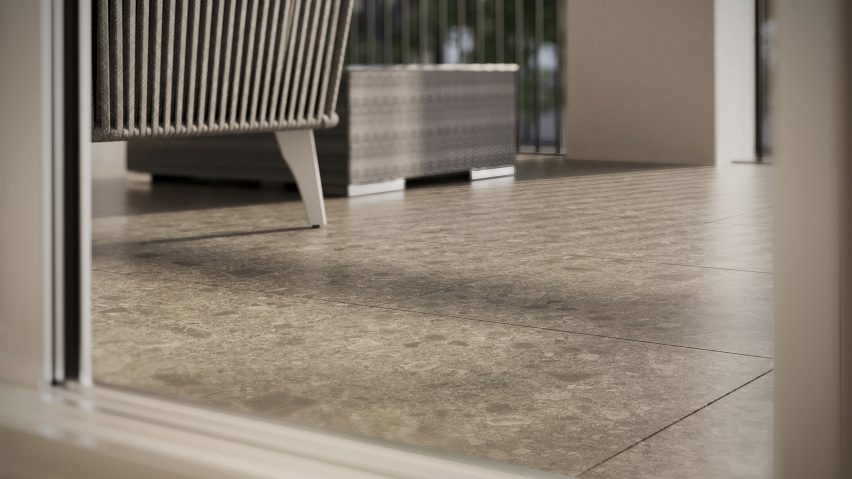
Ryno releases porcelain paving designed to combine style and durability
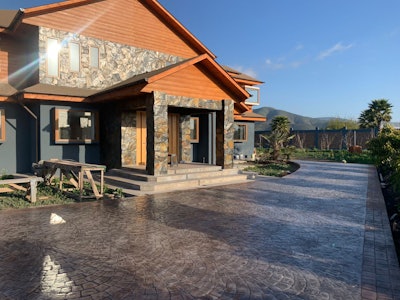
Building Into Luxury Concrete

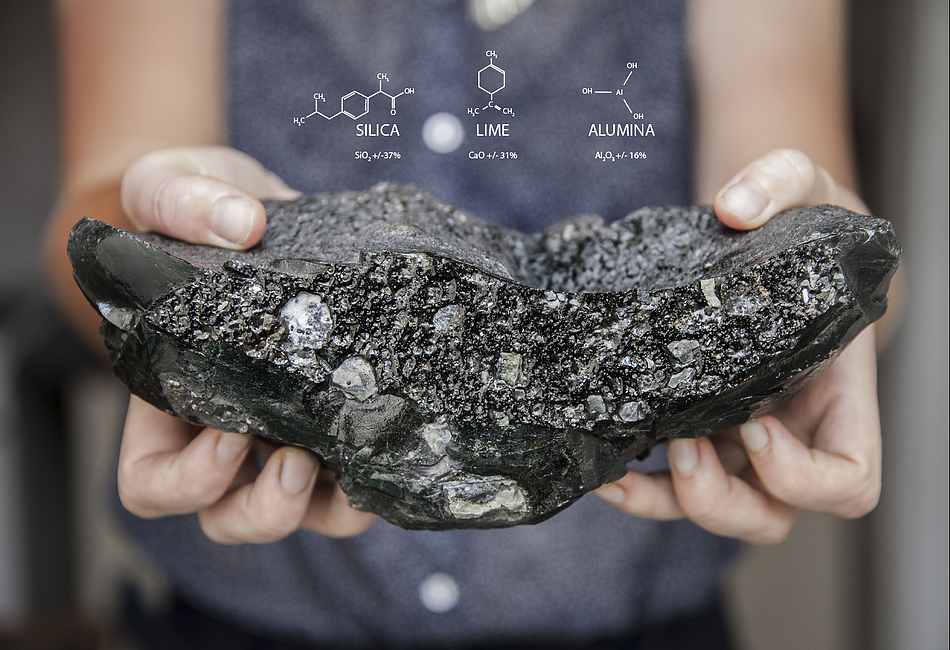
Eco-designer turns landfill waste into ‘plasma rock’ — a sustainable, all-purpose material

A next-generation material for sustainable padding applications

Evolve Stone Monument Gate Stone Veneer

This Stone Is About to Be More Popular Than Marble, According to Designers


Acme Brick, Tile and Stone – El Paso
Design & Detail becomes exclusive North American Showroom for Casadenza Stone Veneers

Tensile strain-hardening cementitious composites and its practical exploration without reinforcement: A review

7 Concrete Alternatives


Come look at us now.

Reusable concrete forms a great choice for contractor's crosswalk curb ramps project.