1/6
Six examples of fabric-cast concrete that are breaking the mould
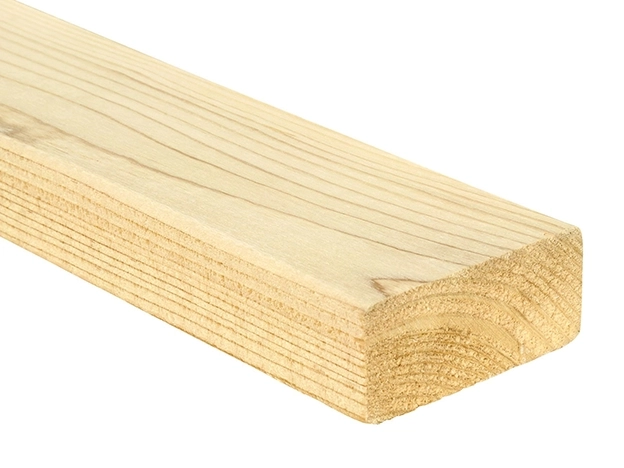
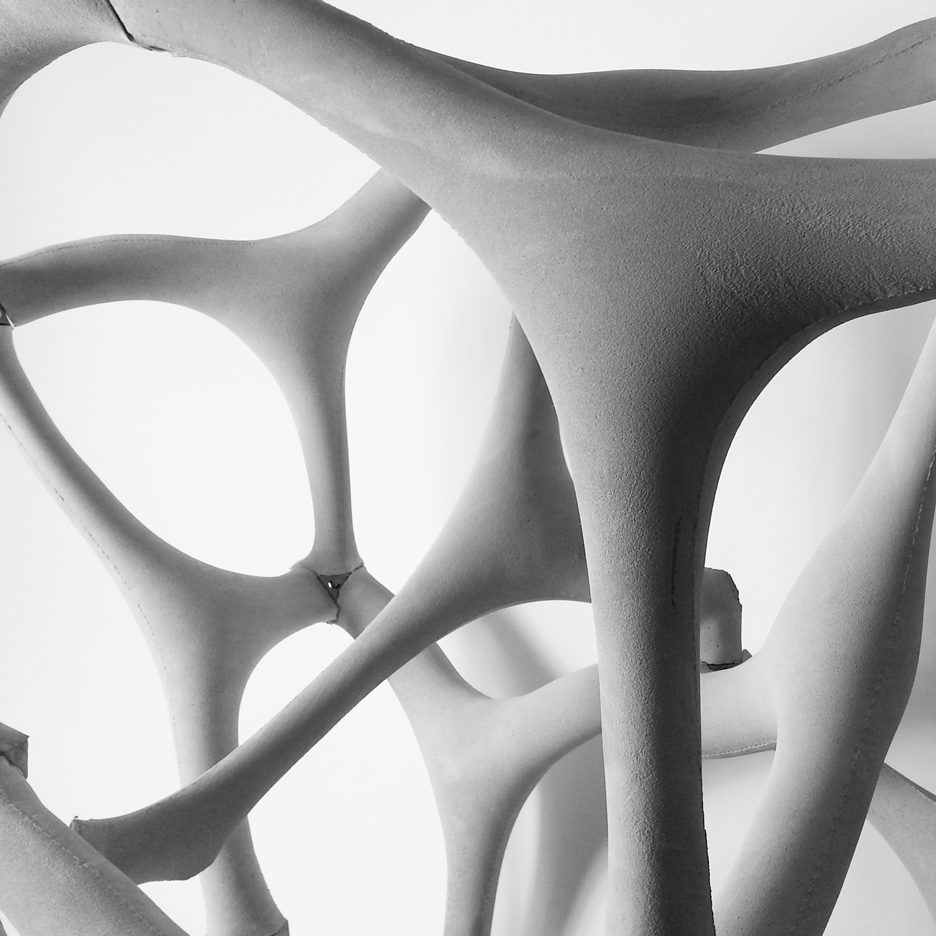
The article explores the innovative technique of fabric-casting concrete, a method gaining renewed interest among designers and architects for its potential to create dramatic, sculptural forms. This process involves pouring cement into a textile mould, which is typically supported by a wooden frame, allowing for unique shapes and textures that traditional formwork cannot easily achieve. The technique has historical roots with pioneers like the University of Manitoba's Centre for Architectural Structures and Technology (CAST) and 20th-century Swiss engineer Heinz Isler, who utilized it for thin concrete building shells. Modern applications, however, are pushing the boundaries, with experimentation extending to sculptural furniture and novel architectural components, even incorporating robotics.
One significant advantage of fabric casting, according to engineering and architecture firm Atkins, is its efficiency, potentially reducing concrete usage by up to 40% and requiring less labor. Joseph Sarafian, a designer working on robotic casting methods, emphasizes the scalability of this technique for future construction, envisioning its use for unique building facade elements and even primary structural components. This innovation addresses the growing demand for variation in parametric design, which often faces limitations with conventional construction methods.
Several compelling examples demonstrate the versatility and potential of fabric-cast concrete. Ron Culver and Joseph Sarafian's "Fabric Forms" project, conducted at the University of California, integrates robotics into the casting process. They pour a concrete and fiberglass mixture into Lycra sleeves manipulated by six-axis robots, eliminating the need for repeatedly building and dismantling plywood frameworks. This robotic approach significantly streamlines the process and allows for greater design flexibility.
The "Augmented Skin" project by Bartlett School of Architecture graduates showcases another inventive application. This technique involves using sticks wrapped in stretchy fabric to create intricate building components. Concrete is poured around these stick-reinforced fabric moulds, forming solid, interconnected structures without external support frameworks. The sticks remain embedded, providing additional reinforcement. While currently applied to smaller prototypes like chairs, the project envisions larger architectural structures such as pavilions and bridges.
Japanese studio Schemata Architecture Office employed fabric casting to create a chunky, uniquely textured counter for a Papabubble sweet shop in Tokyo. Unlike the intricate web-like forms often associated with fabric casting, this project used a fabric bag to produce a more robust, yet still organically shaped, concrete element, highlighting the material's adaptability to various aesthetic goals. Similarly, Janwillem Van Maele's "Mass IIII" side table demonstrates the creation of furniture by suspending a fabric net, filling it with cement and gravel, and allowing it to harden, resulting in a distinct, sculptural piece.
Further exploration of the technique includes "FattyShell (v.01)" by University of Michigan students, who used stitched rubber sheets tensioned with cables to control the concrete's form, resulting in complex, multi-layered structures. Finally, Florian Schmid's "Stitching Concrete" presents an alternative approach by using concrete-impregnated fabric (Concrete Canvas). This material, consisting of cement layered between fabric and PVC, can be manipulated after soaking and then hardened, offering a different aesthetic and application for items like stools. These examples collectively illustrate the ongoing evolution and potential of fabric-cast concrete as a transformative material in architecture and design.
#FabricCastConcrete #ArchitecturalInnovation #ConcreteDesign #RoboticConstruction #SustainableBuilding #ParametricDesign #MaterialExperimentation #FabricCastConcrete #ArchitecturalInnovation #ConcreteDesign #RoboticConstruction #SustainableBuilding #ParametricDesign #MaterialExperimentation
0 comment in total
 No comments yet
You may also like

Cement

edg Reveals 3-D Printed Cast Concrete Collection
7 Concrete Alternatives

Concrete solutions for attractive, durable finishes

Long-format brick slips from Klay Tiles and Facades
Heirlooms in Concrete / Greyscale Design Studio

MUT design: drops concrete tiles for entic design

Building Materials - Building Supplies

11 homes that embrace concrete

Bucket-Mixed Concrete

Rubble Stone Masonry Buildings With Cement Mortar: Design Specifications in Seismic and Masonry Codes Worldwide
Concrete design ideas: how to make them work in any home
Concrete With 3D Printed Foam Forms

Cladding
Material Guide: The Benefits of Building With Concrete

clé Launches Artist-Designed, Cement Tiles

Concrete Behemoths in the Morning Light
How to Apply Multi-Color Dyes to Polished Concrete

Masonry reinvented: One brick at a time
How Formwork Works