
1/4
6 Simple Principles To Consider For An Eco-Friendly Home
The article discusses the evolution of sustainable home design in New Zealand, highlighting the significant progress made since 2006 when eco-friendly architectural examples were scarce. Initially, finding truly sustainable projects for publication was challenging, and "green-washing" of products was prevalent. However, with the establishment of organizations like the Green Building Council and increased consumer awareness, sustainable architecture and design have become mainstream. Many architects and designers now integrate sustainability as a fundamental aspect of their work, moving beyond merely marketing themselves as "sustainable designers." Consumers are also more informed and demand environmentally sound products and practices, despite challenges with product labeling and supply chain transparency.
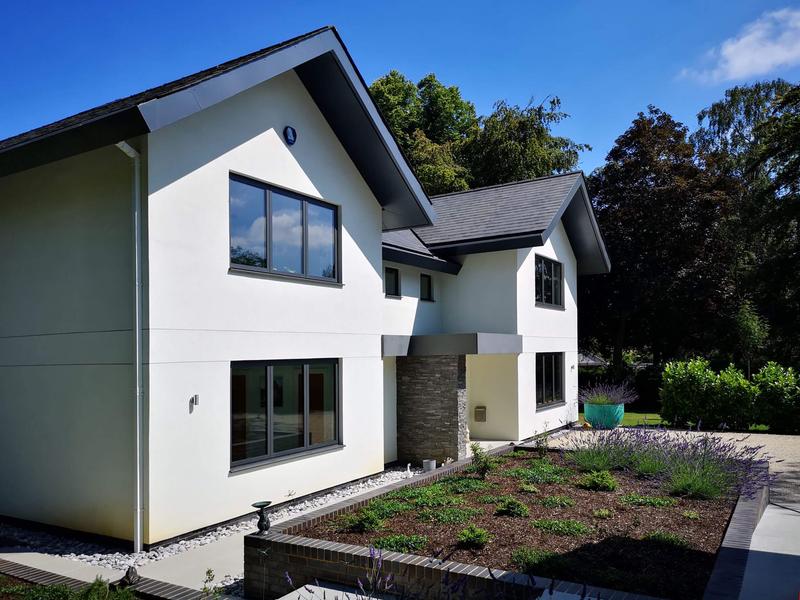
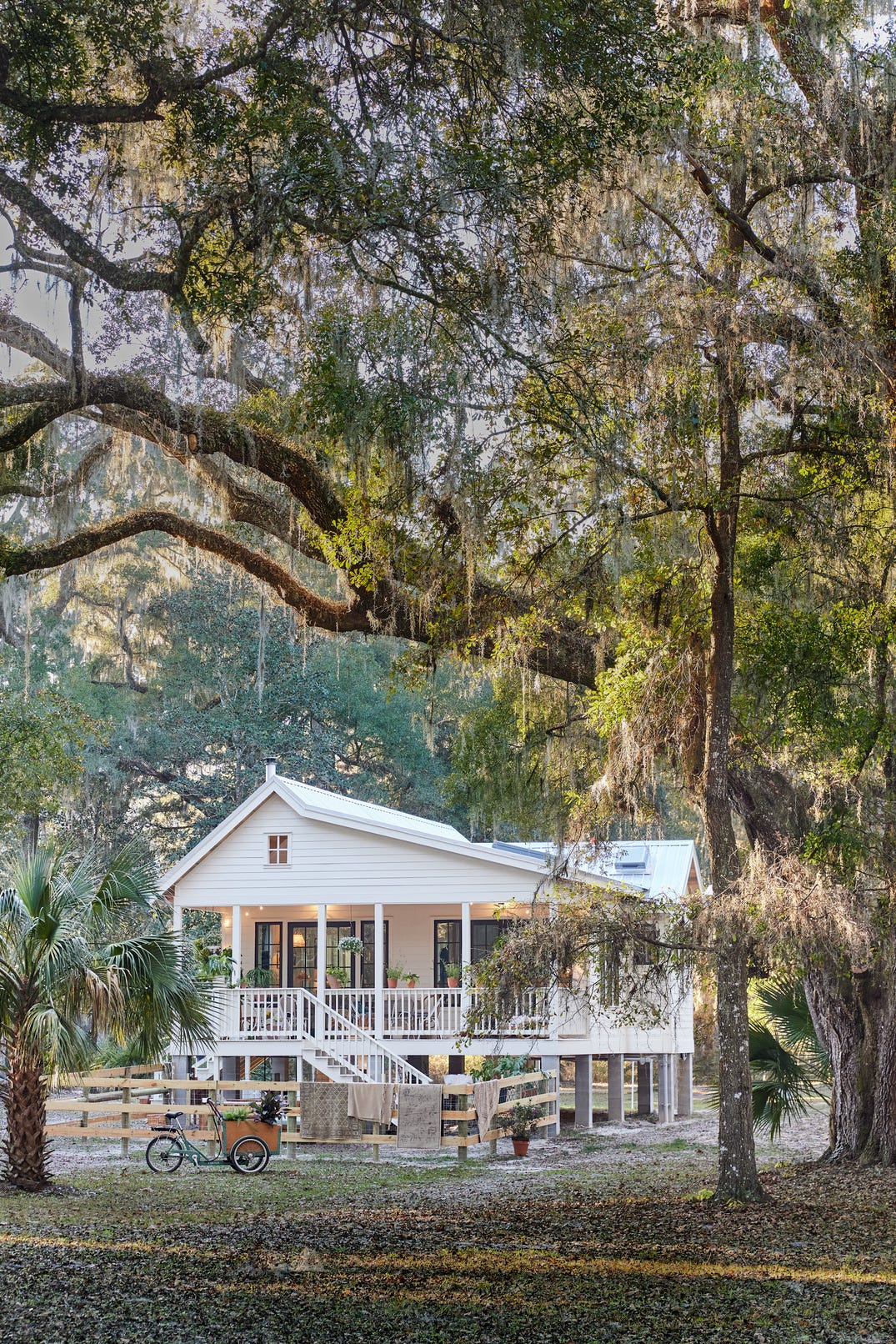
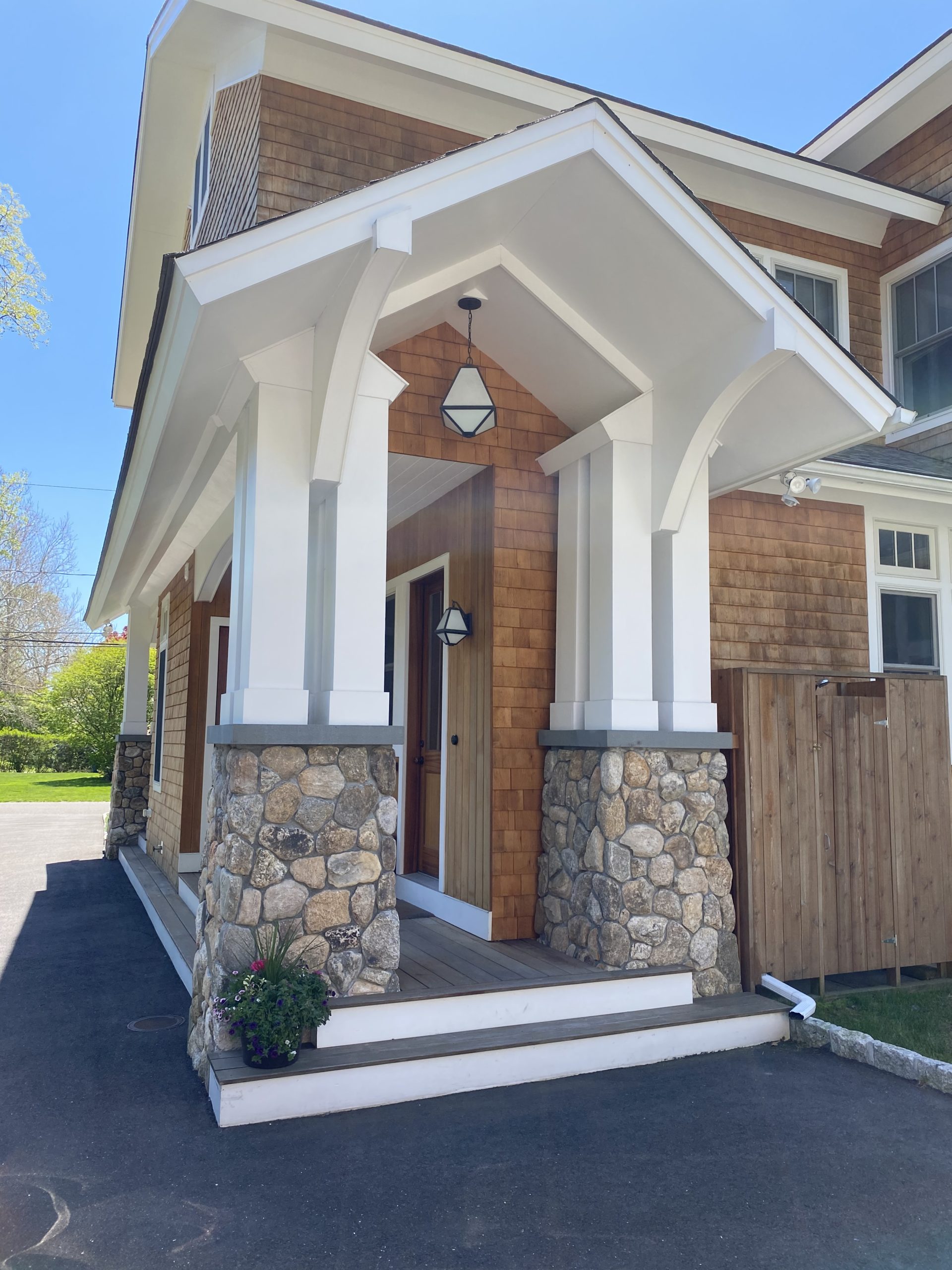
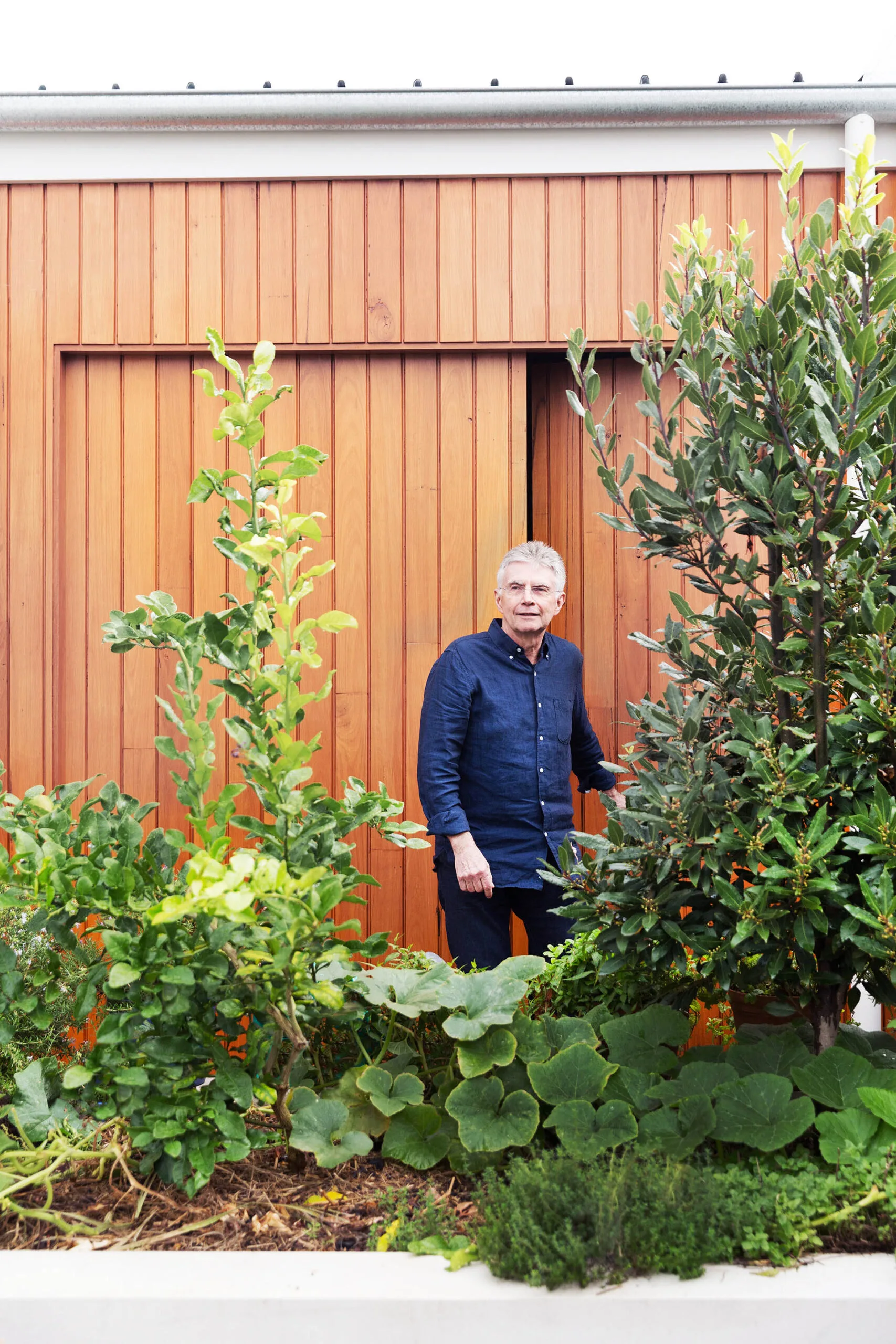
The article outlines six core principles for designing an eco-friendly home. The first principle emphasizes respecting the site and its community. This involves preserving and nurturing the local ecosystem by considering native flora and fauna, climate, geographic characteristics like water flows, and the surrounding human community. It notes the severe impact of human activity and introduced pests on New Zealand's indigenous birds and the conversion of significant forest land to agriculture and urban development, stressing the importance of protecting the natural habitat.
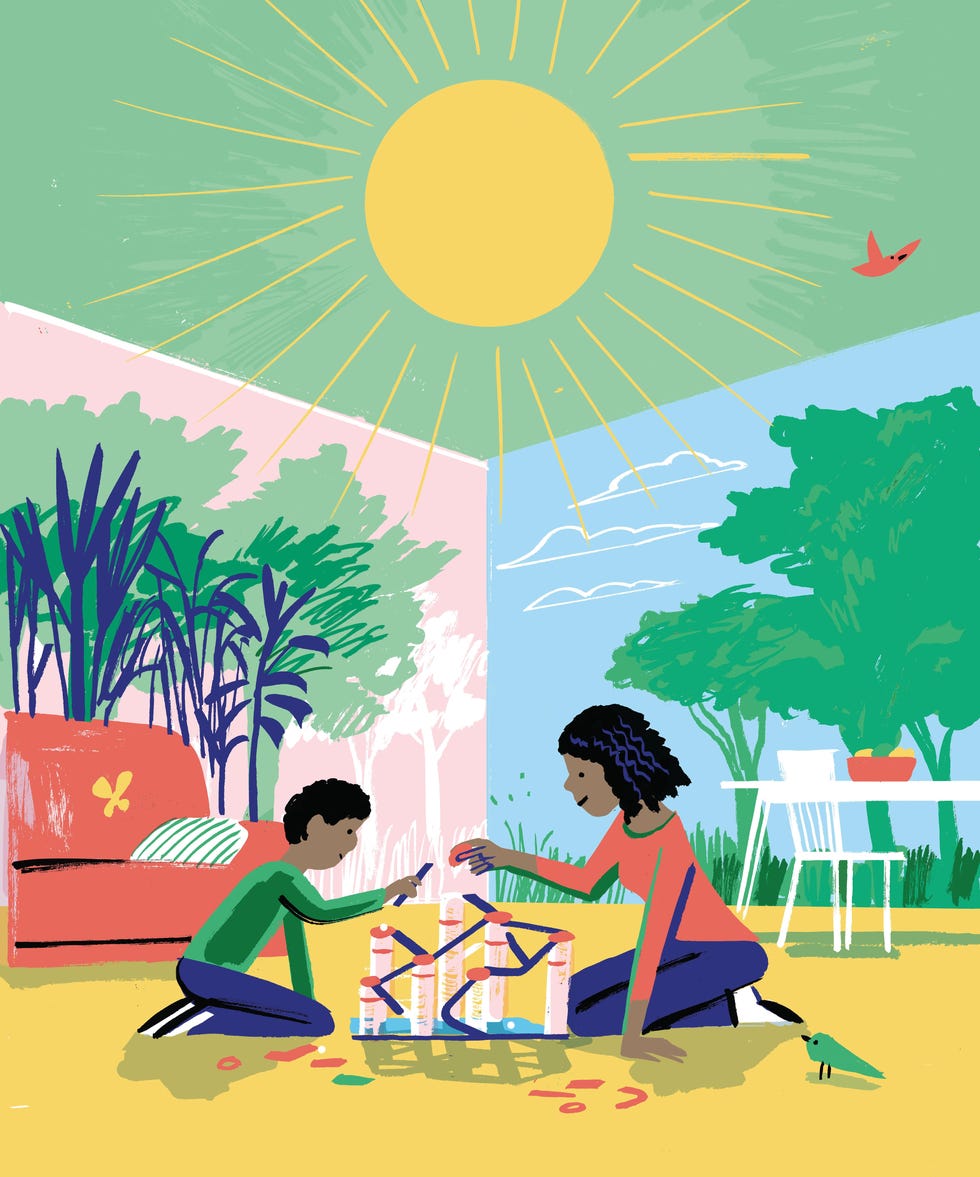
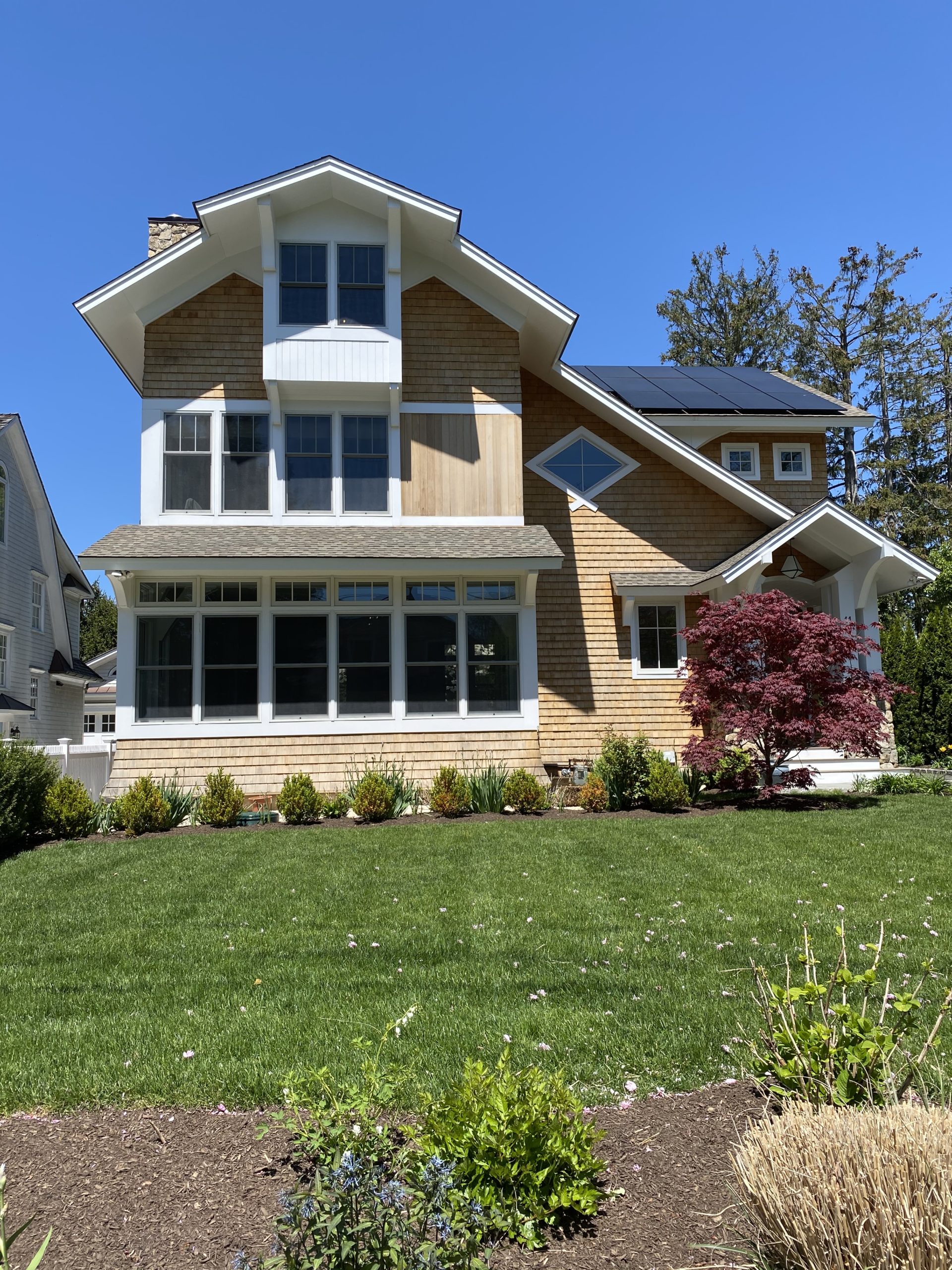
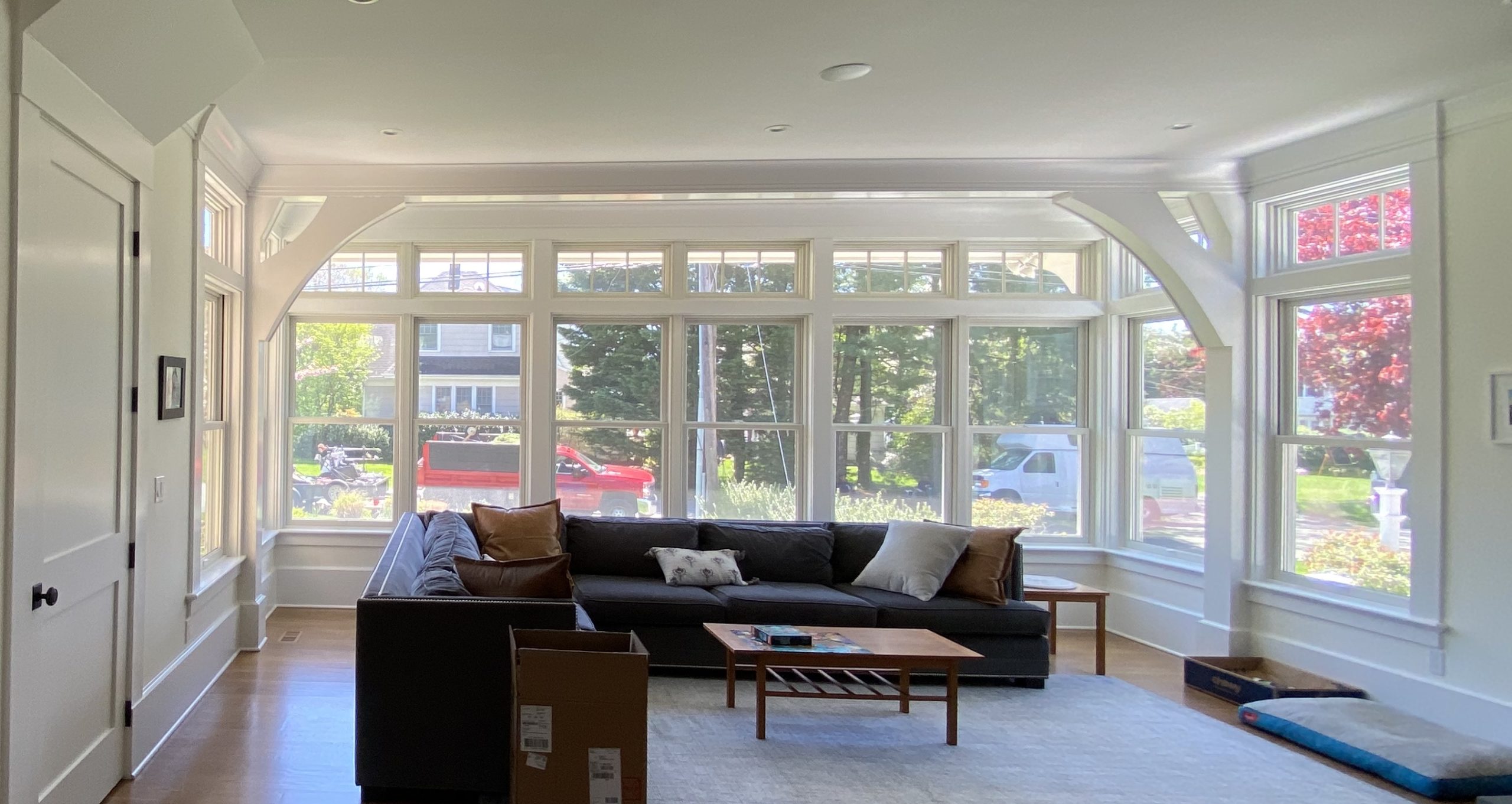
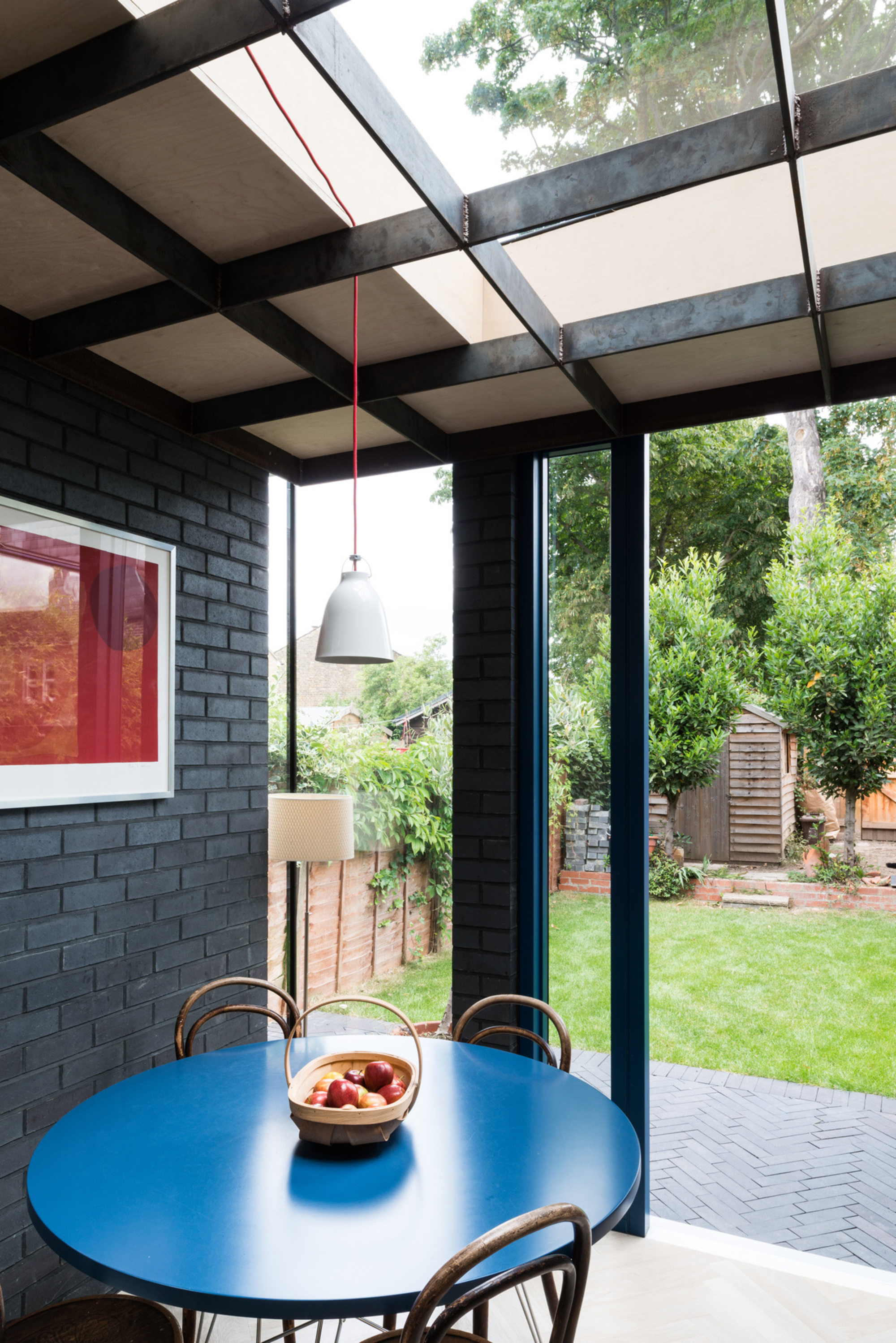
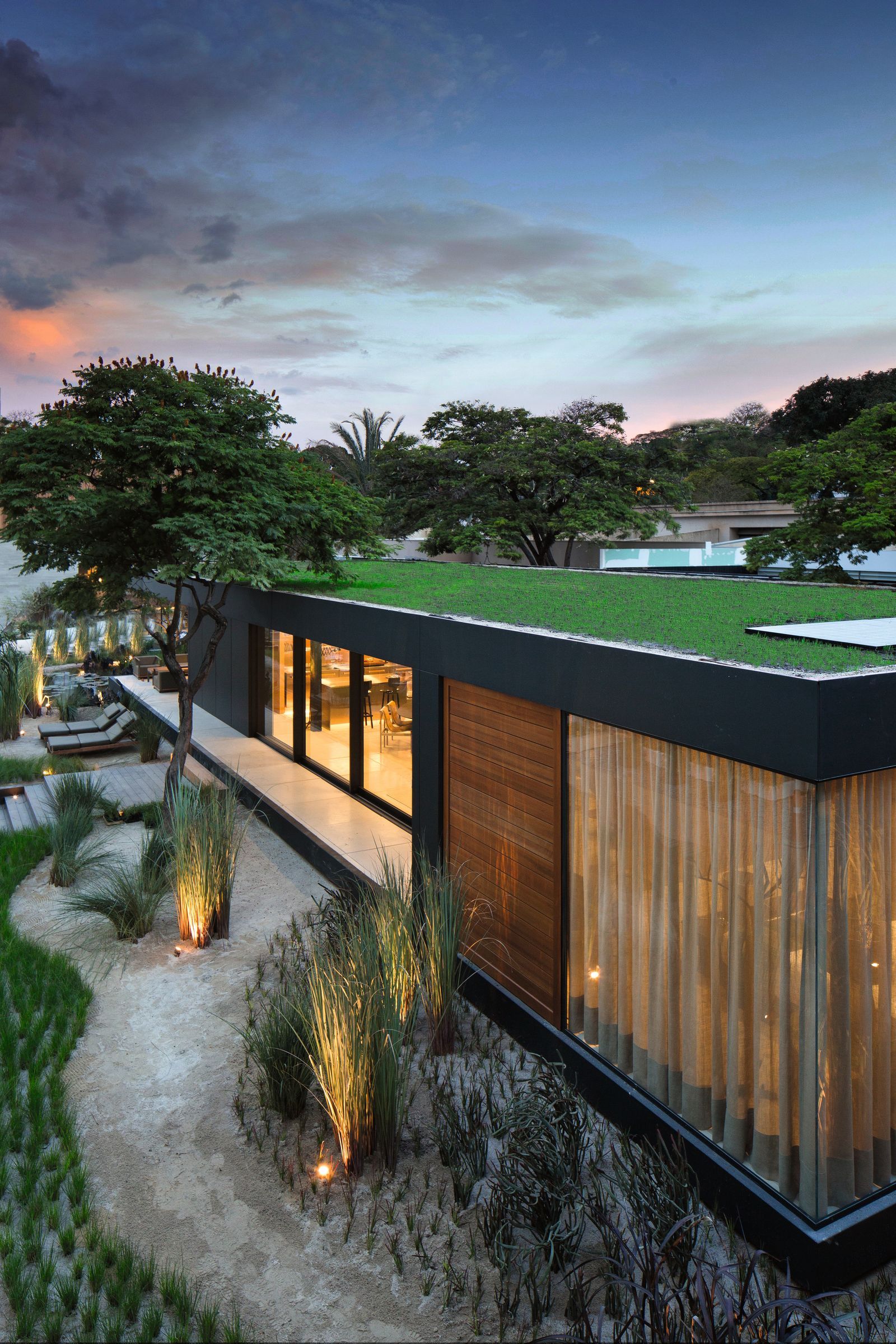
The second principle focuses on the efficient use of renewable natural resources. Sustainable design prioritizes free and endlessly renewable resources such as sunlight for heat and light, wind for ventilation and power, and rainwater harvesting. By incorporating passive design strategies—like orienting the home to maximize solar gain, using shading devices, and planning room layouts to align with the sun's path—the need for fossil fuel-derived energy and reliance on national grids can be reduced or eliminated. Effective insulation is also crucial for retaining heat.
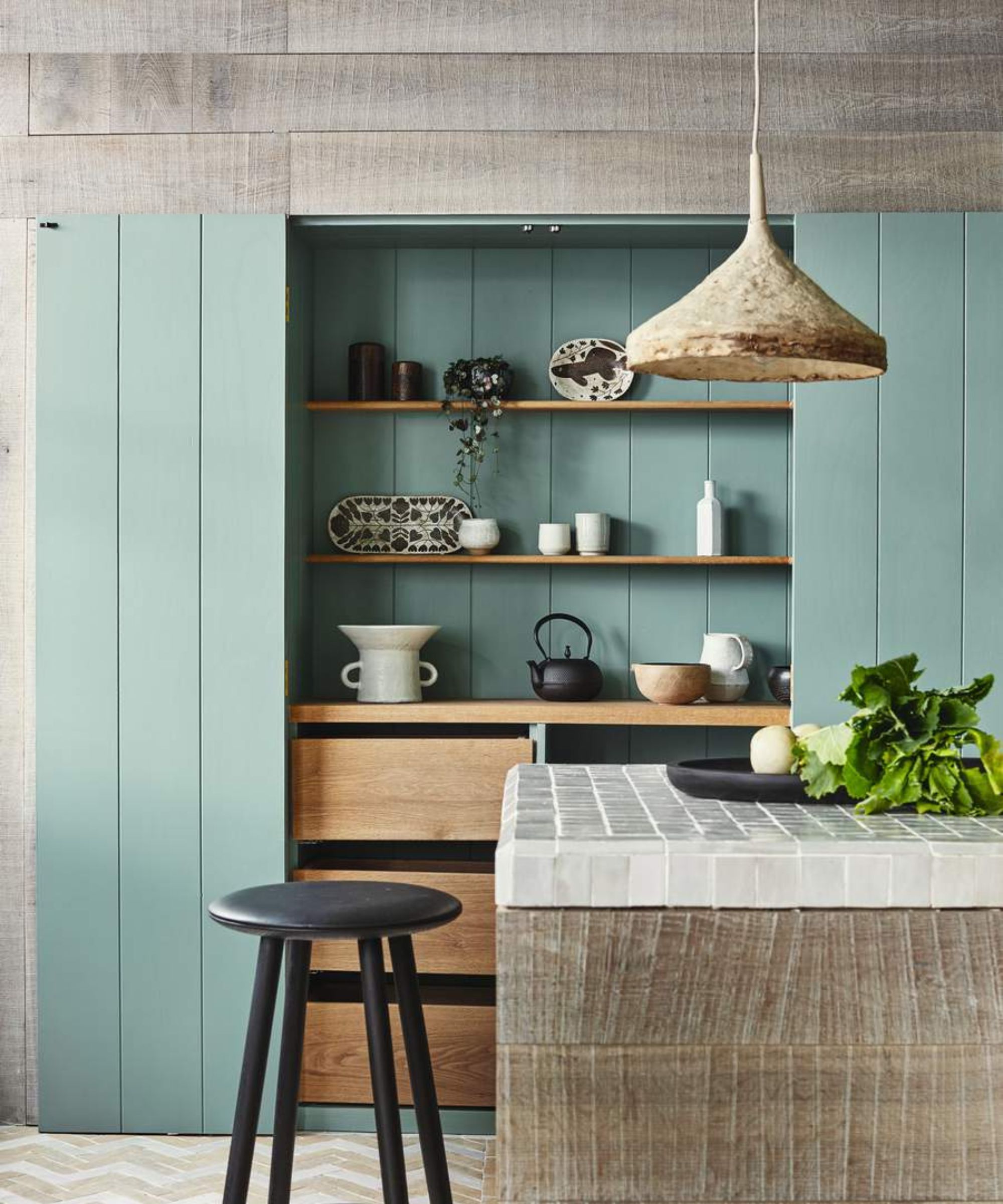
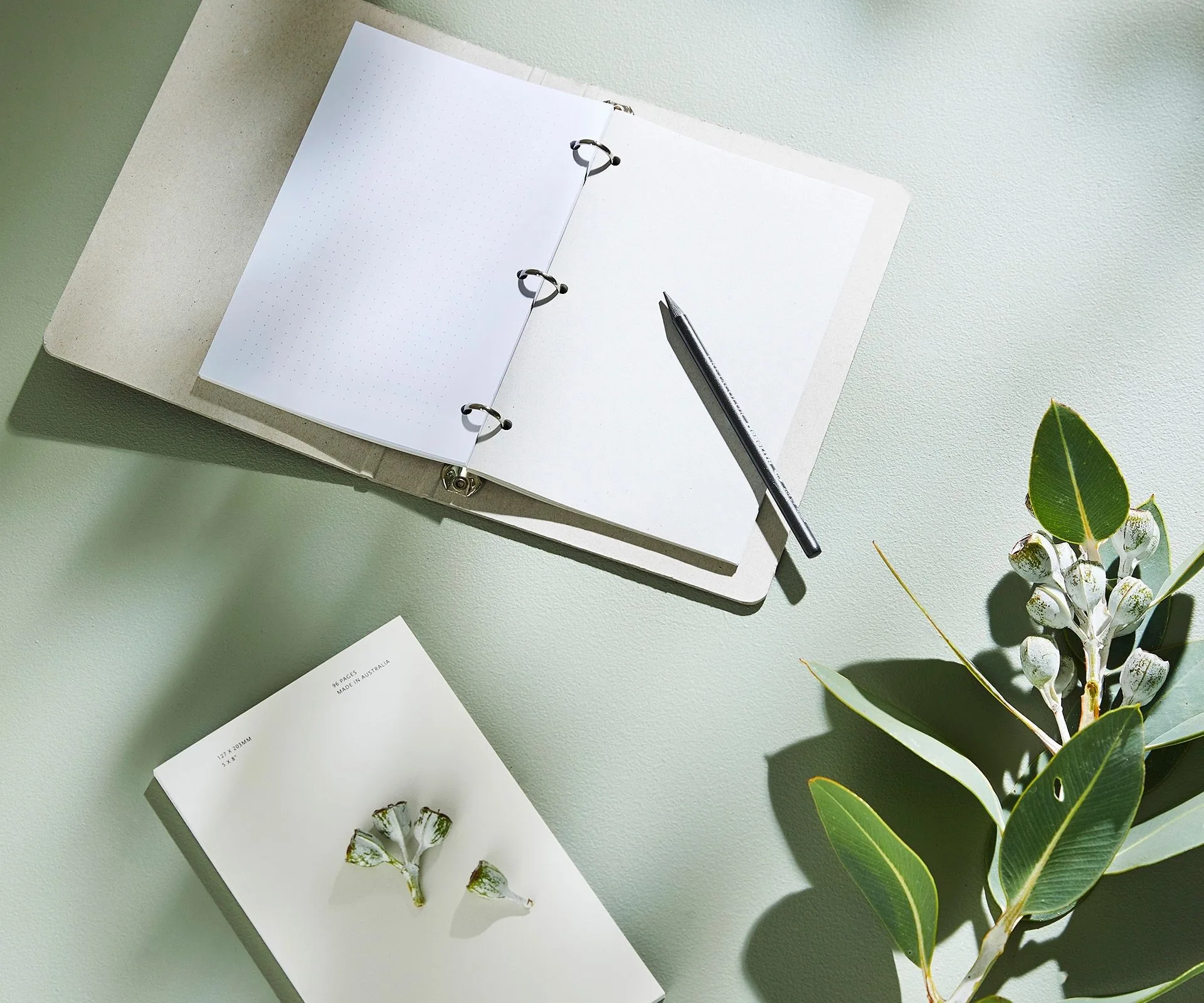
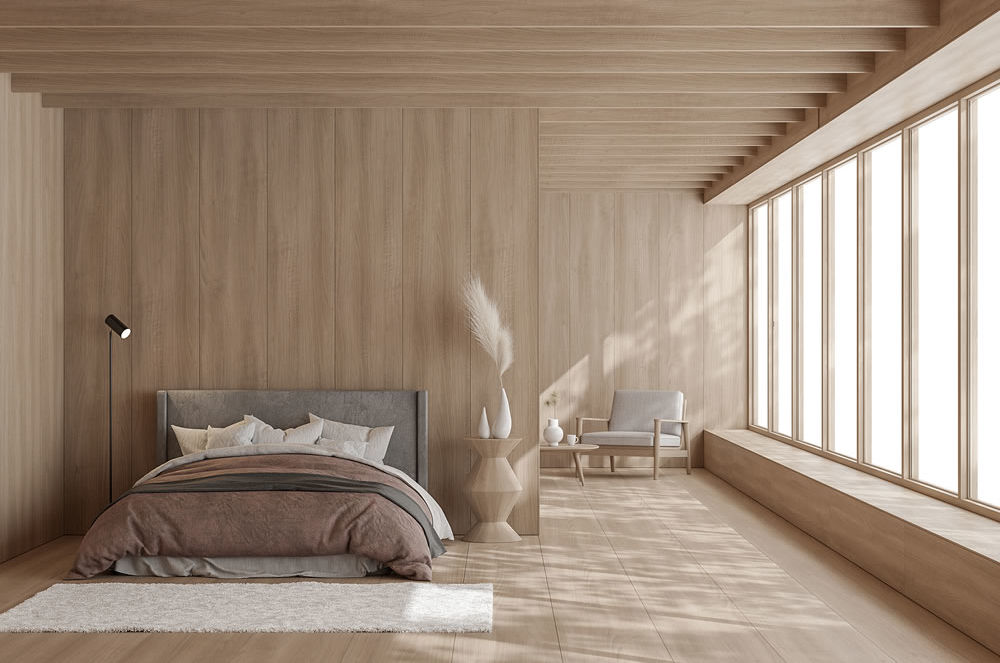
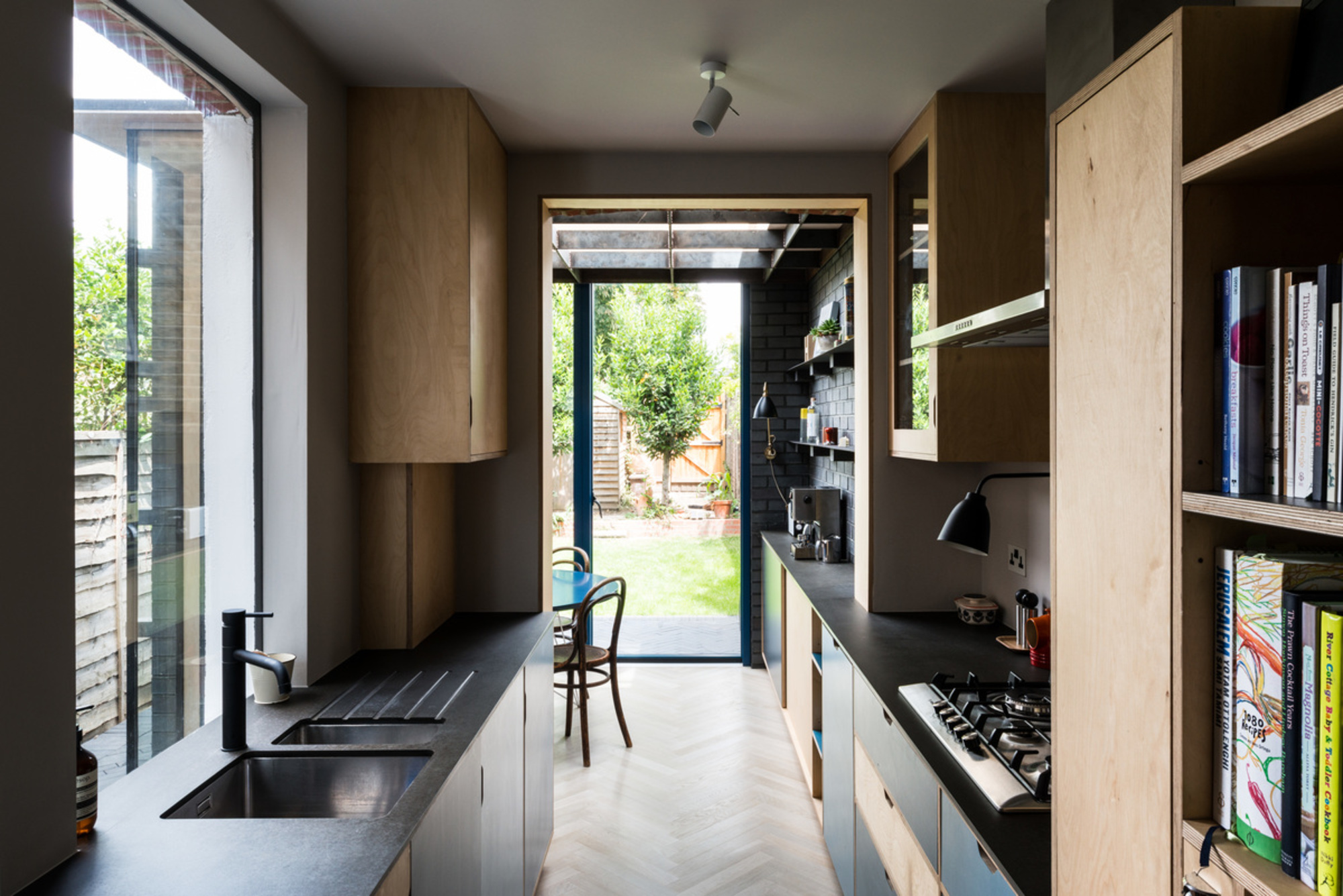
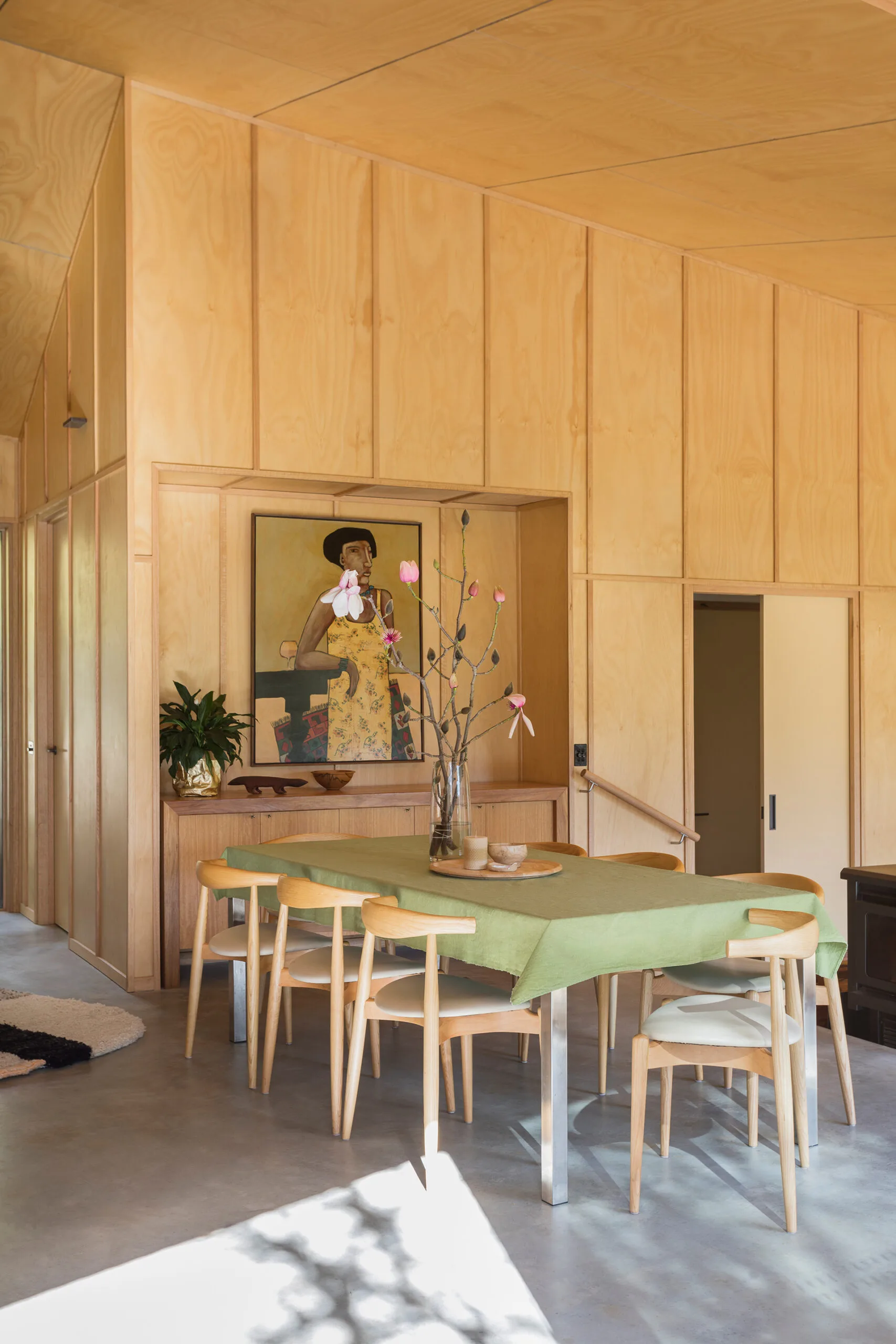
The third principle advises choosing low-impact materials. There are no absolute right or wrong choices, as materials serve multiple functions. While sustainably harvested local timber might seem "greener" than concrete, a concrete floor can act as superior thermal mass. The key is to select materials that are fit for purpose, non-toxic, sustainably sourced, and recyclable or biodegradable at the end of their long lifespan, while also being aesthetically pleasing. Life Cycle Assessment is presented as a valuable tool for evaluating materials from "cradle to grave" to make informed environmental choices.
The fourth principle advocates for a shift from waste to regeneration, building on the "Reduce, Reuse, Recycle" mantra. It stresses that reduction is paramount, followed by reuse, and then recycling. The article clarifies that much modern recycling is actually "down-cycling," where materials like plastic bottles are repurposed into lower-grade products, eventually ending up in landfills. True regeneration, as described by William McDonough and Michael Braungart in _Cradle to Cradle_, involves redesigning systems for endless abundance, akin to how nature recycles organic matter.
The fifth principle recommends designing for a lifetime. A durable building that provides comfort and health is more likely to be lived in longer, benefiting the environment. New Zealand's housing stock often fails to meet the long-term needs of its changing, aging population, leading to homes that are unsuitable for older couples, singles, or individuals with disabilities. Implementing "lifetime design" features, such as accessible entry points and adaptable layouts, can ensure homes remain functional and desirable for diverse inhabitants over many decades, making them more sustainable.
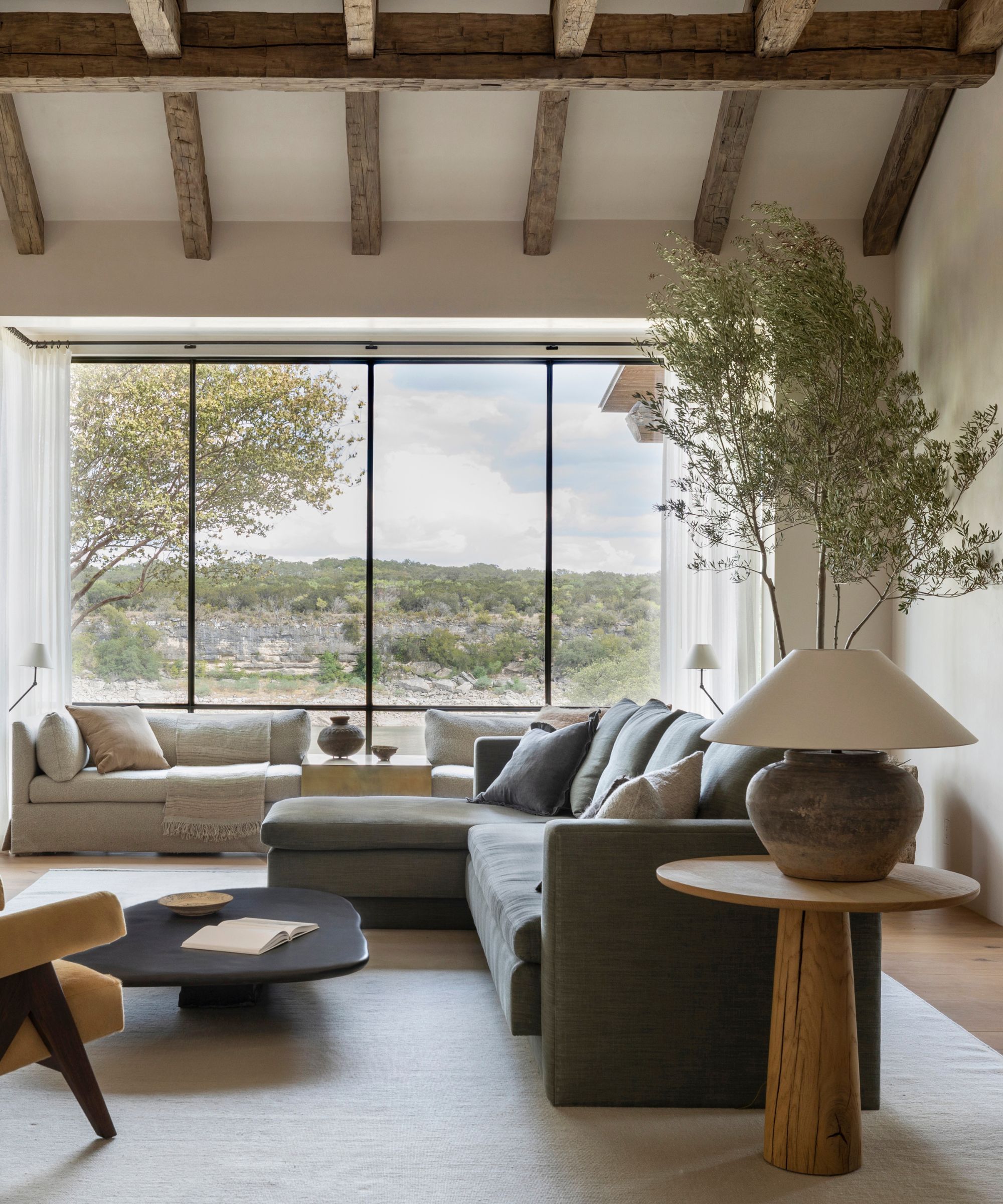
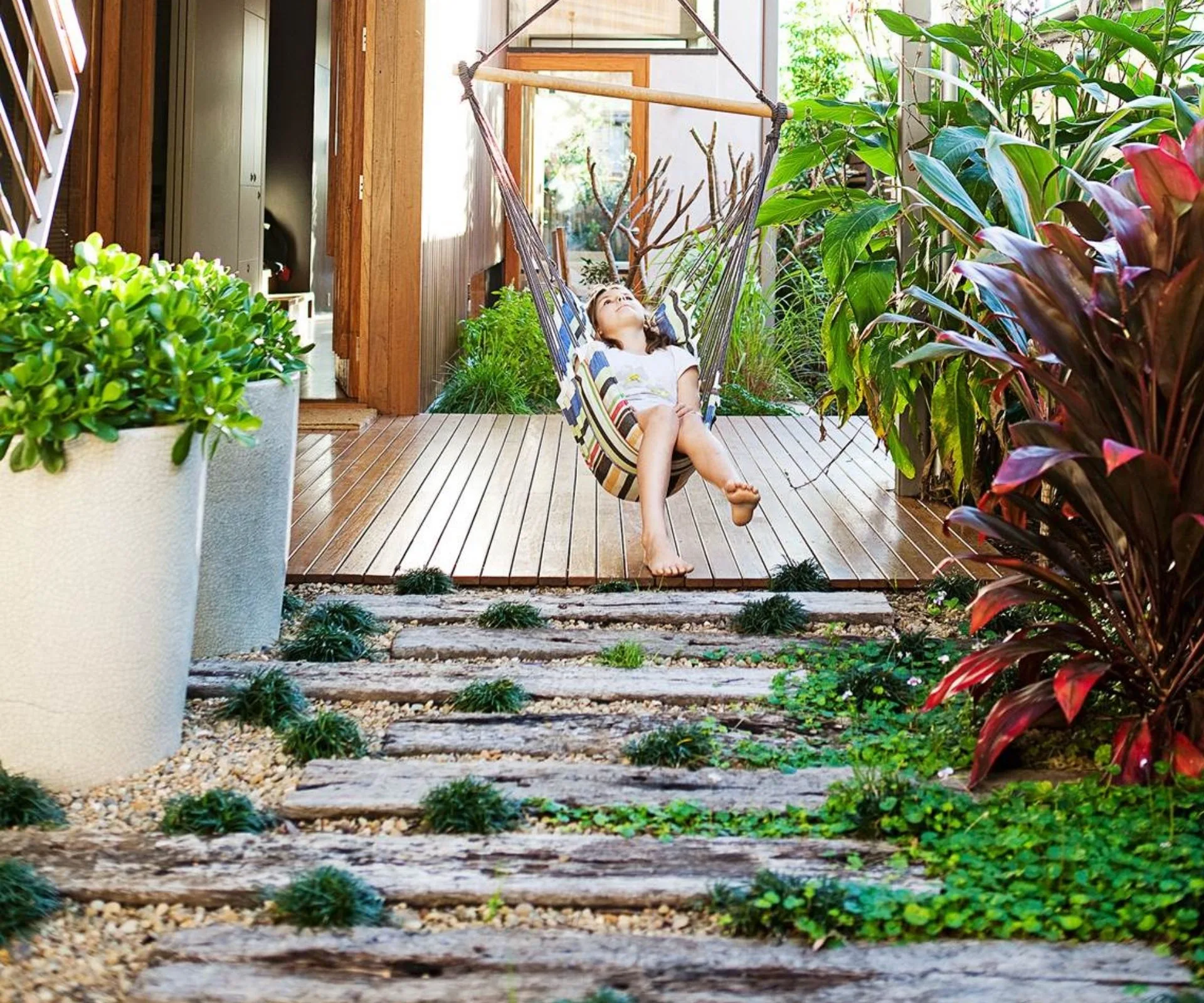
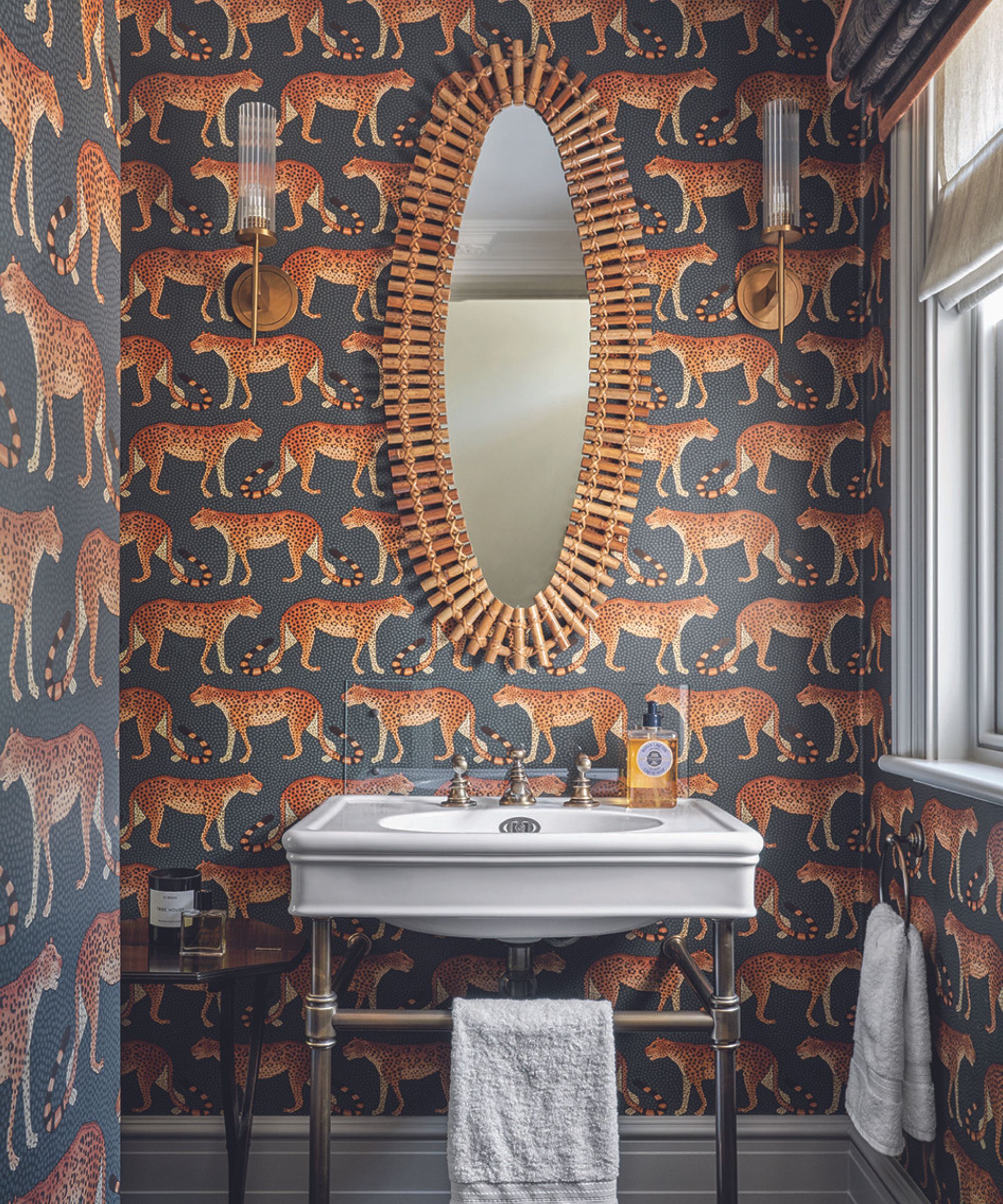
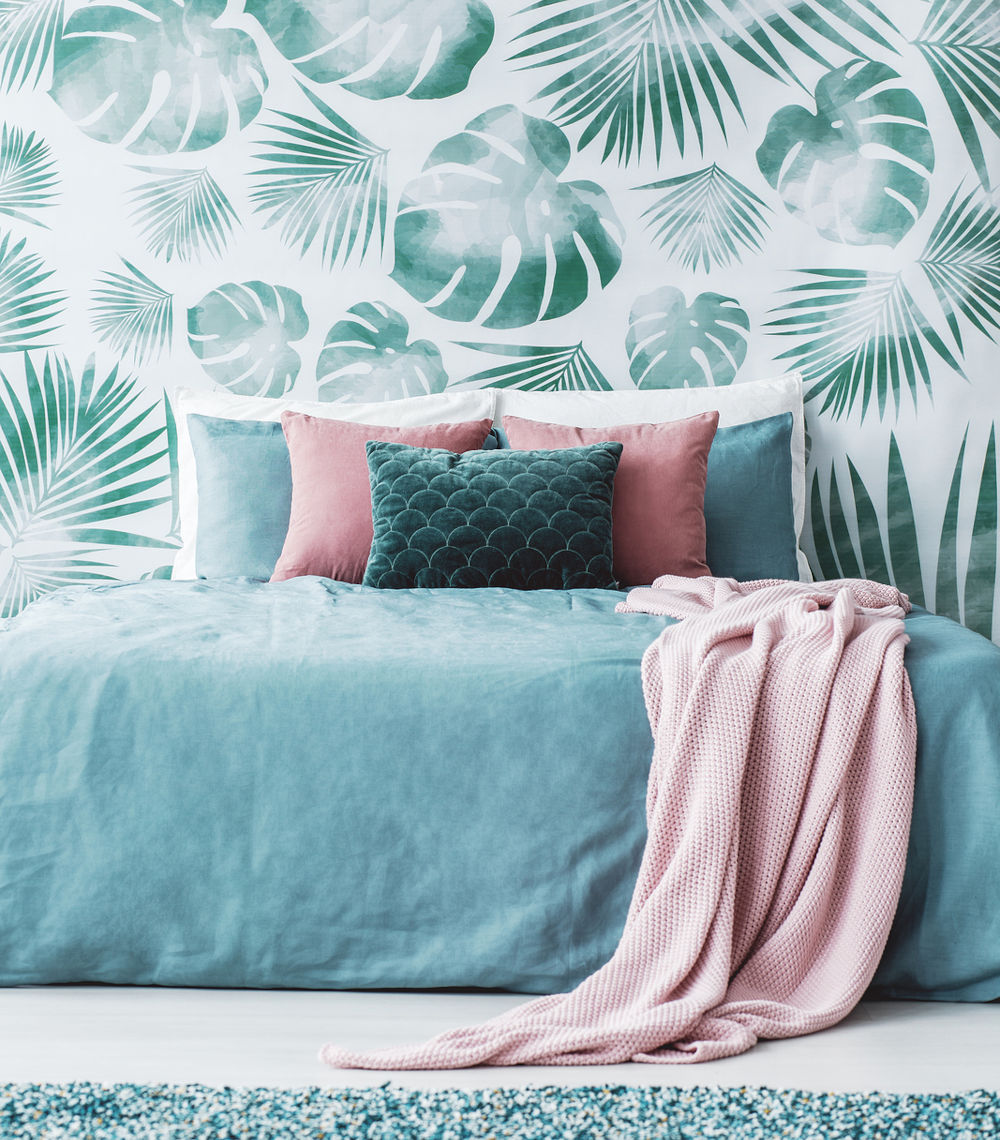
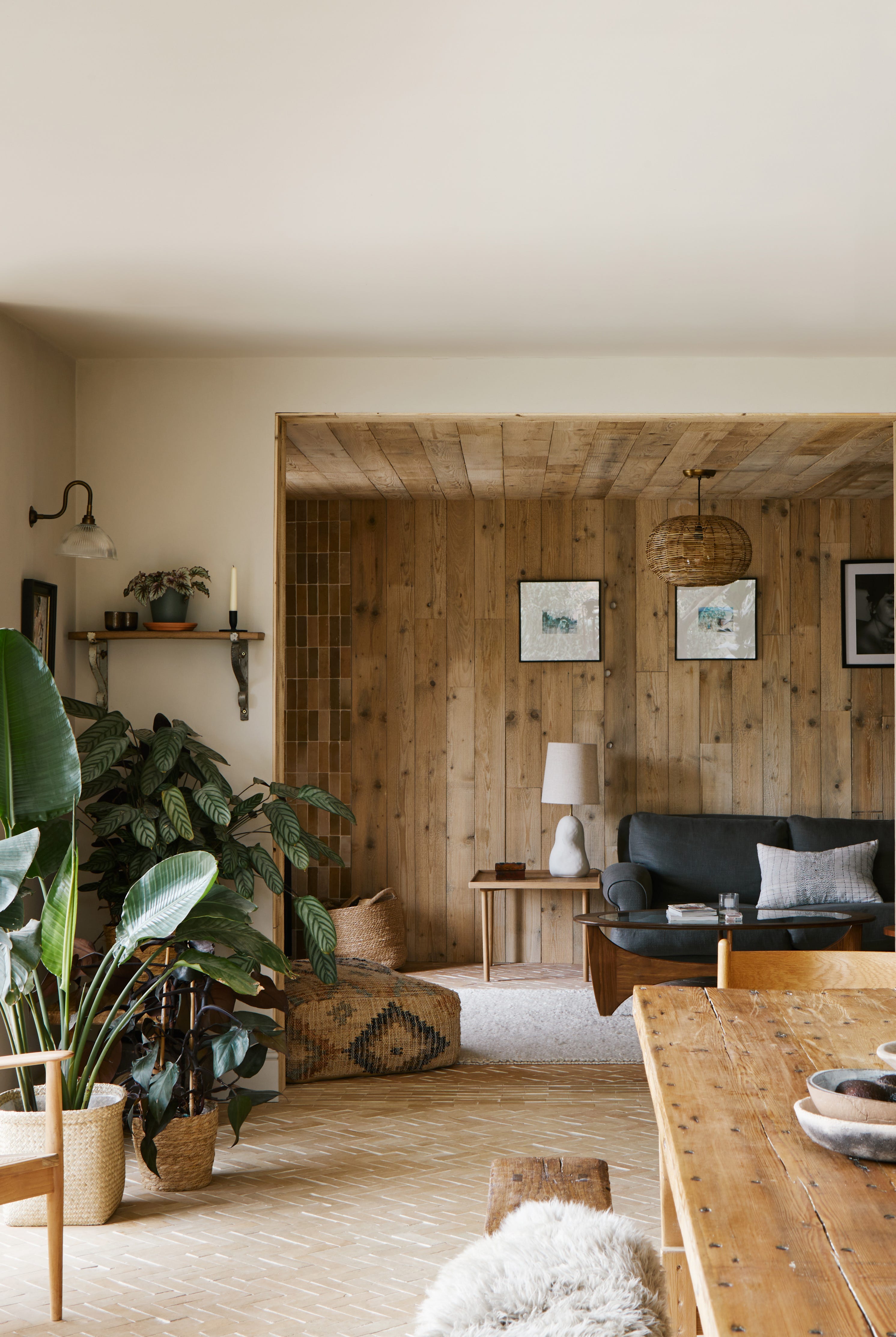
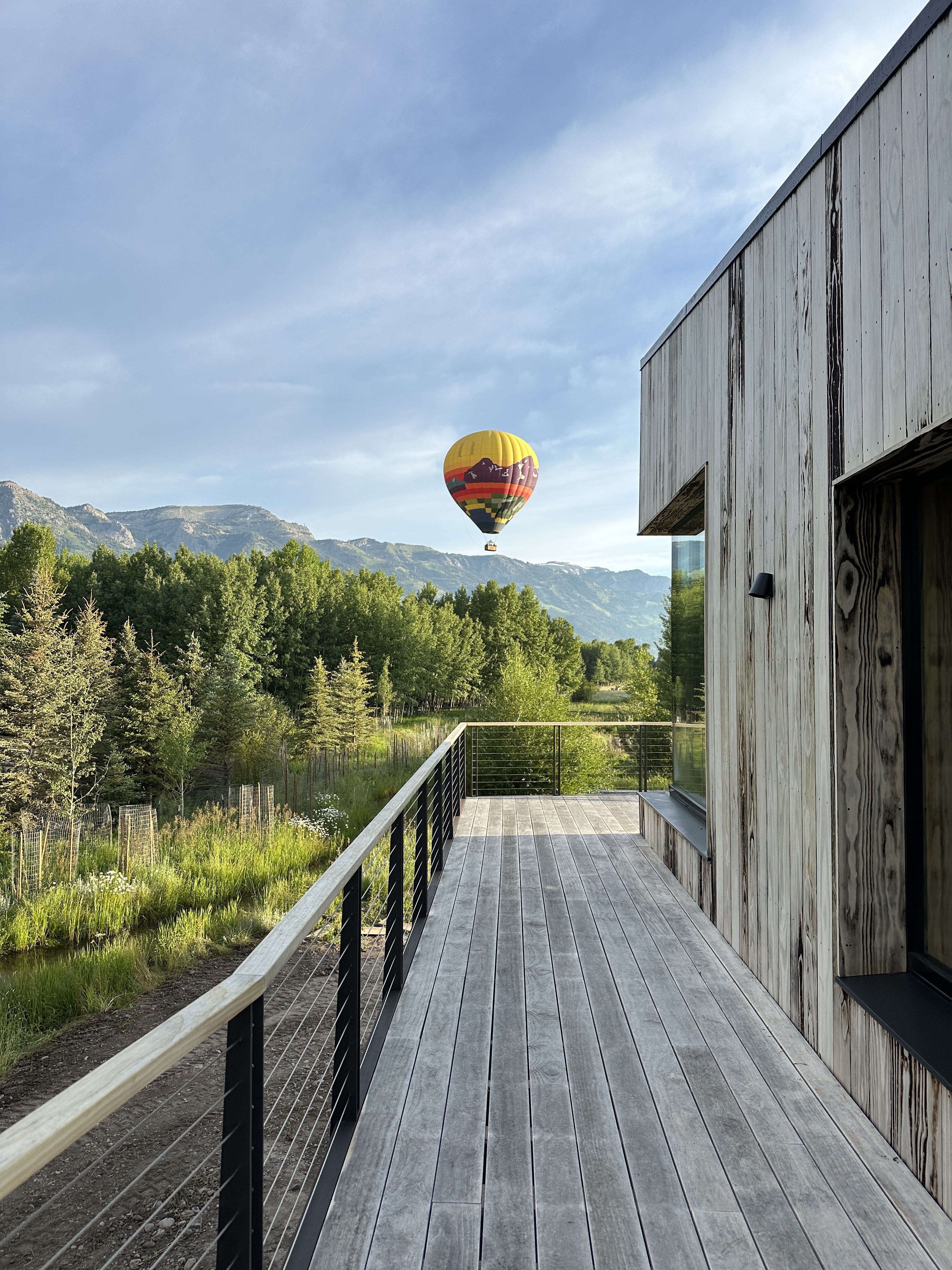
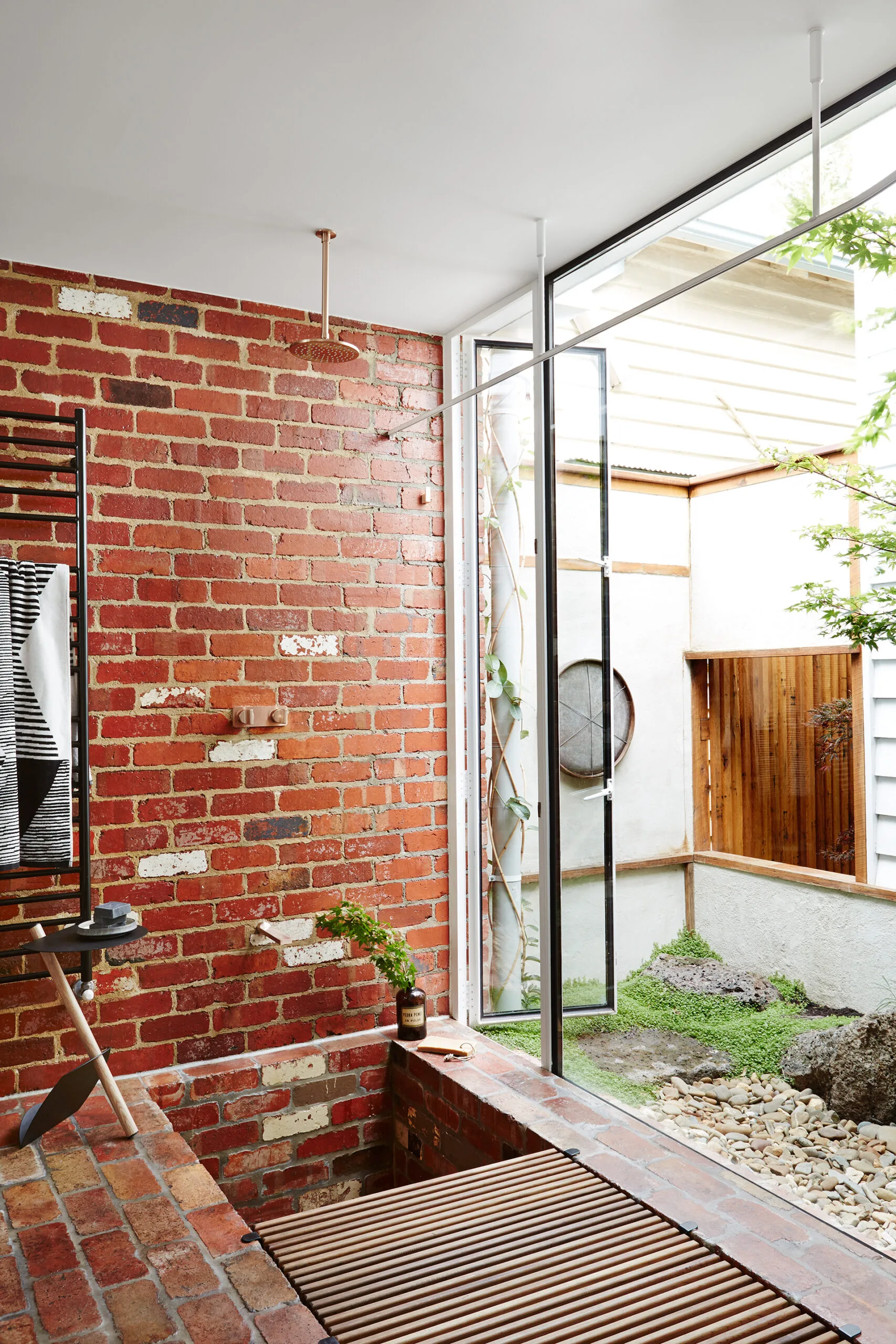
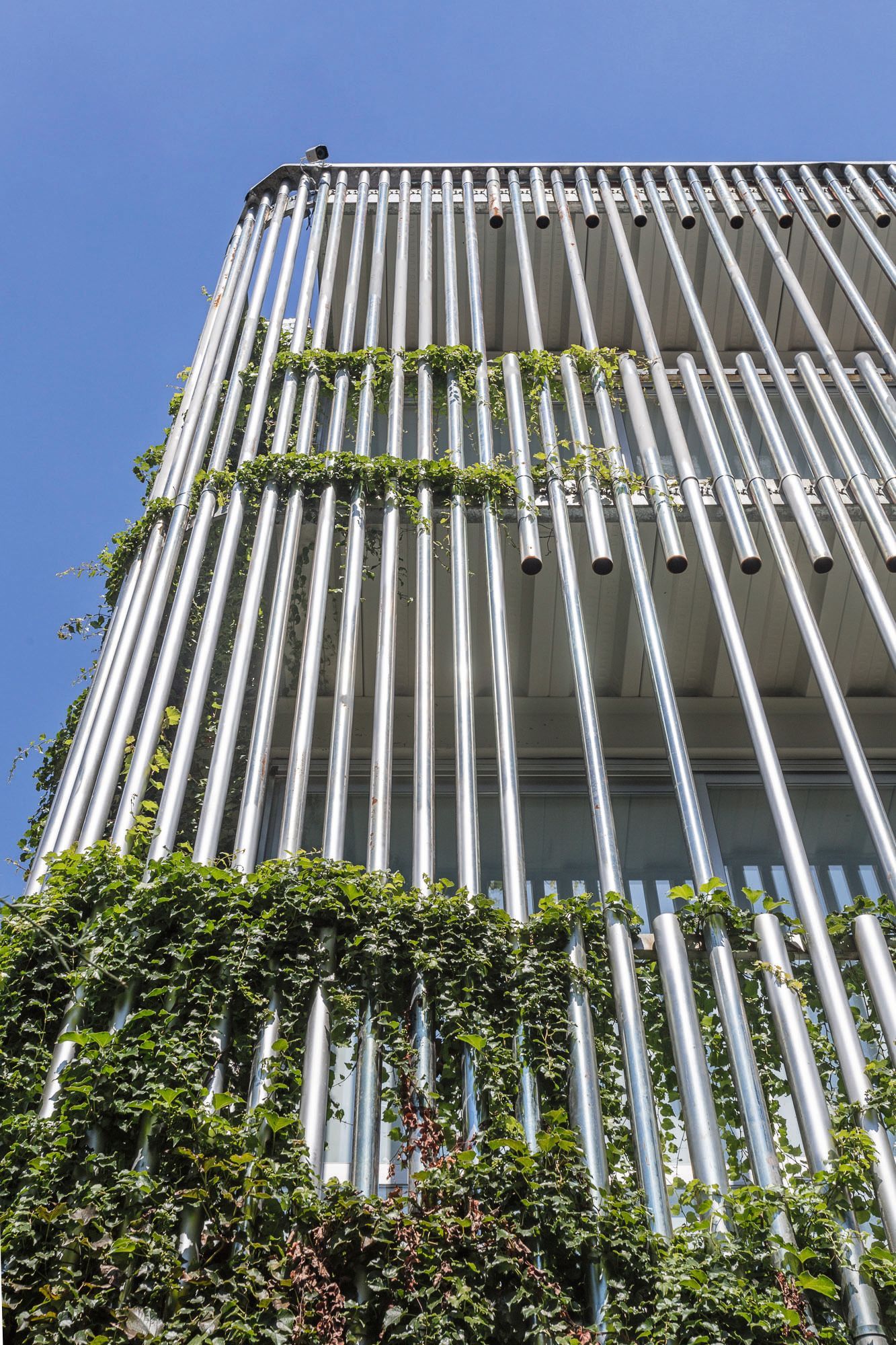
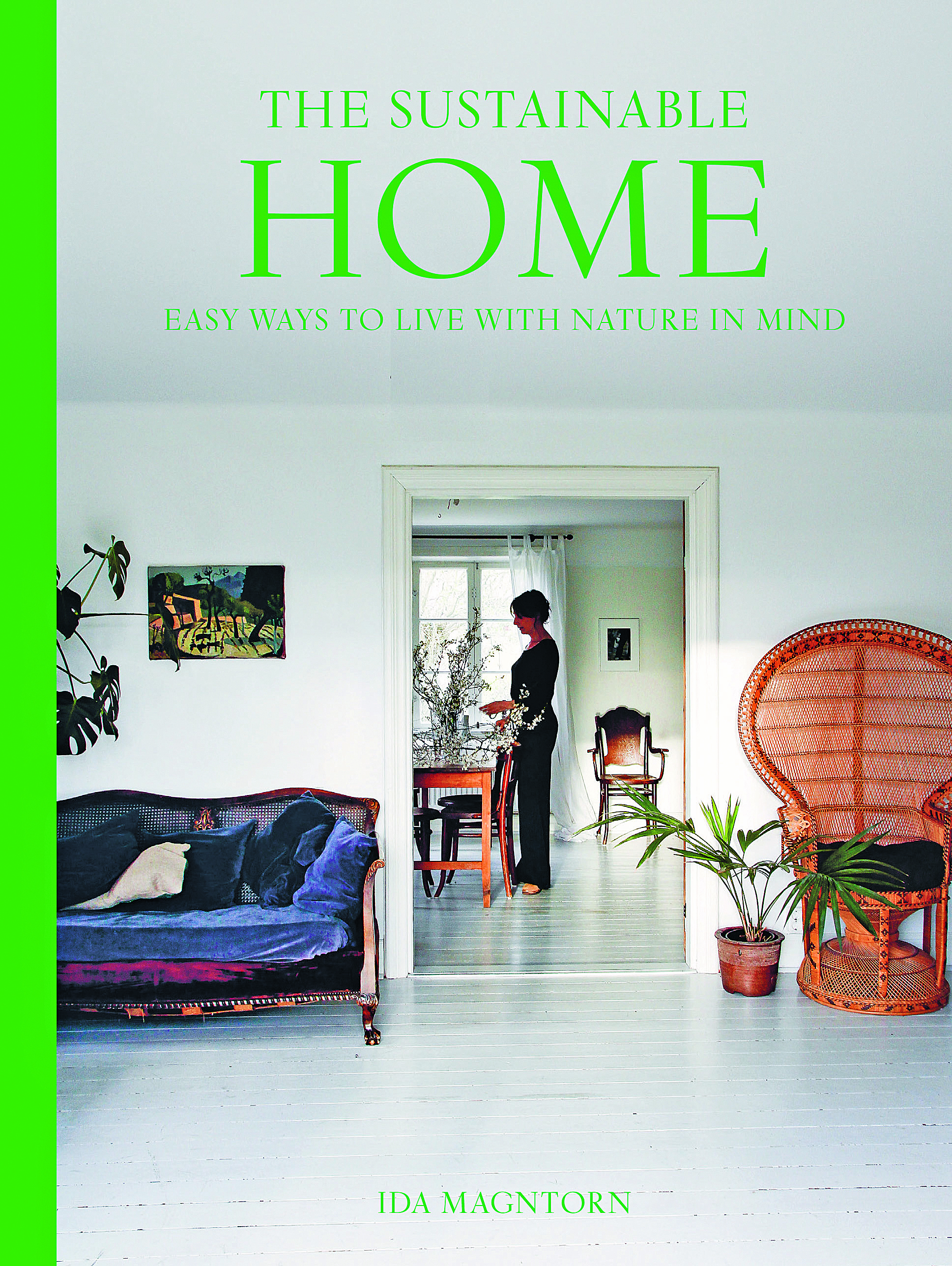
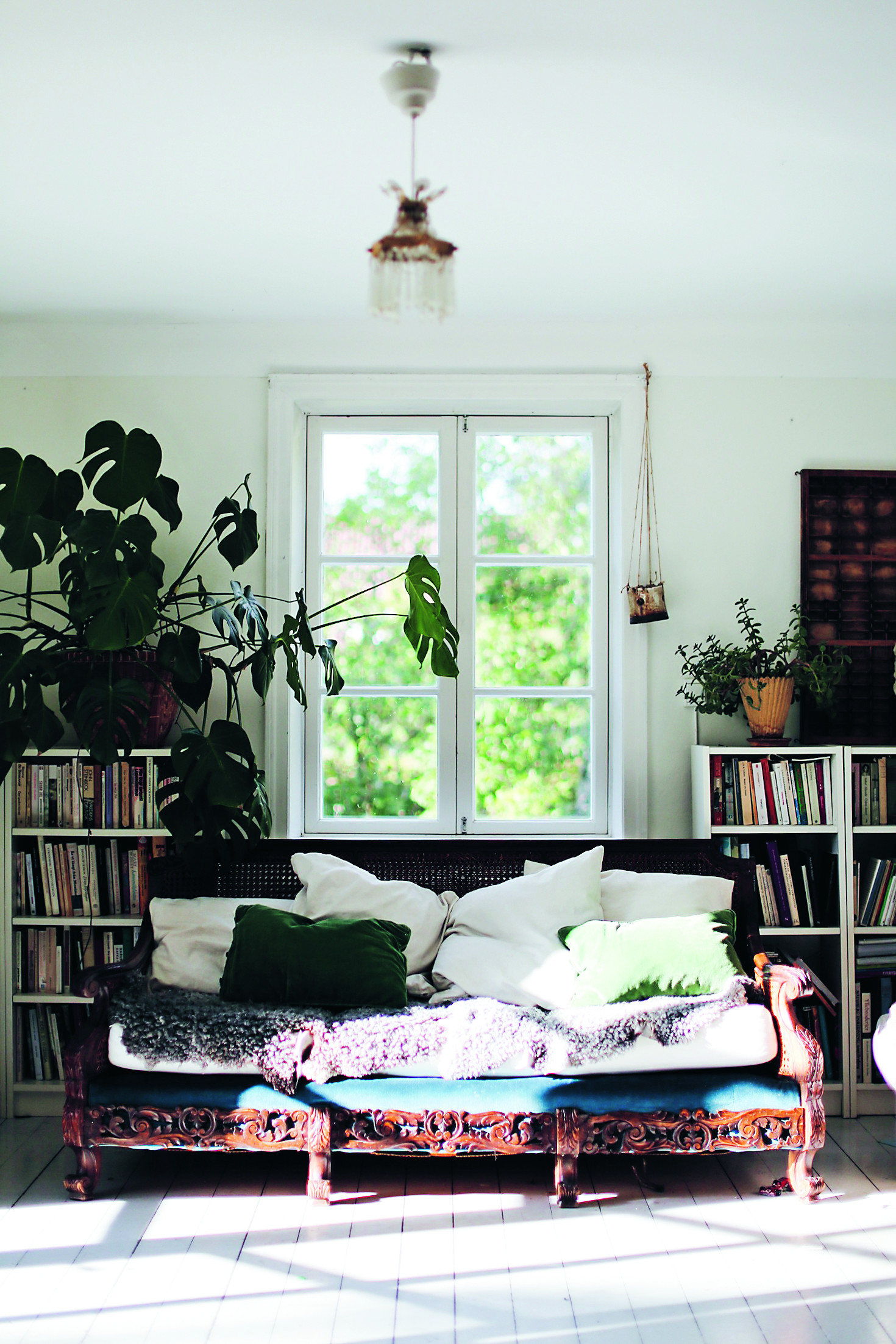
Finally, the sixth principle emphasizes integrating a connection with nature. Beyond traditional indoor-outdoor flow, bringing natural textures, colors, materials, and elements that reflect the local ecology into homes deepens the human connection to nature. This biophilic design approach is increasingly important in a technologically advanced world, providing a sense of grounding and relief. The article concludes that aesthetically pleasing homes are more likely to be cared for and maintained, contributing to their longevity and reducing the environmental cost of demolition and new construction.
#EcoFriendlyHome #SustainableDesign #GreenBuilding #PassiveDesign #LowImpactMaterials #WasteReduction #LifetimeDesign #BiophilicDesign #NewZealandArchitecture #EcoFriendlyHome #SustainableDesign #GreenBuilding #PassiveDesign #LowImpactMaterials #WasteReduction #LifetimeDesign #BiophilicDesign #NewZealandArchitecture
0개의 댓글이 총 표시됩니다.
 아직 댓글이 없습니다
추가로 마음에 드릴 만한 콘텐츠
Here Are 37 Ways to Make Your Home More Earth-Friendly

10 ways to make your home more sustainable
Luxury living goes green: Eco-friendly homes are now the latest trend in sustainable living

Eco-Friendly Properties: A Guide To Sustainable Flooring For A Greener Future

Experts swear by these 6 sustainable home renovation tips
5 sustainable home solutions that won’t cramp your style

Sustainable home decor: Eco-friendly interior design trends to watch

7 sustainable homes with style
Eco-friendly organizing tips for a more sustainable home
Eco-house: 10 sustainable homes with clever design ideas
11 Eco-Friendly Houses That Will Inspire You to Live Greener
7 breathtaking sustainable homes around the world

Want an Eco-Friendly Home? Everything You Should Know About Sustainable Architecture

Sustainable Home Décor: Eco-Friendly Interior Design Trends to Watch

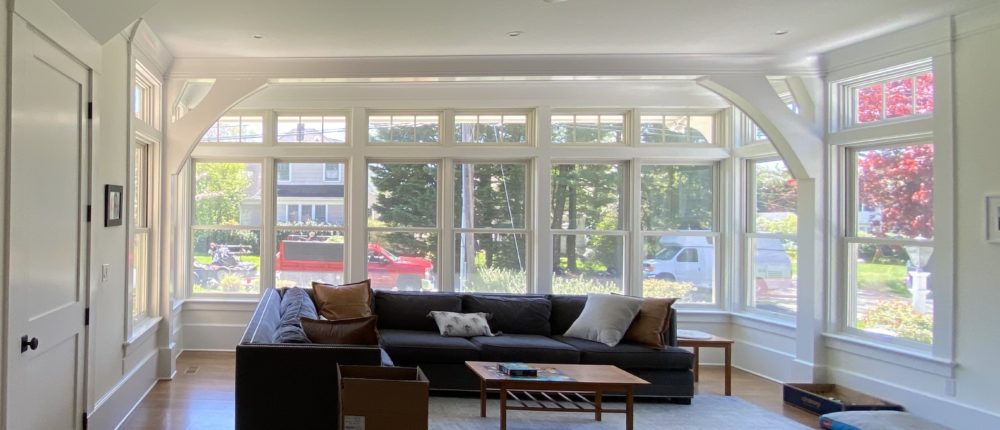
Five Simple Rules For House Design That Drastically Lower Energy Costs

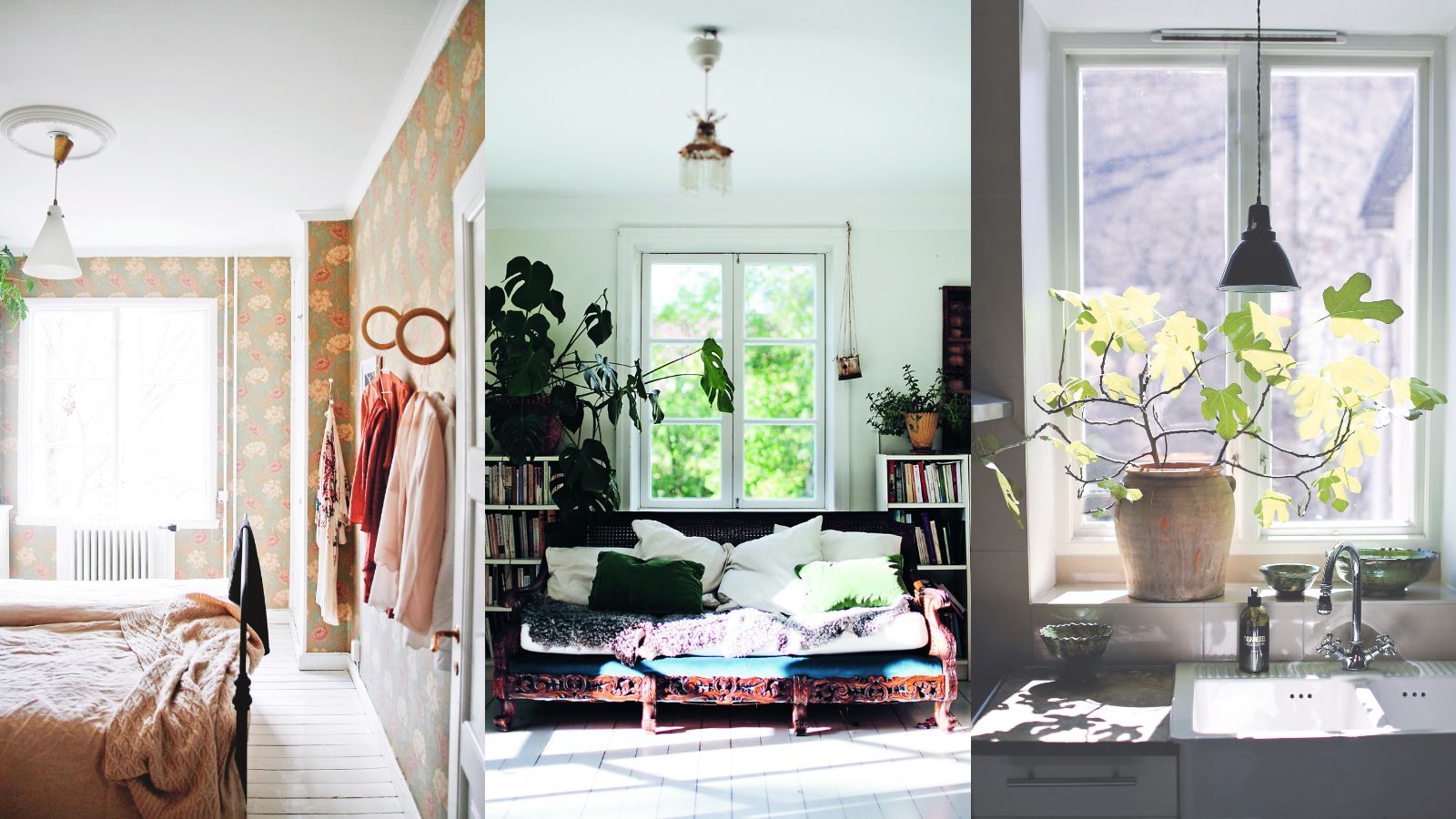
9 ways to be sustainable at home


12 Ways To Create a More Sustainable Home

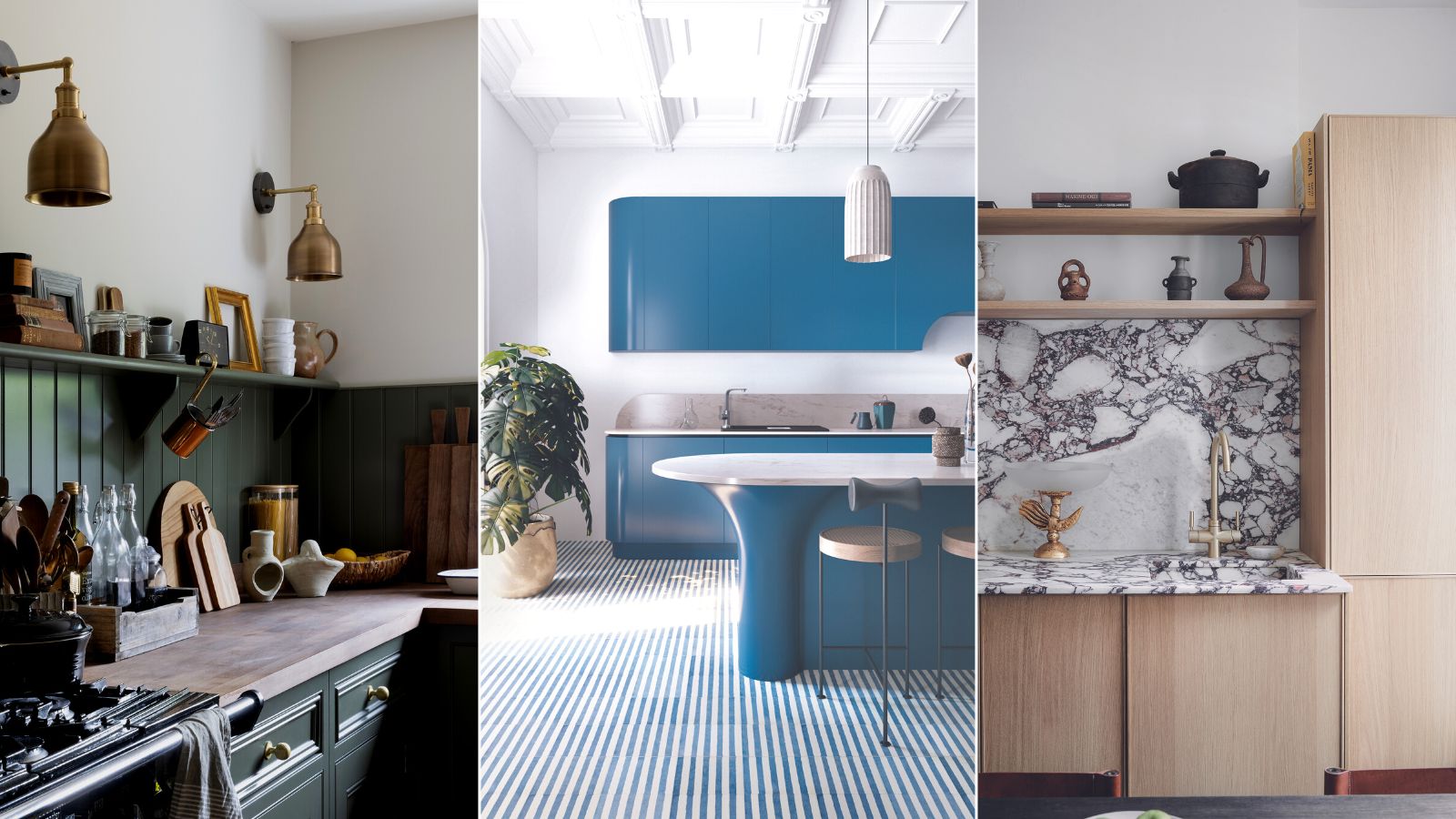
9 sustainable features you should consider for your eco-friendly remodel
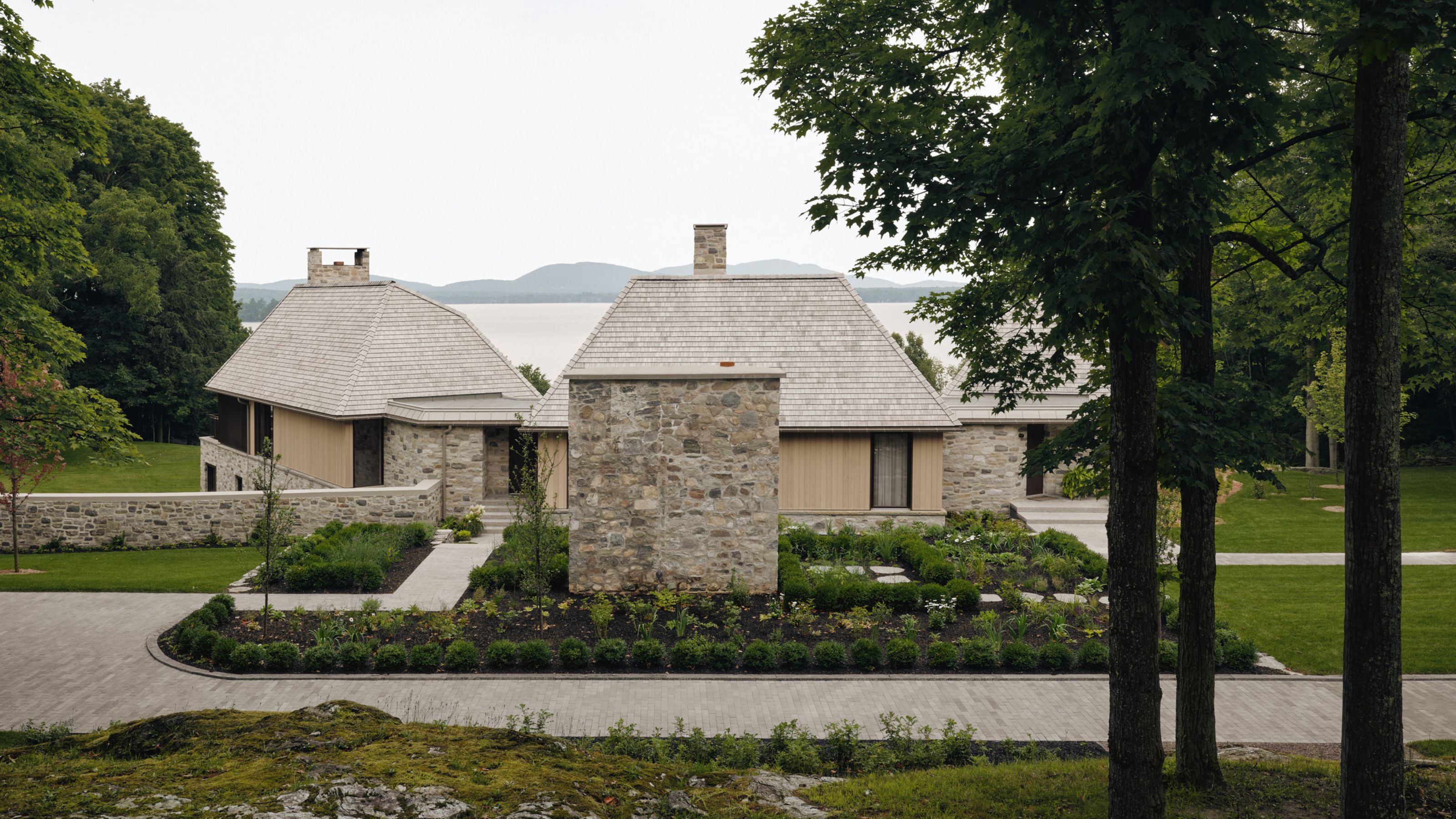
10 Sustainable Homes That Prove Interior Design Can Be Just as Easy on the Eye as It Is on the Earth

8 Sustainable Home Improvements You Can Make In 2025