Eco-Friendly Properties: A Guide To Sustainable Flooring For A Greener Future
The demand for eco-friendly properties is increasing among consumers, businesses, and investors, who are willing to pay more for sustainable features. This trend is driving builders and developers to adopt sustainable materials and construction methods, including innovative insulation and the use of recycled materials like concrete, glass, and steel. Flooring materials, a fundamental component of any building project, offer significant opportunities to enhance sustainability.
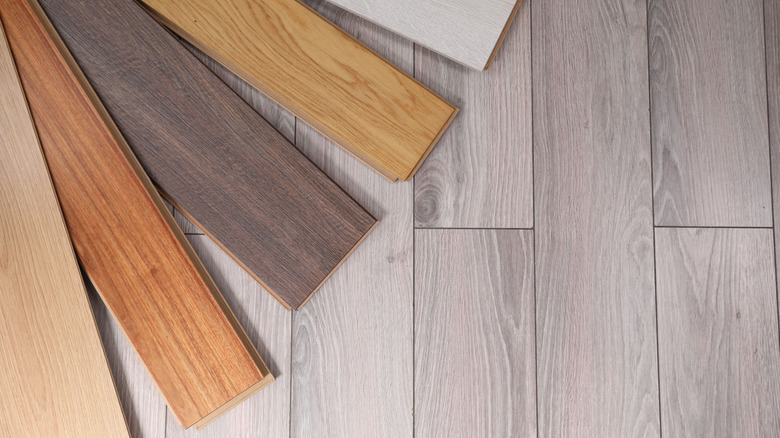
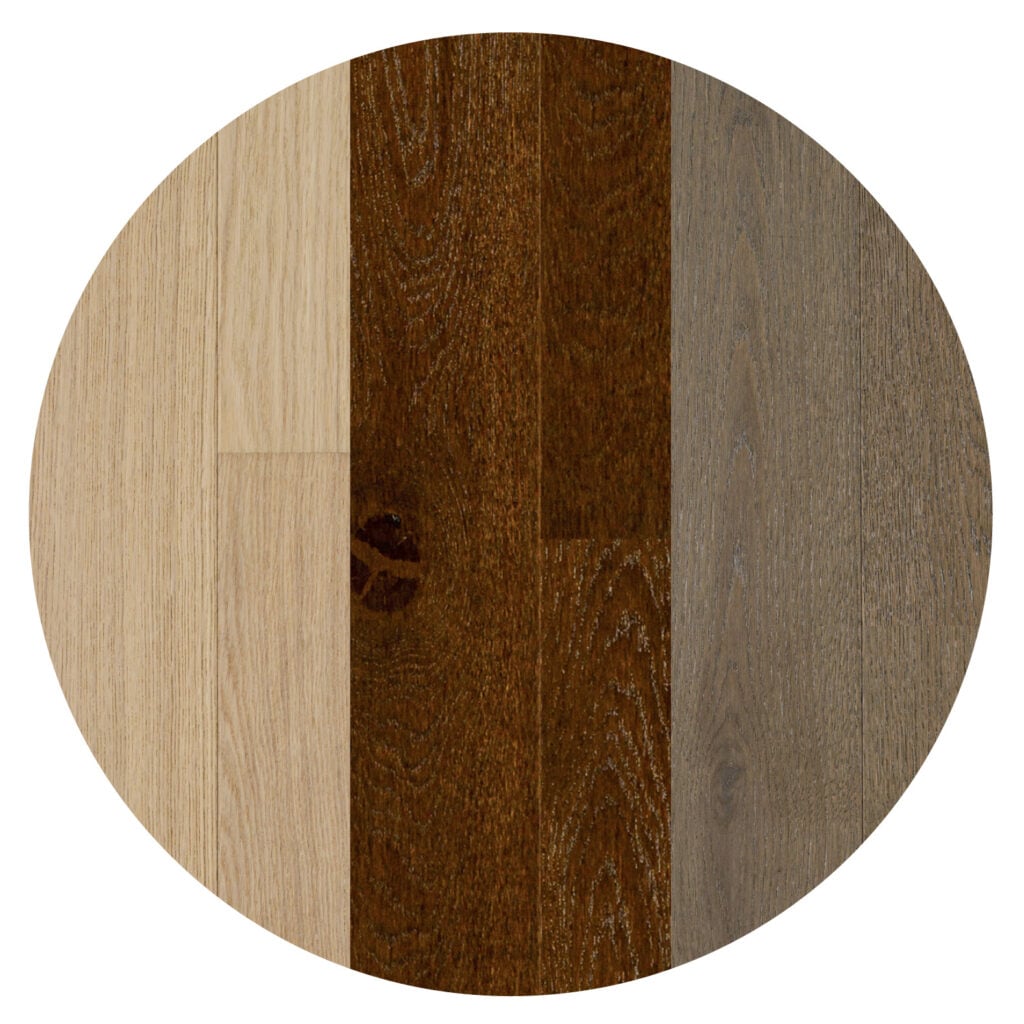
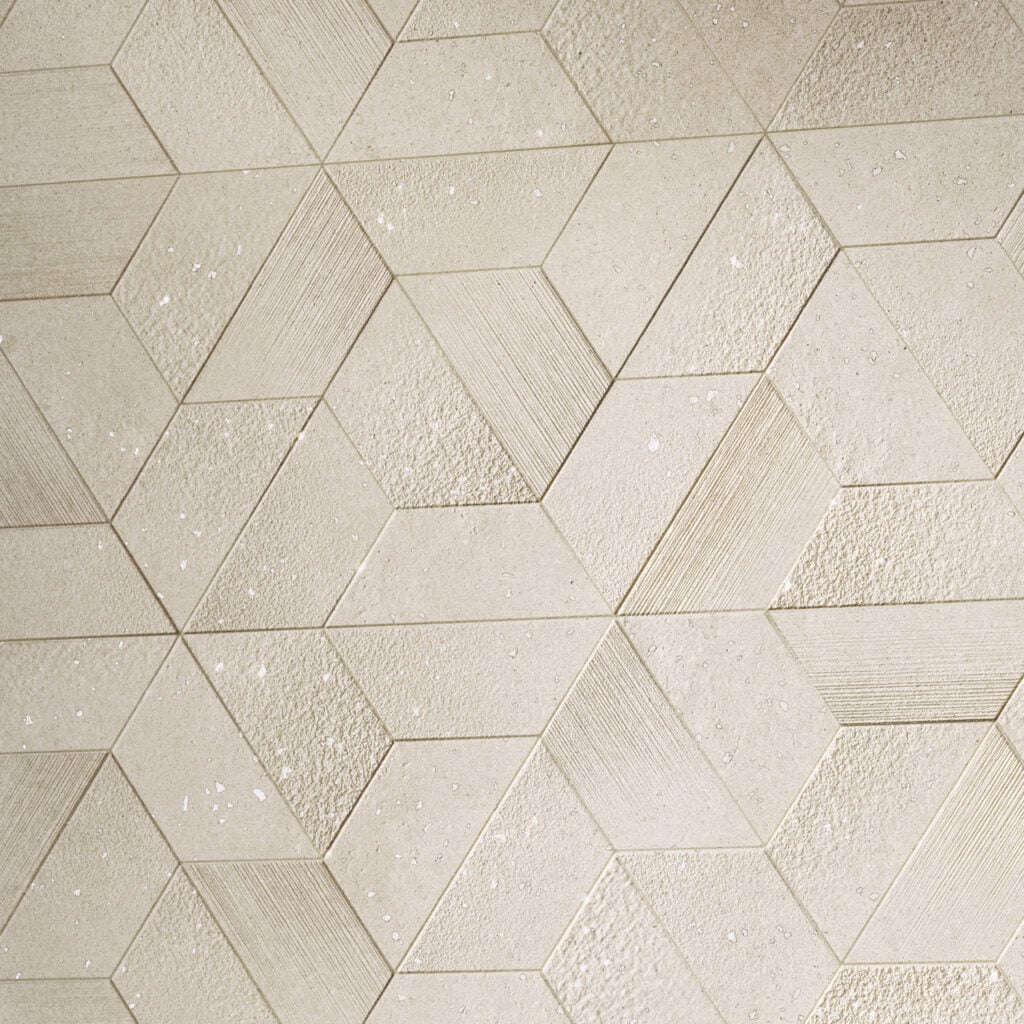
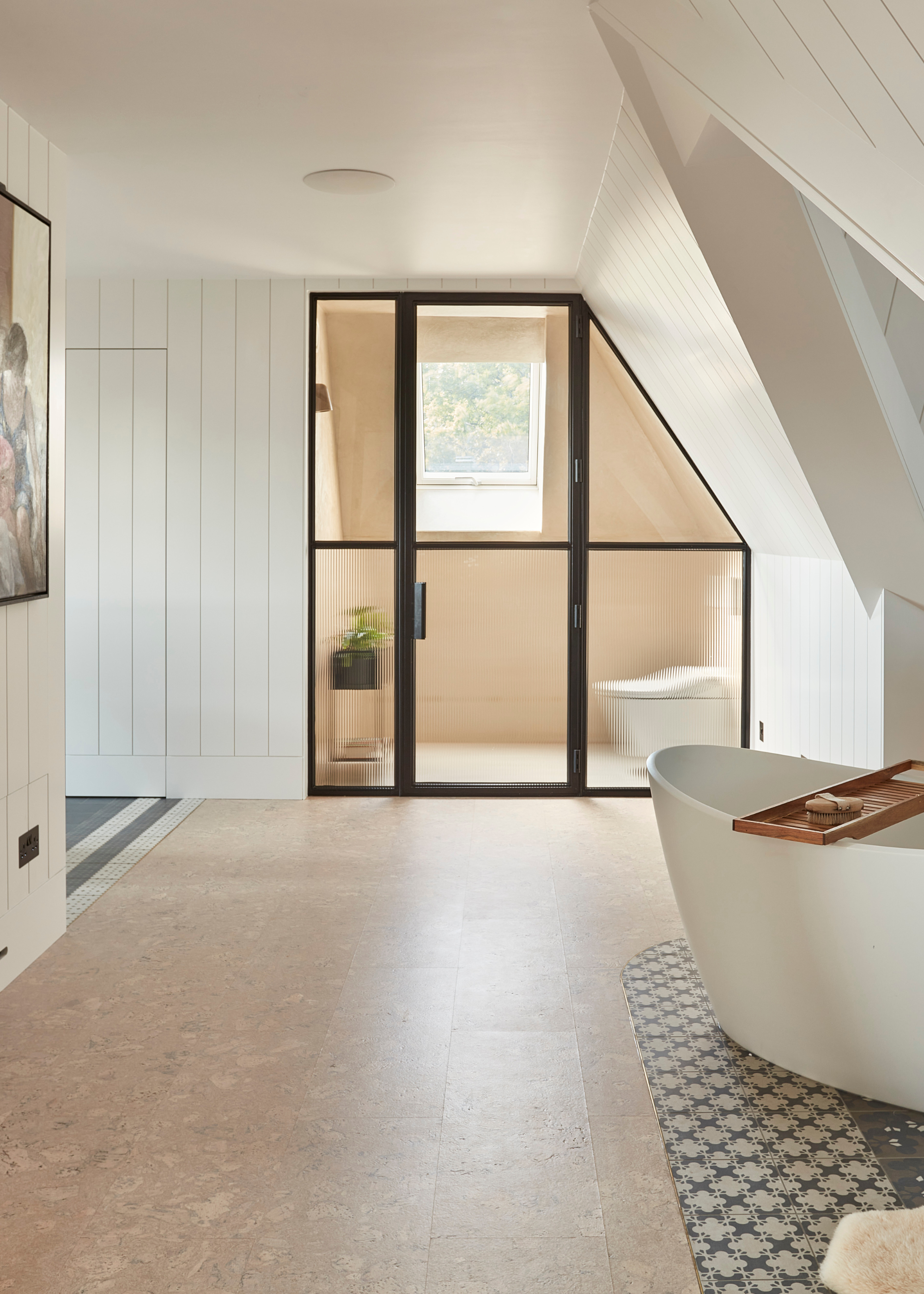
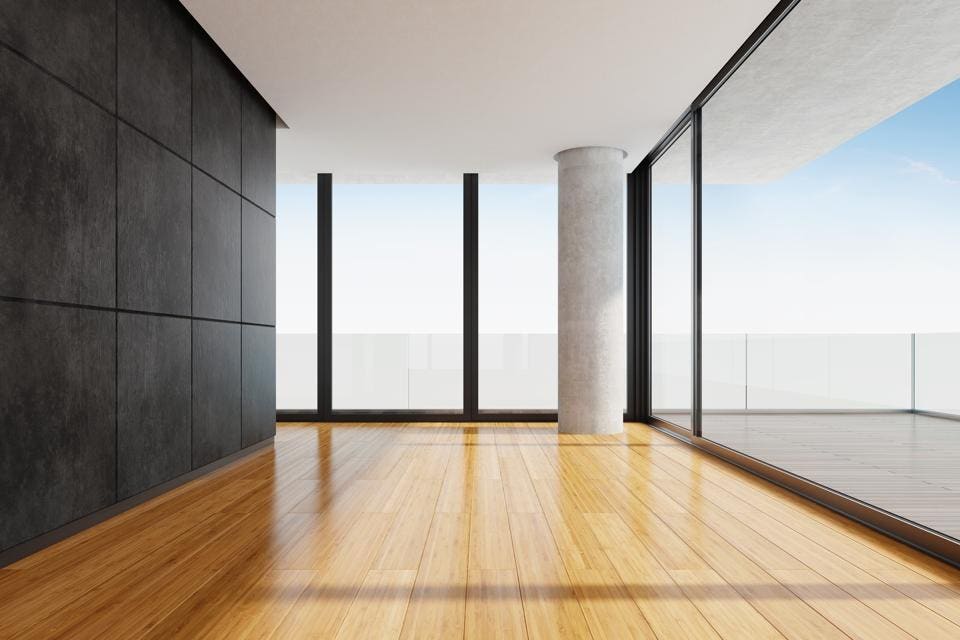
Sustainable flooring is characterized by several key features, beginning with the use of sustainable materials. For instance, bamboo is an eco-friendly alternative to traditional hardwood because it matures rapidly, unlike oak or tropical hardwoods that take decades to grow. Products certified by the Forest Stewardship Council (FSC) guarantee that raw materials originate from responsibly managed forests. Additionally, advancements like stone plastic composites provide the aesthetic appeal of wood without requiring logging, thereby preserving natural environments. These materials contribute to a circular economy model, where materials are reused rather than disposed of, minimizing environmental impact.
Durability is another crucial aspect of sustainable flooring. Extending the lifespan of flooring products significantly reduces waste and the need for new production, which conserves energy and other resources. Recent innovations have led to water-resistant flooring, often by removing wood components and incorporating moisture barriers. Such products are resilient against water damage, mold, and mildew, which can compromise flooring in humid conditions.
Addressing volatile organic compounds (VOCs) is also essential for sustainability. VOCs are chemicals that evaporate at room temperature and can degrade indoor air quality, posing health risks from mild irritation to severe conditions like kidney damage, with some, such as benzene and formaldehyde, being carcinogenic. Flooring manufacturers are mitigating this by using water-based finishes and reducing VOCs in adhesives for engineered flooring. Utilizing naturally sustainable materials like bamboo and cork also helps decrease the release of VOCs into the atmosphere.
The benefits of sustainable flooring extend beyond environmental protection. Enhanced durability translates into lower maintenance and replacement costs over time, offering long-term savings despite potentially higher upfront investments. Some sustainable options, such as linoleum made from renewable, flame-retardant materials, also improve safety by offering natural fire resistance, reducing the need for chemical fire-proofing treatments that can increase VOC presence. Furthermore, integrating eco-friendly building products can boost a property’s overall market value.
However, implementing sustainable flooring presents challenges, including higher initial costs and potentially limited options due to the ethical sourcing and manufacturing processes involved. For example, not all bamboo flooring is genuinely sustainable, and improper harvesting or lack of moisture testing can lead to quality issues during installation. Professionals must thoroughly vet the sourcing and production of materials to ensure they meet industry standards. Installation methods also require consideration; for instance, tacking down eco-friendly carpets instead of gluing them avoids hazardous pollutants, though it necessitates proper maintenance to prevent future damage.
When selecting sustainable flooring, professionals should consider factors beyond eco-friendliness, such as proper installation and maintenance. In humid environments, sustainable linoleum may be more suitable than hardwood or recycled carpet to prevent water damage. The complexity of installation is another factor, as materials like rubber or concrete flooring can be more challenging to install than vinyl, potentially leading to costly reinstallation if done incorrectly. For busy office environments, the potential disruption during installation and its impact on worker productivity must also be weighed. Ultimately, sustainable flooring is a vital component of the green building movement, significantly reducing the environmental footprint of construction by minimizing reliance on nonrenewable resources and waste generation.
#SustainableFlooring #EcoFriendlyProperties #GreenBuilding #VOCReduction #DurableMaterials #EnvironmentalImpact #BuildingMaterials #RealEstateSustainability #ConstructionInnovation #SustainableFlooring #EcoFriendlyProperties #GreenBuilding #VOCReduction #DurableMaterials #EnvironmentalImpact #BuildingMaterials #RealEstateSustainability #ConstructionInnovation
0 comment in total
 No comments yet
You may also like
Eco-friendly flooring – everything you need to know about sustainable floors
Luxury living goes green: Eco-friendly homes are now the latest trend in sustainable living

10 ways to make your home more sustainable
Eco-friendly materials: the future of residential and commercial construction
It Starts From the Ground Up — 9 of the Most Eco-Friendly Flooring Options That Still Have Plenty of Style

11 Eco-Friendly Houses That Will Inspire You to Live Greener


Affordable housing and environmental sustainability: Building a greener future

7 breathtaking sustainable homes around the world

Here Are 37 Ways to Make Your Home More Earth-Friendly
These Sustainable Flooring Trends Will Be Everywhere In 2025

9 sustainable features you should consider for your eco-friendly remodel
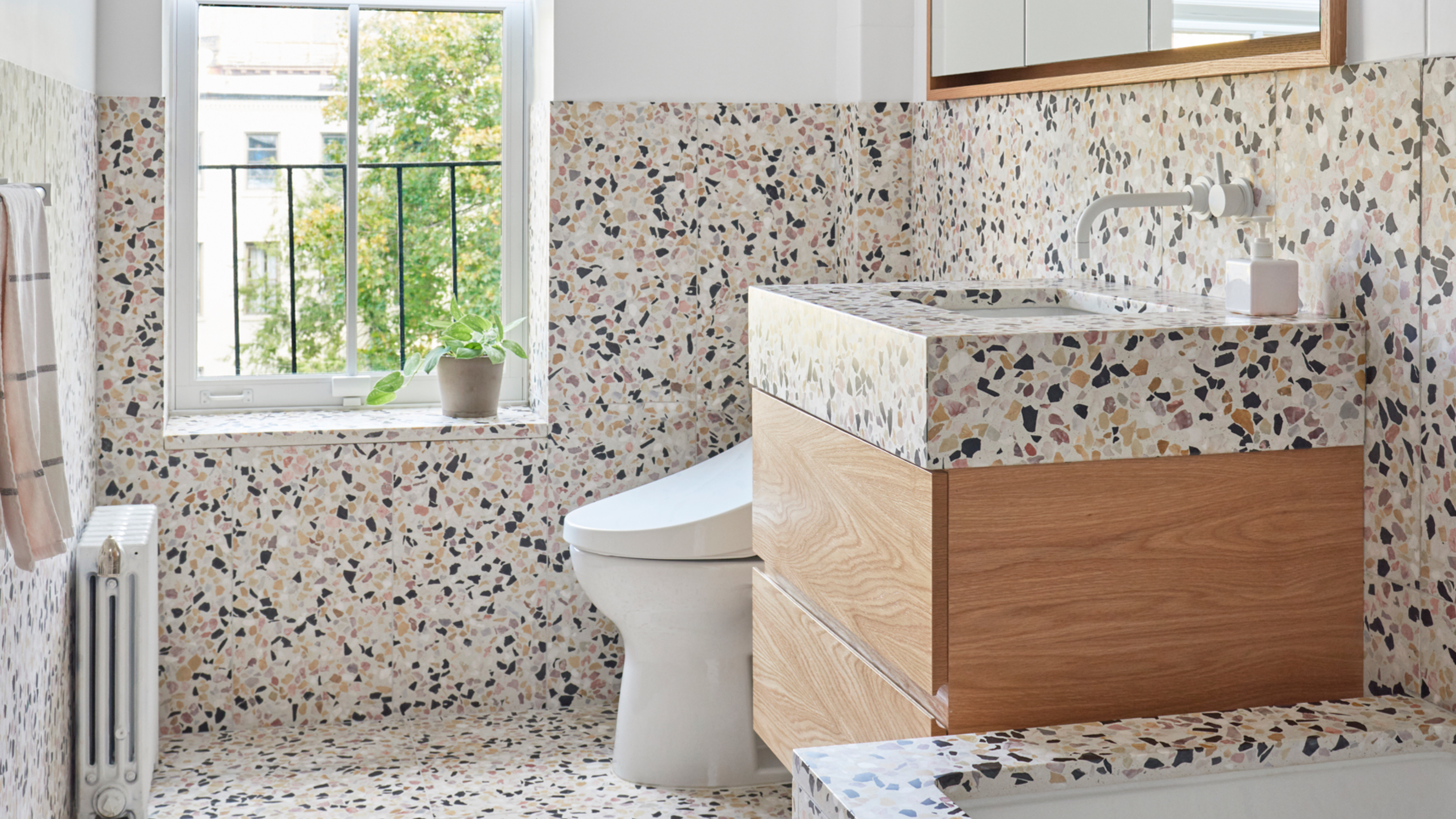
7 Sustainable Flooring Options Bathroom Designers Are Choosing to Make Their Projects More Eco-Friendly
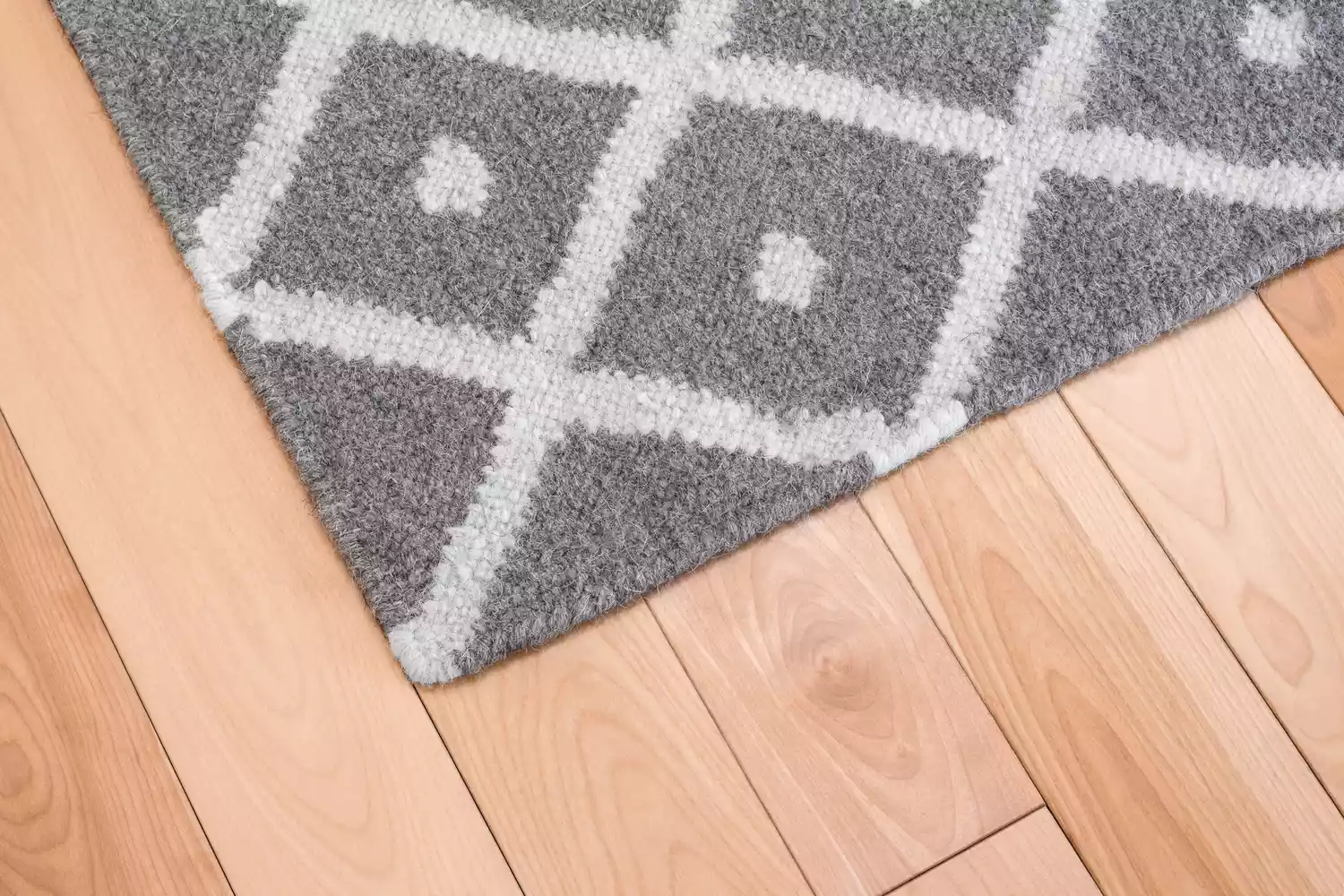
Cost-Effective Green Flooring Options

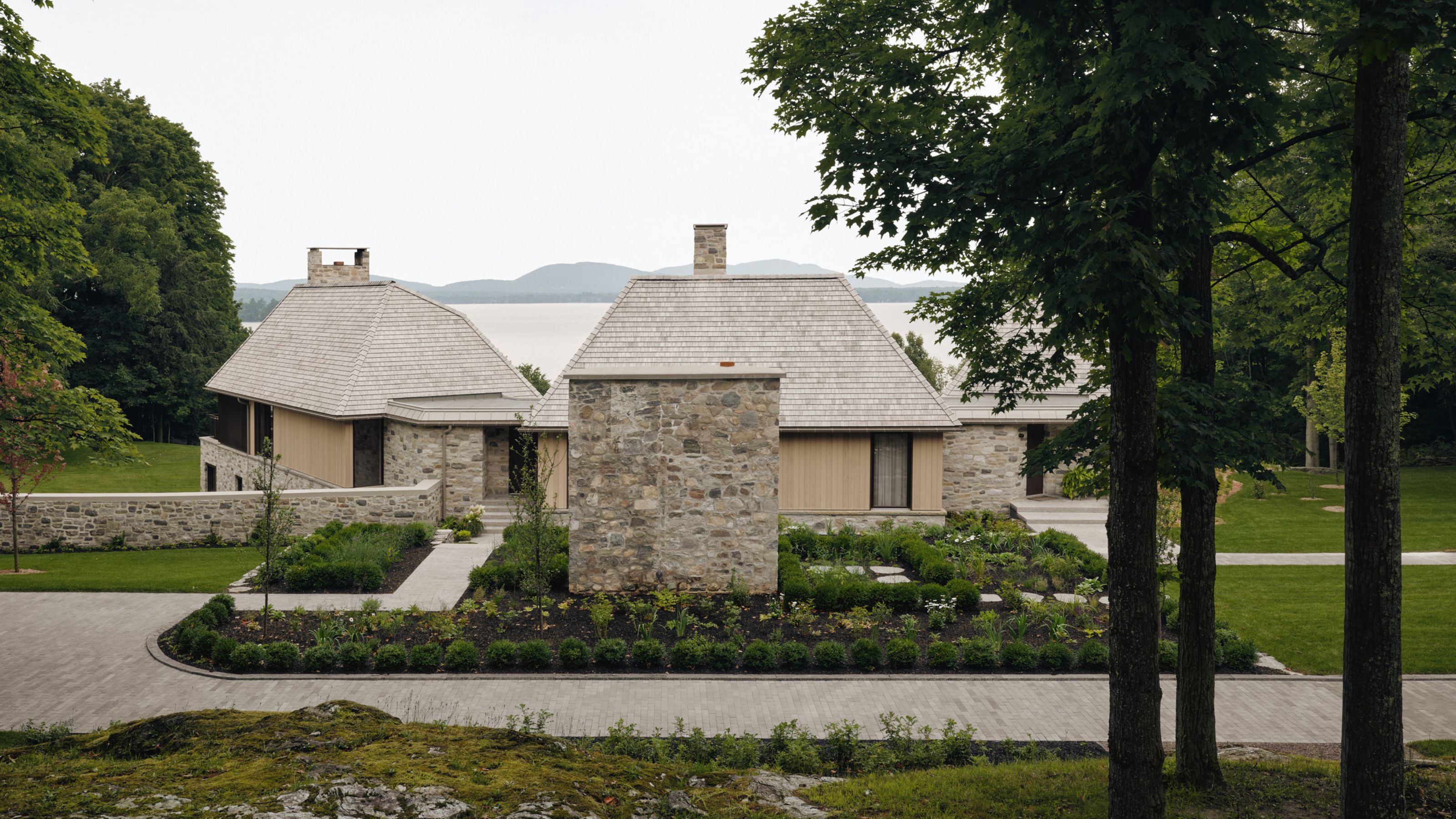
10 Sustainable Homes That Prove Interior Design Can Be Just as Easy on the Eye as It Is on the Earth
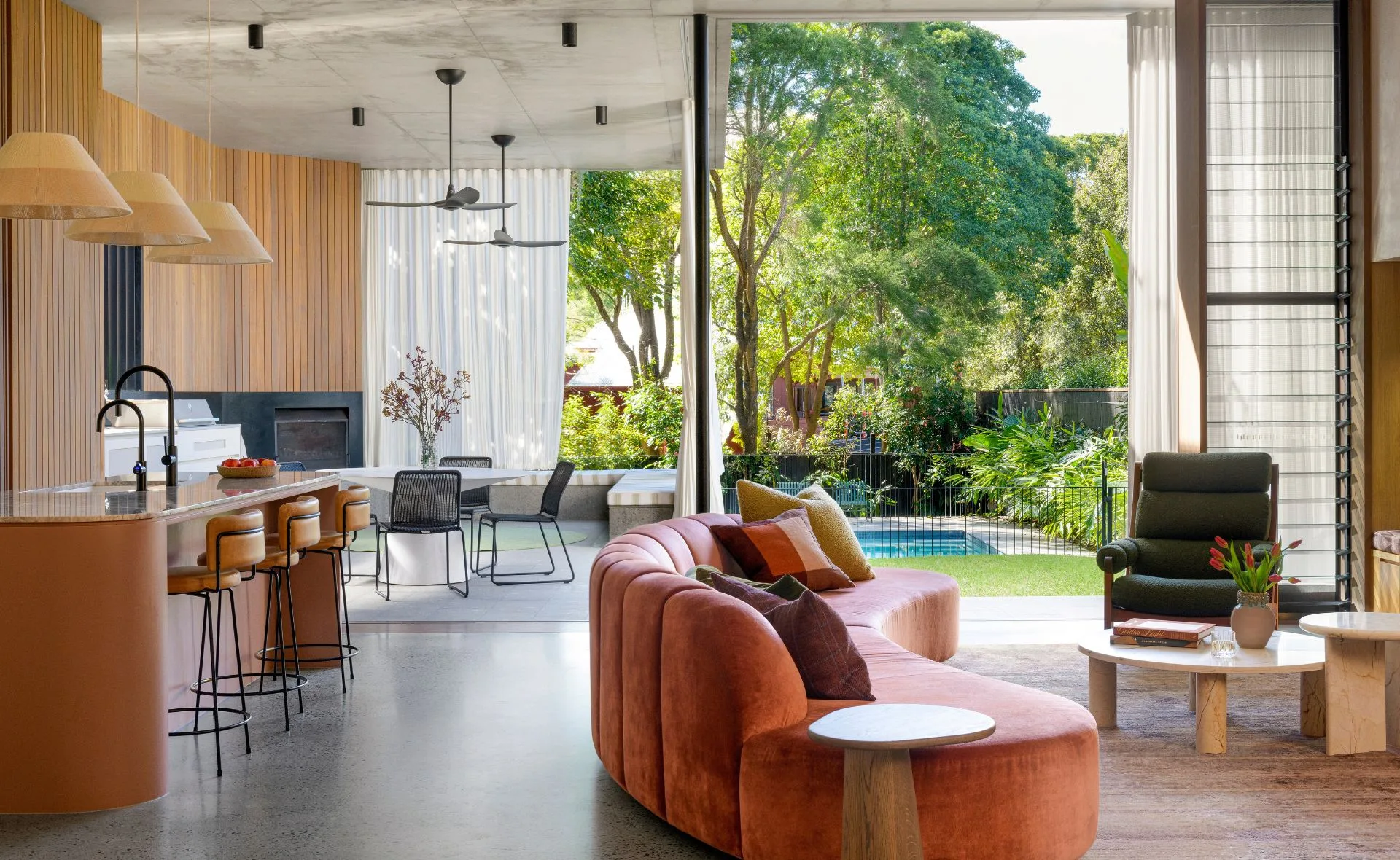
5 sustainable home solutions that won’t cramp your style

Sustainable Homes
Future of Flooring: Home Pros Talk Through the Latest and Greatest Flooring Trends

7 sustainable homes with style
10 Flooring Products that Look Good and Work Hard


How to Renovate with Sustainability in Mind