1/18
Eco-friendly organizing tips for a more sustainable home
This article provides 35 expert-approved home organizing ideas designed to enhance daily life by reducing clutter and improving efficiency. Effective home organization goes beyond aesthetics, offering mental and physical health benefits such as stress reduction, increased confidence, and simplified cleaning routines. The first step involves creating a detailed plan, prioritizing areas to tackle to avoid feeling overwhelmed. This systematic approach ensures that efforts are focused and manageable, leading to a satisfying sense of accomplishment as tasks are completed.
Before organizing, decluttering is essential to avoid arranging items that will ultimately be discarded. This pre-organization purge helps save money on unnecessary storage solutions and ensures that only valuable items are retained. The article recommends focusing on one room or area at a time to make the process less daunting. While some people benefit from the “chaos method” of pulling everything out, it is crucial to recognize individual preferences to prevent discouragement. Grouping similar items together, such as coffee mugs with a coffee maker, is a fundamental principle for creating efficient and intuitive storage systems. This not only prevents misplacement but also helps avoid costly duplicate purchases.
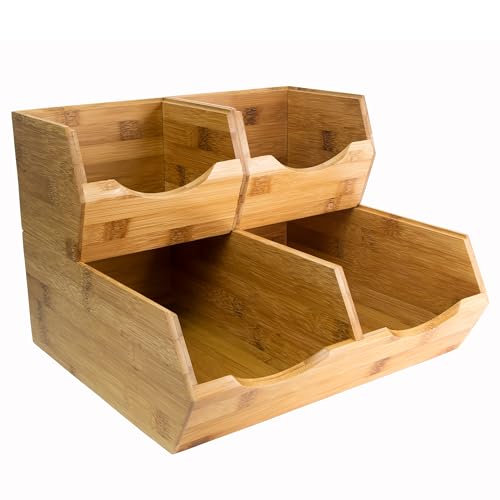
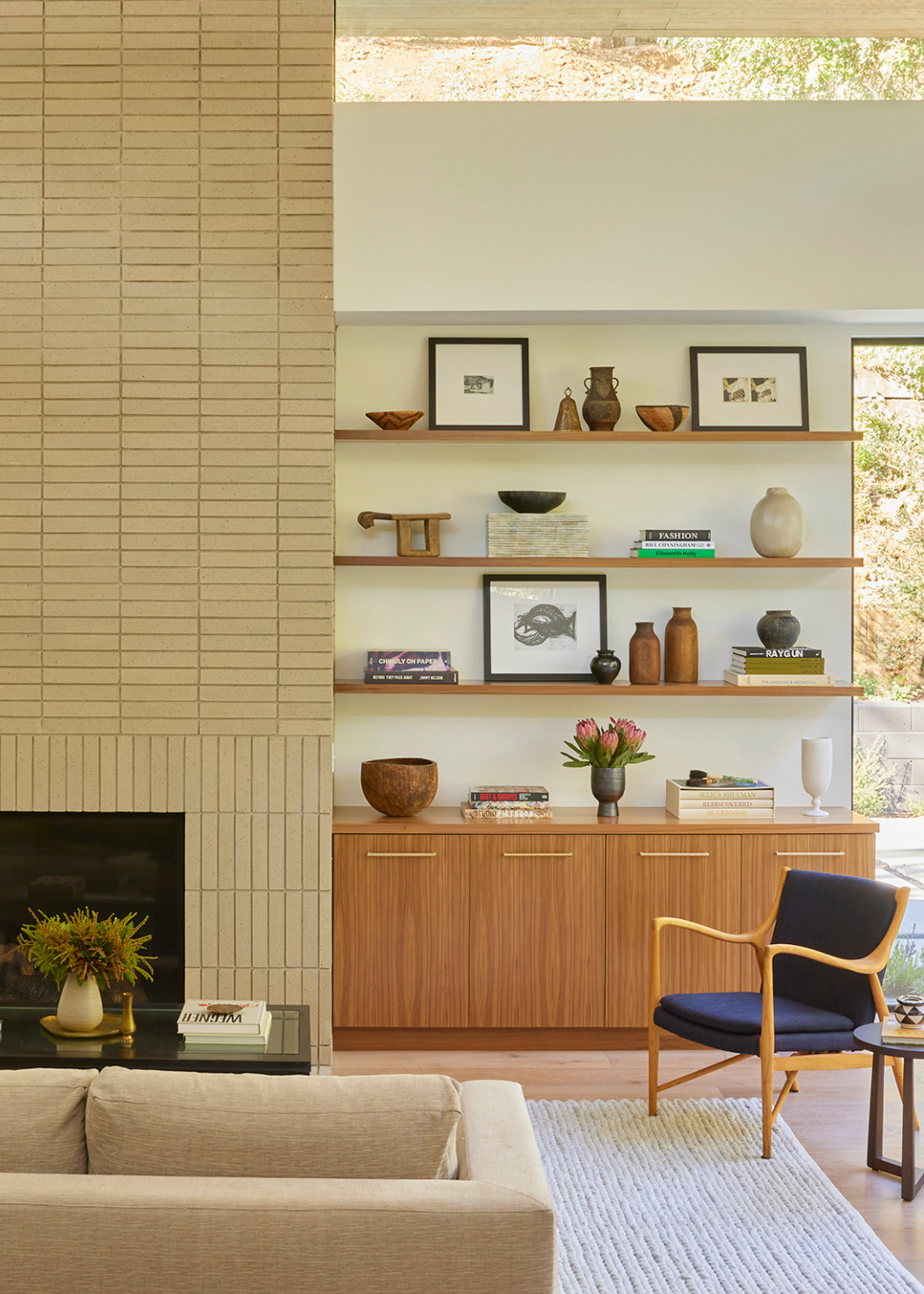
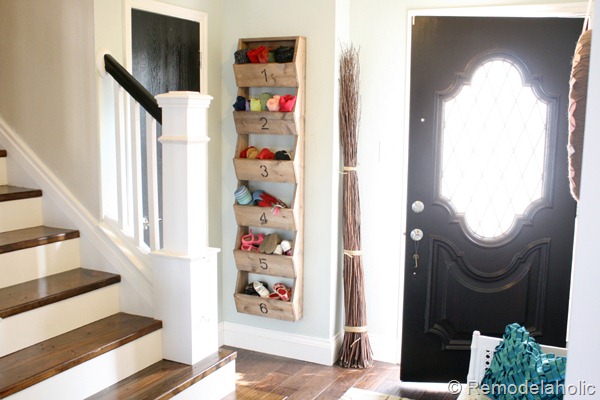
Sustainable organizing systems are highlighted as a key characteristic of well-organized homes. These systems involve designating specific homes for all belongings, like a spot for keys near the door or a common location for sunscreen. Such routines cater to the collective needs of a household, promoting order and ease of access. "Drop zones" are also crucial; these are designated areas where items can temporarily land before being properly stored, preventing clutter from accumulating in high-traffic areas. Maximizing storage space, especially in smaller homes, involves creative solutions like utilizing dead spaces under furniture for items not frequently accessed. Measuring organizers before purchasing ensures a snug fit, optimizing every available inch without creating wasted space. Dividers for drawers and cabinets are invaluable for maintaining order within enclosed spaces, preventing items from becoming a disordered jumble.
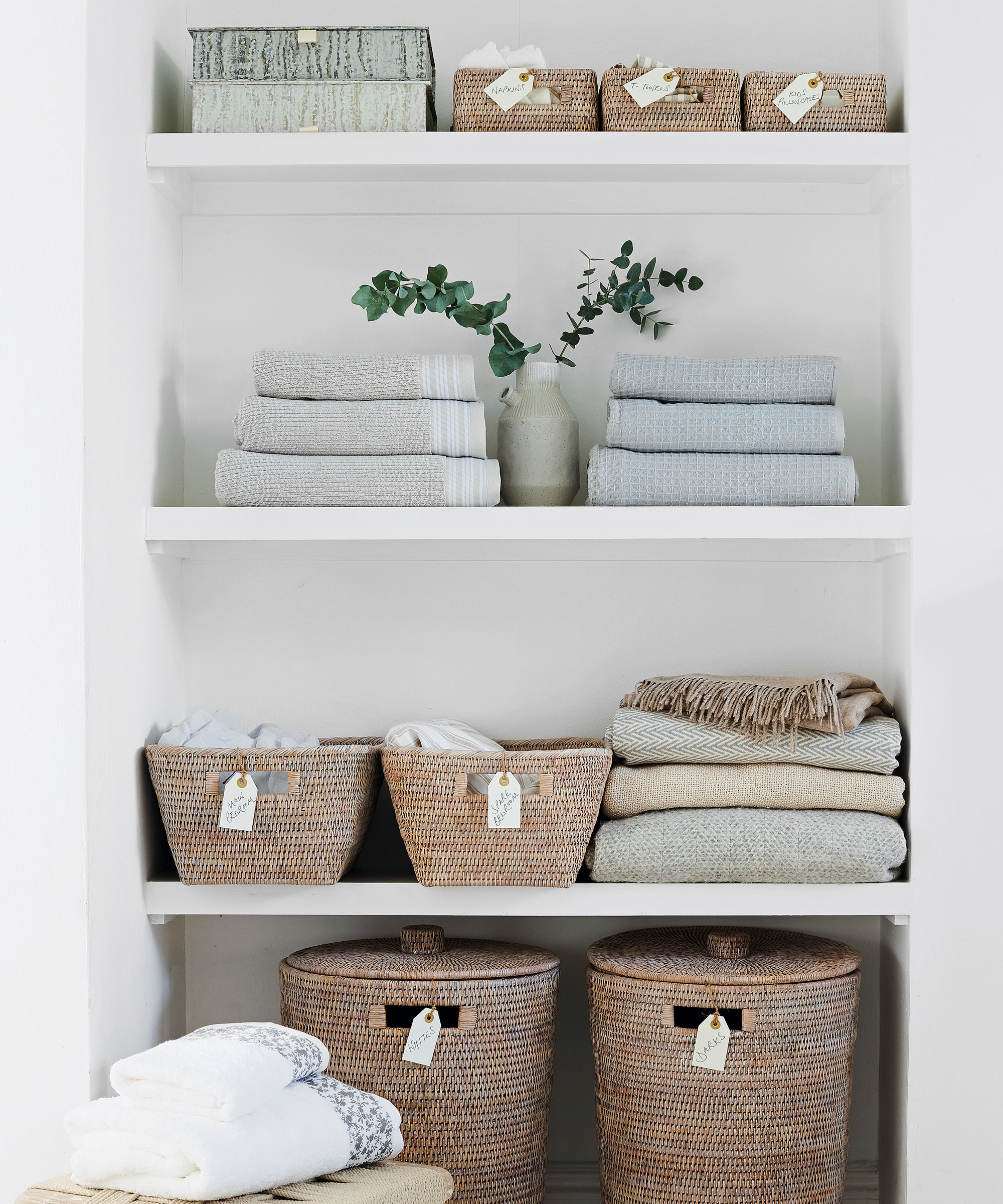
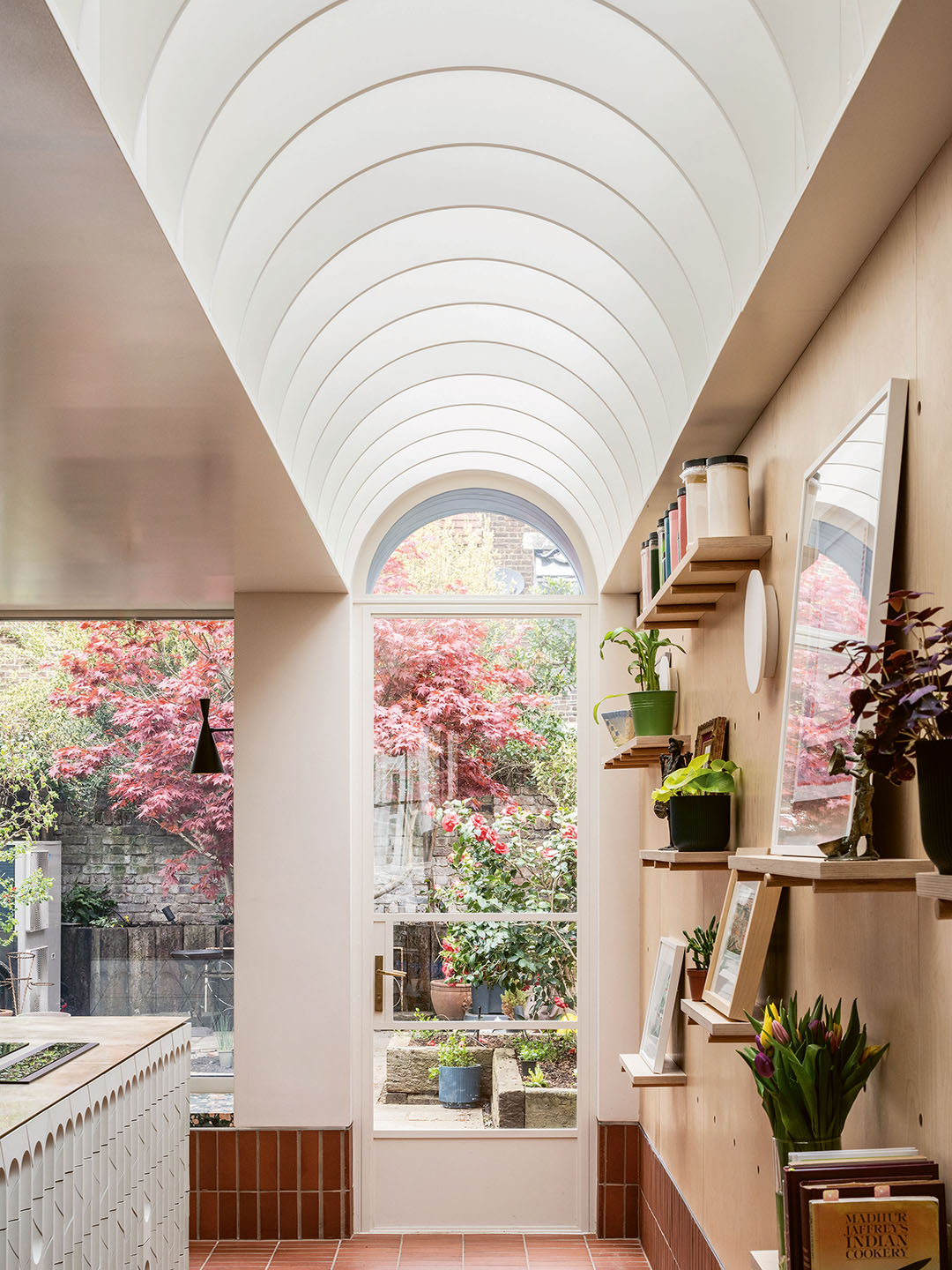
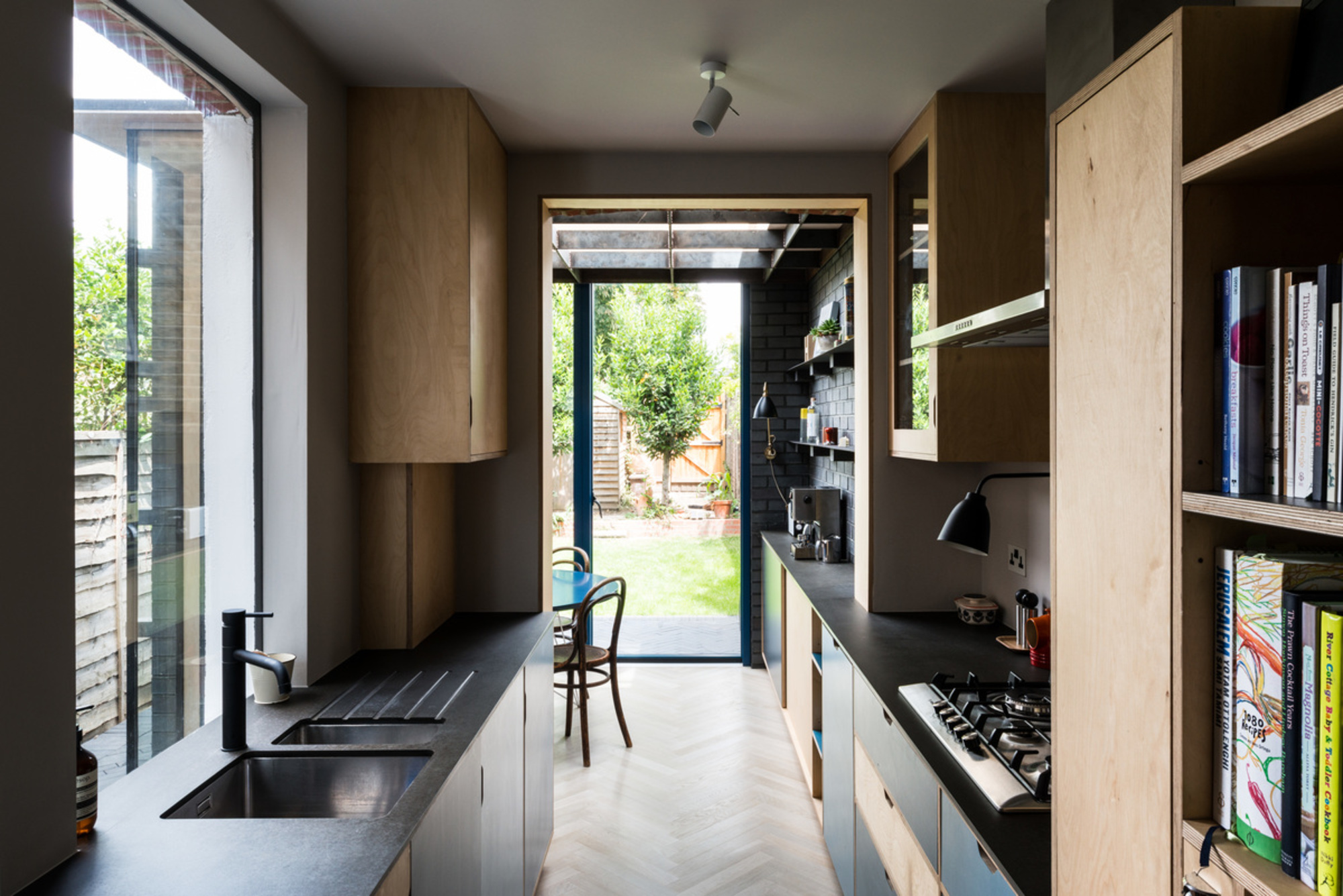
Transparent storage bins are recommended for enclosed areas, allowing for quick visual identification of contents and preventing items from being forgotten. Efficient labeling is another golden rule, particularly for opaque containers, to clearly identify contents and avoid unnecessary searching. Maintaining uniformity in organizers across the home can simplify the organization process for all family members. For personalized and highly efficient storage, bespoke joinery with specialized inserts is suggested, catering to unique needs like organizing spices or handbags. Embracing a minimalist mindset, which involves questioning the necessity of each item and adopting a "one-in, one-out" rule, is presented as an effective way to prevent clutter buildup. This approach encourages a slower, more purposeful consumerism.
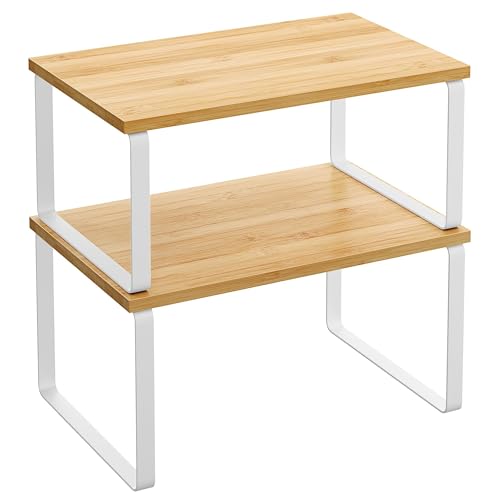
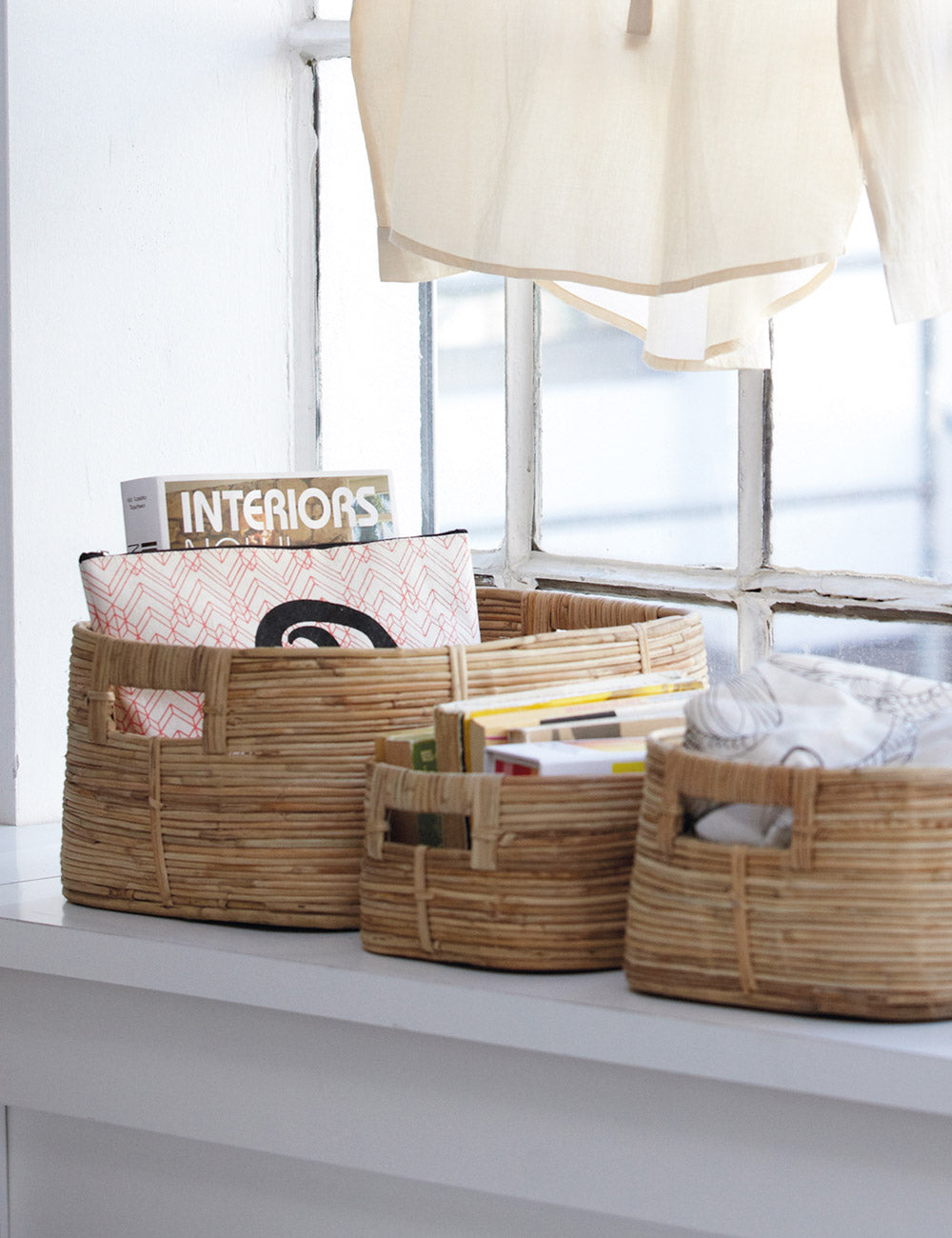
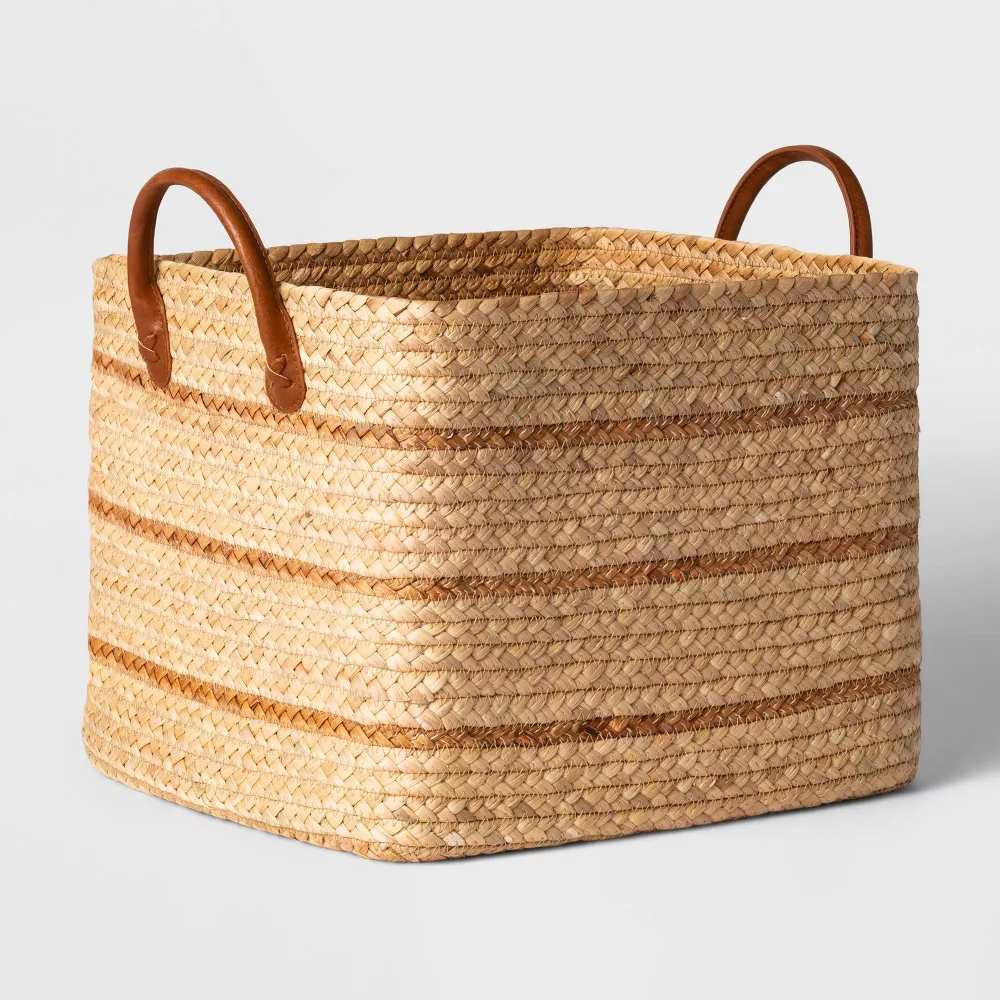
Keeping work surfaces clear, especially in the kitchen, enhances functionality and makes cleaning easier. Minimizing visual clutter by storing everyday essentials behind closed doors or in baskets helps reduce psychological stress. A "clear floor policy," where the floor is not used for storage, significantly improves tidiness. Space-saving solutions like vacuum storage bags for seasonal items minimize the organizational footprint. Monthly organization of clothes is crucial due to the constant flux of garments, ensuring closets remain functional. The “file folding” method is recommended for visibility and neatness in drawers and shelves. Prioritizing function over aesthetics is paramount; an organizing system must be practical to be sustainable. Maximizing vertical space with shelving, hooks, and stackable storage units helps reclaim floor space. Utilizing the backs of doors for accessories or pantry goods also offers hidden storage potential. Multifunctional furniture, such as storage ottomans, provides dual benefits, serving as both utility and aesthetic pieces.
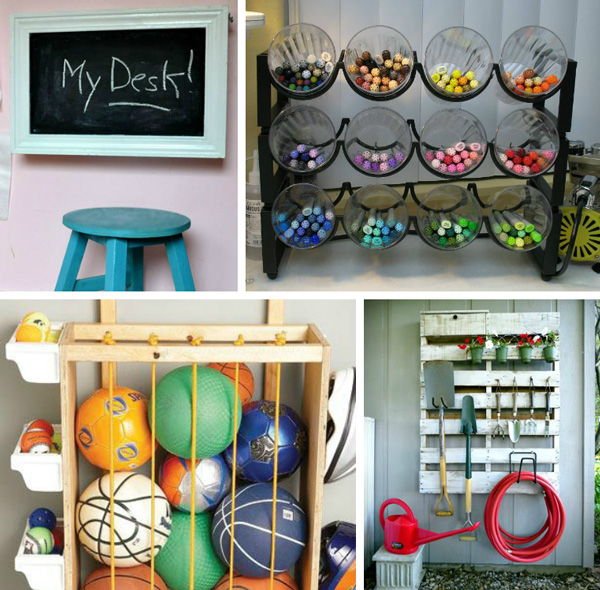
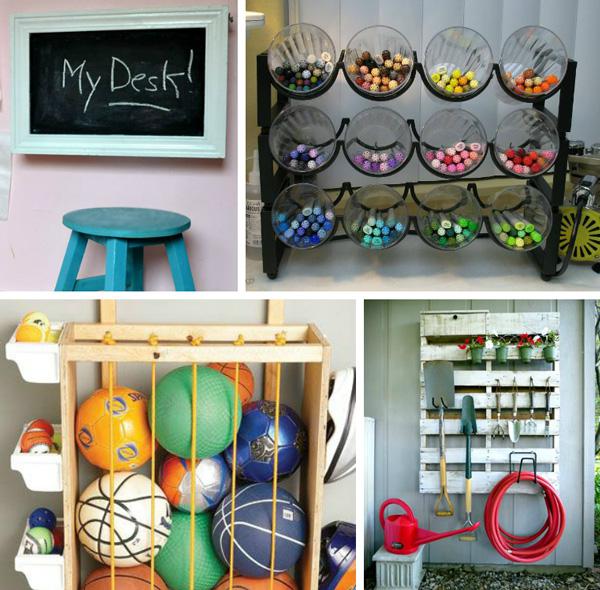
Avoiding a "junk drawer" by categorizing and maintaining essential items within organizers prevents chaotic accumulation. Minimizing piles, whether of laundry or mail, through designated drop zones and consistent routines, is a hallmark of organized homes. Upcycling and recycling materials for affordable and eco-friendly storage adds character while reducing waste. Making organizing accessible for children by providing open, labeled bins encourages participation in tidying. Mobile organization solutions, like rolling carts, accommodate changing routines and open-plan living. Digital decluttering, including monthly organization of documents and emails, safeguards important information. Finally, involving the entire family in chores and establishing daily "opening and closing shifts" for tidying are crucial for long-term home organization. These shifts, even if brief, prevent overwhelming clutter buildup and maintain a state of calm and order.
#HomeOrganization #DeclutteringTips #StorageSolutions #MinimalistLiving #FamilyChoreManagement #SustainableSystems #ProductivityBoost #InteriorDesign #SpaceOptimization #HomeOrganization #DeclutteringTips #StorageSolutions #MinimalistLiving #FamilyChoreManagement #SustainableSystems #ProductivityBoost #InteriorDesign #SpaceOptimization
0 comment in total
 No comments yet
You may also like

12 Ways To Create a More Sustainable Home

Sustainable Home Décor: Eco-Friendly Interior Design Trends to Watch

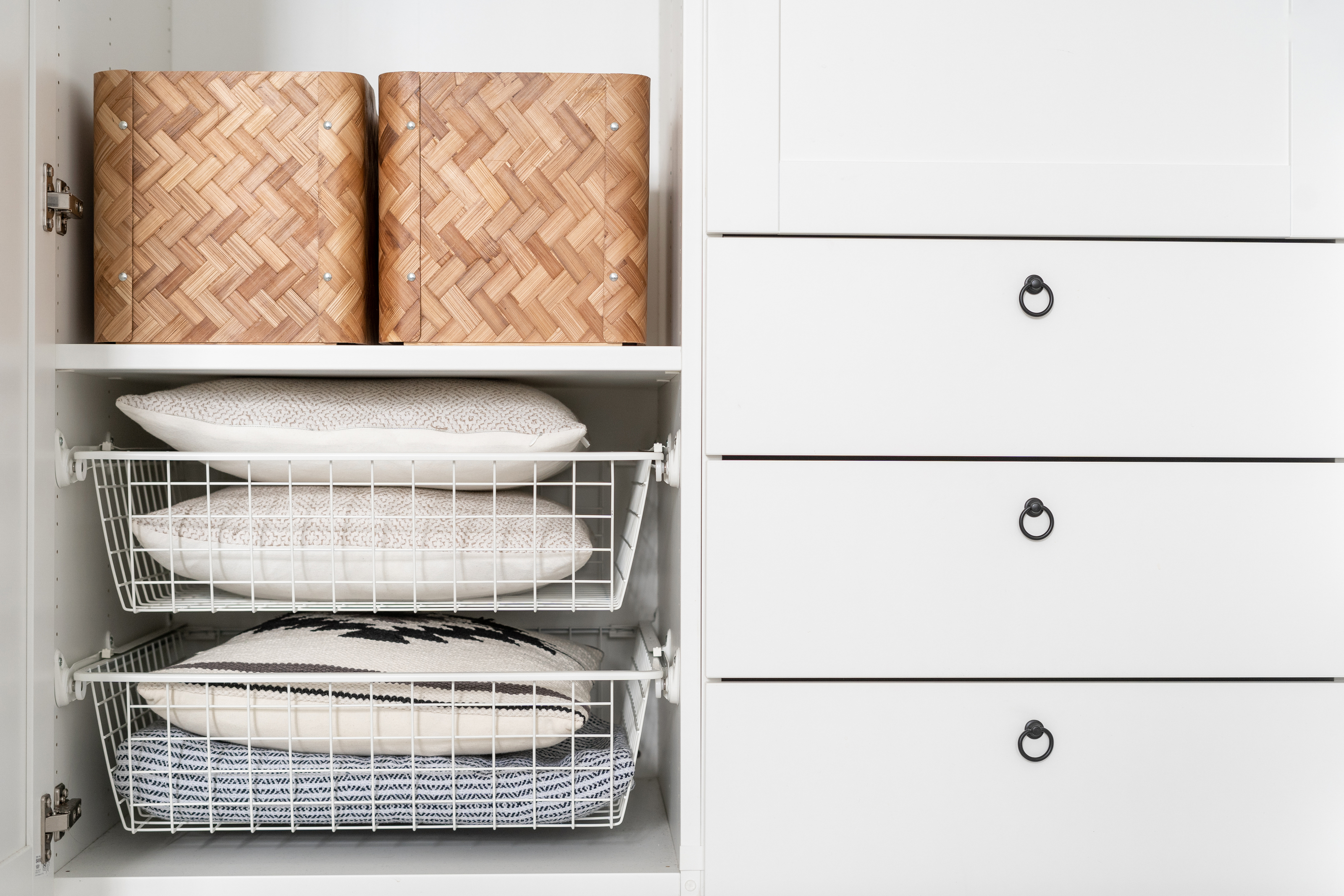
5 alternatives to plastic storage bins professional organizers recommend if you want a more eco-friendly home

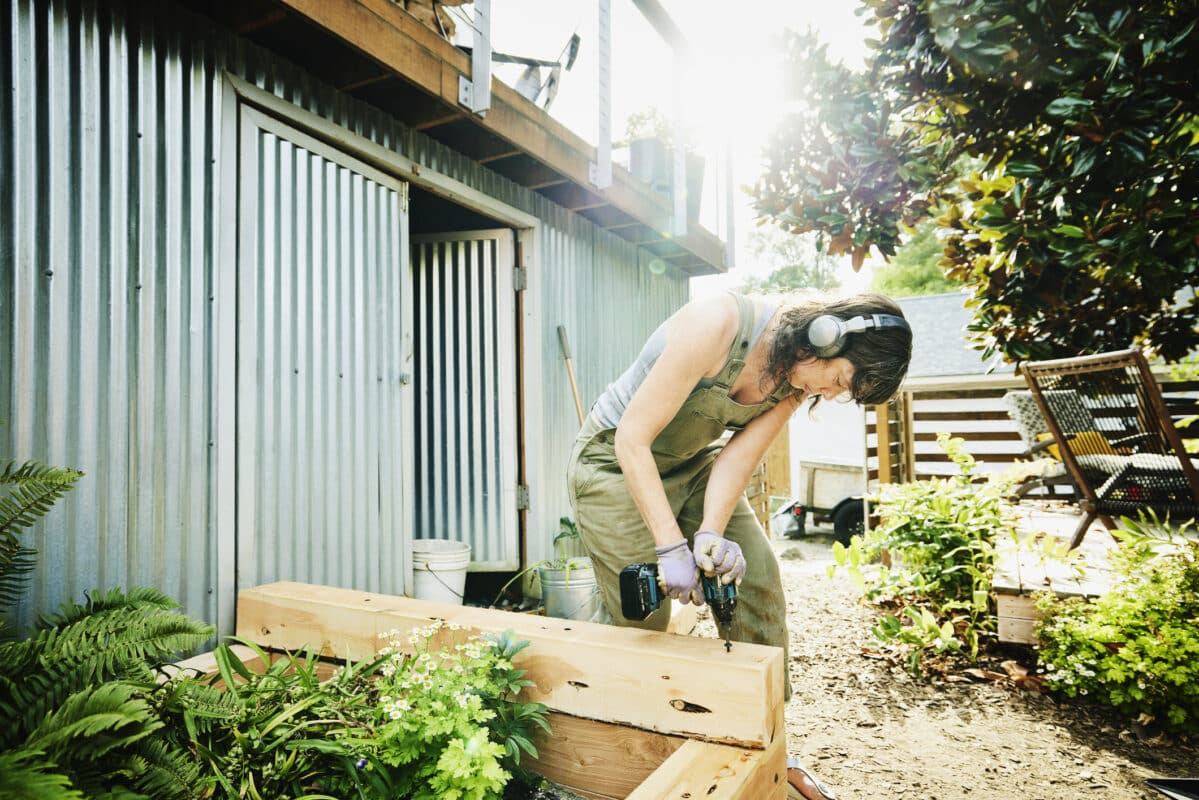
8 Sustainable Home Improvements You Can Make In 2025

Here Are 37 Ways to Make Your Home More Earth-Friendly

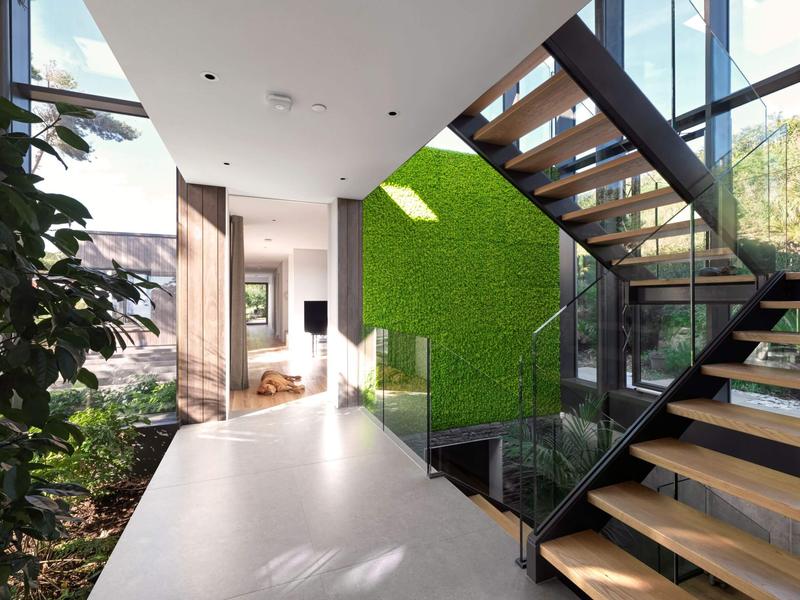
10 ways to make your home more sustainable
Timeless Eco-Friendly Home Decor for a Sustainable Living
Eco-Friendly Home Decor: Sustainable and Chic Ideas for 2023


6 Simple Principles To Consider For An Eco-Friendly Home

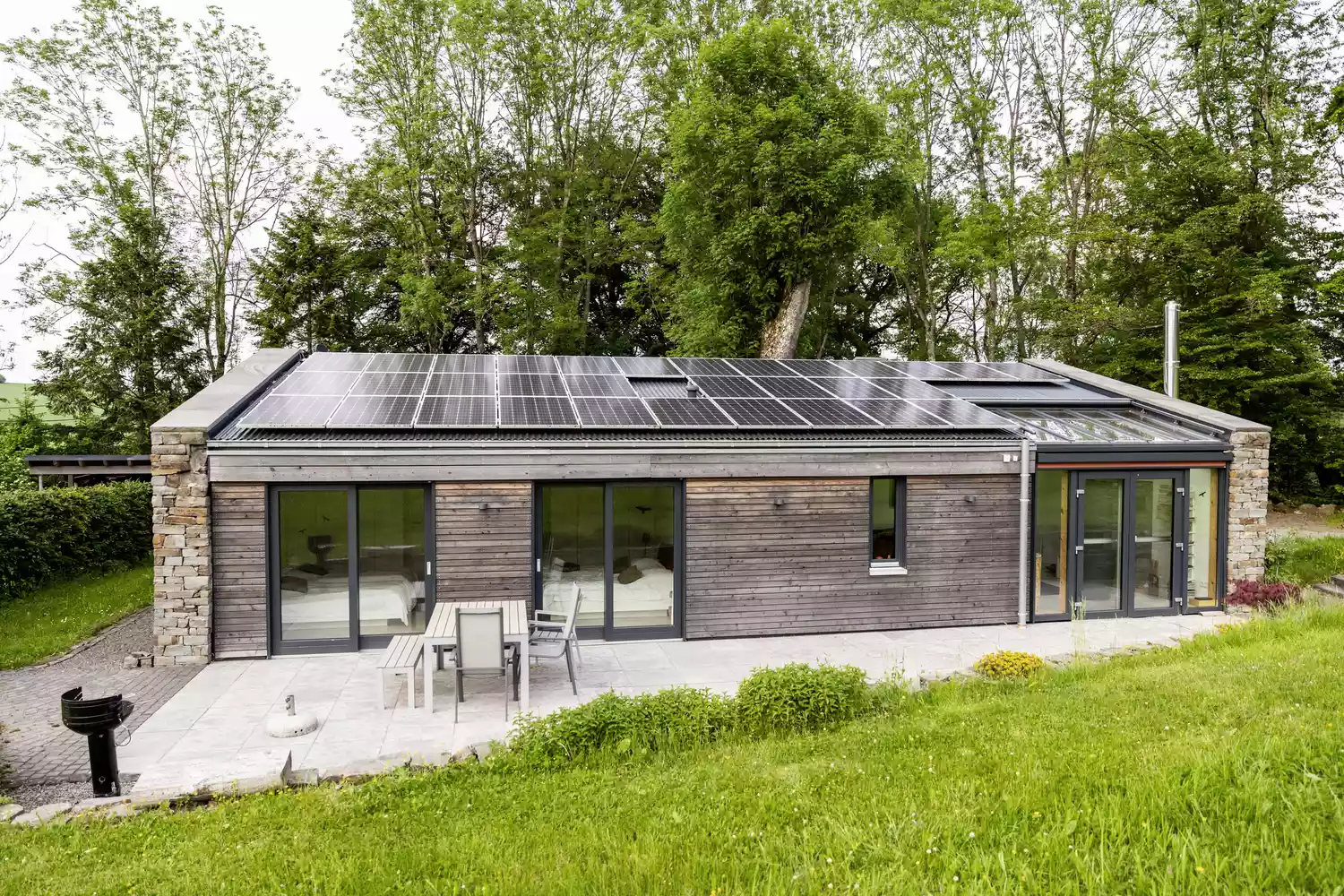
Want an Eco-Friendly Home? Everything You Should Know About Sustainable Architecture

I Wrote a Book About Sustainable Homes—These 8 Ideas Are Still Inspiring Me

15 Ridiculously simple life hacks to organize your home

Sustainable home decor: Eco-friendly interior design trends to watch

5 sustainable home solutions that won’t cramp your style


10 Sustainable Homes That Prove Interior Design Can Be Just as Easy on the Eye as It Is on the Earth
Luxury living goes green: Eco-friendly homes are now the latest trend in sustainable living

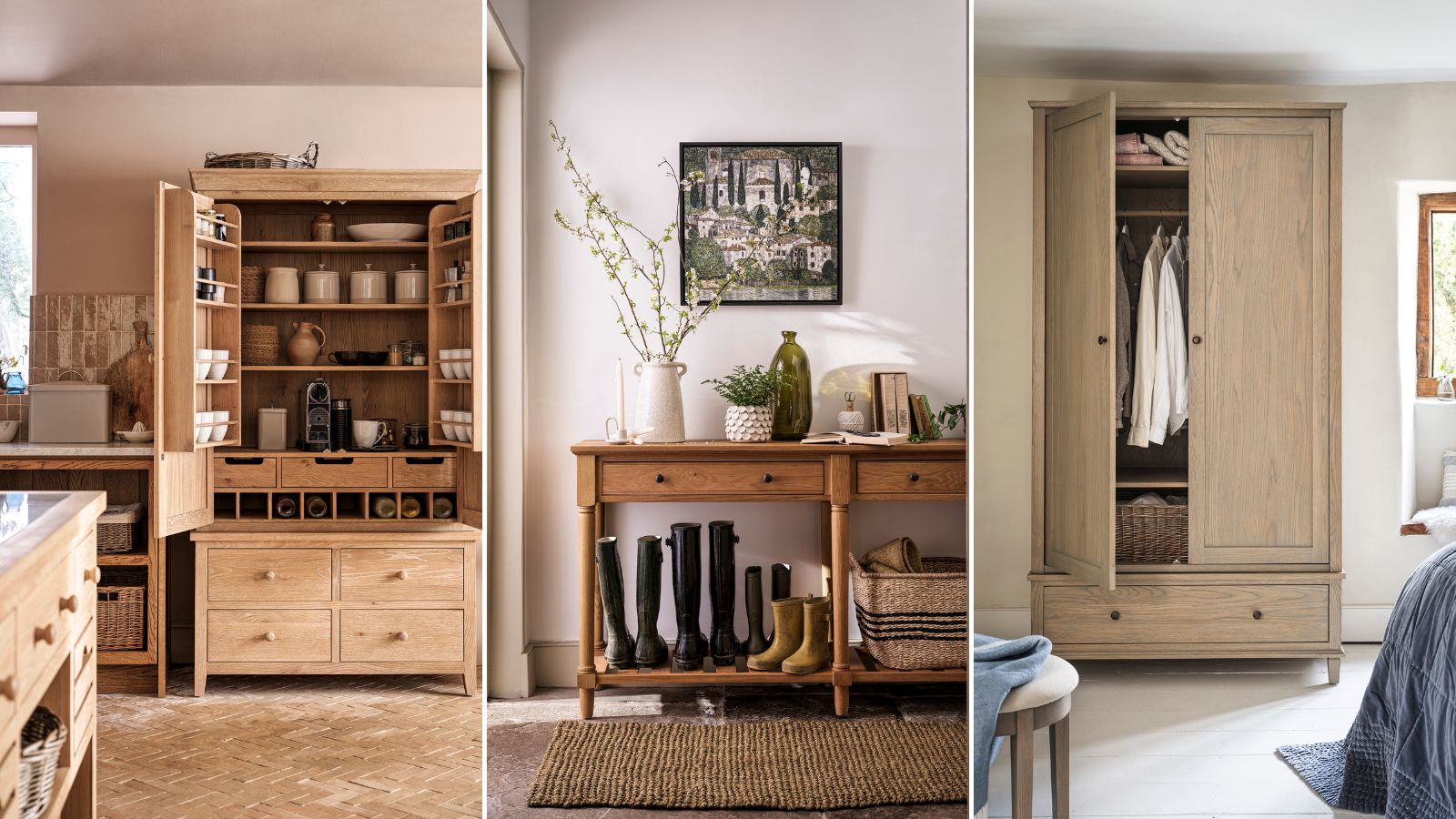
Organizing trends 2025: plus the ones we're leaving behind


Home Rescue's Dee Coleman on the six R's of sustainable interior design
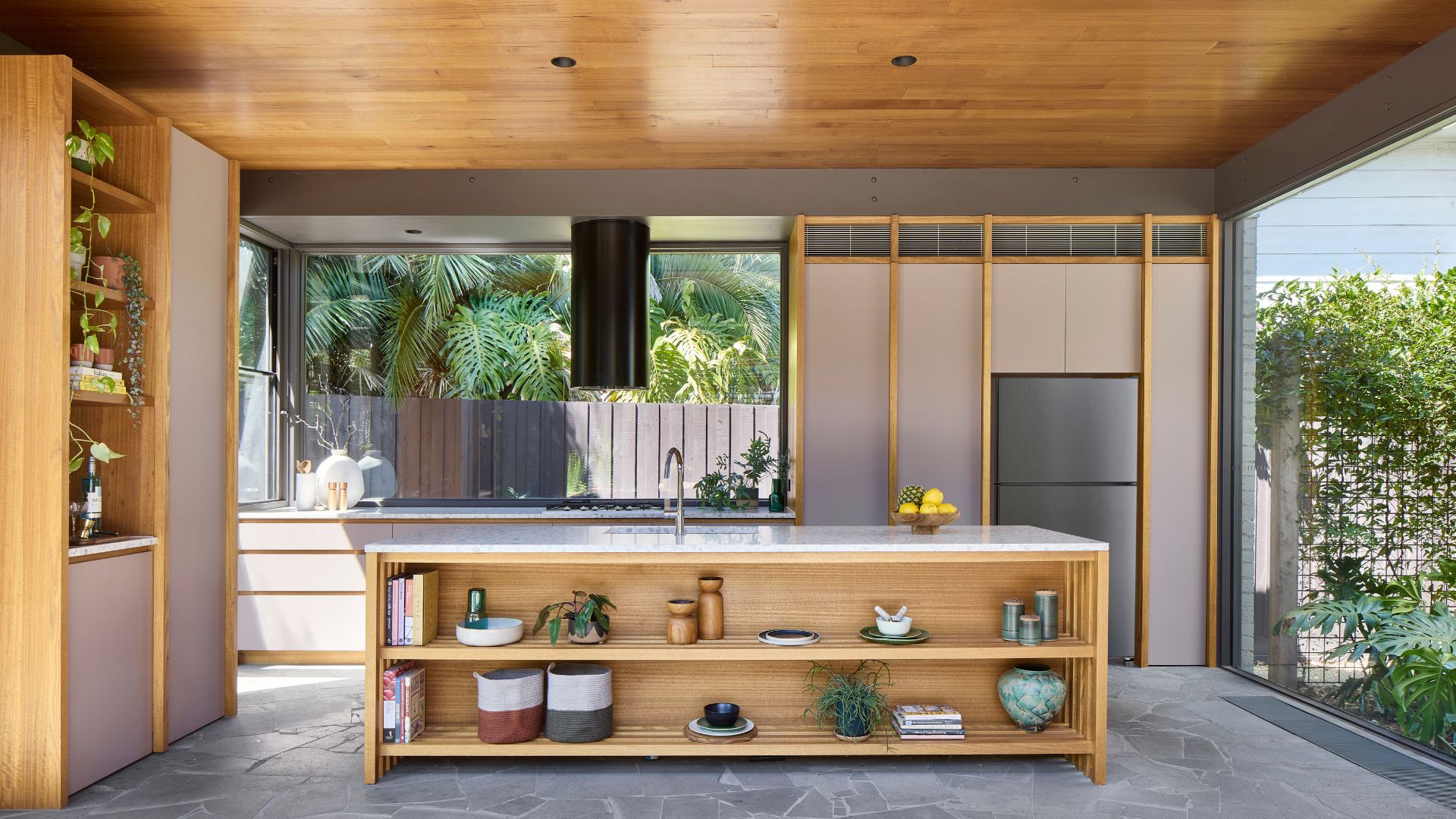
Biophilic Decluttering — What to Take Out of Your Home (and What to Put in) for a More Natural Home
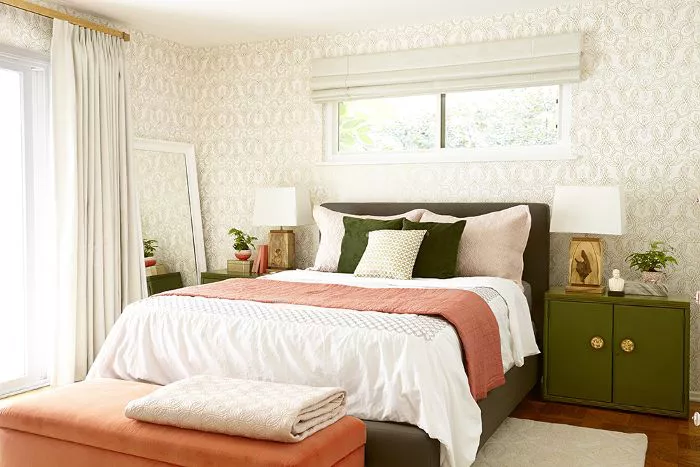
Decluttering Your Bedroom? Don’t Throw Out These 6 Surprising Things, Pros Say