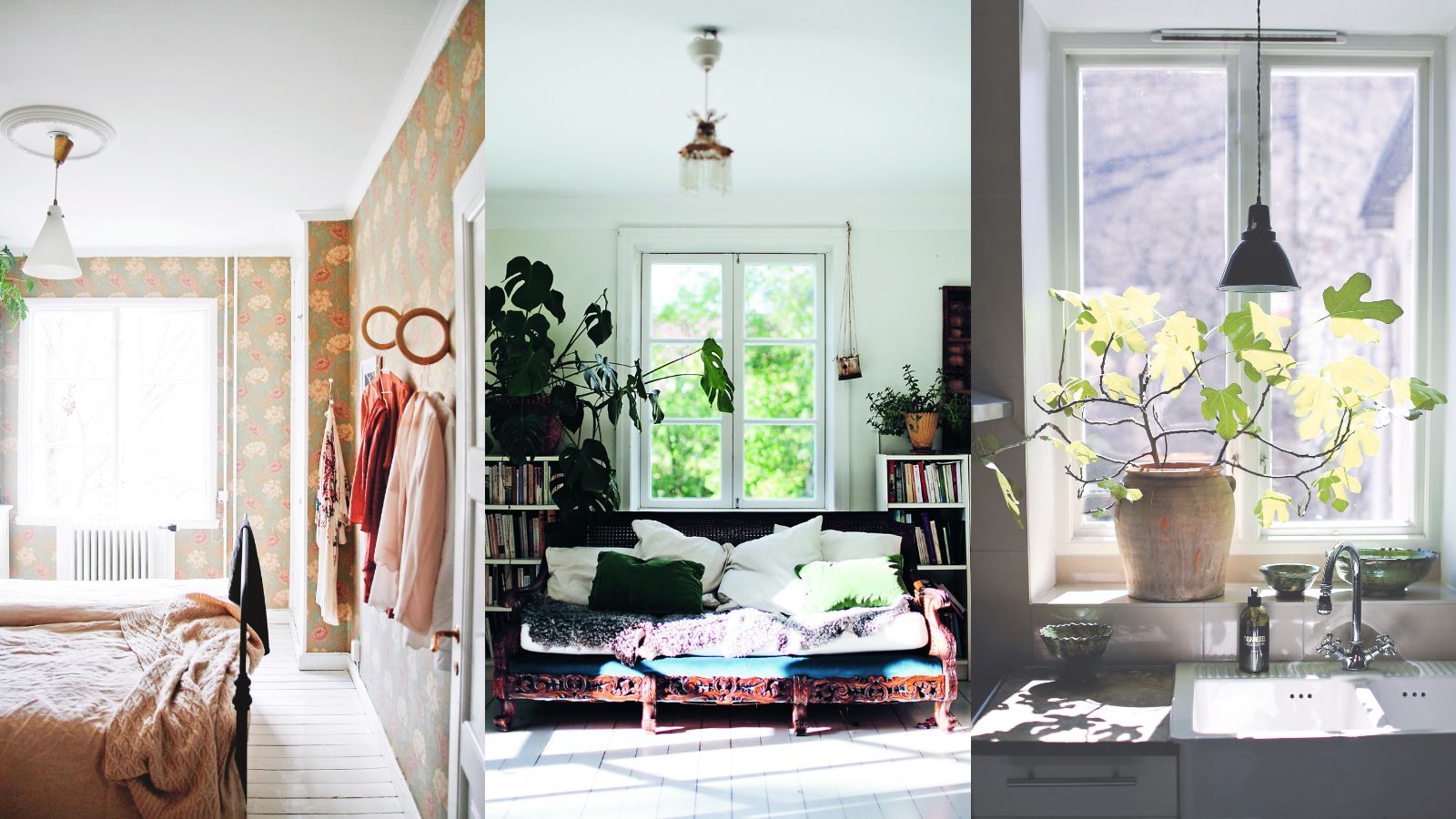
1/5
9 ways to be sustainable at home
This article, drawing insights from author Ida Magntorn's book, "The Sustainable Home: Easy Ways to Live with Nature in Mind," provides practical guidance on integrating sustainability into home living without sacrificing style or functionality. It emphasizes that adopting eco-friendly practices can be straightforward and beneficial for both the environment and personal finances, highlighting ways to reduce energy bills alongside environmental impact.
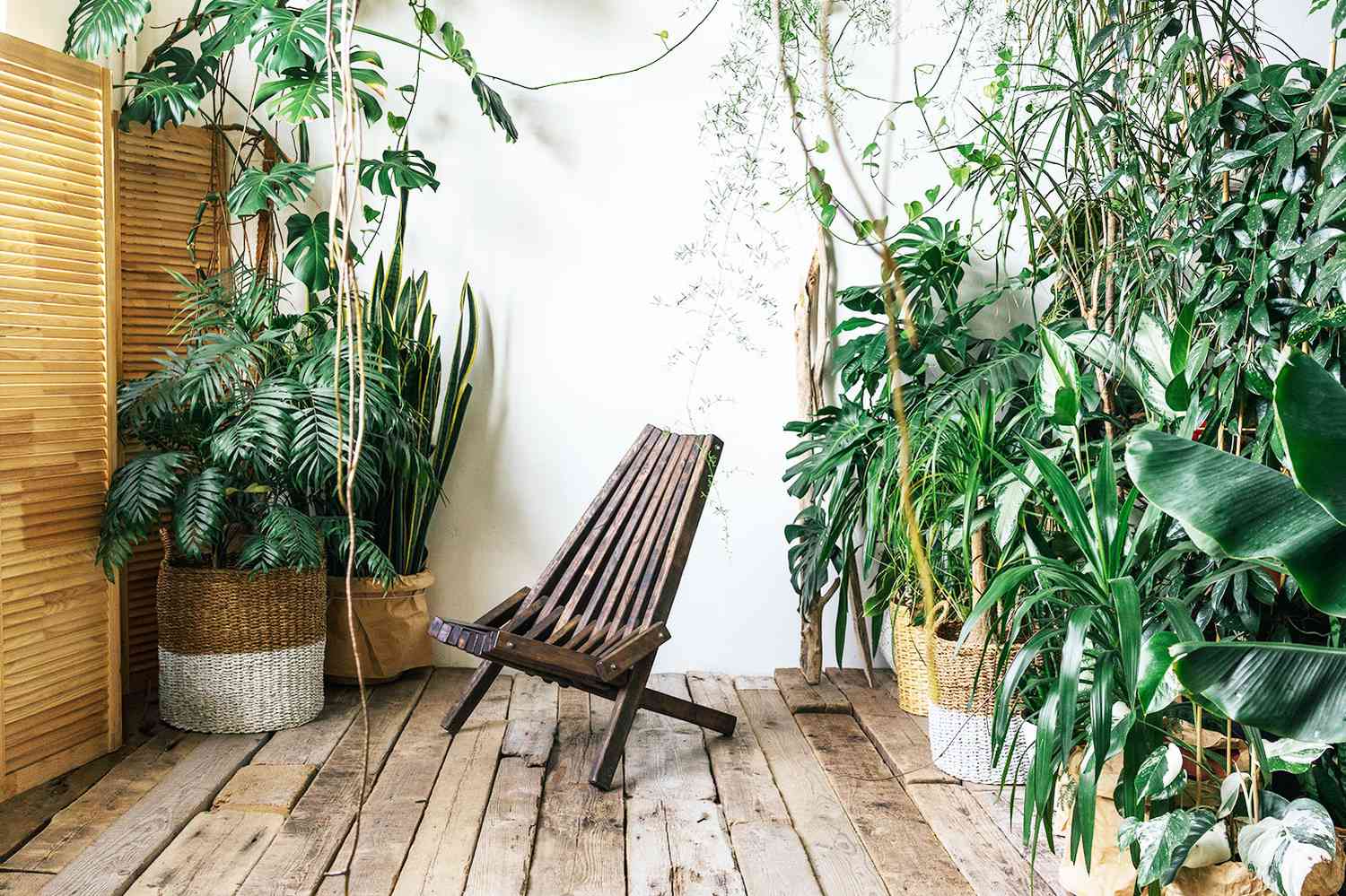
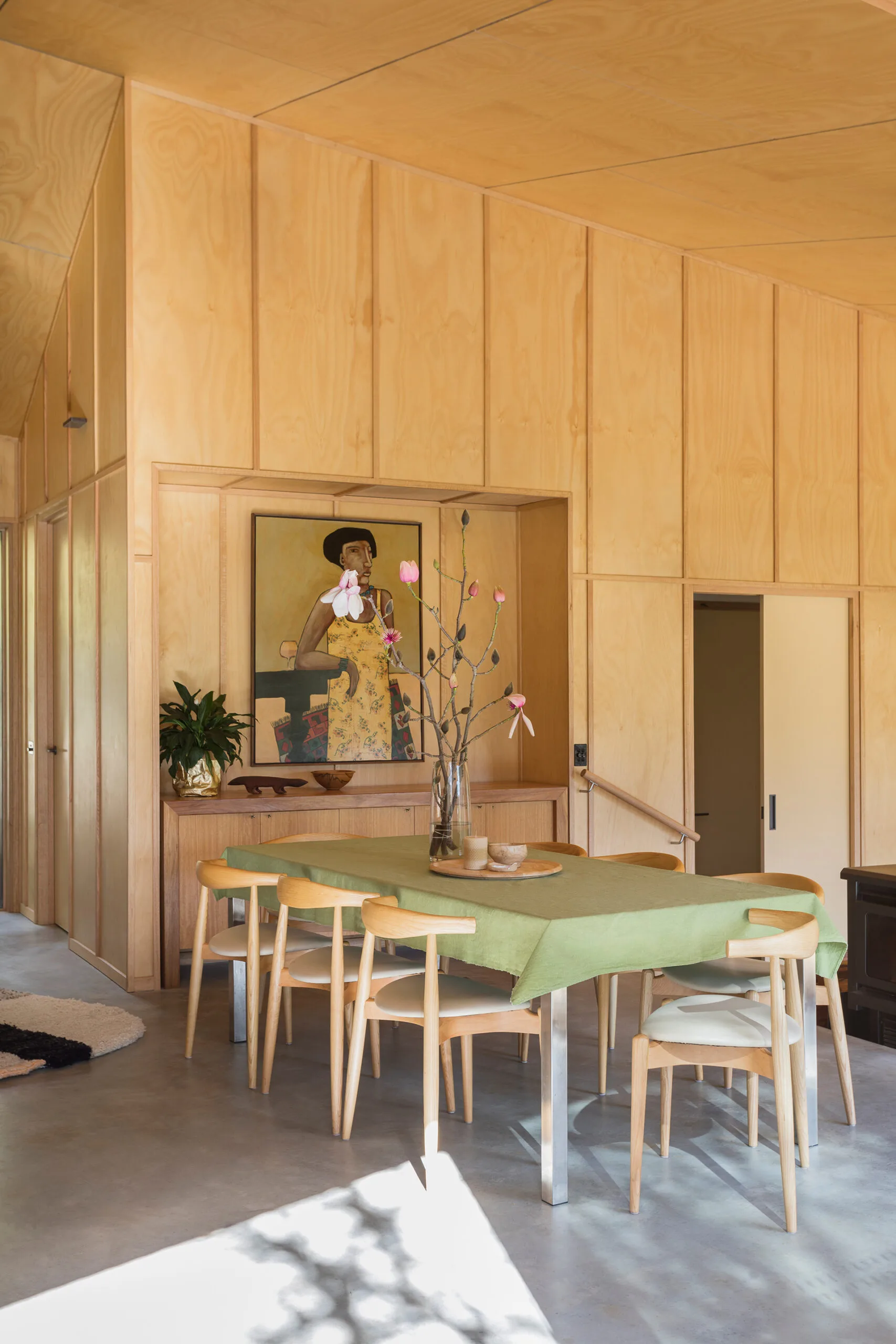
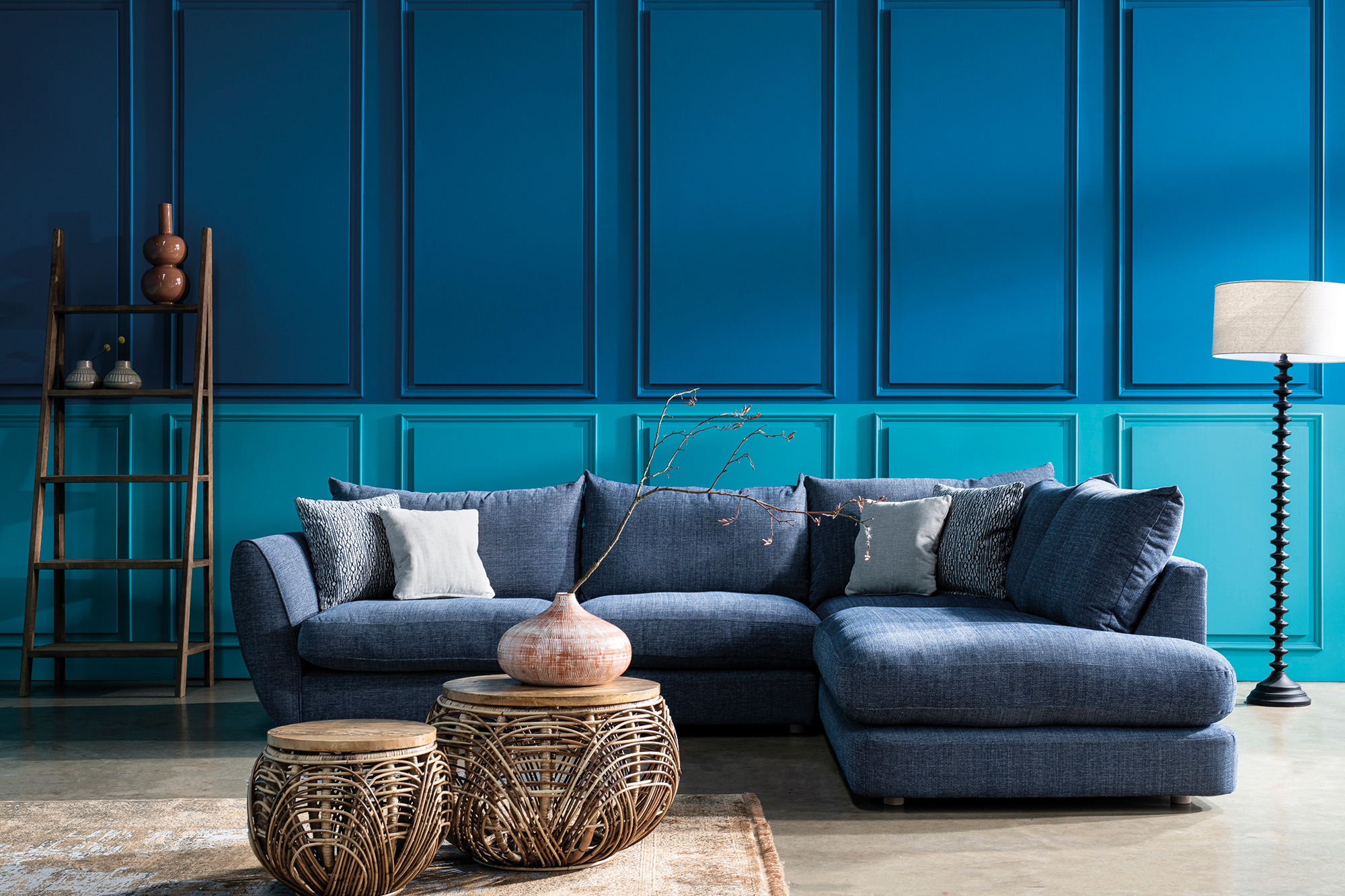
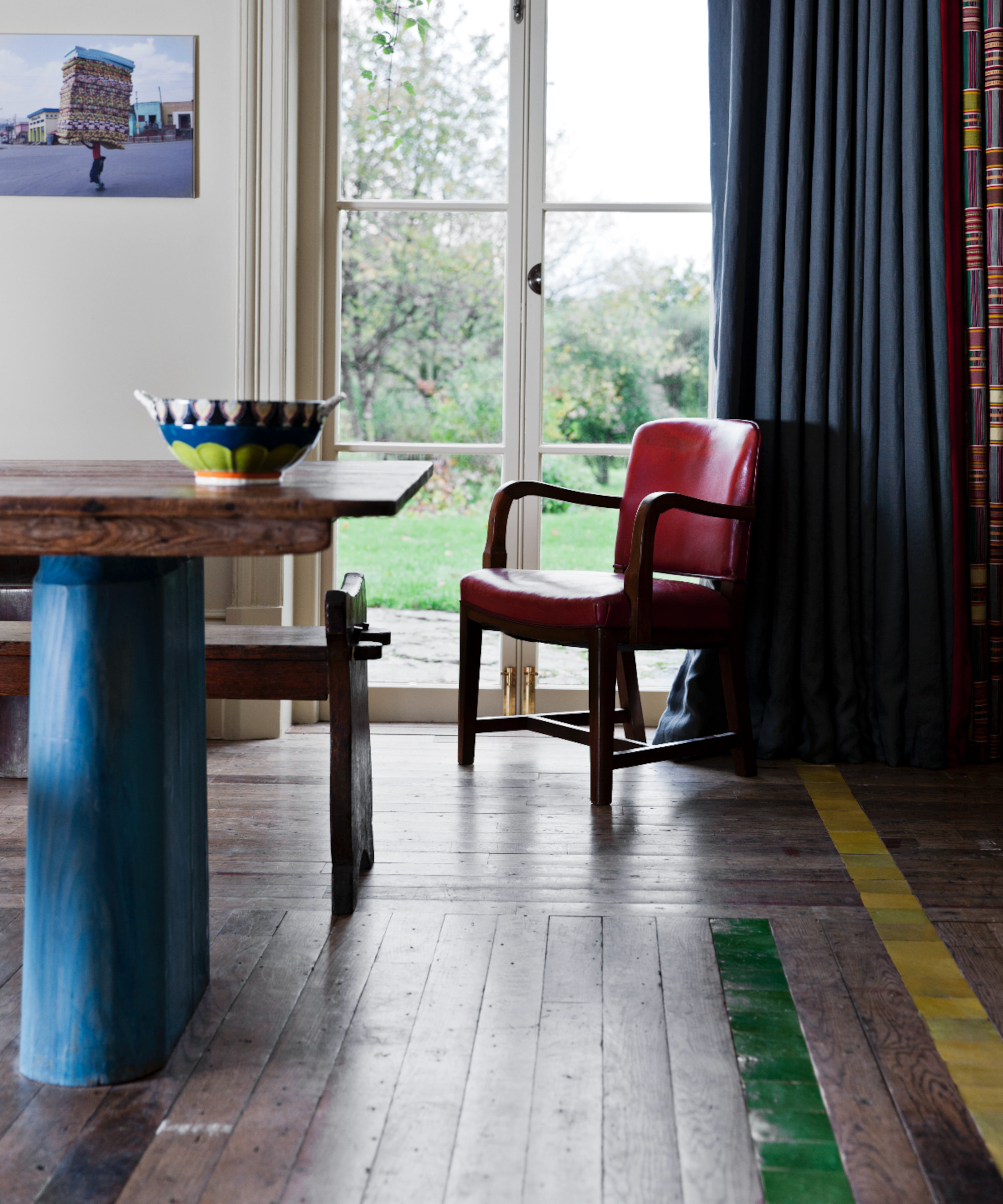
The first suggestion focuses on the conscious selection and treatment of furniture. The article advises opting for items that can be easily recycled, such as solid wood pieces, over veneered alternatives. This choice promotes longevity and facilitates repurposing or refurbishing, aligning with a circular economy model and ensuring that purchases are long-term investments rather than disposable items.
Secondly, the article addresses indoor air quality and carbon emissions by recommending a switch from paraffin candles to stearin candles. It points out that paraffin candles, derived from petroleum, contribute to climate change, whereas stearin candles, often made from natural fats, offer a more environmentally sound alternative. This seemingly small change can collectively lead to a significant reduction in carbon emissions, equivalent to removing numerous petrol cars from the roads.
Thirdly, the article delves into eco-friendly dishwashing practices, advocating for the use of modern, energy-efficient dishwashers over handwashing. It highlights that dishwashers consume significantly less water and energy per cycle, especially when run only when full and with eco-friendly detergents. For those considering new appliances, the article implicitly suggests researching energy-efficient models to maximize environmental benefits.
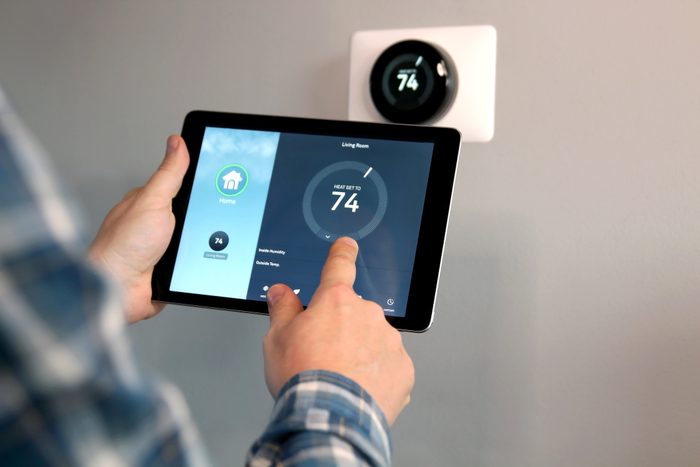
The fourth point encourages individuals to manage home heating more efficiently. It suggests lowering thermostat settings, particularly in bedrooms and when away from home, to 15°C (59°F). This simple adjustment can lead to substantial energy savings and a reduced environmental footprint, demonstrating that minor behavioral changes can have a considerable cumulative effect.
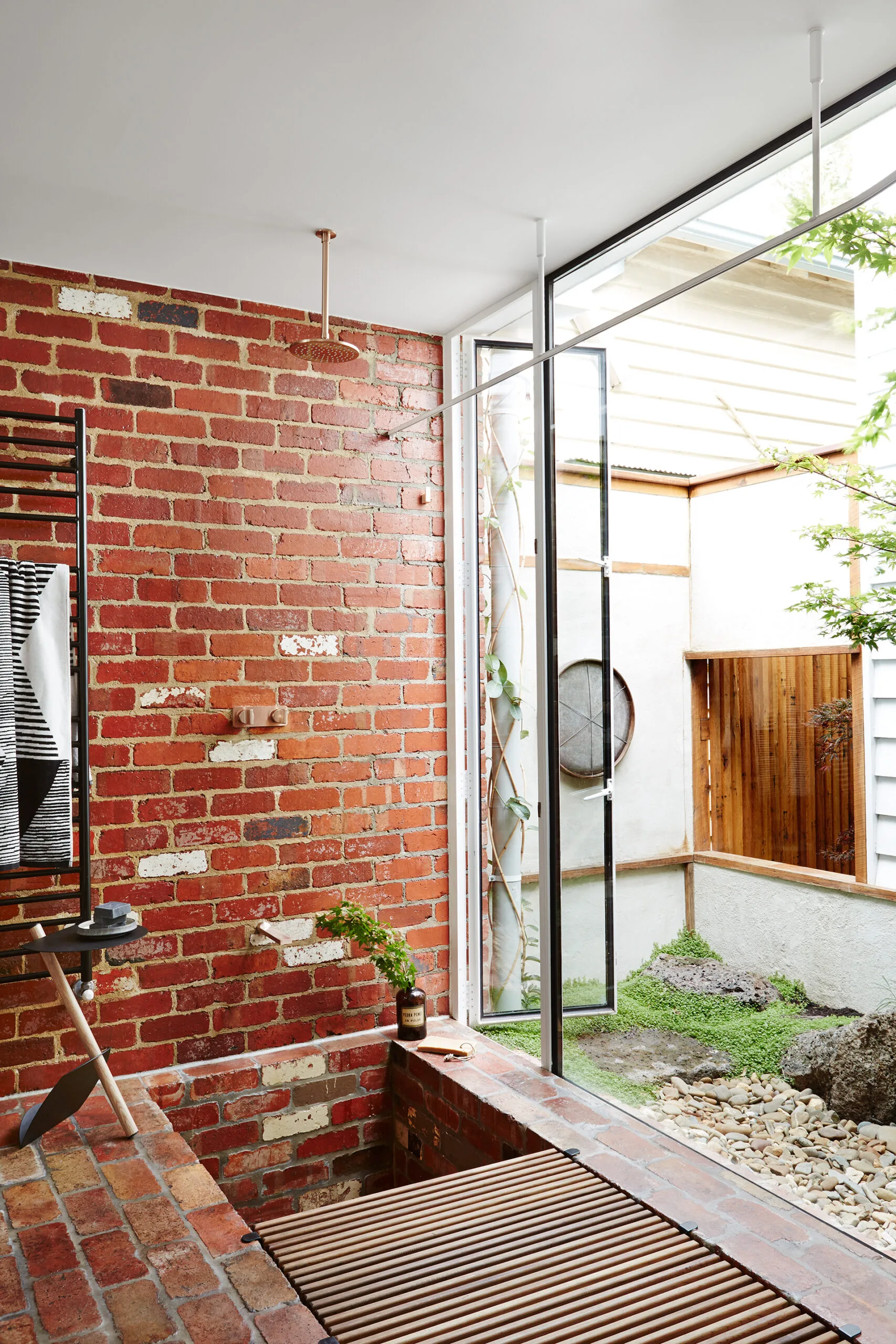
Fifth, the article discusses water conservation through conscious showering habits. It quantifies the difference in water and energy consumption between baths and showers, noting that a five-minute shower uses significantly less water and energy than a bath. Further reducing shower time by just two minutes is shown to decrease greenhouse gas emissions substantially over a year.
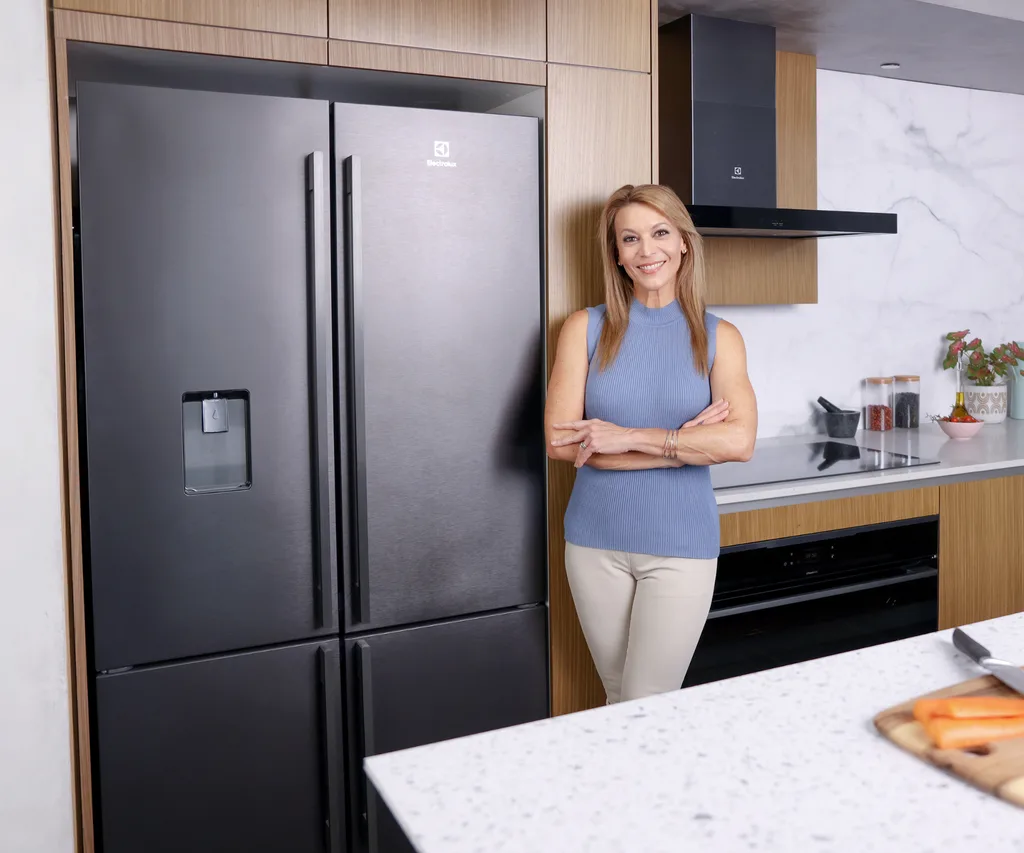
Next, the article provides tips for eco-conscious food cooling and storage. It recommends maintaining optimal temperatures in refrigerators (around 5°C) and freezers (around -18°C), as every degree colder increases energy consumption. It also advises regularly cleaning behind appliances to prevent dust buildup, which can hinder efficiency, and avoiding placing fridges and freezers near heat sources or in direct sunlight to minimize their workload and energy use.
Seventh, the article promotes the use of compostable cleaning cloths, specifically mentioning Wettex cloths made from cellulose and cotton. These biodegradable materials decompose quickly, offering an environmentally superior alternative to synthetic cleaning cloths that contribute to landfill waste.
Eighth, the article reviews household recycling practices, detailing the benefits and limitations of recycling various materials. It explains that aluminum and glass can be recycled indefinitely with significant energy savings, while plastics, though recyclable, degrade in quality with each cycle and are typically repurposed into different products. This section underscores the importance of proper sorting and understanding the recycling process for different materials.
Finally, the article encourages individuals to calculate their ecological footprint using tools like the WWF Footprint Calculator. By understanding their personal impact, individuals can identify areas for improvement and strive to reduce their carbon dioxide emissions to sustainable levels, contributing to the broader goal of limiting global warming. This step empowers readers to take informed action towards a more sustainable lifestyle.
#SustainableHome #EcoFriendlyLiving #EnergyEfficiency #WasteReduction #GreenLiving #HomeHeating #RecyclingTips #WaterConservation #IdaMagntorn #SustainableHome #EcoFriendlyLiving #EnergyEfficiency #WasteReduction #GreenLiving #HomeHeating #RecyclingTips #WaterConservation #IdaMagntorn
0 comment in total
 No comments yet
You may also like
10 ways to make your home more sustainable

Here Are 37 Ways to Make Your Home More Earth-Friendly

These 10 Sustainable Home Technologies Will Change the Way We Live

Want an Eco-Friendly Home? Everything You Should Know About Sustainable Architecture


12 Ways To Create a More Sustainable Home

7 sustainable homes with style

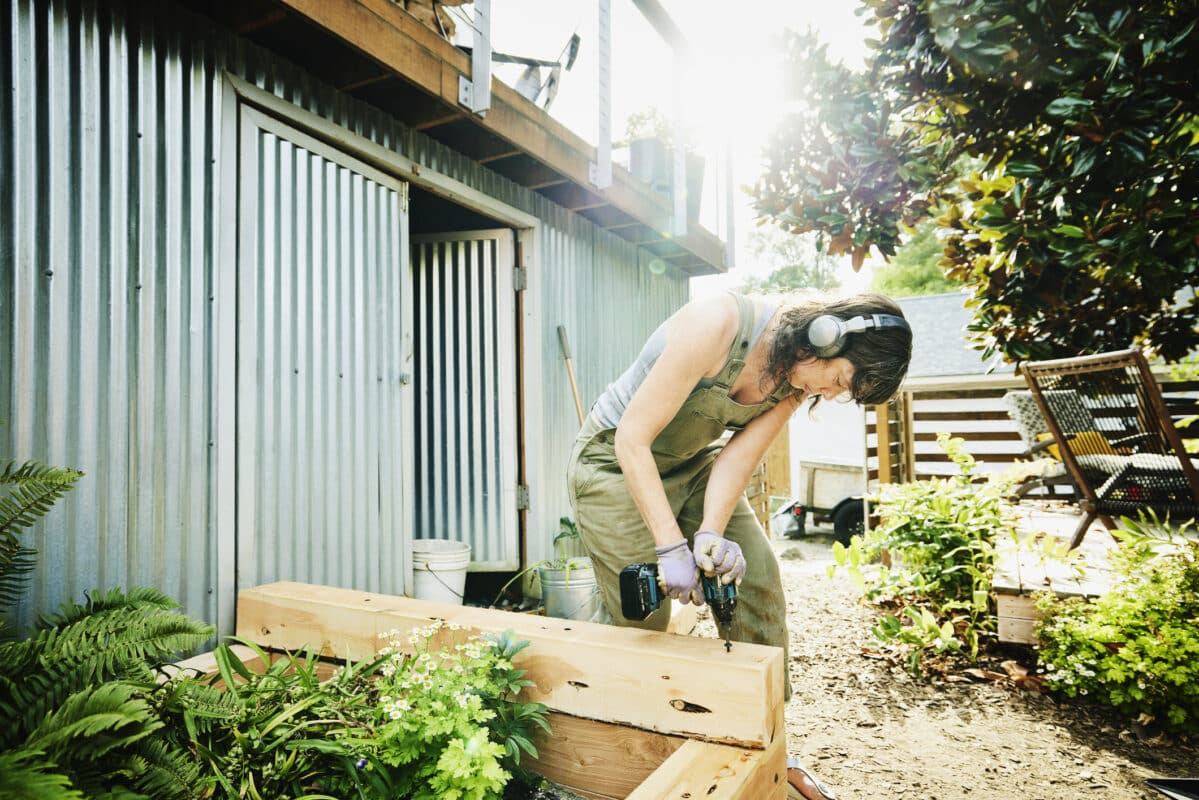
8 Sustainable Home Improvements You Can Make In 2025

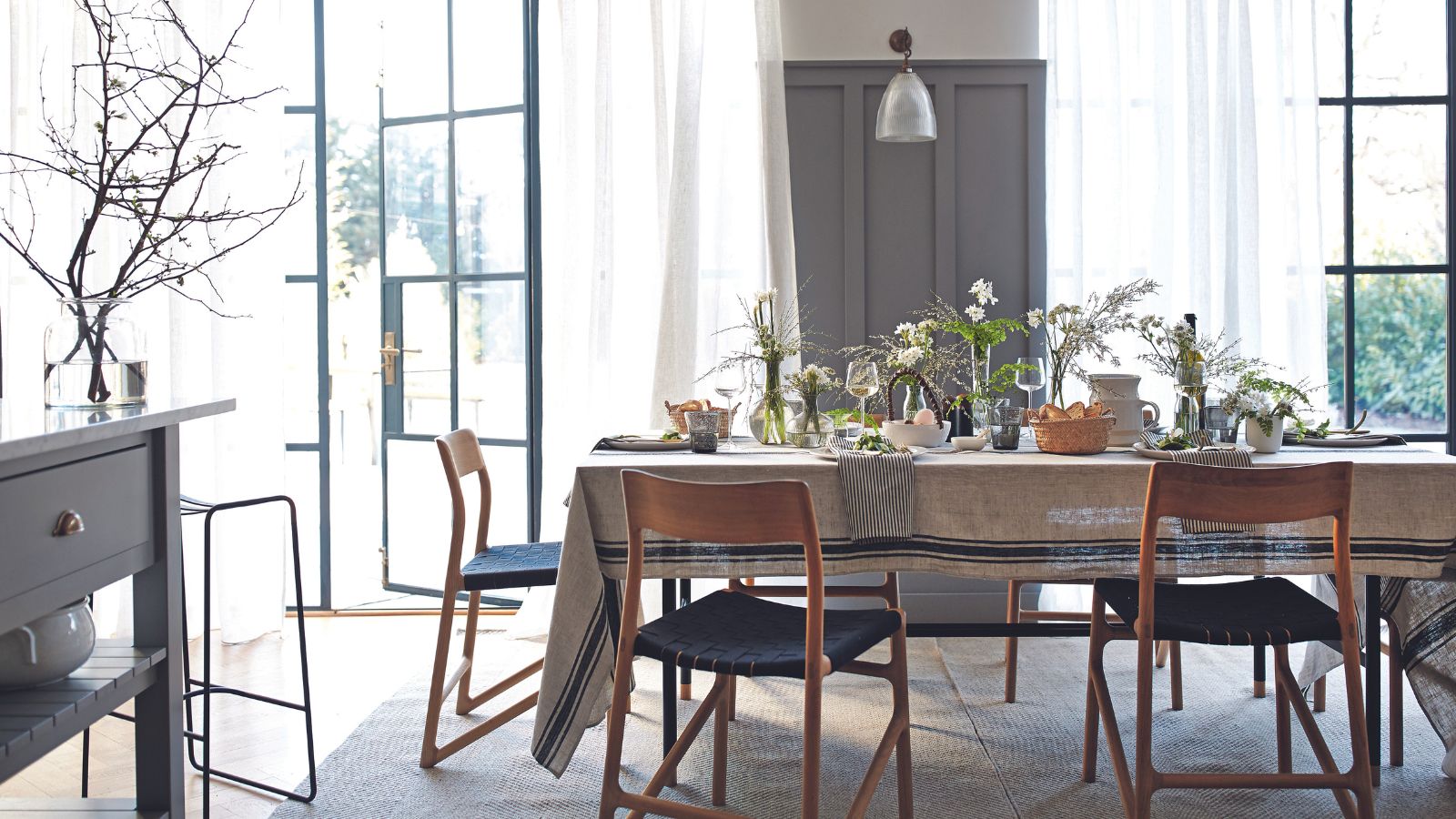
How can you be more sustainable in your interior design? 10 things to always consider
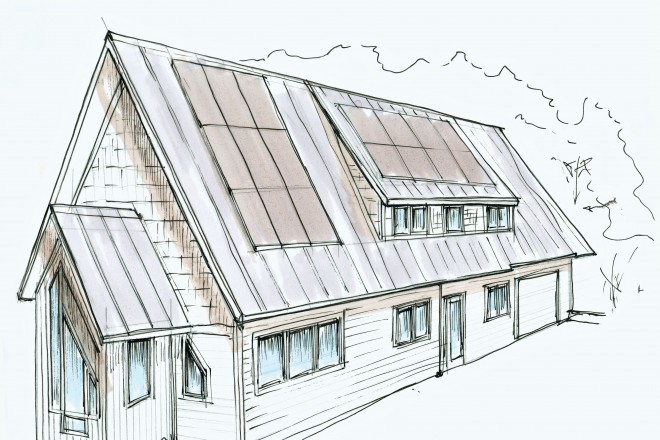
Sustainable Homes
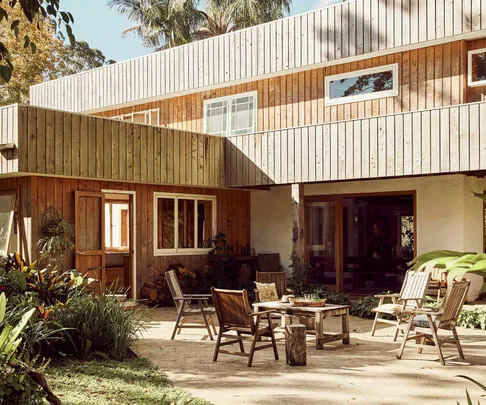
Eco-house: 10 sustainable homes with clever design ideas

How to Make Your Home More Sustainable, According to Design Experts

Sustainable House Day 2021: Top picks to explore this year
7 Design Trends That Will Make Your Home More Sustainable
5 sustainable home solutions that won’t cramp your style
9 sustainable features you should consider for your eco-friendly remodel

10 Innovative Materials Poised to Make Home Building More Sustainable

Eco-friendly organizing tips for a more sustainable home
How to shop sustainably for your home – 12 stylish ways to make a statement

6 Simple Principles To Consider For An Eco-Friendly Home

How To Reduce Your Carbon Footprint with Sustainable Housing