
1/3
Embrace sustainability with these green remodeling guidelines | Produced by Seattle Times Marketing
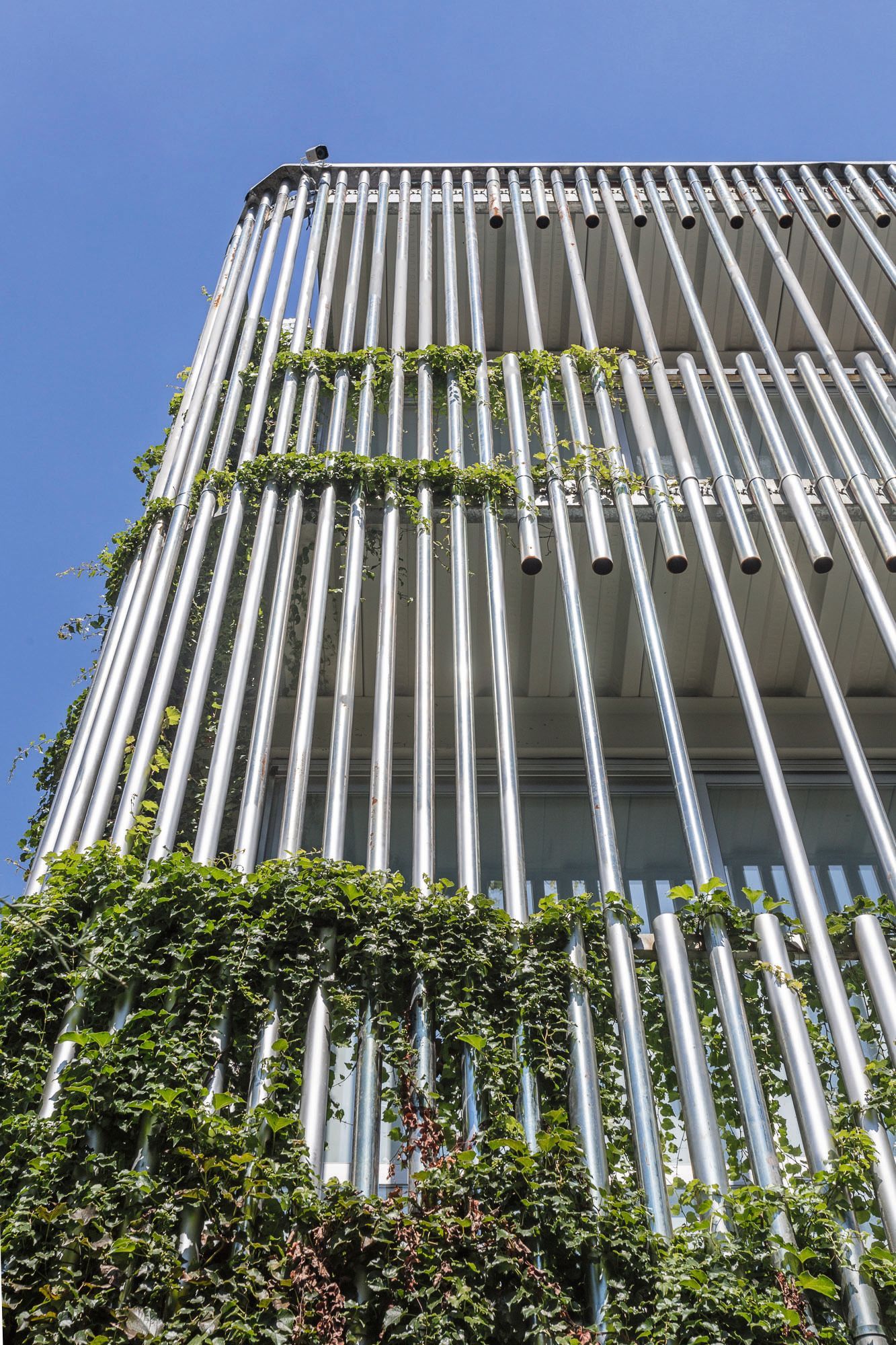
The rising costs of energy and growing environmental concerns are prompting a shift towards eco-friendly home renovations. These renovations encompass various aspects, from initial demolition practices to material selection, energy efficiency upgrades, and long-term planning, all aiming to reduce environmental impact and lower utility bills. Interior designer Jennifer Gardner suggests starting eco-friendly renovations at the demolition phase by carefully removing and donating materials like cabinets, countertops, lighting, and hardware to salvage yards. This approach diverts waste from landfills and supports material reuse. Eleazar Juarez-Diaz, materials manager at MG2 Design, emphasizes the importance of air sealing, such as caulking and weather stripping, to significantly improve energy conservation by minimizing air exchange within the home. This can involve deep-seated insulation during construction or simpler measures like using caulk guns and expanding foam for existing structures.
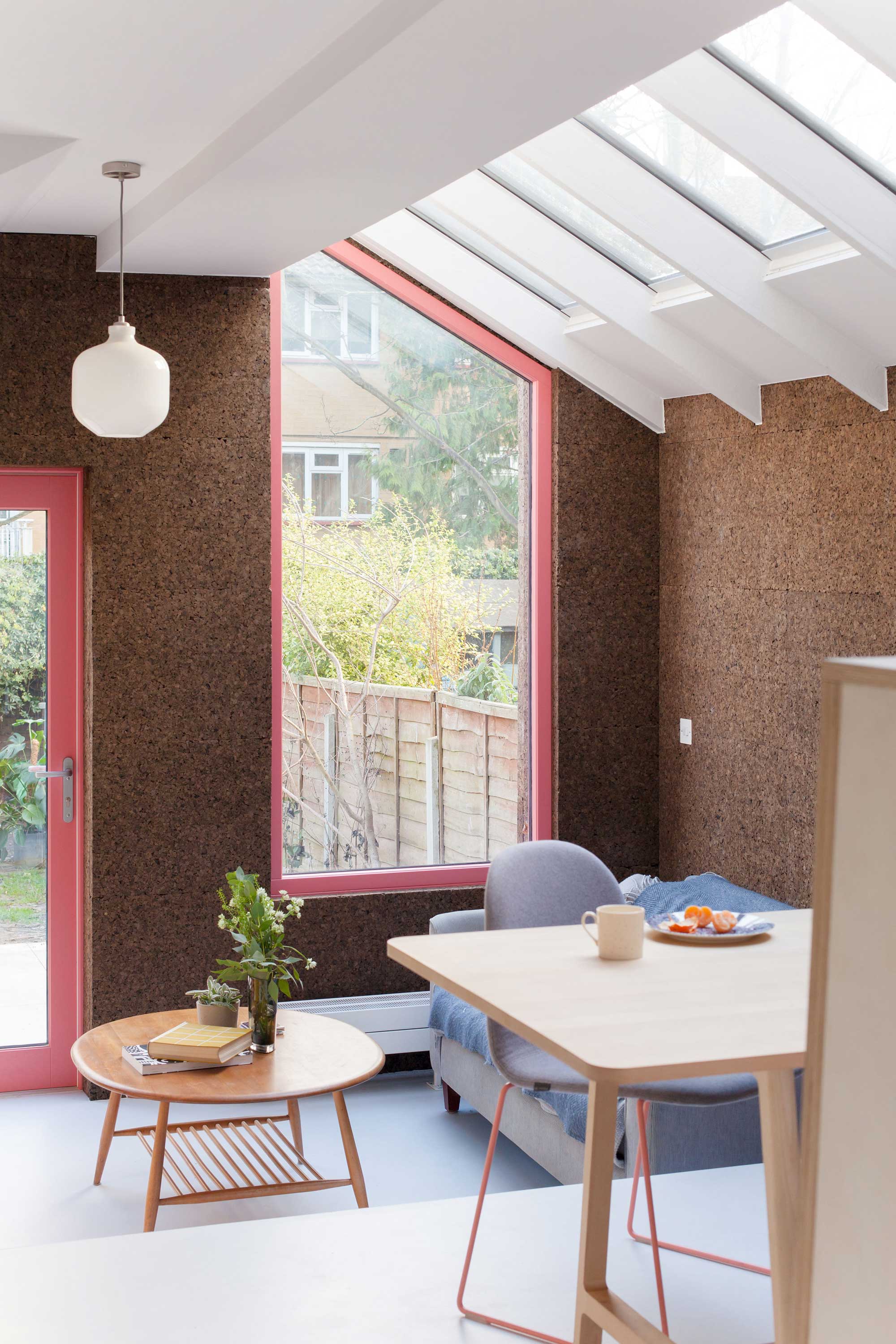
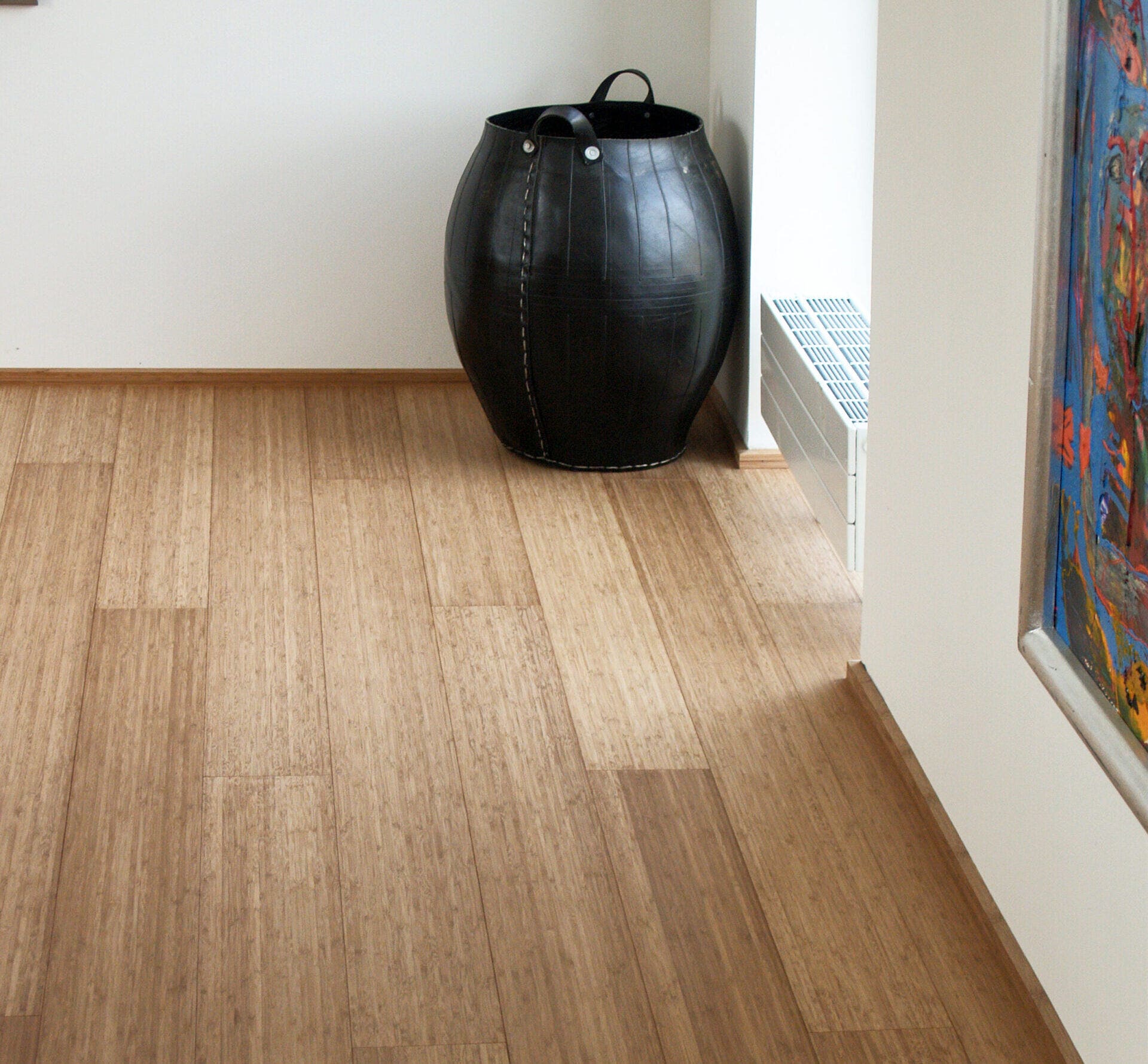
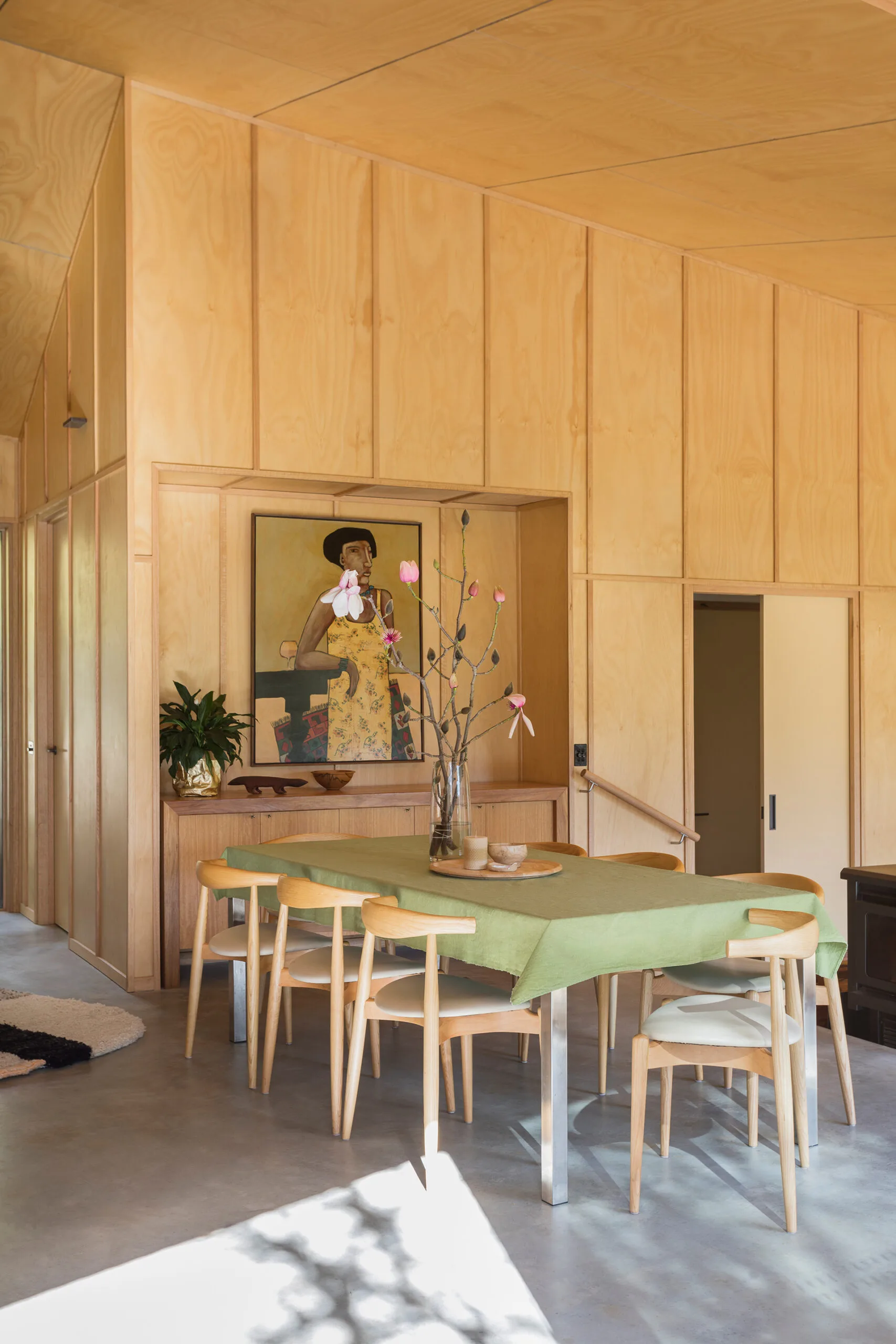
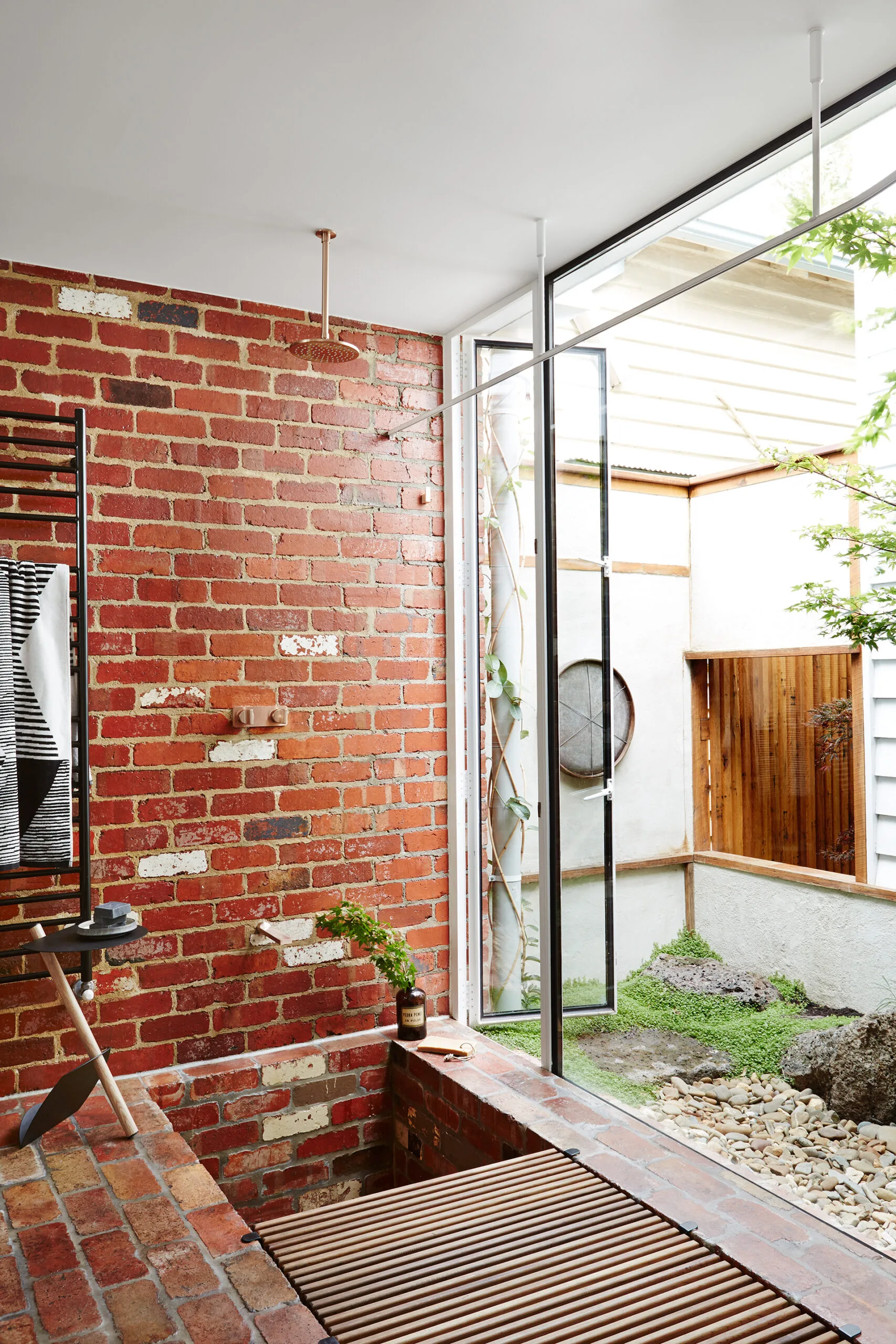
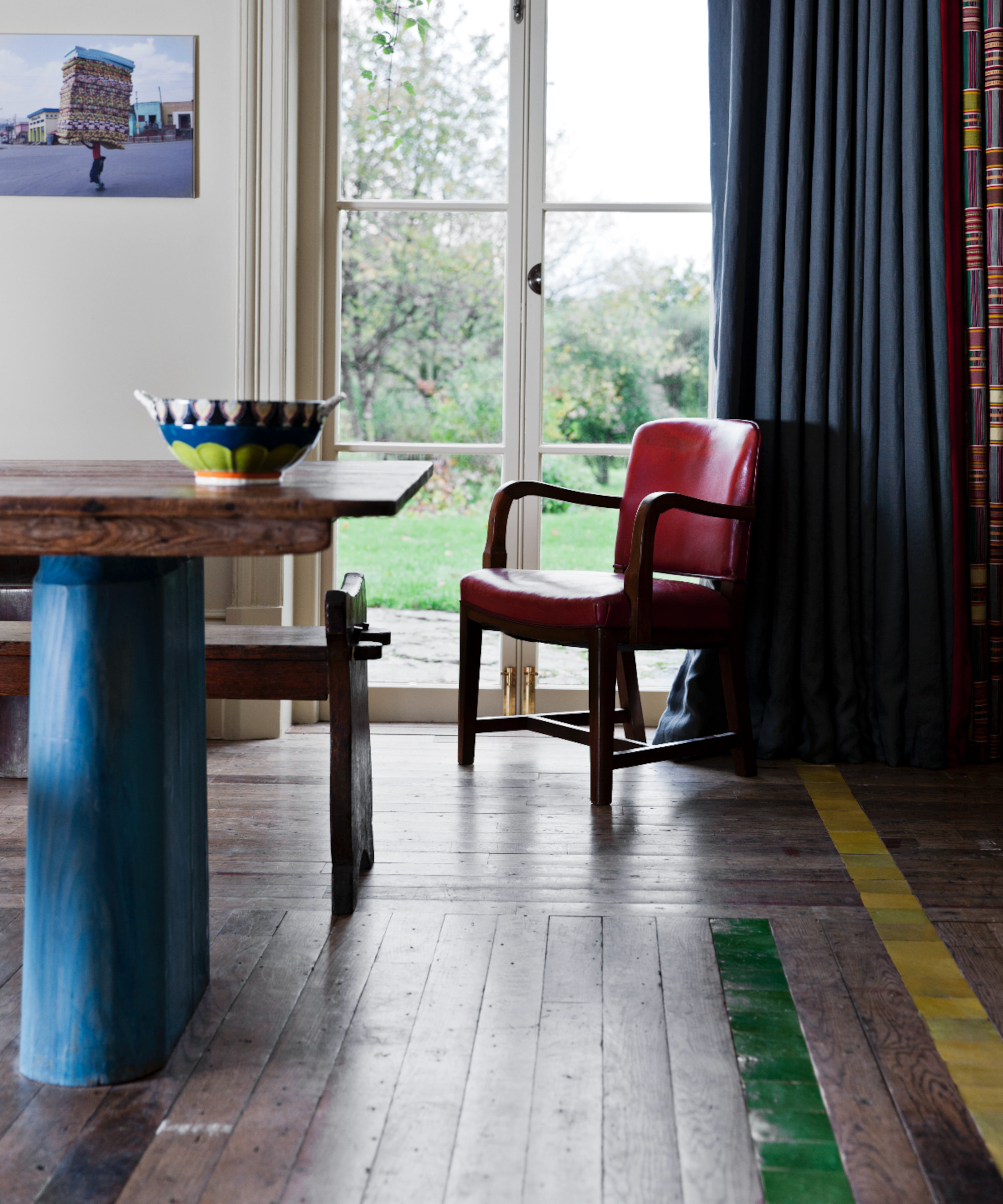
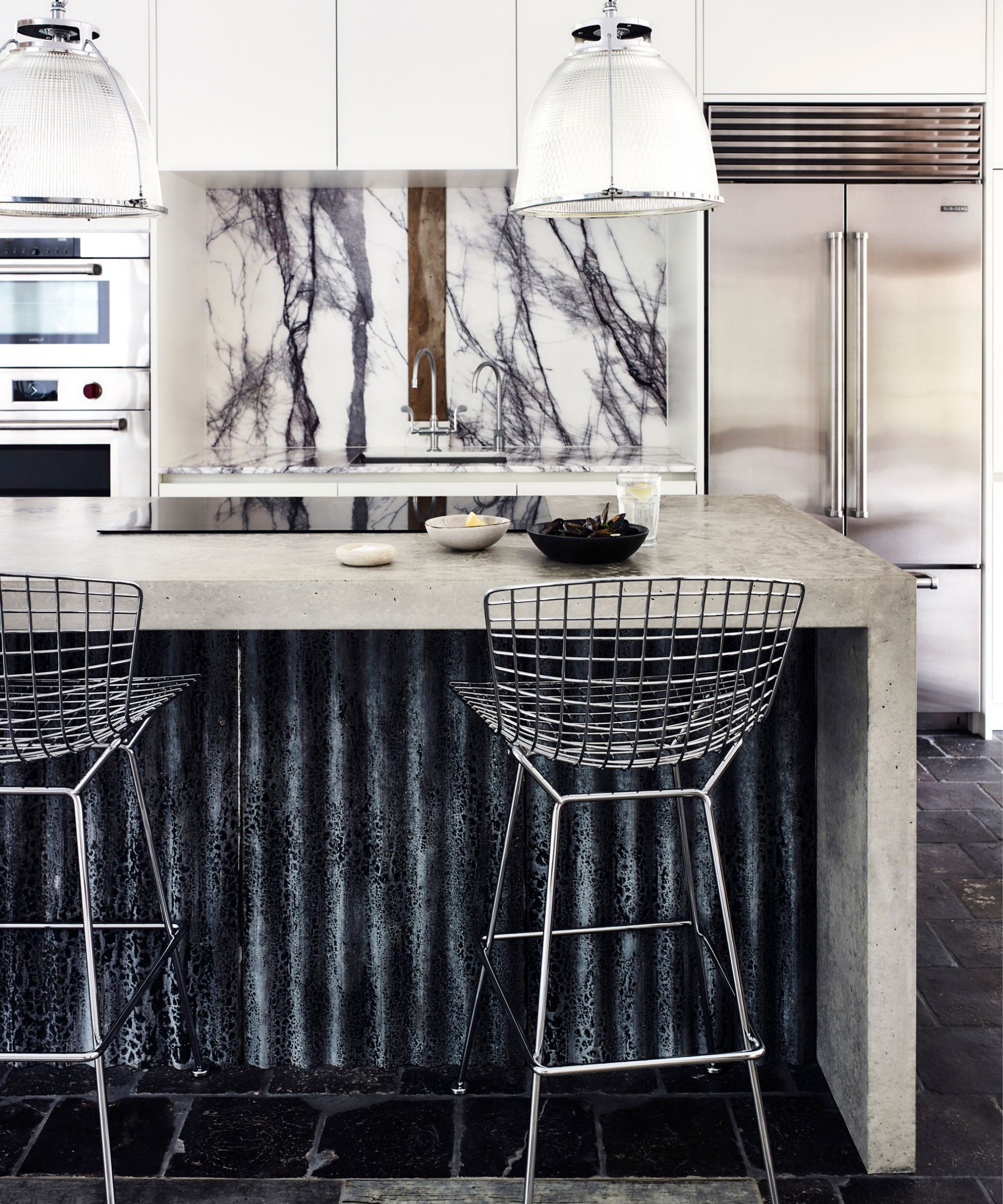
Choosing sustainable materials is a cornerstone of eco-friendly renovations. Recommendations include using reclaimed wood, bamboo, or cork for flooring and cabinetry due to their renewable and durable qualities. Low-volatile organic compound (VOC) paints and finishes are crucial for enhancing indoor air quality and reducing harmful emissions. Innovative materials such as recycled glass surfaces for countertops and natural plaster finishes like Lime wash or Roman Clay are also highlighted for their aesthetic and functional benefits, including humidity regulation. Whitney Wiggins, founder of Florence Street Interiors, notes that sustainable materials often have lower VOC emissions and longer lifecycles, leading to improved indoor air quality and less frequent replacement. Reclaimed materials not only add character and a unique visual history to a space but also promote resourcefulness, with second-hand finds often becoming distinctive features.
Supporting local businesses is another key aspect, as it reduces the carbon footprint associated with transporting furniture, décor, and materials. Local design stores, consignment shops, and organizations like Habitat for Humanity and Second Use offer a variety of building supplies and unique items saved from landfills. Companies with strong environmental missions, such as Ecobalanza for organic upholstered pieces and Old Growth Industries for bespoke furniture from reclaimed fir, are cited as examples. Consideration of a product's entire life cycle is essential, with many manufacturers adopting a circular economy model where products can be repaired, recycled, or refurbished. Some companies, like Mohawk, even offer end-of-life programs to prevent flooring from ending up in landfills.
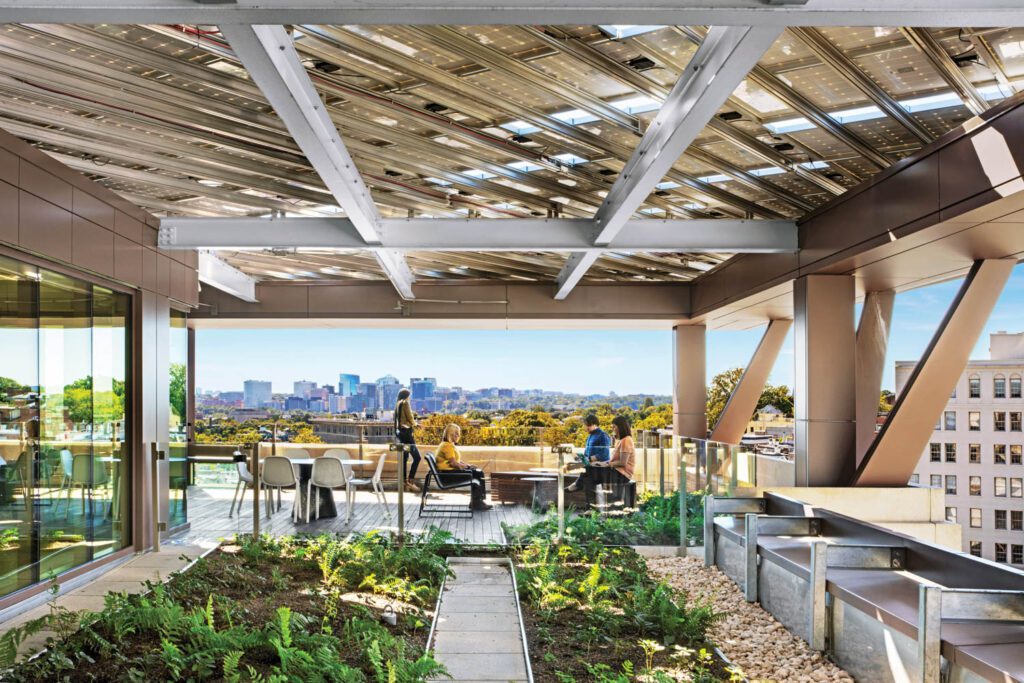
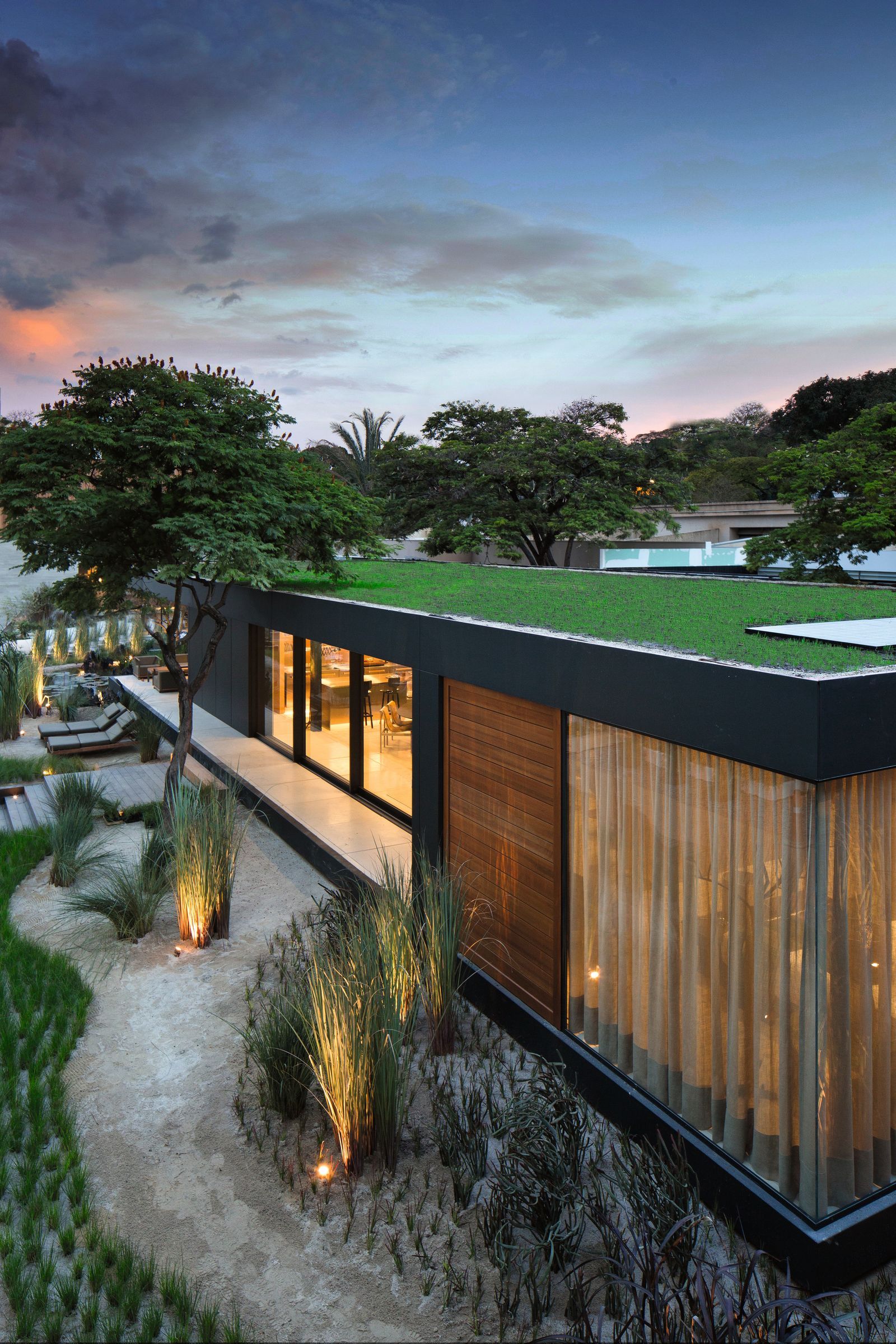
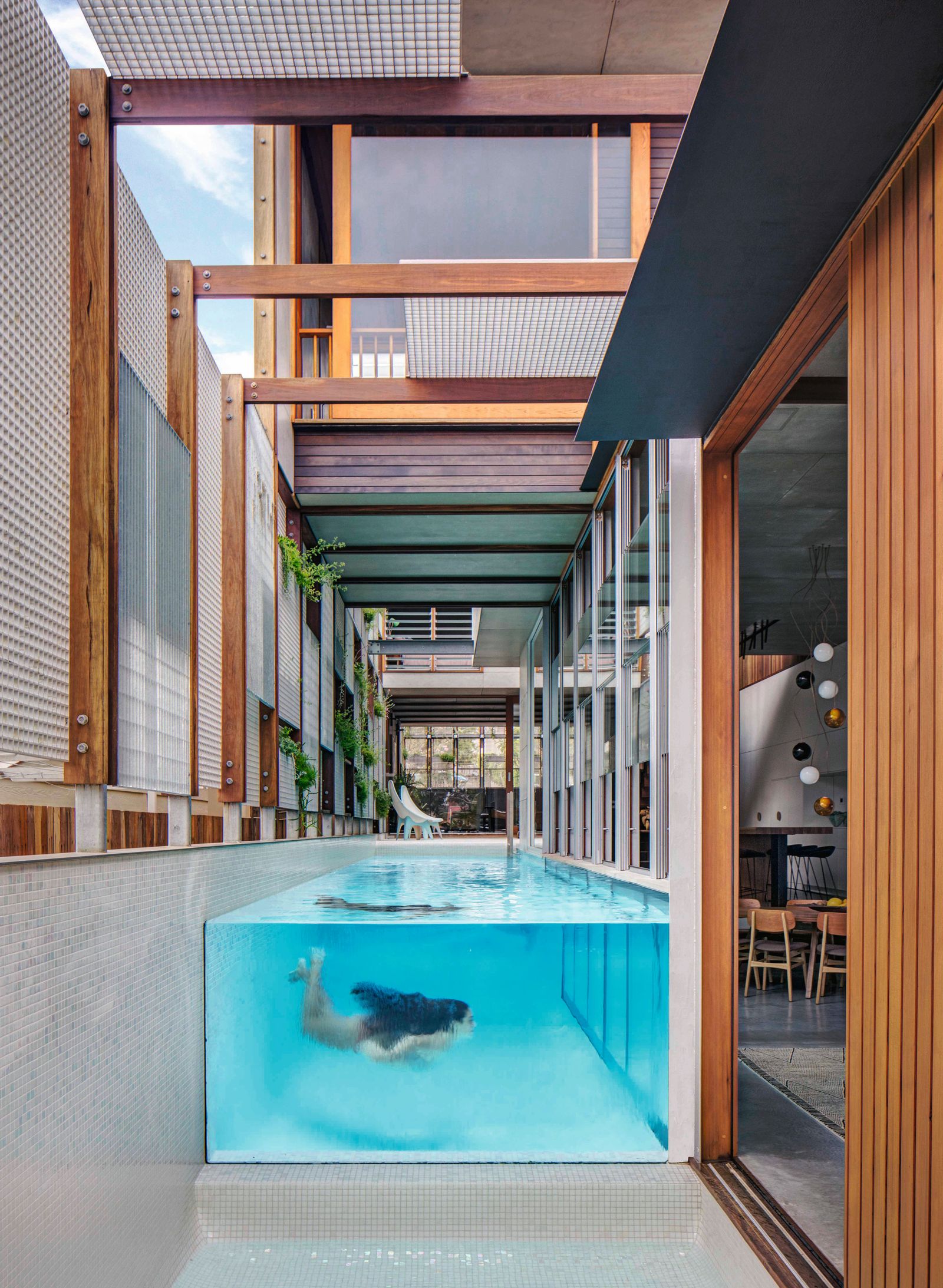
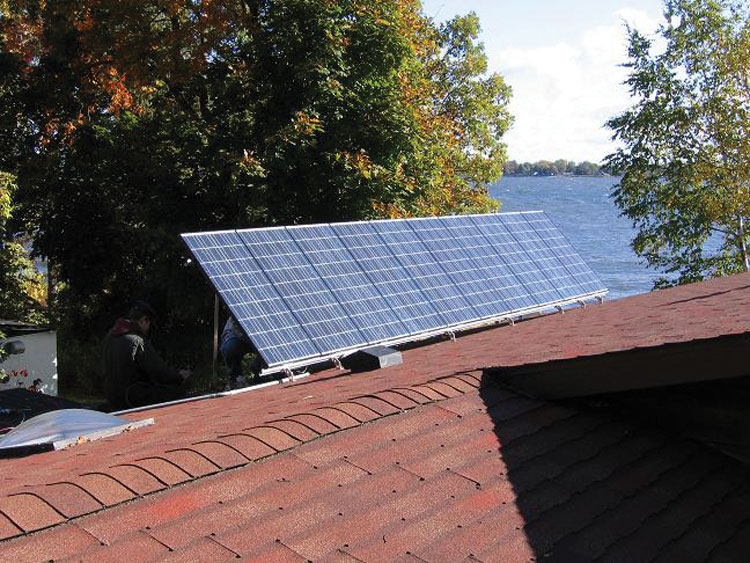
Long-term planning is vital for sustainable renovations. Selecting timeless finishes that complement the home's style can prevent the need for frequent renovations driven by fleeting trends. While sustainable and well-built items might be more expensive initially, they reduce the need for replacements, minimize waste, and foster a home that evolves with the owner. Water conservation is also a critical component, with recommendations for water-saving fixtures like low-flow faucets and aerated showerheads, and smart systems for monitoring water usage. More impactful measures include installing greywater systems for irrigation or even green roofs. Energy efficiency upgrades are encouraged, such as installing Energy Star-certified appliances, smart thermostats, energy-efficient windows, and solar tubes to optimize energy use and reduce utility bills.
Finally, waste reduction during renovation is paramount. Working with contractors who prioritize waste management, salvaging, and recycling materials is crucial. Many items can be repurposed or donated instead of discarded. Careful planning, precise measurements, and ordering exact quantities of materials help prevent overbuying and waste. Materials like stone or broken concrete from demolition can be creatively reused on-site for landscaping features, such as retaining walls or pathways. These combined efforts demonstrate how eco-friendly renovations can create a beautiful, healthy, and environmentally responsible living space.
#EcoFriendlyRenovations #SustainableLiving #GreenBuilding #EnergyEfficiency #WaterConservation #RecycledMaterials #WasteReduction #HomeImprovement #InteriorDesign #EcoFriendlyRenovations #SustainableLiving #GreenBuilding #EnergyEfficiency #WaterConservation #RecycledMaterials #WasteReduction #HomeImprovement #InteriorDesign
0 comment in total
 No comments yet
You may also like
9 sustainable features you should consider for your eco-friendly remodel
What is sustainable design and how can consumers identify it?

7 breathtaking sustainable homes around the world

How The Home Improvement Industry Is Approaching Sustainability In An Uncertain Climate

Experts swear by these 6 sustainable home renovation tips
Designer Advice for a More Sustainable Kitchen Renovation

Want an Eco-Friendly Home? Everything You Should Know About Sustainable Architecture

Sustainable Buildings: Pioneering a Green Revolution in Urban Design


30 Sustainable Projects Leading the Way for Green Design

A Guide to Sustainable Design
A Digestible Guide to Greenwashing in Interior Design — What It Is, What It's Not, and How to Avoid It

7 sustainable homes with style

How to Renovate with Sustainability in Mind


How to talk to architects, builders and general contractors about sustainability

Home Rescue's Dee Coleman on the six R's of sustainable interior design
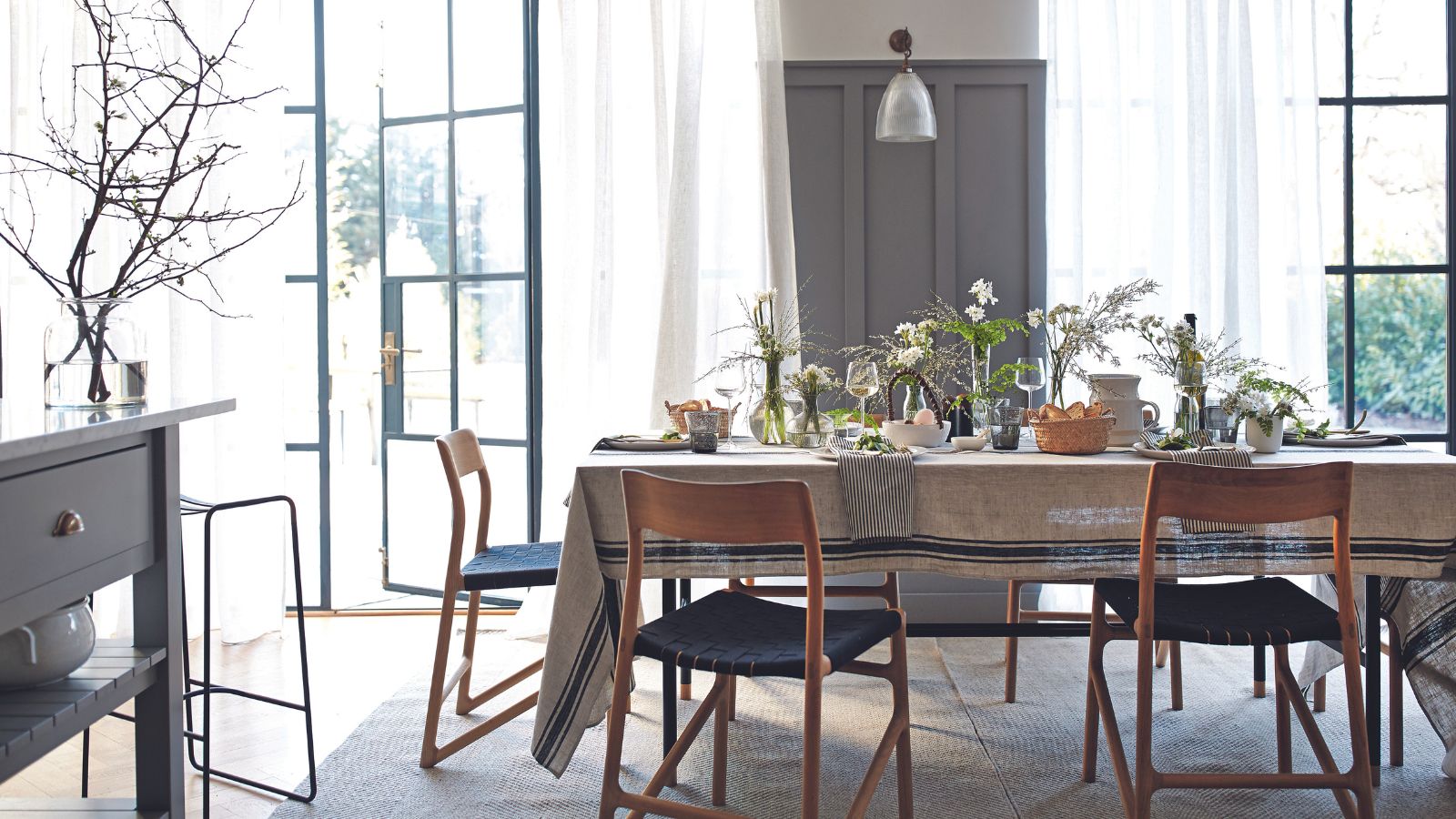
How can you be more sustainable in your interior design? 10 things to always consider

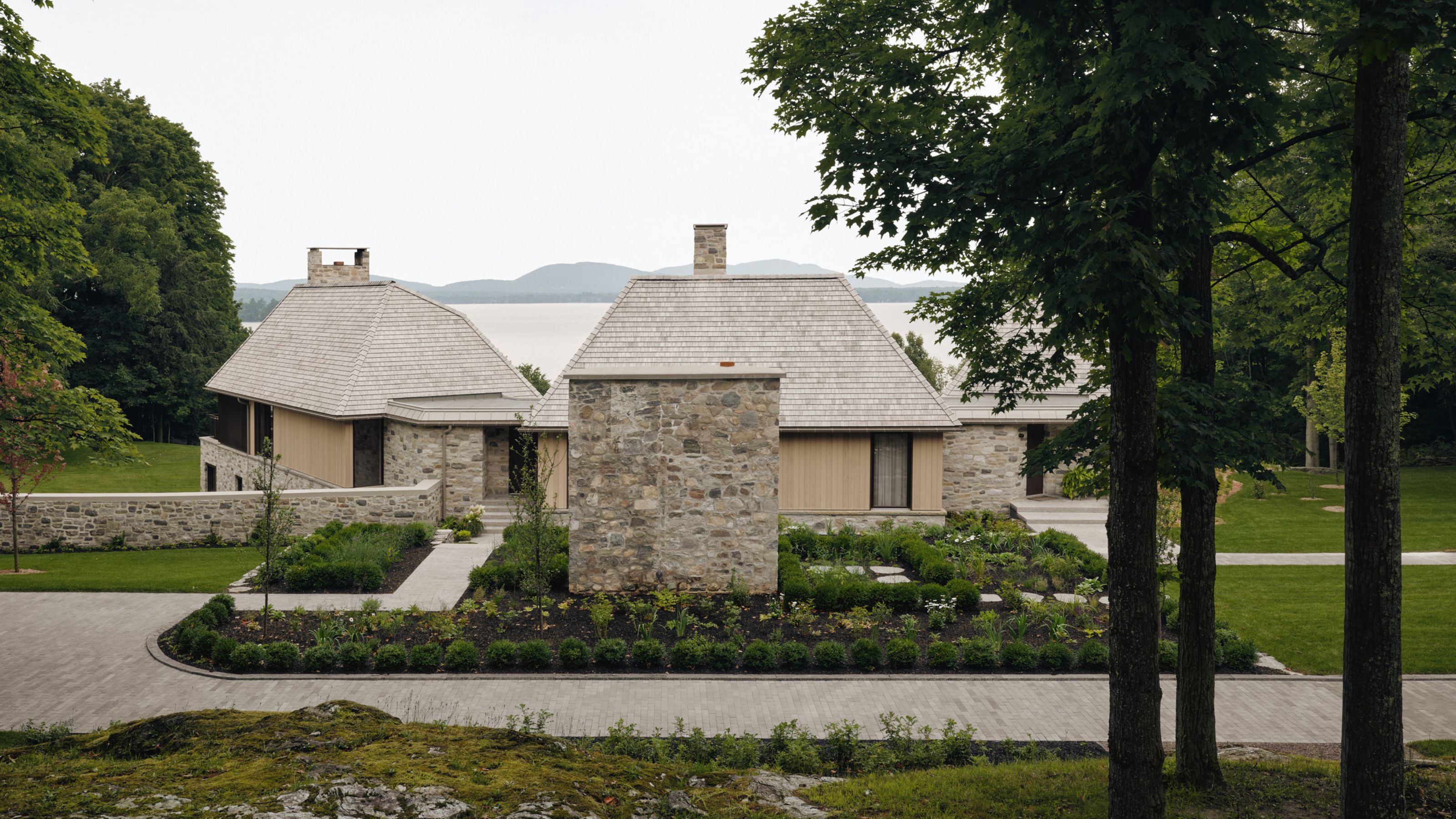
10 Sustainable Homes That Prove Interior Design Can Be Just as Easy on the Eye as It Is on the Earth

What books inspire sustainable interior design?
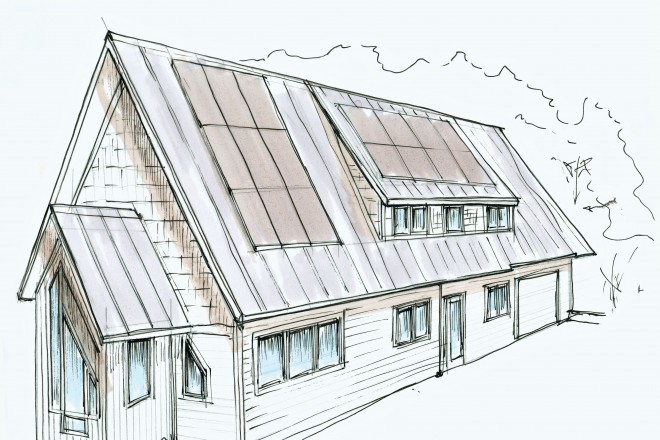
Sustainable Homes
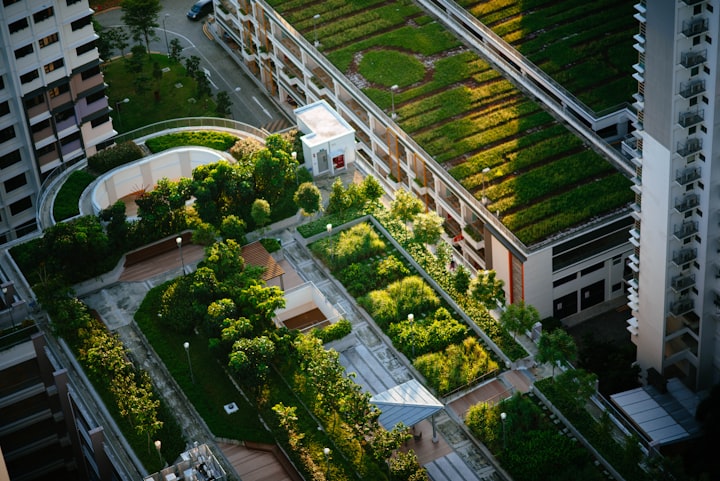
Emerging Trends in Green Building and Sustainable Design