1/5
5 ways to insulate a wall to lower your energy bills and block out noise – and which ones are a mistake to DIY
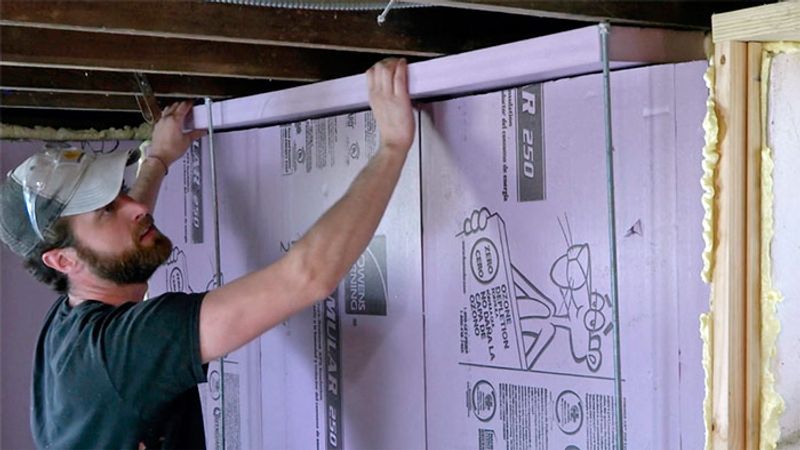
Effective wall insulation is crucial for maintaining a comfortable indoor climate, reducing energy consumption, and lowering utility bills, regardless of the season. Insulating walls contributes to a warmer home in winter and a cooler one in summer, simultaneously helping to protect the environment. Home maintenance and construction experts highlight five primary types of wall insulation, evaluating their ease of installation for DIY enthusiasts versus scenarios where professional intervention is recommended.
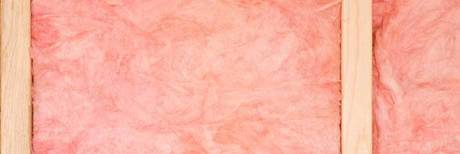
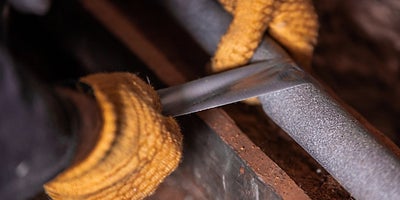
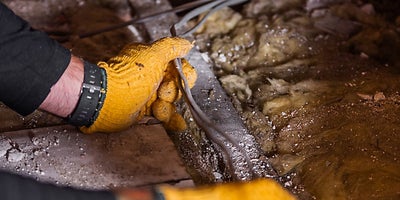
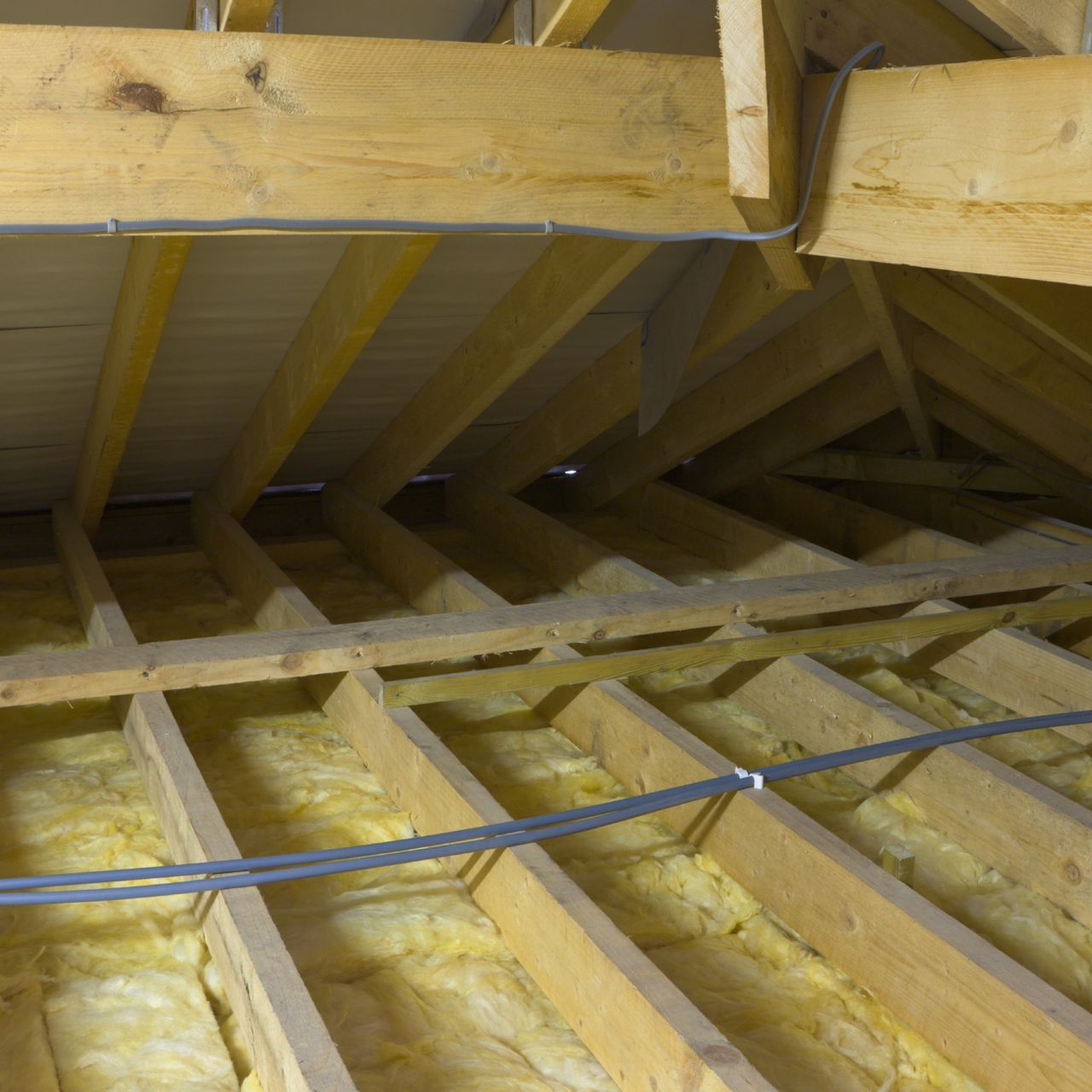
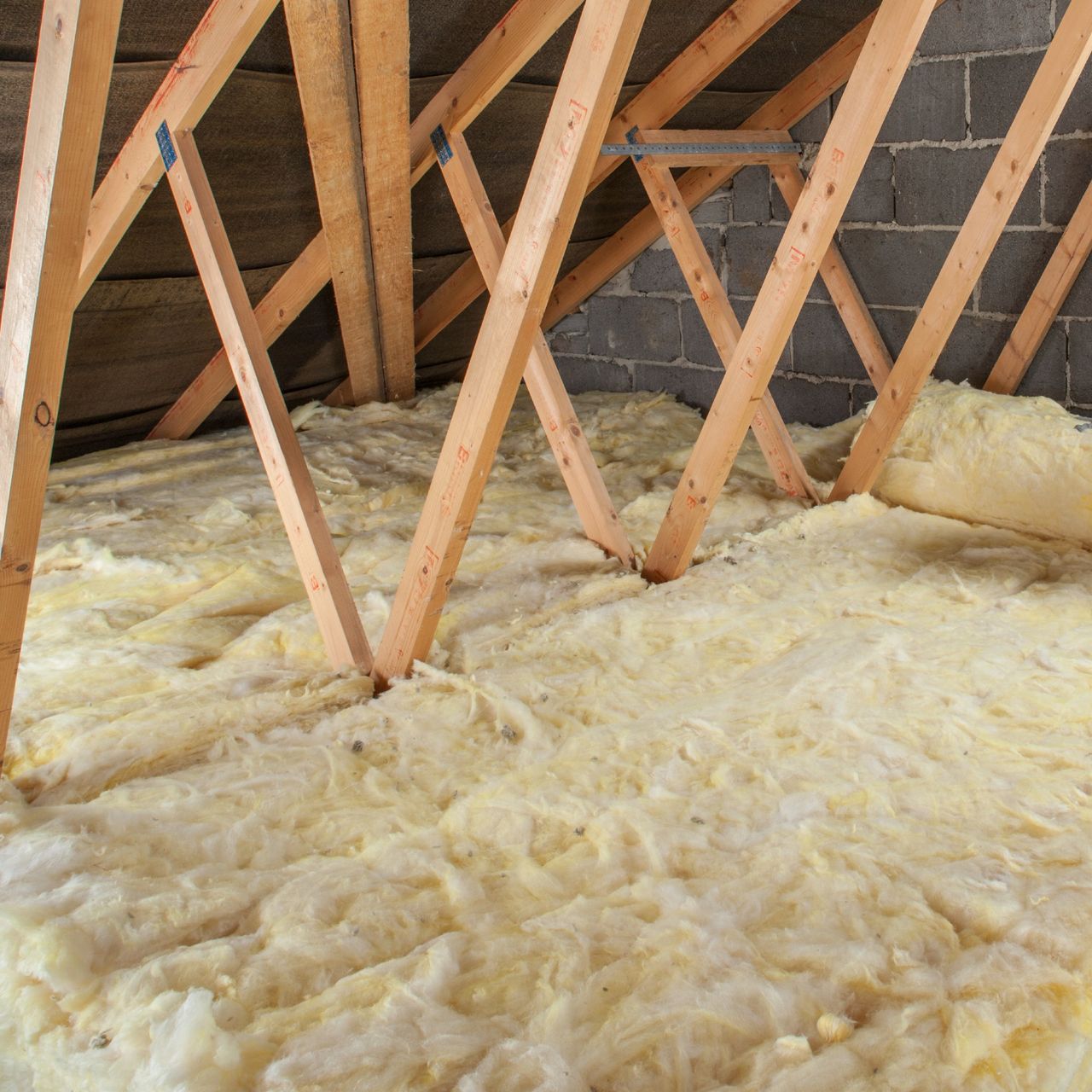
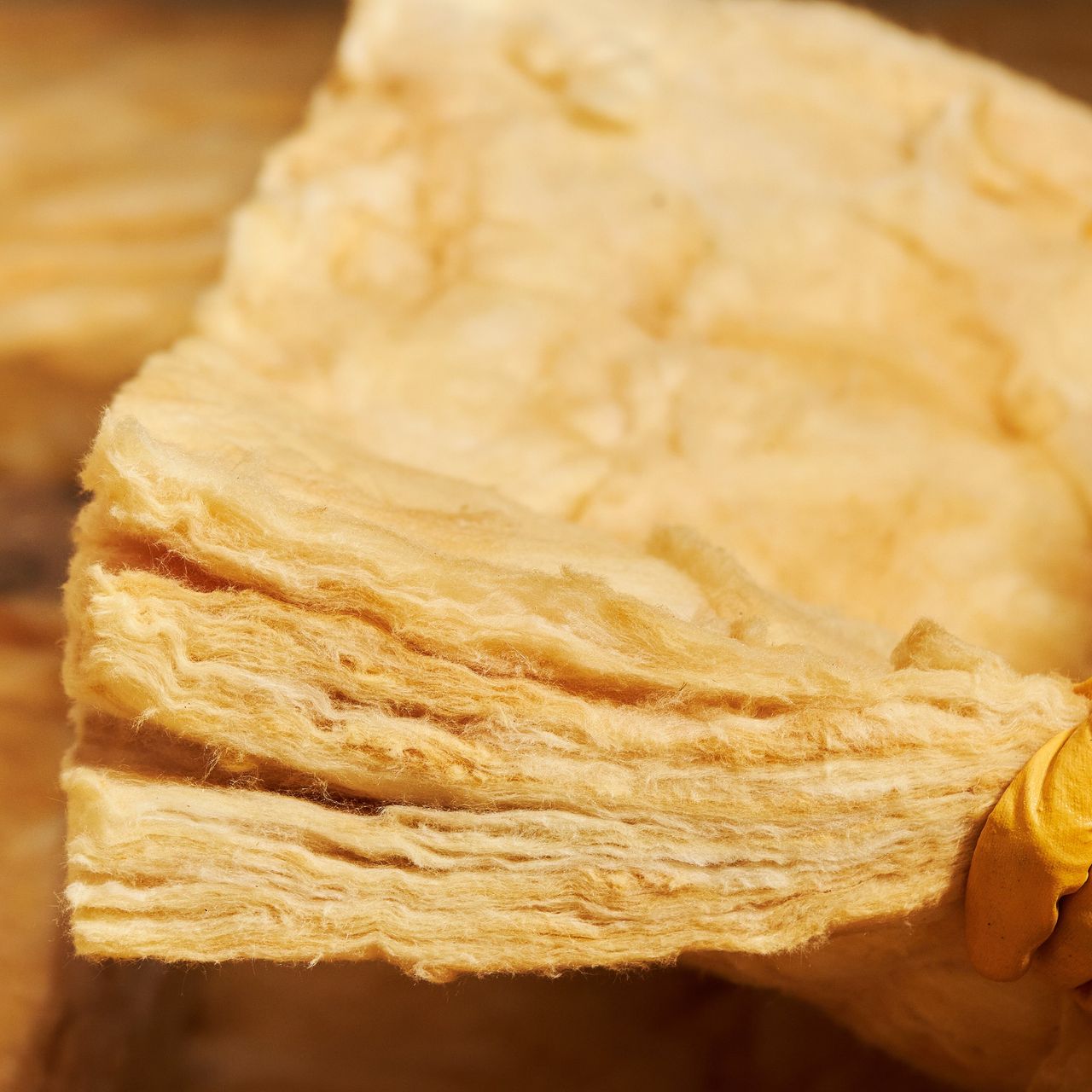
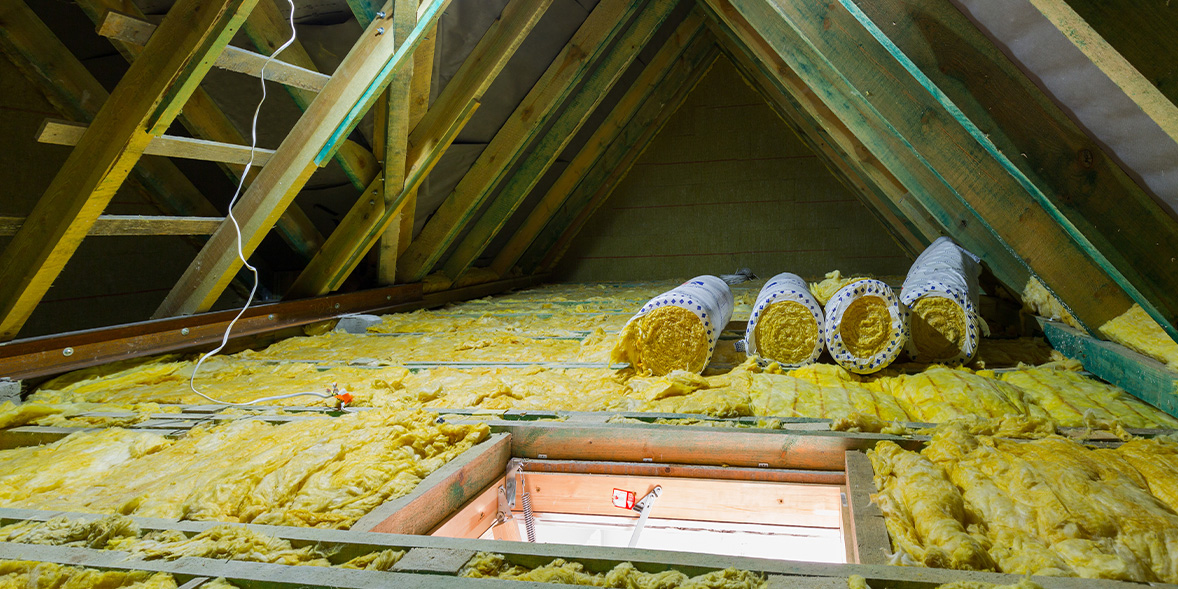
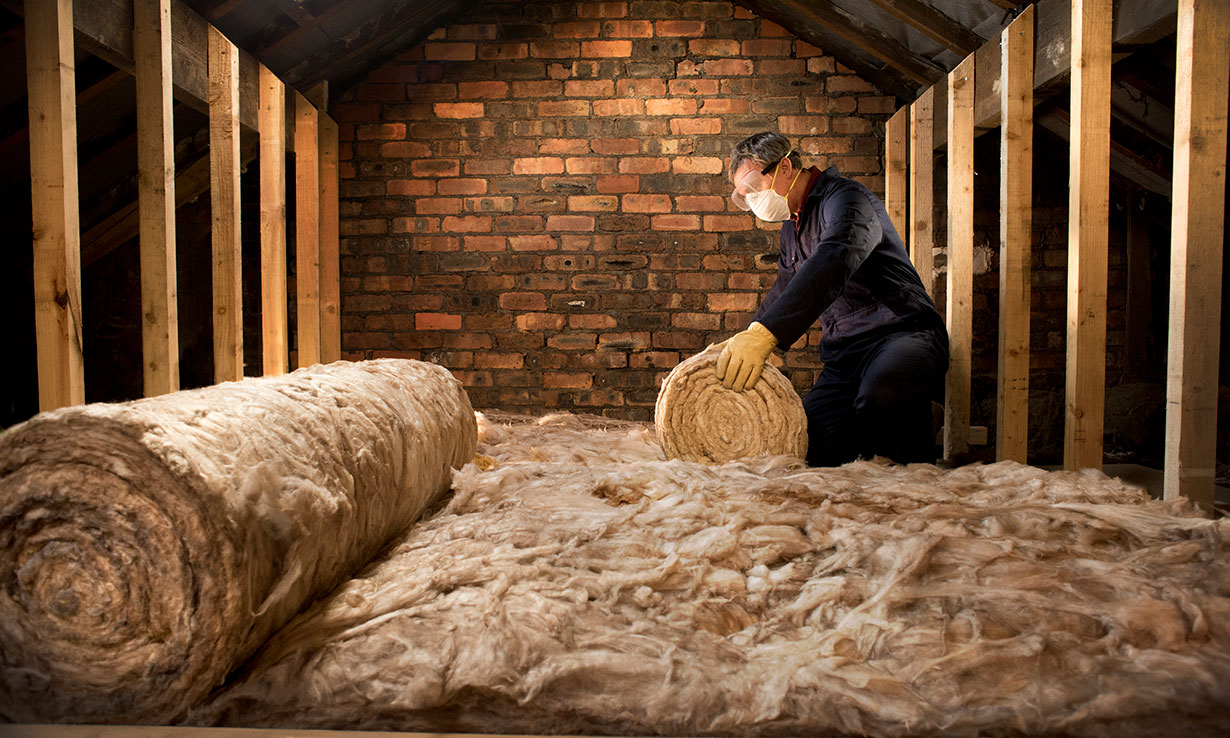
Fiberglass insulation is one of the most widely used types in construction, known for its composition of tiny glass fibers, resistance to mold and fire, and relative ease of installation. It typically comes in rolls designed to fit between wall studs, with a vapor barrier (paper side) facing the interior of the home. Installation involves unrolling the material and stapling its flanges to the framing. A critical aspect is selecting the correct R-rating, which measures insulation's thermal resistance. Walls commonly require an R-16 or higher rating, while ceilings and attics usually need R-30 or higher, with considerations for sound and fire ratings also playing a role. While straightforward for open-bay framing, retrofitting fiberglass insulation into existing walls is generally best left to professionals to avoid accidental damage to wiring or other hidden components.
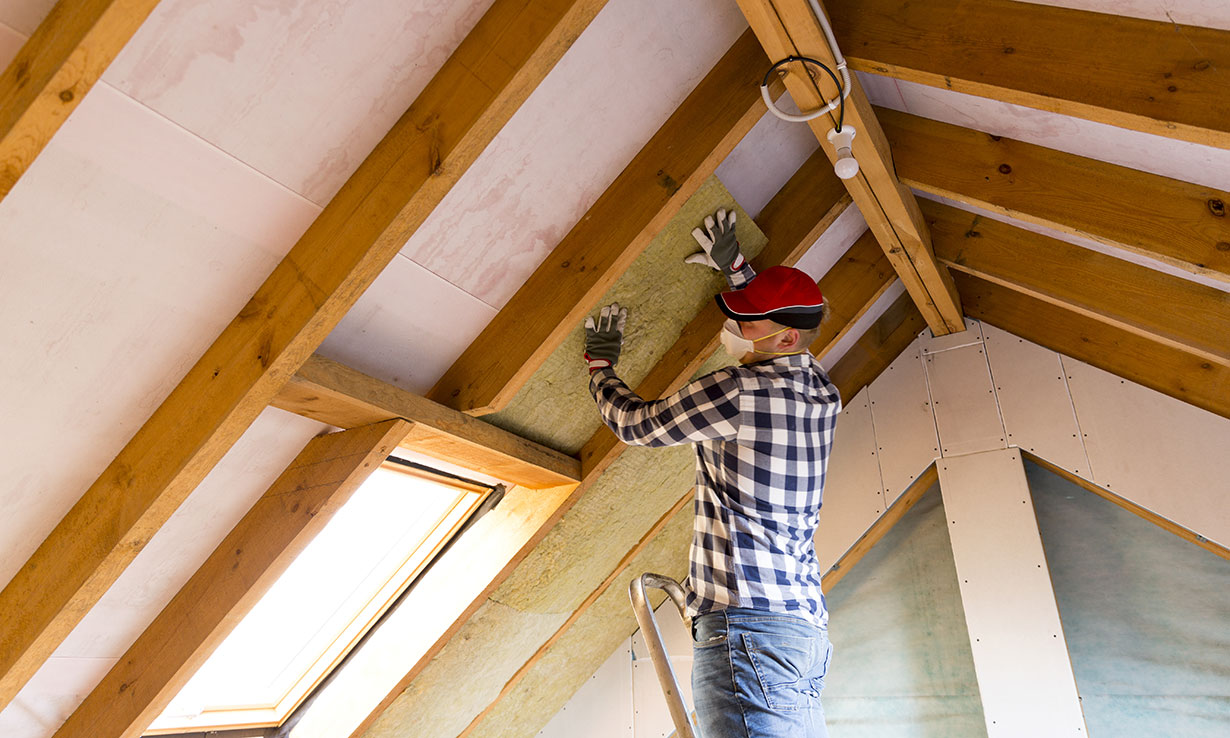
Rockwell insulation, a brand of mineral fiber insulation derived from basalt rock and recycled slag, is highly effective at minimizing heat and energy loss, contributing to lower energy bills and improved indoor comfort. It also offers significant fire and heat resistance, capable of withstanding high temperatures without degradation, and possesses water-repellent properties. Rockwell insulation can be a DIY project, though it lacks the flanges found on fiberglass, requiring careful sizing to fit wall openings. If an opening is unusually sized, it may be necessary to purchase a larger piece and cut it down. For exterior walls, a 6-mil plastic sheeting vapor barrier should be installed between the insulation and the drywall. However, for those lacking confidence or encountering complex situations, professional installation is advised to ensure proper placement and prevent energy inefficiencies that could negate any cost savings.
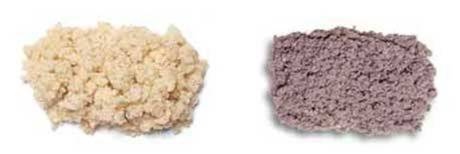
Cellulose insulation, made predominantly from recycled paper, offers a cost-effective and environmentally friendly alternative. Chemical additives enhance its fire resistance and deter pests. Installation methods include manual placement or, more commonly, machine-blown application, which is faster and often preferred by professionals. While simple attic insulation might be suitable for DIY, installing cellulose in walls is more complex, requiring holes to be drilled between every stud for blowing in the material. The specialized equipment needed for this process can be prohibitively expensive for a single DIY project, making professional installation a more practical choice for wall applications. It is crucial to ensure the correct thickness is installed, as insufficient or excessive amounts can compromise effectiveness and potentially block essential air channels or clog HVAC systems.
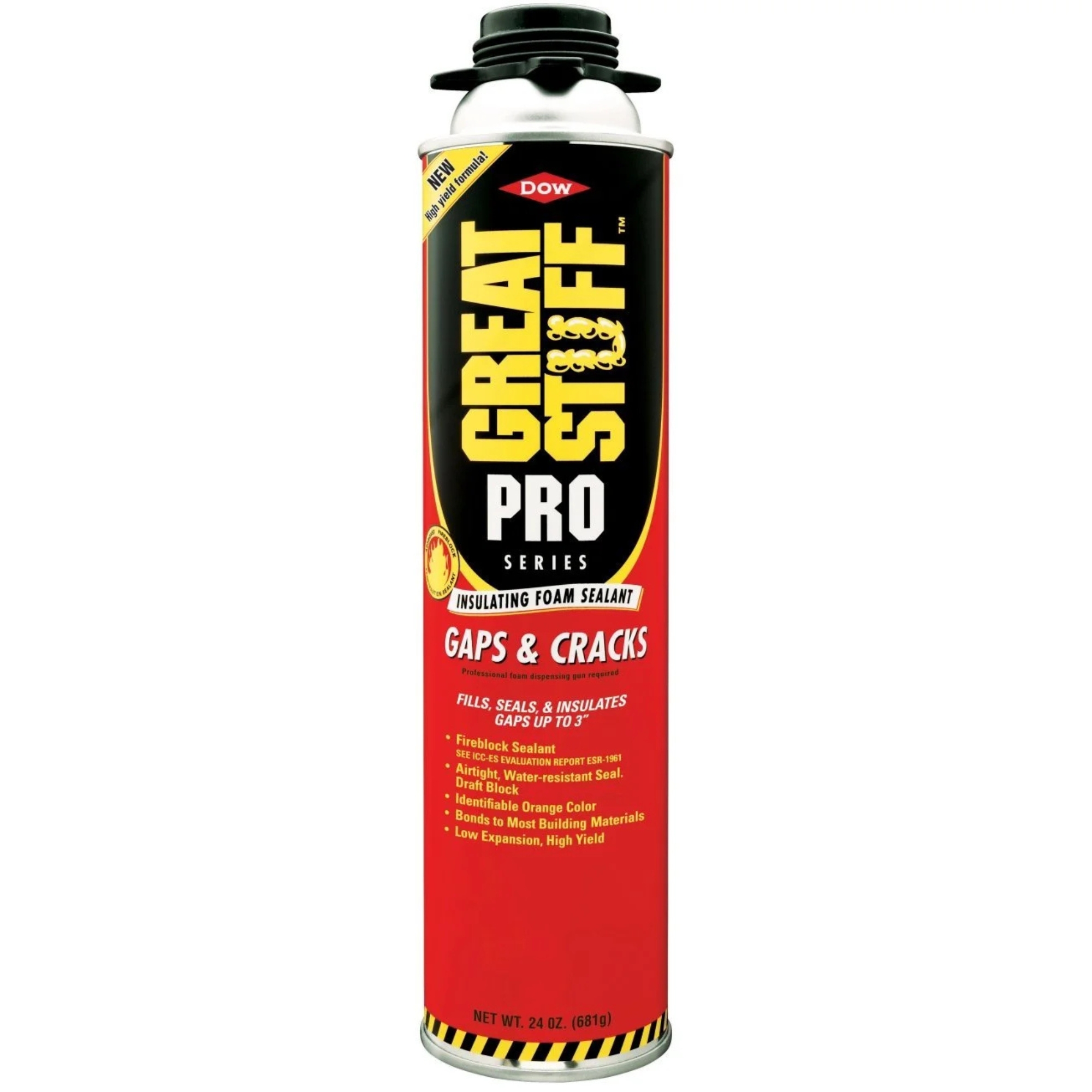
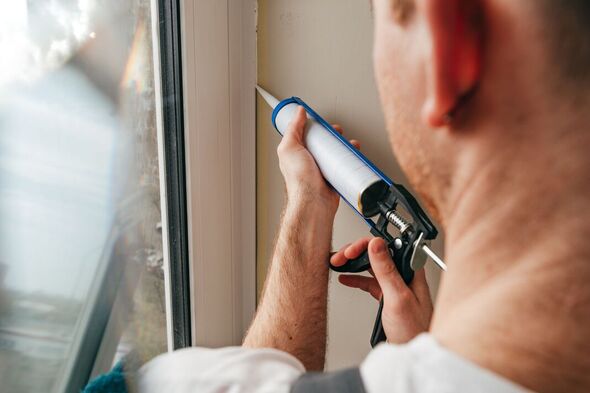
Foam insulation, typically a low-density polymer, is a newer option offering excellent insulation properties, air-leak sealing capabilities, sound insulation, and moisture protection. It is generally applied by spraying, a process that is best handled by professionals due to the specialized equipment and expertise required to achieve the correct thickness and R-rating. However, smaller applications, such as sealing around windows and doors, can be done by homeowners using readily available kits. Incorrect application of foam insulation can lead to significant material waste and failure to achieve the desired thermal performance.
Natural fiber insulation utilizes renewable and biodegradable materials like wool, hemp, cork, and spun wood fibers, bound in a glue matrix. This option is considered highly DIY-friendly, with installation methods similar to fiberglass and Rockwell insulation, often coming in rolls that can be cut with a knife. Despite its ease of installation and eco-friendliness, natural fiber insulation can be harder to source, usually requiring specialist suppliers. It is important to note that, given its organic nature, natural fiber insulation areas should be regularly checked for leaks, as moisture can lead to mold growth. R-values are a universal measure of insulation's thermal performance, indicating its ability to resist heat transfer. Higher R-values denote better thermal resistance. Common ratings are R-16 or higher for walls and R-30 or higher for attics, though specific requirements can vary by location and climate, necessitating consultation with local authorities. Insulating interior walls is generally done for soundproofing or to manage temperature differentials between specific rooms, rather than for overall energy efficiency, which is primarily addressed by insulating exterior walls, attics, and other critical areas like crawl spaces and pipes.
#WallInsulation #EnergyEfficiency #DIYHomeImprovement #FiberglassInsulation #RockwellInsulation #CelluloseInsulation #FoamInsulation #NaturalFiberInsulation #HomeMaintenance #WallInsulation #EnergyEfficiency #DIYHomeImprovement #FiberglassInsulation #RockwellInsulation #CelluloseInsulation #FoamInsulation #NaturalFiberInsulation #HomeMaintenance
合計0件のコメント
 まだコメントはありません
あなたも好きかもしれません

How to insulate a cold wall from the inside, and why the type of wall you have matters
The 4 areas of your home pros say to always insulate to keep it toasty in colder weather – plus, where to never insulate

How to soundproof a room according to an expert

Insulate Your Basement, Part 3
This Simple DIY Upgrade Keeps Your Garage Comfortable and Warm

Loft Insulation

5 Types Of Sound Insulation To Dampen Noise Between Floors


Do acoustic wall panels soundproof a room? Experts…
The Best Soundproofing Materials for Any Room in Your Home

5 cheap and easy ways to soundproof a room, whether you're a homeowner or a renter
9 basement insulation ideas

9 expert tips for soundproofing a room – how to sort acoustics while losing nothing of the aesthetics


Cavity wall insulation problems – what can go wrong
Home insulation materials

How to 'warm up' cold walls and 'protect' your home from condensation and mould growth
How to insulate a loft or roof

Should you insulate a basement ceiling? Expert advice for a comfortable home
How to insulate a loft
This is how to get your roof and loft insulation right so that your home stays warm and energy efficient all winter long

4 Effective Ways to Soundproof Your Bedroom