Eclectic Interior Design: Understanding the Key Elements
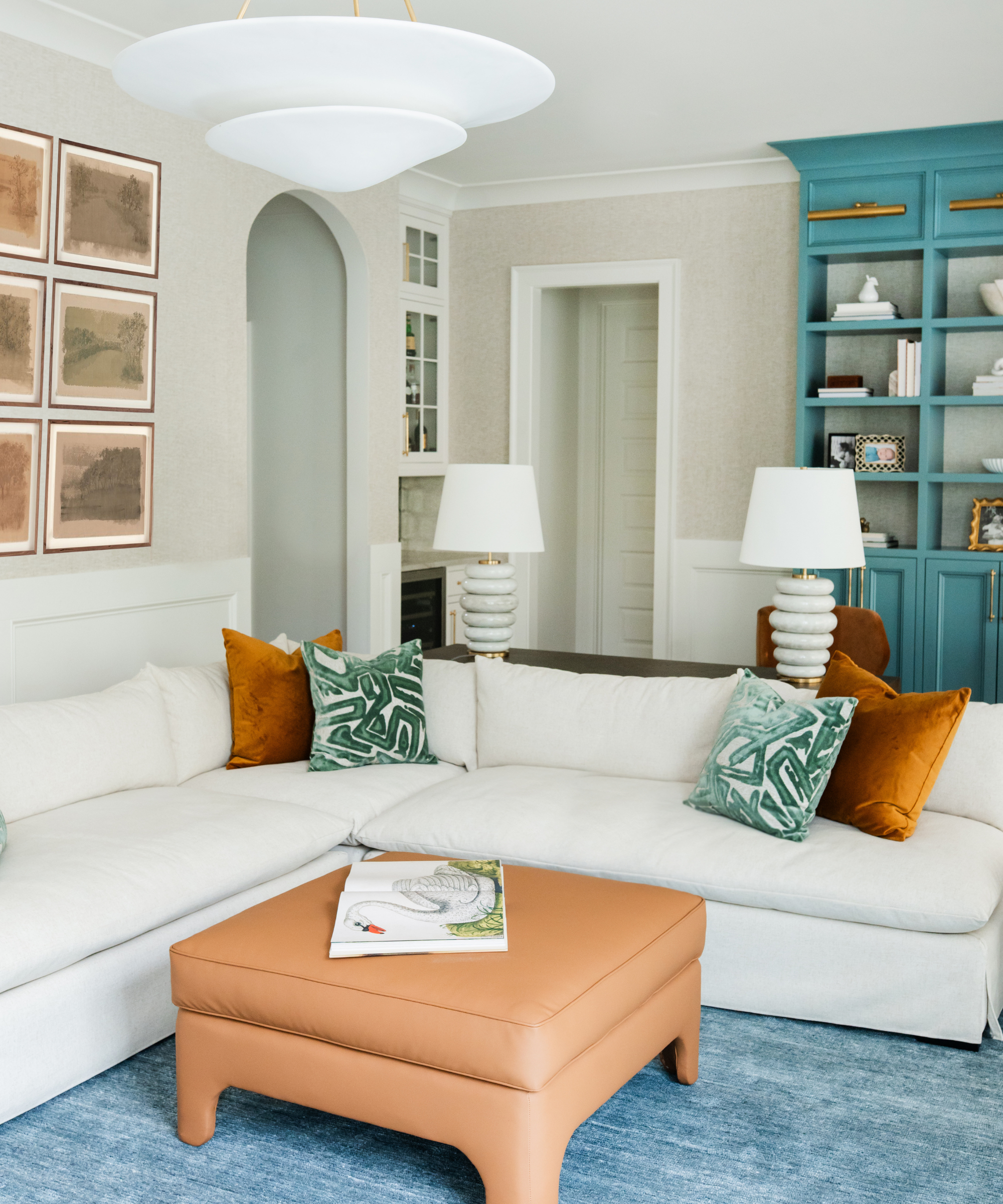
Eclectic interior design is characterized by a "collected-but-not-a-collection" aesthetic, where diverse items from different eras and styles are thoughtfully combined to create a cohesive and personalized space. This approach eschews rigid design rules, embracing individuality and a broad range of influences. Designer Lindsay Boudreaux defines it as deriving ideas, style, or taste from diverse sources, creating a mix of traditional, modern, artsy, and collected elements. The style is gaining popularity, sometimes referred to as quiet luxury, bookshelf wealth, or vintage modern.
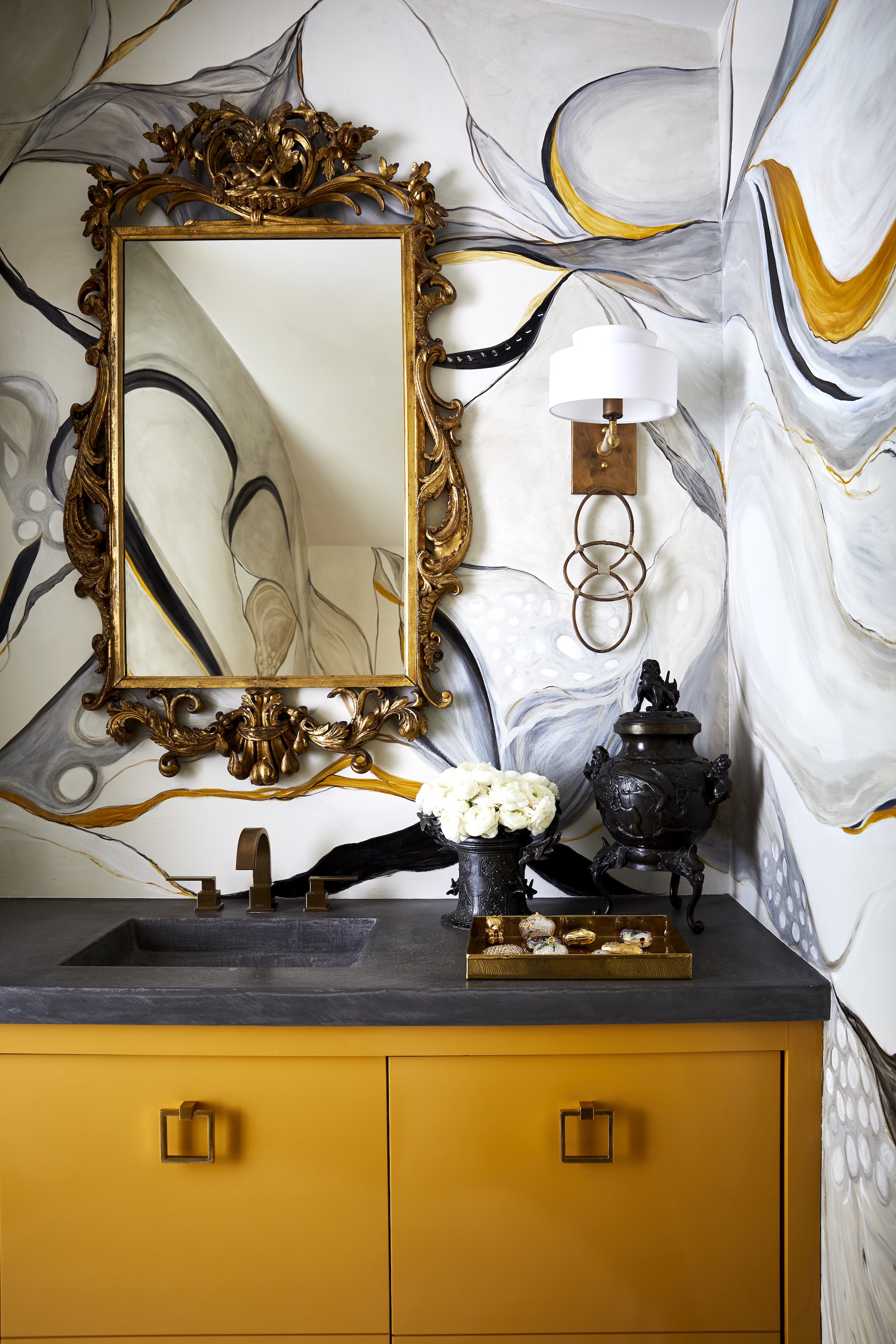
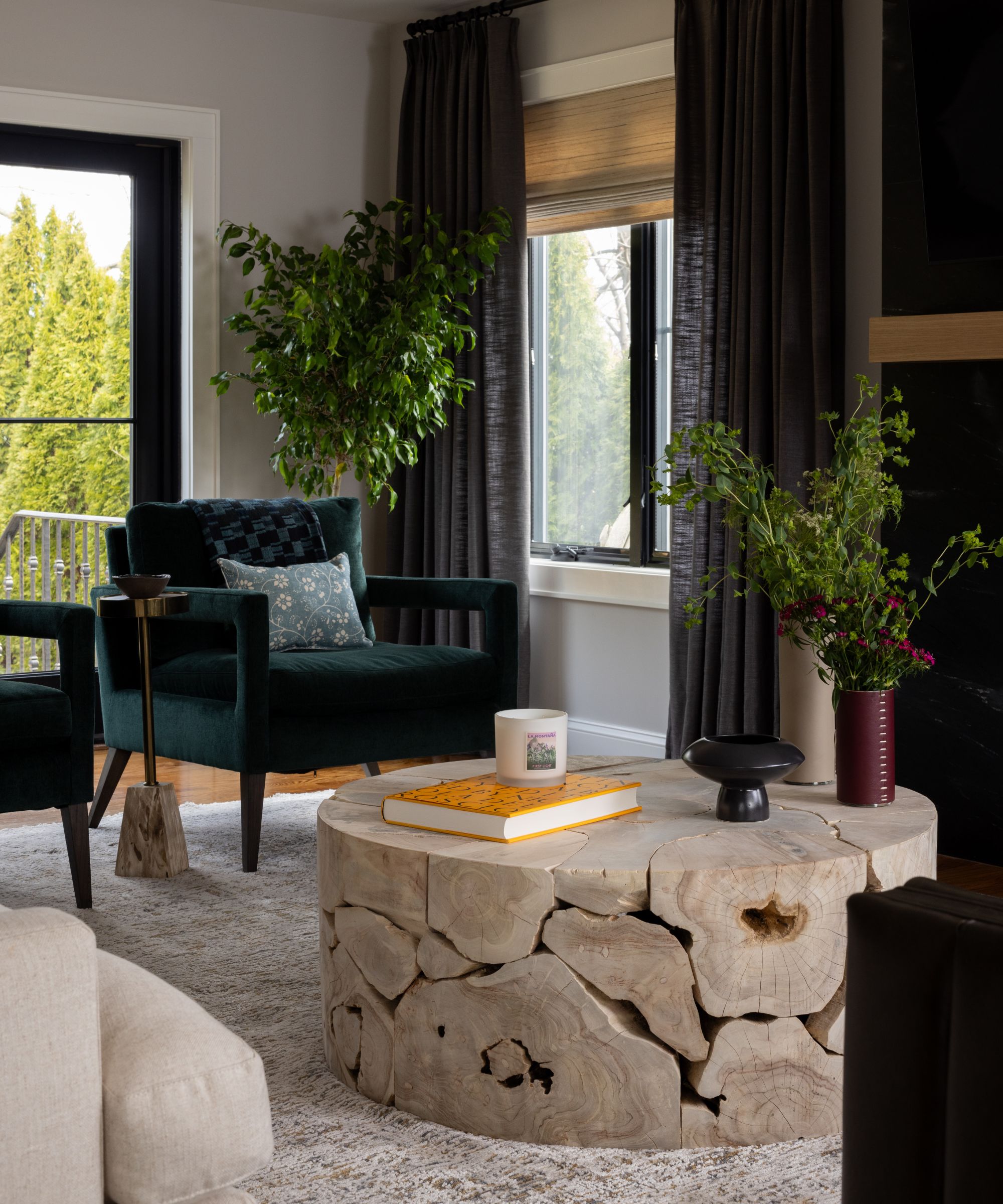
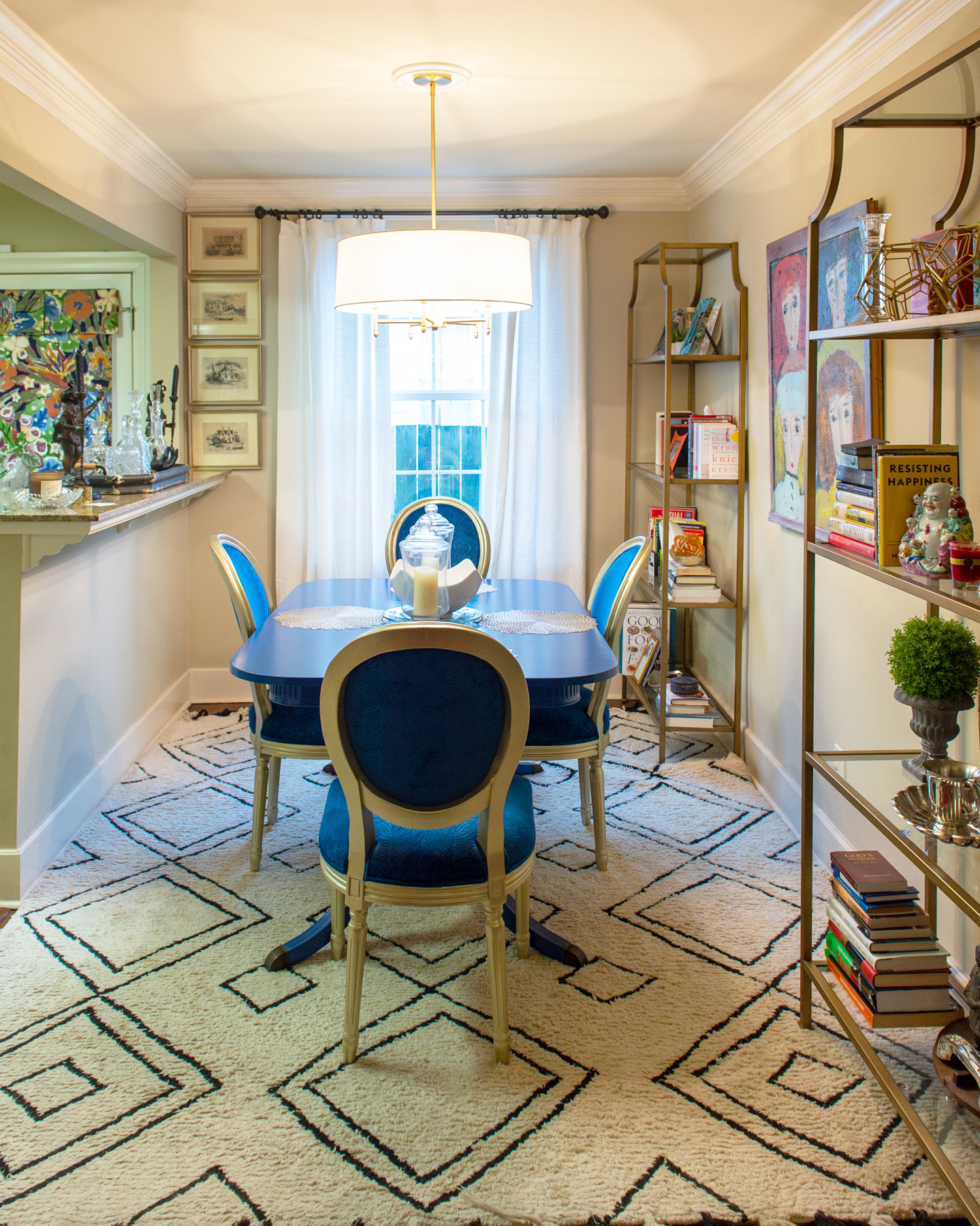
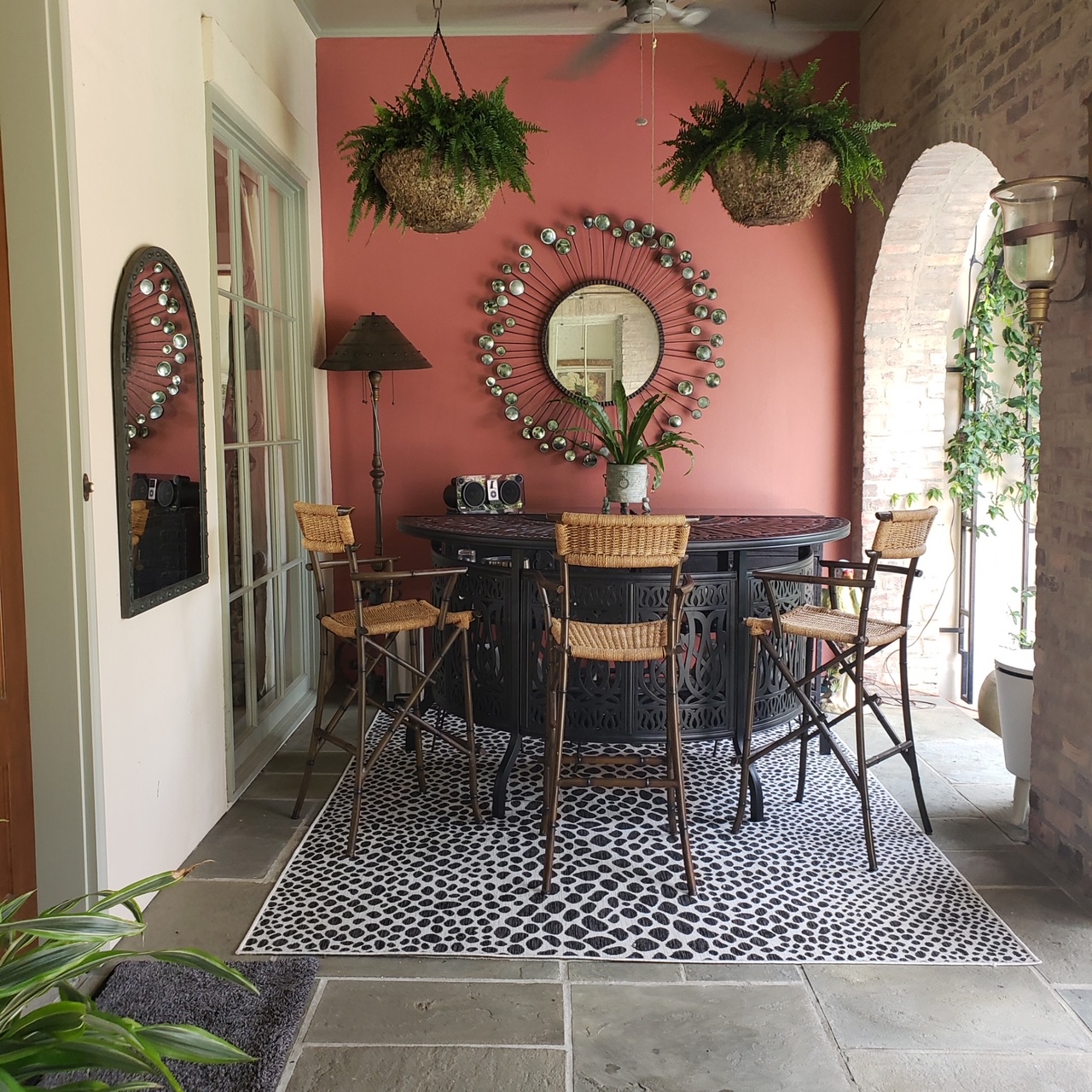

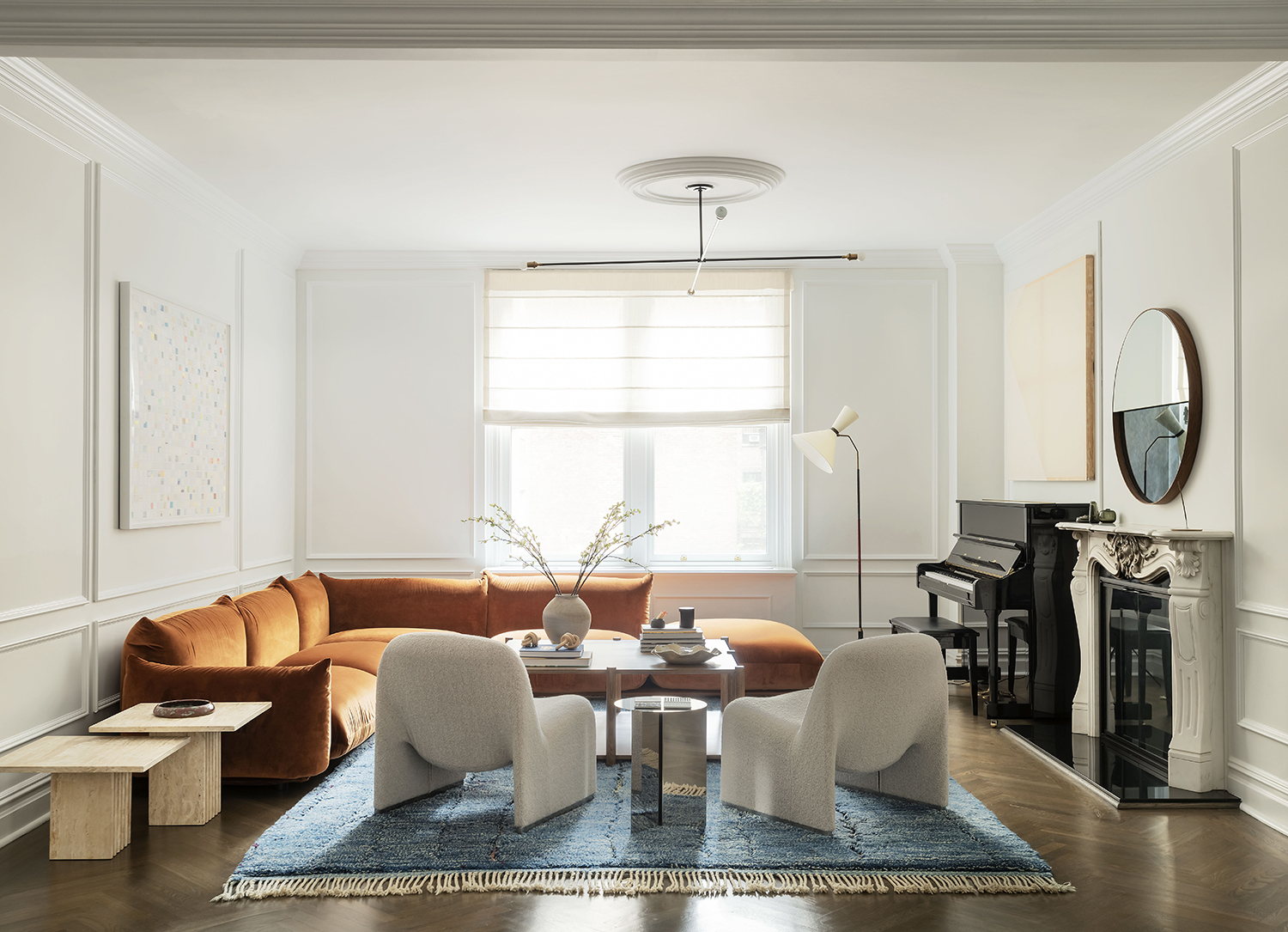
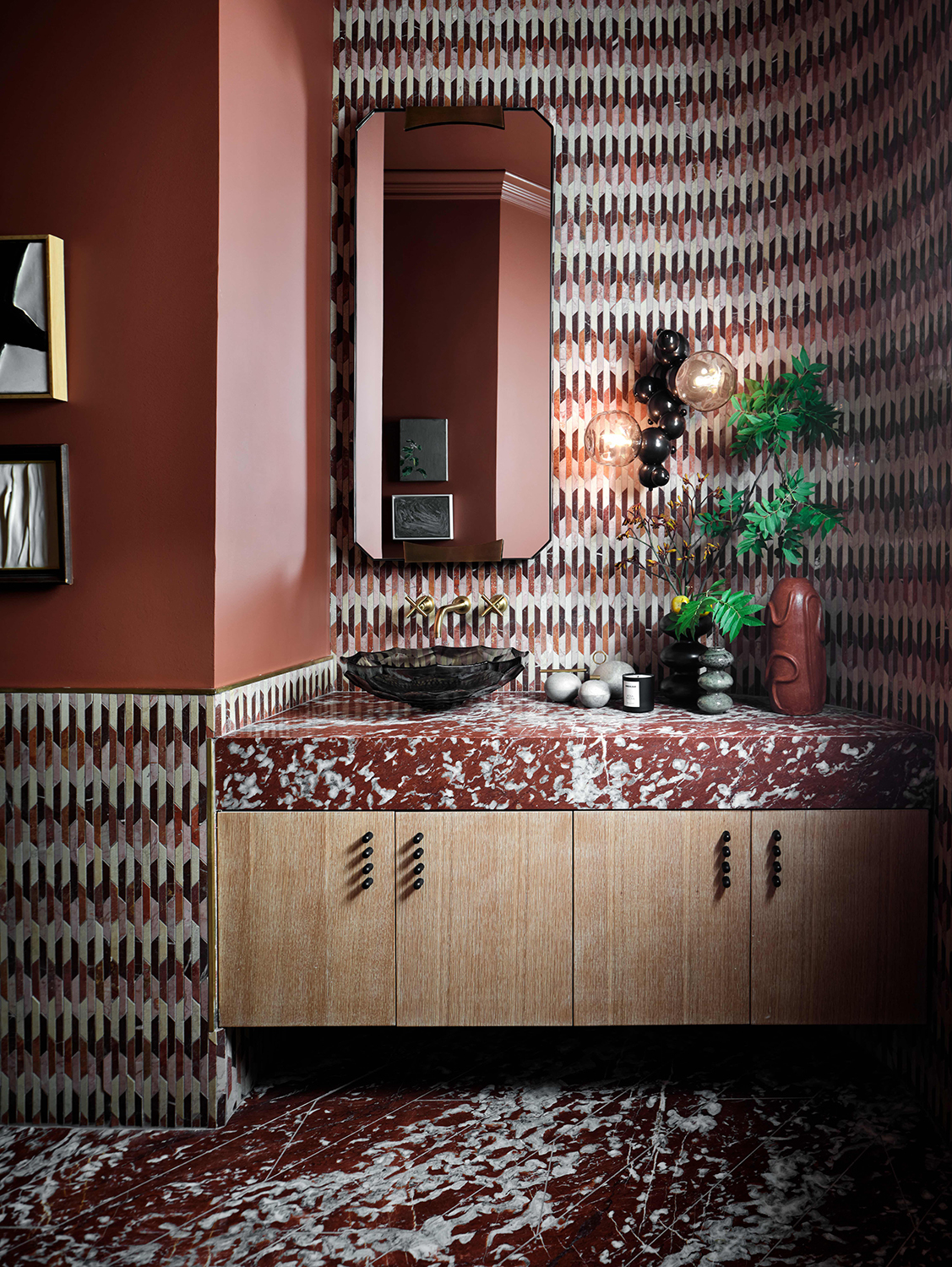
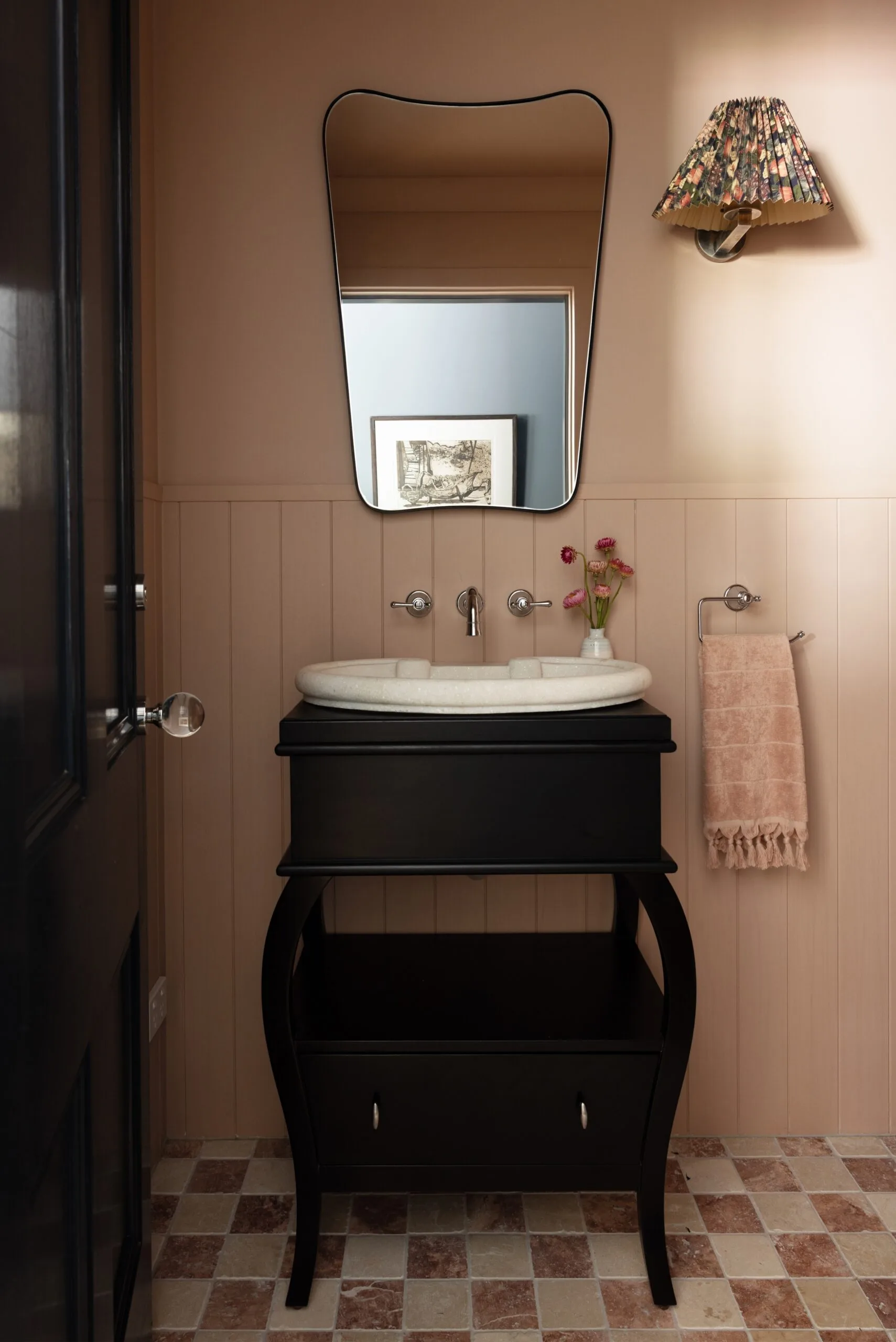
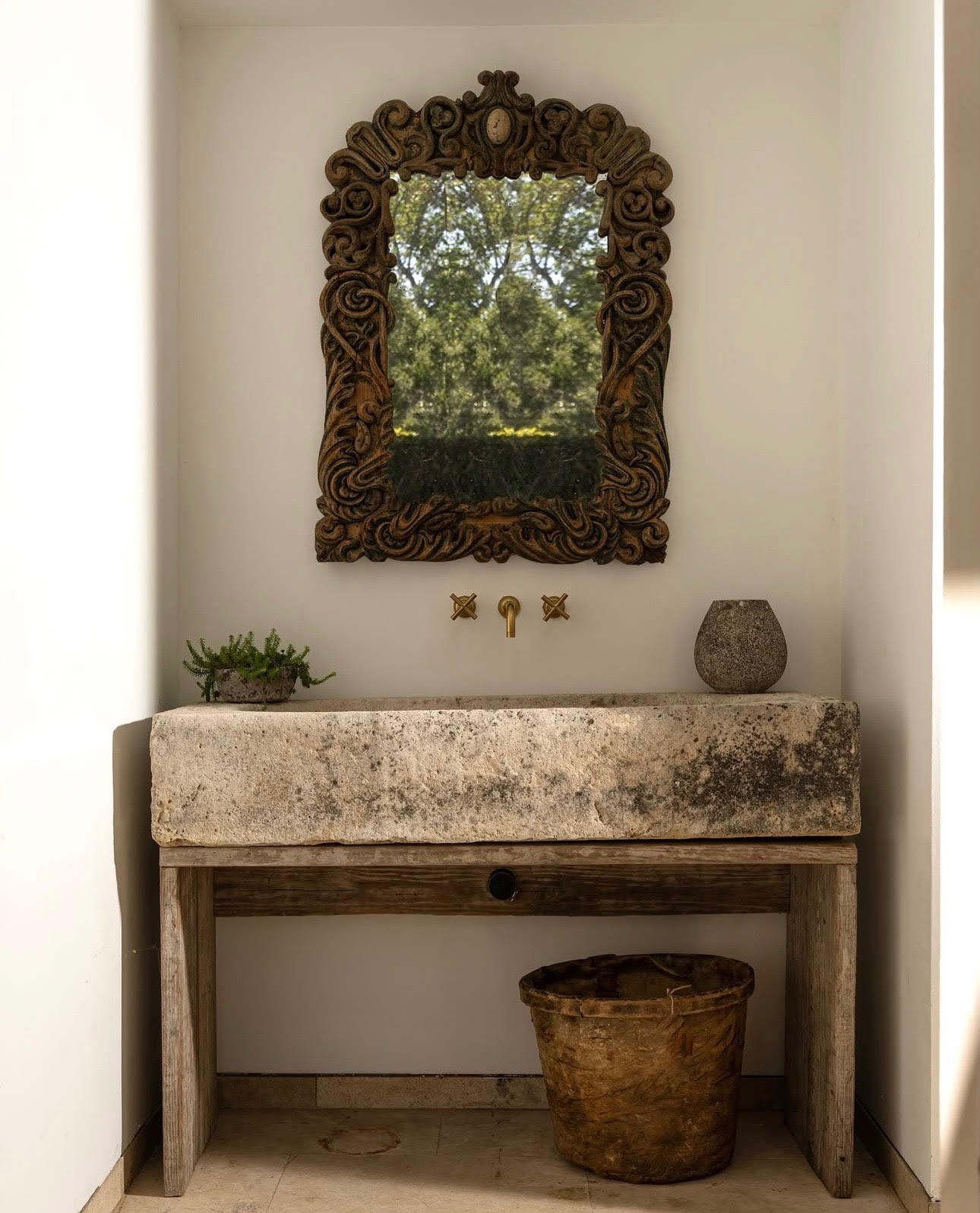
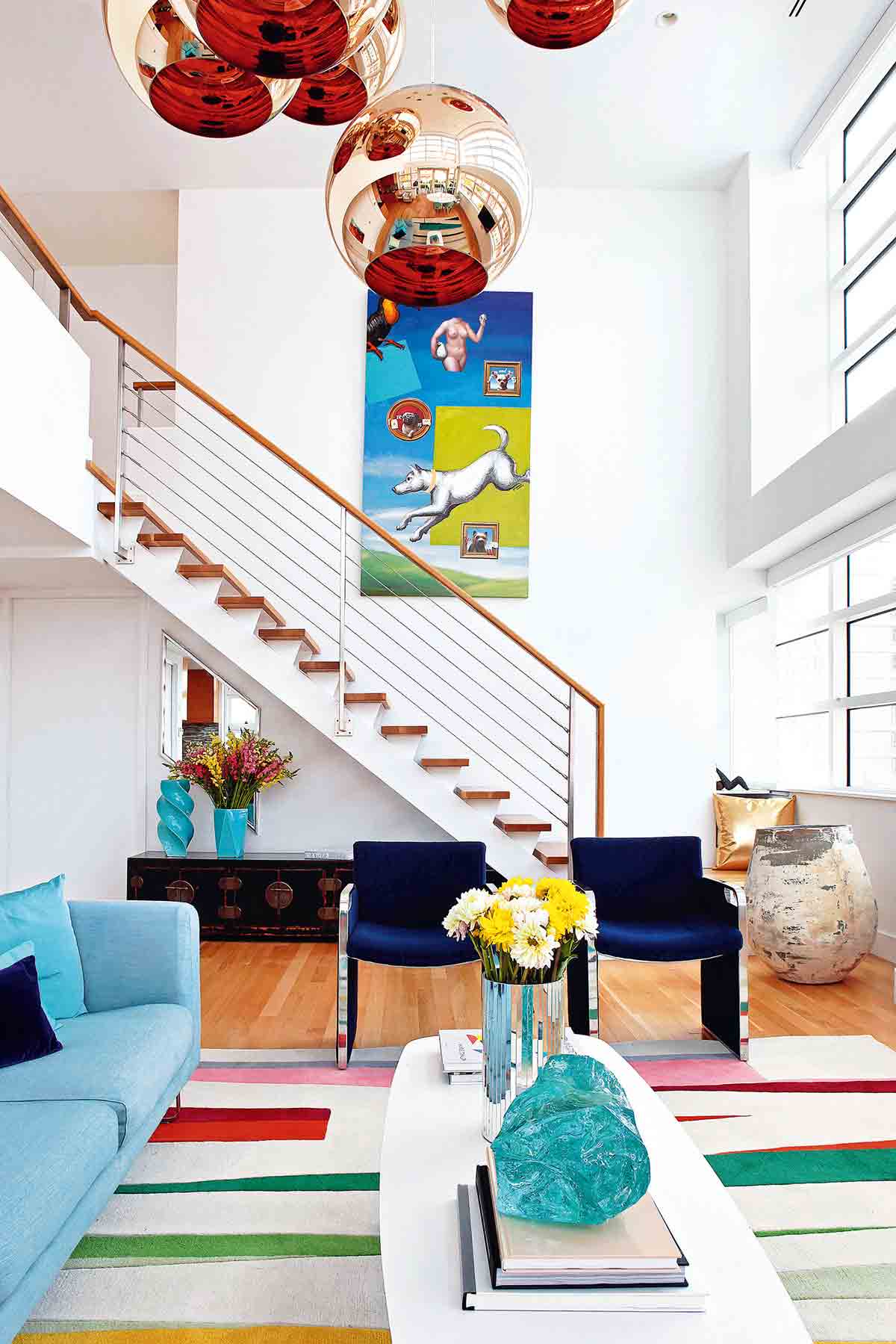
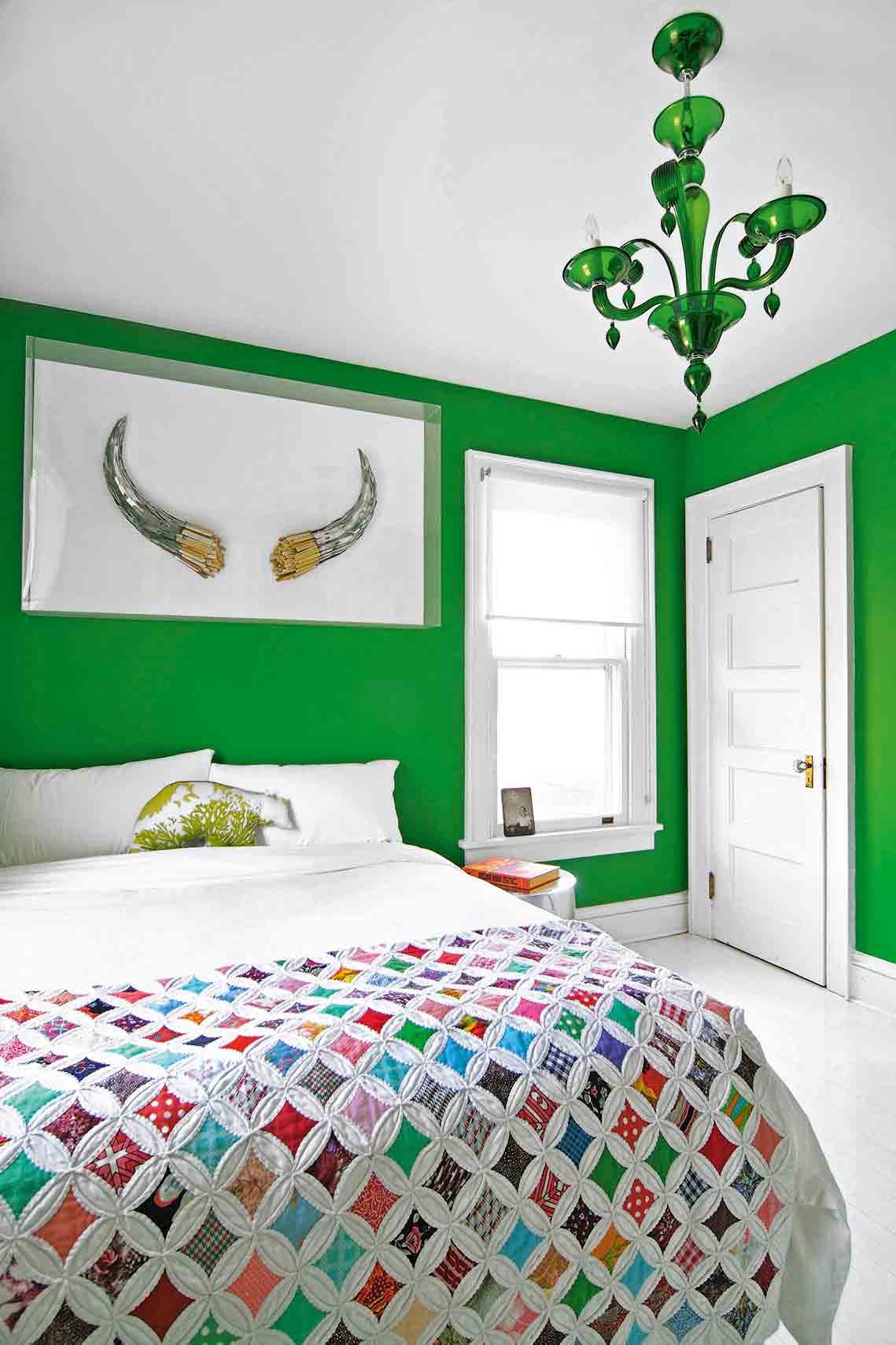
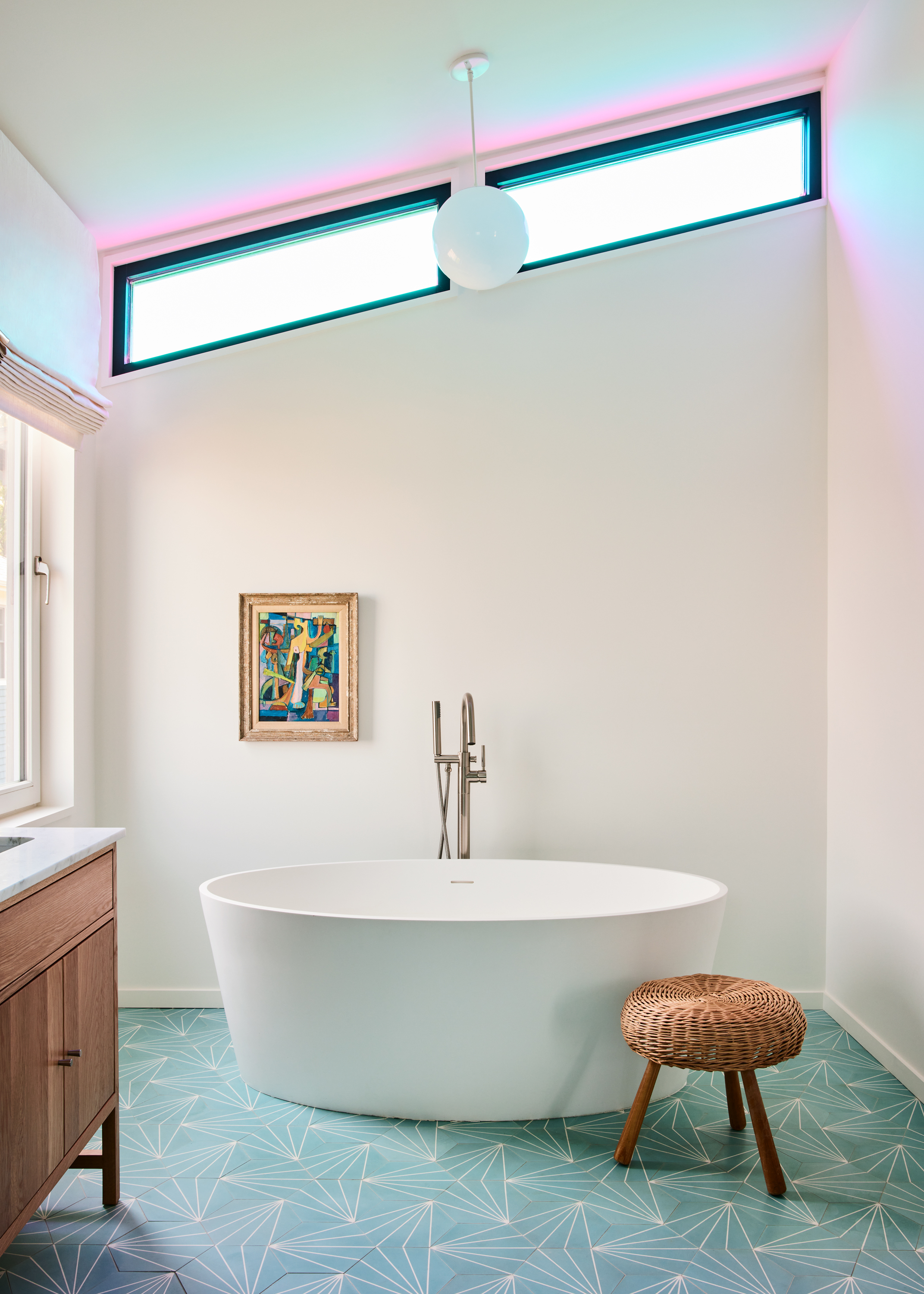
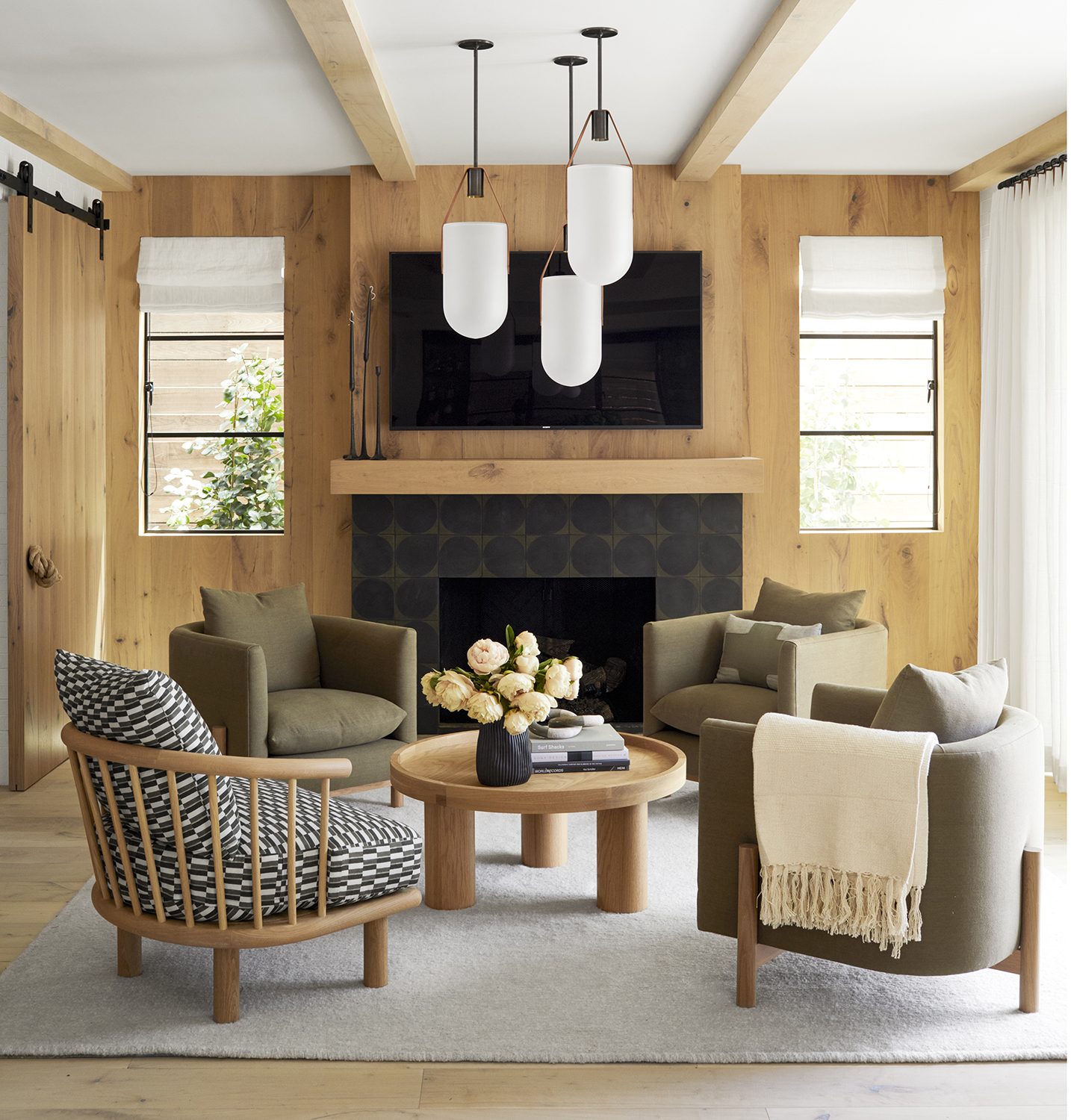
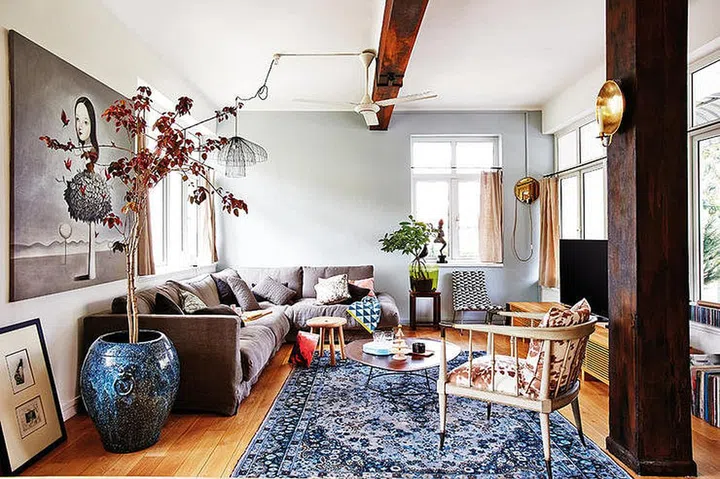
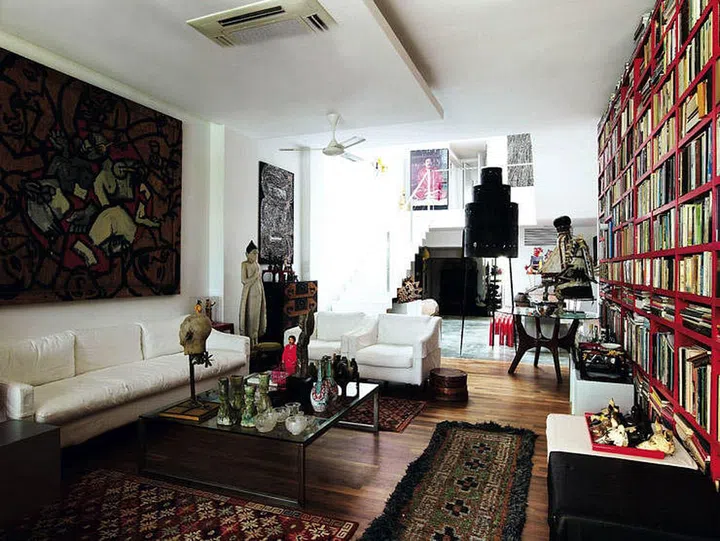
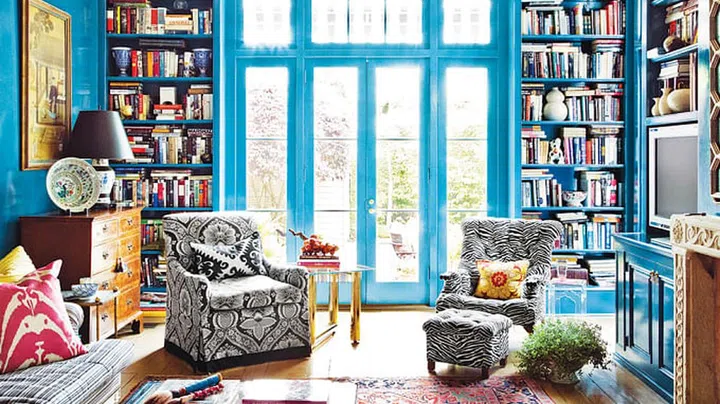
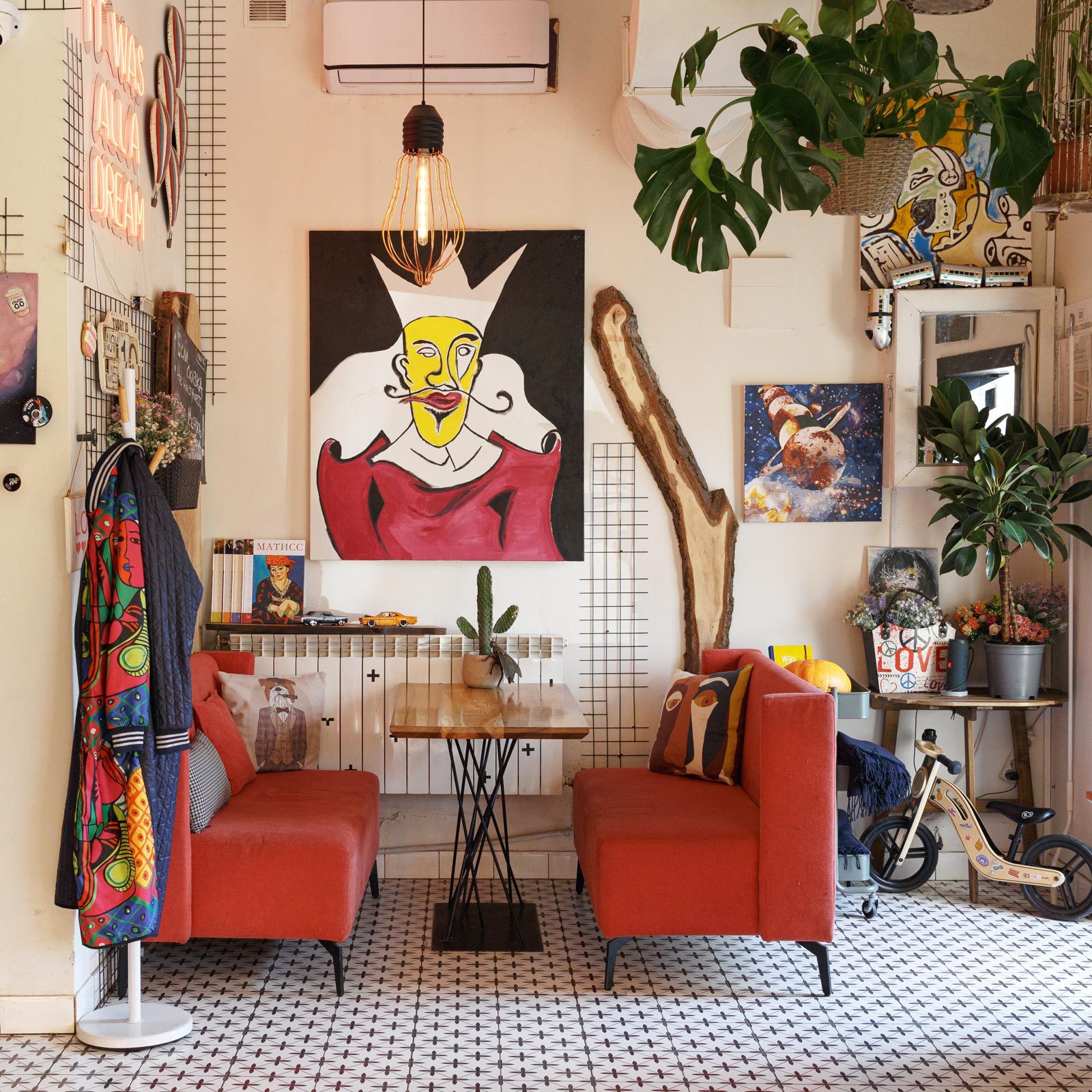
Key elements of eclectic design include combining opposites, such as a minimalist Scandinavian sofa with a Baroque mirror, to tell a continuous story rather than just matching components. It also involves a daring use of color and pattern, exemplified by a bright African rug contrasting with earth-toned furniture in a loft apartment. Fusing various textures and materials, like glass, metal, wood, and fabric, adds depth and interest to a space, as seen in a vintage Brooklyn brownstone blending Victorian nostalgia with contemporary art.
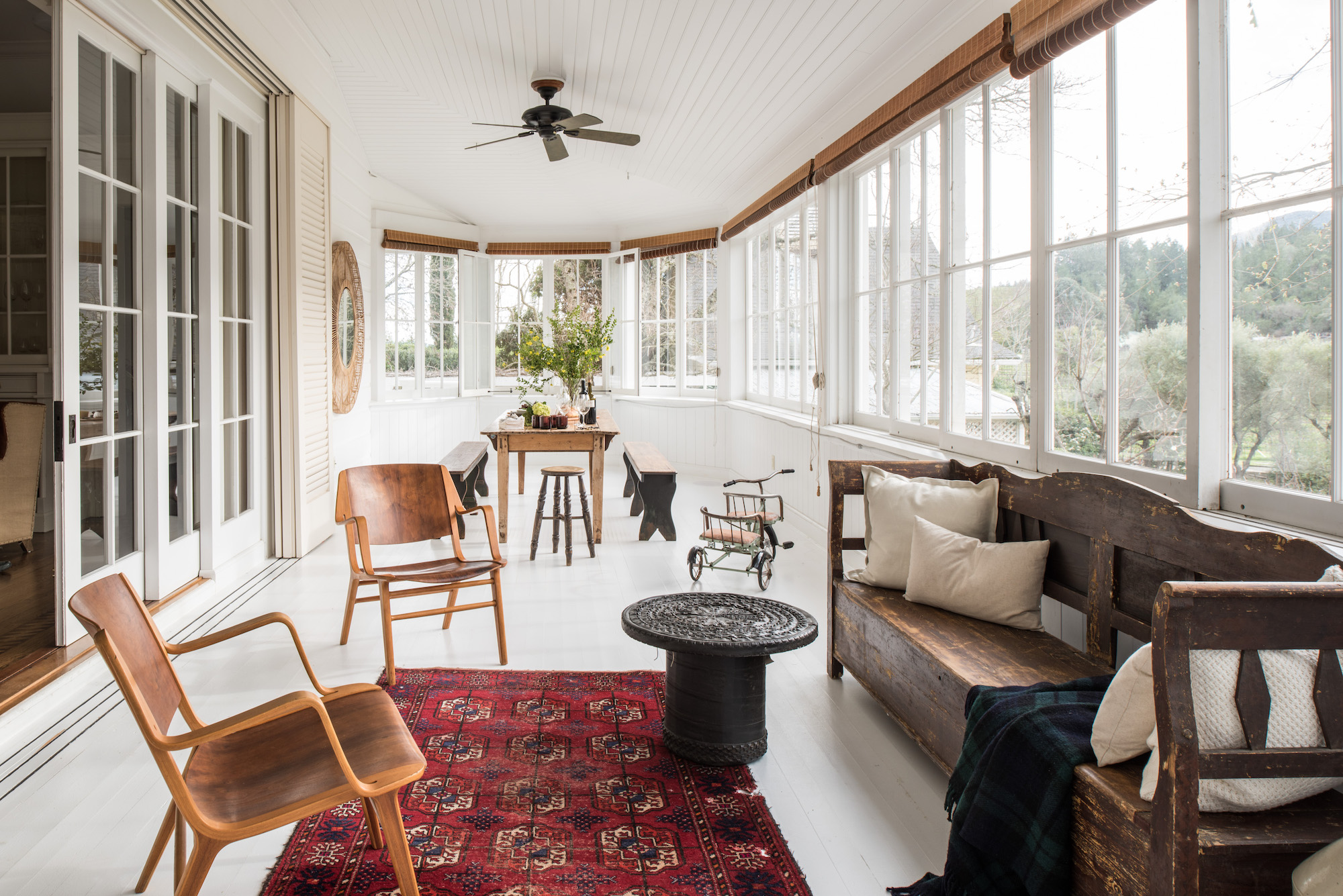
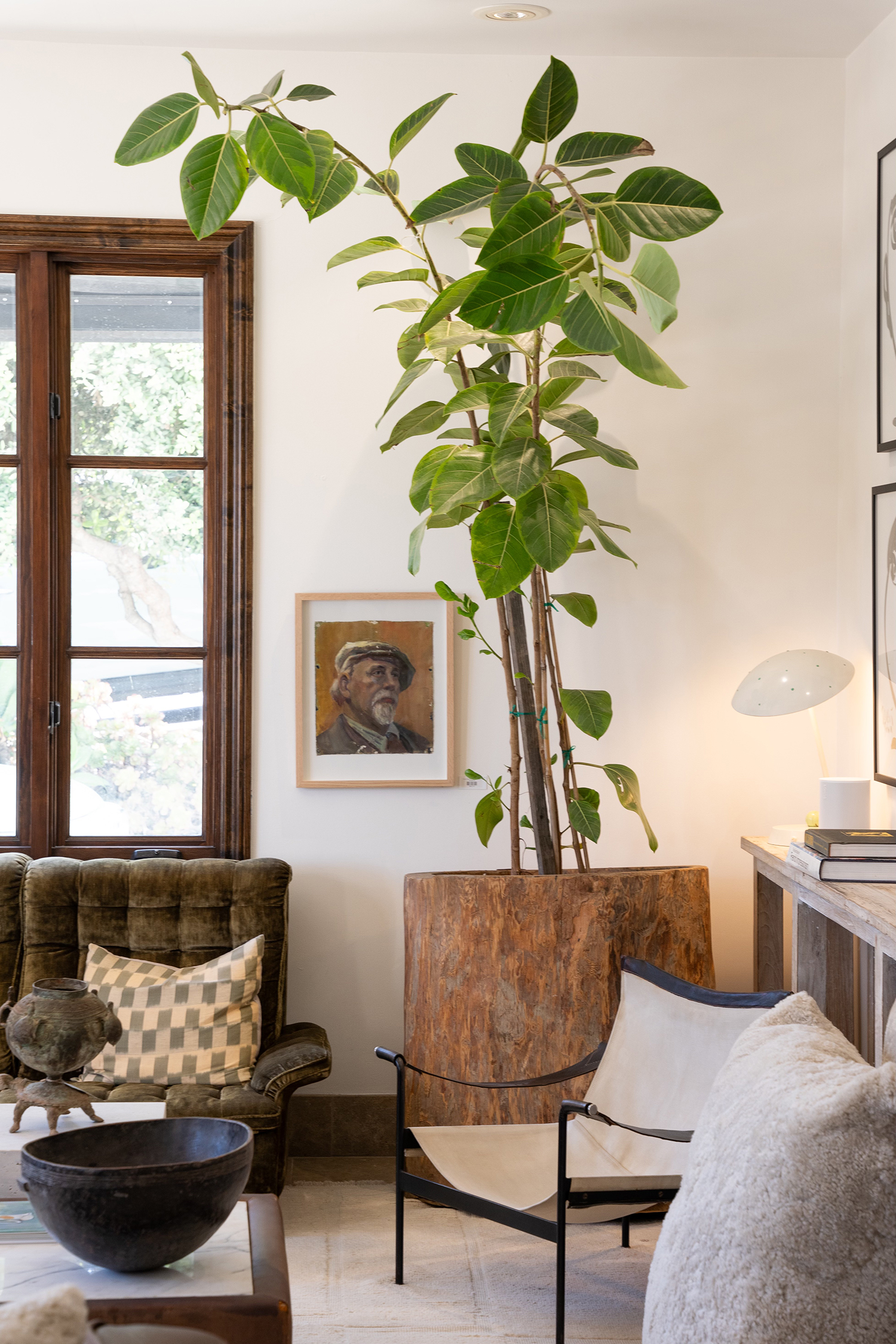
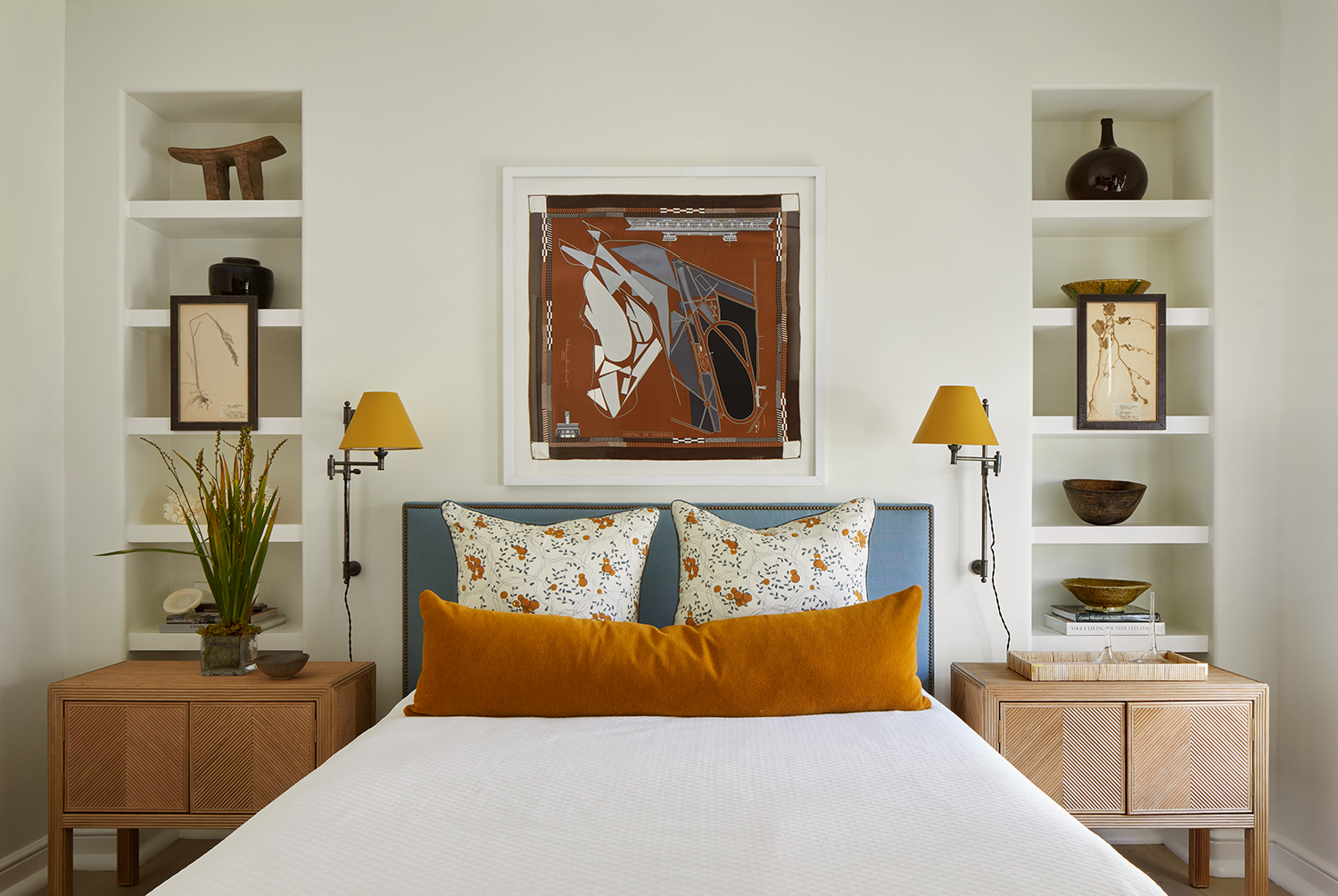
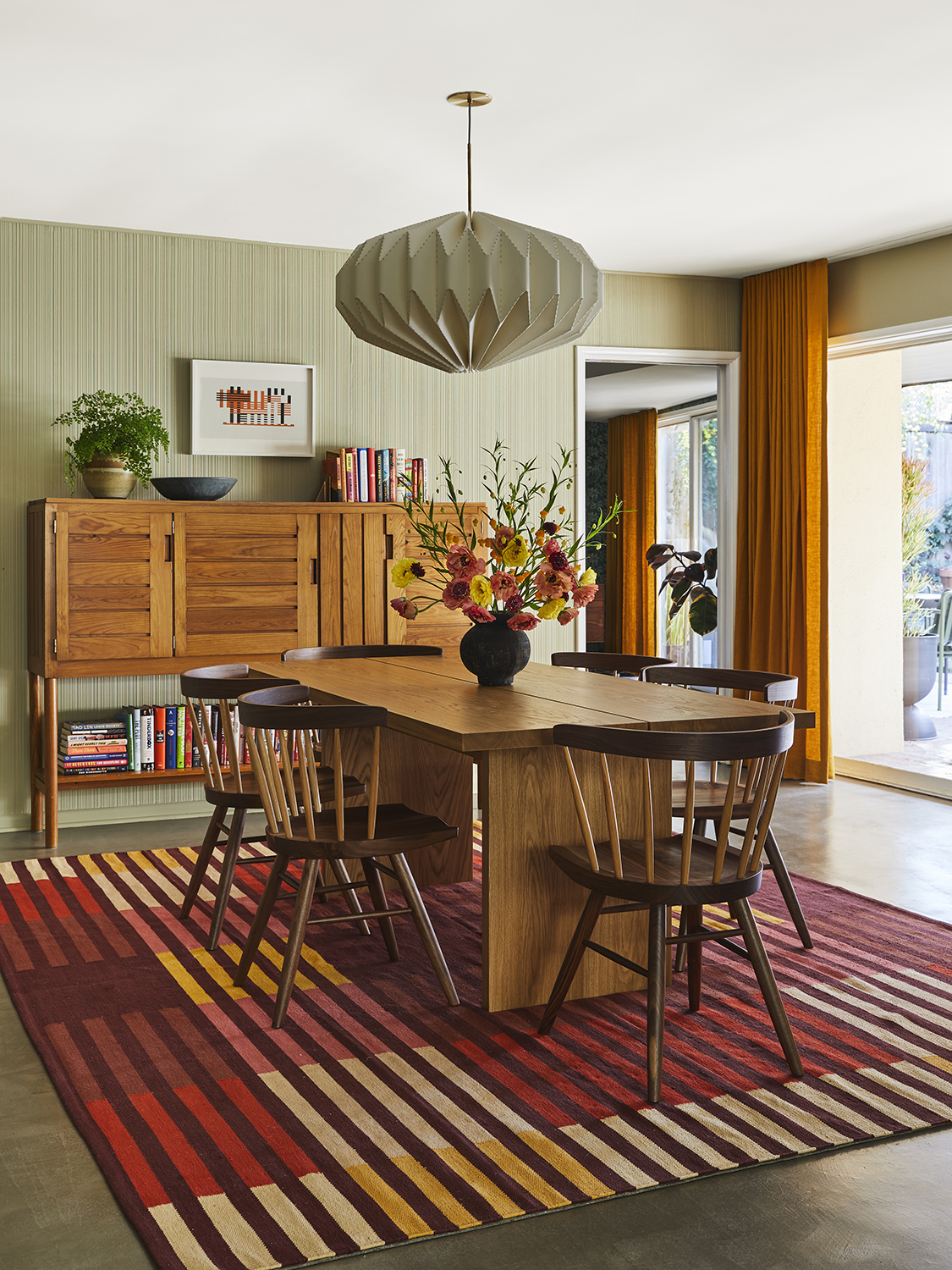
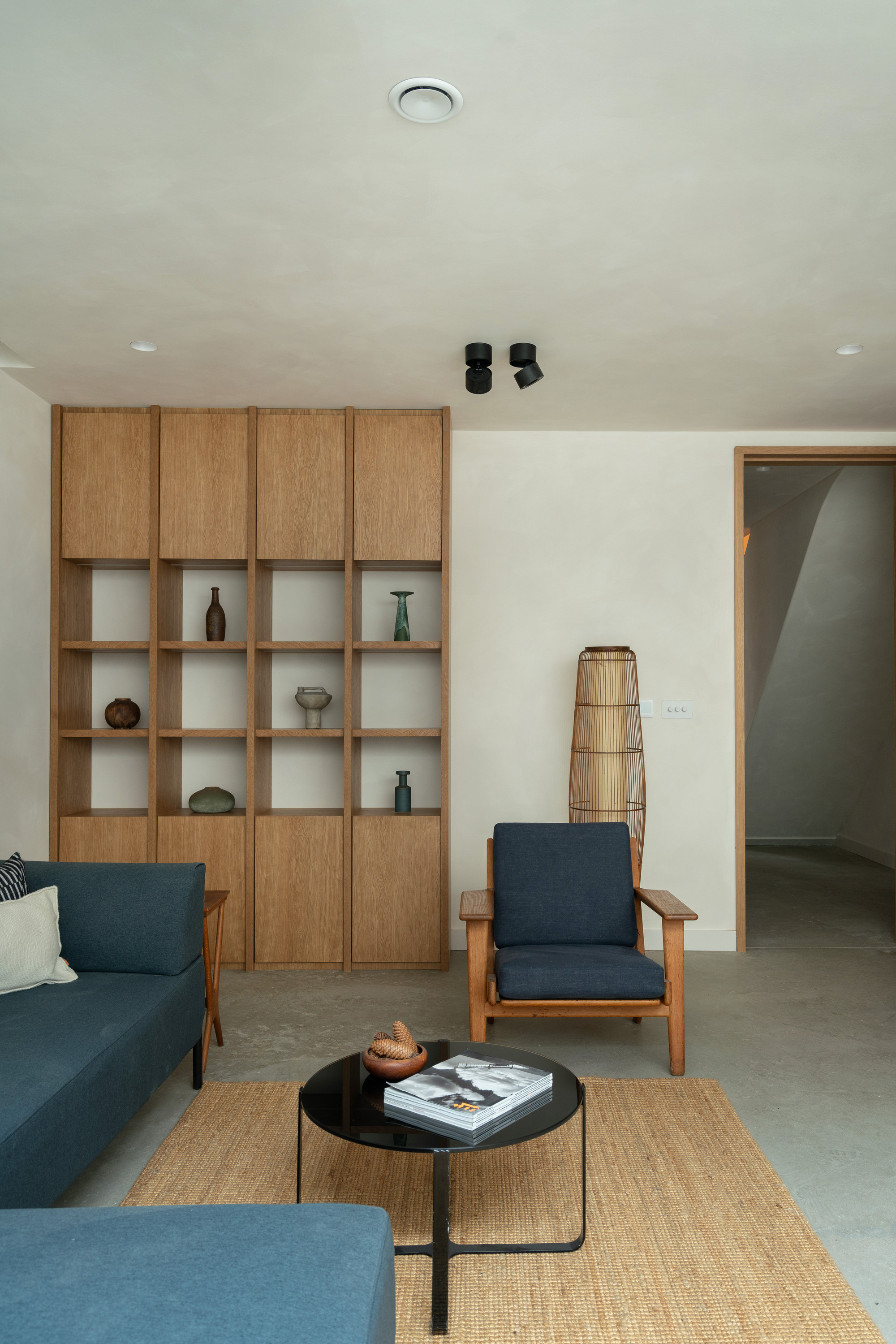
The freedom inherent in eclectic design allows individuals to express their unique personal taste. It encourages the incorporation of vintage or antique pieces, like a Persian rug, alongside contemporary items, such as a modern sofa, a midcentury teak bookshelf, and an Andy Warhol print. This creates a collected-over-time vibe, similar to maximalism but without excessive clutter. A minimal eclectic style is also possible, featuring a clean, sparsely decorated interior with functional pieces of different styles that harmonize through their materials.
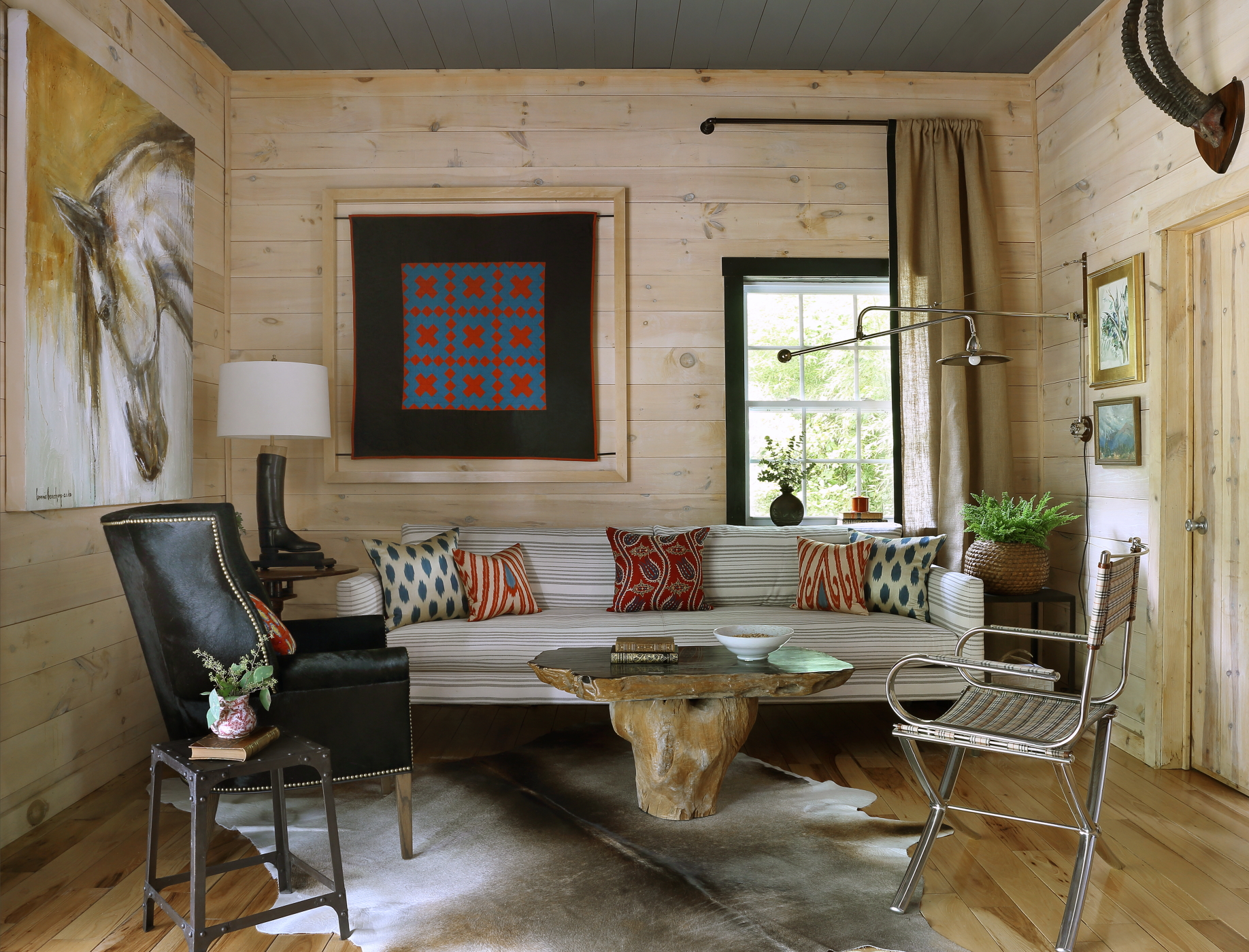
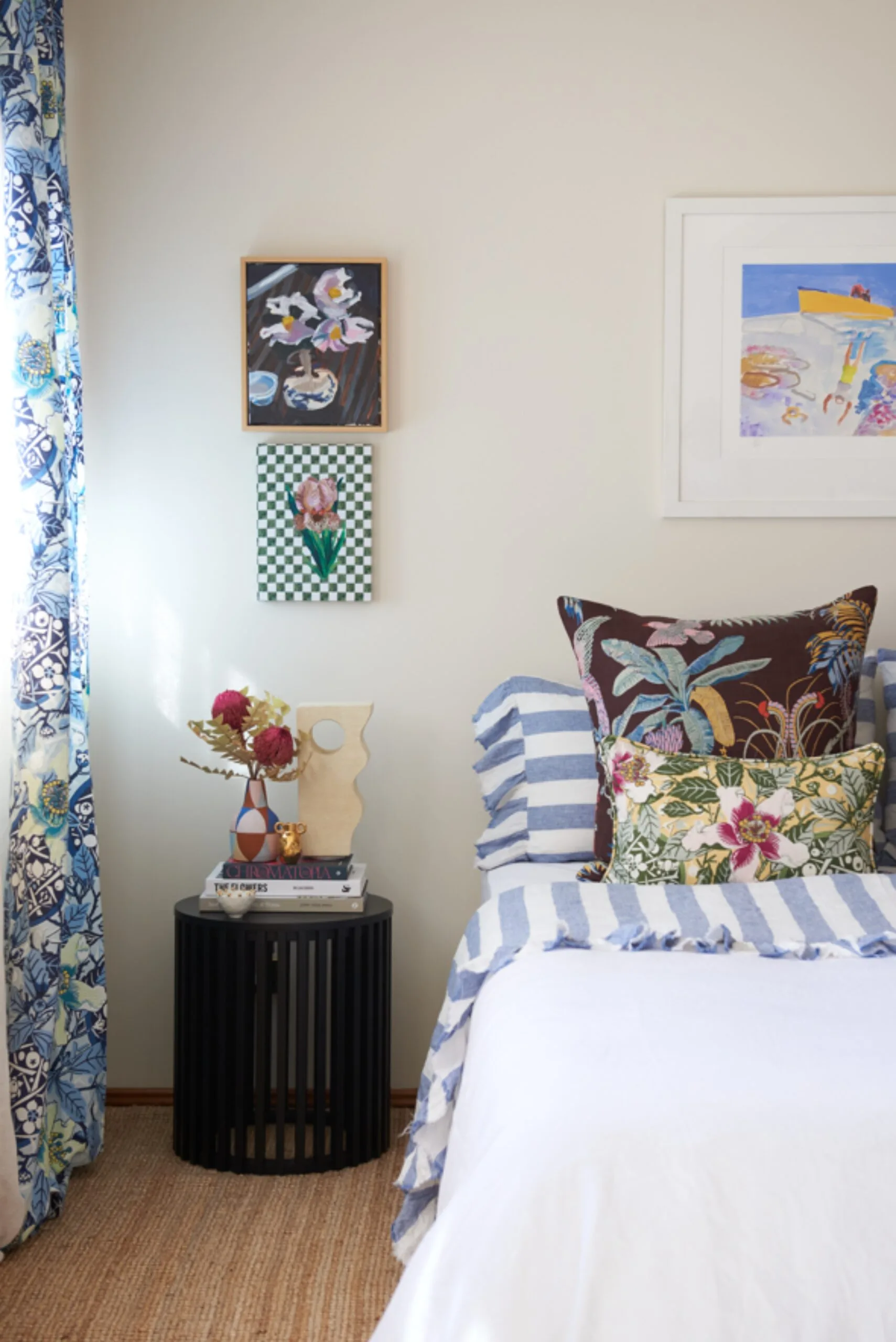
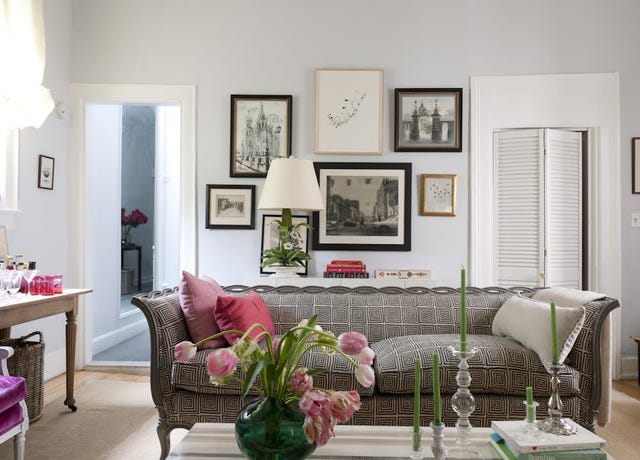
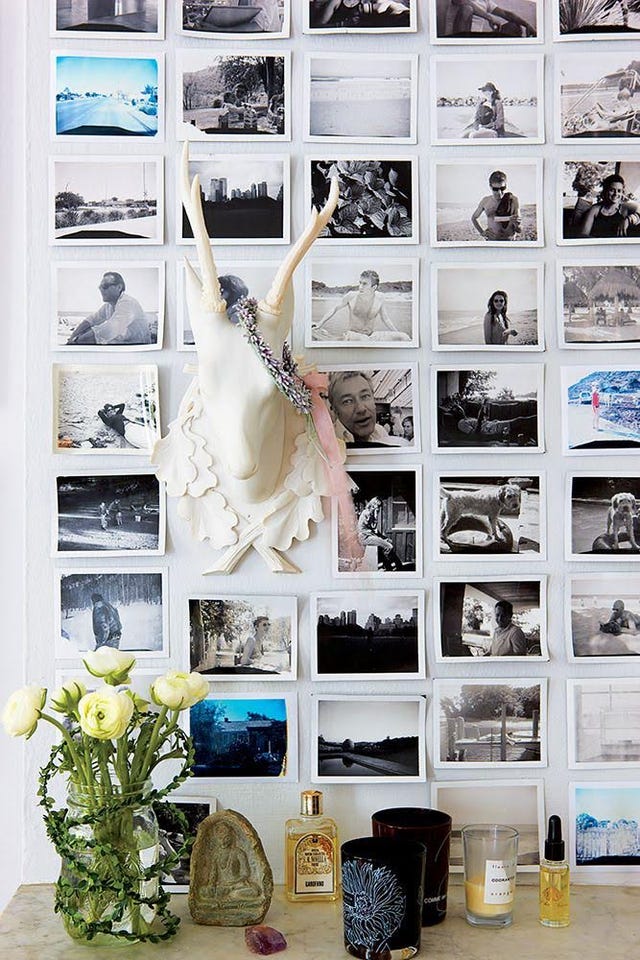
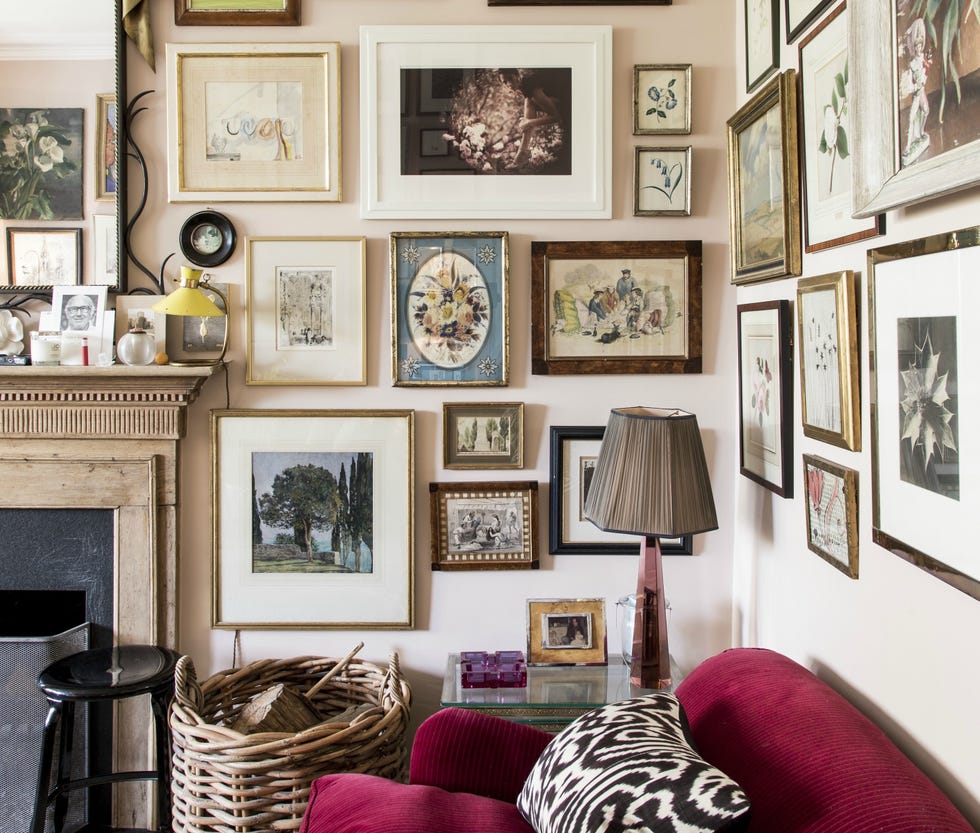
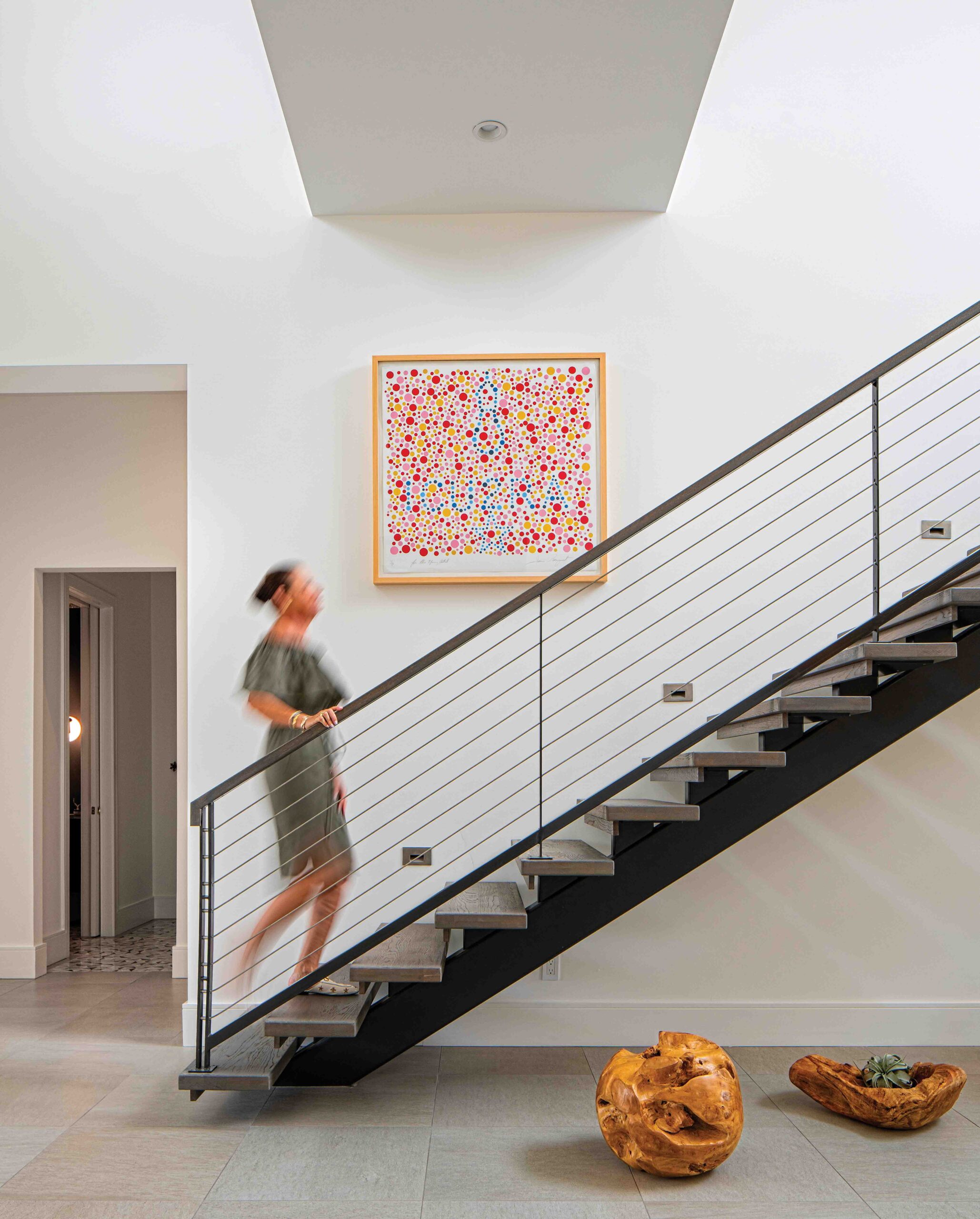
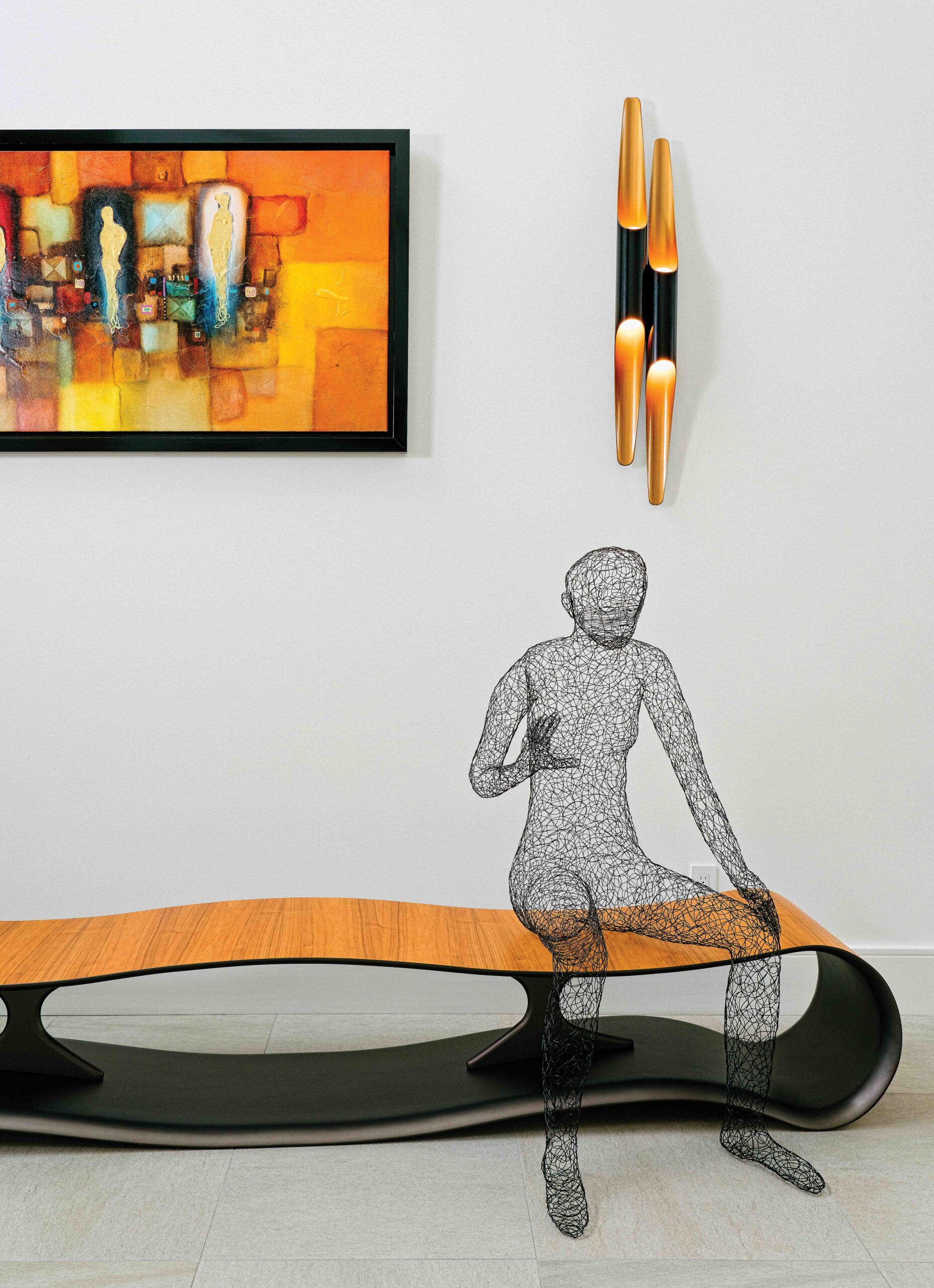

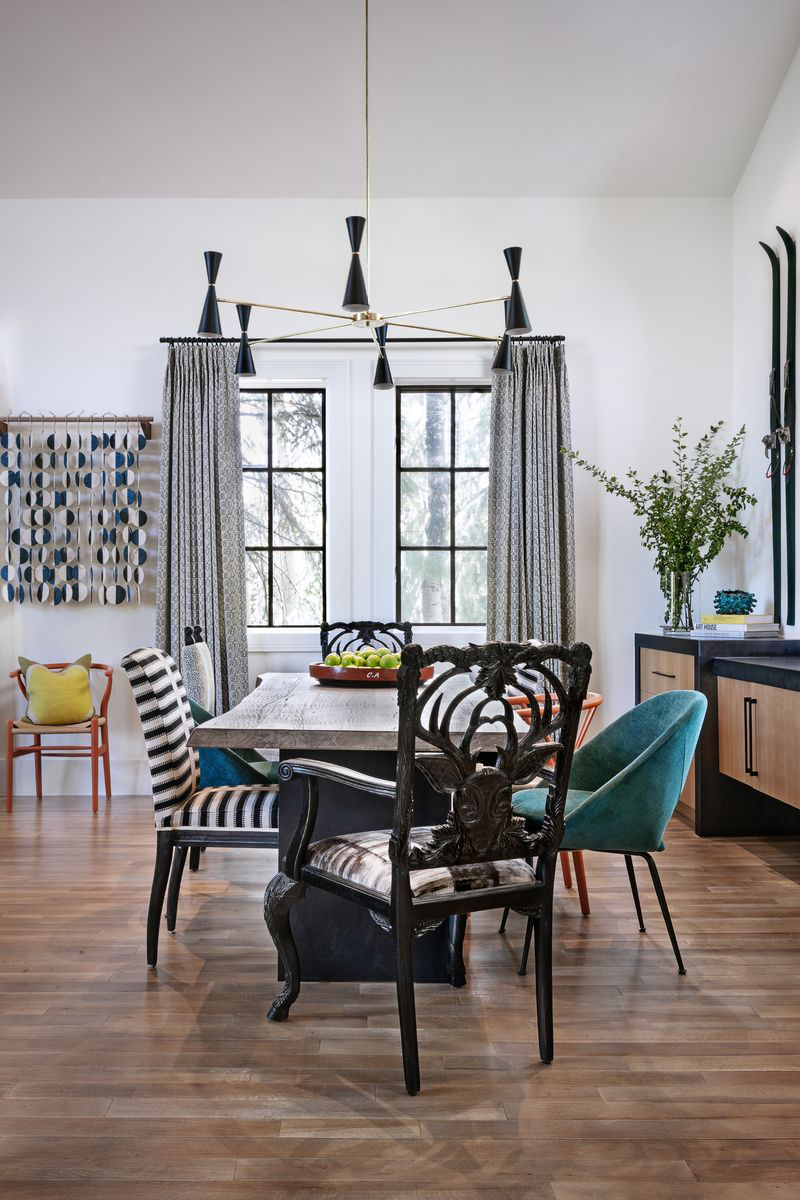
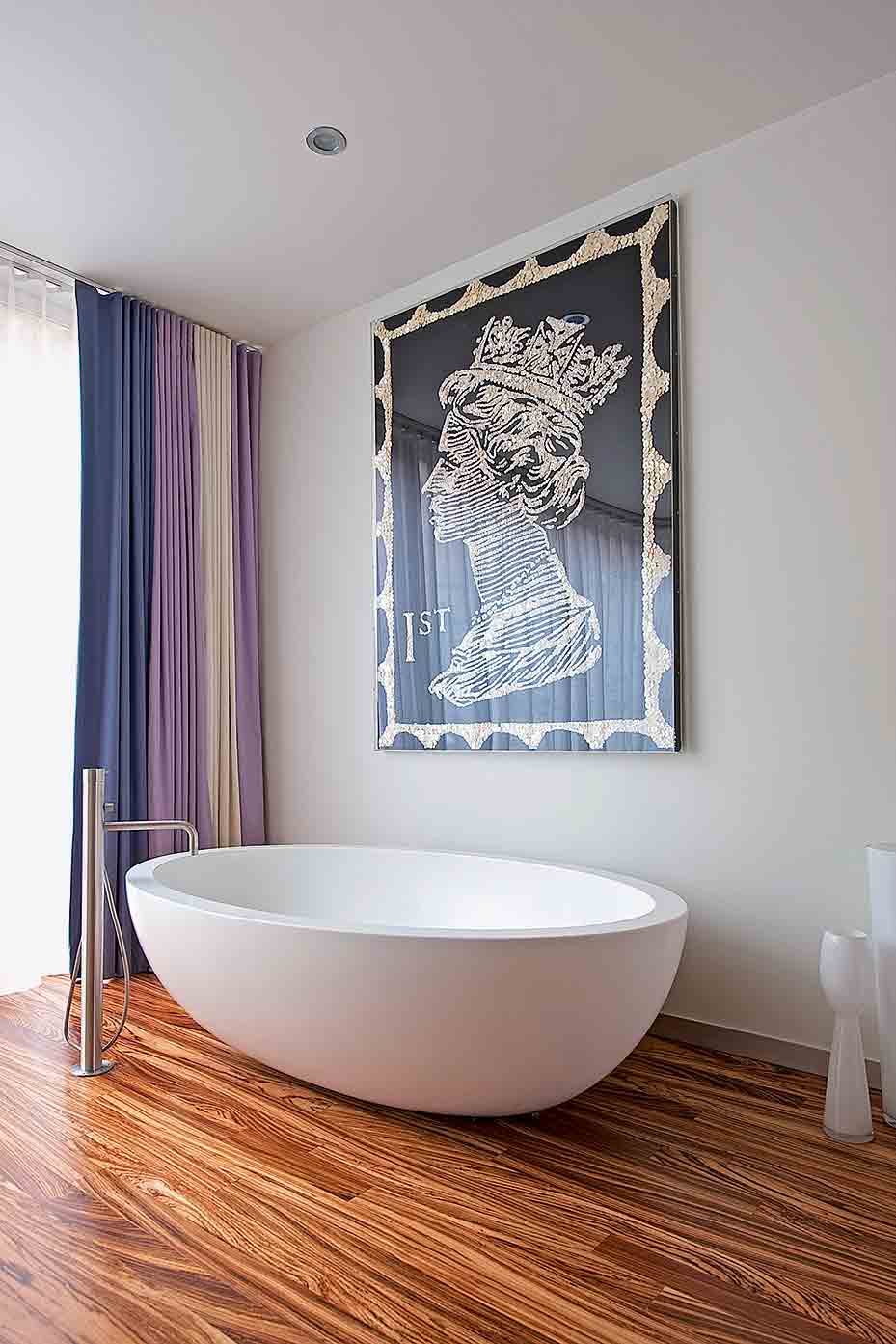
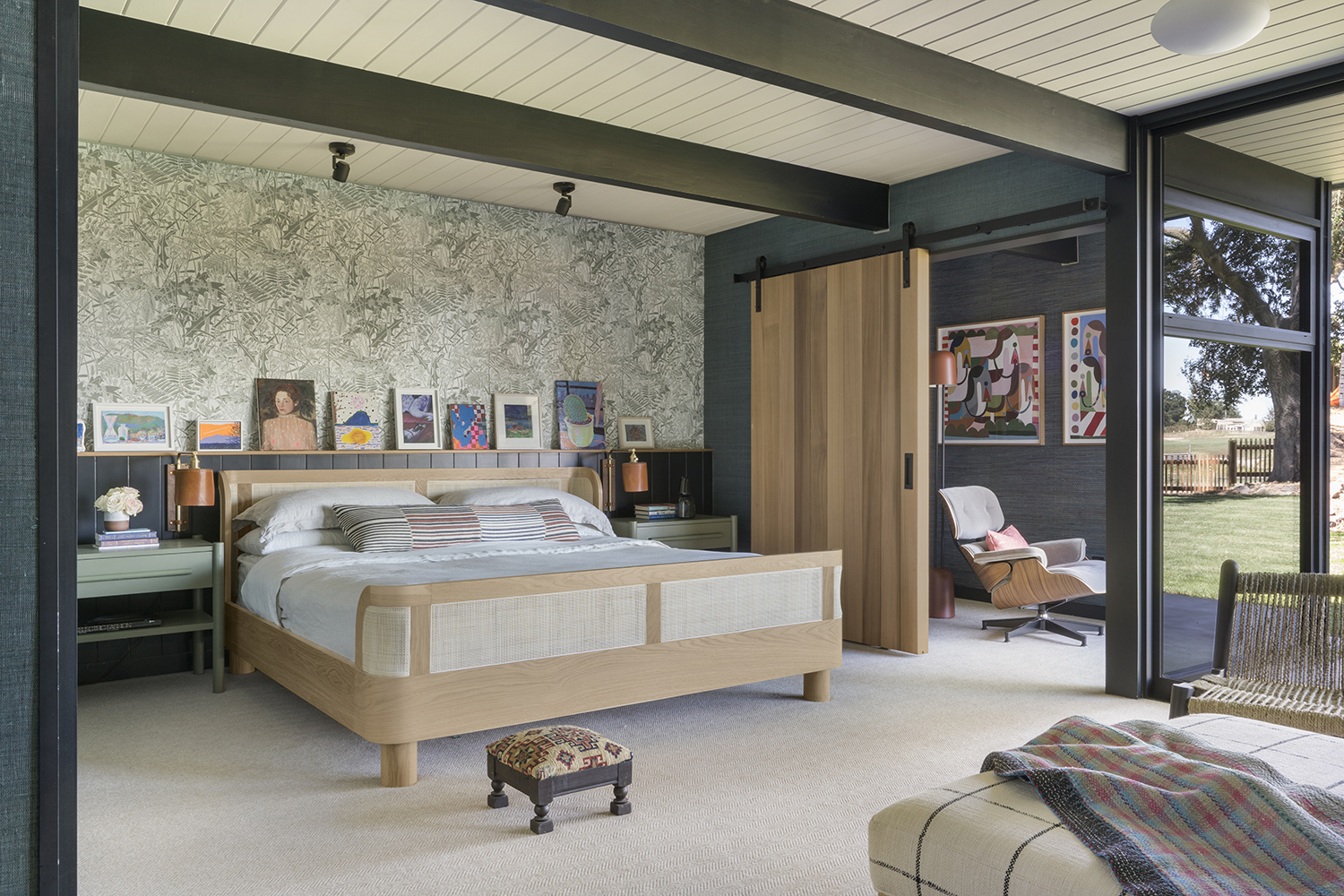
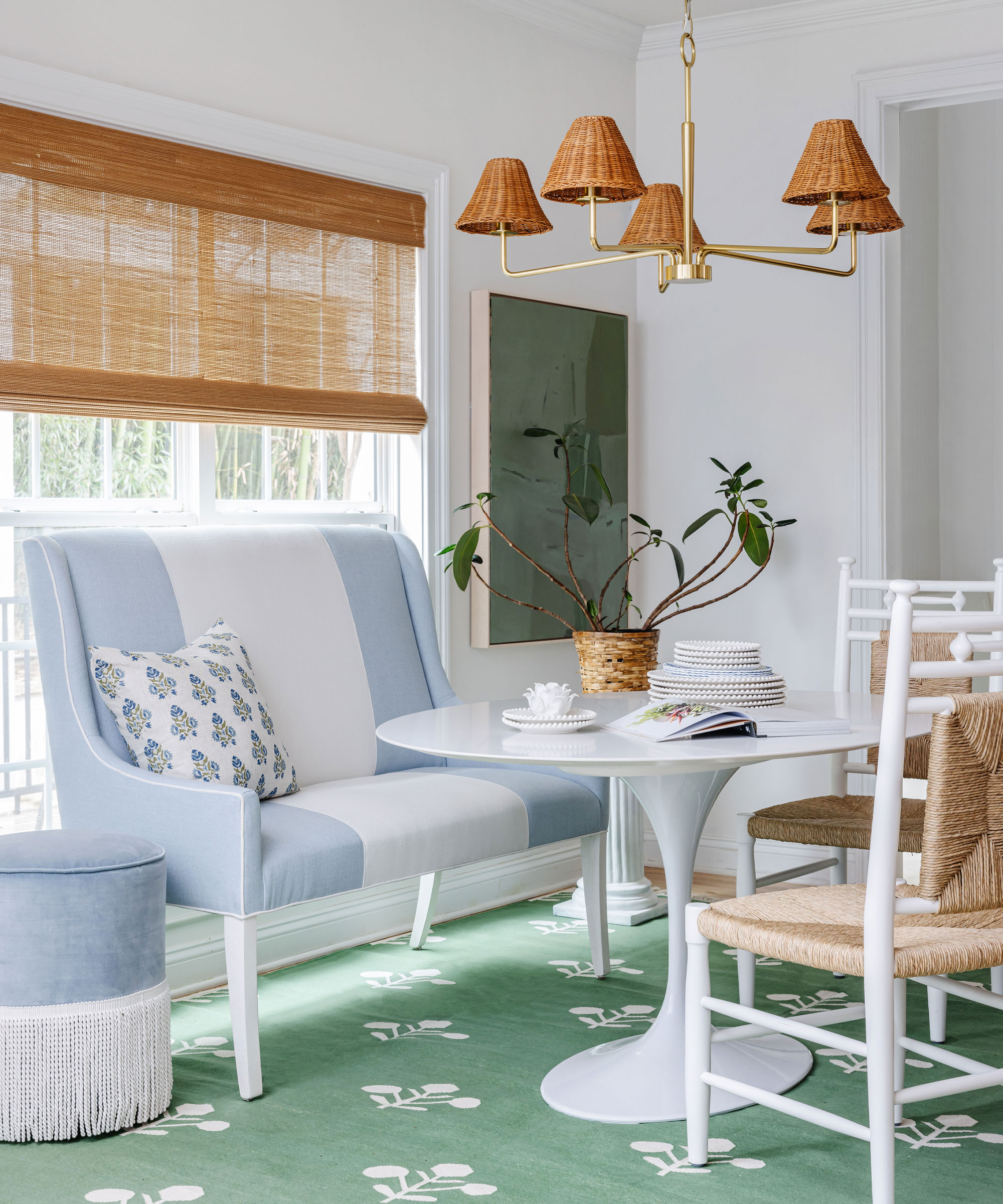
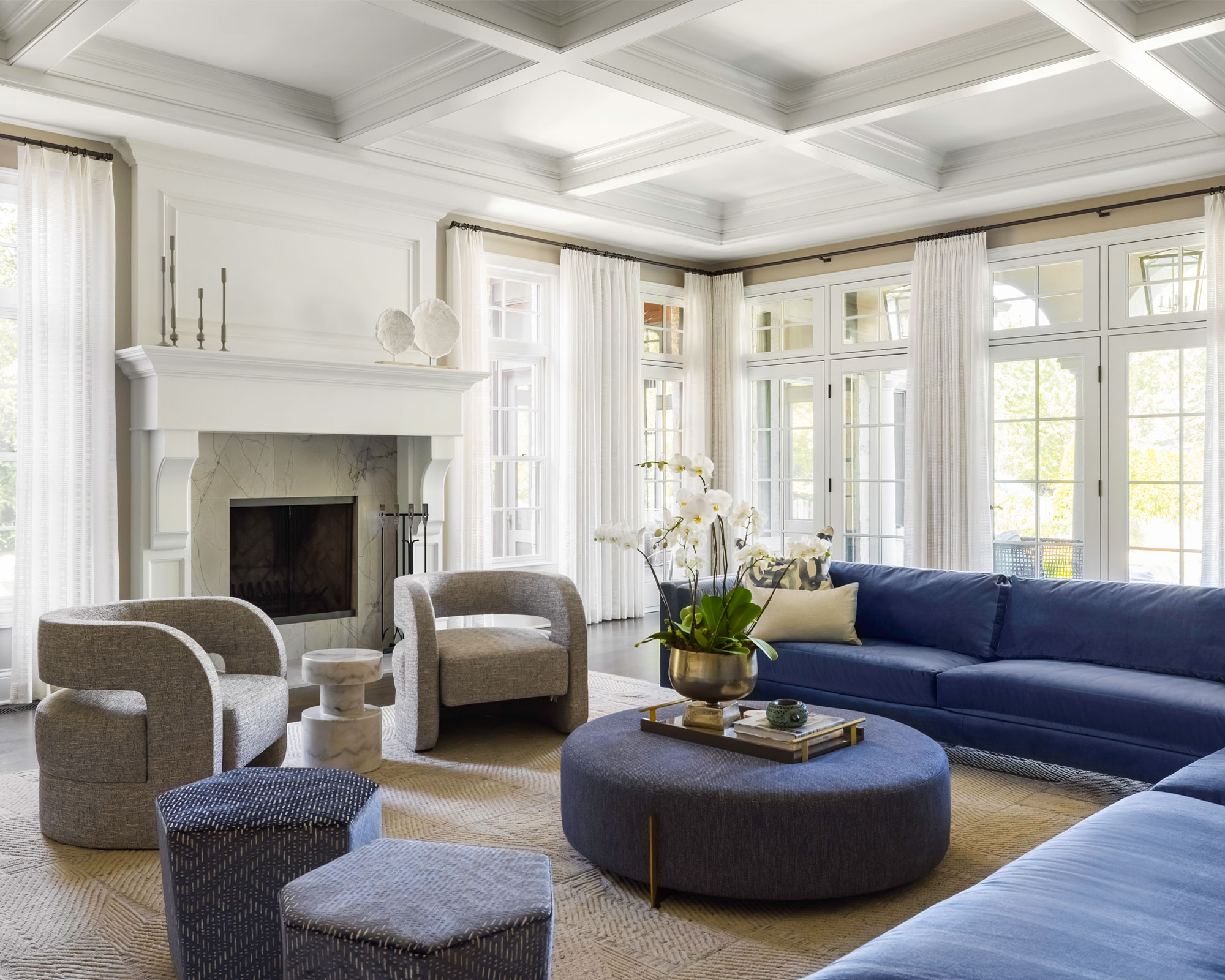
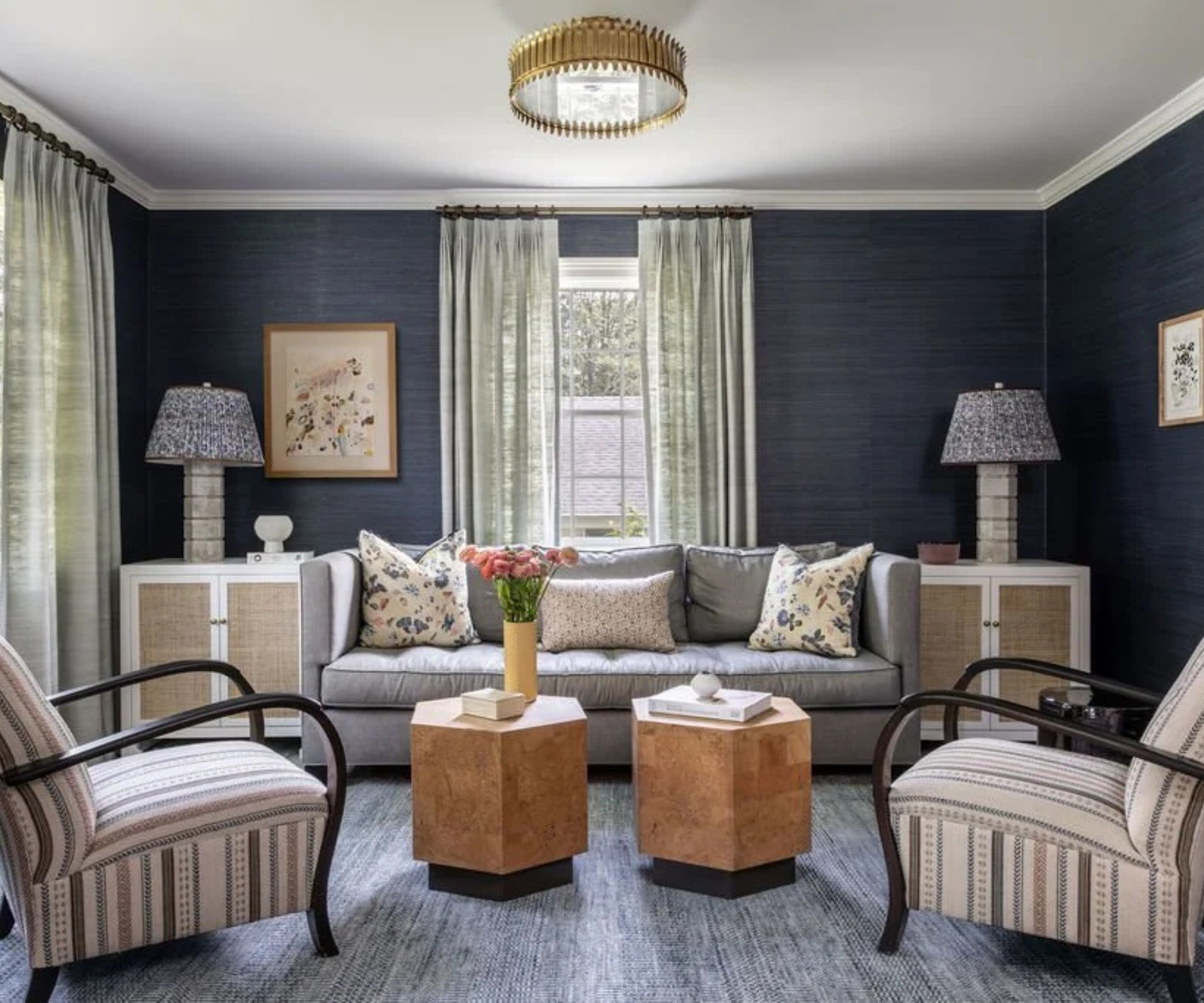
Several practical tips can help achieve an eclectic look. Art is an accessible way to introduce this style without a major commitment; blending various art styles and periods on a gallery wall can create a diverse yet unified focal point. Sculptures, artistic lamps, and vases also serve as art elements. Textiles like throw pillows, rugs, or curtains with varied patterns and textures, such as velvet, linen, or leather, add character, depth, and warmth. Mixing bold prints, textures, and color palettes creates visual interest, provided there's a unifying element like a common color or theme to maintain cohesion.
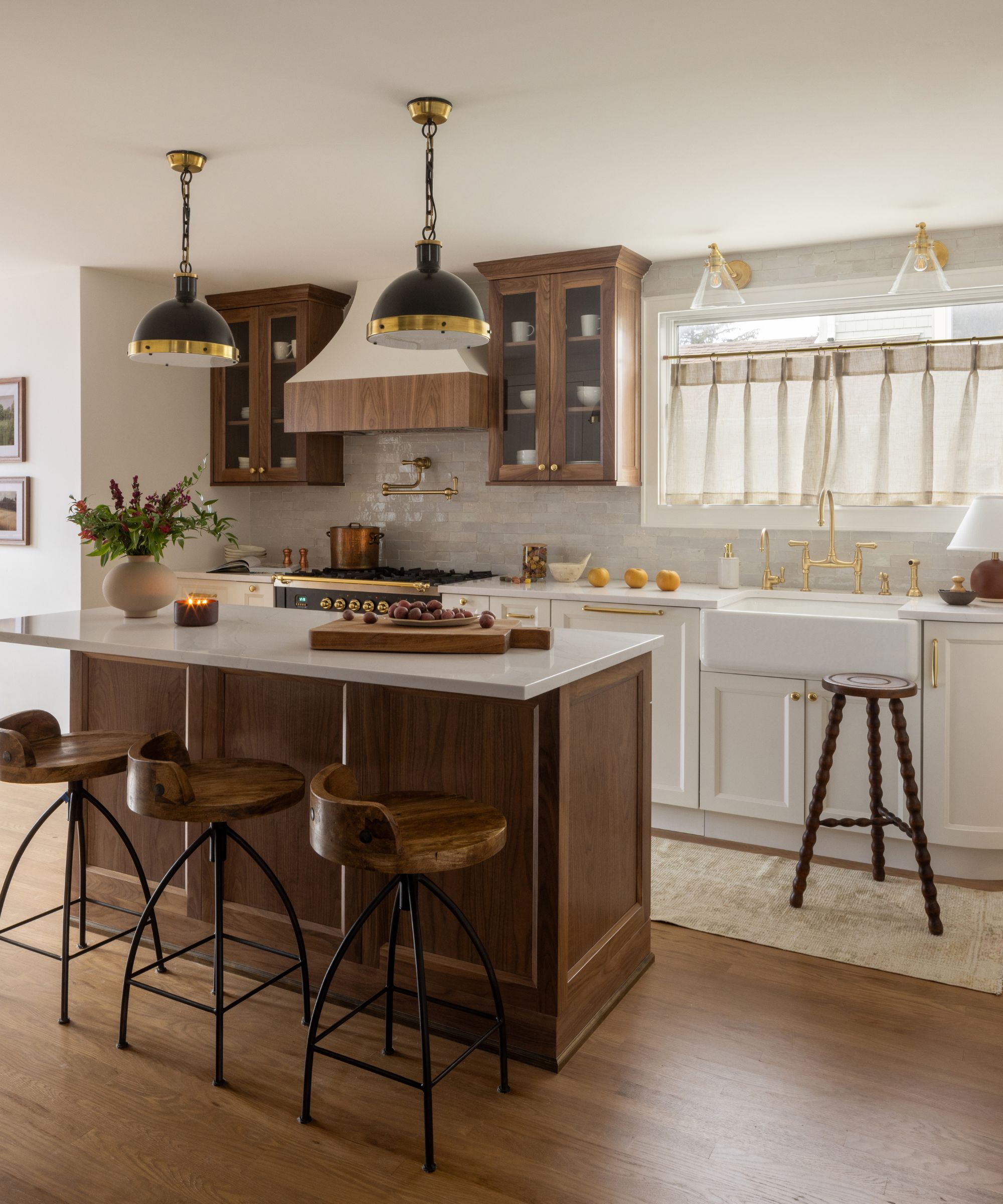
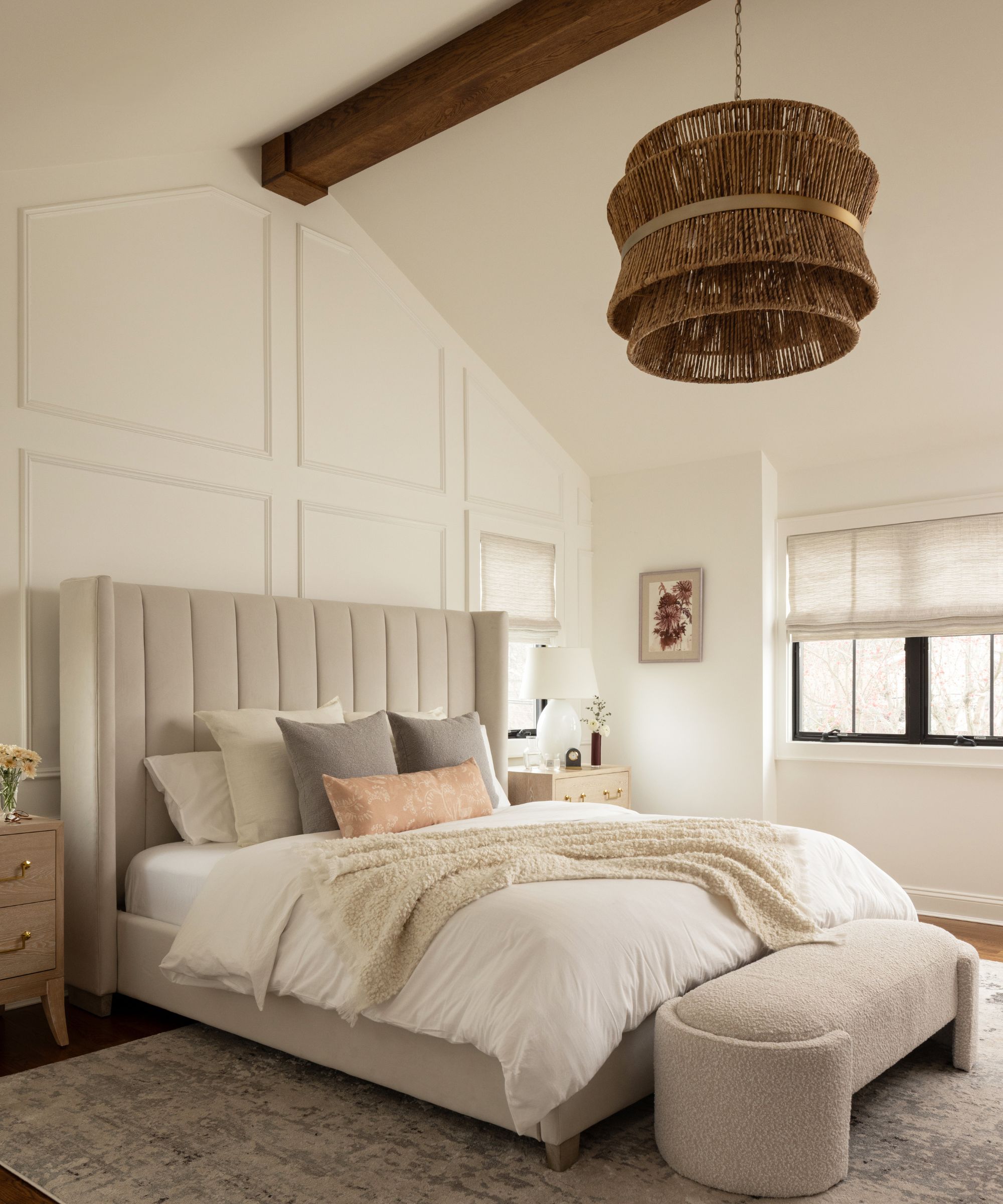
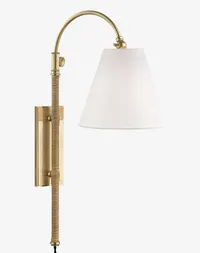
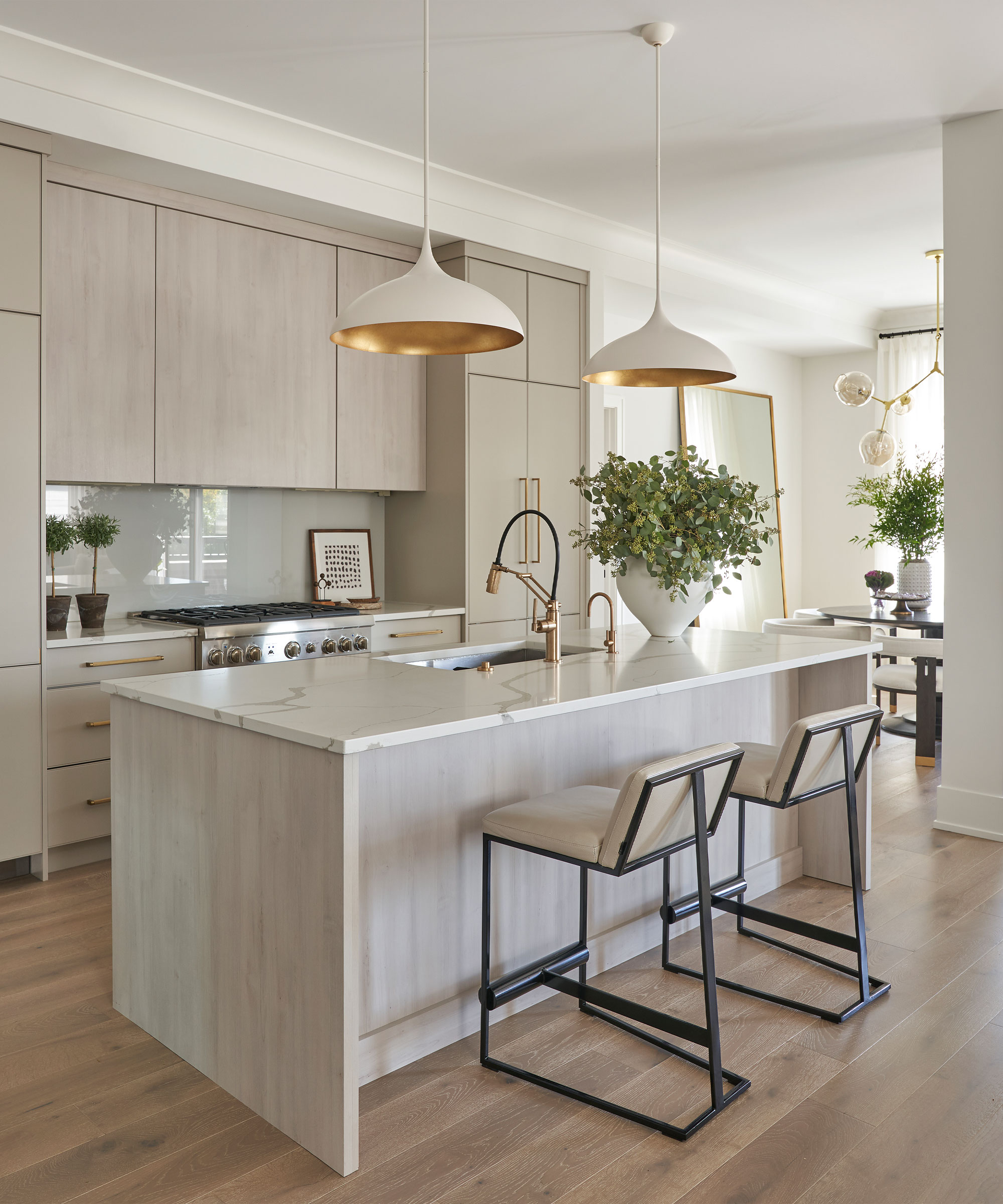
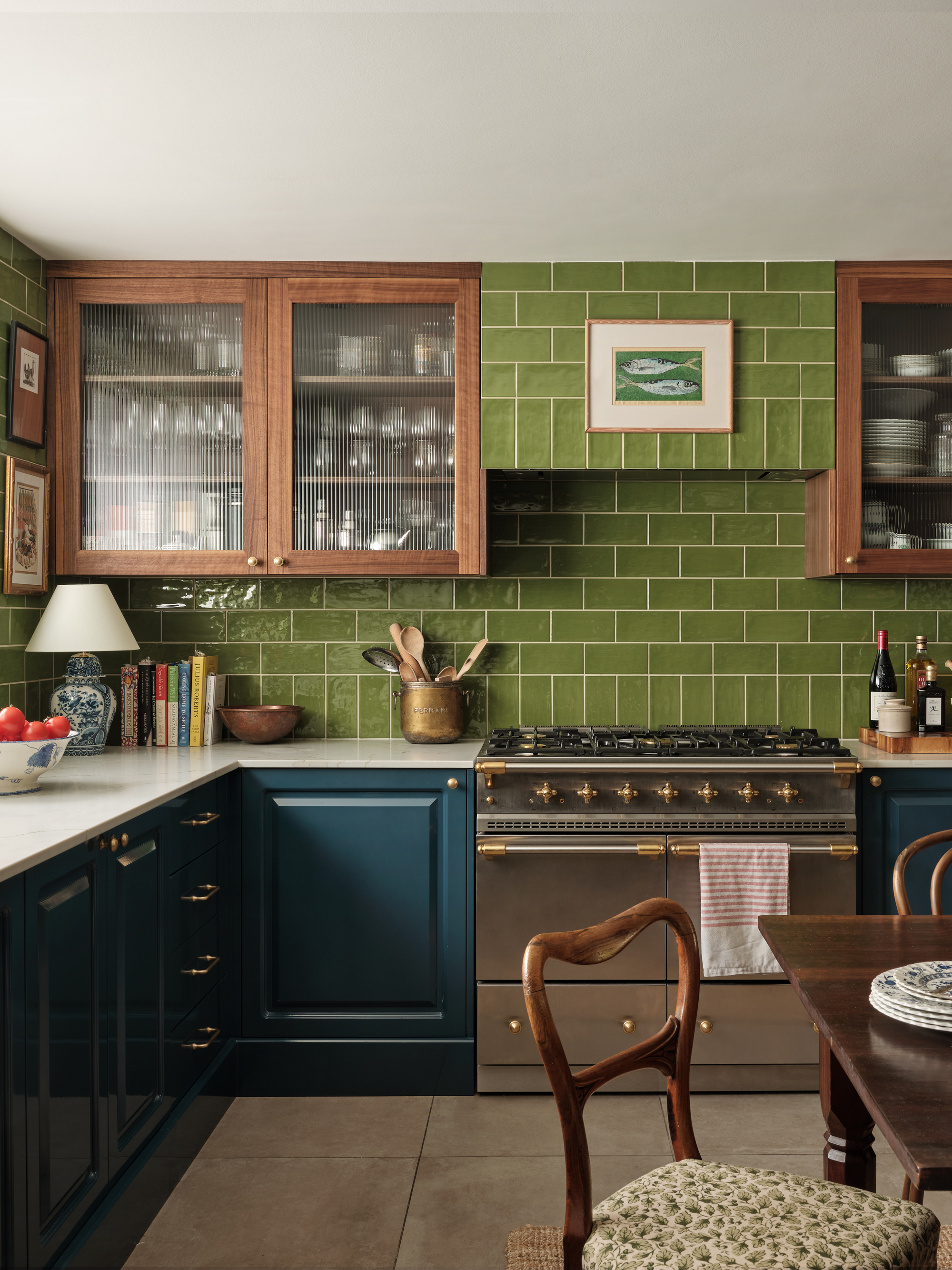
Layering different lighting sources, including pendant lights, floor lamps, and table lamps, helps create a layered and inviting atmosphere. Combining modern and vintage elements, such as pairing a contemporary dining table with vintage chairs, achieves a balanced aesthetic. Finally, displaying personal collections—whether books, ceramics, or travel souvenirs—adds a unique touch that reflects the homeowner's personality. The guiding principle for eclectic design is intentional mixing of different styles, avoiding the over-reliance on any single design trend, to create a comfortable and lived-in environment.
#EclecticDesign #InteriorDesign #HomeDecor #DesignTrends #VintageModern #ArtIntegration #TextileMixing #LightingDesign #PersonalizedSpaces #EclecticDesign #InteriorDesign #HomeDecor #DesignTrends #VintageModern #ArtIntegration #TextileMixing #LightingDesign #PersonalizedSpaces
合計0件のコメント
 まだコメントはありません
あなたも好きかもしれません
Eclectic style – top designers on 11 ways to create a layered decor look full of personality

Why eclectic style is the design trend we’re embracing in 2025

Talking Colour with American Design Duo The Novogratz |

How to Design an Eclectic-Style Kitchen That Has Personality But Will Still Age Well

5 simple tips to create eclectic interiors that still feel luxurious – from an interior designer who's perfected the balance

Here's How to Pull Off an Eclectic Decorating Style

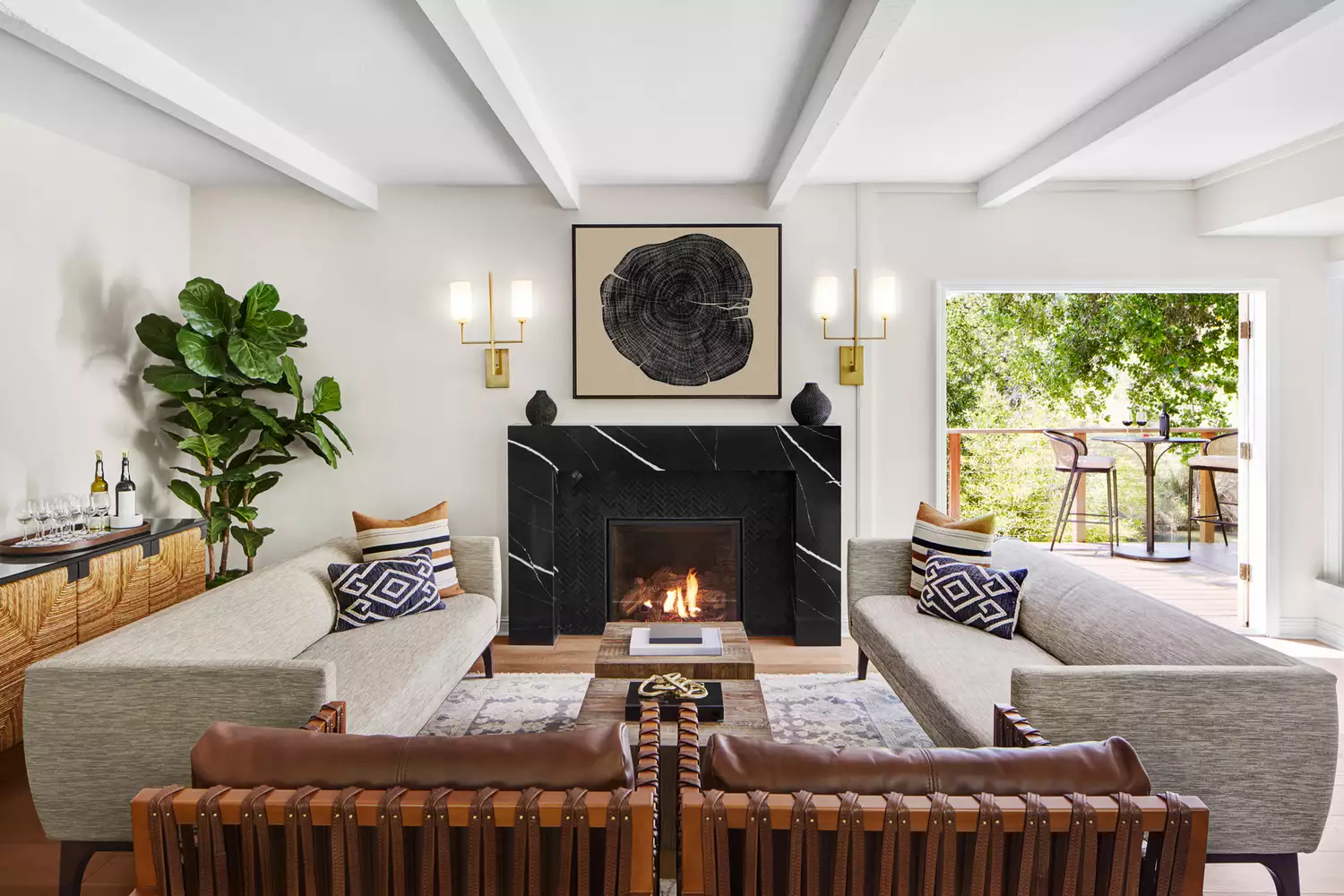
We Asked Designers to Share Their Top Design Secrets, and We're Spilling Them All
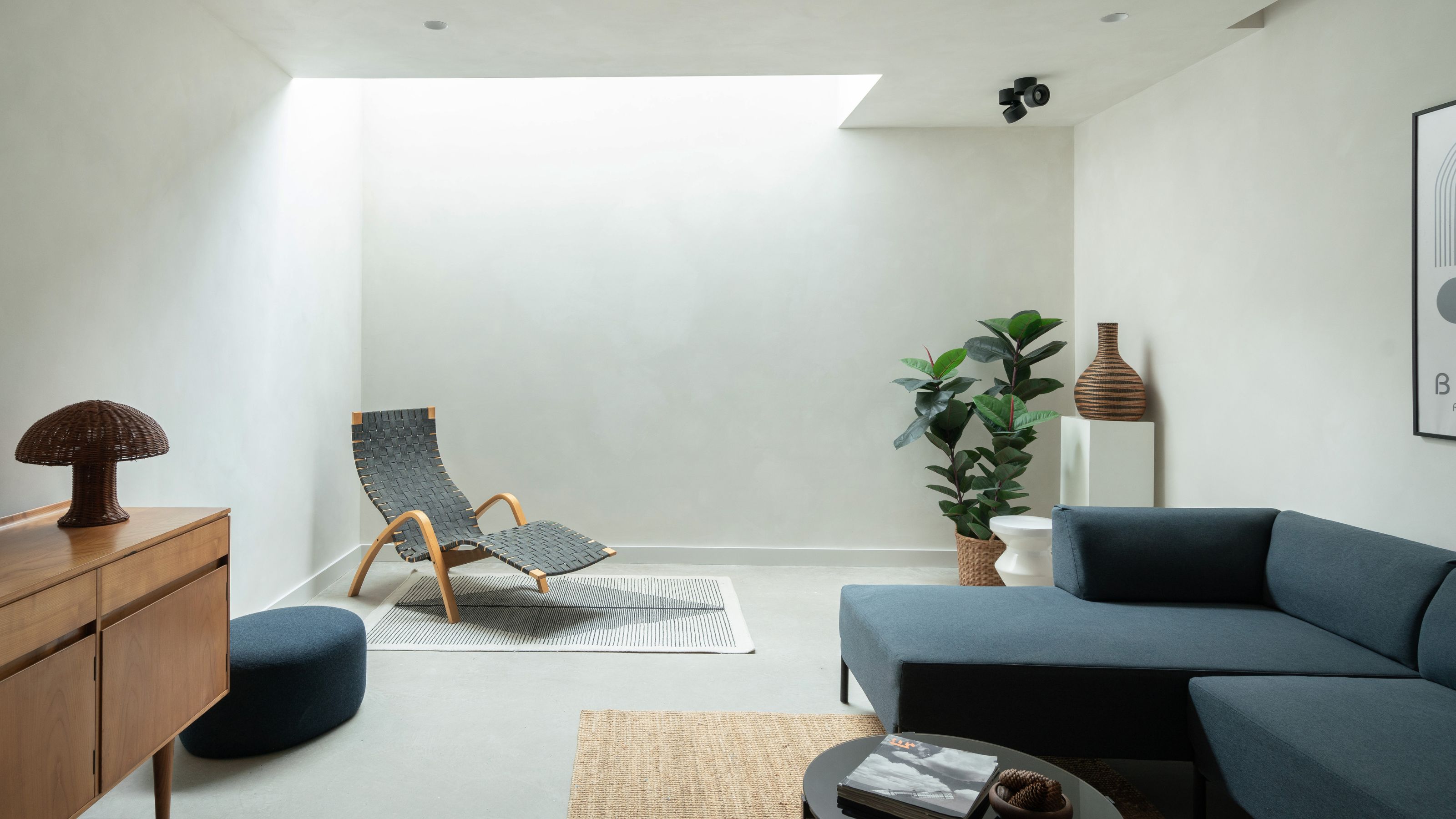
This 'Invisible' Design Rule Is What Makes a Good Room Just Click — Psychologists and Designers Swear By It
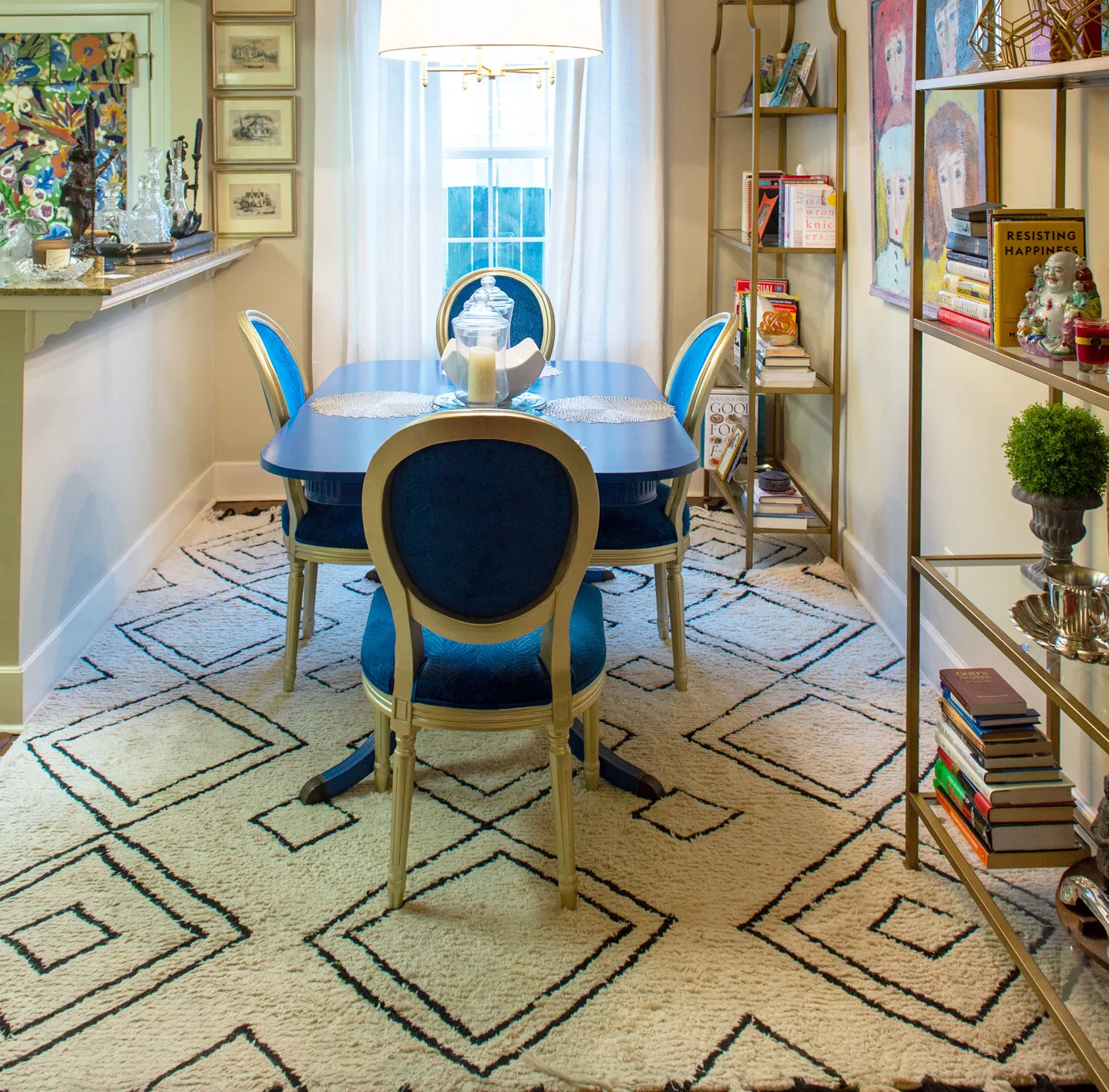
Go-to tips for finding harmony in eclectic home design
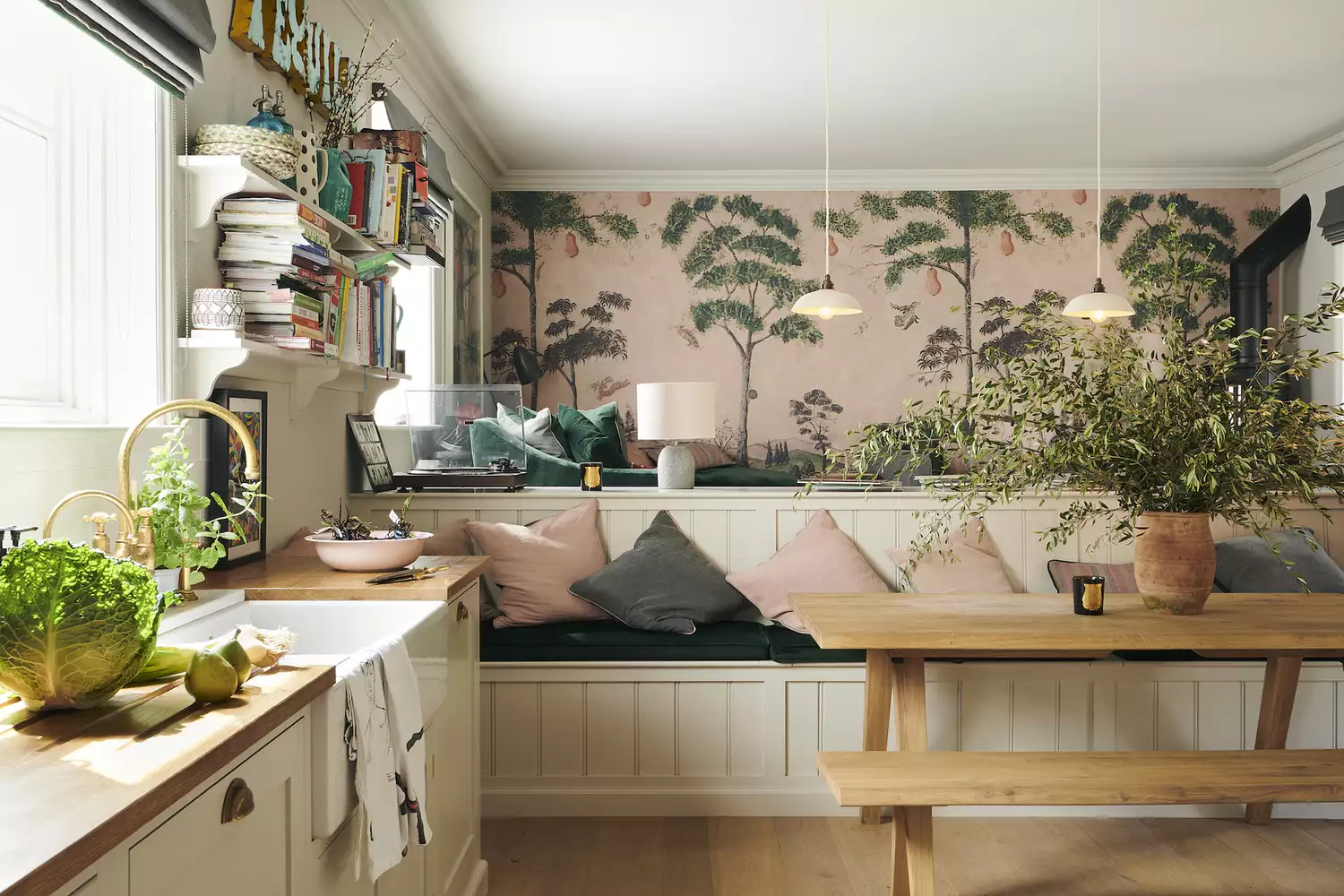
How to Decorate an Eclectic-Style Kitchen That Oozes Personality But Still Has Style

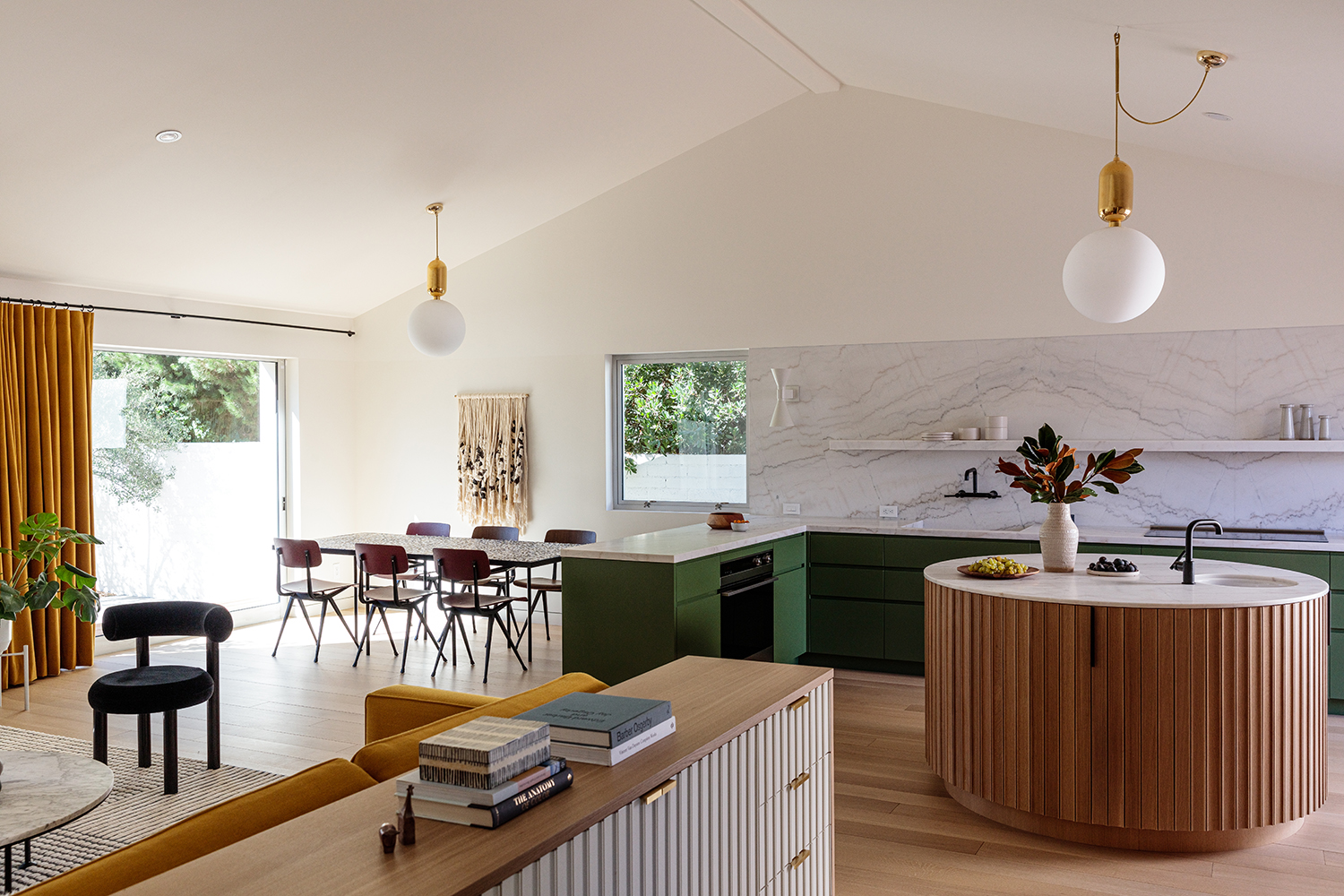
10 rules to achieve balance in interior design - the secret style sauce which brings schemes together
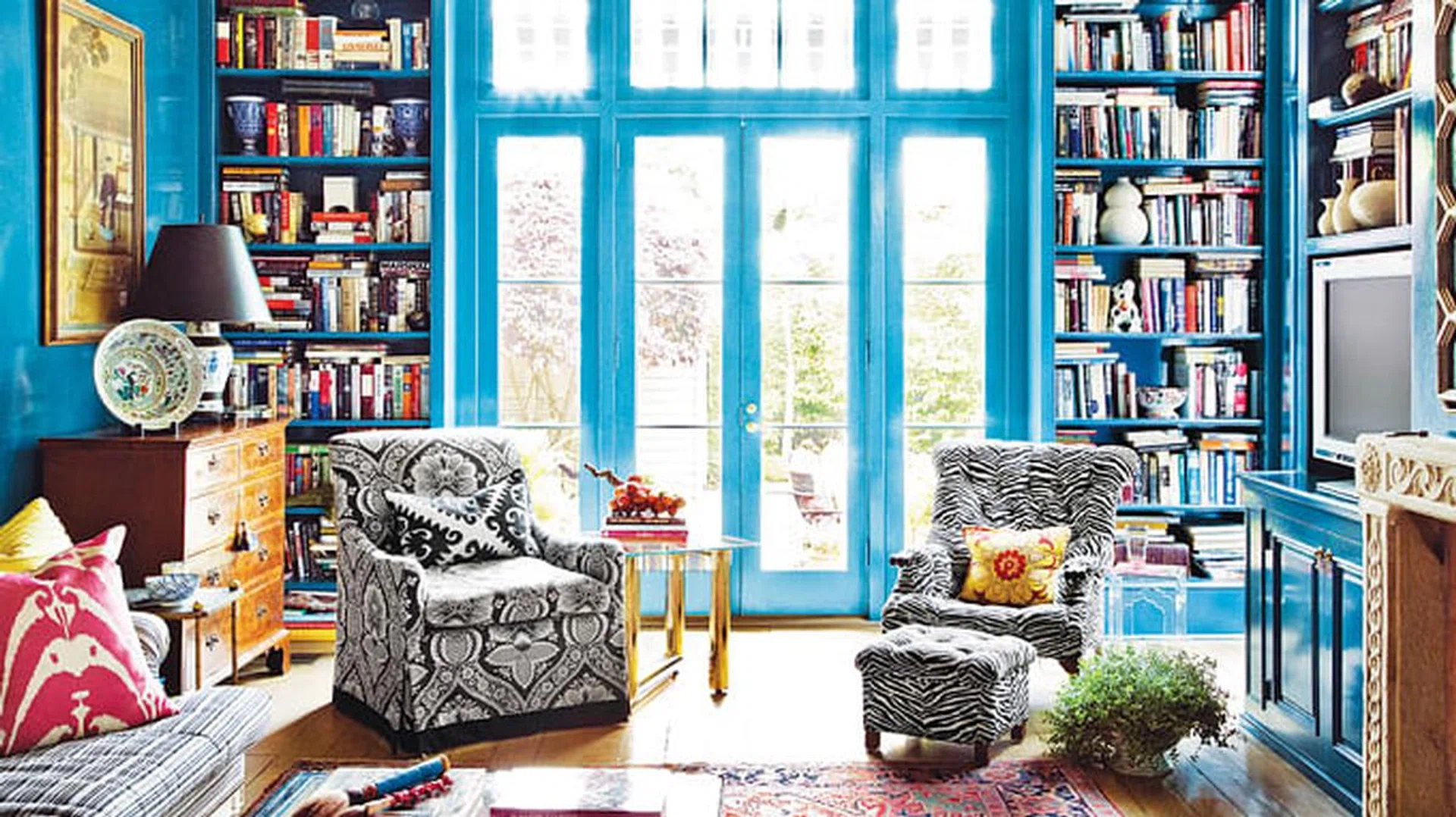
6 homes that showcase maximalism at its best
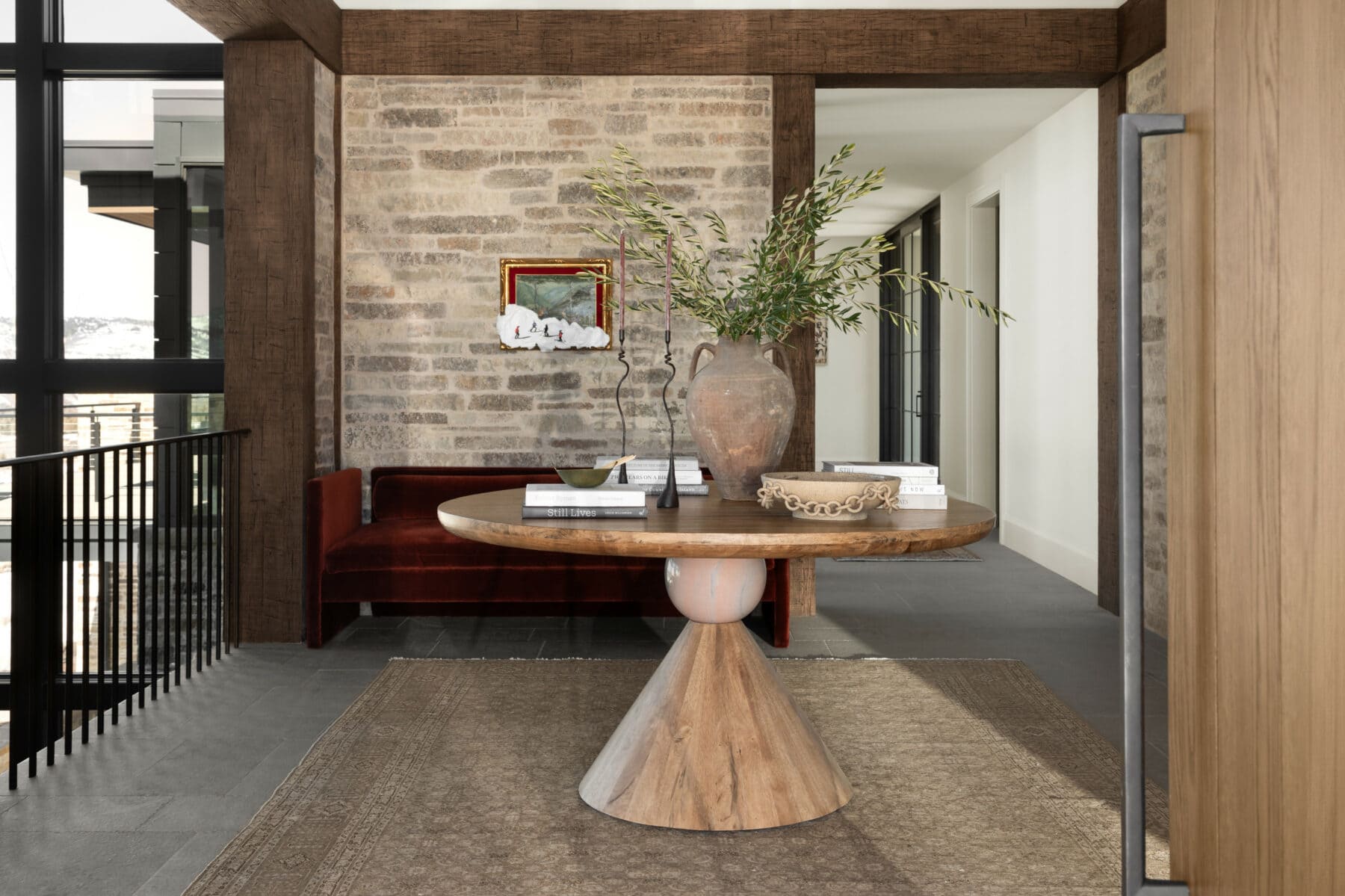
An Eclectic Entryway | The Summit Estate
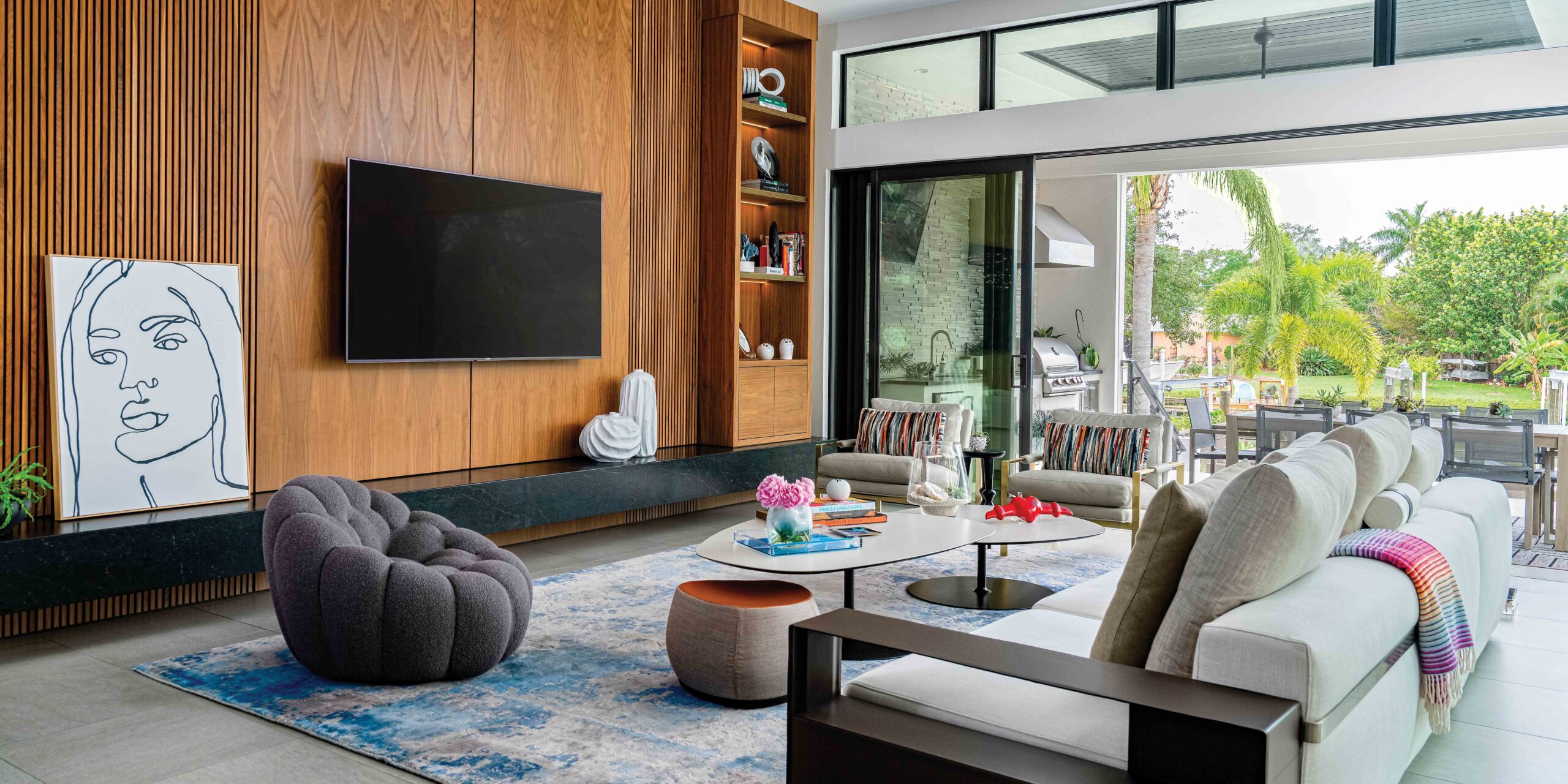
Home Design: Modern Eclectic

Rhythm in interior design - 11 ways to use this clever technique for rooms that look professionally done
Here's How to Use Symmetry in Interior Design
13 ways repetition in interior design can be used to create calmingly sophisticated rooms
The 5 Design Rules That Are Meant to Be Broken—and What to Do Instead
How to create repetition in interior design – 7 ideas for decorating success
Industrial Interior Design: Understanding the Key Elements