1/13
13 ways repetition in interior design can be used to create calmingly sophisticated rooms
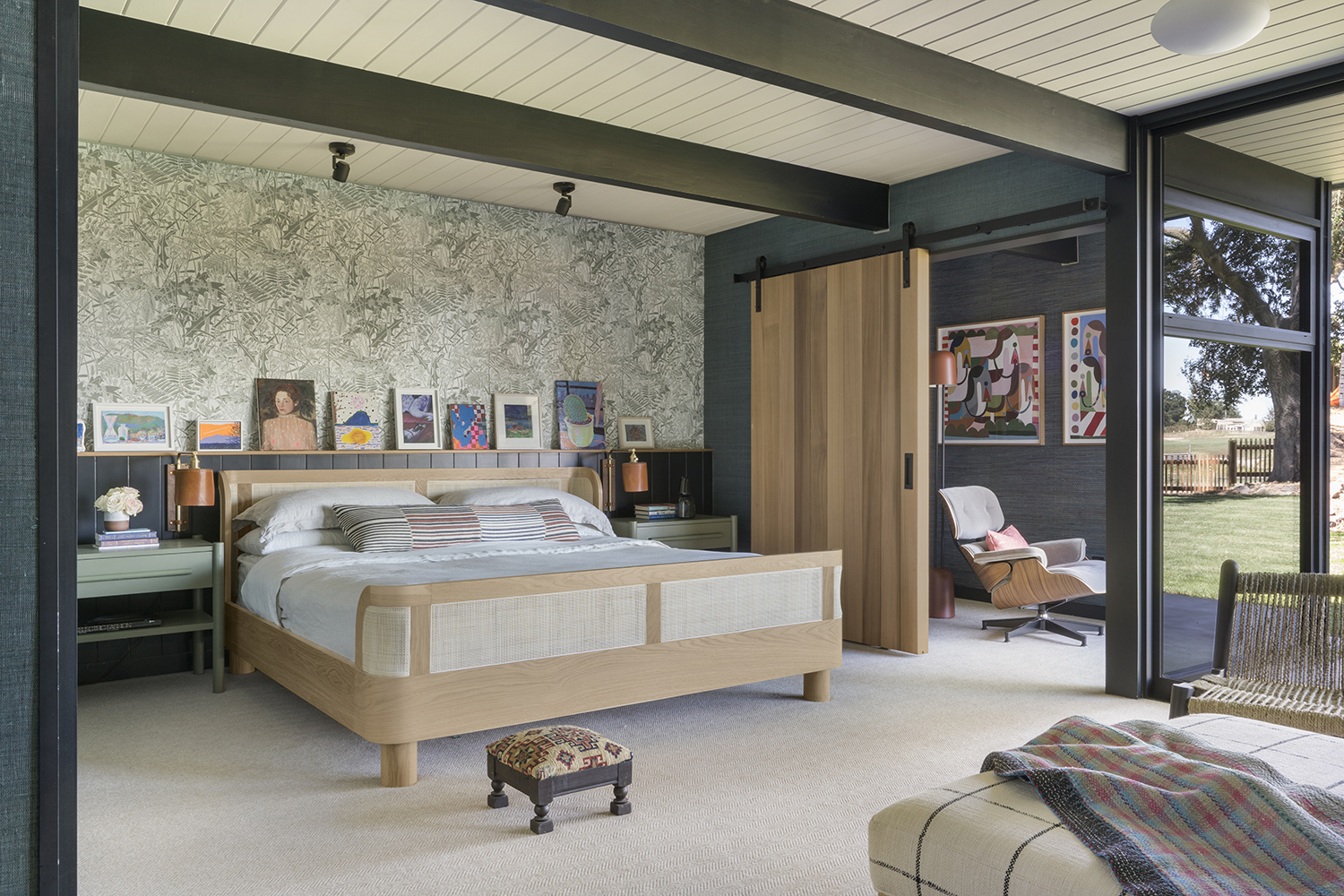
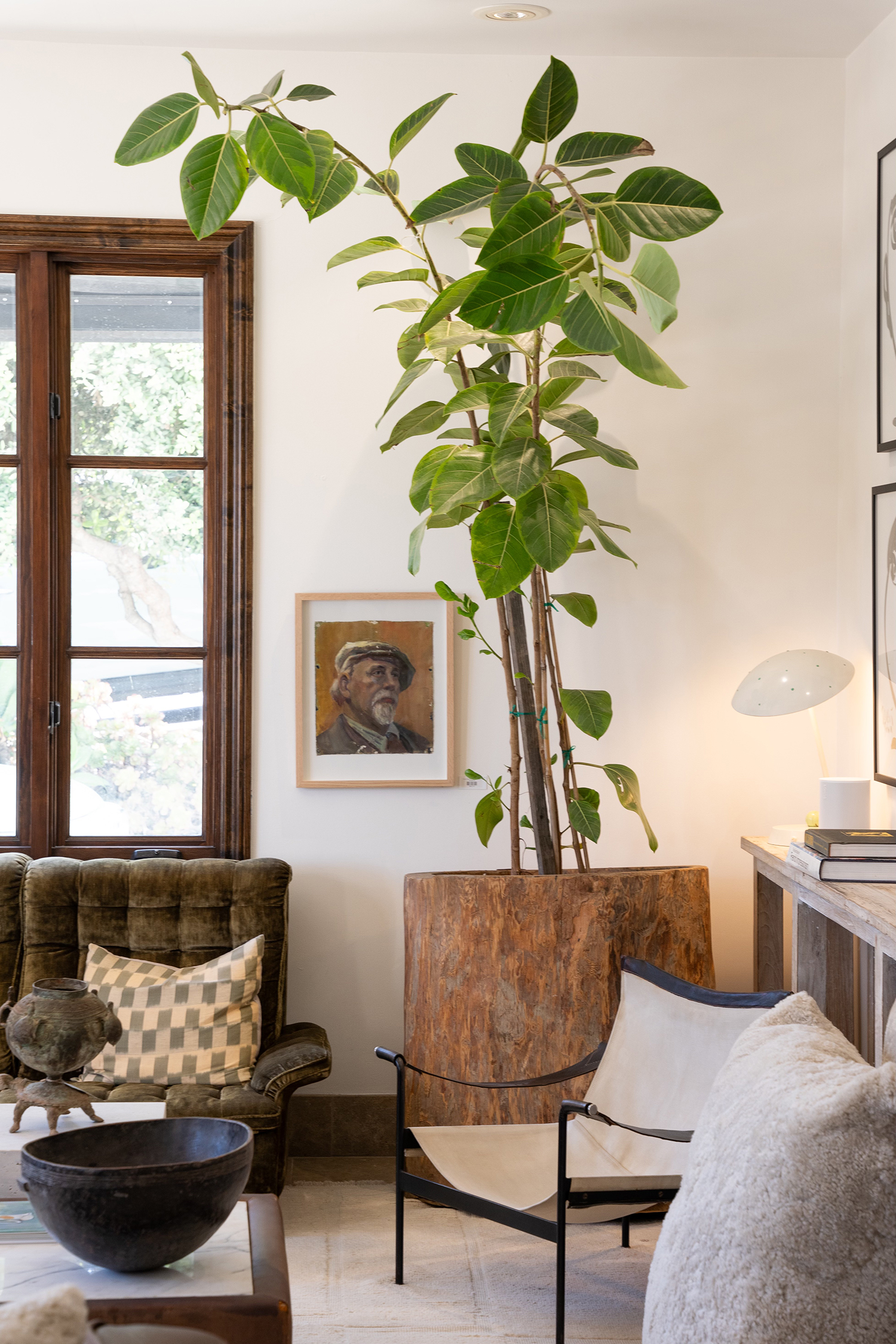
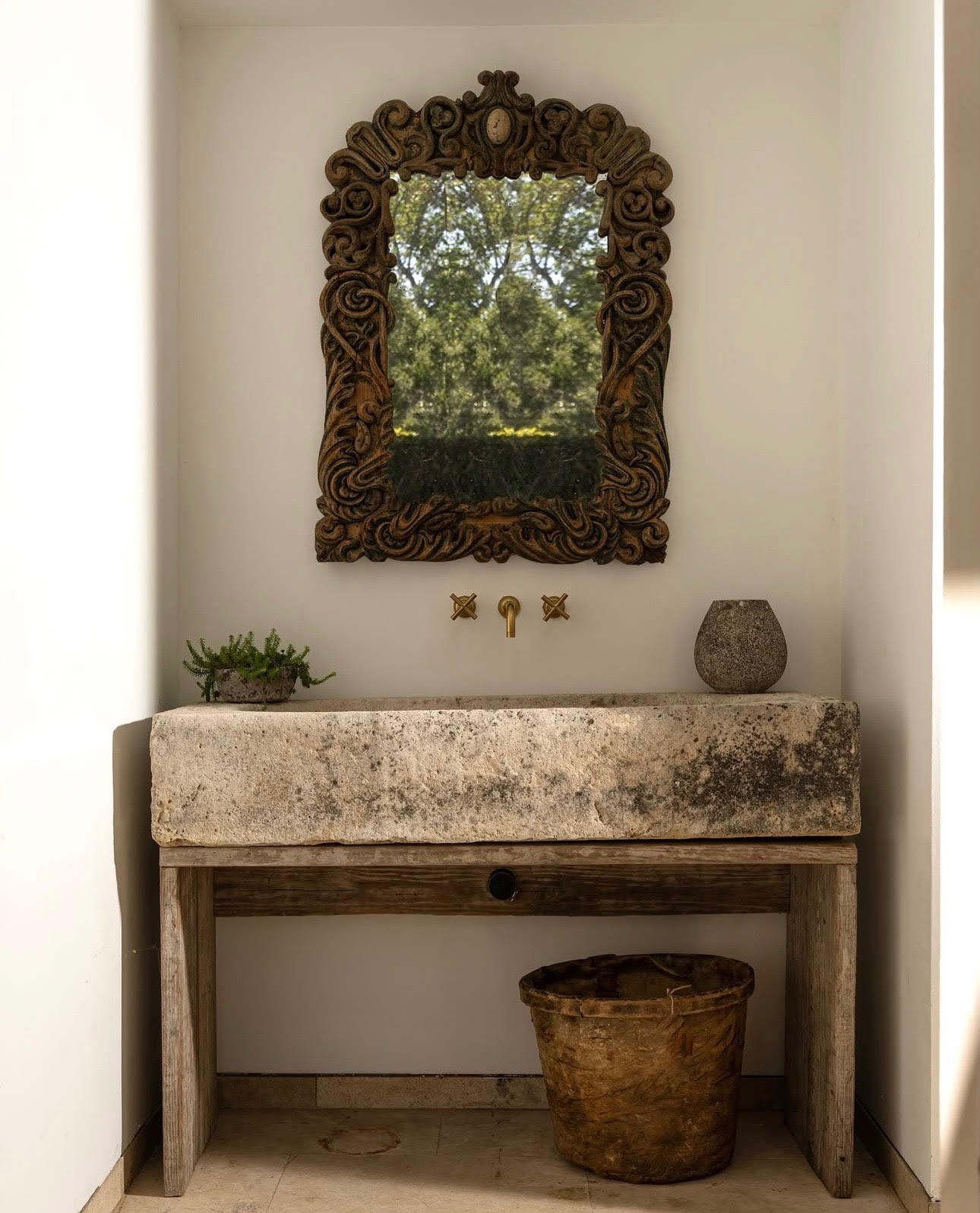
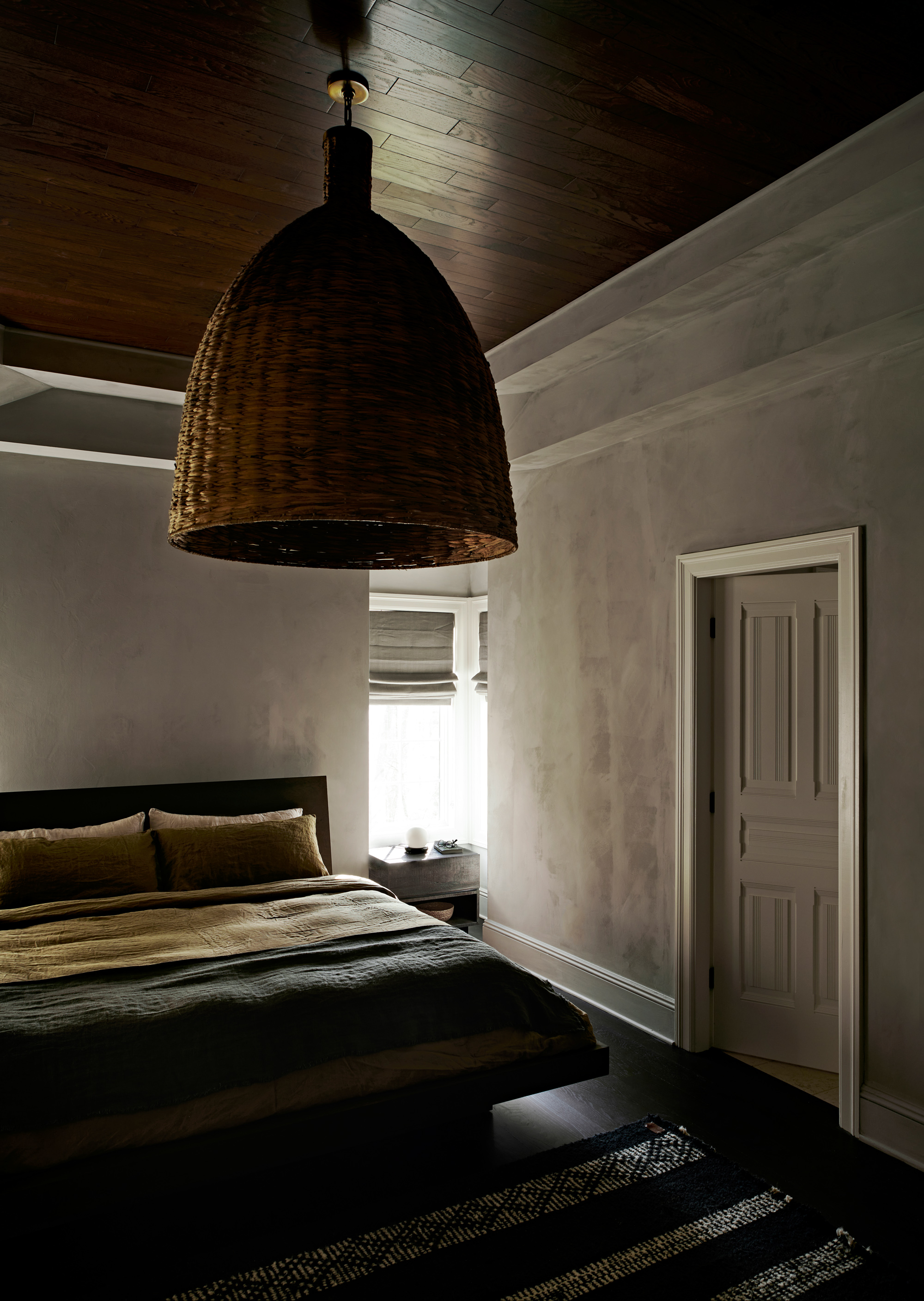
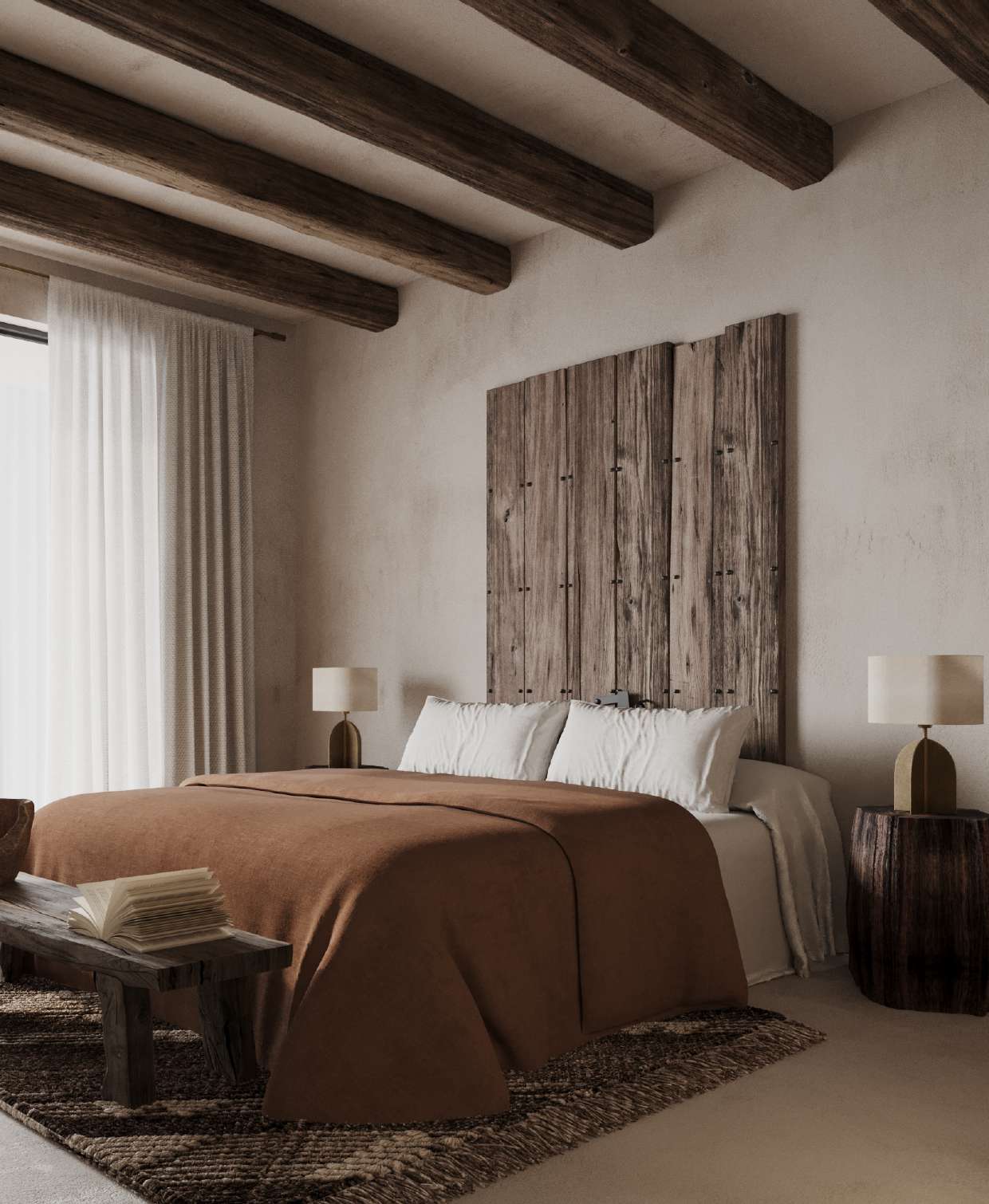
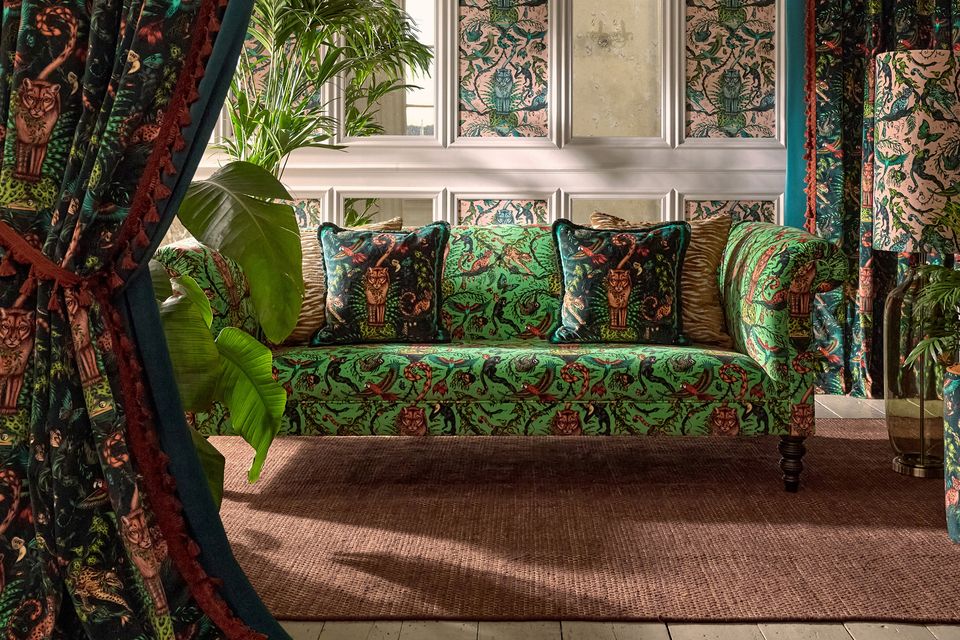
Repetition in interior design is a fundamental principle that establishes visual rhythm and consistency, contributing to a cohesive and memorable design narrative. This technique helps to reinforce a central theme, making a space feel unified and intentional. Interior designers emphasize that repetition can be applied across various elements, including color, texture, materiality, detailing, shapes, and lines, ensuring that every design component, from flooring and millwork to hardware, fittings, and furniture, communicates a harmonious language.
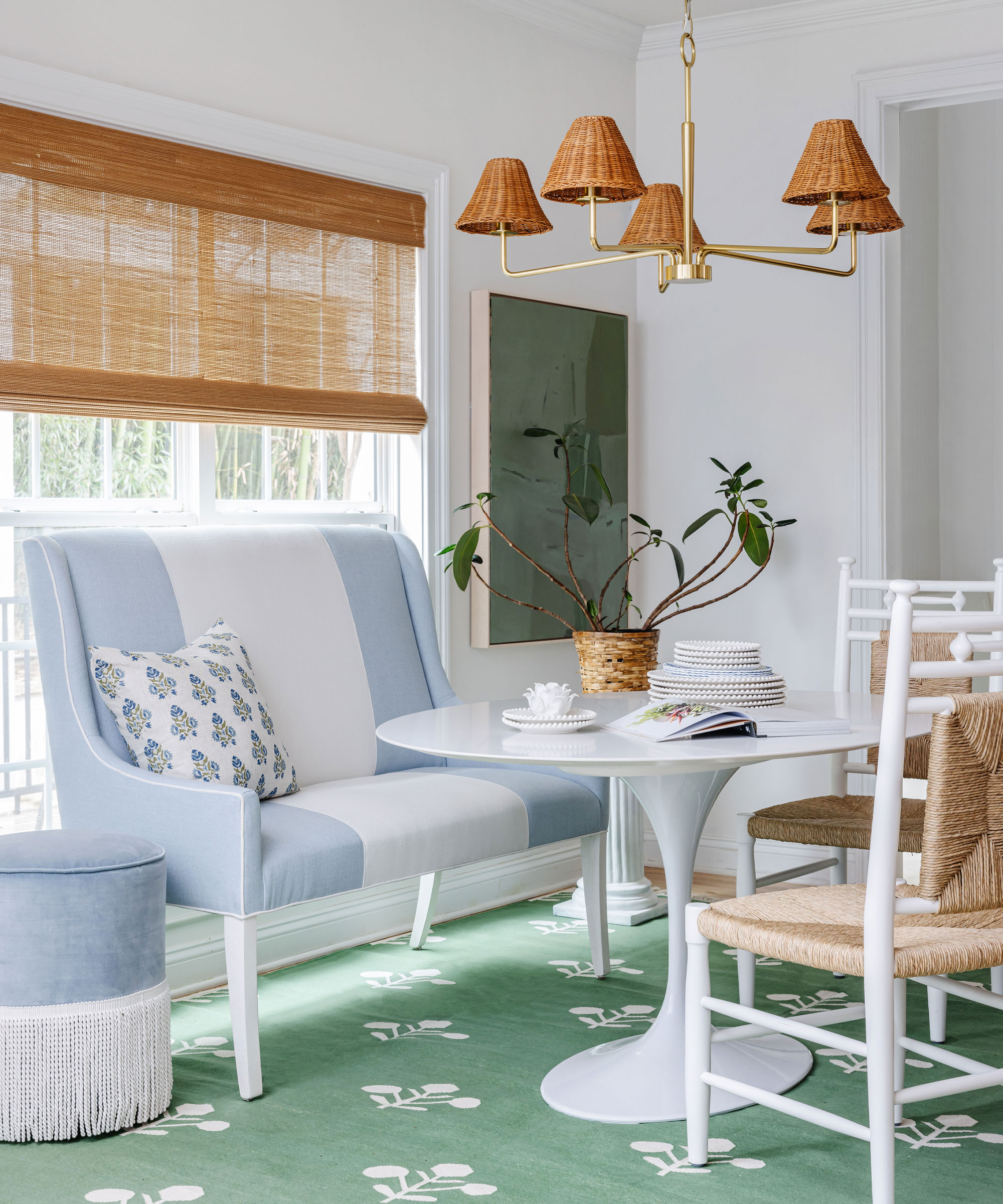
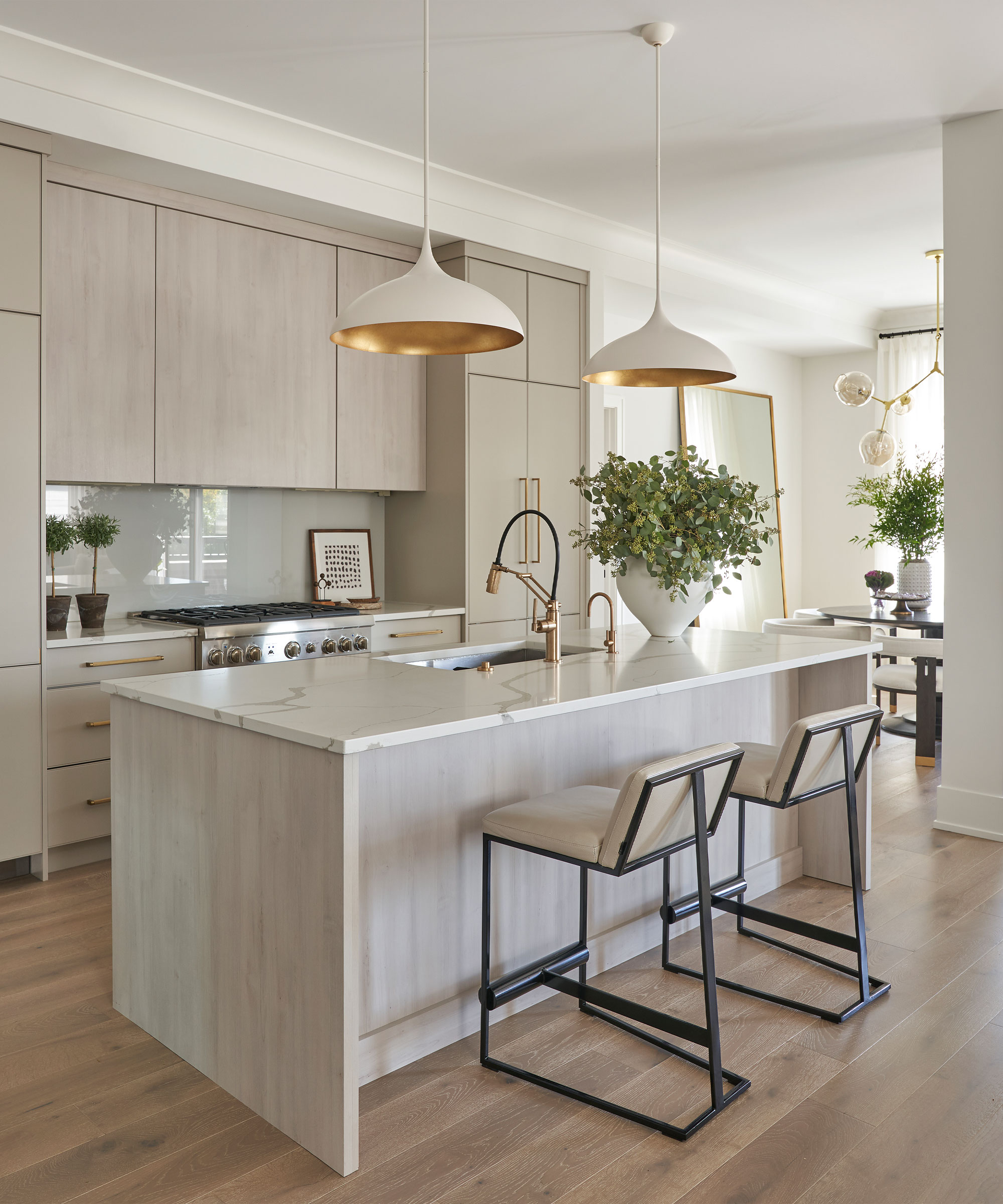
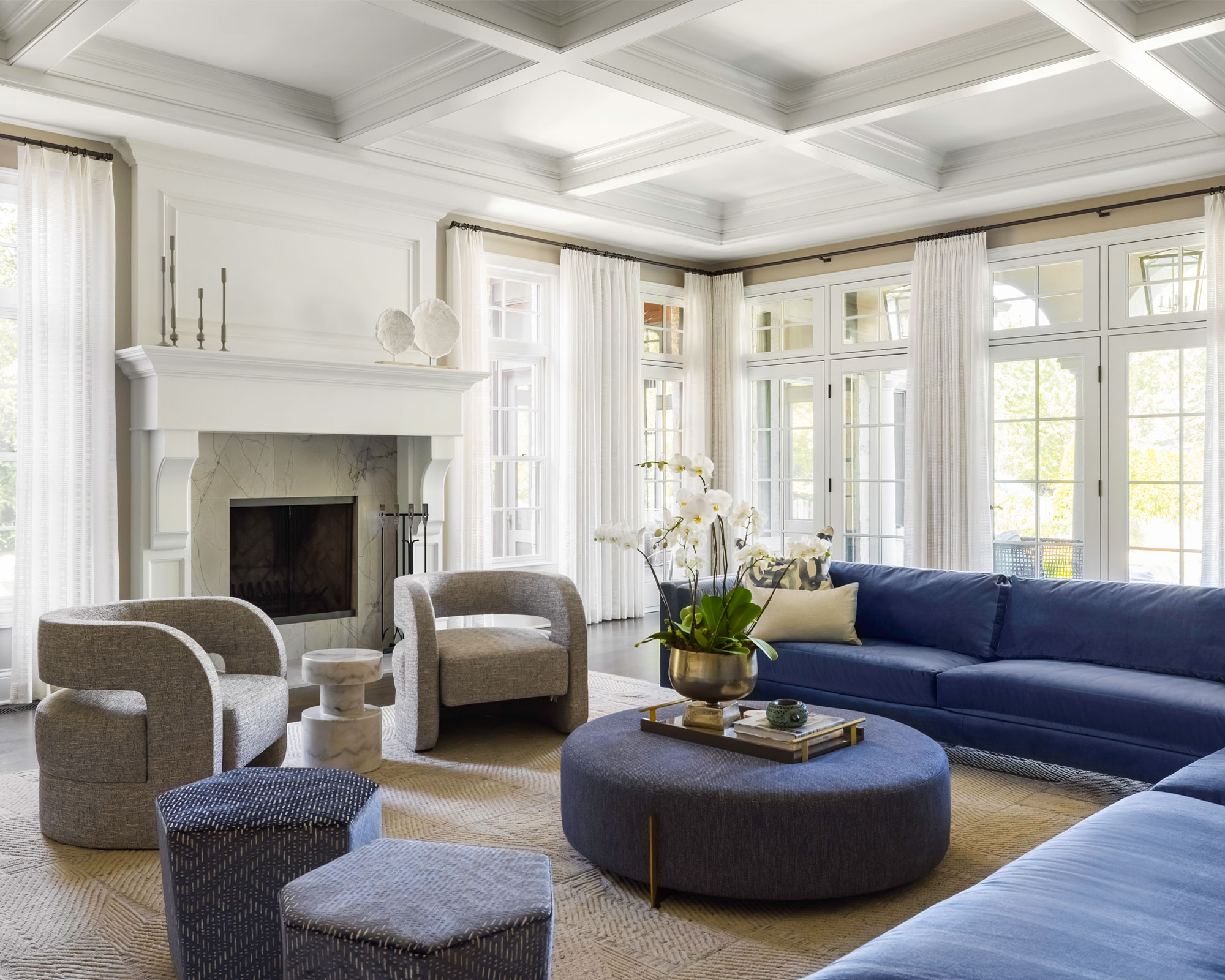
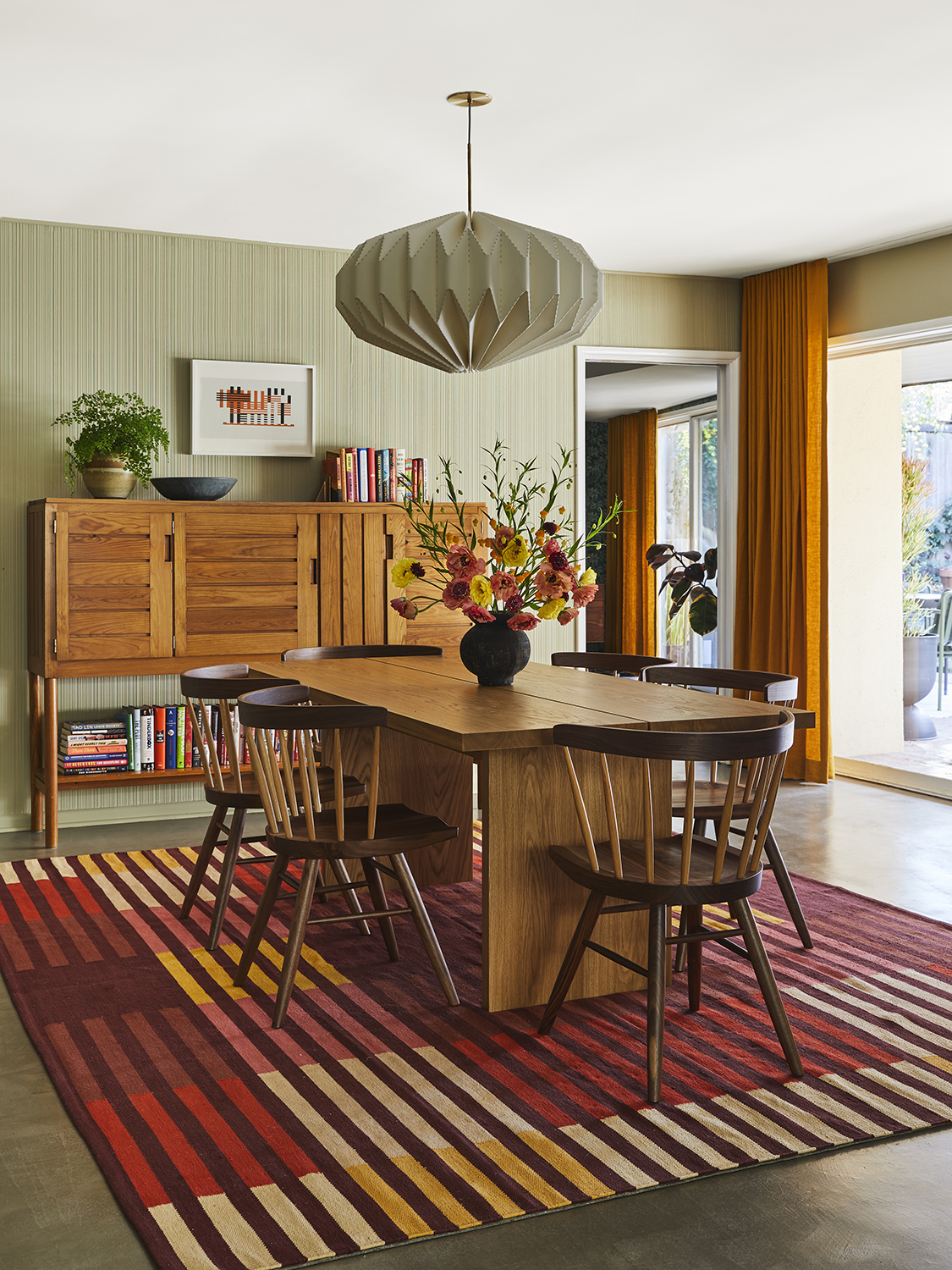
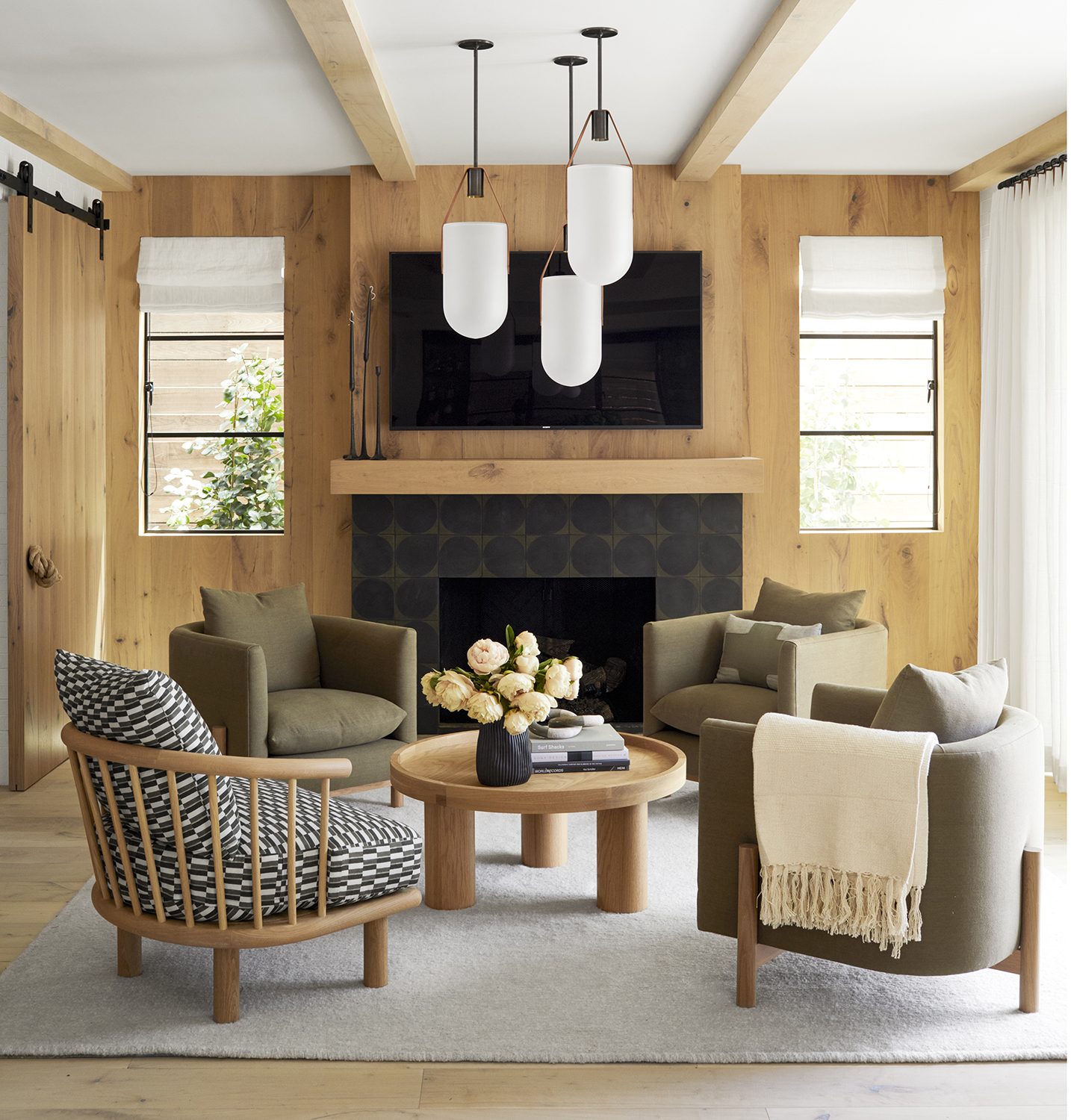
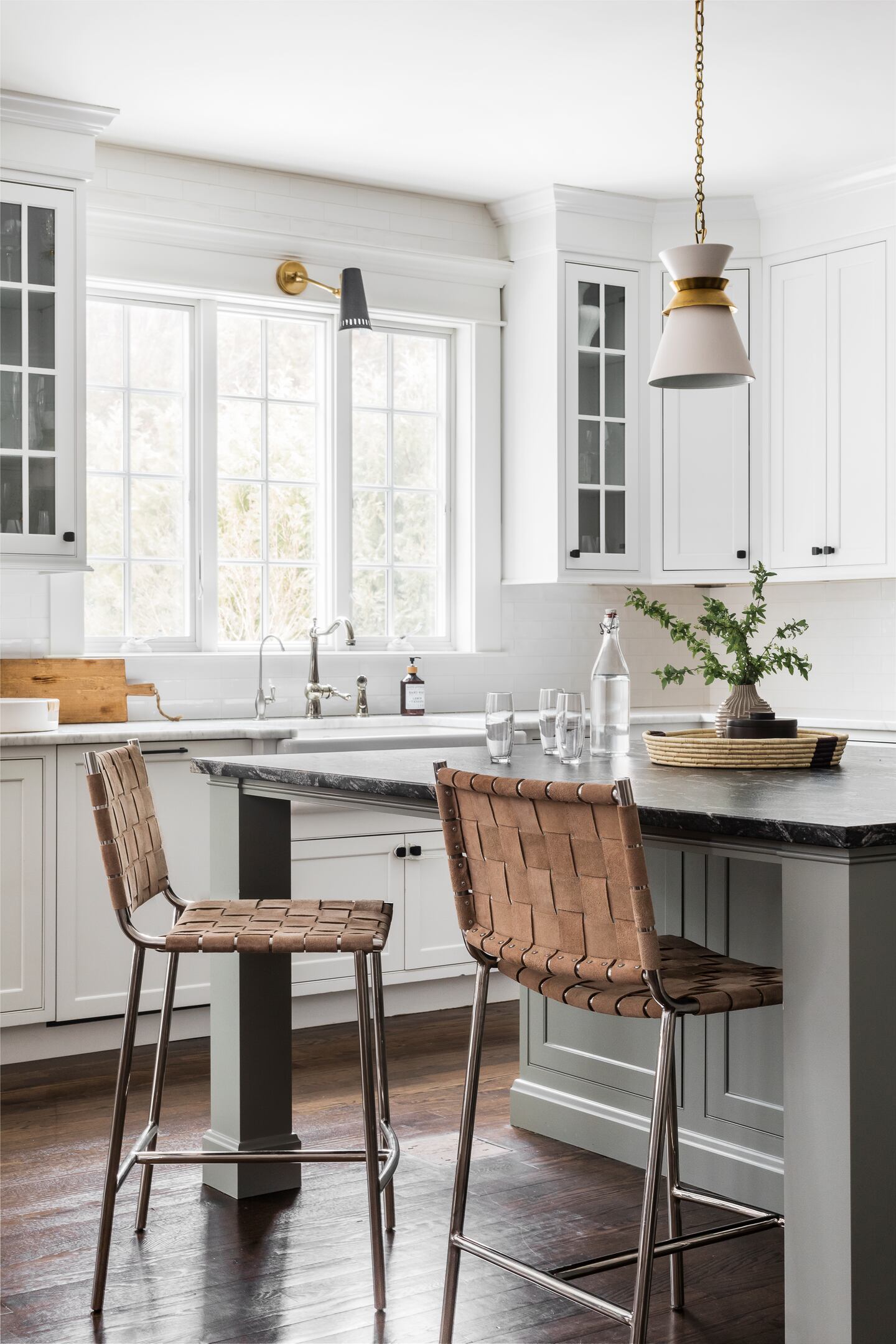
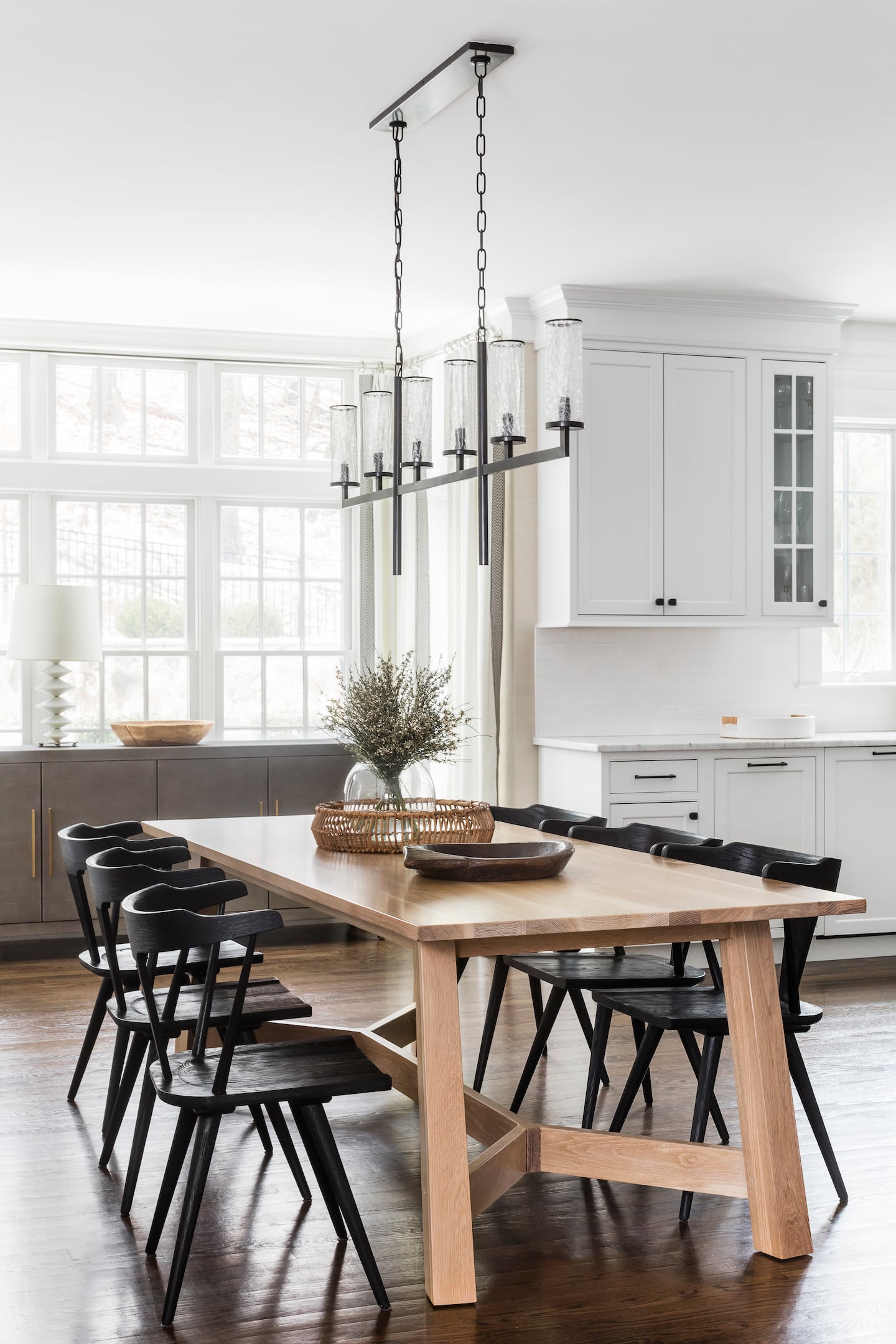
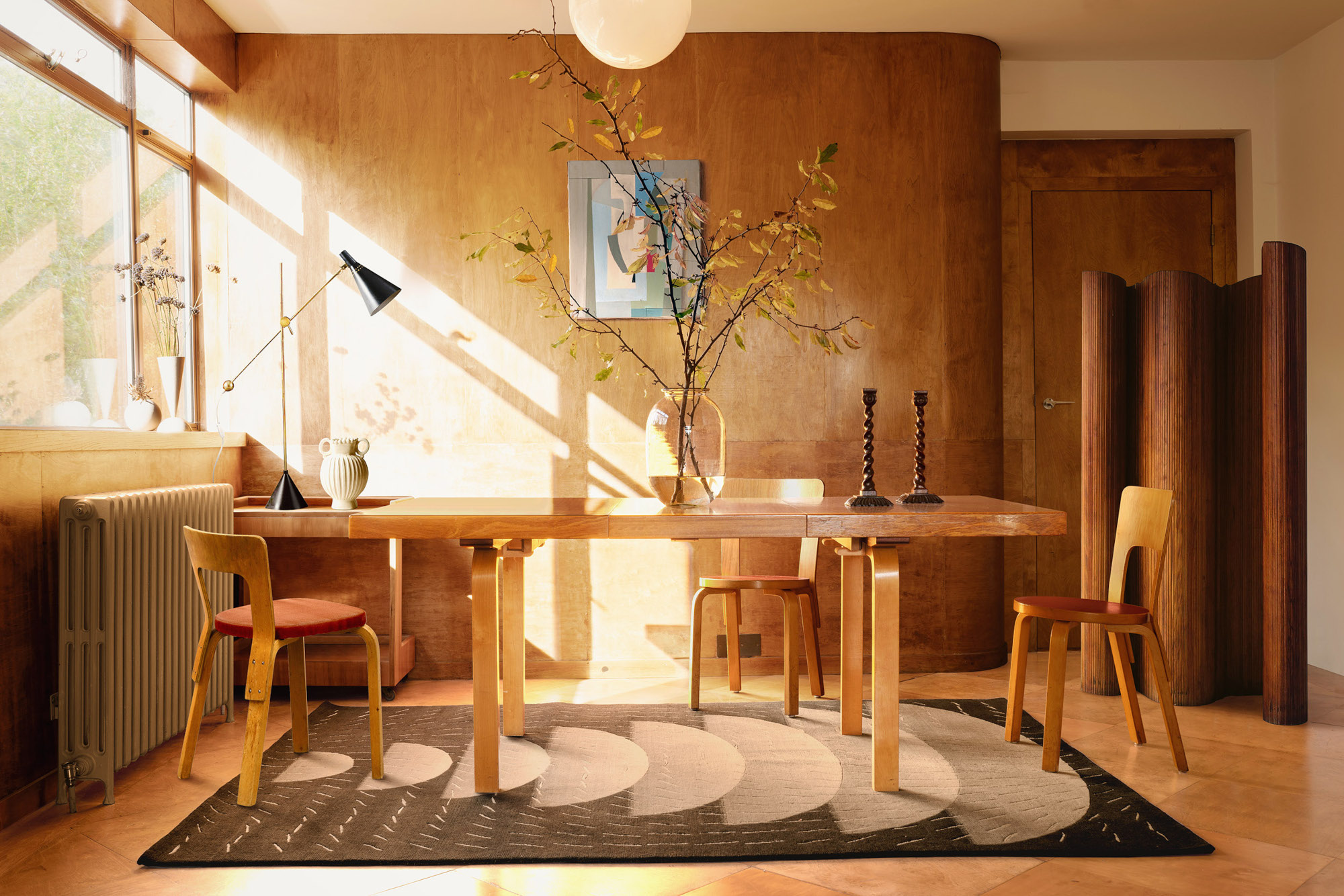
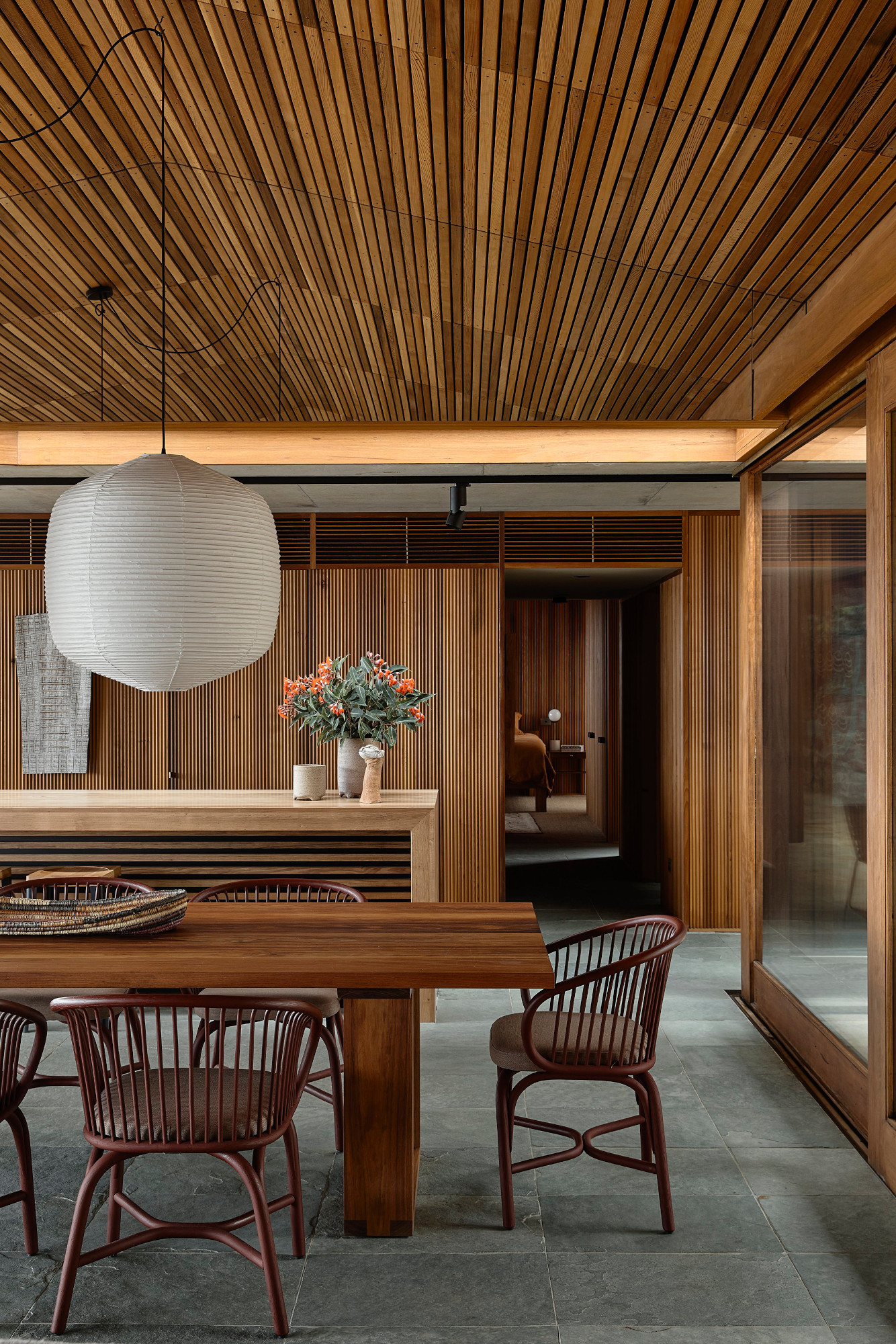
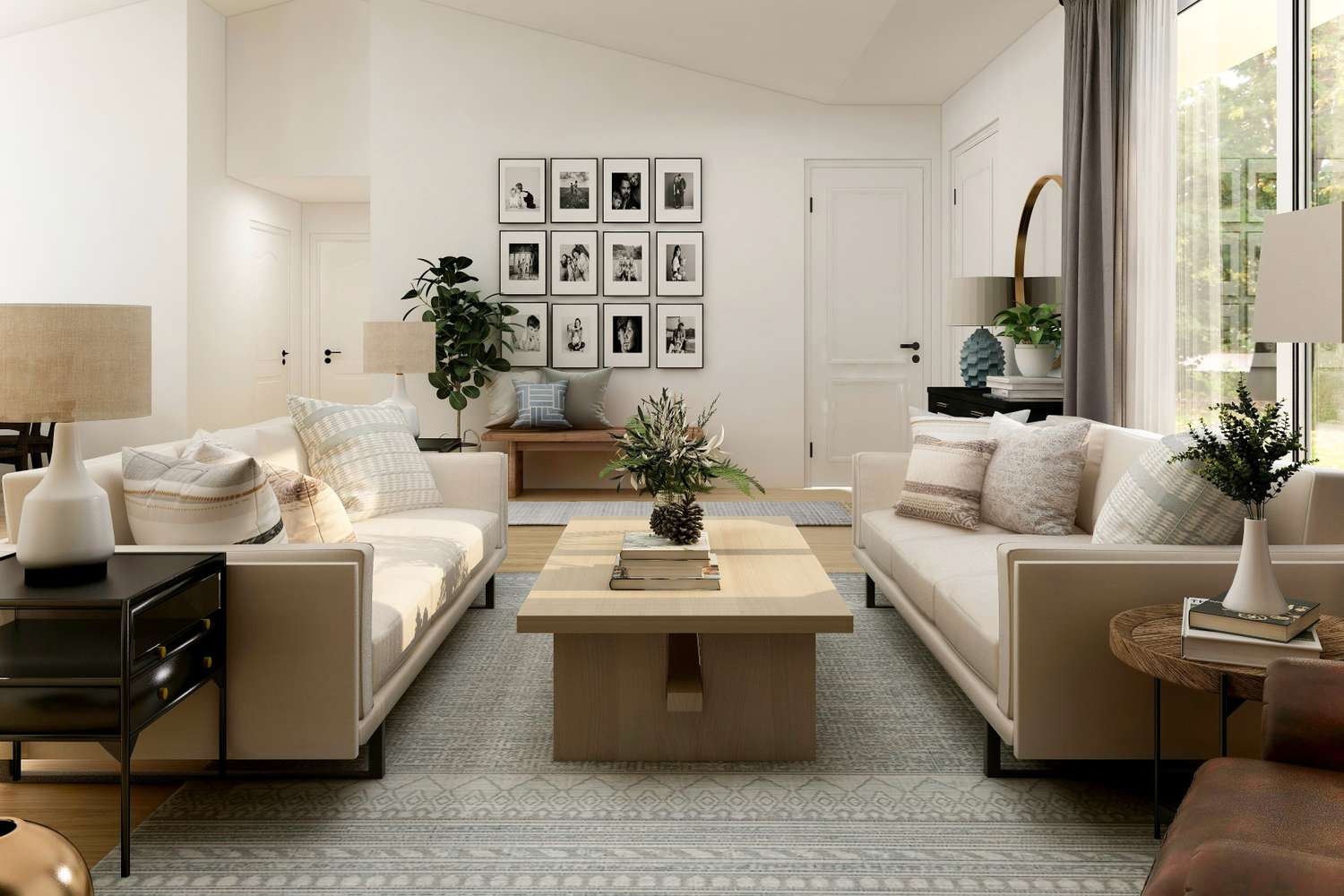
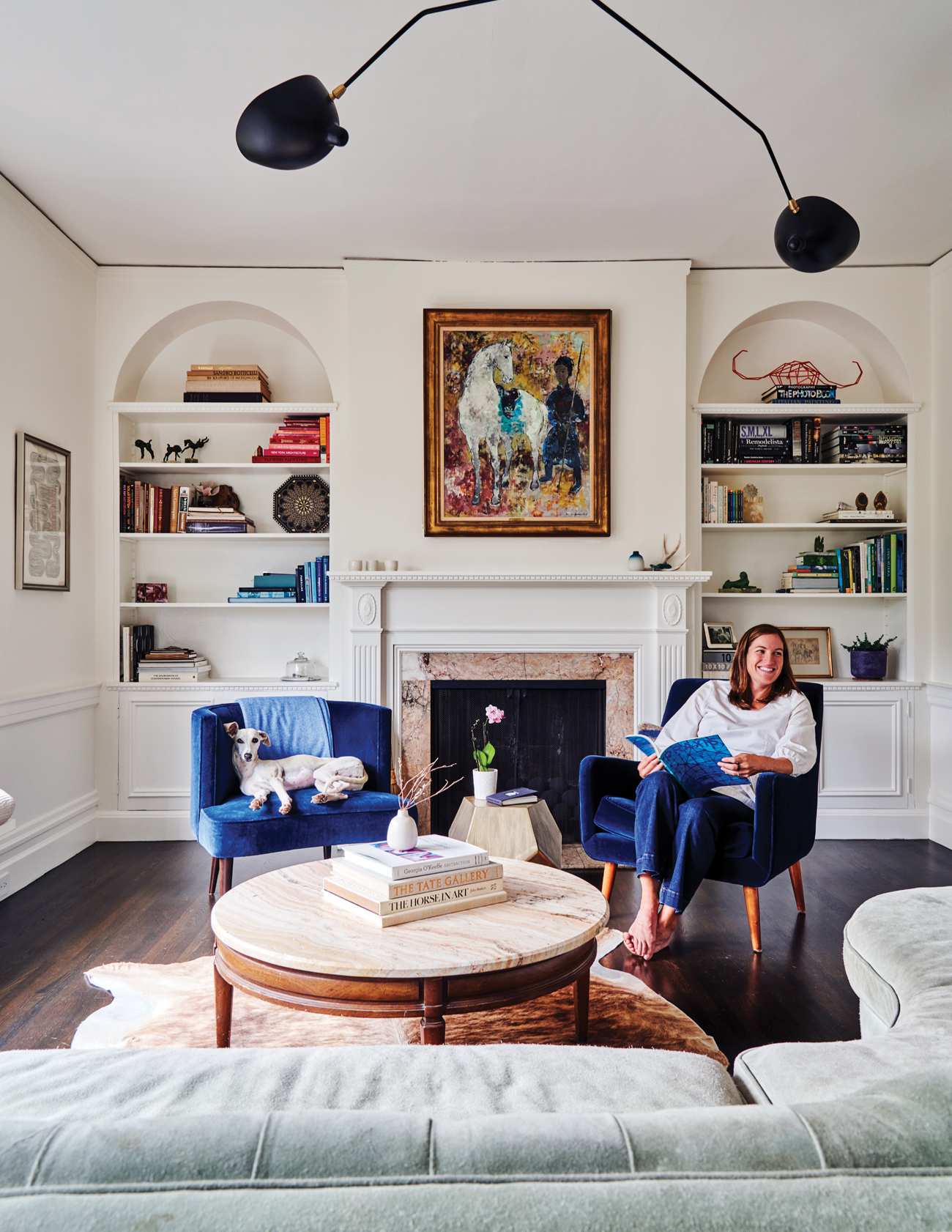
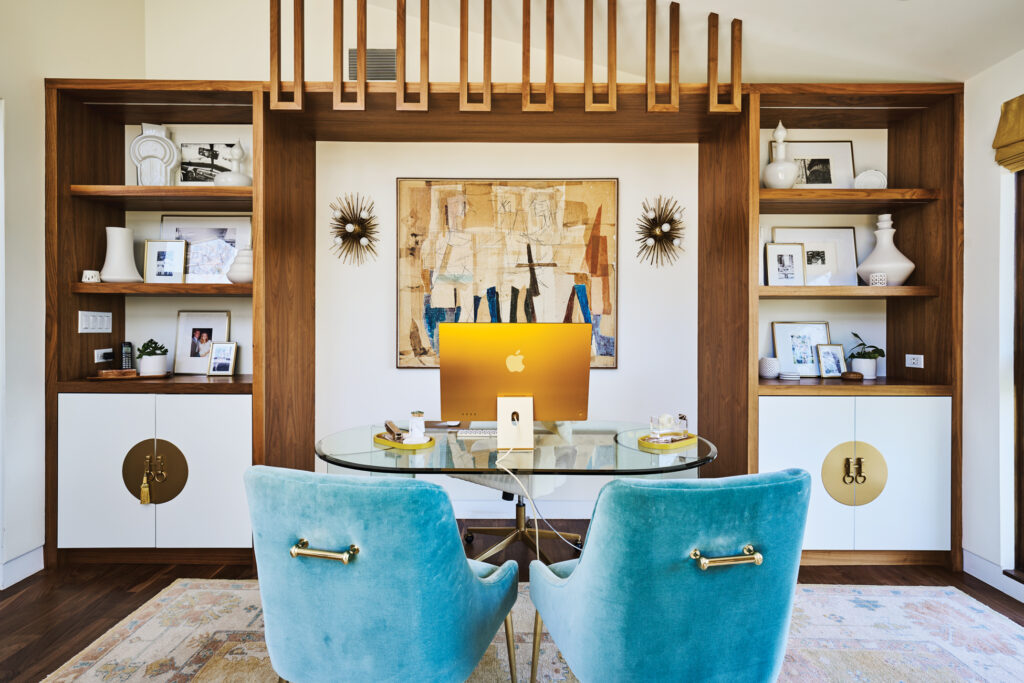
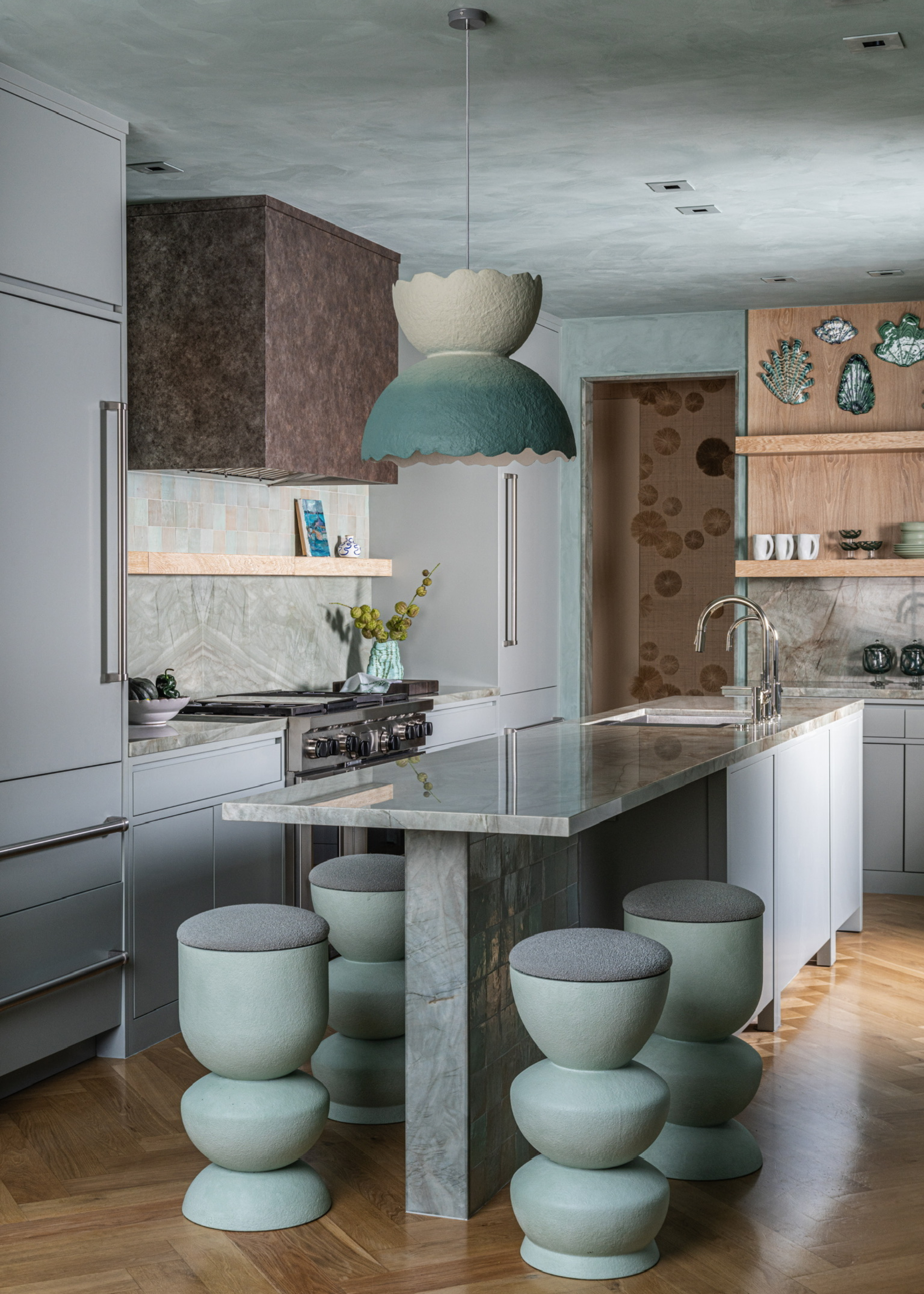
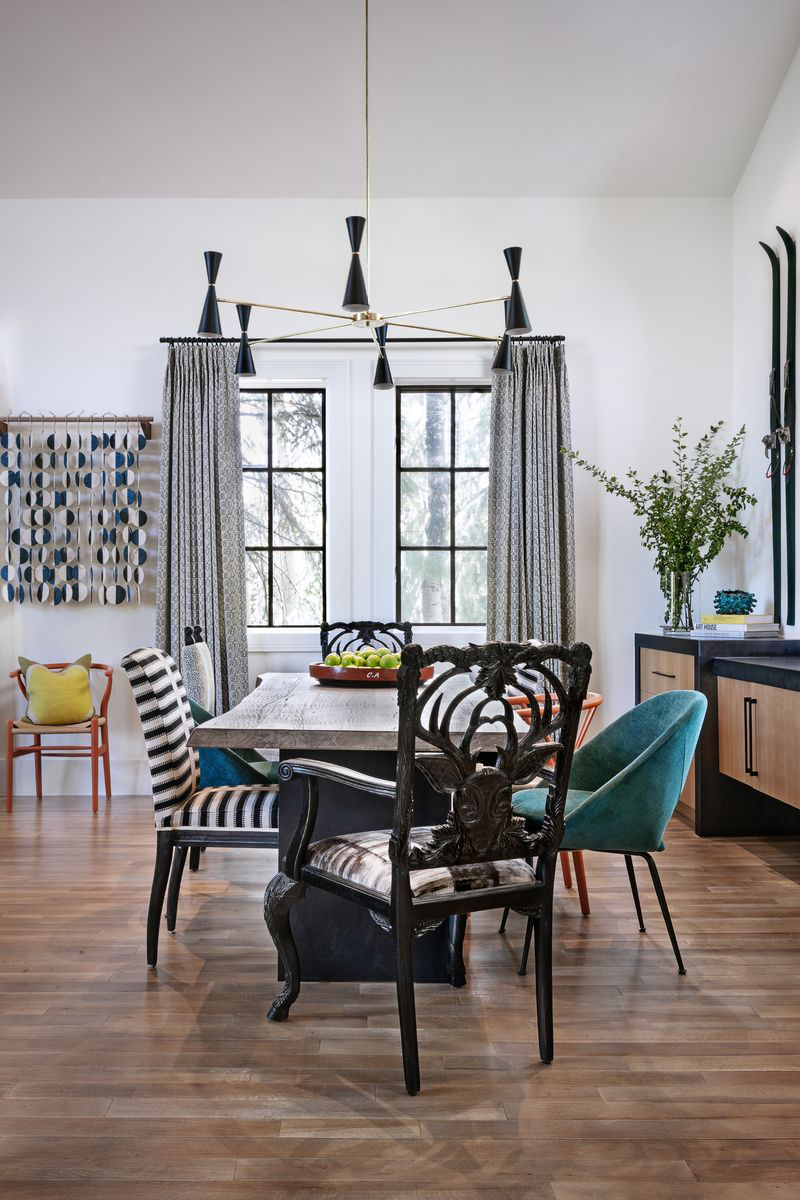
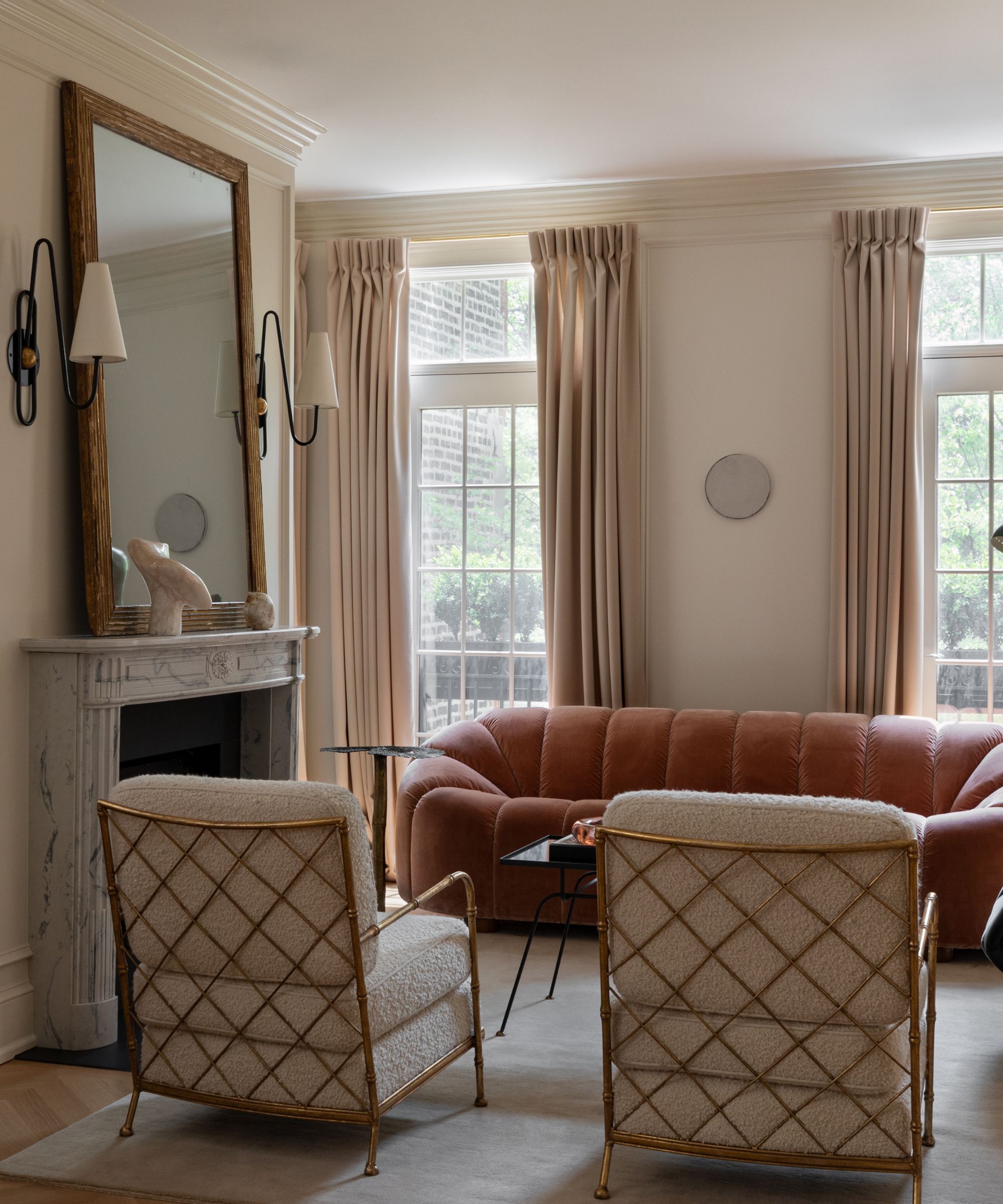
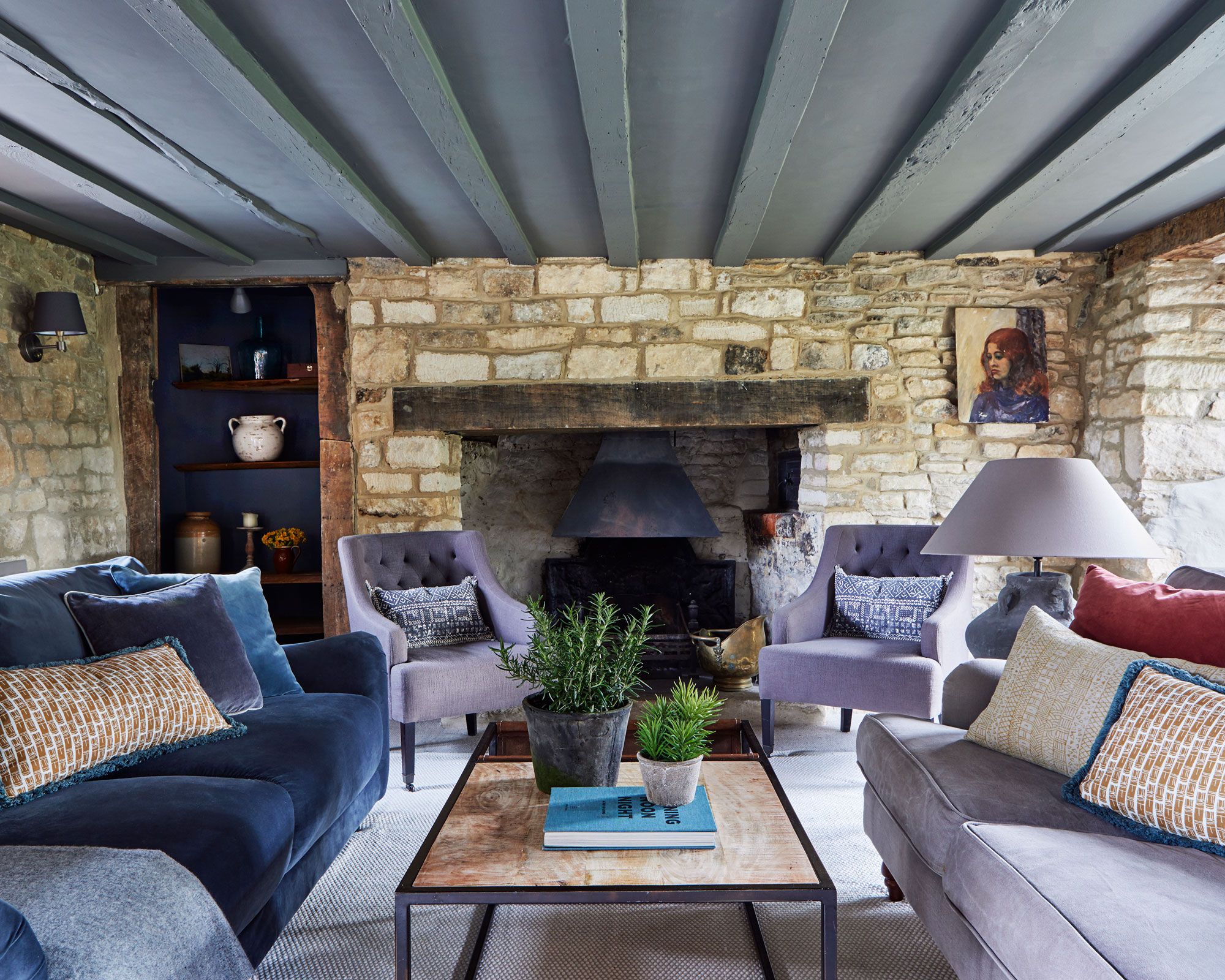
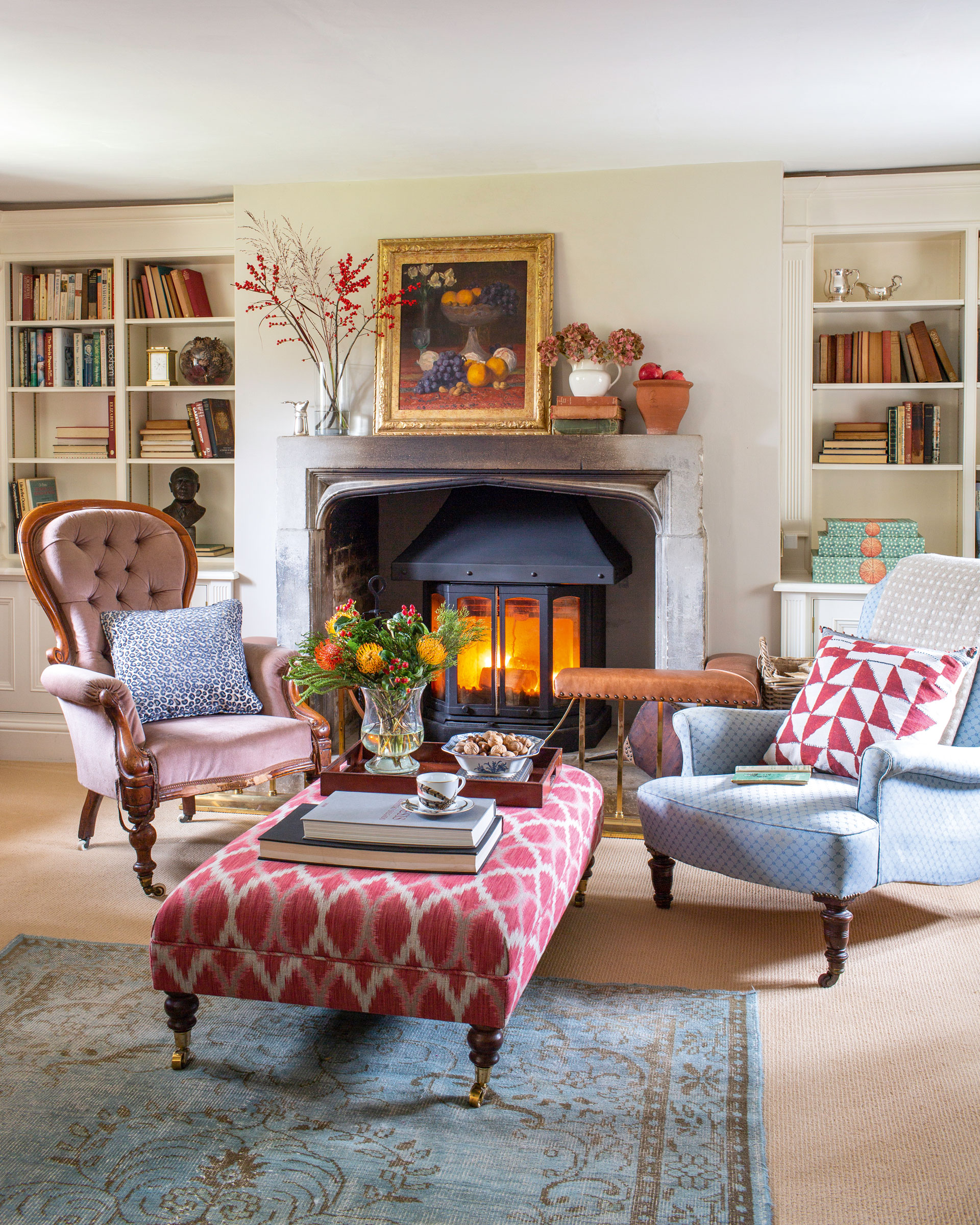
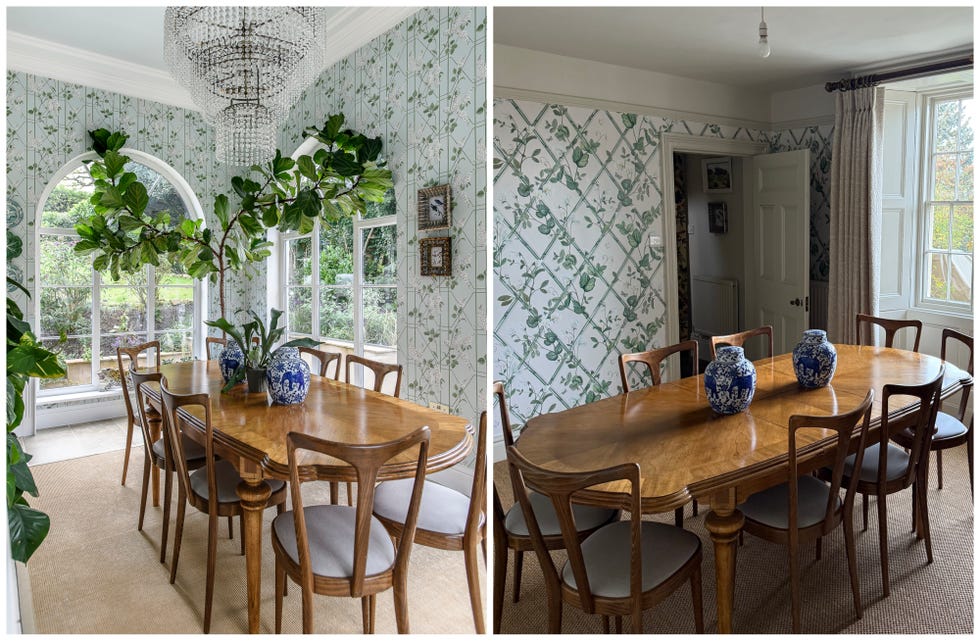
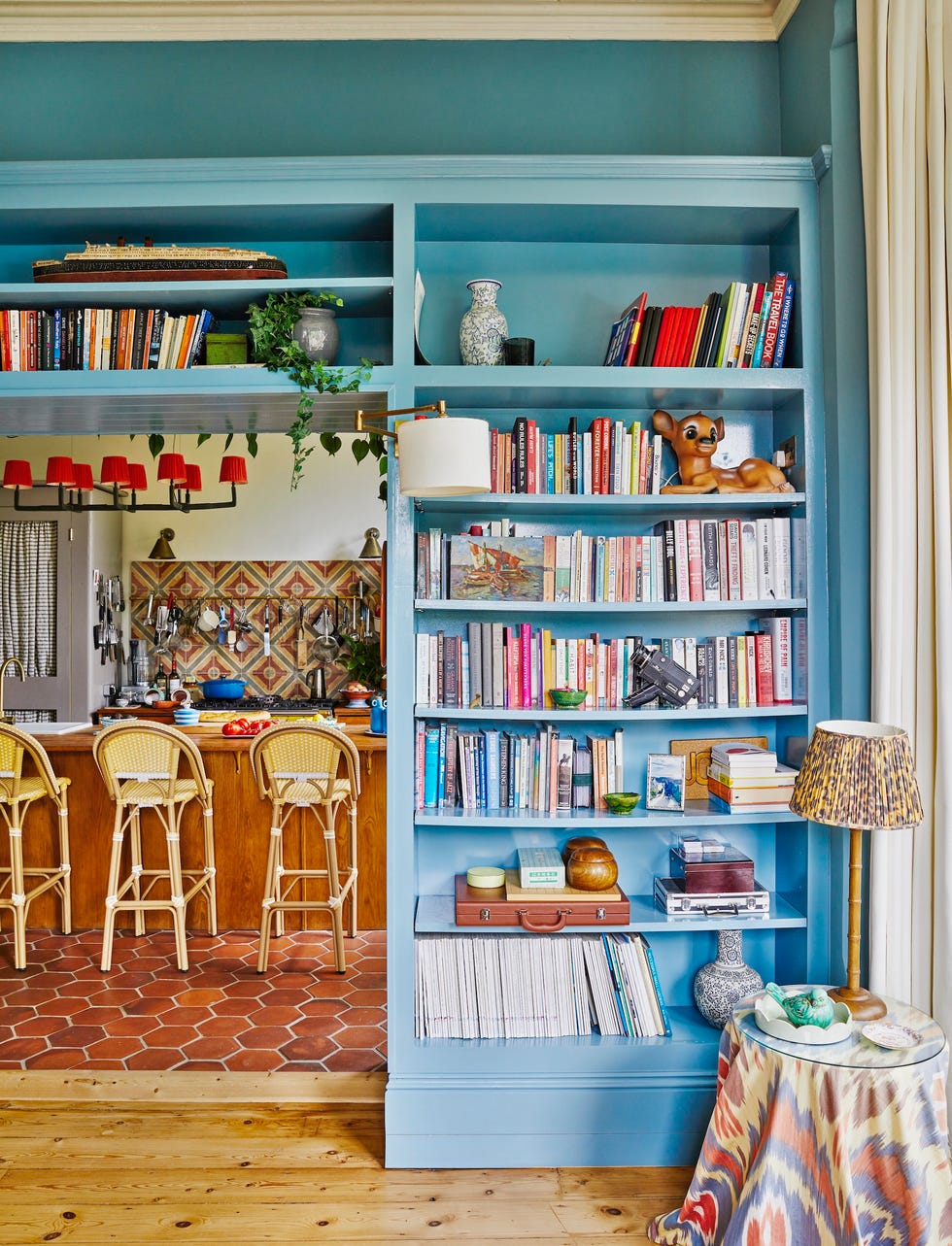

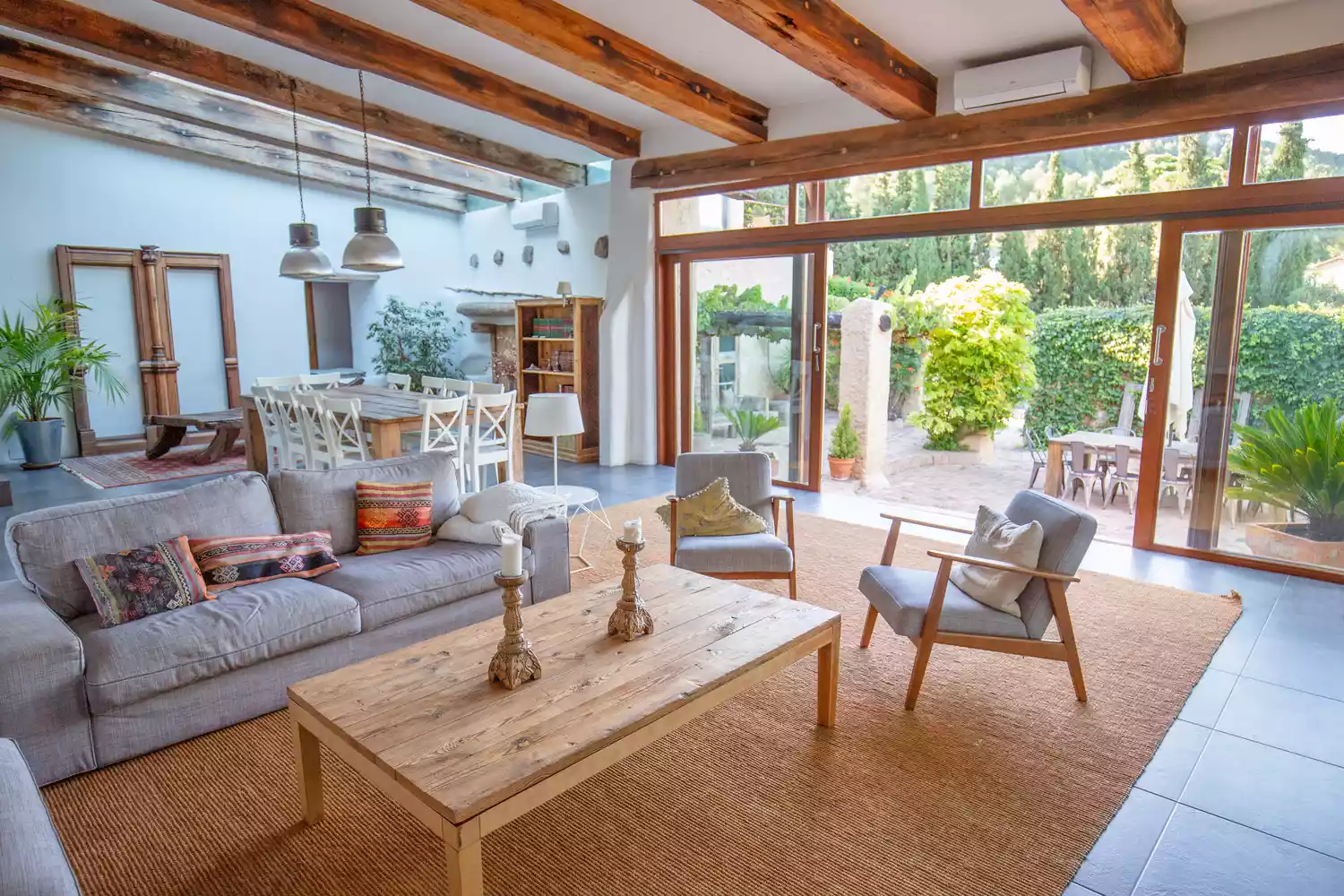
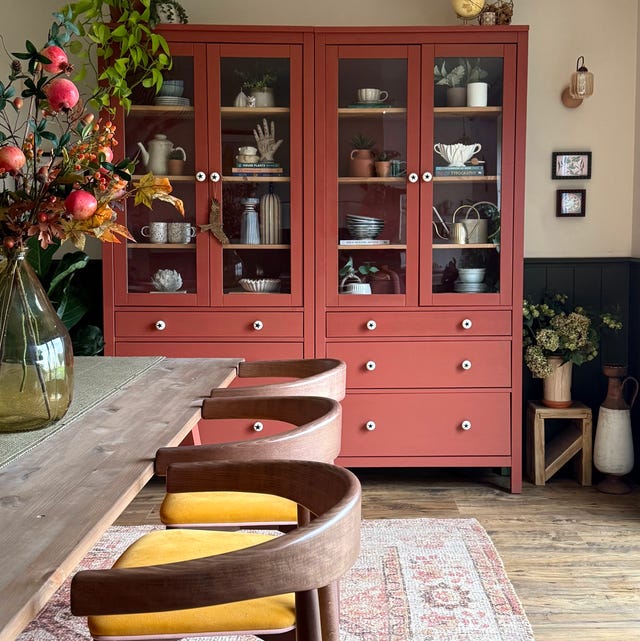
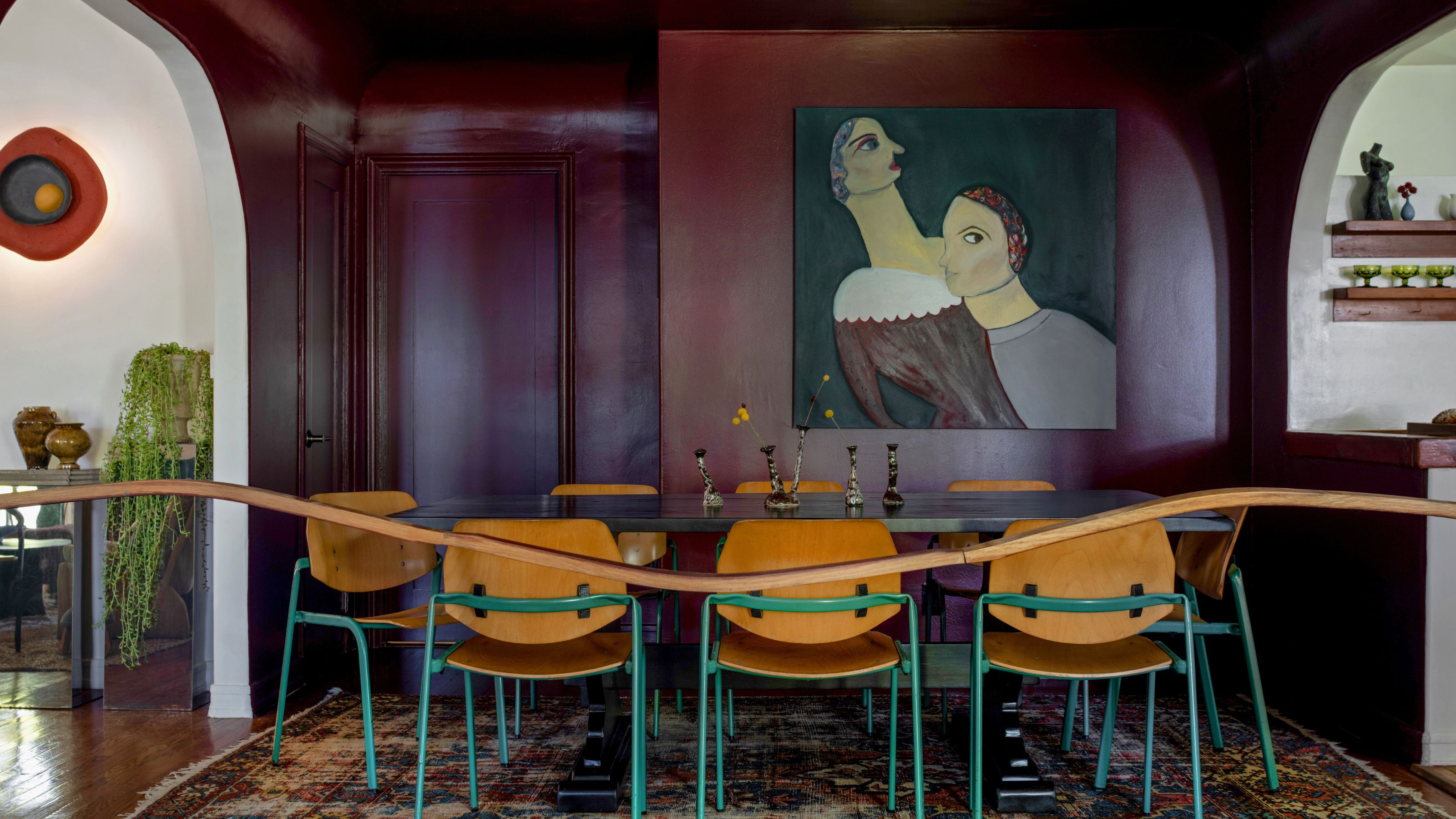
One effective method involves repeating key pieces of furniture to build cohesion without creating clutter. For instance, a series of identical chairs around a dining table or multiple bar stools in a kitchen can stabilize a room and reinforce its overall aesthetic. Another popular approach in living rooms is to pair one large piece of furniture, such as a sofa, with two smaller, identical chairs, which uses visual weight to achieve balance and anchor the space. This creates a pleasing counterpoint between different scales.
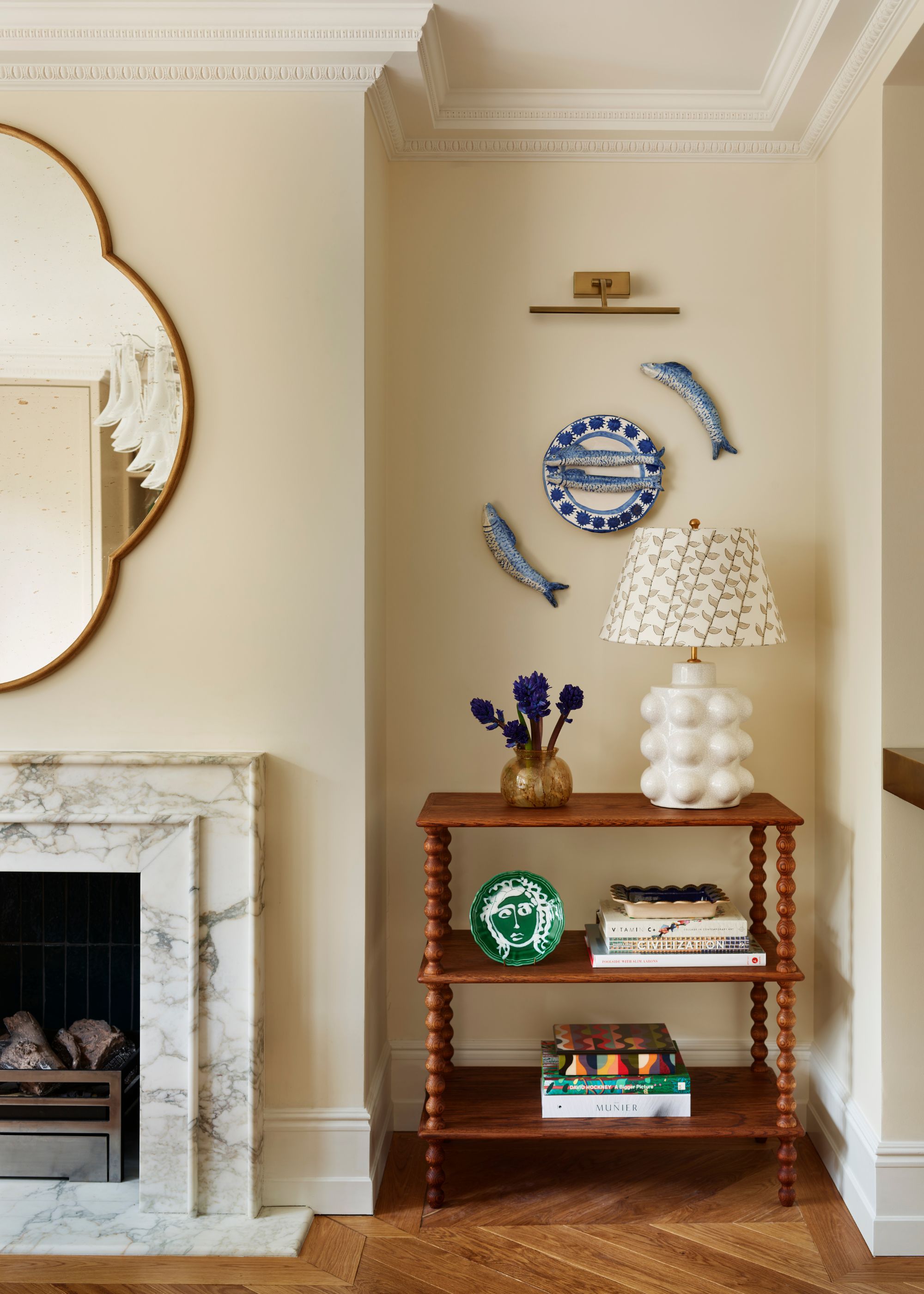
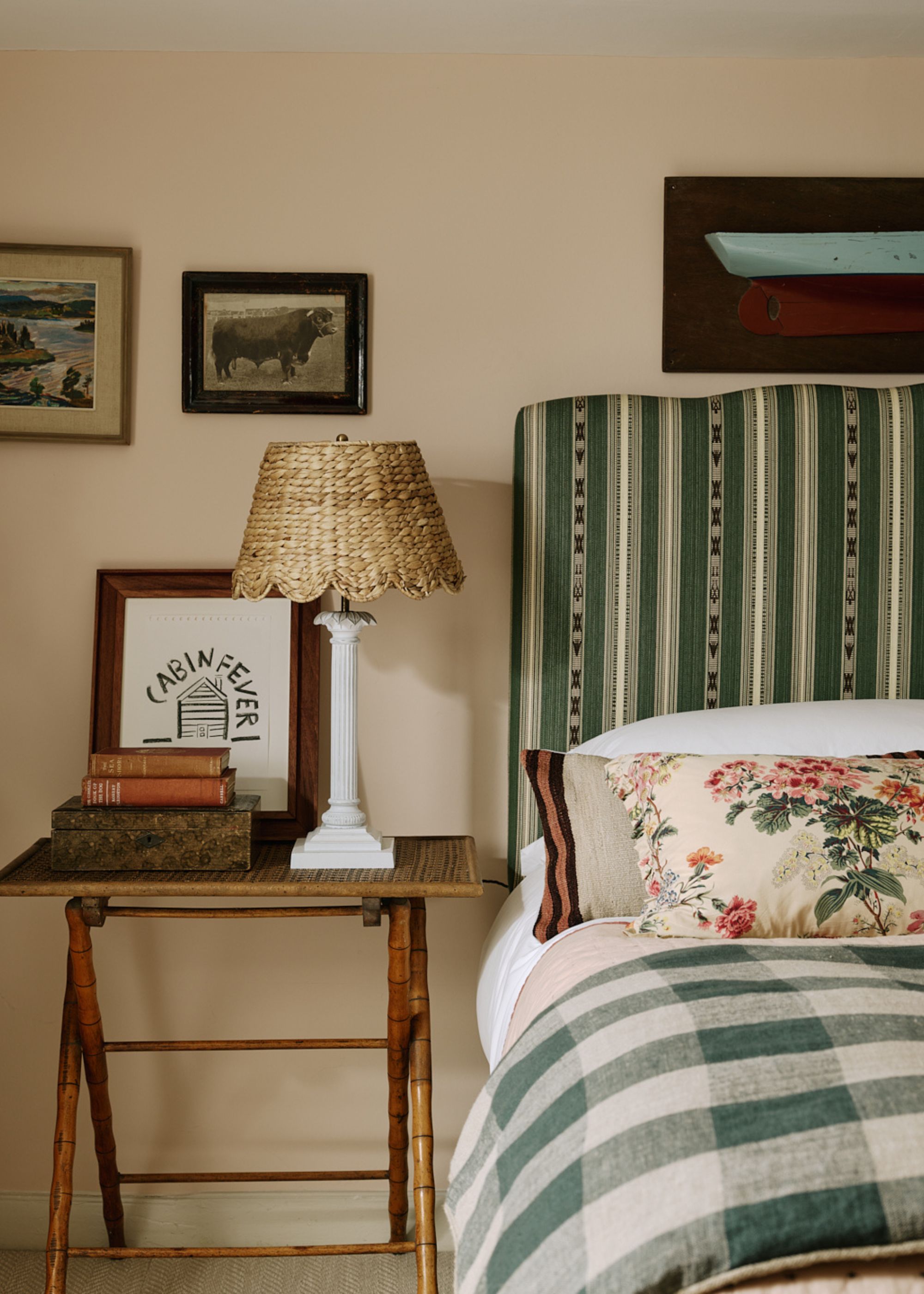
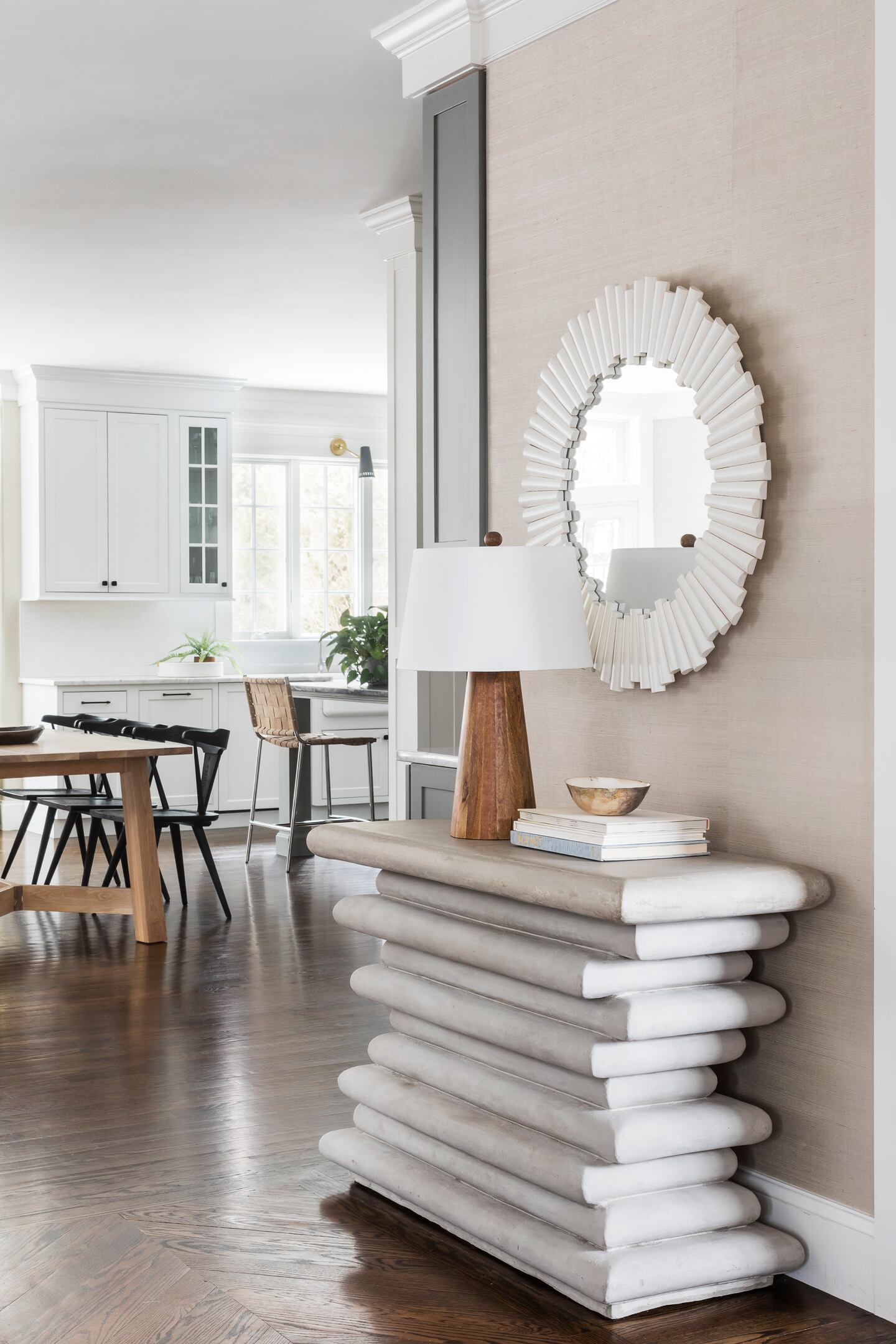
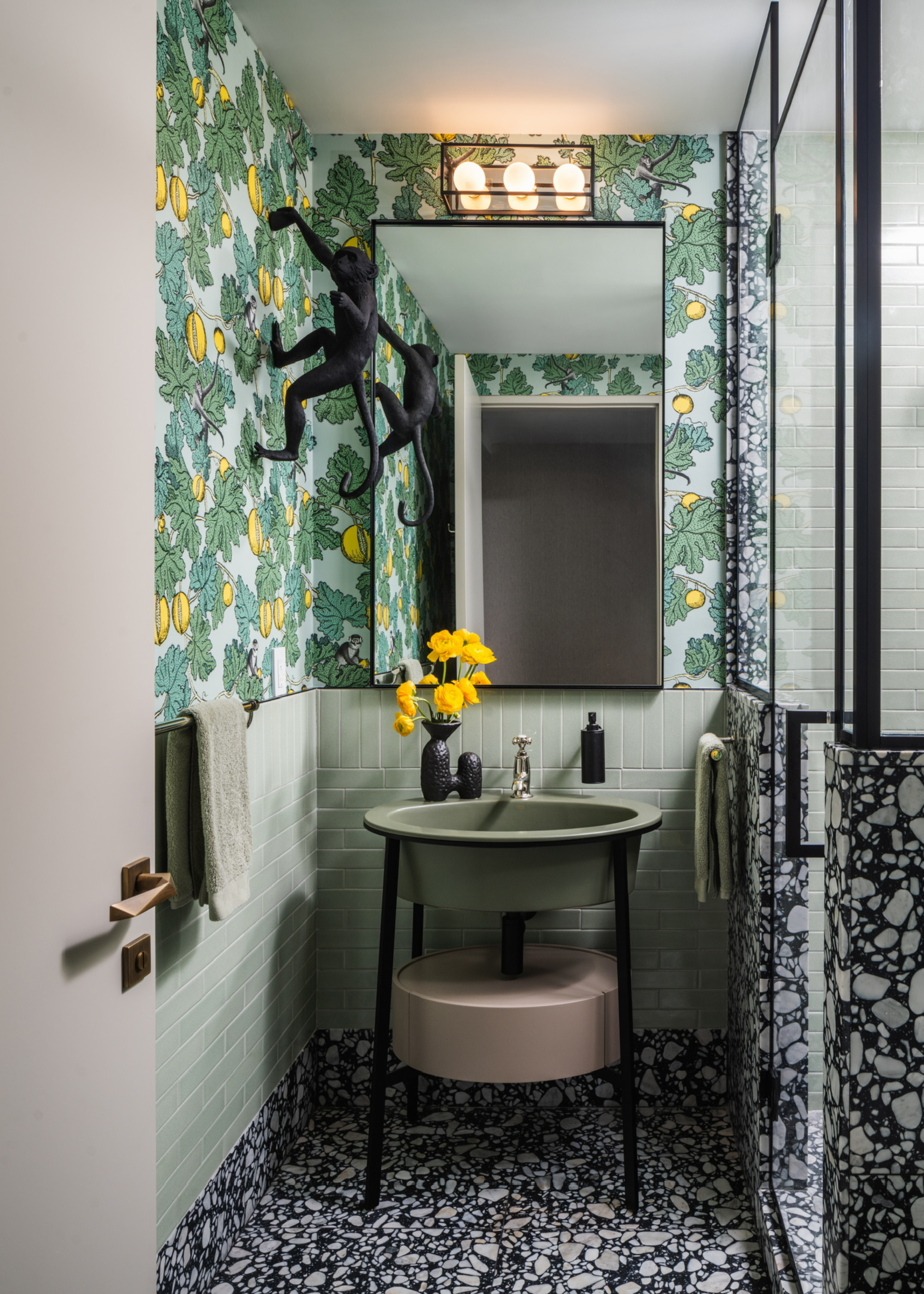
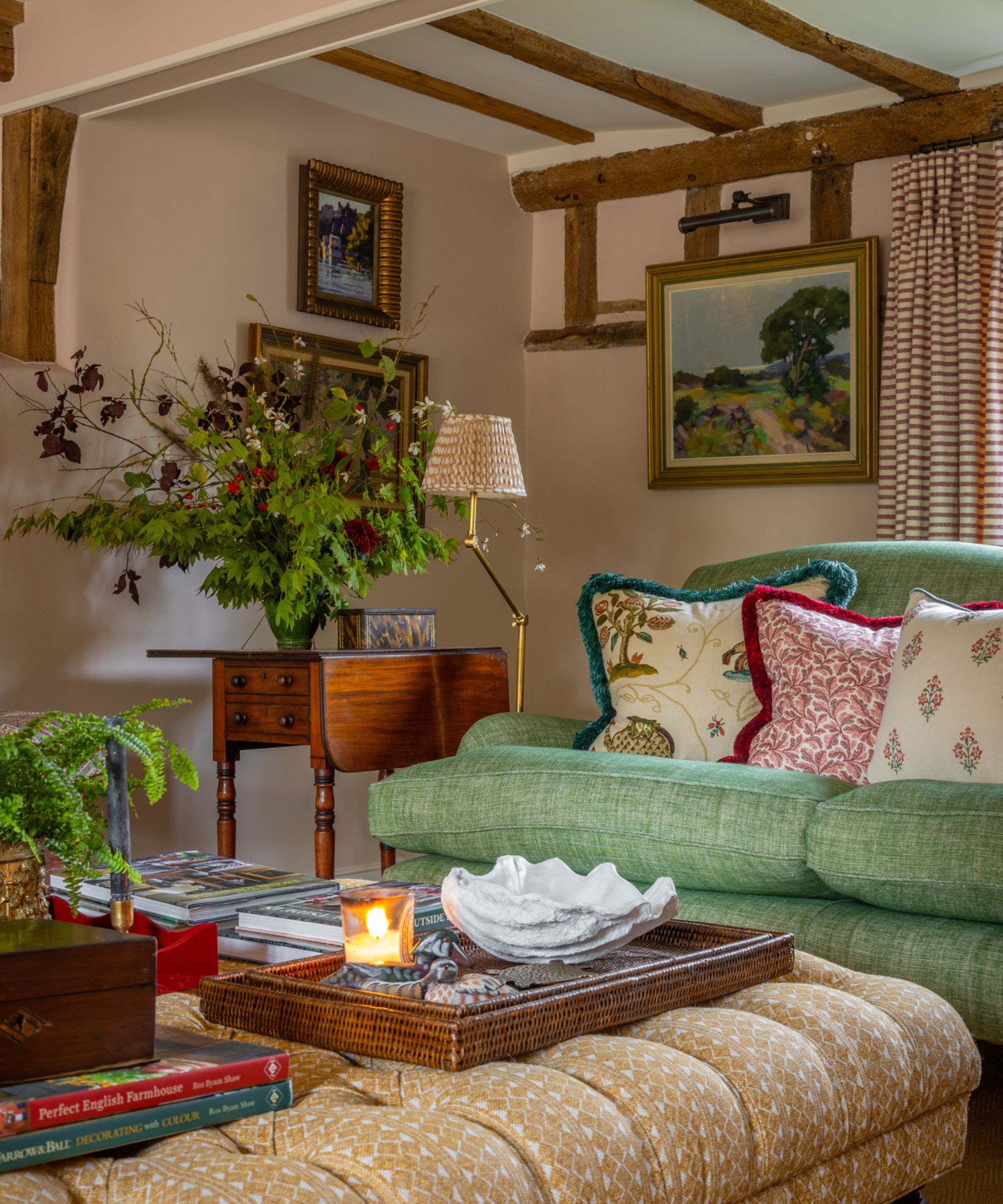
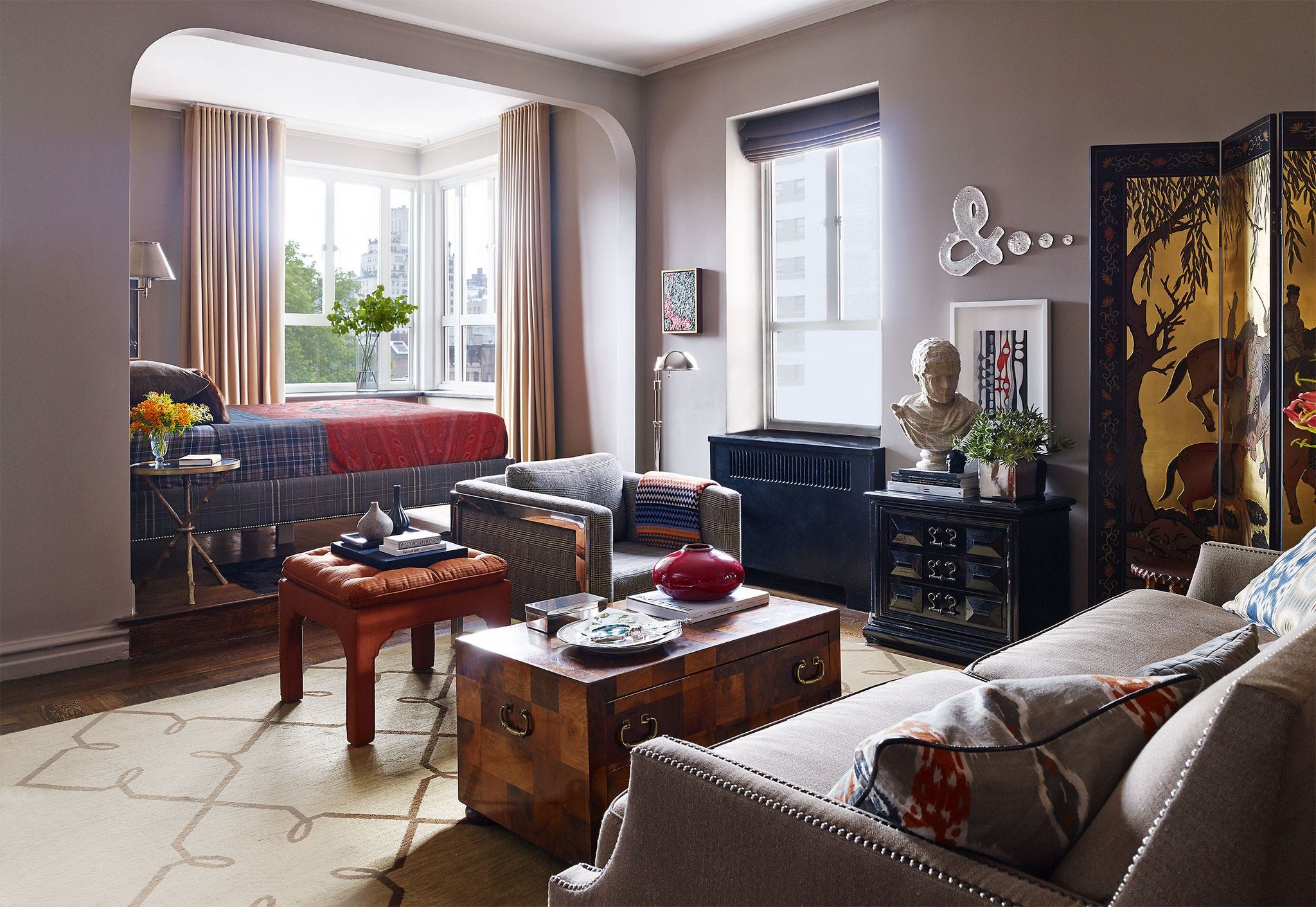
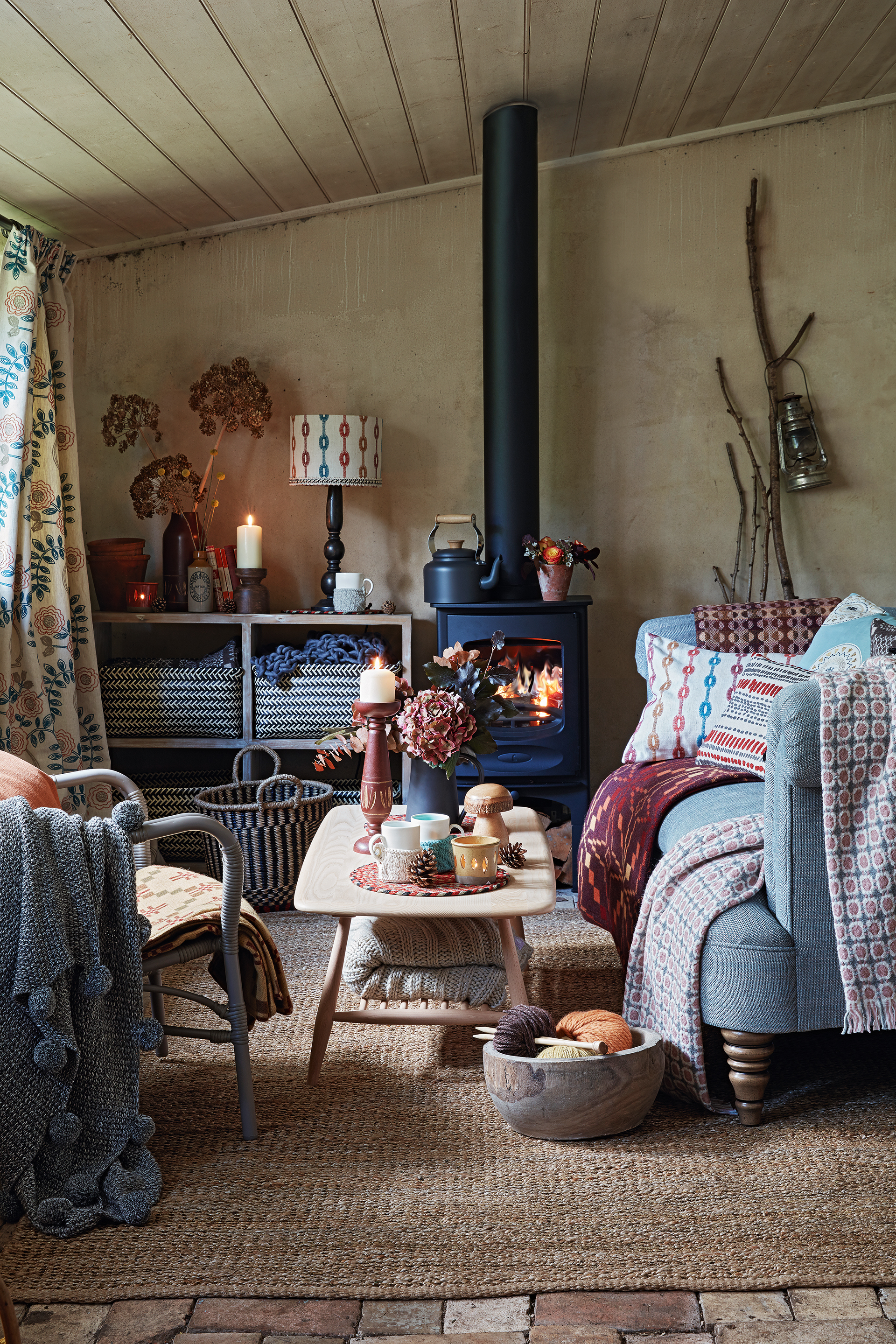
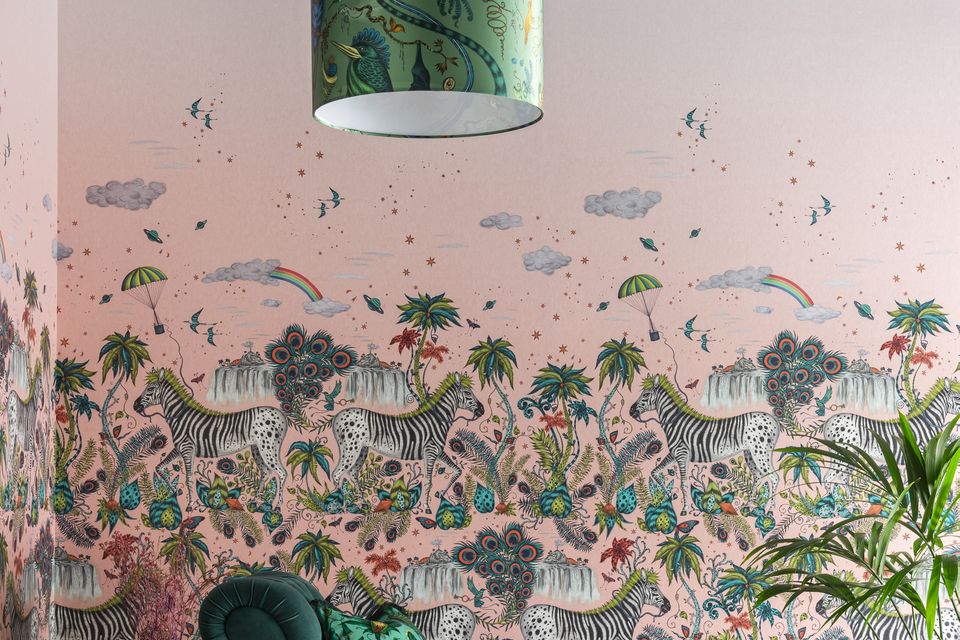
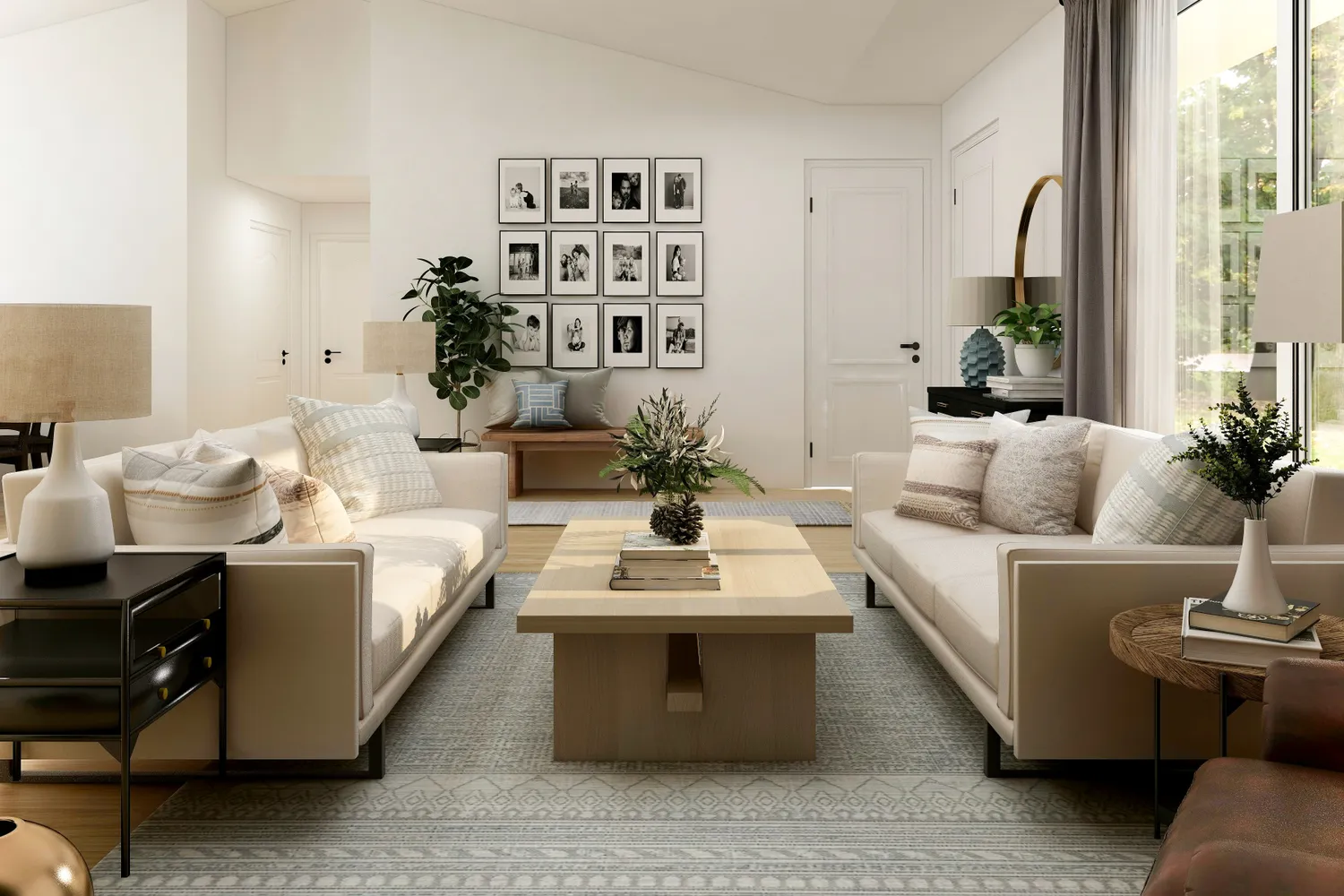
Color repetition is crucial for a strong color scheme, guiding the eye through the space and creating a sense of harmony. Colors can appear both on and off walls, as seen in bathrooms where wall tiles set a vibrant pattern that is then echoed in countertops, floors, and other elements. Similarly, reusing specific shapes provides visual order, leading the eye from one point to another. This can be achieved through geometric patterns, gallery walls, or furniture and decor with consistent forms. Repeating lines, whether straight or curved, further enhances continuity across architecture, furniture, and decor, adding depth and interest to a space.
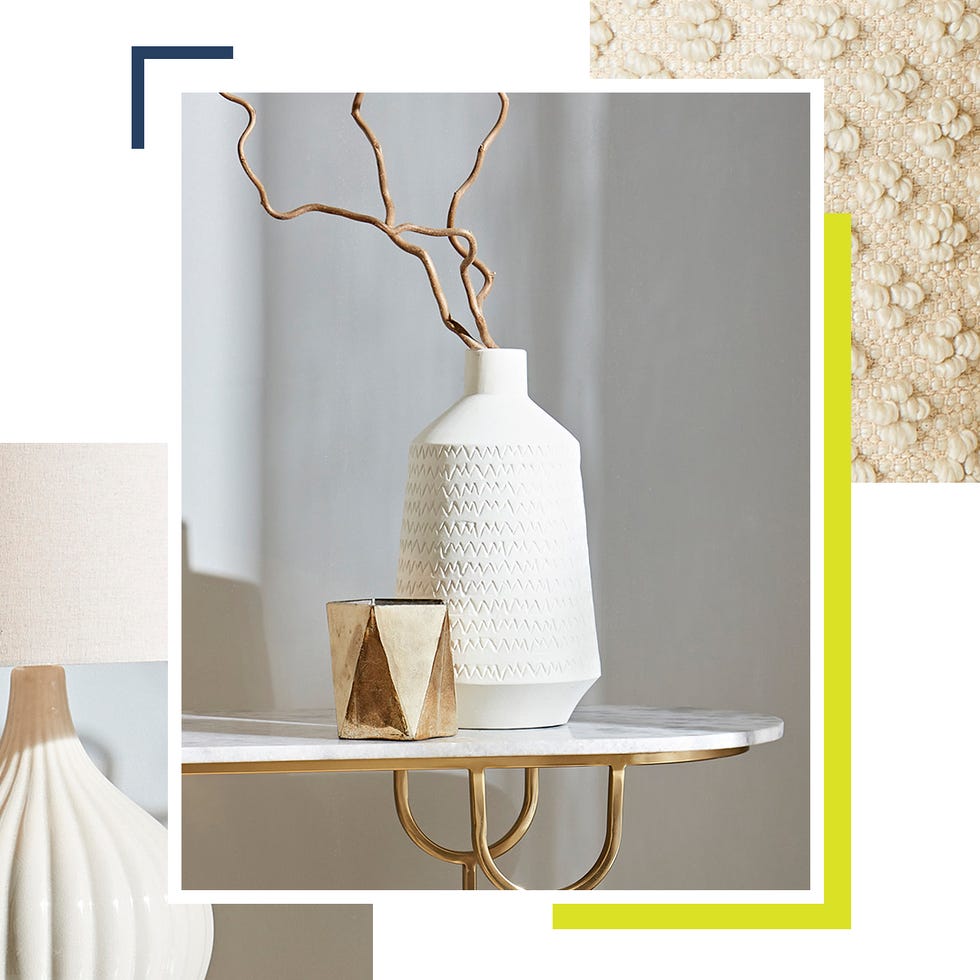
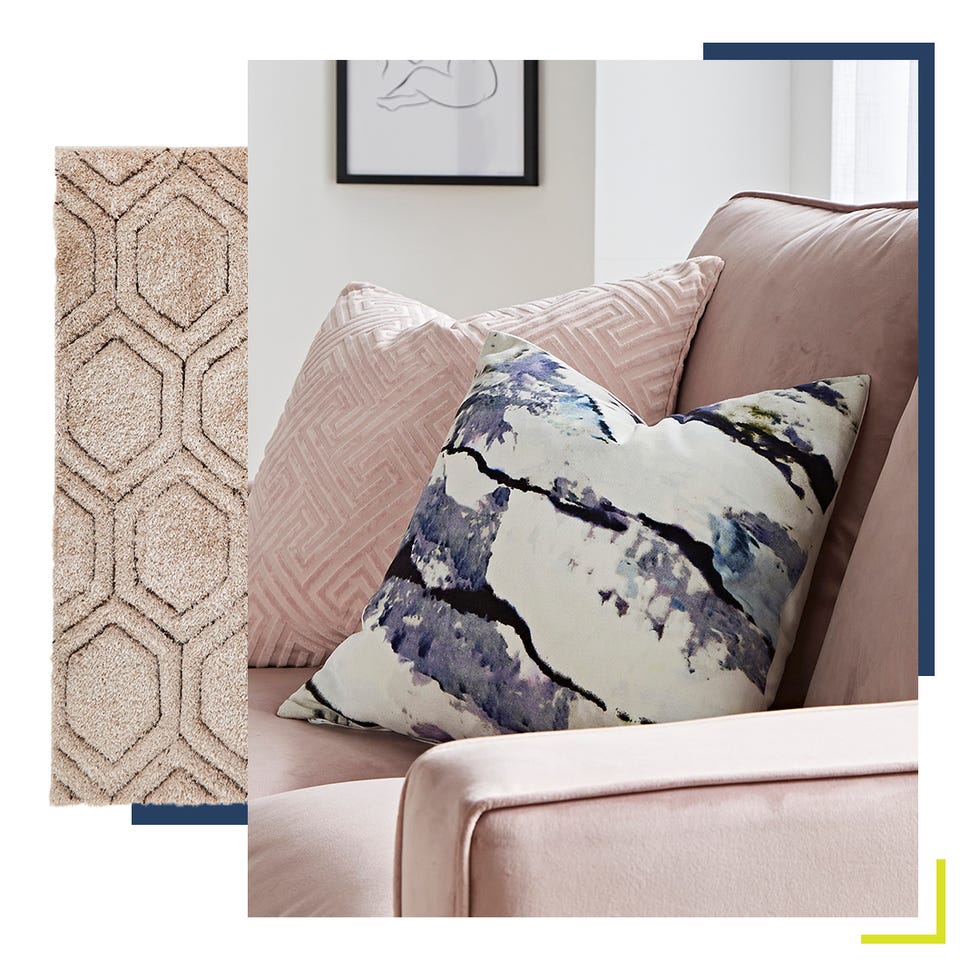
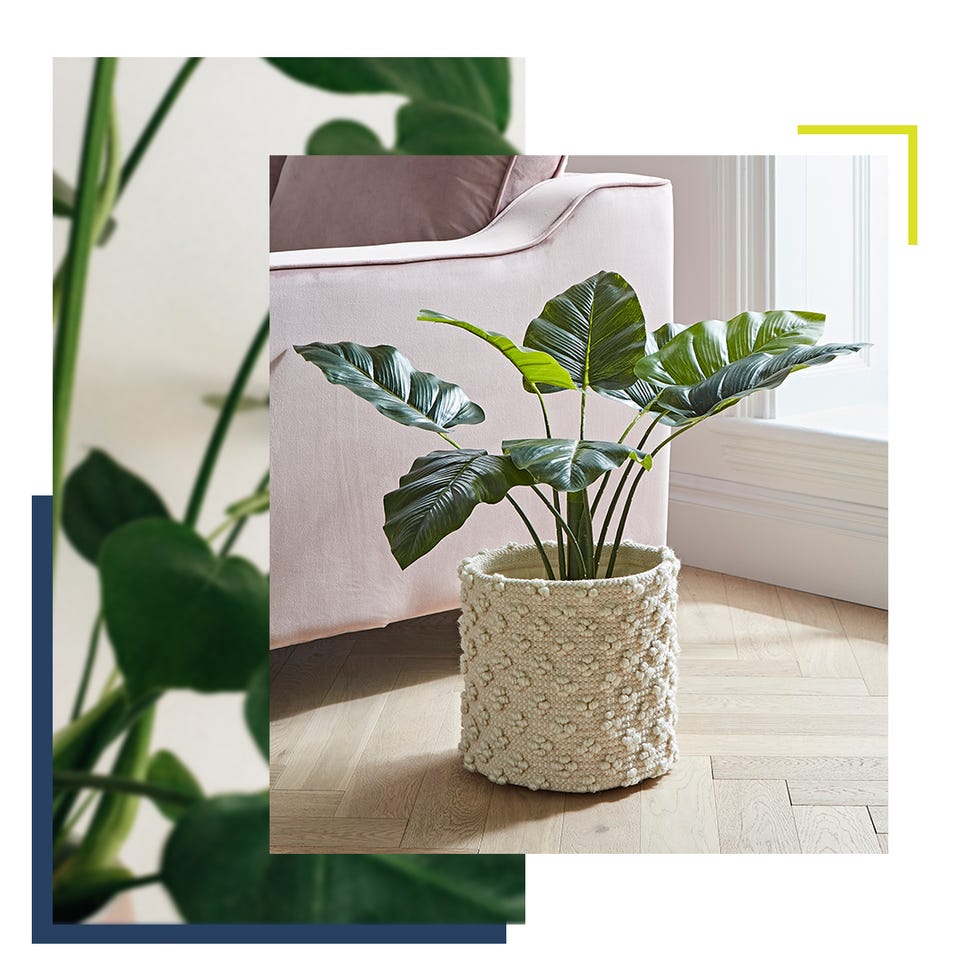
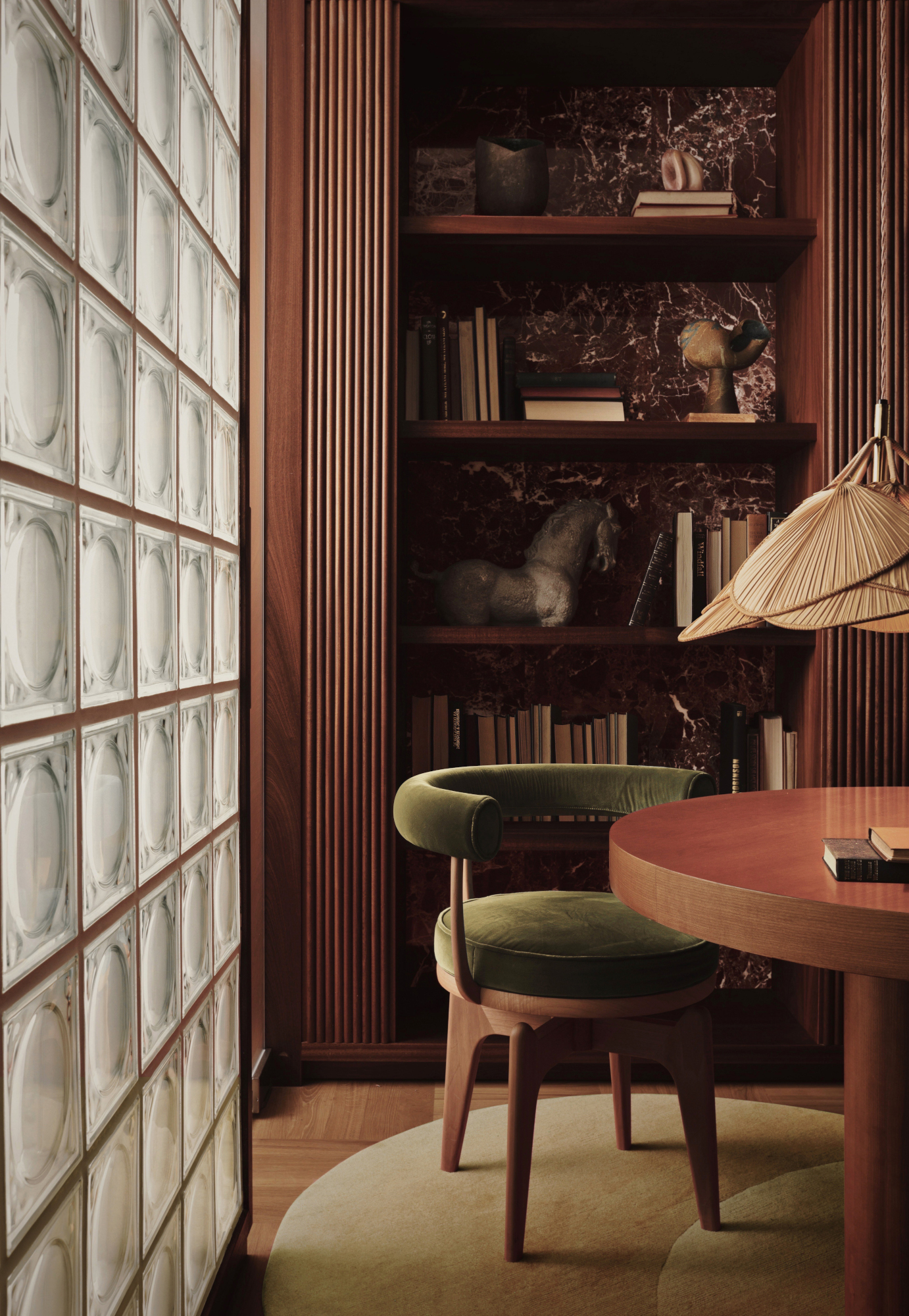
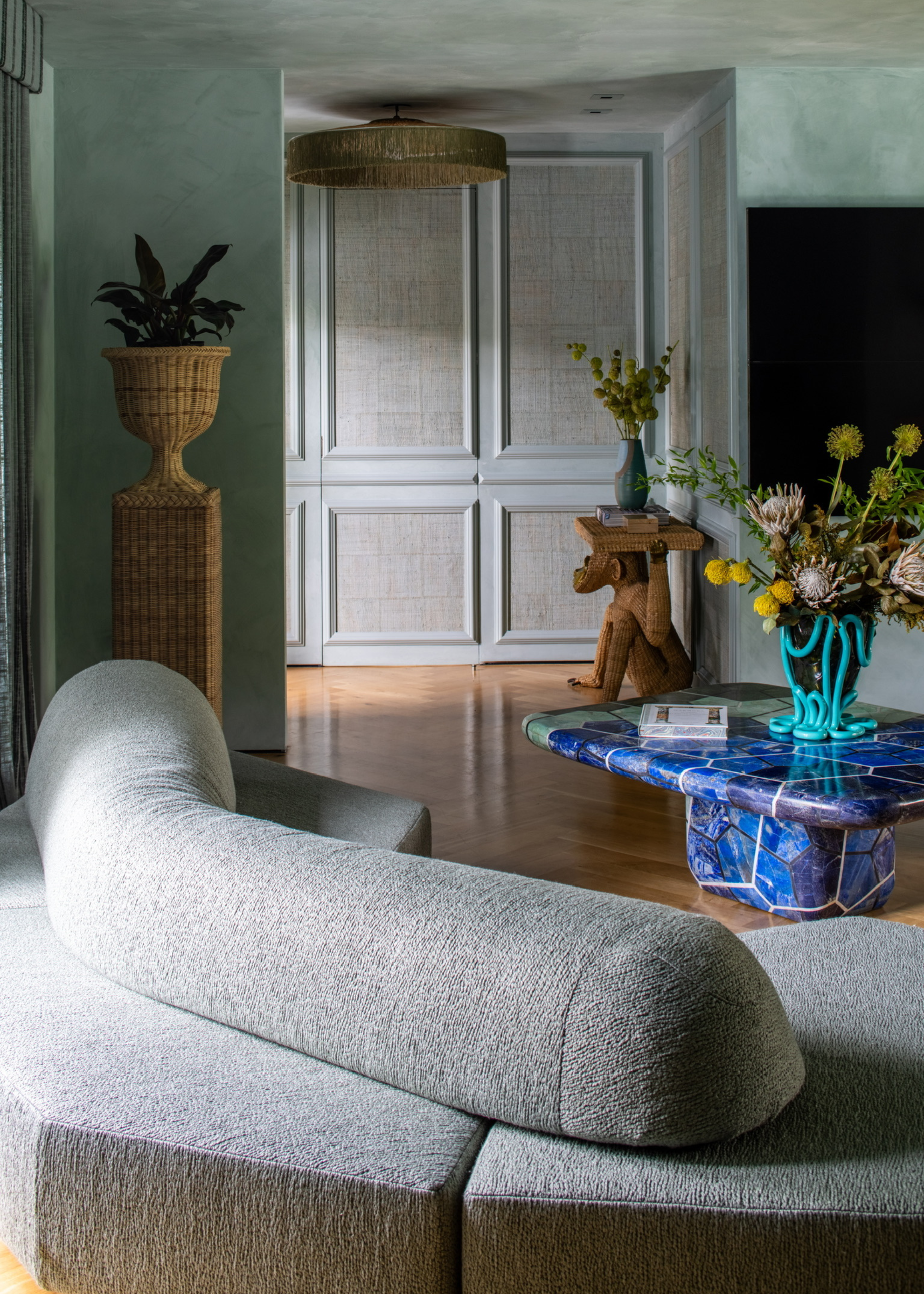
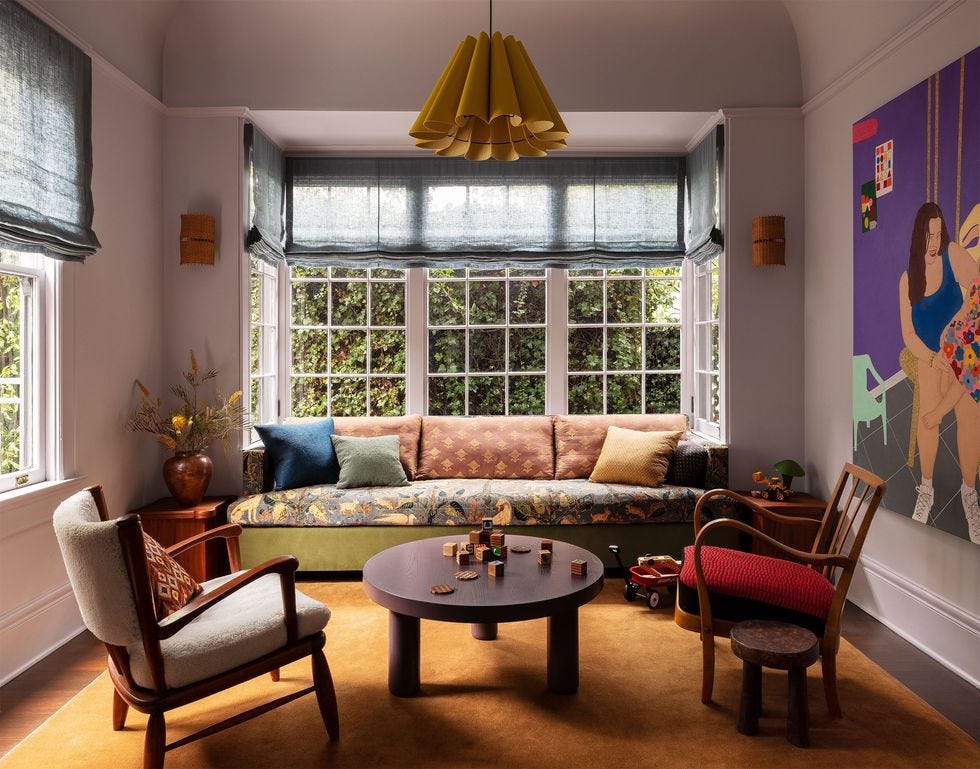
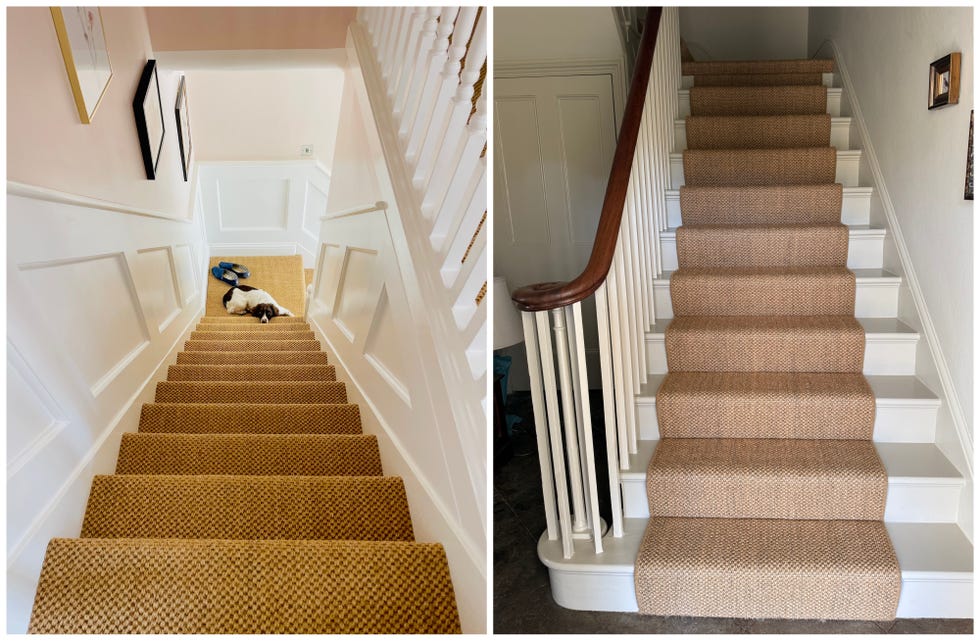
Texture, as a primary design element, significantly impacts how a space feels. Repeating textures can establish a cohesive palette and evoke a desired mood, making a room tactile and engaging without becoming monotonous. Architectural elements often inherently feature repetition, such as a series of windows, arches, or wainscoting, which naturally create visual order and symmetry. Designers can highlight these features or introduce new ones, like paneling updated with a consistent color scheme, to create a calm yet impactful effect.
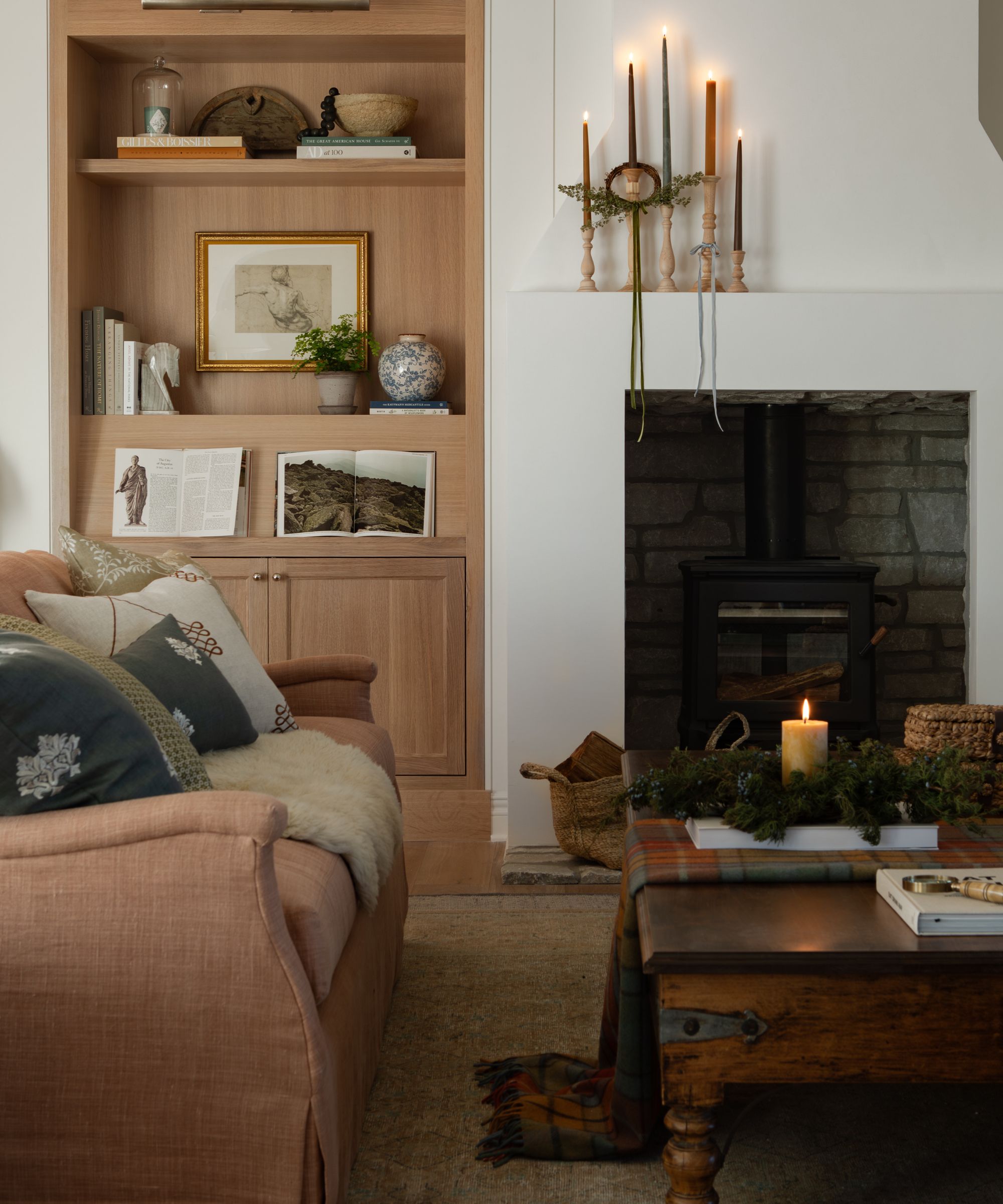
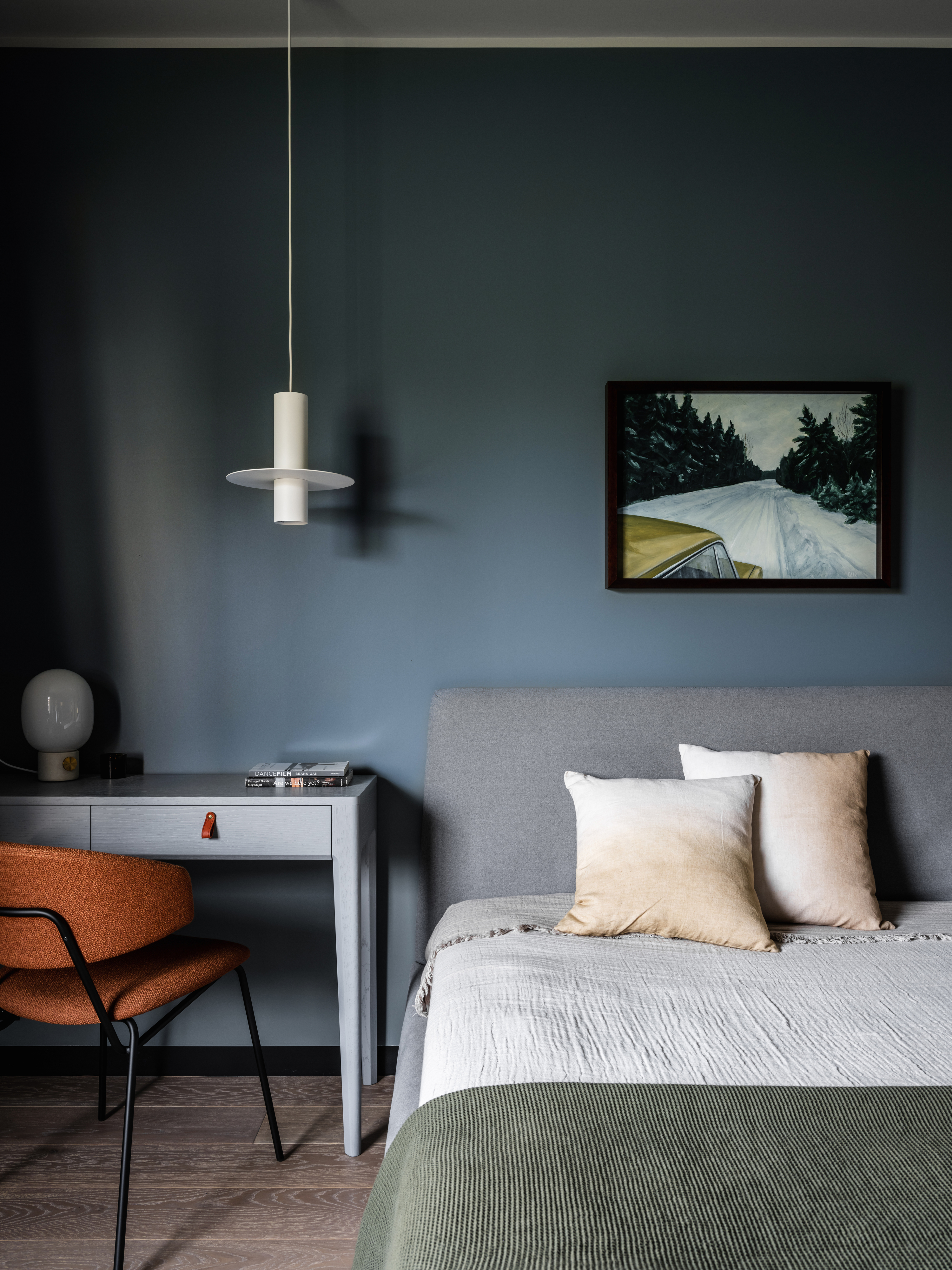
Extending repetition beyond individual rooms, designers can reiterate design language from one space to the next, fostering continuity throughout a home. This involves carrying themes, shapes, colors, or textures across different areas to connect them seamlessly. Repetition also contributes to visual order, particularly in functional spaces like home offices or kitchens, where organized arrangements of elements like bookshelves or cabinets create a smooth, rhythmic flow. The use of multiple light fixtures, such as pendant lights in rows or wall lights on either side of a fireplace, not only maximizes light flow but also adds visual rhythm and style, referencing other materials in the interior and defining open spaces.
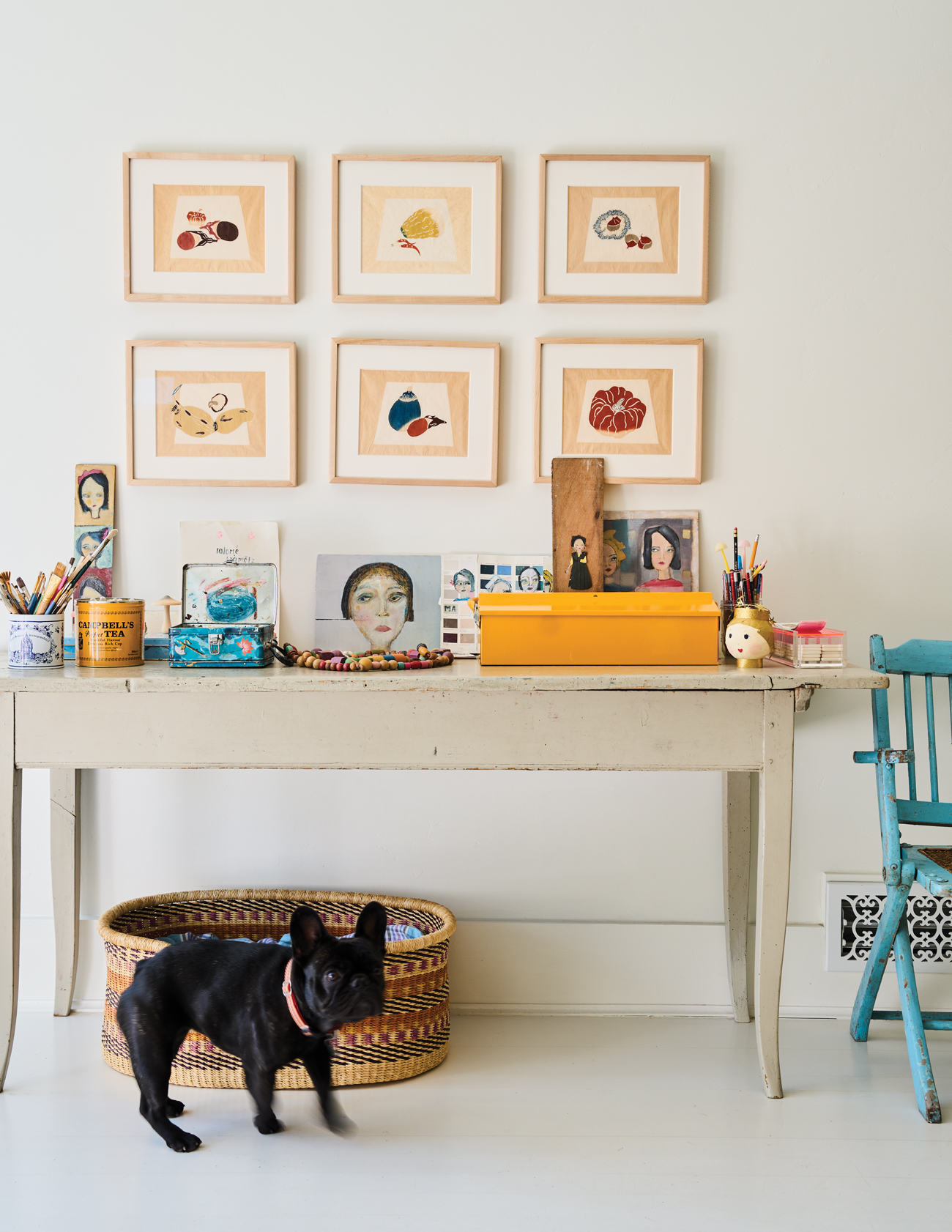
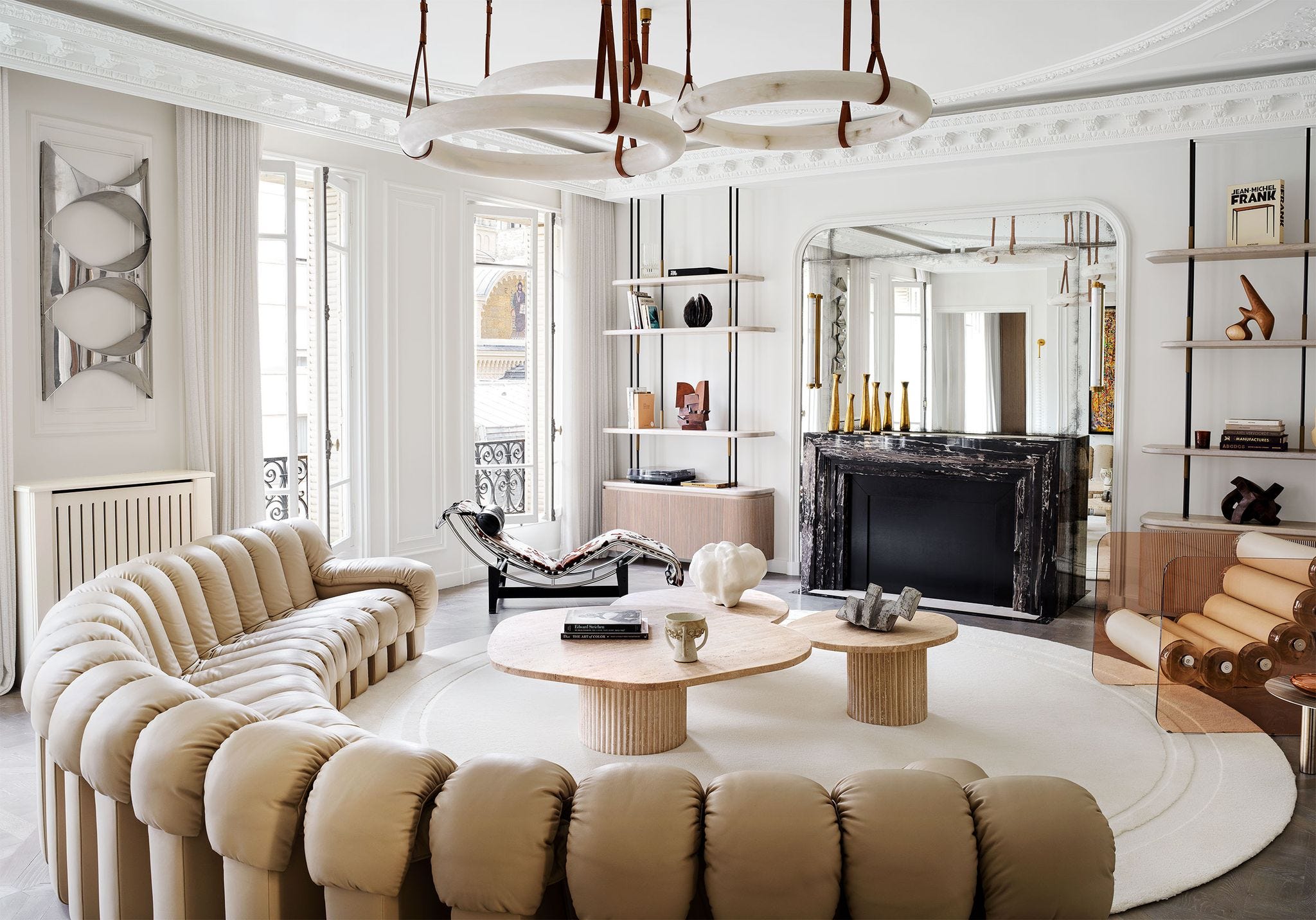
To prevent monotony, repetition can be varied by scale. Combining larger items with a series of smaller, similar items creates aesthetic hierarchy and visual interest through contrast. This method ensures that repeating elements provide relief and punctuation, as seen with two vertically oriented pendants above a pool table contrasting with a large, horizontal space. Designers can also draw inspiration from larger architectural features, such as curved sofas or sculptural fireplaces, and echo these forms and materials in secondary and tertiary elements throughout the room. Finally, a series of uniform artwork, such as diptychs or triptychs, can introduce rhythm and stability, with variations between images adding a subtle tension that enhances the overall feeling of a room.
#InteriorDesign #DesignPrinciples #HomeDecor #VisualHarmony #ColorSchemes #TexturalRepetition #ArchitecturalDetails #FurnitureArrangement #LightingDesign #ArtPlacement #InteriorDesign #DesignPrinciples #HomeDecor #VisualHarmony #ColorSchemes #TexturalRepetition #ArchitecturalDetails #FurnitureArrangement #LightingDesign #ArtPlacement
0 comment in total
 No comments yet
You may also like
How to create repetition in interior design – 7 ideas for decorating success

Interior design tricks that brought calm to a chaotic open floor plan

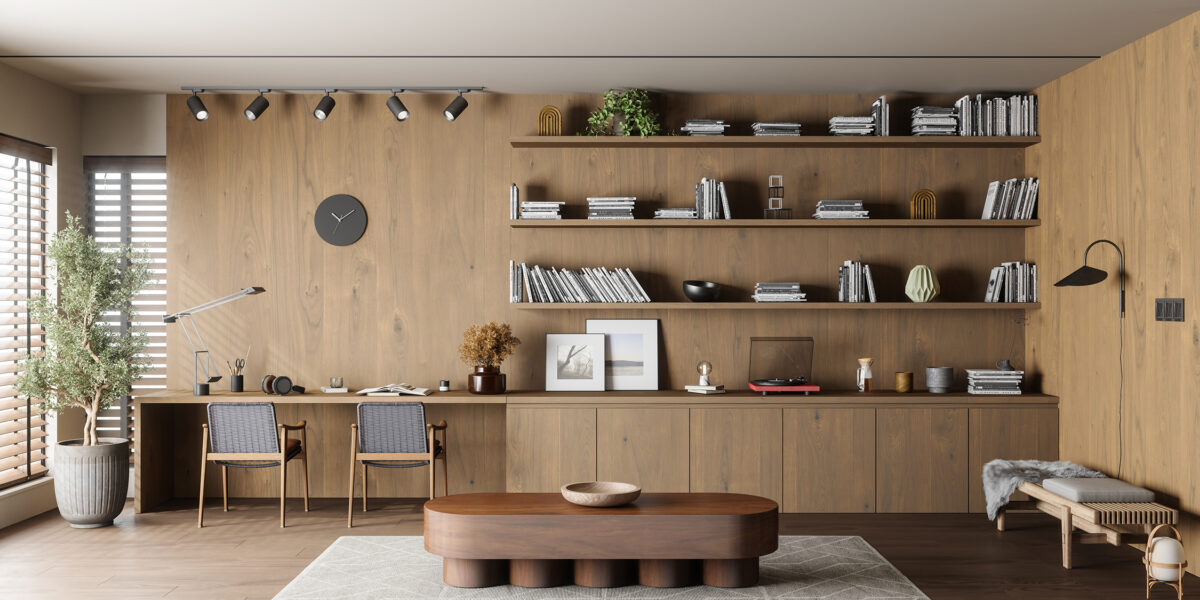
The 5 Design Rules That Are Meant to Be Broken—and What to Do Instead
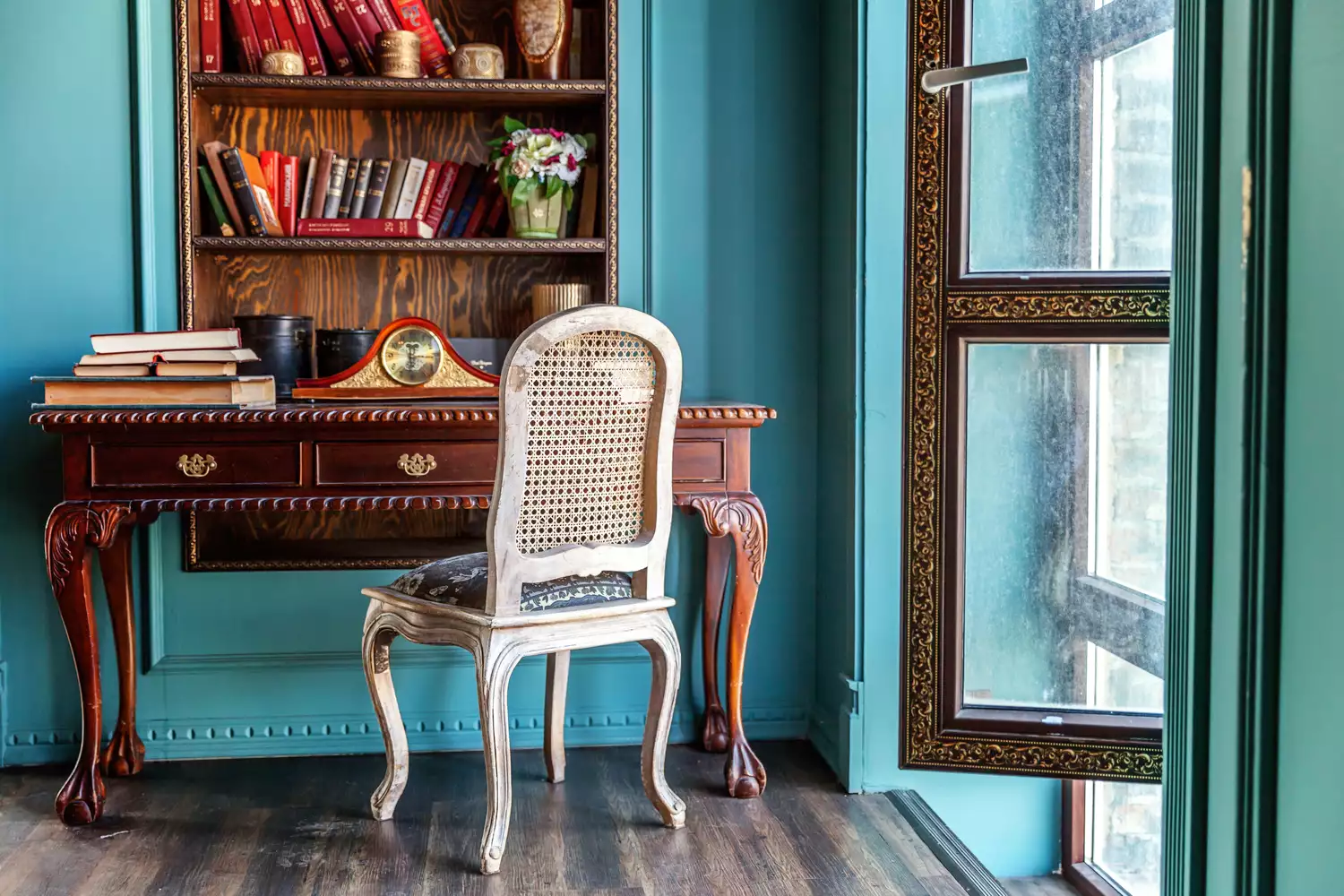
10 Ways to Decorate Your Home Like an Interior Designer

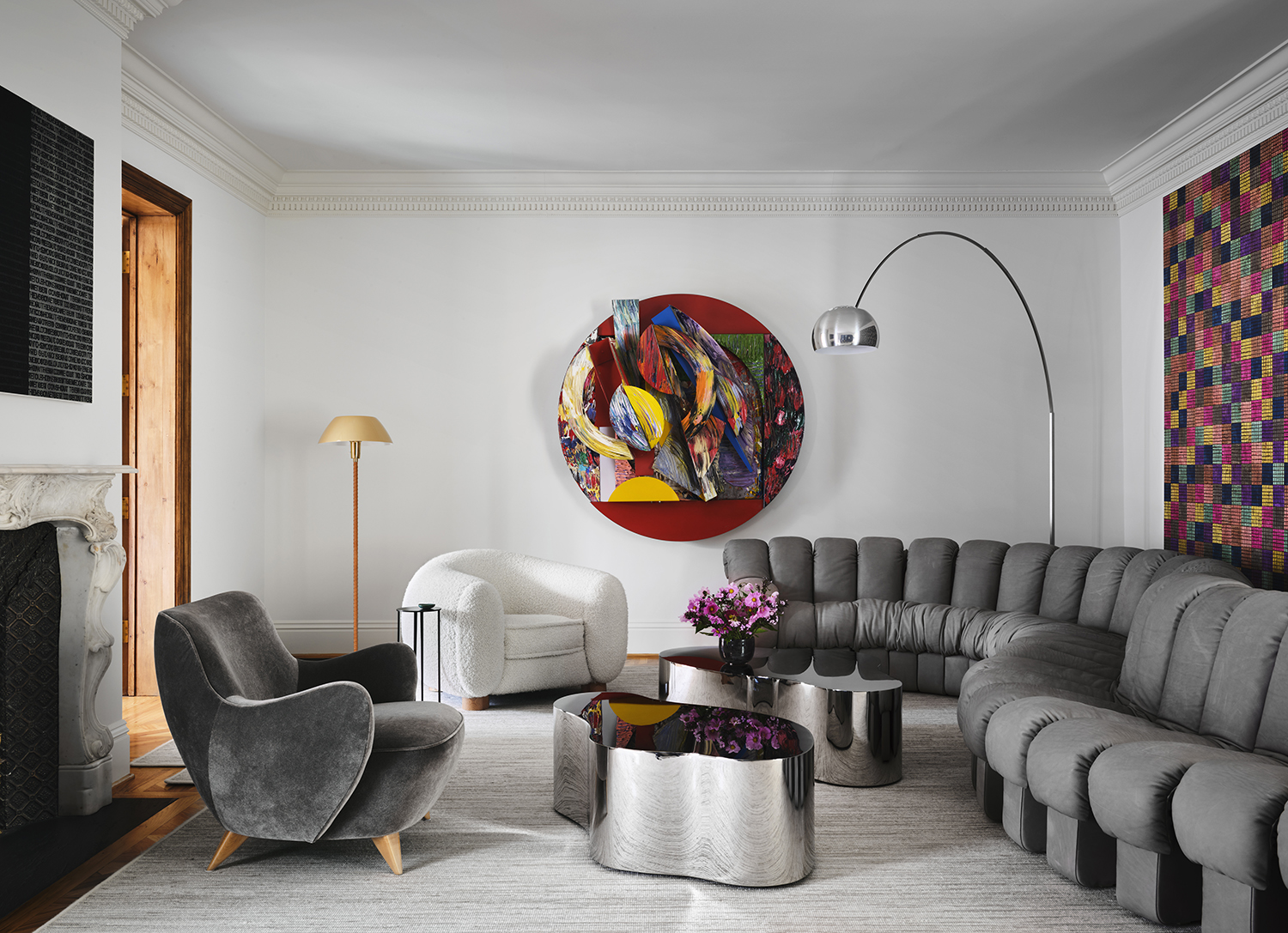
Rhythm in interior design - 11 ways to use this clever technique for rooms that look professionally done
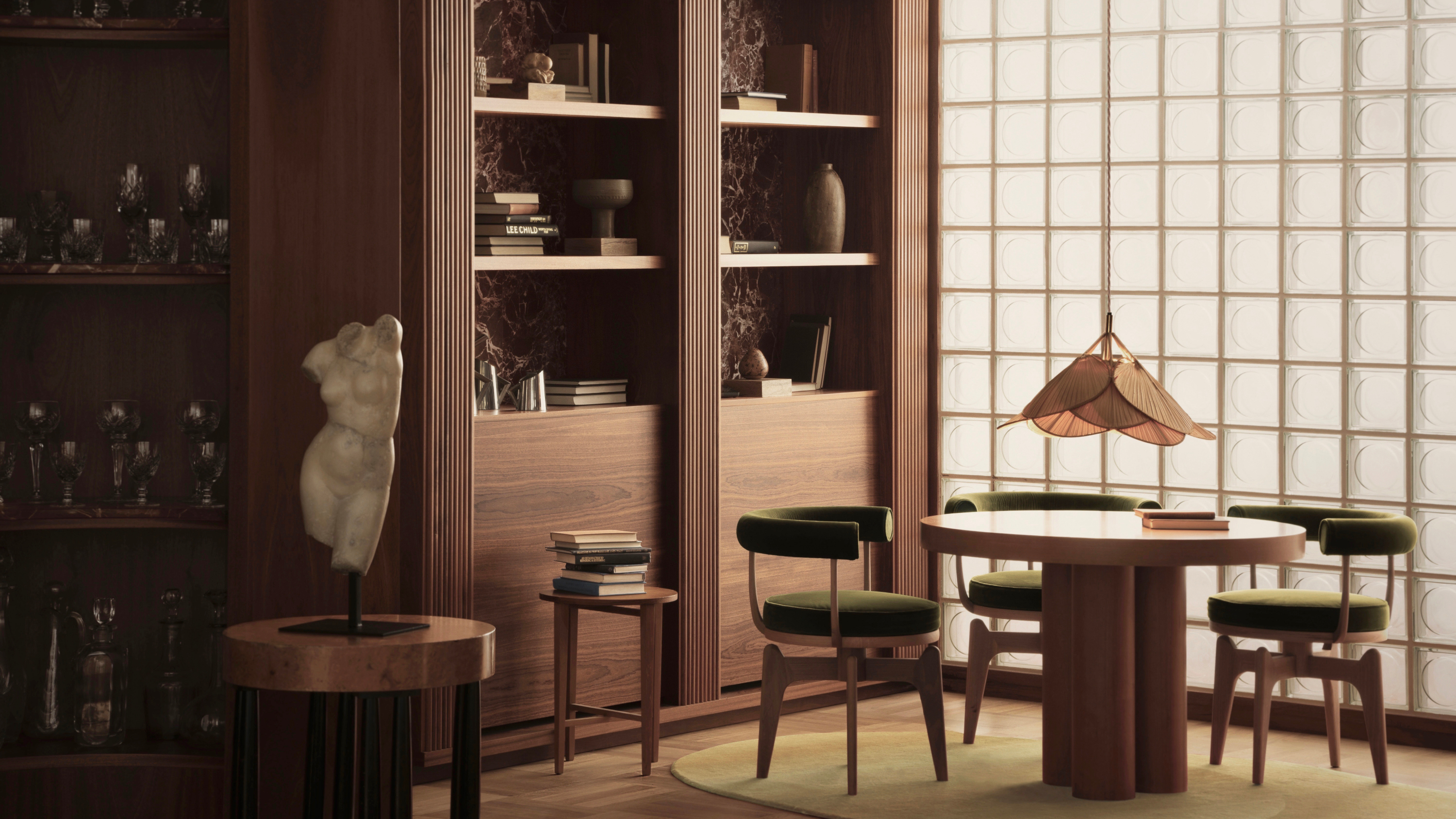
Designers Have a New Clever Shortcut To Make Rooms Look More Rich — 5 Spaces That Nail the Look
How to Tell if a Home Trend Is Just a Fad or Here to Stay, According to Designers

Copy-And-Paste Interiors: Repeating A Look Isn’t Lazy — It’s Clever
13 Calming Paint Colors Designers Use to Make Rooms Feel Soothing — And No, They're Not All Neutrals
We Asked Designers If Matching Furniture Looks Outdated, and They All Agreed

15 chic and cozy living room ideas to help you snuggle up in style this fall
Relaxing bedroom ideas – how to create a more serene space, according to designers
33 Easy and Unexpected Living Room Decorating Ideas
This Design Technique Is the Key to a Calm and Relaxing Home
These Are the Decor Ideas Designers Can’t Get Enough Of (and We’re Obsessed With!)

Interiors: In praise of pattern
6 ways to create a calm living space, according to the experts
I Asked Interior Designers: 'How Do You Ensure a Room Isn't Boring?' These Are Their 5 Top Tips
Cottage living room ideas – 13 inspirational ways to add comfort and style
15 Soothing Decor Ideas to Help You Relax and Unwind at Home