Industrial Interior Design: Understanding the Key Elements
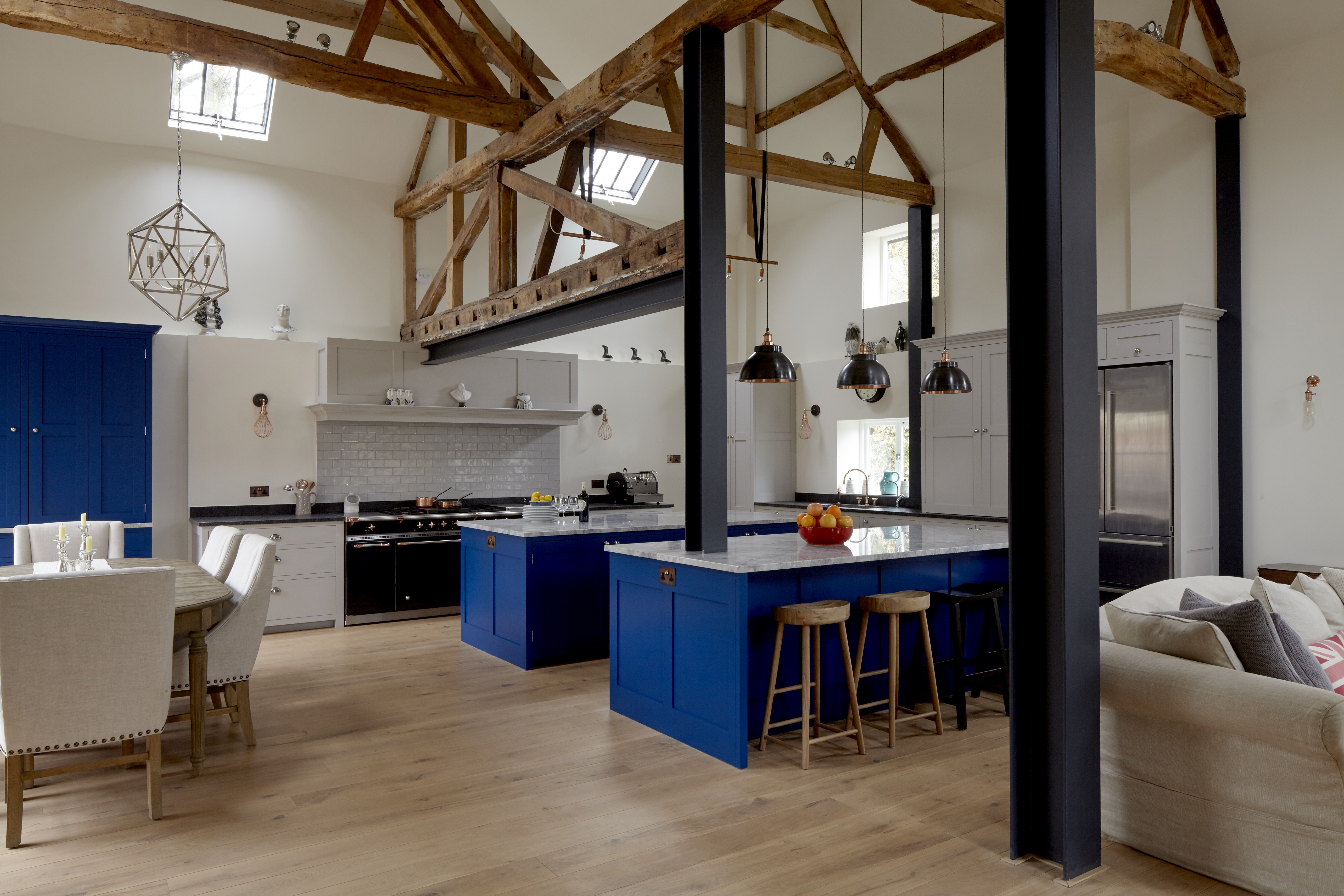
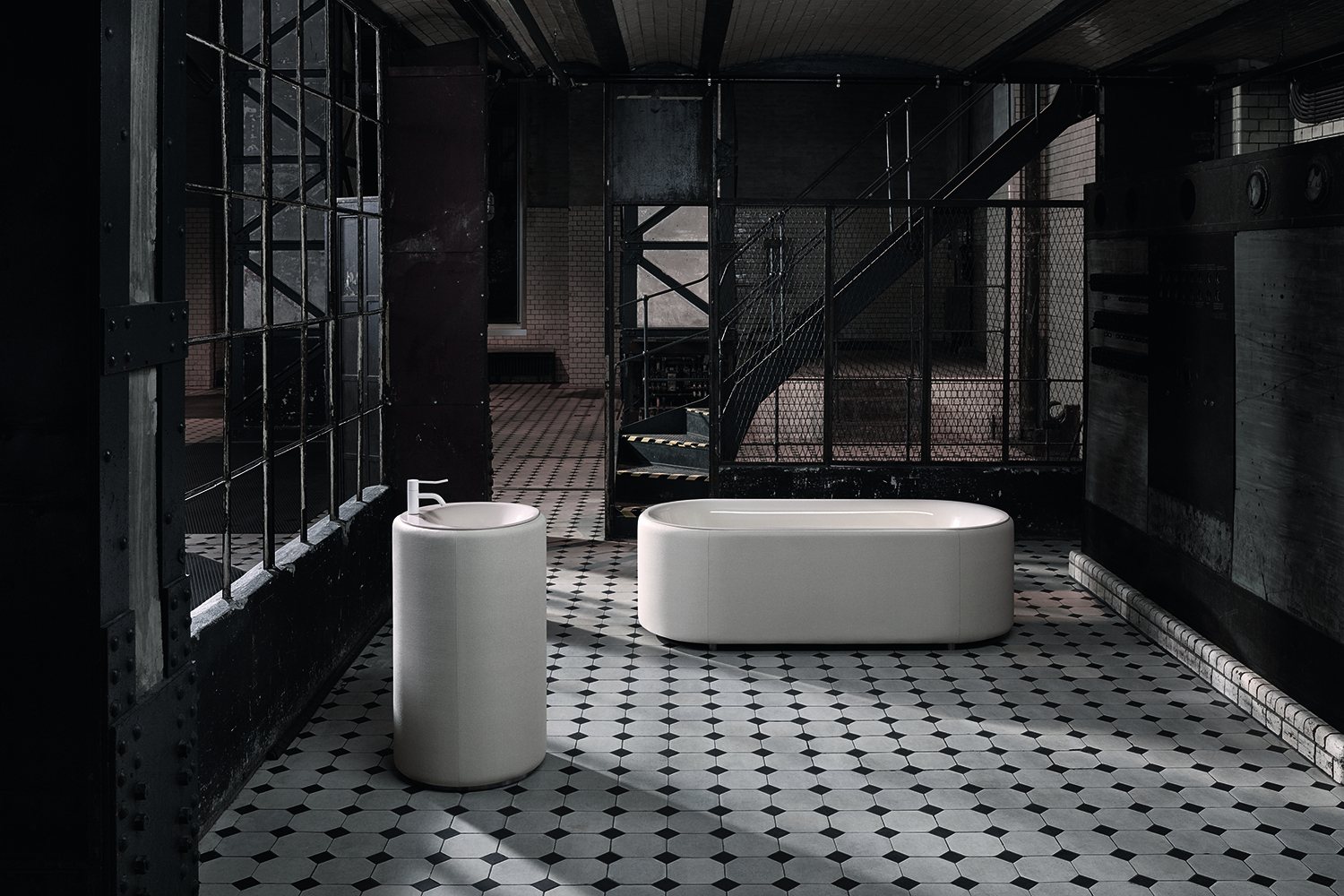
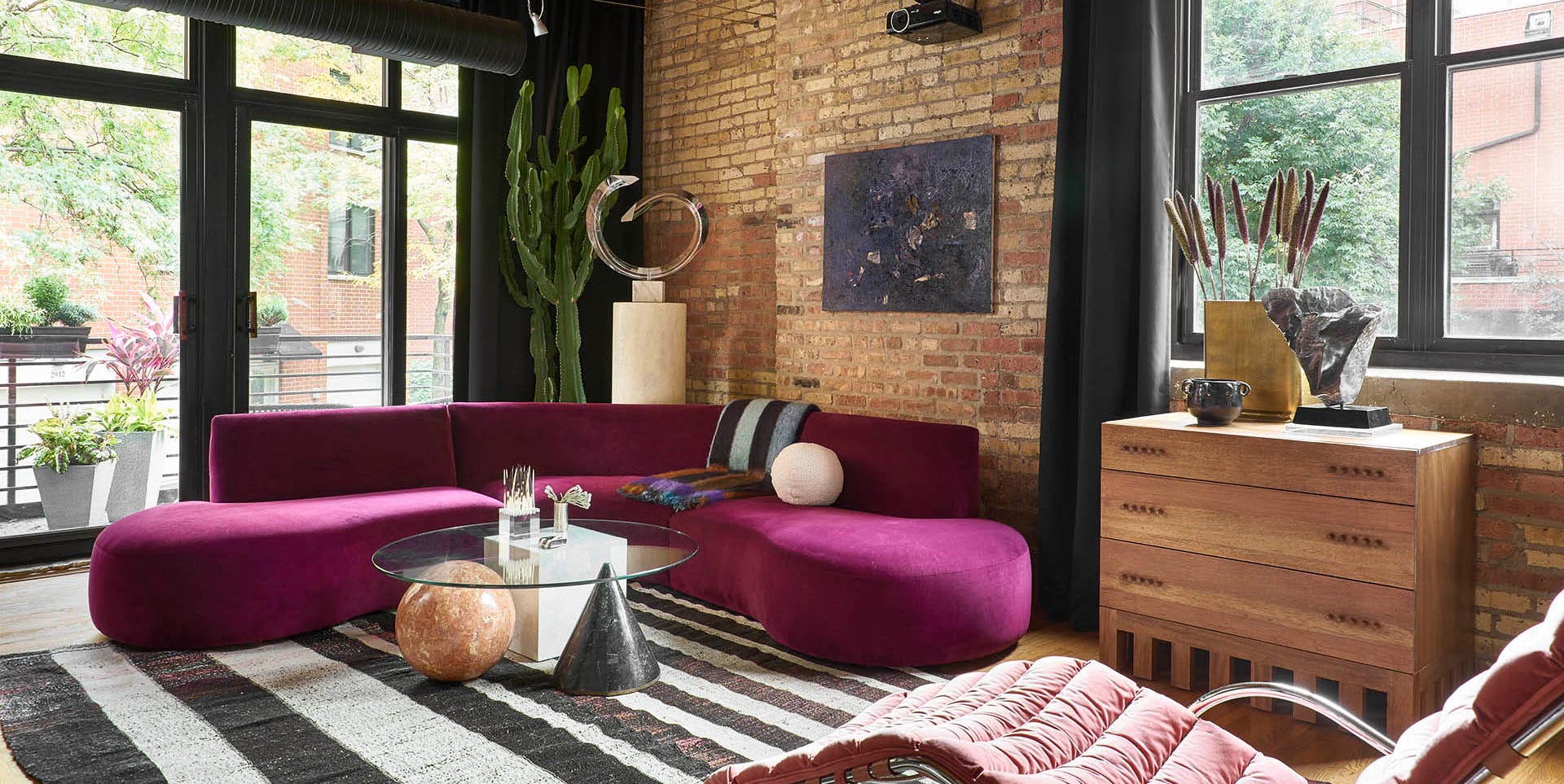
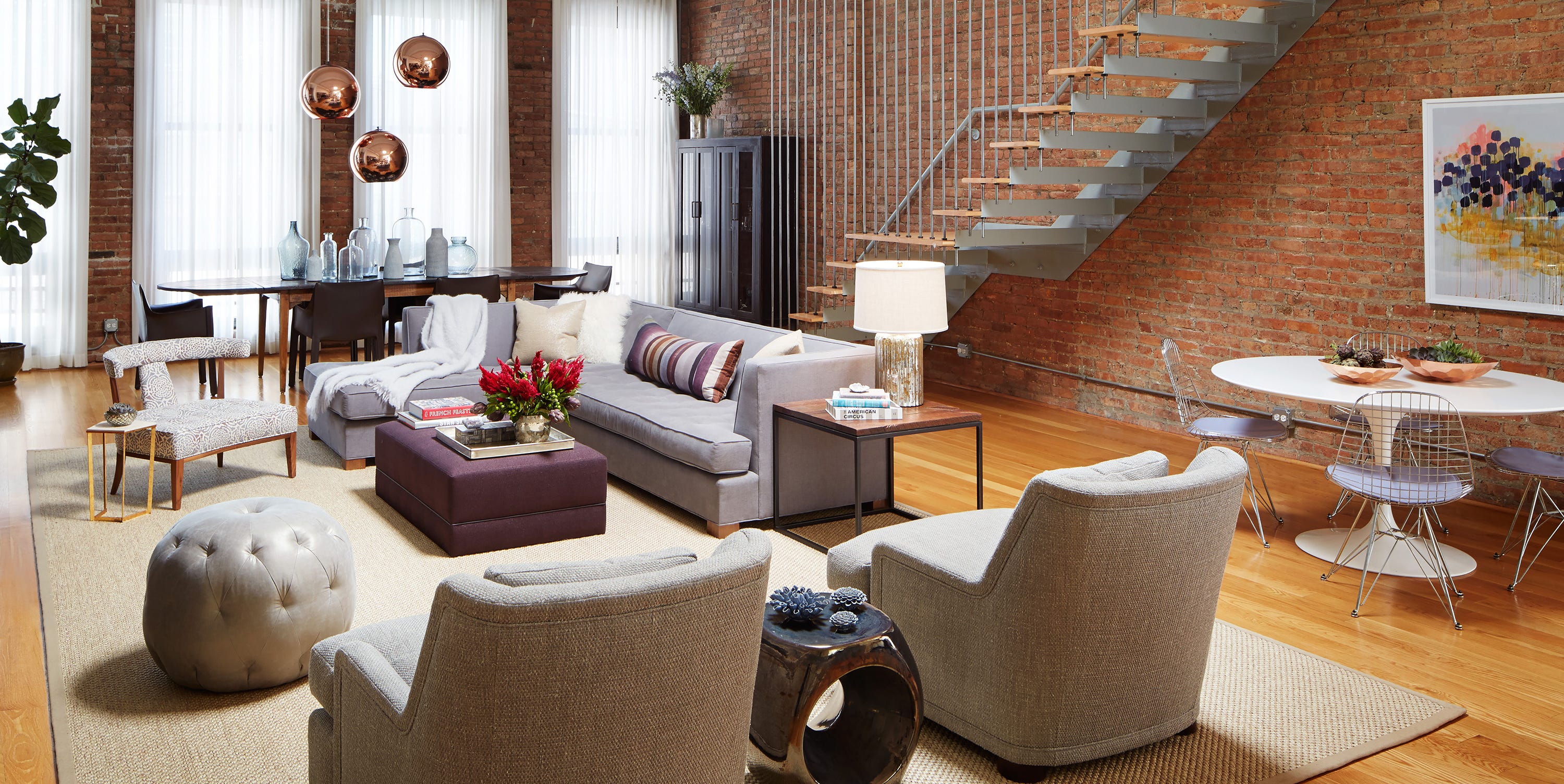
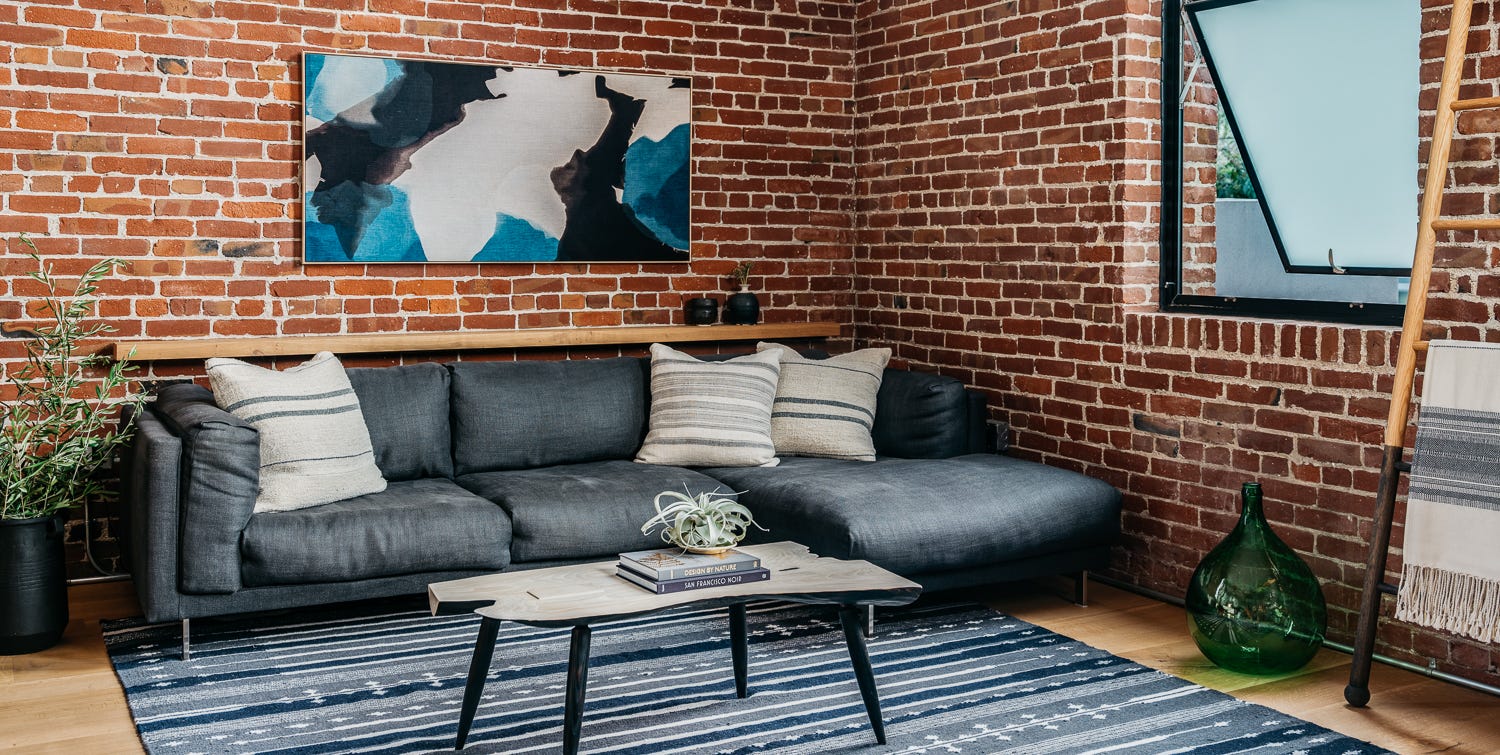
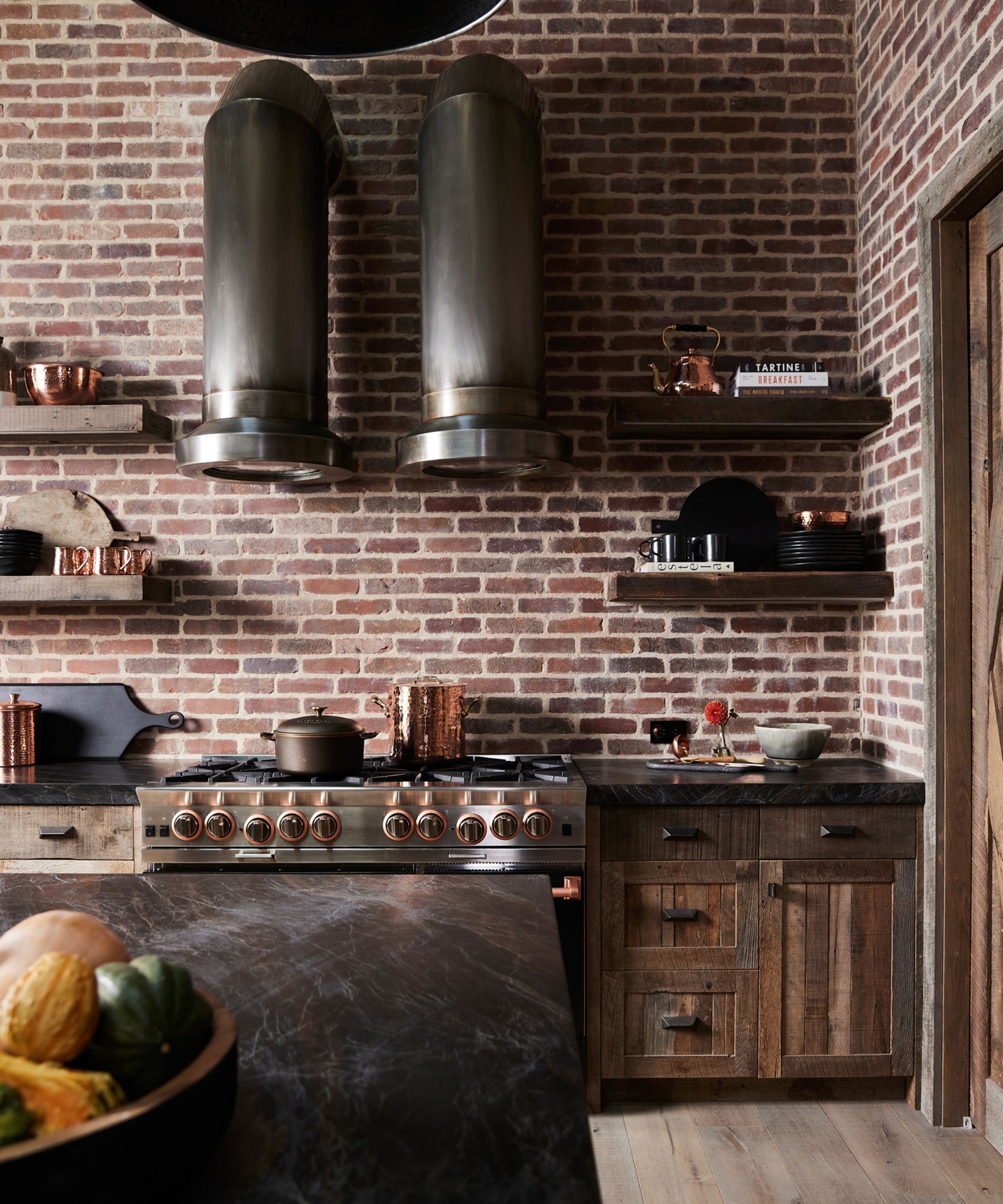
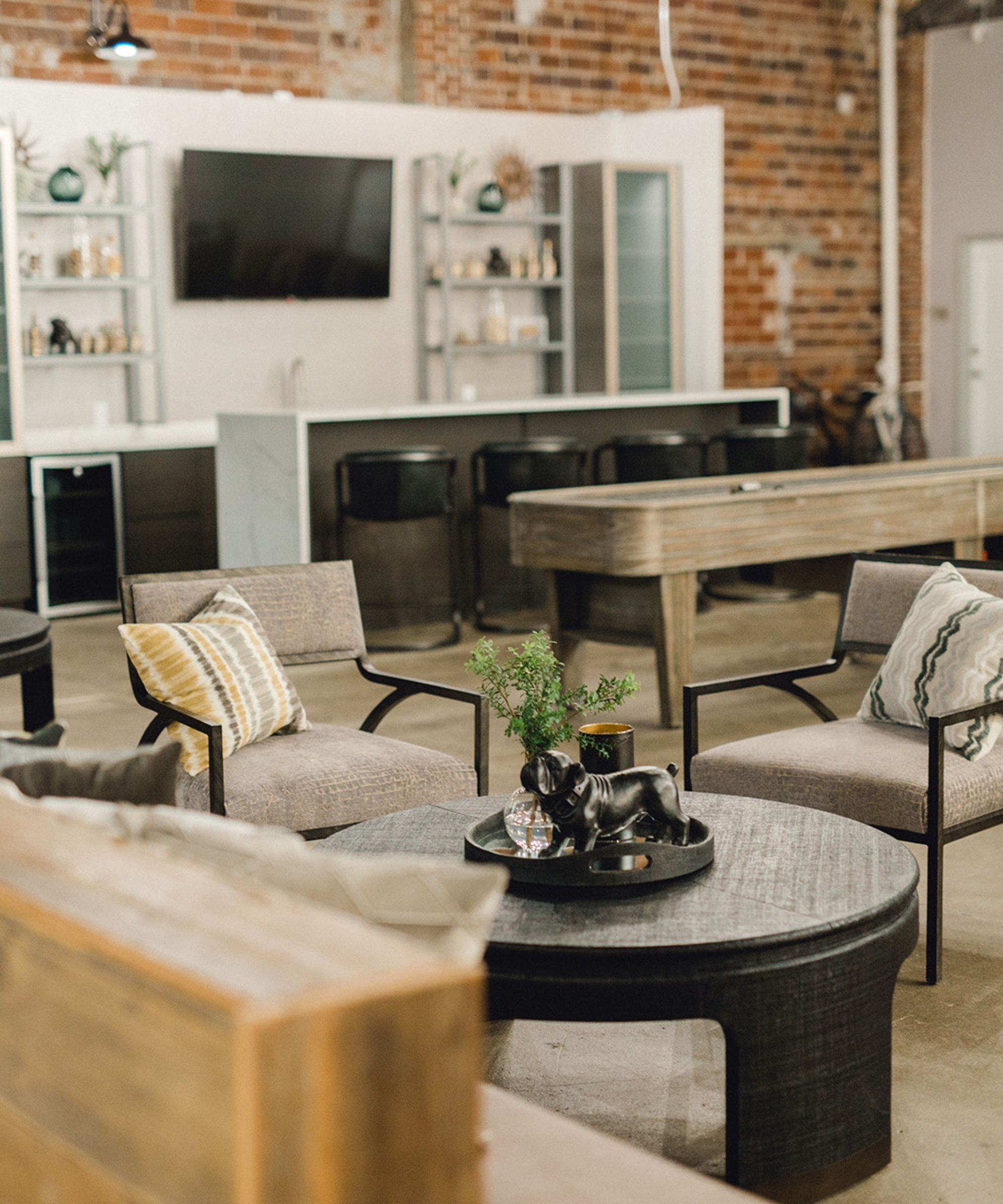

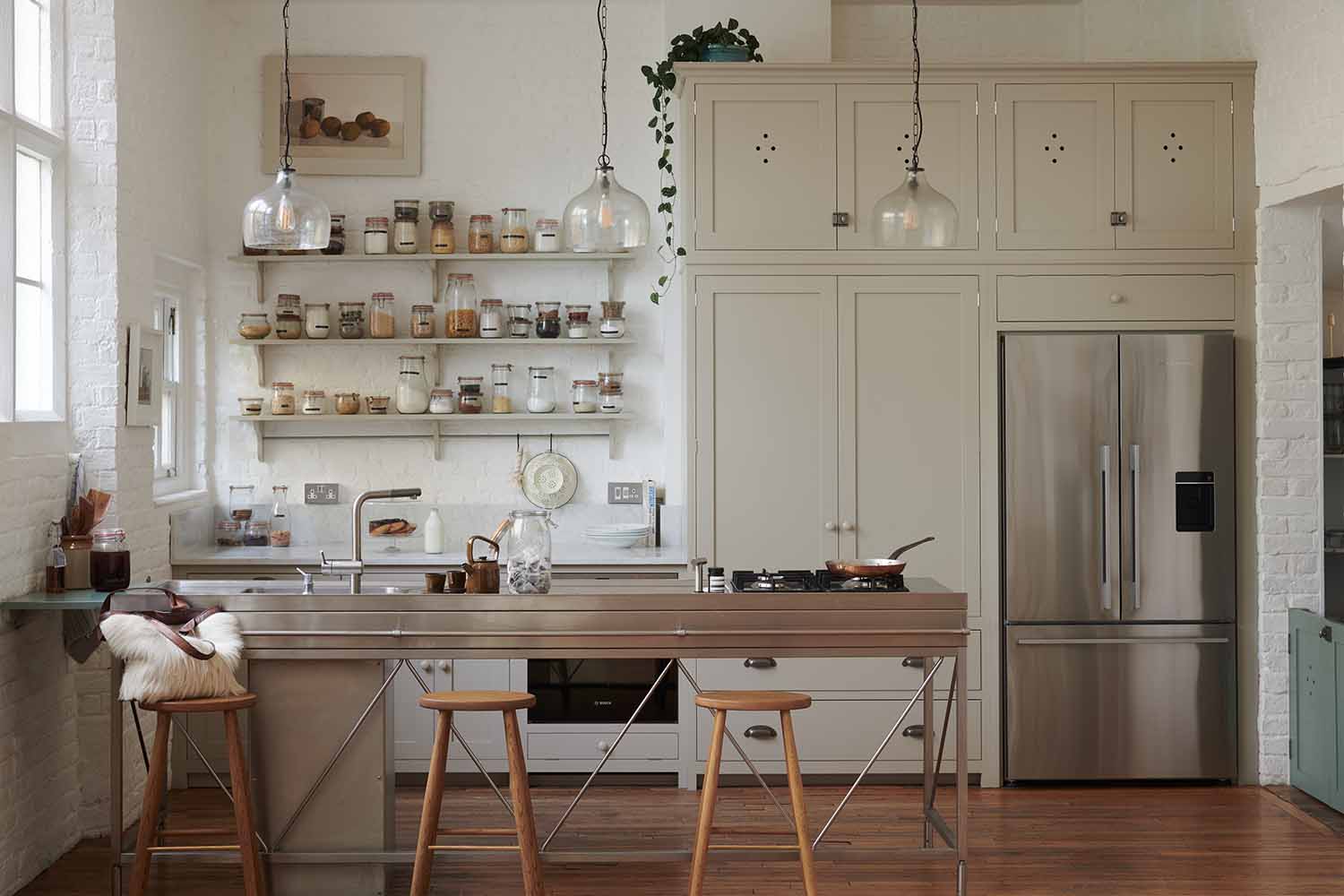
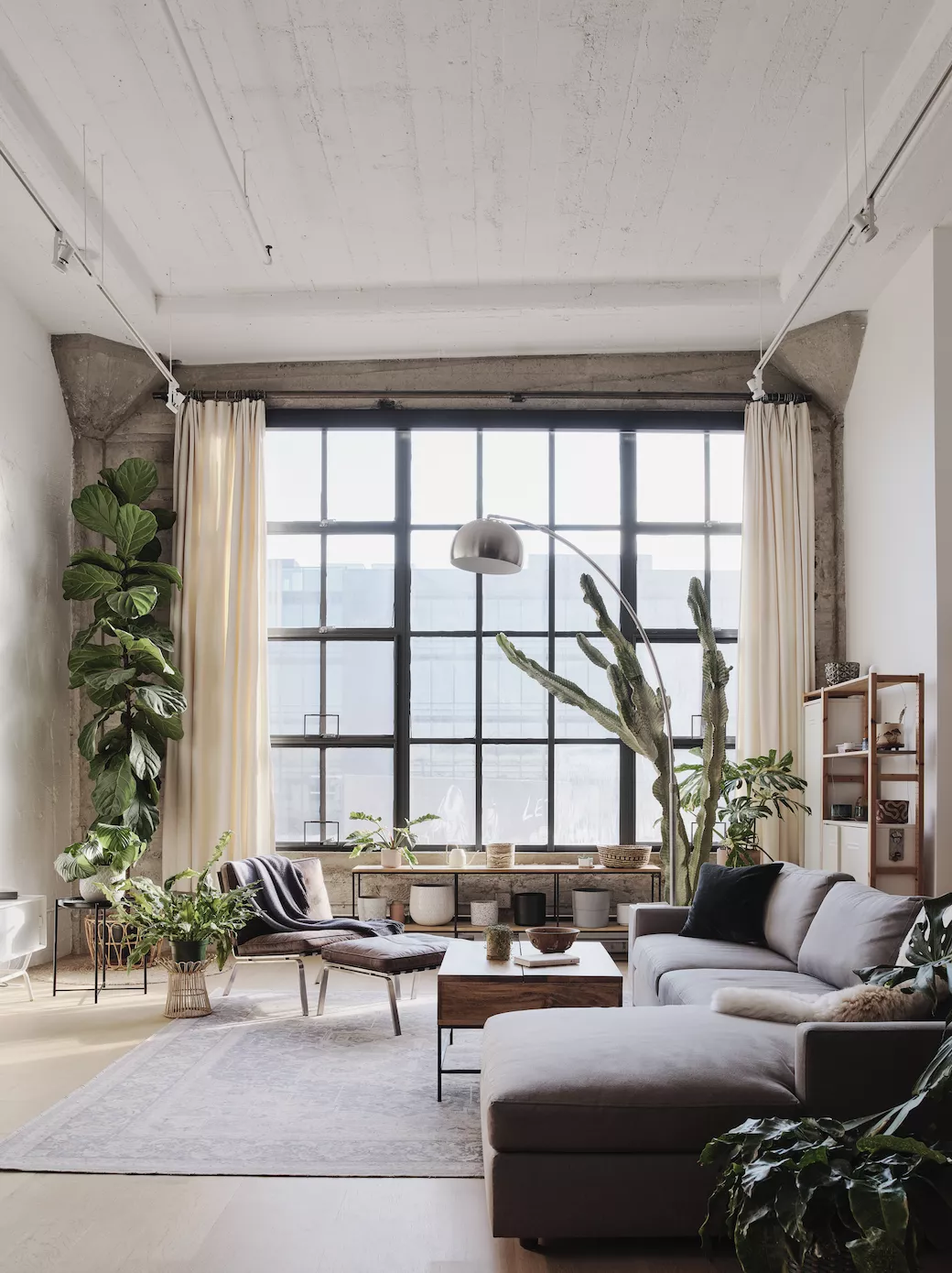
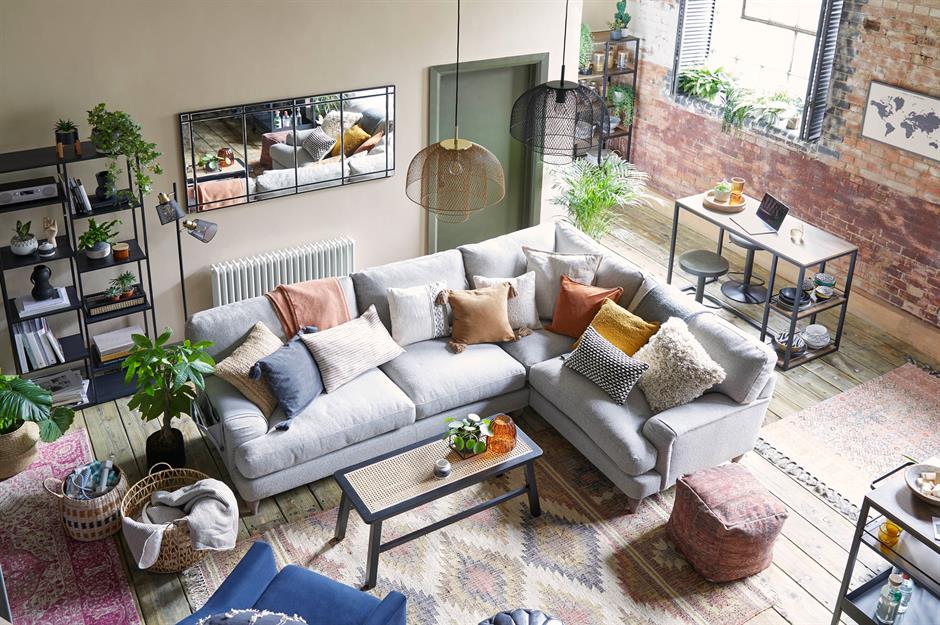
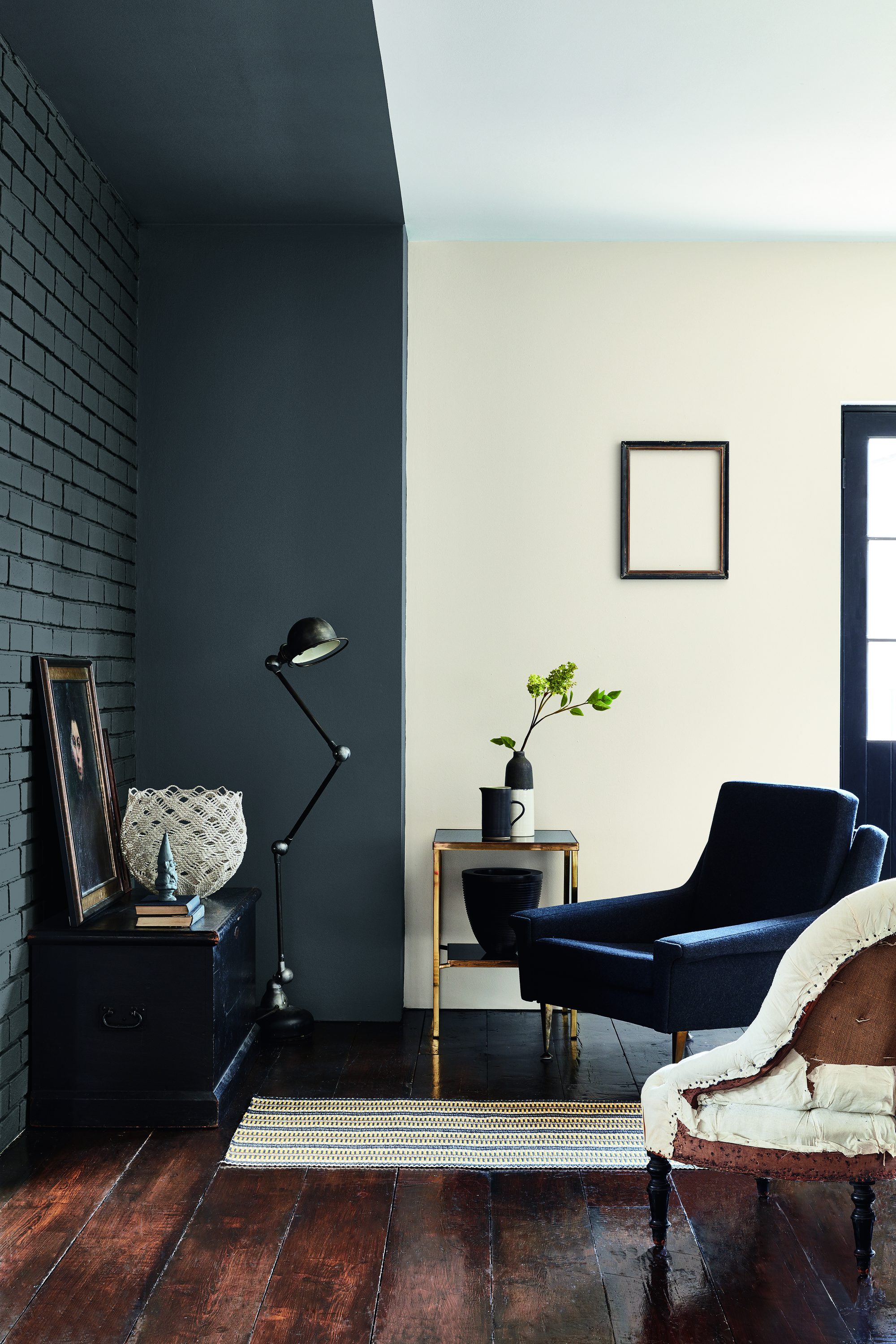
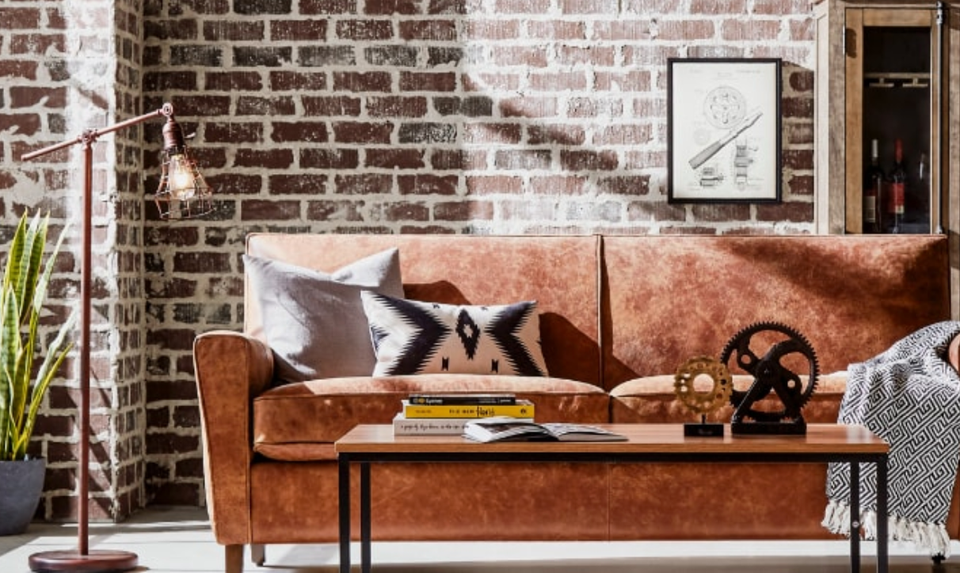
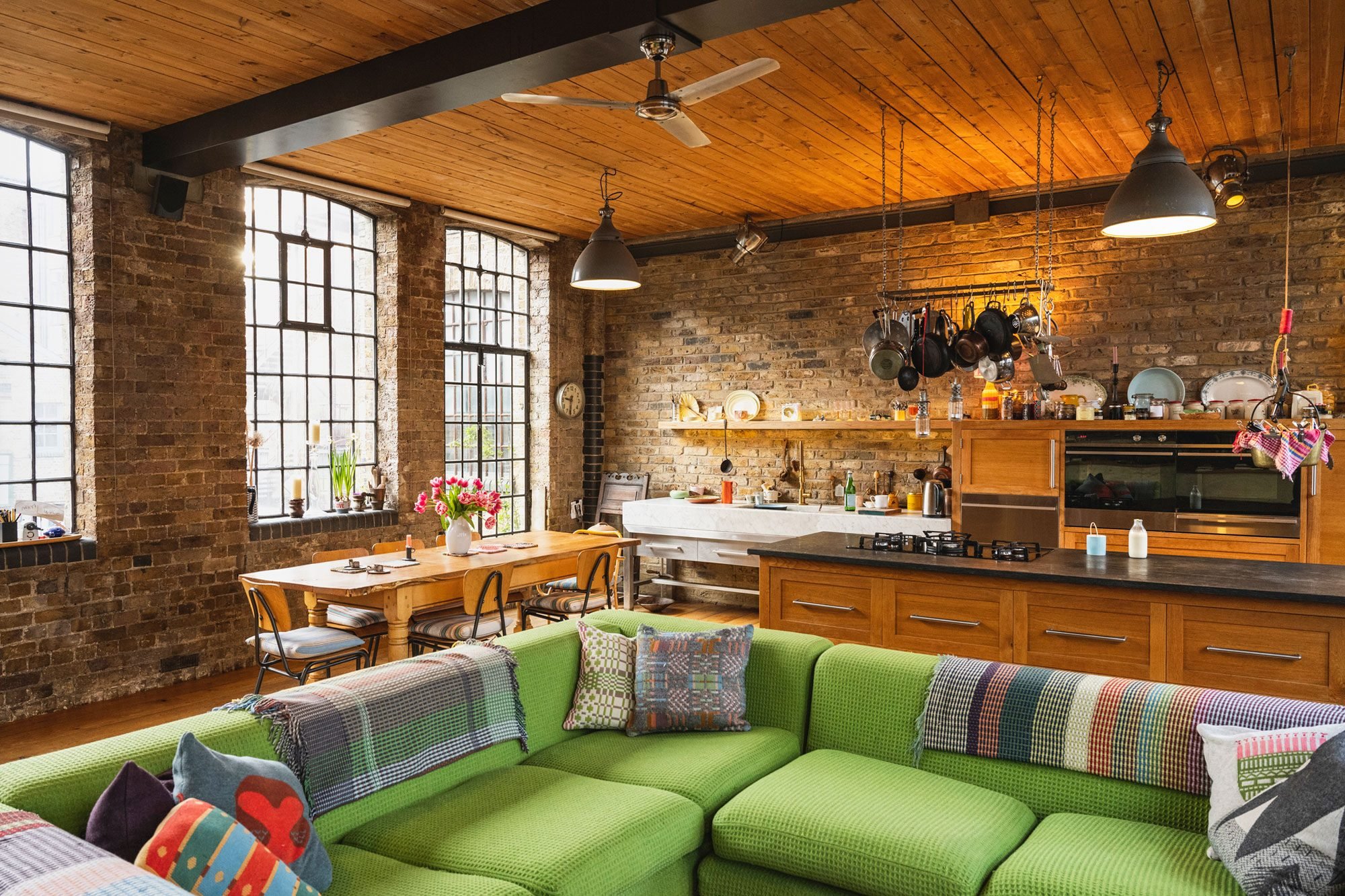
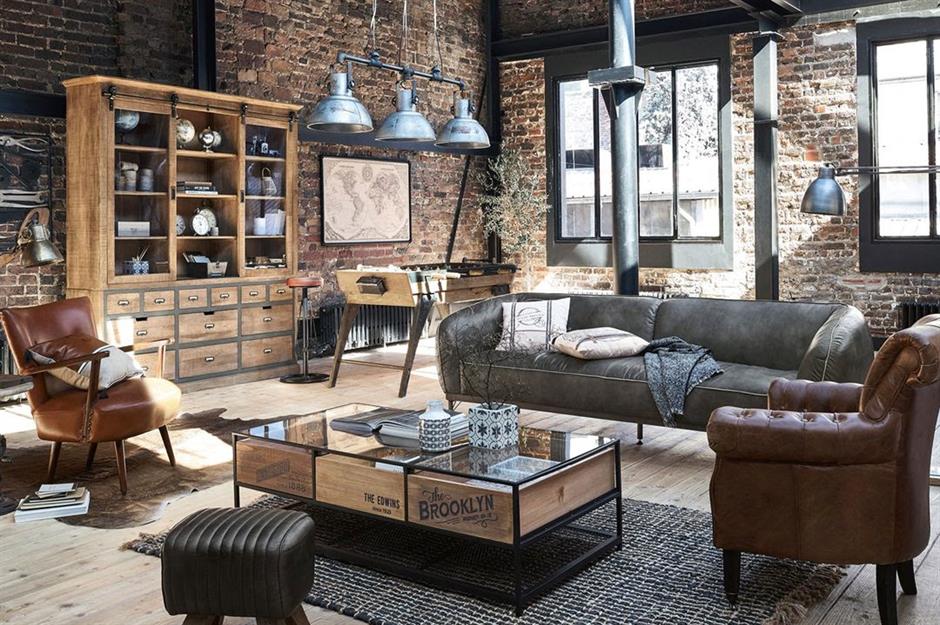
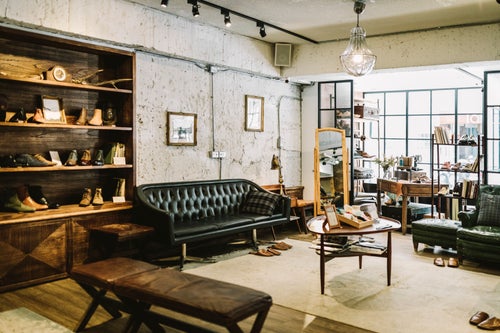
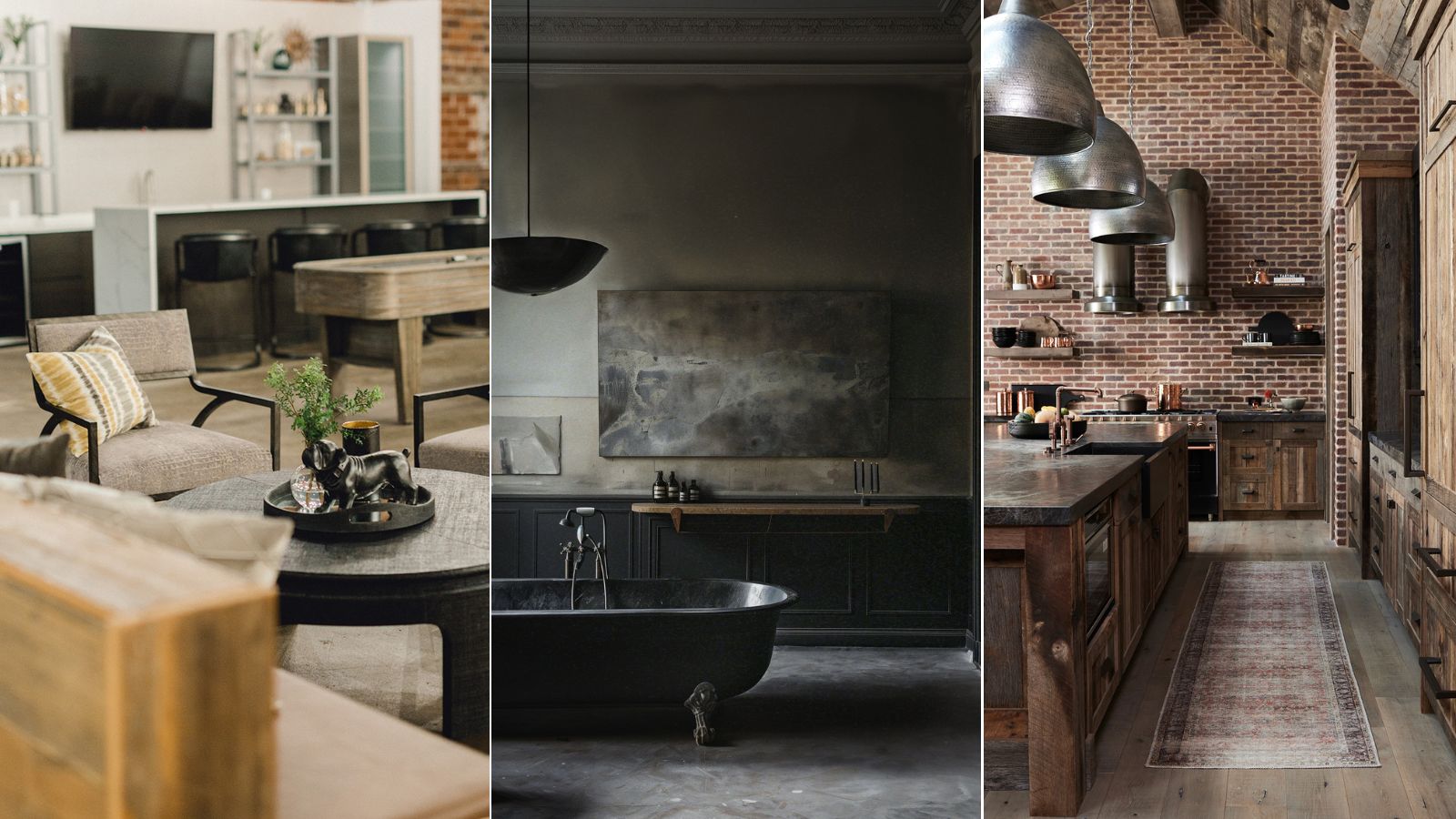
Industrial interior design, a style that emerged in the early 2000s, draws inspiration from the aesthetics of old factories and warehouses. This design philosophy emphasizes raw, unfinished elements combined with functional and utilitarian features. Key characteristics include the use of raw materials like exposed brick walls, concrete or bare cement floors, and visible ductwork or pipes, which collectively create a rugged and unfinished look. The style celebrates the raw architecture of a building rather than concealing its structural components.
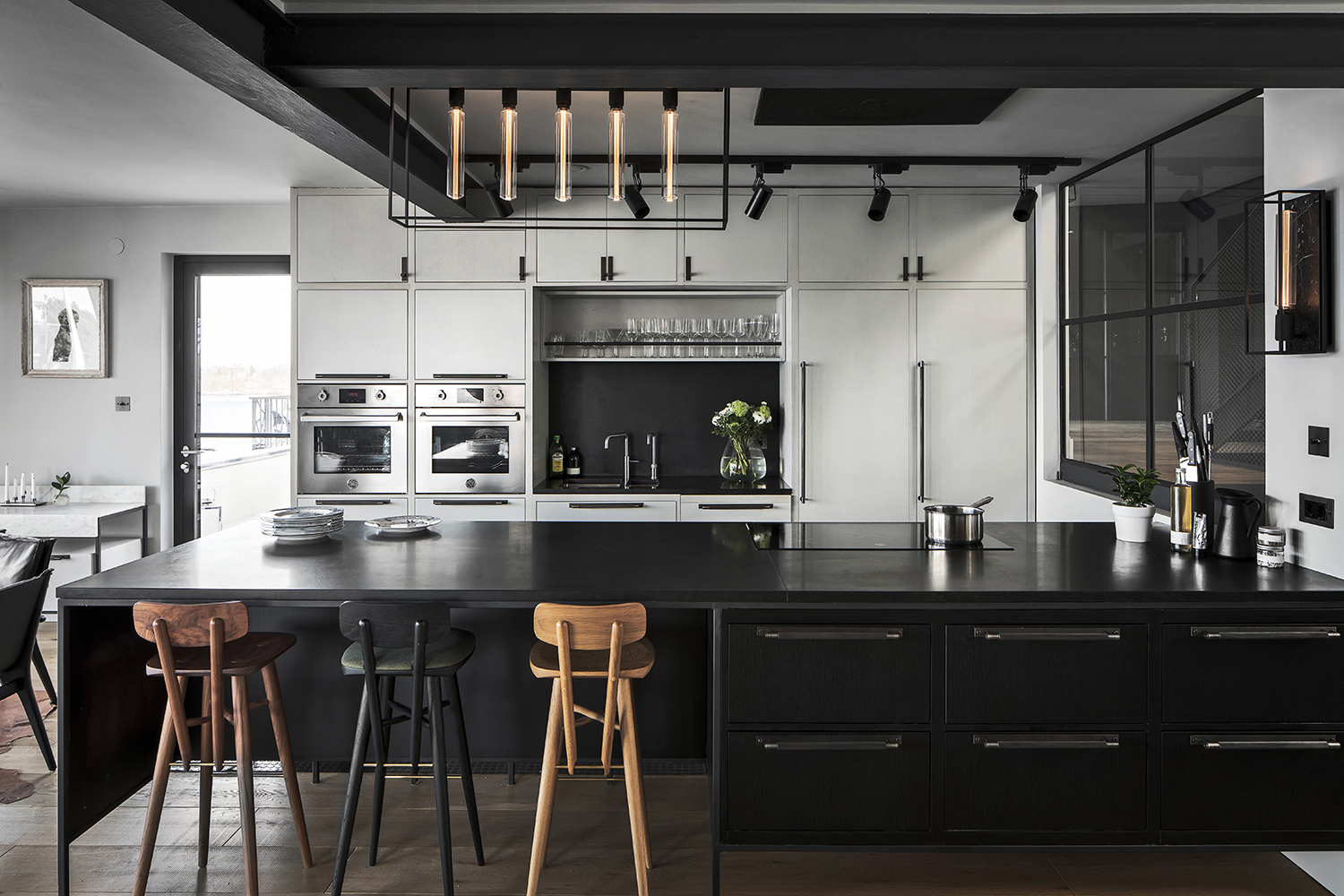
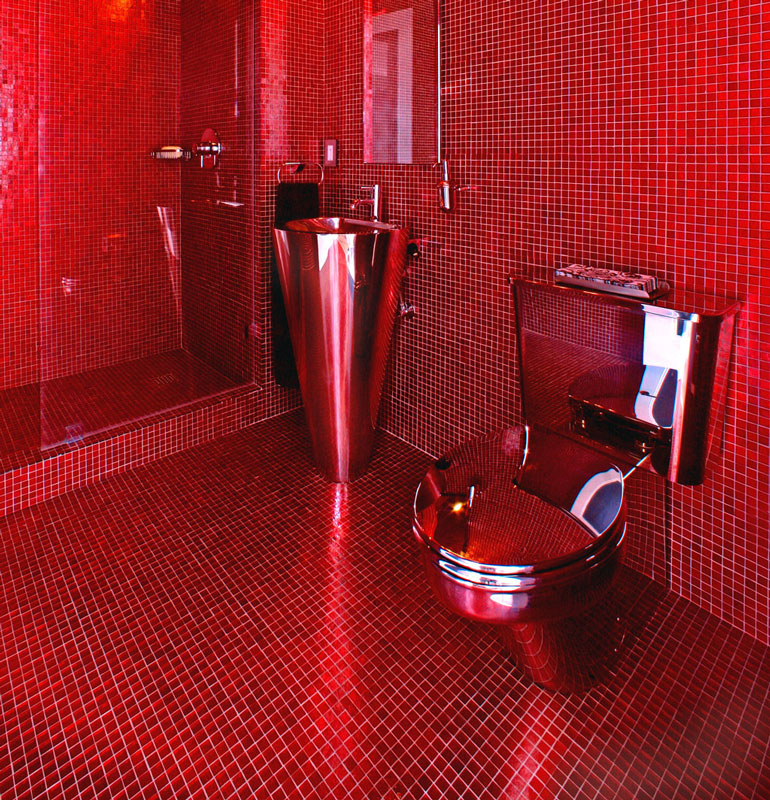
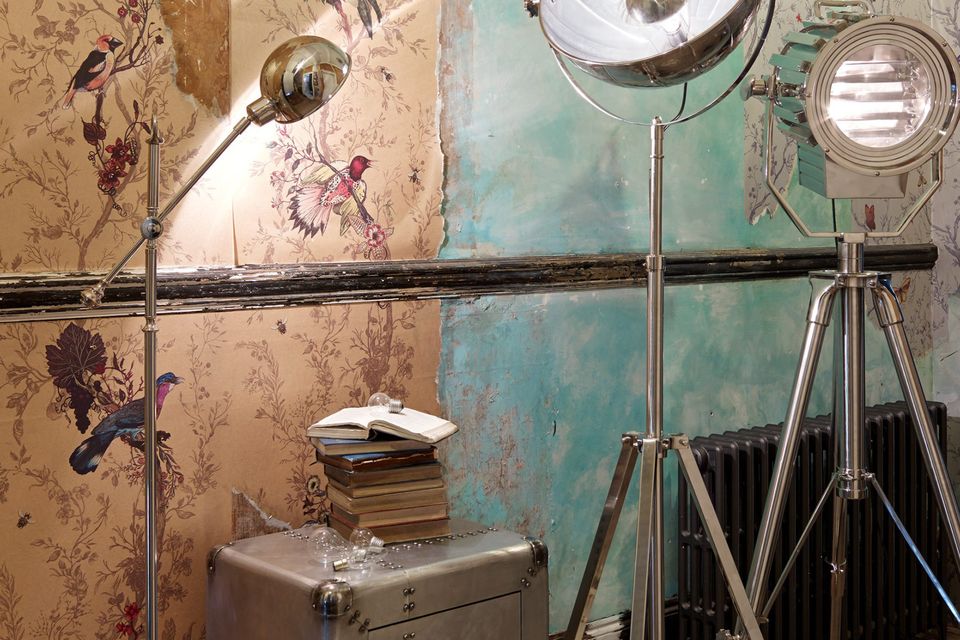
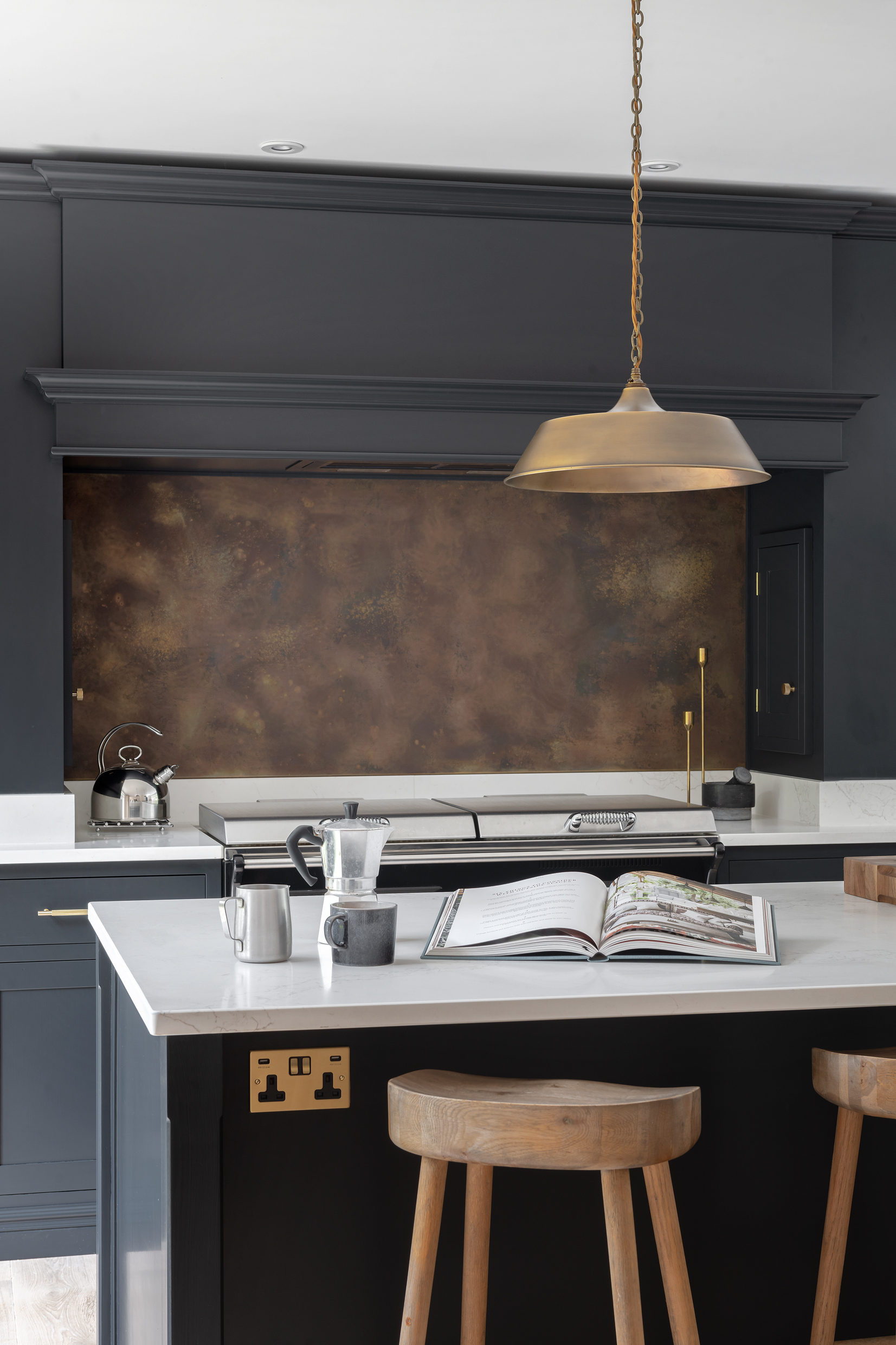
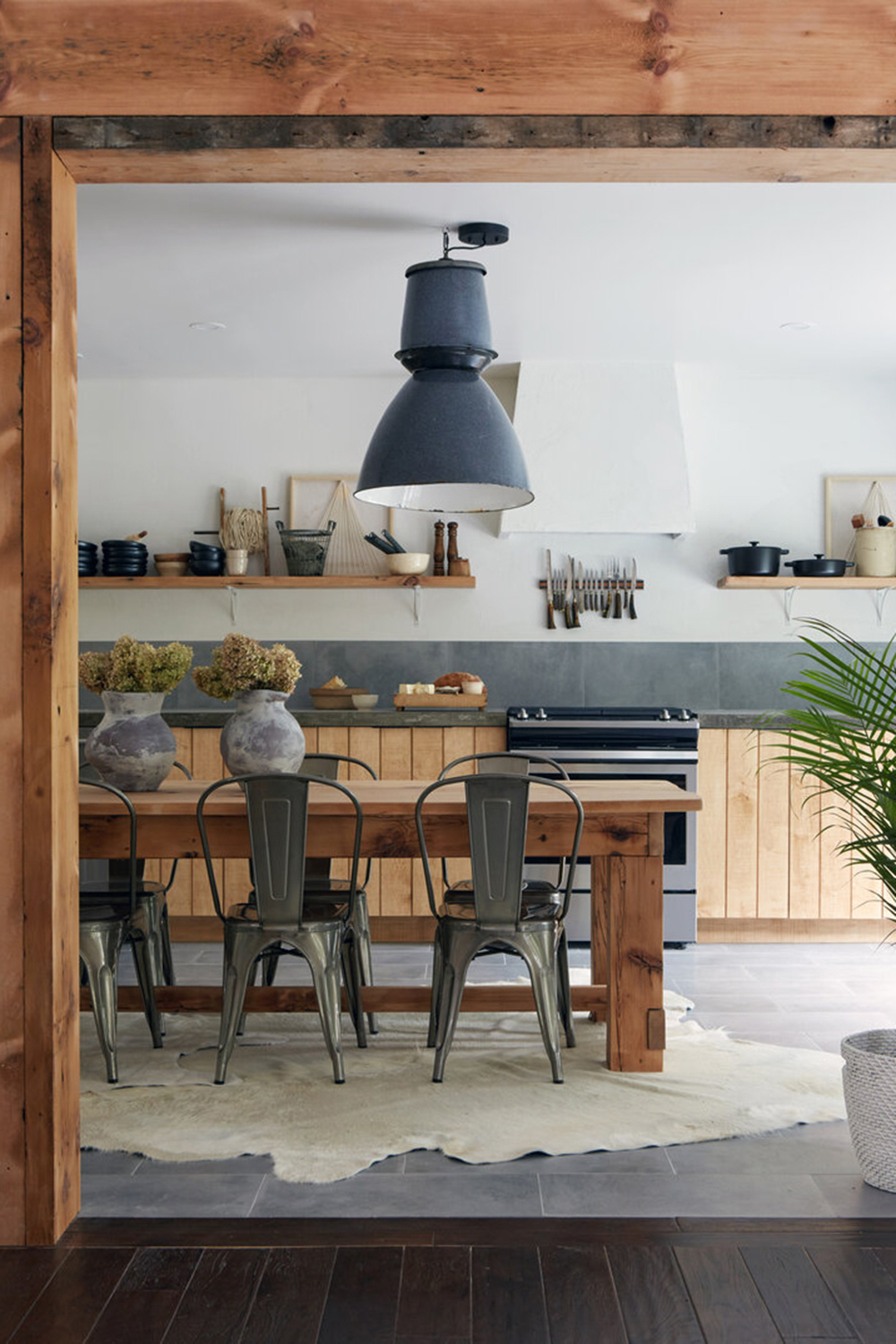
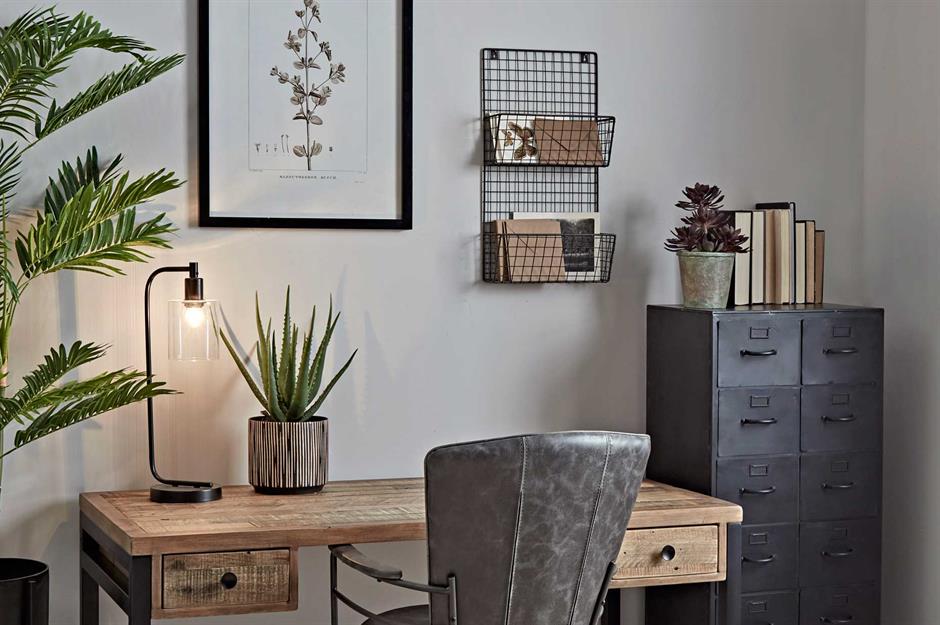
Metal accents are a prominent feature, found in furniture, fixtures, and decor. Materials such as stainless steel, iron, or aluminum are favored for their durability and tough appearance, appearing in items like steel-framed chairs and industrial-style pendant lights. Open floor plans are also central to industrial design, promoting a sense of spaciousness and an airy feel within a space. This often necessitates furnishings that are aesthetically pleasing from all angles, as they may 'float' within these open environments.
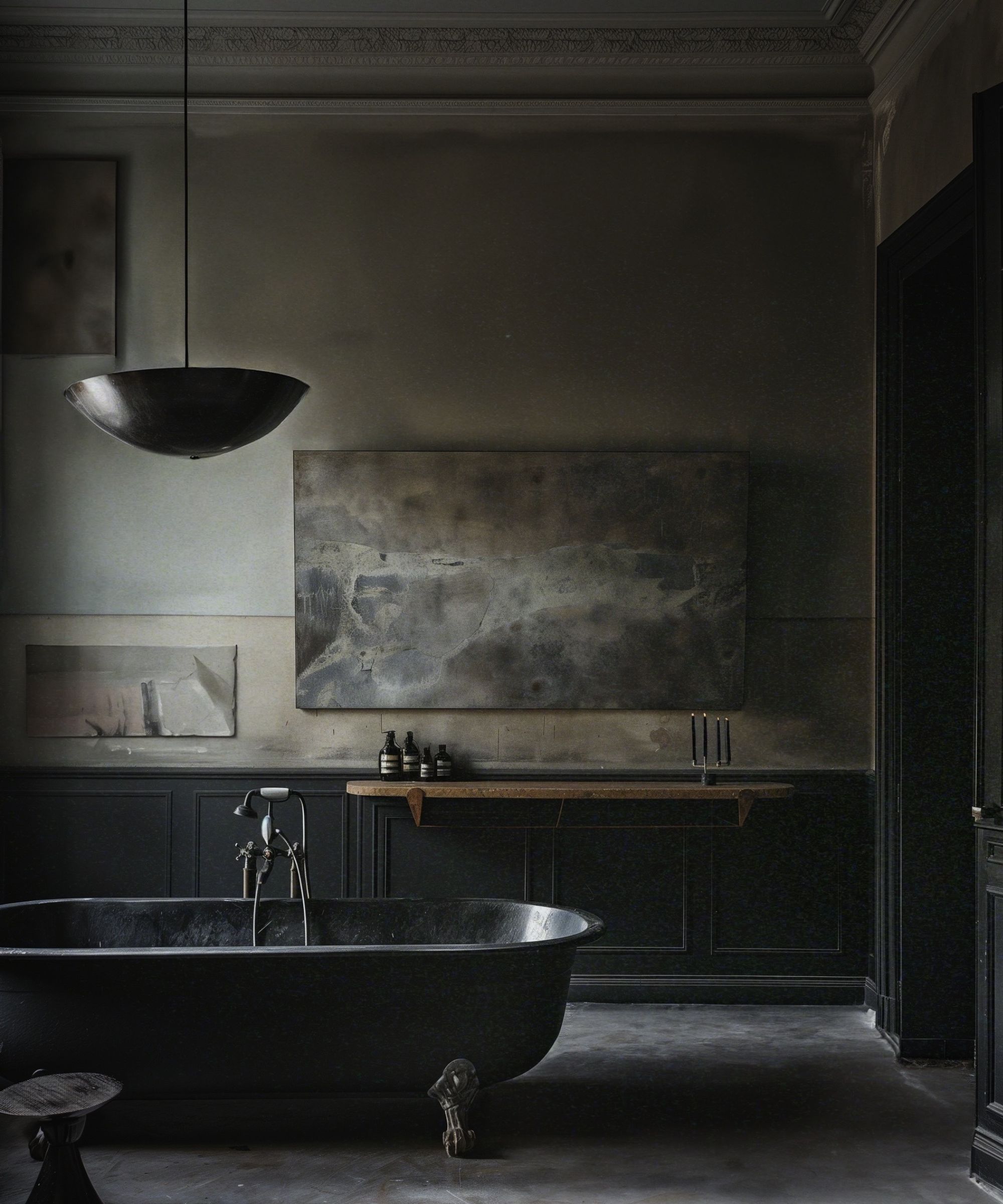
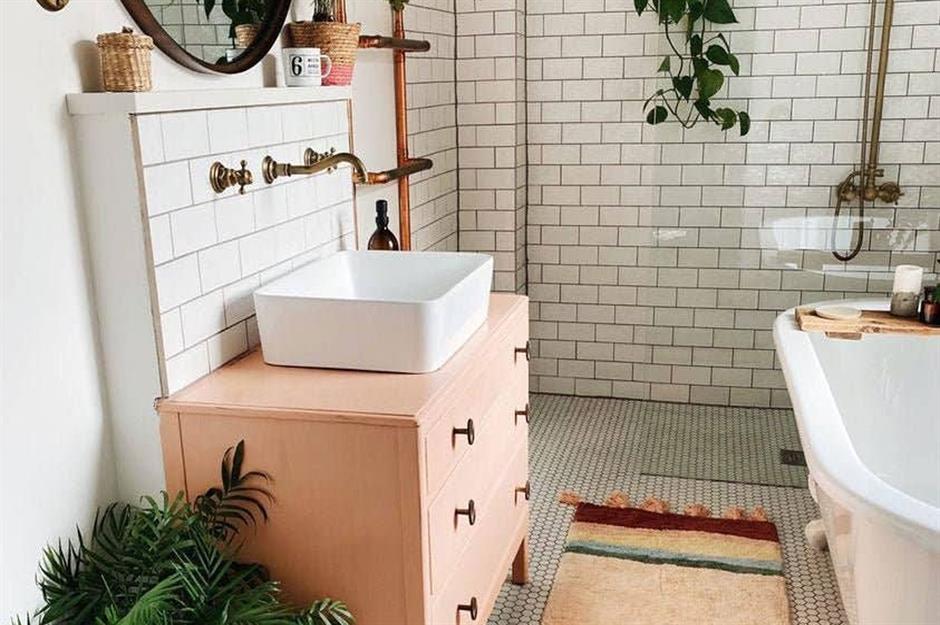
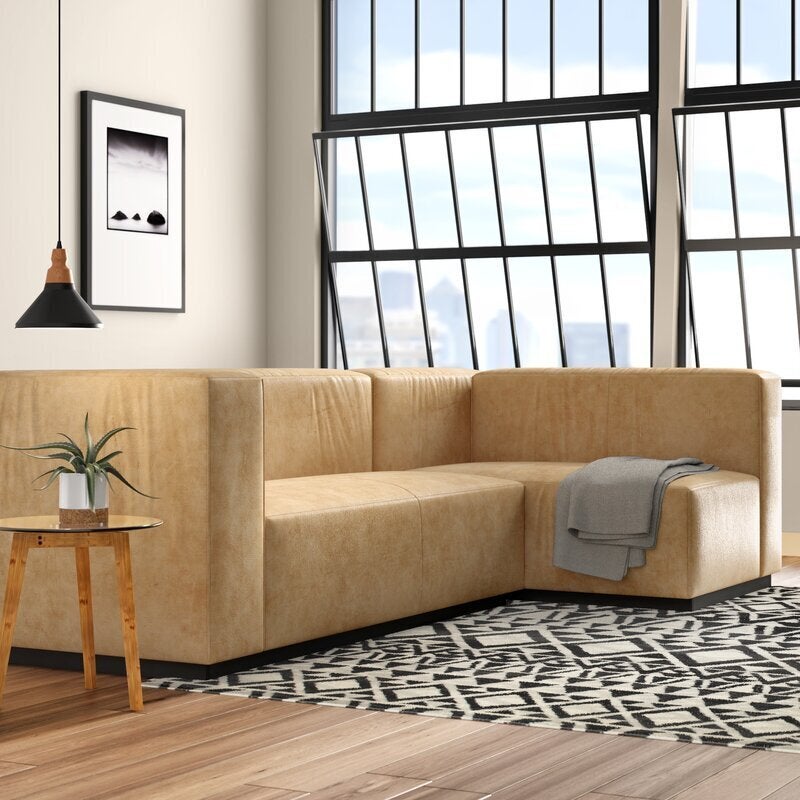
The color palette for industrial interiors tends to be neutral and earthy, comprising shades of gray, brown, black, and white, sometimes monochromatic. Vintage and reclaimed items, such as old machinery parts, repurposed wood, or vintage industrial signage, are incorporated to add character and a sense of history. Furniture in this style is typically minimalist, featuring clean lines and a simple, functional design that prioritizes practicality and durability, exemplified by metal chairs, wooden tables, and leather couches.
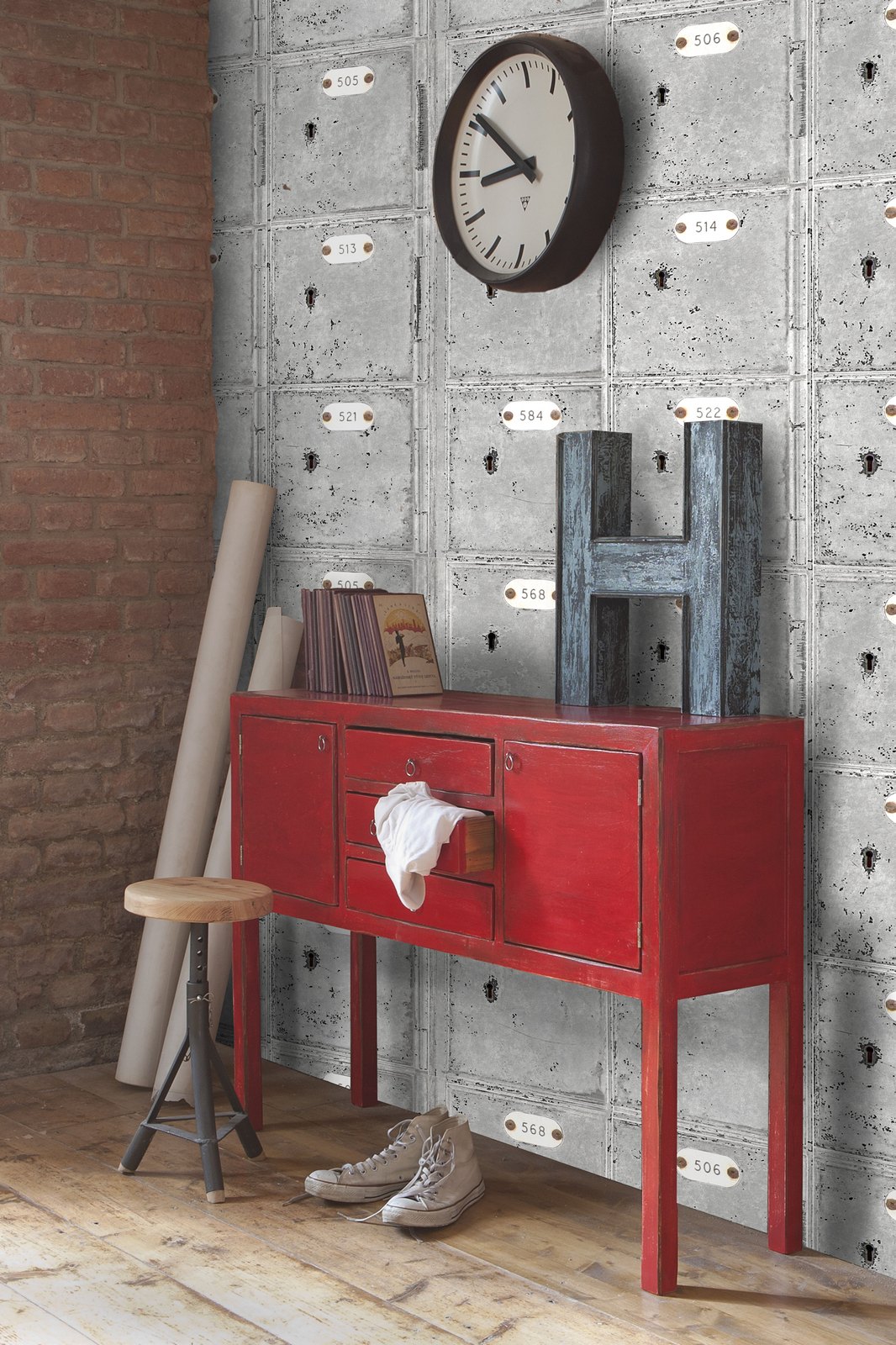
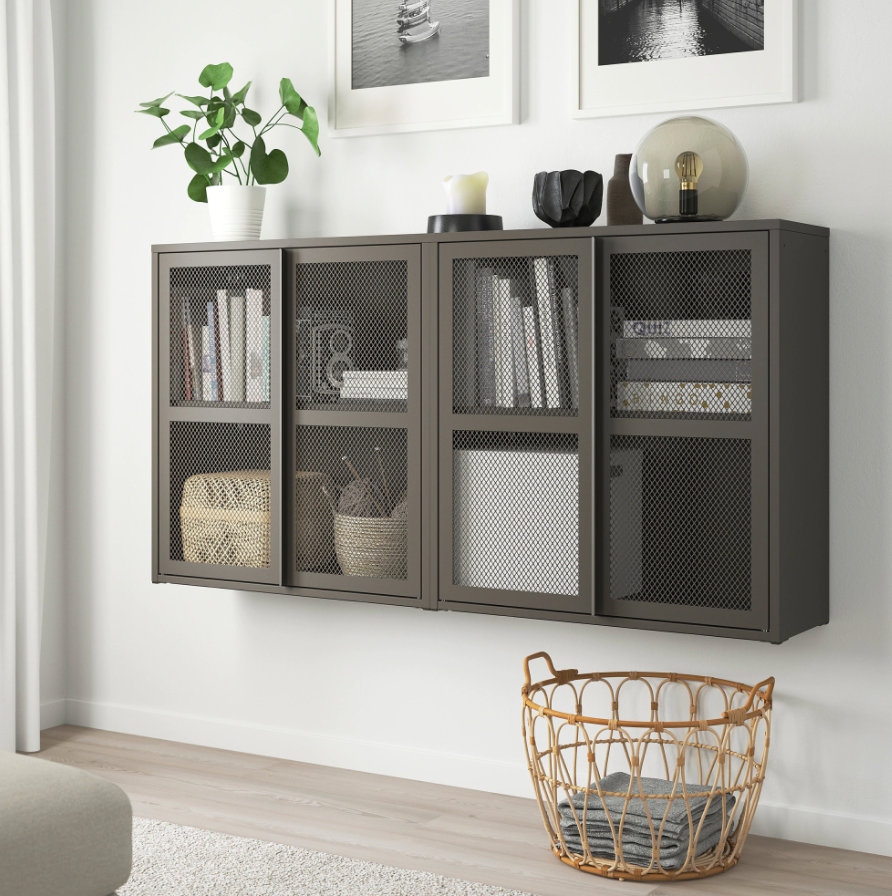
Utilitarian fixtures, including Edison bulb lighting, factory-style pendant lights, and open shelving units, further mimic the functional aspect of industrial spaces. To create focal points, large and bold elements like oversized wall clocks, industrial-sized fans, or salvaged factory windows used as room dividers are often employed as statement pieces. The design also incorporates a mix of textures, such as rough wood, smooth metals, and soft fabrics, to add depth and visual interest to the space.
For those looking to integrate industrial design into their homes, several simple approaches are suggested. Selecting furniture that embodies the style, such as shelving made from steel pipe and wood or glass, can be an effective starting point. Incorporating Edison bulbs can quickly add an industrial touch with their exposed filaments and factory-like appeal. Exposing existing brick walls or leaving air ducts visible contributes to the unfinished and rugged aesthetic. If brick is not available, faux brick wallpaper can be used. Furthermore, introducing concrete elements like containers, pots, or candleholders can bring the industrial look to a smaller scale. Maintaining a neutral, earthy color scheme and incorporating natural materials like jute rugs and linen cushions helps to preserve the simple, utilitarian feel characteristic of industrial spaces.
Experts in the field, including Lindsay Boudreaux of Shotgun Double Interior Design, Ariana Lovato of Honeycomb Home Design, and Artem Kropovinsky of Arsight, contribute their insights into the core elements and practical applications of industrial interior design. Their collective expertise underscores the importance of raw materials, metal accents, open layouts, and functional decor in achieving this distinctive aesthetic.
#IndustrialDesign #InteriorDesign #HomeDecor #RawMaterials #MetalAccents #OpenConcept #NeutralPalette #VintageFurniture #UtilitarianStyle #IndustrialDesign #InteriorDesign #HomeDecor #RawMaterials #MetalAccents #OpenConcept #NeutralPalette #VintageFurniture #UtilitarianStyle
0 comment in total
 No comments yet
You may also like
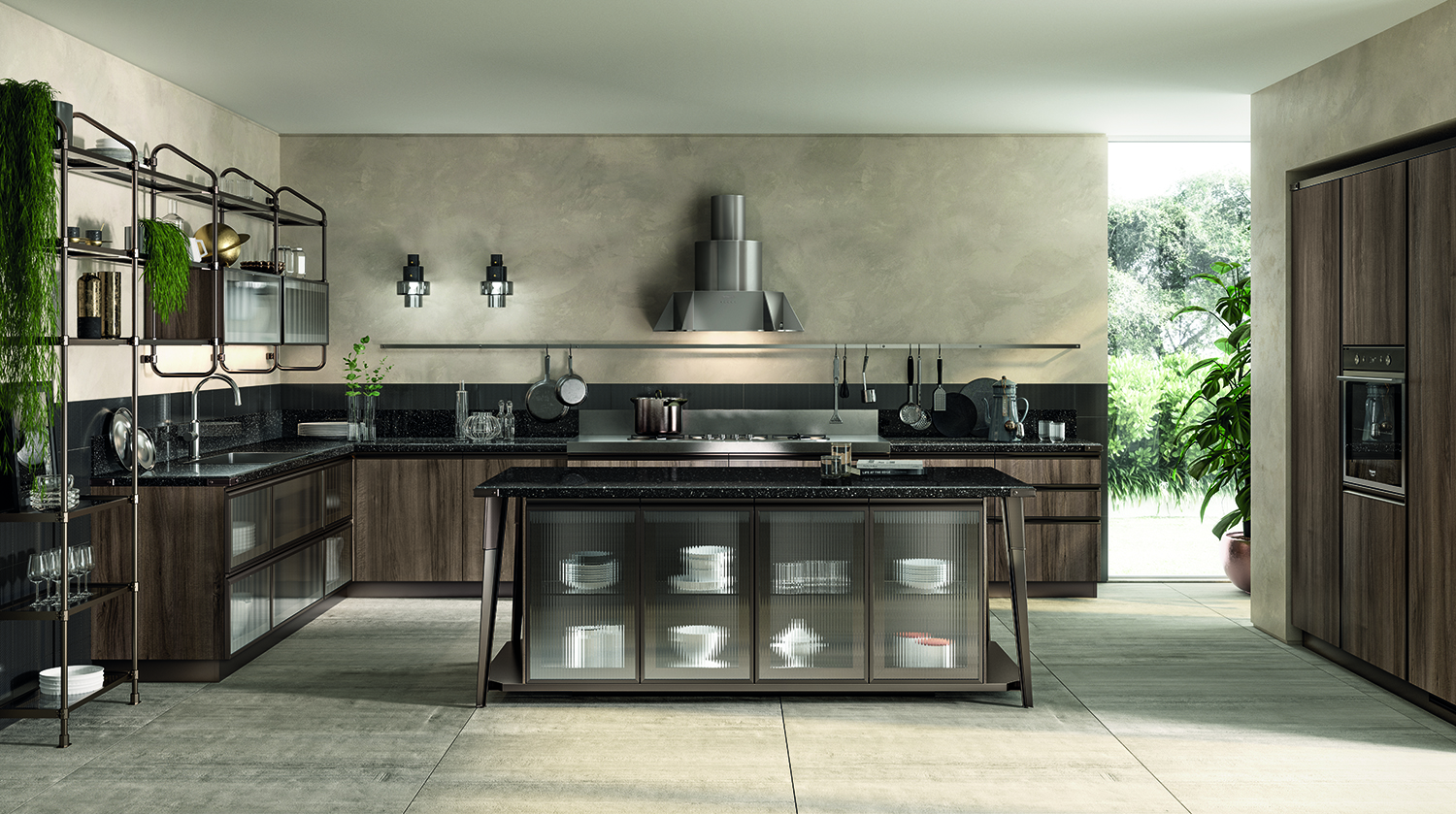
Industrial interior design - how to get it right

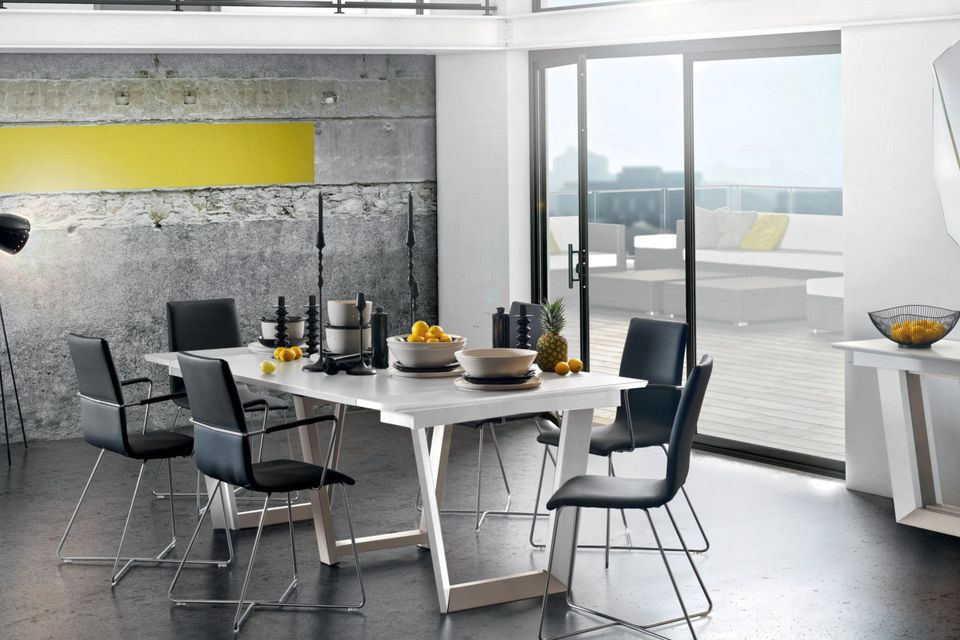
Interiors: 'Exposed beams, concrete floors and raw steel becoming firm favourites'
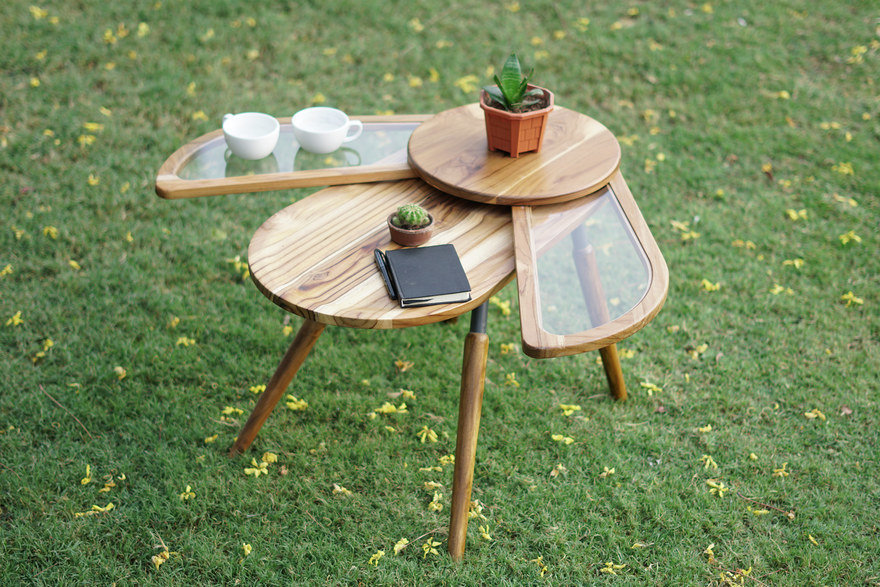
Best Industrial Design Student Work Spotted in 2022

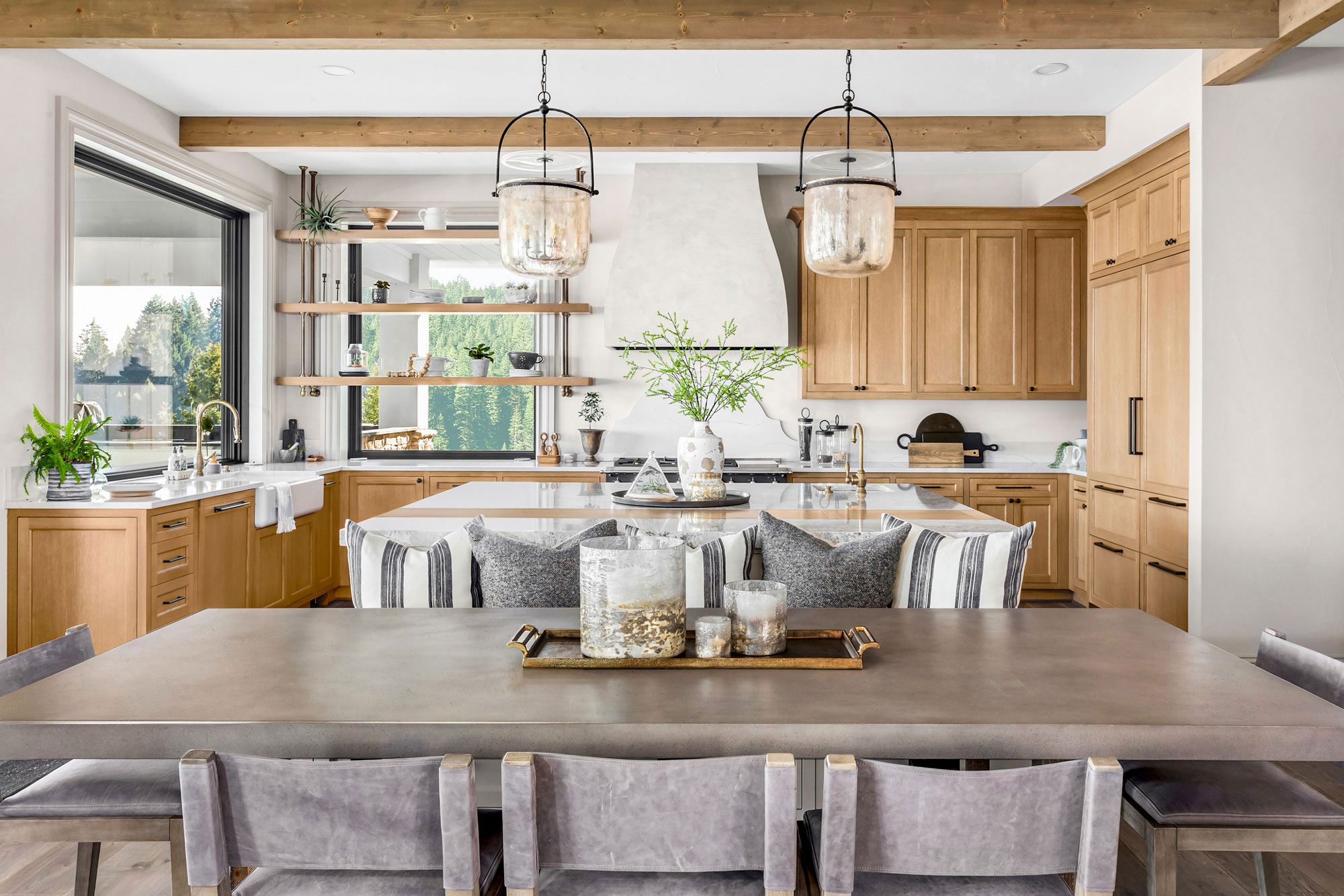
Farmhouse Interior Design: Understanding the Key Elements
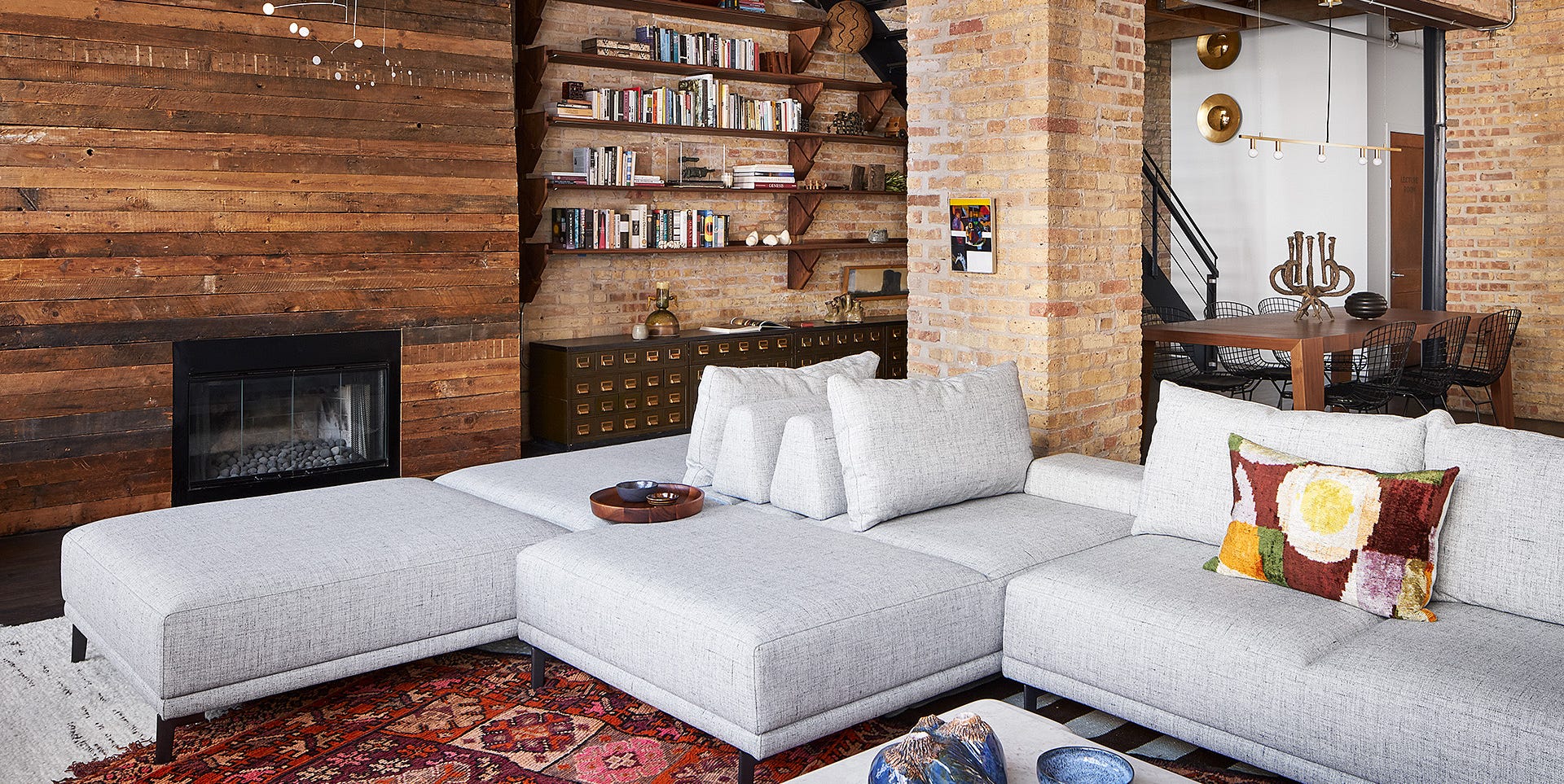
Here's How to Add Warmth to Industrial-Style Design


13 ways repetition in interior design can be used to create calmingly sophisticated rooms

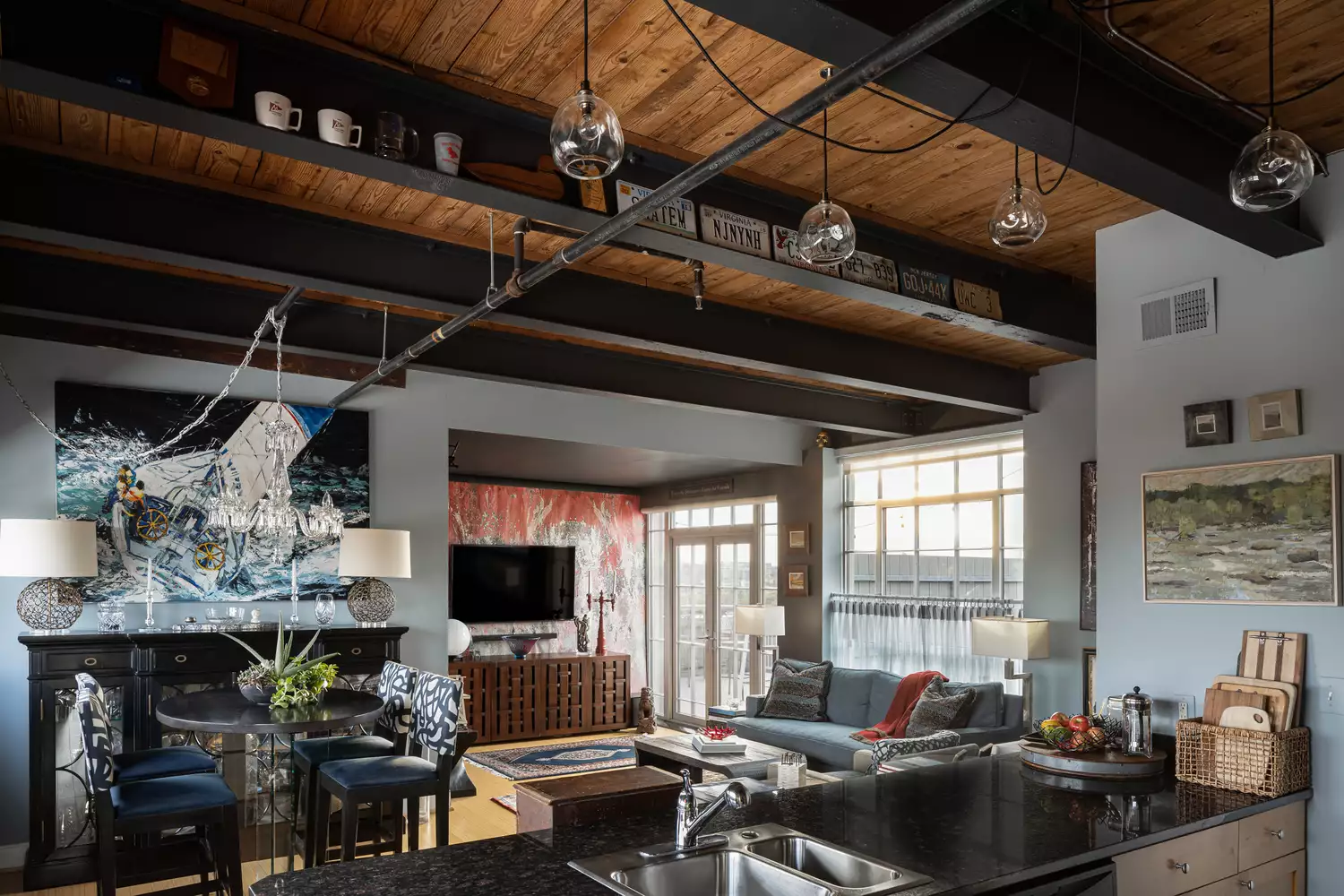
47 Industrial Living Room Ideas to Bring a City Loft to Your Home

Industrial decorating ideas for every room | loveproperty.com
Industrial Design Gives Any Space An Artful Edge

Eclectic Interior Design: Understanding the Key Elements
Read This If You Want To Be an Interior Designer
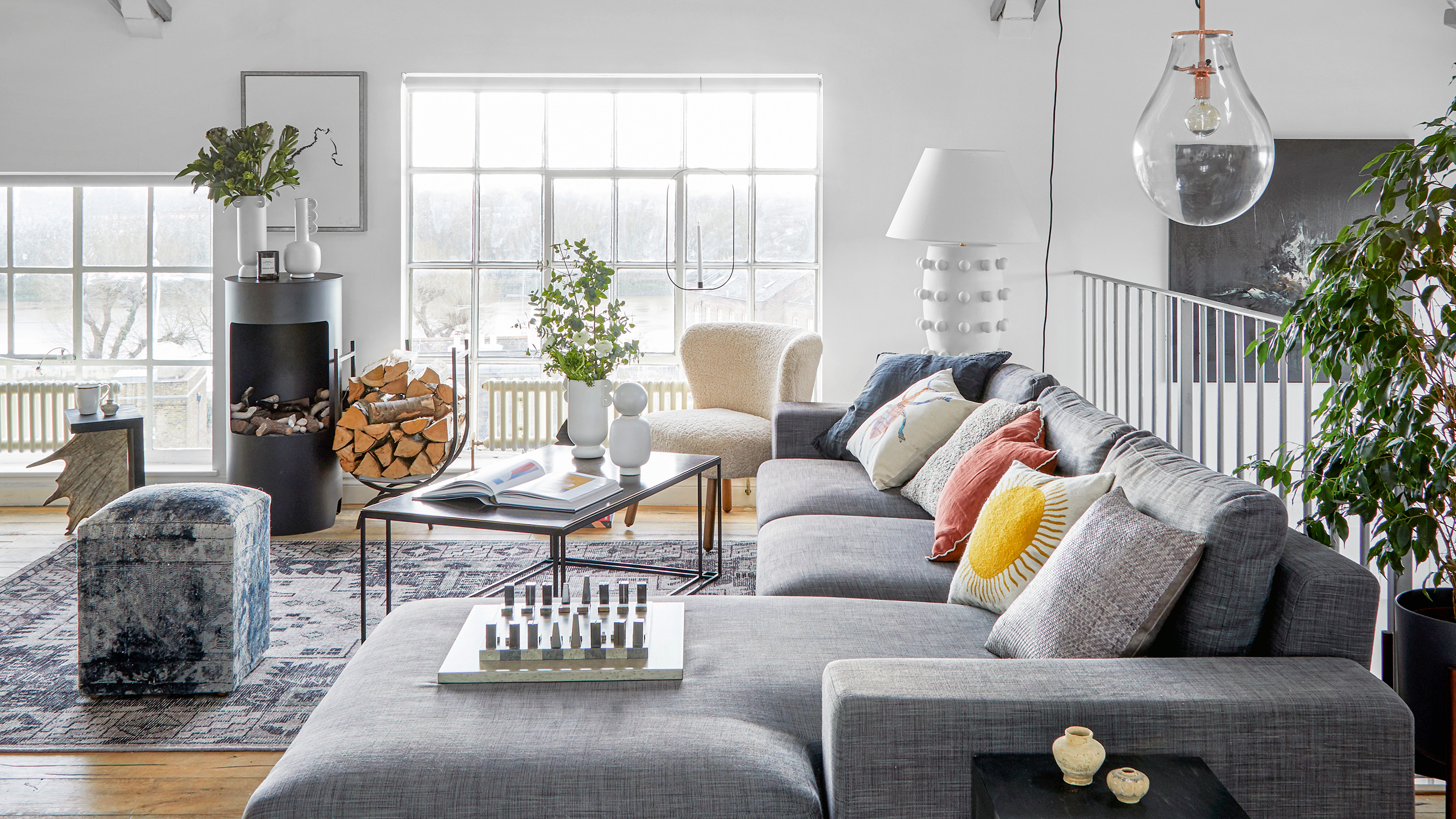
Industrial living room ideas – 12 stylish spaces that show how this trend is done
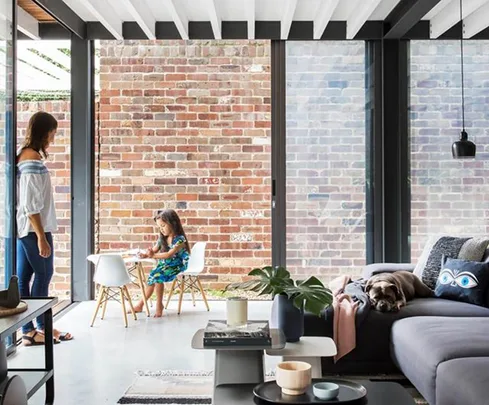
10 industrial interior design ideas to inspire

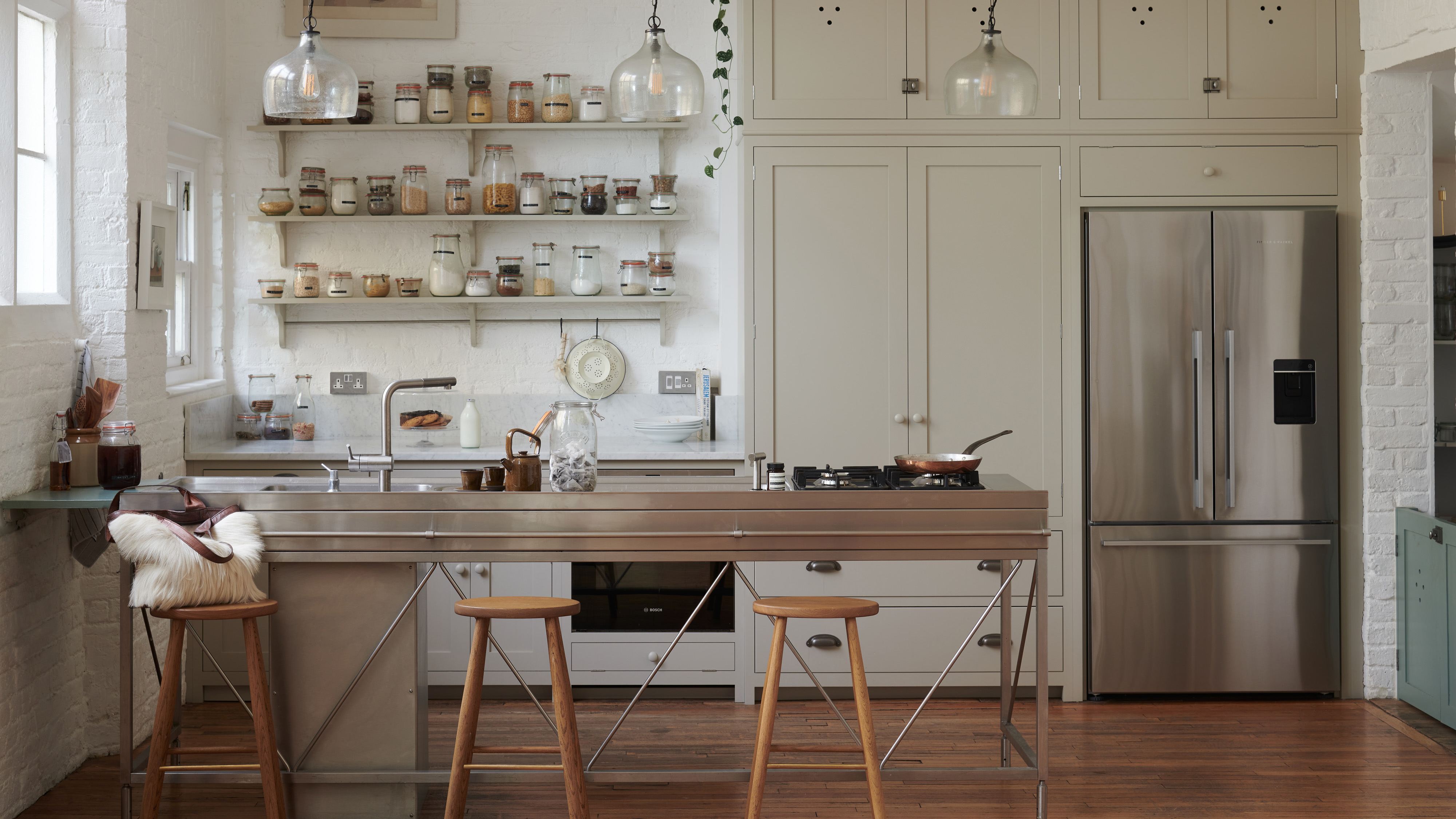
Industrial kitchen ideas – how to incorporate the edgy trend into livable spaces
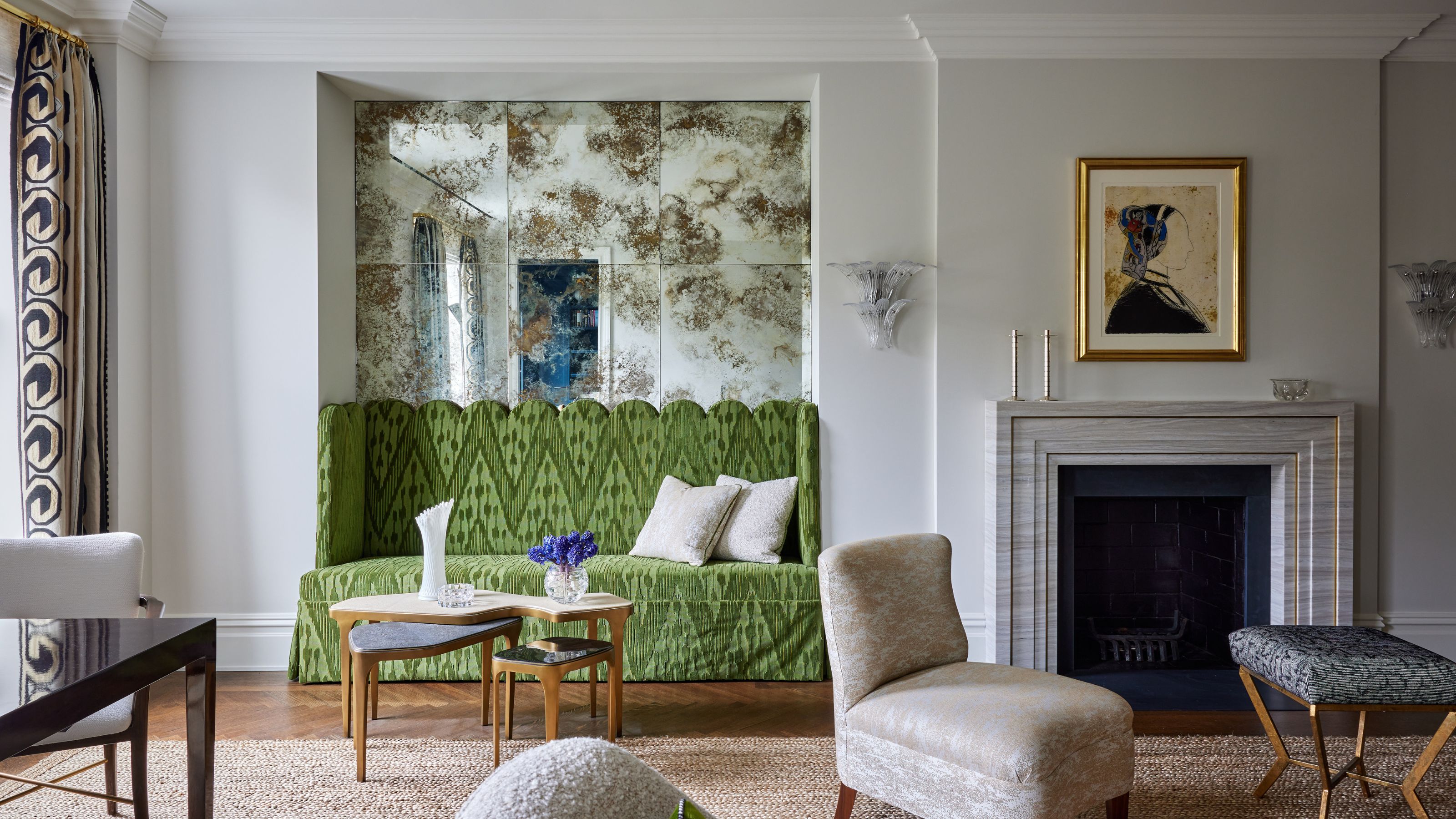
Emphasis in Interior Design —How to Create a Focal Point
The Best Stores To Buy Industrial Furniture And Decor Online
Industrial-style interiors are trending – here's how to get the sleek and stylish look


How do you organize your sample library?

Interior Design Reveals the 2023 Rising Giants
The Essential Interior Design Books