
1/4
How do you organize your sample library?
The article addresses the common challenge faced by interior designers in managing and organizing their extensive sample libraries, a critical component of their design process. It features insights from four distinct designers—Whitney Jones, Kelly Taylor, Brooke Wilbratte, and Nathalia Hara—who share their individual strategies for maintaining an efficient and functional sample collection. These designers collectively emphasize the importance of physical samples, highlighting that digital imagery alone is insufficient for accurately assessing colors, tones, and textures, which can lead to design discrepancies. Each designer’s approach offers practical solutions to the logistical hurdles of storing, categorizing, and retrieving design materials.
Whitney Jones, from Whitney J Décor in Gretna, Louisiana, outlines her method for organizing samples. Her studio utilizes a dedicated sample room where wallpapers and fabrics are separated by style and color. She maintains a distinct section for bold or unexpected materials, which serve as initial inspiration points for projects. Plumbing and lighting samples are kept in a cubby within her office for daily access. Jones’s system includes a sample spreadsheet that meticulously tracks all materials used for specific clients and vendors. This spreadsheet prevents accidental re-referencing of samples for future projects, ensuring unique and tailored designs. For samples shipped to e-design clients or other designers, tags are removed, and a task box is used to facilitate quick reordering, maintaining an up-to-date and accessible inventory.
Kelly Taylor, of Kelly Taylor Interior Design in Providence, Rhode Island, emphasizes the necessity of a physical sample library despite limited shelf space. She explains that a comprehensive physical collection is indispensable for design projects because digital representations often fail to convey the true nuances of materials. Taylor's strategy involves a selective rotation of samples based on current projects and new product availability, preventing clutter while ensuring relevant materials are on hand. Her organization system categorizes samples by type and vendor, which streamlines the process for sales representatives to update the collection regularly, ensuring its currency and utility.
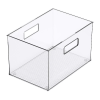
Brooke Wilbratte, from Tribe Design Group in Austin, Texas, details her method of using clear, labeled plastic bins within floor-to-ceiling cabinets for organizing all samples, including fabrics, wallpapers, rugs, wood, and metal. Her categorization is tailored to her firm’s specific needs, such as dividing textured fabric samples into light, medium, and heavy categories, given their frequent use. Wilbratte stresses the importance of continuous editing and removal of discontinued items to avoid using unavailable materials in designs. She also incorporates a “to organize” bin, which helps keep the workspace tidy during the design process by temporarily holding samples that need to be re-filed, ensuring that the main bins remain orderly.
Nathalia Hara, of One Design in Toronto, employs a dual-system approach involving physical organization and a digital spreadsheet. She organizes samples by type, such as tile, carpet, and fabric, using labeled shelves and drawers. Complementing this, she maintains an Excel spreadsheet where each new sample is photographed and its information recorded. This spreadsheet also notes the physical location and duration of each sample. Additionally, Hara dedicates a specific drawer for each client to store all samples pertinent to their particular project, ensuring easy retrieval and focused design work. This comprehensive approach ensures both physical accessibility and digital traceability of all design materials, optimizing the overall workflow for her firm and client projects alike.
#SampleLibrary #InteriorDesign #DesignProcess #MaterialOrganization #DesignTips #StudioManagement #ProductSamples #Designers #SampleLibrary #InteriorDesign #DesignProcess #MaterialOrganization #DesignTips #StudioManagement #ProductSamples #Designers
0 comment in total
 No comments yet
You may also like

How 11 Writers Organize Their Personal Libraries
The Best Bookshelf Designs: Construct a Home Miniature Library

How To Organize Your Messy, Crowded Closet


This Take on the Rainbow Bookcase Is the Cure to Cluttered Shelves

Fully booked: Tips for organizing your home library

A Design Expert Tells Us How To Create The Perfect Home Library
Contemporary library design ideas and tips

How to Help Librarians and Archivists From Your Living Room
The Most Clever Bookshelf Organizing Tips
50 Bookshelf Decor Ideas to Keep Your Growing Collection Organized and Stylish
Check out the decor of these home libraries

A Book Lover’s Guide to Styling Your Shelves

7 Genius Tips to Make Your Bookshelf Less Cluttered, According to Organizing Pros

Here's How Designers Really Feel About Those Rainbow Bookshelves


The best ways to organize your closet, according to a pro

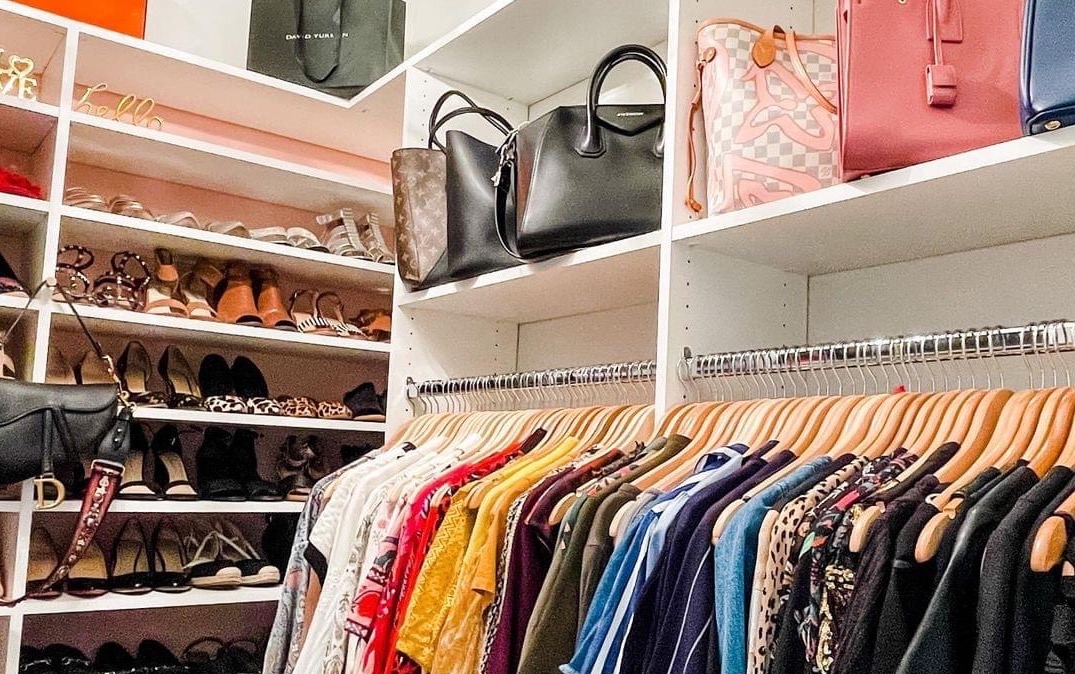
Messy closets? This local design expert reveals the easy solutions you’ve been waiting for
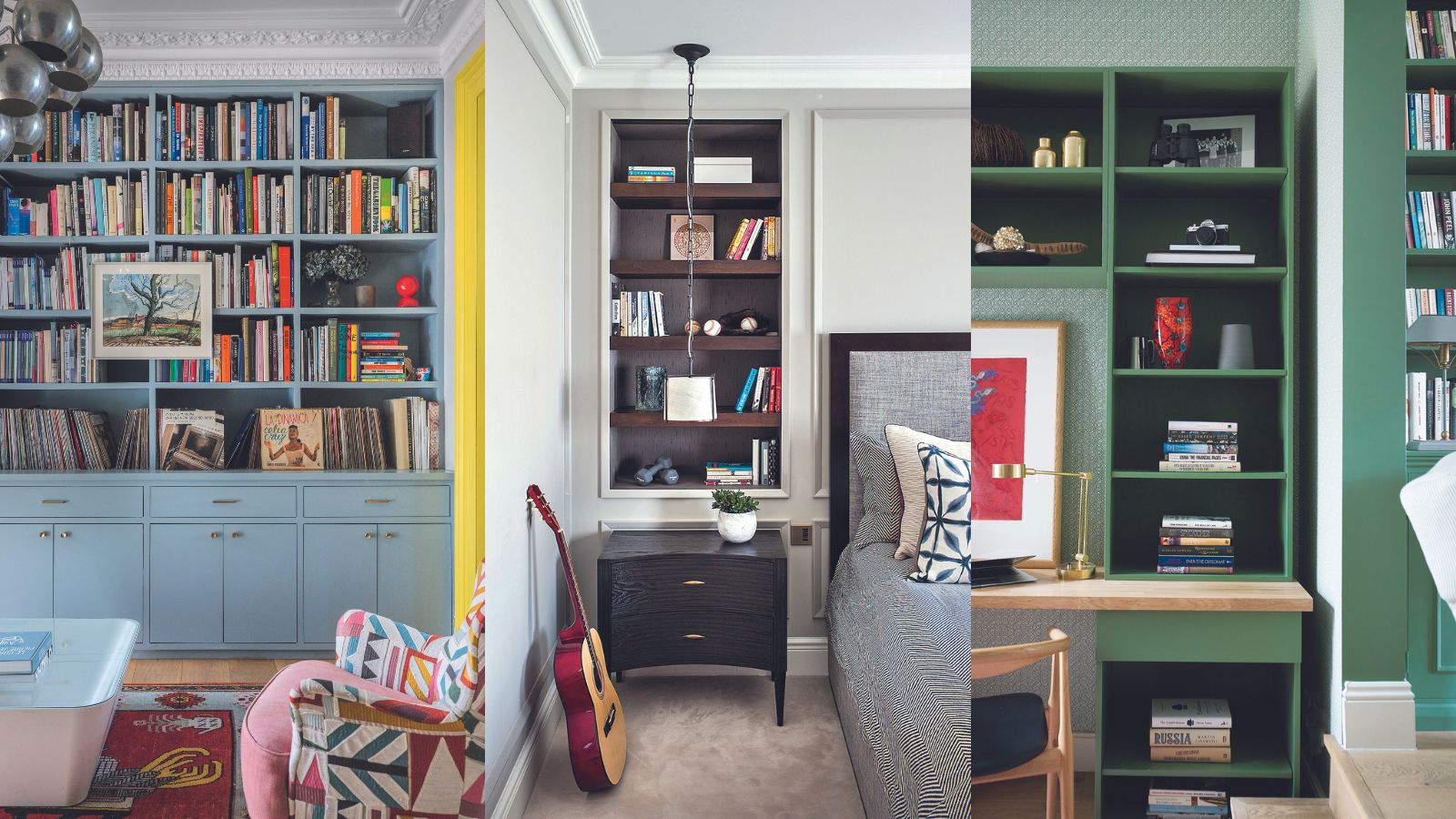
Organizing a bookshelf – 15 ways to keep on top of your tomes


Design A Library To Discover The First Book That Belongs On Your Shelves

The Best Solutions for Organizing a Closet of Any Size

Storage & Organization