1/2
7 Genius Tips to Make Your Bookshelf Less Cluttered, According to Organizing Pros
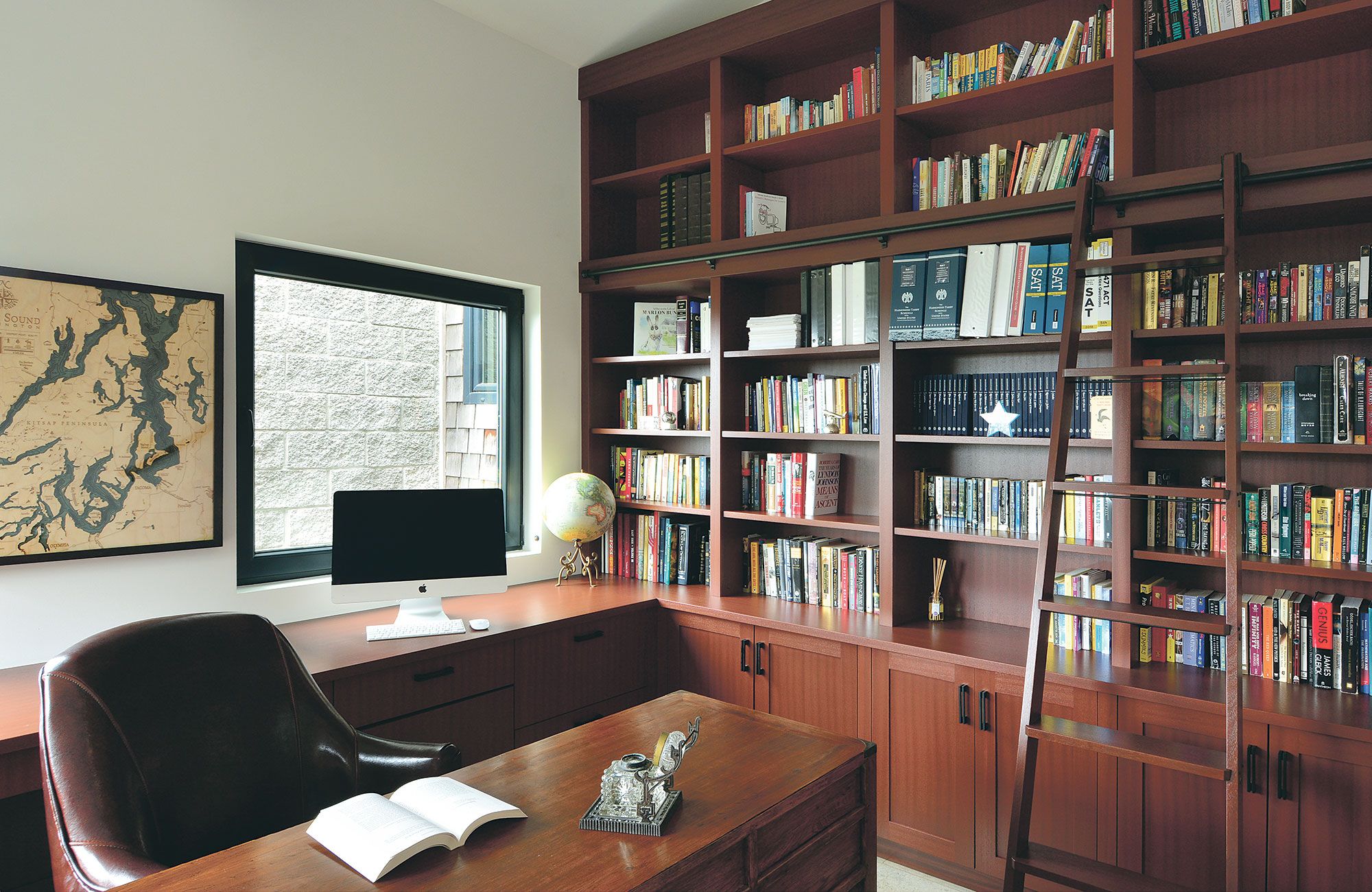
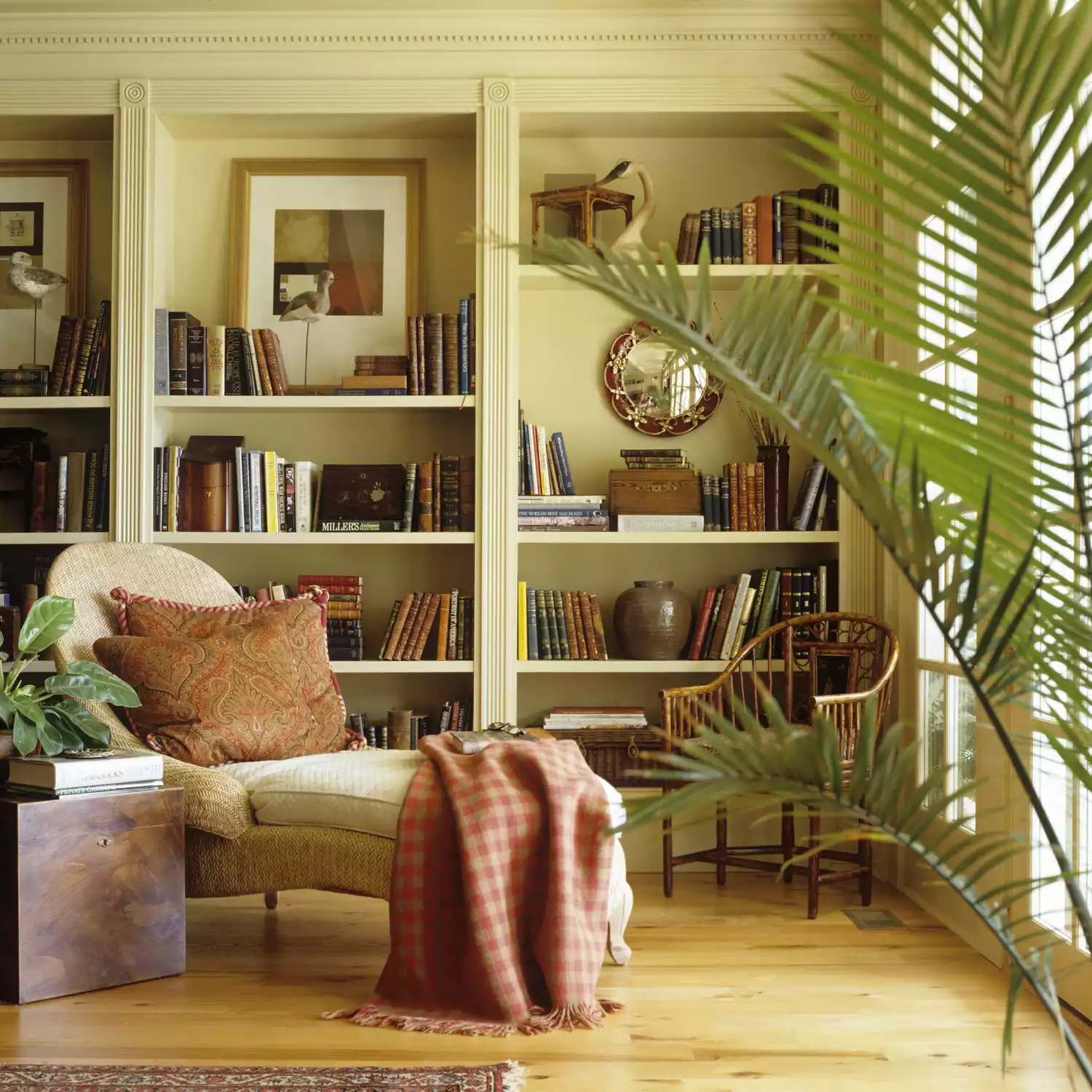
Bookshelves serve as both a display for personal libraries and a reflection of individual style. However, without intentional organization, they can quickly devolve into cluttered spaces. This article, drawing on insights from professional home organizers Effy Terry and Amanda Scott, provides seven actionable tips to transform chaotic bookshelves into clean, cohesive, and aesthetically pleasing features within a room.
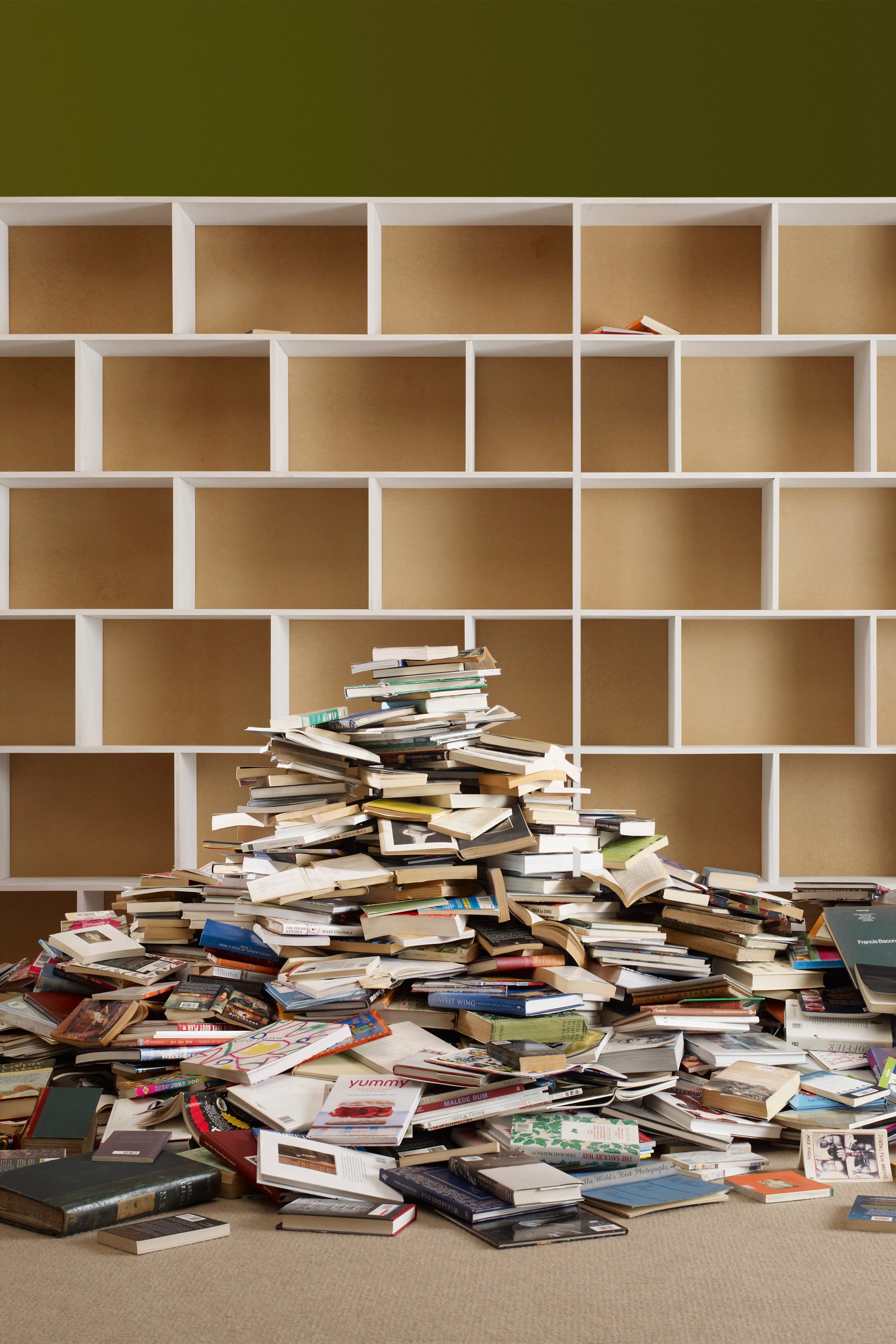
The initial step involves decluttering. Before arranging books, it is crucial to remove any items that do not belong or are no longer in good condition, such as torn or damaged books. Scott suggests removing dust jackets from hardcover books for a cleaner look and relocating worn paperbacks into decorative storage like baskets. This stage also calls for the removal of miscellaneous knickknacks and decor that do not align with the desired aesthetic, ensuring only relevant items remain.
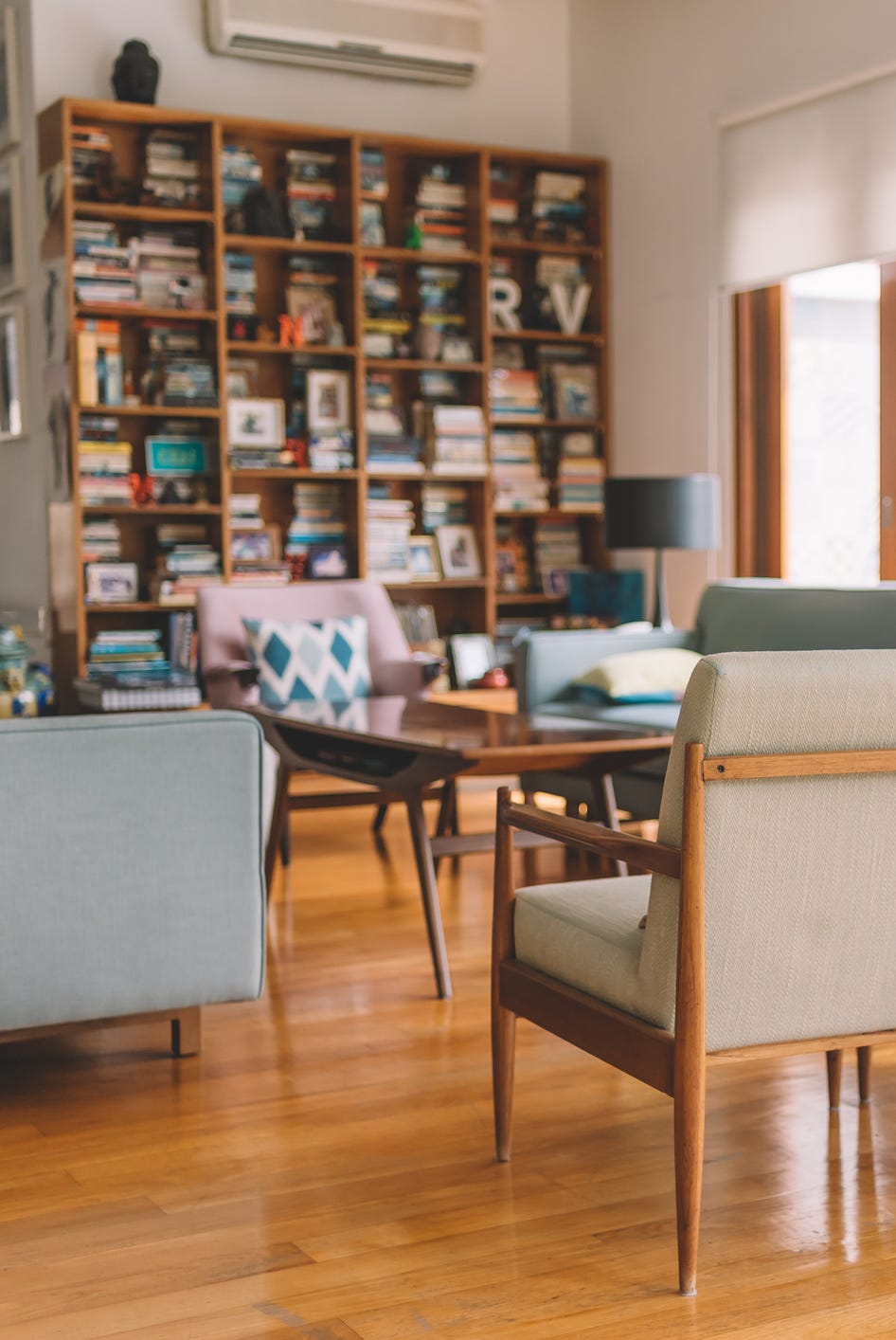
Once decluttered, organizing books by genre or theme can provide structure and visual appeal. Terry recommends grouping books into categories such as travel, self-help, or fiction, mirroring bookstore layouts. Each themed section can then be enhanced with complementary decor, such as small souvenirs or art, making the bookshelf both functional and visually engaging.
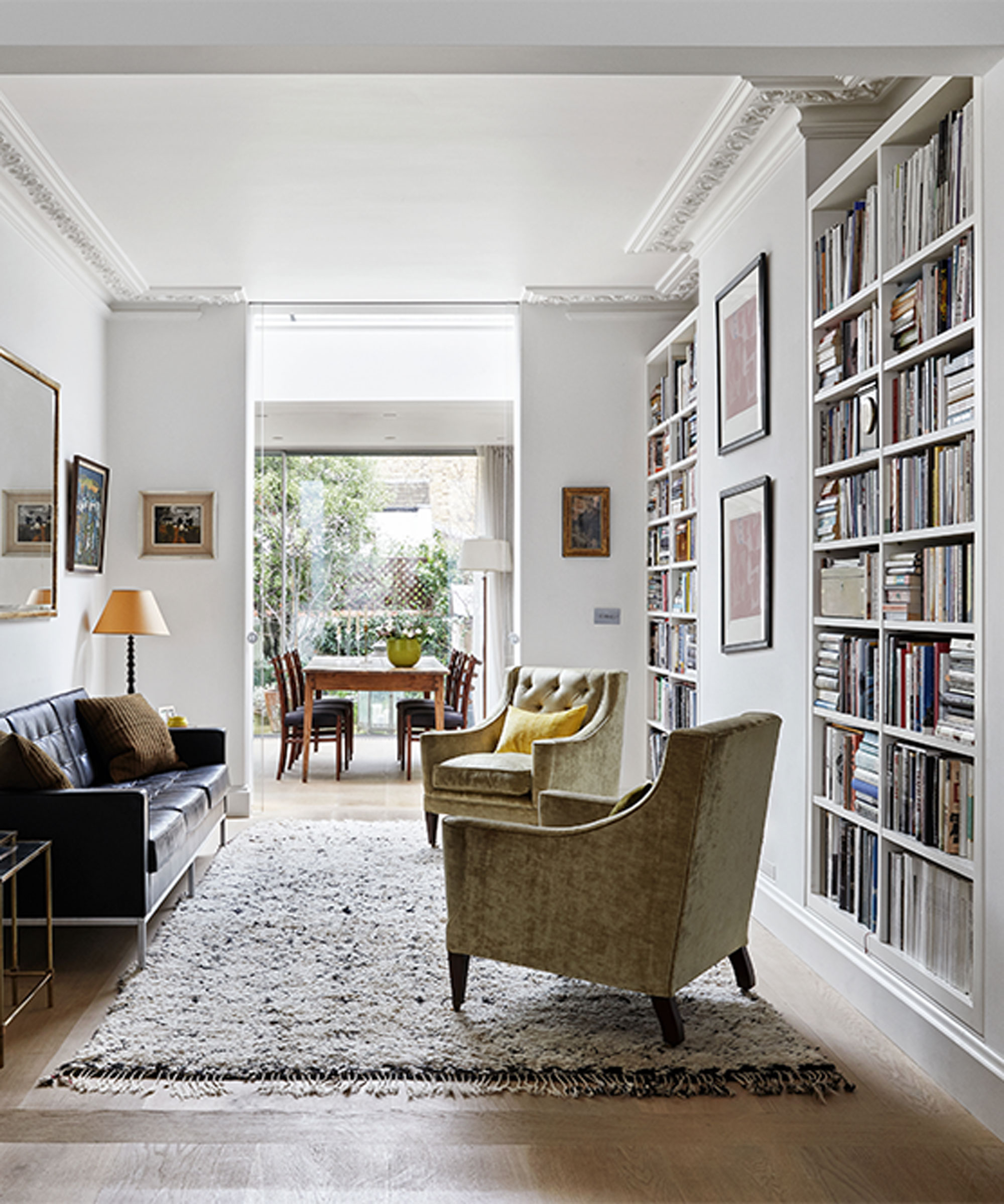
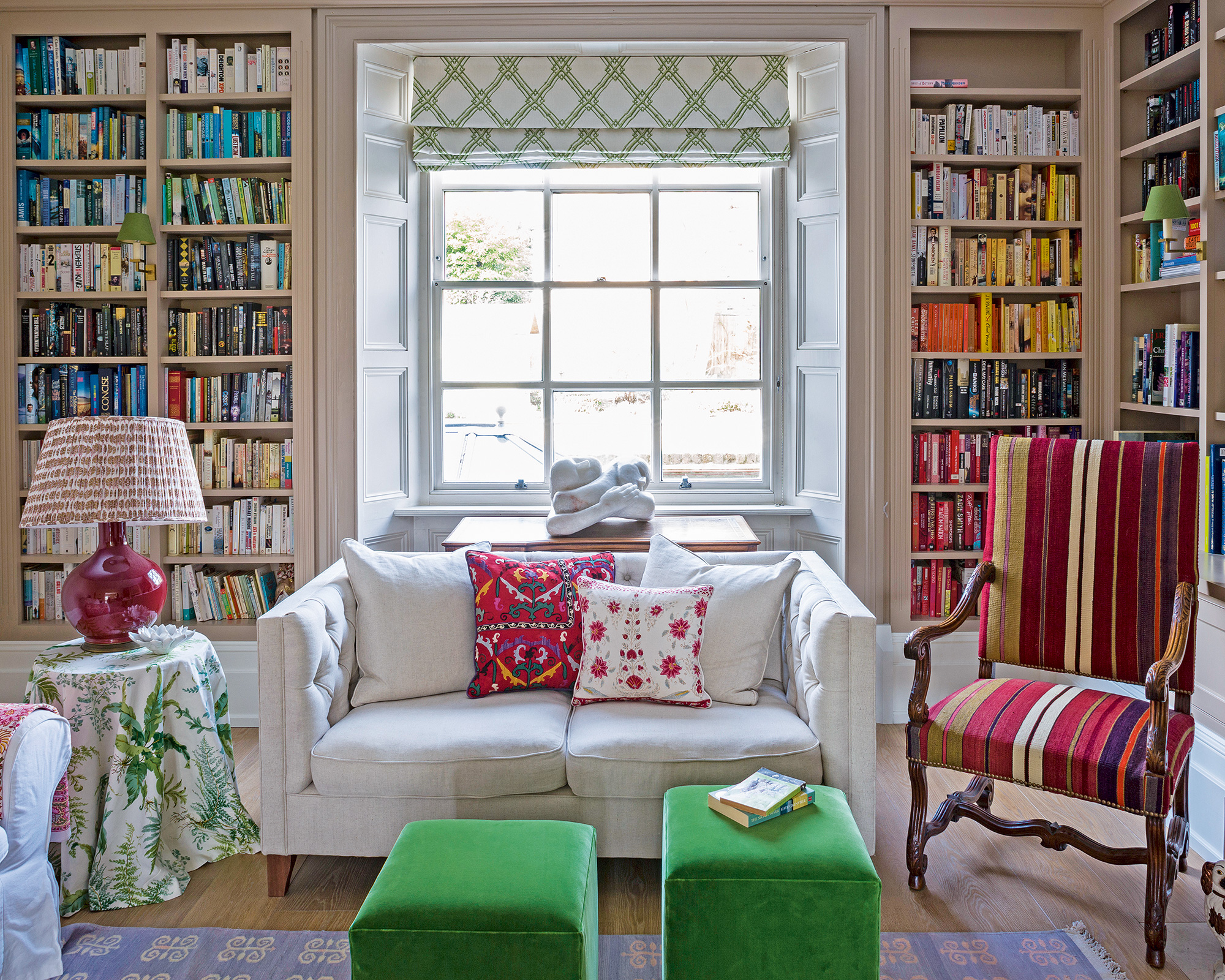
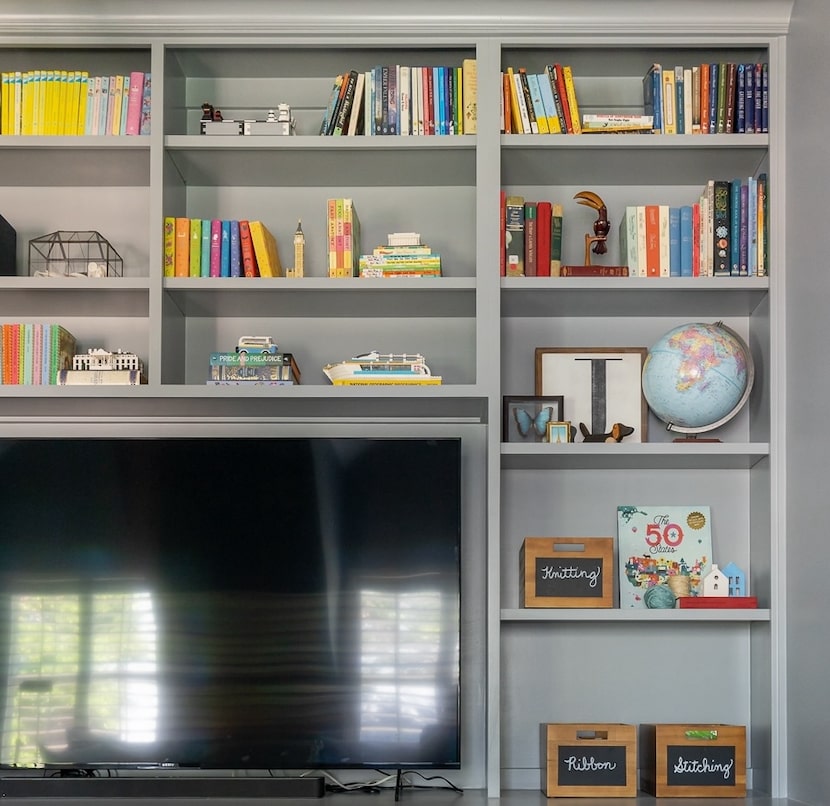
For those seeking a more aesthetically driven organization, grouping books by physical characteristics is an alternative. This could involve arranging books by color, or even removing dust jackets to reveal a more preferred spine color if a specific hue is lacking. Another approach is to alternate between vertically displayed books and horizontally stacked ones, or to organize them by size from large to small, creating a dynamic visual layout that can be adjusted until the desired design is achieved.
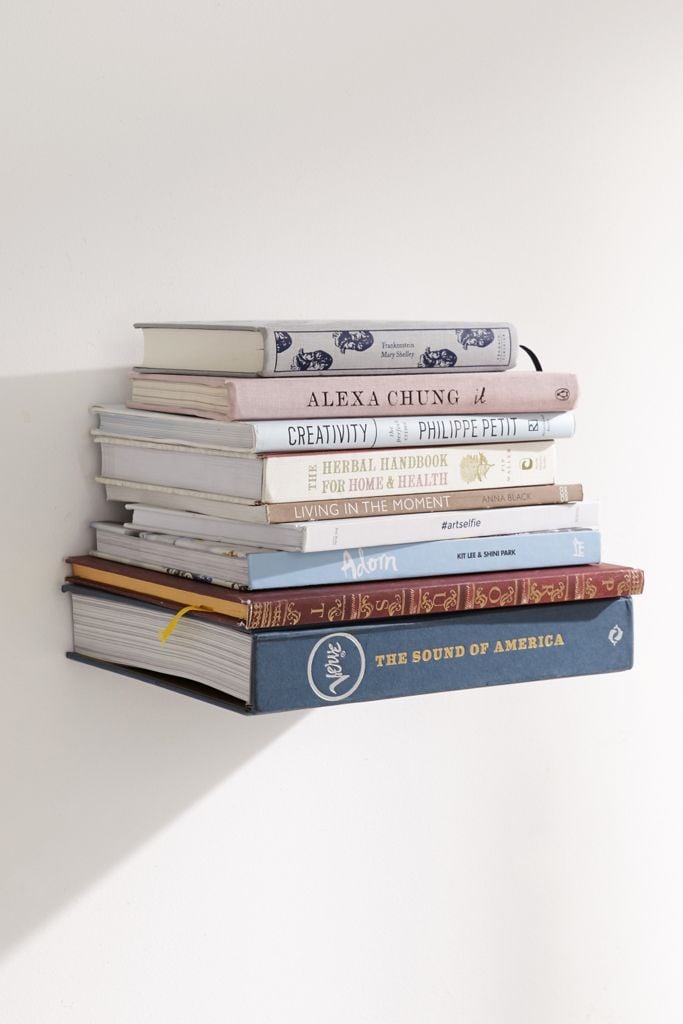
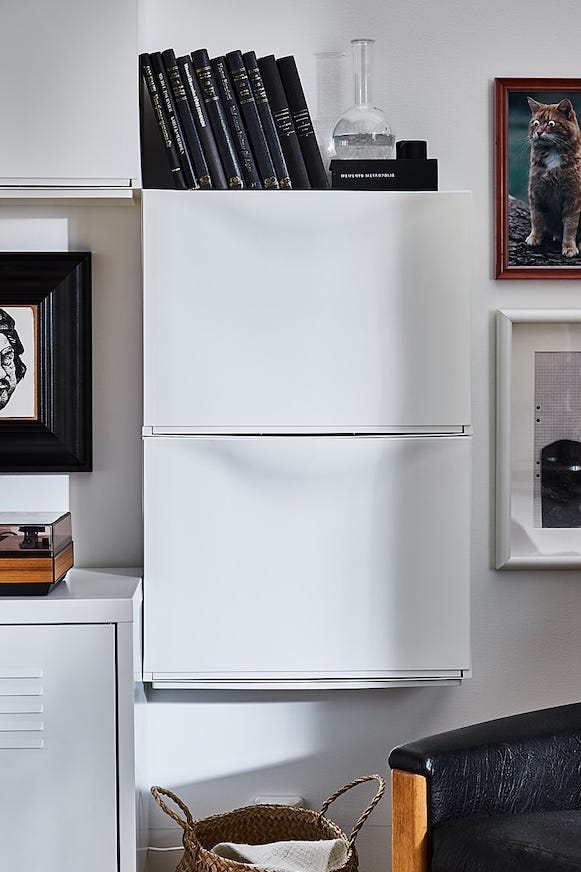
To maintain an uncluttered appearance, the use of clear bookends or risers is advised. These transparent aids provide necessary structural support without adding visual bulk, allowing the books themselves to be the focal point. This tip is particularly effective when books are organized by color, as the clear accessories will not clash with any specific color scheme.
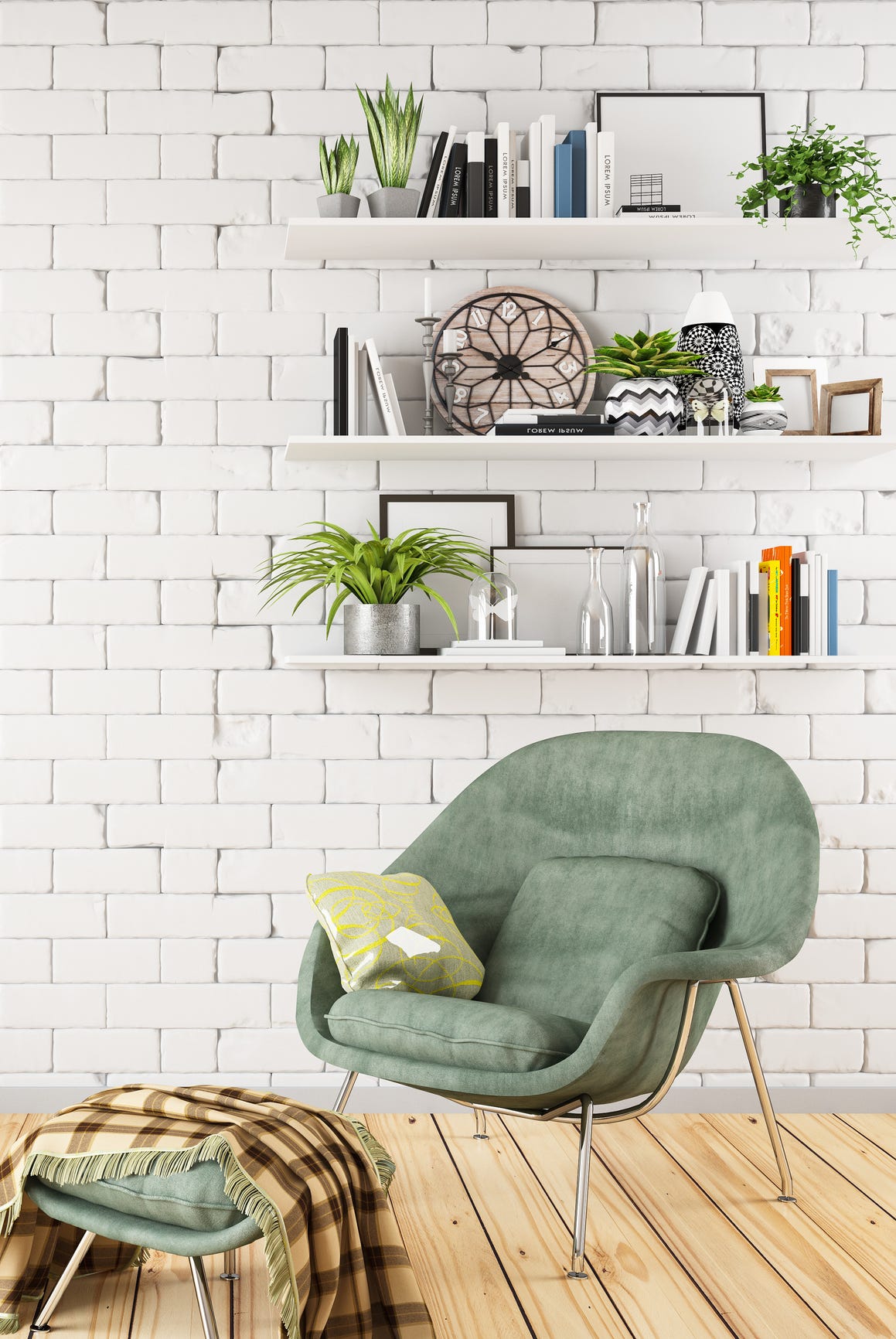
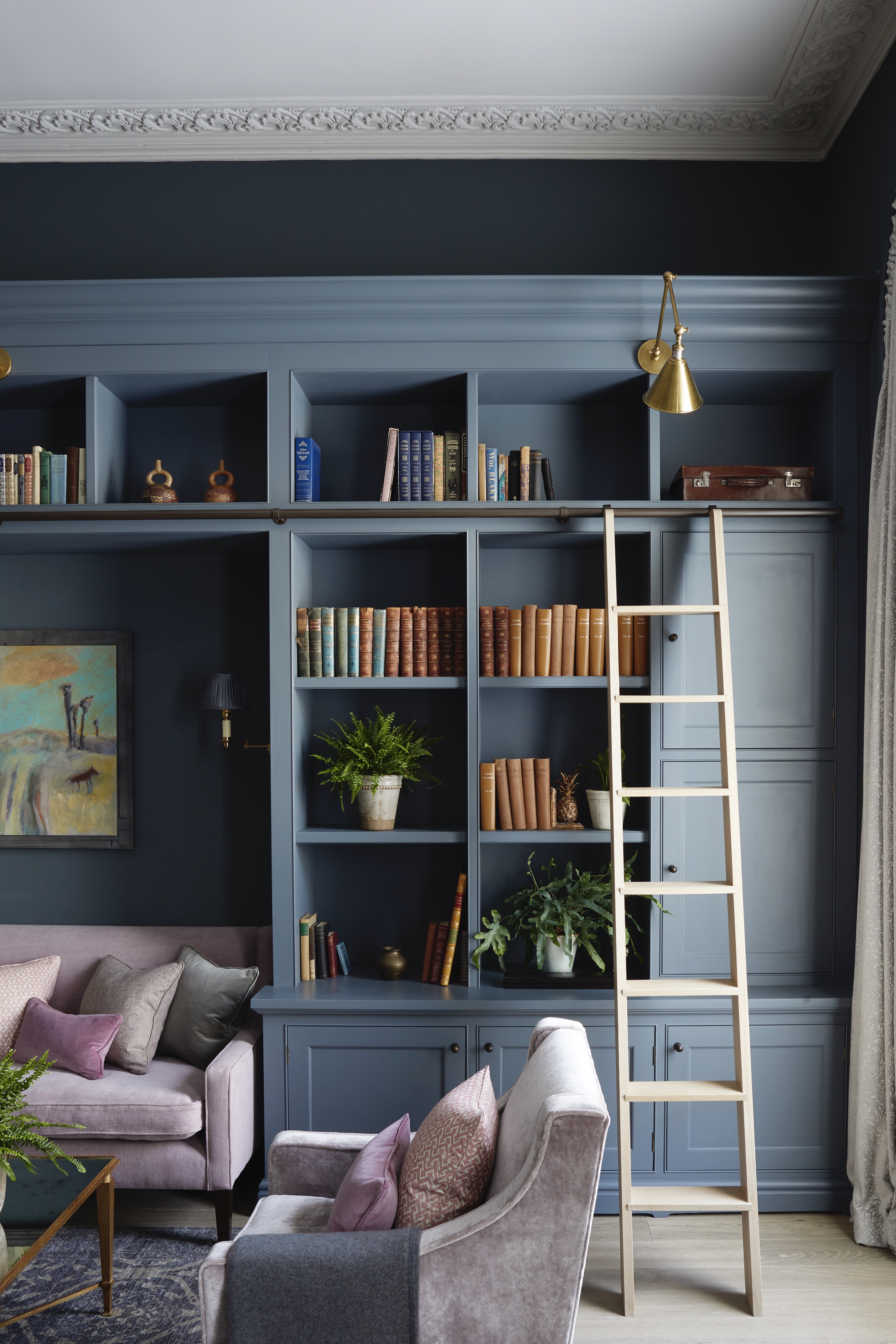
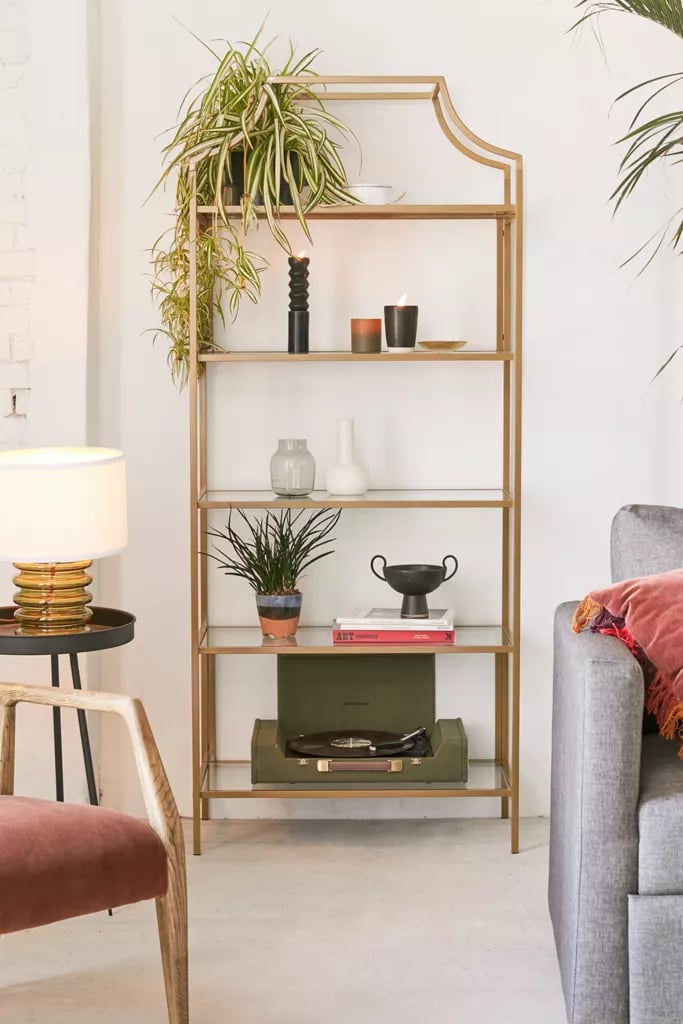
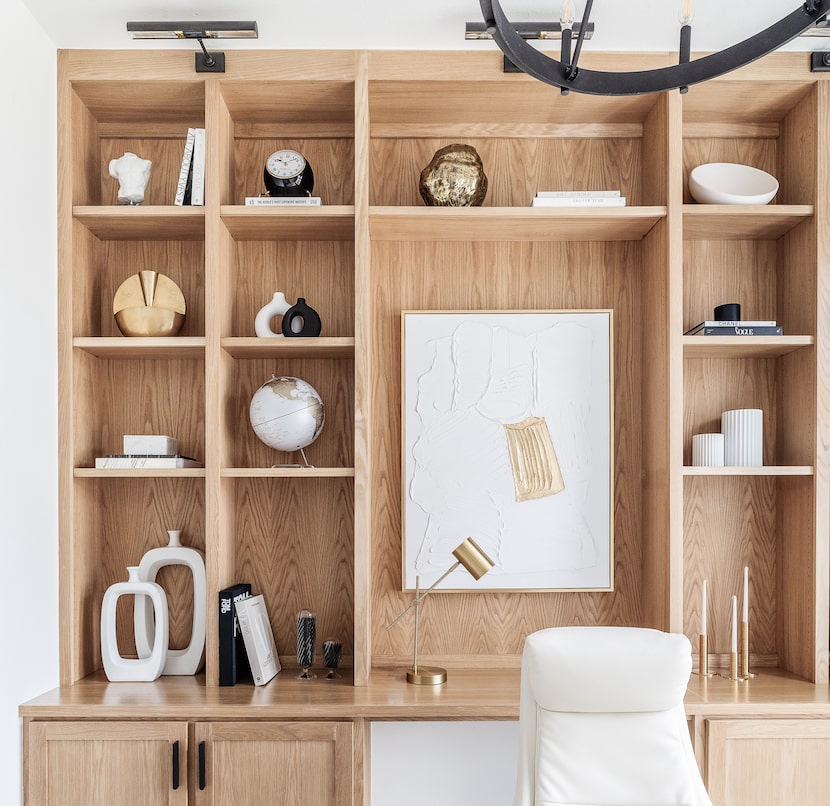
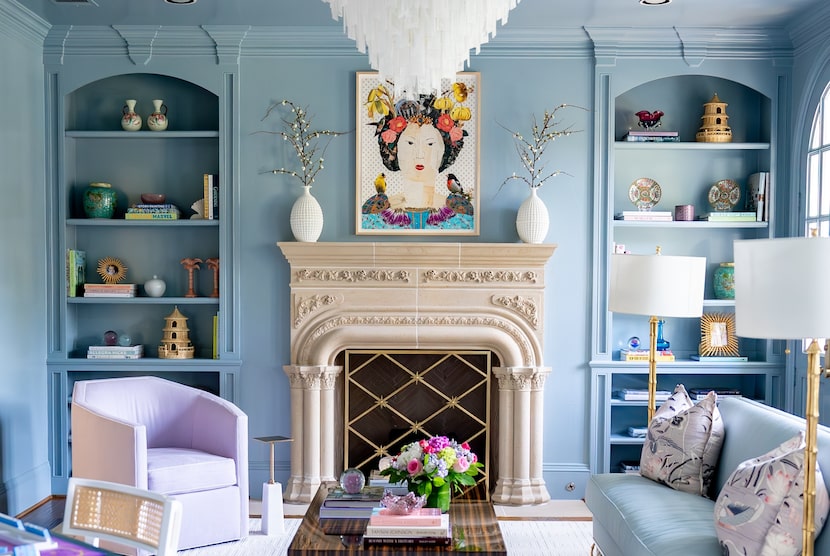
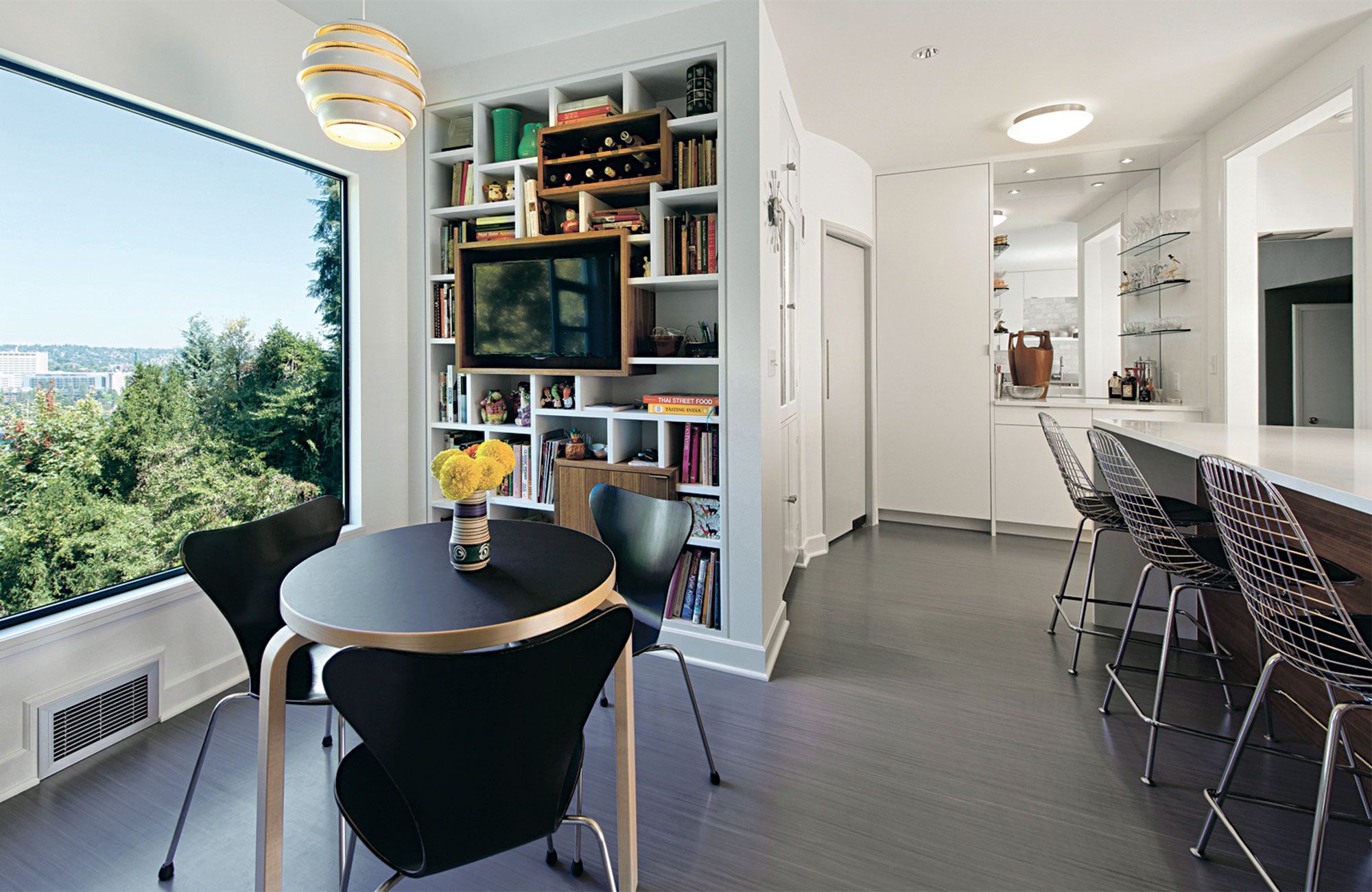
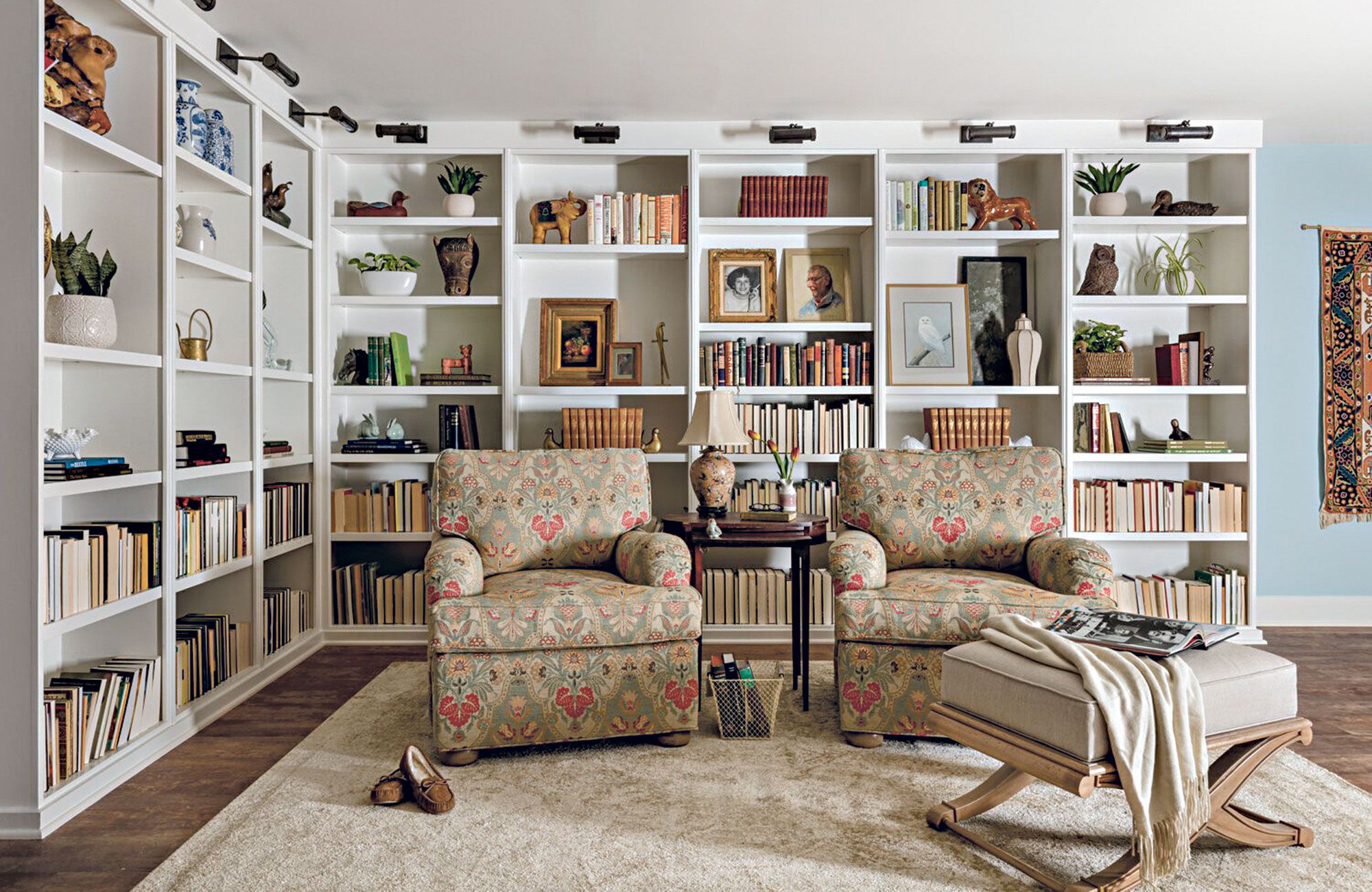
Incorporating decorative elements can further enhance the bookshelf's aesthetic and integrate it with the room's overall design. Items like photos, artwork, plants, or small sculptures can be used, but moderation is key to avoid overwhelming the space. Scott advises distributing decorative objects evenly and balancing larger items with smaller ones, suggesting a ratio of one decorative item for every few books.
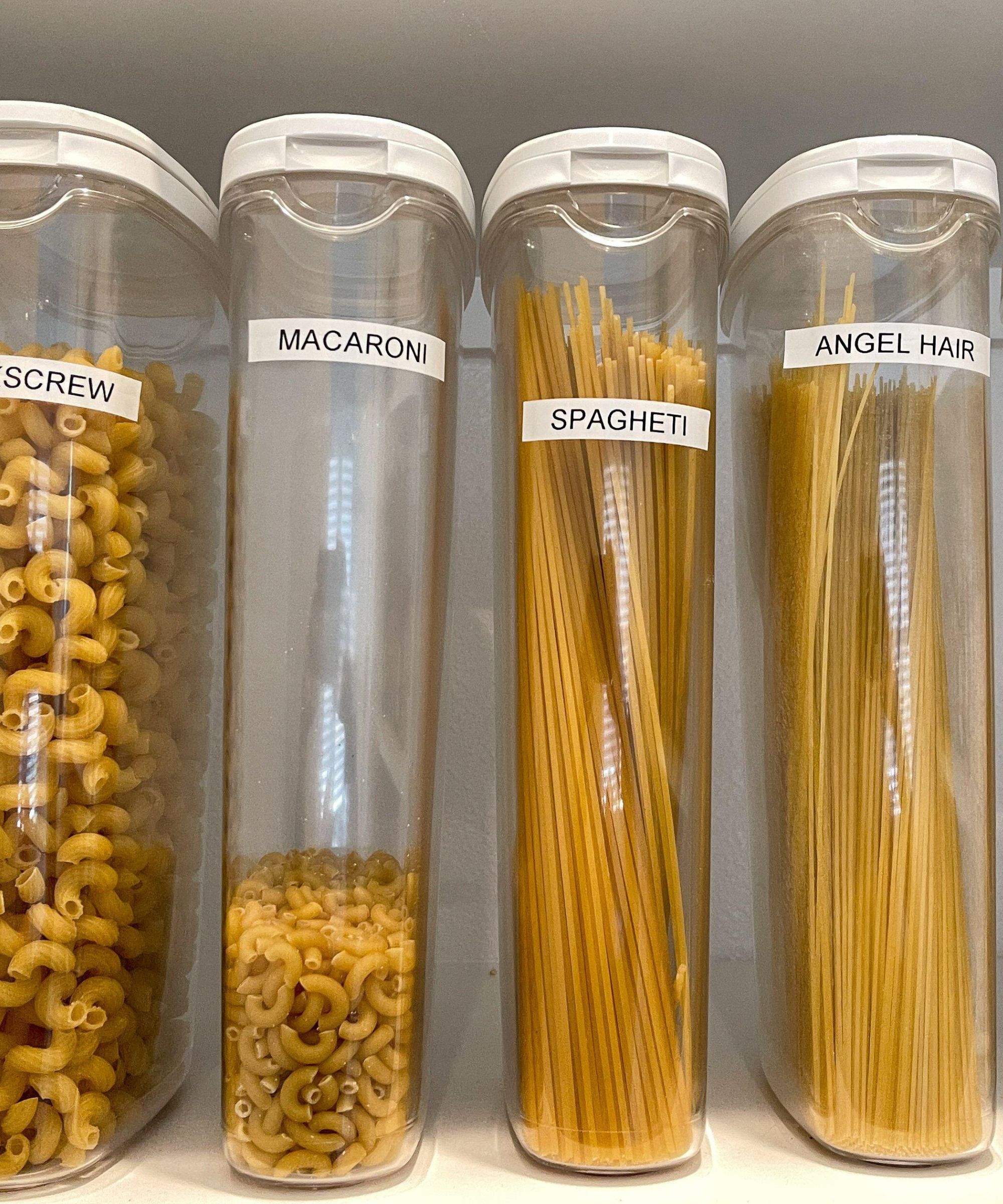
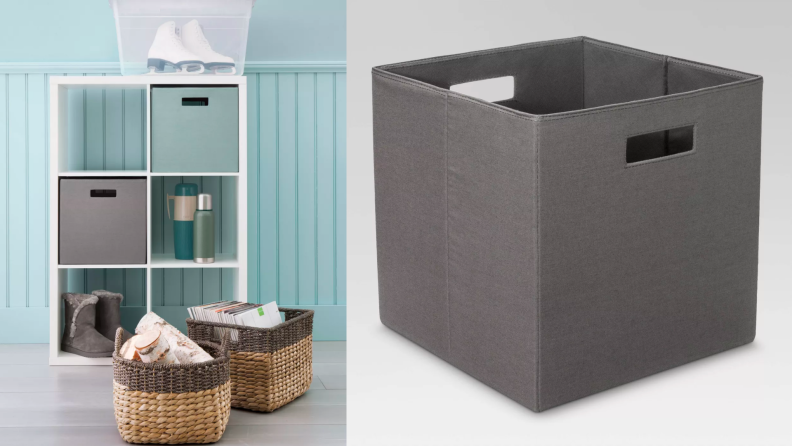
For individuals who prefer a more structured and visually calming environment, labeled bins or baskets can be utilized. These containers group similar items together, reducing visual clutter and offering a practical solution for finding and storing books. This method appeals to minimalists and anyone seeking efficient organization.
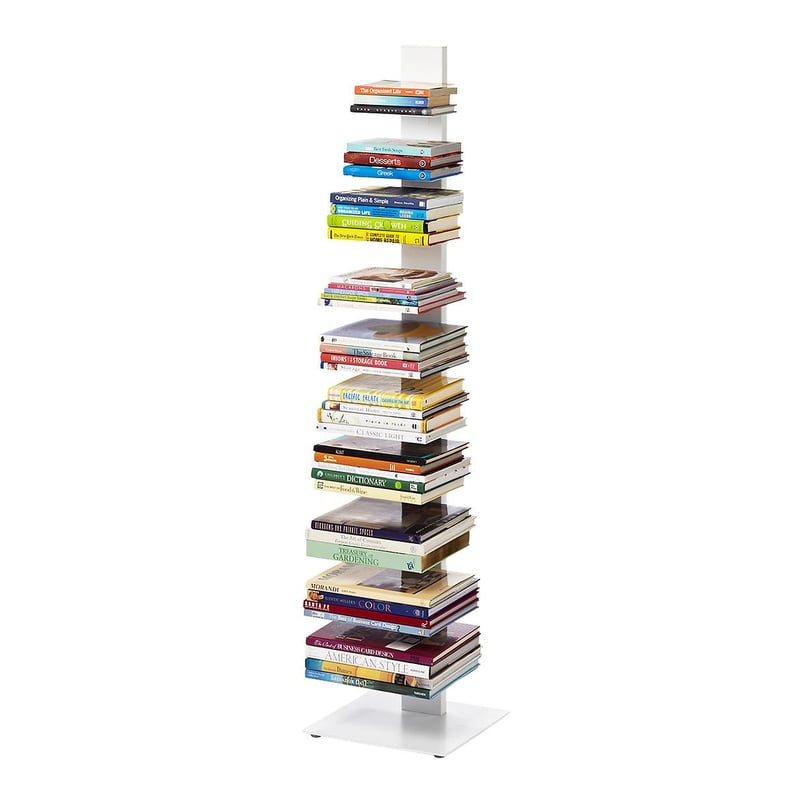
Finally, a fundamental principle for an uncluttered bookshelf is to embrace the concept of "less is more." Resisting the urge to fill every available space with books and decor is essential. Leaving some open space between items allows the eye to rest and highlights each piece, contributing to a lighter, more organized appearance. This practice prevents overcrowding and ensures each item has its distinct place on the shelf.
#BookshelfOrganization #HomeDecor #DeclutteringTips #ProfessionalOrganizers #HomeLibrary #InteriorDesign #StorageSolutions #AestheticOrganization #ClutterFree #BookshelfOrganization #HomeDecor #DeclutteringTips #ProfessionalOrganizers #HomeLibrary #InteriorDesign #StorageSolutions #AestheticOrganization #ClutterFree
0 comment in total
 No comments yet
You may also like
The Most Clever Bookshelf Organizing Tips
13 Professional Organizers on the One Item They Tell Every Client to Buy
Expert tips for organizing a closet and maximizing storage space

Storage & Organization

Organizing a bookshelf – 15 ways to keep on top of your tomes


Organizing Pro’s Genius Shower Caddy Hack Frees Up Closet Space + More Storage Tips

Professional Organizers Use These 17 Clever Items Every Day to Keep Their Own Homes Neat and Tidy

47 Storage Solutions That Will Make Clutter *Poof* Disappear
Transform Your Reading Nook With These 17 Genius Book Organizers
3 Common Decluttering Mistakes You’re Making and the Best Ways to Fix Them, From $10
The best storage essentials to help maximize your space in 2025

13 Things EVERY Professional Organizer Does to Keep Their Home Clutter-Free

7 Hacks That Will Keep Your Small Entryway Clutter-Free, According to Pro Organizers

10 storage products professional organizers say they can't live without
12 Best Prime Day Storage Deals, According to Pro Organizers

Fully booked: Tips for organizing your home library

If You're Trying To Hide All Your Junk In Plain Sight, Try These 24 Organization Products
Master the art of styling bookshelves with these tips from design experts

Hallway storage advice from the decluttering experts

8 things to get rid of in your bedroom, according to professional organizers