1/9
Transforming Textile Waste: How Sustainable Design is Shaping Eco-Friendly Home Decor
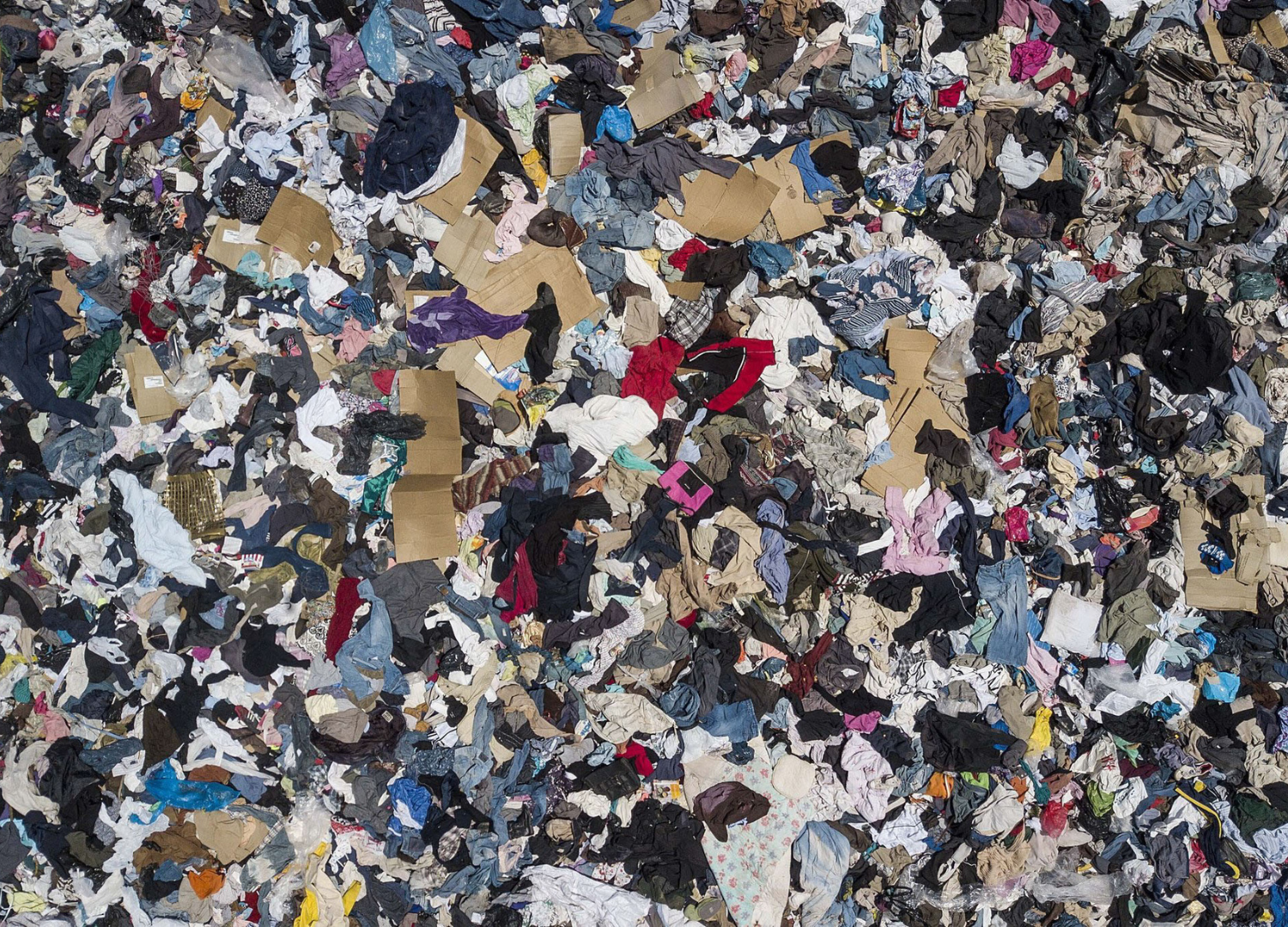
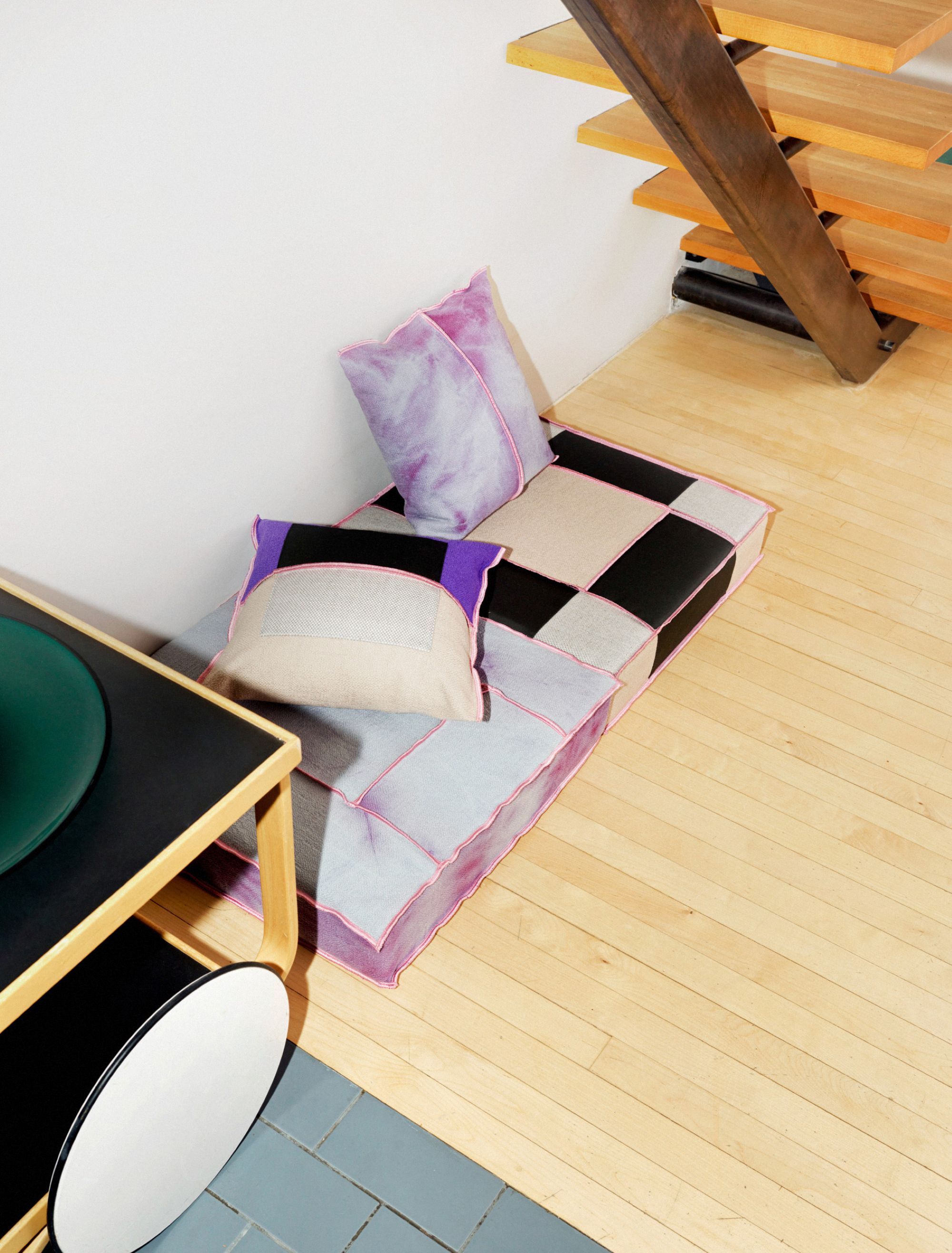
The textile industry generates vast quantities of fabric waste annually, with a significant portion ending up in landfills. This problem is being addressed through innovative collaborations that focus on transforming discarded textiles into functional and aesthetically pleasing home decor. One such project, a collaboration with Mobella Galleria, demonstrates how fabric scraps can be given a second life through creative design and manufacturing processes.
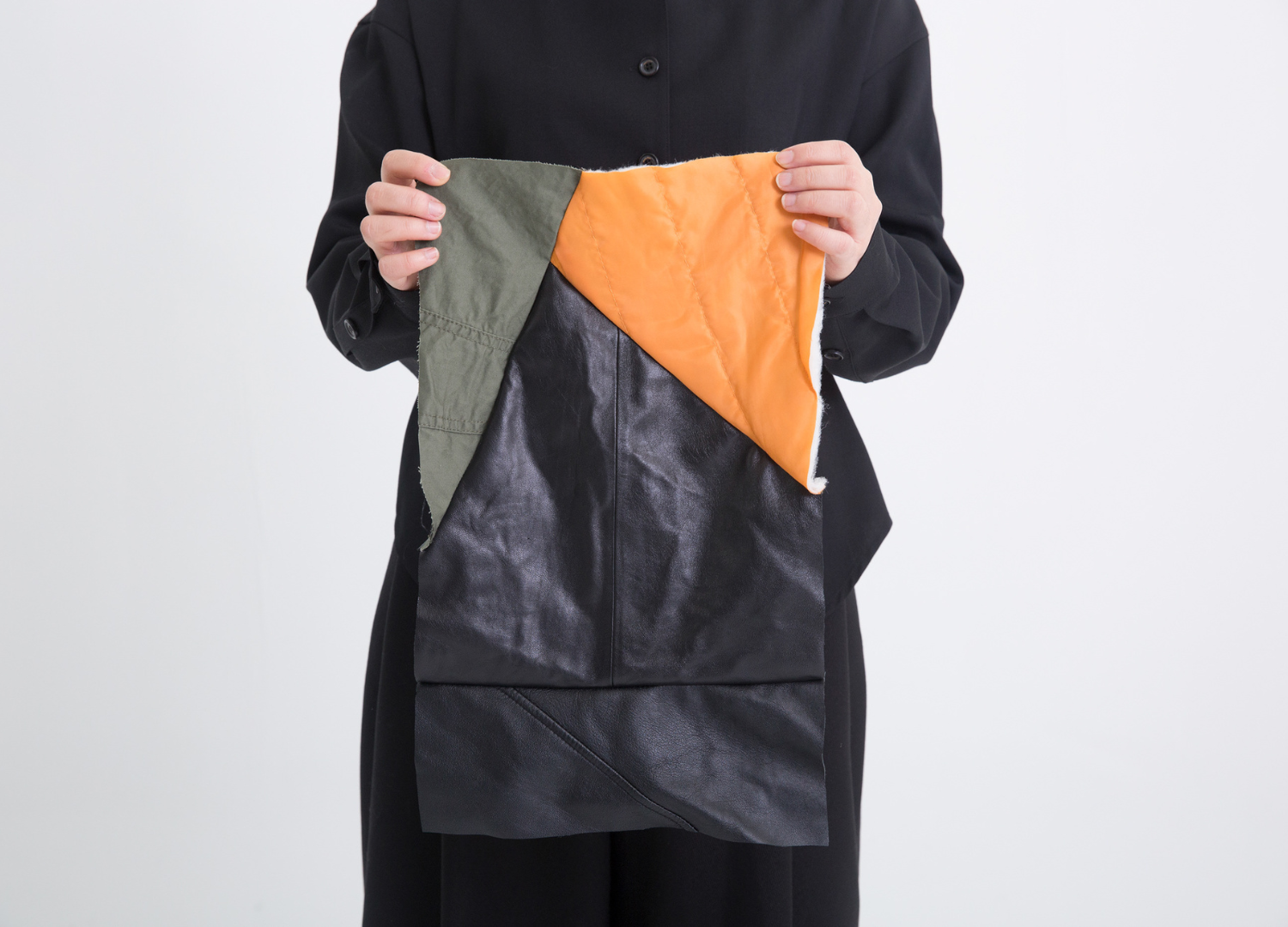
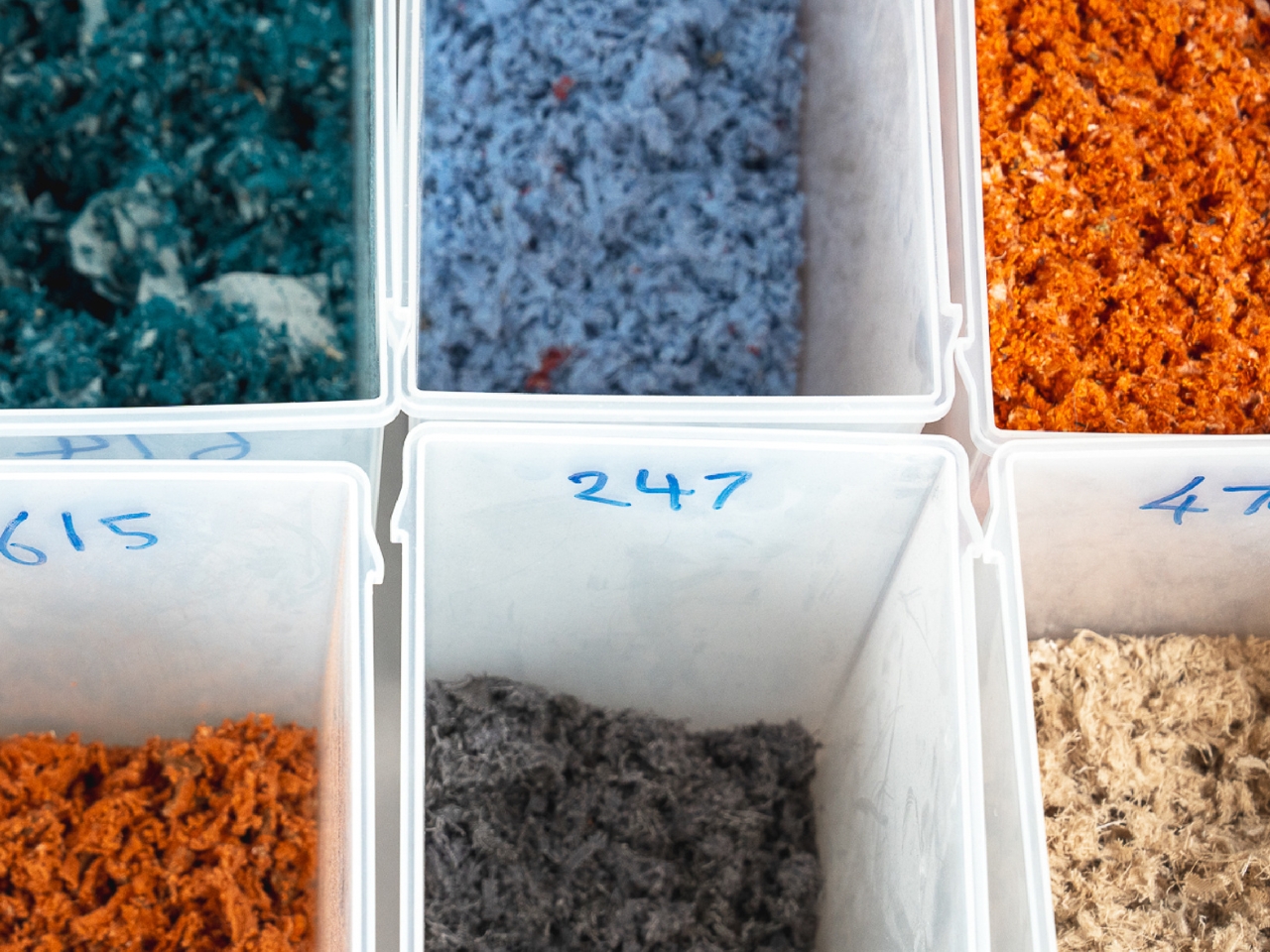
The core concept of this initiative is "deconstruct to reconstruct." Workshops bring together designers and makers to explore new uses for textile waste. Instead of viewing fabric scraps as refuse, they are seen as valuable resources. The process involves utilizing 3D-printed molds and finely shredded fabric waste. The processed textile waste is uniformly packed into these molds, then subjected to compression, which solidifies the material into a new shape. After careful removal from the molds, the result is a reimagined design object, showcasing that discarded materials can regain value.
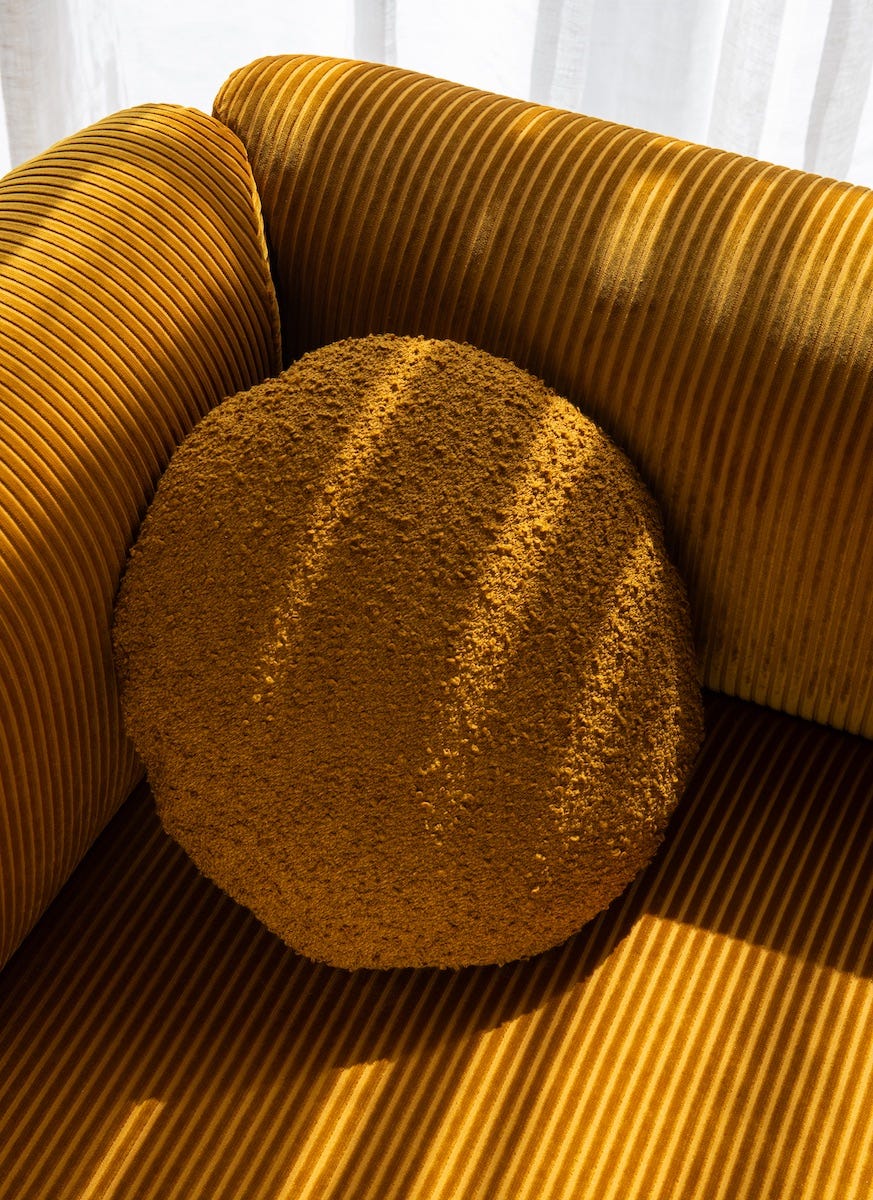
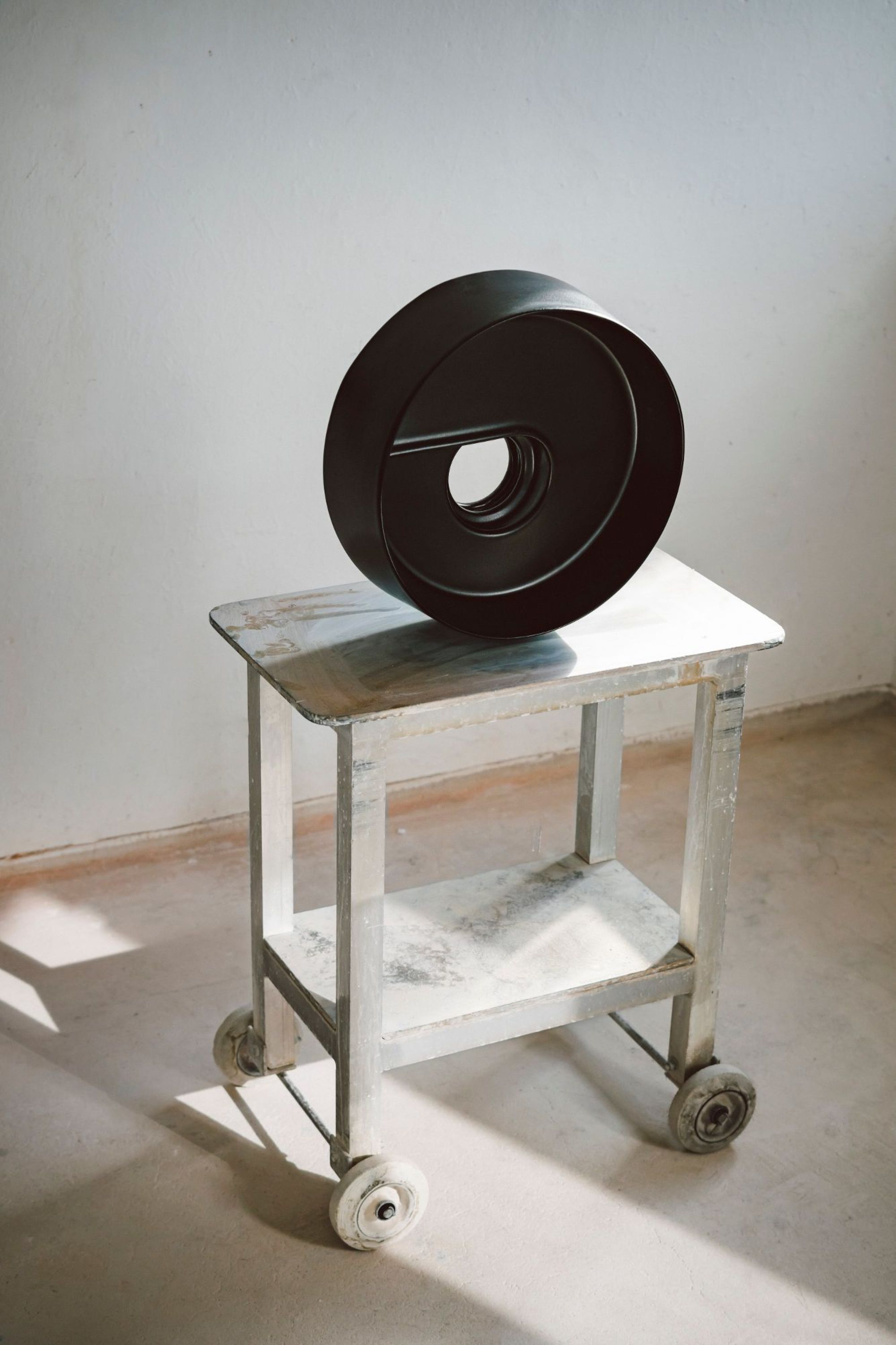
Several distinct pieces exemplify this approach. "Chubby" is a sculptural item created from compressed fabric fibers. It functions as both an art piece and a practical object, adding a unique, sustainable touch to home interiors. "Skates" is another innovative design—a tray equipped with wheels, made from molded textile waste and a roller attachment. This design transforms mundane tasks like serving or organizing into an interactive experience, highlighting the potential for sustainable products to be both fun and functional.
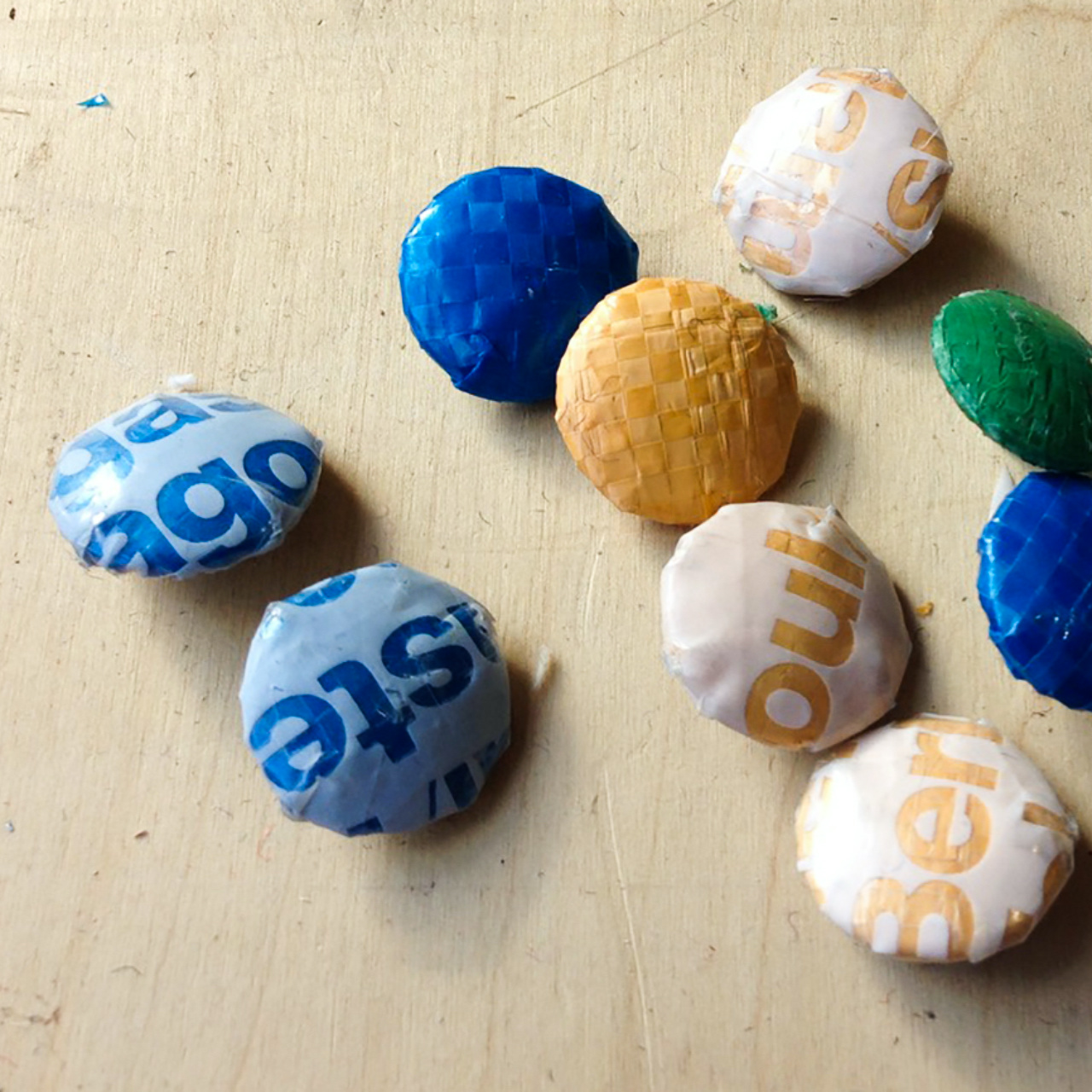
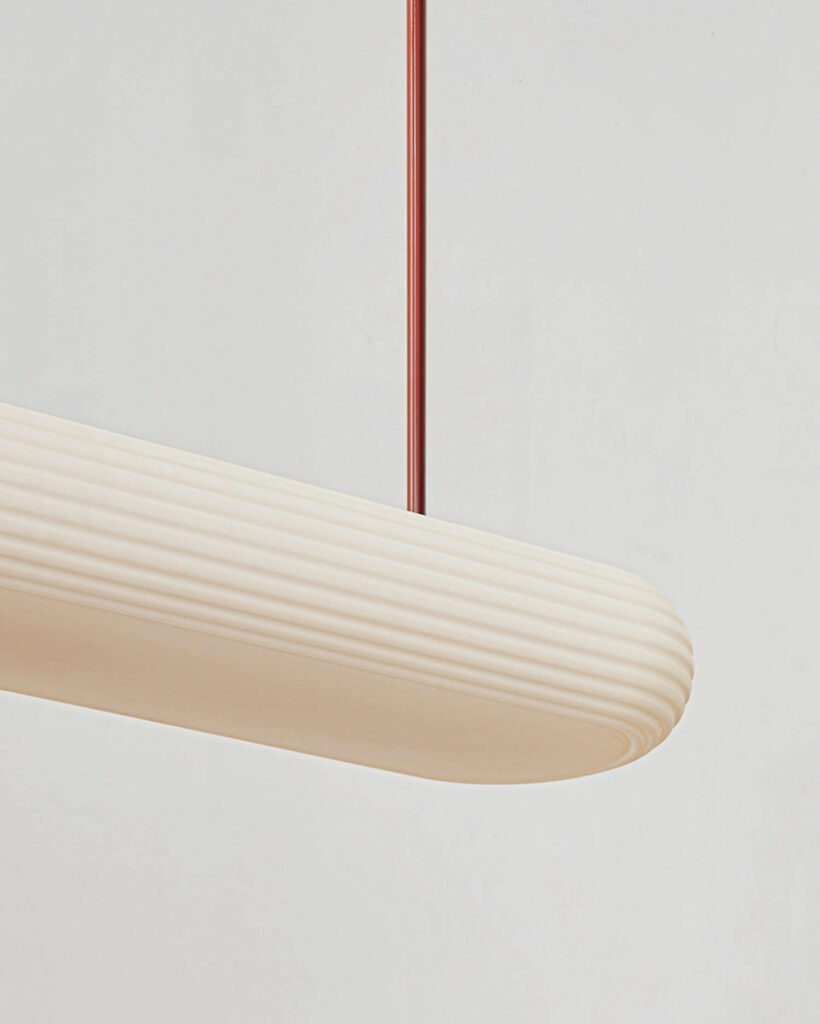
The "Link Floral Vase" introduces a modular approach to sustainable design. This vase is constructed from interlocking bricks, each made from repurposed fabric. Supported by a brass column, its customizable nature allows it to adapt to various spaces. The vase's varied heights and rhythmic pattern draw inspiration from musical harmony, blending natural aesthetics with artistic expression through sustainable methods. Similarly, the "Link Lamp" reinterprets lighting design. Inspired by the shape of a light bulb, this lamp features a neon tube running through its modular segments, producing a warm and continuous glow. Its flexible design enables it to suit diverse moods and environments, merging creativity with practicality.
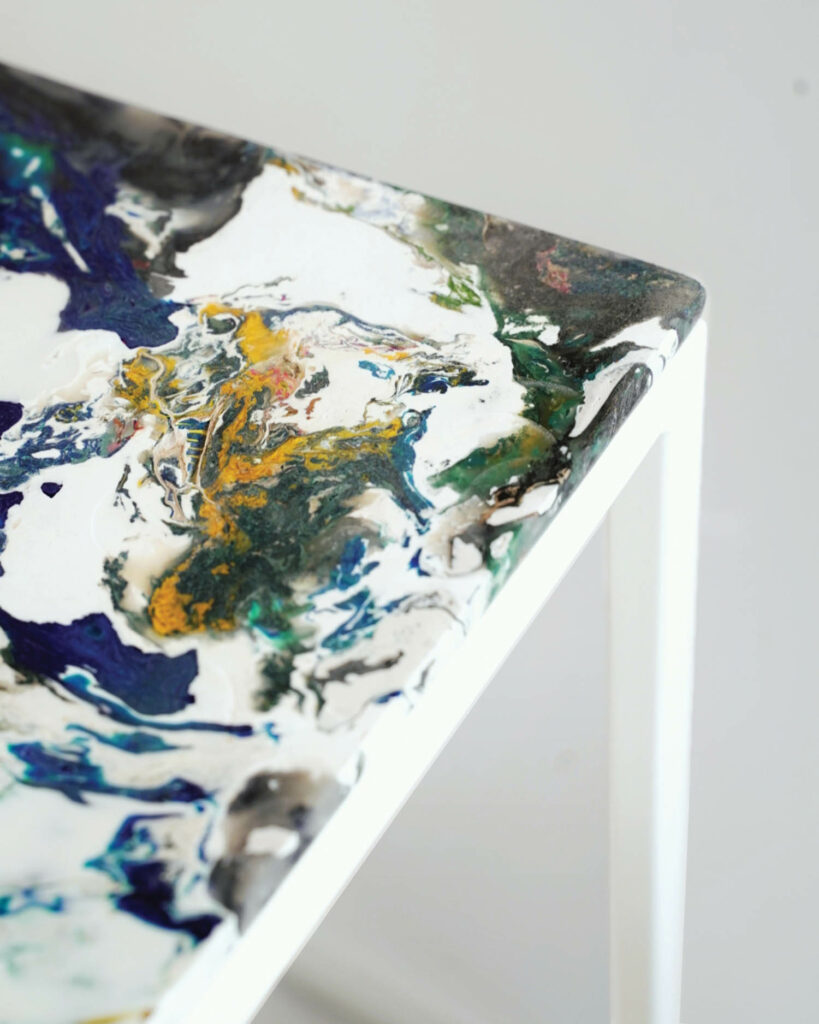
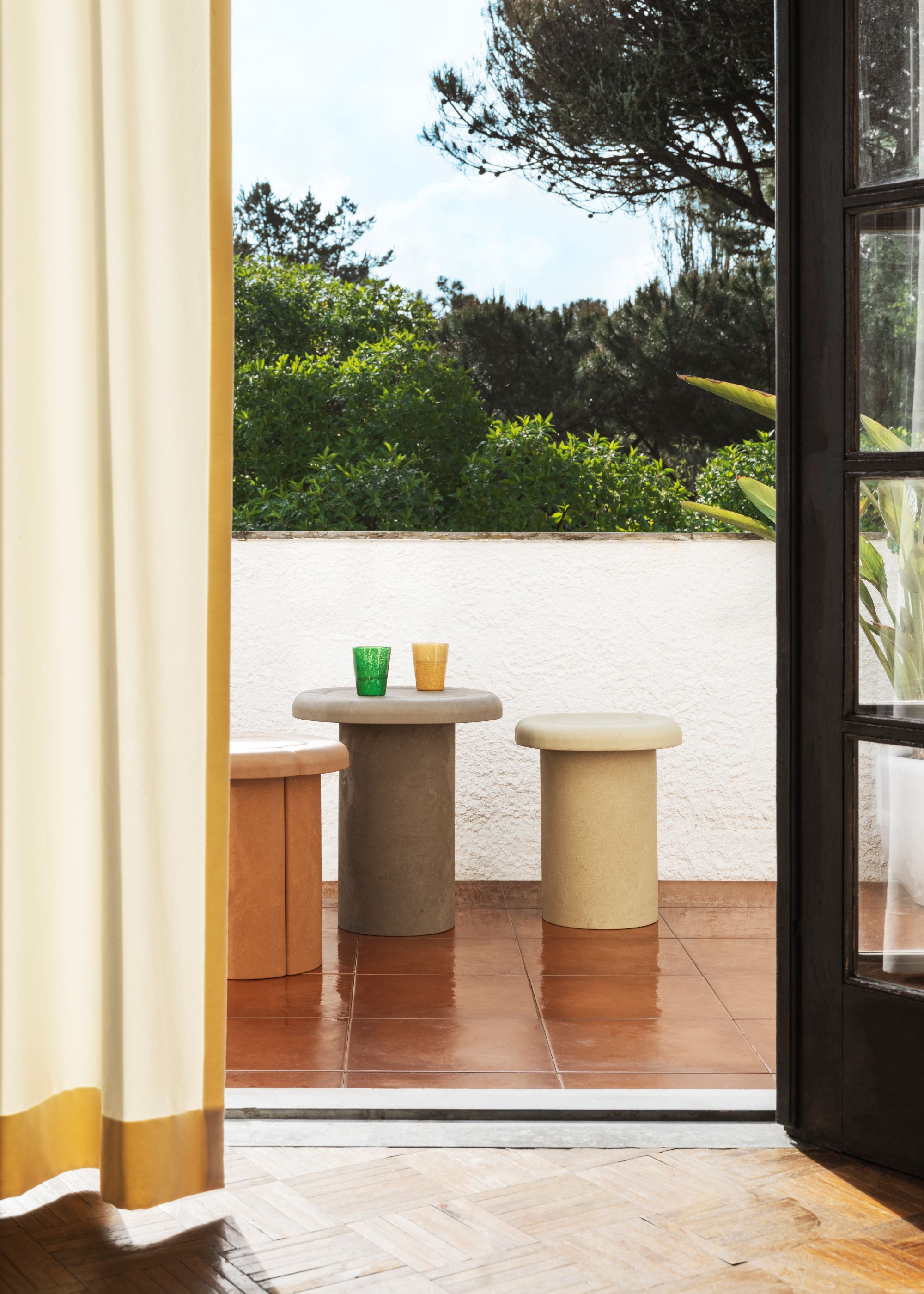
Completing the collection, the "Link Table" exemplifies upcycling by converting fabric offcuts into a side table. Its sculptural form evokes a bamboo forest, combining sturdiness with ease of assembly, as it requires no screws or additional hardware. This collaboration underscores a crucial message: with imagination and skilled craftsmanship, textile waste can be transformed into beautiful, purposeful items. These creations not only contribute to reducing environmental impact but also inspire a new perspective on discarded materials, establishing a new benchmark for sustainable design in home decor.
#SustainableDesign #TextileWaste #EcoFriendlyDecor #Upcycling #ProductDesign #HomeDecor #CircularEconomy #SustainableDesign #TextileWaste #EcoFriendlyDecor #Upcycling #ProductDesign #HomeDecor #CircularEconomy
0 commenti in totale
 Nessun commento ancora
Potresti anche gradire
These Fabric Manufacturers Are Planning to Save the World

Eco decor – 10 beautiful, sustainably-designed room ideas

7 Innovative Home Decor Items With Sustainable Origins

Trash to treasure: Upcycling and repurposing in sustainable interior design | Hindustan Times

New Upholstery Fabrics as an Expression of Environmental Responsibility and Creativity
Sustainable Home Décor: Eco-Friendly Interior Design Trends to Watch

From pixels to pillows: Intiaro analyst turns fabric waste into community joy

Where to Shop Sustainable Home Decor Online

Ella Doran Turns Waste Plastic into an Upholstered Chair With a Message

Sustainable home decor: Eco-friendly interior design trends to watch


Home Rescue's Dee Coleman on the six R's of sustainable interior design
Camira + SEAQUAL Turn Ocean Plastic into Upholstery Fabric

How a Plastic Water Bottle Becomes a Sofa (Hint: It’s Complicated)

Eco-Friendly Home Decor: Sustainable and Chic Ideas for 2023

I'm Obsessed With These 7 Home Brands Doing Cool Things in the Sustainability Space


How to Make Your Home More Sustainable, According to Design Experts

The Reborn project creates furniture using old clothes

Sustainable Interior Design Trends for 2024: Embracing Eco-Friendly Living

How I encourage my clients to make sustainable choices in their interior design
Timeless Eco-Friendly Home Decor for a Sustainable Living