1/6
New Upholstery Fabrics as an Expression of Environmental Responsibility and Creativity
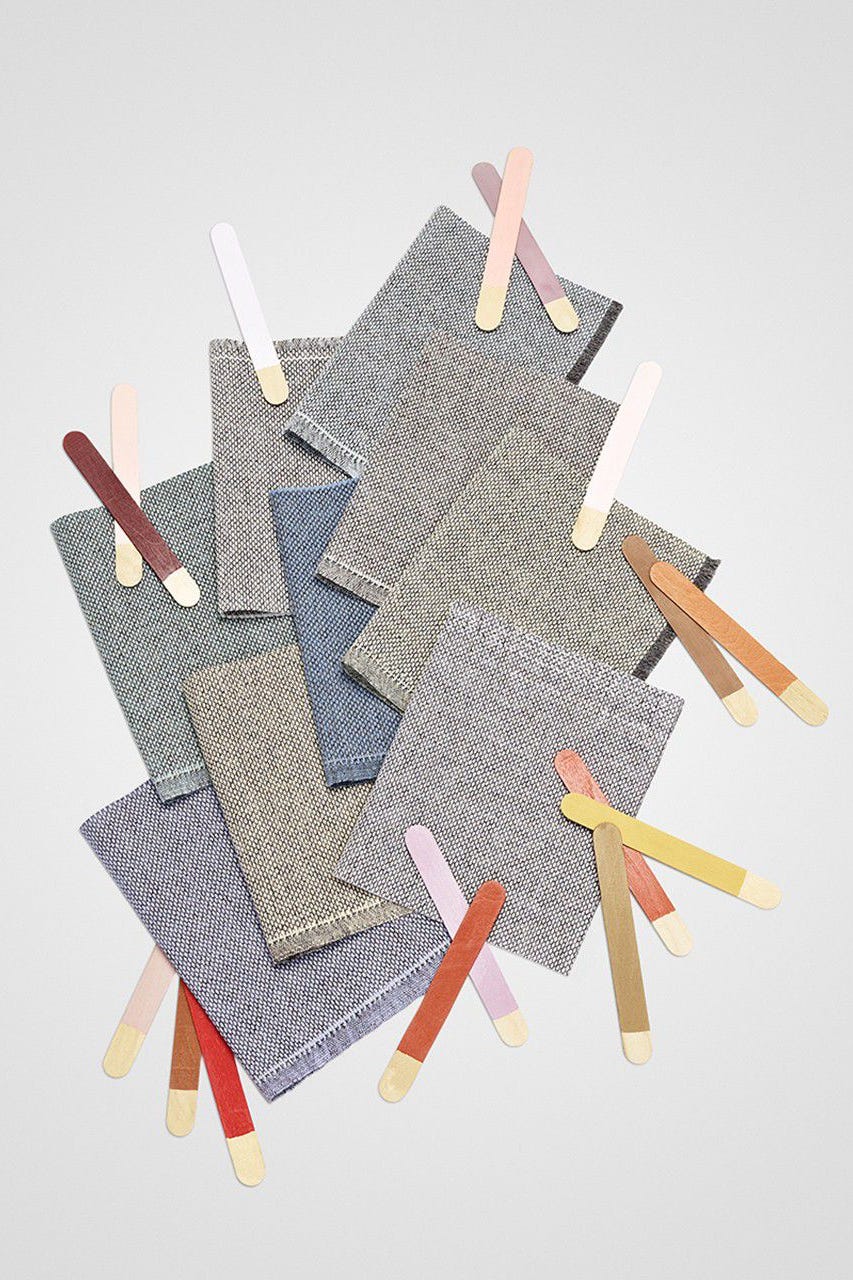
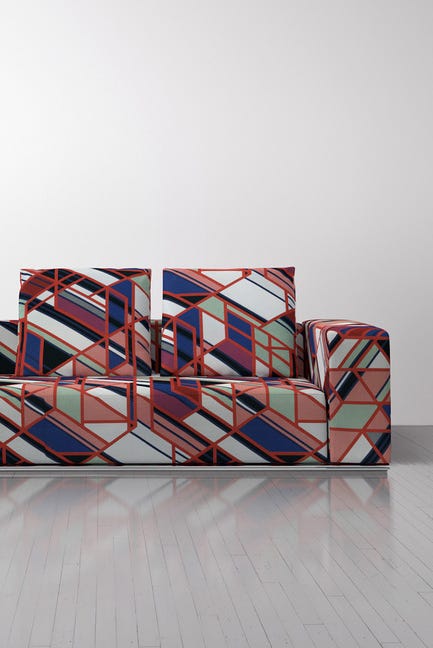
The increasing emphasis on sustainability in textile production is driving innovation in contemporary furnishing fabrics. These new textiles demonstrate high standards of quality and are becoming an integral part of overall design, moving beyond merely being a differentiating feature. The article highlights a pioneering approach that addresses current ecological challenges by exploring the mechanical and sensorial properties of materials, from fibers to finishes, to enhance their expressive richness while minimizing environmental impact without sacrificing beauty or performance. This evolution signifies a shift where fabrics are central to the creative process, prompting even educational institutions to focus on textile culture through specialized courses and masterclasses on durability, reuse, recycling, and disposal, thereby fostering a circular economy model.
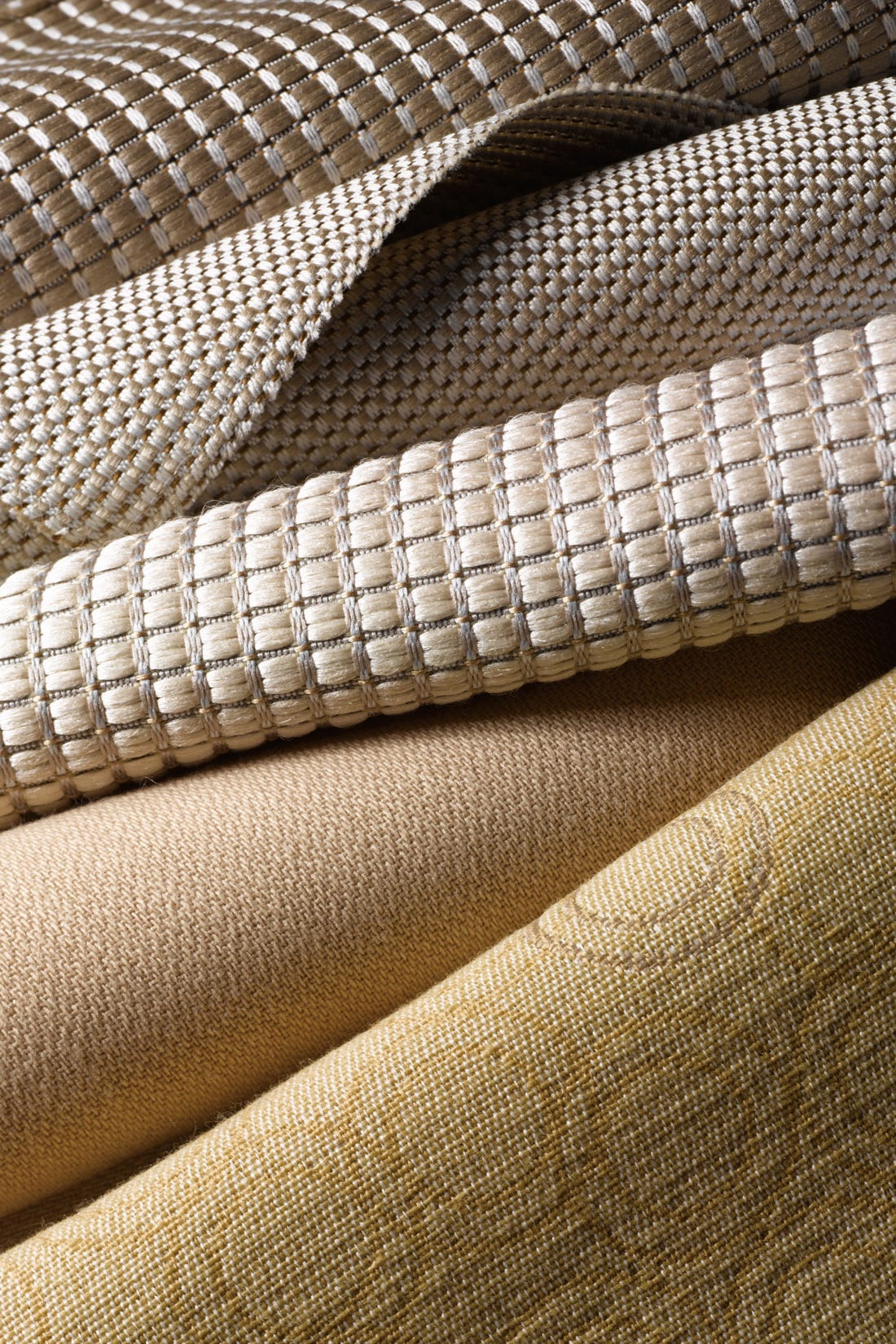
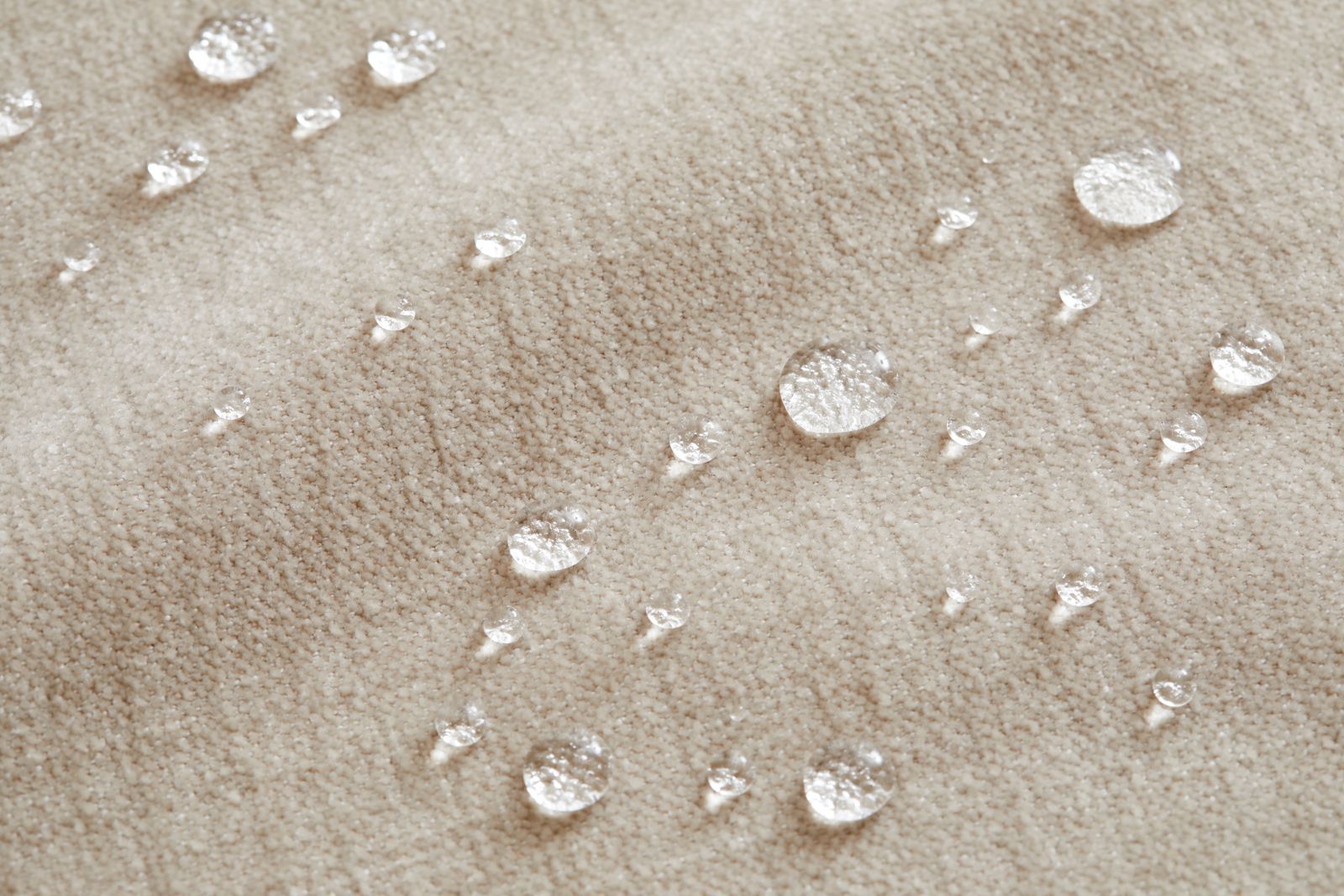
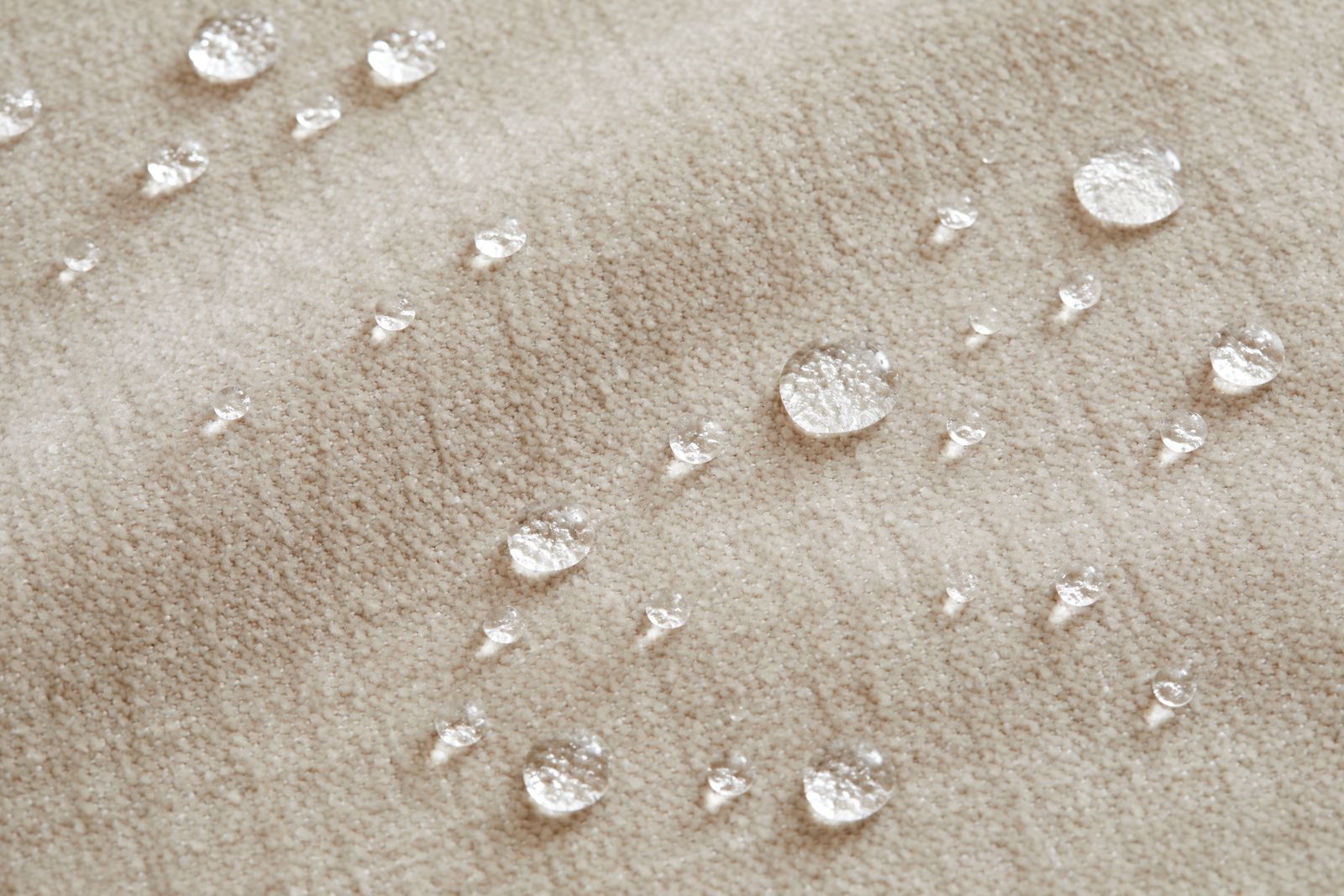
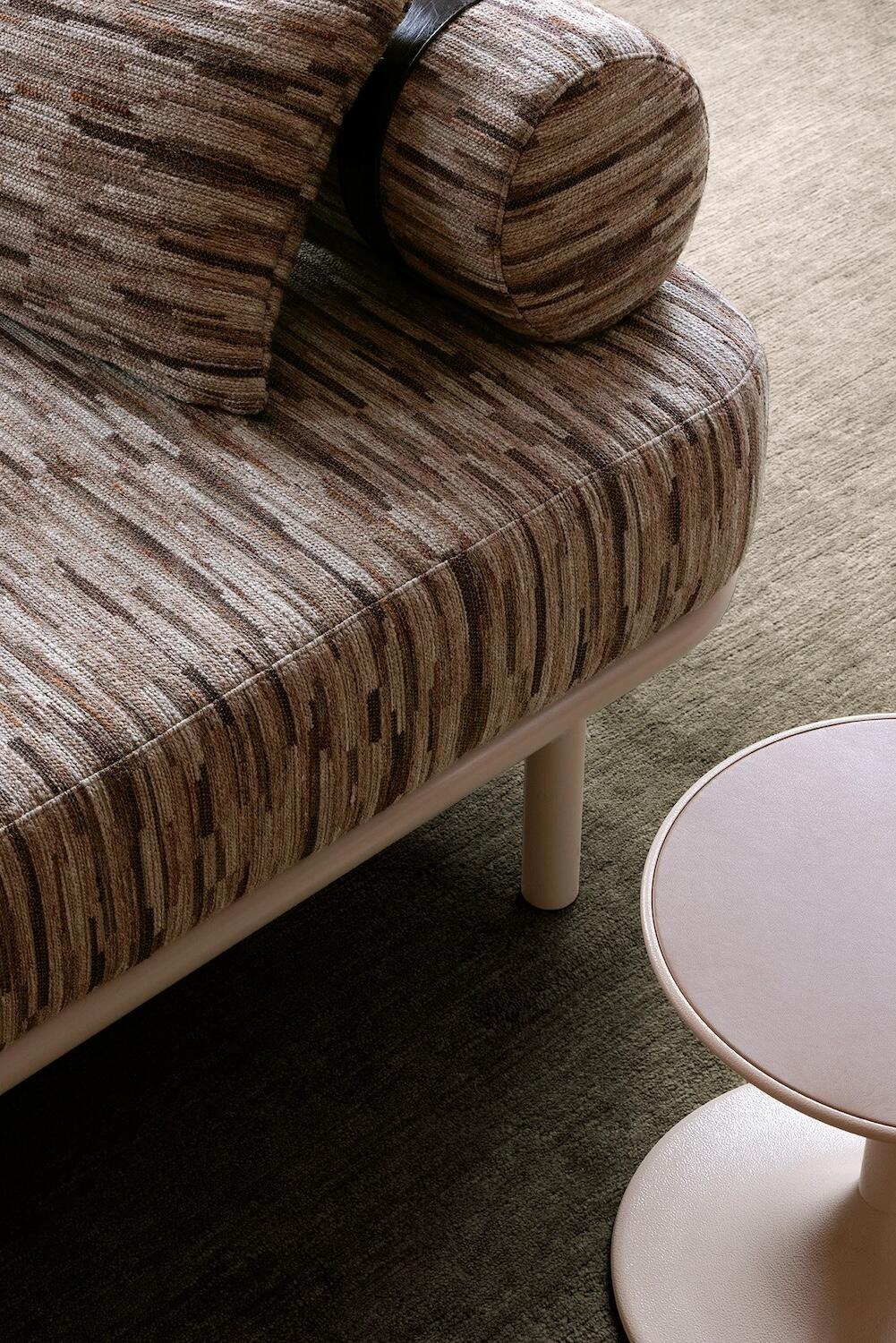
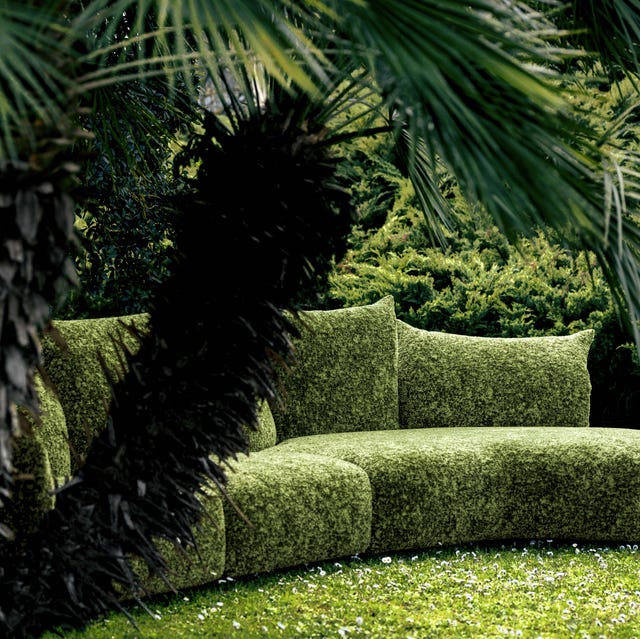
Several companies are leading this charge with innovative fabric collections. Edra's Verde Alpi/Every Stone, for instance, draws inspiration from nature. Monica Mazzei, Vice President of Edra, describes it as a luminous fabric resembling a sunlit meadow, creating a three-dimensional, irregular material that showcases tonal variations. This fabric is designed to withstand light and the elements, making it suitable for both indoor and outdoor use, reflecting continuous research and exceptional craftsmanship. Its reliability is a testament to the brand's commitment to quality and thoughtful material development.
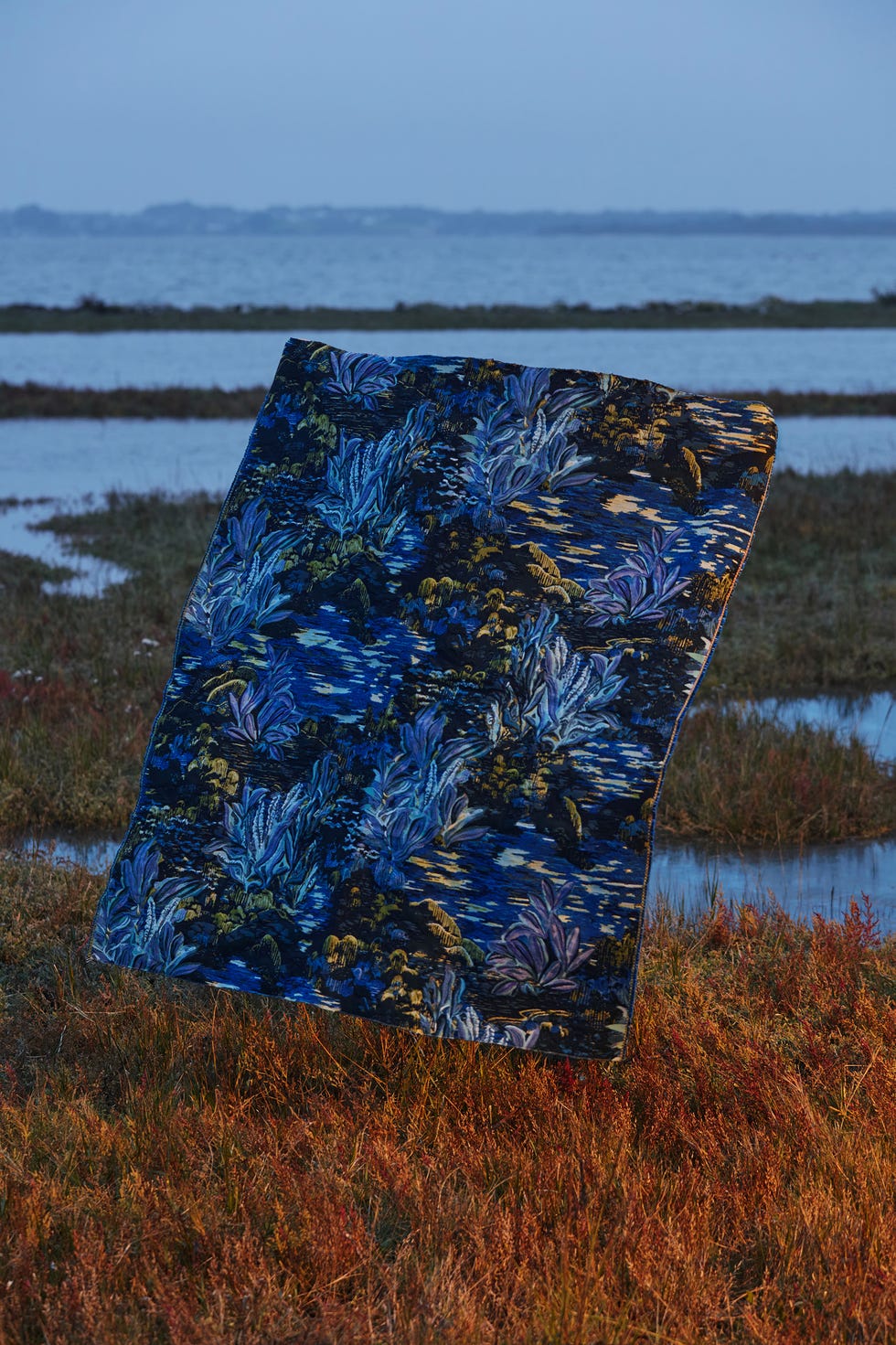
The Racines collection, a collaboration between French producer Élitis and the Luma research laboratory, embodies bioregional design principles. It utilizes Arles merino wool and involves a regional industrial ecosystem to achieve a delicate, nuanced color palette derived from living organisms and agricultural by-products. This approach fosters a deep connection to the local landscape, reimagining textile sourcing and production by reclaiming abundant natural resources, which results in a vibrant, organic visual quality and a new way of living.
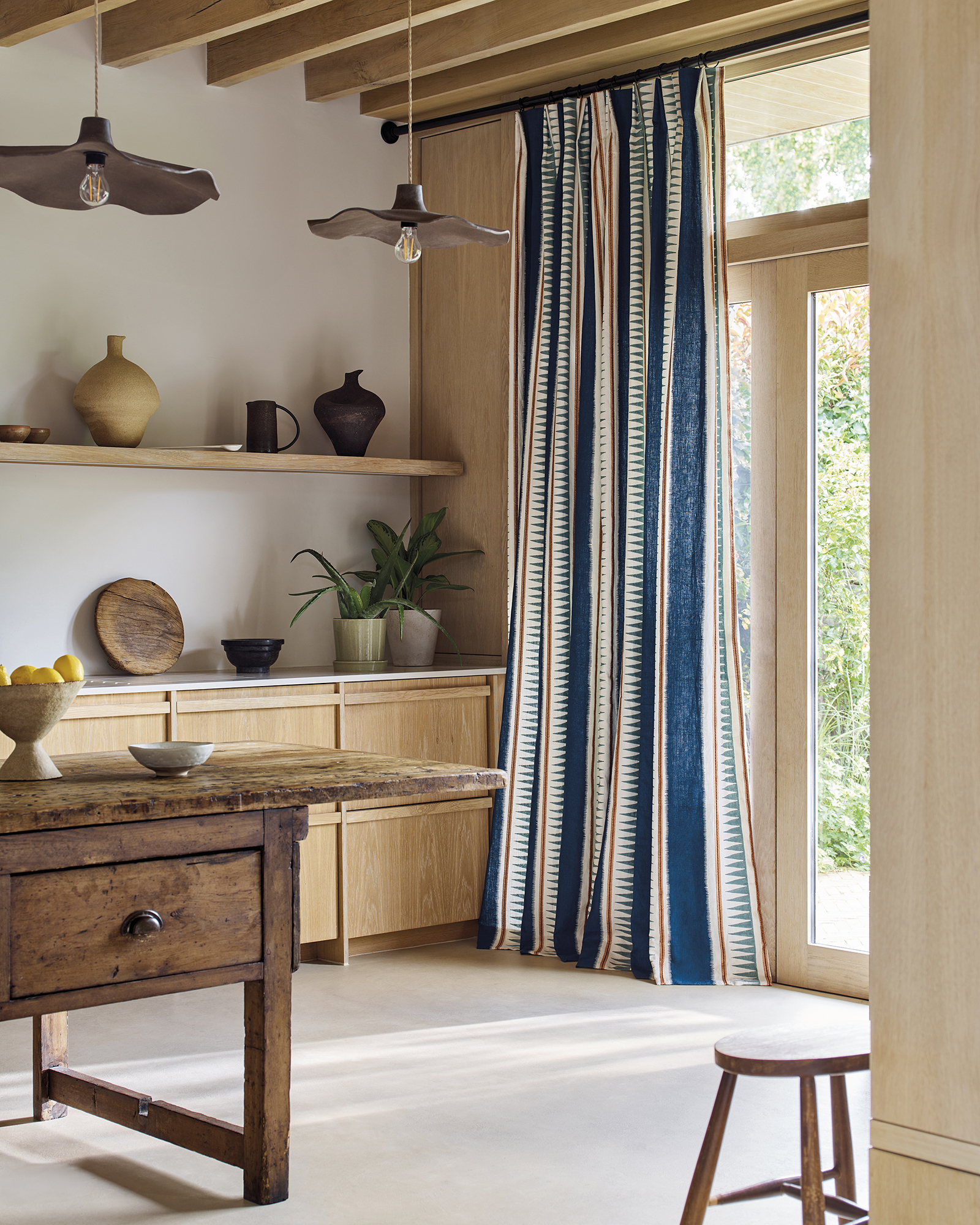
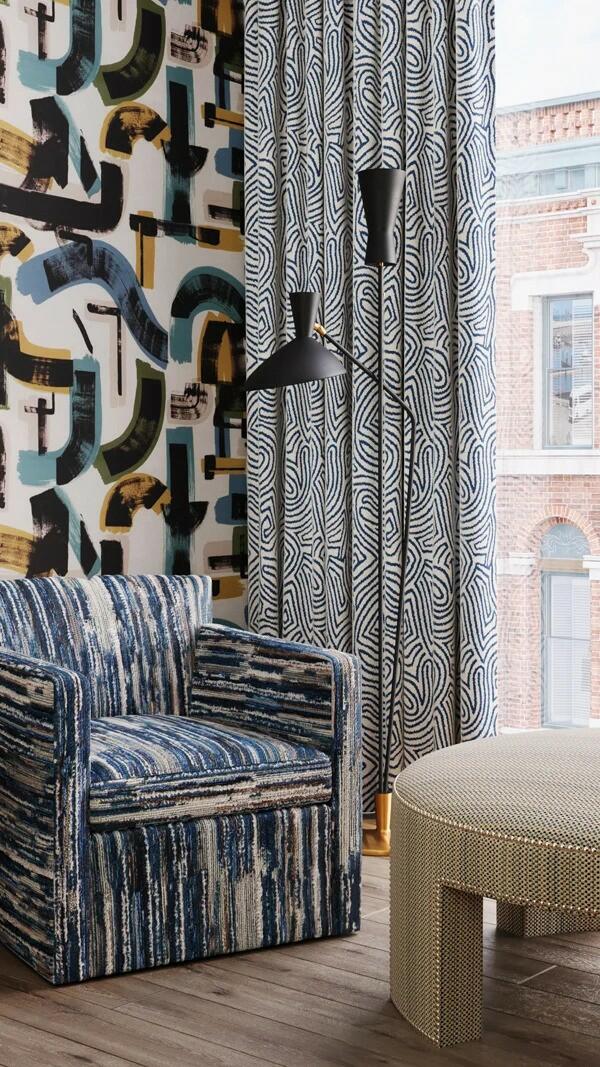
Fischbacher 1819’s BENU Recycled Upholstery collection focuses on recycled materials. These flame-retardant fabrics are made from post-consumer PET bottles, industrial remnants, and fashion-industry offcuts. They are re-engineered into textiles suitable for intensive yet refined use, maintaining exceptional aesthetic and tactile value. The collection offers a range of textures, including thick bouclé and soft velvets, as well as double-face blackout fabrics and graphic jacquards. Featured examples include the Benu Bouclé Recycled FR, with its rich, soft looped texture available in nine colors, and the Benu Velvet Dstripe Recycled FR, a fine-striped velvet suitable for upholstery and drapery, offered in eight shades.
Linificio e Canapificio Nazionale’s LINOX yarn is another example of innovative sustainable textile production. This patented yarn combines linen with an ultra-fine 100% stainless steel thread, resulting in a fabric that is soft, pleasant to the touch, and reflects light beautifully, adding an elegant and sophisticated character. Available in raw and vibrant colored versions, Linox showcases the company's dedication to balancing beauty, innovation, and environmental respect. Its production uses 100% Italian-cultivated flax, guided by principles of regenerative agriculture, which ensures fair income for farmers and promotes eco-friendly cultivation methods, thus preserving and reviving flax-growing traditions.
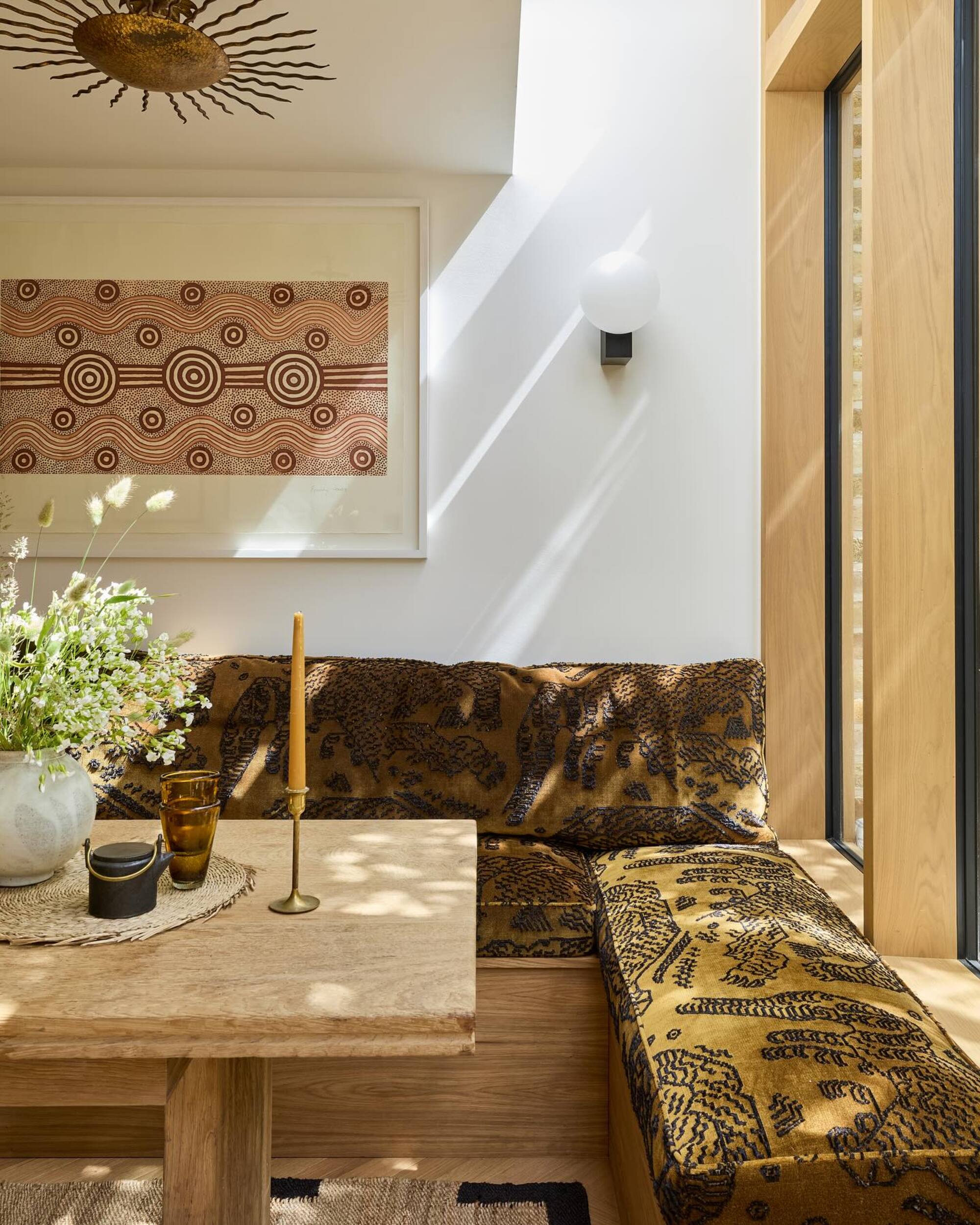
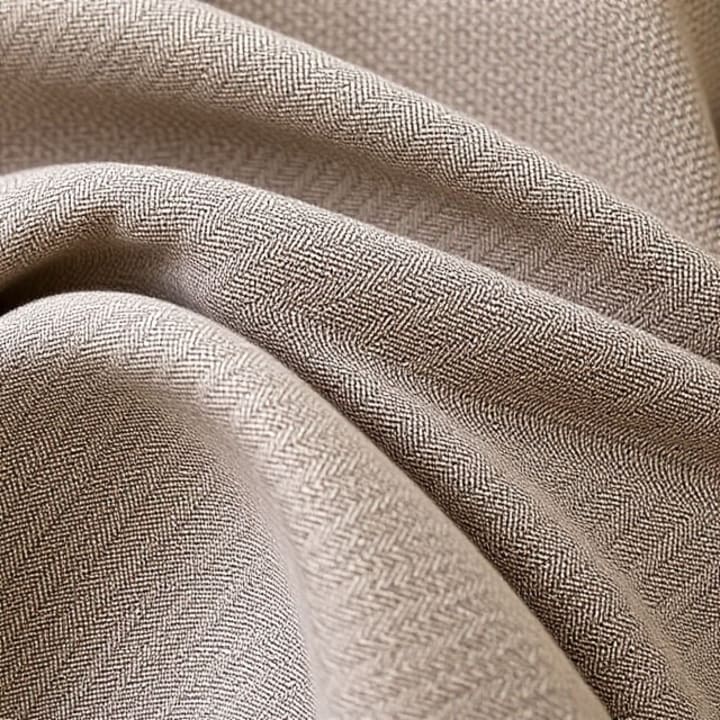
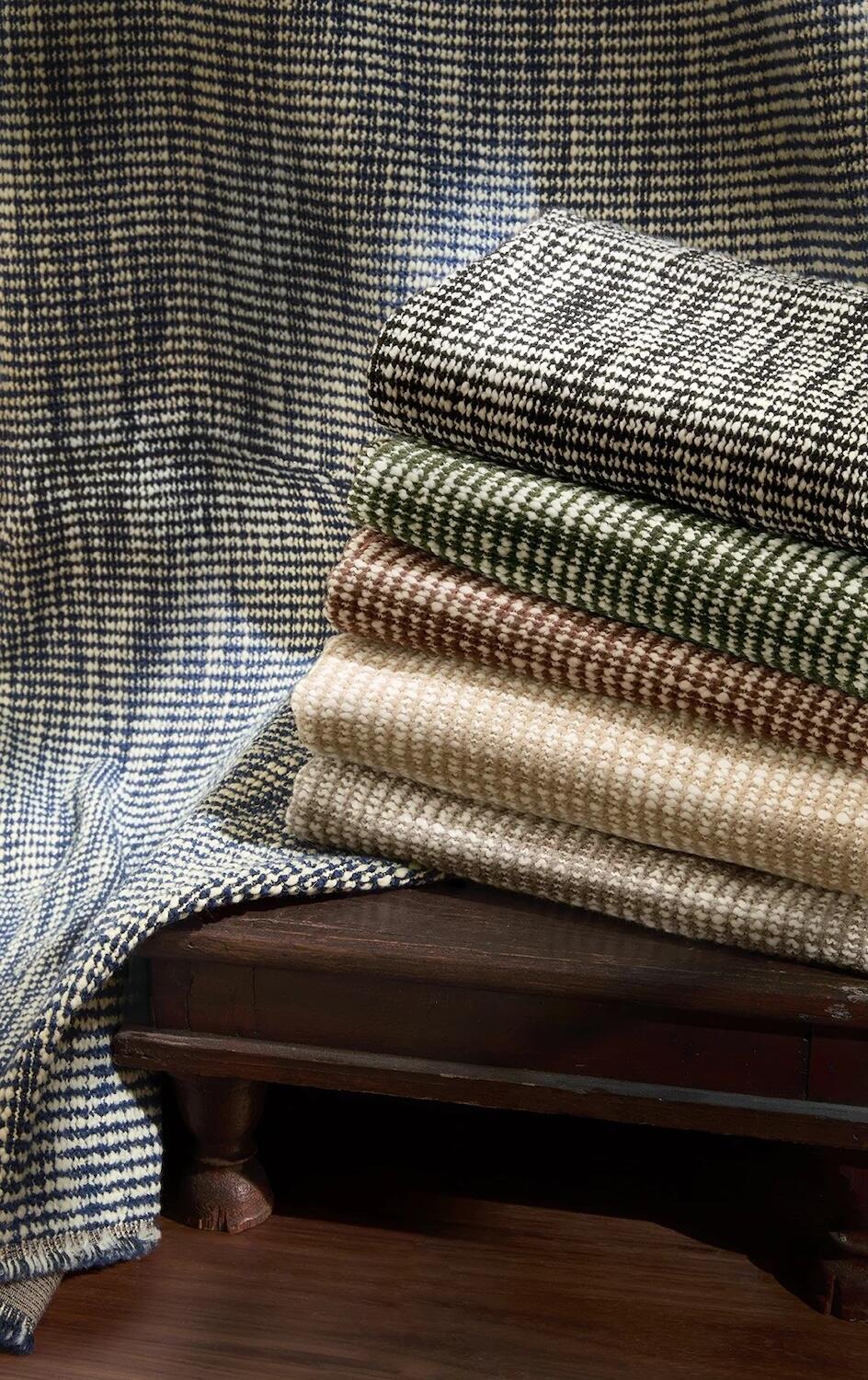
Finally, Rubelli’s Teorema collection, designed by Formafantasma, features upholstery fabrics made from fine New Zealand wool, expertly spun and twisted in Italy, blended with a chenille thread. This blend makes the wool softer and more appealing, both visually and tactilely, while providing exceptional durability. The Sherlock fabric, part of this collection, uses wool in the warp and chenille in the weft to create a dense, compact, and tactile canvas. It is flame-retardant and possesses a subtle iridescent effect, offered in 27 colors, predominantly neutral tones. These examples collectively illustrate the industry's commitment to combining aesthetic excellence with environmental responsibility and creative innovation.
#UpholsteryFabrics #SustainableTextiles #EnvironmentalResponsibility #InteriorDesign #MaterialInnovation #CircularEconomy #EcoFriendlyDesign #HomeFurnishings #UpholsteryFabrics #SustainableTextiles #EnvironmentalResponsibility #InteriorDesign #MaterialInnovation #CircularEconomy #EcoFriendlyDesign #HomeFurnishings
0 comment in total
 No comments yet
You may also like
These Fabric Manufacturers Are Planning to Save the World

A next-generation material for sustainable padding applications

12 Fabric Brands Everyone Should Have in Their Little Black Book If You Want to Go Bespoke and Elevate Your Home

MC Pillows Creates One-of-a-Kind Decor Using Fabric Scraps

The 5 Fabric Trends Ruling Interiors Now, According to the Pros

10 reasons to make natural-fiber textiles your go-to fabrics

7 Fabric Trends Taking Over Interior Design in 2024

Far out: 8 space dye–inspired fabrics for a trippy touch

The 5 fabric trends ruling interiors now, according to the pros

Why Consumers Want the Look & Feel of Natural Fibers at Home

The Best Upholstery Fabrics of 2025: Comfort, Durability, and Style

Textiles and Wallpapers Take to Both the Indoors and Outdoors at Maison&Objet as a Metaphor for Elegance
Digitally printed silicone upholstery


The Reborn project creates furniture using old clothes
Sebastian Cox reveals why sustainable fabrics are so important – and how to shop them

Eco decor – 10 beautiful, sustainably-designed room ideas
The New Fabric Launches Worth Knowing About
The Best British Textile Designers - Interiors 2023
Camira + SEAQUAL Turn Ocean Plastic into Upholstery Fabric

Julia Sobrepeña King’s contrary curation of orange zellige tile, bright green rugs and curly gray shearlings