1/25
10 reasons to make natural-fiber textiles your go-to fabrics
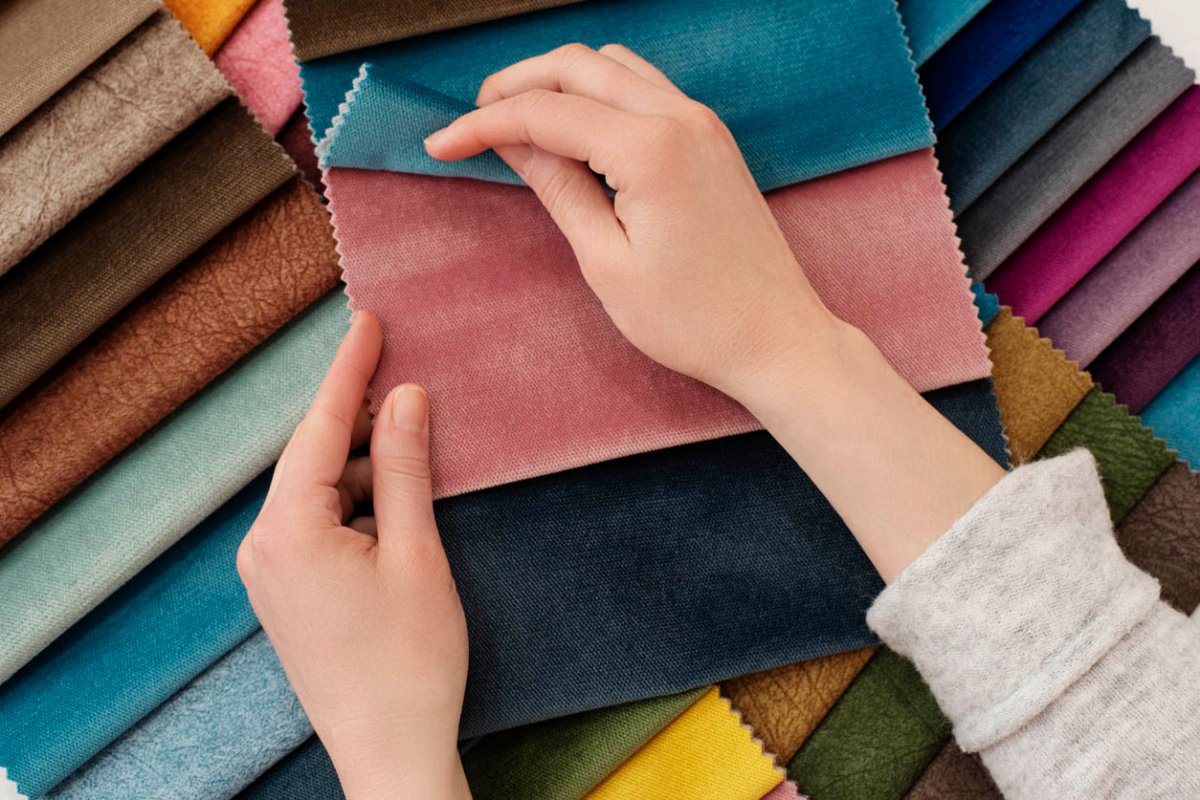
The increasing urgency of the climate crisis necessitates a reevaluation of material choices in interior design, particularly concerning textiles. While performance fabrics and synthetic blends have gained popularity for their durability and affordability, natural-fiber textiles such as cotton, linen, and hemp offer a more sustainable alternative. Petroleum-based synthetic fabrics contribute to pollution and global warming, making plant-based fibers a healthier choice for both humans and the environment. Moreover, the argument for cost efficiency with synthetics is often negated by their shorter lifespan compared to durable natural fibers, emphasizing that true good design prioritizes longevity and environmental responsibility.
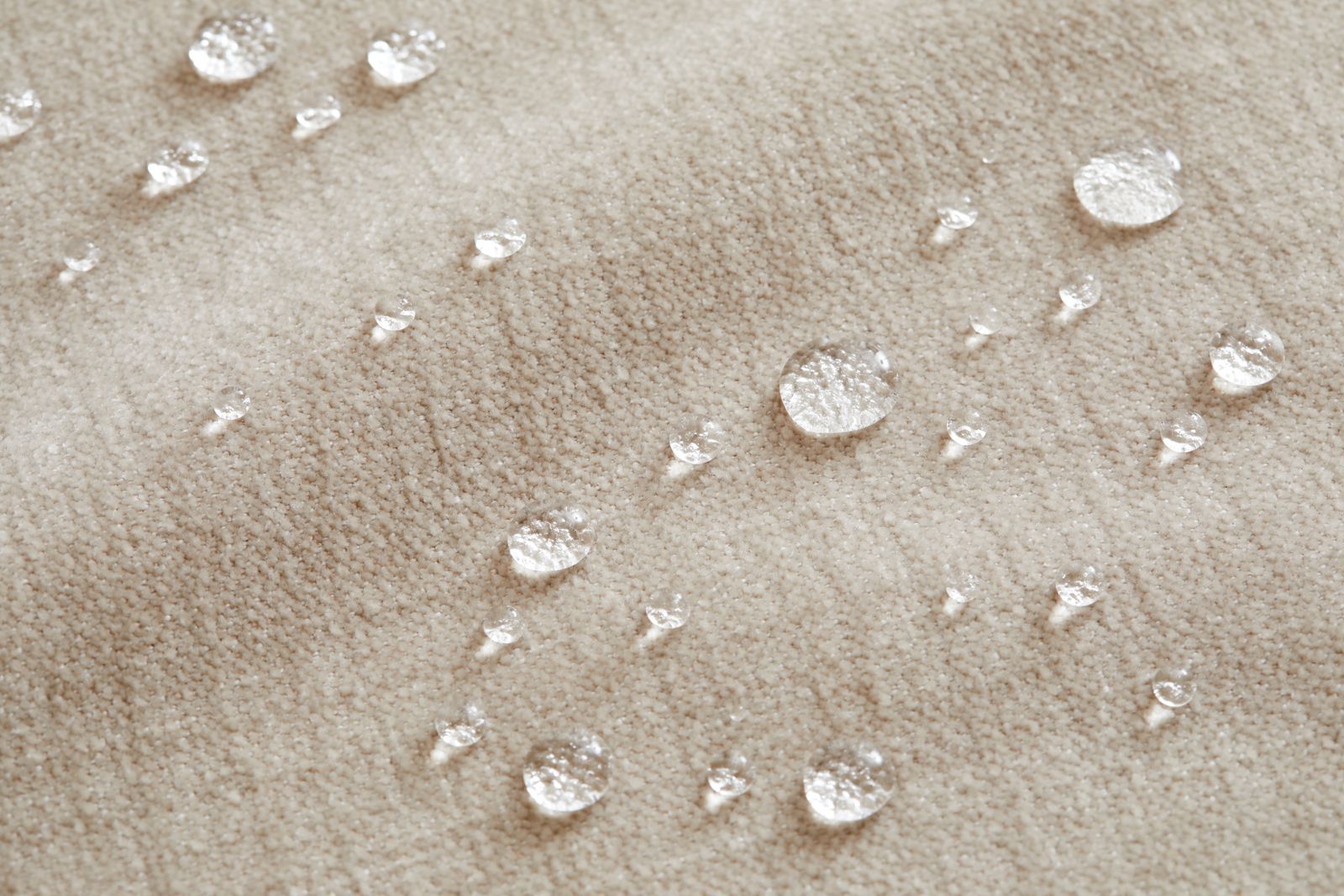
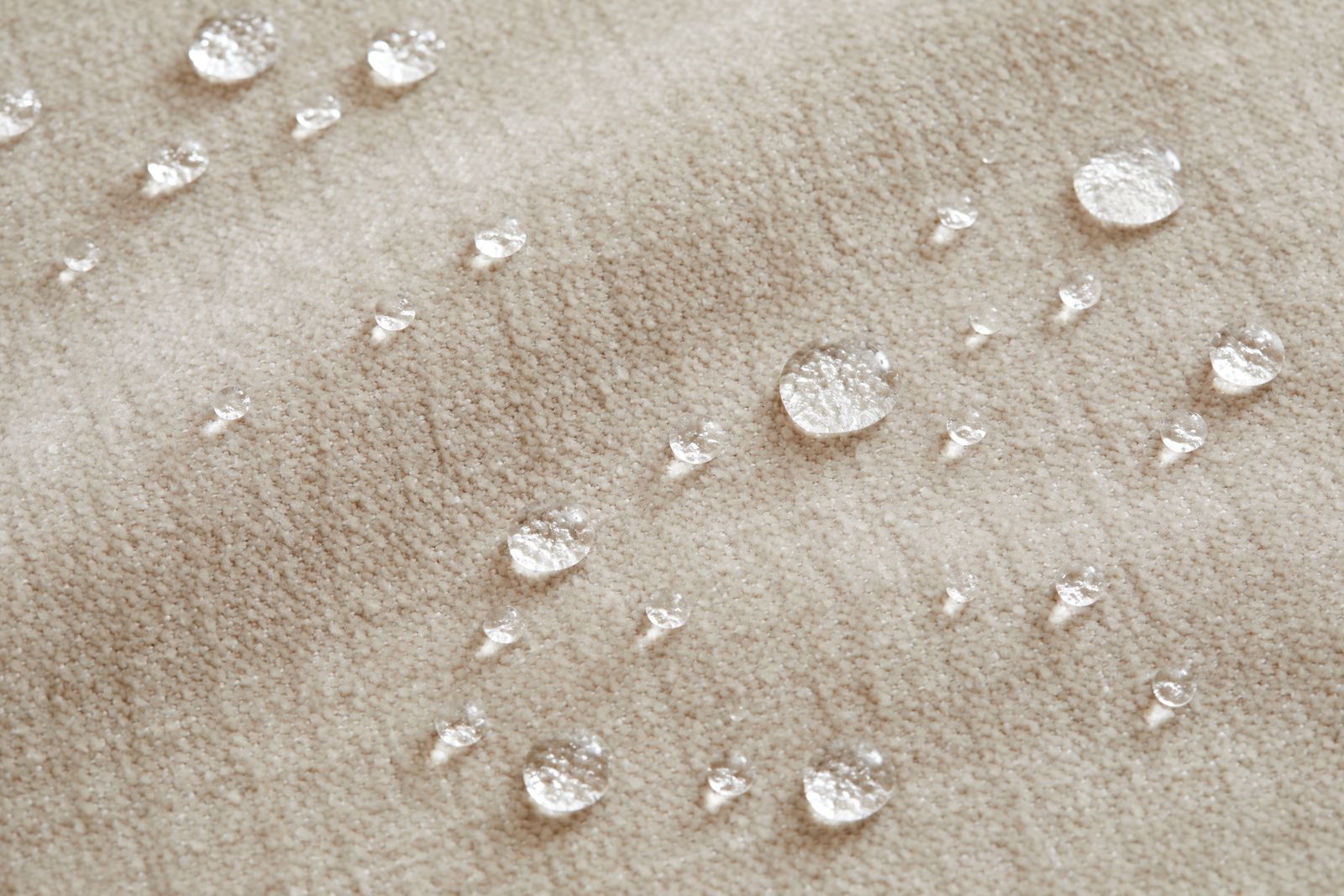
Designers can navigate the complexities of material selection by not entirely dismissing blends. A fabric with at least 60 percent natural fiber content, even when blended with synthetics for specific performance needs, still represents a positive step towards healthier choices. Transparency from manufacturers is crucial, and designers should actively inquire about the fiber percentages in blends to make informed decisions. A significant concern lies with chemical treatments, such as flame retardants, water repellents, PFAS, and PVC, which are detrimental to human health and overshadow the benefits of natural fibers. Clients, even those not primarily focused on sustainability, can be motivated by the desire for healthier indoor environments, prompting them to reconsider chemically treated performance fabrics.
Curating a healthy materials library is an essential proactive step for designers. This involves removing harmful materials like PVC, vinyl, and known PFAS-containing items, and gradually incorporating more organic, natural-fiber textiles. Understanding the composition of regularly used blended fabrics and identifying those with low synthetic content is vital. While achieving 100 percent sustainability may be impractical, even small steps contribute significantly. Designers should also seek transparency labels and certifications to gain insight into how textiles are produced and their environmental impact. This information can be leveraged to demonstrate added value to clients.
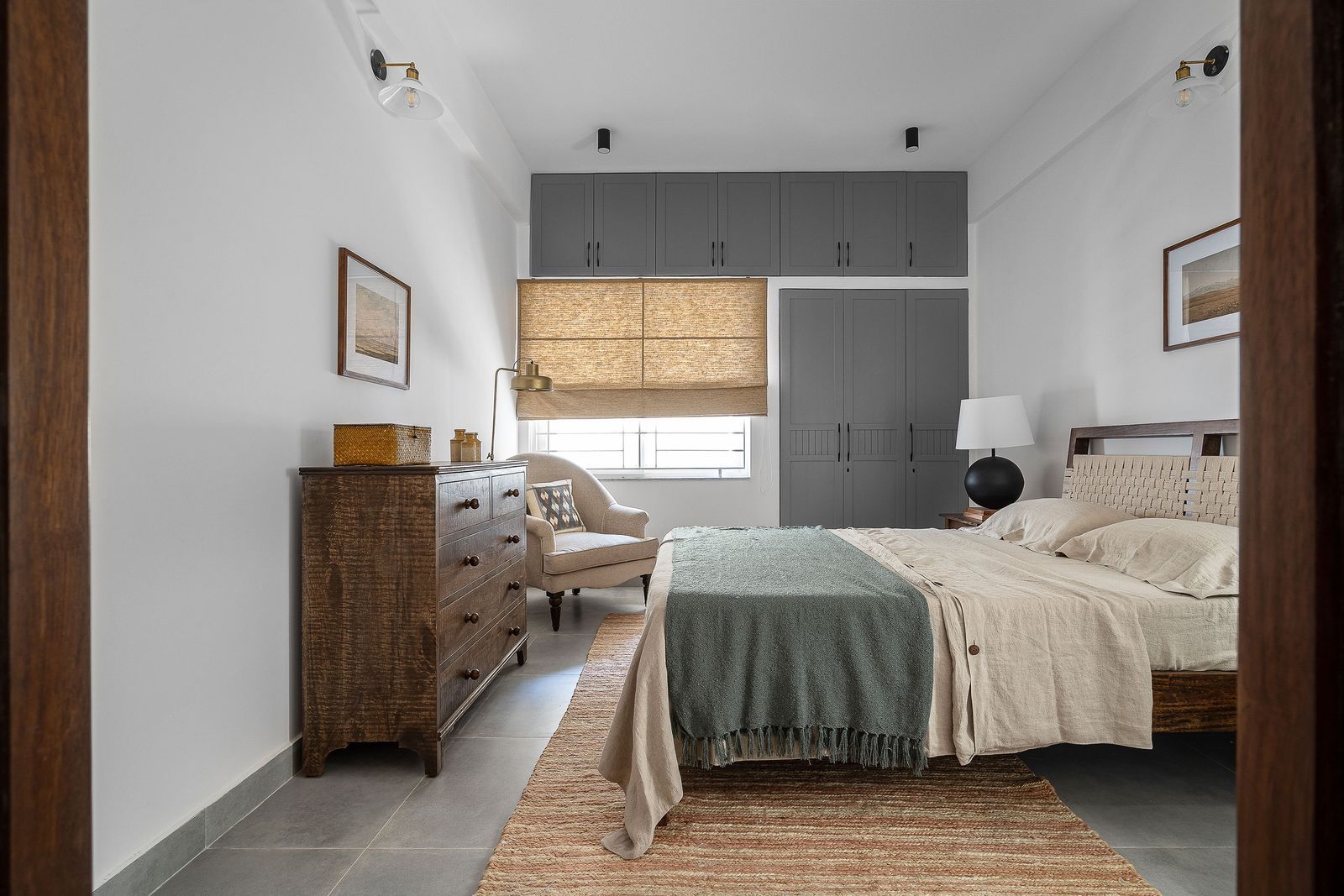
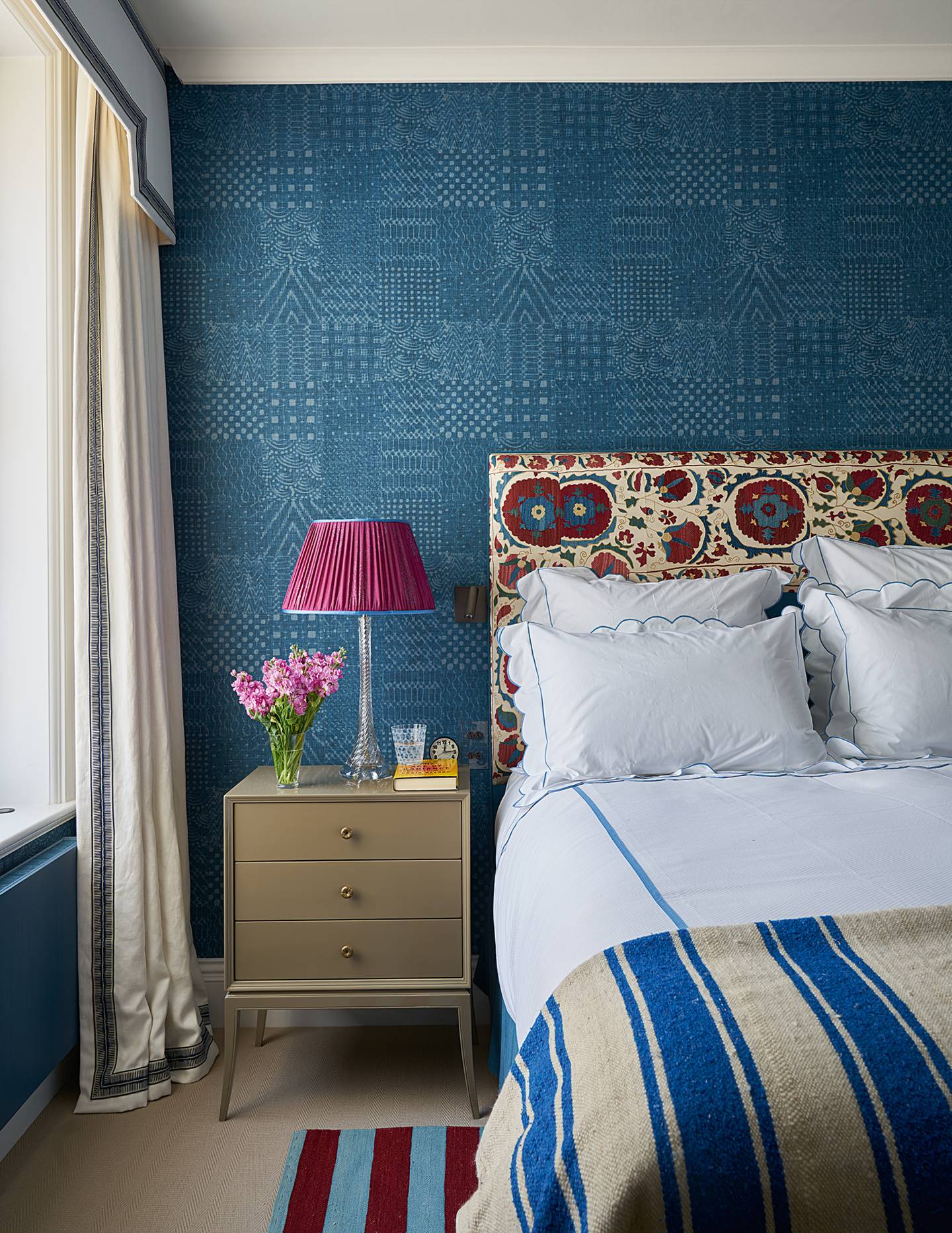
Among natural fibers, linen and hemp stand out due to their minimal environmental footprint, requiring less water, fertilizer, and pesticides compared to cotton. They are also highly durable and easy to maintain, making them ideal for applications like bedding and window treatments. For cotton, opting for organic varieties is preferable to mitigate the environmental impact of conventional growing methods. Increased demand for organic cotton can drive improvements in its supply chain.
Finally, it's important to challenge the notion that all fabrics must be “bulletproof.” Designers should encourage clients to have realistic expectations regarding textile care and consider naturally durable, earth-derived materials like leather, linen, or wool. Extending the lifespan of upholstered furniture can also be achieved through practical design choices, such as darker colors and patterns, and construction methods that allow for disassembly and repair, like using slipcovers or upholstery tacks instead of glue. Engaging with vendors and clearly communicating a preference for sustainable options can also encourage manufacturers to produce more environmentally friendly textiles, ultimately shaping a more responsible interior design industry.
#NaturalFibers #SustainableDesign #TextileChoices #EnvironmentalImpact #HealthyMaterials #InteriorDesign #OrganicFabrics #MaterialTransparency #ClimateCrisis #NaturalFibers #SustainableDesign #TextileChoices #EnvironmentalImpact #HealthyMaterials #InteriorDesign #OrganicFabrics #MaterialTransparency #ClimateCrisis
0 comment in total
 No comments yet
You may also like
The 5 Fabric Trends Ruling Interiors Now, According to the Pros

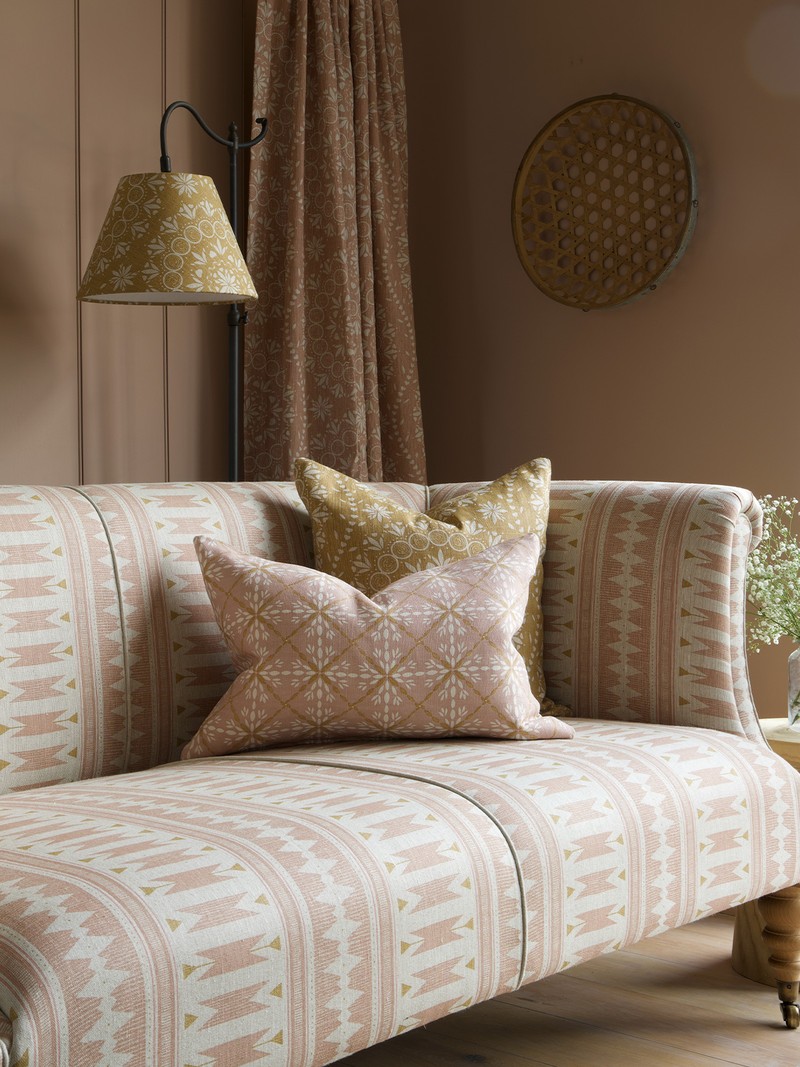
The New Fabric Launches Worth Knowing About
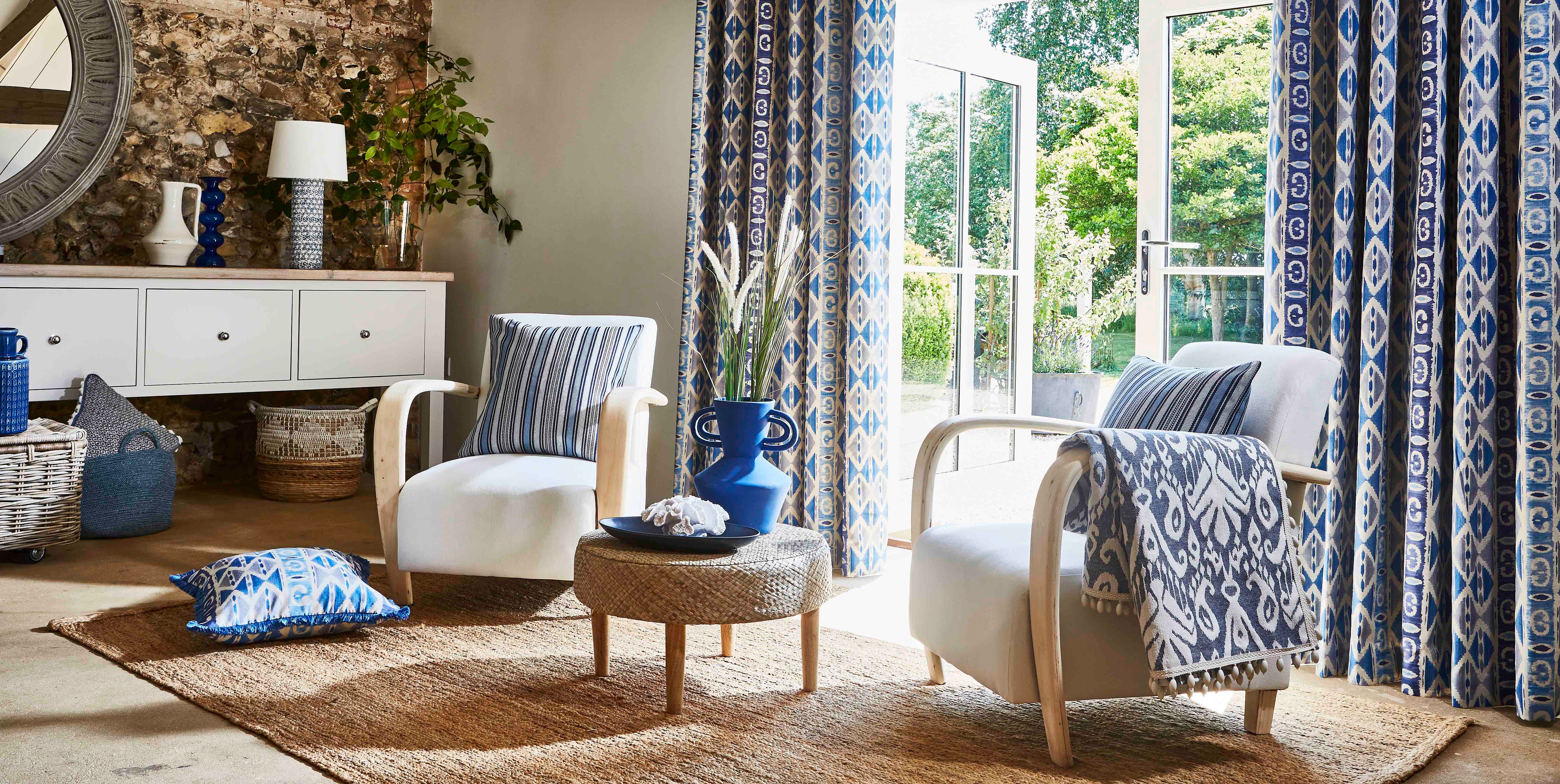
These are set to be the biggest fabric trends of 2025
Q&A with eco-dyed textile designer Joanne O'Rourke

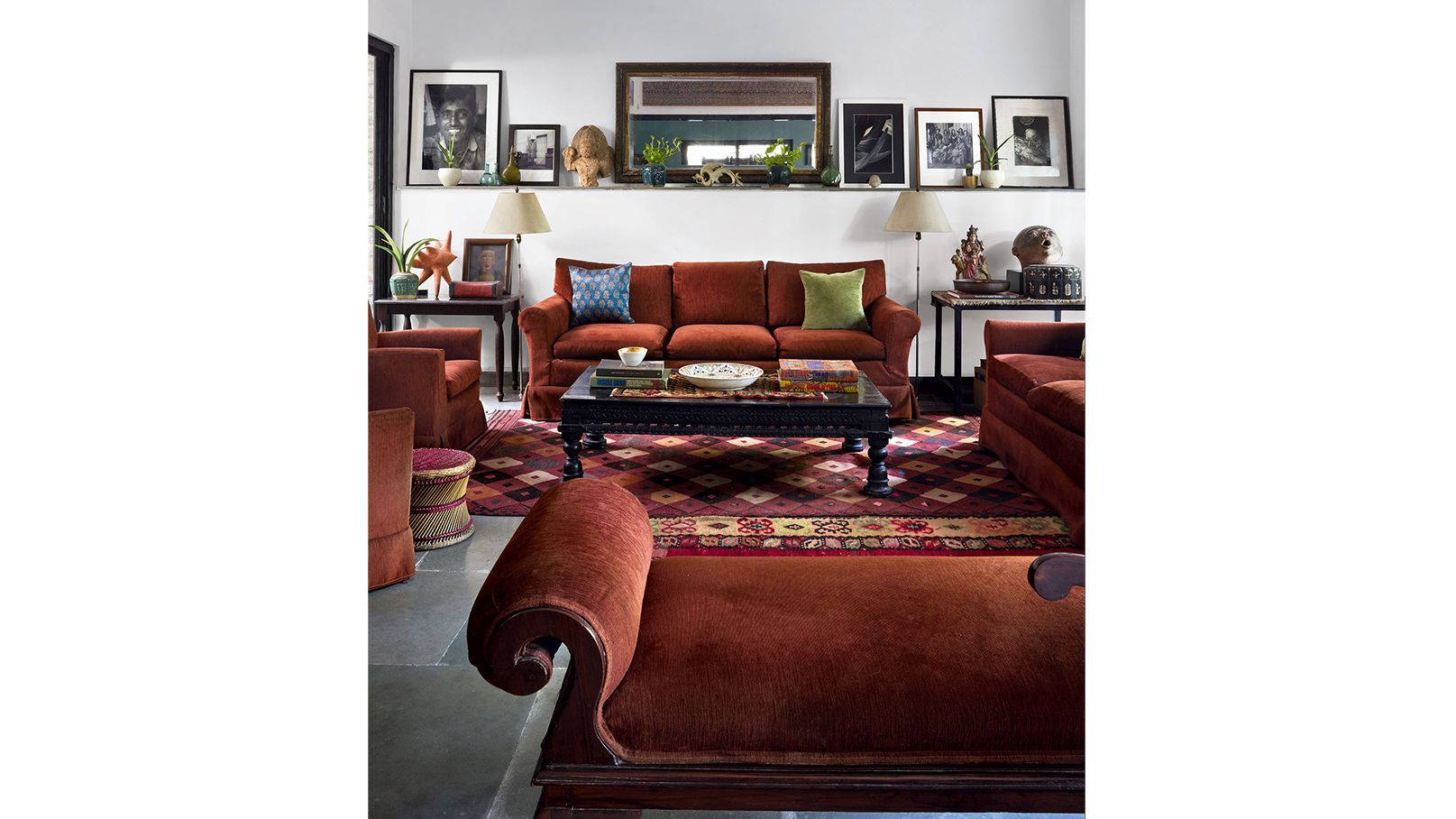
The 5 fabric trends ruling interiors now, according to the pros

The 10 Best Fabric Dyes for Clothing, Upholstery and More

7 Fabric Trends Taking Over Interior Design in 2024

5 Fabrics and Materials to Elevate Your Home’s Style
4 Creative Ways To Use Textiles in Your Home
From Sisal to Jute, the Best Natural Fiber Rugs Are More Than Just a Seasonal Staple

The Best Online Fabric Stores Today
9 things you need to know before upholstering furniture
Why Consumers Want the Look & Feel of Natural Fibers at Home

8 Swoon-Worthy New Fabric Collections
Decorating with vintage fabrics - 8 ways to inject color, texture and heritage style into your space

Why interior designers love framed textiles and where to buy the best ones
These Fabric Manufacturers Are Planning to Save the World

Celia Rufey answers your fabric questions
Sebastian Cox reveals why sustainable fabrics are so important – and how to shop them
Everything You Need to Know About Linen, Your New Favorite Fabric