This Floor Plan Is Perfect For Homeowners Who Want The Best Of Both Worlds
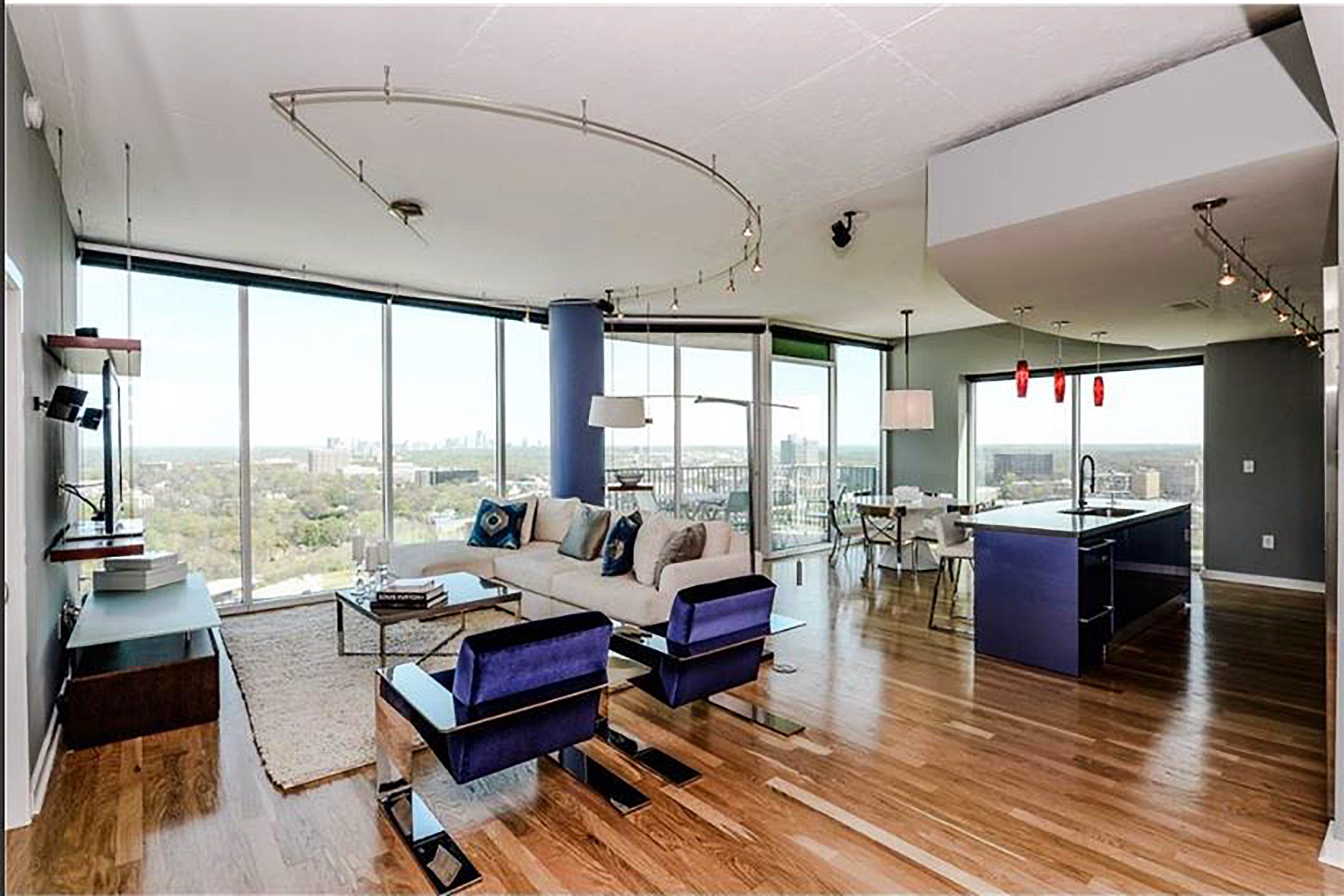
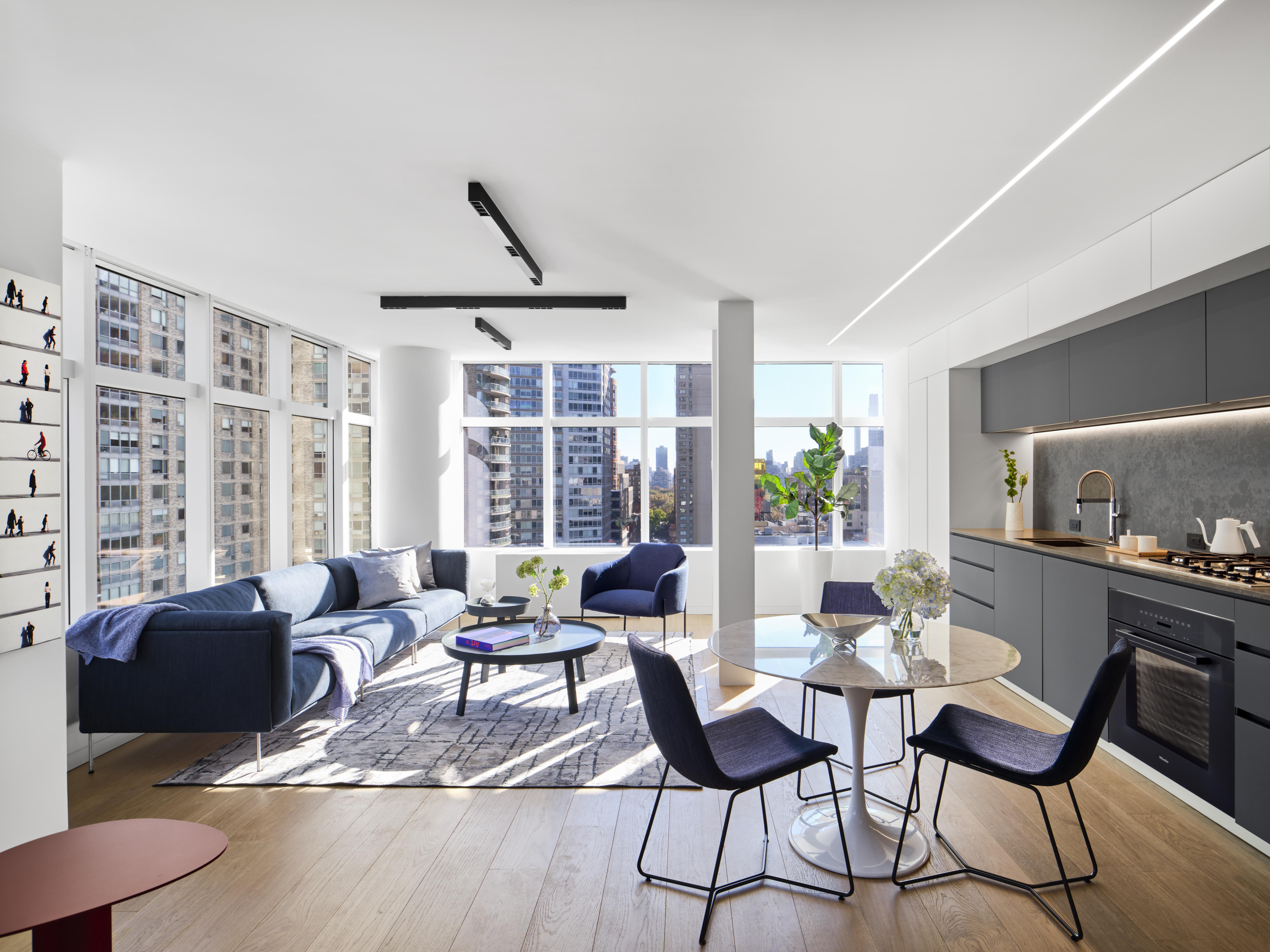
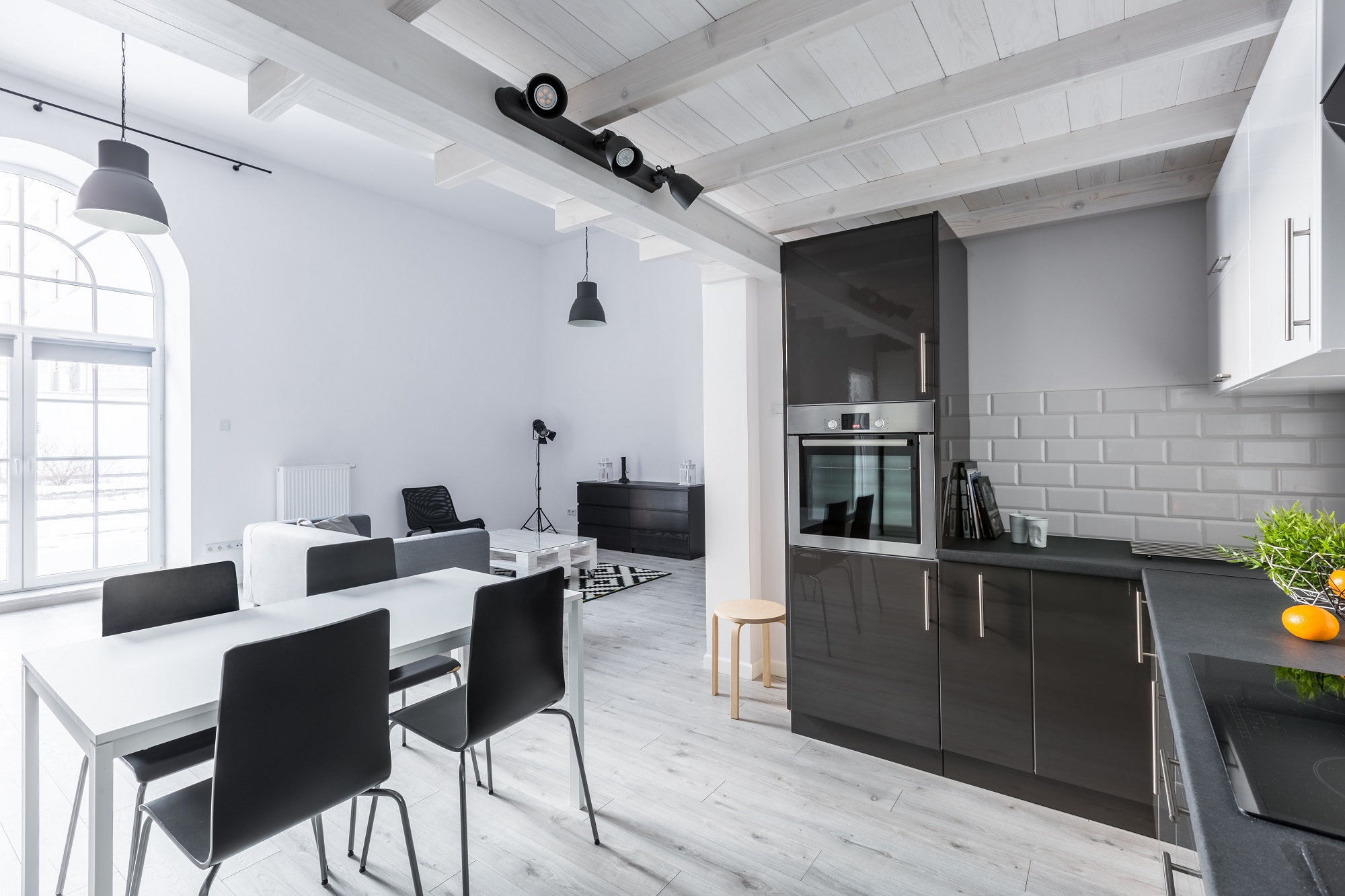
The article explores the emerging popularity of the 'broken plan layout' in home design, a concept that skillfully merges the advantages of both traditional open and closed floor plans. This layout offers a flexible solution for homeowners who appreciate both the spaciousness and connectivity of open plans and the distinctiveness and privacy offered by closed plans. It addresses the common dilemma faced by individuals who find merit in both design philosophies but are hesitant to commit to one exclusively.
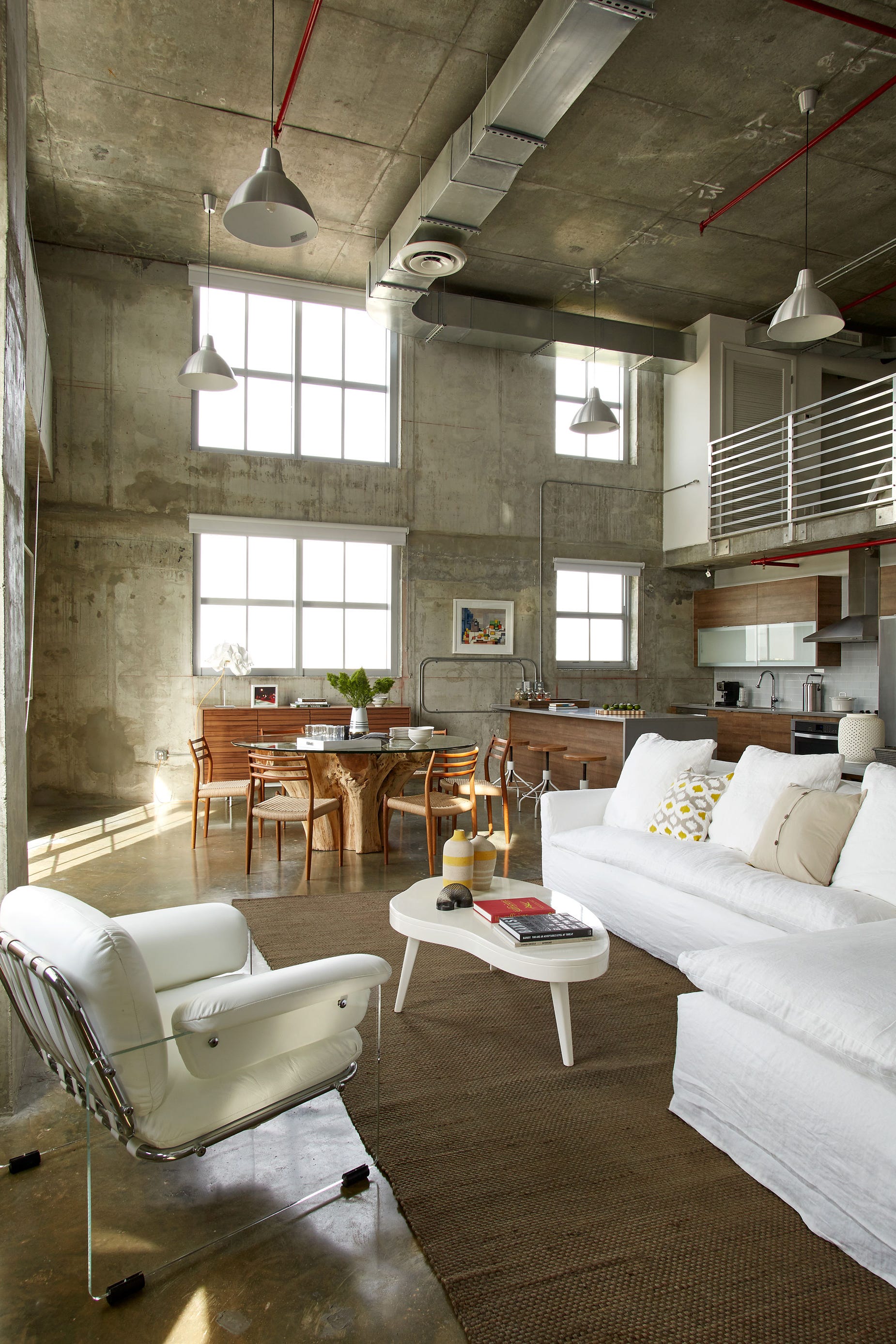
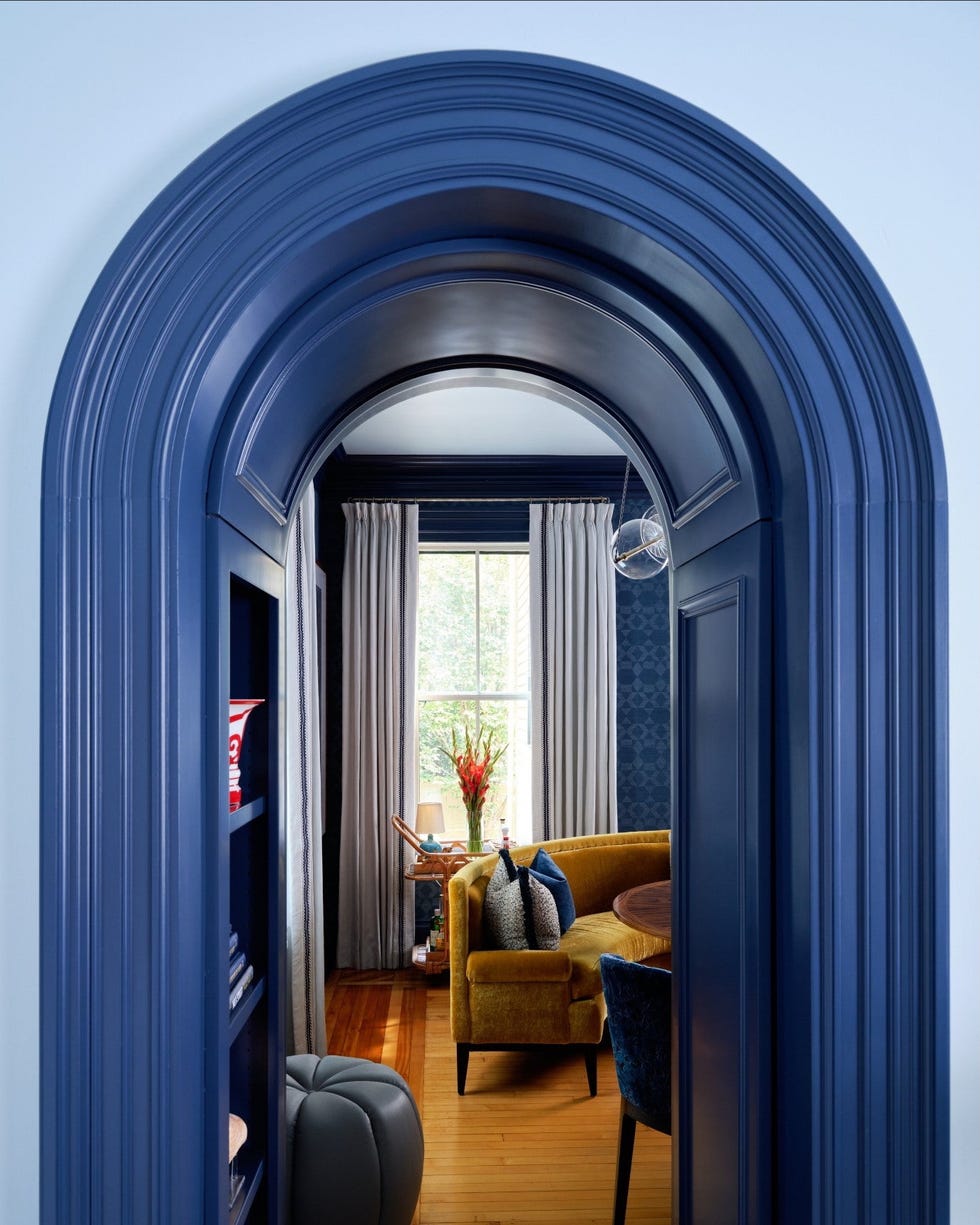
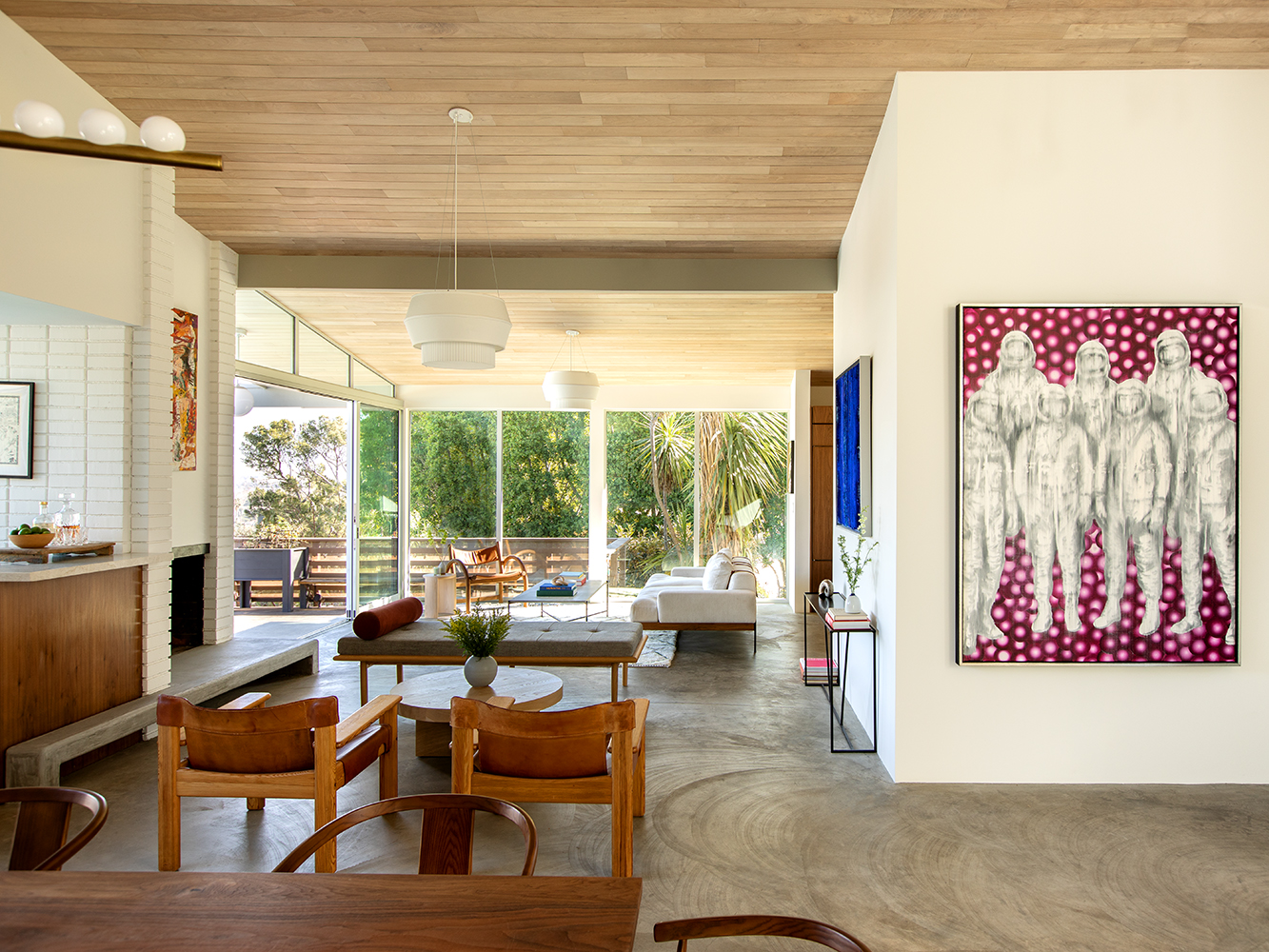
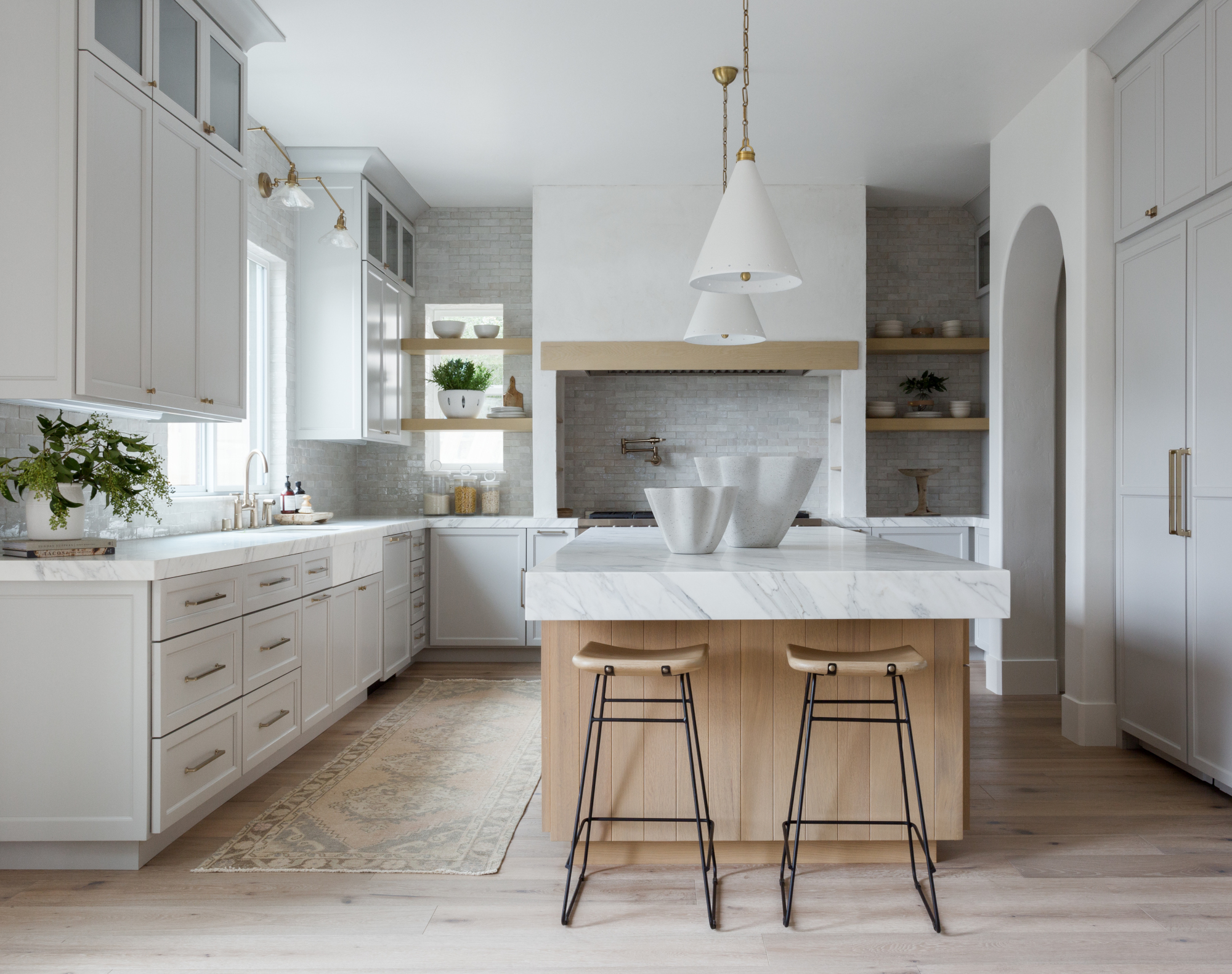
Historically, home design has been largely dominated by two primary floor plan types: open and closed. Open floor plans are characterized by large, interconnected spaces, often combining the living room, dining area, and kitchen into one large area. Proponents of this design highlight its ability to foster a sense of togetherness, facilitate entertaining, and maximize natural light. Conversely, closed floor plans feature distinct, separate rooms, each with a specific function. Advocates for closed plans value the privacy they offer, the clear delineation of spaces, and the opportunity to create unique atmospheres in individual rooms. The broken plan layout emerges as a compromise, offering a middle ground that satisfies the desires for both openness and compartmentalization.
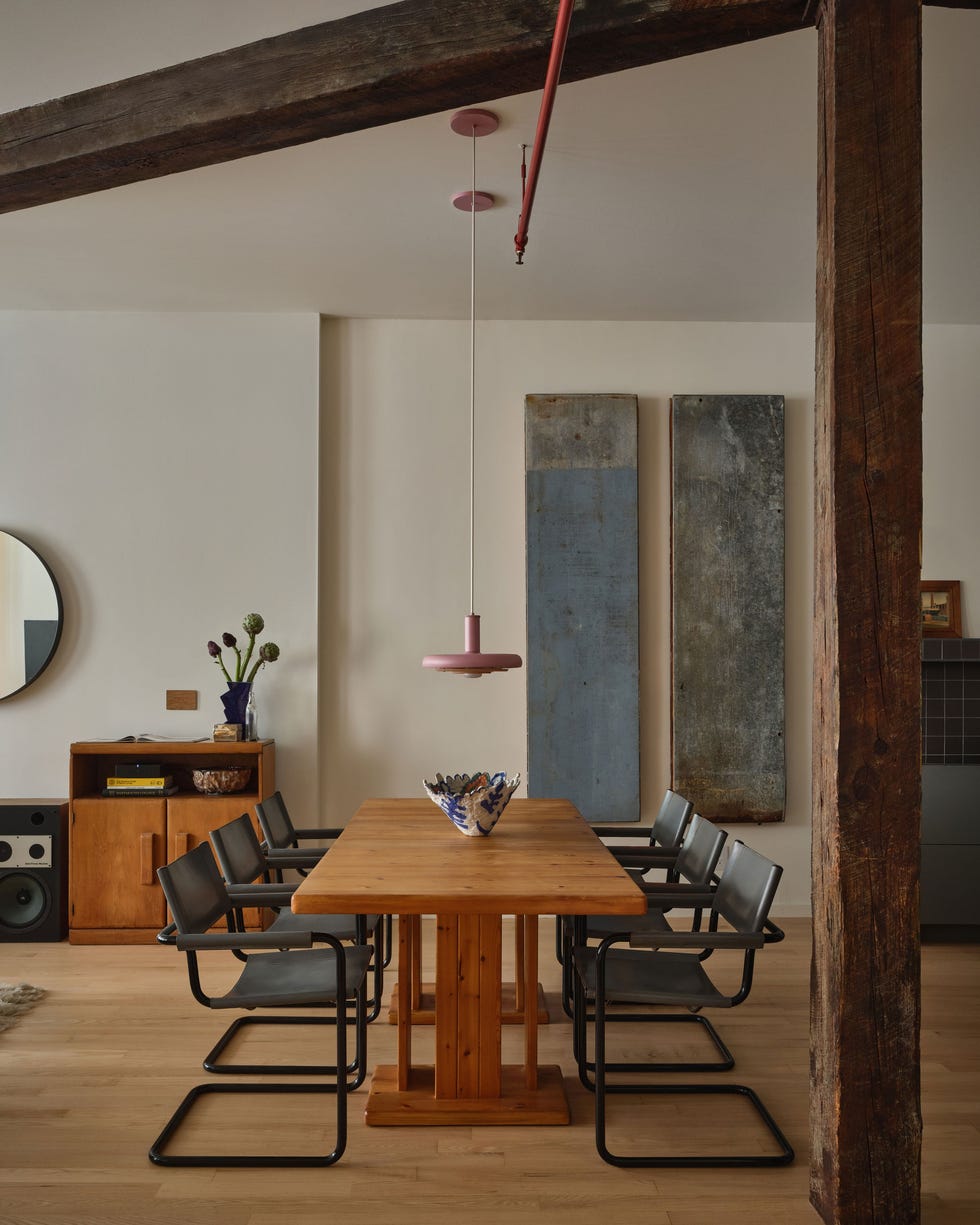
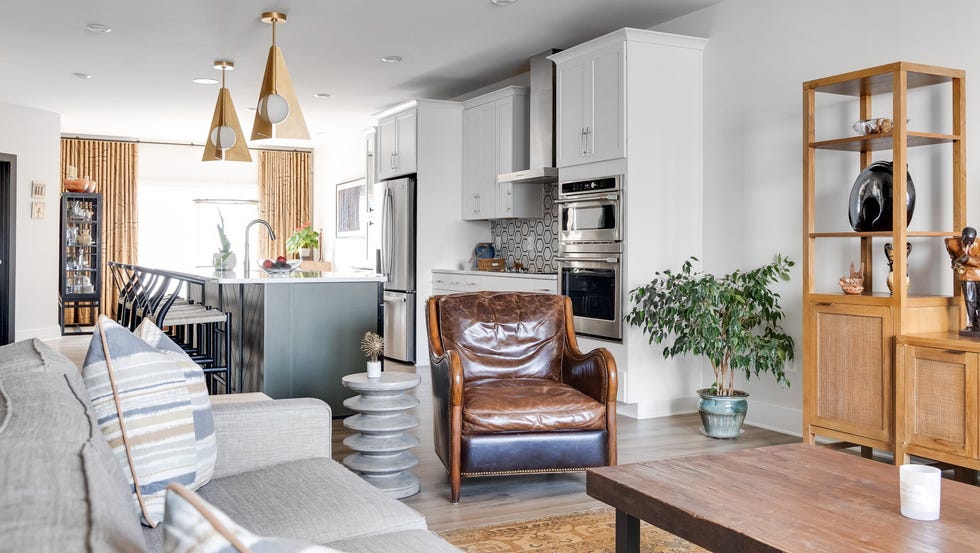
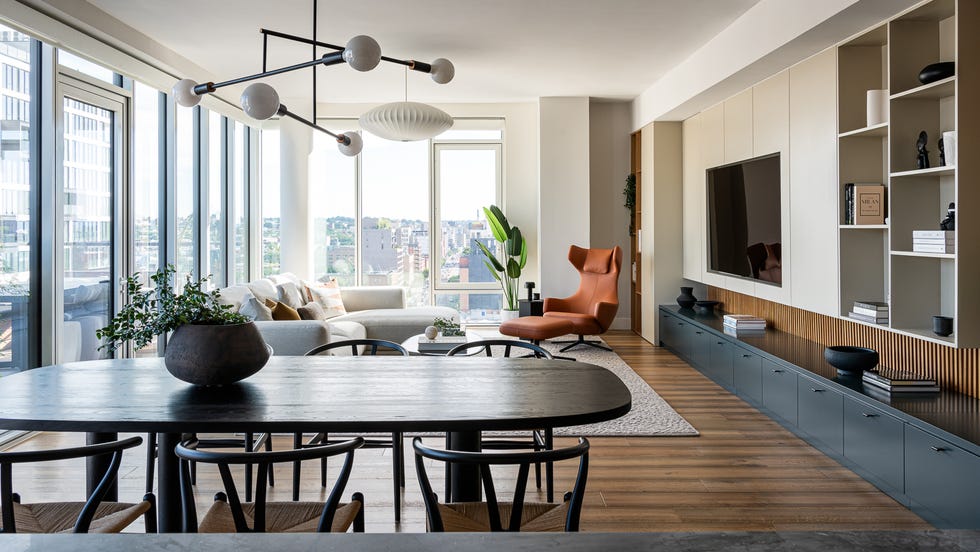
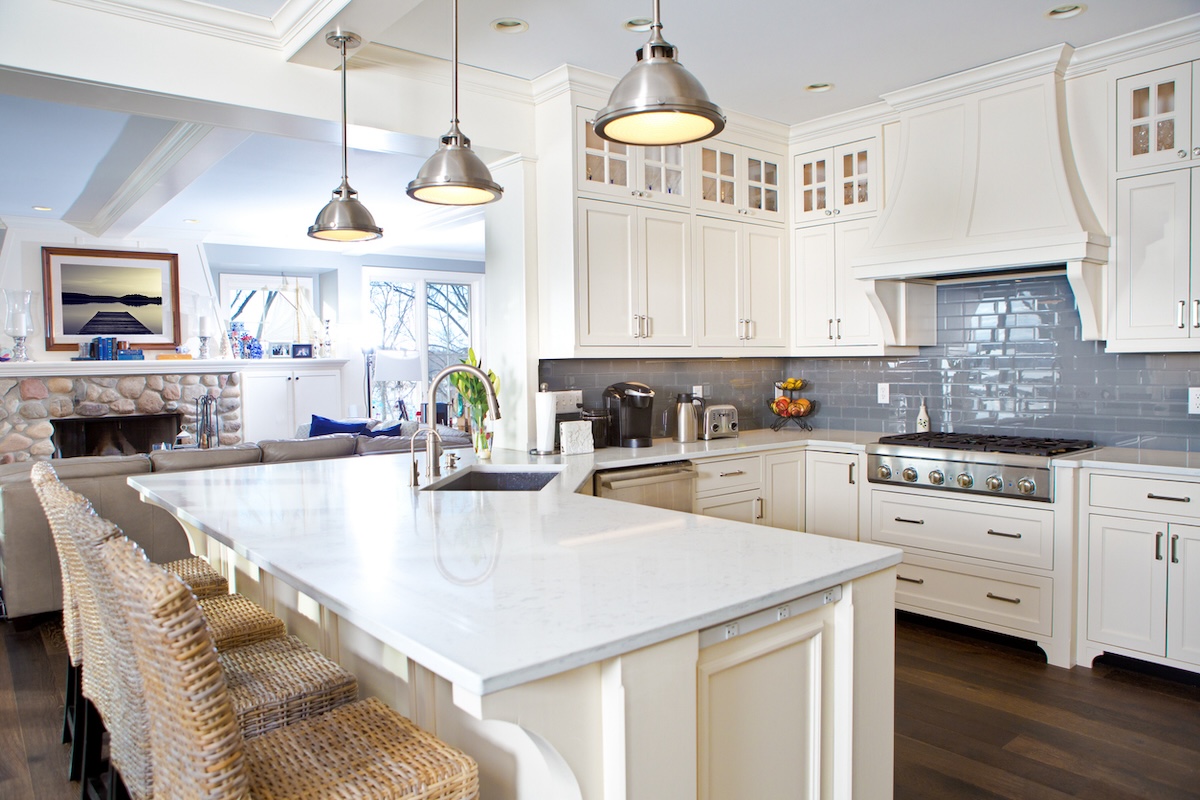
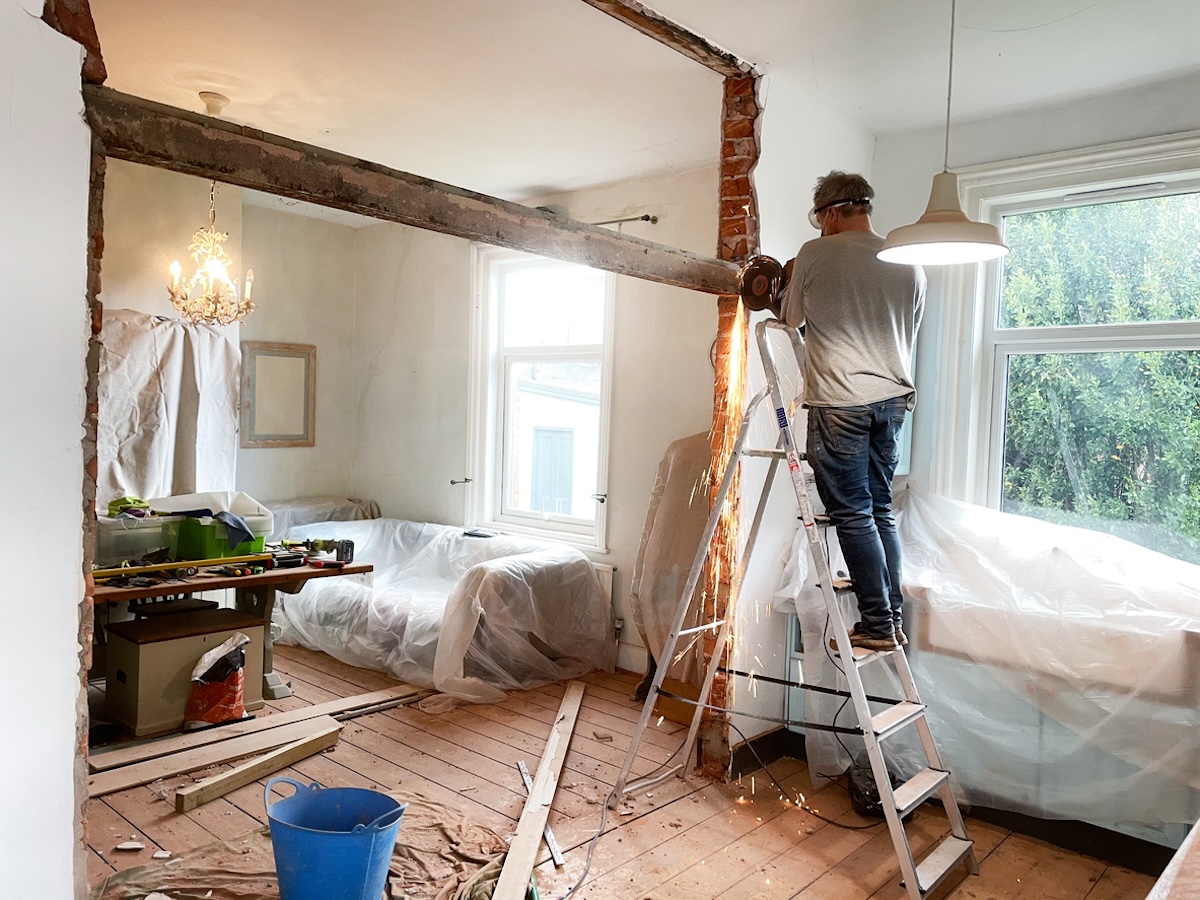
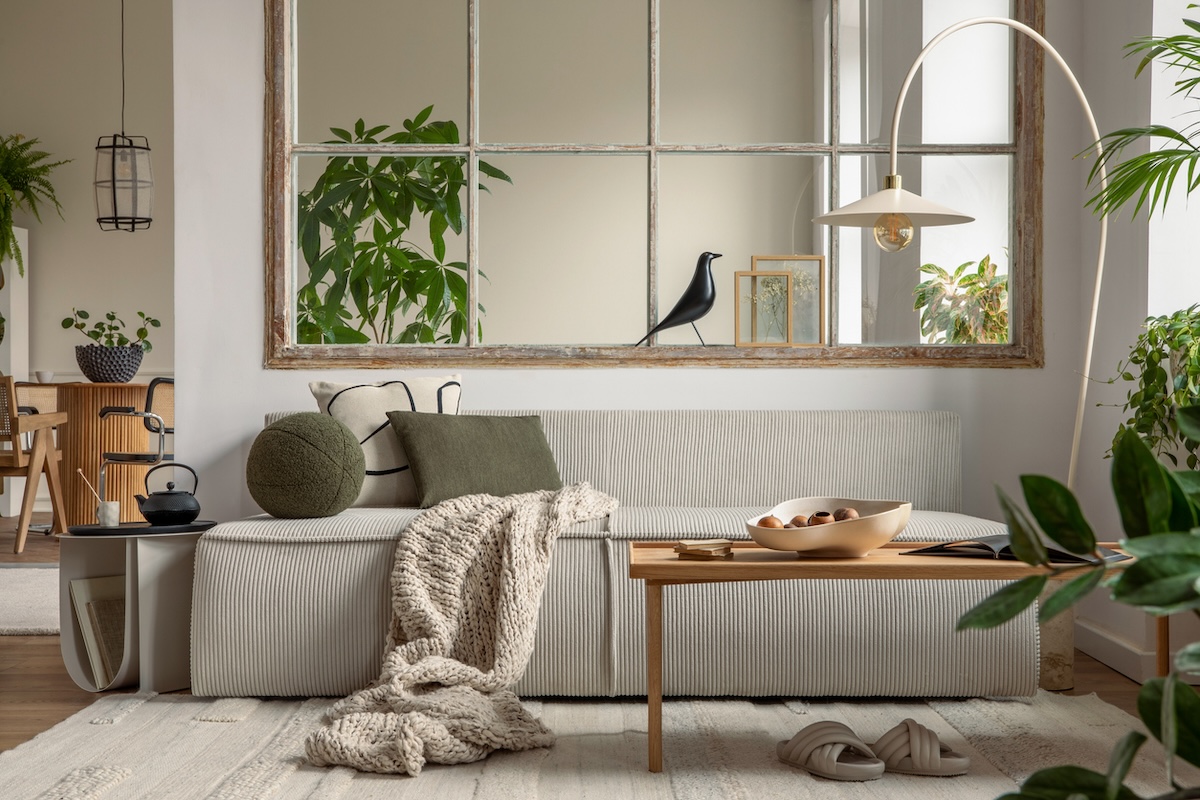
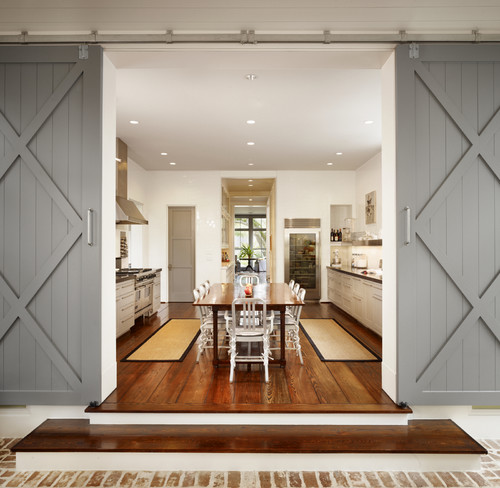
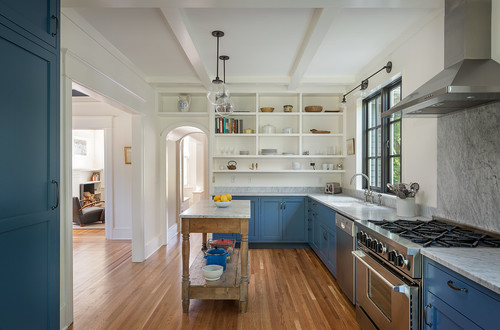
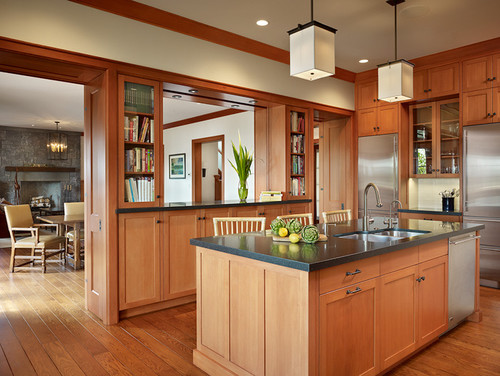
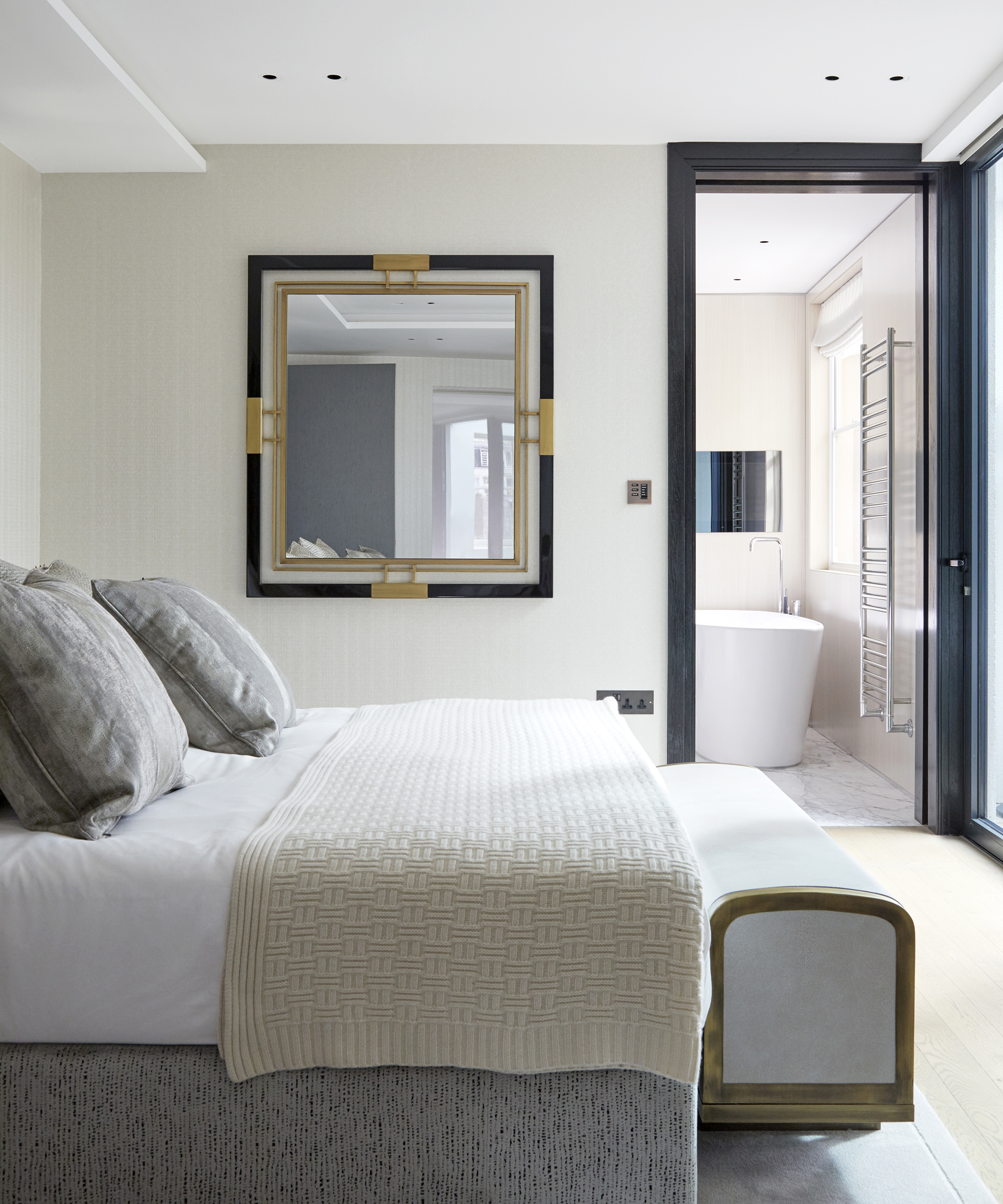
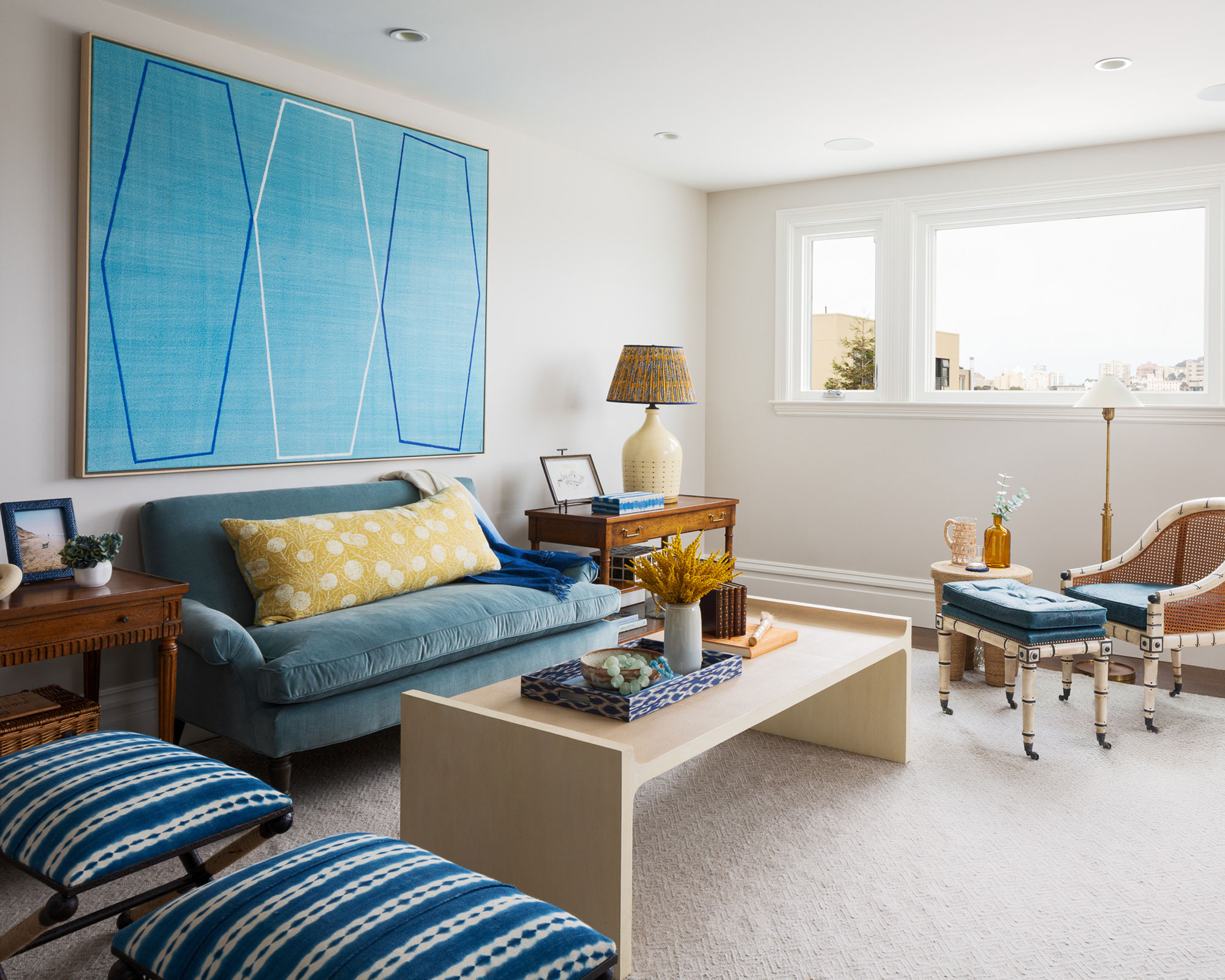
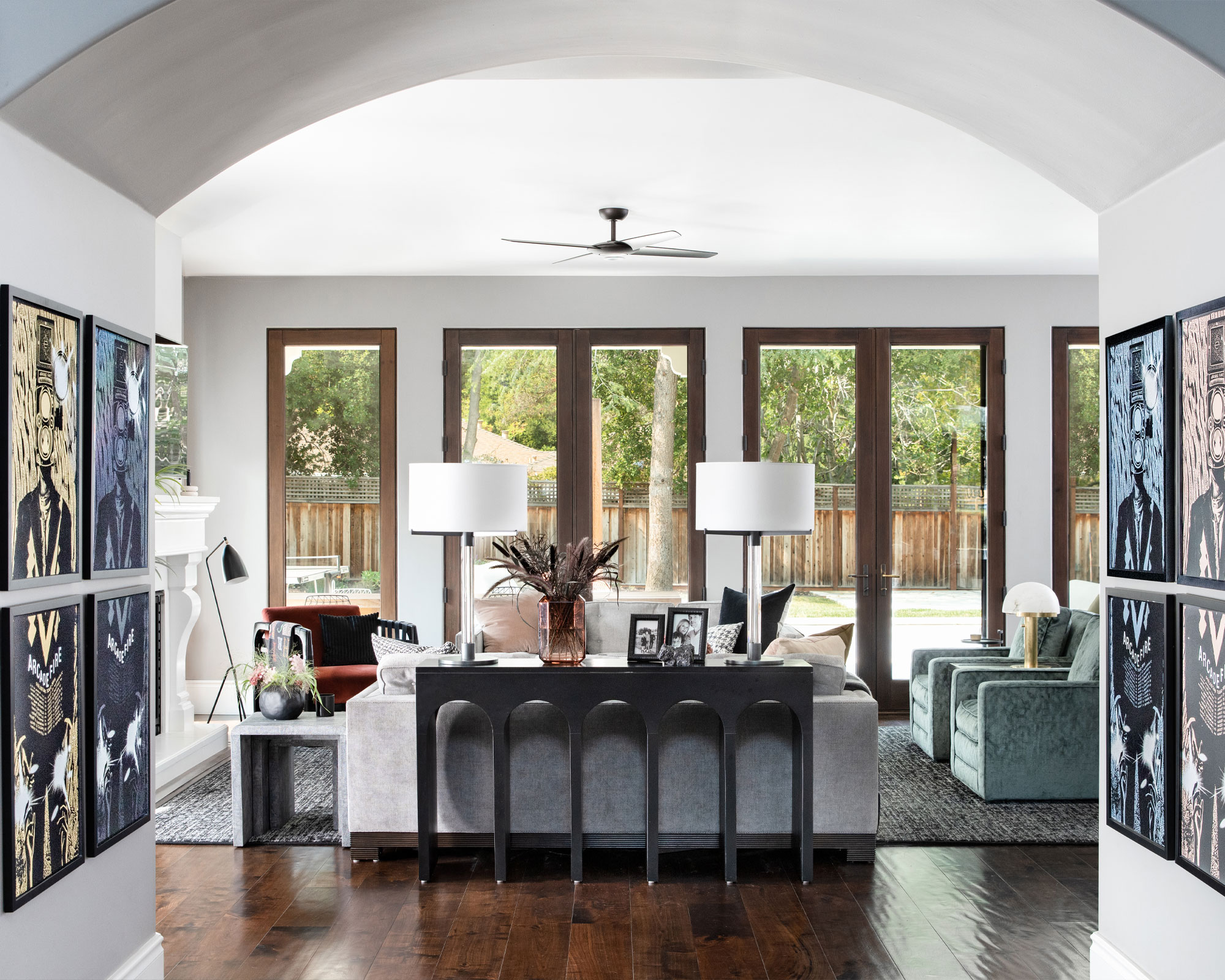
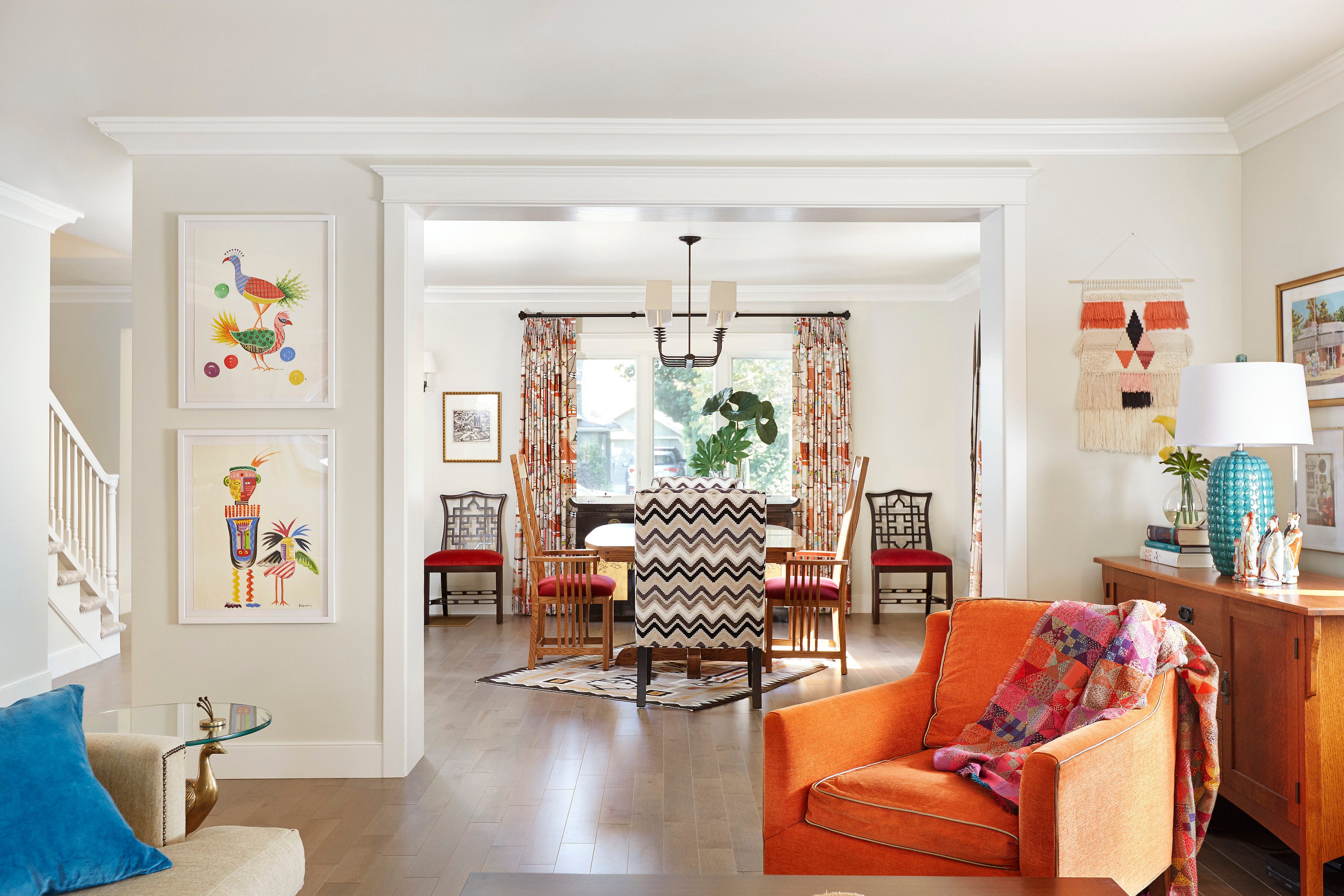
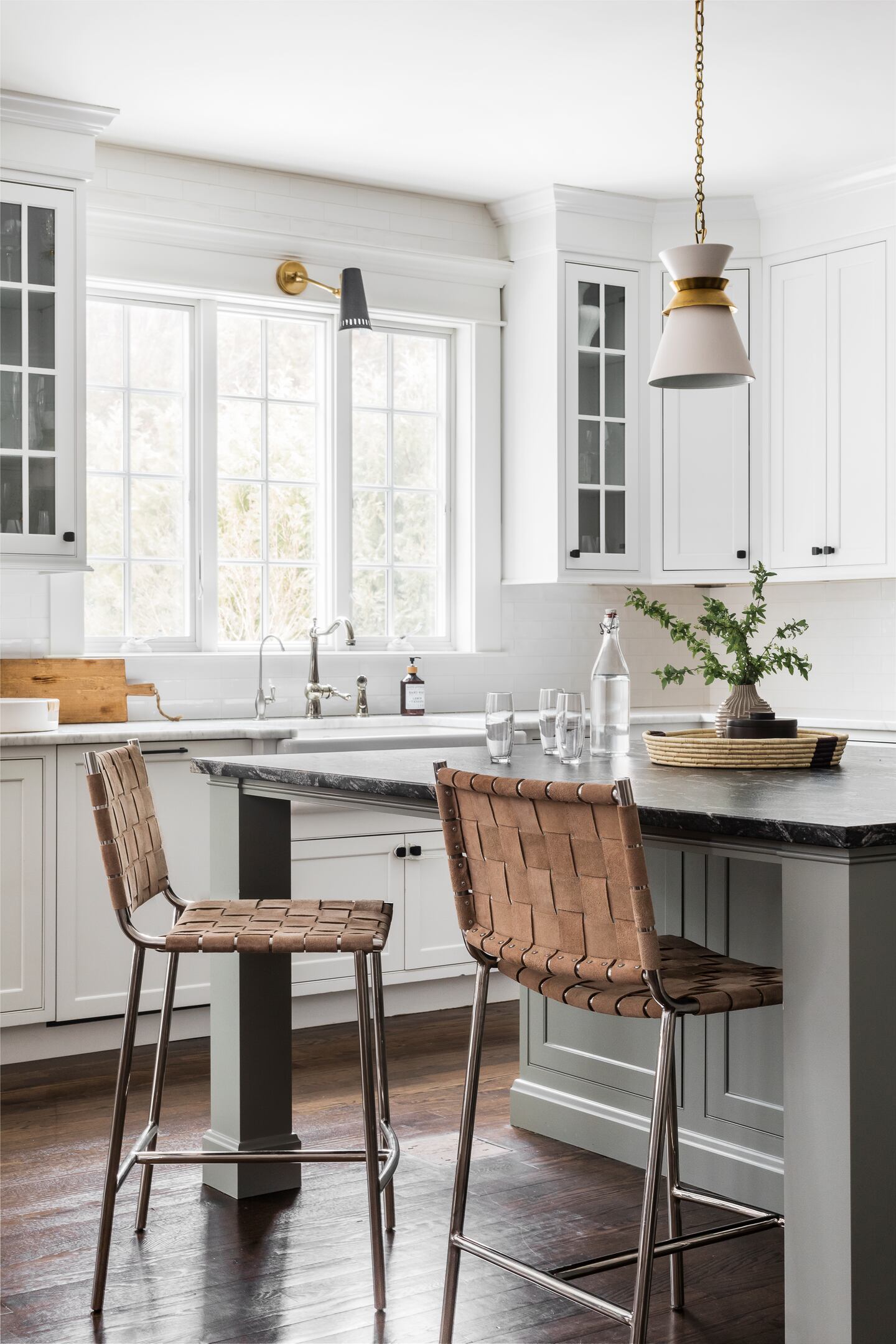
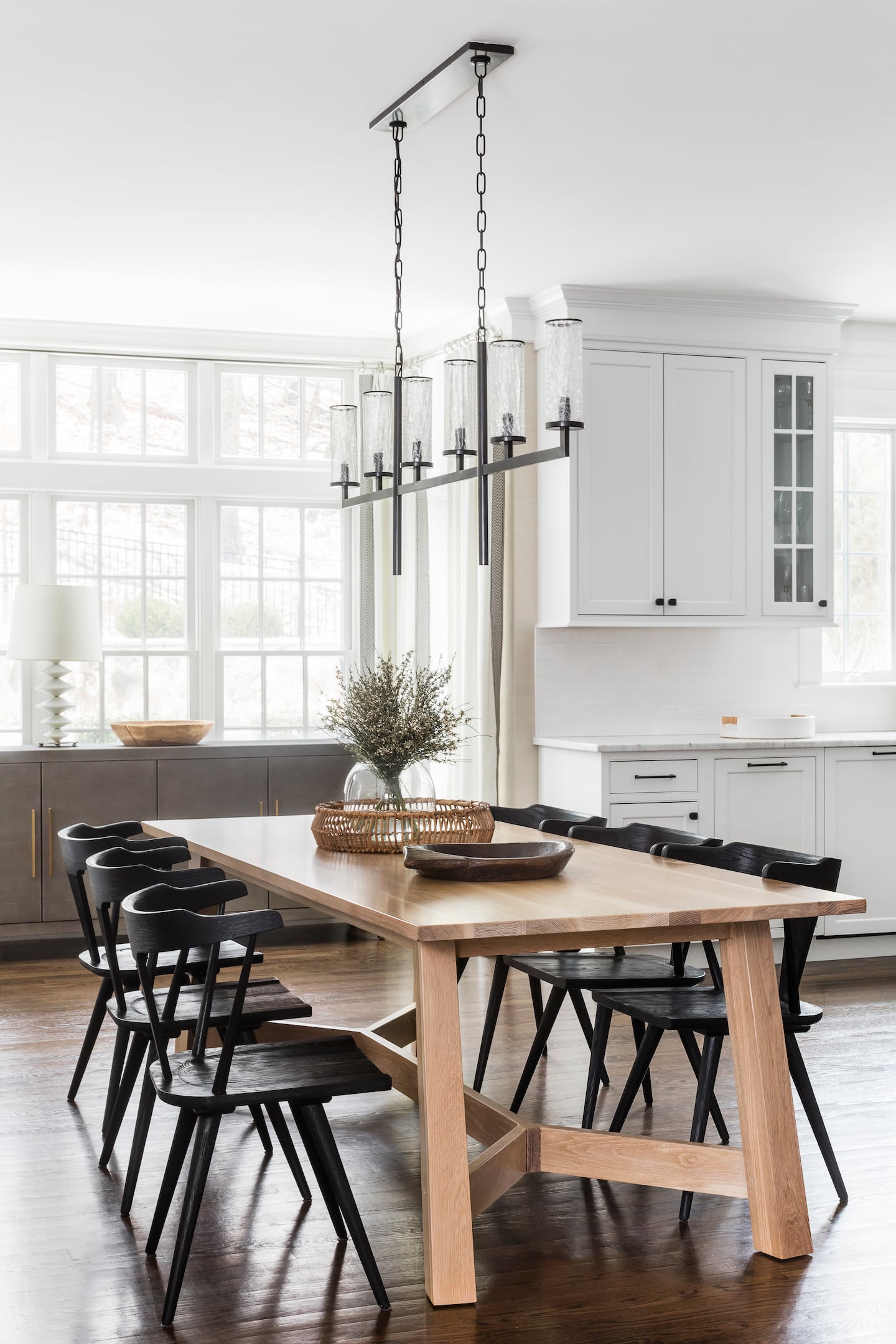
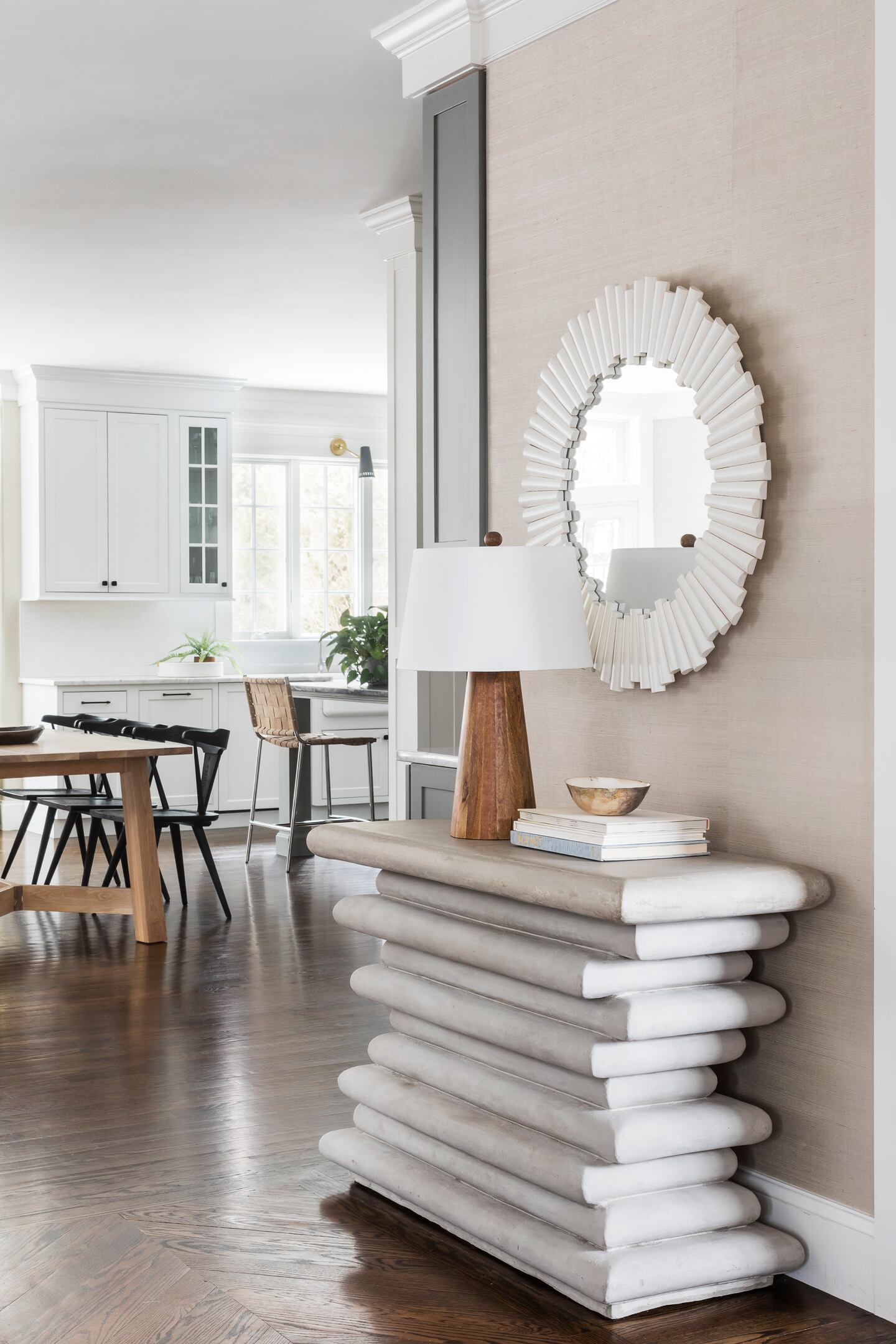
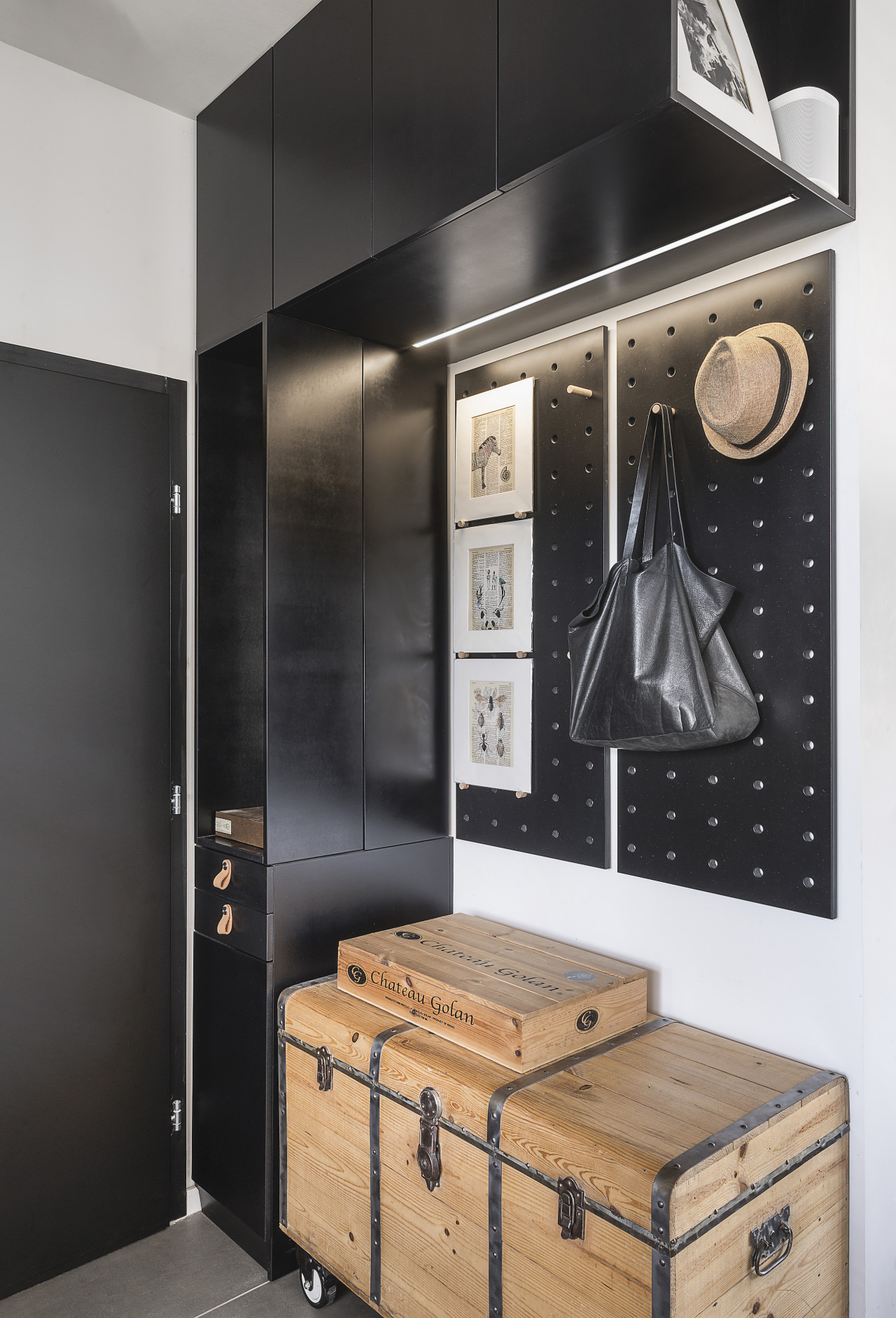
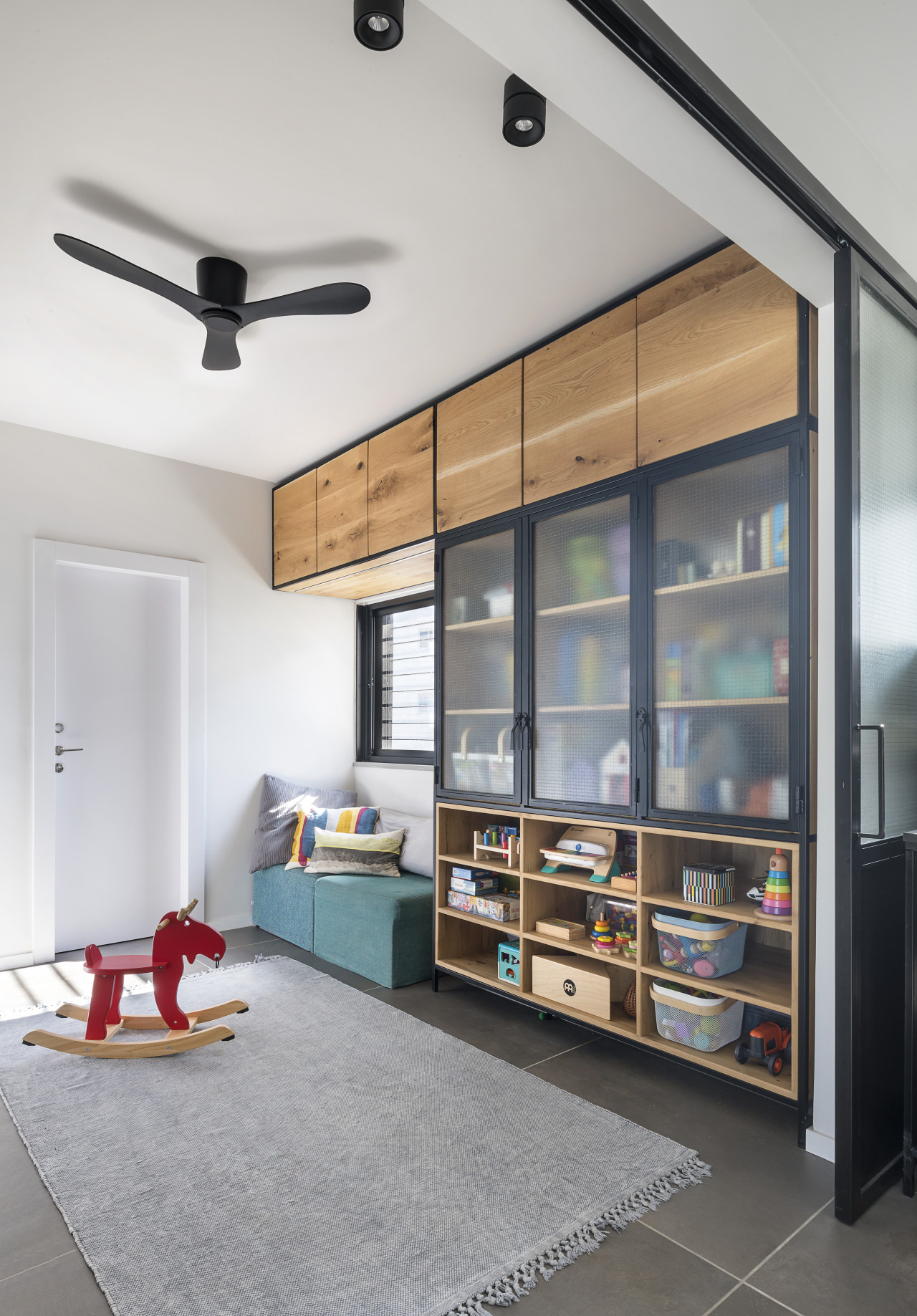
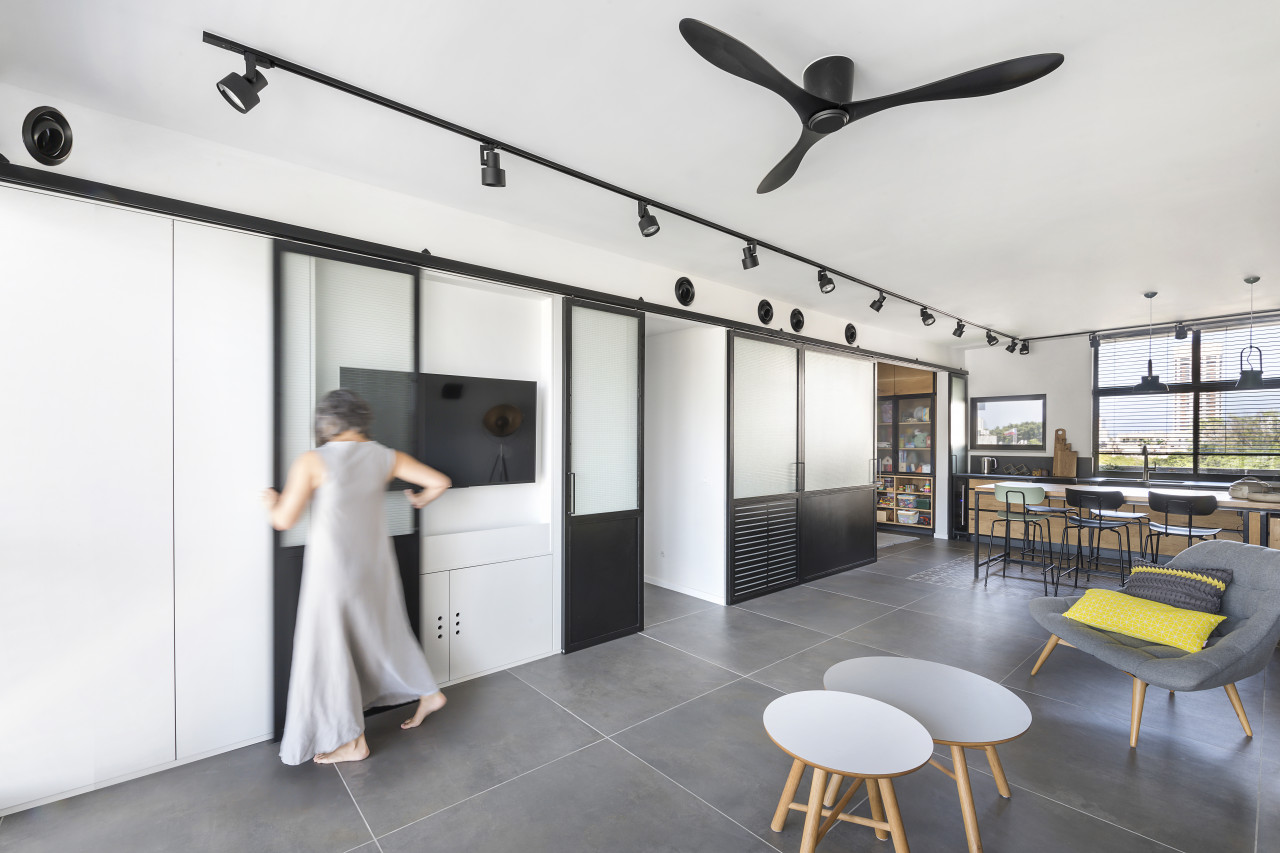
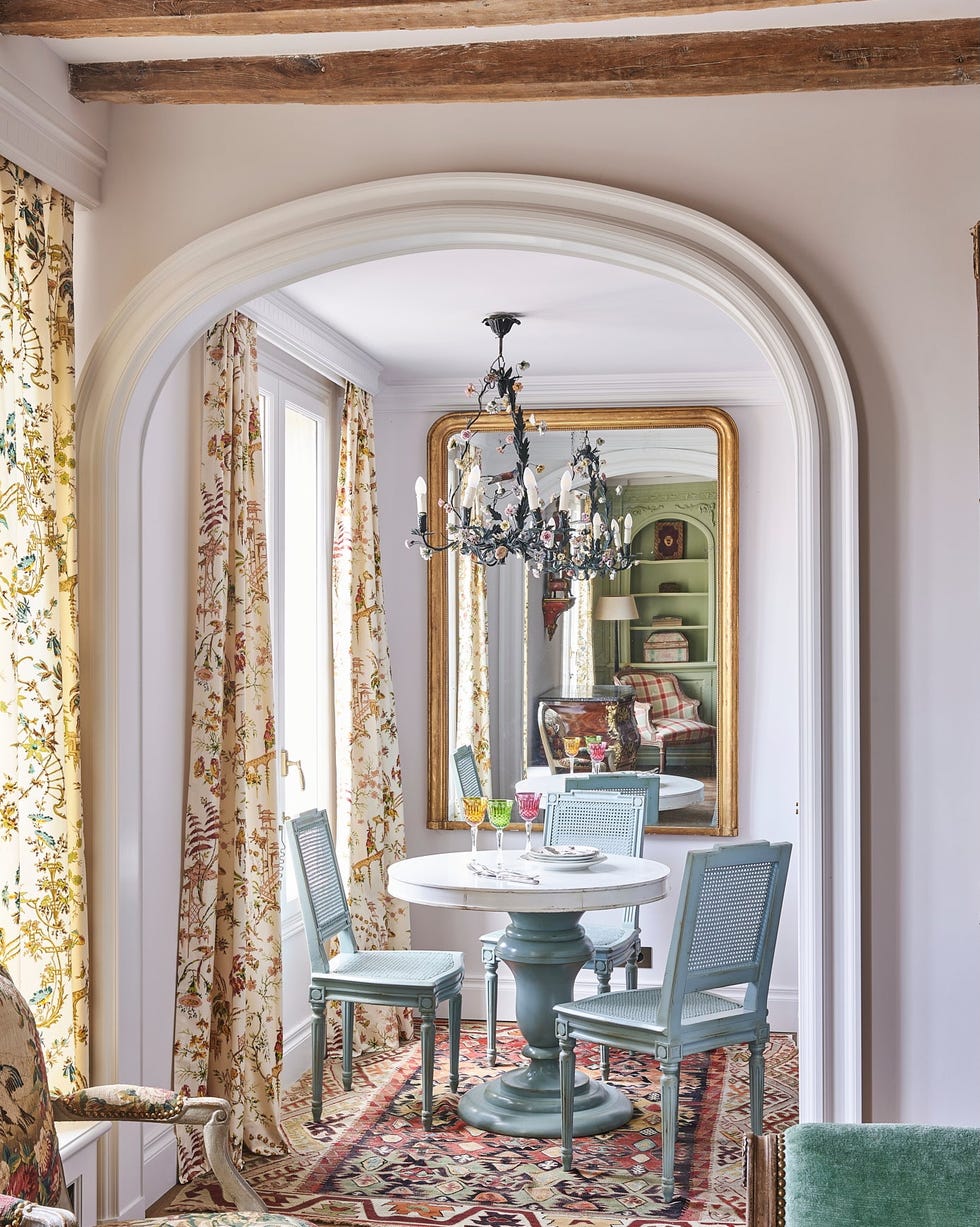
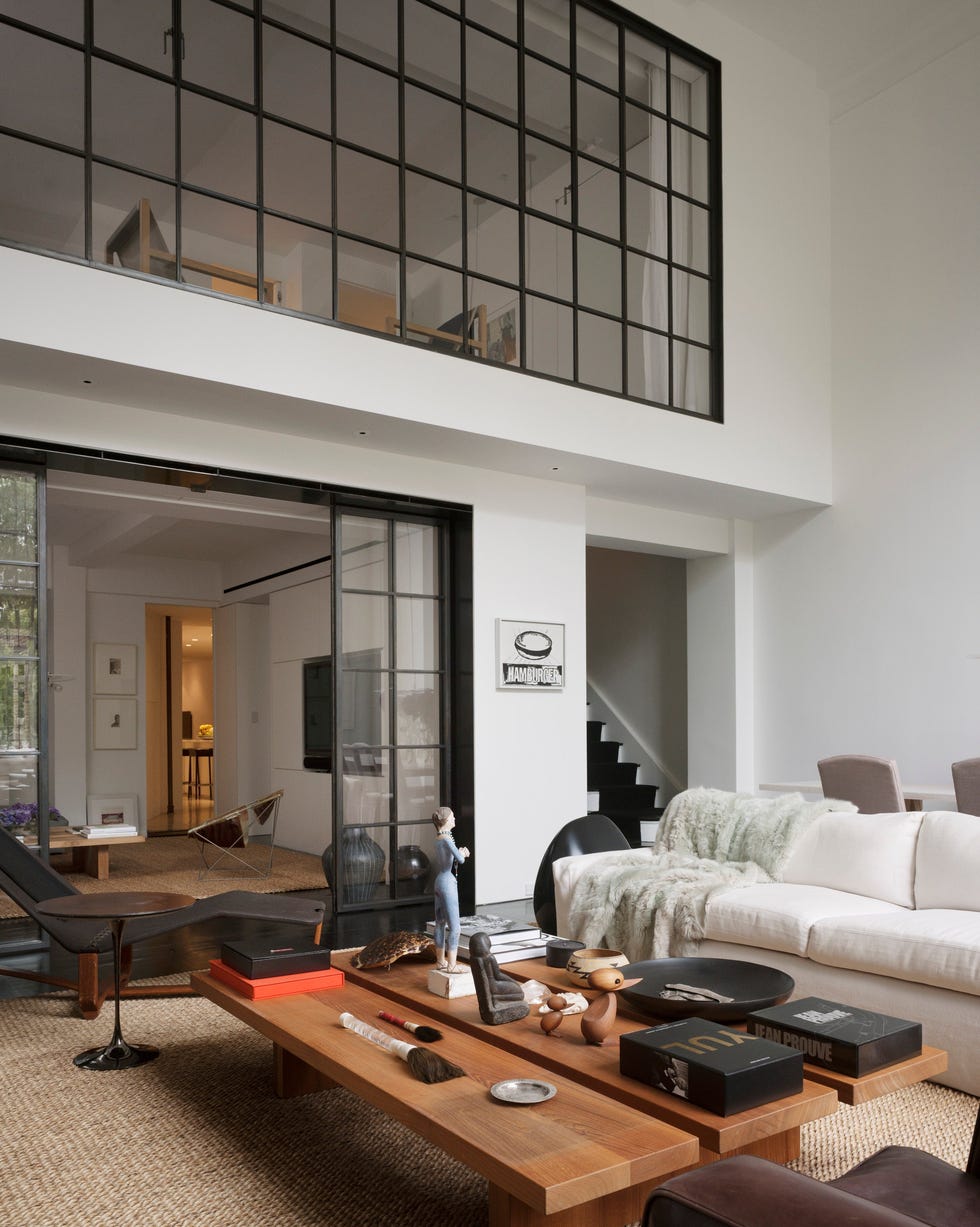
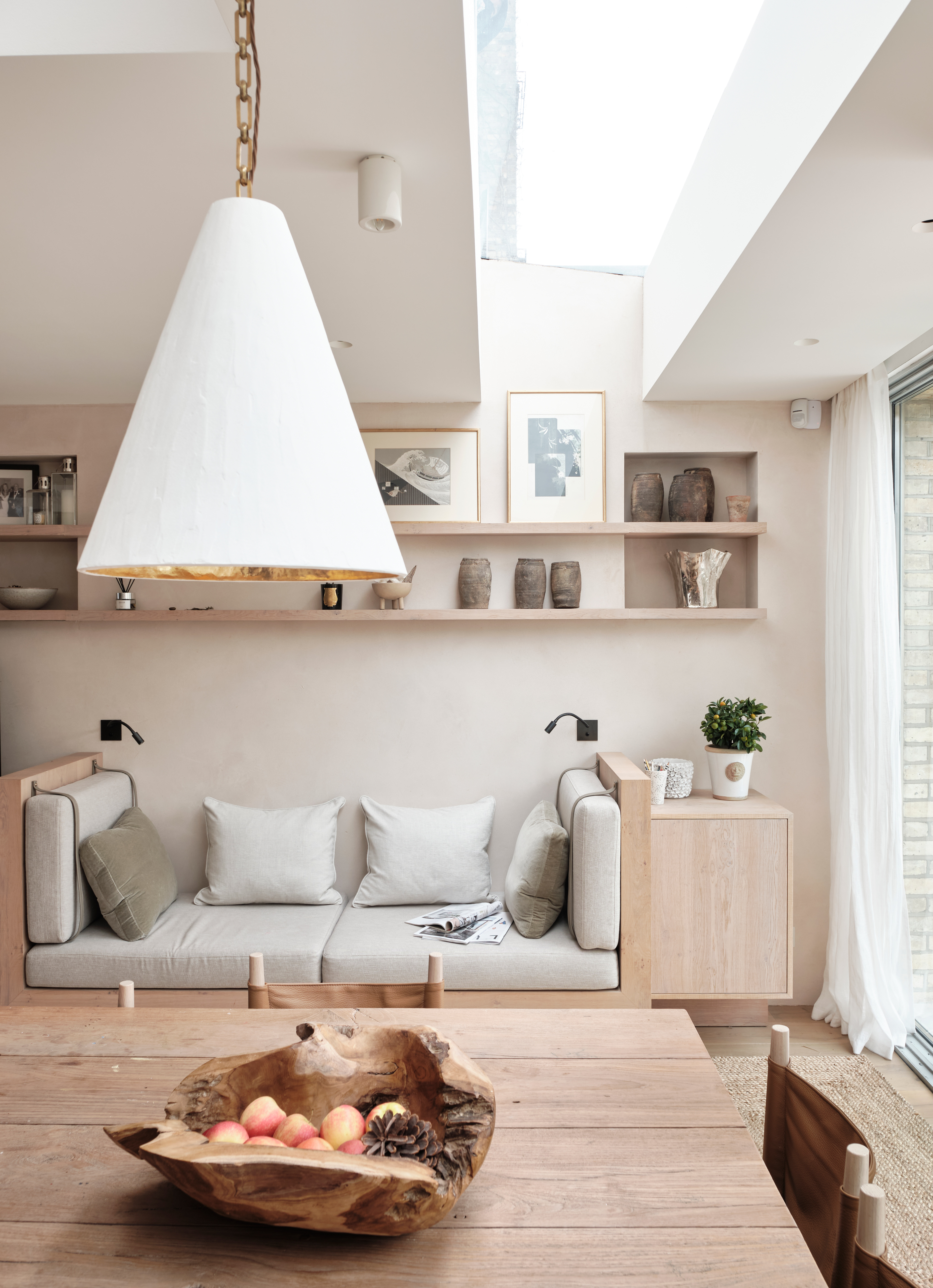
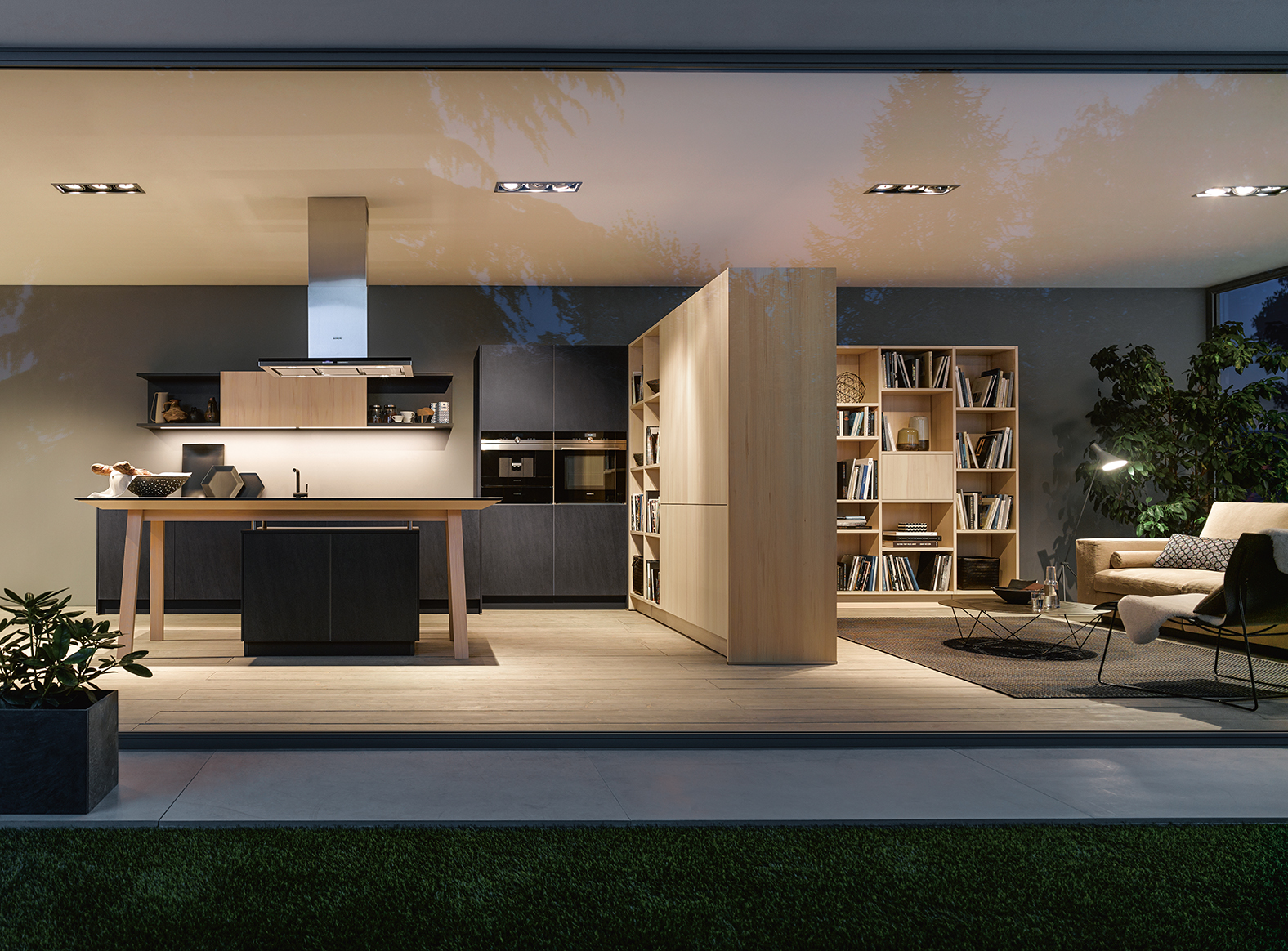
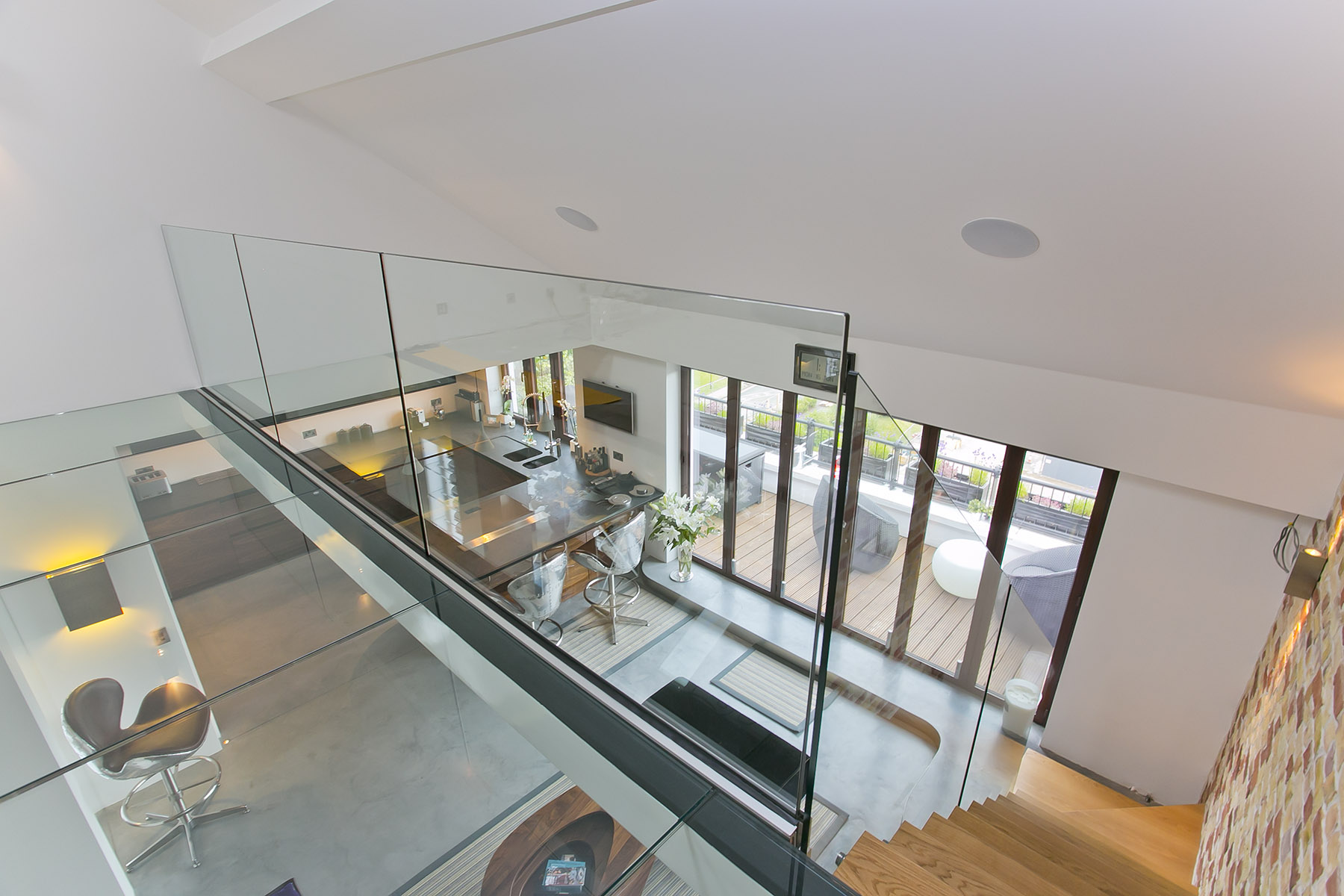
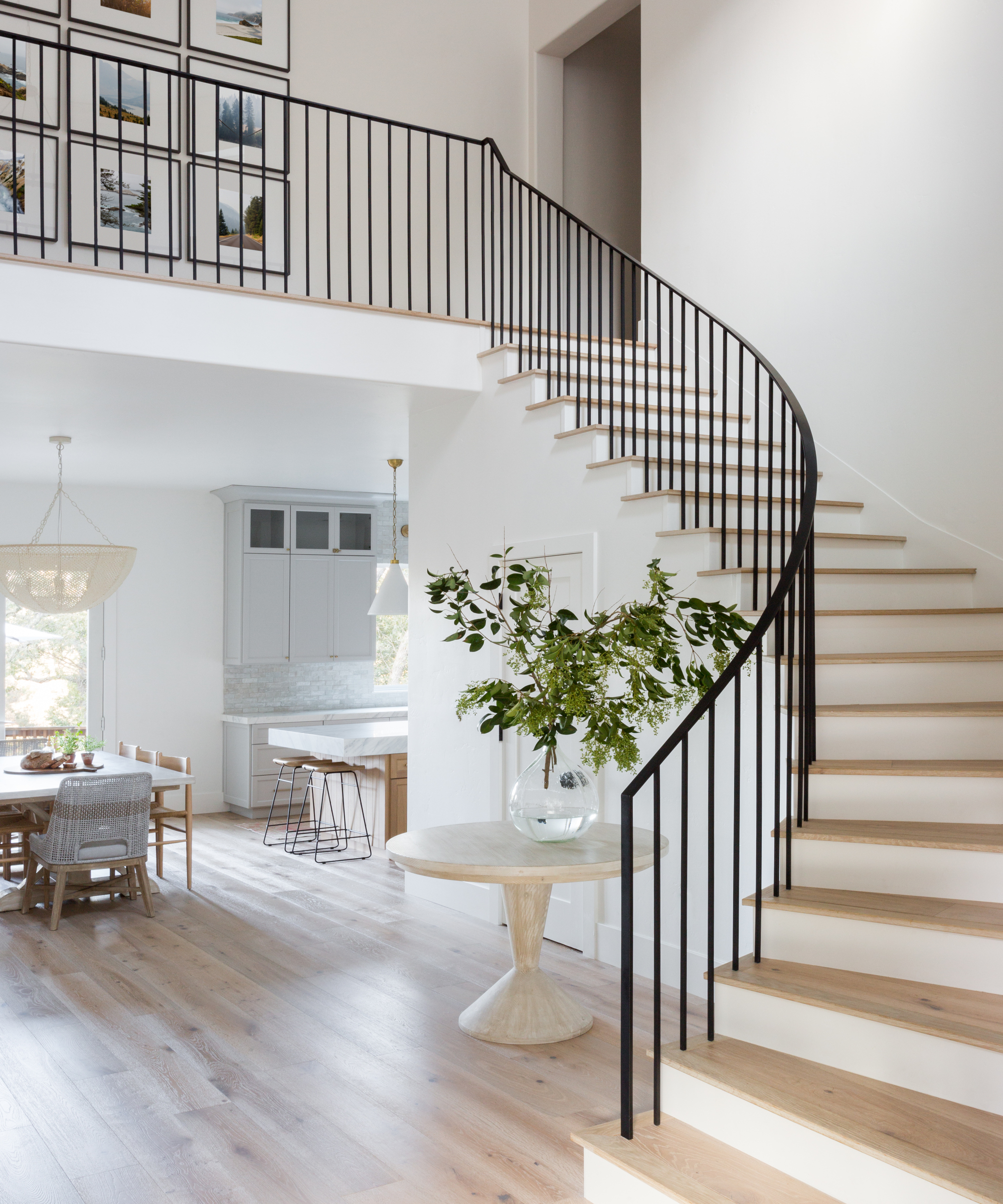
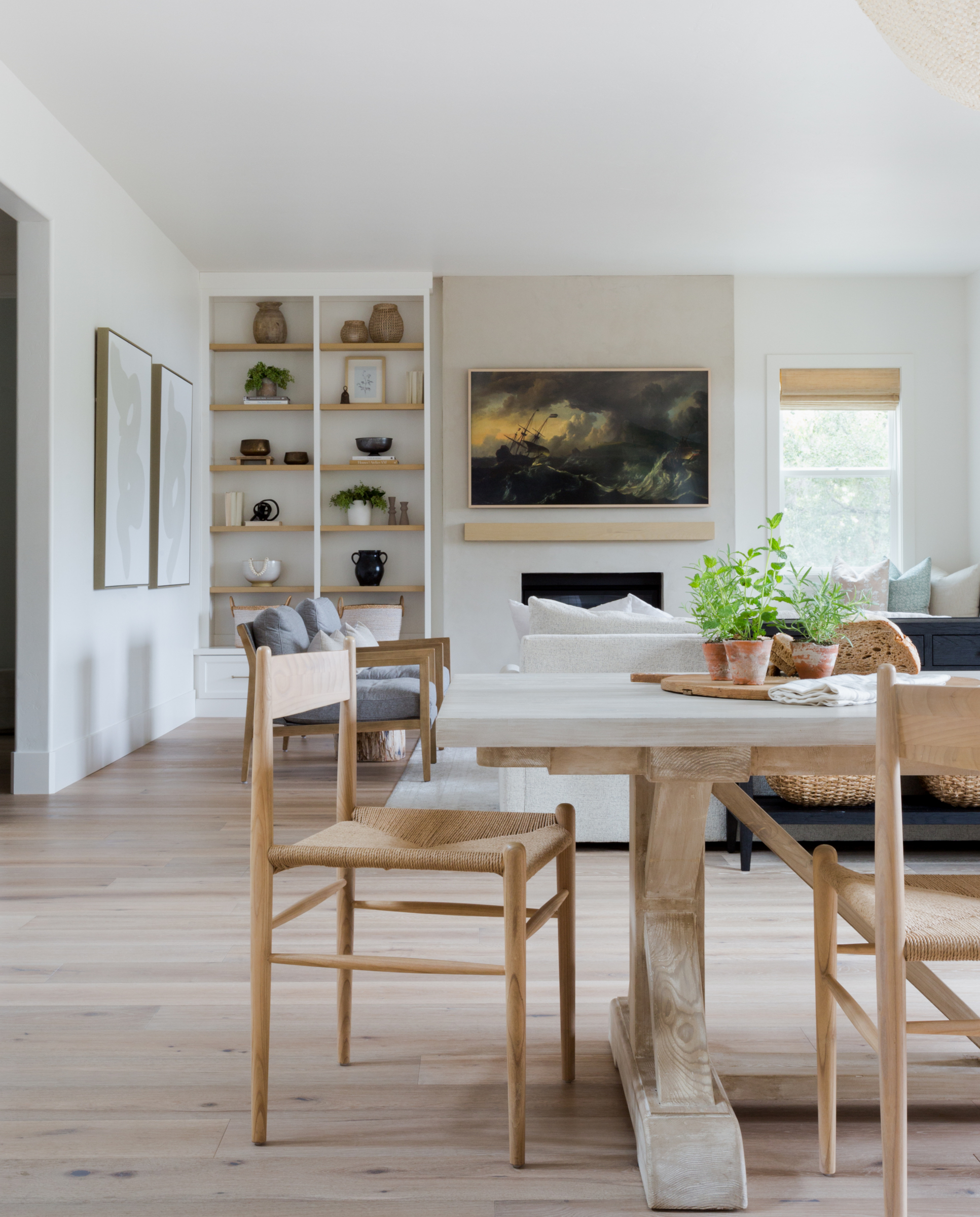
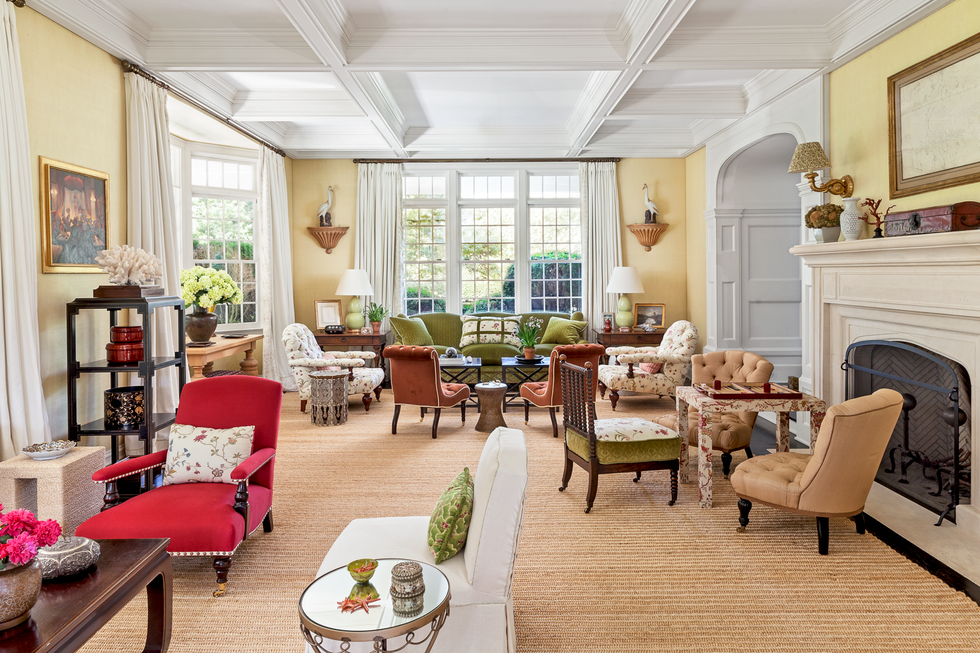
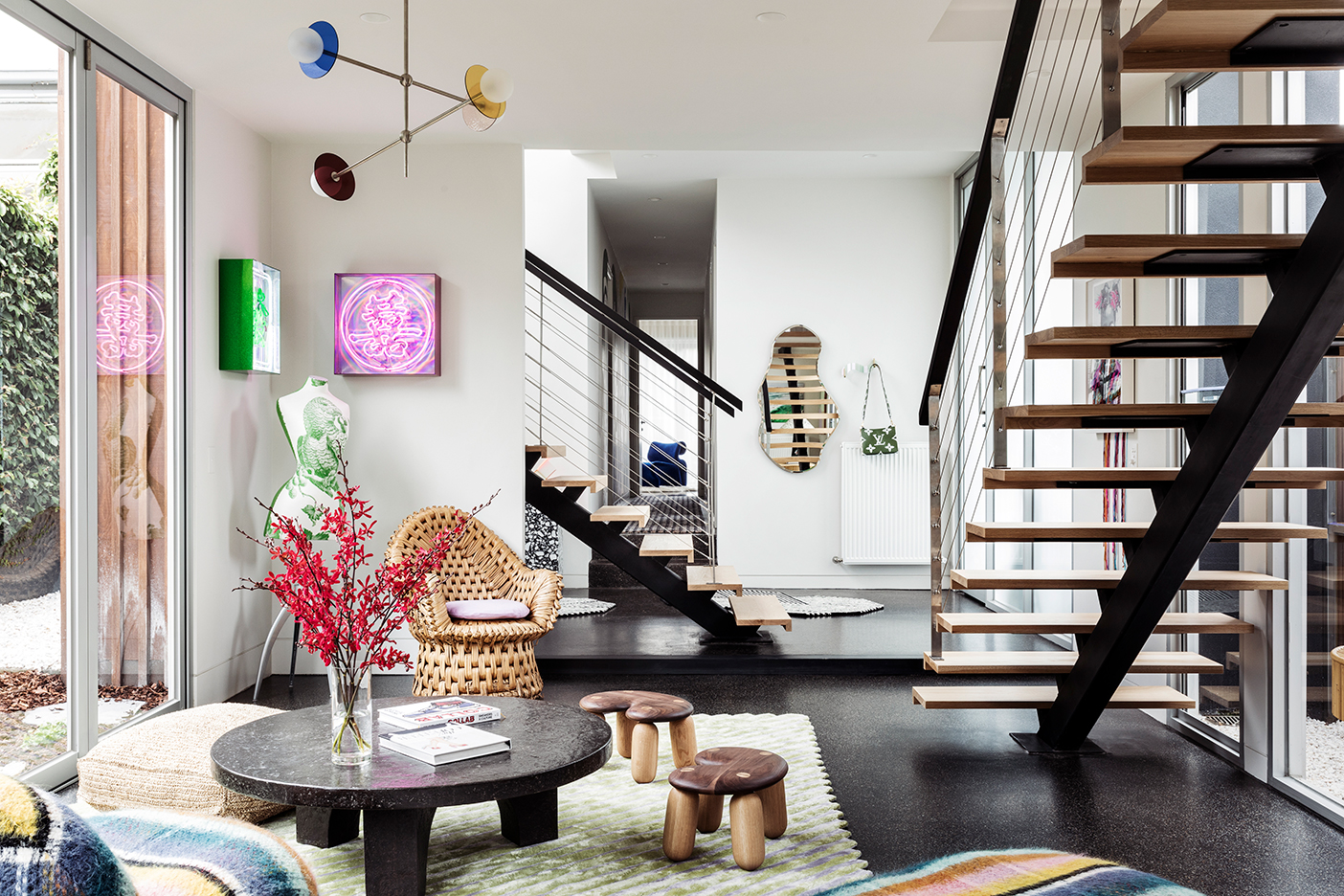
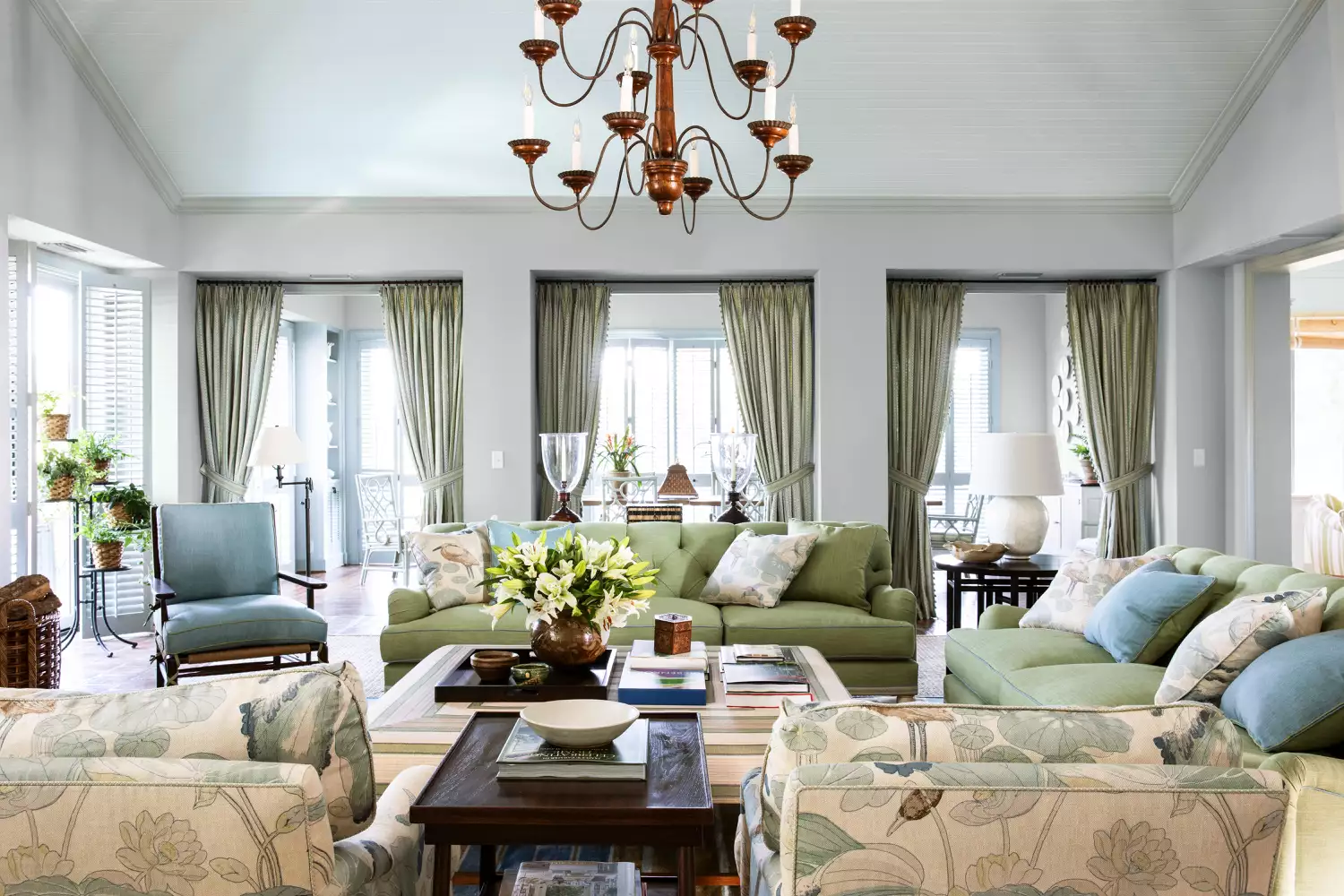
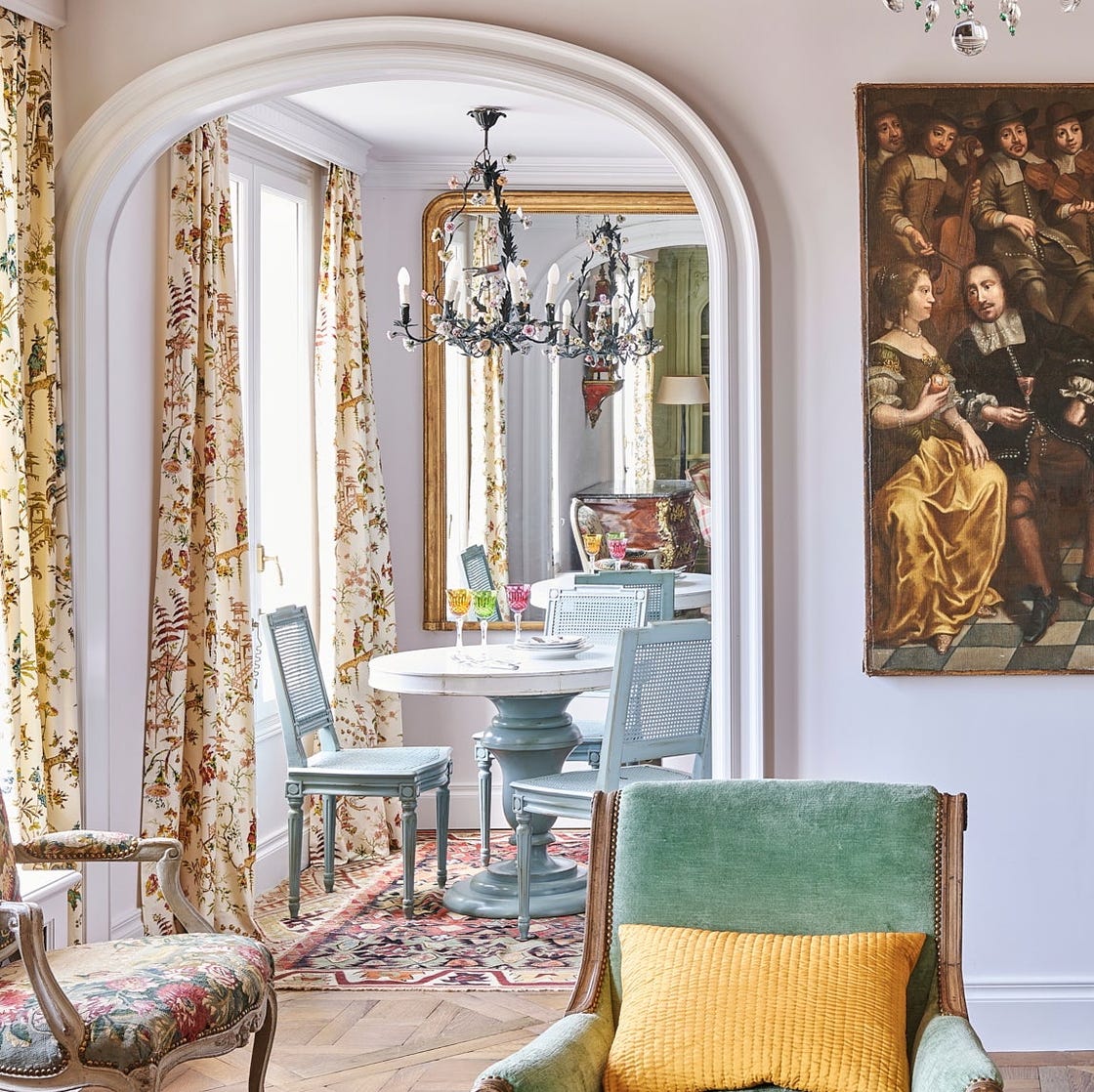
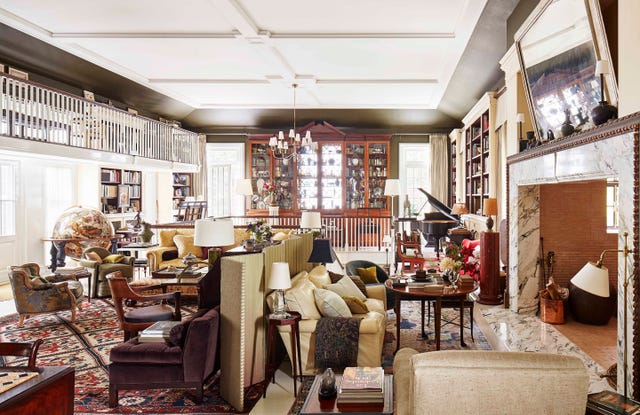
A broken plan layout achieves separation within an open area without relying on full-height walls. Instead, it utilizes various architectural and design elements to create visual and functional divisions. These elements can be permanent features such as partial walls, built-in shelving units, double-sided fireplaces, or glass partitions, which allow light to penetrate while still defining boundaries. More temporary and flexible elements like strategically placed furniture, decorative screens, area rugs, and tall shelving units are also employed. These flexible solutions are particularly beneficial for homeowners who want to experiment with different configurations or adapt their living spaces to evolving needs without undertaking major renovations.
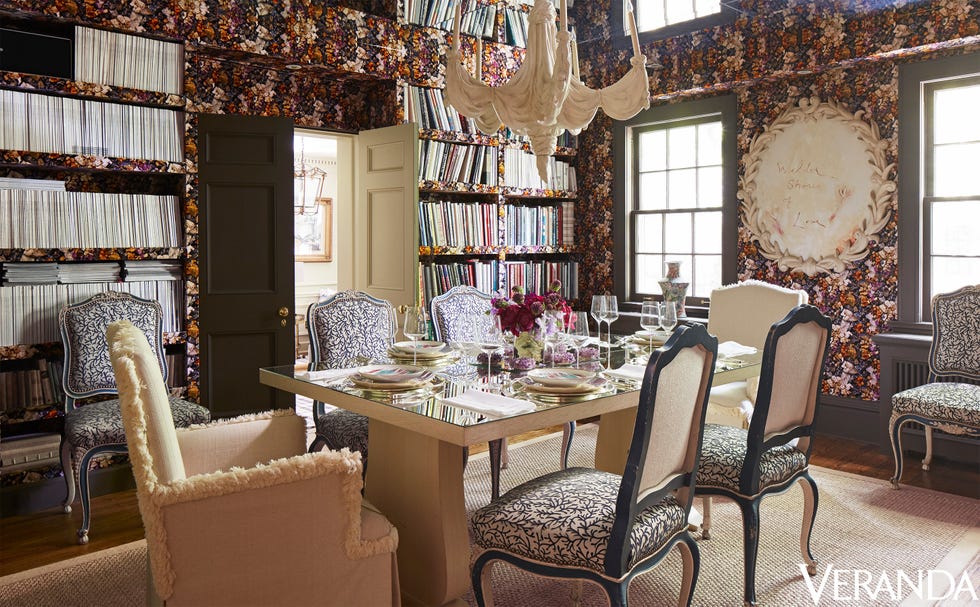
One of the key benefits of the broken plan is its ability to introduce a sense of coziness and clear purpose to areas that might otherwise feel too expansive or undefined in an entirely open plan. For instance, a large, open living room can be subtly sectioned off into a more intimate lounge area using a substantial bookcase, or a dining room can gain a degree of separation from an adjacent kitchen with the addition of a china cabinet. This approach allows for a perception of continuity while still providing the psychological and functional benefits of distinct spaces. The article also suggests that these less permanent fixtures can serve as a testing ground for homeowners considering more extensive future renovations, allowing them to gauge the effectiveness of their desired spatial divisions.
Furthermore, the broken plan layout is presented as a clever solution for those who previously favored open floor plans but have since developed a desire for more defined areas. It allows for increased control over sightlines, sound, and privacy without completely sacrificing the airy feel and natural light typically associated with open designs. By offering a balanced approach, this layout caters to a broader range of homeowner preferences, providing a harmonious blend of connection and distinction in modern living spaces.
#HomeDesign #FloorPlans #BrokenPlanLayout #InteriorDesign #ResidentialArchitecture #HomeRenovation #SpacePlanning #HomeDesign #FloorPlans #BrokenPlanLayout #InteriorDesign #ResidentialArchitecture #HomeRenovation #SpacePlanning
0 commenti in totale
 Nessun commento ancora
Potresti anche gradire
Designers Say This Is the "Perfect" Floor Plan for Young Families

Serendipity: The Clay Home
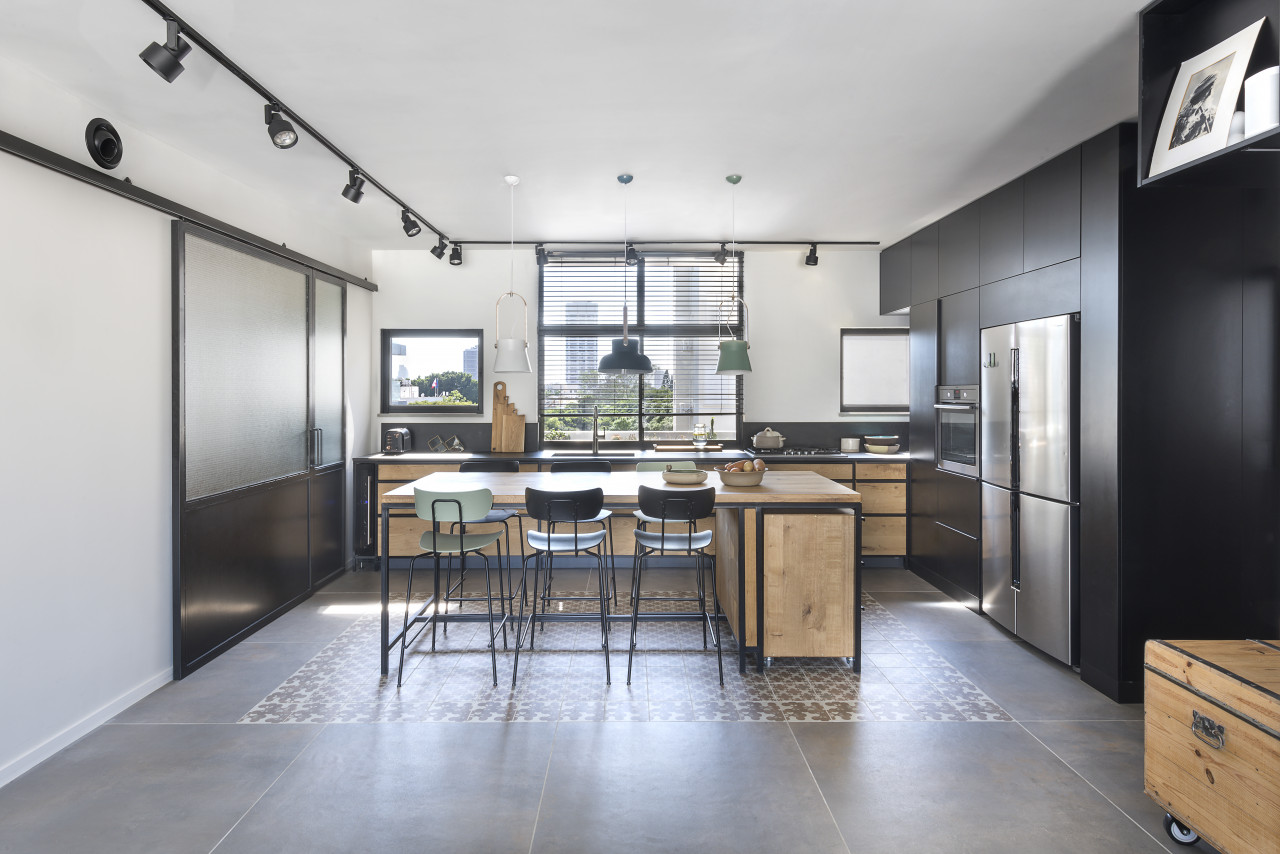
A Tel Aviv Apartment Uses A Loop Floor Plan For Freedom + Flexibility

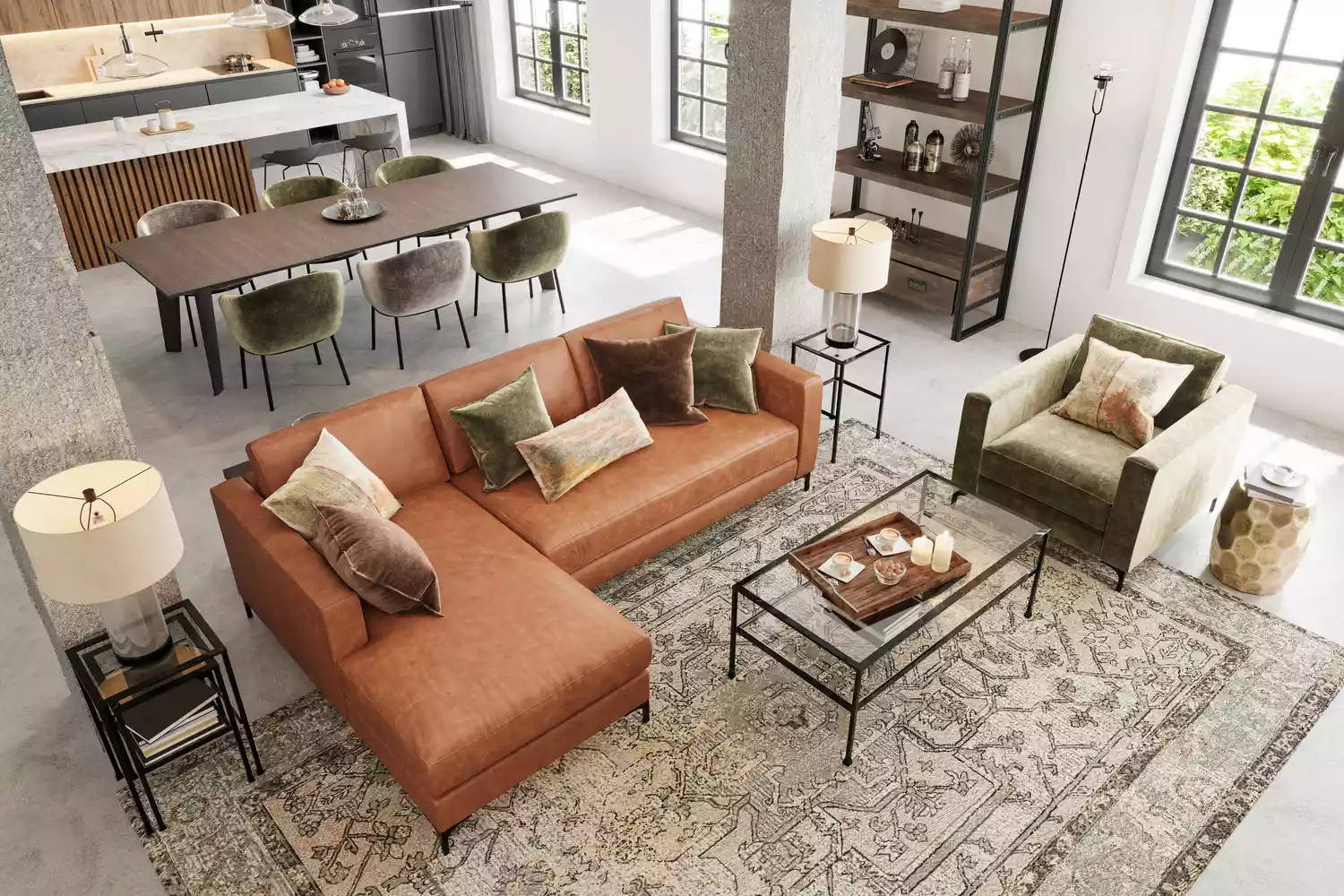
Are Open Floor Plans Overrated? This Is What Our Readers Had to Say

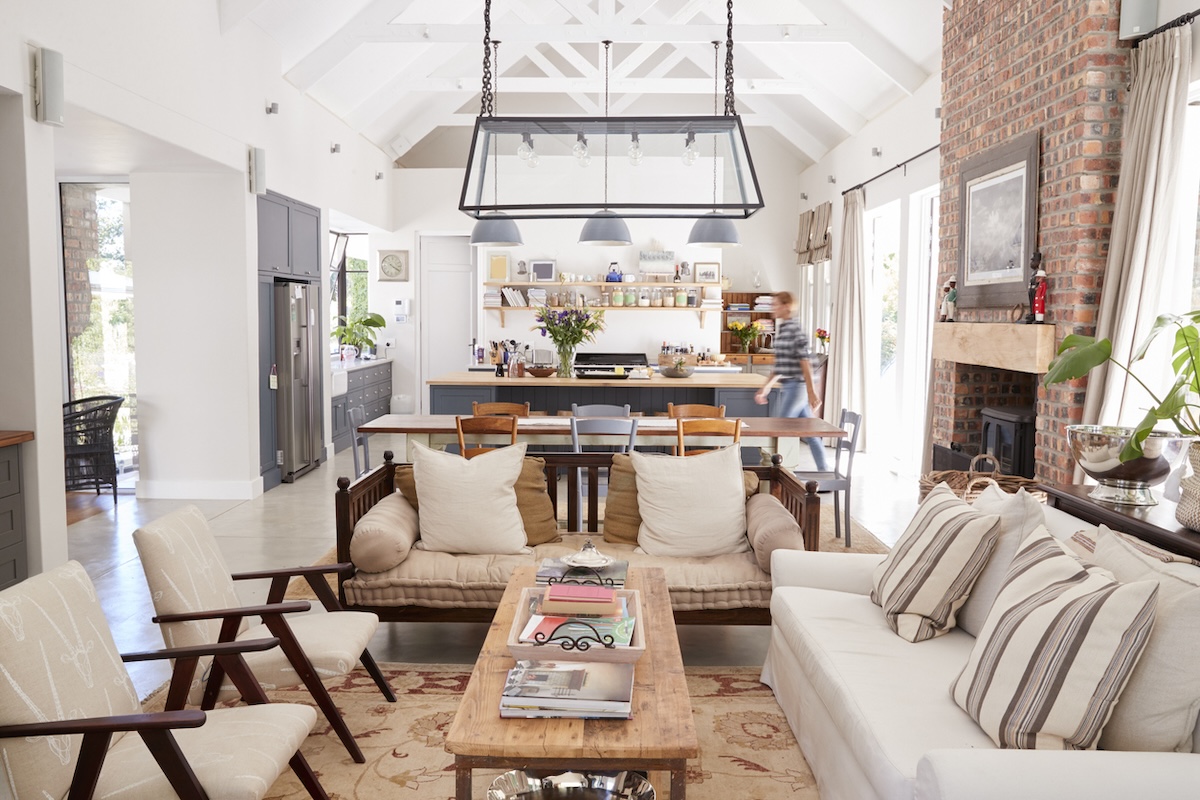
The One Wall Most People Want to Rip Out: Ideas for Open and Semi-Open Floor Plans

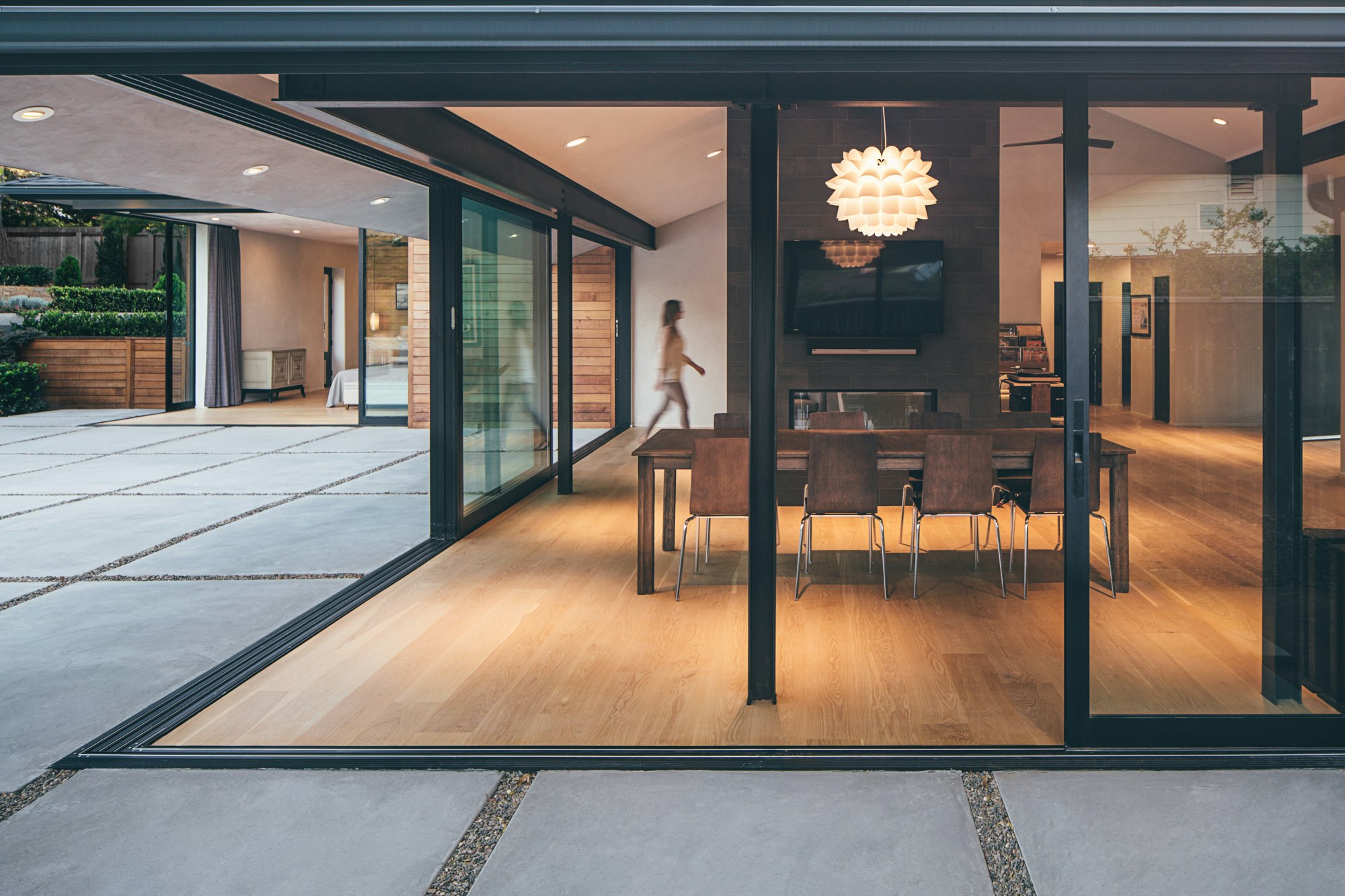
Top 5 Homes of the Week With Interesting Floor Plans

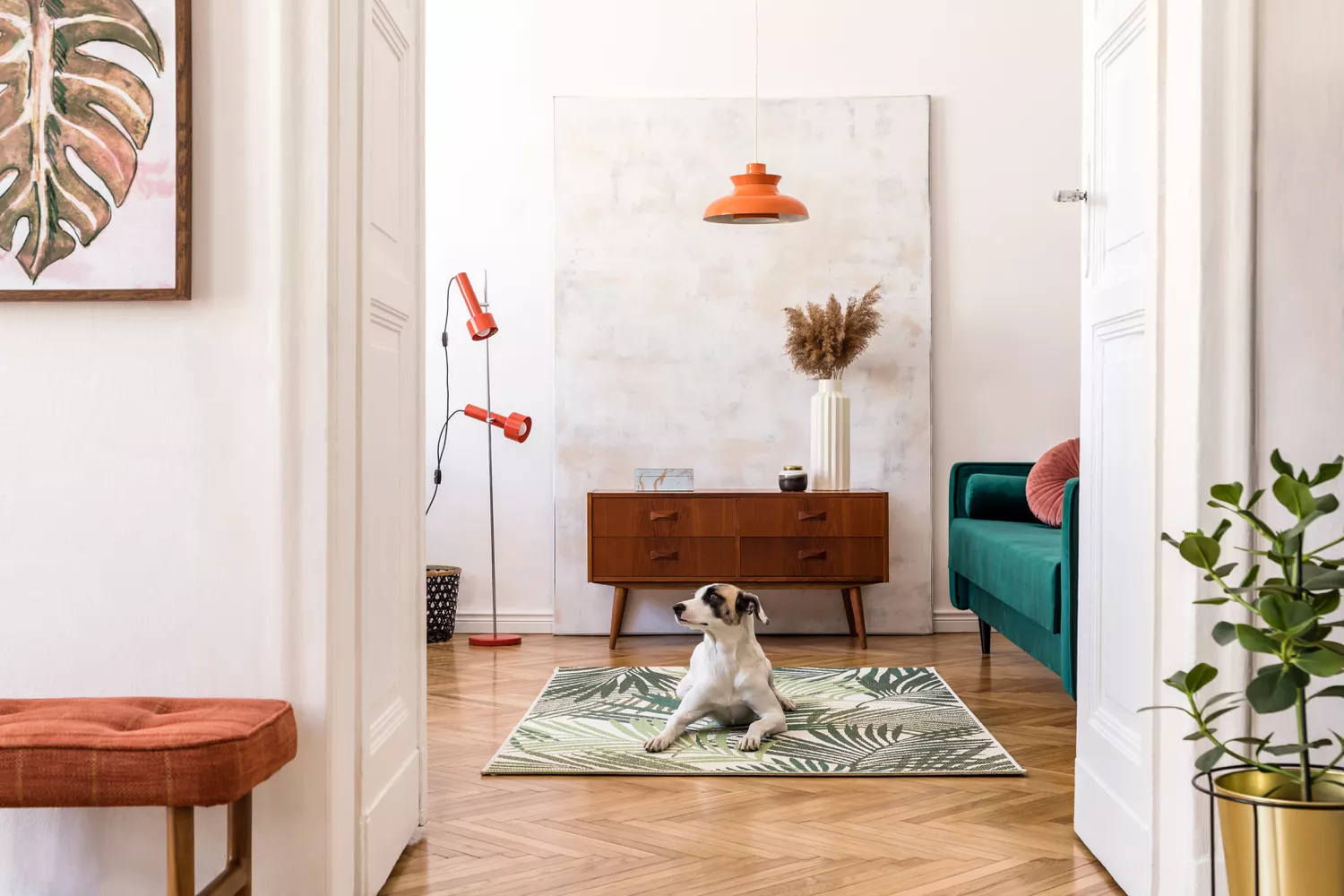
Closed Floor Plans Are Making a Comeback—but Designers Say They’re Not for Everyone

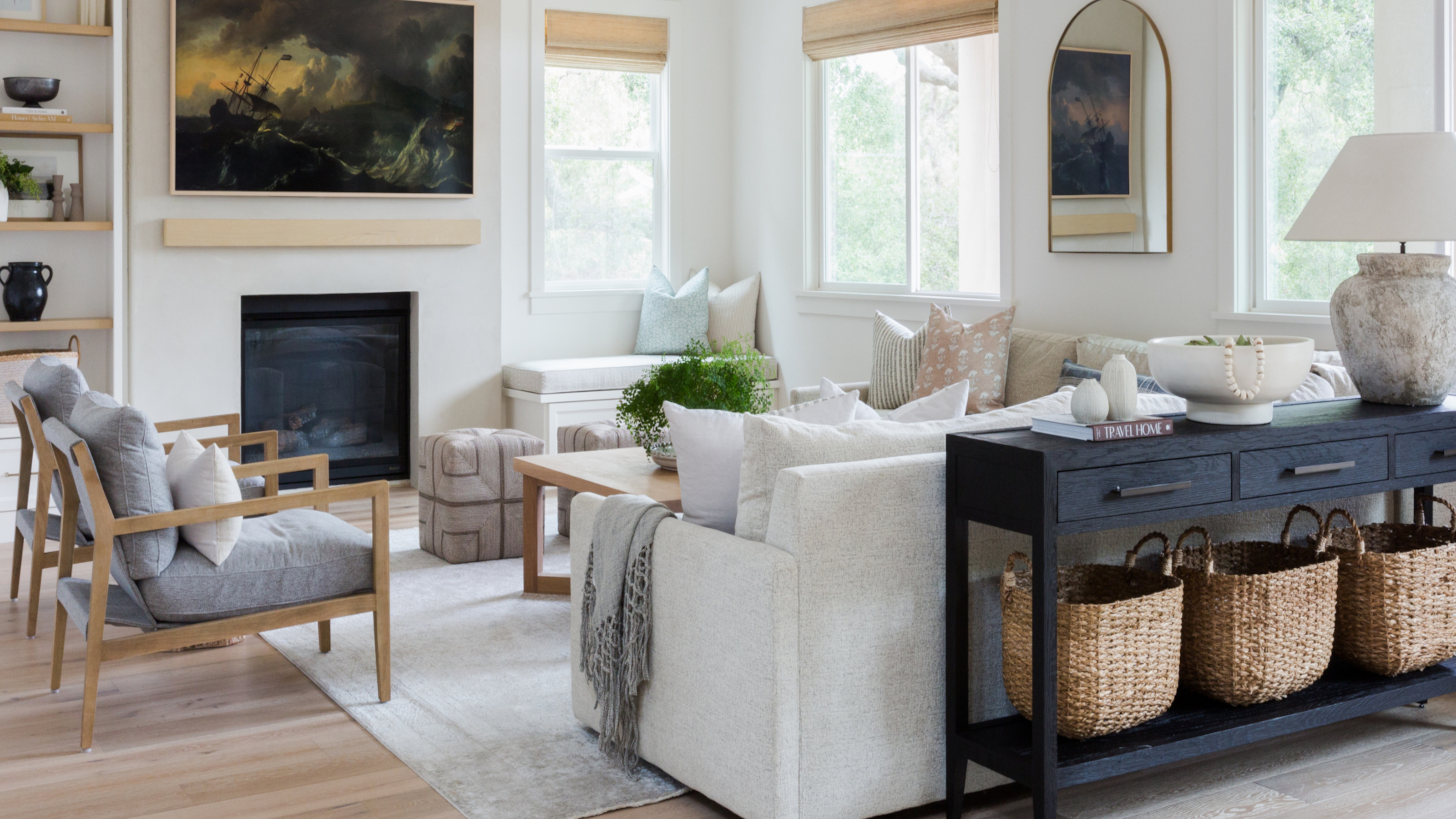
A full house remodel makes space for open-plan comfort, luxury and elegance

5 New Ways With An Open Floor Plan

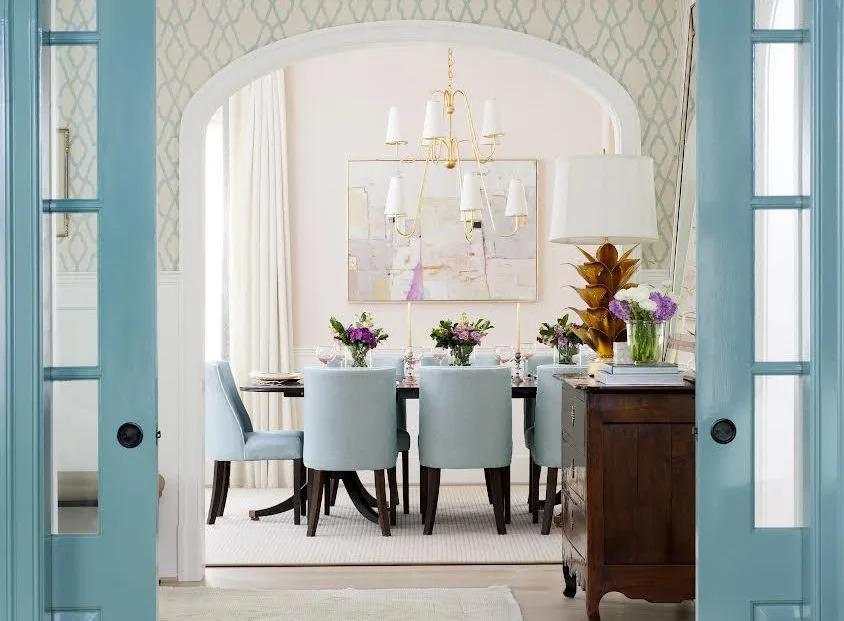
Should Your Home Have An Open Or Closed Floor Plan? 7 Designers Debate
Why Designers Are Ditching Traditional Layouts for "Broken Floor Plans"
Will The Pandemic Be The Death Of The Open Floor Plan?
One-Bedroom Floor Plans Offer the Best of All Worlds

The Challenges and Opportunities of Open-Concept Floor Plans

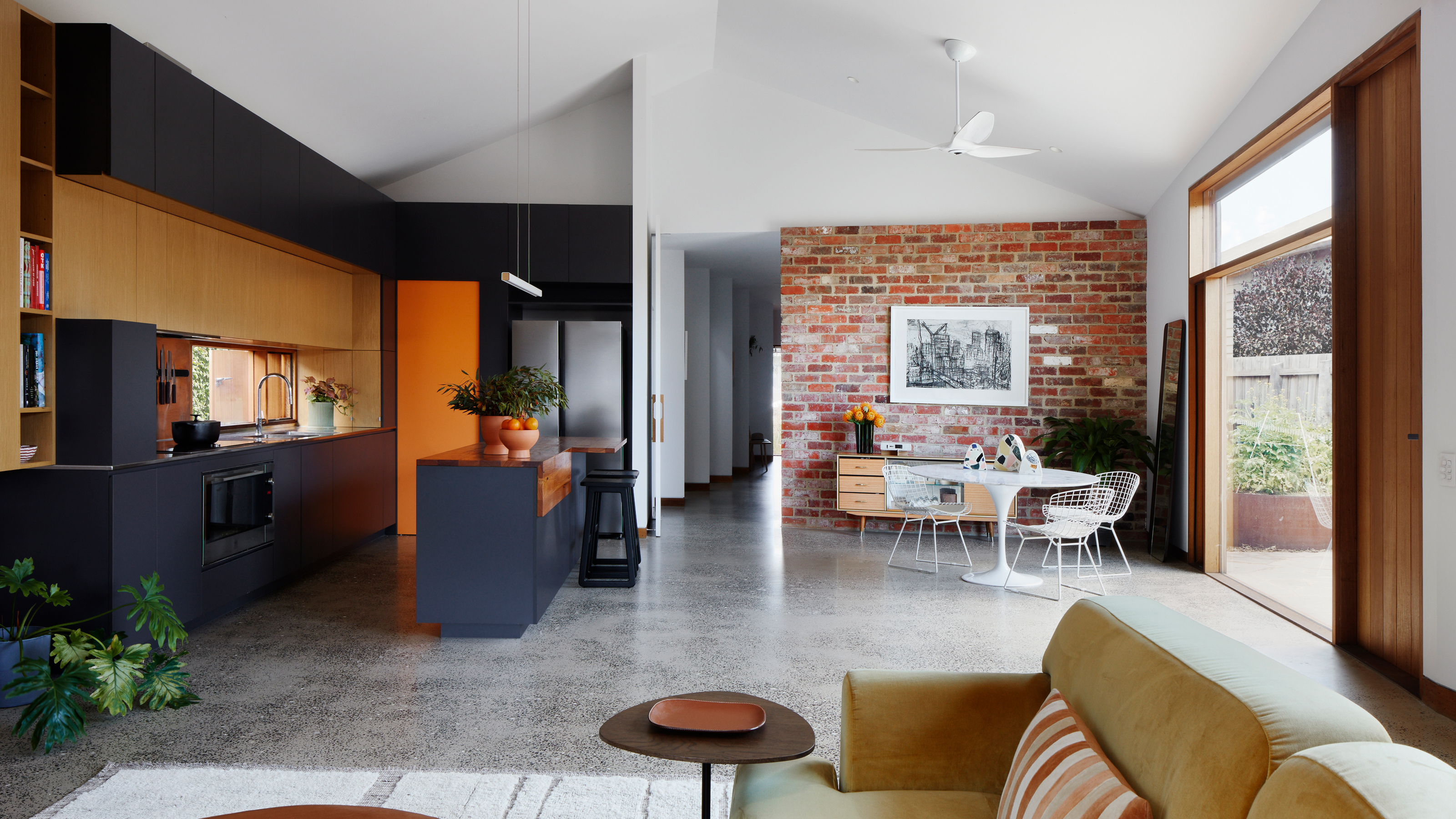
Are Open Concept Floor Plans Still in Style? Here's Why Designers are Opting Against This Once-Loved Layout

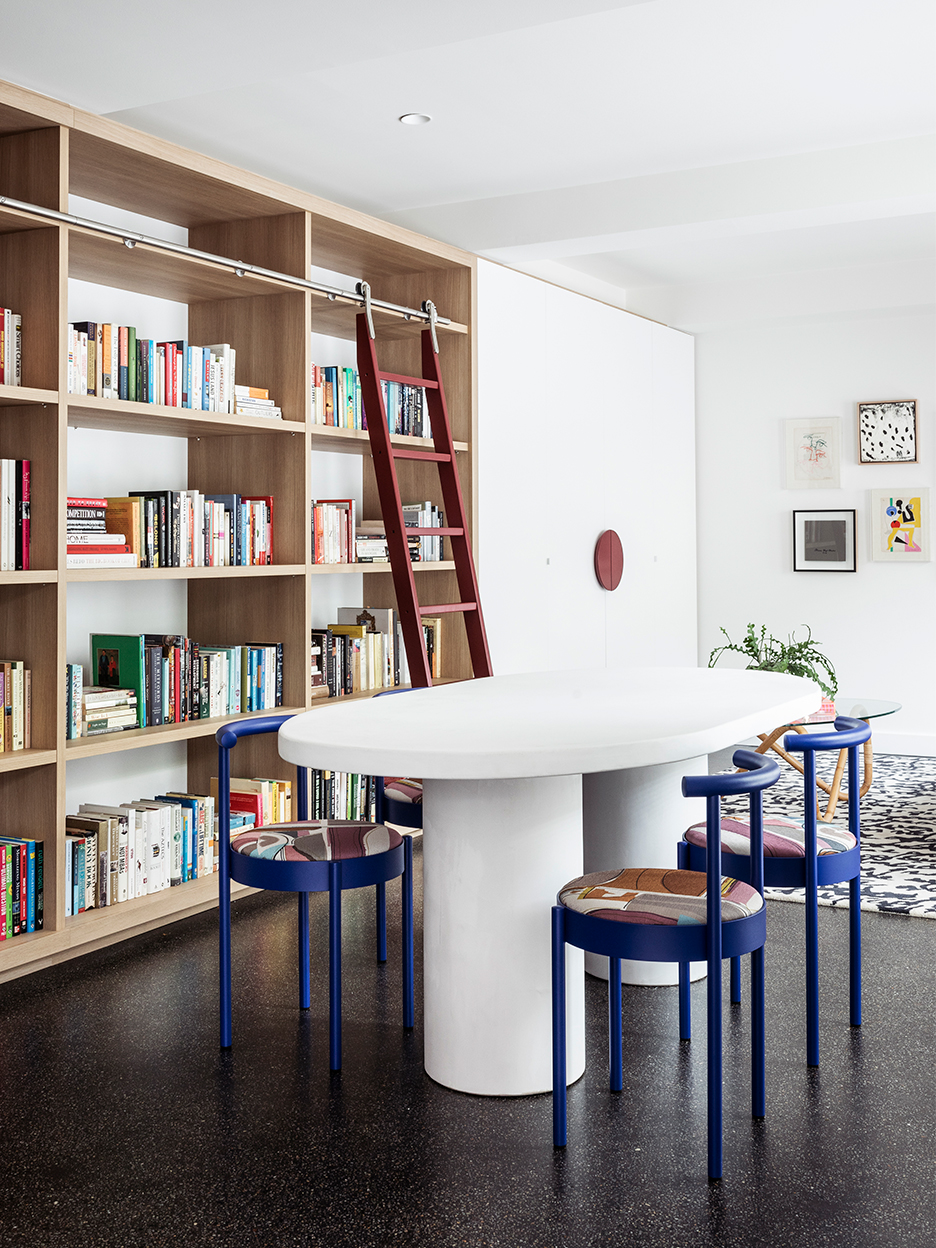
Two Homes Combined: This Melbourne House Is a Lesson in Smart Space Planning
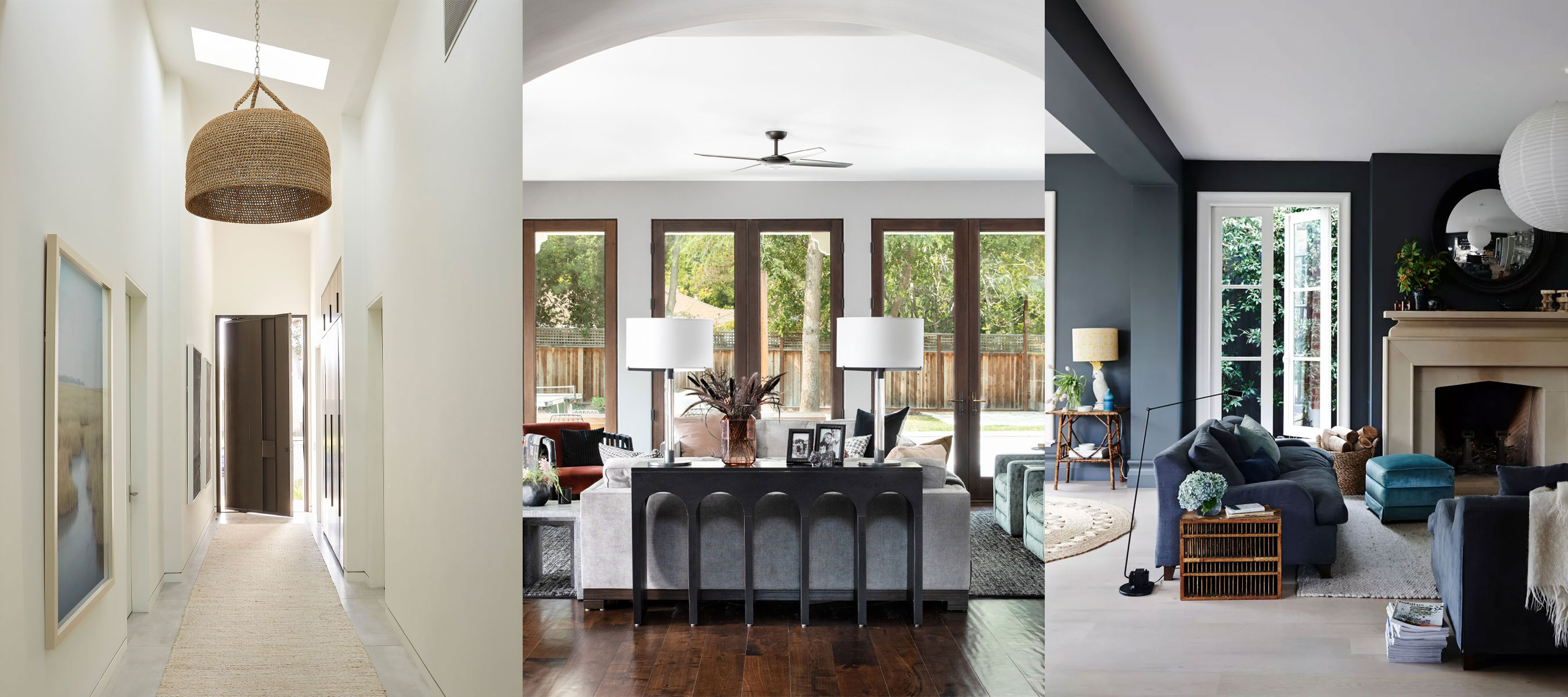
9 whole house layout mistakes – avoid these common floor plan flaws
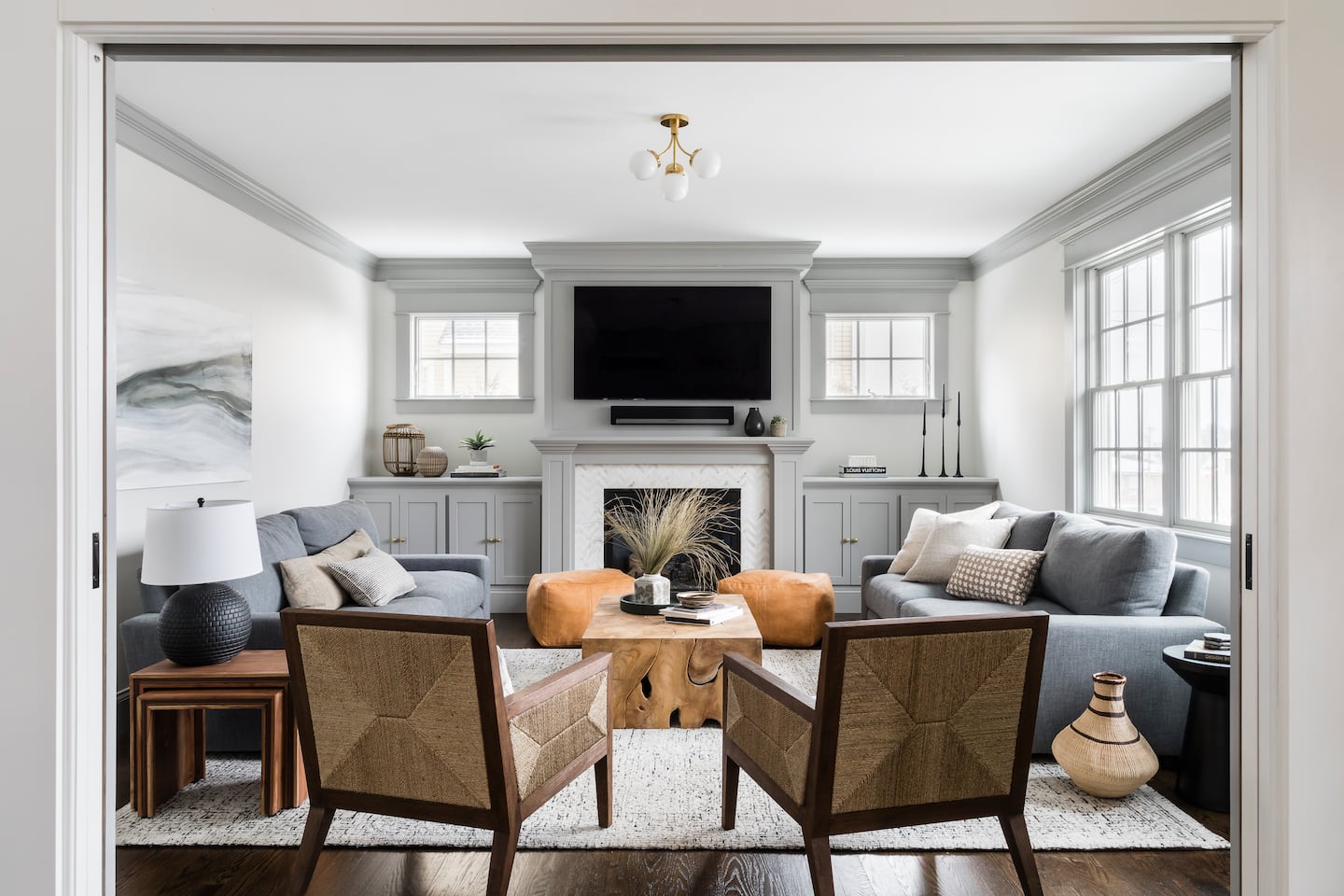
Interior design tricks that brought calm to a chaotic open floor plan

From atriums to mezzanines: 7 stylish ways to design your interior floor plan
Open Floor Plan Design