1/9
The Best Brushes for Polyurethane Applications
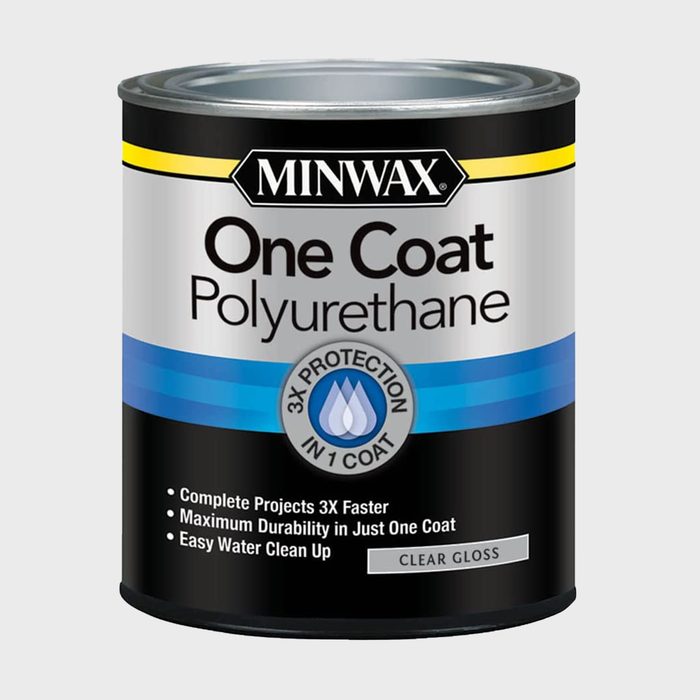
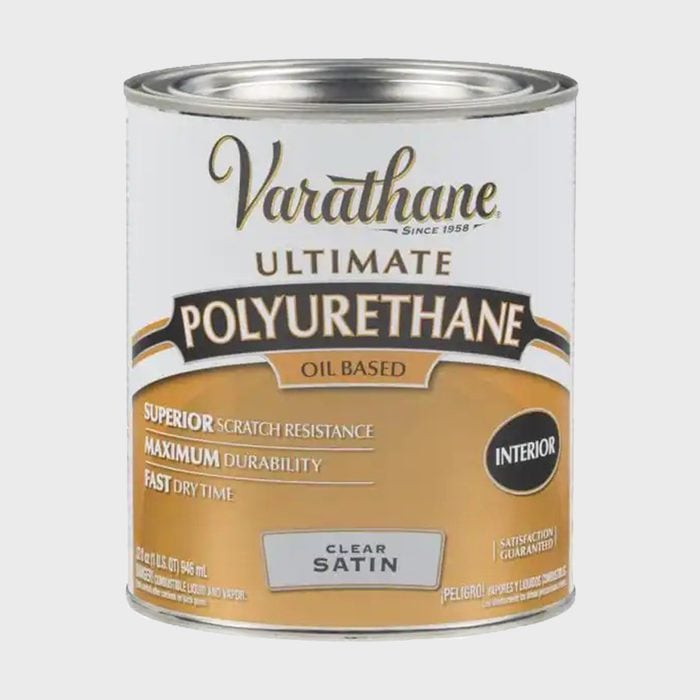
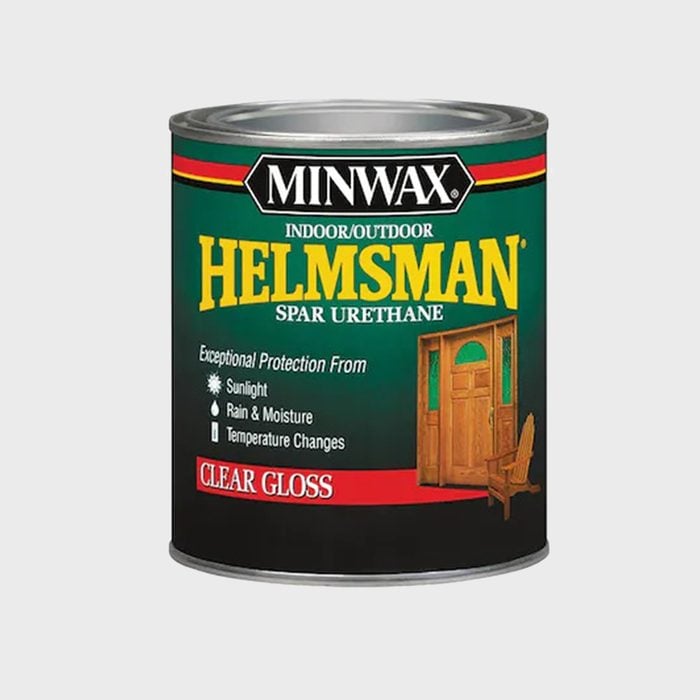
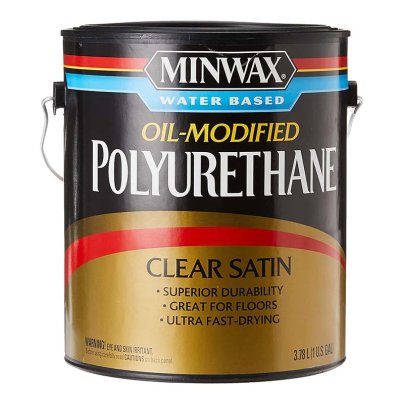
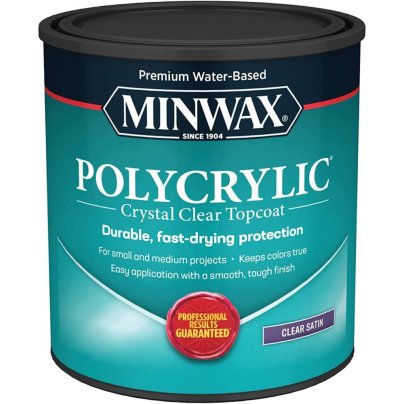
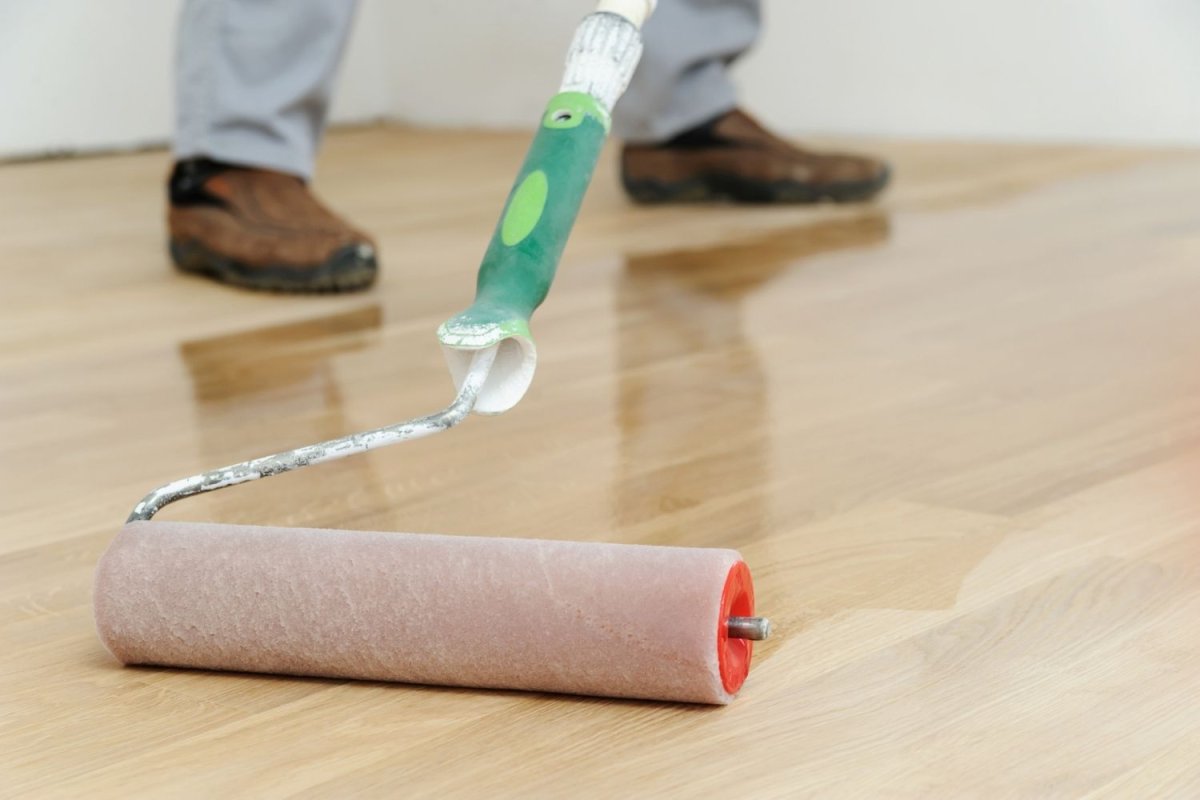
Polyurethane provides a durable and smooth finish for sealing wood products, protecting them from moisture, dirt, and damage. The selection of the best brush for polyurethane application depends on various factors, including the type of polyurethane, the project size, and the desired finish. Different formulas of polyurethane exist, such as oil-based, water-based, and water-based with oil modification, each requiring specific brush types for optimal results.
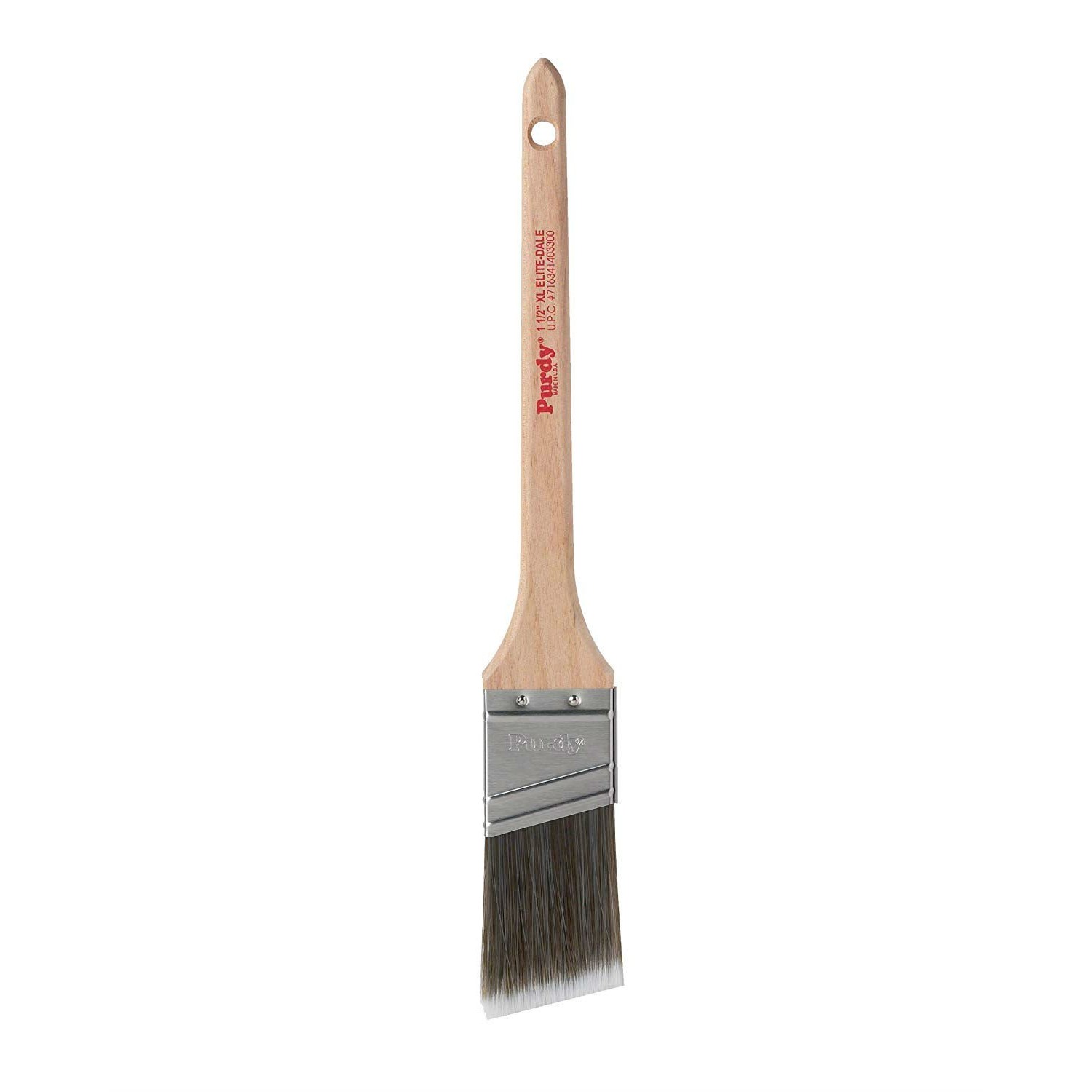
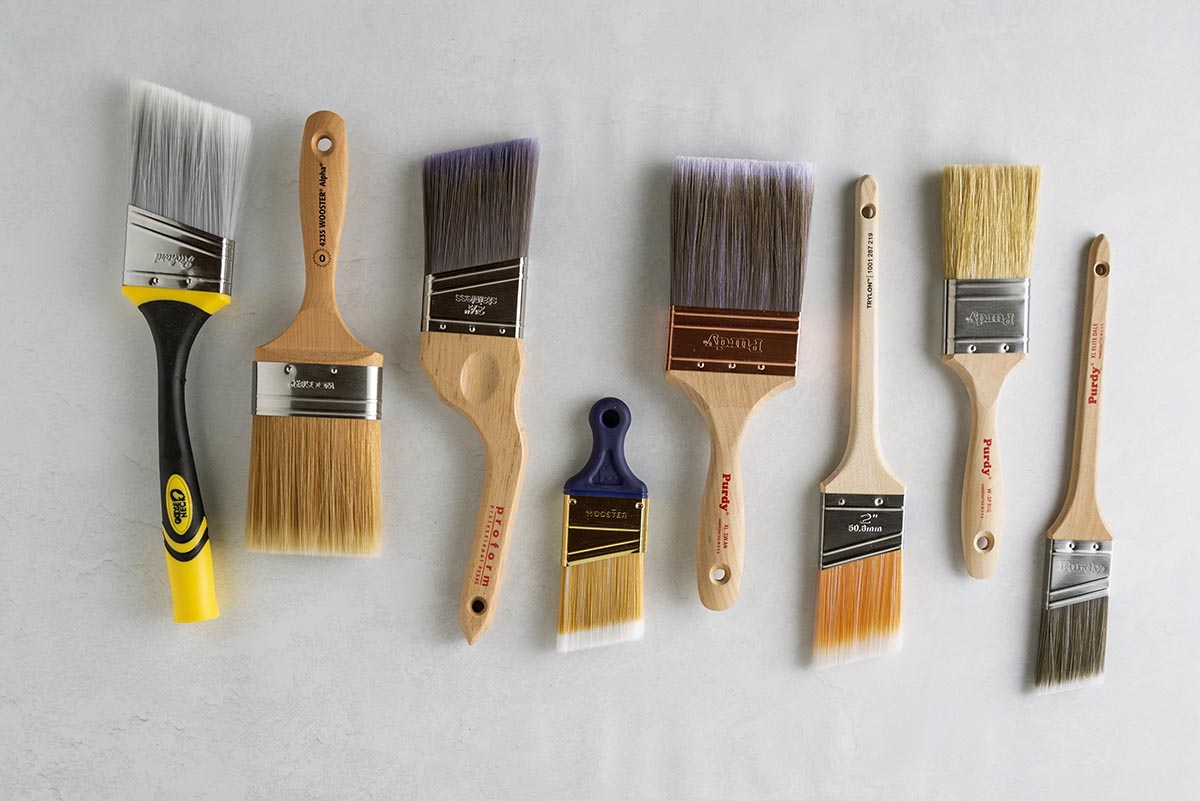
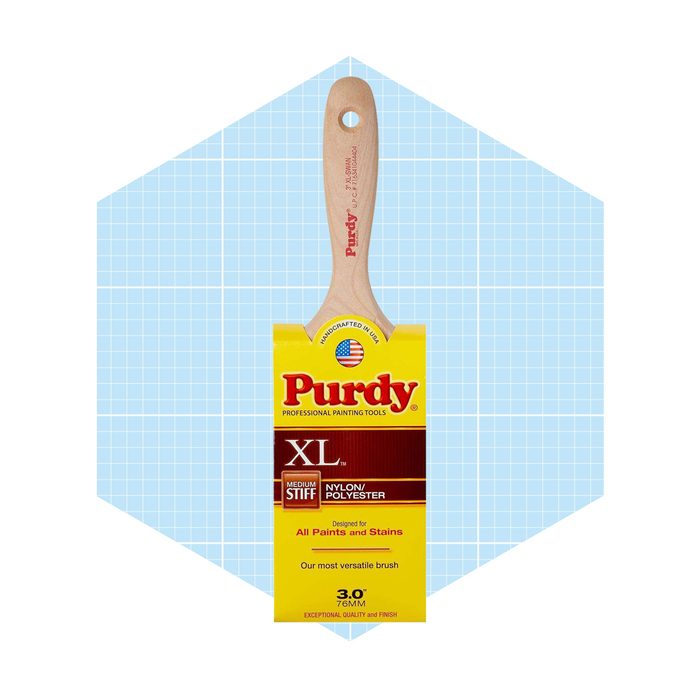
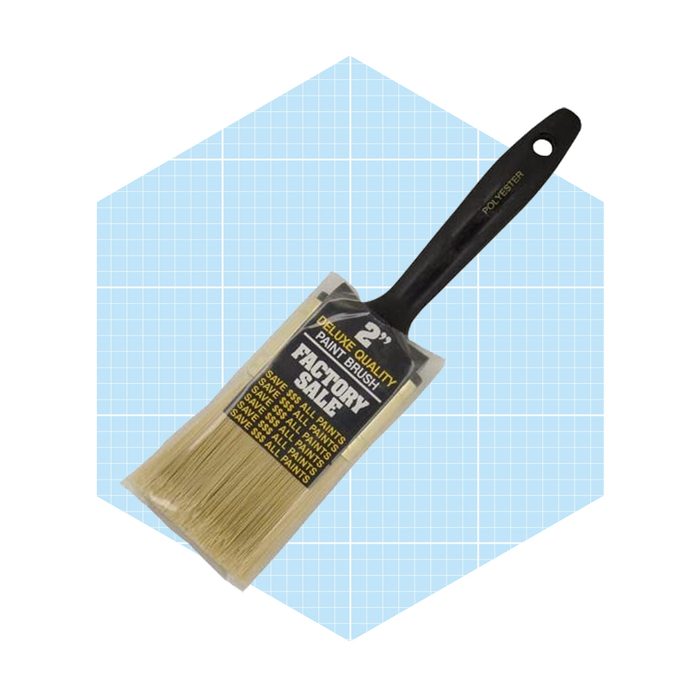
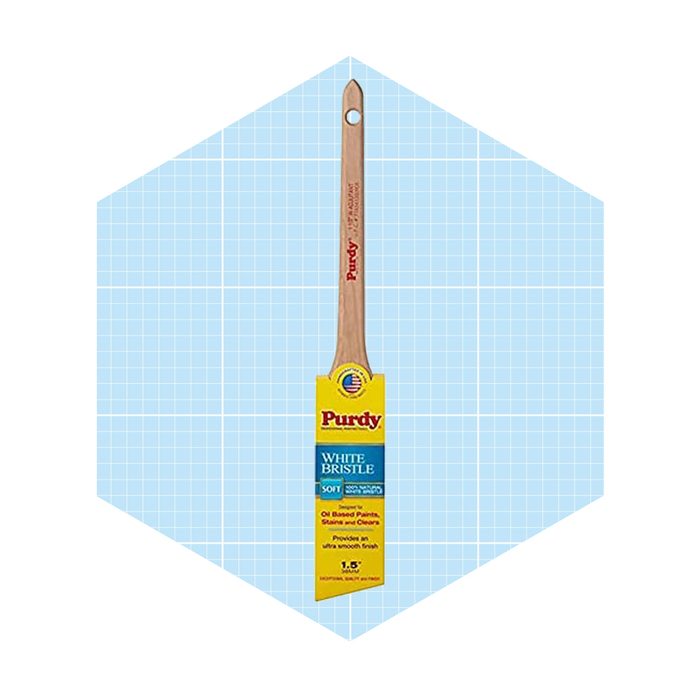
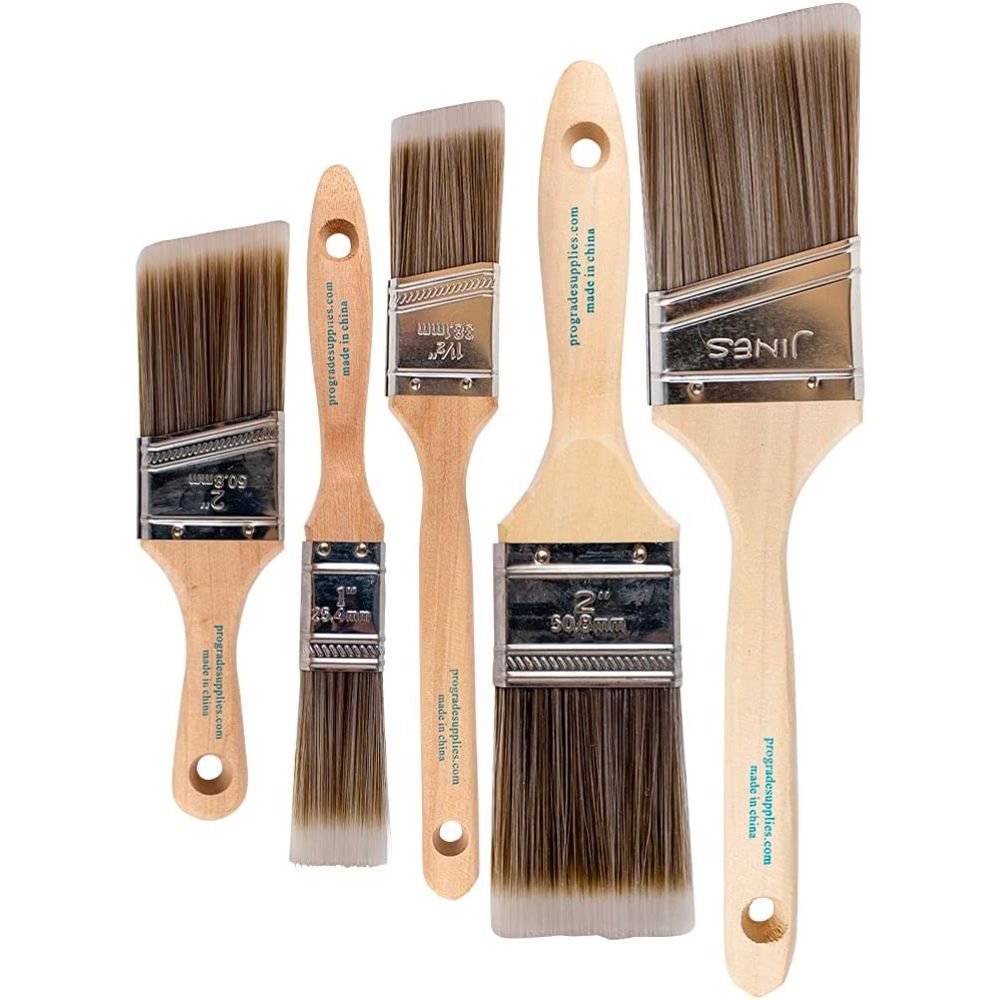
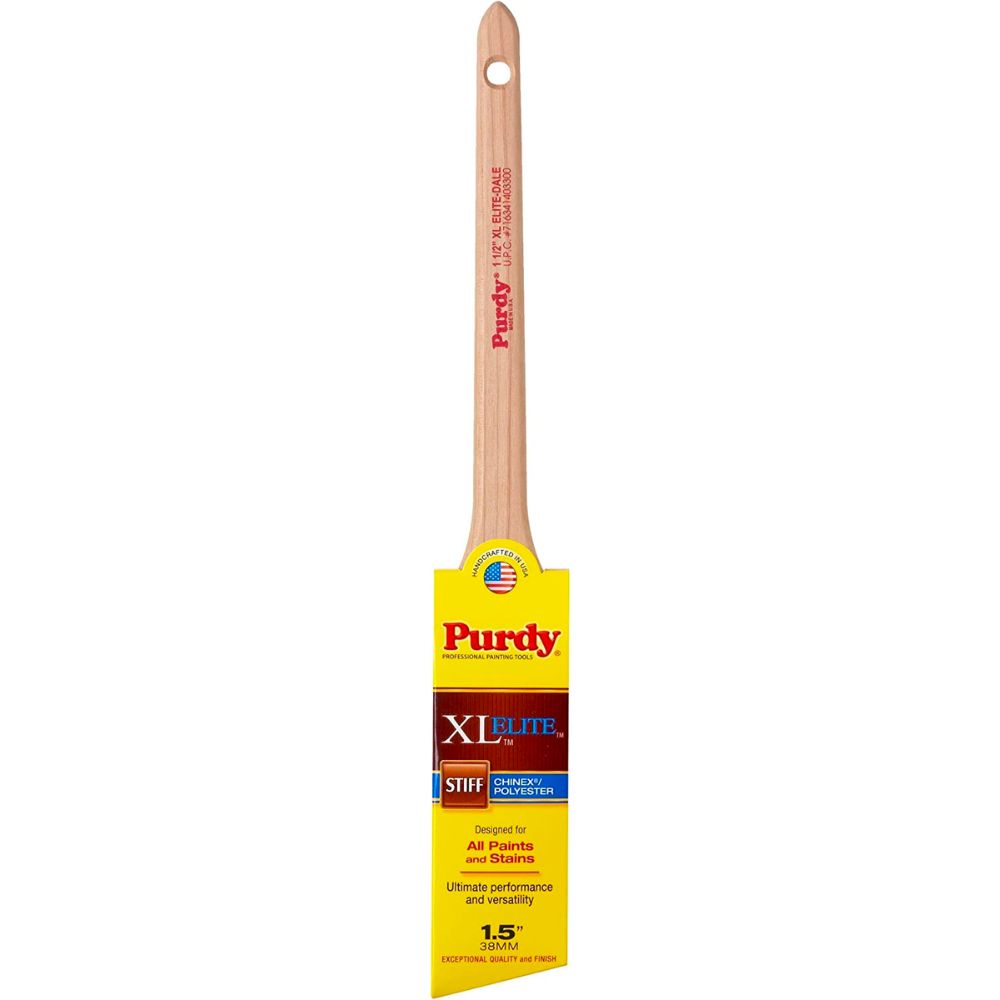
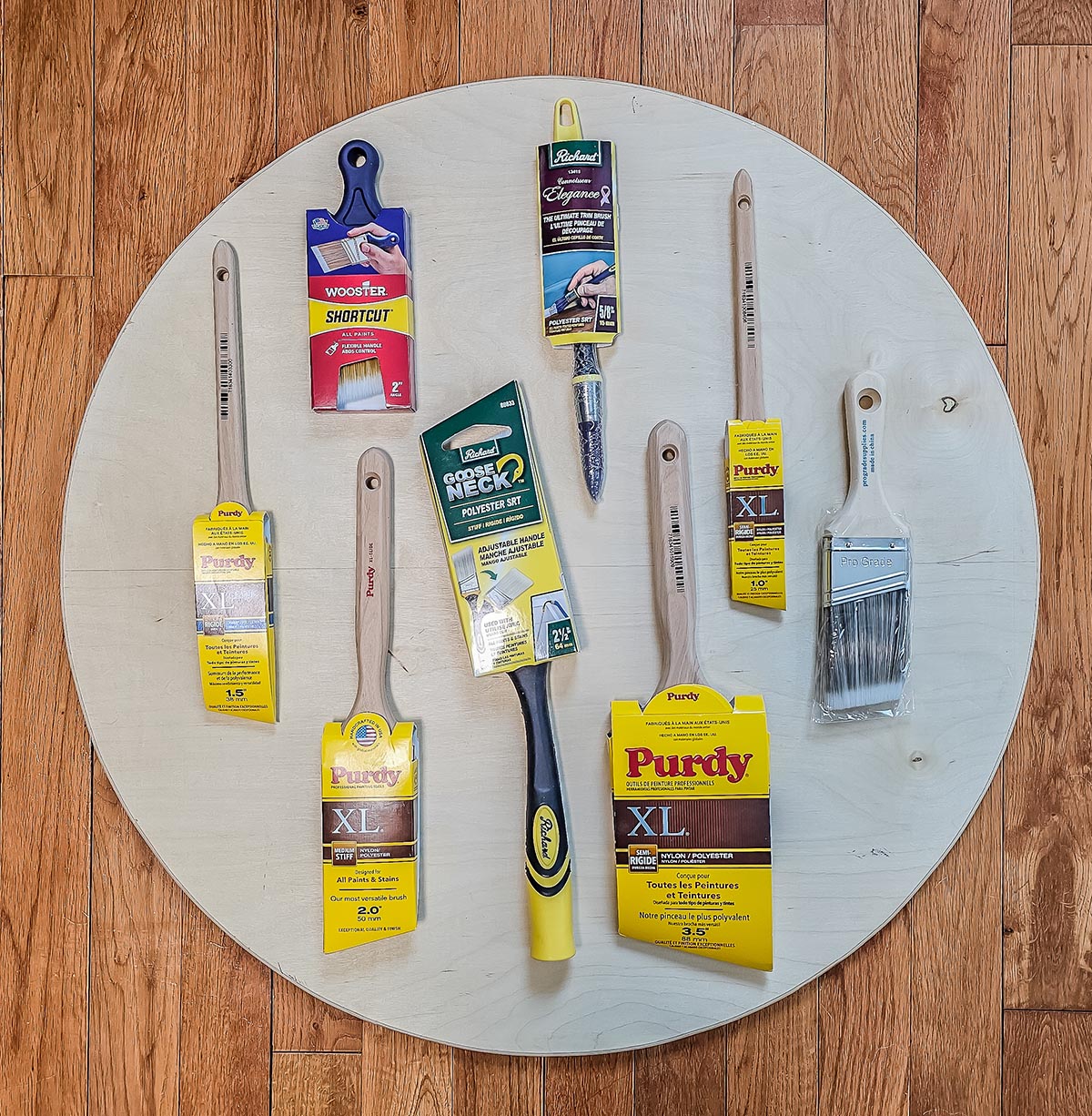
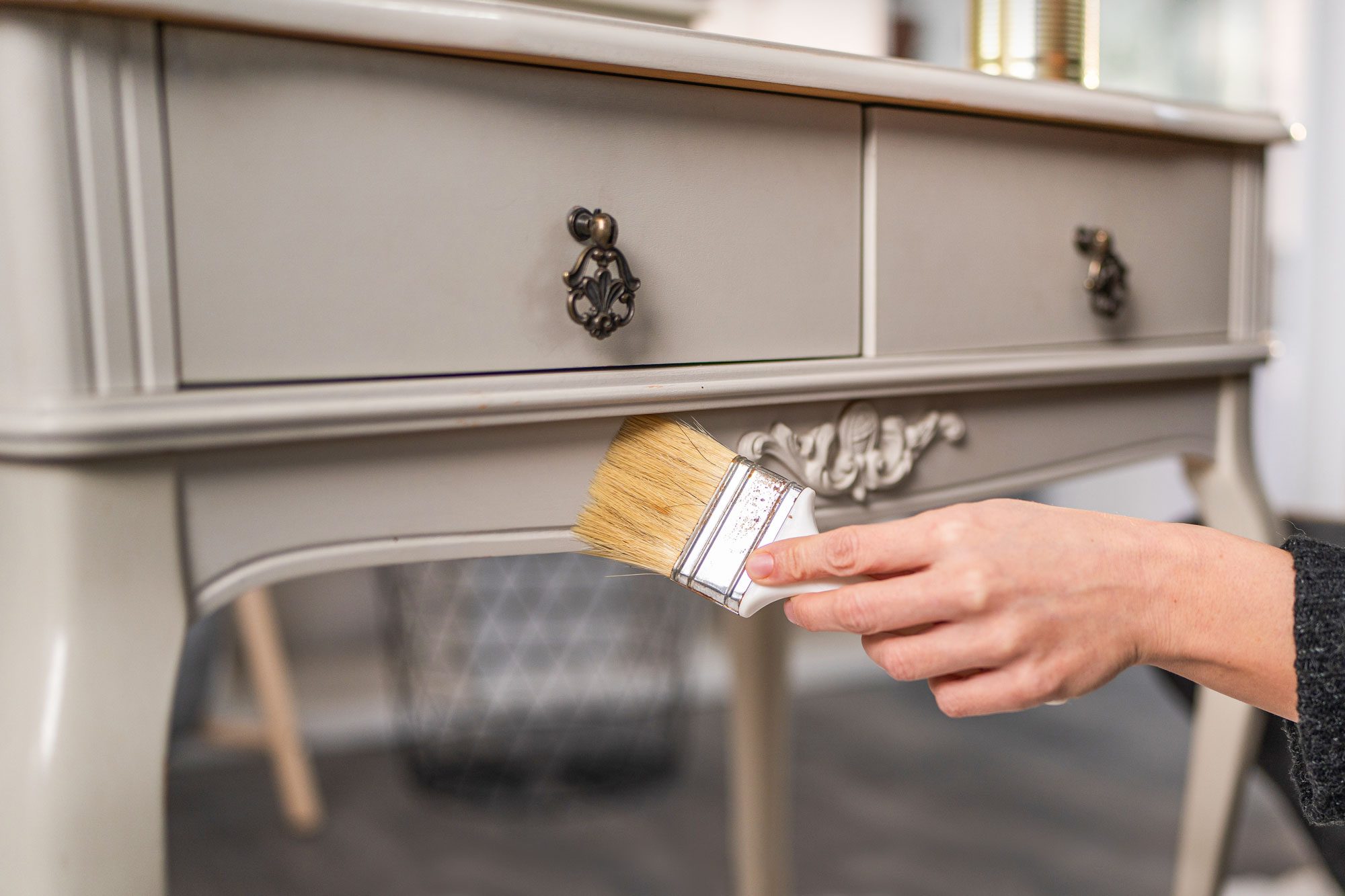
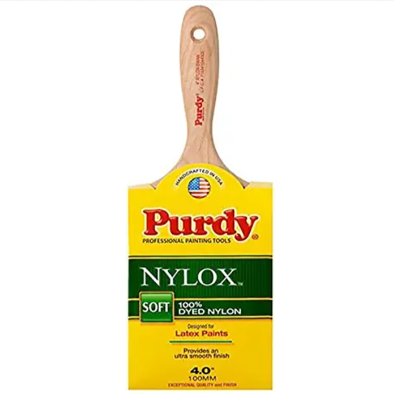
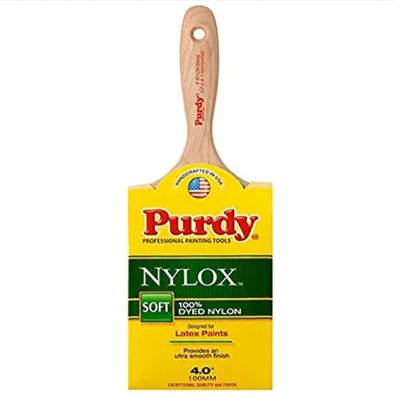
Brushes are categorized by their bristle type: natural, synthetic, and foam. Natural-bristle brushes, made from animal hair like boar, badger, or ox, are best suited for oil-based polyurethanes due to their composition, which effectively picks up and applies smooth coats. Synthetic-bristle brushes, typically made from nylon or polyester, are ideal for water-based polyurethanes and latex paints. Foam brushes are a cost-effective option for smaller projects, applying polyurethane with a wiping technique rather than traditional brushing. The choice of bristle material significantly impacts the application quality and compatibility with the polyurethane base.
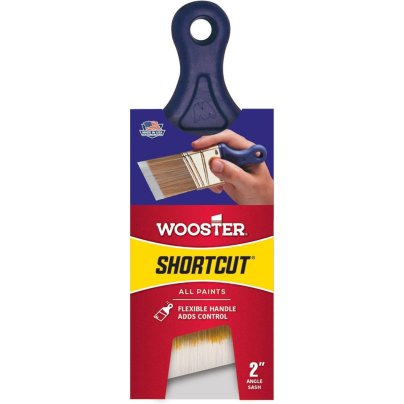
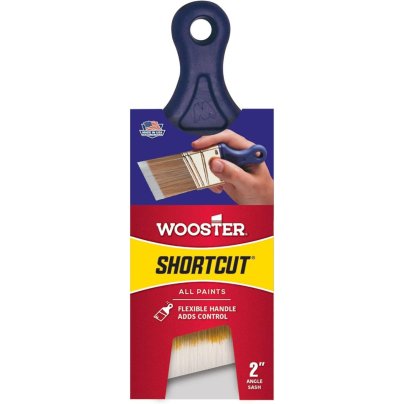
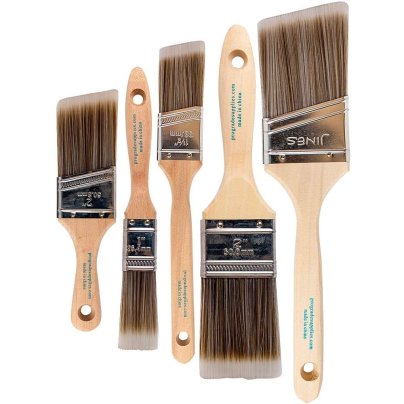
Brush width is another crucial consideration. Smaller brushes, typically 1 to 2 inches wide, offer precision for tight corners and awkward angles. Medium-sized brushes (2 to 3 inches) provide good coverage for most woodworking projects while maintaining some maneuverability in smaller spaces. For larger projects, such as tables or bed frames, a 4-inch brush is recommended for efficient coverage over expansive surfaces.
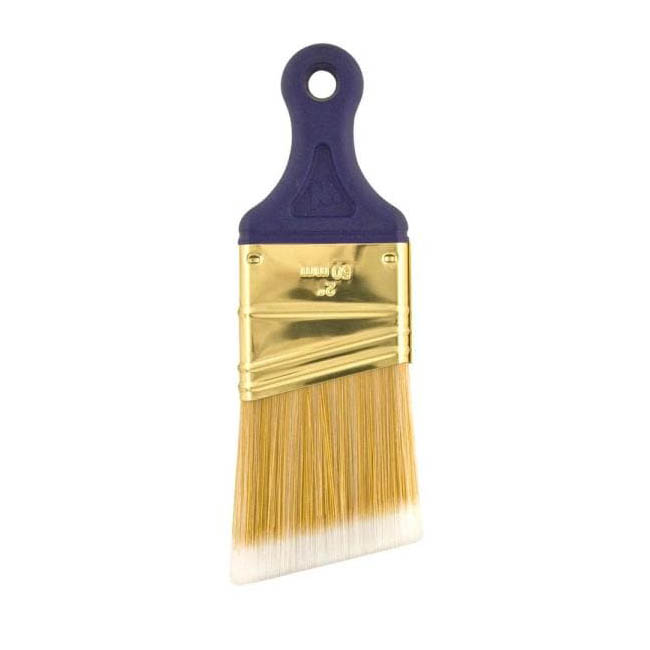
The ferrule, the metal band connecting the bristles to the handle, plays a vital role in the brush's durability and performance. It needs to be strong and stable to prevent bristles from bending, breaking, or detaching during application. Ferrules are commonly made of aluminum or steel, chosen for their strength, durability, and corrosion resistance, ensuring the brush's longevity.
Handle design is also important for user comfort and control. Bristle brushes typically feature smooth, flat wooden handles for easy gripping, allowing for both broad strokes and precise detailing. Foam brushes might have narrower wood, plastic, or metal handles, which are better suited for precise applications over broad coverage. The handle's ergonomics affect user fatigue and overall control during the application process.
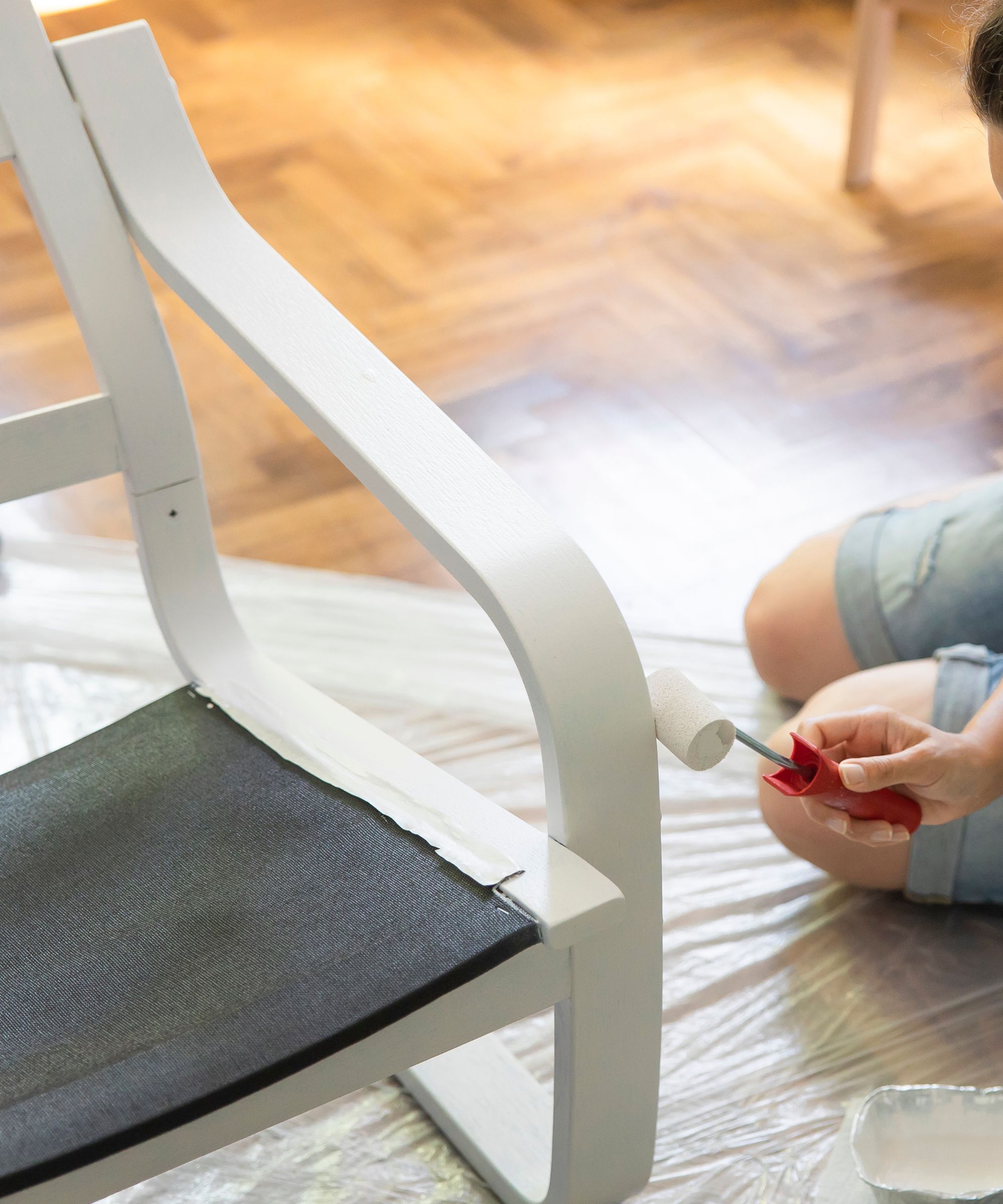
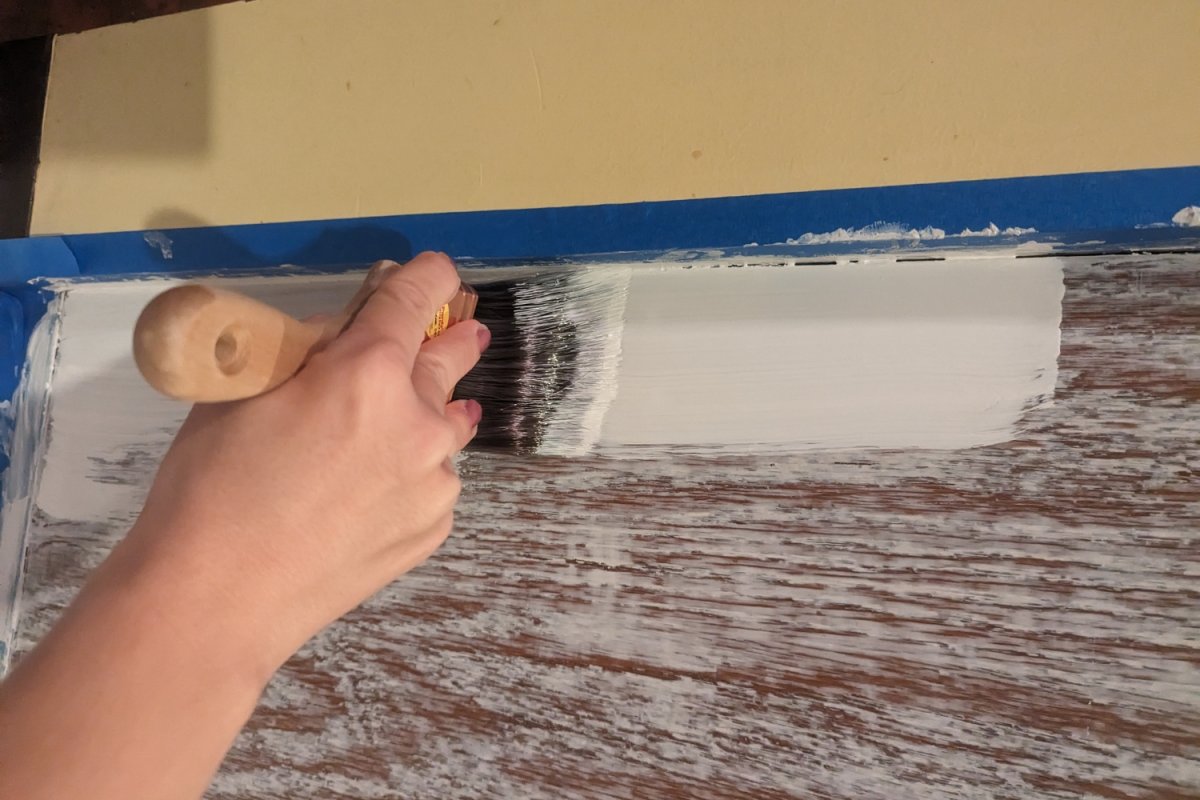
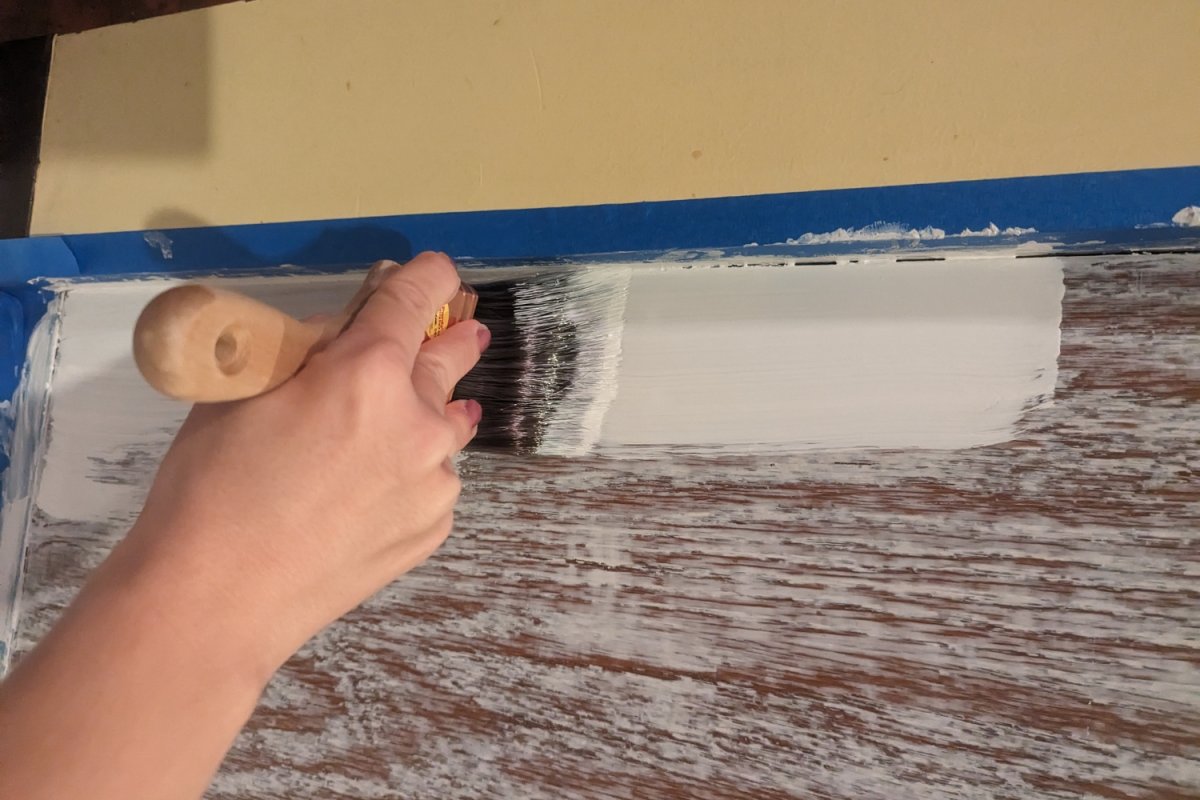
When applying polyurethane, the intended application and the type of polyurethane base dictate the best brush choice. Oil-based polyurethanes enhance wood grain with a high-contrast, glossy appearance and are best applied with natural-bristle or foam brushes for small projects. Water-based polyurethanes offer a softer, more muted look and are best applied with synthetic-bristle brushes or foam brushes for smaller items. For high-traffic items, multiple coats are necessary, with 2 to 3 hours drying time between coats. To avoid brush marks, sanding the surface with 220-grit sandpaper before and between coats, along with proper technique, is recommended. Foam brushes are suitable for small projects like birdhouses or spice racks, but less effective for larger surfaces where synthetic or natural brushes excel in spreading polyurethane evenly.
#PolyurethaneApplication #PaintBrushes #WoodFinishing #DIYProjects #HomeImprovement #PaintingTools #Woodworking #PolyurethaneApplication #PaintBrushes #WoodFinishing #DIYProjects #HomeImprovement #PaintingTools #Woodworking
0 commentaire au total
 Aucun commentaire pour le moment
Vous aimerez aussi
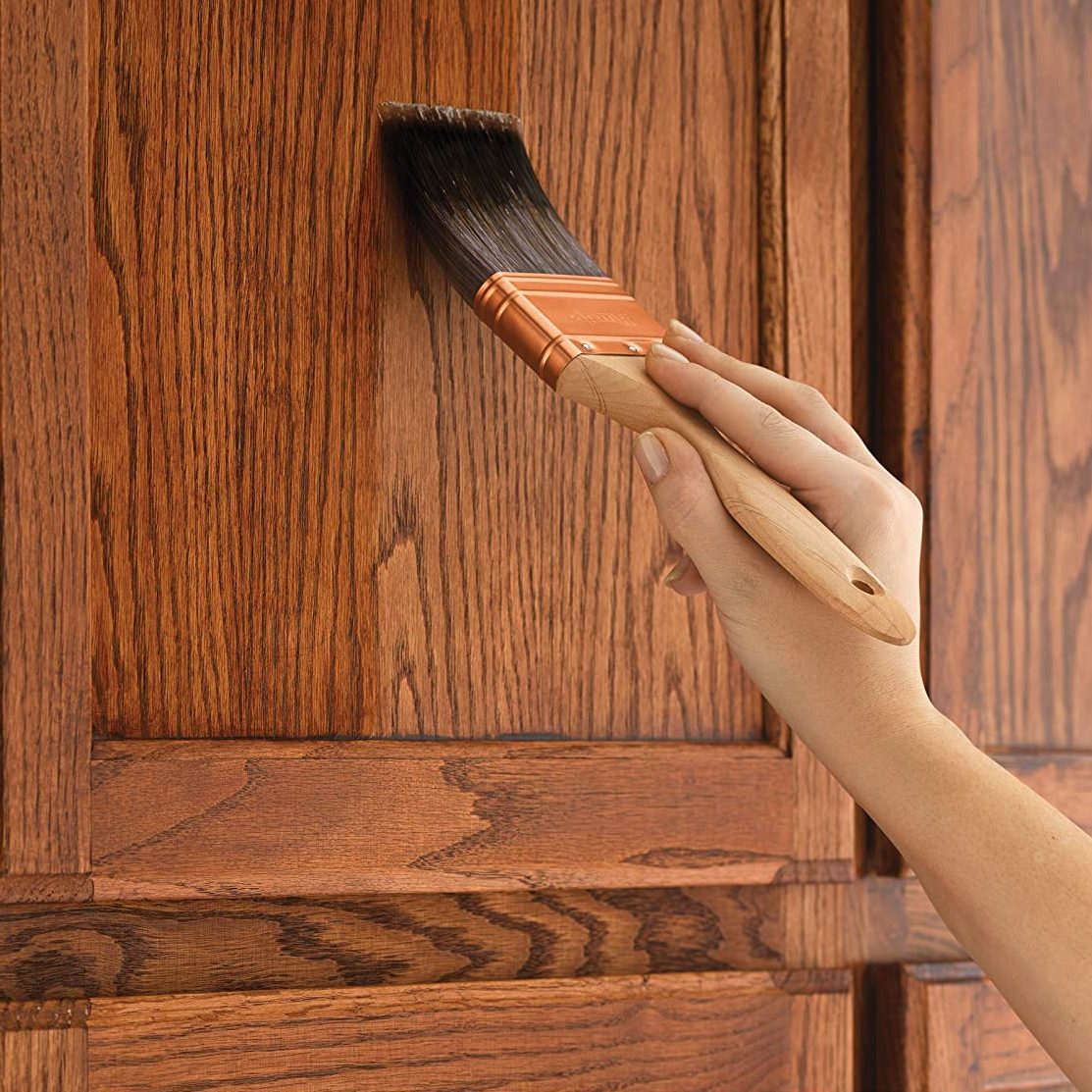
8 Best Polyurethane Finishes for Wood For Your Project

The Best Water-Based Polyurethanes to Protect Floors Throughout Your Home
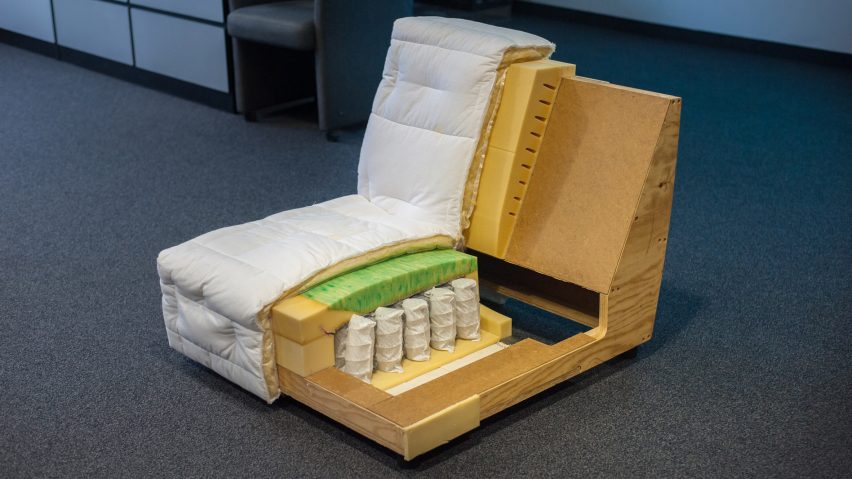
The "knotty problem" of polyurethane foam furniture
Are Your Wood Floors Too Shiny? WD-40 Can Help

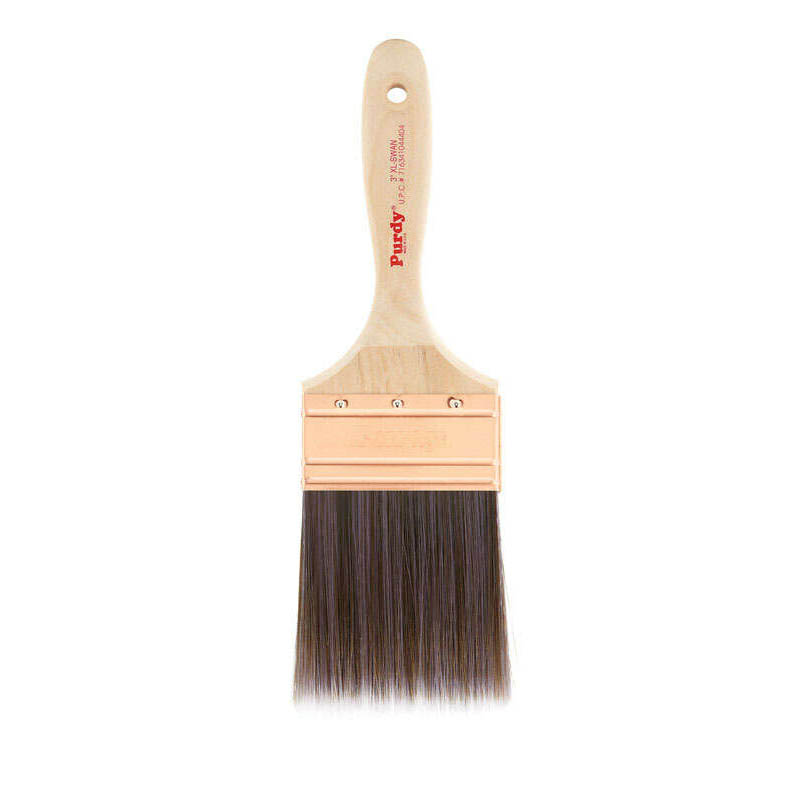
The Best Paint Brushes, Tested and Reviewed
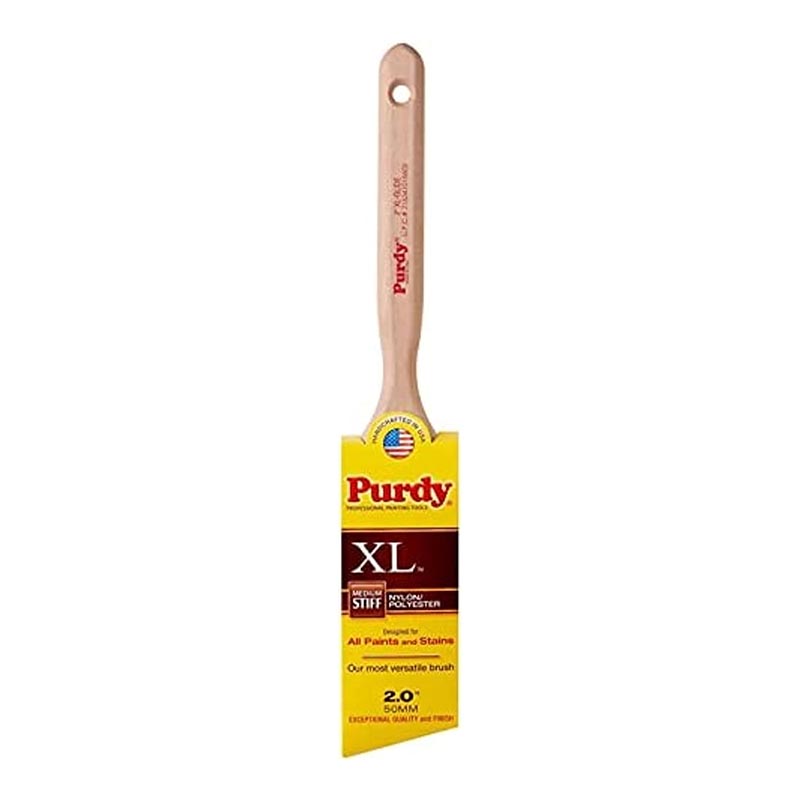
The Best Paint Brushes for Trim, Tested for Crisp, Clean Lines
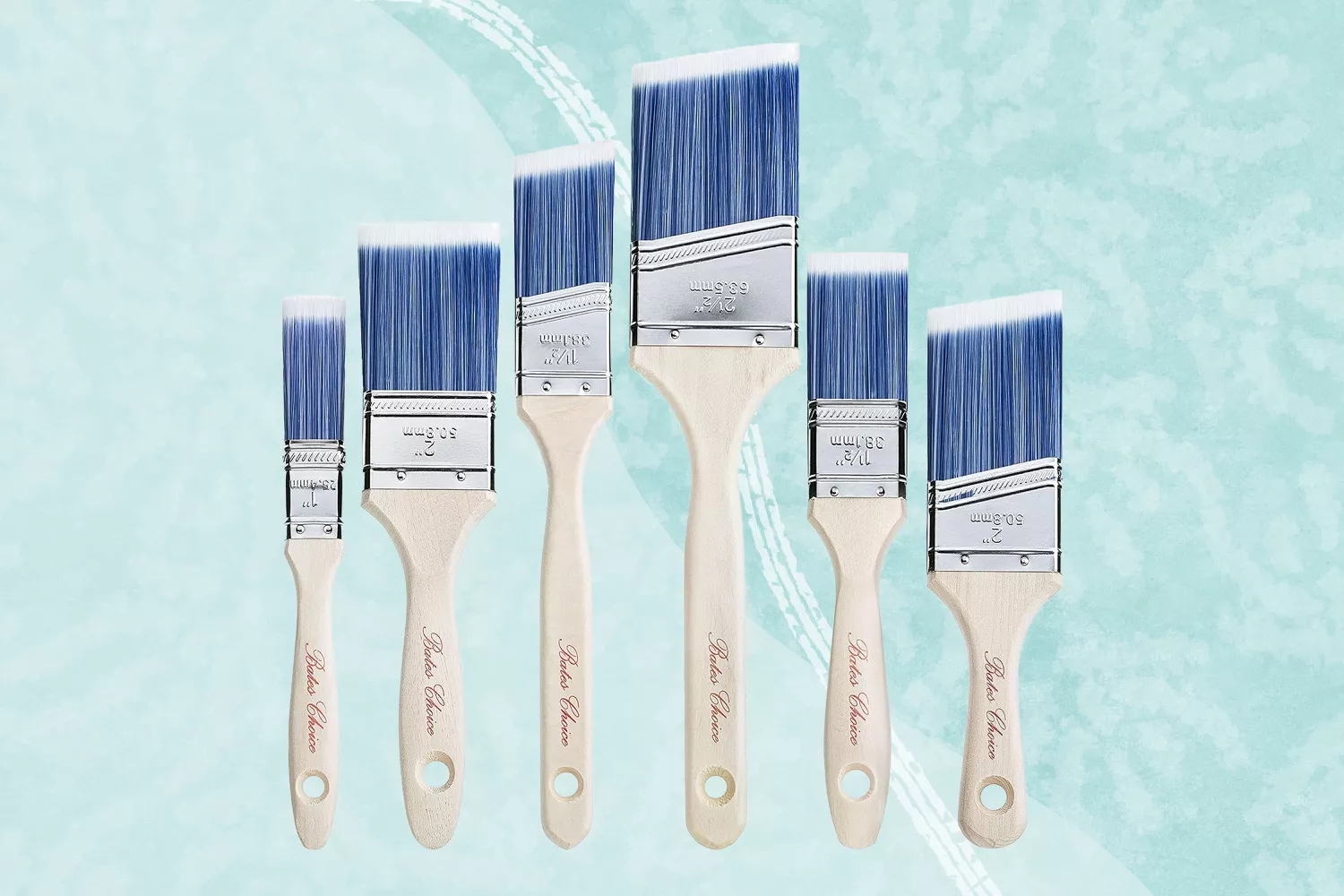
Brush Up Your Trim Game With These Top Paint Brushes


Spray Polyurethane Foam Frequently Asked Questions FAQ by Homeowners
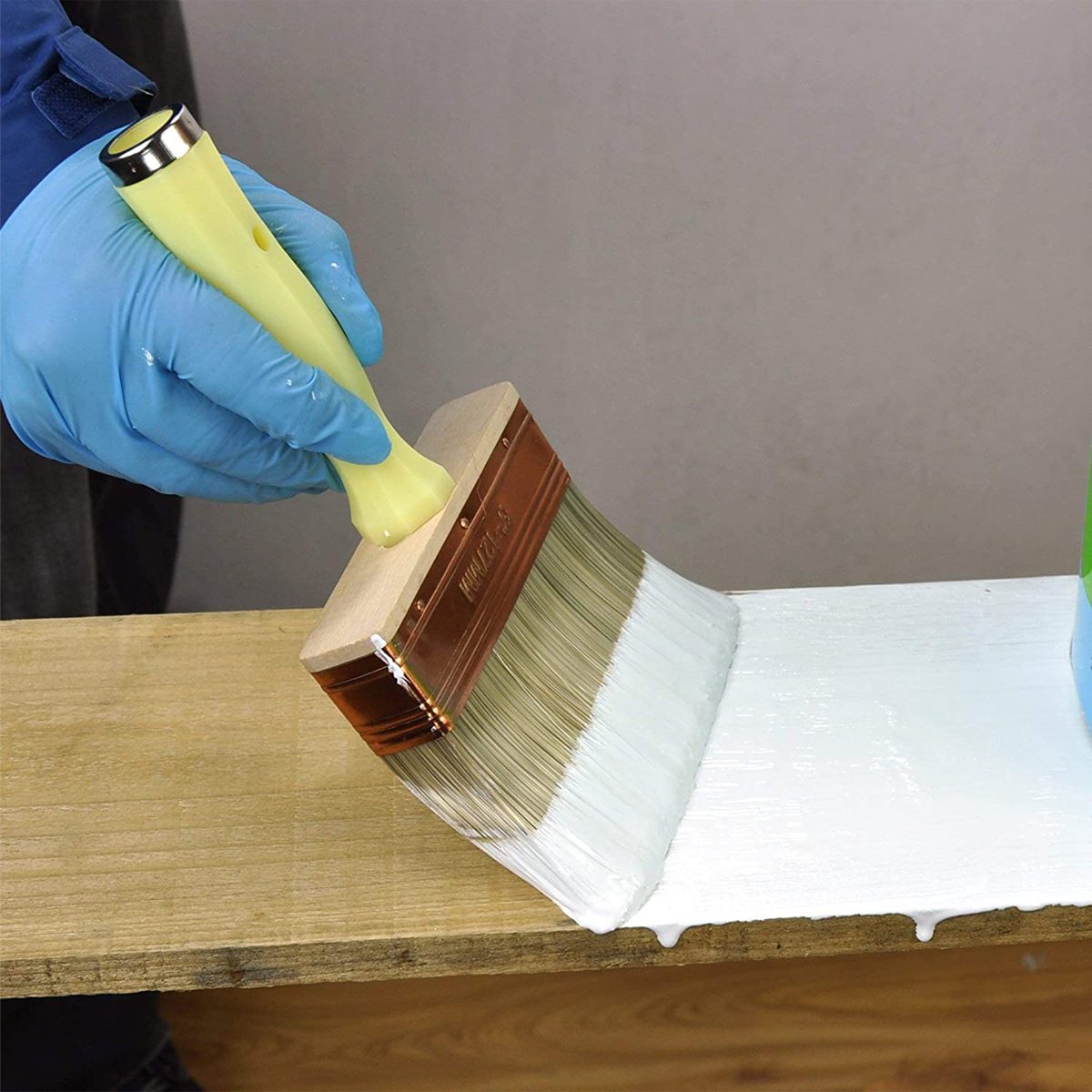
8 Best Paint Brushes for Painting Trim, Cabinets, Walls and Furniture in 2025
Can You Put Polyurethane Over Paint? Everything to Know
These Are 2025's Best Paint Brushes for Cabinets to Give Your Kitchen or Bathroom an Updated Vibe

How to apply polyurethane – with painting pointers from professionals

Guide to Hardwood Floor Finishes
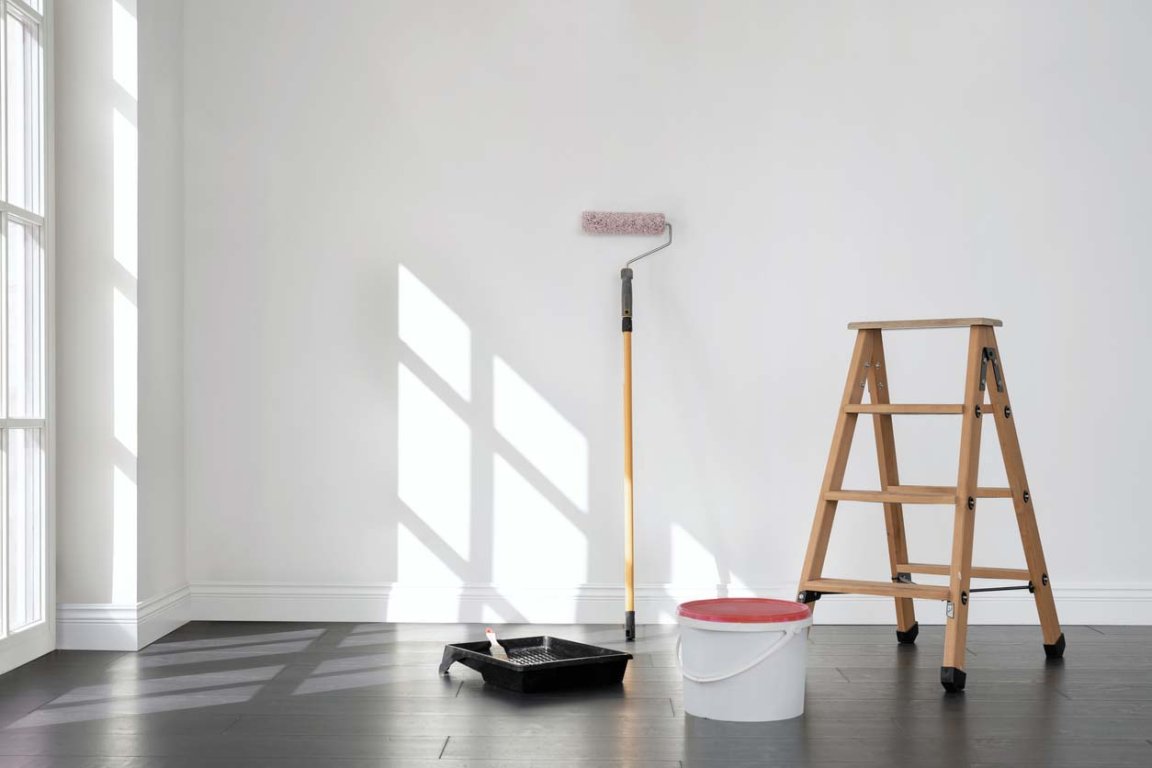
The Best Painting Tools
This injection molding technology creates super lightweight yet durable materials

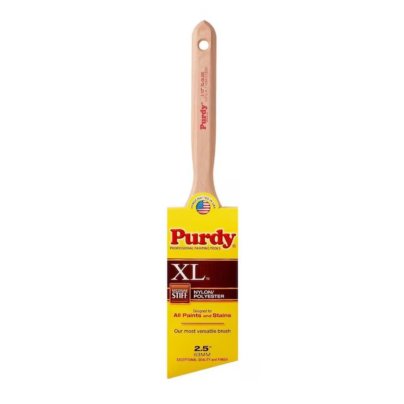
These Are the Best Paint Brushes for Cabinets to Give Your Kitchen or Bathroom an Updated Look
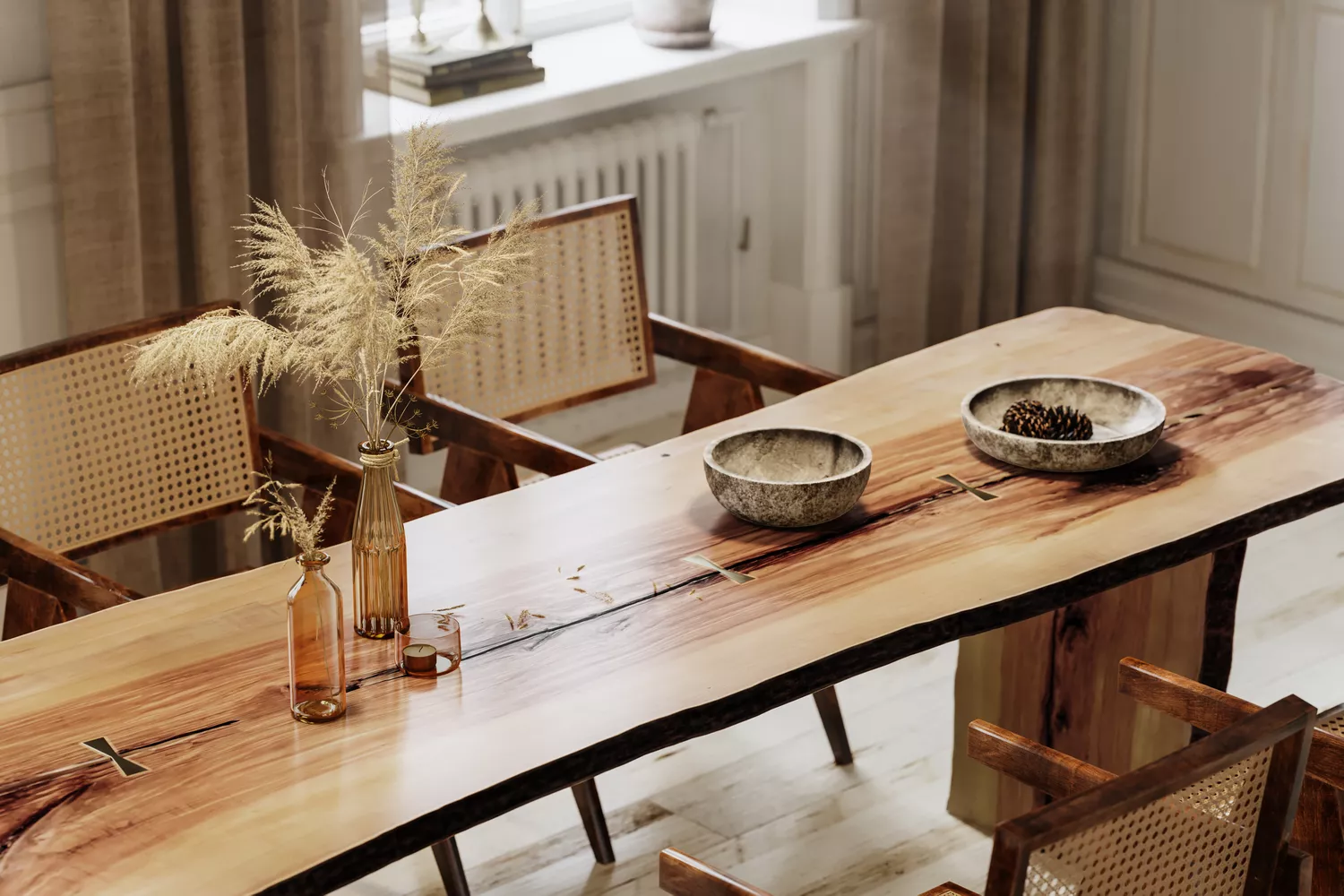
Polycrylic vs. Polyurethane: Which Is Better for Your Wood Project?