How to protect your home from damp, moisture and mould
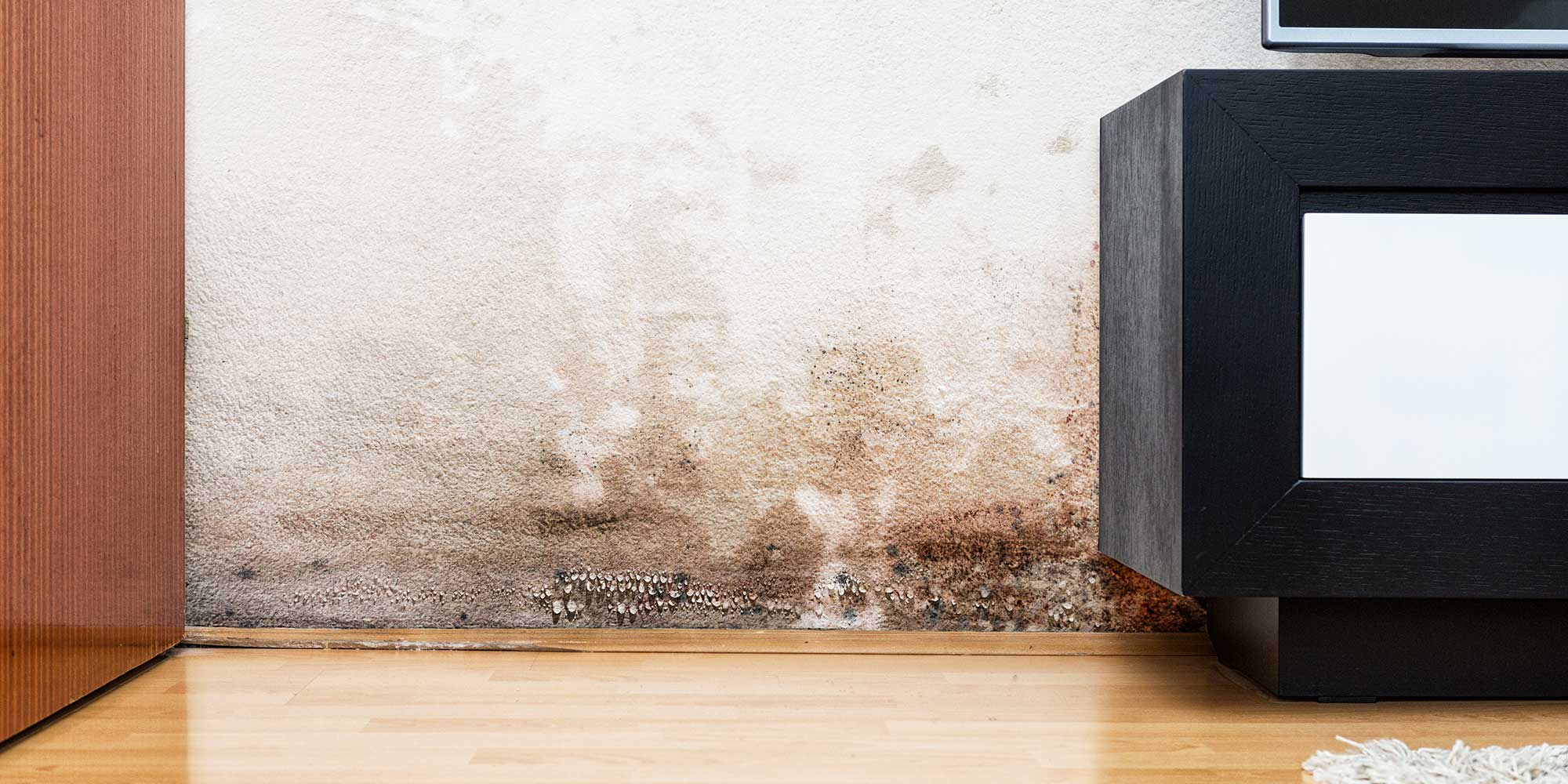
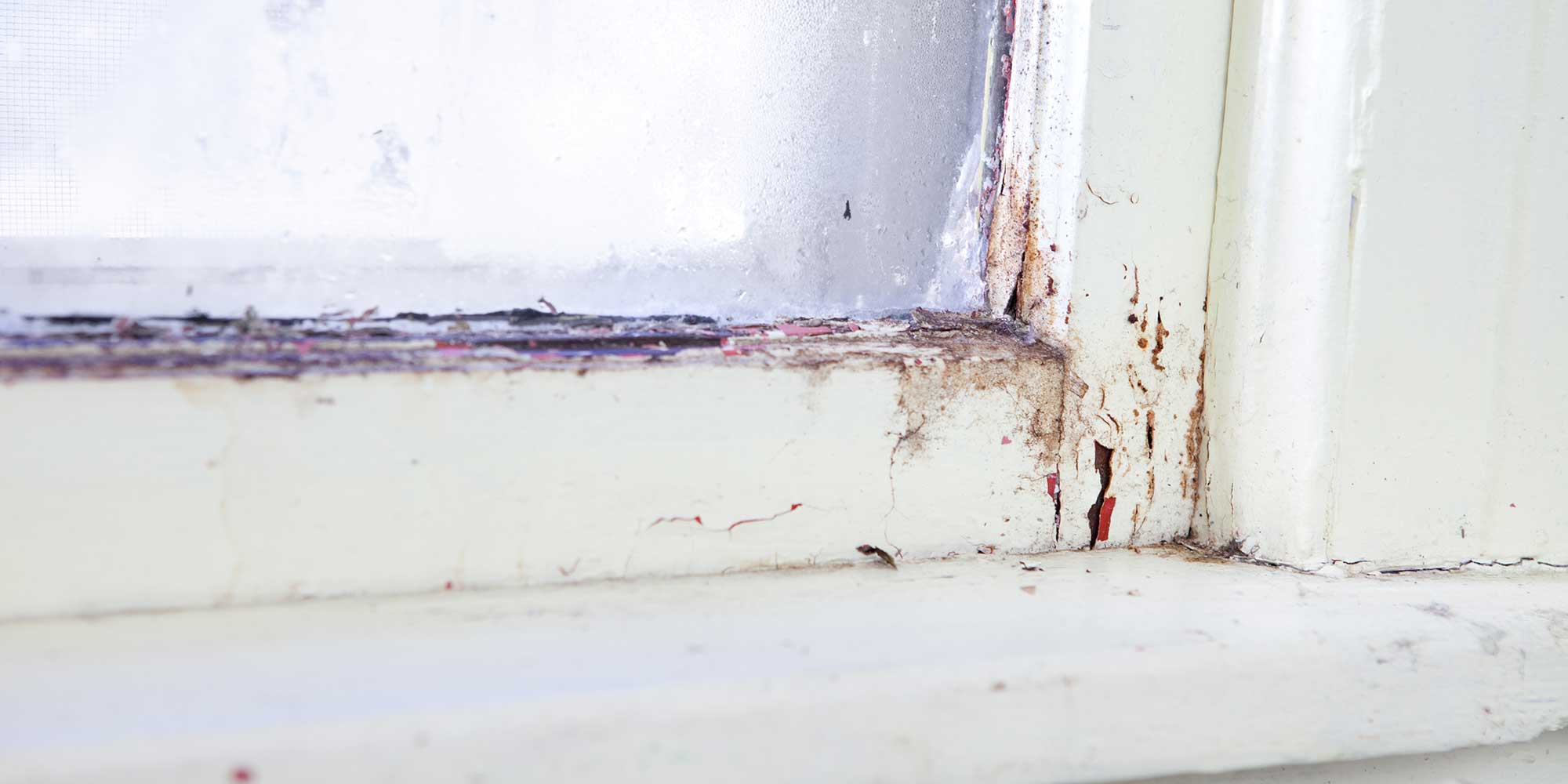
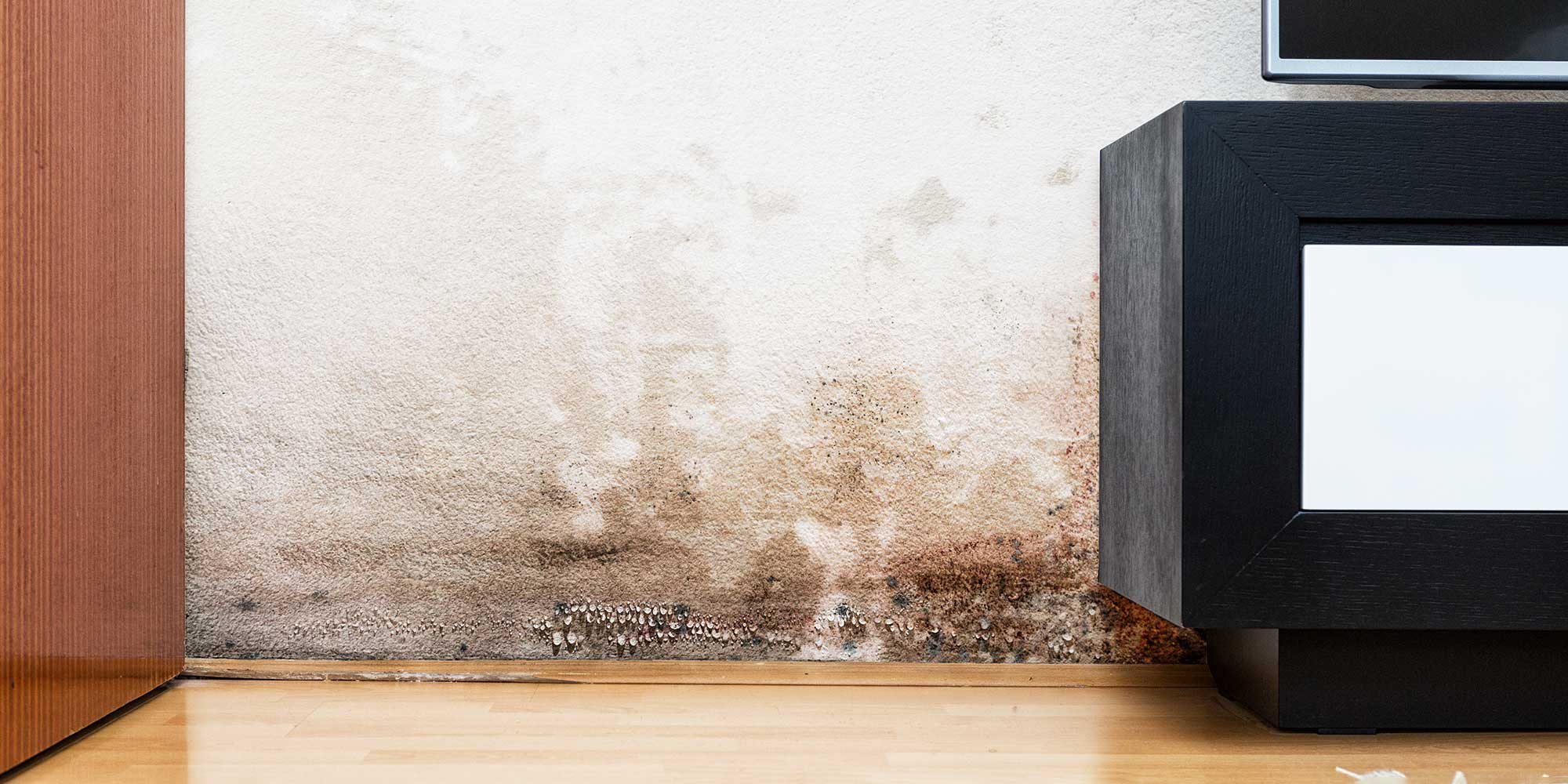
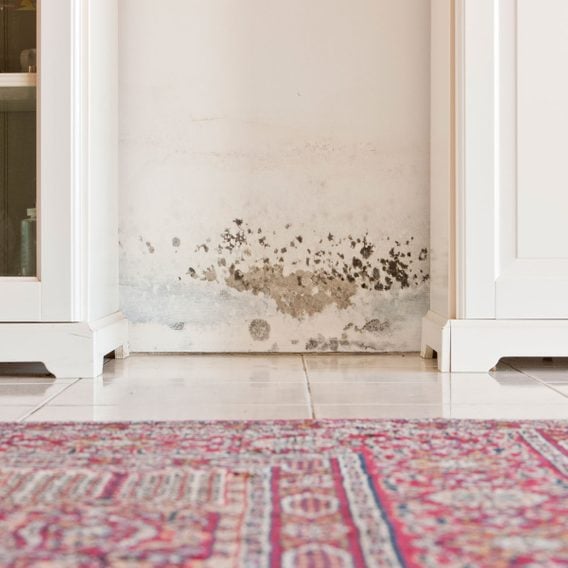
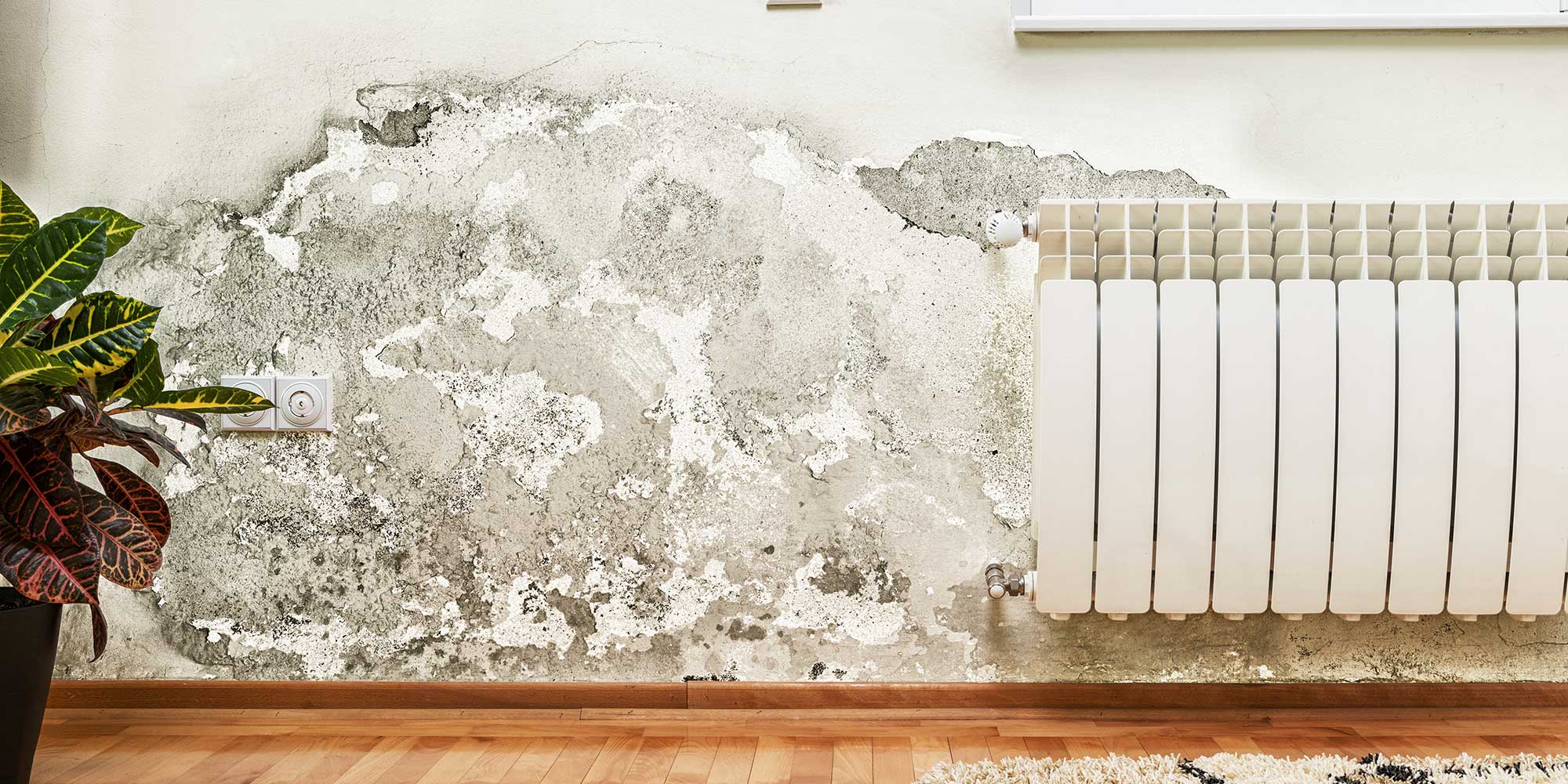
Mould and damp are common household issues that can lead to unpleasant aesthetics and potential health hazards. These problems often escalate during periods of high humidity, particularly following wet seasons or in environments with reduced airflow. Understanding the conditions that foster mould growth and implementing preventative measures are crucial for maintaining a healthy home environment. Mould thrives on organic matter, such as dust, dead skin cells, and pet dander, which emphasizes the importance of regular cleaning.
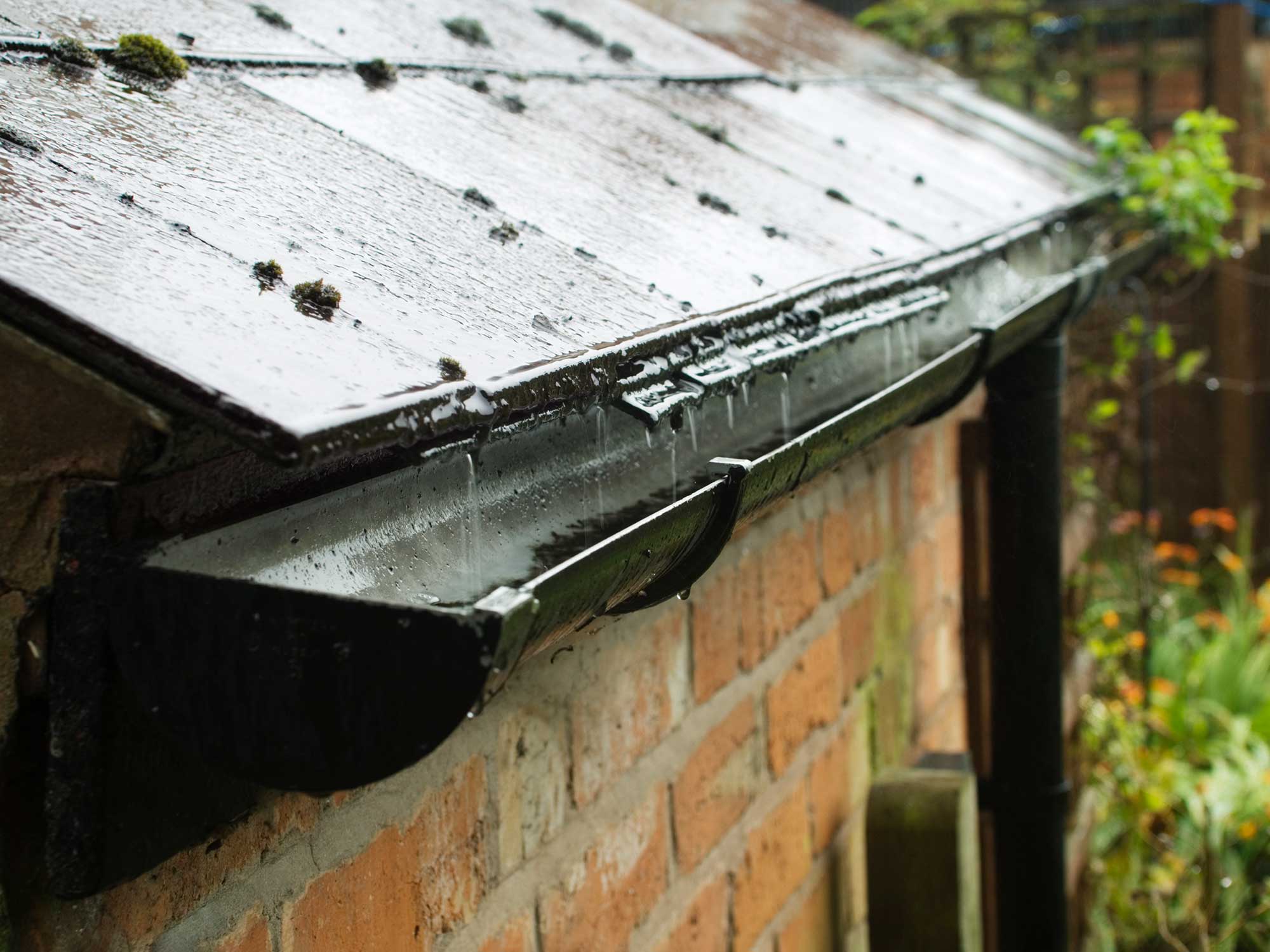
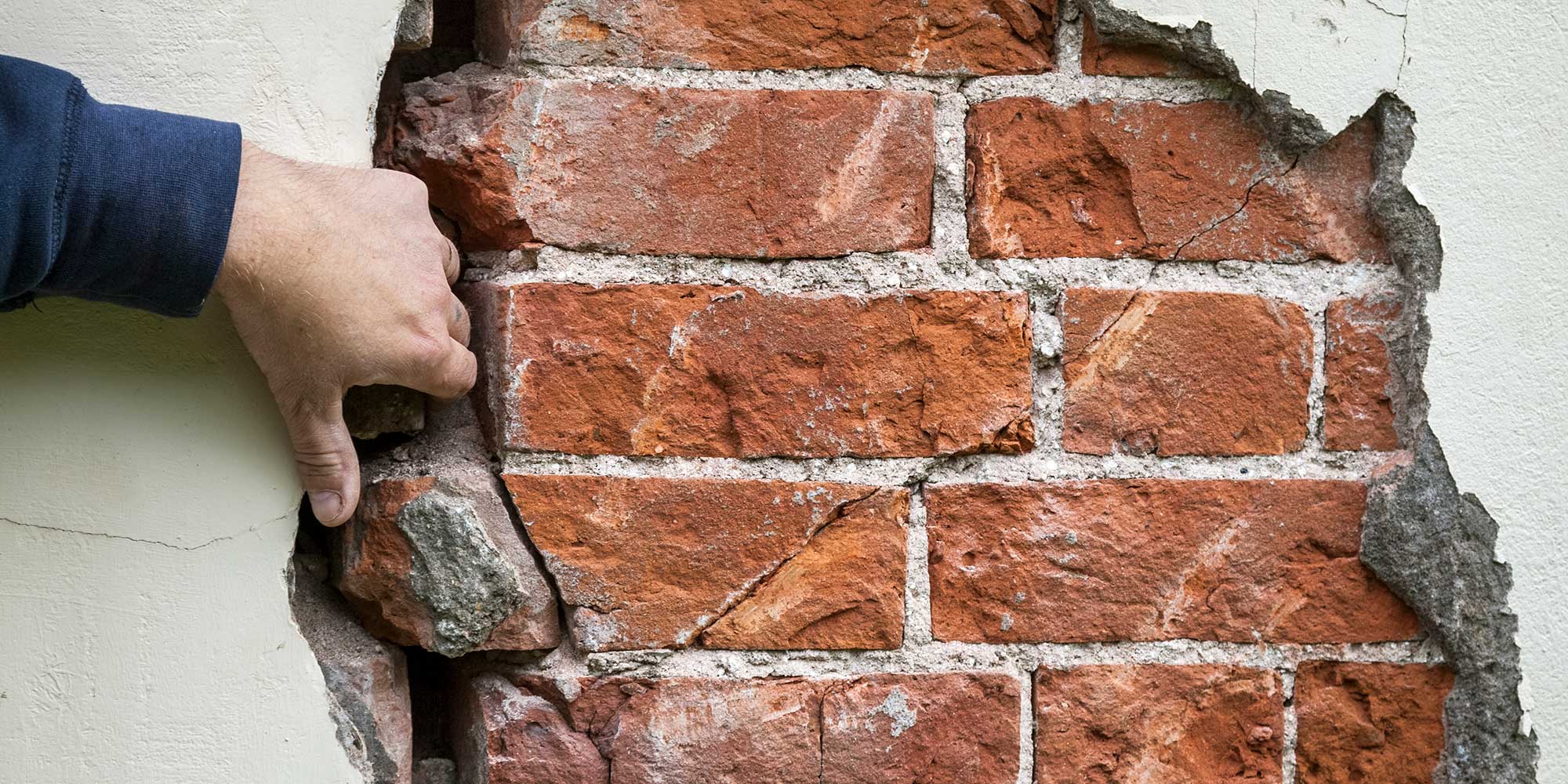
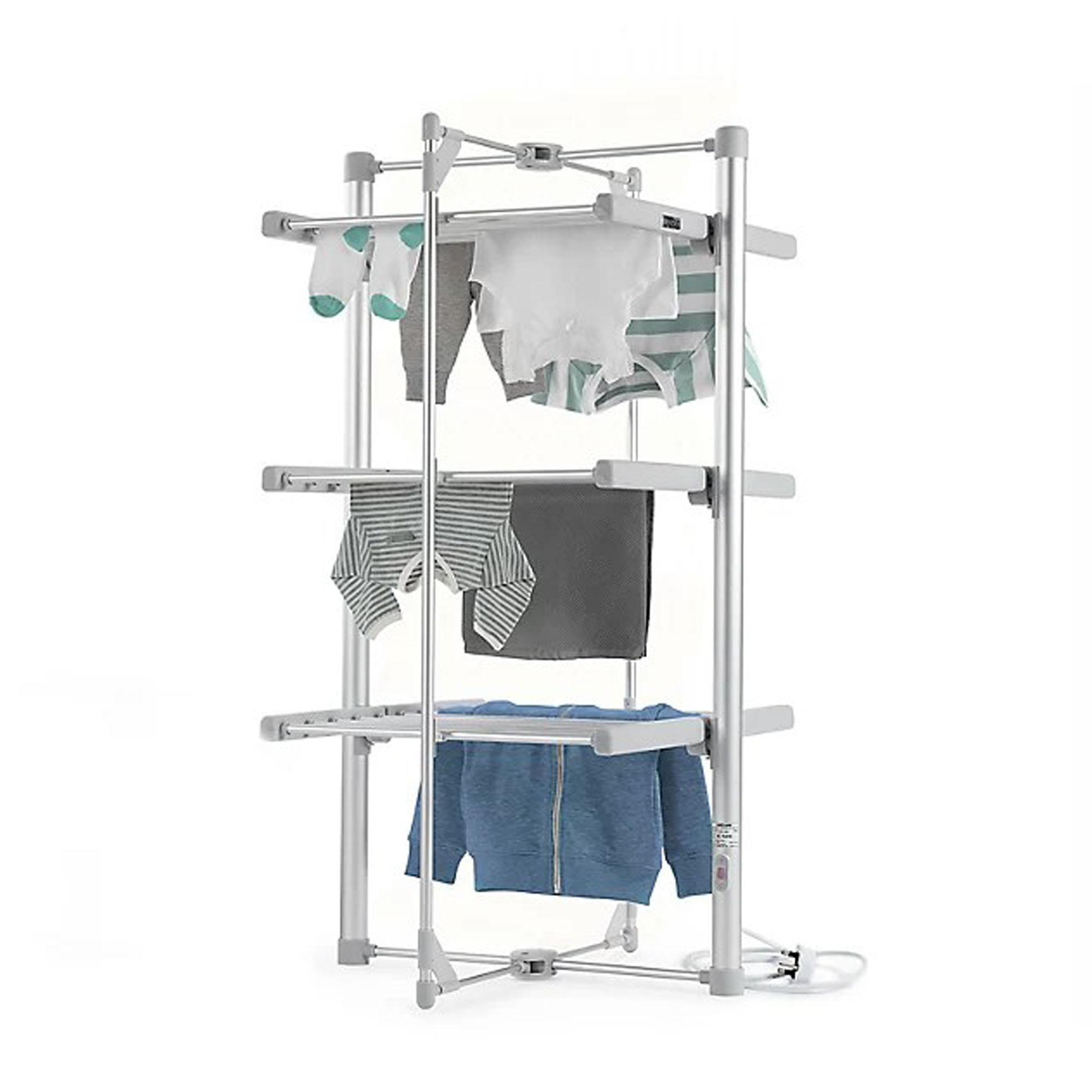
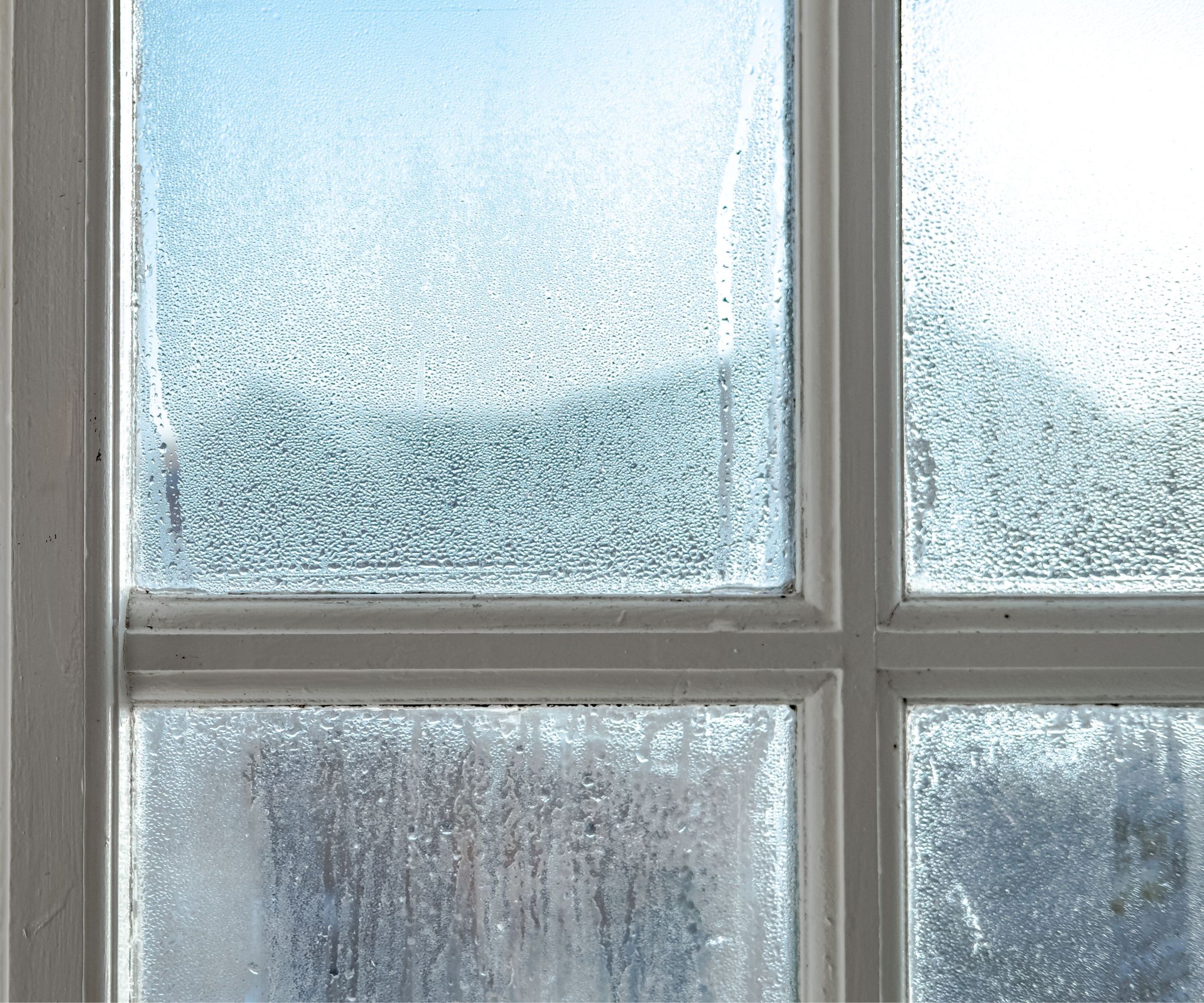
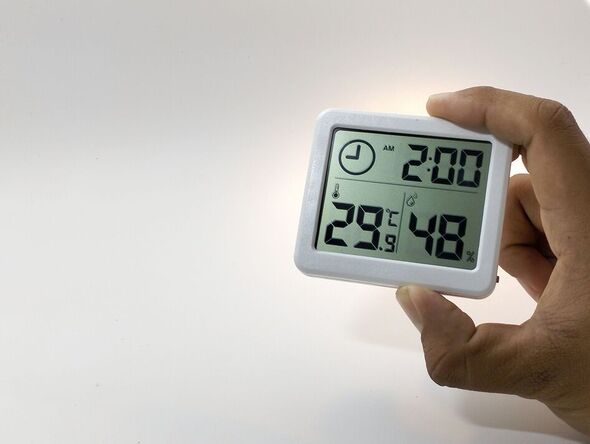
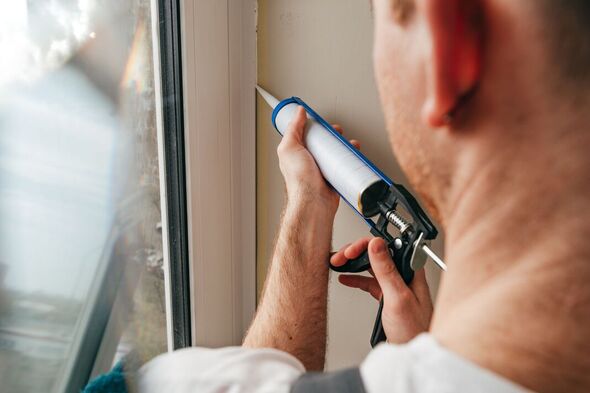
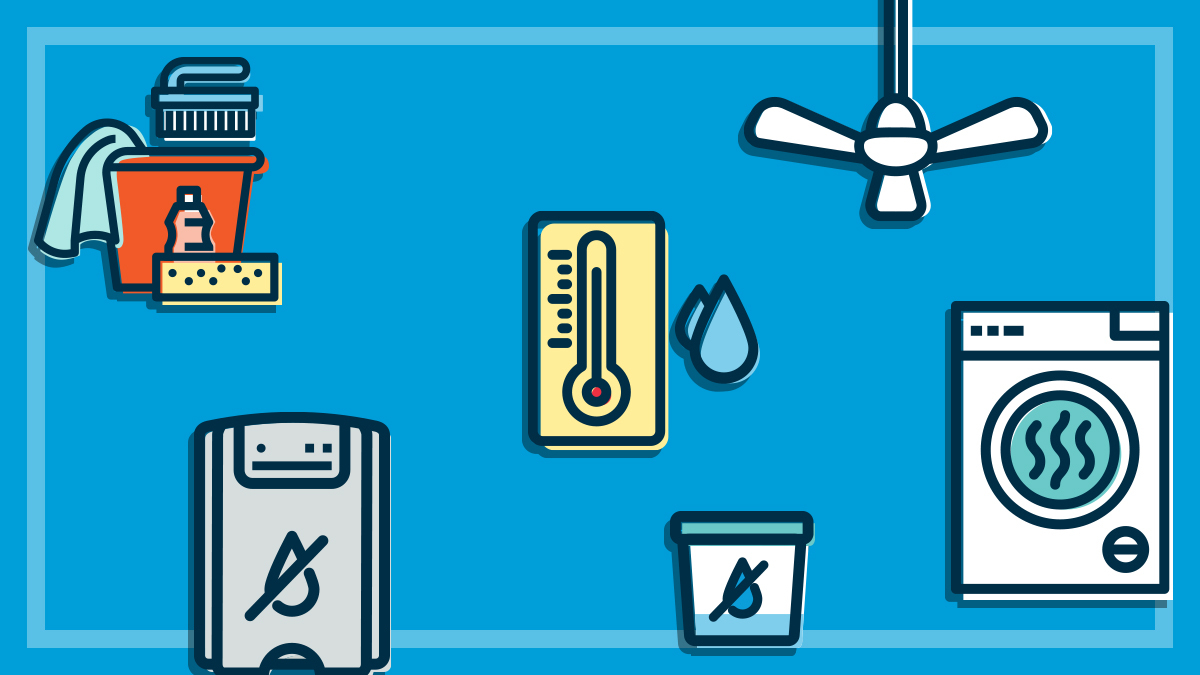
Prevention is the most effective strategy against mould and damp. This involves minimizing moisture entry into the home by regularly checking for and repairing broken tiles, roof leaks, and ensuring gutters and downpipes are clear. External windows and doors should be assessed for proper sealing, and weather seals installed if necessary. Good ventilation is paramount; opening windows to air out the house and keeping air flowing helps to reduce humidity. Drying clothes indoors should be avoided as it significantly increases indoor humidity. If indoor drying is unavoidable, using a heat pump condenser clothes dryer, which collects moisture in a reservoir rather than releasing humid air into the room, is recommended. Alternatively, a vented dryer with an external venting kit can redirect humid air outdoors. Installing exhaust fans in bathrooms and laundries is also beneficial for humidity control. Thoughtful heating and cooling practices, such as avoiding unflued gas heaters that release moisture and moderating air conditioning settings, can also prevent condensation.
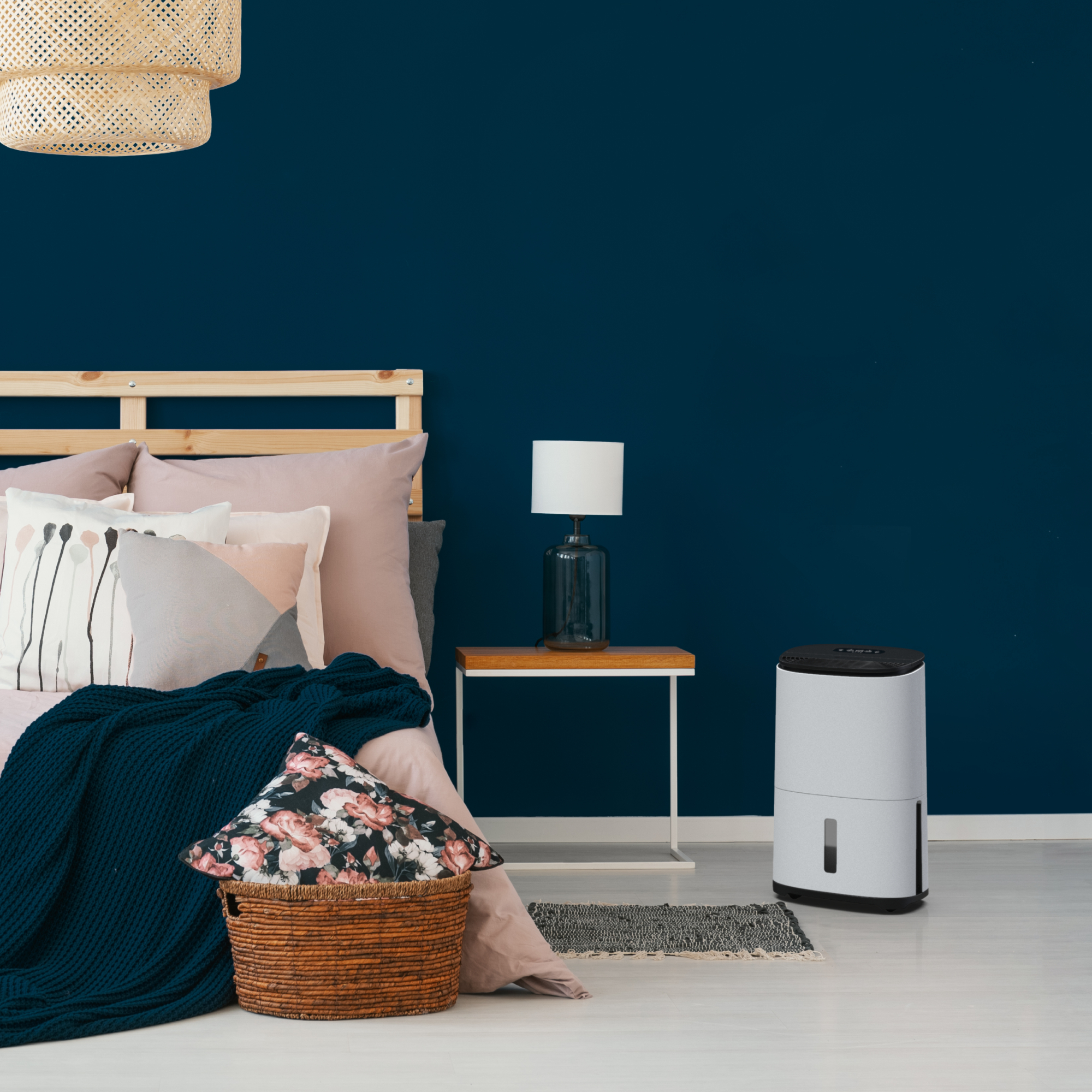
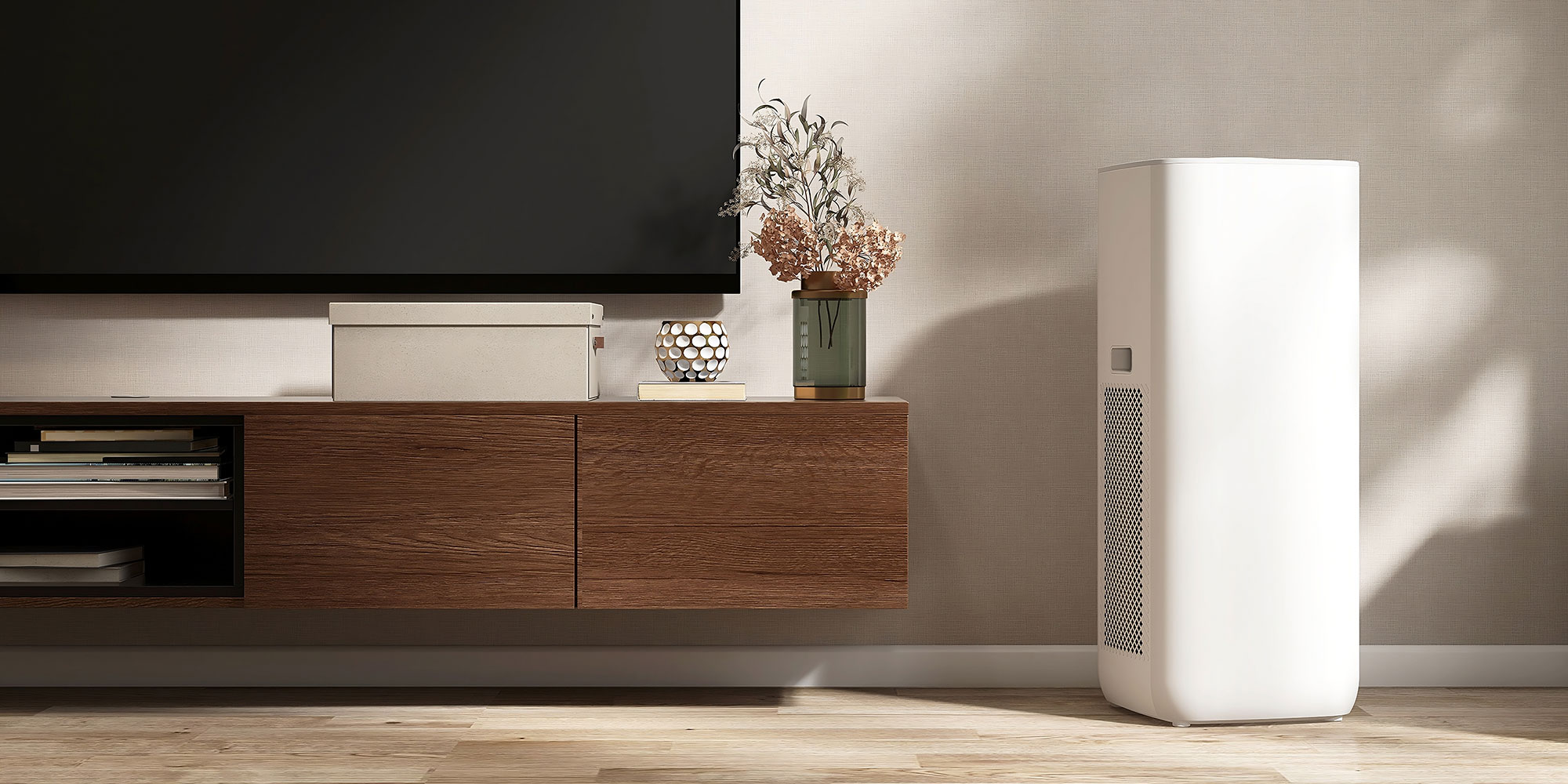
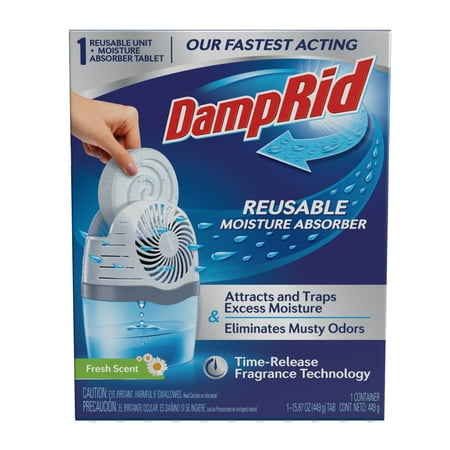
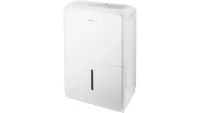
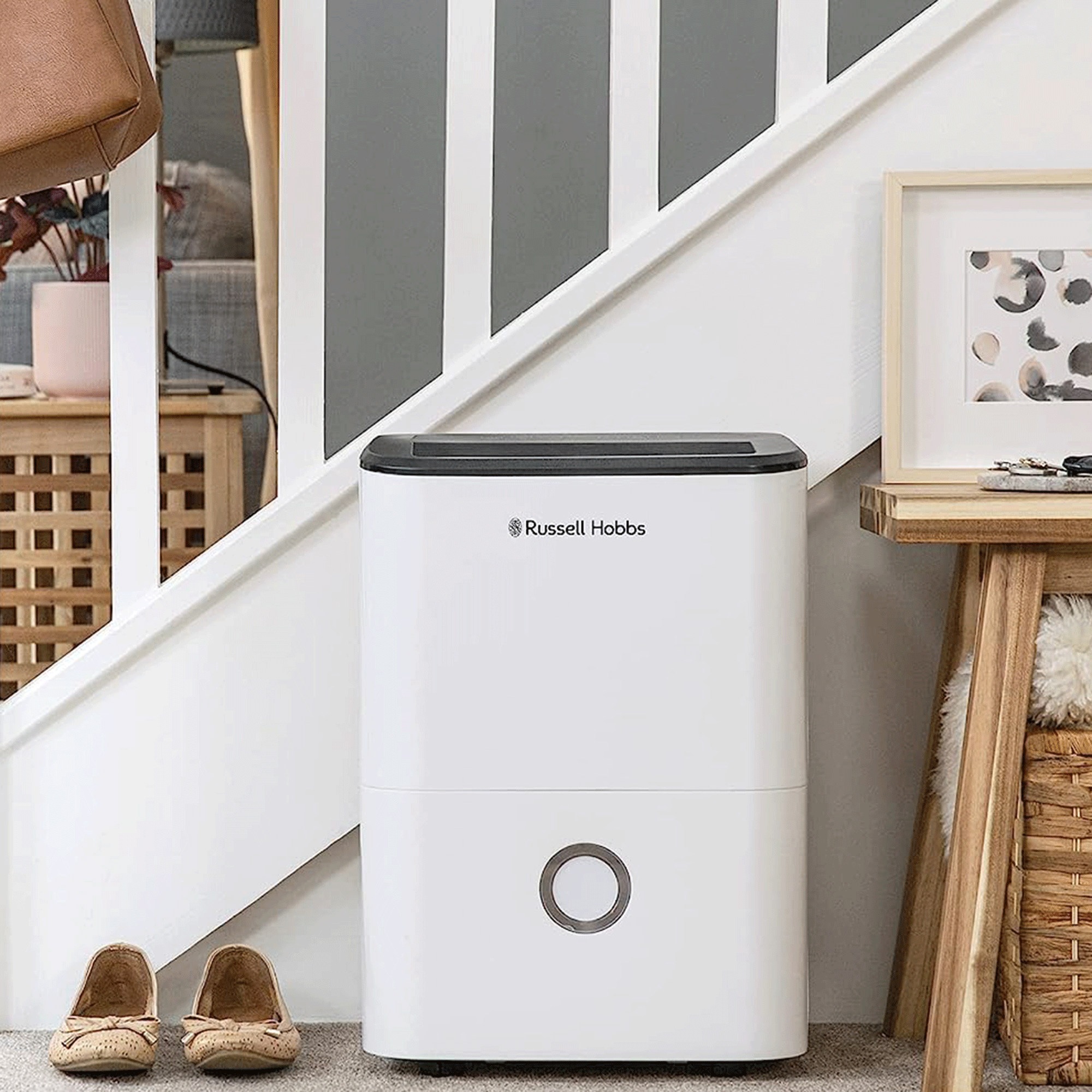
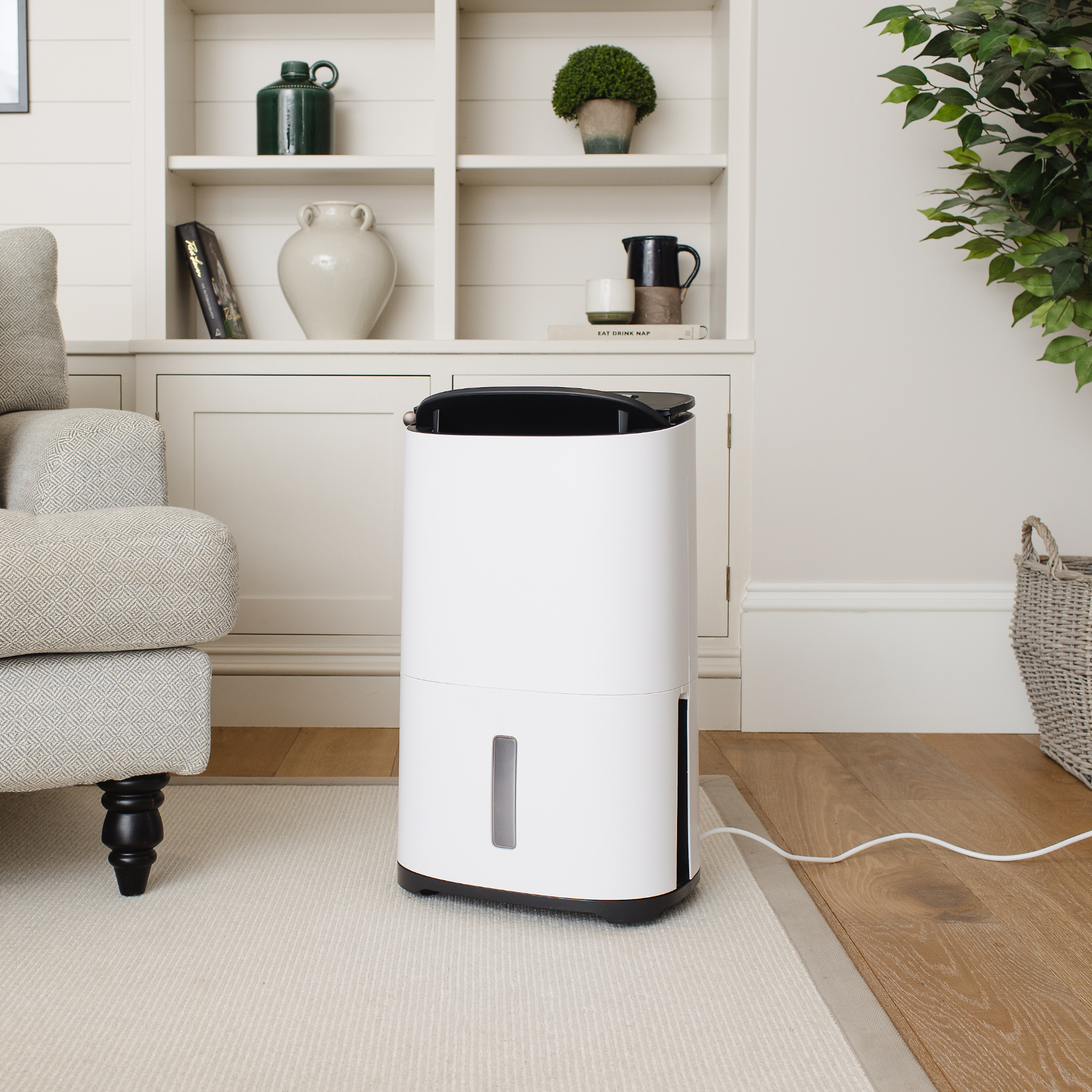
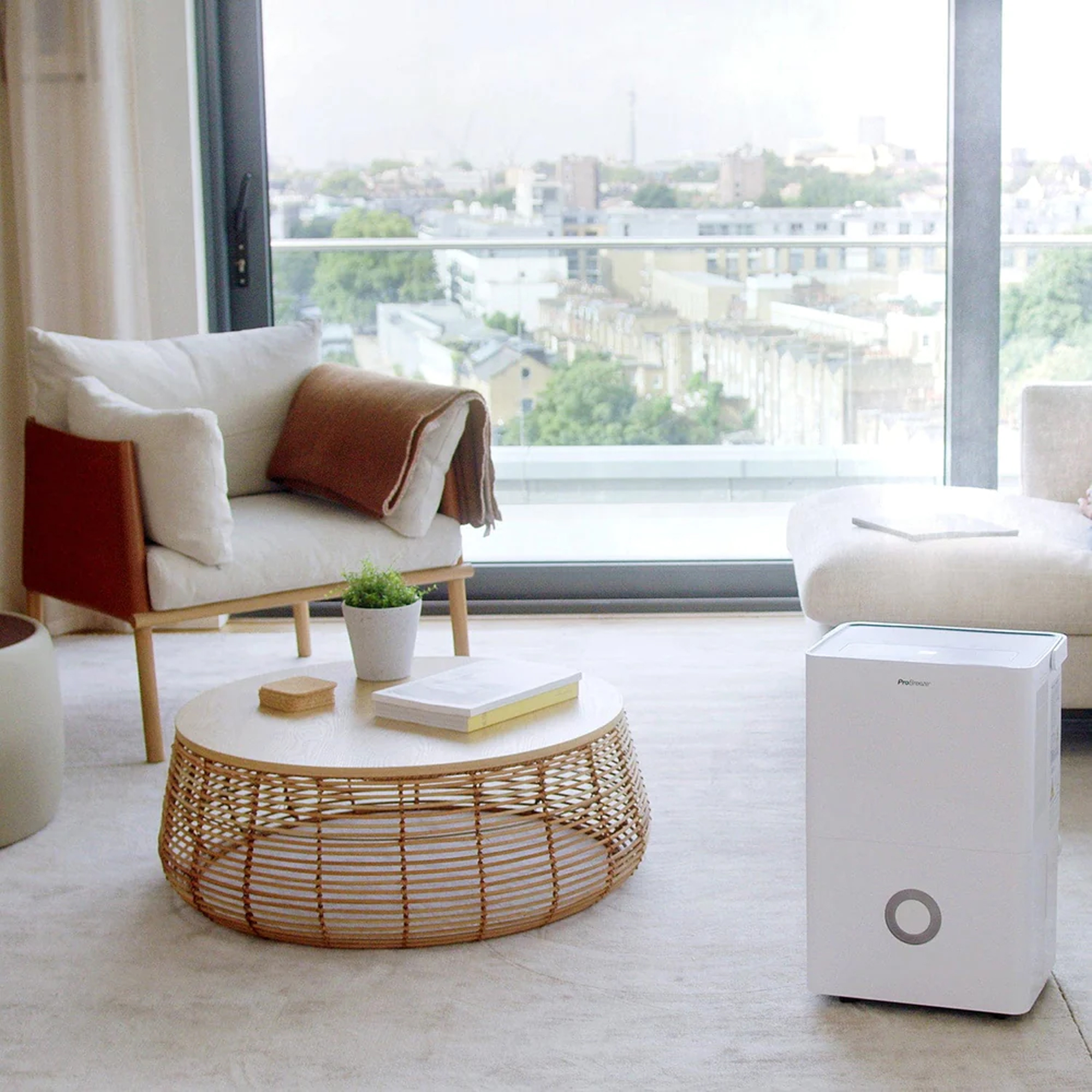
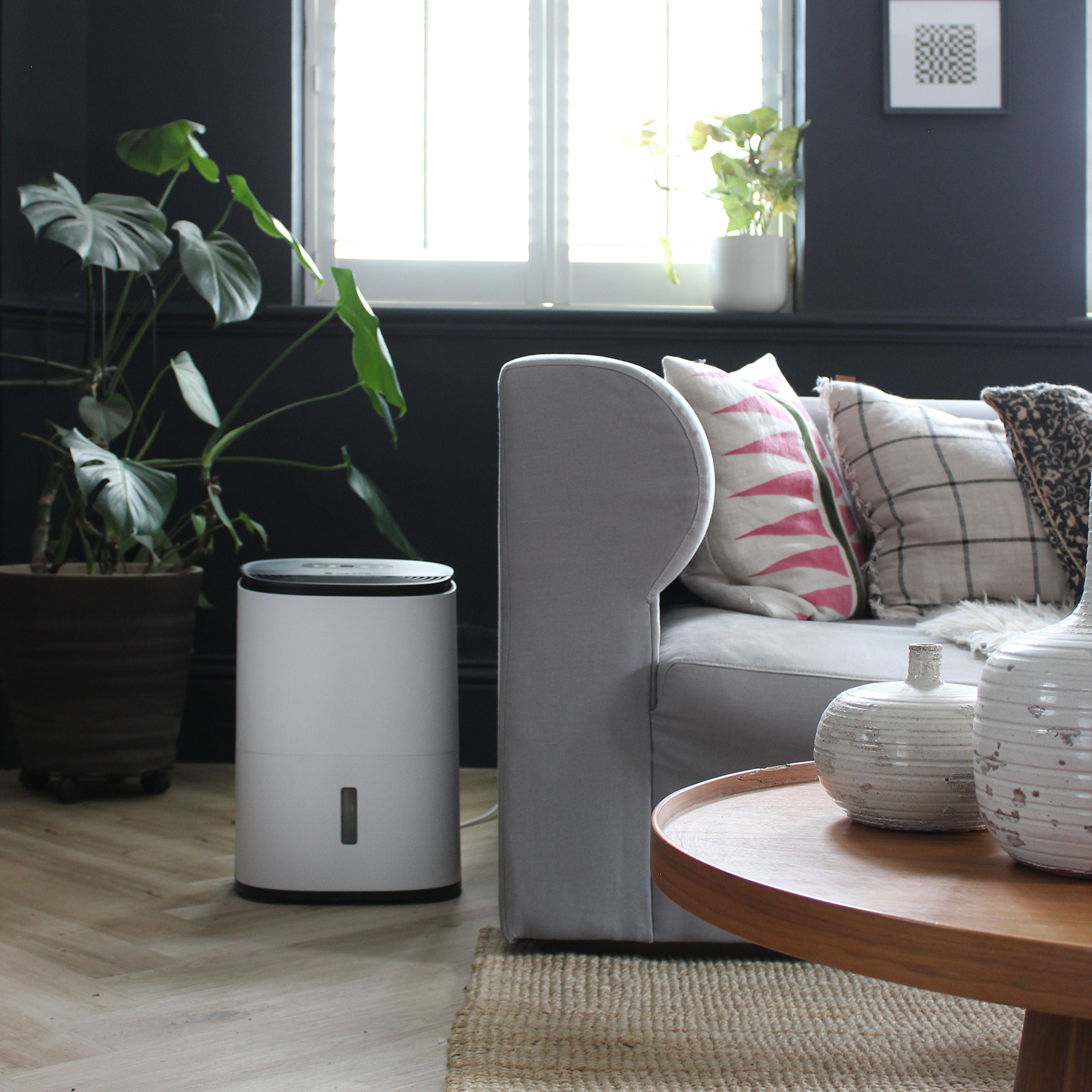
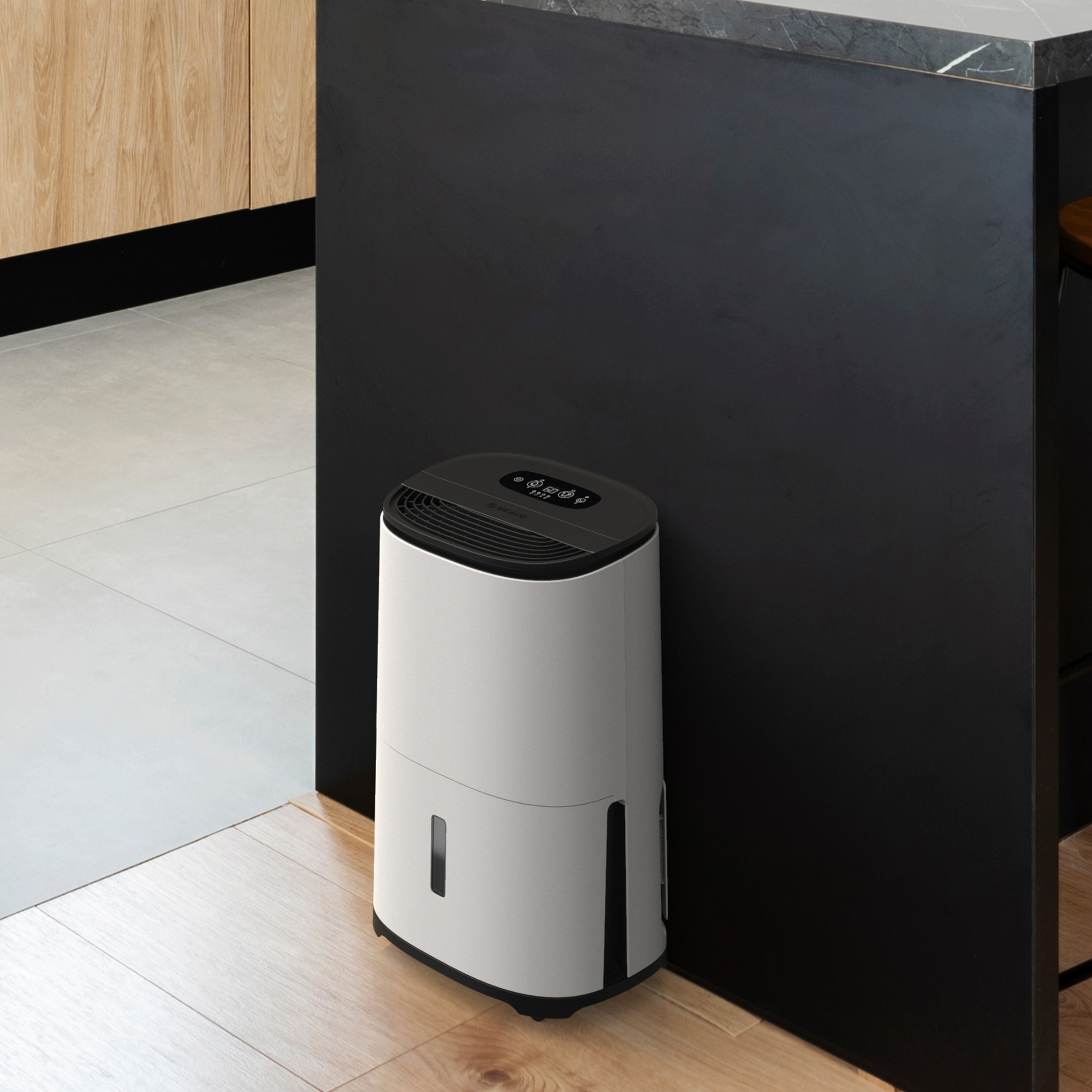
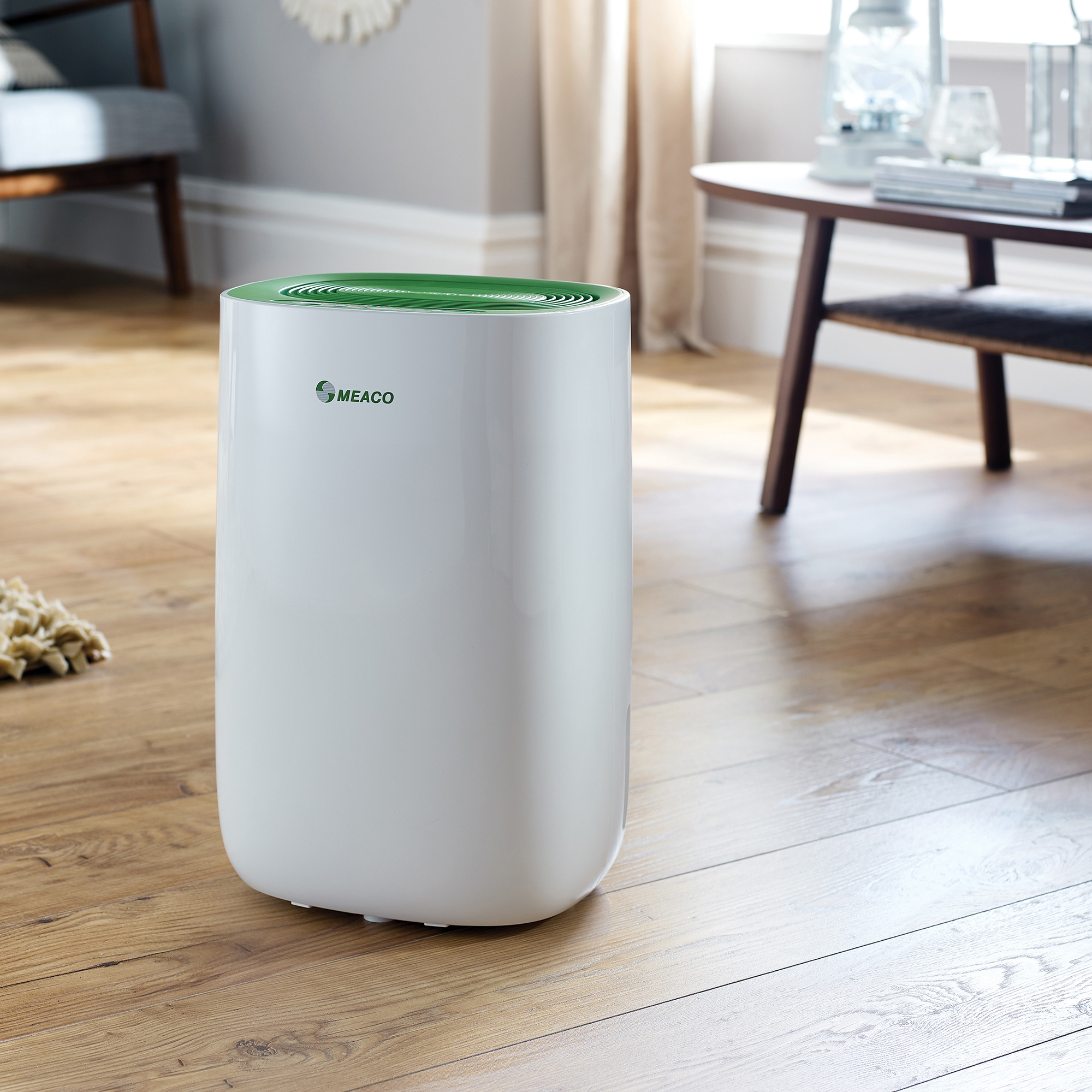
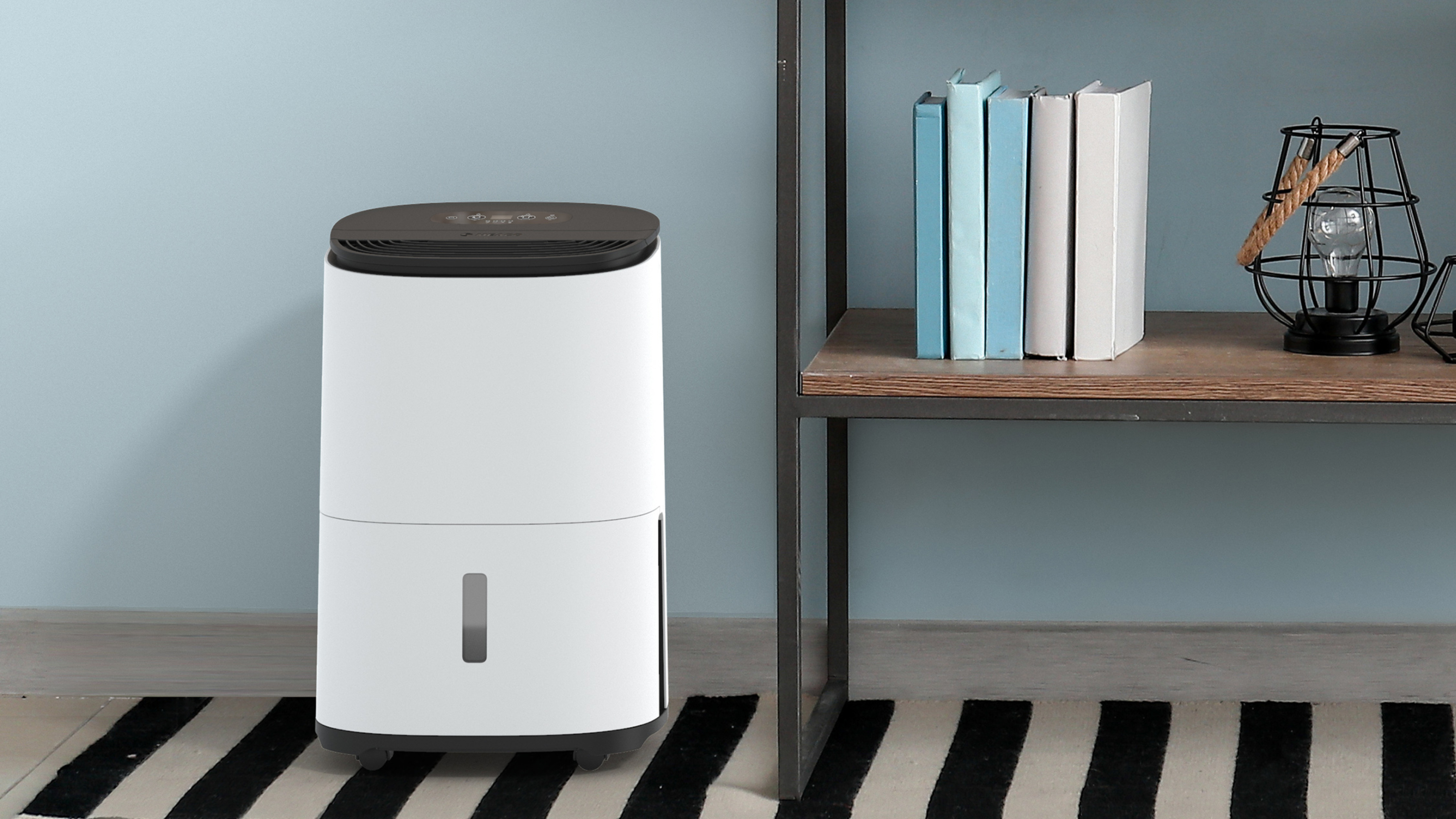
Various appliances can aid in managing mould and damp. Dehumidifiers are particularly effective for persistent damp problems, especially in rental properties where renovations are not an option, or after minor leaks or floods. They remove moisture from the air, thereby preventing mould. There are two main types: refrigerant dehumidifiers for hot, humid conditions and desiccant dehumidifiers for cold, damp conditions. While models vary in price, effectiveness does not always correlate with cost, with expert reviews showing that many effective models cost $500 or more, and some cheaper models performing poorly. Air conditioners, commonly used for temperature control, also possess dehumidifying properties, and many modern units include specific 'dry' modes designed for this purpose. Ceiling fans are an energy-efficient way to maintain airflow and prevent mould. They can also be used in winter to circulate warm air, making heaters more efficient. Pedestal fans offer a more portable and inexpensive solution for directing airflow to specific areas requiring ventilation.
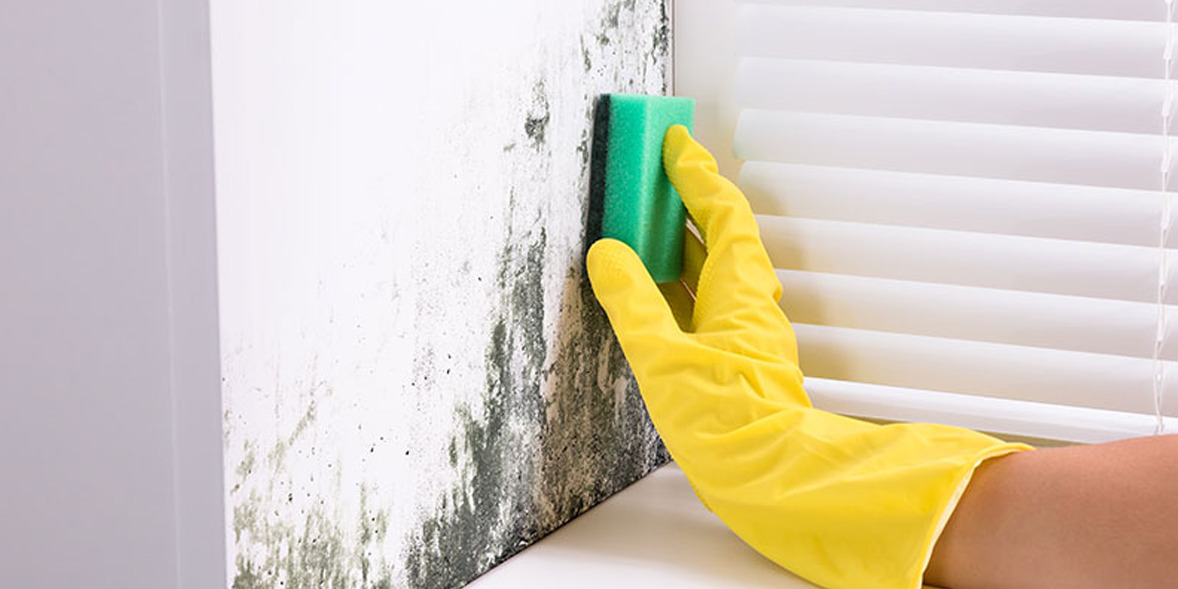
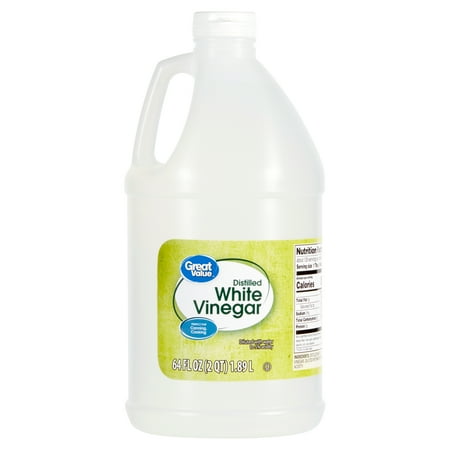
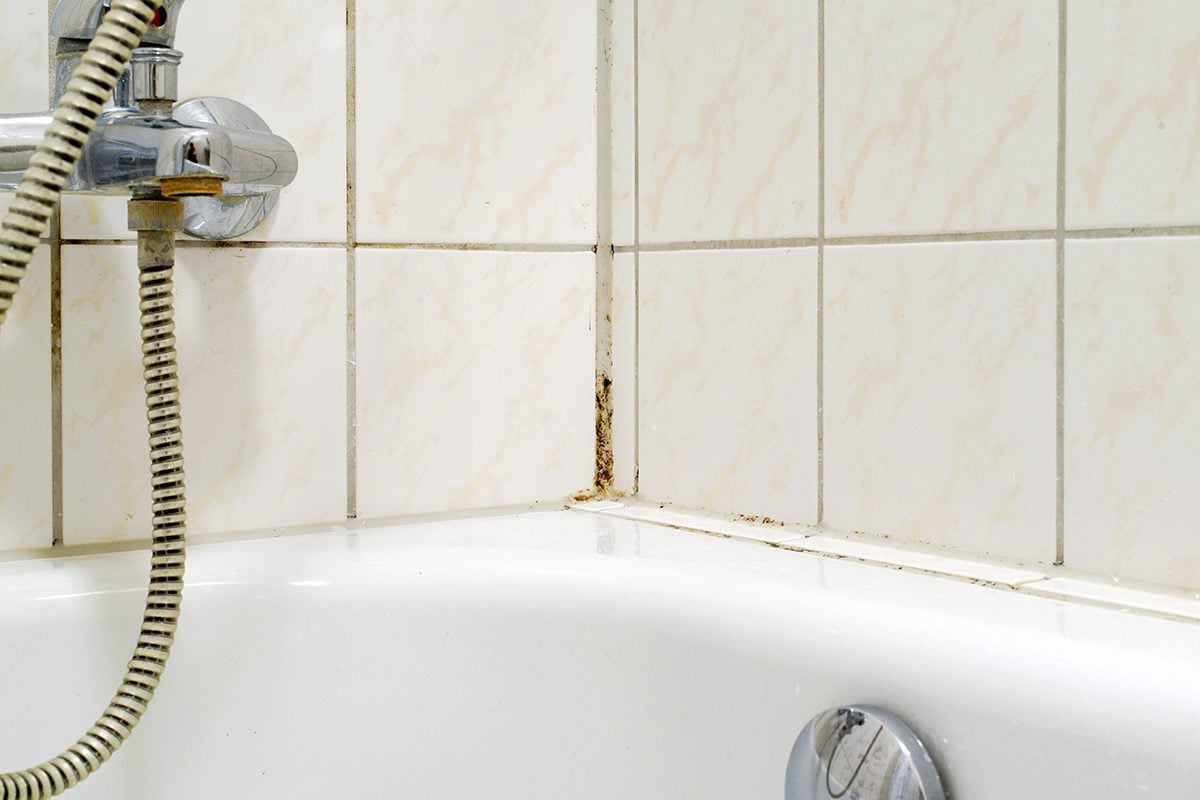
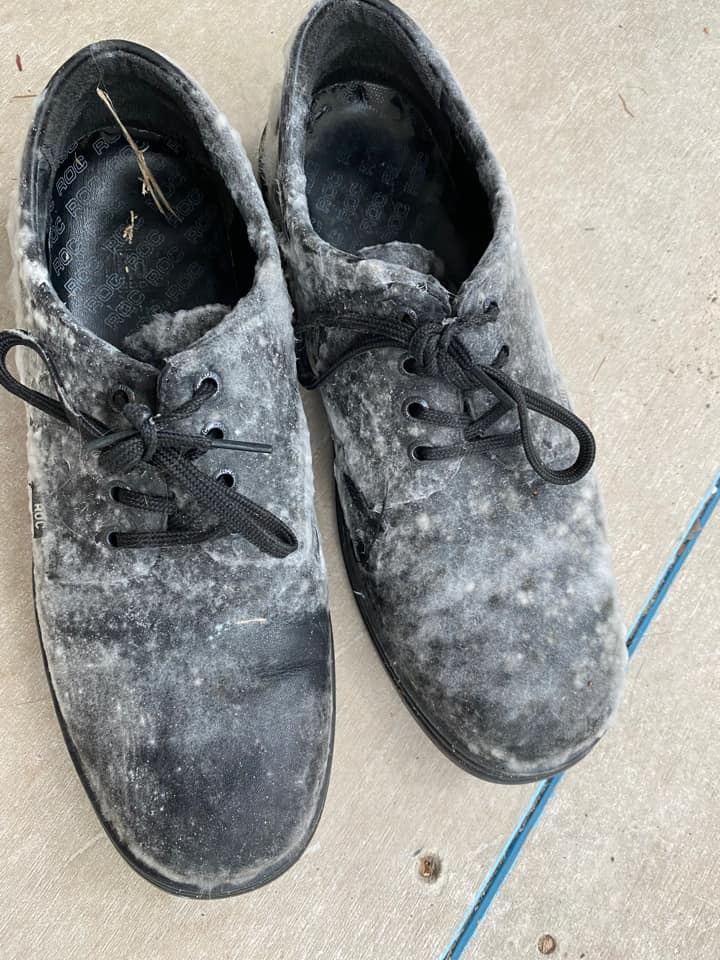
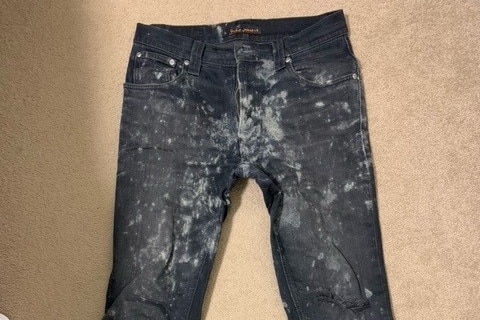
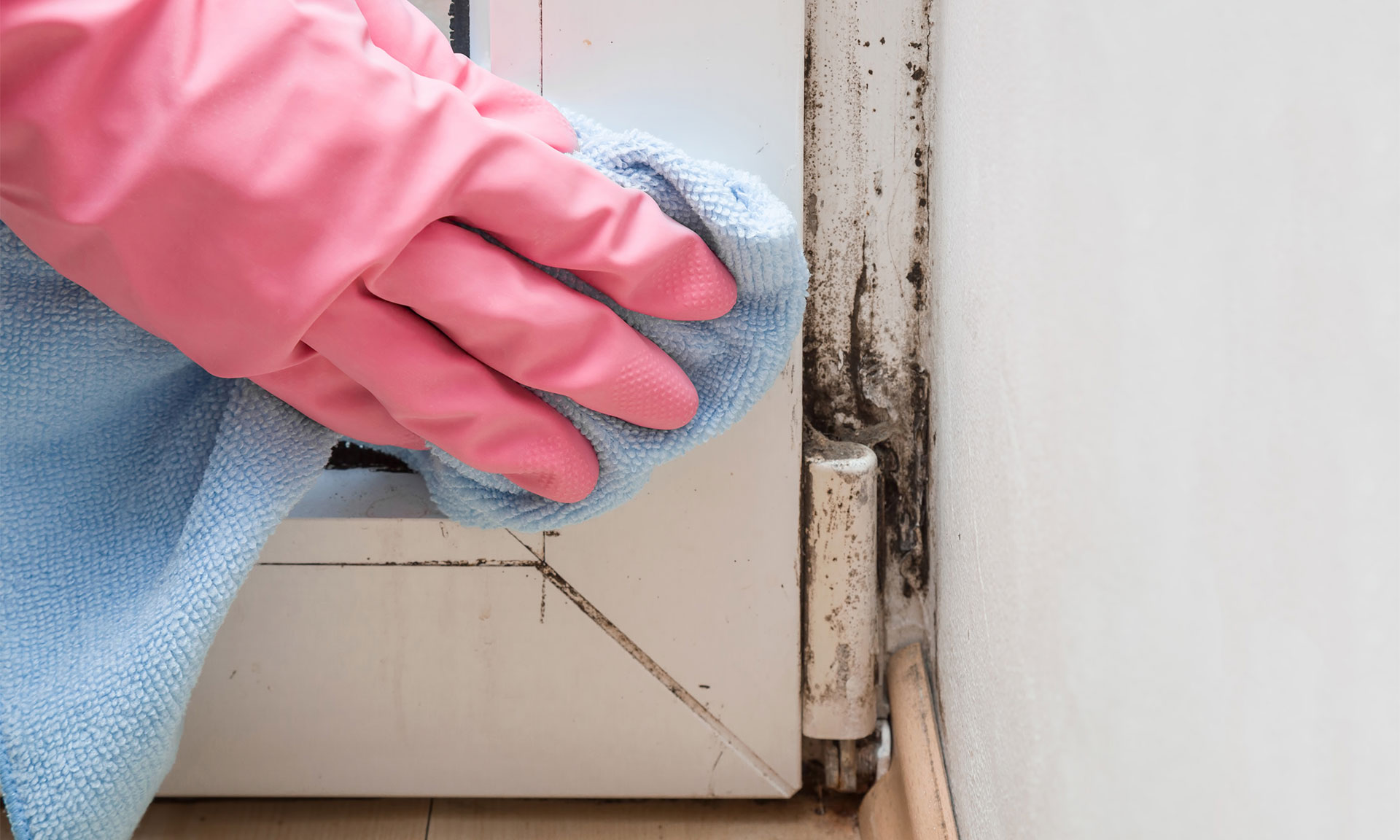
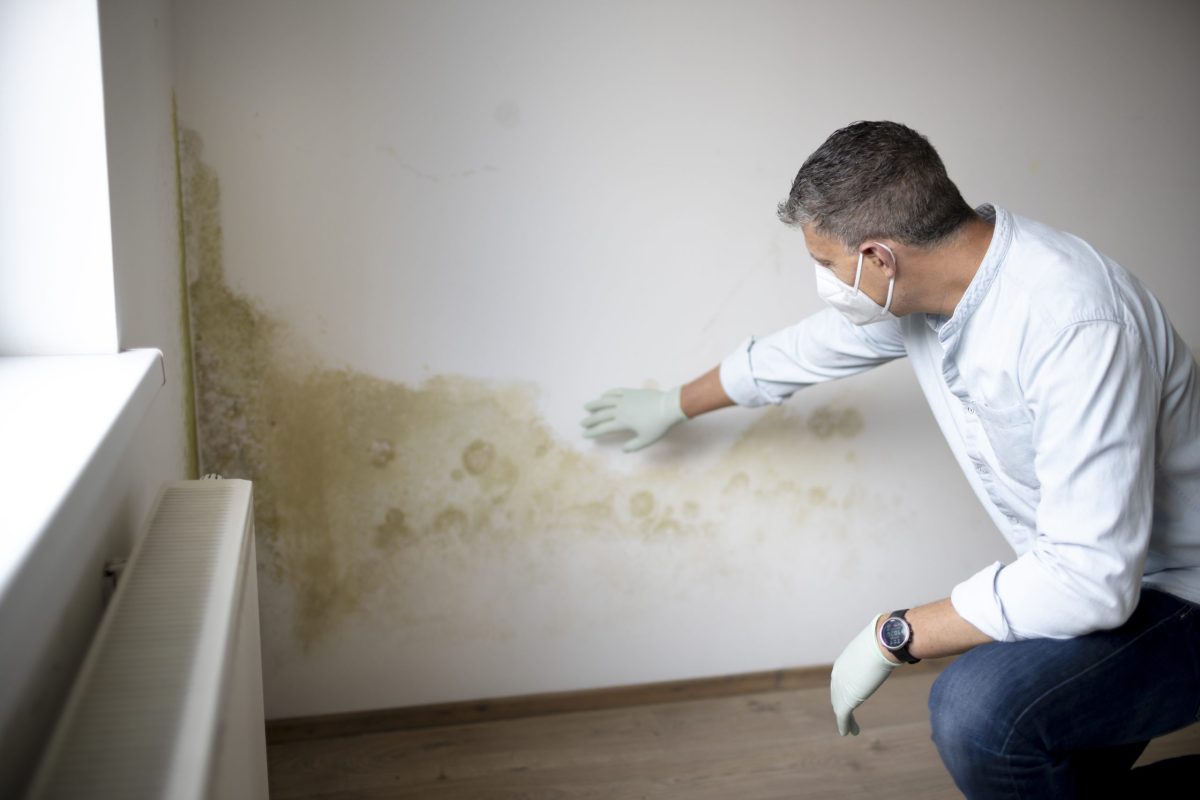
When mould appears, immediate and appropriate cleaning is necessary. Many commercial 'mould-killing' products contain insufficient bleach concentrations (often 5% or less) to effectively kill fungi, which typically requires a 10% bleach concentration. Moreover, bleach loses potency quickly. Instead, a standard multipurpose cleaner or a mixture of 80% vinegar and 20% water with a microfibre cloth can be effective. Vinegar causes mould to overeat and die. However, for serious mould problems or mould on highly porous materials like textiles, clothing, or furniture, complete removal might be impossible, necessitating disposal of the affected item. Similarly, mould in bathroom grout may require regrouting. Professional mould remediation is advisable for dense, black mould covering significant areas, as it can be expensive but prevents further damage and identifies underlying causes. For renters, landlords are generally responsible for mould caused by structural issues like leaks, but clear-cut laws regarding landlord responsibility for mould are often lacking. Renters should document the issue with photos and maintain records of all communication with landlords or real estate agents.
#HomeMaintenance #MouldPrevention #DampControl #Dehumidifiers #AirConditioners #CeilingFans #HomeVentilation #CleaningTips #RentalRights #HomeMaintenance #MouldPrevention #DampControl #Dehumidifiers #AirConditioners #CeilingFans #HomeVentilation #CleaningTips #RentalRights
0 commentaire au total
 Aucun commentaire pour le moment
Vous aimerez aussi

How to get rid of damp
How to get rid of mould
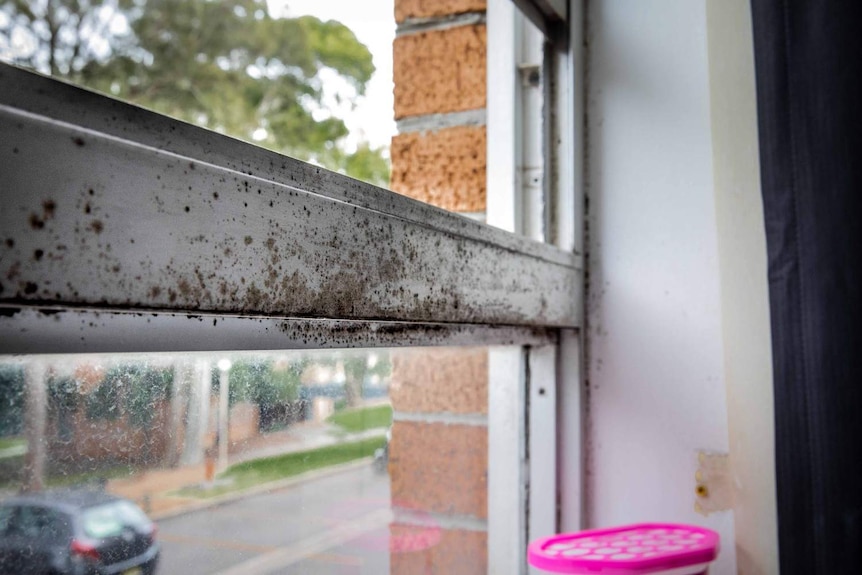
Lots of rain can mean mould, this is how to get rid of it. - ABC Emergency


10 Items You Should Never Store In The Bathroom

How to stop damp in a bedroom - 10 foolproof ways to keep mould at bay

How to prevent mould in wardrobes - expert-approved tips to protect your furniture and your clothes

The minimum temperature your heating should set at to avoid condensation & mould
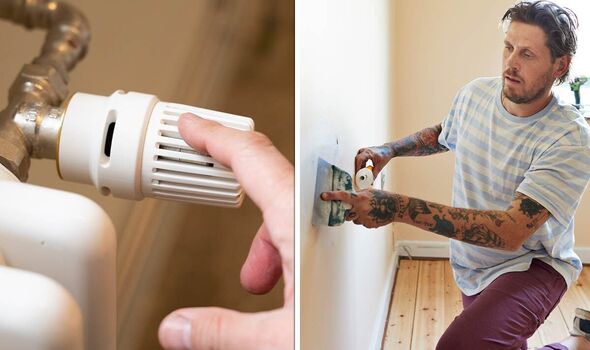
How to 'warm up' cold walls and 'protect' your home from condensation and mould growth

6 bedroom storage mistakes that could be causing mould – and what to do instead

Why You Shouldn't Buy a House That Was Built in the Rain

5 telltale signs your home needs a vapor barrier this winter and beyond

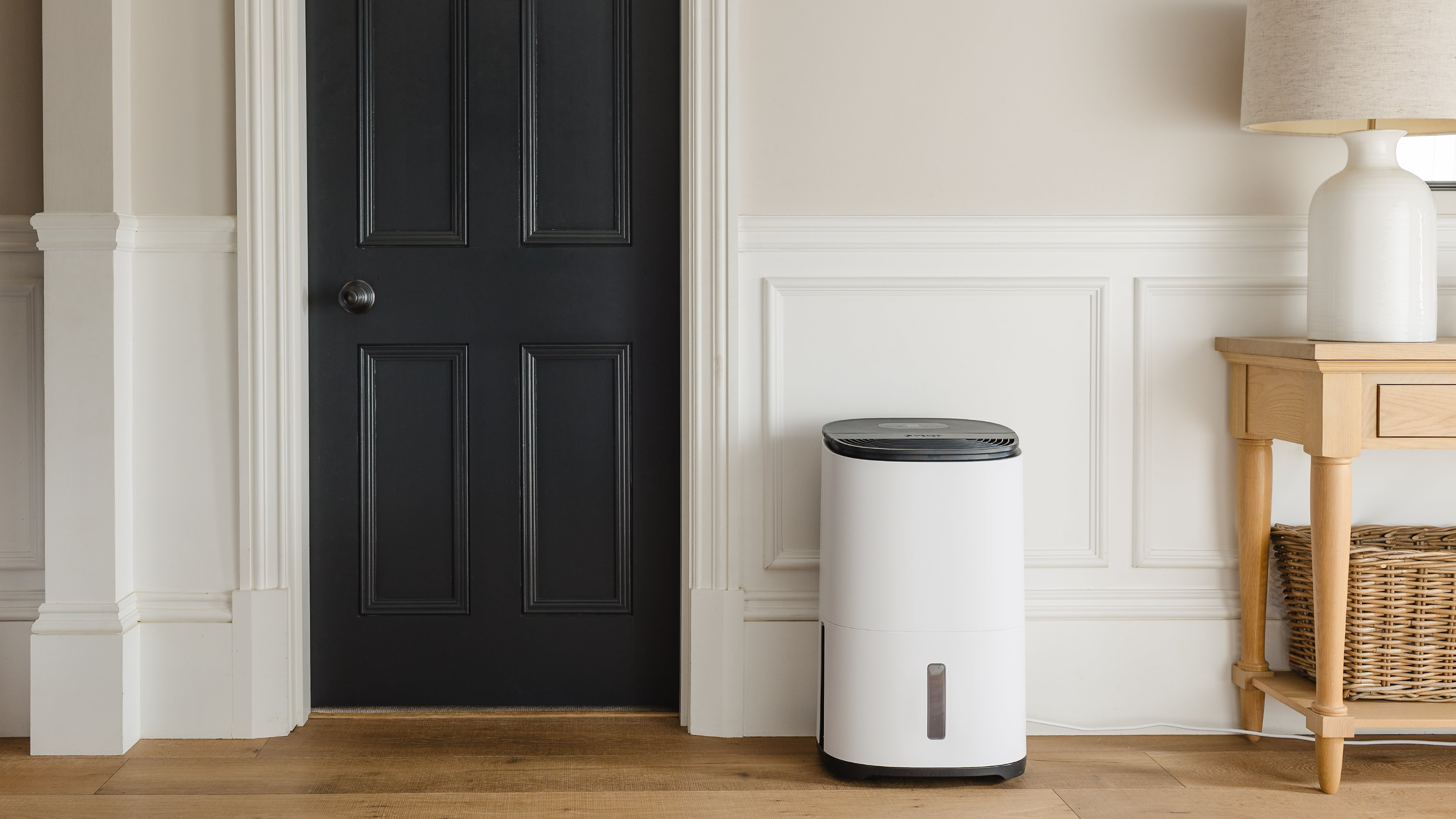
Can a dehumidifier dry out damp walls? Expert tips you need to know to drive out unwanted moisture this winter

Gross habit we're all doing with our towels is causing mould, according to an expert


Stop Bedroom Damp with This 84-Cent Natural Home Fix

How to ventilate a basement – expert tips to reduce damp and mold
These simple mistakes could be why your dehumidifier isn't working properly – and here's how to avoid them
What Kind Of Damp Is Affecting My Home?

Mold and Mildew Cleaning and Repair
Expert-tested mould removal tips that actually work

Why new homes can be damp – and what we can do about it