1/2
The minimum temperature your heating should set at to avoid condensation & mould
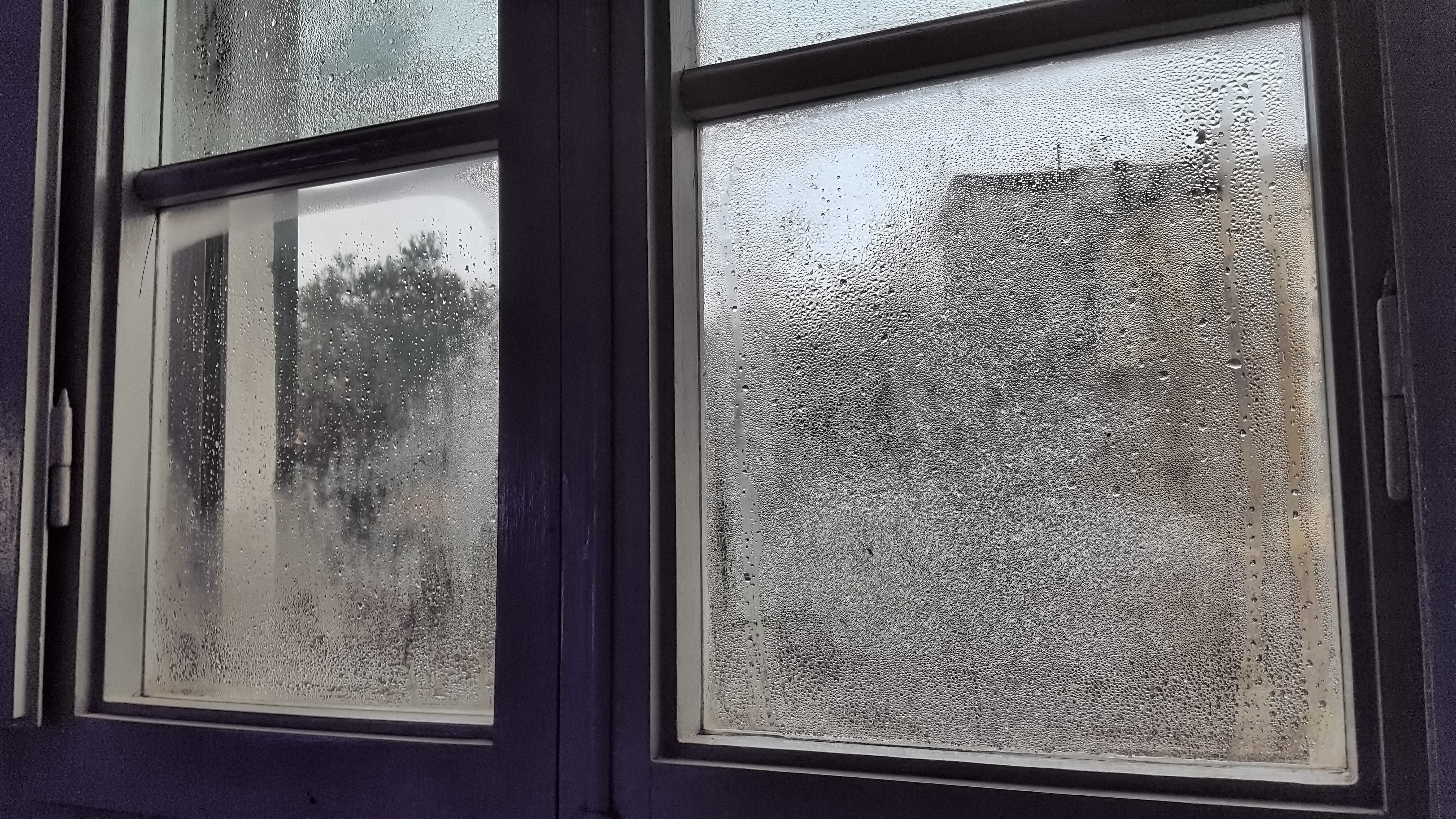
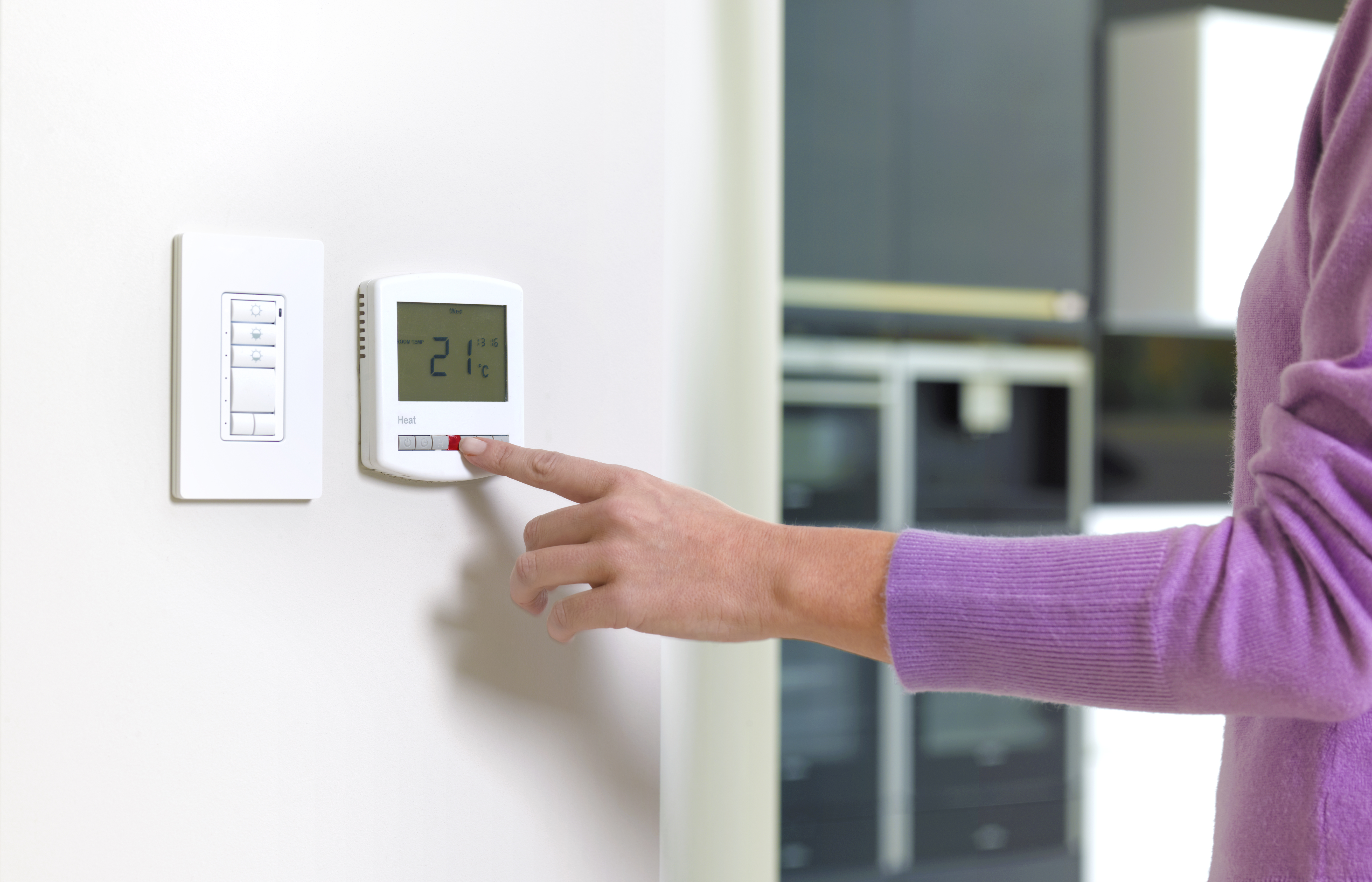
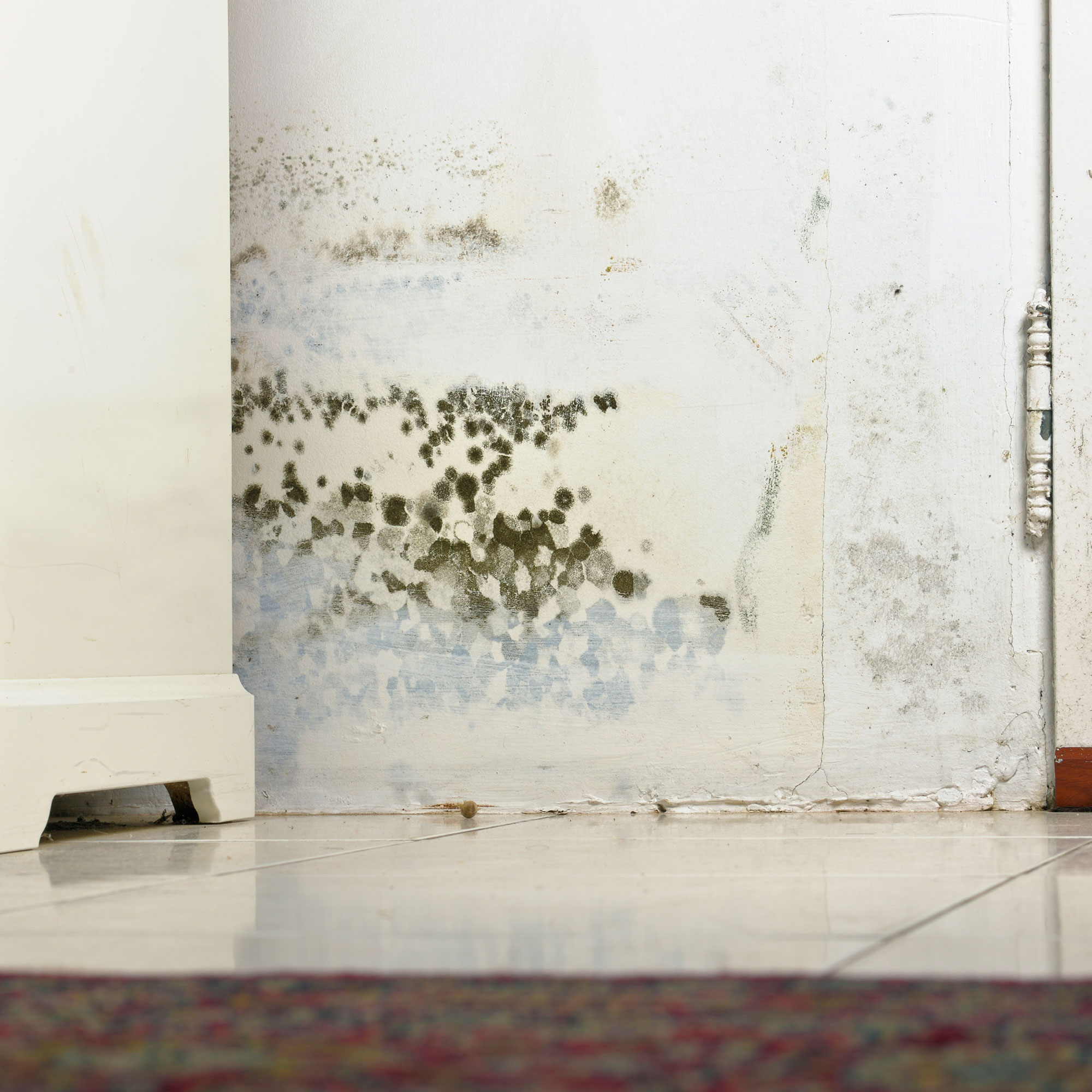
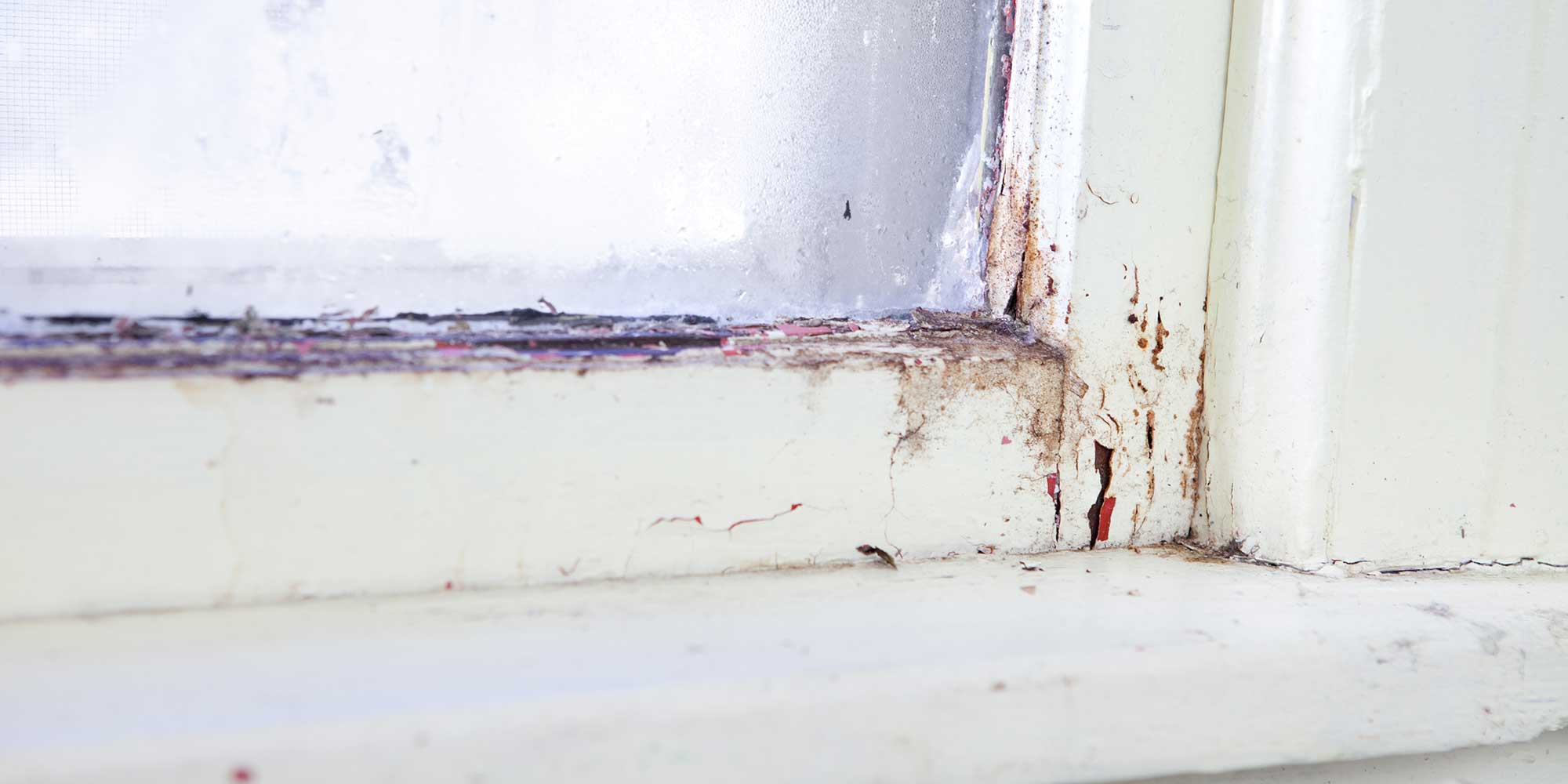
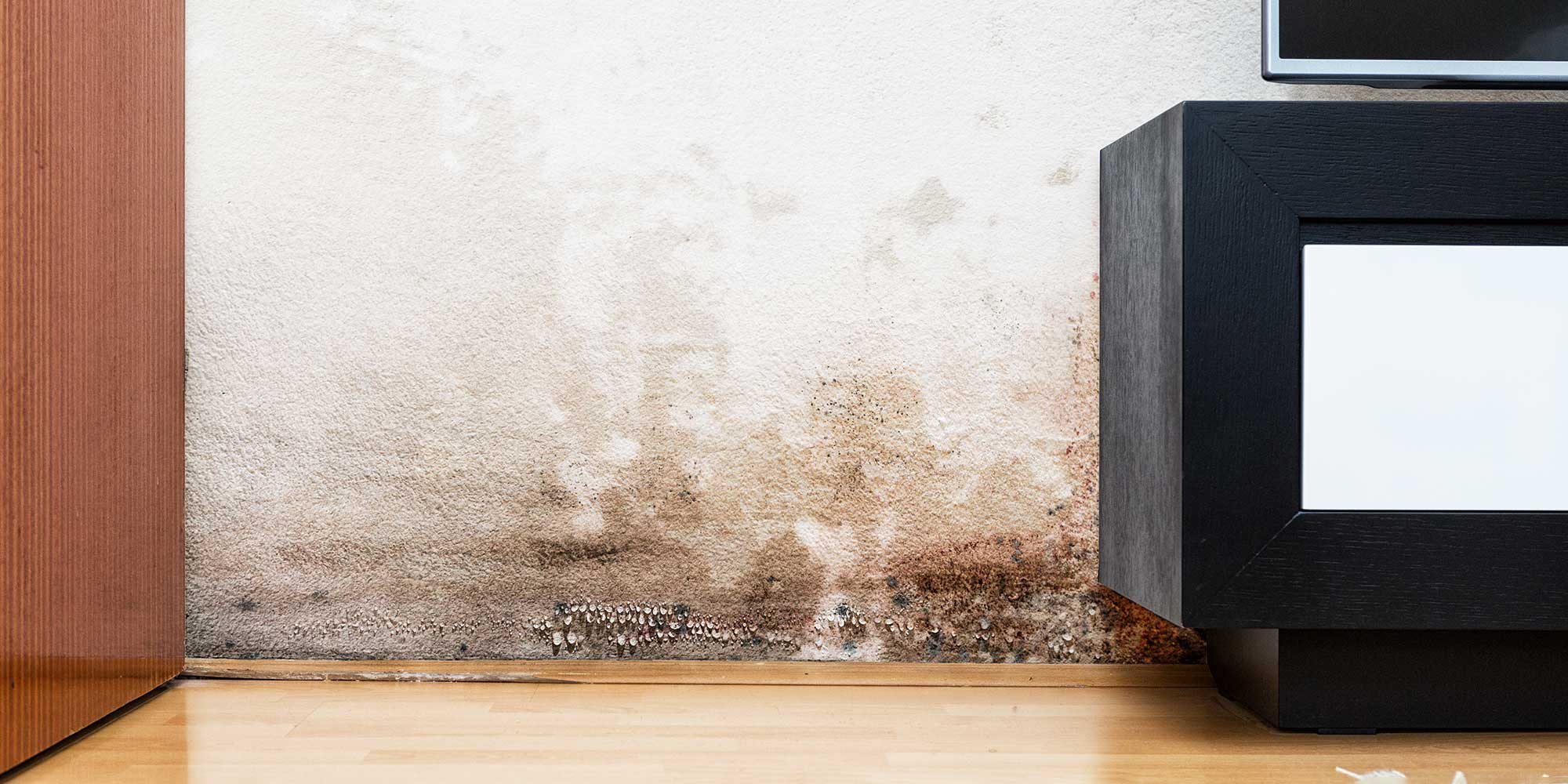
As winter approaches, many homeowners will notice condensation forming on windows, which can lead to damage to windows and furniture, and the growth of mould that poses health risks. Ben Gallizzi, an energy expert at Uswitch.com, highlights the importance of maintaining adequate home warmth to prevent mould, suggesting an ideal indoor temperature range of 18 to 21 degrees Celsius for healthy individuals.
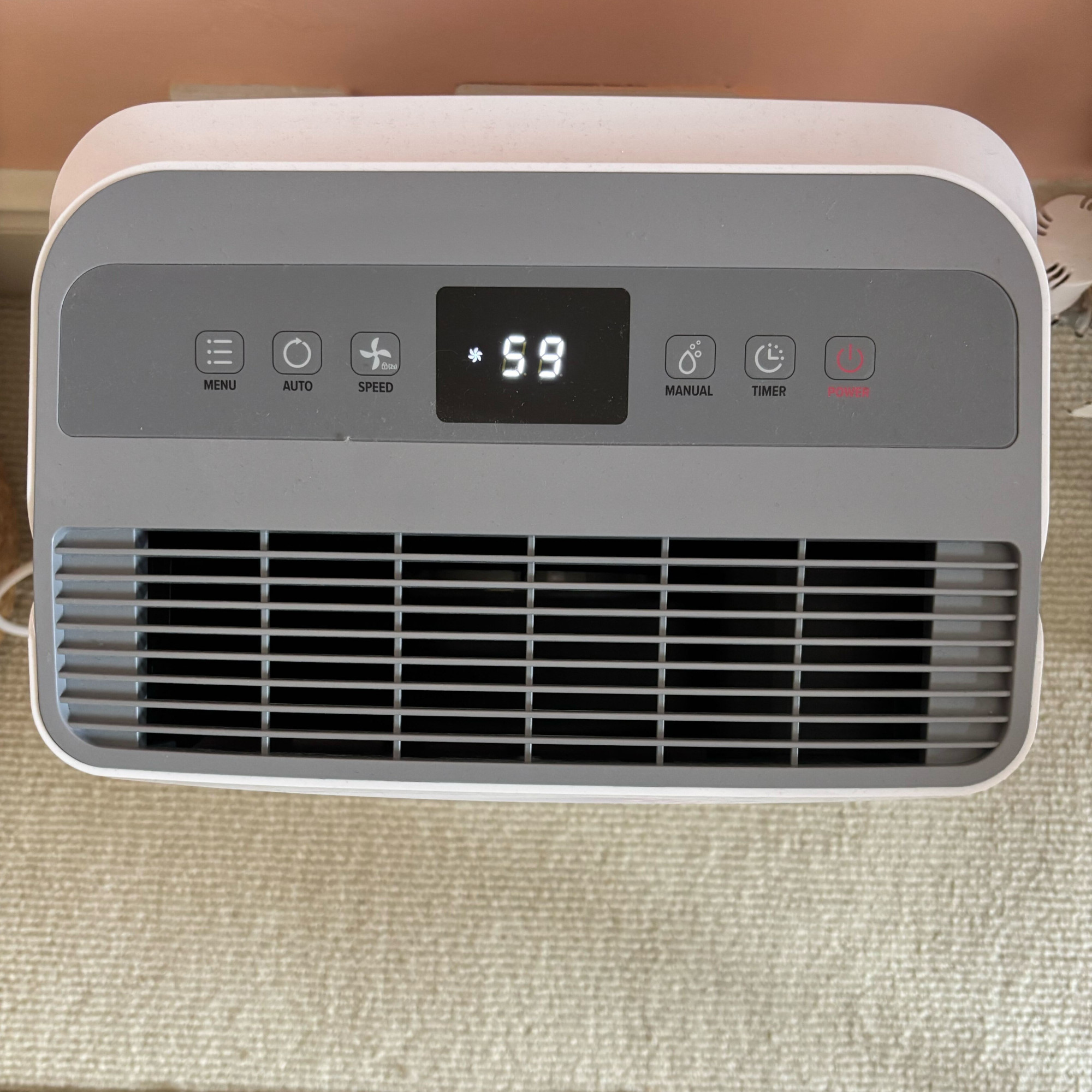
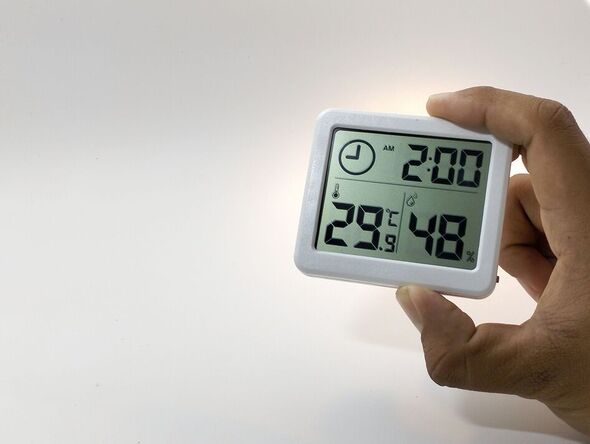
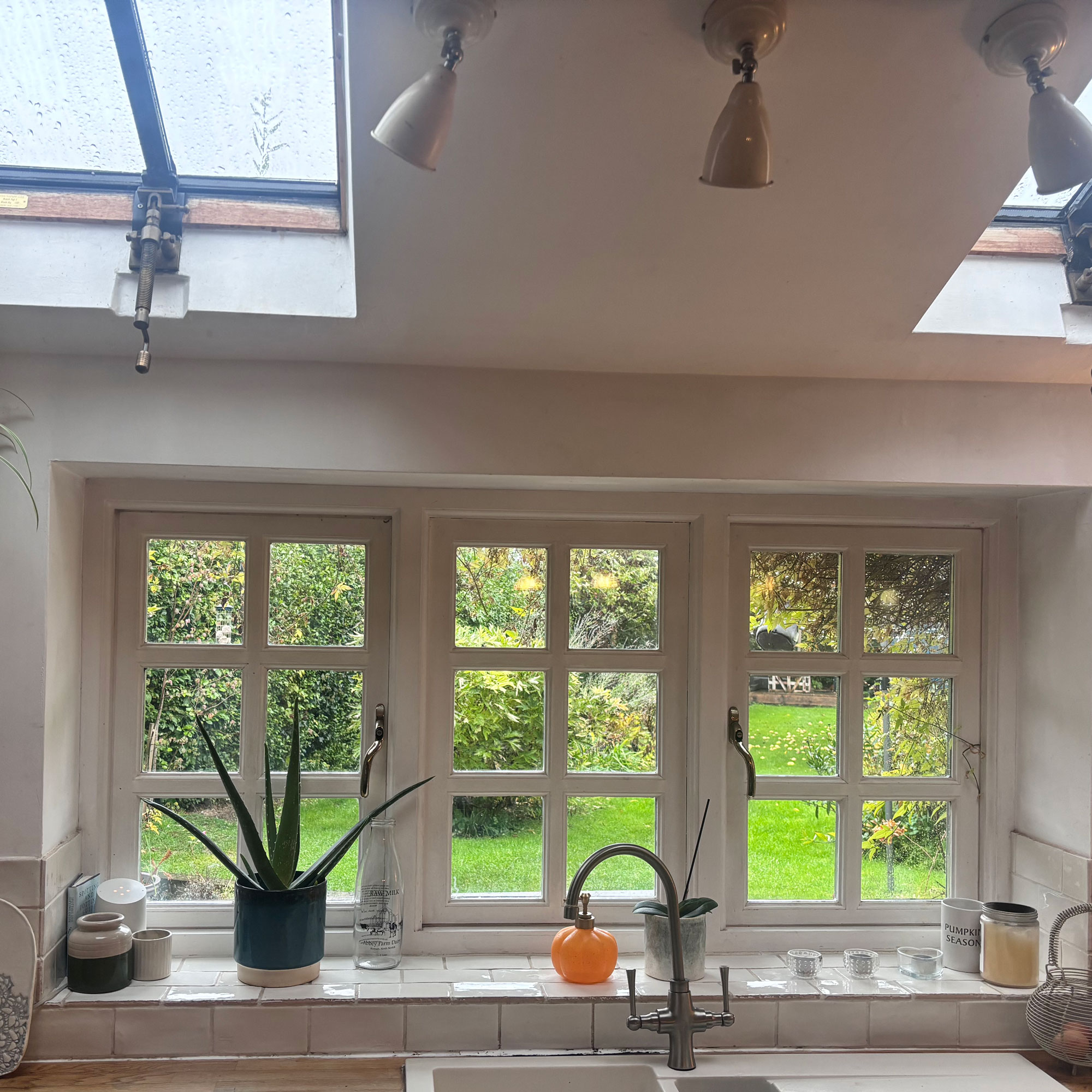
Stephen Hankinson, an energy efficiency expert at Electric Radiators Direct, explains that condensation occurs due to high humidity, which is the measure of water content in the air. Ideally, indoor humidity levels should be around 50%. Signs of excessive humidity include visible condensation on windows or mirrors, indicating an abundance of moisture in the air that collects on cooler surfaces.
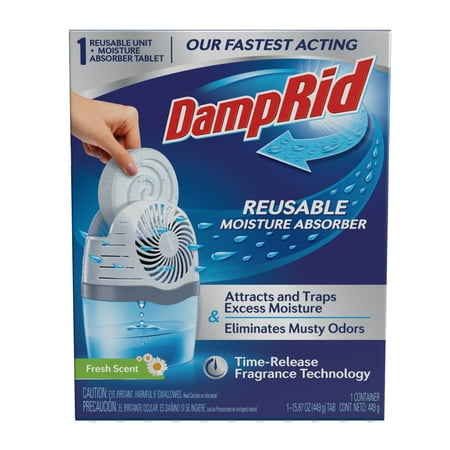
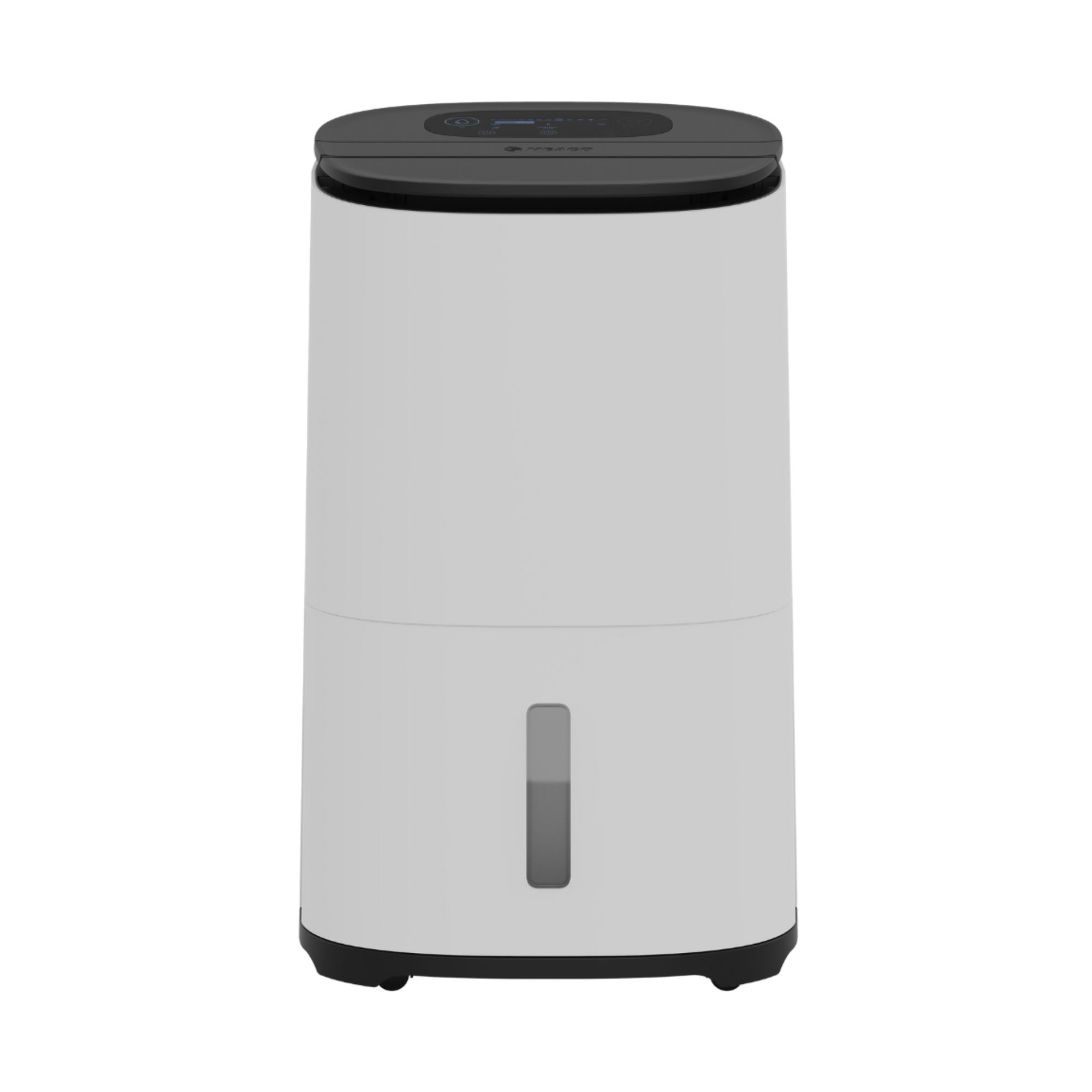
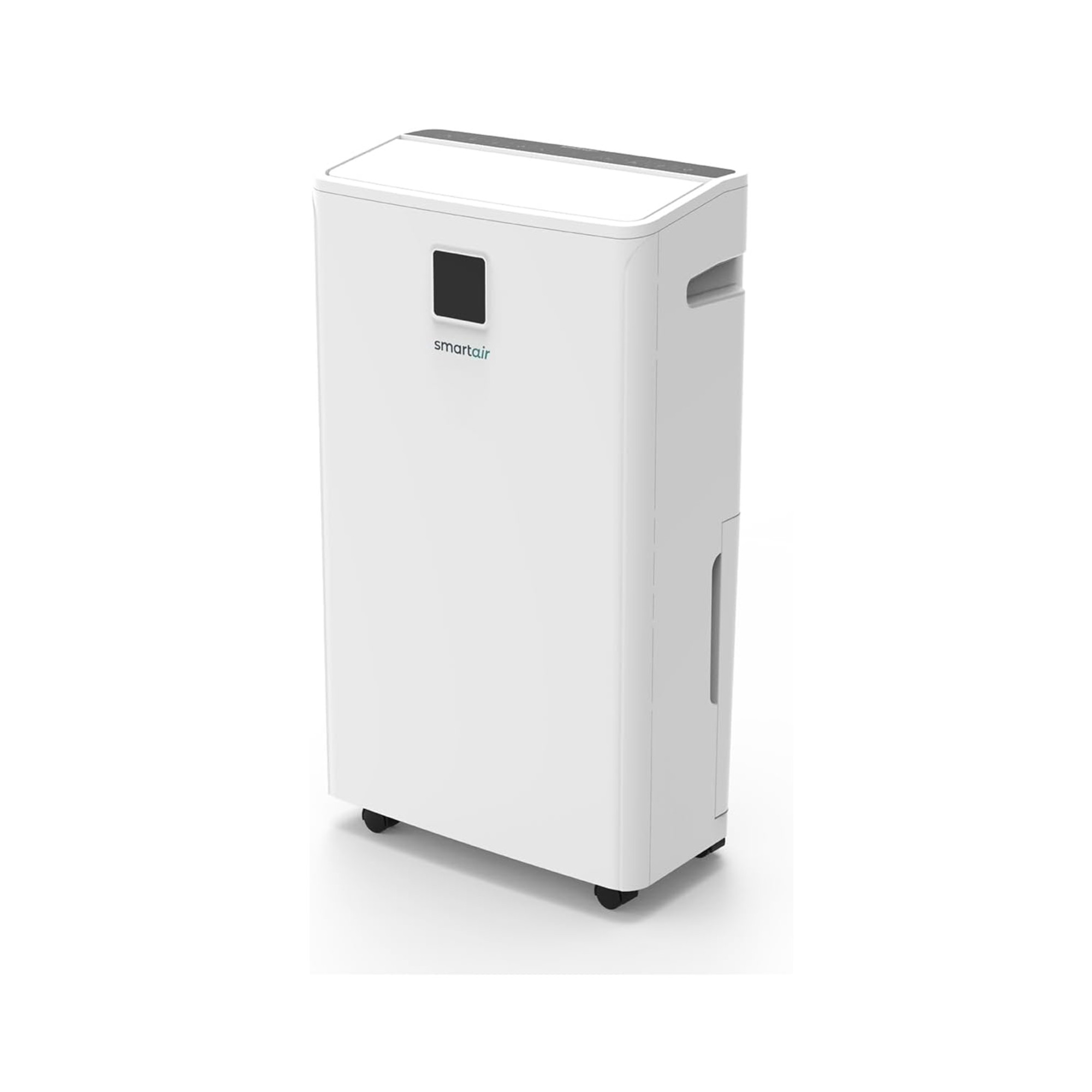
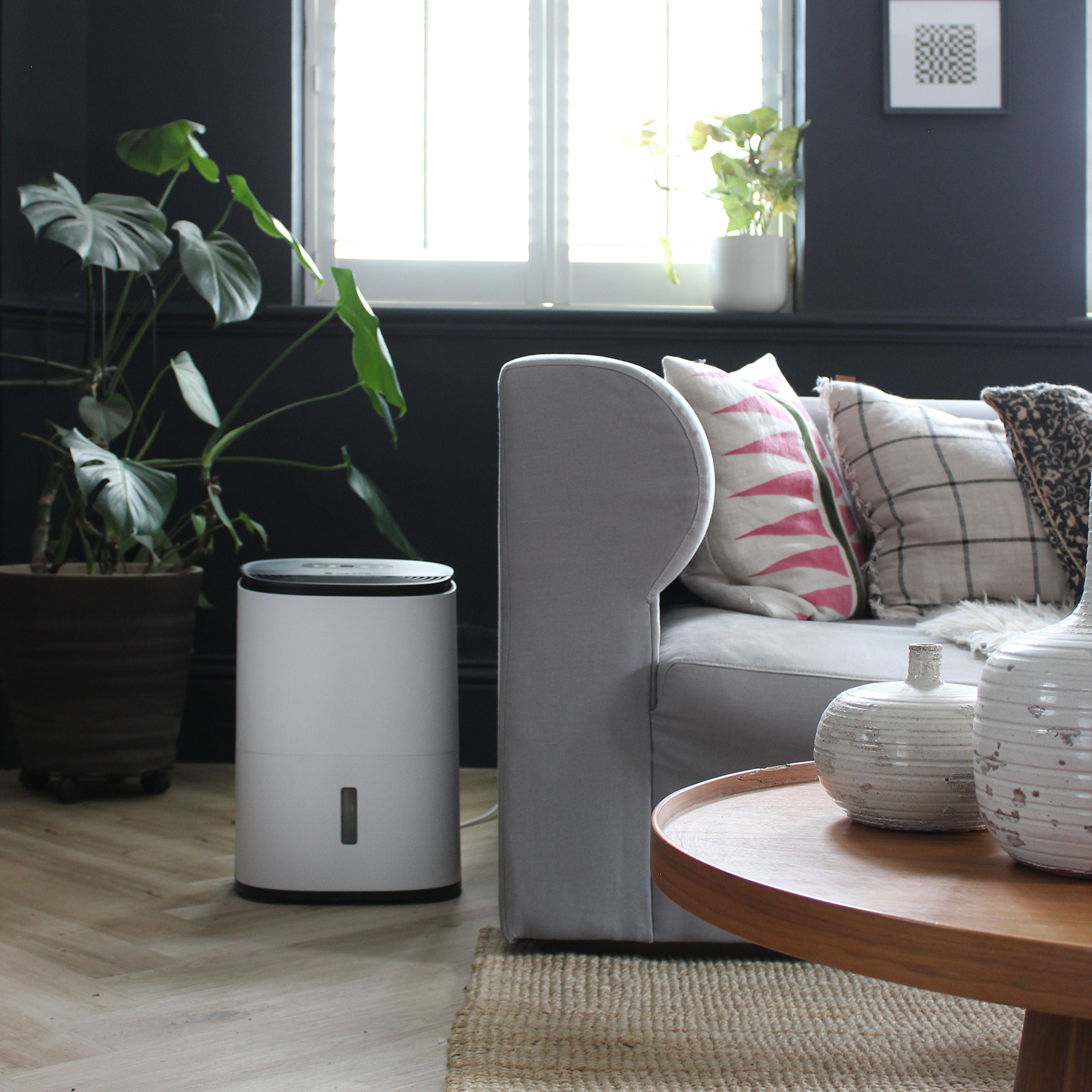
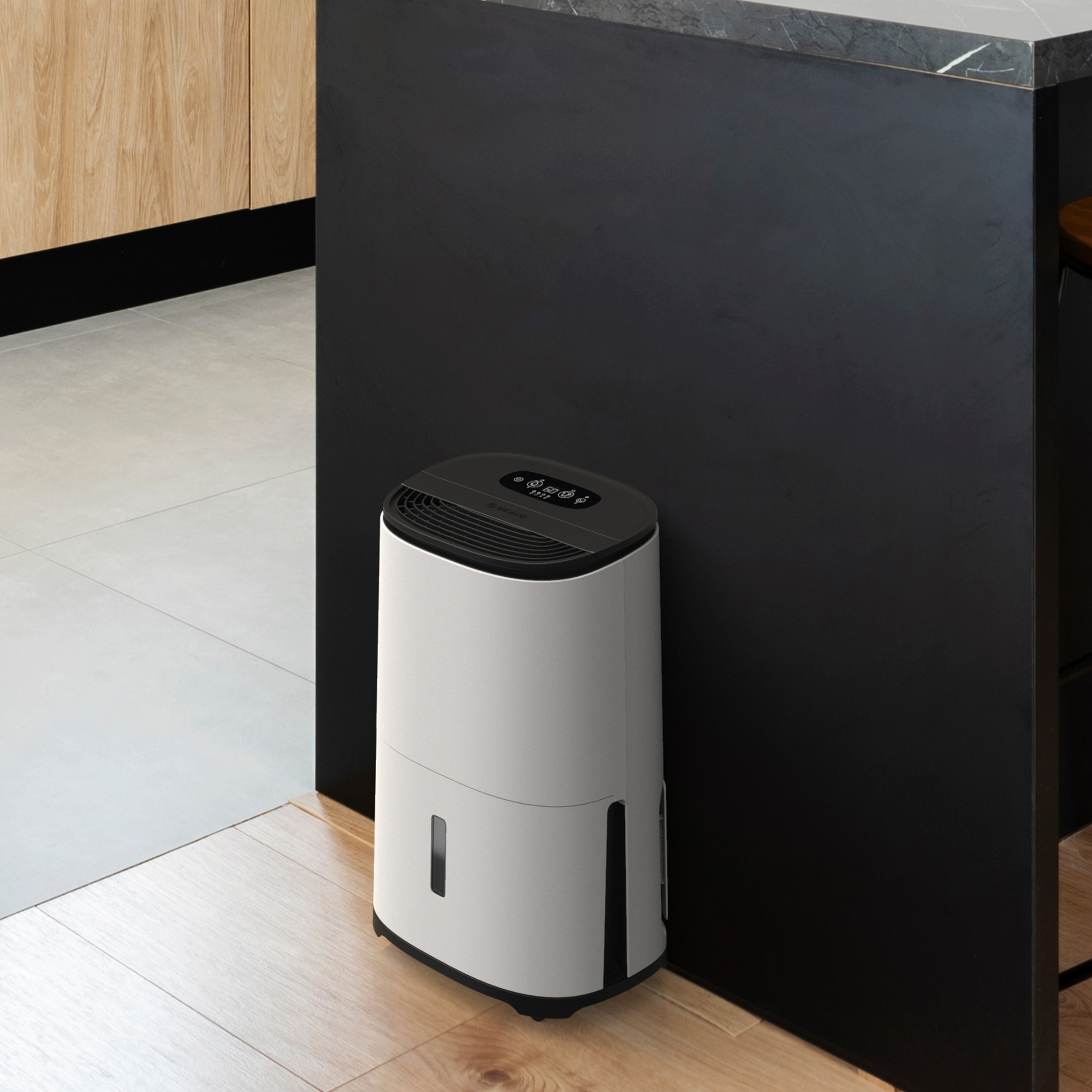
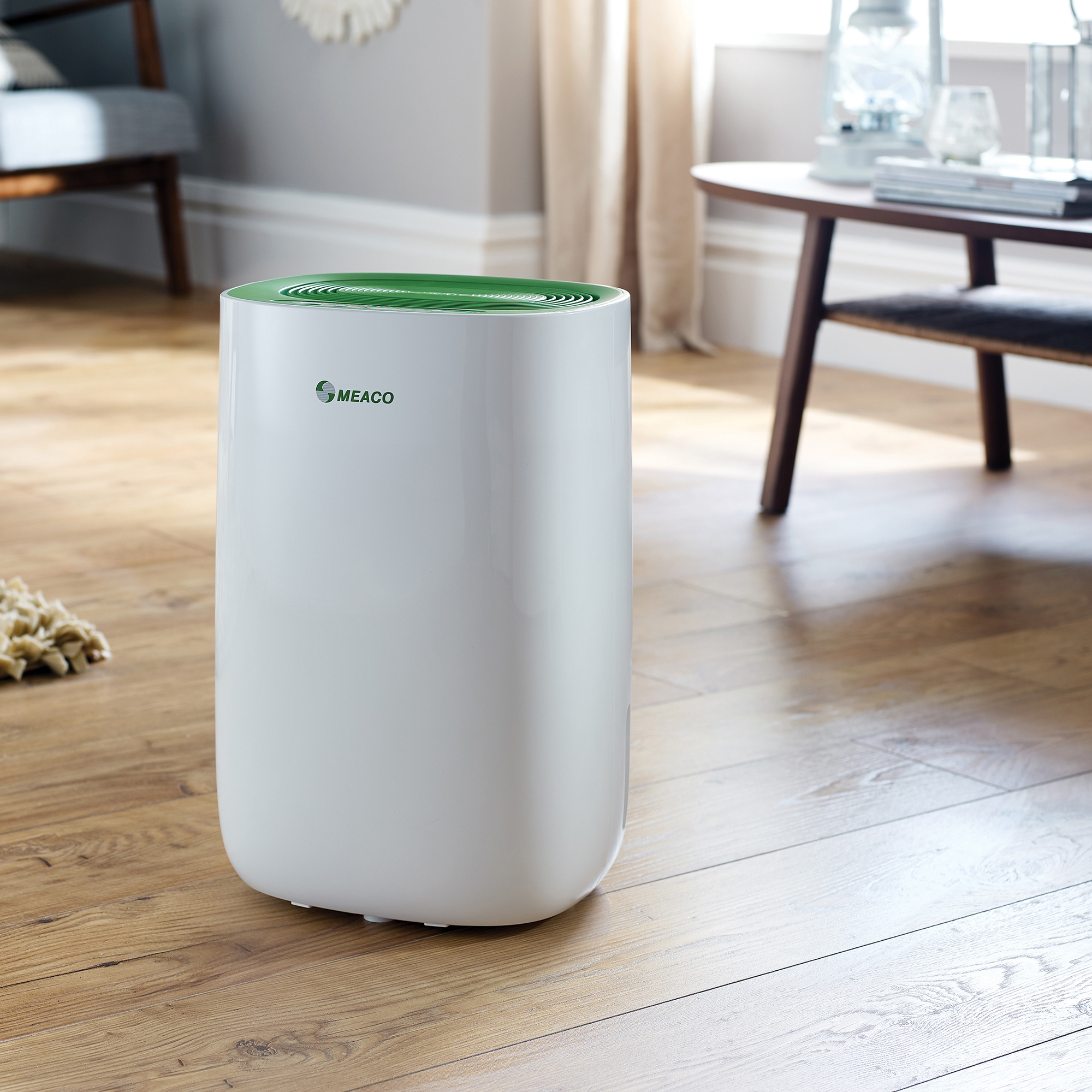
To prevent condensation and high humidity, several solutions can be implemented. While humidifiers and dehumidifiers offer direct intervention, it is crucial to address the root cause of fluctuating humidity levels. A primary recommendation is to ensure rooms are adequately heated and ventilated. Heating keeps water in the air in vapor form, preventing it from cooling and condensing, while improving air circulation. Concurrently, opening windows or vents, even for as little as five minutes daily, helps moisture escape. This practice is particularly vital during activities that generate significant moisture, such as cooking or drying clothes indoors. Utilizing extractor fans and placing damp laundry near open windows can further assist in ventilation.
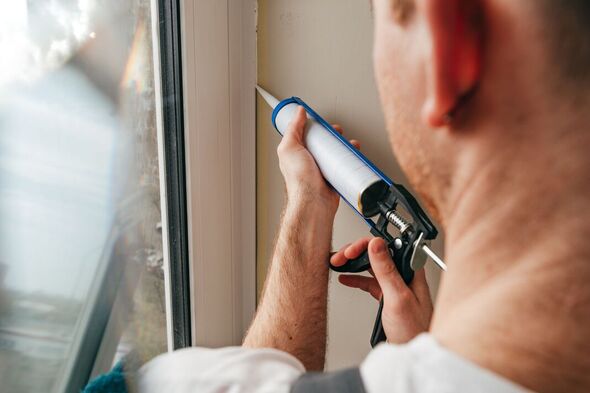
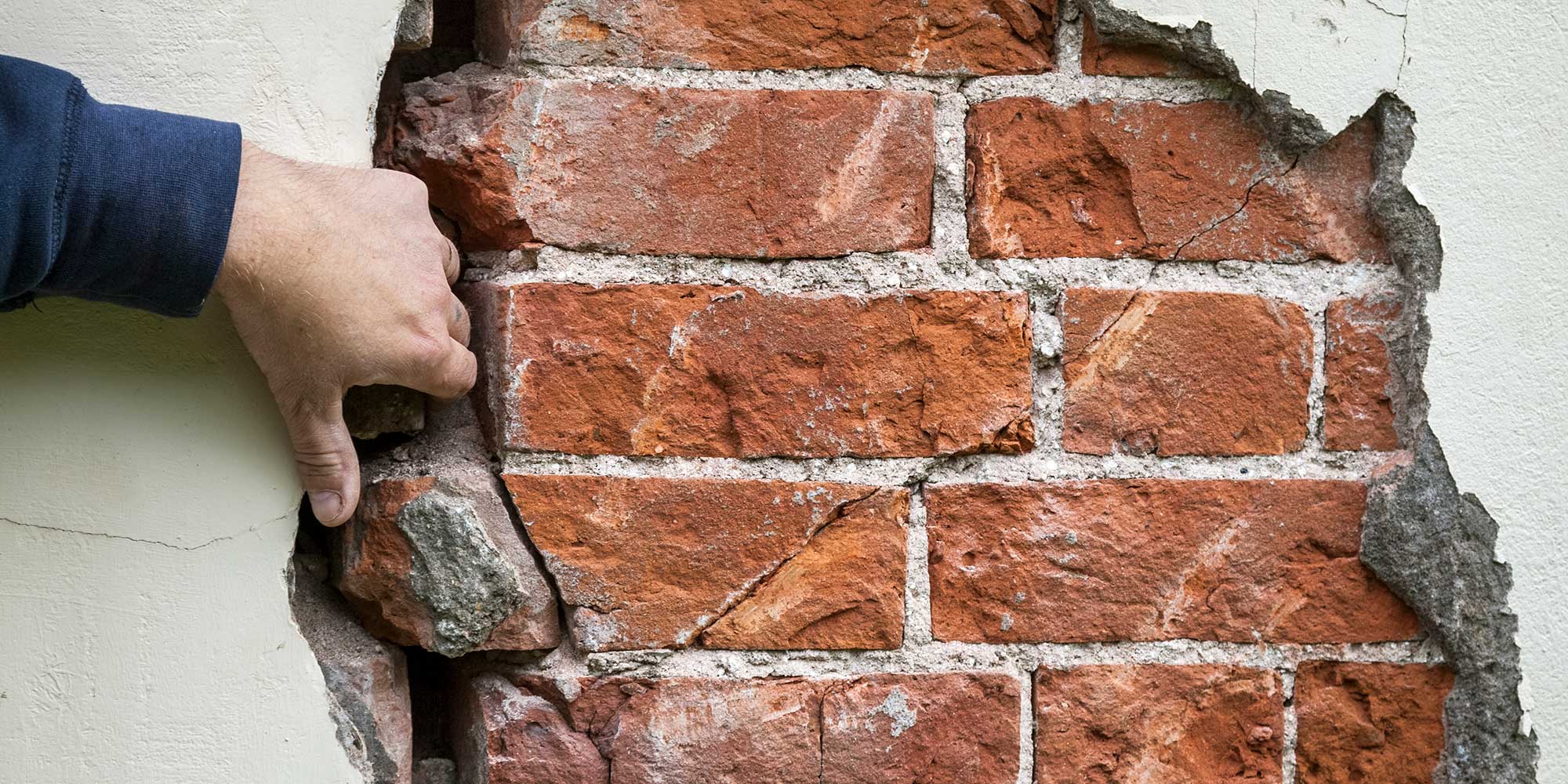
If heating and ventilation efforts do not resolve issues like mould, dampness, or dust mites, homeowners should consider improving their home's insulation. Insulation acts as a barrier against external moisture, sealing the home and eliminating cold surfaces where condensation typically forms. This helps maintain a warmer and drier indoor environment. Poor insulation can allow excessive moisture intrusion, rendering heating and ventilation less effective.
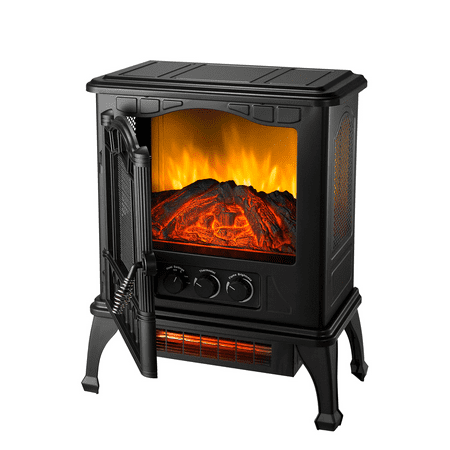
For persistent humidity problems or those seeking enhanced protection, investing in a radiant heating system is an option. Radiant heat warms objects and surfaces directly, rather than heating the air. This method has less impact on room humidity because it does not rely on air to transfer warmth, resulting in more stable air conditions and less circulation of dust particles. Two main types of radiant heating systems are available: infrared panels, which deliver 100% radiant heat and can be installed on walls or ceilings to integrate with home design, and electric radiators, which provide approximately one-third of their heat through radiation, offering a balanced approach for those not seeking exclusively radiant heat.
#HomeMaintenance #CondensationPrevention #MouldControl #HomeHeating #HumidityManagement #HomeVentilation #Insulation #RadiantHeating #EnergyEfficiency #HomeMaintenance #CondensationPrevention #MouldControl #HomeHeating #HumidityManagement #HomeVentilation #Insulation #RadiantHeating #EnergyEfficiency
0 comment in total
 No comments yet
You may also like
The perfect temperature to avoid frozen pipes

Eight top tips to banish condensation this winter - starting with sleeping with your curtains open

Can a dehumidifier dry out damp walls? Expert tips you need to know to drive out unwanted moisture this winter
How to protect your home from damp, moisture and mould
Stop Bedroom Damp with This 84-Cent Natural Home Fix

This home heating habit could be ruining your sofa
How to store bedding properly to prevent mould and mildew - avoid ‘worst’ room in the home

'Too hot or cold and you risk damaging the plant' – this is the ideal watering temperature for healthy houseplants


The 4 simple tricks that stopped condensation from forming on my bedroom windows – I no longer have to wipe my windows down every morning
Handyman: Make sure water heater is ready for cold days
How to warm up your first floor – 7 expert tricks to hold heat downstairs for a cozy winter

They Might Block the Cold, but This Thermal Blind Mistake Could Make You Sick
How to Save Money and Energy Heating Your Apartment (Published 2018)
Avoid insulating these spots as it can cause damp and mould
What Kind Of Damp Is Affecting My Home?
The 9 Best Dehumidifiers for Basements to Get Ahead of Moisture Issues

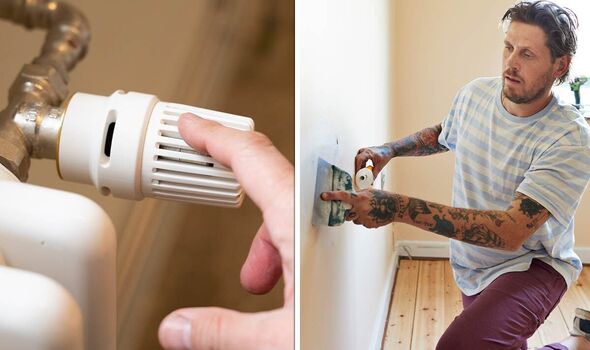
How to 'warm up' cold walls and 'protect' your home from condensation and mould growth
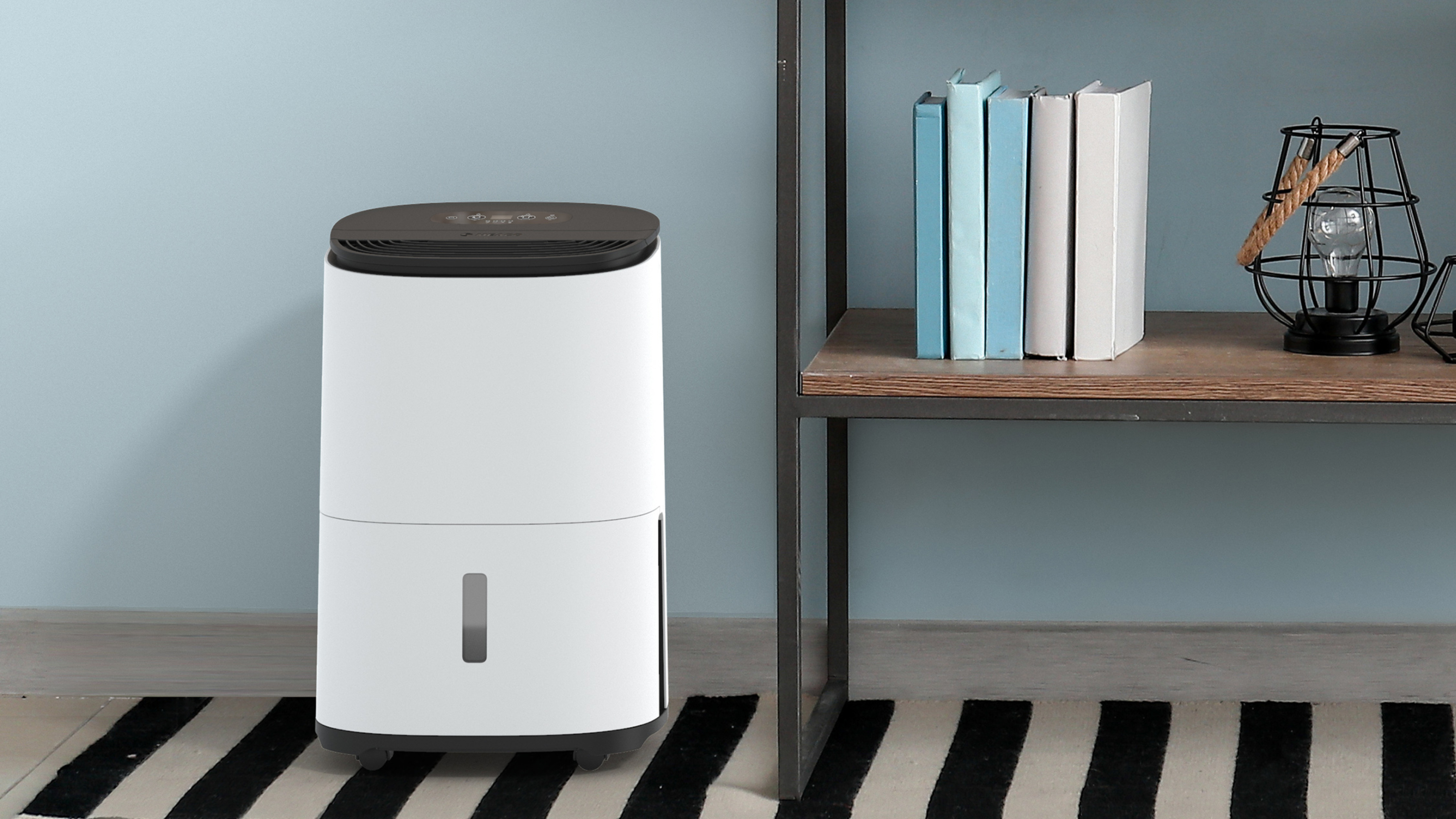
These simple mistakes could be why your dehumidifier isn't working properly – and here's how to avoid them
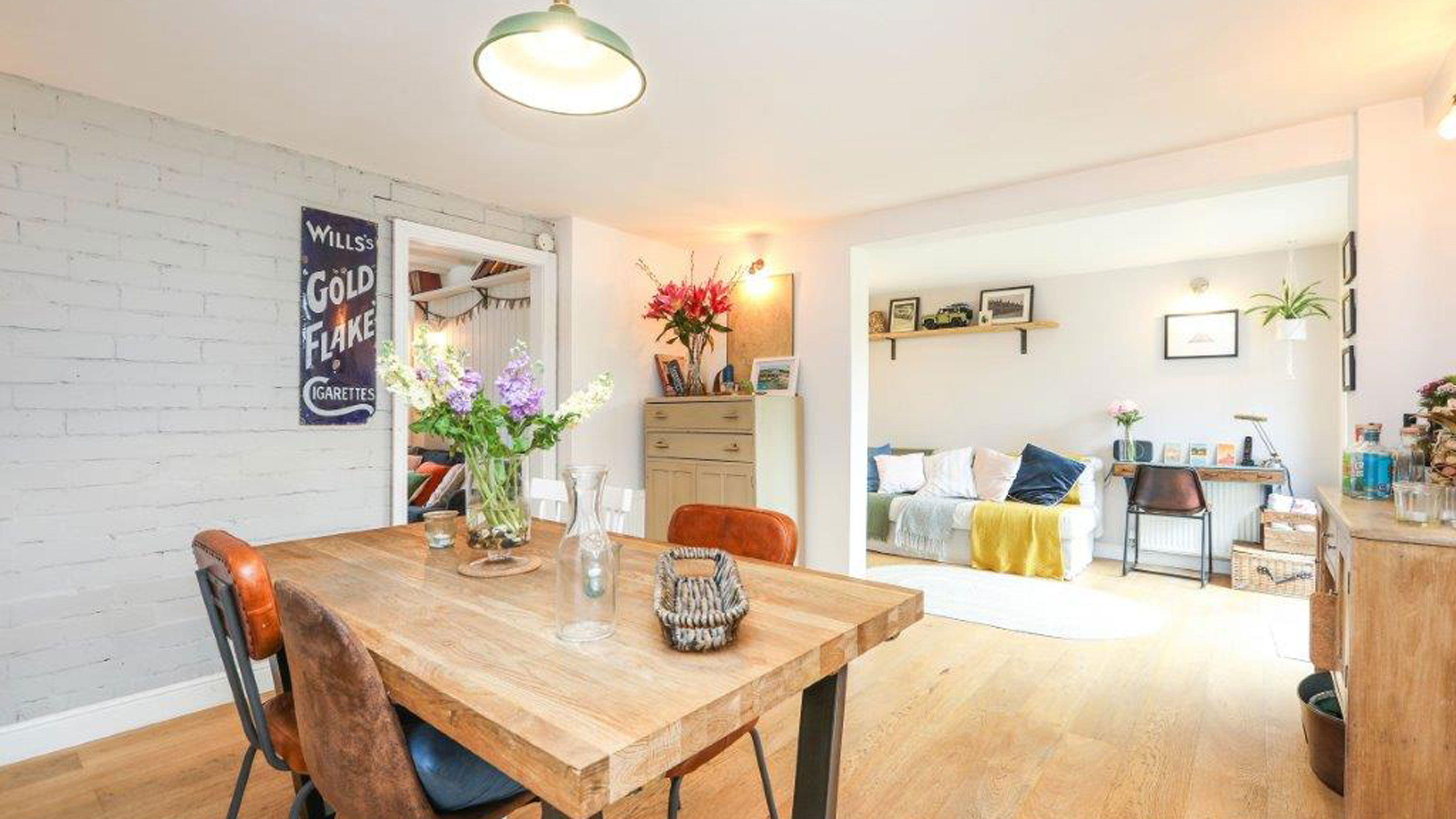
I used to struggle to keep my open plan layout warm in winter — but these 4 methods now keep it cosy all day long
Top 10 Winter Energy Saving Tips