1/8
How To Apply Biophilic Design In Contemporary Architecture? A Selection Of Works In The Philippines
Biophilic design is gaining increasing traction in architecture and interior design, stemming from the ancient Greek term 'biophilia,' meaning 'love of living things.' Psychologist Erich Fromm first used this term in 1964, and it was later popularized by biologist Edward O. Wilson in the 1980s, who observed a growing disconnect between humans and nature due to urbanization. The core concept of biophilic design is to integrate nature into the built environment to enhance human well-being, health, and productivity. This approach recognizes humanity's innate connection to nature, a bond that has historically provided shelter, food, and medicine since the earliest civilizations. In contemporary times, particularly influenced by recent societal events, there is a renewed focus on creating spaces and cities that re-establish this vital connection.
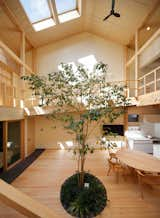
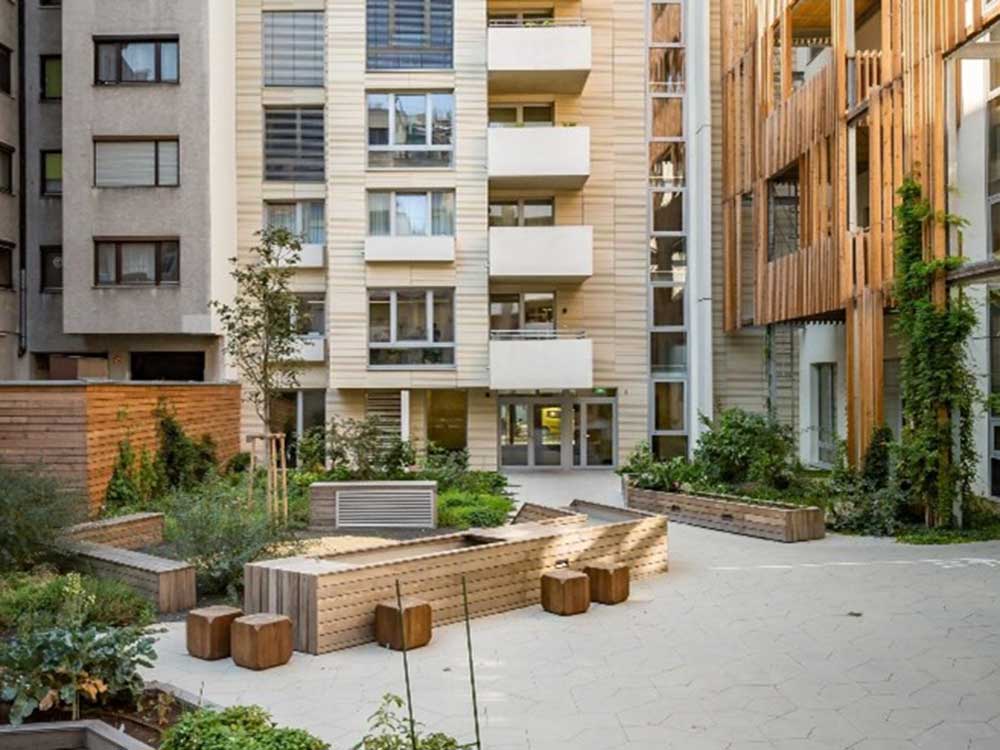
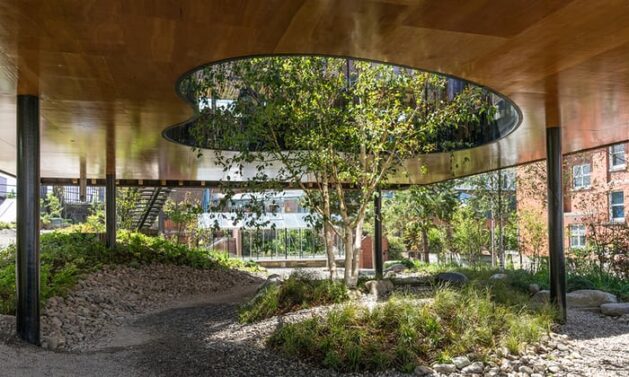
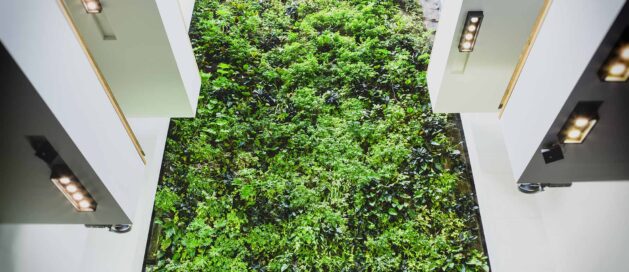
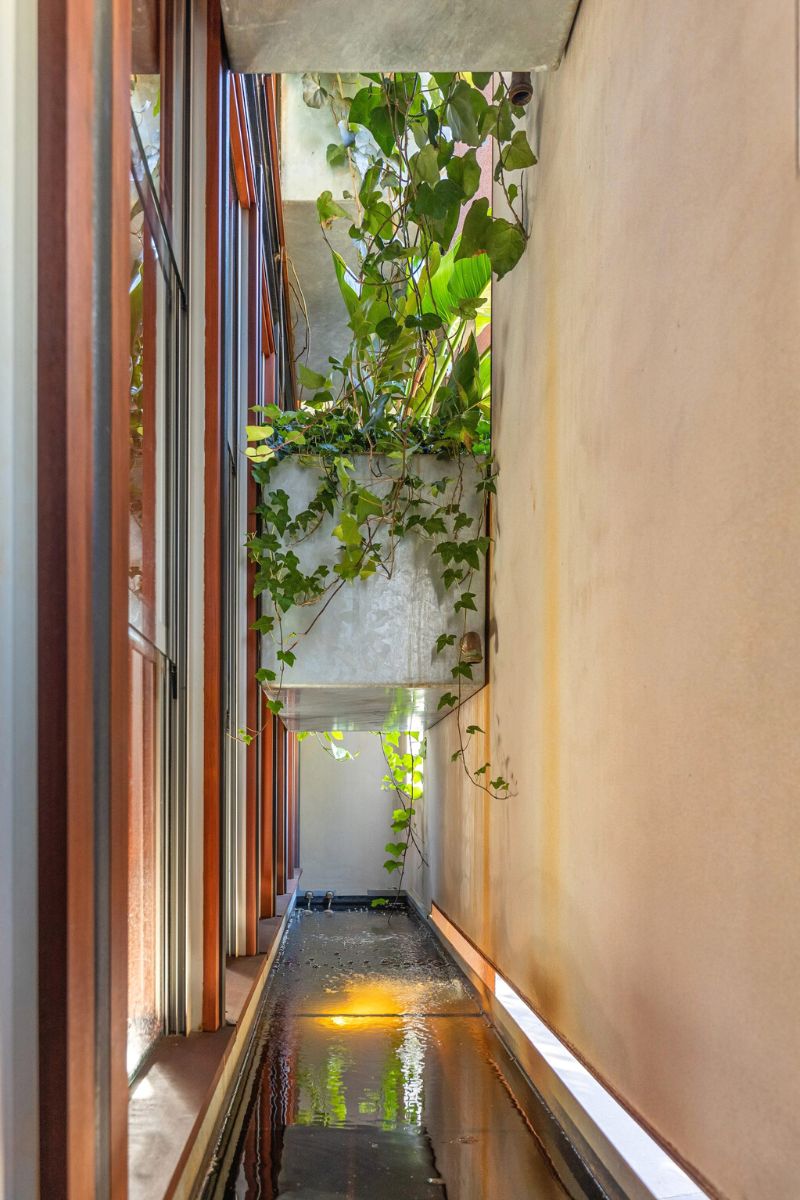
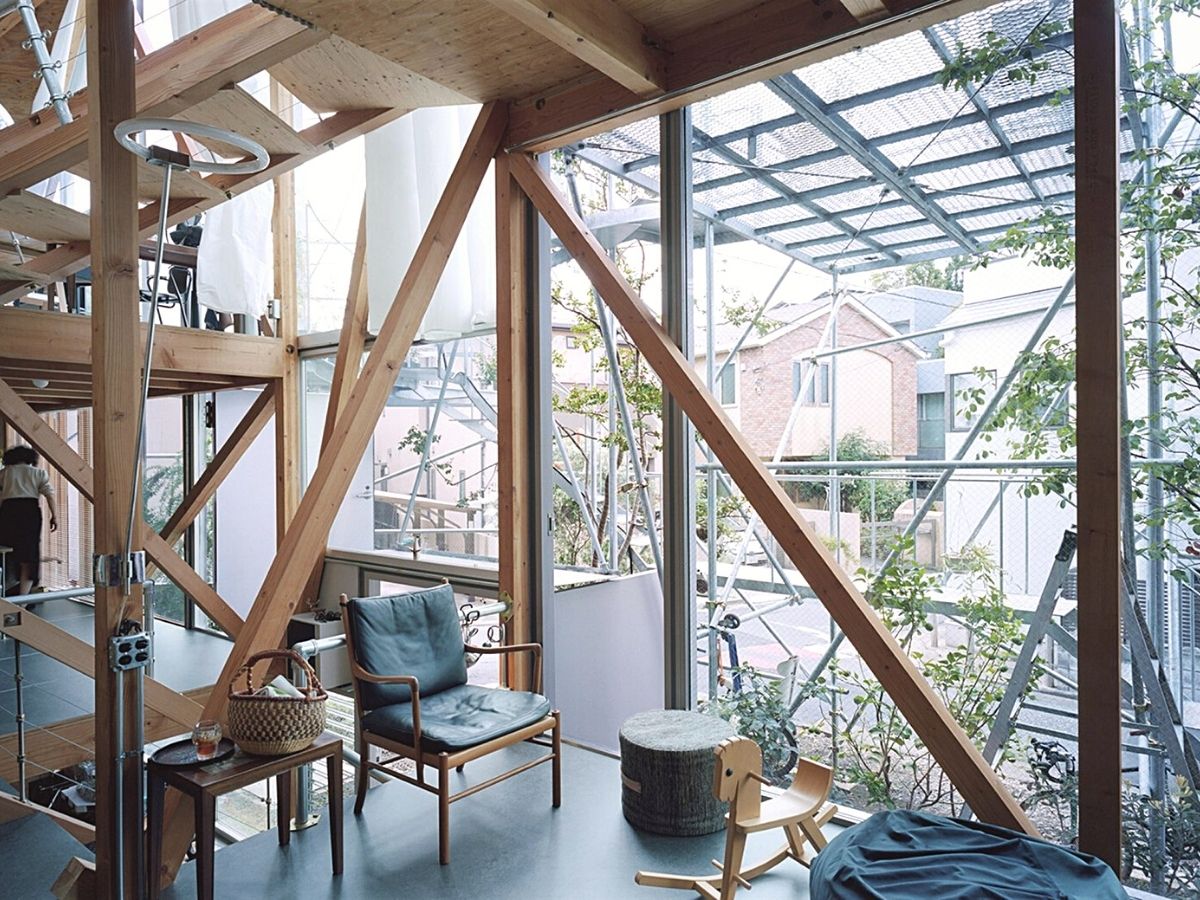
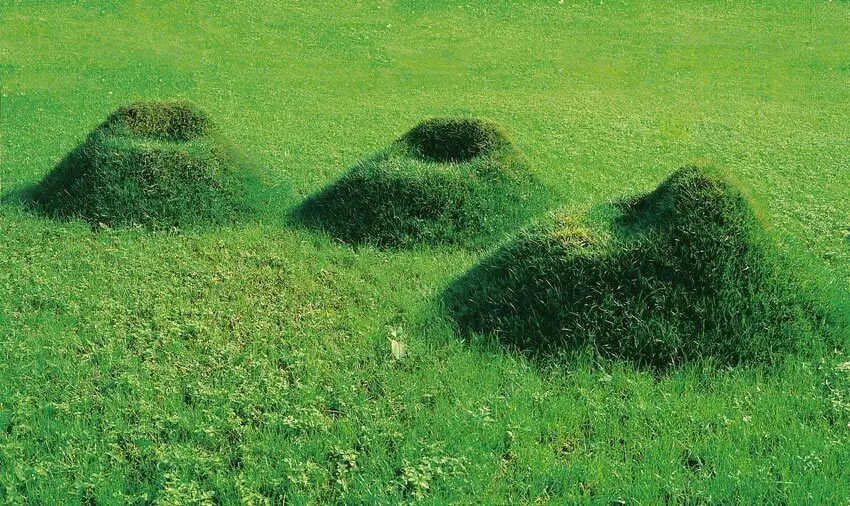
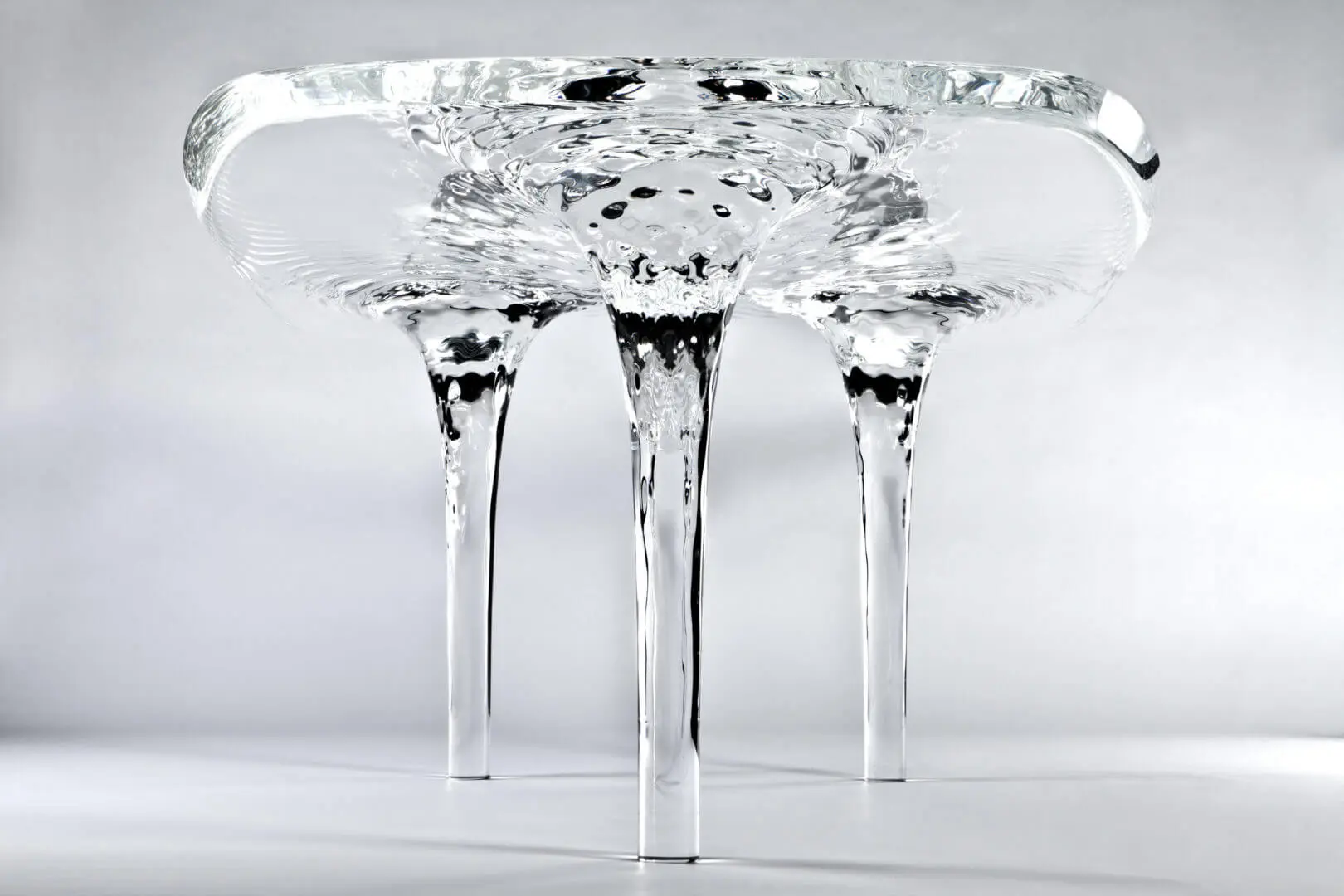
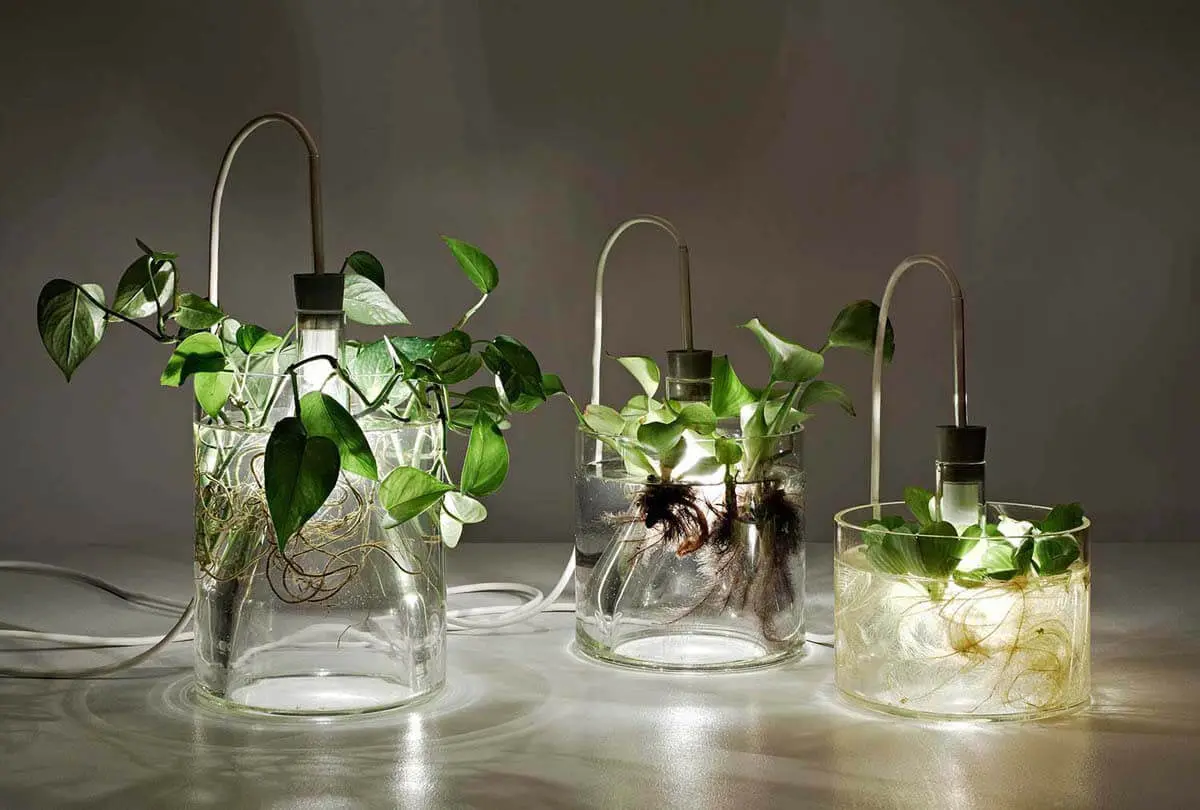
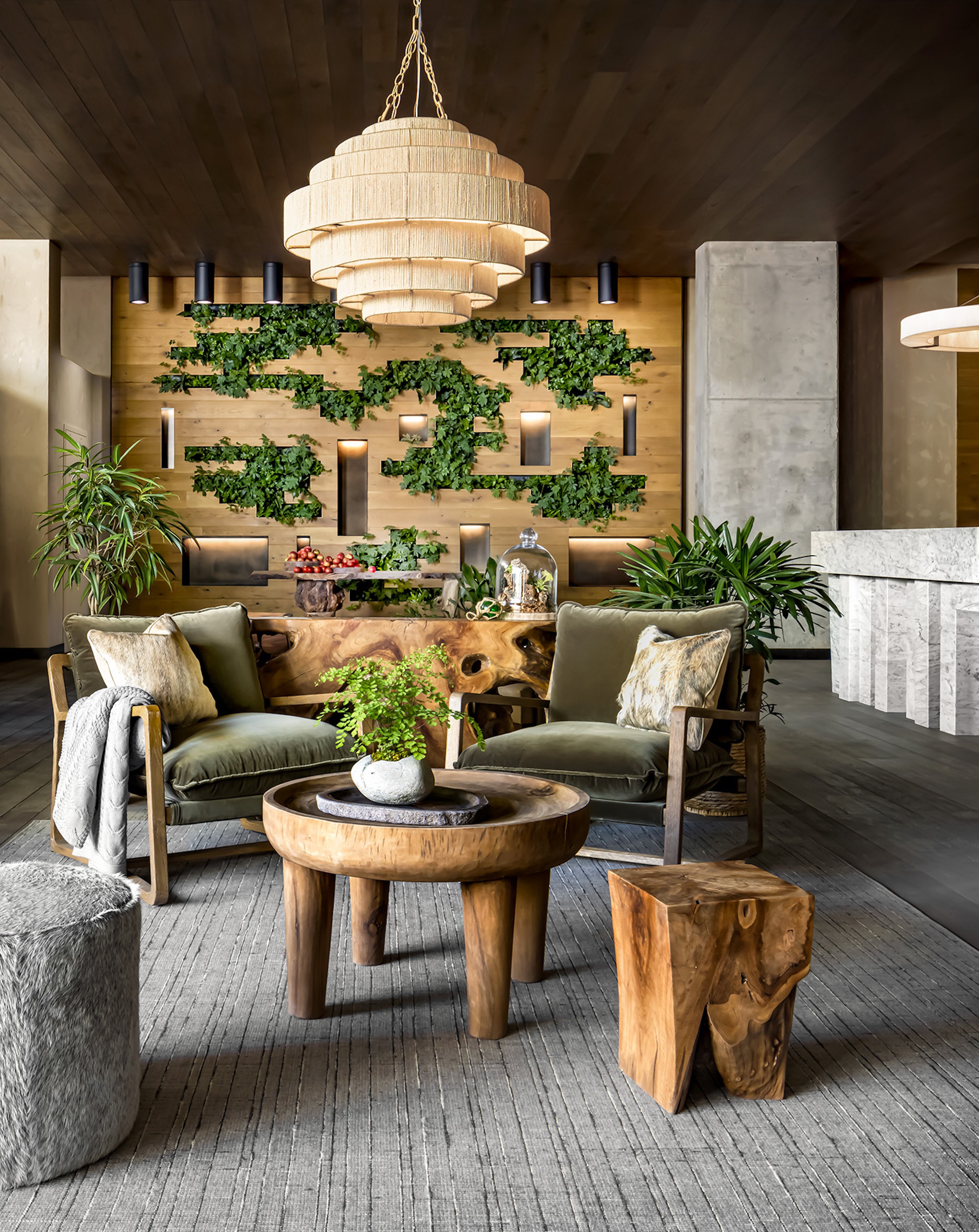
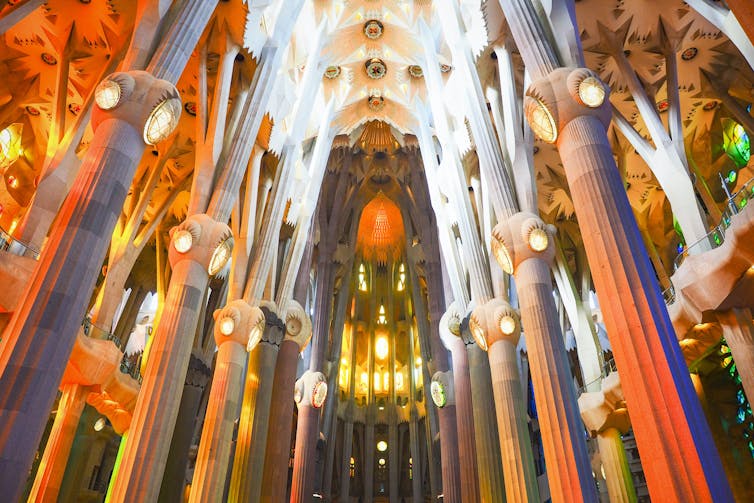
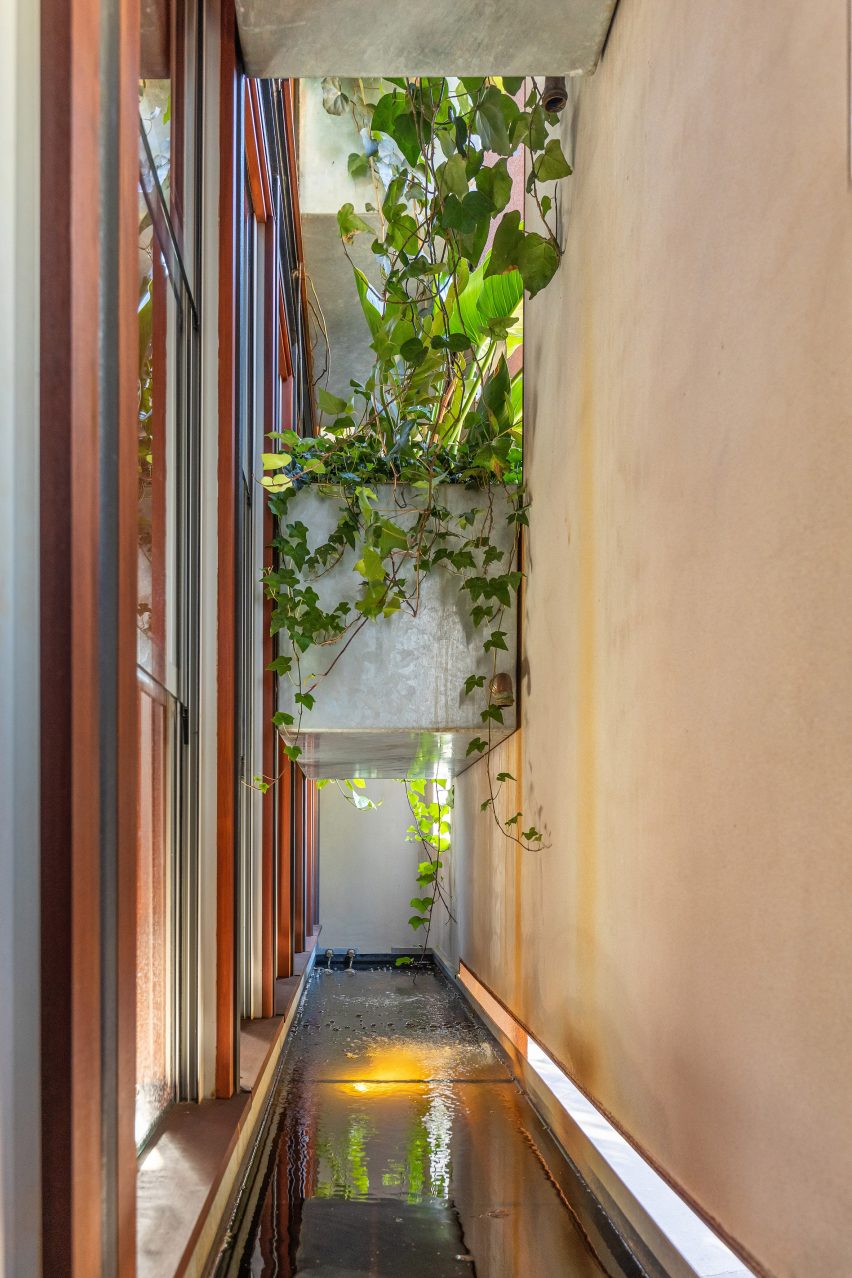
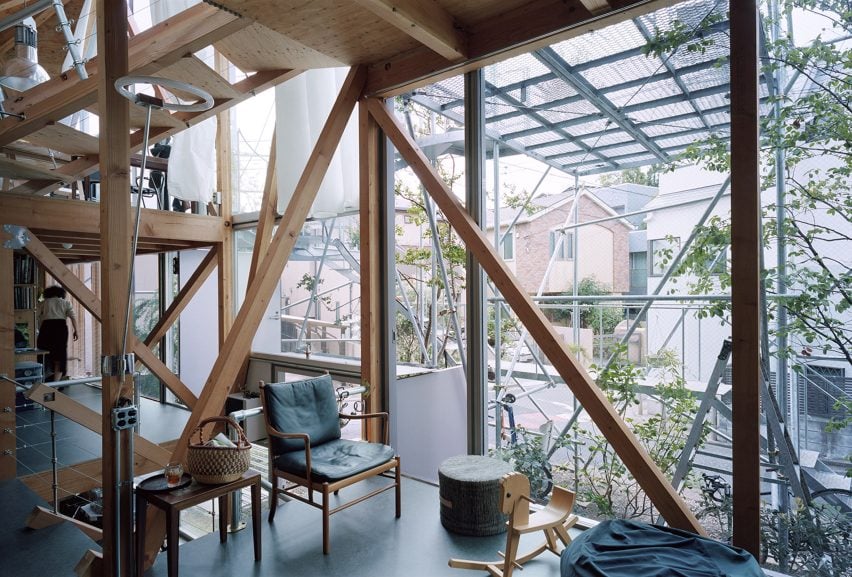
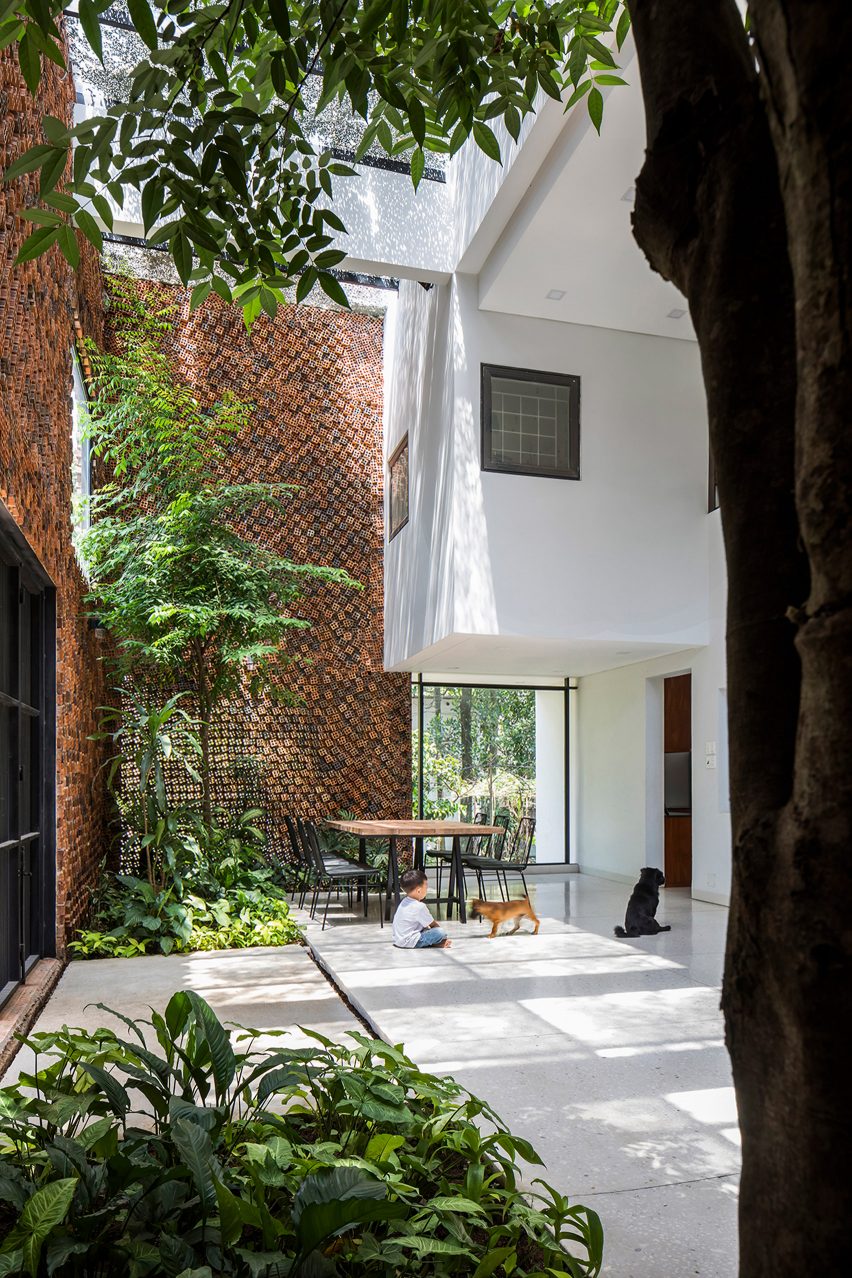
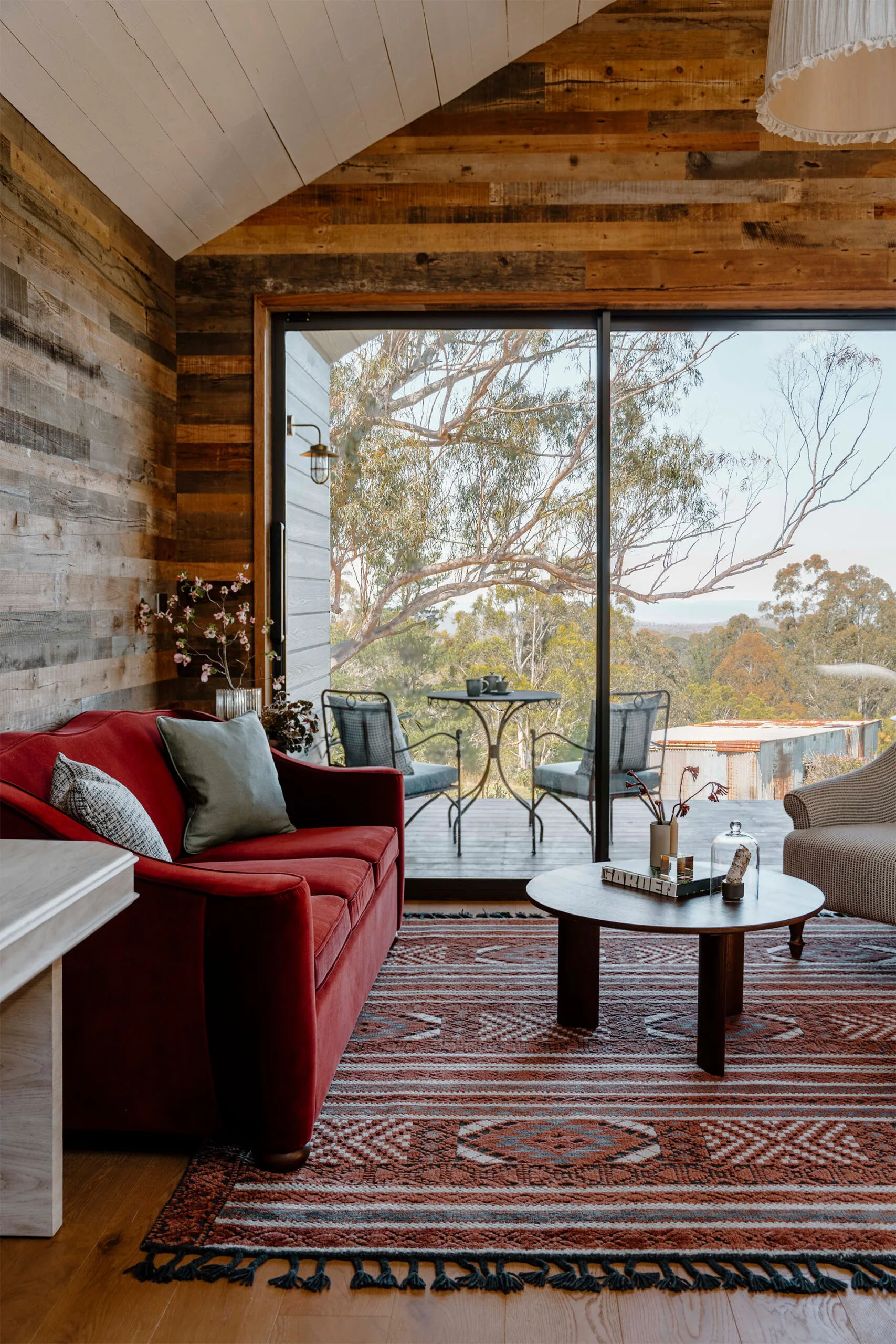
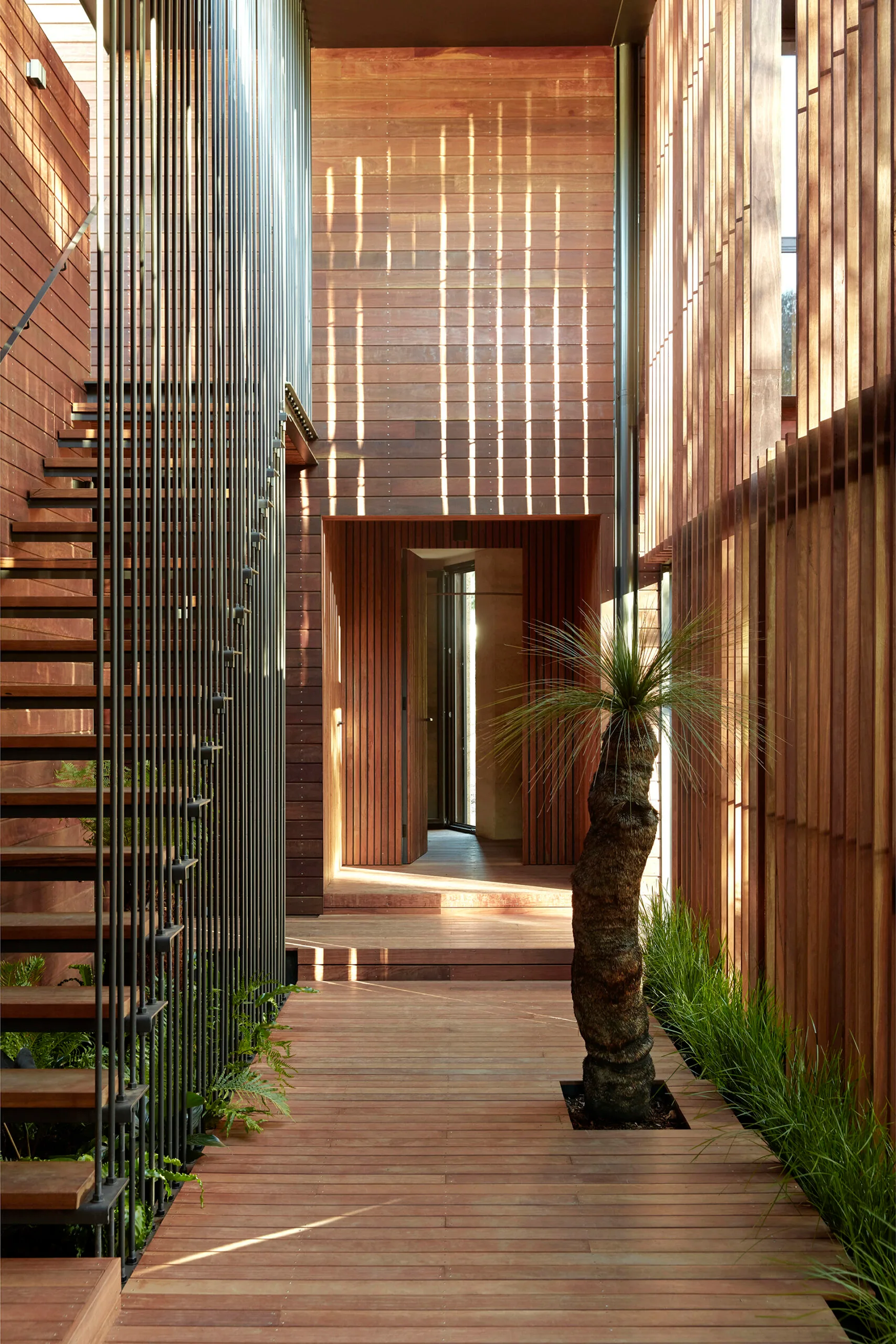
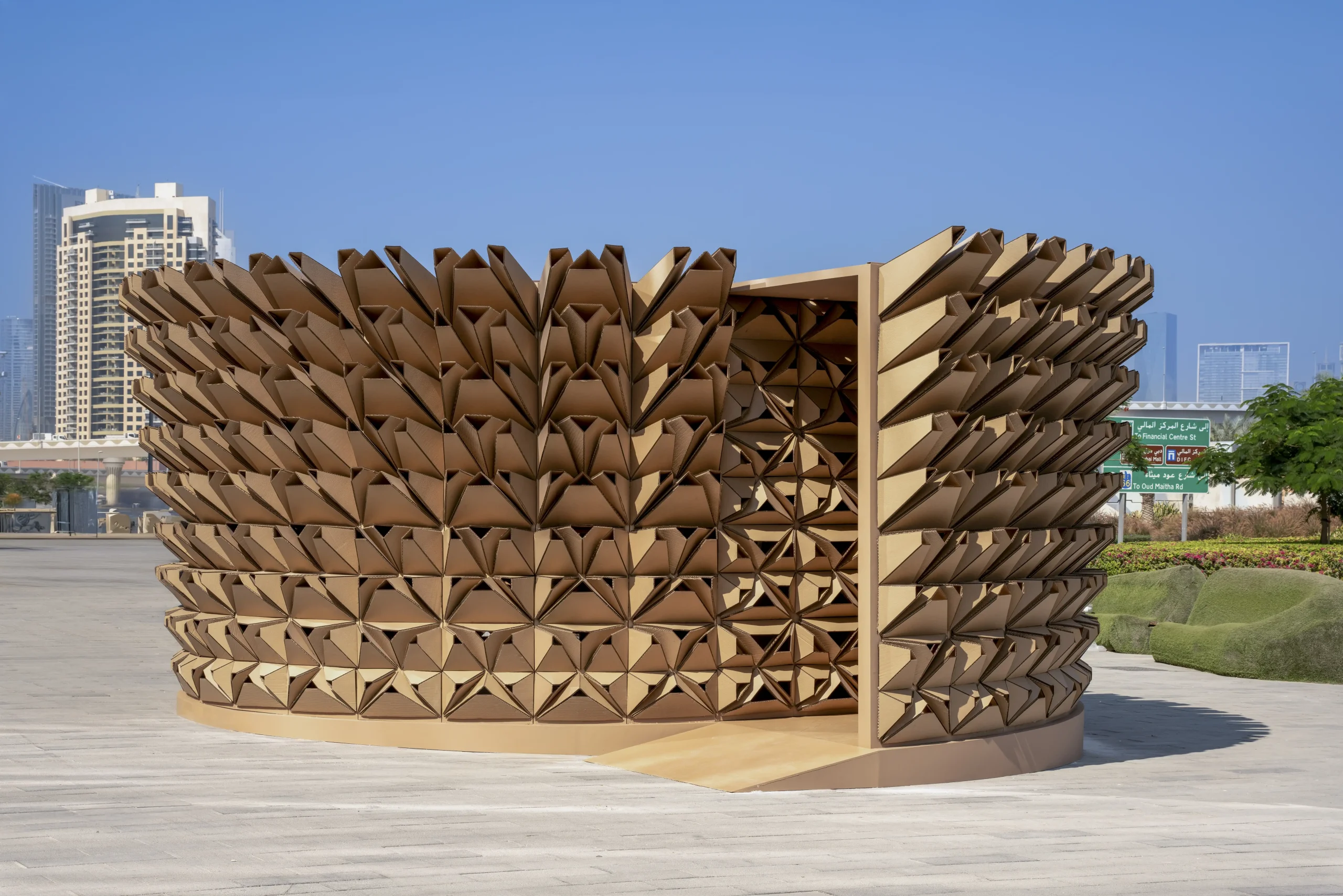
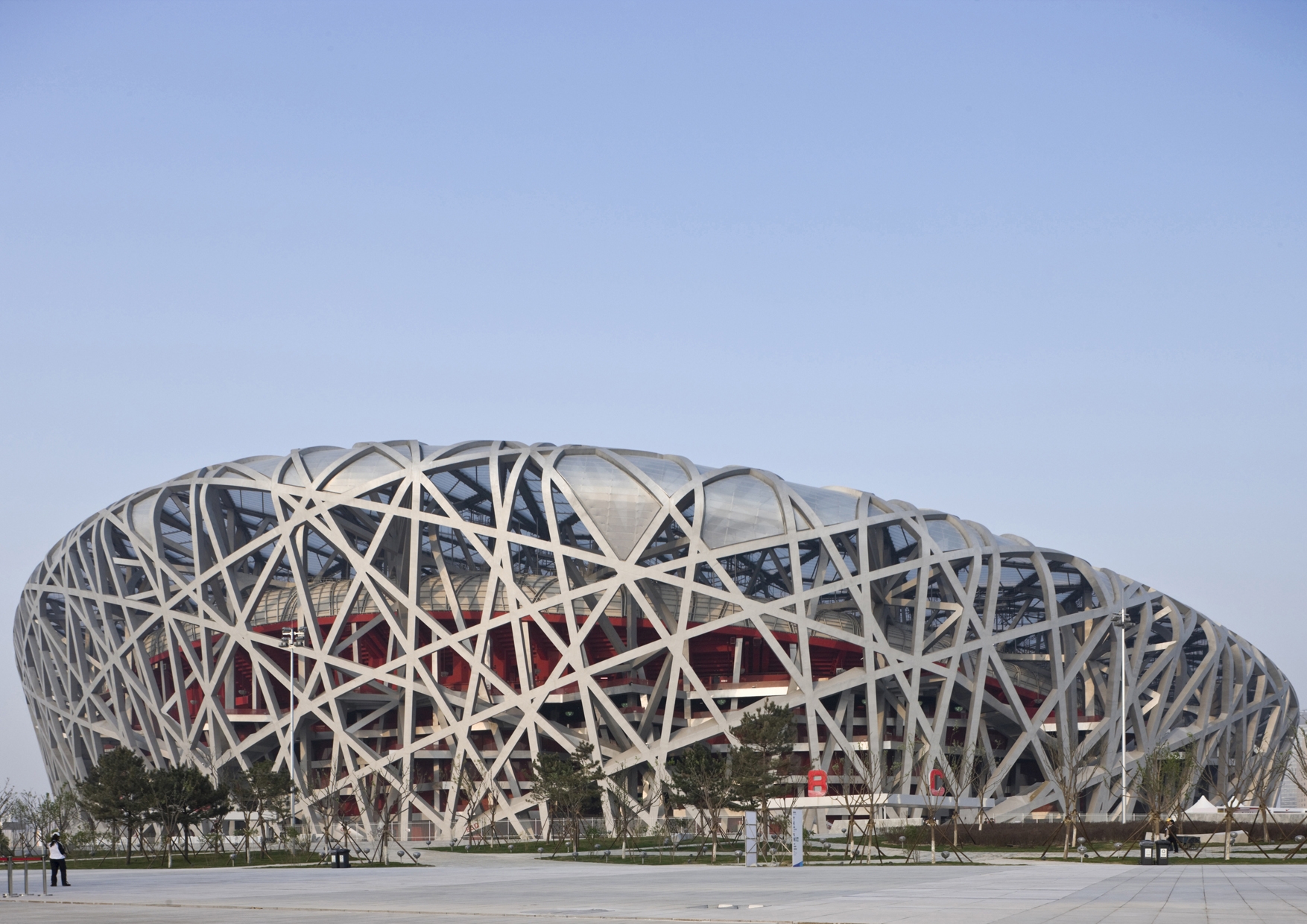
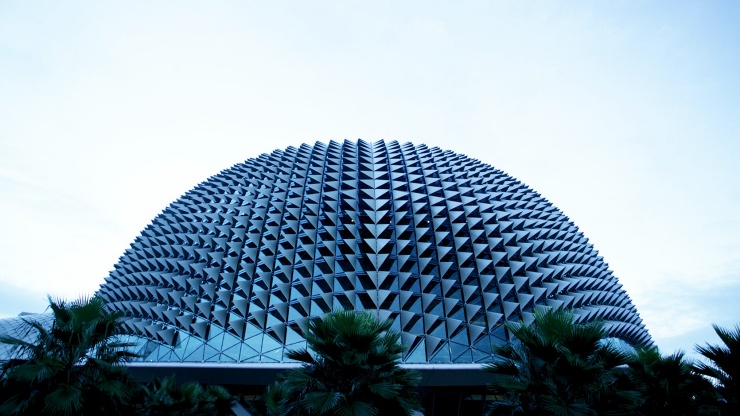
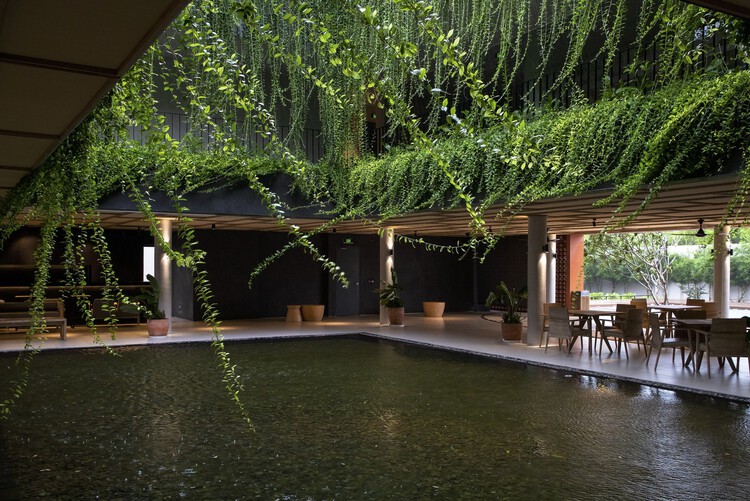
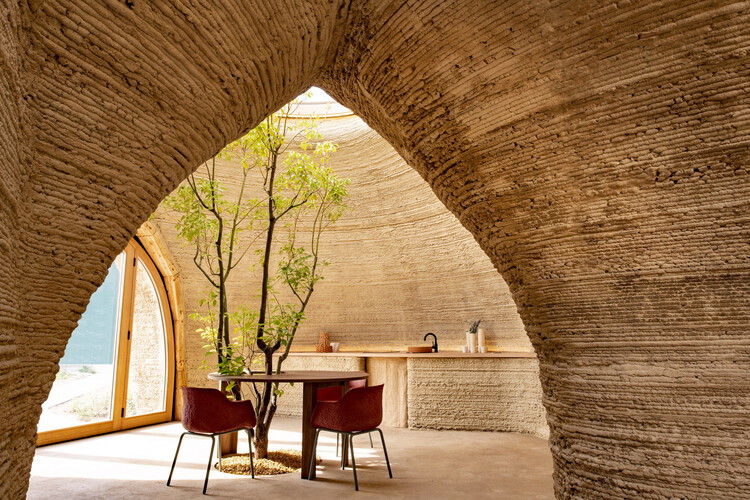
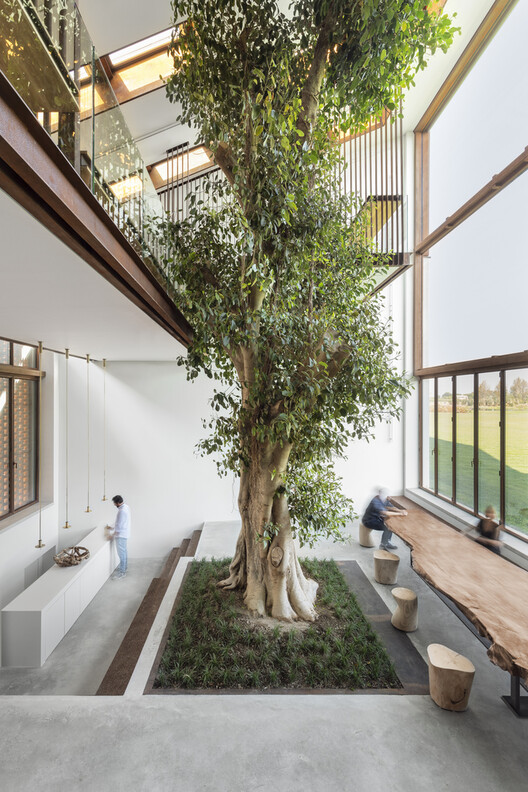
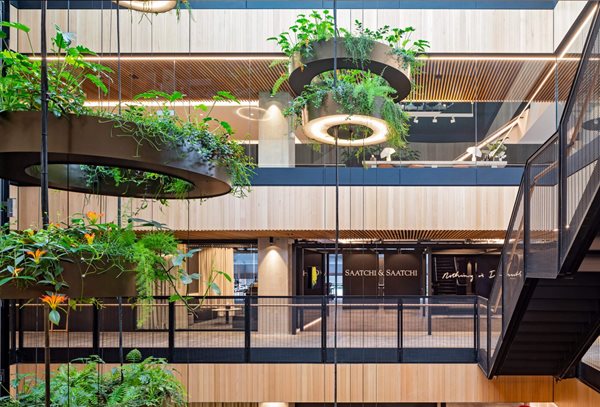
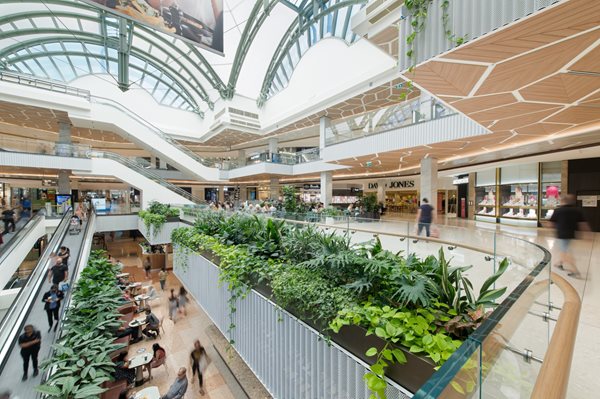
The article highlights the fundamental principles of biophilic design, which involve incorporating natural elements, patterns, and processes into architectural projects. These principles are categorized into three main areas: Nature in the Space, Natural Analogues, and Nature of the Space. Nature in the Space refers to direct physical connections to nature, such as natural light, air, water features, plants, animals, and natural landscapes. This can involve elements like vertical gardens, interior courtyards, natural ventilation systems, and access to outdoor views. Natural Analogues involve indirect evocations of nature through non-living elements, patterns, and forms, such as biomorphic shapes and patterns, materials and textures that mimic natural processes, and sensory experiences like natural smells and sounds. Nature of the Space relates to how humans interact with and perceive a space in relation to nature, encompassing concepts like prospect and refuge, mystery, risk/peril, and various configurations of spatial elements that evoke natural environments.
The benefits of biophilic design are extensive and well-documented, impacting physical, mental, and emotional health. Studies show that integrating nature into design can reduce stress, improve cognitive function, enhance creativity, and accelerate healing. For example, access to natural light and views of greenery can improve mood and reduce eye strain. The presence of plants and natural materials can improve indoor air quality and regulate humidity. In educational settings, biophilic elements have been shown to increase student concentration and reduce absenteeism. In healthcare environments, patients with views of nature often recover faster and require less pain medication. In the workplace, biophilic design can lead to increased employee satisfaction and productivity. These benefits underscore the importance of moving beyond purely functional or aesthetic considerations to embrace a more holistic design philosophy that prioritizes human-nature interaction.
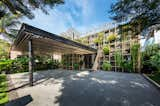
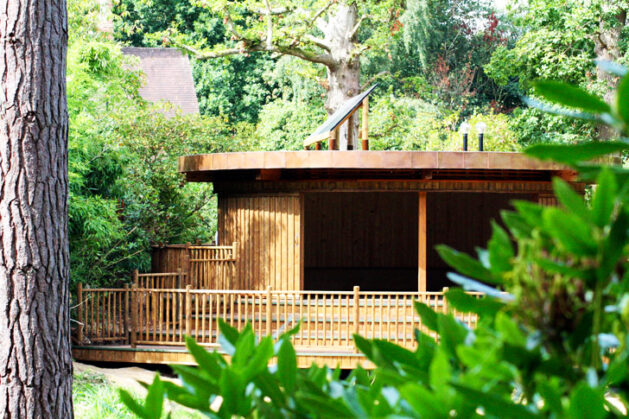
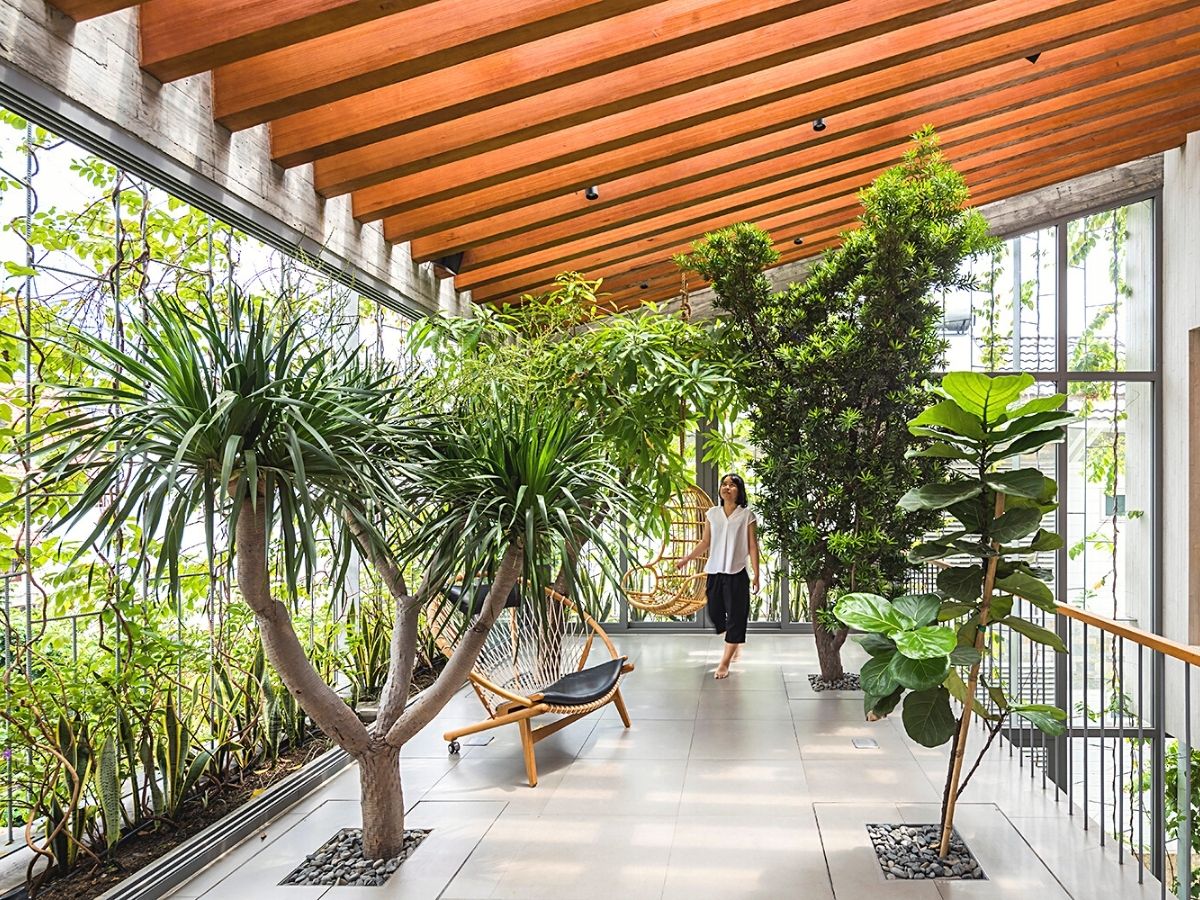
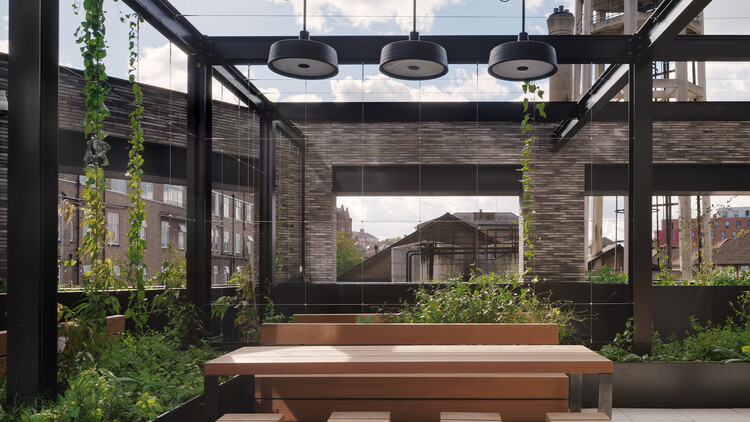
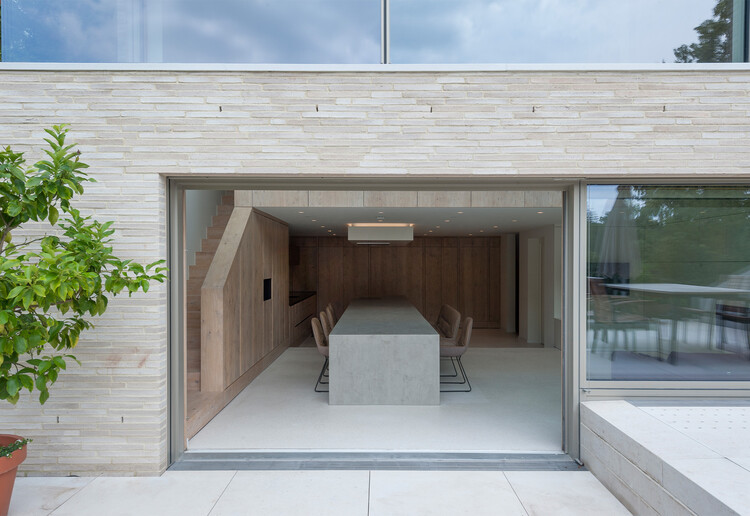
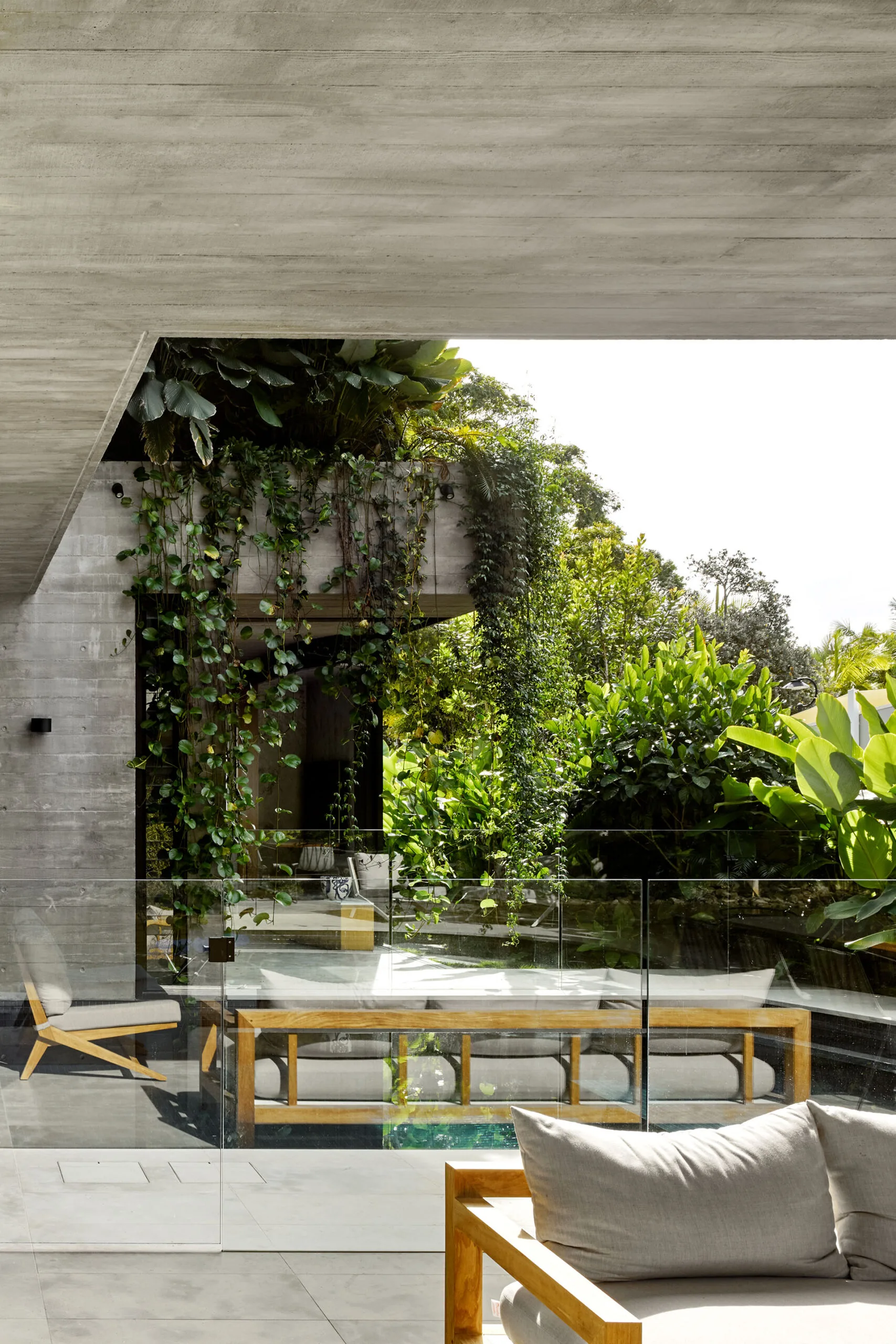
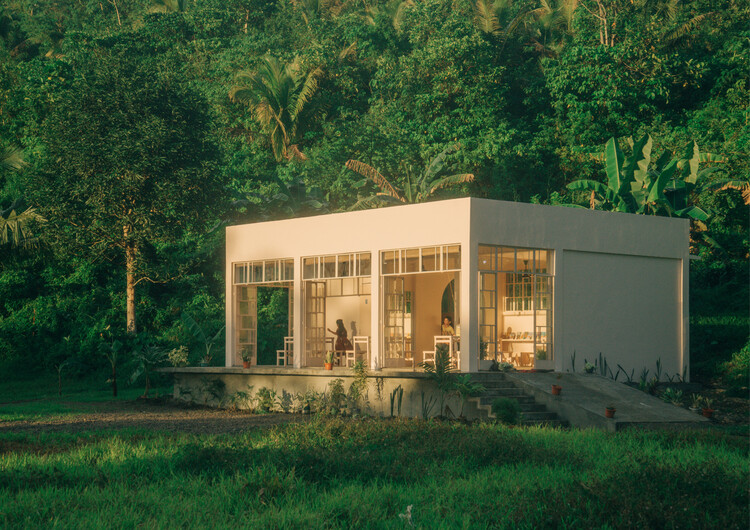
The article showcases various architectural projects in the Philippines that effectively apply biophilic design principles. These examples demonstrate how architects are creatively reintroducing natural elements into urban and residential structures. The Philippines, with its tropical climate and rich biodiversity, offers an ideal context for implementing biophilic strategies, leveraging natural ventilation, abundant sunlight, and lush vegetation. The featured projects illustrate diverse applications, from residential homes that blur the lines between indoor and outdoor spaces to educational centers designed to foster a connection with the environment. These case studies serve as practical illustrations of how biophilic design can be successfully integrated into contemporary architecture, offering valuable insights for architects, designers, and urban planners globally. The emphasis on sustainable practices and the use of local, natural materials further enhance the environmental and cultural relevance of these designs.
#BiophilicDesign #SustainableArchitecture #TropicalArchitecture #PhilippineArchitecture #GreenArchitecture #LandscapeArchitecture #OutdoorSpaces #ResidentialArchitecture #BiophilicDesign #SustainableArchitecture #TropicalArchitecture #PhilippineArchitecture #GreenArchitecture #LandscapeArchitecture #OutdoorSpaces #ResidentialArchitecture
0 commentaire au total
 Aucun commentaire pour le moment
Vous aimerez aussi
Biophilic architecture: 11 projects where nature meets concrete

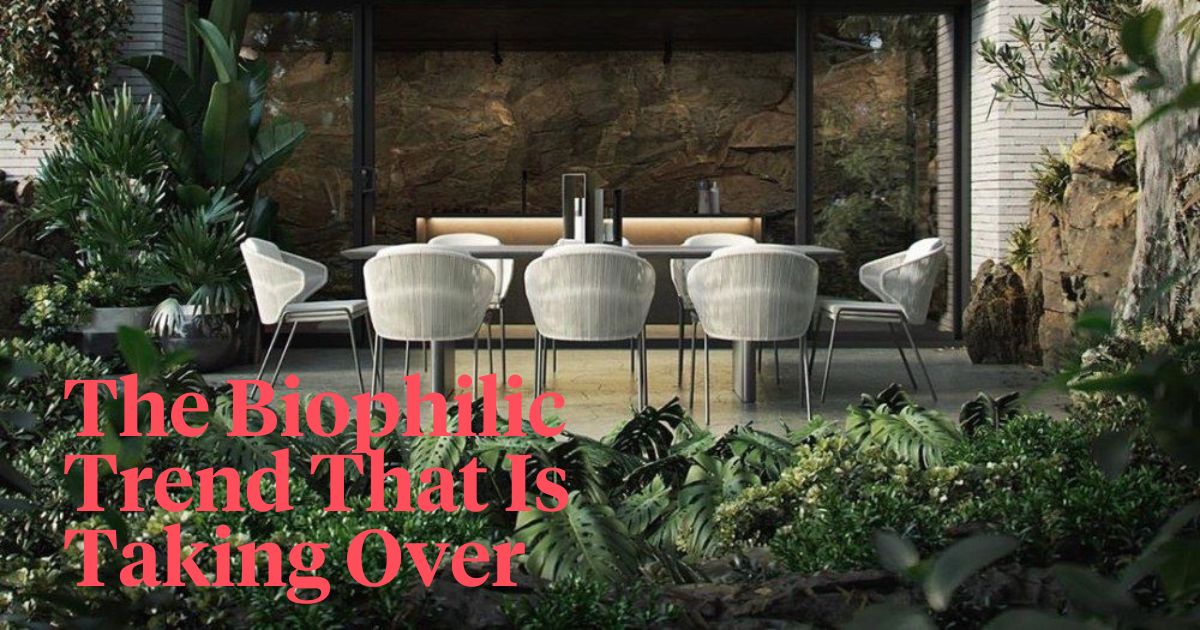
Biophilic Interiors Invade These 10 Contemporary Residences

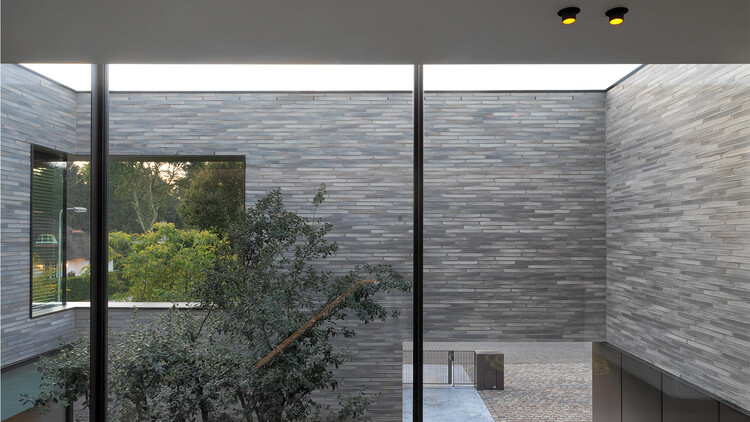
Biophilic-Inspired Design Takes Center Stage: How Bricks Bring Nature In

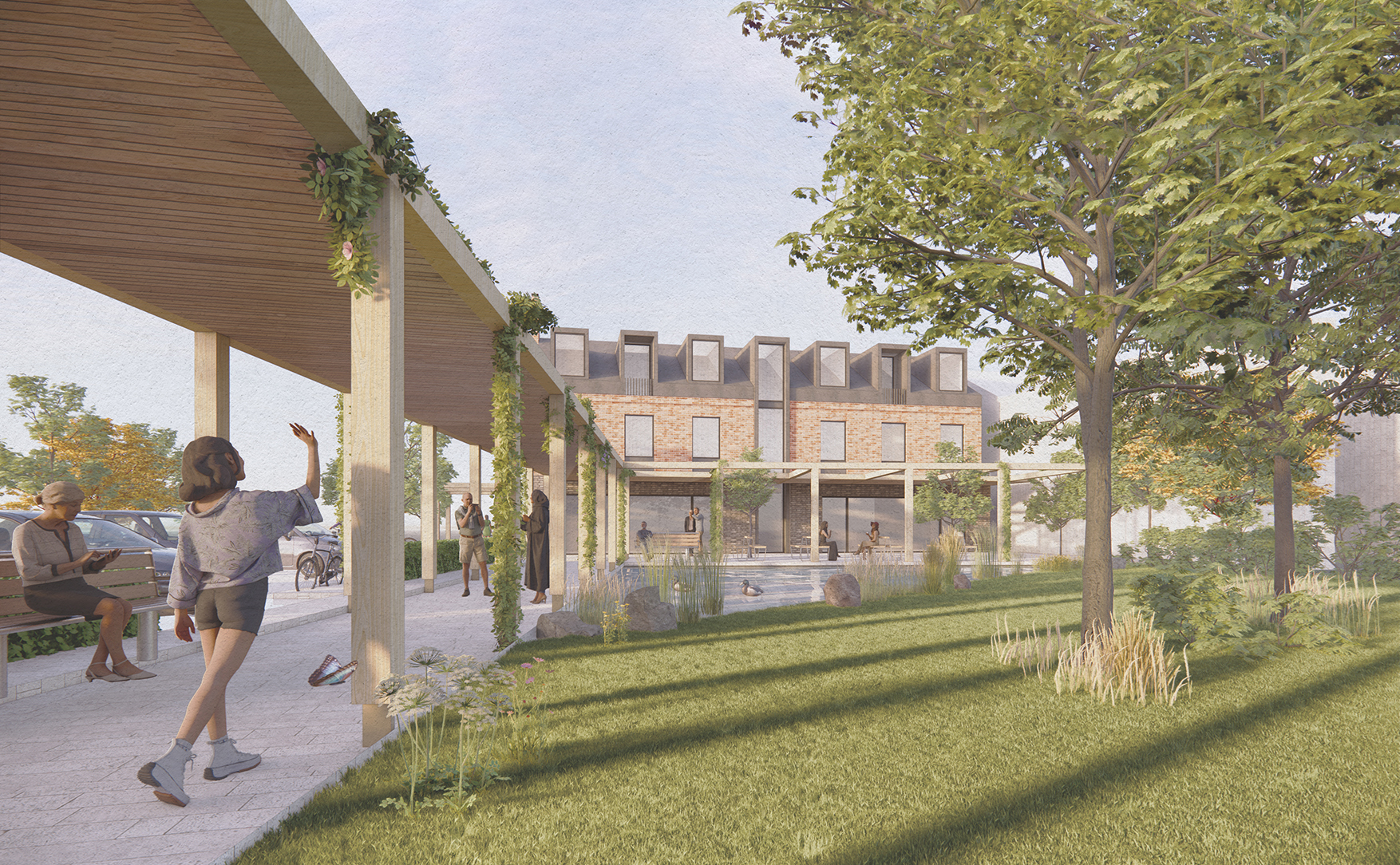
Thinking the Biophilic Way: Five Ways to Interact with Nature in Design
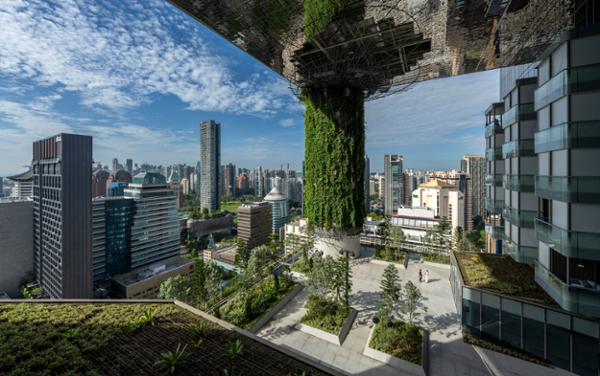
Architecture and design features and interviews | CLADglobal.com - Embracing nature

8 applications of different biophilic design concepts
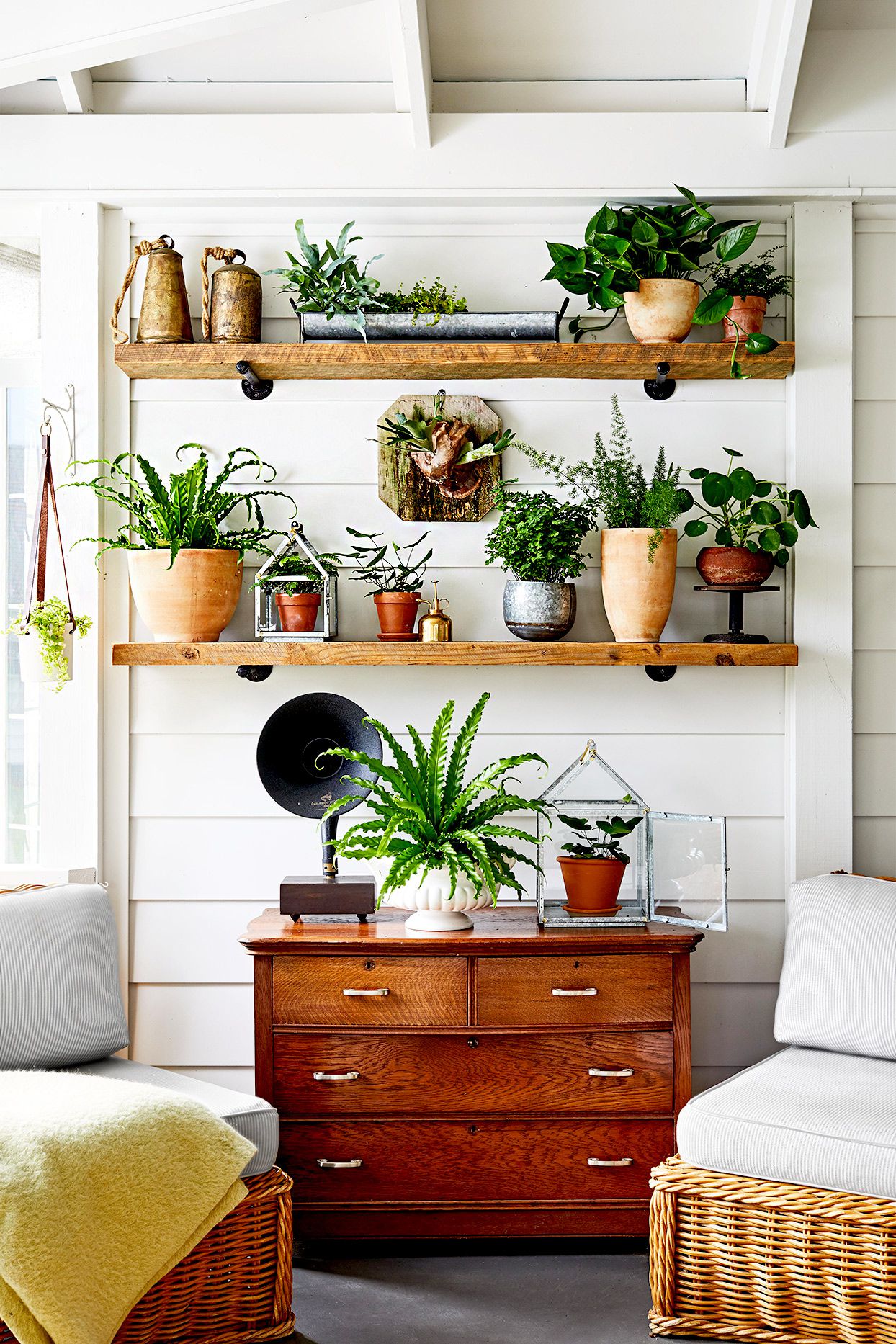
What Is Biophilic Design? 5 Ways to Incorporate This Style

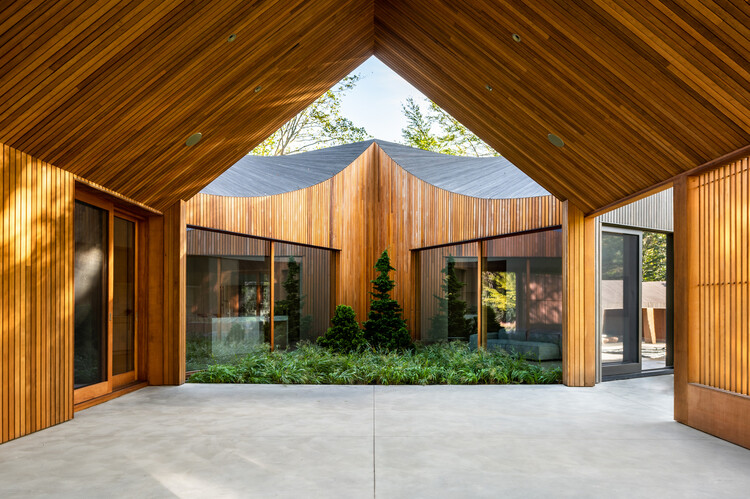
Biophilic Interiors: 21 Projects that Blend Architecture with Nature
20 Nature-Loving Homes Where Biophilia Thrives

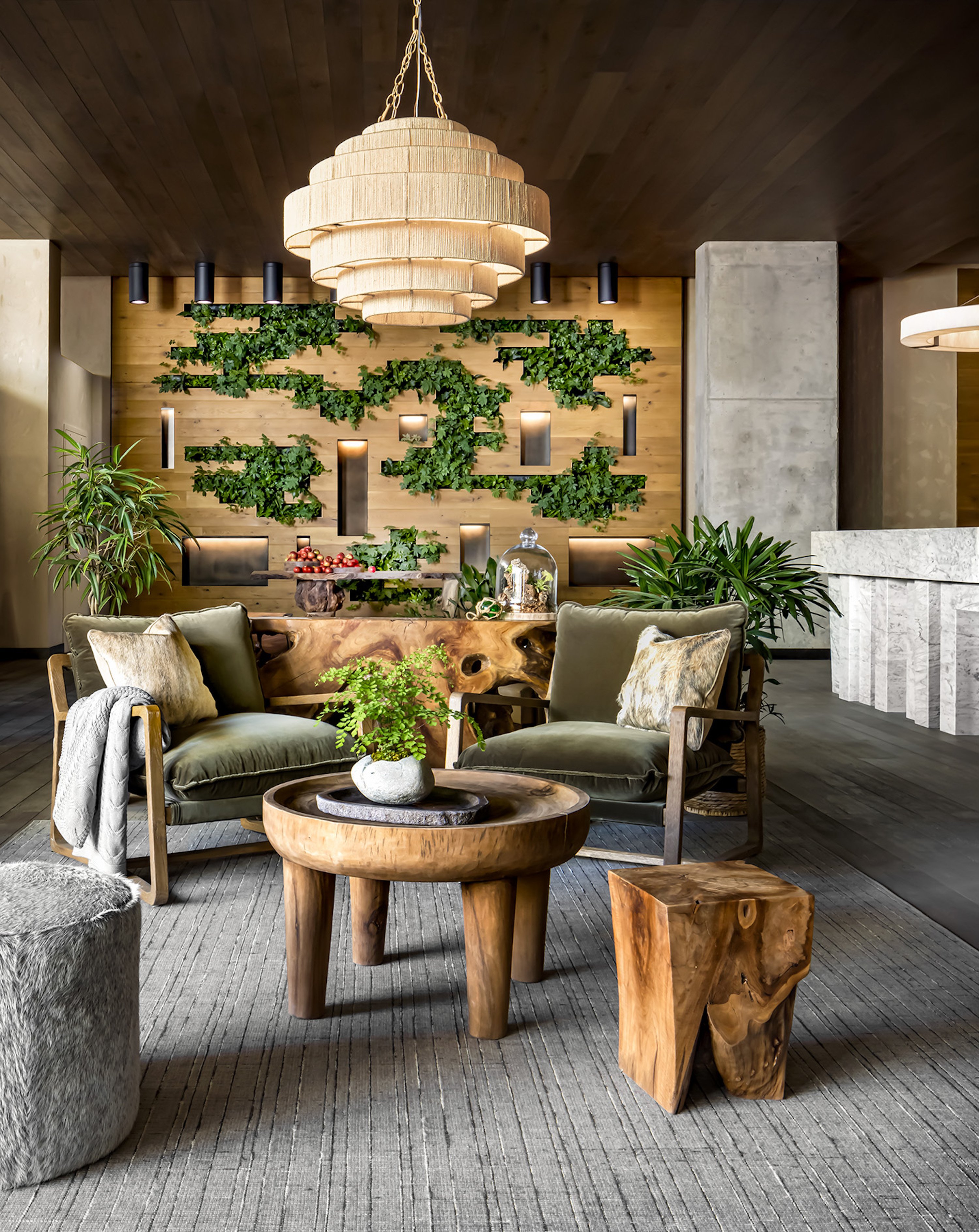
Is Biophilic Design the New Paradigm?
Focus on Biophilia: Nature-Inspired Design Strengthens People!

Why biophilic design is more than just a trend

Biophilic facades in sustainable building design

What mirrored ants, vivid blue butterflies and Monstera house plants can teach us about designing buildings

What the heck is biophilic design?

What is Biophilic Design? This Nature-Based Interiors Trend Promises Wellness
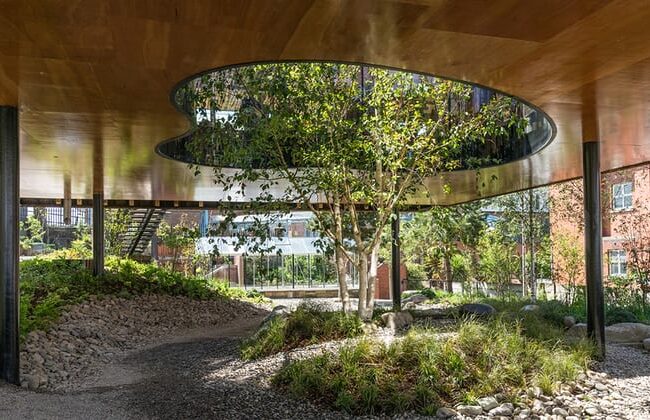
Designing with nature: Why Biophilic Design?

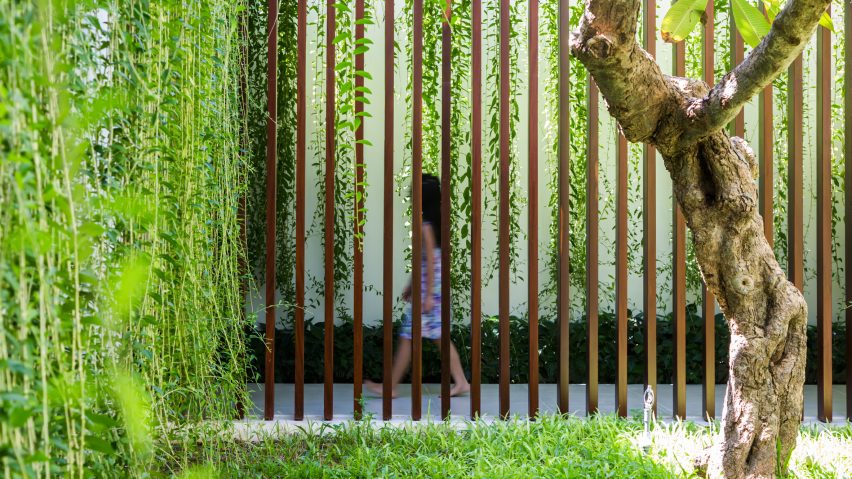
Ten modern homes with interiors informed by biophilic design

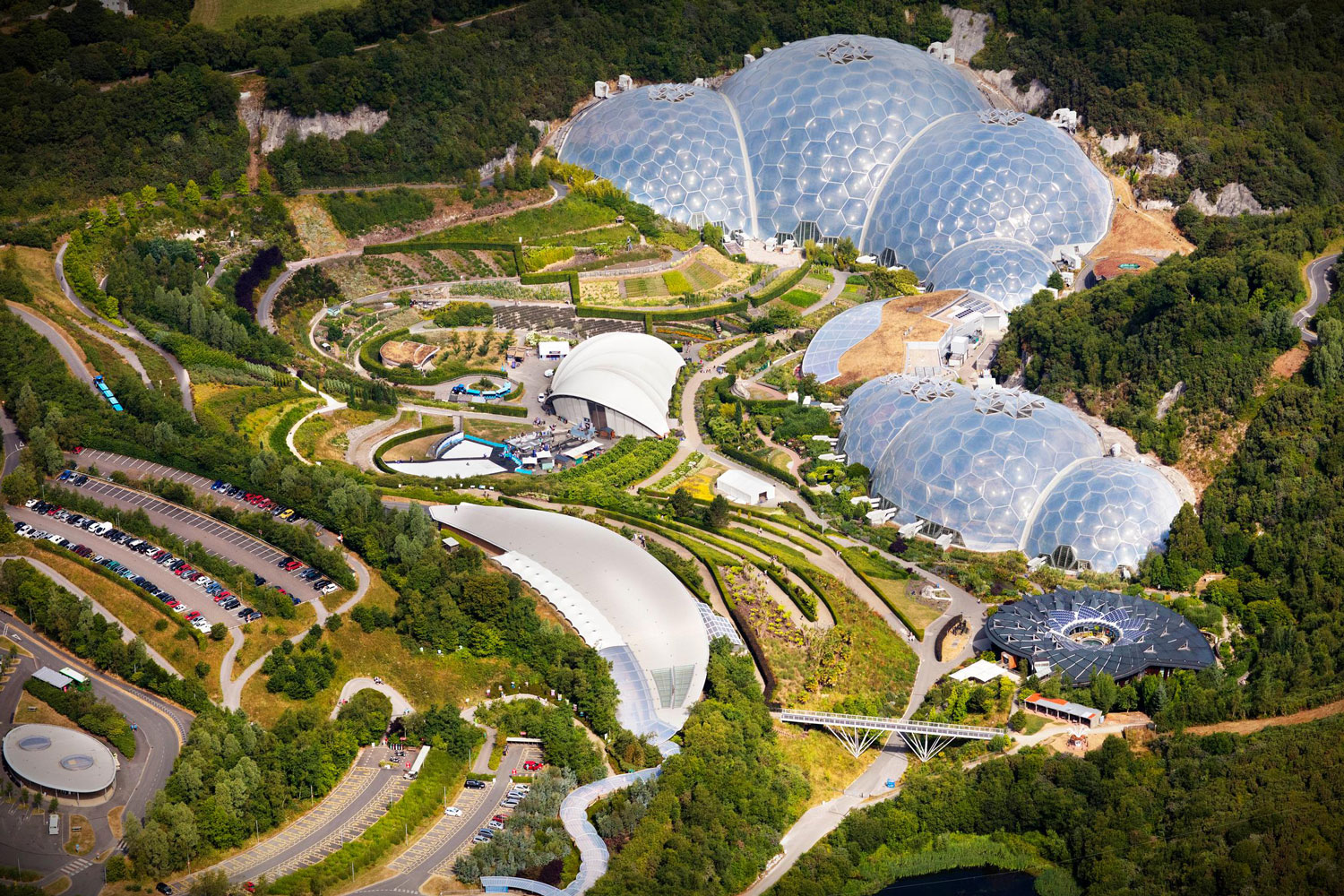
Nature-Inspired Design: Biomimicry in Architecture

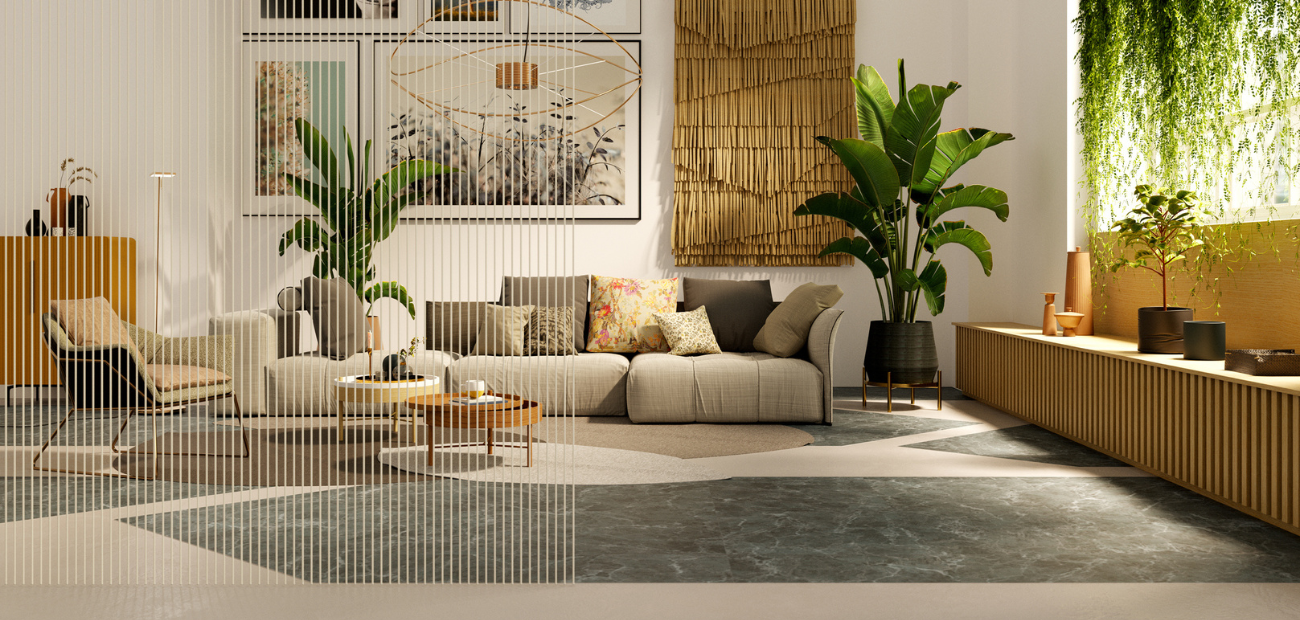
Biophilic Design Helps Homeowners Connect to Nature