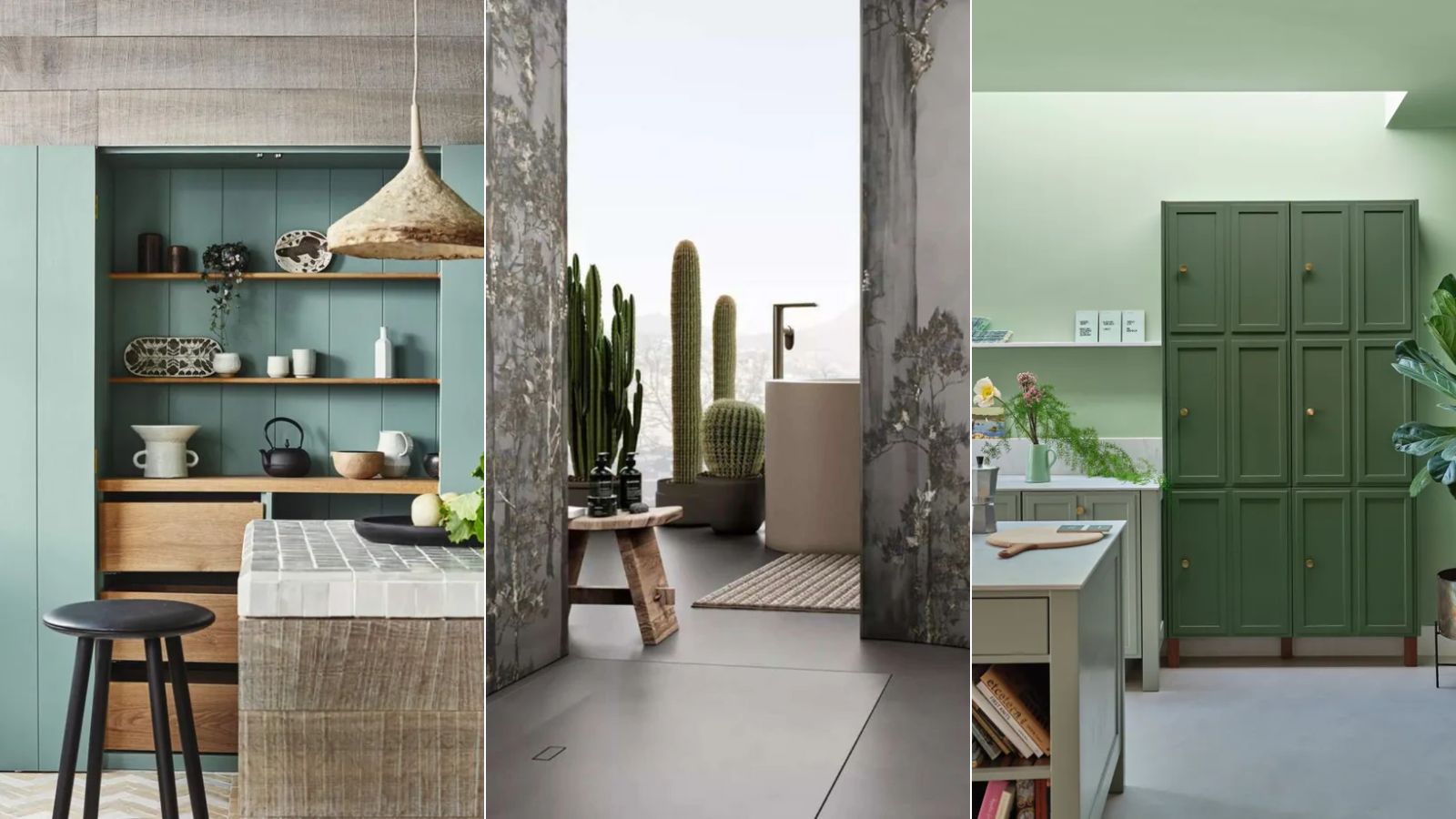
1/9
Experts swear by these 6 sustainable home renovation tips
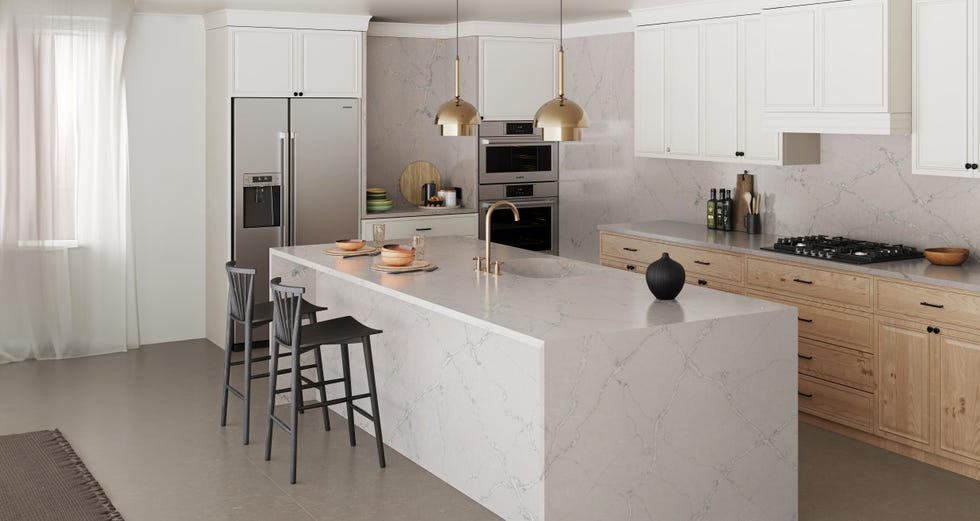
The article outlines six essential tips for undertaking sustainable home renovations, emphasizing how such projects can simultaneously enhance aesthetics, practicality, and environmental consciousness. Interior designer Nina Lichtenstein highlights that renovating with sustainability in mind is a commitment to responsible living and ethical practices, moving beyond mere trends. The first tip stresses the importance of meticulous planning, which includes setting clear goals for using non-toxic materials, prioritizing energy efficiency, incorporating renewable resources like solar energy, and developing strategies for waste reduction through recycling and repurposing. A detailed assessment of the home's current state is crucial for identifying areas where sustainable improvements would be most impactful.
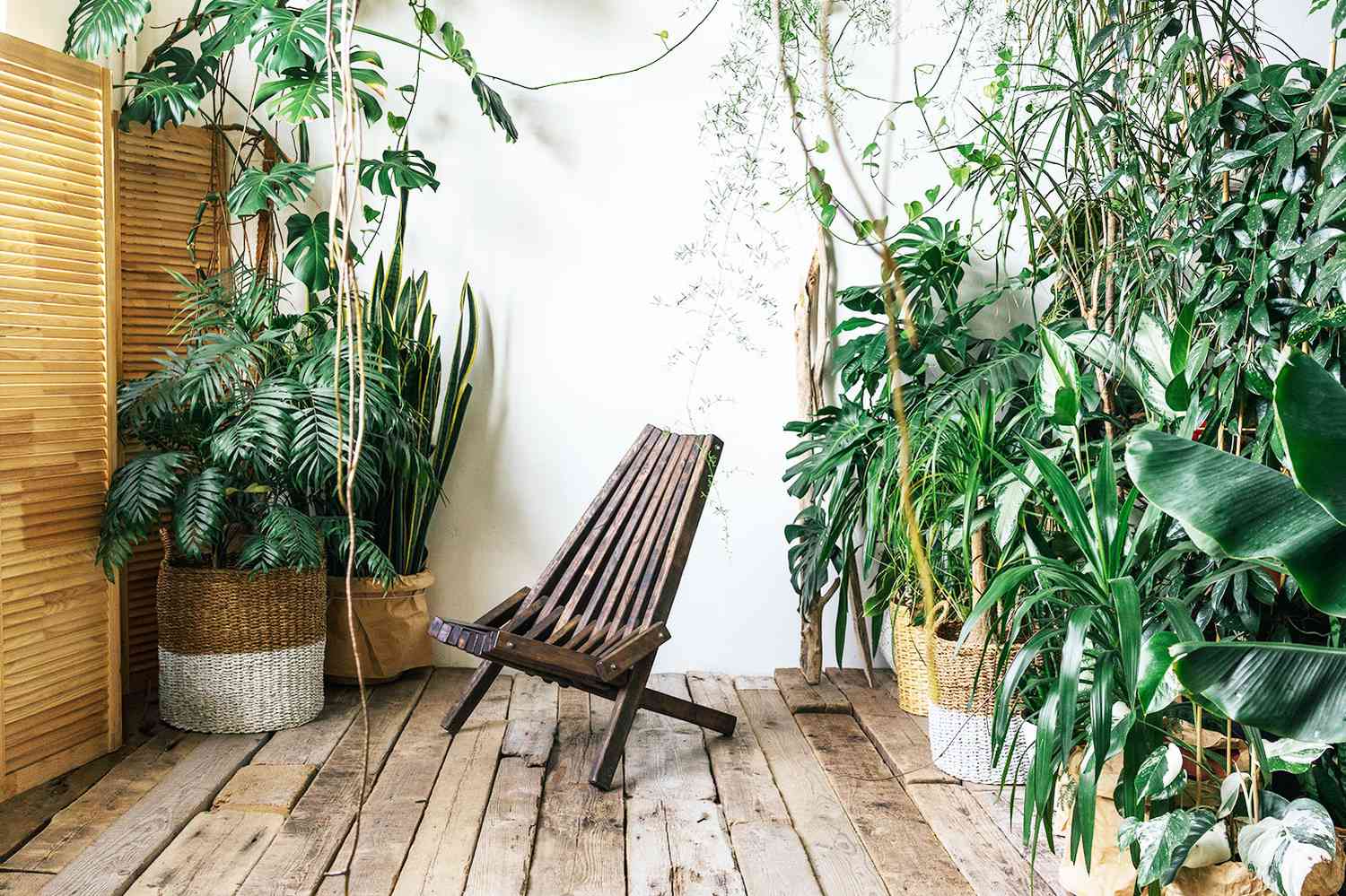
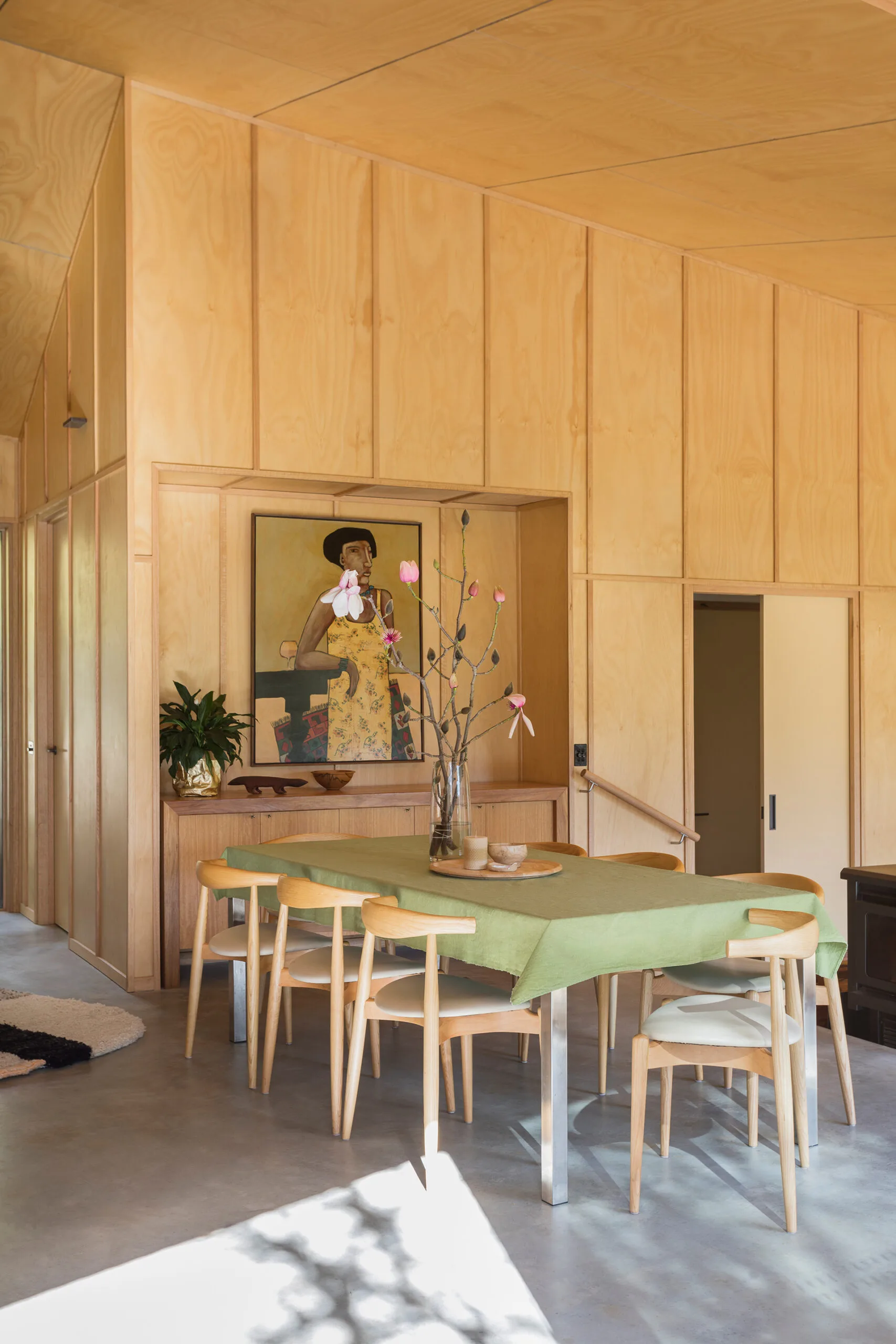
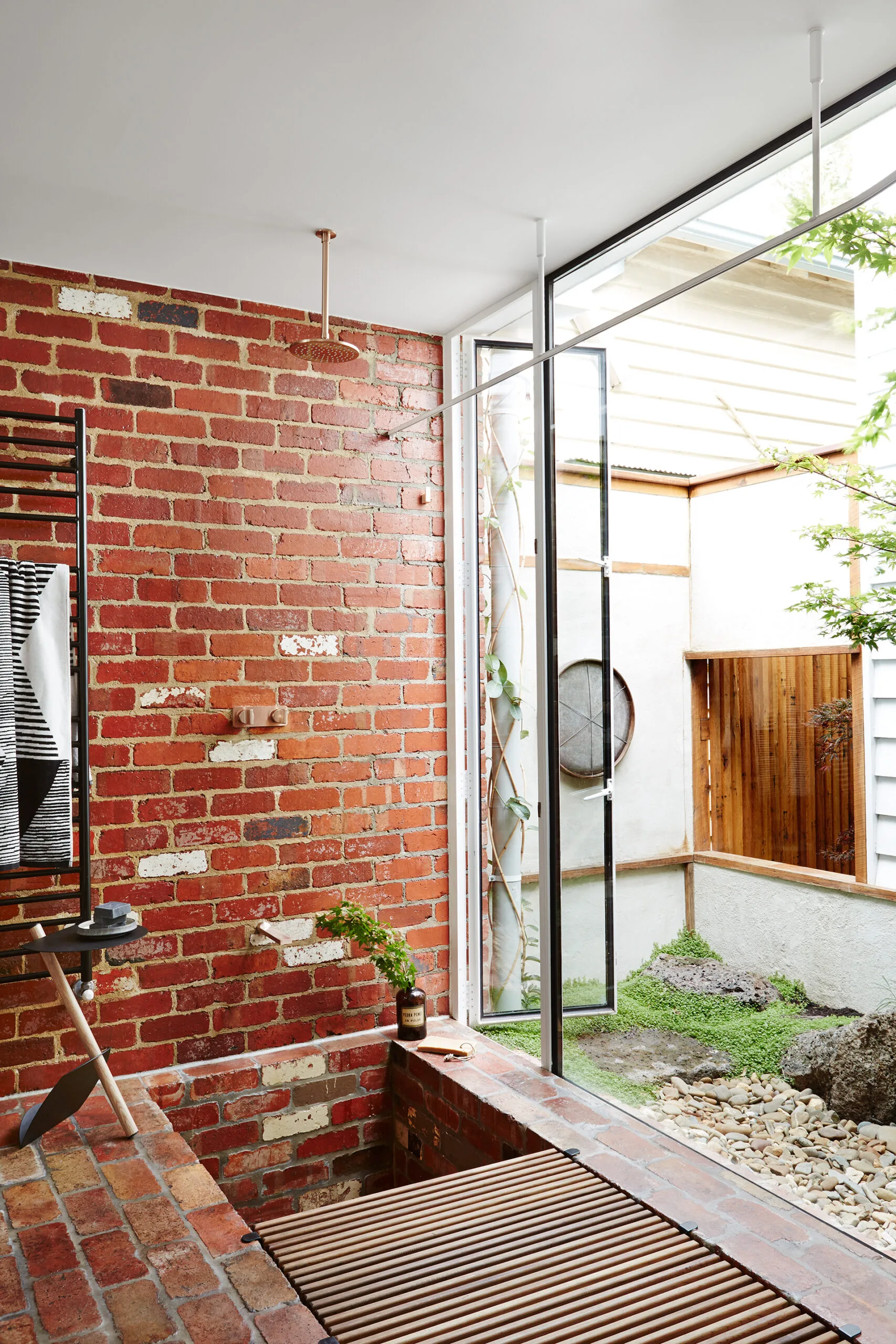
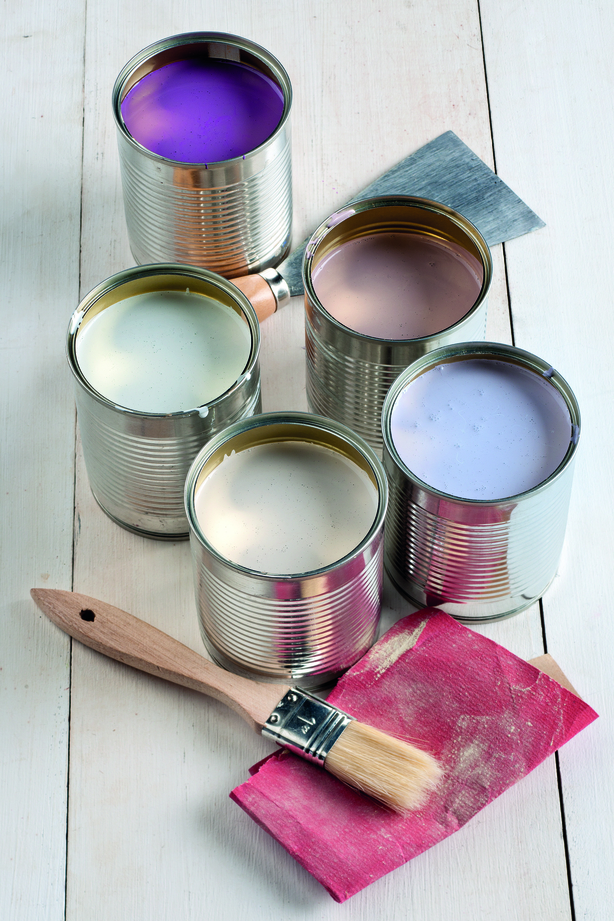
Secondly, the article advocates for choosing sustainable materials to reduce environmental impact, promote healthier indoor environments, ensure durability, conserve resources, and support ethical production. This involves opting for recycled, reclaimed, or renewable materials, such as reclaimed wood for various home elements. For decoration, the recommendation is to use eco-friendly paints and VOC-free finishes, which minimize environmental harm and improve indoor air quality by reducing harmful emissions.
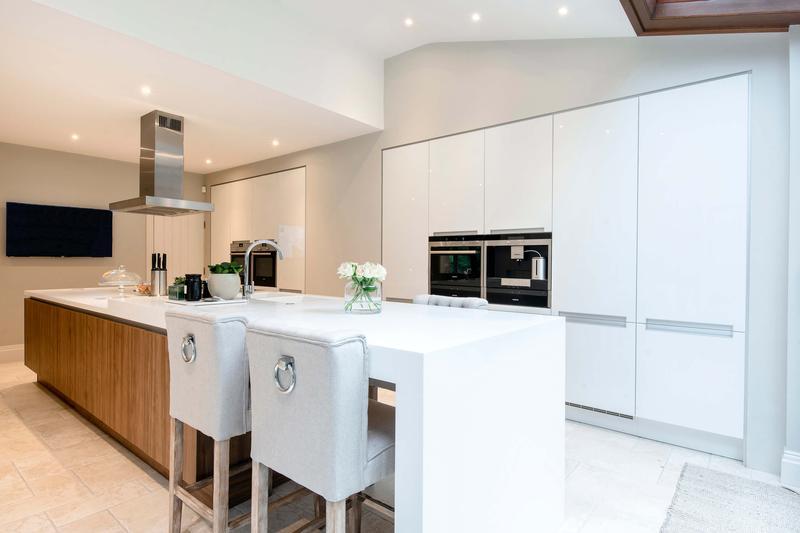
The third tip focuses on energy-efficient upgrades, a cornerstone of sustainable renovation. This includes installing energy-efficient appliances and smart home devices like programmable thermostats and smart lighting. These upgrades not only decrease the carbon footprint but also lead to significant long-term savings on energy bills. The article suggests consulting EnergyGuide labels to compare appliance efficiency and highlights how smart appliances can adjust their operations based on usage patterns or energy demand to optimize consumption.
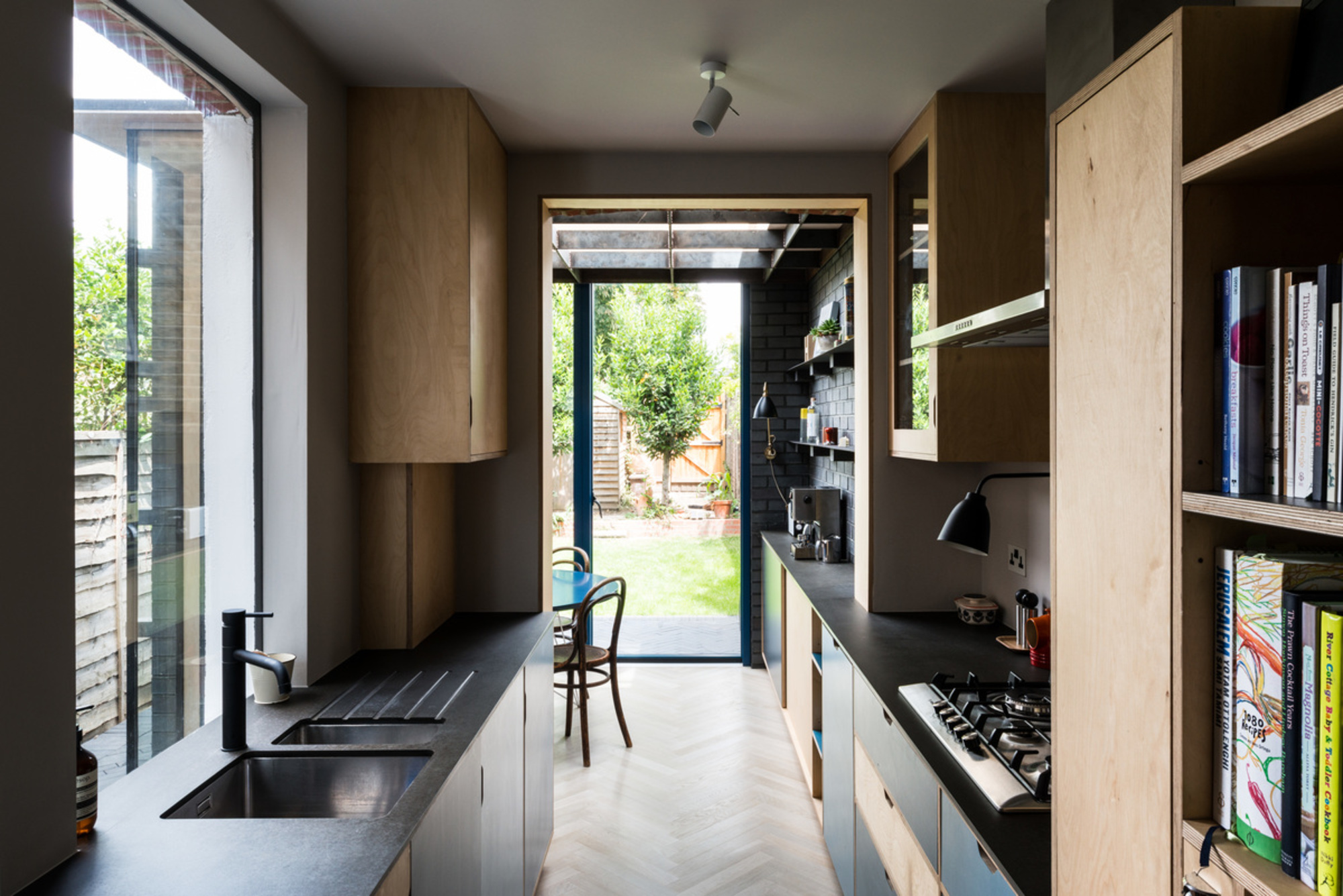
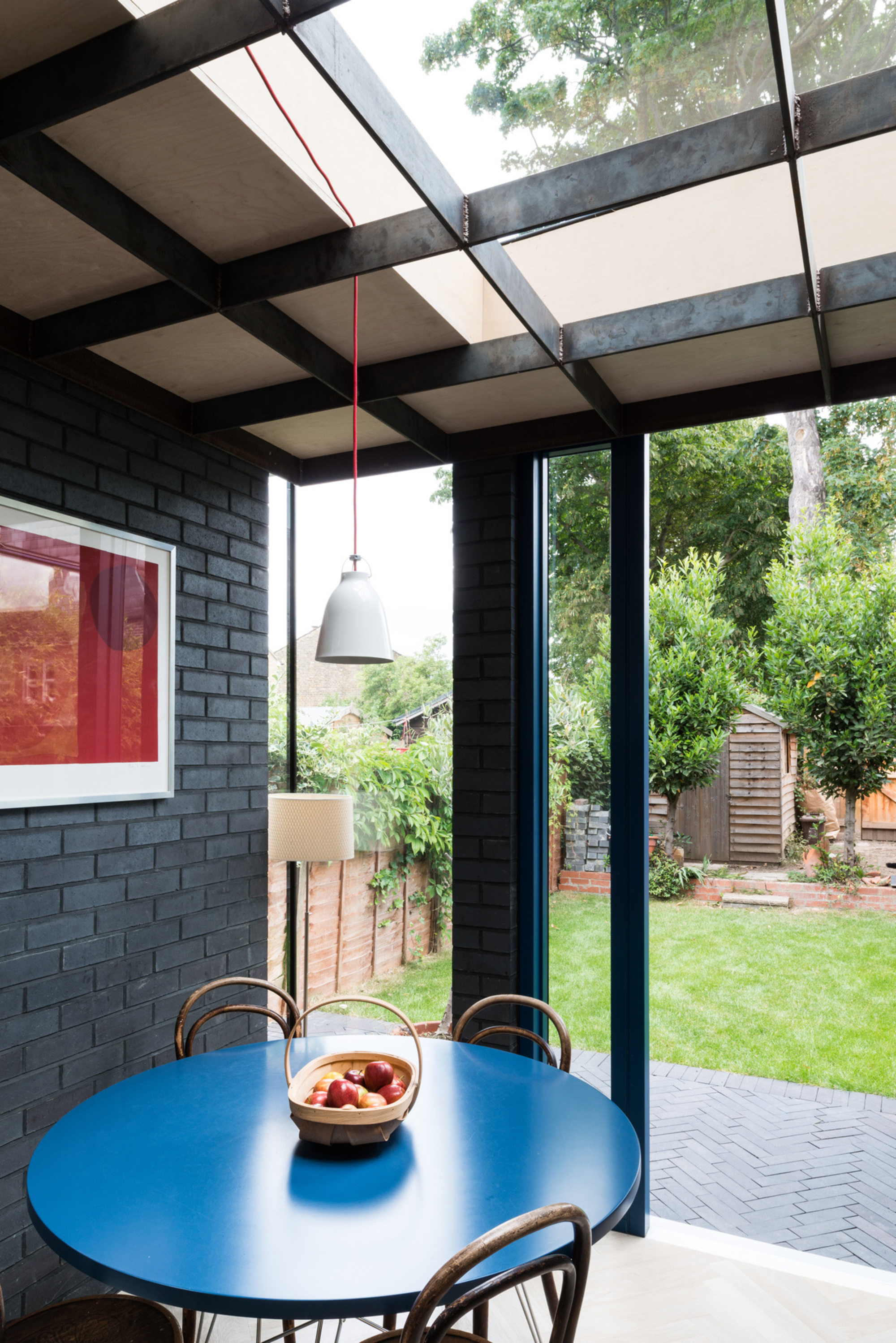
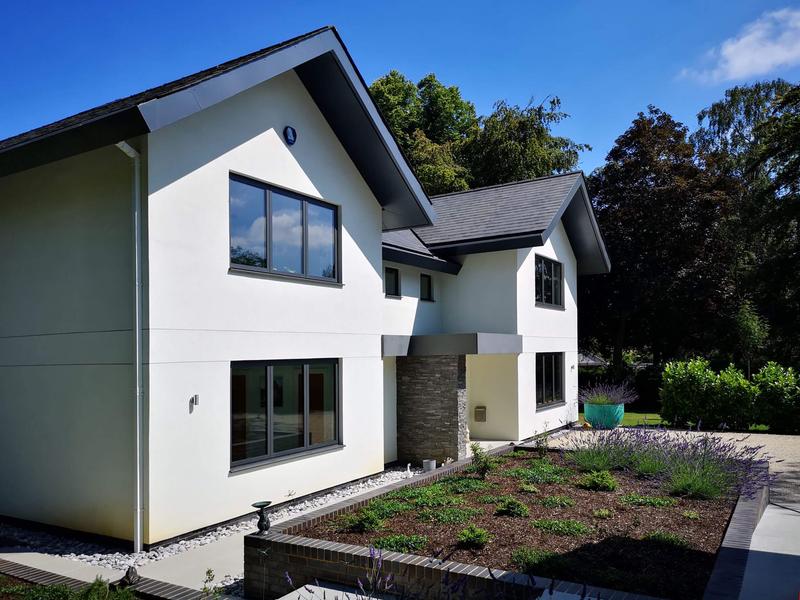
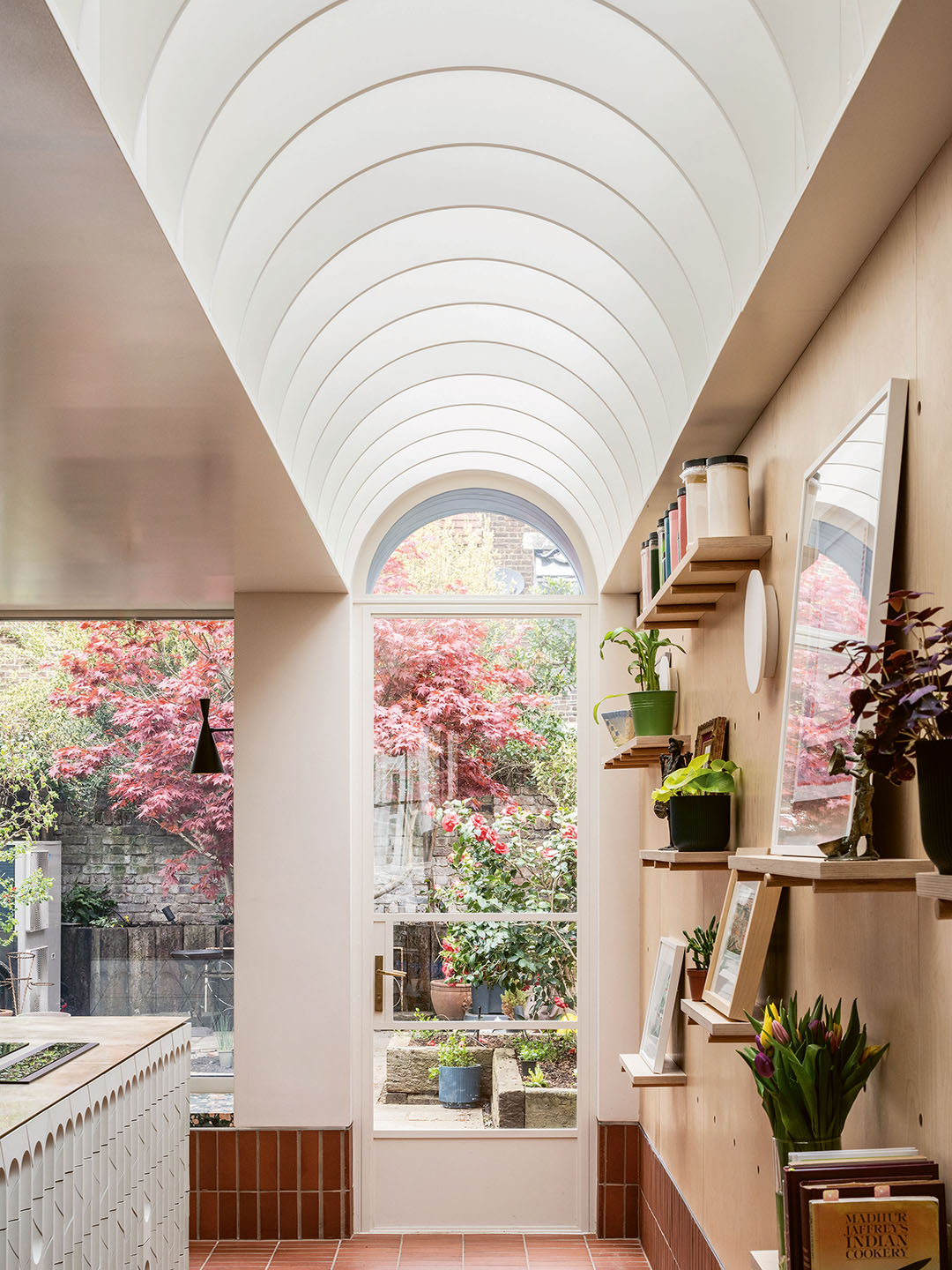
Fourthly, reducing reliance on electricity is discussed through various methods. Nina Lichtenstein suggests increasing natural light and ventilation by installing larger windows and skylights to lessen the need for artificial lighting and air conditioning. Himadri Shakya, a home renovation expert, stresses the importance of proper insulation, especially in older homes, recommending recycled or natural insulation materials like cellulose or sheep's wool. Other measures include caulking, sealing plumbing, and using light-colored reflective roofing materials to mitigate heat gain. The installation of solar panels is also presented as a long-term, reliable, and sustainable solution for generating household electricity.
Fifth, incorporating water-saving fixtures is crucial for reducing water consumption. This involves installing low-flow faucets, showerheads, and toilets, as well as water-saving appliances like dishwashers and washing machines. Rainwater harvesting systems are suggested for outdoor use and even for filtered indoor purposes like cooking, effectively reducing dependence on municipal water supplies.
Finally, the article emphasizes waste reduction. Kristin Hintlian, co-owner of Bonsai Builders, advises meticulous planning to minimize off-cuts and unused materials. She promotes deconstruction over destruction during demolition to facilitate the repurposing or recycling of materials, giving them a second life and reducing landfill waste. Donating usable fixtures, cabinets, and appliances to charitable organizations is also recommended. The overarching advice is to consult with architects, contractors, and designers experienced in sustainable renovations to ensure innovative solutions and adherence to green building standards.
#SustainableRenovation #EcoFriendlyHome #EnergyEfficiency #WaterConservation #WasteReduction #GreenBuilding #HomeImprovement #SustainableRenovation #EcoFriendlyHome #EnergyEfficiency #WaterConservation #WasteReduction #GreenBuilding #HomeImprovement
0 commentaire au total
 Aucun commentaire pour le moment
Vous aimerez aussi

6 Simple Principles To Consider For An Eco-Friendly Home

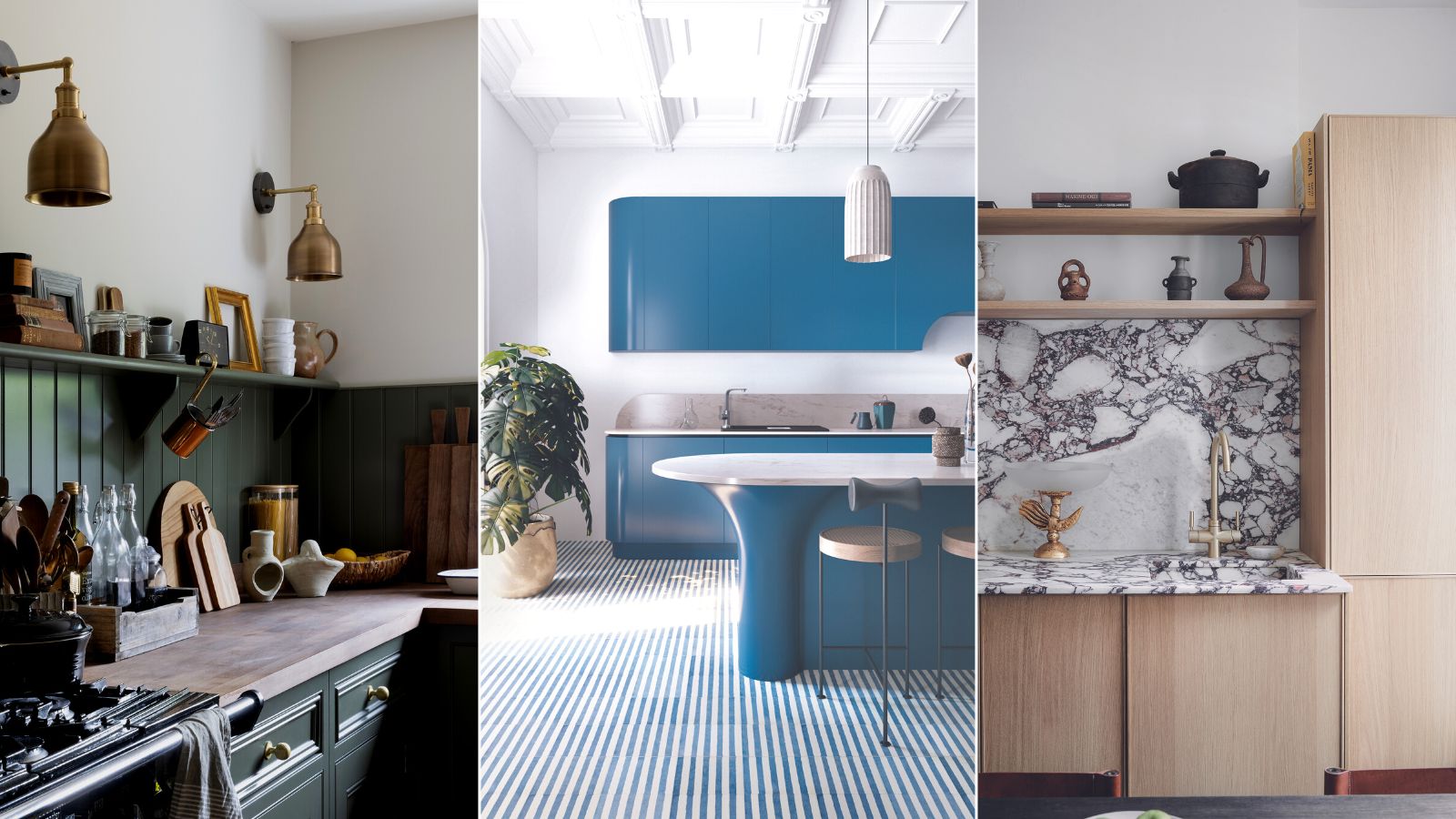
9 sustainable features you should consider for your eco-friendly remodel
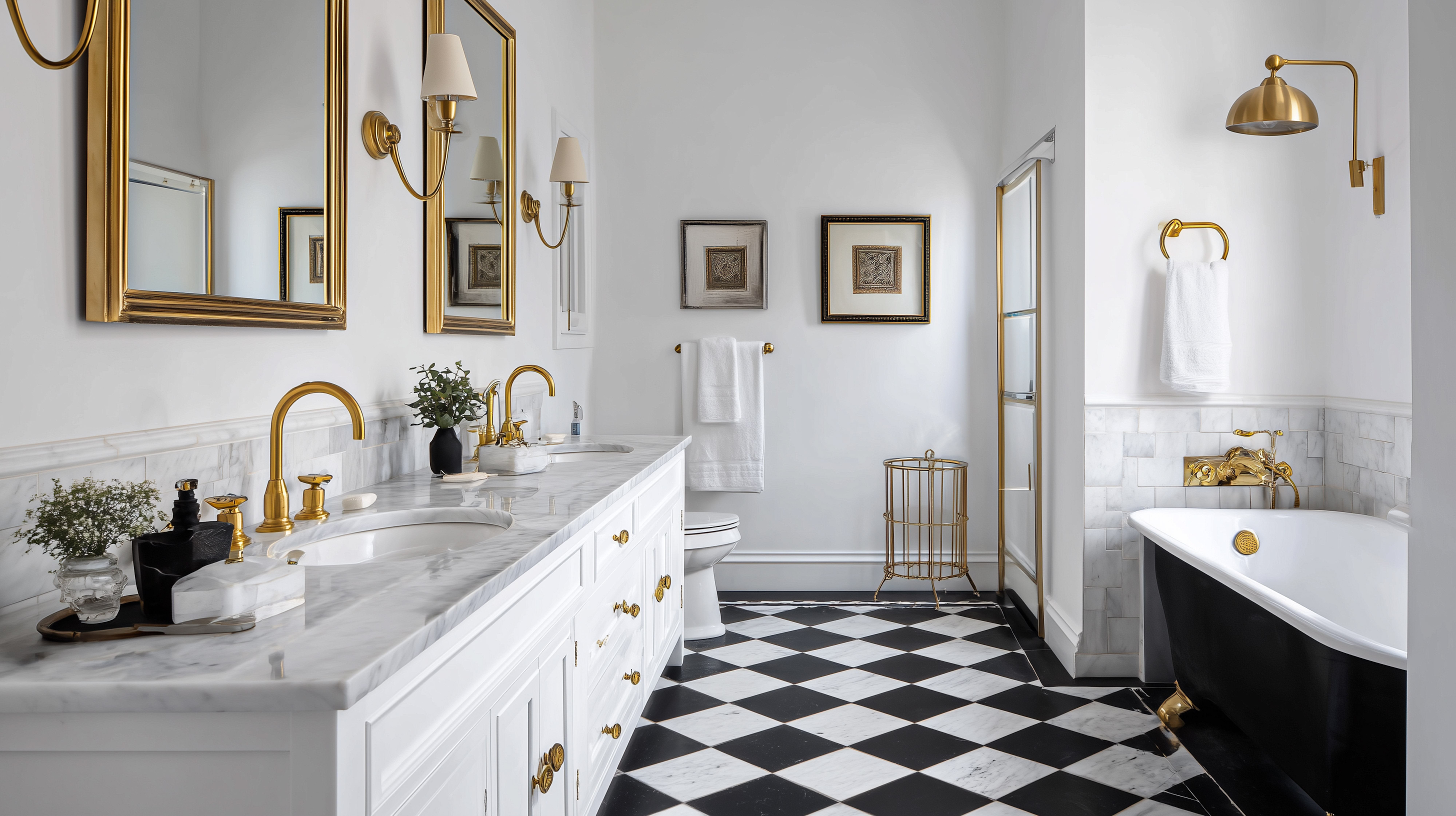
Stand Out with 2026 Home Trends
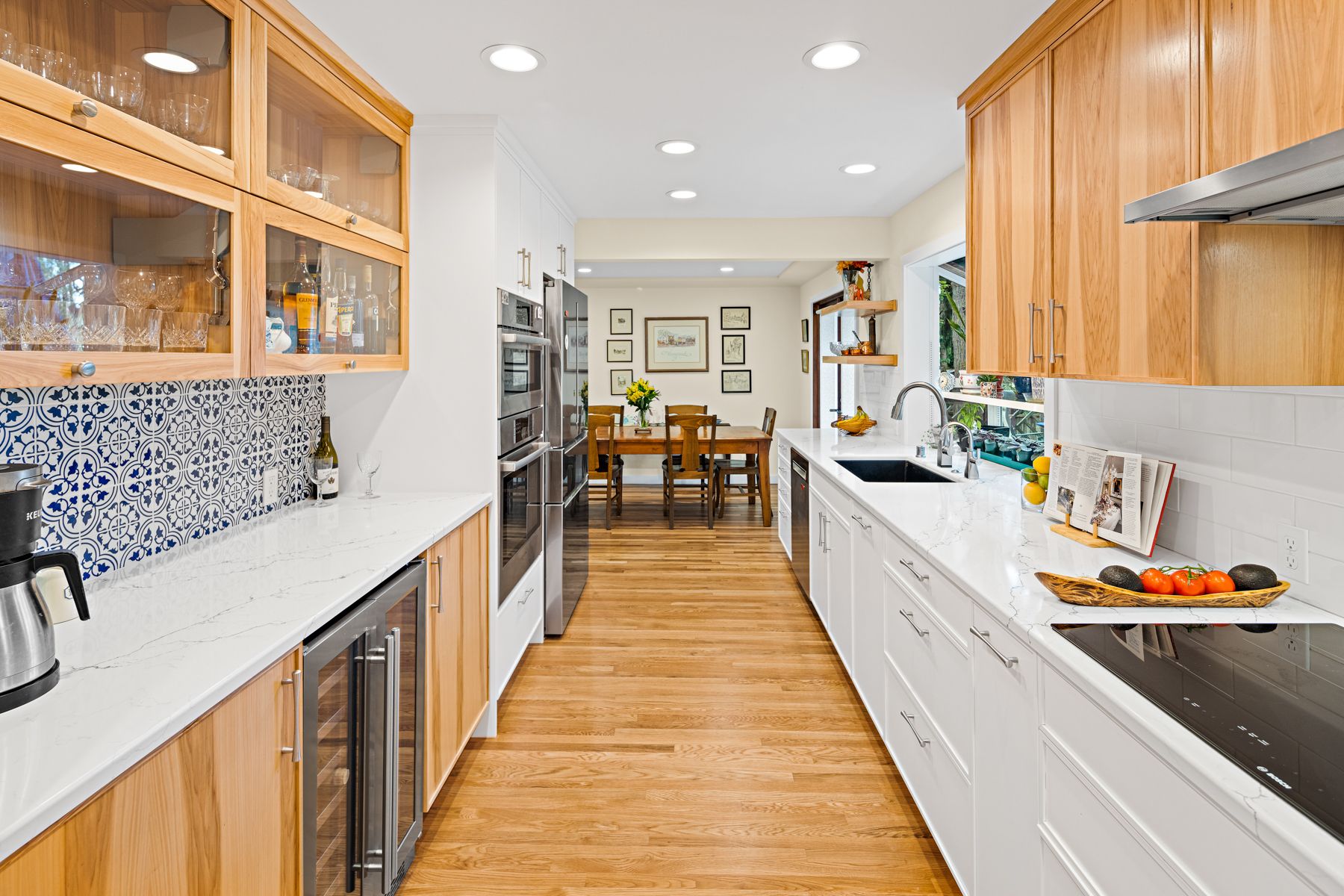
Make your home renovation shine with these builder tips

Designer Advice for a More Sustainable Kitchen Renovation


12 Ways To Create a More Sustainable Home

7 Design Trends That Will Make Your Home More Sustainable
How to save money on home renovations – 6 cost-effective ideas
10 Sustainable Homes That Prove Interior Design Can Be Just as Easy on the Eye as It Is on the Earth


This Interior Designer-Approved Tip Can Upgrade Your Space In The Most Sustainable Way
10 ways to make your home more sustainable

Home Rescue's Dee Coleman on the six R's of sustainable interior design
How to Renovate with Sustainability in Mind

Guide to Denver's Home Renovation Scene

7 sustainable homes with style

10 Habits Interior Designers and Architects Want You to Adopt in Your 2026 Renovations
How to Make Your Home More Sustainable, According to Design Experts

5 sustainable home solutions that won’t cramp your style

I Wrote a Book About Sustainable Homes—These 8 Ideas Are Still Inspiring Me


Homeowners Are Revealing The Common Purchases They Either Totally Regret Or Completely Stand By