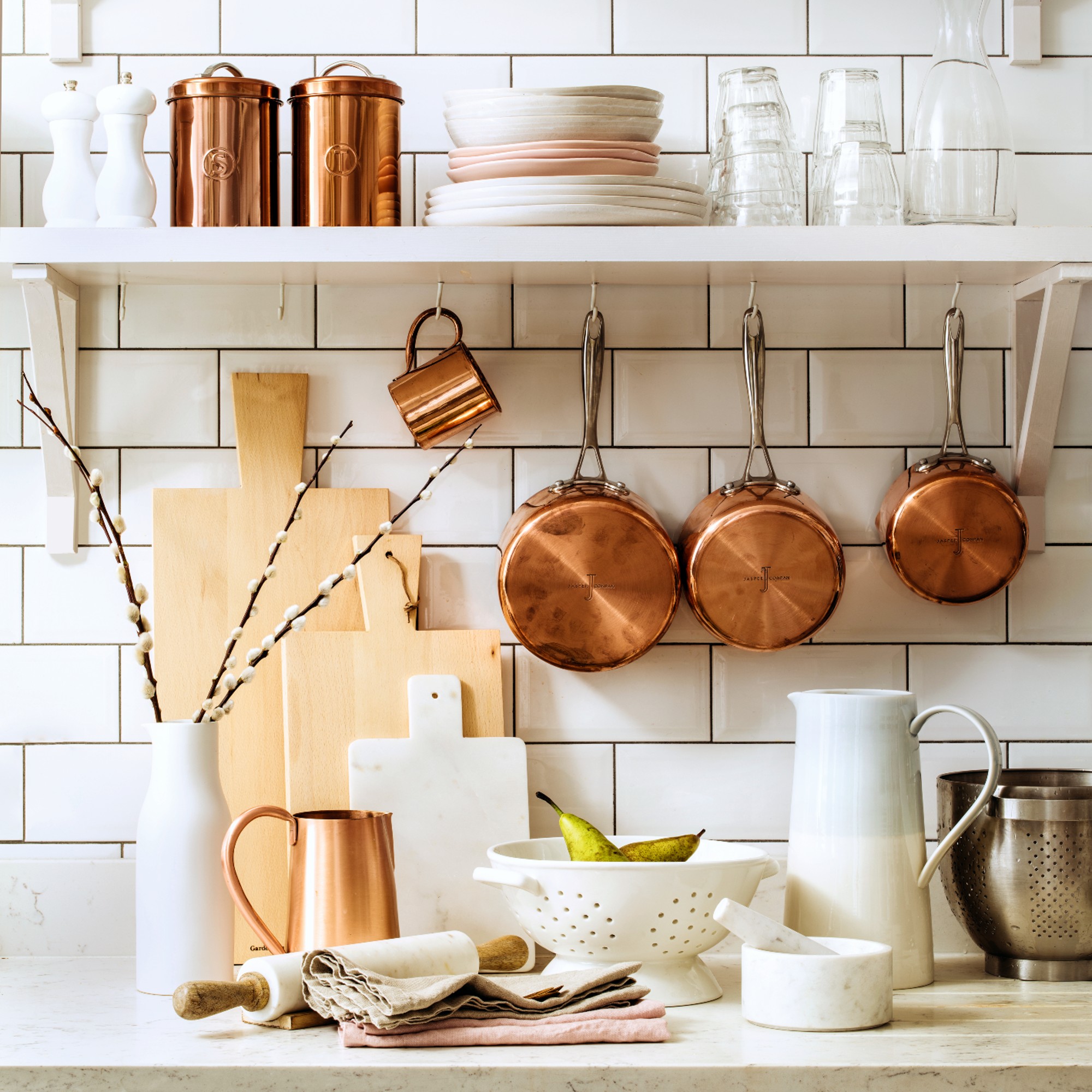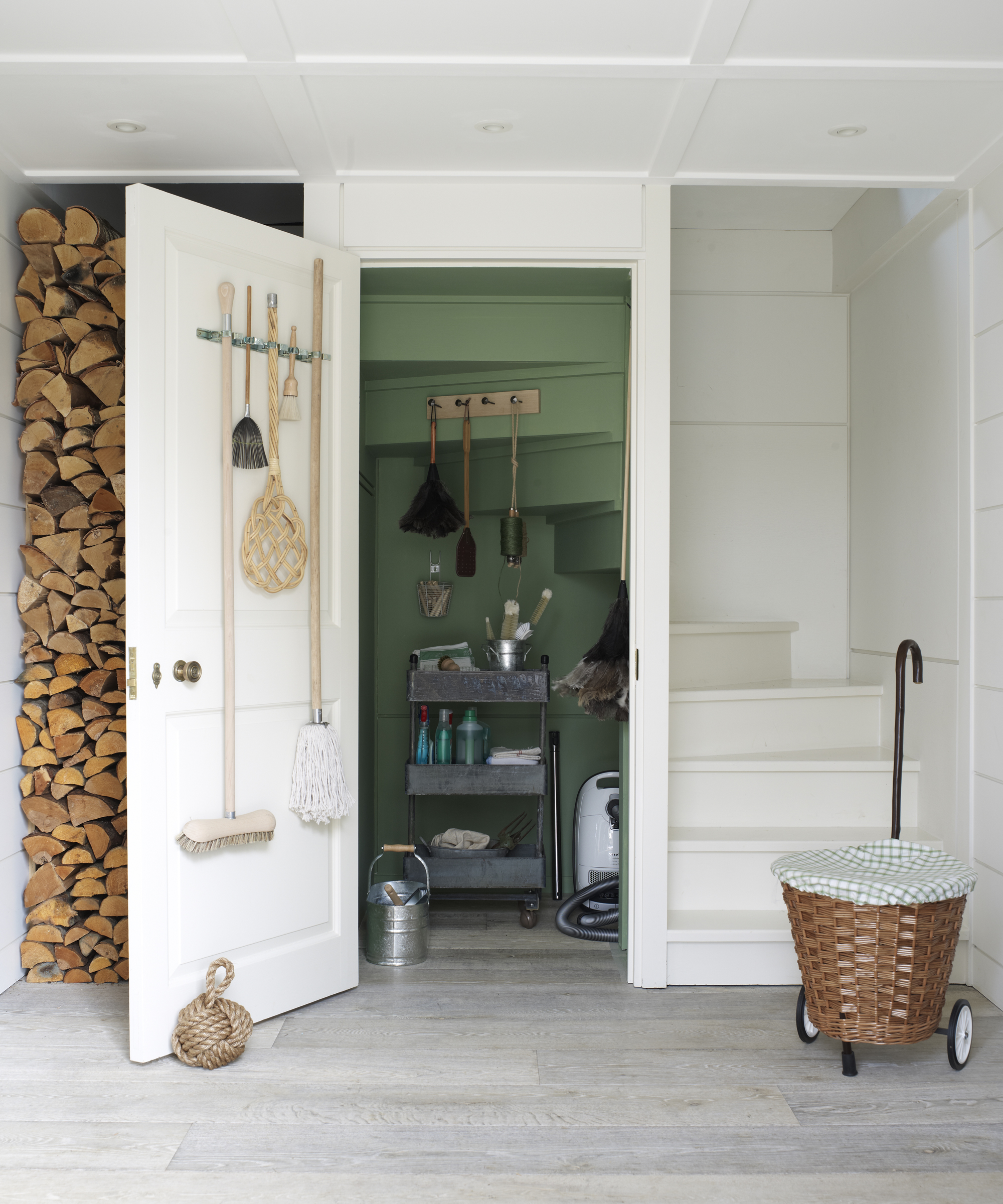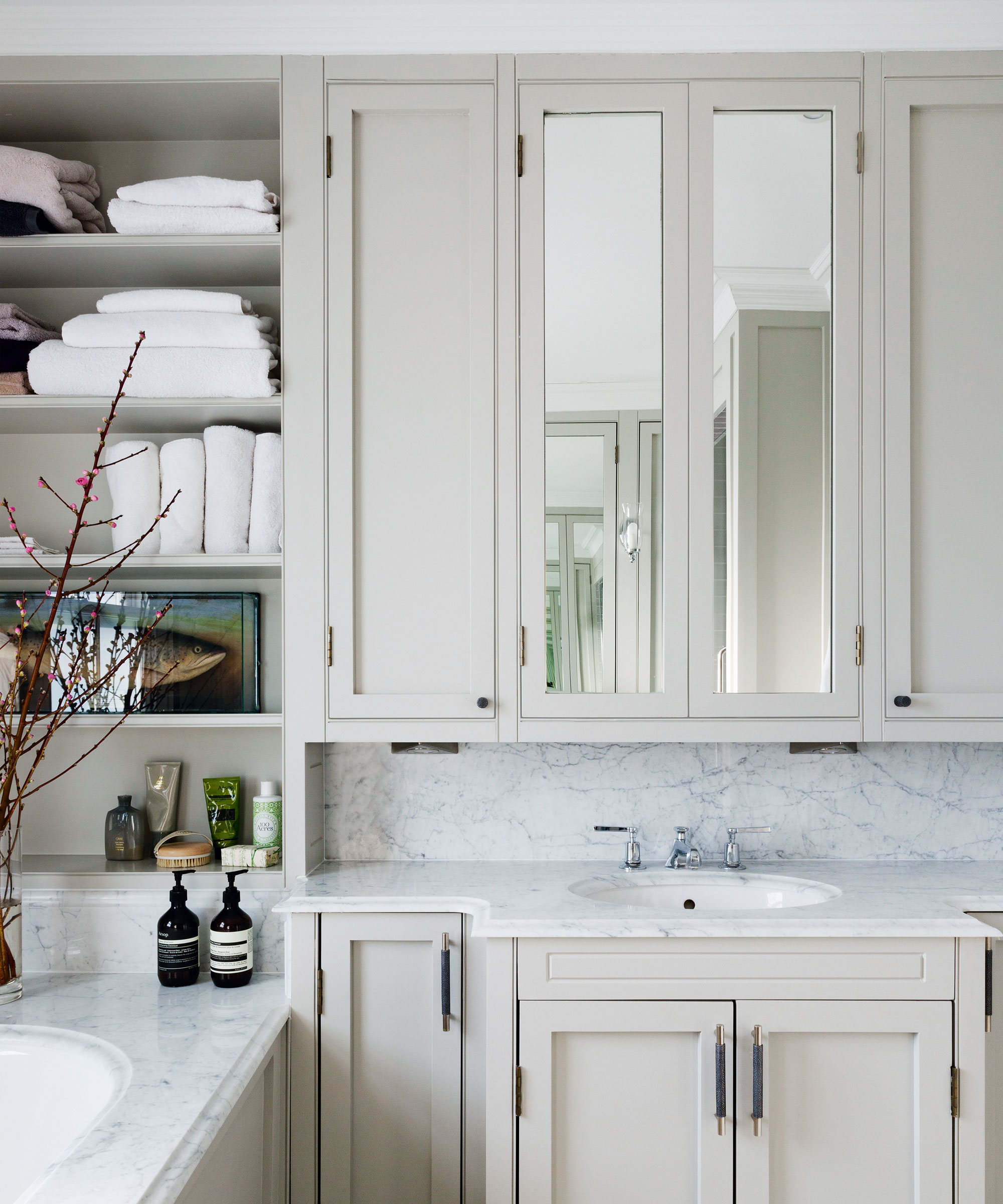
1/11
11 things you should never store in a pantry, according to experts
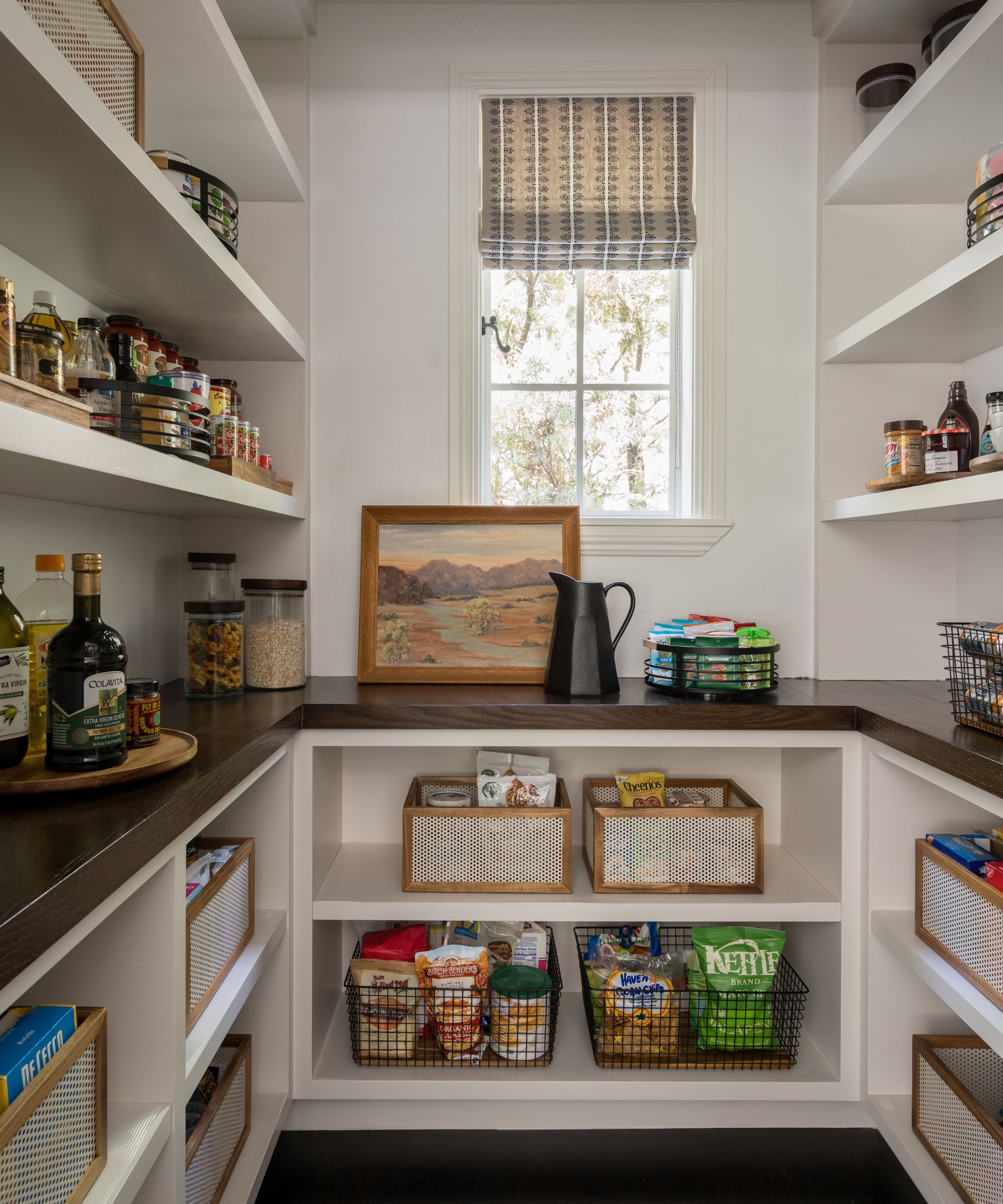
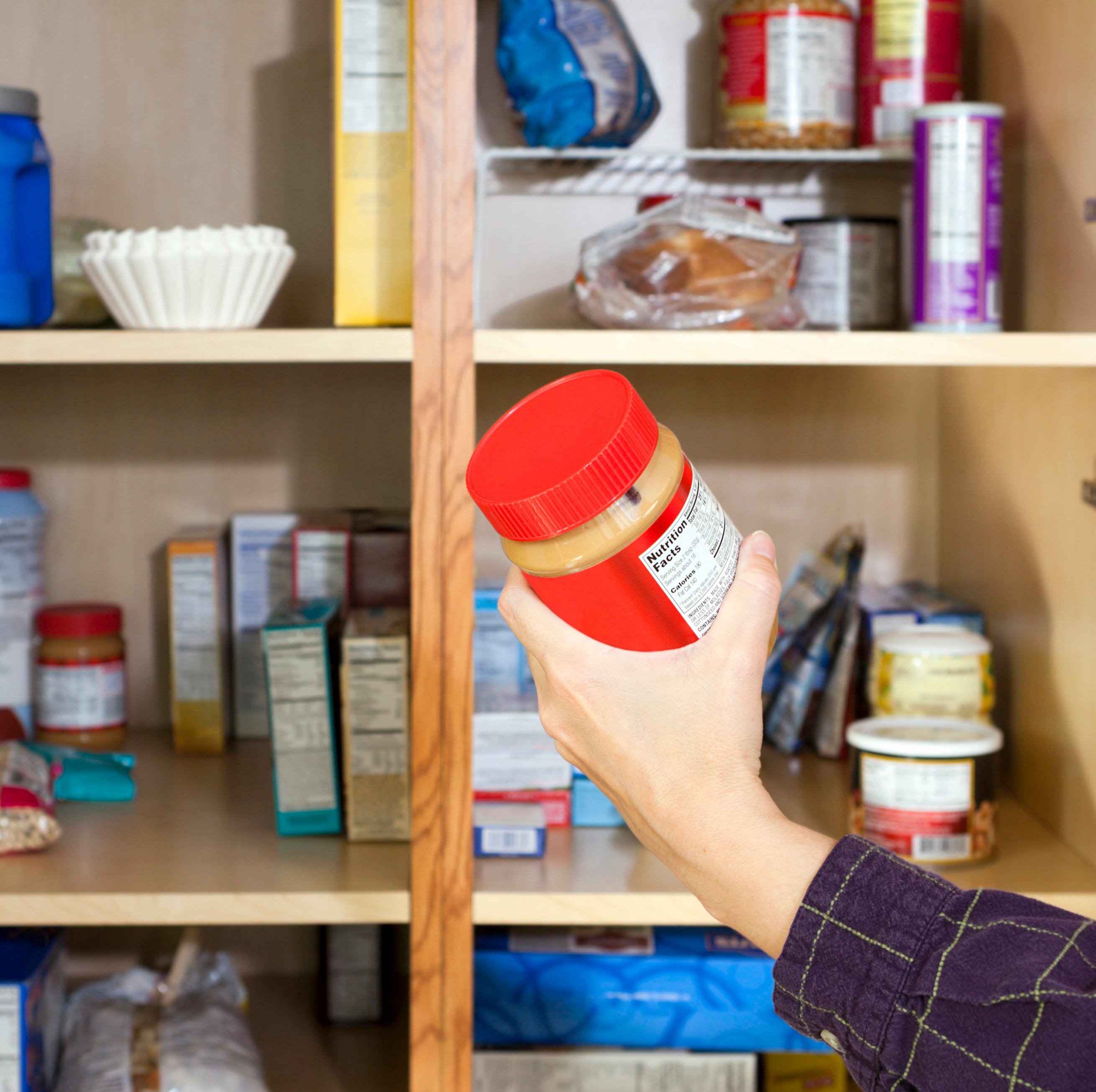
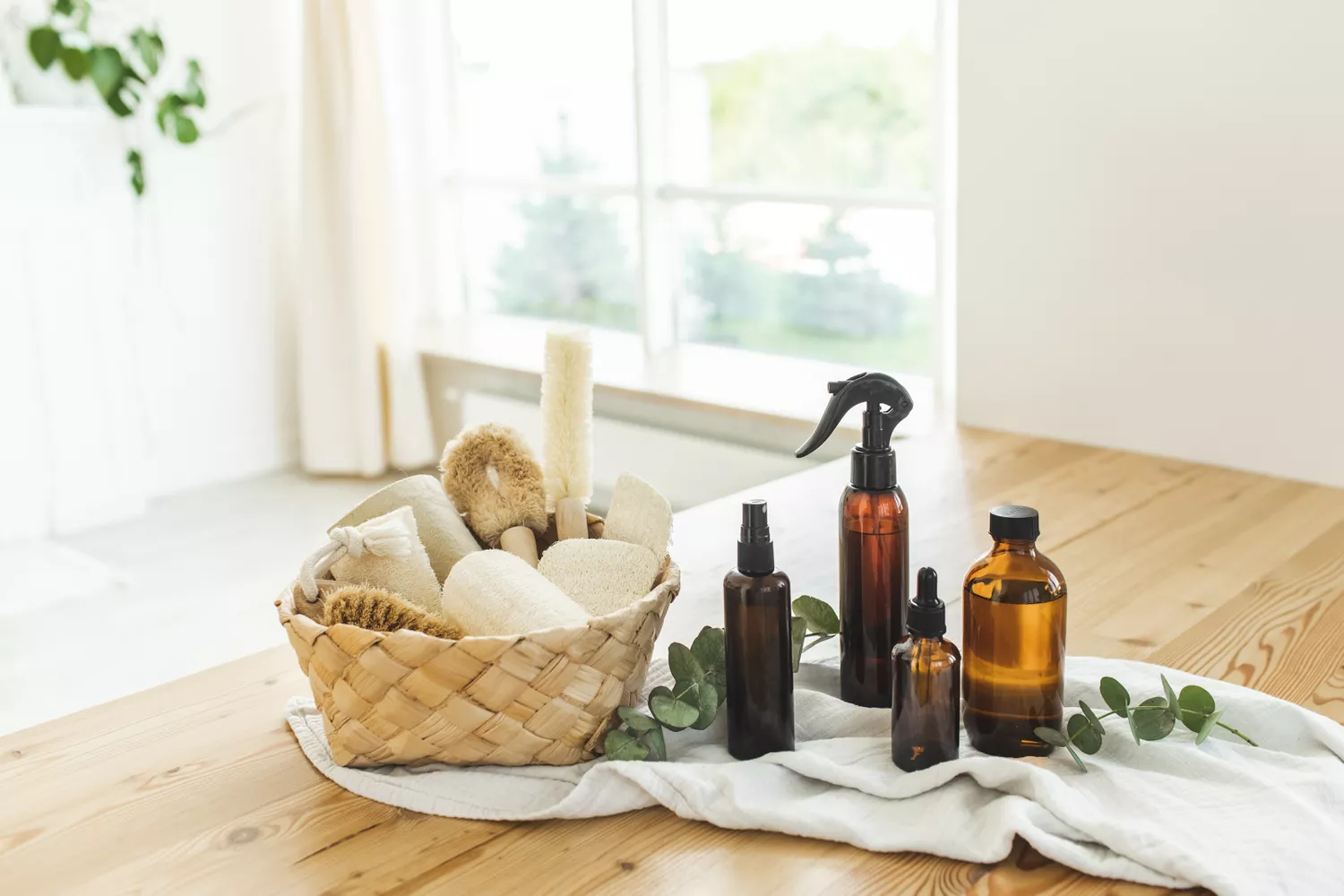
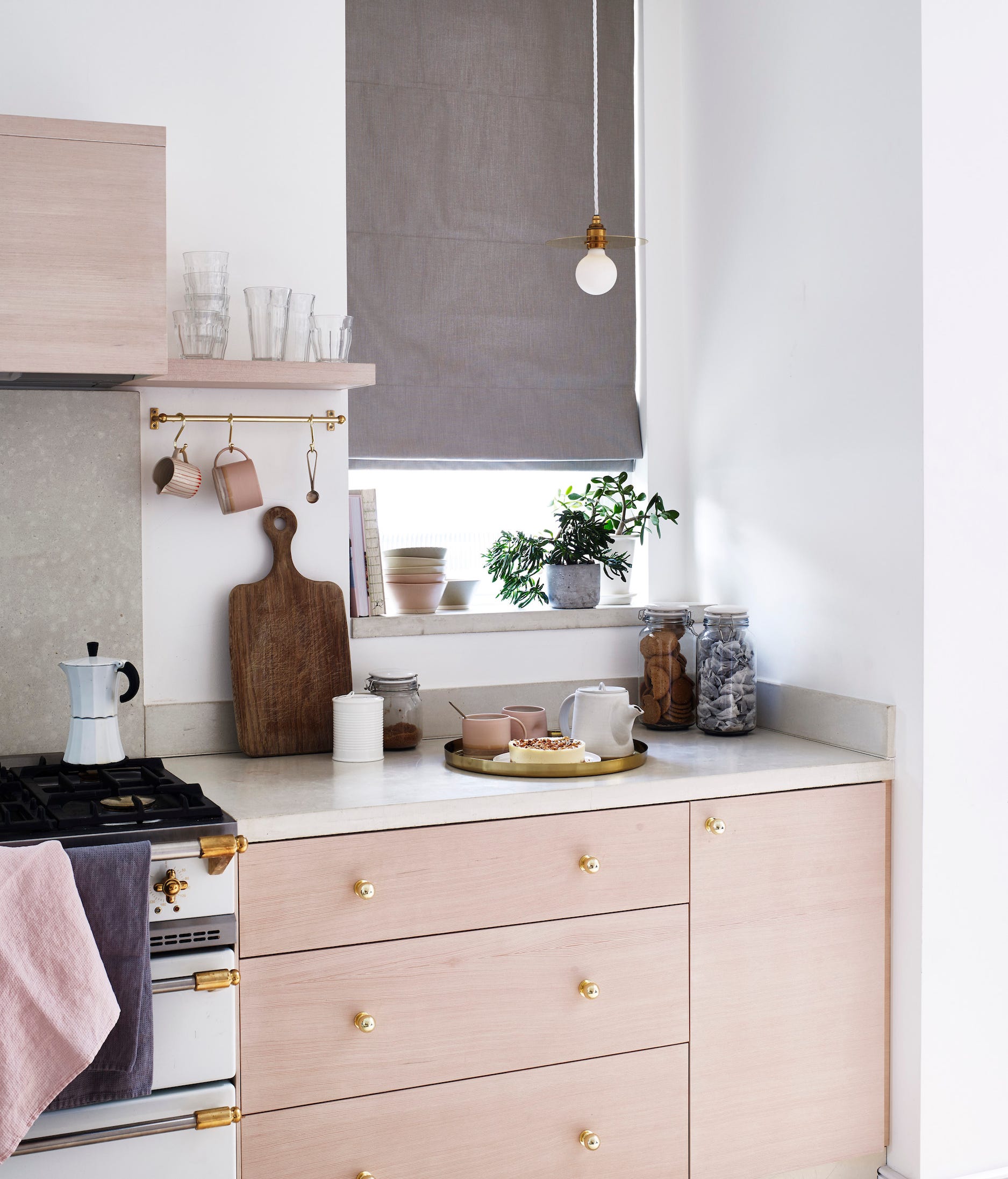
A kitchen pantry, despite its generous storage capacity, is frequently misused as a catch-all for various kitchen items. However, experts warn that improper pantry storage can significantly reduce the shelf life of food items and, in some cases, even pose health risks. The primary focus of pantry organization should be appropriate food storage, with consideration for other kitchen essentials only once their safety and suitability are confirmed. For example, household cleaning supplies, including even homemade solutions, should be stored in designated areas like under the kitchen sink, never alongside food.
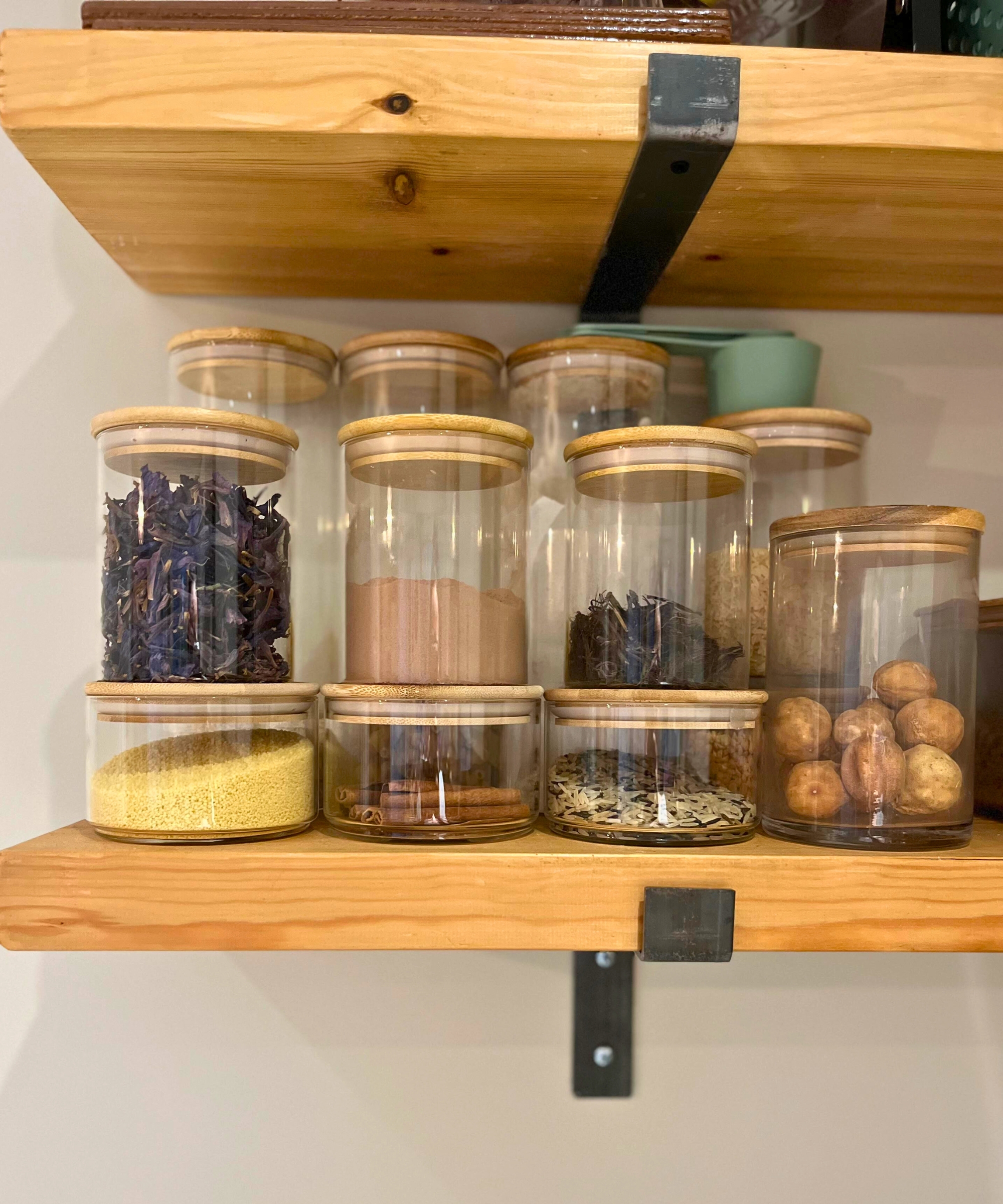
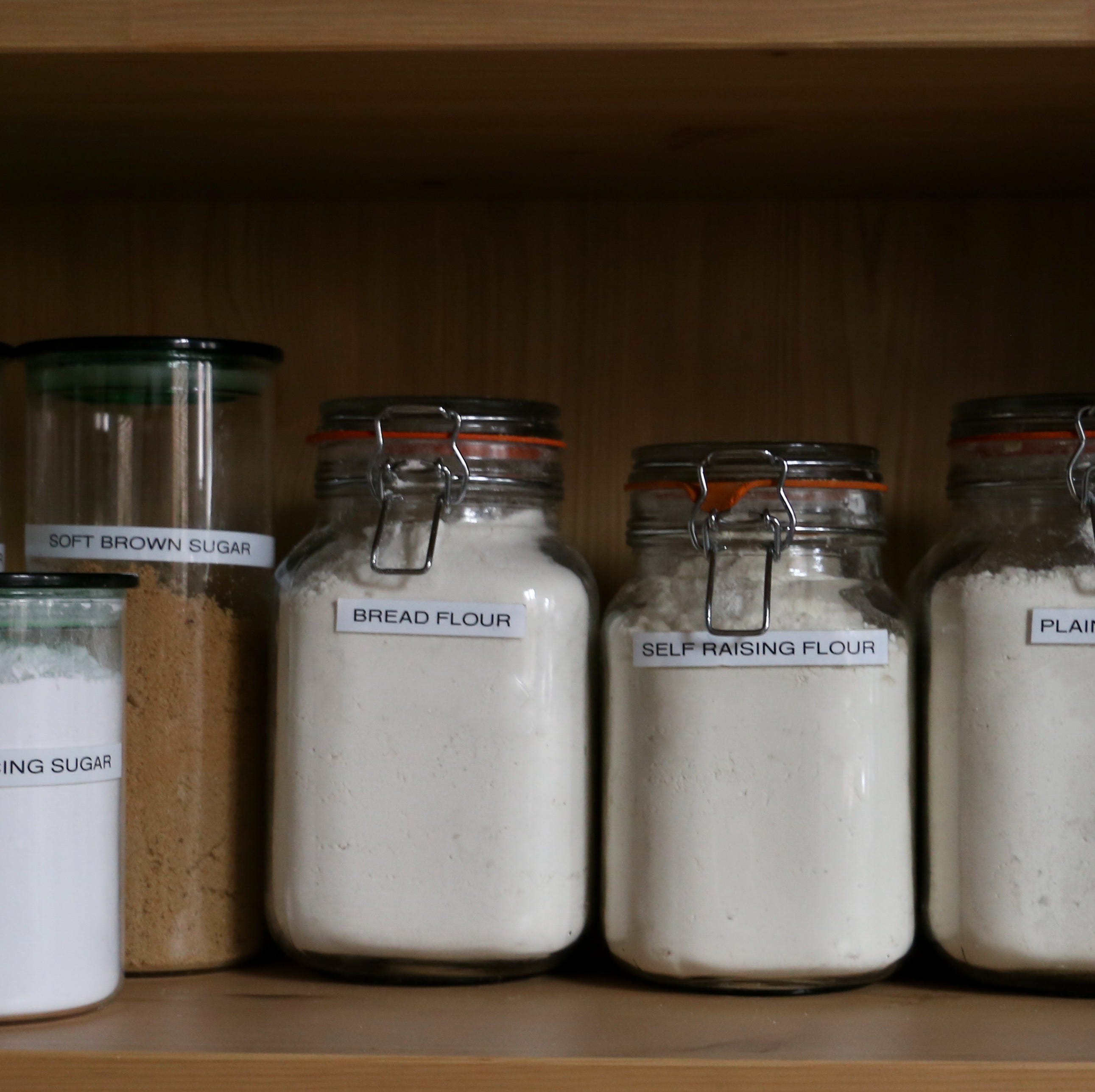
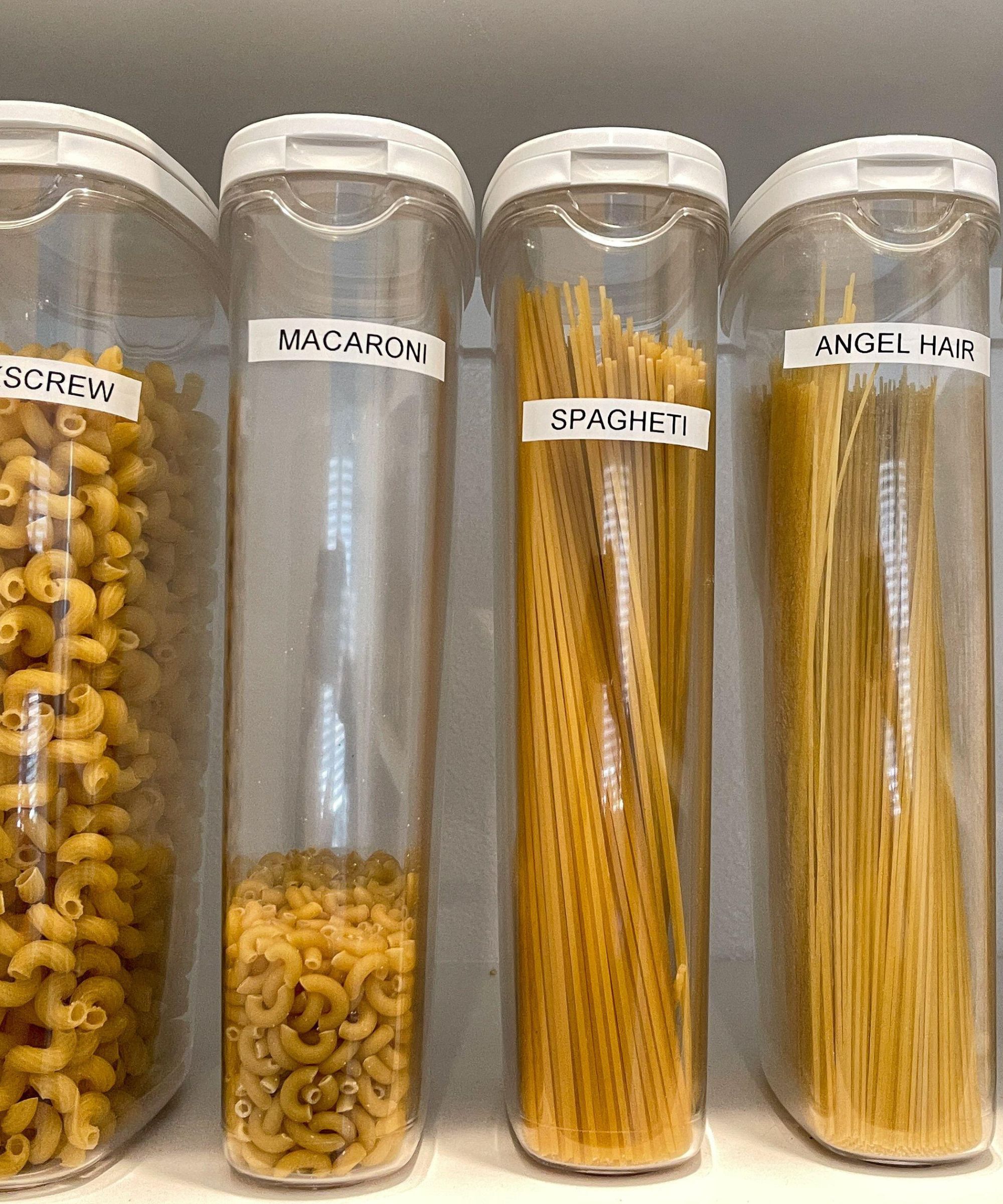
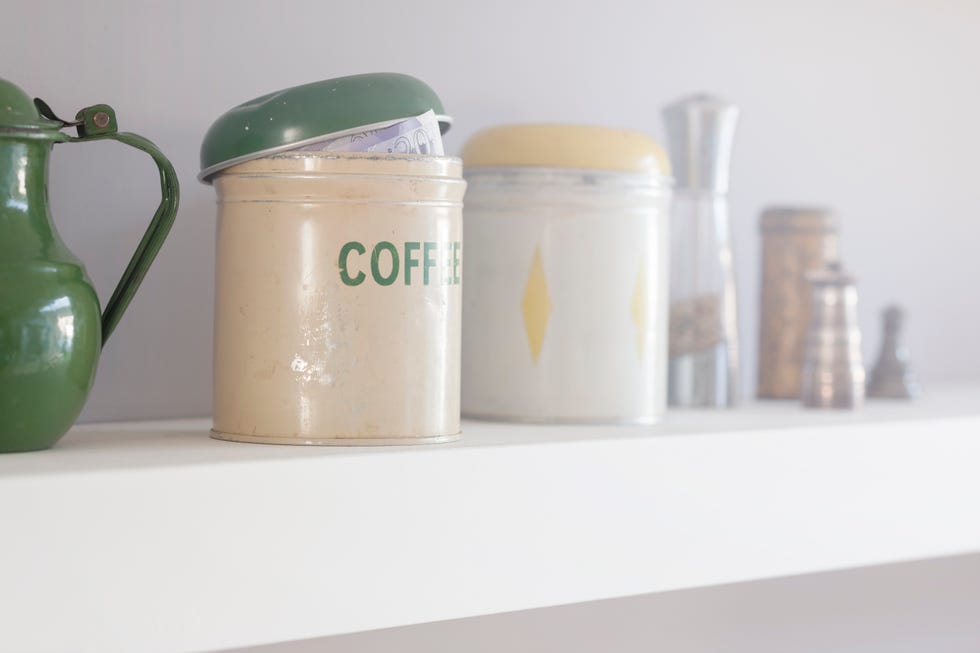
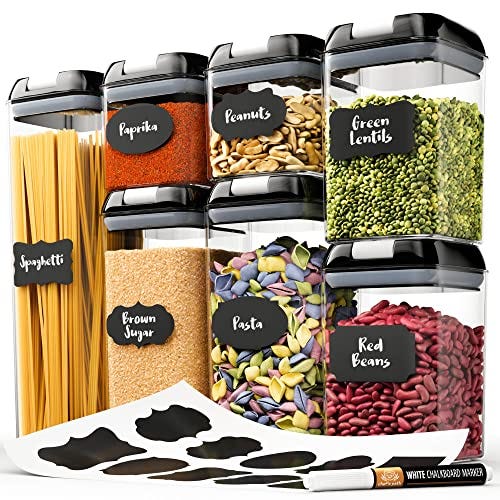
Professional organizers emphasize that an ideal pantry is not about achieving an artistic showroom aesthetic, complete with perfectly aligned jars and labeled containers, but rather about functional organization that supports one's lifestyle. Certain items, despite their visual appeal in uniform jars, are better stored elsewhere in the kitchen.
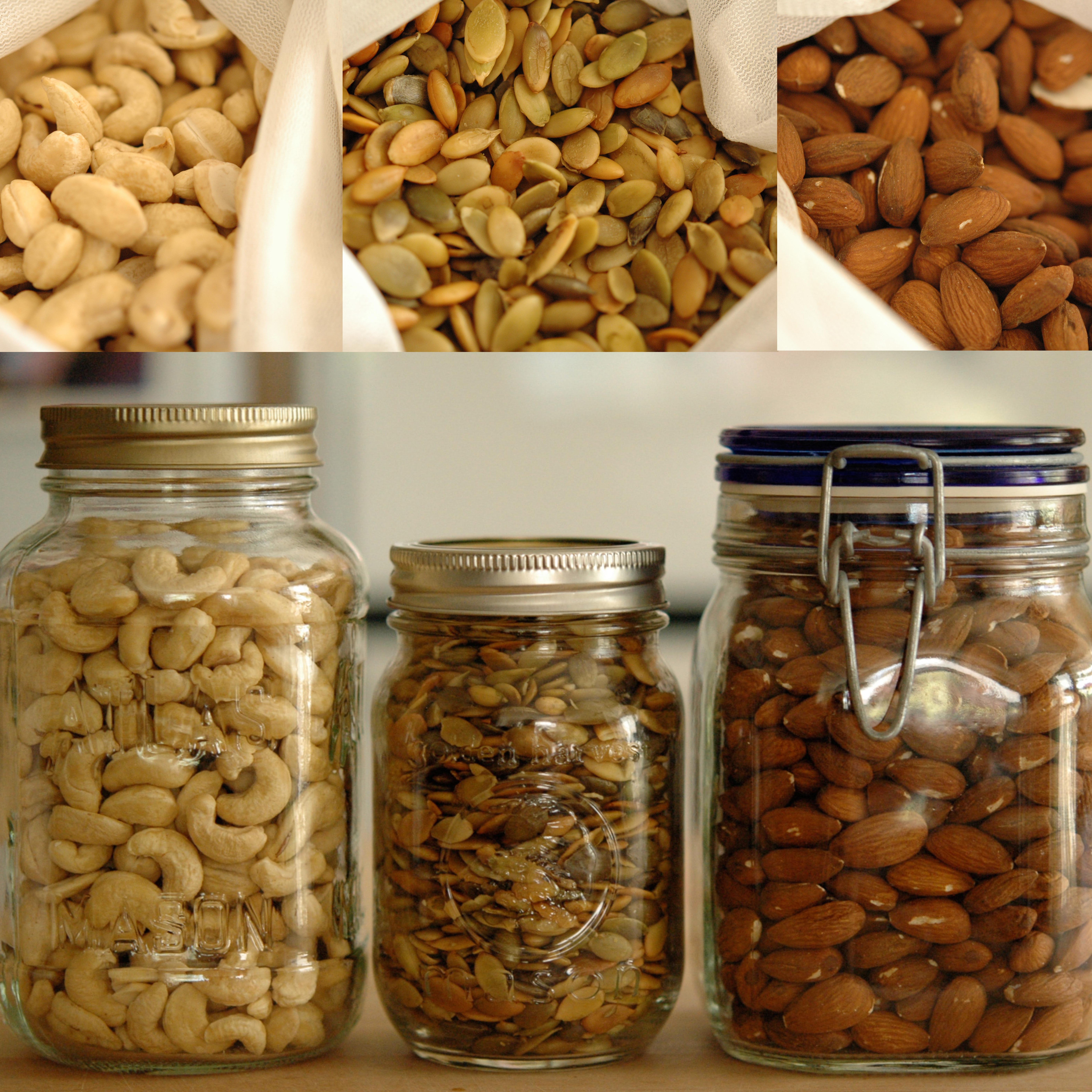
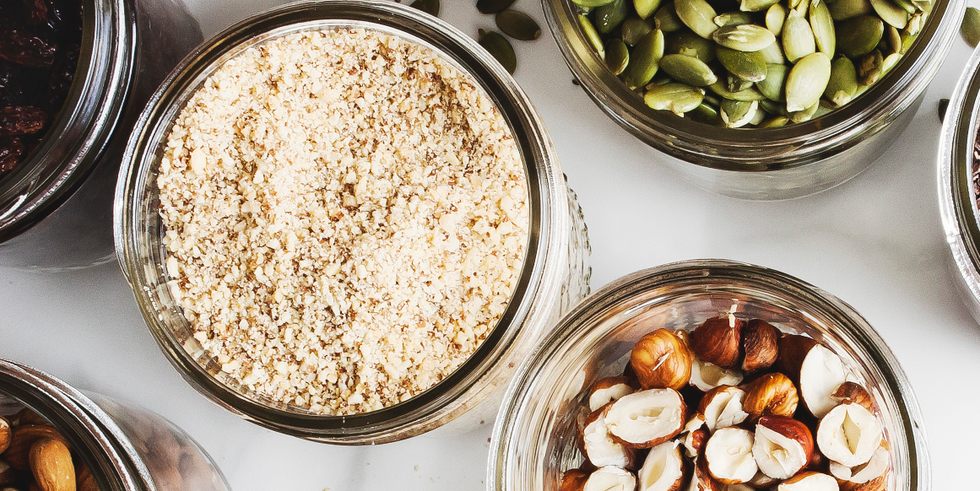
Foods with high oil content, such as nuts, seeds, and coconut oil, should not be stored in a pantry due to its lack of temperature control. These items are prone to becoming rancid at room temperature and are best kept in the refrigerator, especially in warmer kitchen environments. Conversely, some oils, like olive oil, should remain in the pantry with a tightly sealed lid, as refrigeration can cause them to solidify and become cloudy.
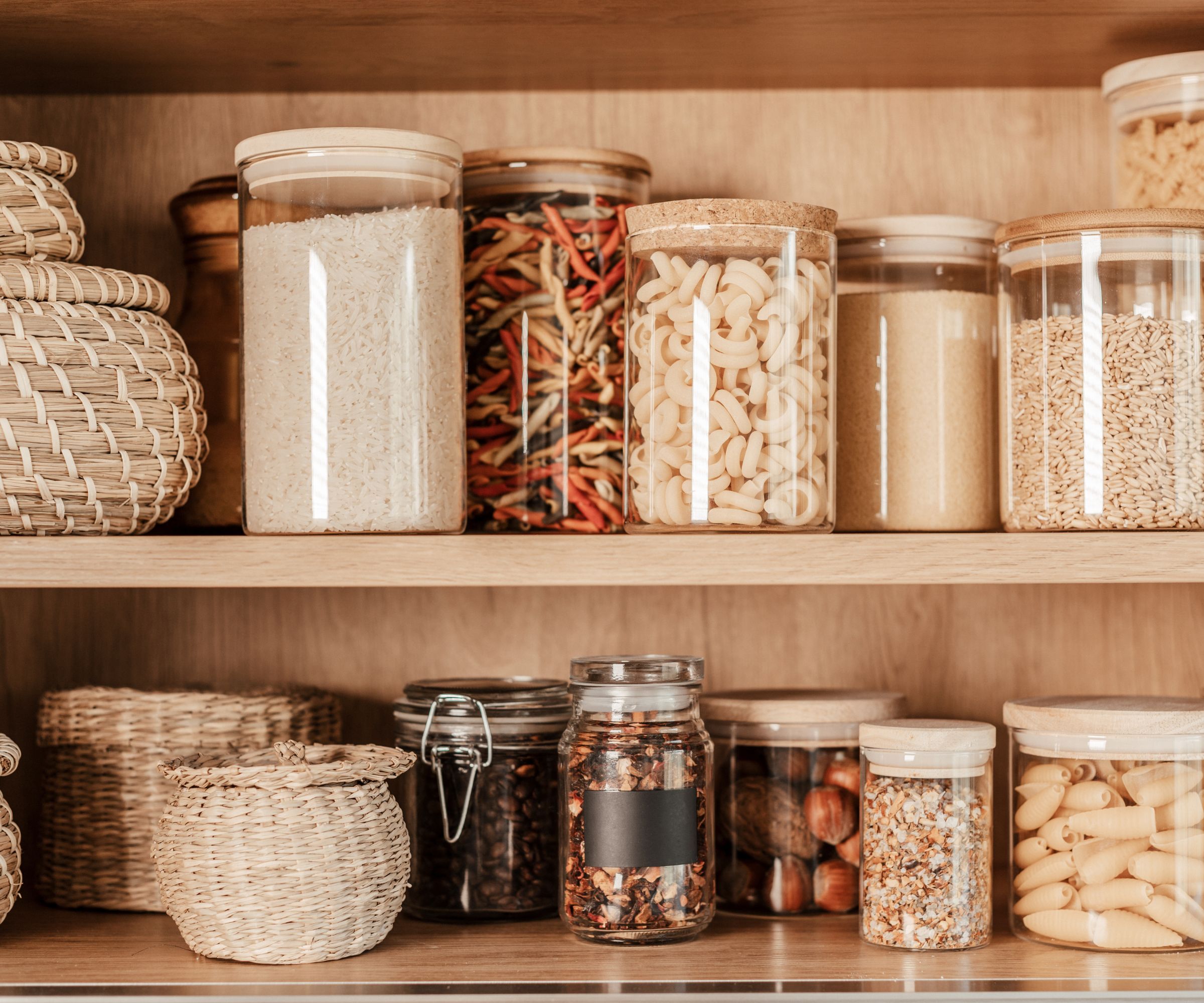
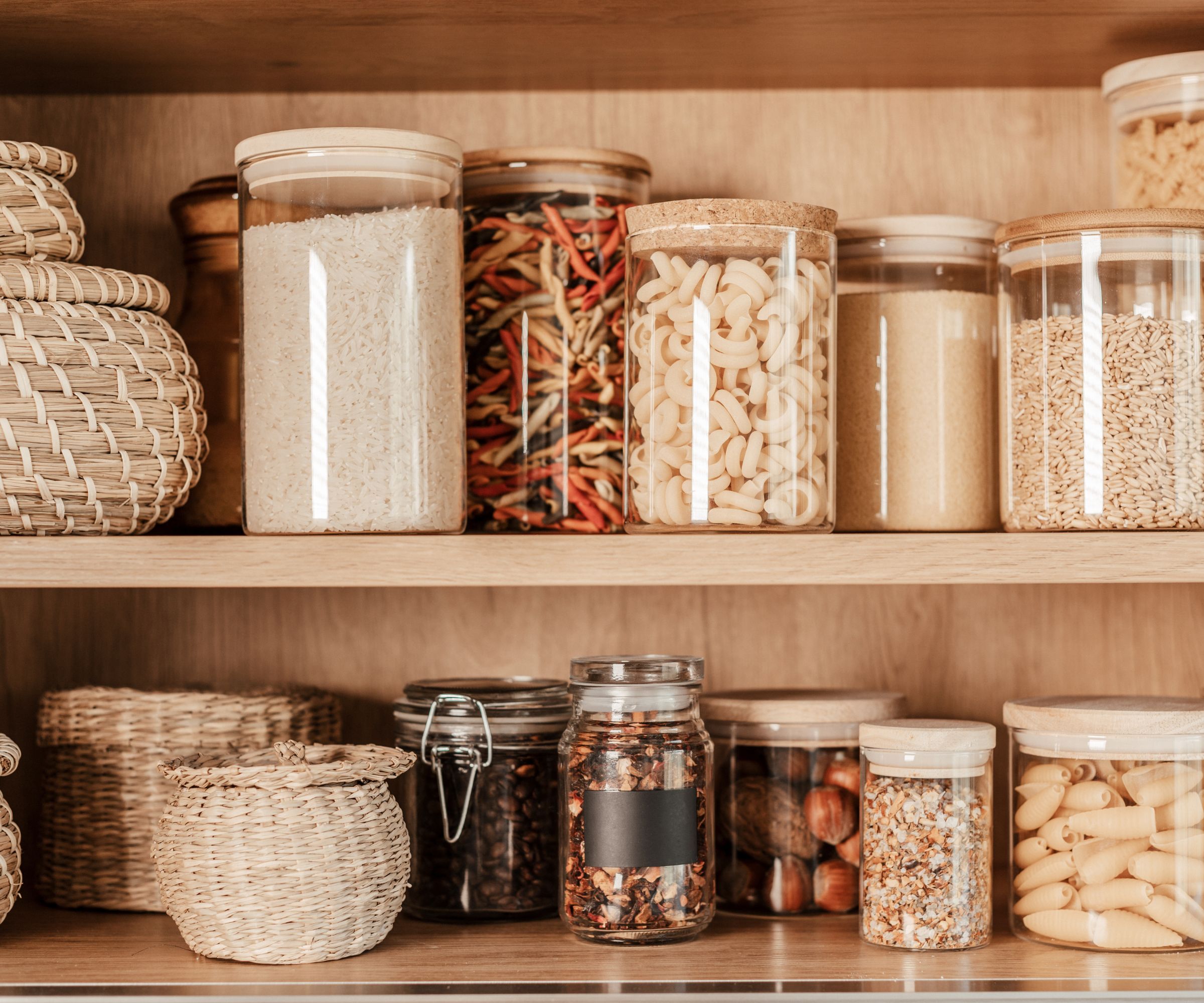
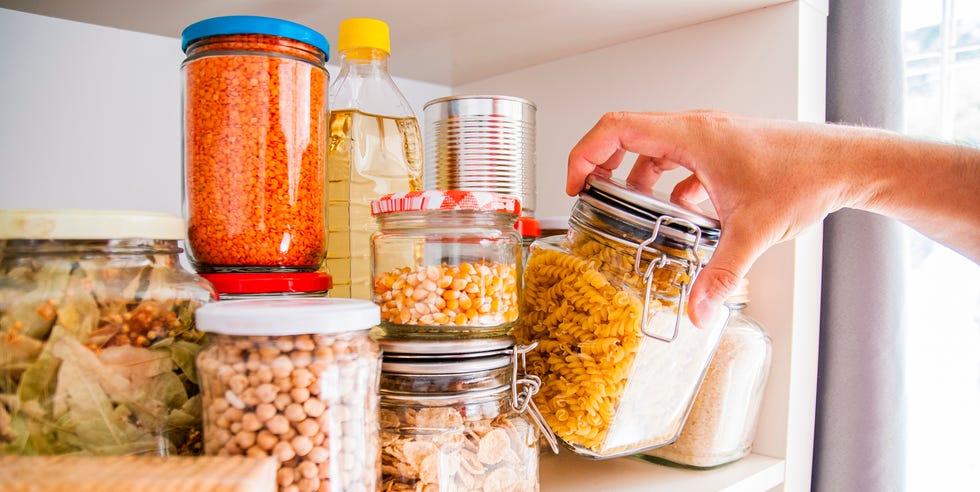
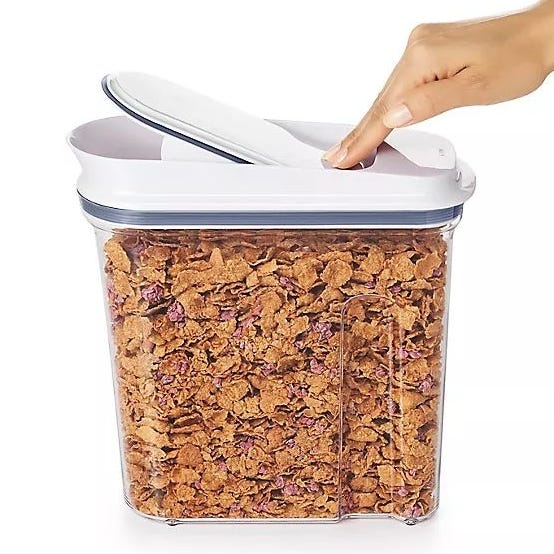
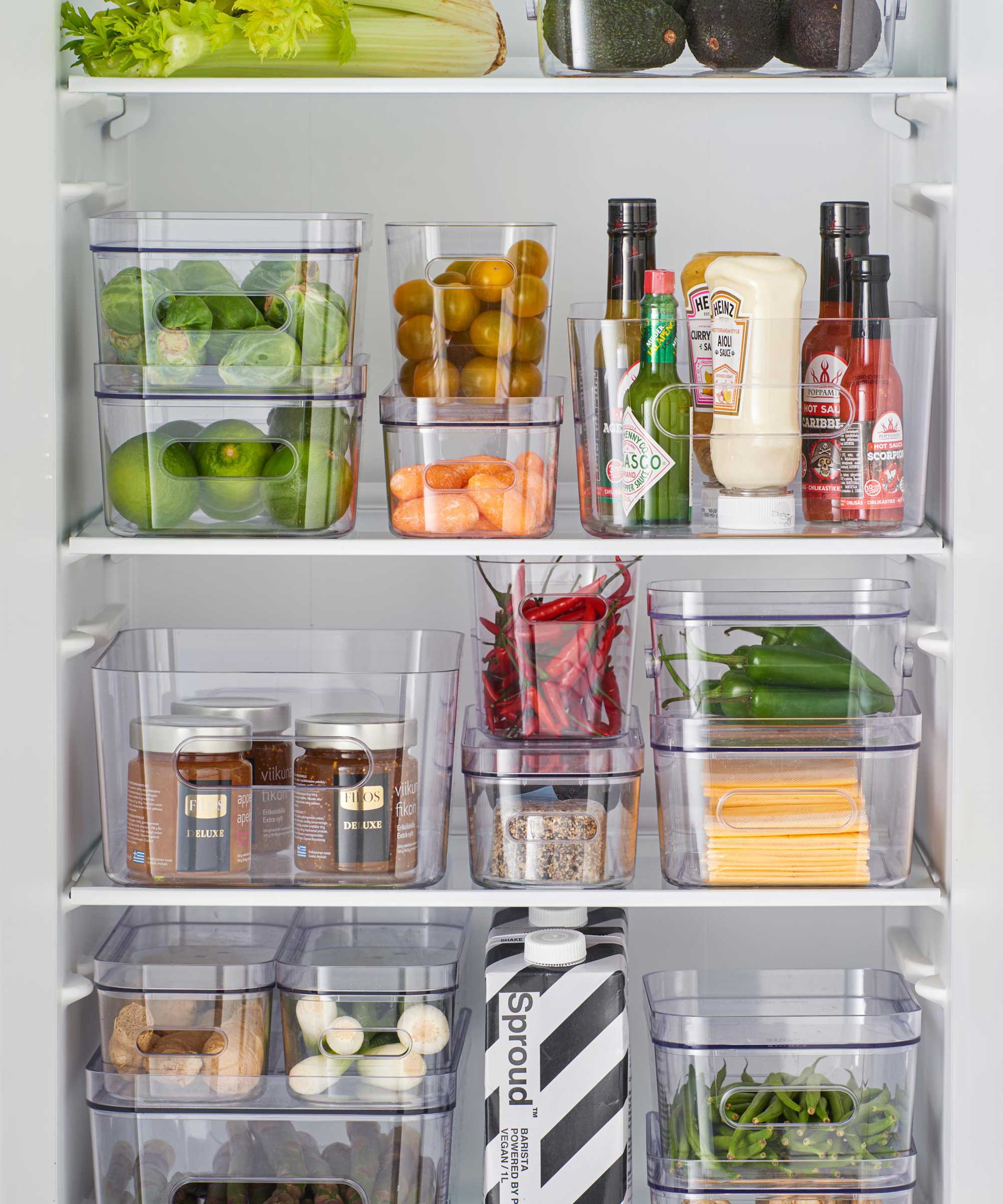
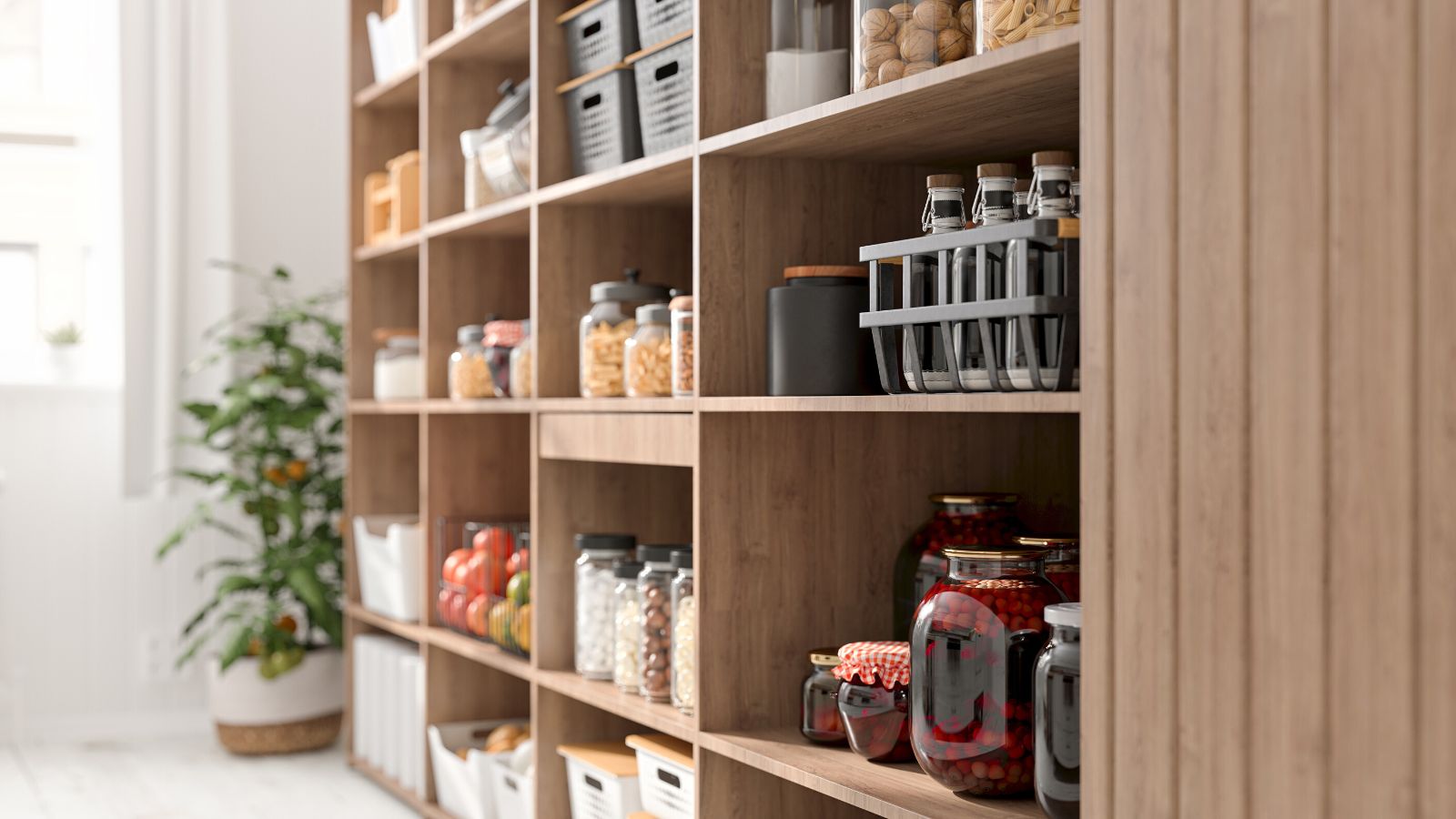
Open bins of food are another category to avoid in the pantry, as they can attract pests. Large quantities of items like rice should be transferred from open bags into smaller, airtight containers for long-term storage to deter infestations. Similarly, birdseed, known to attract mice, should be handled with care, as rodents attracted to it may then target other pantry staples. Even small, open bags of food benefit from being stored in airtight containers, with glass Mason jars being a recommended option for dry goods such as grains, popcorn, beans, and nuts.
Perishable items like dairy, fresh fruits, and vegetables, as well as meat, are unsuitable for pantry storage due to their susceptibility to spoilage. These items require refrigeration or, in the case of some produce, a cool, dark place. Items with strong odors or non-food related items should be stored in separate cupboards or closets.
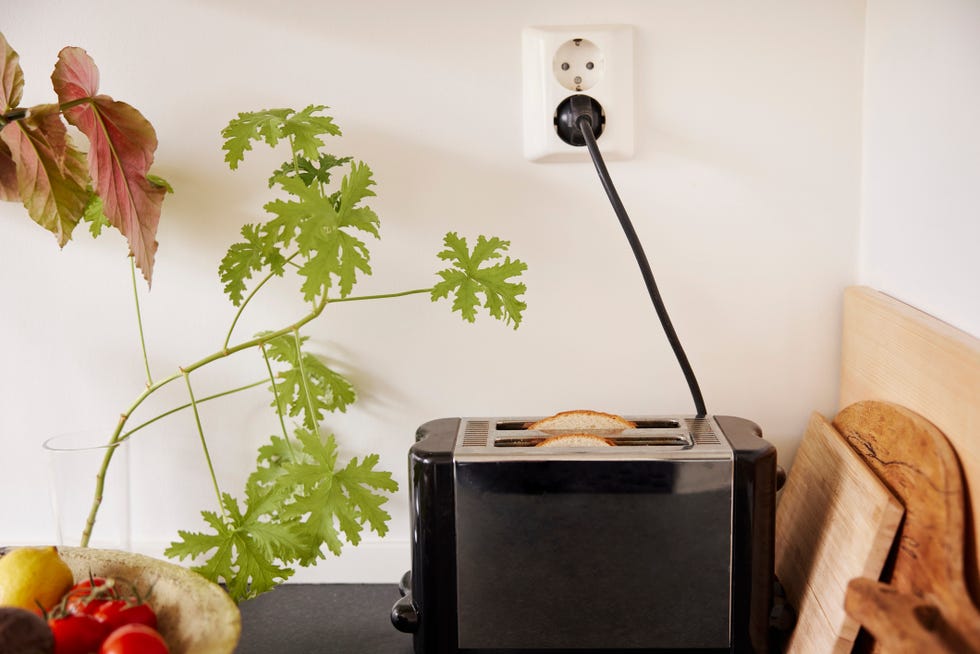
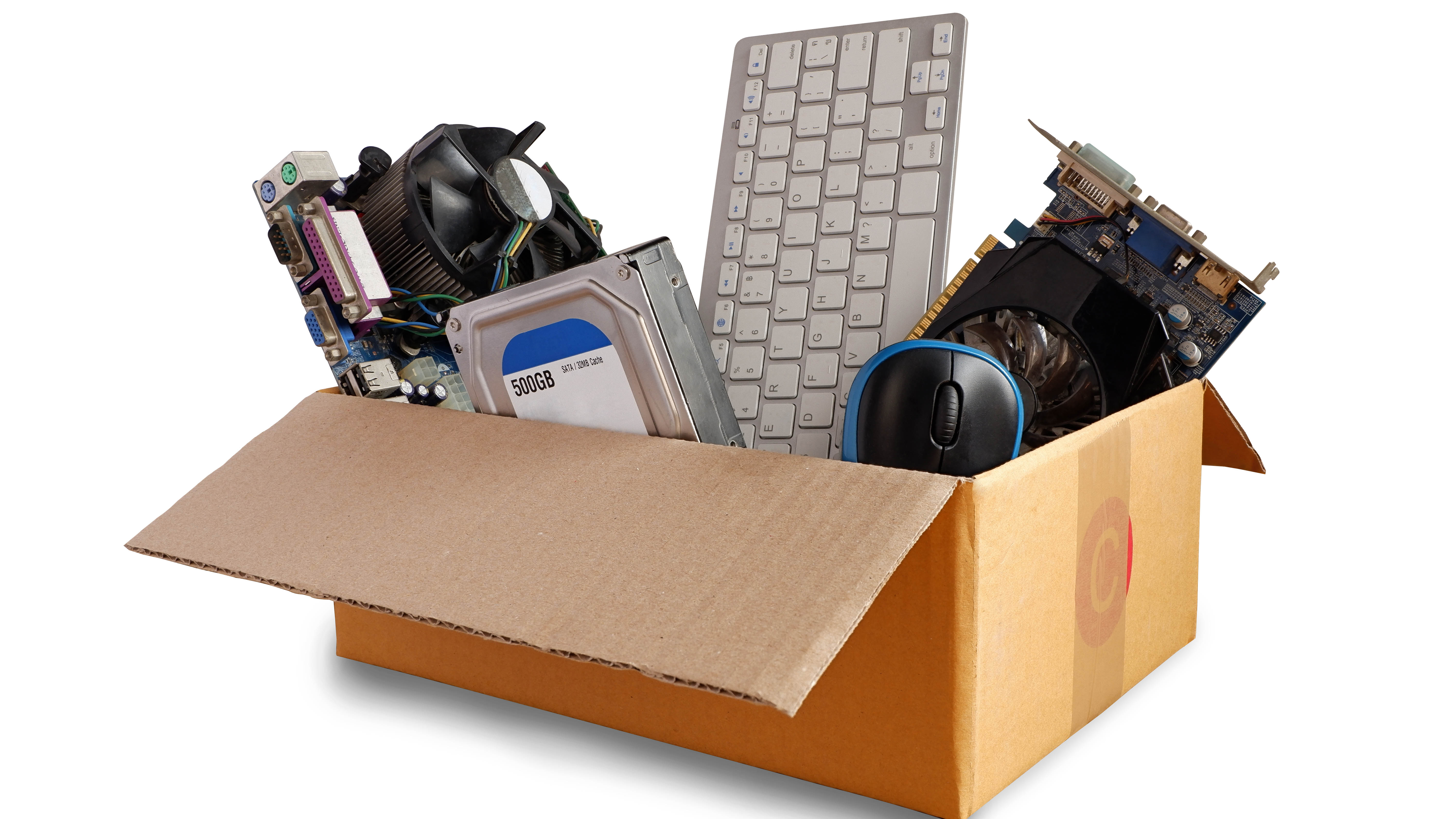
Kitchen appliances that are rarely used should also not occupy valuable pantry space. If a bread maker, pasta press, or fondue pot is not frequently utilized, it is advisable to rehome or donate them to free up shelf space.
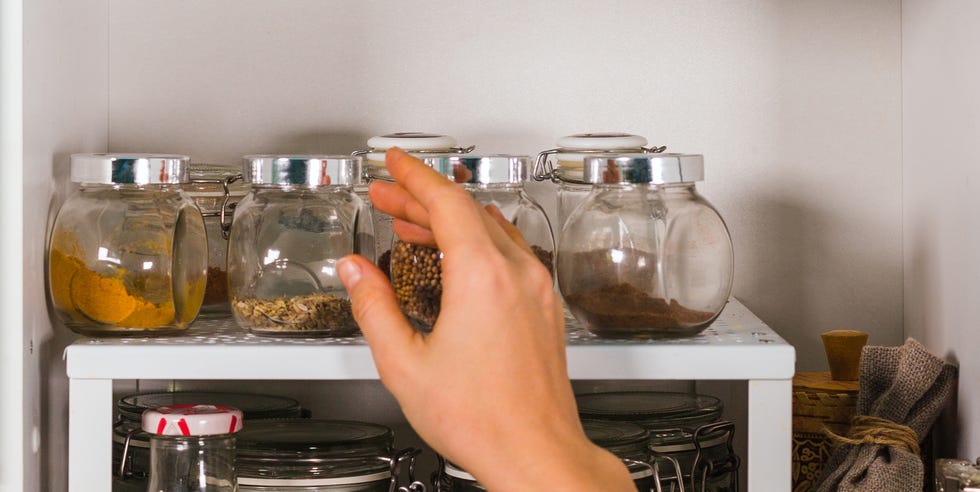
Expired spices are another common pantry culprit. While aesthetically pleasing when decanted into matching jars, this practice can obscure expiration dates. Regular checks are necessary to discard unused or expired spices, and labels should always include expiry dates when transferring spices to new containers.
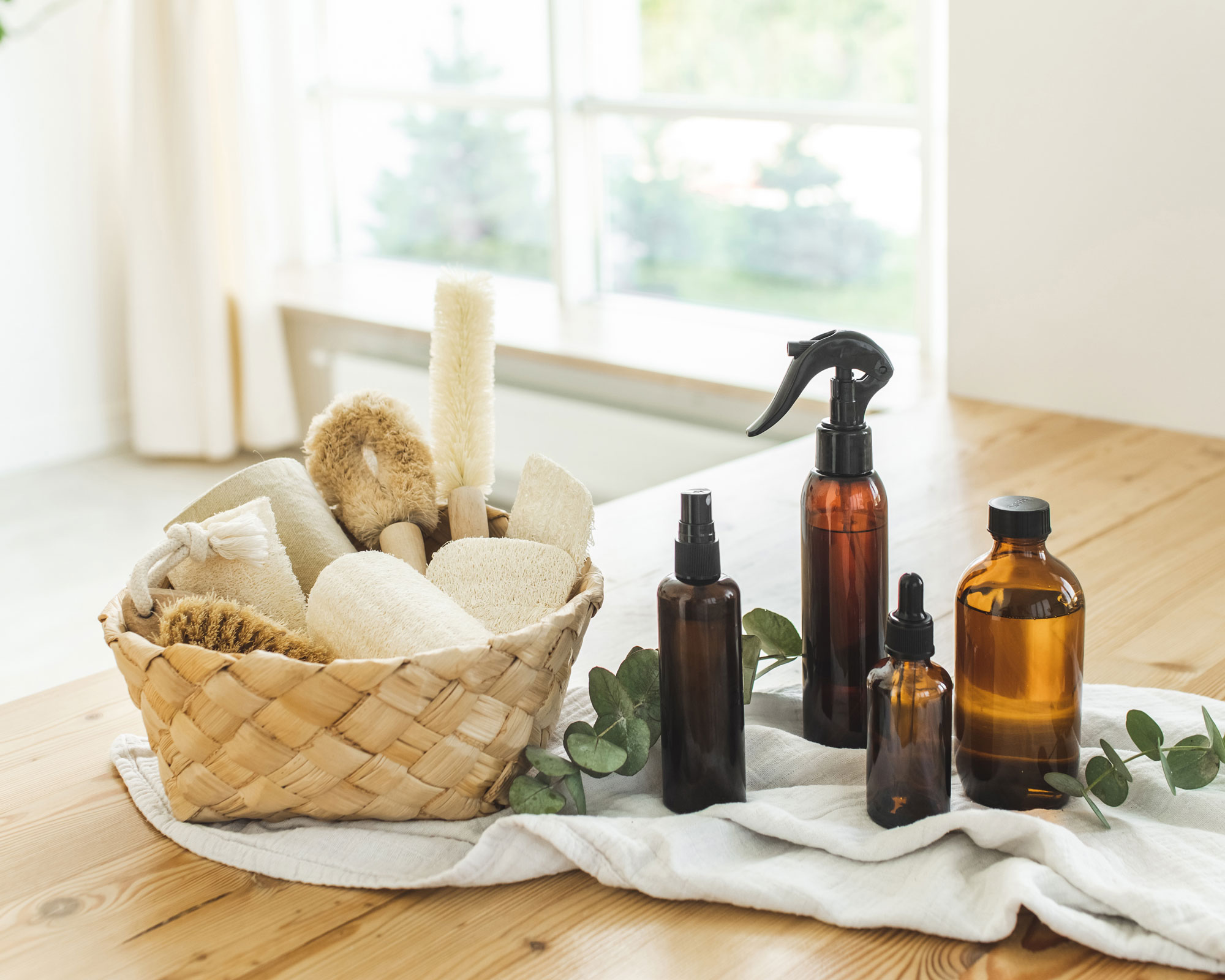
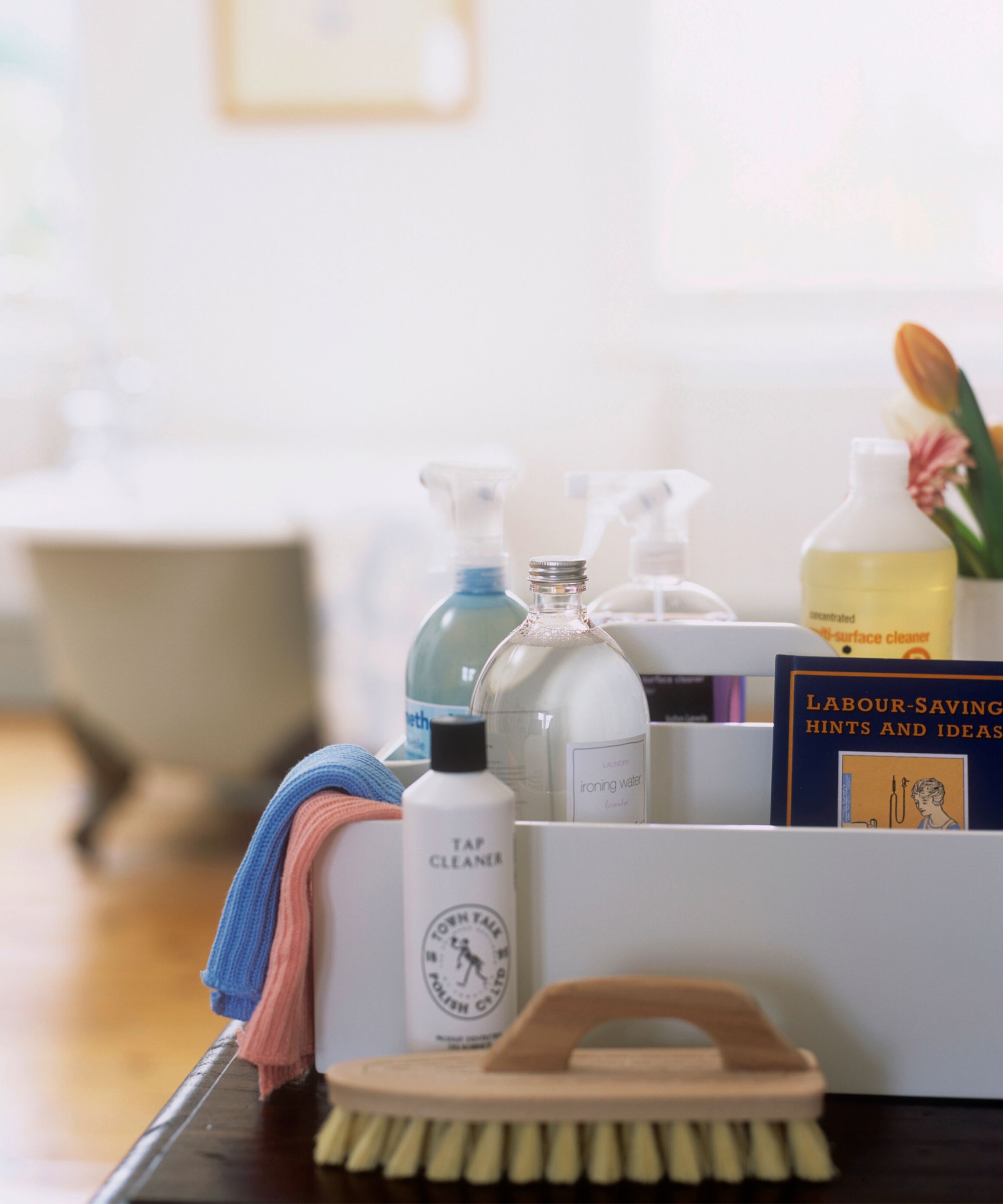
Hazardous materials, including cleaning supplies, paints, and DIY project chemicals, must never be stored in a food pantry. These substances can corrode over time and potentially contaminate food. Furthermore, to prevent accidental ingestion, especially in households with children, these items should be kept separate. Under the kitchen sink, with appropriate child locks, is a more suitable location, as this area's moisture and cooler air make it unsuitable for food storage.
Surprisingly, dish towels should also be excluded from pantry storage, as they can attract moths, which are undesirable near food. Heavily used towels can be repurposed or donated to animal shelters.
Storing excessive quantities of food that will not be consumed before its expiration date contributes to waste. While decanting dried goods is visually appealing and aids in inventory management, it should not encourage over-buying. If large amounts of food are consistently being discarded, it suggests an overstocked pantry, and a reallocation of shelf space to non-food items like dishes or linens should be considered.
Lidless containers also contribute to pantry clutter. Any food container missing its lid should be either matched with its lid or discarded to optimize storage space and organization.
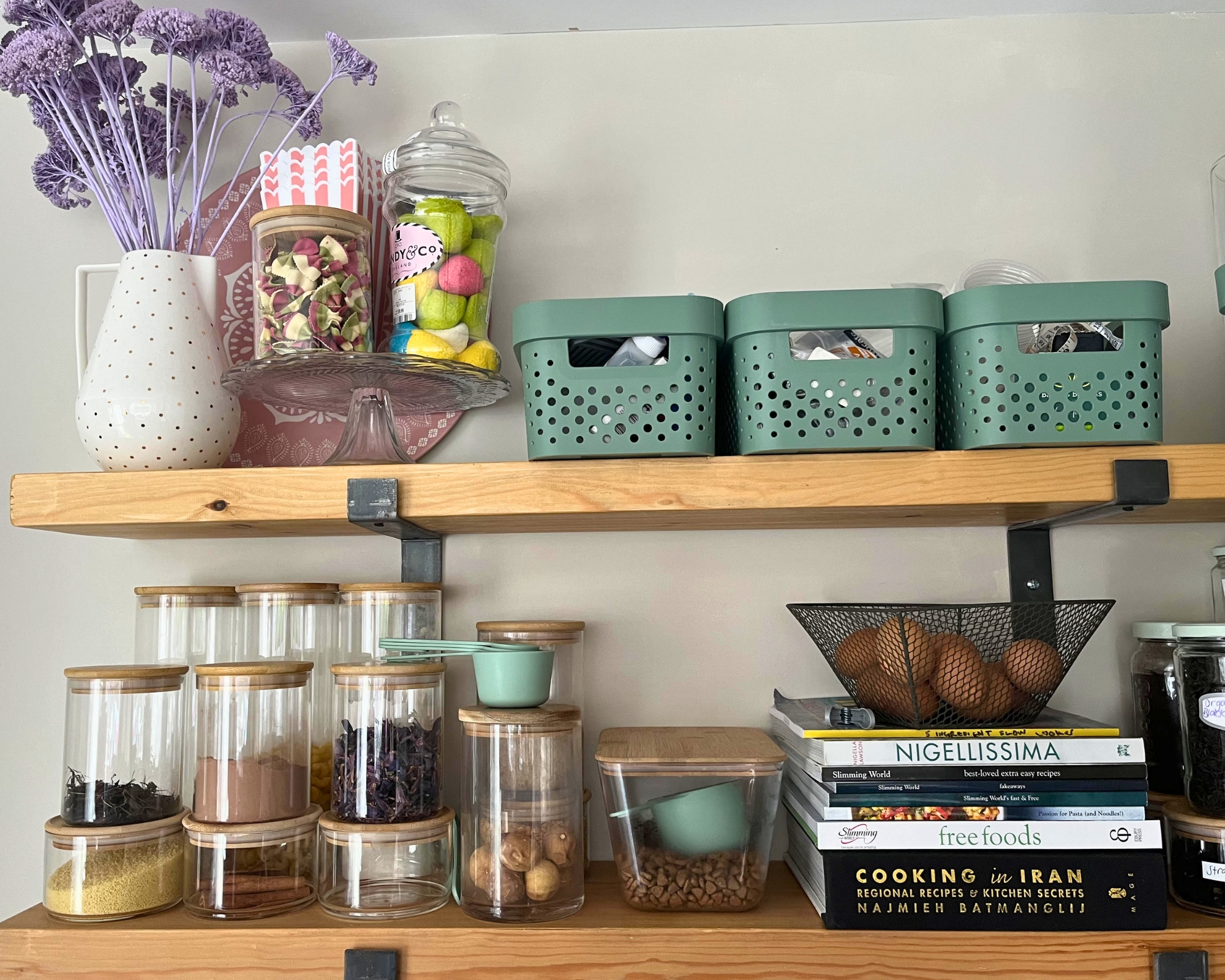
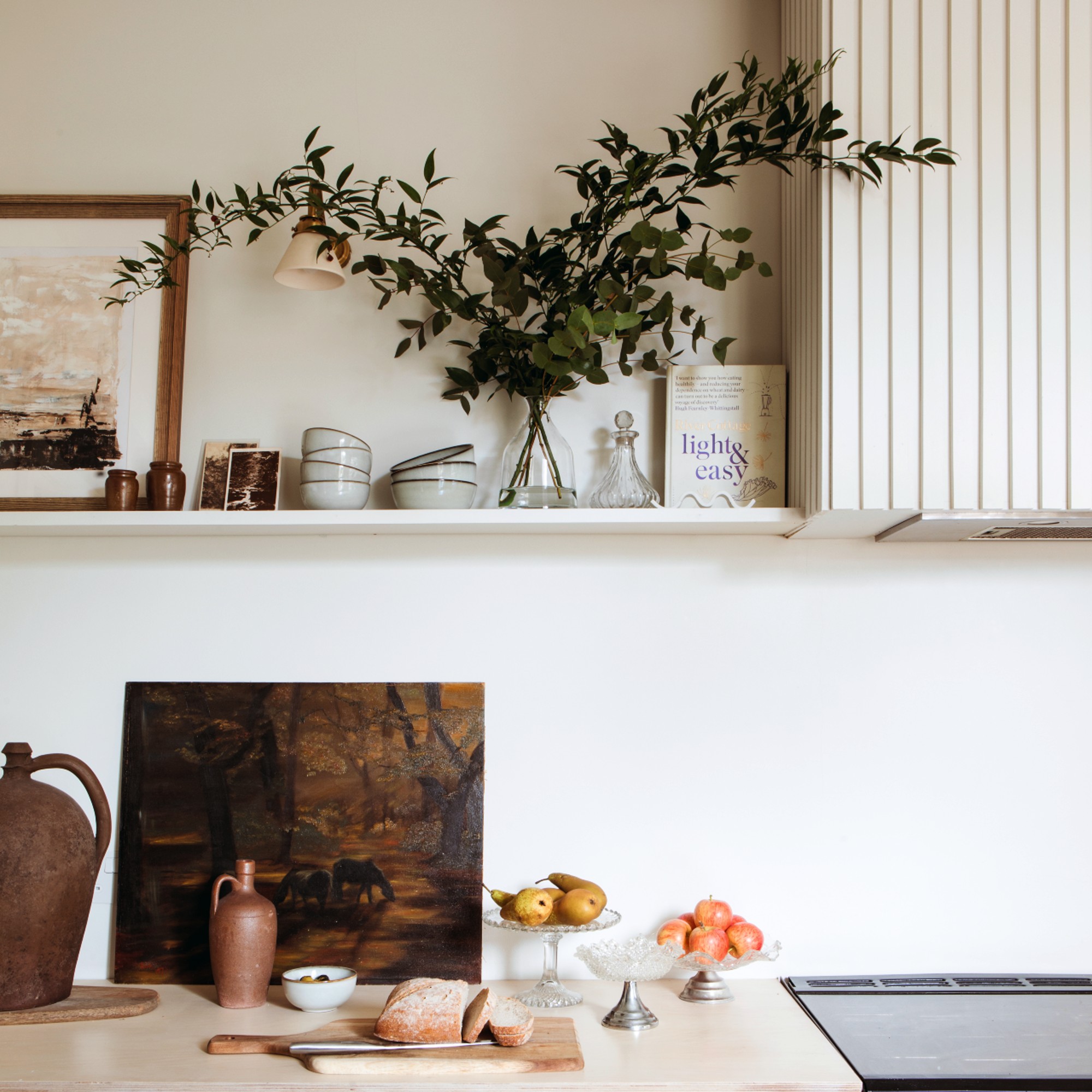
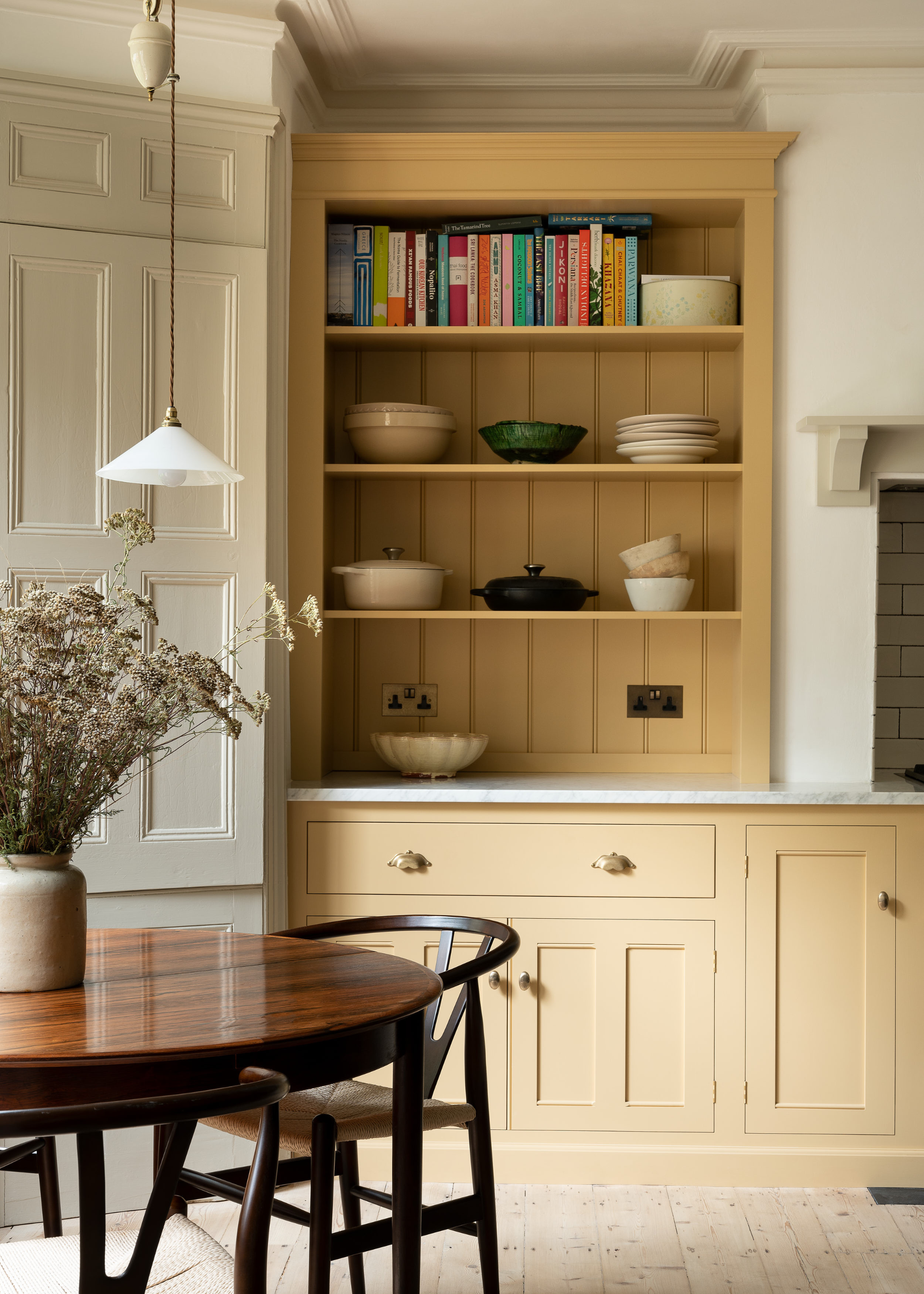
Finally, non-food related items such as cookbooks and manuals should not be stored in the pantry. Alternative storage solutions include incorporating book storage into kitchen design, utilizing the sides of kitchen islands, or placing them in dining rooms or utility rooms for convenient access. Maple syrup, especially pure varieties, should also be refrigerated once opened to prevent mold growth and preserve flavor, as its high sugar content and lack of artificial preservatives make it prone to spoilage at room temperature. Conversely, honey, due to its natural properties, is suitable for pantry storage.
#PantryOrganization #FoodStorage #KitchenOrganization #HomeDecluttering #StorageTips #KitchenEssentials #PestPrevention #FoodWasteReduction #HouseholdSafety #PantryOrganization #FoodStorage #KitchenOrganization #HomeDecluttering #StorageTips #KitchenEssentials #PestPrevention #FoodWasteReduction #HouseholdSafety
0 commentaire au total
 Aucun commentaire pour le moment
Vous aimerez aussi
Pros warn never to keep these 8 things in your pantry
11 items not to store in a bathroom cabinet, and what experts say to do instead

15 things you should never store in your basement – and why
6 Things You Should Never Store in Your Kitchen Cabinets—and Where to Keep Them Instead

6 Things You Should NEVER Keep In Your Pantry, According To Pro Organizers & Chefs
8 Things You Should NEVER Keep On Your Kitchen Counter
6 Things You Should Never Store In Your Laundry Room, According To Experts
10 things decluttering experts won't keep in their kitchen cupboards

7 types of storage you should never use in a pantry – they'll make utilizing this space well 10 times harder, pros say
7 Items You Should Never Store In Kitchen Cabinets
6 Things You Should Never Keep on Your Kitchen Counter

5 Outdated Types of Kitchen Storage Experts Are Urging You to Avoid

7 Things You Should Never Store in Your Pantry—They Take Up Space and Attract Pests

8 Things In Your Pantry You Should Toss ASAP, According To Pro Organizers

Items to never store in an entryway, according to cleaning, organizing and interiors experts
These 7 things should never be stored in plastic bins – don't risk damaging your possessions

Never store these 6 things on open kitchen shelving, warn pro organisers

9 items never to store in a bathroom vanity – according to the experts
7 things you should never store in plastic containers
13 Items You Should Remove from Your Pantry Right Now