1/2
High-Tech Windows
The drive for energy conservation, stemming from the oil embargoes of 1973 and 1979, continues to influence American housing construction. While initial efforts focused on insulation and draft resistance in walls, builders and designers are now concentrating on windows as the next area for significant improvement. Walls in new houses typically have R-values (resistance to heat flow) higher than 12, with some cold states exceeding R-15, which is more than a third higher than early 1970s norms. In stark contrast, a single-glazed window has an R-value of approximately 1, making it a major point of heat and cold transfer. Adding storm windows or switching to insulating glass (two panes with a sealed air space) only modestly increases the R-value to about 2. Triple-layer insulating glass can reach an R-value of 3 but is often impractical due to added weight, bulkiness, and a 1/6th reduction in light and warmth transmission per added layer of glass, alongside higher costs.
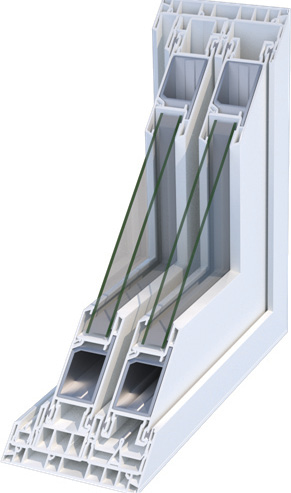
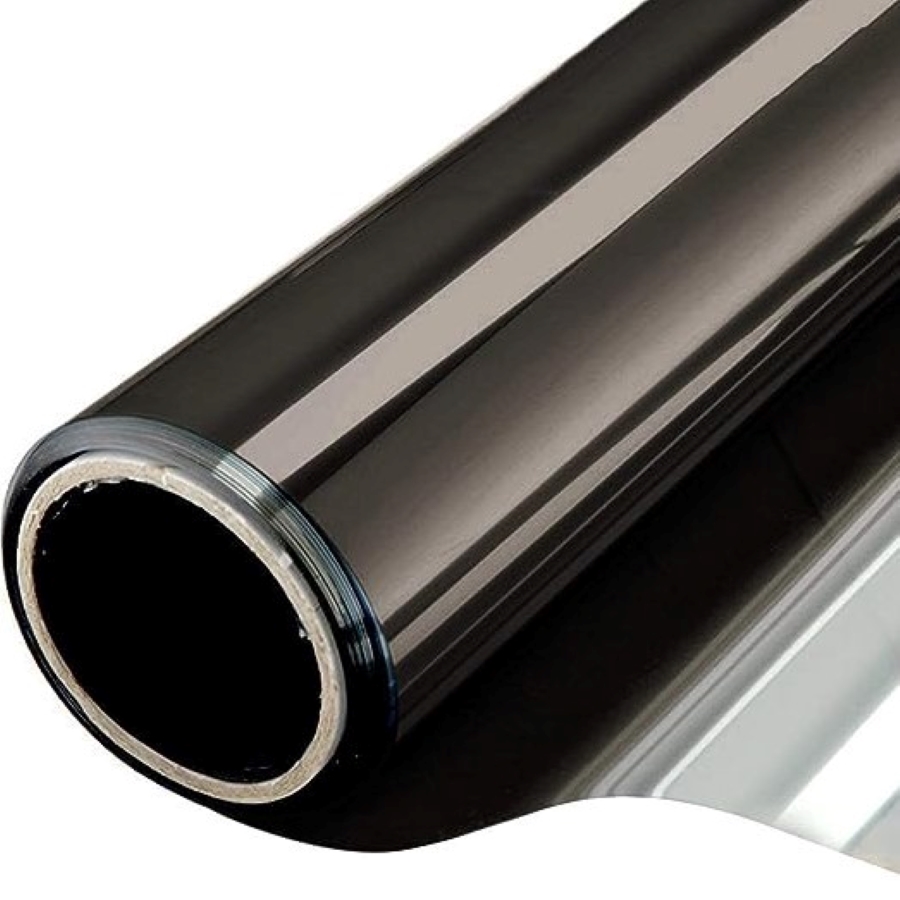
A current high-tech solution involves windows incorporating more than just glass. These advanced windows offer superior insulation, keeping indoor surfaces near room temperature, which prevents condensation and allows occupants to sit by windows without feeling cold. One innovation, SunGain, developed by 3M Company in 1981, uses thin polyester films suspended between two sheets of glass. Two such films create three separate dead-air pockets, forming a “quadpane” system with a winter R-value of 3.8, almost double that of standard insulating glass. Another advanced film, Heat Mirror, from Southwall Technologies (1981), includes a metal oxide layer that reflects warmth. It allows sunlight and near-infrared radiation to pass through but bounces back radiant energy generated by a furnace or objects within the house, achieving an R-value of 4.3. Heat Mirror enabled the creation of "low-E" windows, which have low emissivity, meaning they transmit less long-wave radiant energy than ordinary windows. While a drawback is a noticeable reduction in solar warmth entering through south-facing windows in winter, the radiant energy retained within the house often compensates. In hot climates like Miami and Phoenix, blocking solar heat is beneficial. Southwall later introduced Heat Mirror 66 for southern and southwestern markets, which blocks even more solar heat while maintaining ample light.
Energy-conscious builders initially adopted film systems like Heat Mirror but have since shifted to low-E coatings applied directly to glass. These coatings can be a single layer or a triple layer (a metal core like silver for reflection, flanked by anti-reflective materials). Although most low-E coatings can impart a faint blue or gray tint, they are easier for window-makers to work with. PPG Industries introduced Sungate 100 in 1983, a sputter-coated glass, which Deck House adopted. Sputter-coated glass, where materials are vacuum-deposited, achieves an R-value of about 3, equivalent to triple glazing, without the added thickness or weight. This coating must face the sealed air space as it can be damaged by touch or moisture.
A newer method involves spraying a coating onto hot glass, creating a hard, baked-on surface. "Hard-coat" low-E glass is impervious to moisture and can be exposed to the atmosphere and normal handling, making it convenient for manufacturers. However, only certain hard-coat products, like Glaverbel's Comfort, claim energy efficiency comparable to sputter-coats, though generally less than Heat Mirror or 3M films. Until hard-coat products are upgraded, sputter-coat glass or film systems like Heat Mirror or 3M are generally more effective for homeowners. Hard-coat low-E glass is a good choice for storm windows, as they are not fully sealed. The article suggests hard-coat glass for east, west, and north-facing storm windows in cold, sunny climates but not for south-facing windows due to solar warmth loss.
Annual production of low-E glass in the U.S. is projected to reach 125 million square feet by 1988. Further advancements include filling the air space in low-E windows with argon, an invisible inert gas. Argon's large, heavy molecules conduct heat less readily than air. The SNE Corporation claims its argon-filled sputter-coat low-E systems (Crestline and Vetter) can achieve R-values as high as 5.
For even better energy performance, insulating shutters and blinds, known as movable insulation, were once considered promising, with R-values up to 15. However, this field has faced mechanical issues, such as shades falling out of tracks or condensation forming. Daily effort from homeowners to deploy and remove them is also a deterrent. Additionally, the lack of marketing and distribution power compared to major glass manufacturers has hindered the adoption of movable insulation. Low-E windows also block most ultraviolet rays, preventing fading of carpets and draperies.
When purchasing, customers should inquire about the R-value (or U-value) of the glass and the entire window assembly, as frame conduction and air leakage can negate glass improvements. Manufacturers like Andersen and Pella have improved window designs for better insulation and ease of cleaning. For instance, Marvin and Andersen offer double-hung windows with pivoting sashes for easier cleaning. Rolscreen produces casement windows that pivot into the center for better cleaning and ventilation. Rolscreen also offers Slimshades, thin Venetian blinds with low-E coating installed between glass panes, achieving an R-value of 4.35.
Ornamental windows, including round-arched and stained-glass designs, are a prominent trend. Many new stained-glass windows are insulated. The era of the large picture window is evolving, with many now camouflaged by dividers imitating muntins to create the appearance of multiple small panes. These false muntins, often made of snap-in grilles, are criticized for their unconvincing appearance. More effective solutions include wooden grilles placed between glass panes (Rolscreen) or on the room side or exterior (Woodstone). Peachtree introduced a removable solid-pine liner with muntin bars and a part of the surrounding sash that can be lifted off for cleaning. While clever, this is viewed as an ornamental rather than a functional improvement. For truly authentic divided lights with insulating glass, Marvin and other companies offer custom orders, though these are more expensive and the larger muntins needed for insulating glass can affect the aesthetic proportions. Many who value historical styling opt for single-glazed, multi-light windows with storm windows. While hard-coat low-E glass can be ordered for true divided lights, these still fall short of maximum energy conservation. The article concludes that technology and tradition in home design are yet to be fully reconciled.
#EnergyConservation #WindowTechnology #HomeImprovement #LowEWindows #BuildingMaterials #SustainableDesign #ArchitecturalTrends #InsulatingGlass #BuildingCodes #EnergyConservation #WindowTechnology #HomeImprovement #LowEWindows #BuildingMaterials #SustainableDesign #ArchitecturalTrends #InsulatingGlass #BuildingCodes
0 comment in total
 No comments yet
You may also like
Eight living spaces with industrial Crittal-style windows
Windows and Frames: The Silent Revolution Changing the Way We See Light and Landscapes

Awkwardly Placed Windows Are No Match for These Designer Tricks

How Smart Windows Work
Kolbe Windows & Doors Enhances a Sleek Indoor/Outdoor Oasis

These 8 Unusual Windows Will Take You by Surprise

Progress Never Stops for Window Manufacturers
The Shade Store’s automated window treatments empower any project

2020 Industry Trends | Part 3
Awning Windows From Marvin Make Fresh Air Automatic

In the frame: windows and skylights with a different perspective

15 Magnificent Picture Windows That Frame Enviable Views
Shedding Light on the Future of Window Treatments

Smart Blinds: Window Covering in the Matter Standard
Doors & Windows

Are window shutters out of style? Interior designers weigh in

J Geiger Reinvents Luxury Home Shading for a New Audience
A Beginner’s Guide to High-Performance Windows

Which window treatments will actually keep my house cool? 5 ideas that will help control the temperature inside

Well-Dressed Windows | The Shade Store X Studio McGee