1/7
A Beginner’s Guide to High-Performance Windows
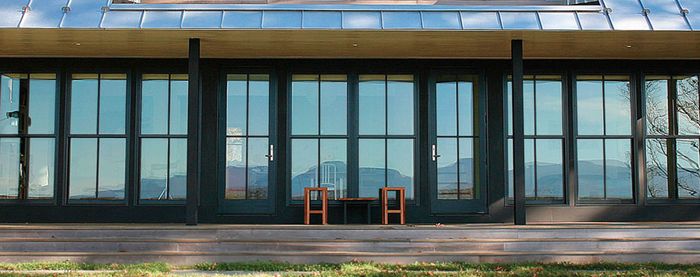
The term "high-performance windows" is frequently used in construction and renovation projects, but its specific meaning can vary. There is no universal definition, as what constitutes high performance depends on various factors such as climate, housing type, and solar orientation. Manufacturers often define "high performance" based on their own product capabilities. Windows are an integral part of a building's overall enclosure, and their energy efficiency must be considered within a holistic approach, alongside insulation and HVAC systems.
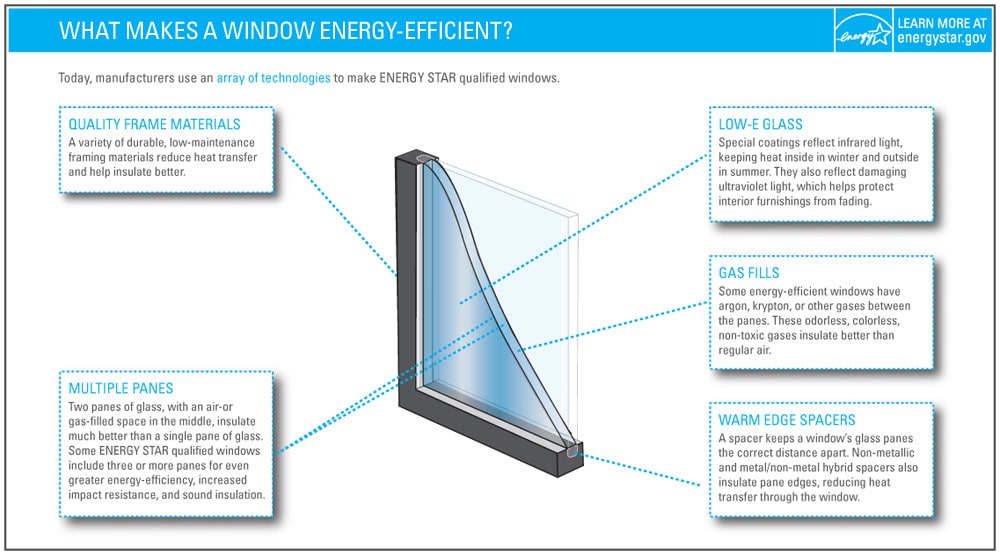
Several factors contribute to a window's performance, with the glazing being particularly important due to its large surface area. Insulating glass units (IGUs) offer a wide range of options, from simple double-pane clear glass to multi-pane assemblies featuring low-emissivity coatings and gas fills. The window frame, spacers between glass panes, and hardware that ensures an airtight seal also play crucial roles. The National Fenestration Rating Council (NFRC), a non-profit organization, provides performance ratings for windows through a voluntary certification program, which is often a prerequisite for Energy Star qualification.
NFRC labels provide four key performance metrics. The U-factor, ranging from 0.2 to 1.2, measures the window's resistance to heat flow; a lower U-factor indicates better thermal efficiency. The Solar Heat Gain Coefficient (SHGC), between 0 and 1, quantifies the amount of solar heat that enters the building; lower SHGC values are desirable in cooling climates, while higher values can be beneficial for passive solar heating in colder regions. Visible Transmittance, also between 0 and 1, indicates the amount of visible light passing through the glass. Air Leakage certifies that the window allows minimal air infiltration. For energy efficiency, the U-factor and SHGC are the most significant metrics.
Energy Star, a program by the Department of Environmental Protection, establishes minimum performance requirements for windows based on climate zones across the United States. These requirements vary significantly between regions, such as the Deep South and northern climates. Energy Star also offers a "Most Efficient" classification for windows that surpass standard minimums. The International Residential Code (IRC) and the Passive House Institute U.S. (PHIUS) also provide their own performance recommendations, with PHIUS standards being significantly more stringent than conventional construction codes.
Window manufacturers offer various glazing options, including double-pane, triple-pane, and even quad-pane units, some incorporating suspended plastic films to enhance insulation. In colder climates, the choice between double and triple-pane windows is influenced by the amount of glass in exterior walls and the windows' orientation. Triple-pane units generally offer nearly double the insulating value of double-pane units, contributing to better thermal performance and occupant comfort by reducing radiant heat loss. Strategic selection of windows, particularly for south-facing orientations, can balance high insulating values with optimal solar heat gain.
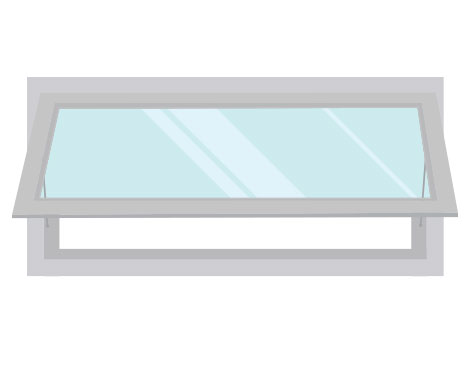
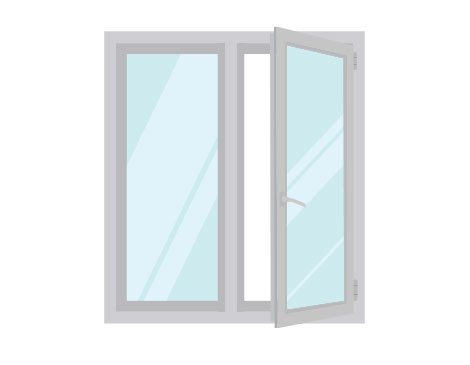
European tilt-turn windows are another high-performance option, particularly favored in Passive Houses and superinsulated buildings. These windows, common in Europe but less so in the U.S., offer versatile operation (casement-style opening or top-tilting hopper function) and are known for their robust construction and multi-point locking systems, which ensure excellent airtightness. While European windows often come with longer lead times and higher costs, they are lauded for their focus on performance and durability, often built to last the lifetime of the house. However, direct comparison between European and NFRC ratings can be challenging due to differing simulation conditions and standards. The decision to invest in high-performance windows involves considering the initial cost versus long-term energy savings, occupant comfort, and condensation resistance, which can be estimated using online calculators like those provided by the Efficient Windows Collaborative. While the economic payback period for high-end windows in net-zero homes can be very long due to already minimal heating loads, for conventional homes, the energy savings are more substantial and economically favorable. Builders and designers emphasize that a high-performance window should exceed building code U-factor requirements and maintain superior airtightness, with specific performance targets varying by climate zone and project needs.
#HighPerformanceWindows #WindowEfficiency #EnergyStar #NFRCRating #UFactor #SHGC #TriplePaneWindows #PassiveHouse #BuildingCodes #HomeRenovation #HighPerformanceWindows #WindowEfficiency #EnergyStar #NFRCRating #UFactor #SHGC #TriplePaneWindows #PassiveHouse #BuildingCodes #HomeRenovation
0 comment in total
 No comments yet
You may also like

5 Best Window Brands for Your Home (2025)


8 Best Window Brands, According to Home Renovation Experts


13 Professional Tricks to Make Your Windows Look Bigger

Progress Never Stops for Window Manufacturers
The Best Window Brands for the Home


Glass Menagerie: Your Guide to Selecting The Best Windows For Your Midwestern Abode

Learn About Windows (2025)

Eight living spaces with industrial Crittal-style windows

5 Best Window Brands for Your Home (2026)


How to Pick Windows: 5 Factors to Consider

The Very Best Window Curtains

Home Window Installation, Parts and Repair


High-Tech Windows

Single vs Double Hung Windows: Cost, Safety, Energy Efficiency


Window Pros Break Down Six Styles


George Clarke's top tips on choosing the perfect window treatments for your space

Compare Most Energy Efficient Windows (2025)

Compare the 5 Best Window Replacement Companies of 2026
7 Best Window Well Covers

6 Ways to Choose the Right Window Designs for Your Home