How to Pick Windows: 5 Factors to Consider
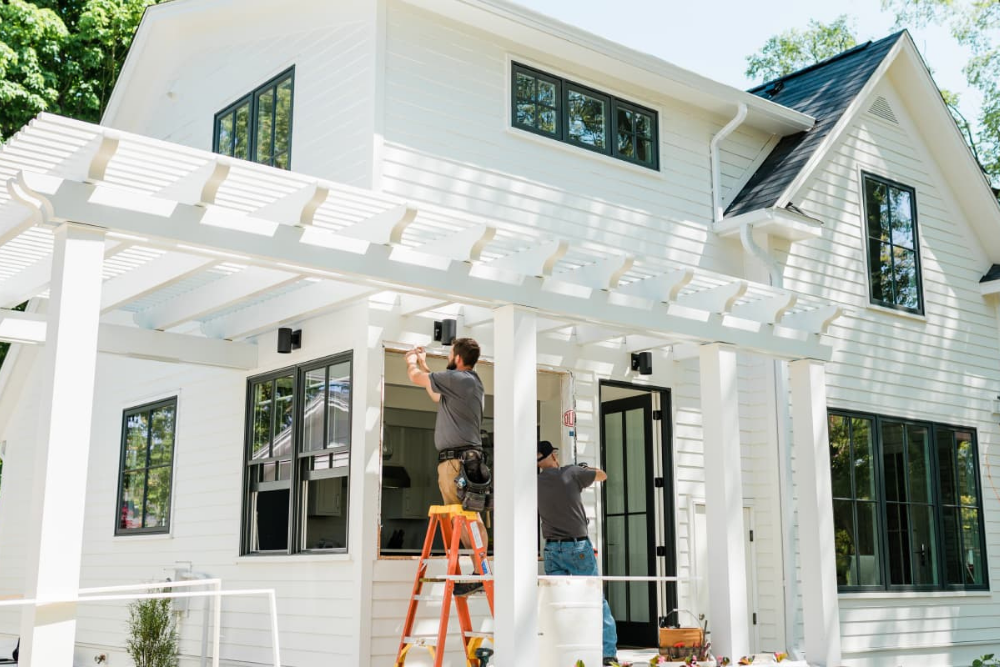
Choosing the right windows for a home involves balancing cost, aesthetic appeal, and energy efficiency, a process that can be overwhelming due to the variety of styles, materials, and features available. The initial consideration is the window company itself. Companies may offer in-house installation, providing a single point of contact for the entire project, while others outsource installation to third parties. Some well-known window companies also offer additional home services like doors, siding, and sunrooms, potentially allowing for bundled services at a better price. Another important factor is the warranty, which typically covers windows for at least 20 years, though coverage may vary for different components like glass and frames. While installation issues are rarely covered, a proper installation is crucial for window functionality. Transferable warranties can be a valuable selling point if the homeowner plans to sell the property within the warranty period.
The cost of window replacement is a significant consideration, with individual windows ranging from $300 to $2,500, and whole-house projects averaging over $7,000. These prices fluctuate based on the company, window style, materials, size, and location within the home. For instance, aluminum frames are inexpensive but less energy-efficient, potentially leading to higher long-term heating and cooling costs. Conversely, energy-efficient treatments such as tinting or laminate may have a higher upfront cost but can reduce annual energy bills by 7% to 15%. Some companies offer discounts for large projects or zero-interest financing if paid within a specific timeframe. Homeowners are advised to compare financing options beyond contractor offers, considering personal loans, Home Equity Lines of Credit (HELOCs), home equity loans, or credit cards, depending on the project's scope.
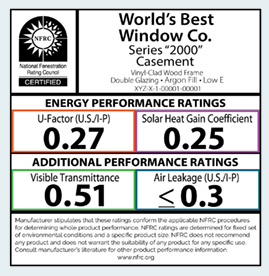
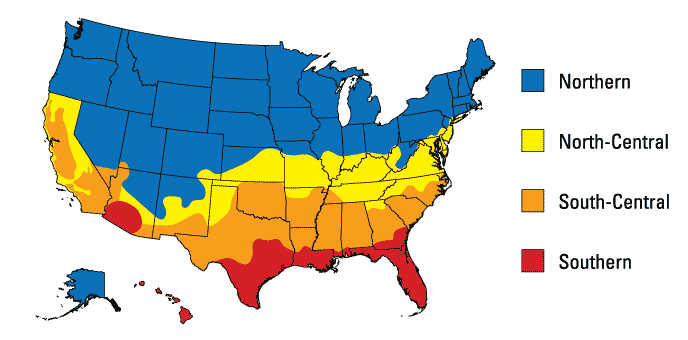
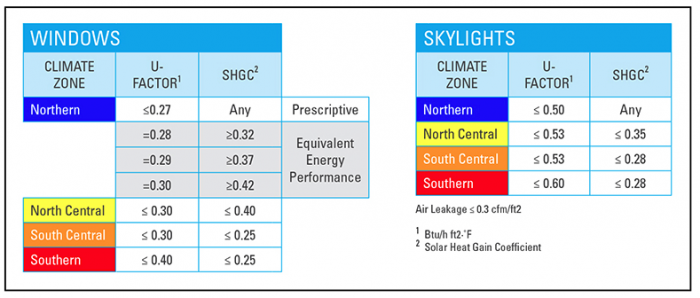
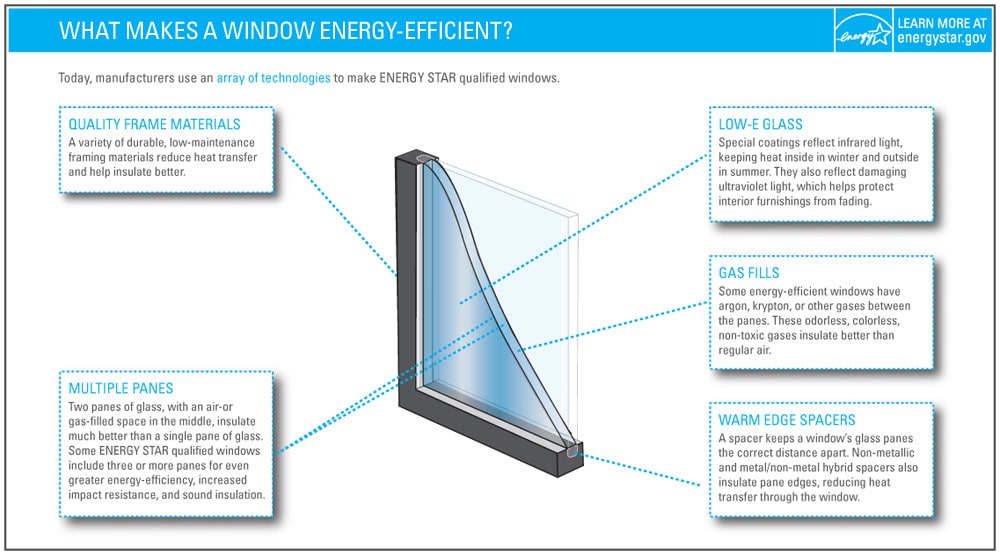
Energy efficiency is crucial for long-term cost savings and environmental benefits. Many leading window companies partner with Energy Star, a government program that certifies windows after rigorous testing for energy efficiency. Energy-efficient windows typically feature multiple glass panes, low-emissivity (Low-E) coatings, and insulating frames made from materials like vinyl or wood. They may also include spacers or gas fillings between panes. Low-E glass, in particular, can reduce heat loss by up to 50% but might diminish natural light. Most window styles have an energy-efficient variant, and consulting with a window company can help explore these options.
Window materials significantly impact appearance, lifespan, and function. Glass options include single-pane, double-pane, and triple-pane, with increased cost correlating with more panes. Tempered glass is stronger and more break-resistant but offers fewer customization choices. Frame materials vary, with vinyl being low-cost and easy to maintain but prone to warping in heat. Wood frames offer a classic look but require more upkeep to prevent rot and warp. Aluminum is durable but heat-conductive, making it unsuitable for extreme climates. Fiberglass is energy-efficient and low-maintenance but also the most expensive. Composite windows combine the aesthetics of wood with enhanced durability.
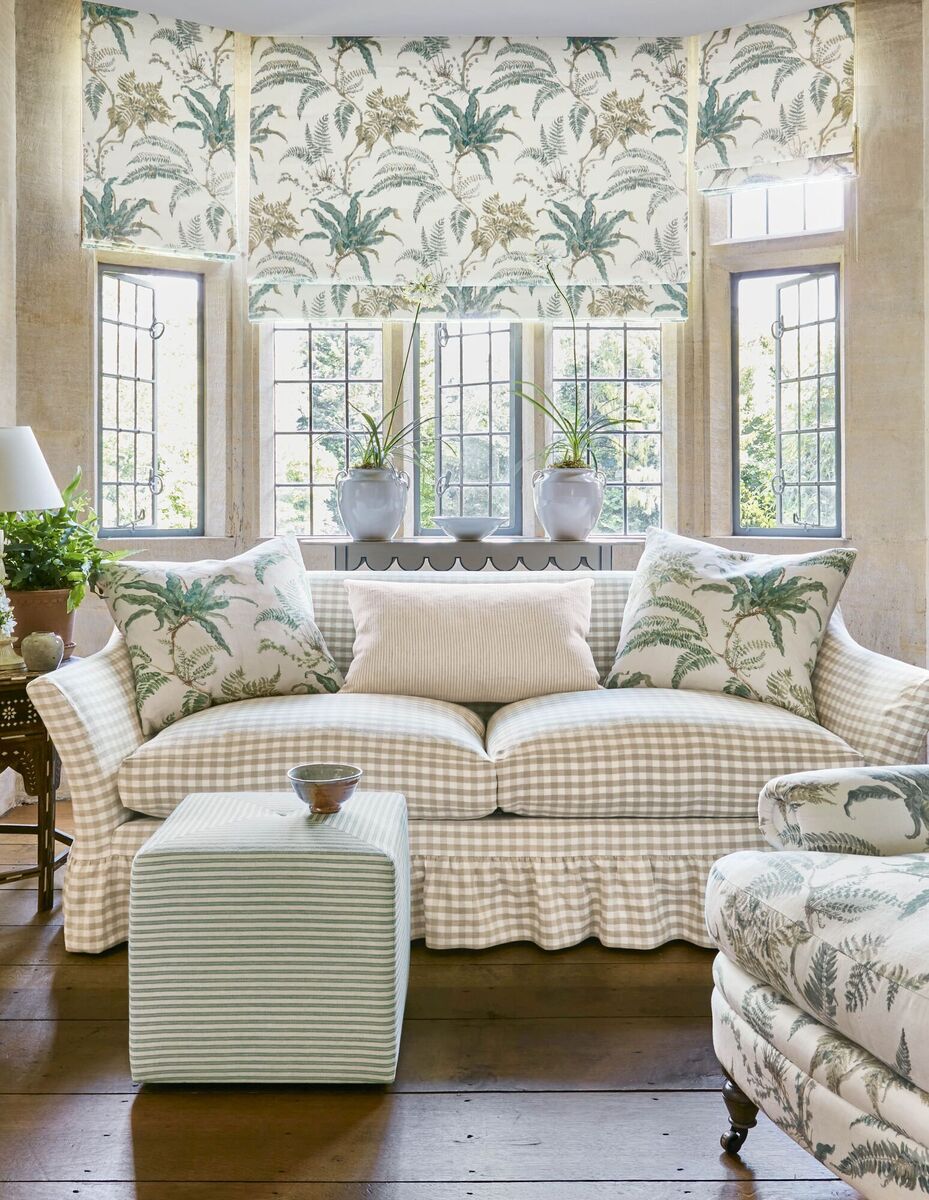
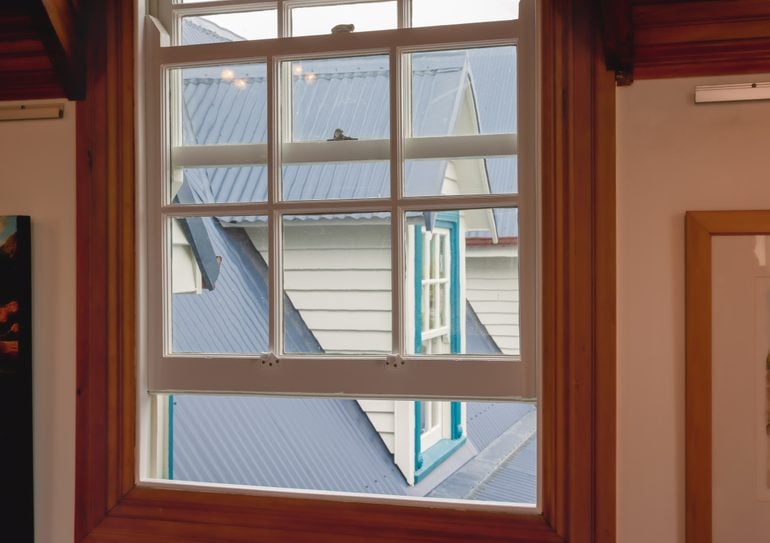
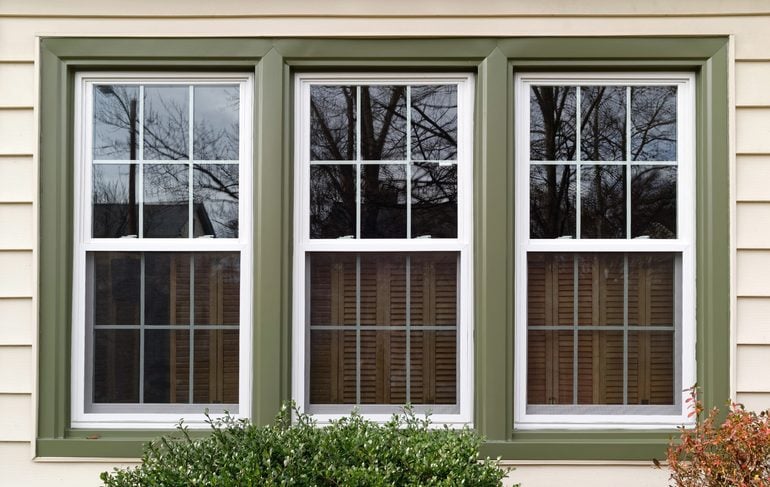
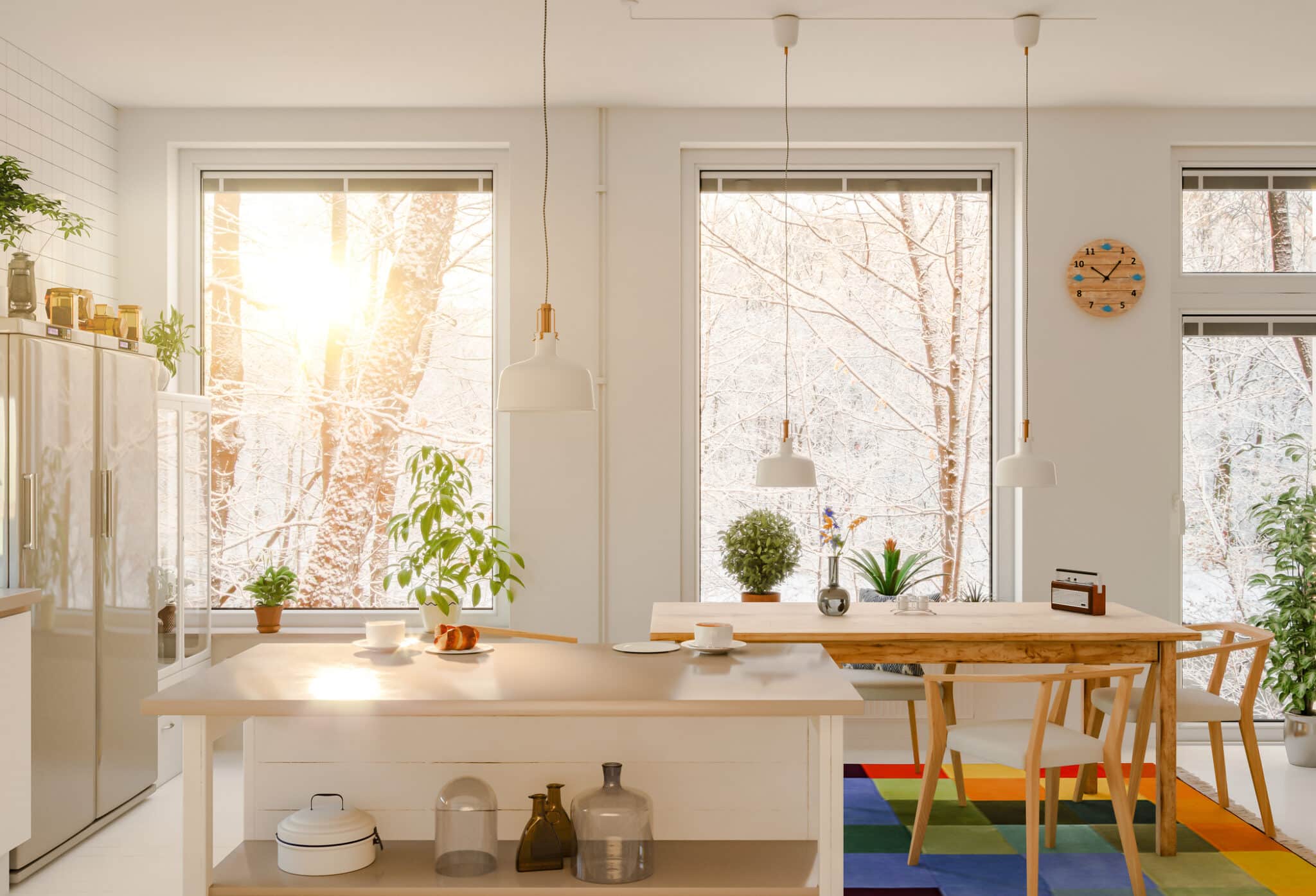
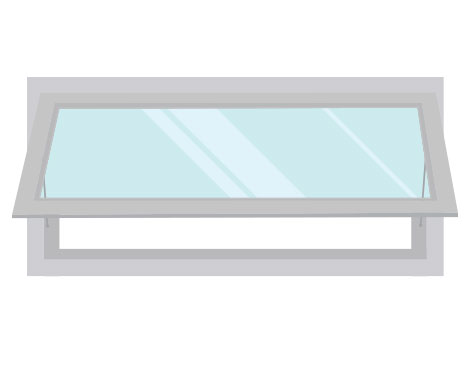
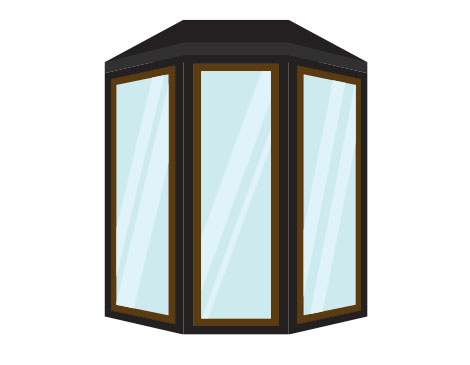
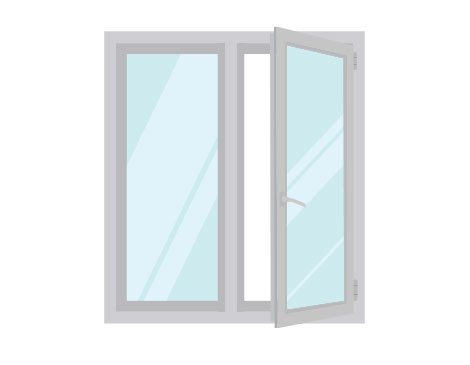
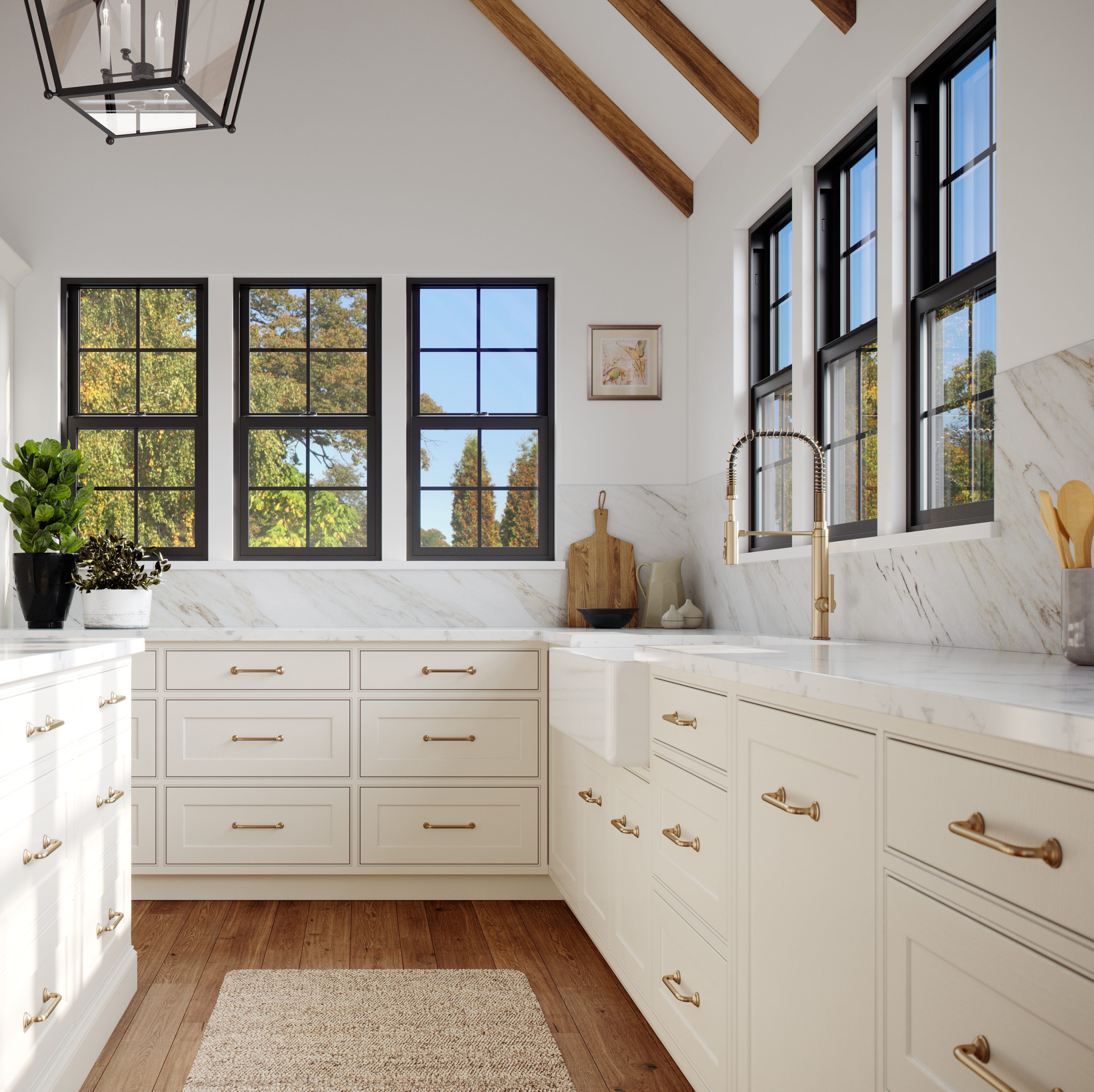
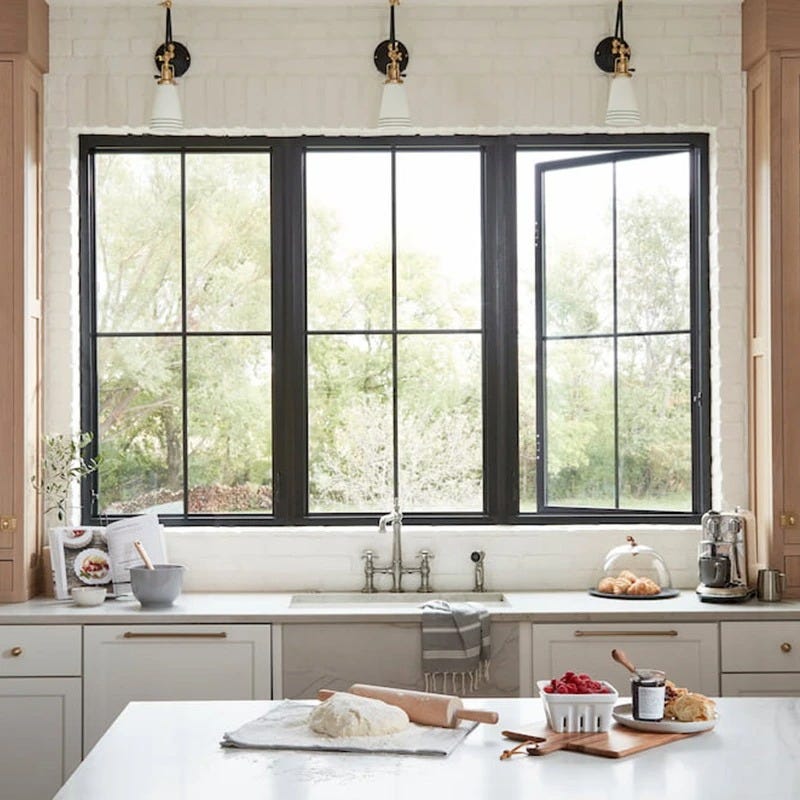
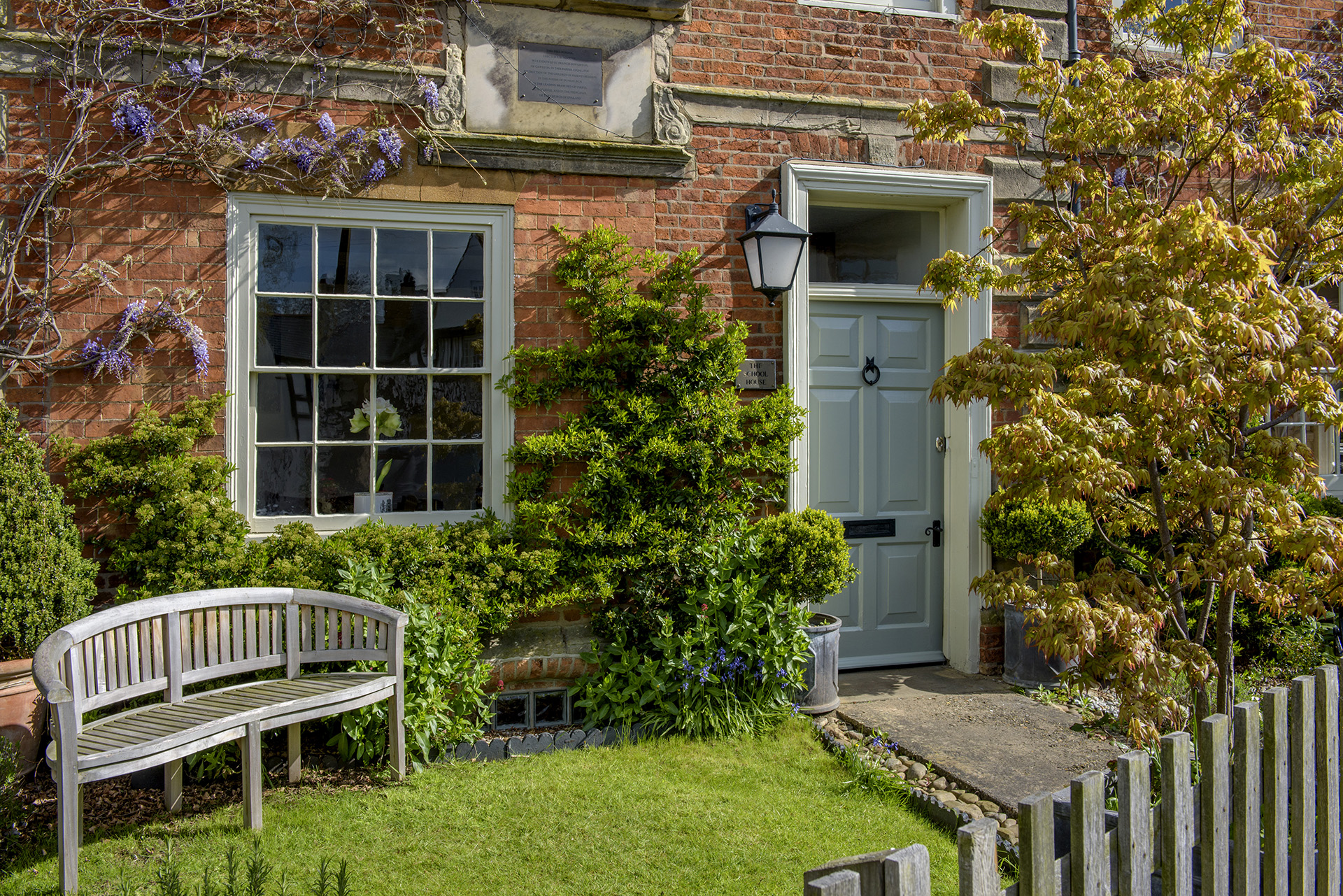
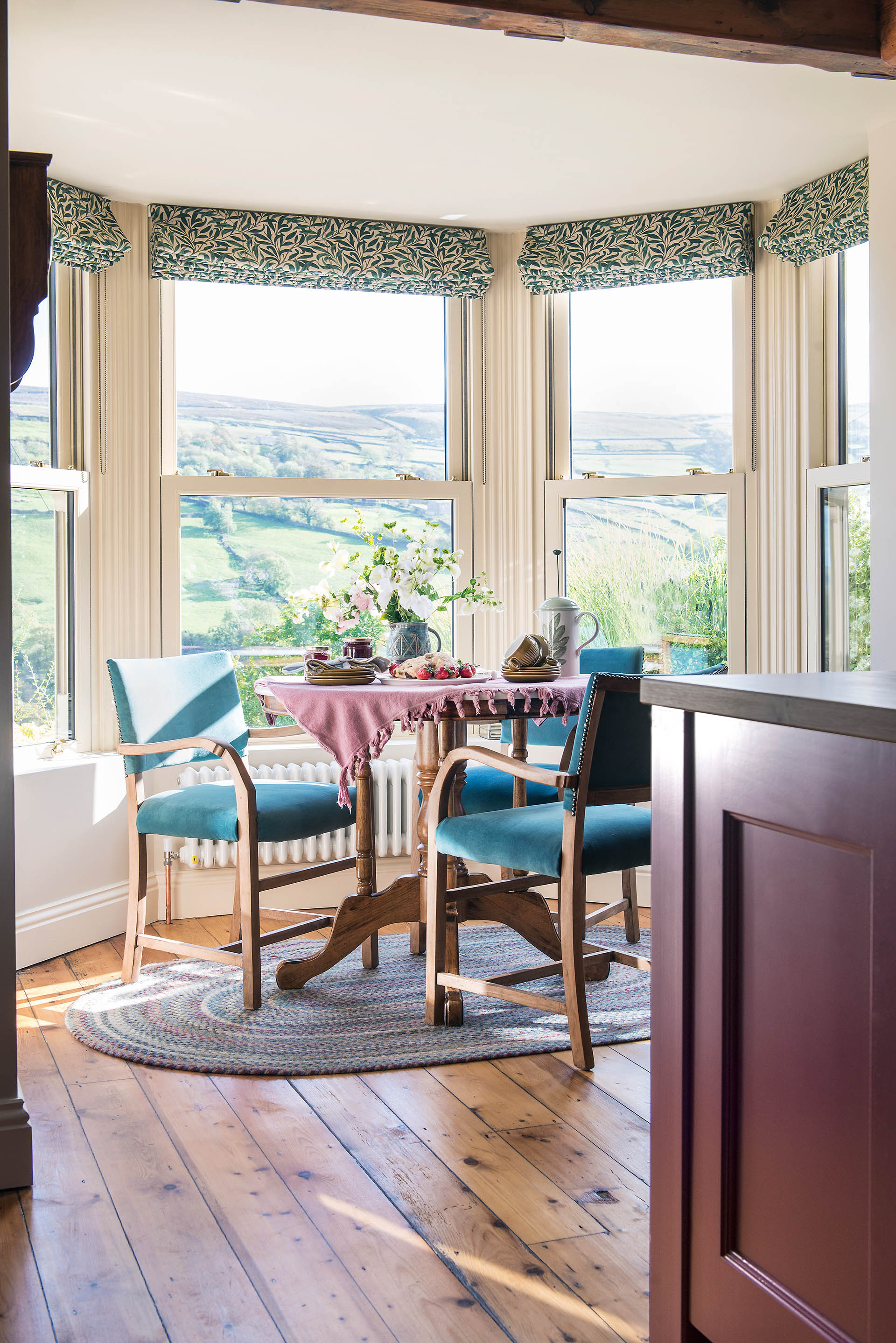
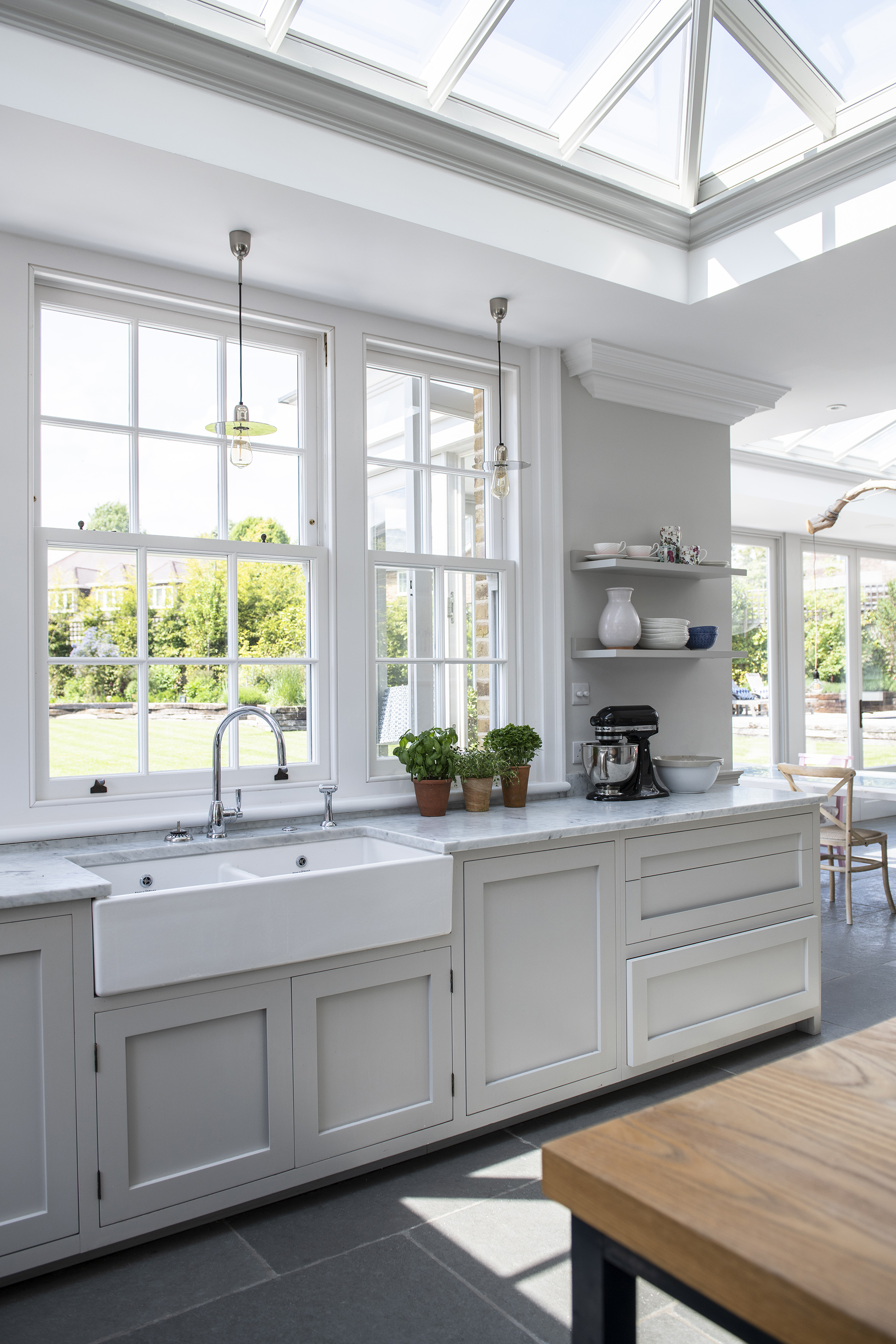
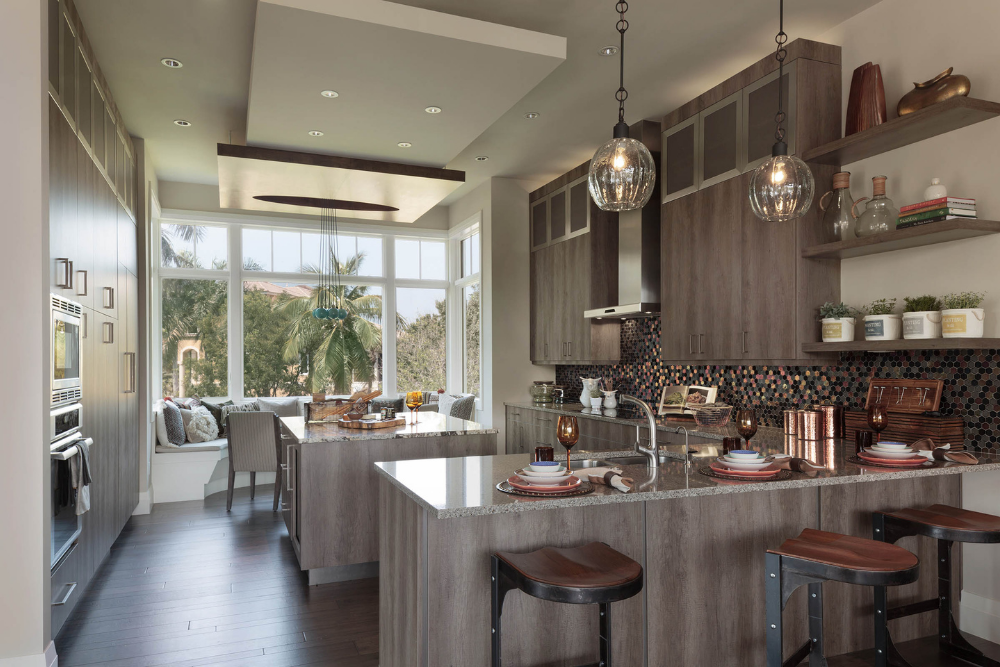
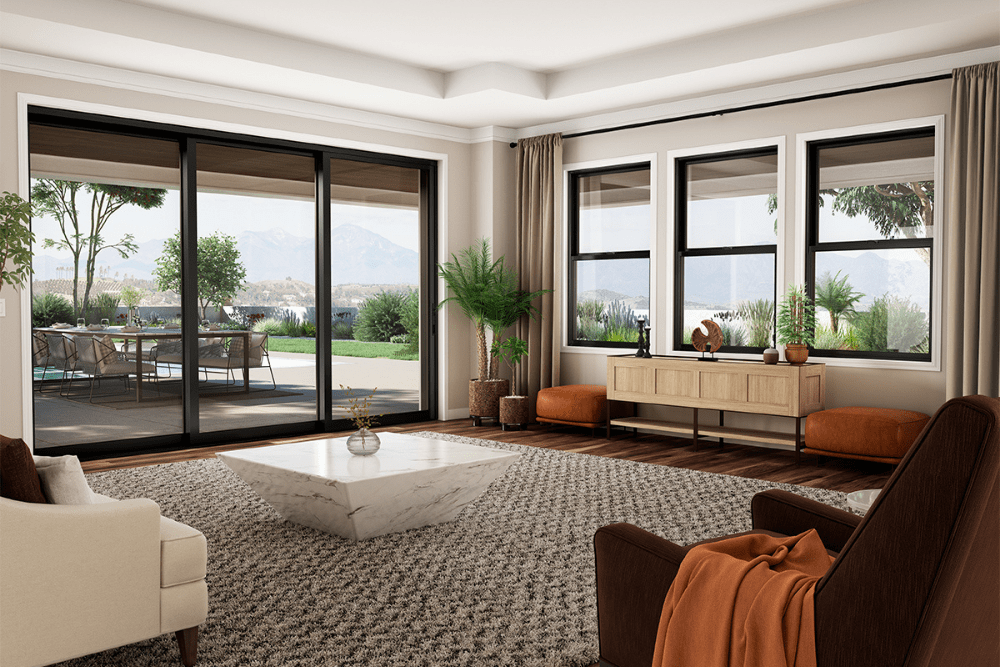
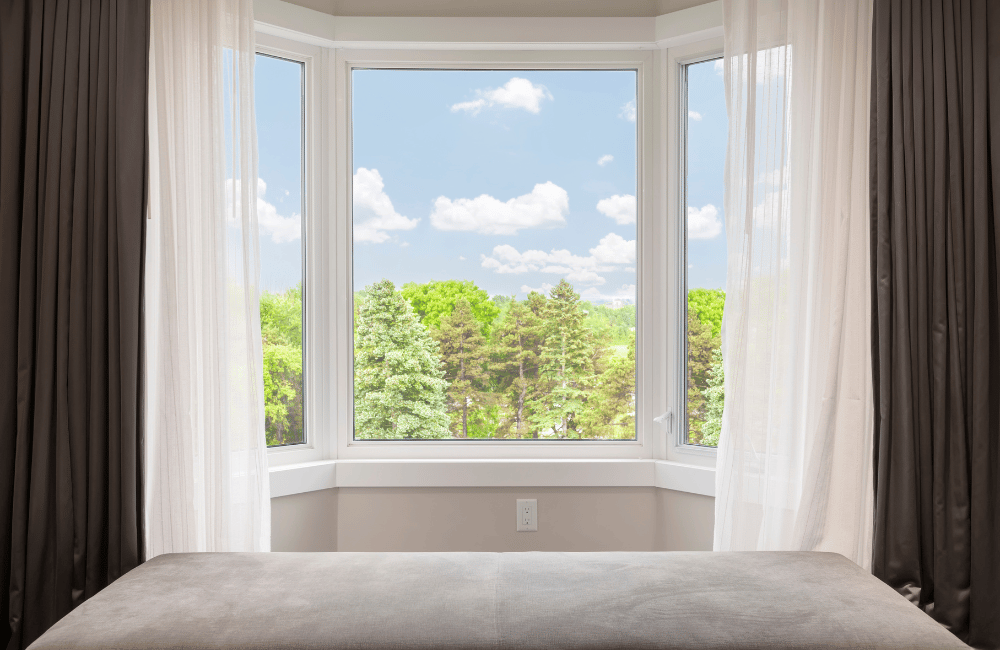
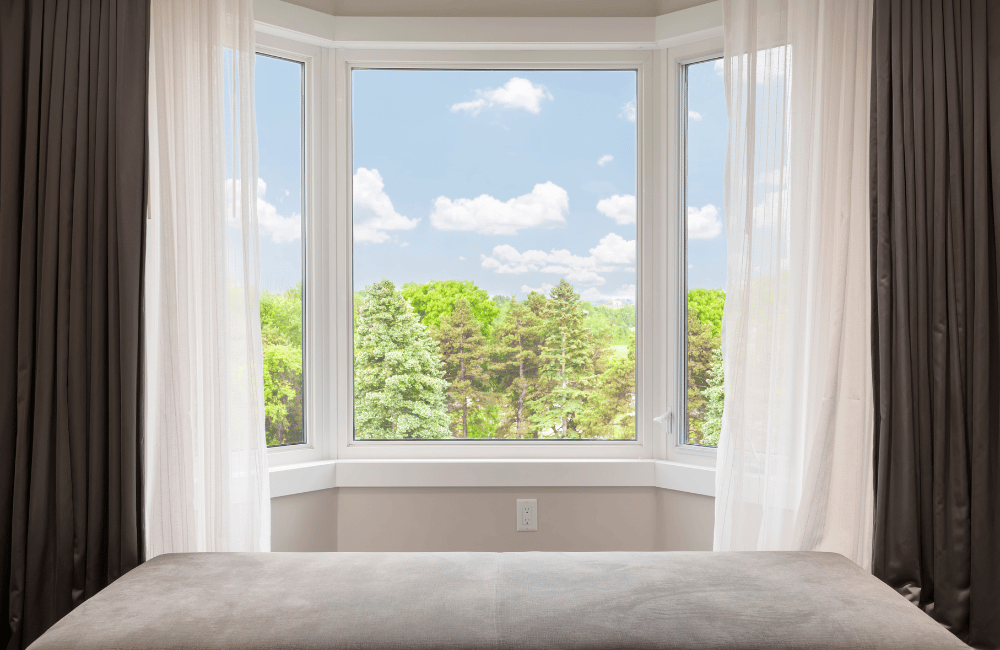
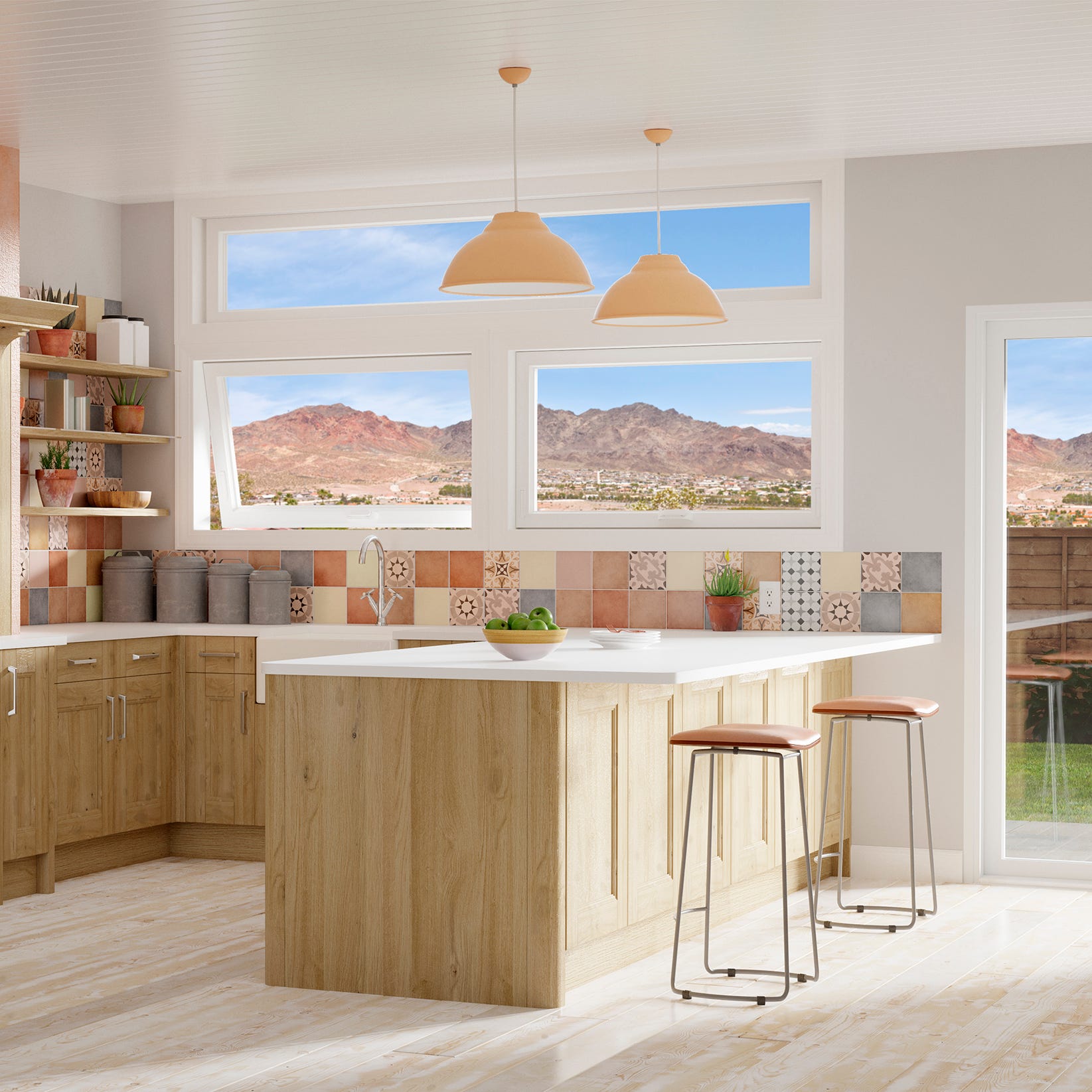
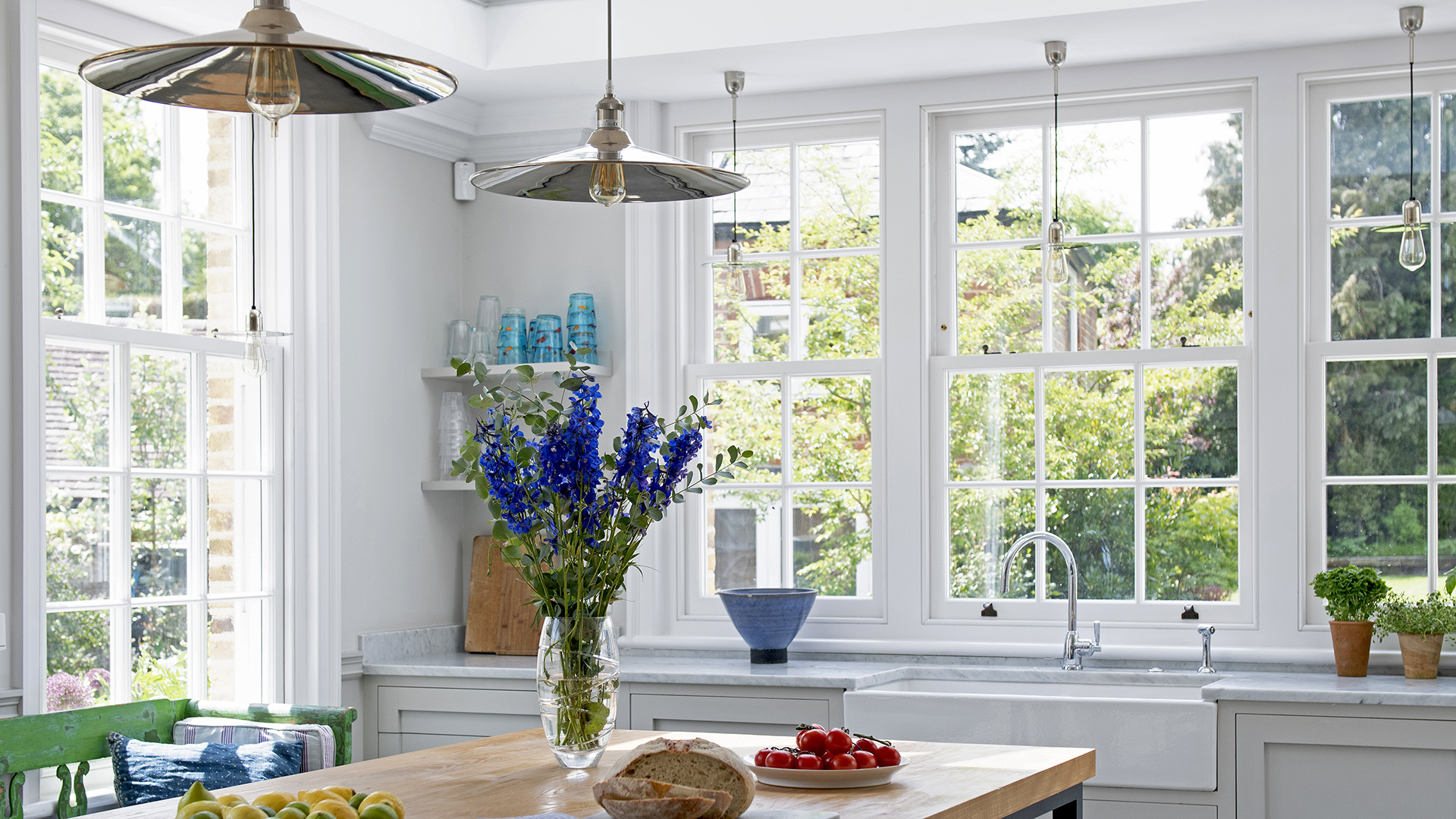
Finally, window style plays a role in both functionality and aesthetics. Common styles include bay windows (three panels, curved appearance, often with a central picture window), awning windows (hinged at the top, opening outward and upward for ventilation), and casement windows (opening outward like a door). Single-hung windows slide open only from the bottom, while double-hung windows can open from both top and bottom for better airflow and easier cleaning. Picture windows are stationary, designed to frame views and maximize natural light without ventilation. Sliding windows open horizontally, suitable for various spaces, and can be double-sliding. Transom windows are decorative, placed above doors or other windows to let in extra light. Skylights are ceiling windows providing abundant natural light and ventilation. Many companies also offer customization for unique shapes and functions, ensuring windows complement the home’s overall design.
#WindowSelection #HomeImprovement #EnergyEfficiency #WindowMaterials #WindowStyles #HomeRemodeling #CostAnalysis #PropertyValue #SustainableLiving #WindowSelection #HomeImprovement #EnergyEfficiency #WindowMaterials #WindowStyles #HomeRemodeling #CostAnalysis #PropertyValue #SustainableLiving
0 comment in total
 No comments yet
You may also like
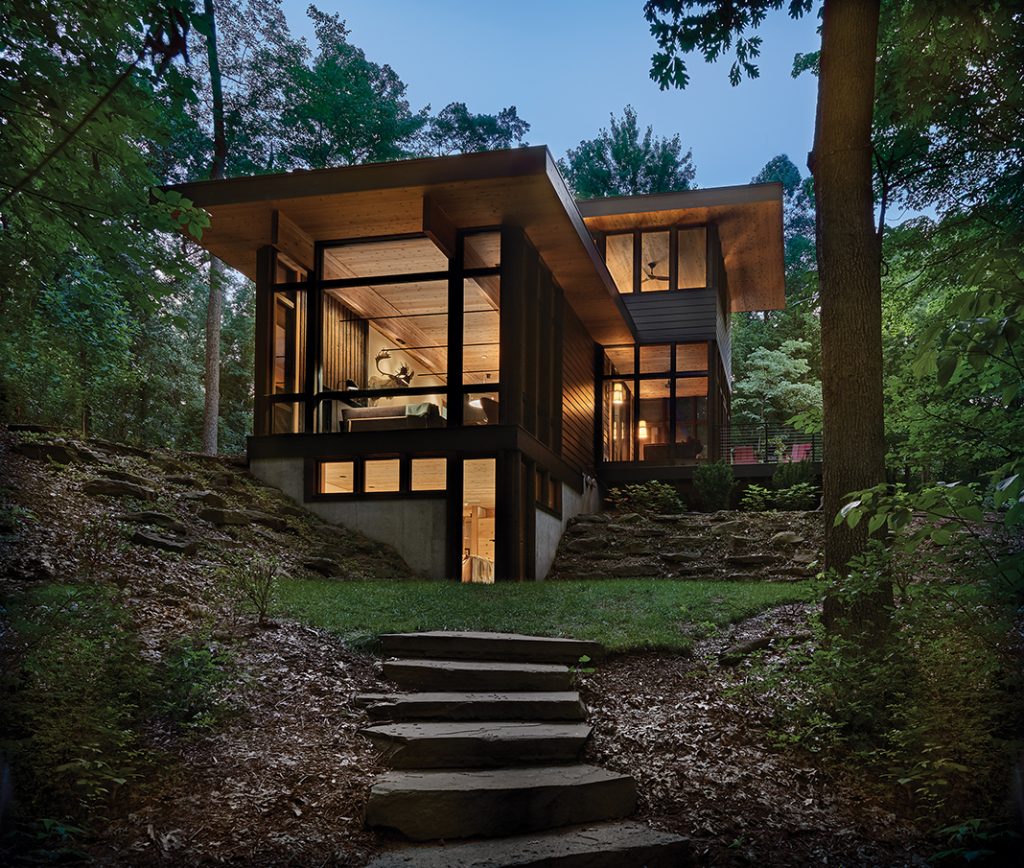
Glass Menagerie: Your Guide to Selecting The Best Windows For Your Midwestern Abode

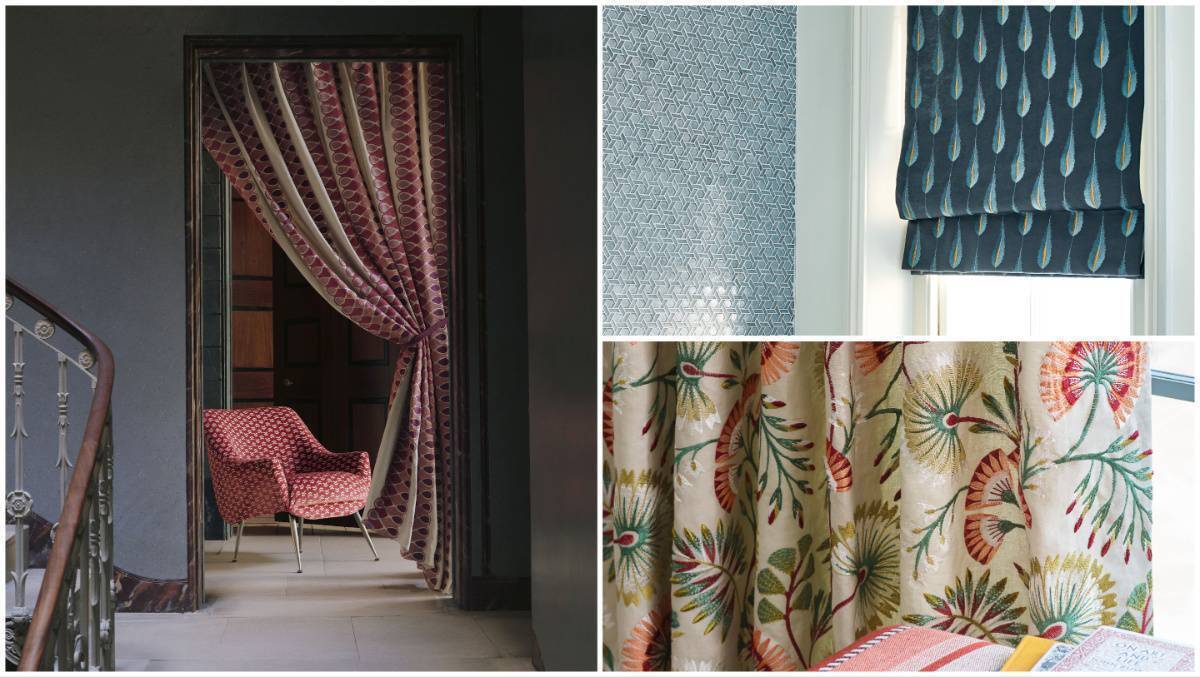
Curtain call: How to choose window treatments
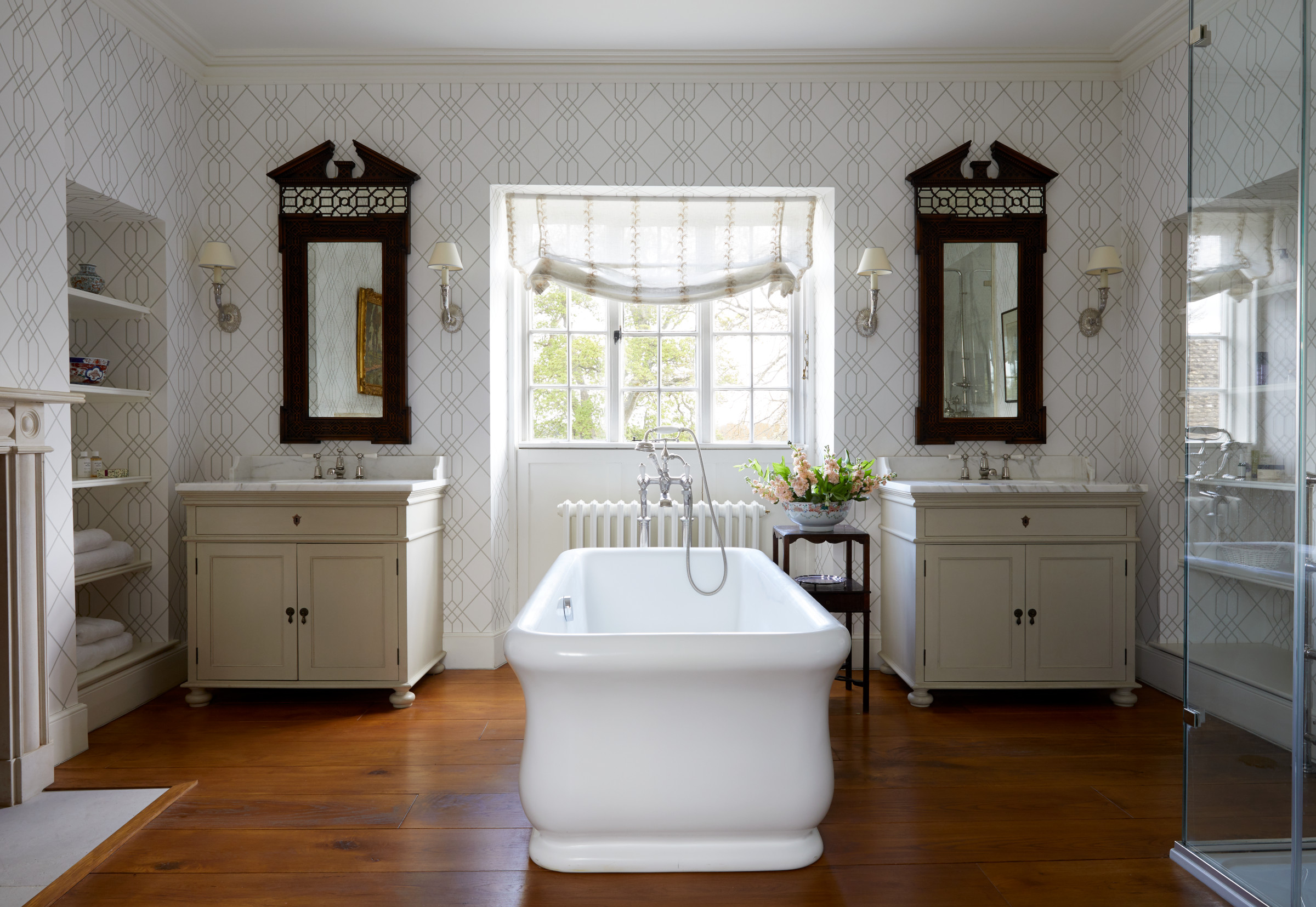
7 decisions I make when choosing wallpaper

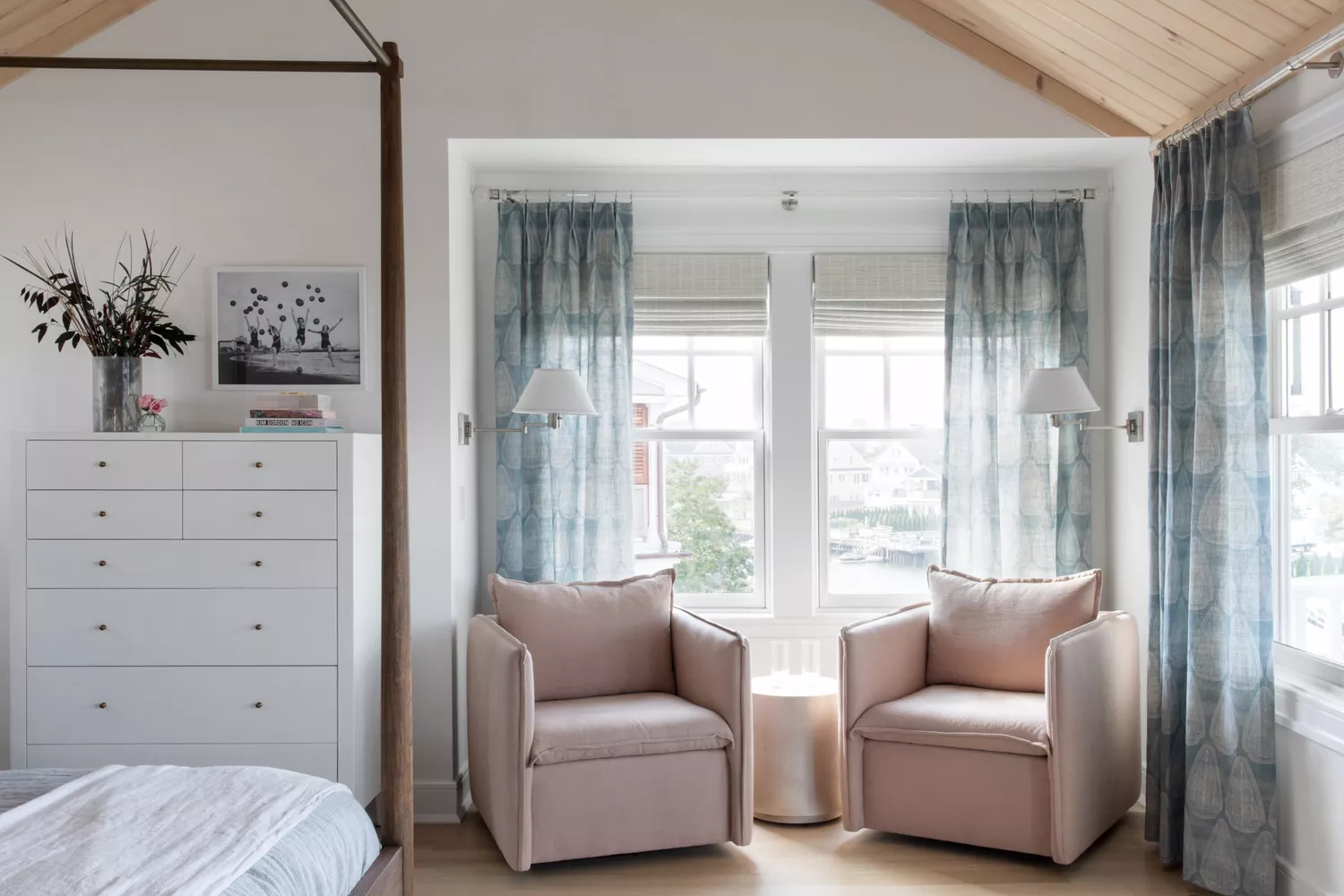
How to Choose the Right Curtain Length for Your Specific Windows

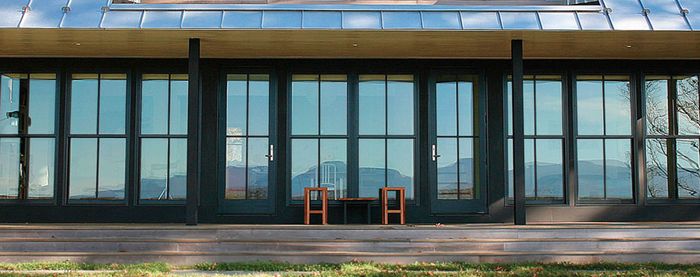
A Beginner’s Guide to High-Performance Windows

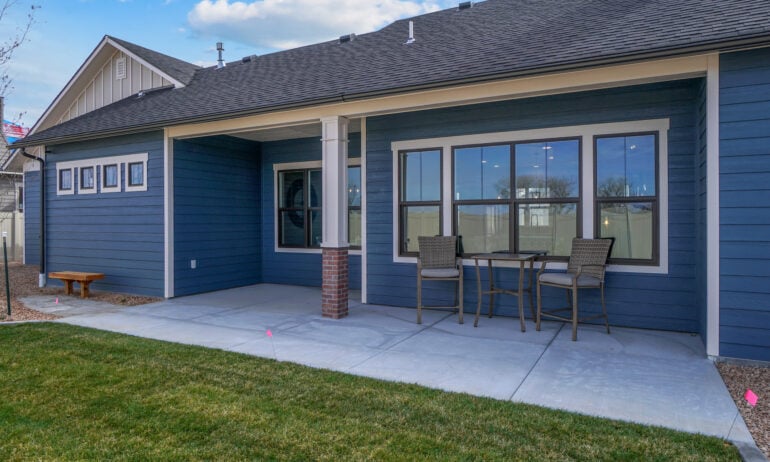
Single vs Double Hung Windows: Cost, Safety, Energy Efficiency

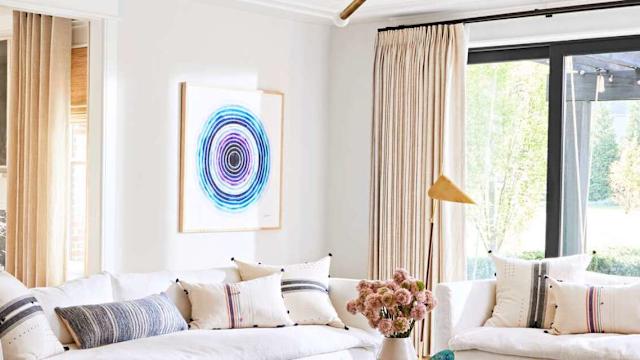
How to Choose the Right Curtain Length for Your Specific Windows
Compare Most Energy Efficient Windows (2025)

5 Best Window Brands for Your Home (2025)
Learn About Windows (2025)
Clear Choice Windows
The Best Window Brands for the Home

6 Ways to Choose the Right Window Designs for Your Home

Window Pros Break Down Six Styles

George Clarke's top tips on choosing the perfect window treatments for your space

How to choose the best exterior paint for doors and windows

5 Best Window Brands for Your Home (2026)

8 Best Window Brands, According to Home Renovation Experts

Sash windows – what to do when choosing, restoring or replacing your frames and glass
7 Things Your Windows Are Trying to Tell You