How to Choose the Right Curtain Length for Your Specific Windows
The selection of appropriate curtain length plays a crucial role in enhancing the aesthetic appeal of a room. Incorrect lengths can lead to a cramped or unfinished appearance, while well-chosen curtains contribute to a polished and spacious feel. Several factors, including the desired curtain break, curtain rod height, and window dimensions, influence the ideal curtain length. This guide outlines how to determine the right curtain length for various windows.
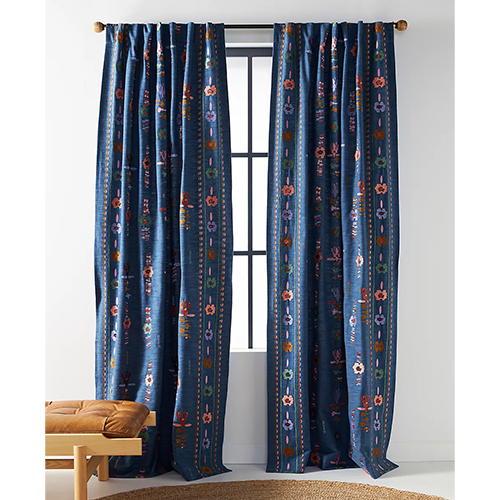
Standard curtain lengths typically include 63 inches, 84 inches, 95 inches, and 108 inches. However, custom lengths are also available to accommodate diverse window sizes and design preferences. When standard sizes do not precisely match measurements, it is advisable to choose the closest longer length, as longer curtains are generally preferred over awkwardly short ones, even if they are positioned behind furniture.
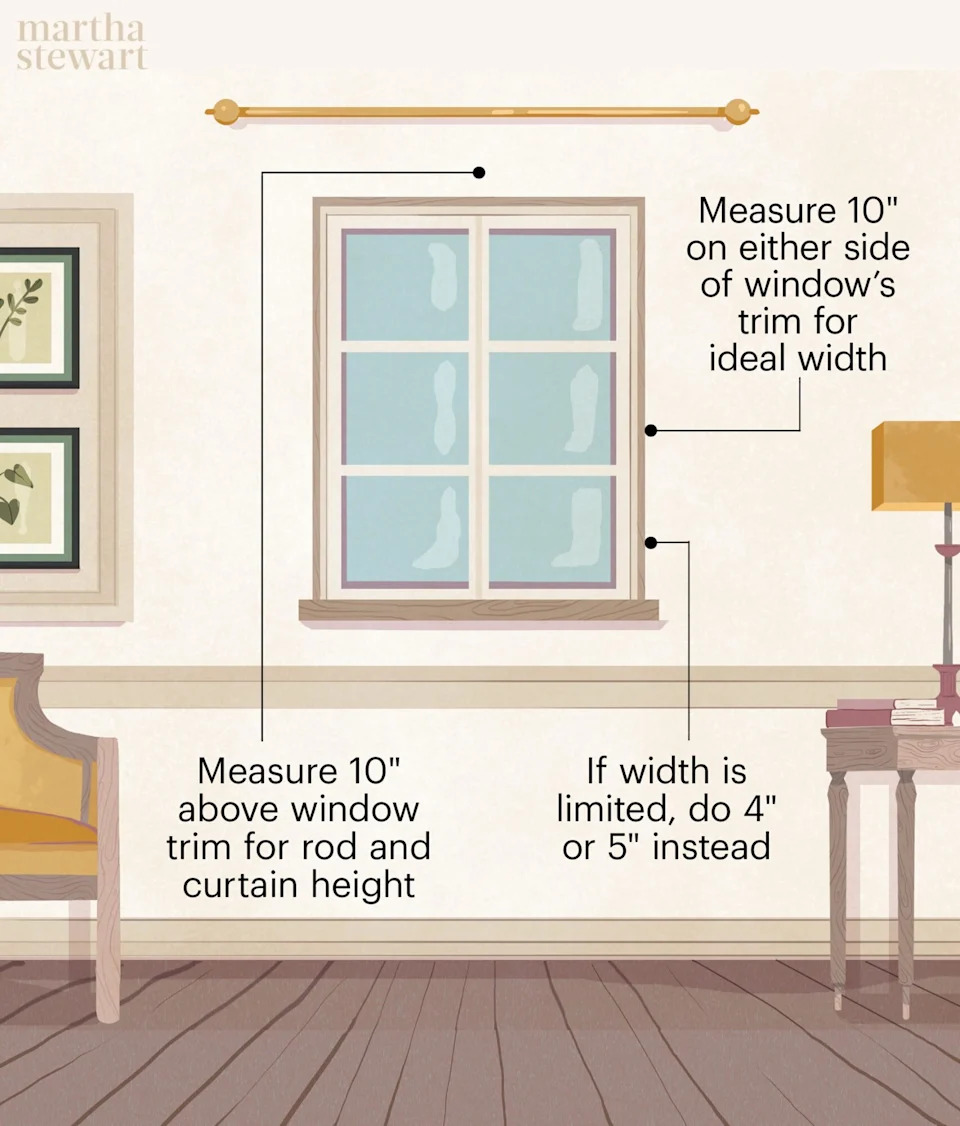
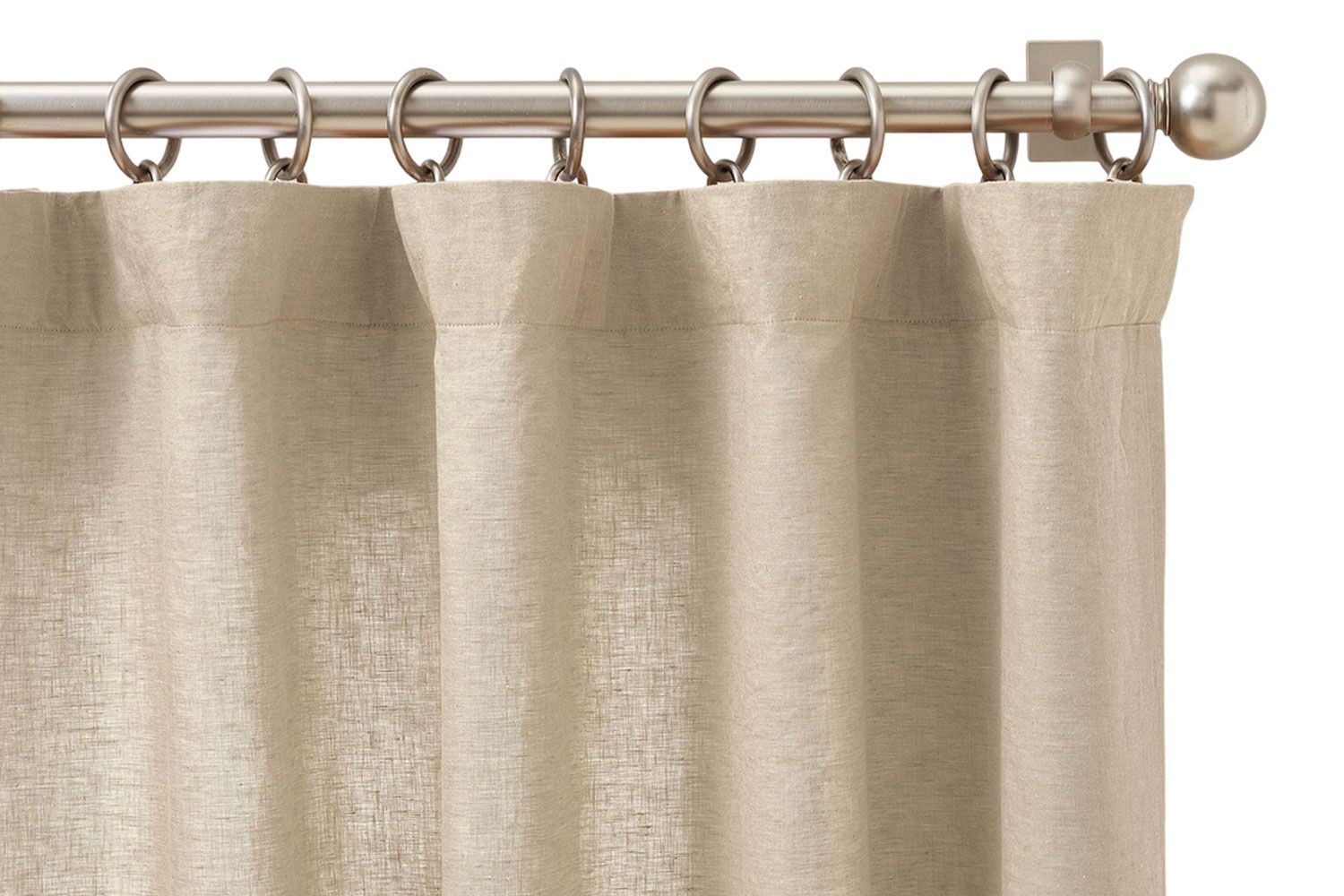
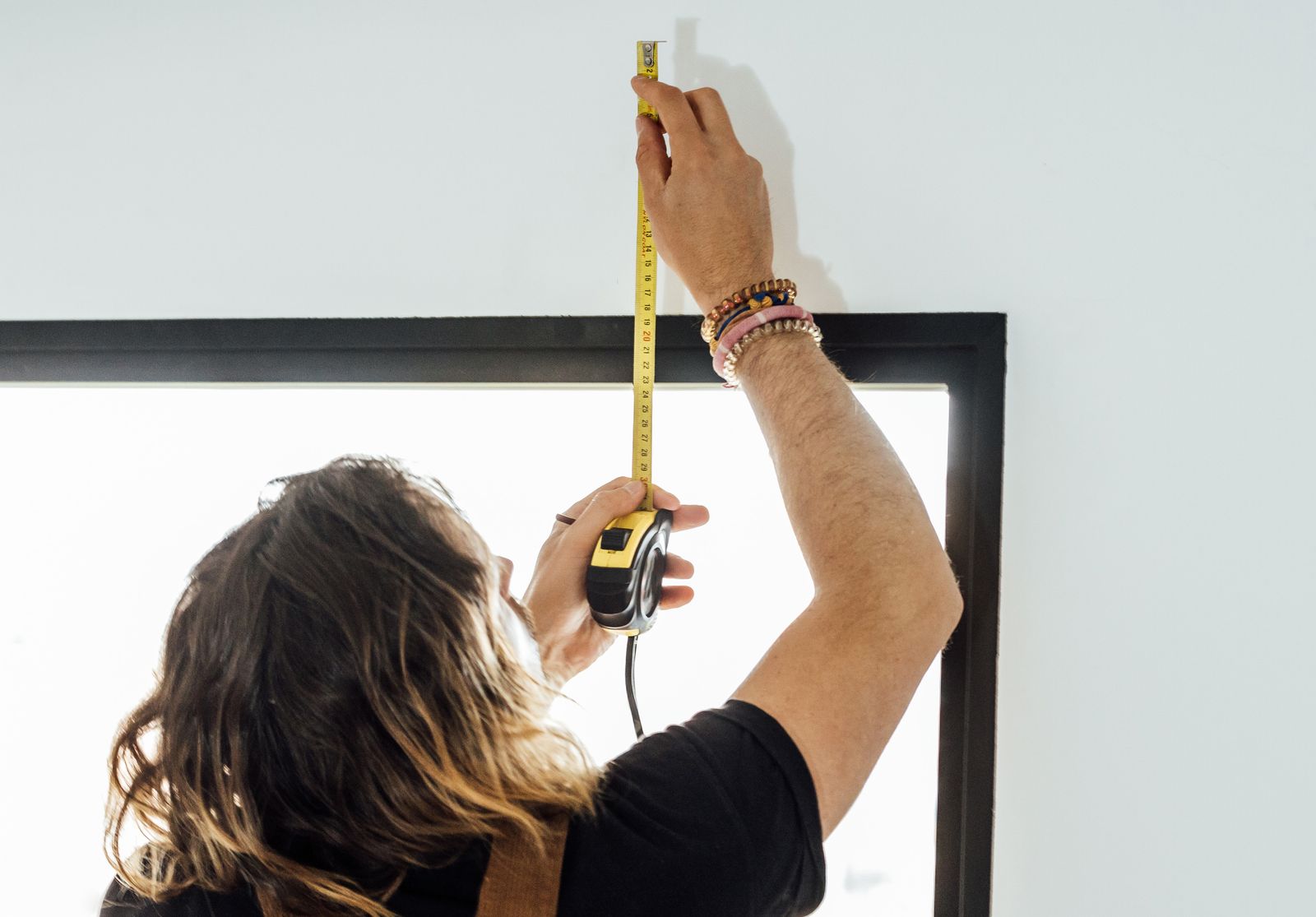
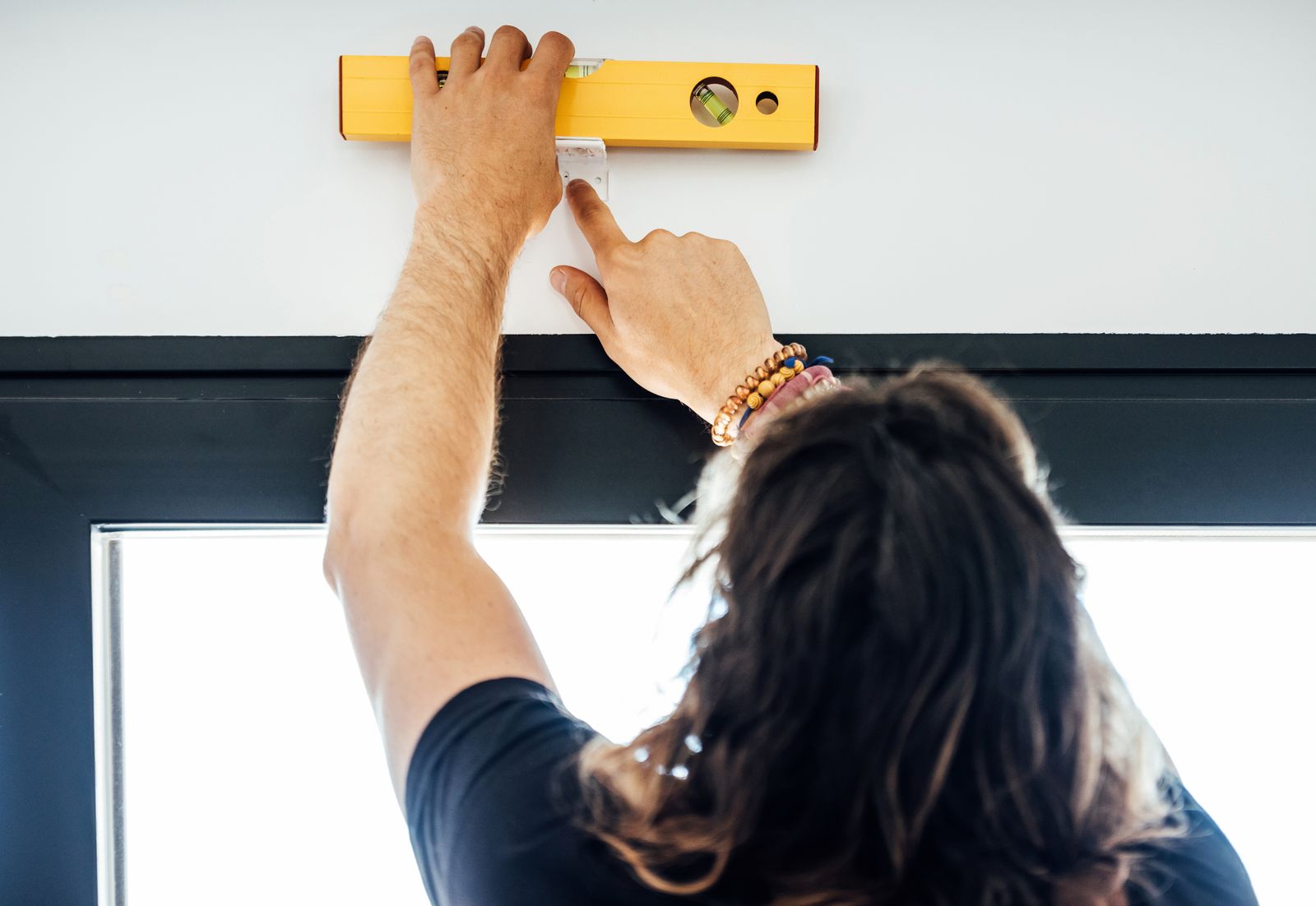
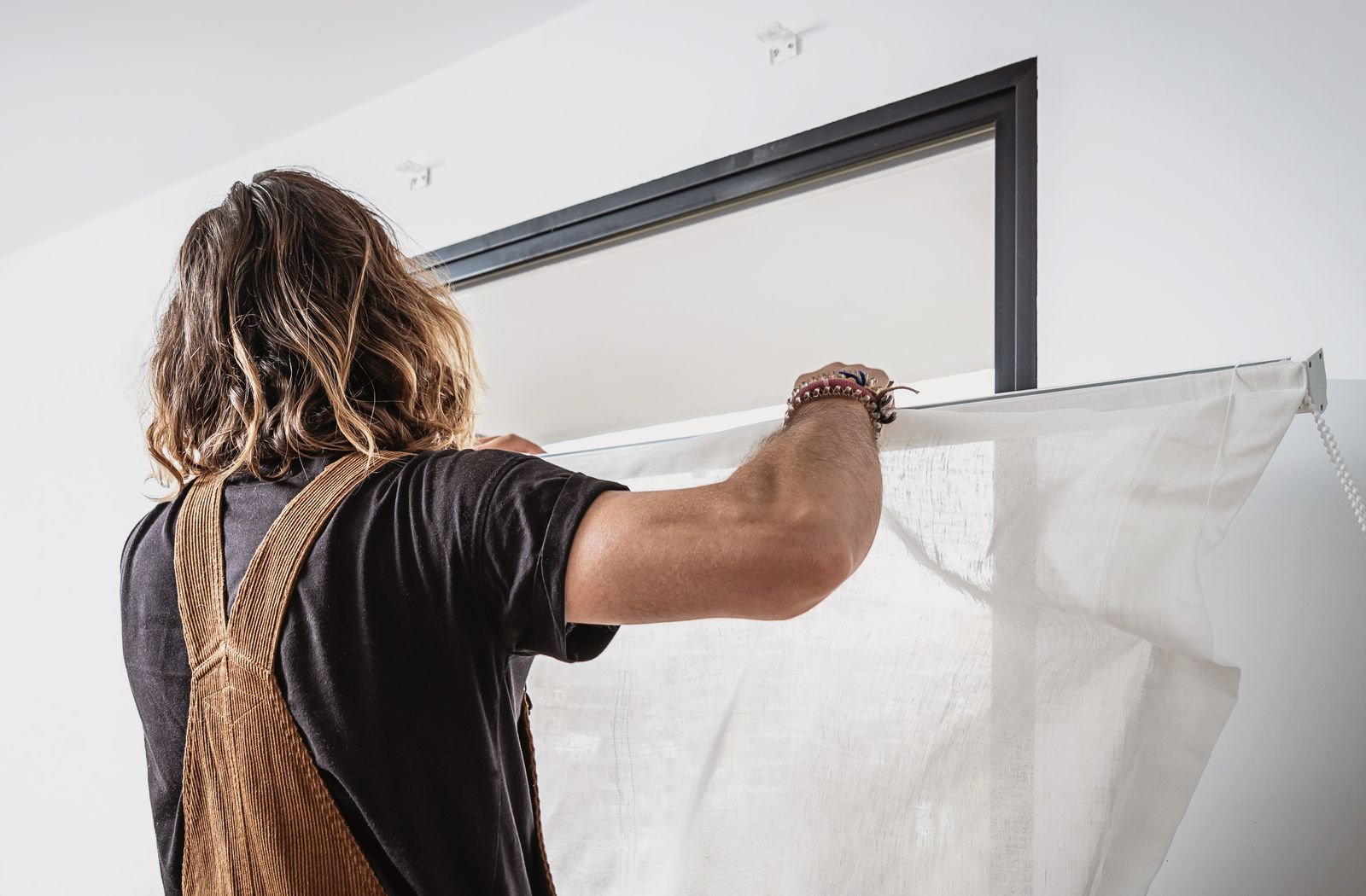
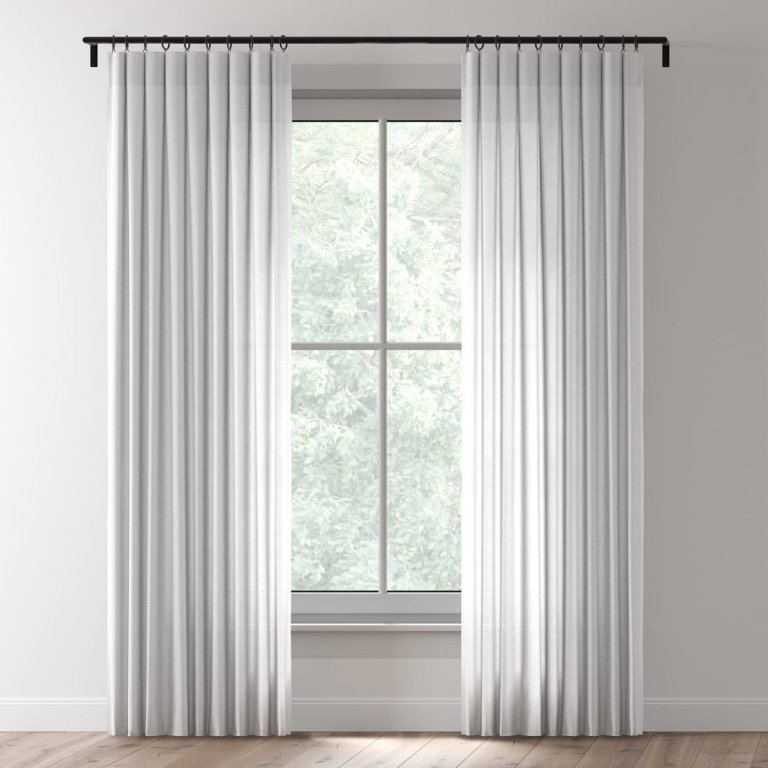
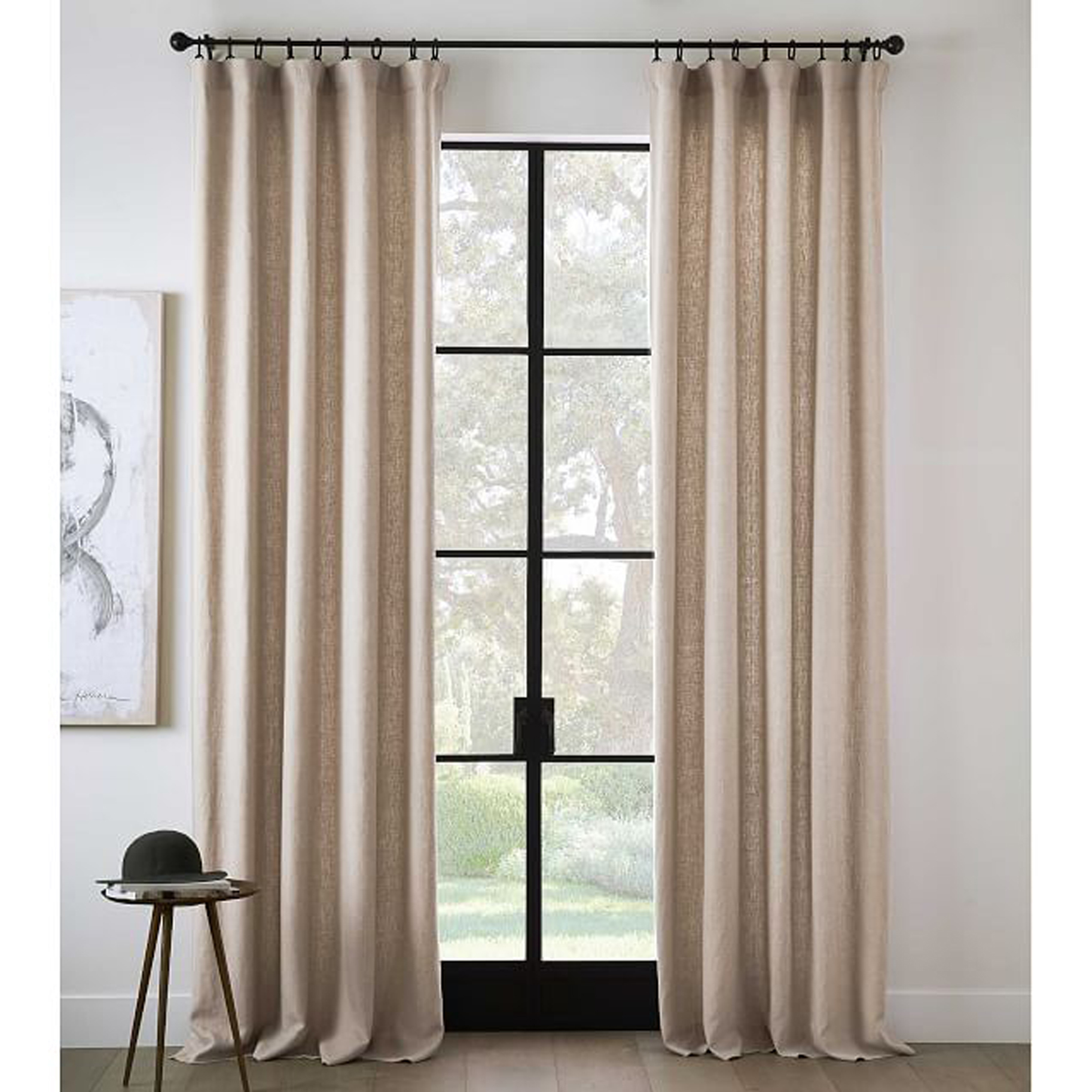
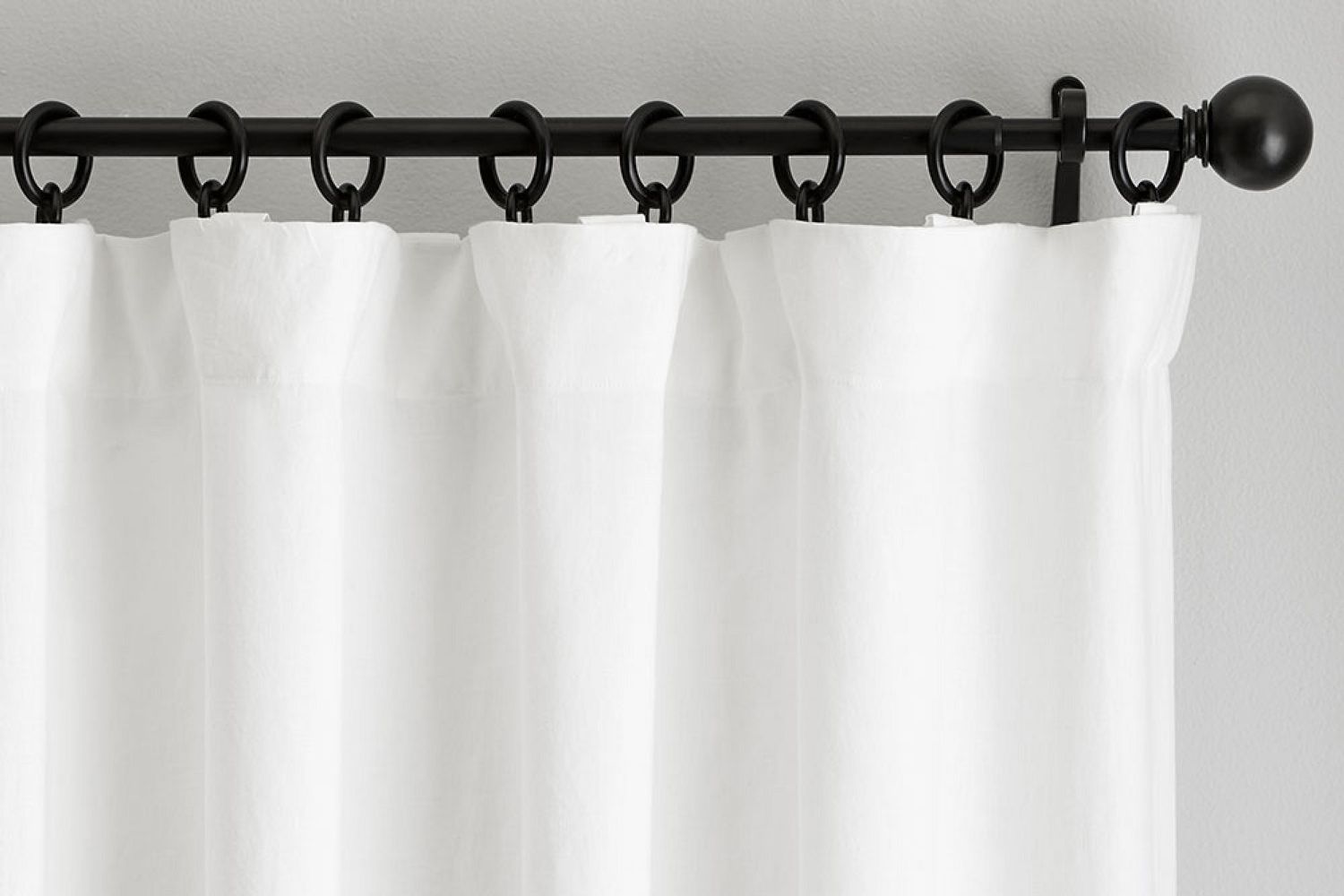
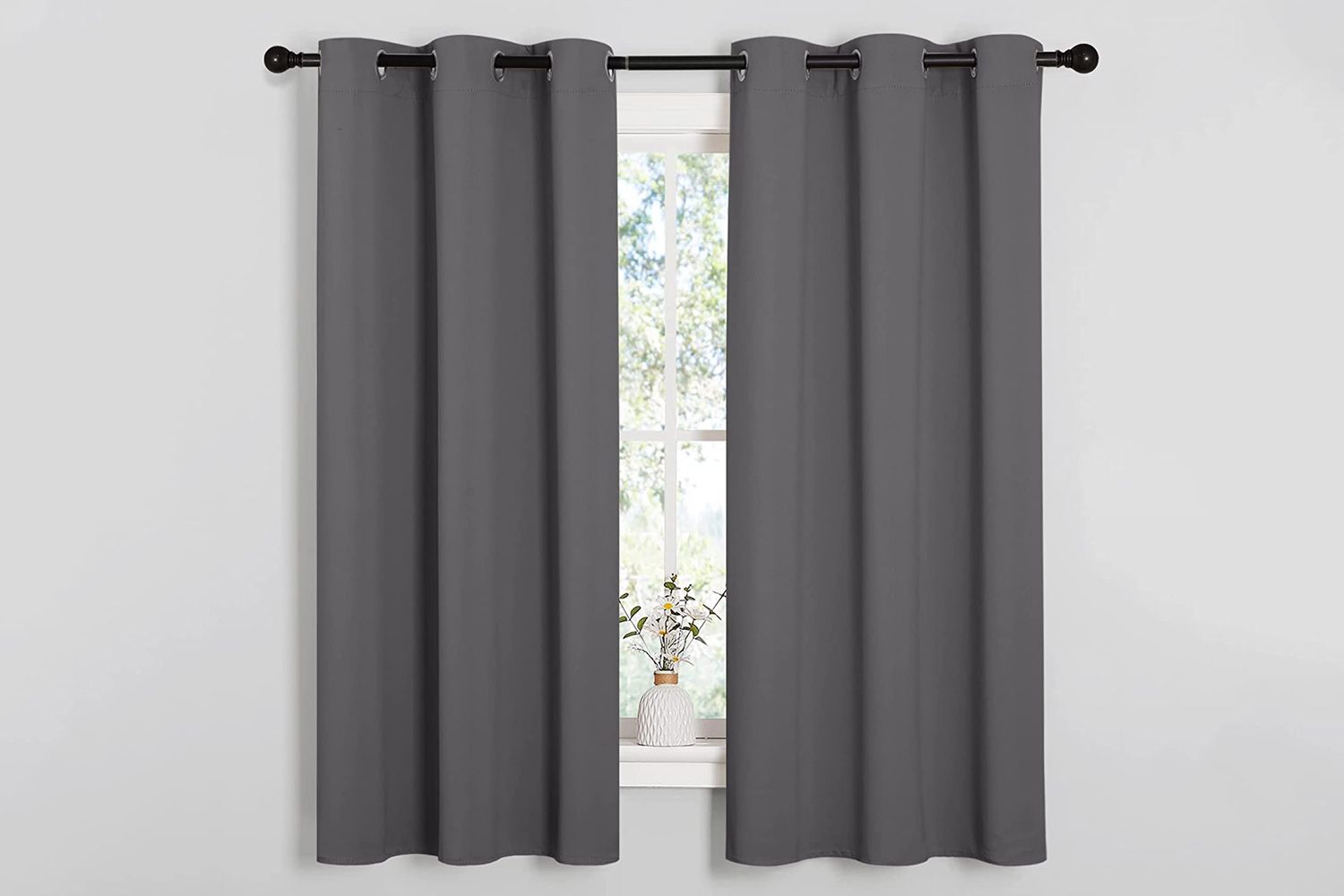
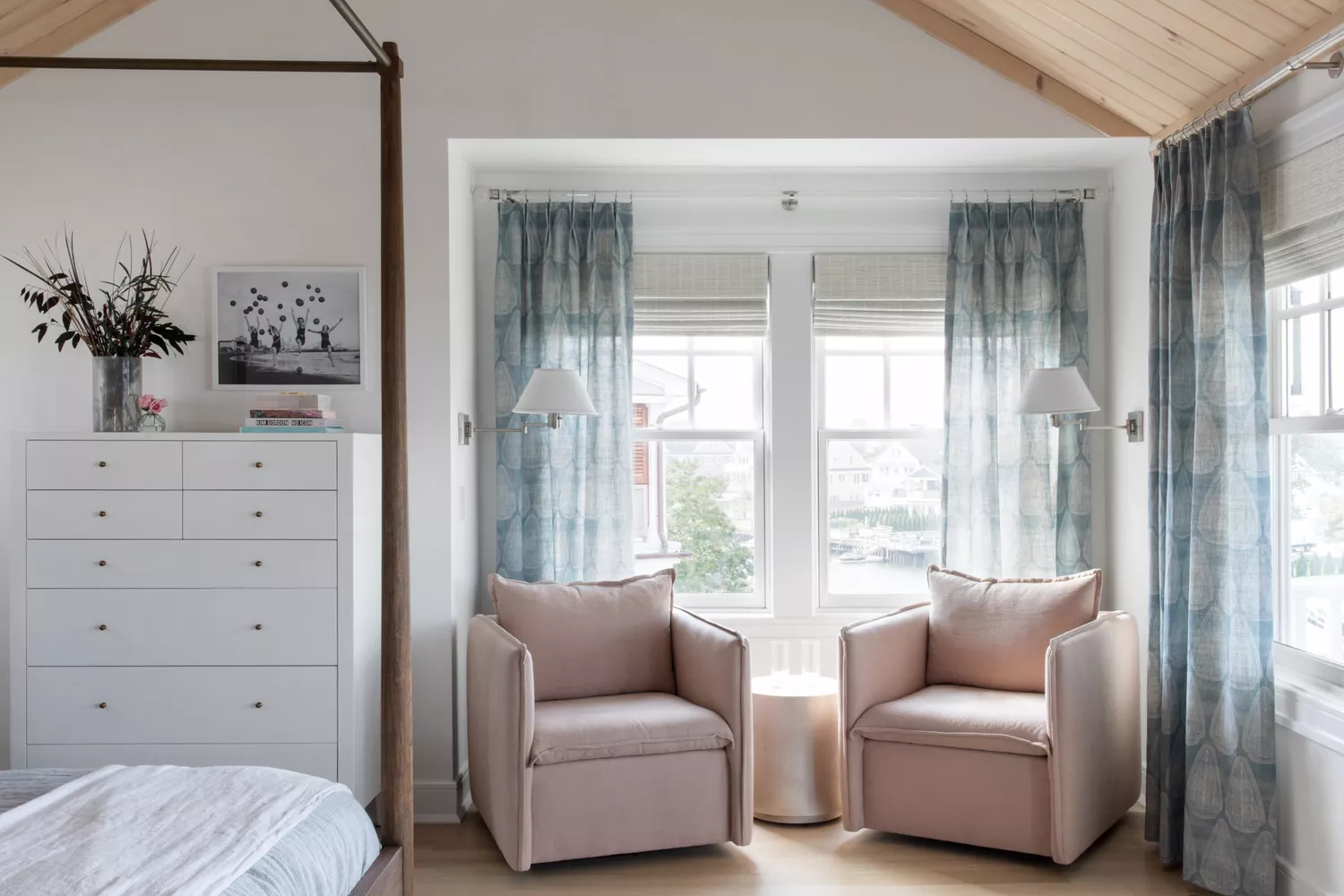
Accurate measurements are fundamental to achieving a desirable curtain appearance. To determine the rod width, measure the window opening and add approximately 4 to 6 inches on each side. For an outside mount, the curtain rod should extend beyond the window frame to allow for proper curtain accommodation and to create a wider visual effect. The curtain rod's height is another critical aspect; mounting it about 4 to 6 inches above the window frame provides ample space for the curtains to hang elegantly and creates the illusion of a taller room.
Calculating curtain width involves measuring the window's width and then multiplying it by 1.5 to 3 times, depending on the desired fullness and pleating style. This ensures adequate coverage when the curtains are drawn and a visually appealing appearance, while also accounting for the rod extending past the window's width.
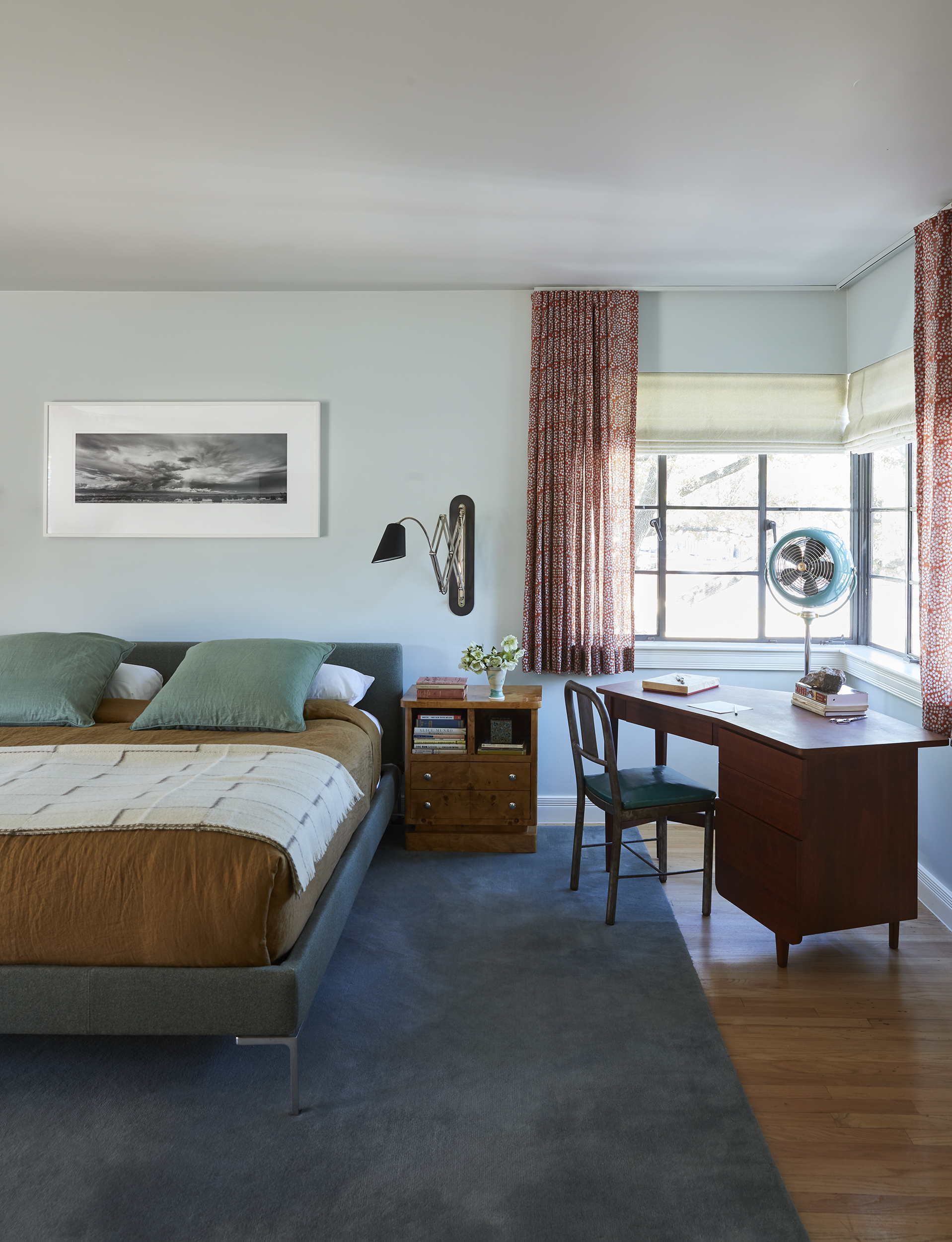
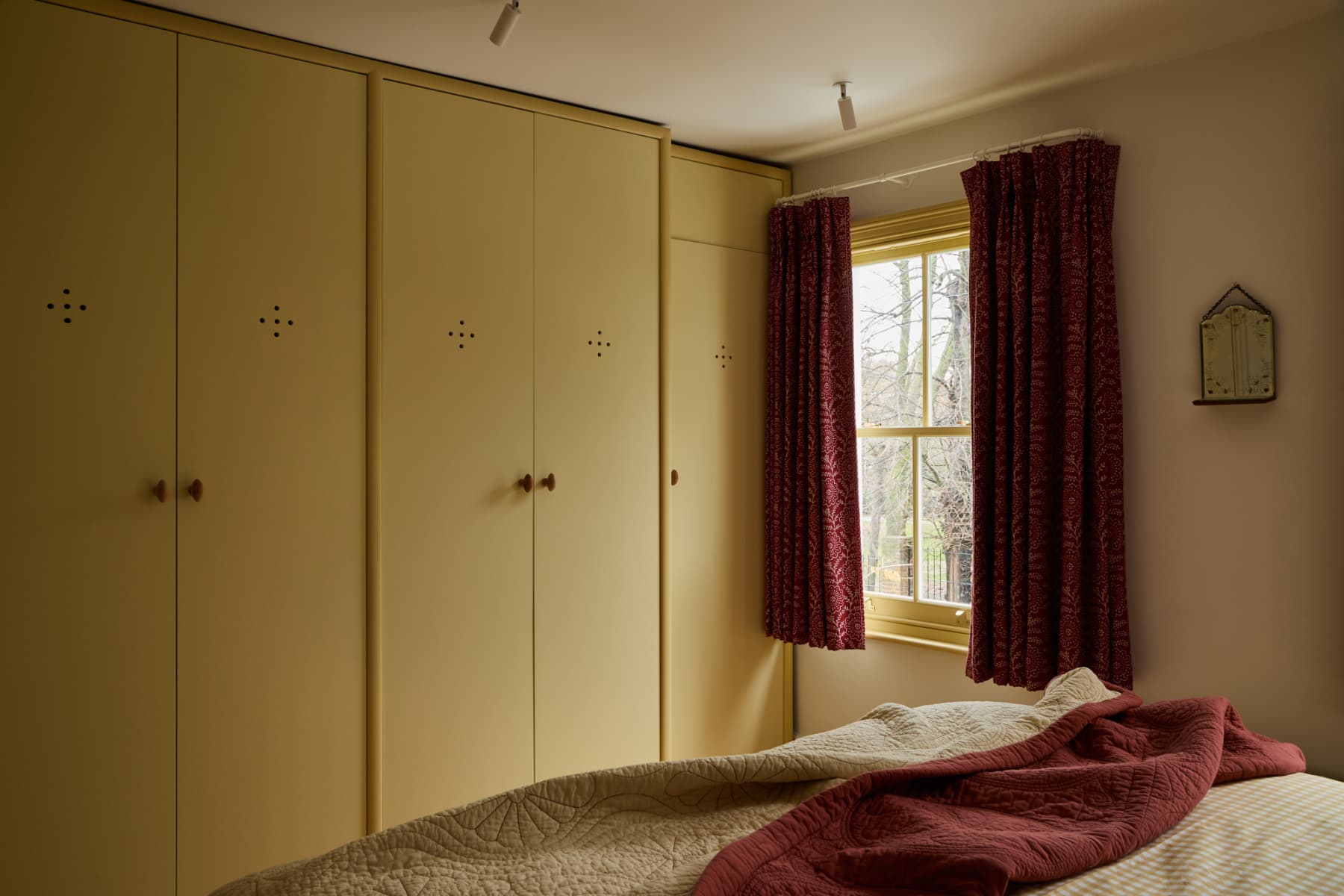
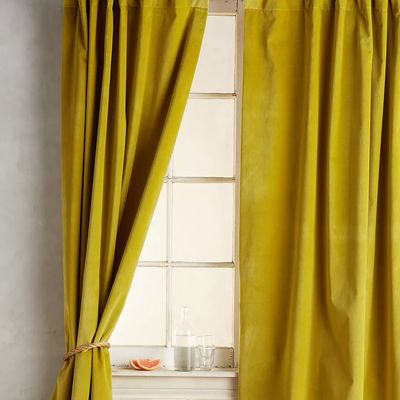
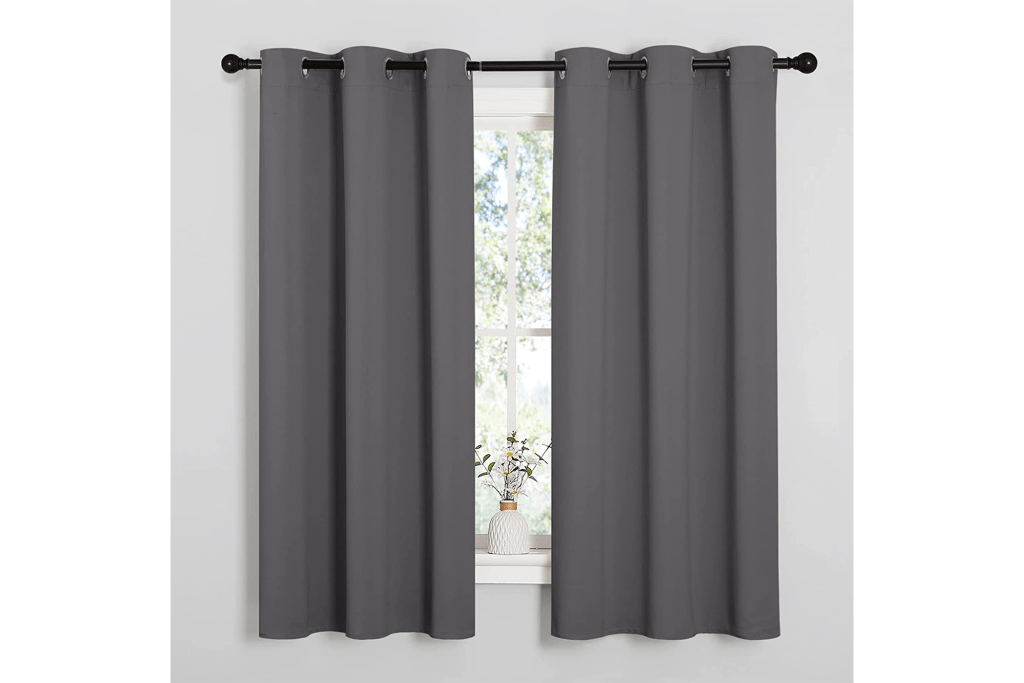
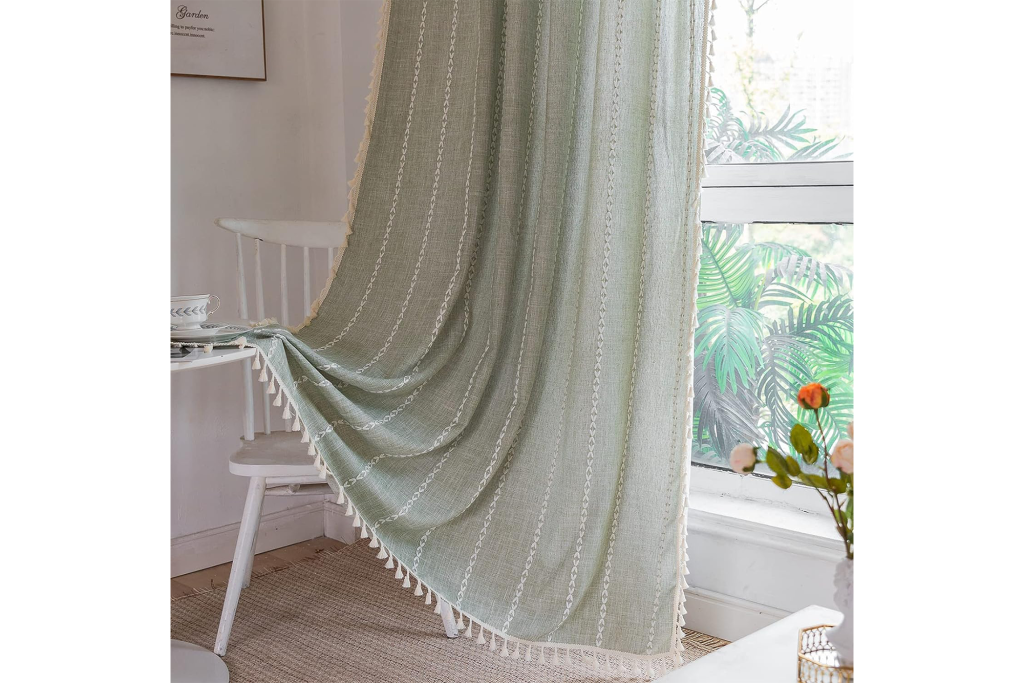
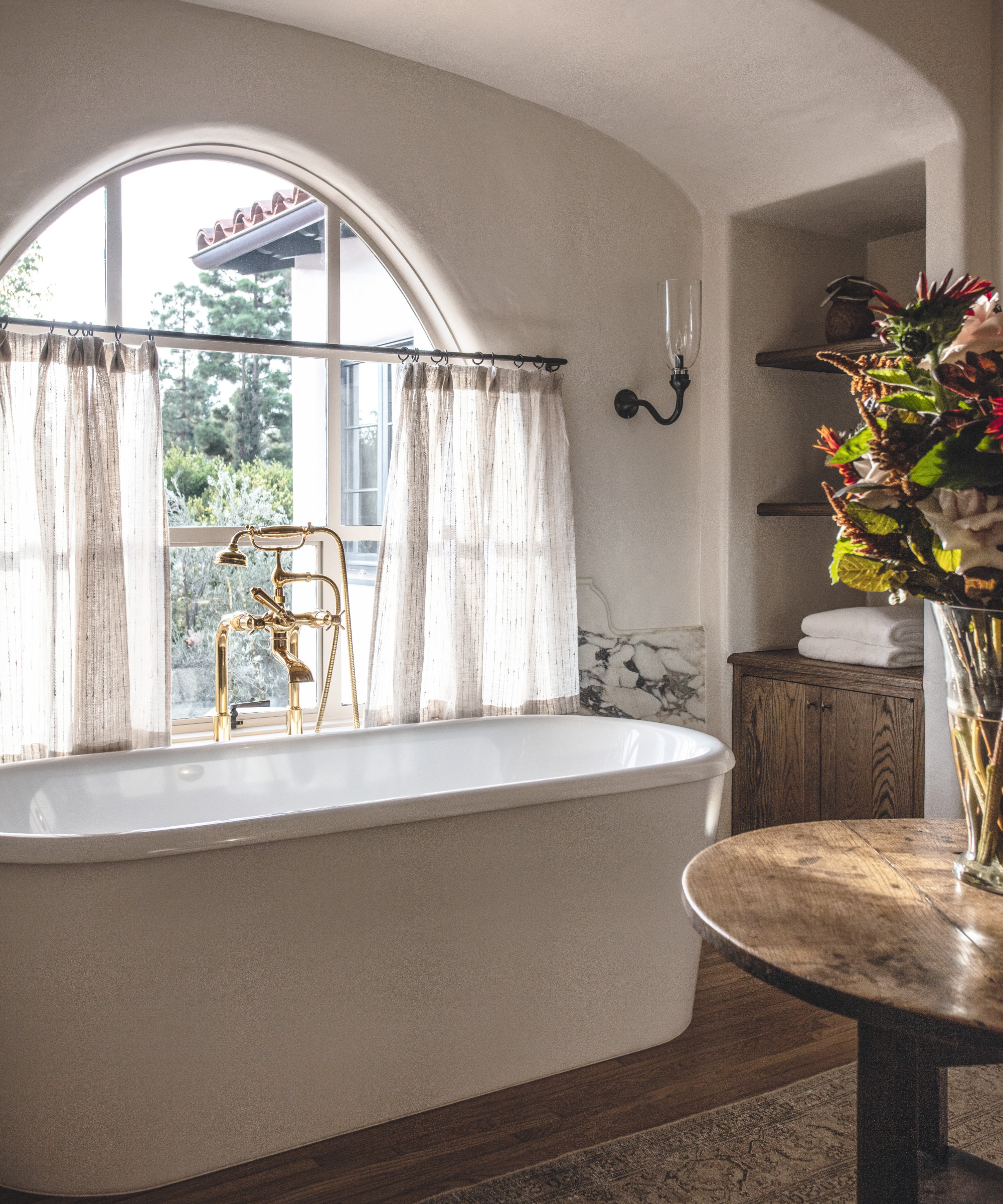
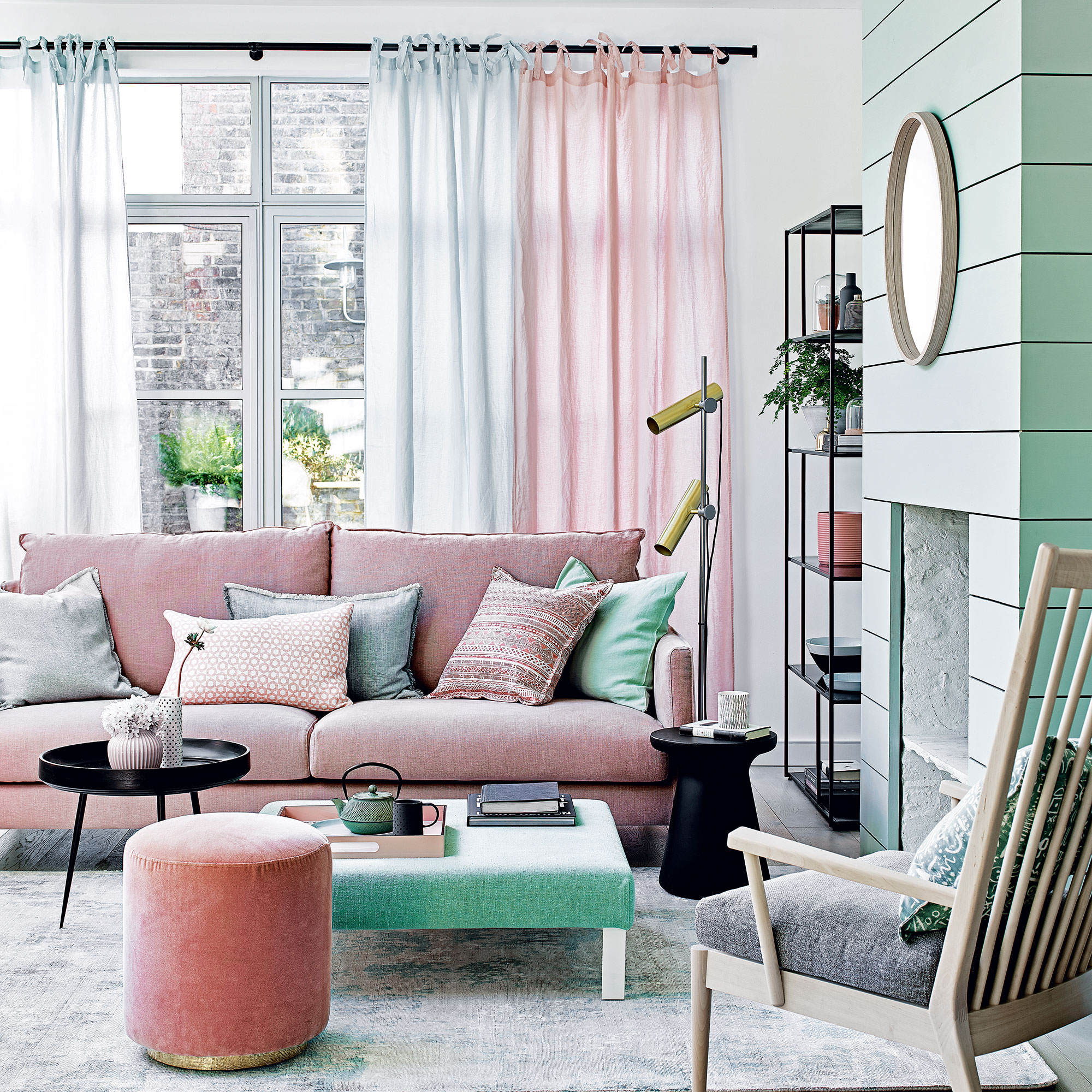
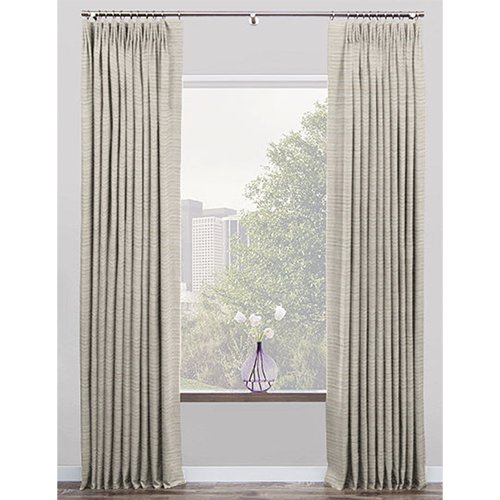
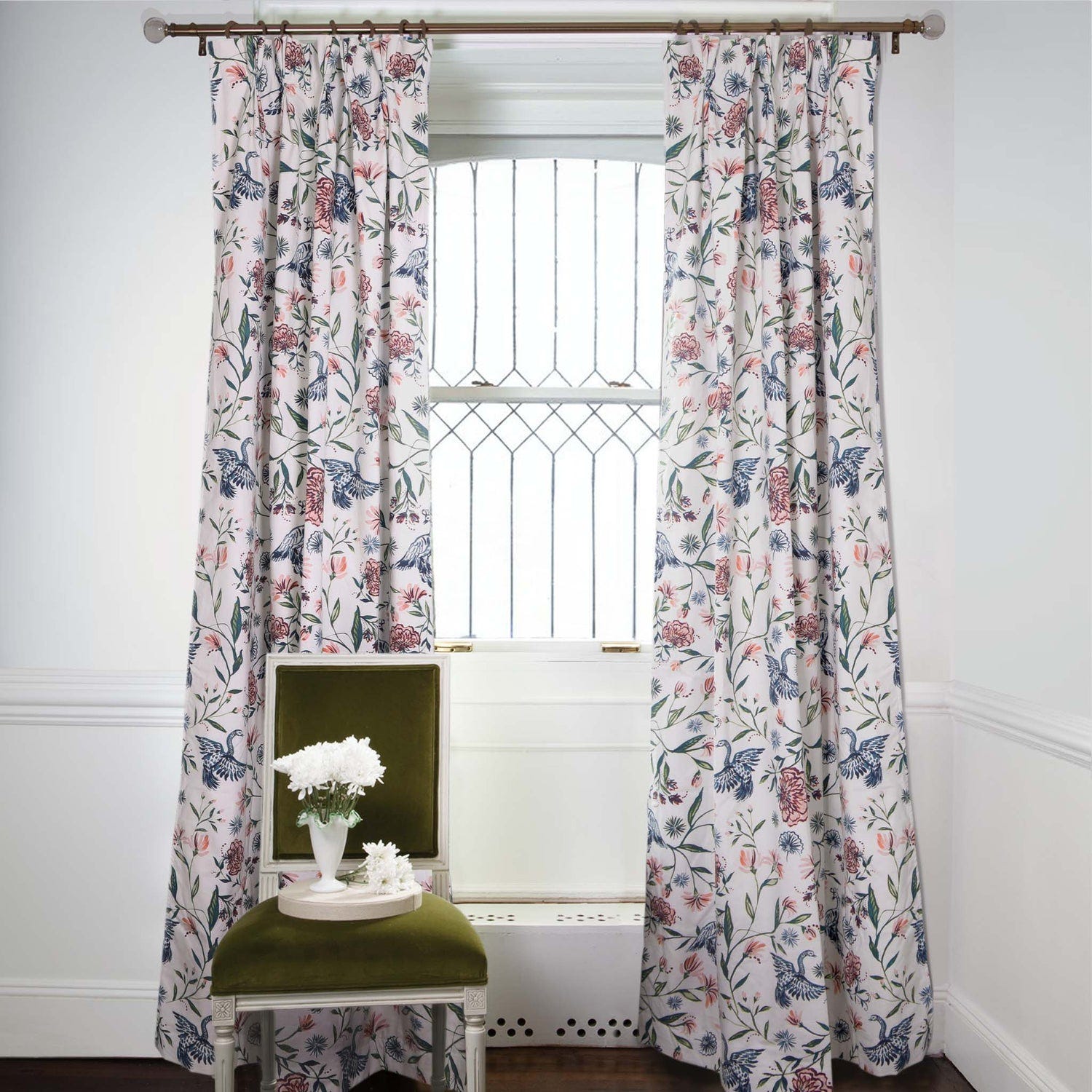
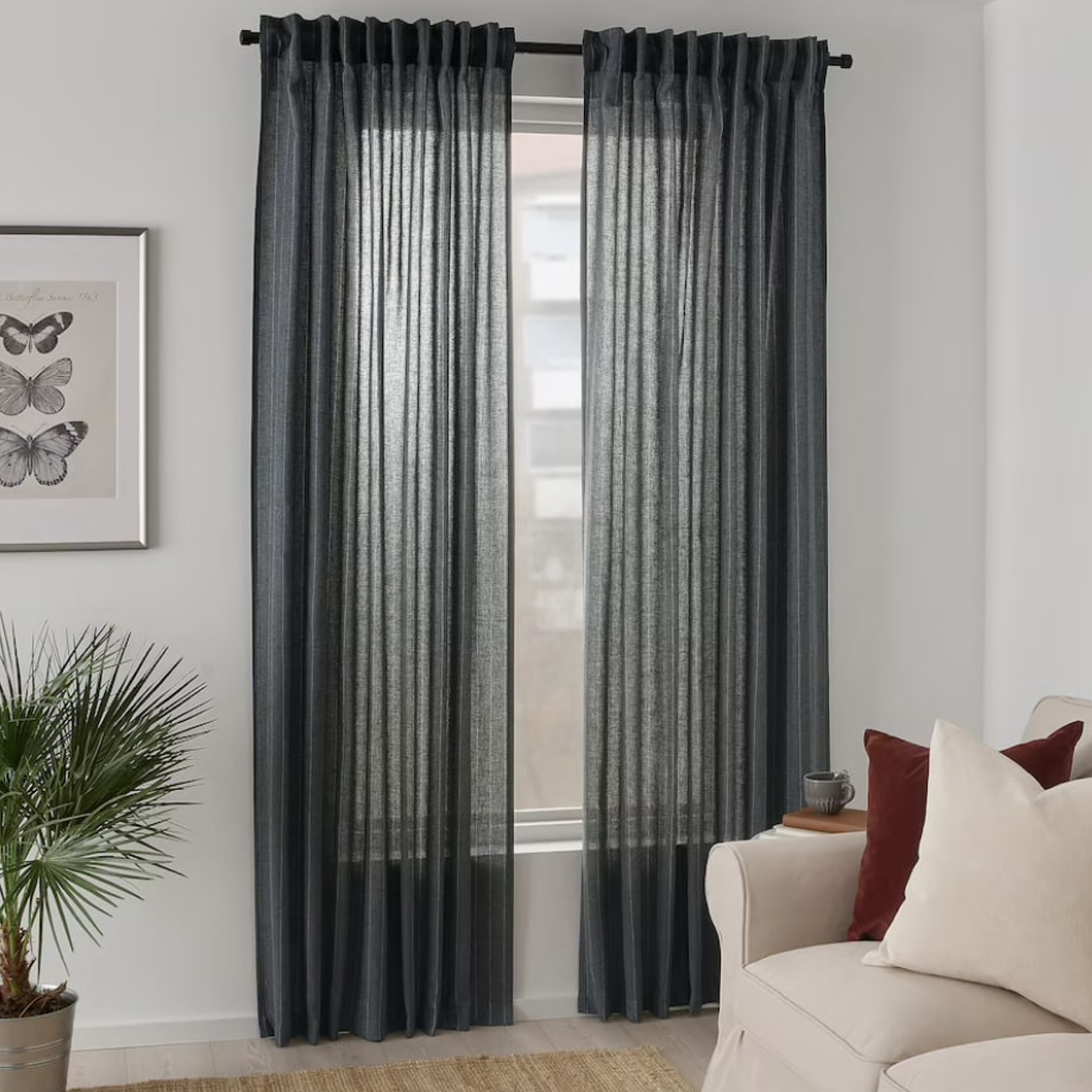
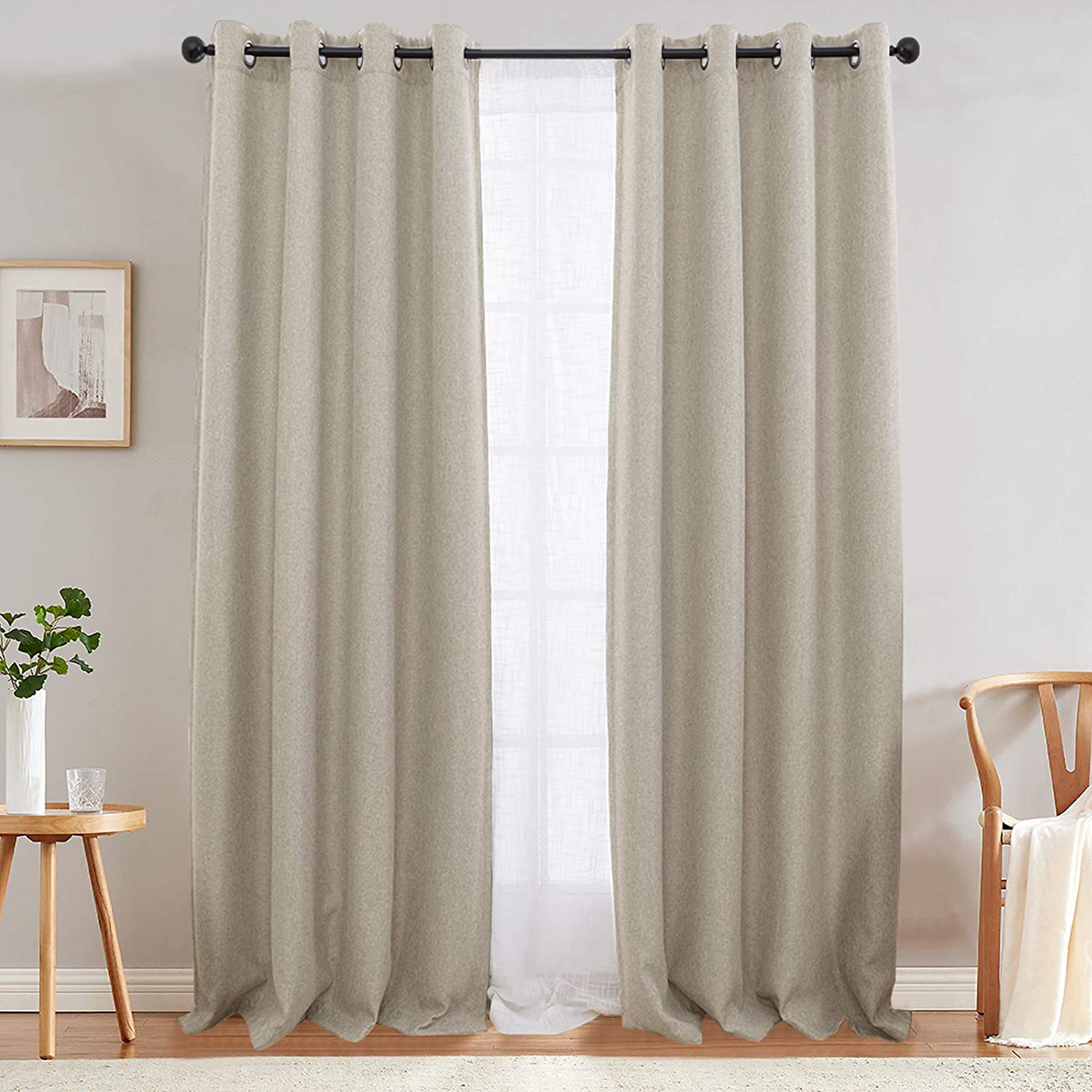
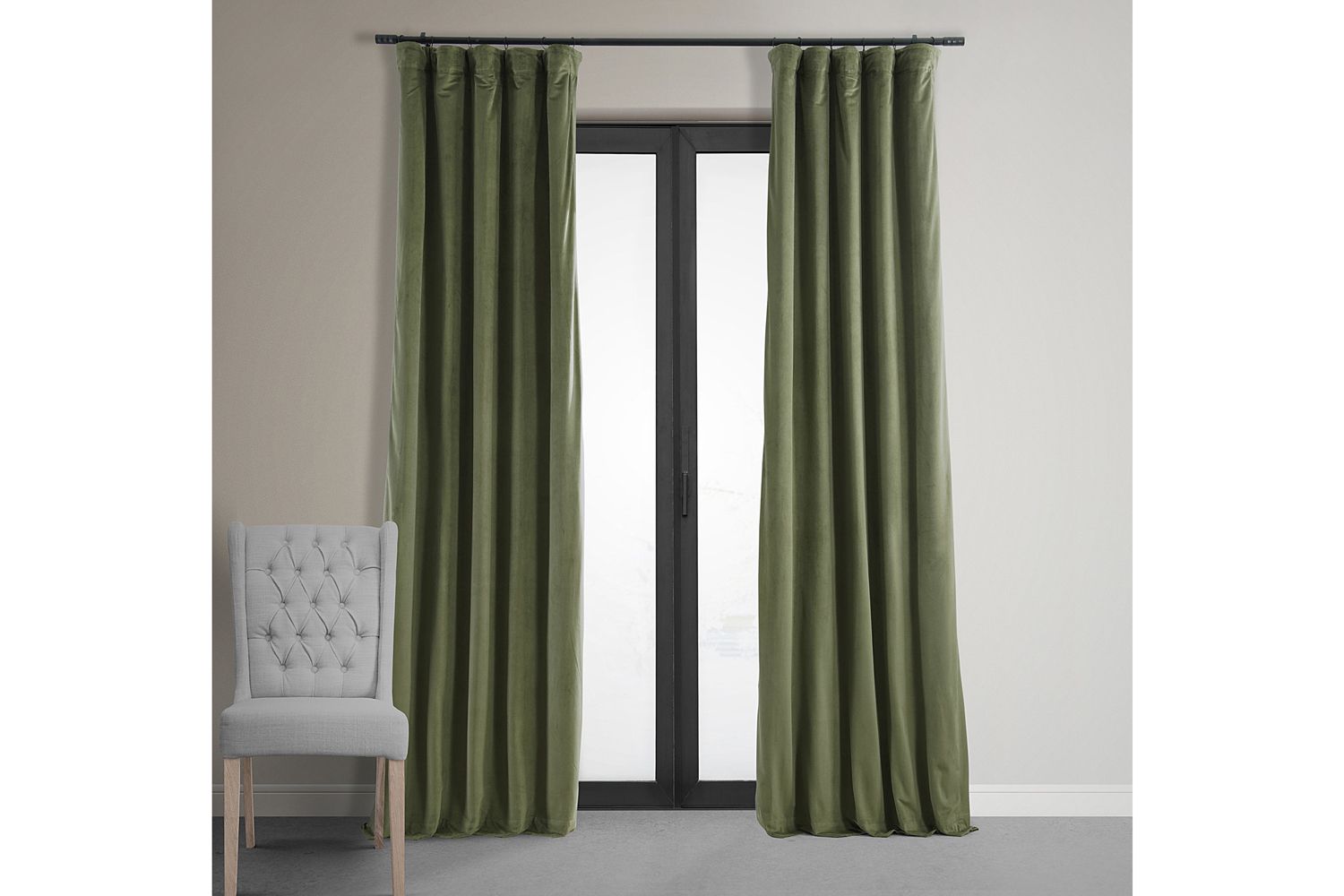
Before measuring the actual curtain length, it is necessary to decide on the desired 'curtain break.' This refers to where the curtain ends in relation to the floor or windowsill. Common curtain breaks include the 'apron,' which breaks at the windowsill and is often used in kitchens; the 'hover,' which hangs just above the floor; the 'kiss,' which barely touches the floor; and the 'puddle,' where curtains gather on the floor. To measure the curtain length, measure from the intended rod position above the window frame down to the chosen break point. This measurement should consider whether the curtains are intended to hang below the windowsill, reach the floor, or create a puddling effect.
For a perfectly tailored look, custom curtains are an option, ensuring the exact right length, even if floors are uneven. Collaborating with a designer can help ensure the scale and pattern of window treatments complement the overall room design. Alternatively, for a more budget-friendly approach, pre-made curtains can be hemmed by a tailor to achieve a custom fit.
#CurtainLength #WindowTreatments #HomeDecor #InteriorDesign #MeasurementGuide #CurtainStyles #CustomCurtains #RoomAesthetics #DecoratingTips #CurtainLength #WindowTreatments #HomeDecor #InteriorDesign #MeasurementGuide #CurtainStyles #CustomCurtains #RoomAesthetics #DecoratingTips
0 comment in total
 No comments yet
You may also like

Curtain call: How to choose window treatments

How high should I hang my curtains? The rules designers follow

Living room curtain ideas to dress windows to perfection - whatever your style

Curtain Call: Choosing Window Treatments

Suddenly, Short Curtains Have Got My Attention in the 'Long vs Short Curtain' Debate

The Best Curtains for Every Style and Light Level, Tested by BHG


How to Choose Curtains for Your Home the Right Way

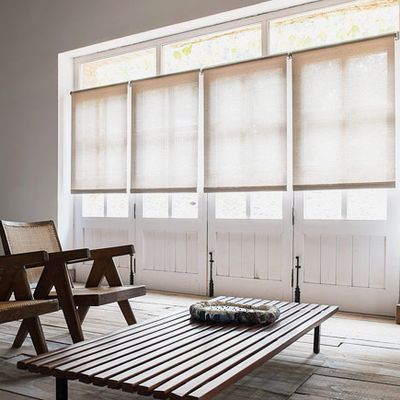
The Best Window Curtains and Shades, According to Interior Designers

The Very Best Window Curtains

4 Easy Tips For Measuring Curtain Length Like A Pro
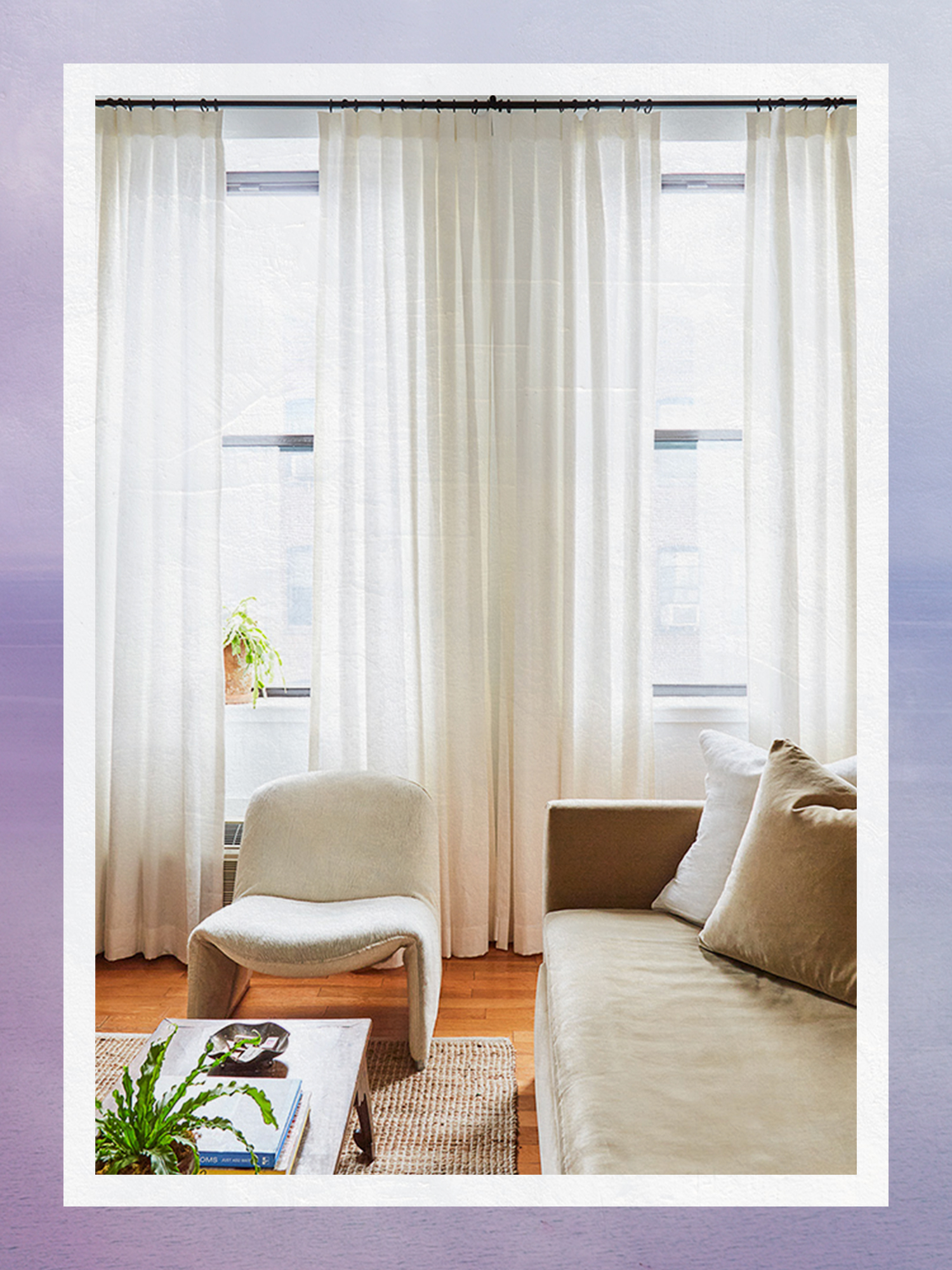
Everhem’s Cofounder Says the Best Curtains Are a Supporting Act, Not the Headliner


The Best Places to Buy Curtains, Whether You Want to Go Custom or Off the Rack


How to Choose the Right Curtain Length for Your Specific Windows

How to Hang Curtains: A Hassle-Free 5-Step Guide

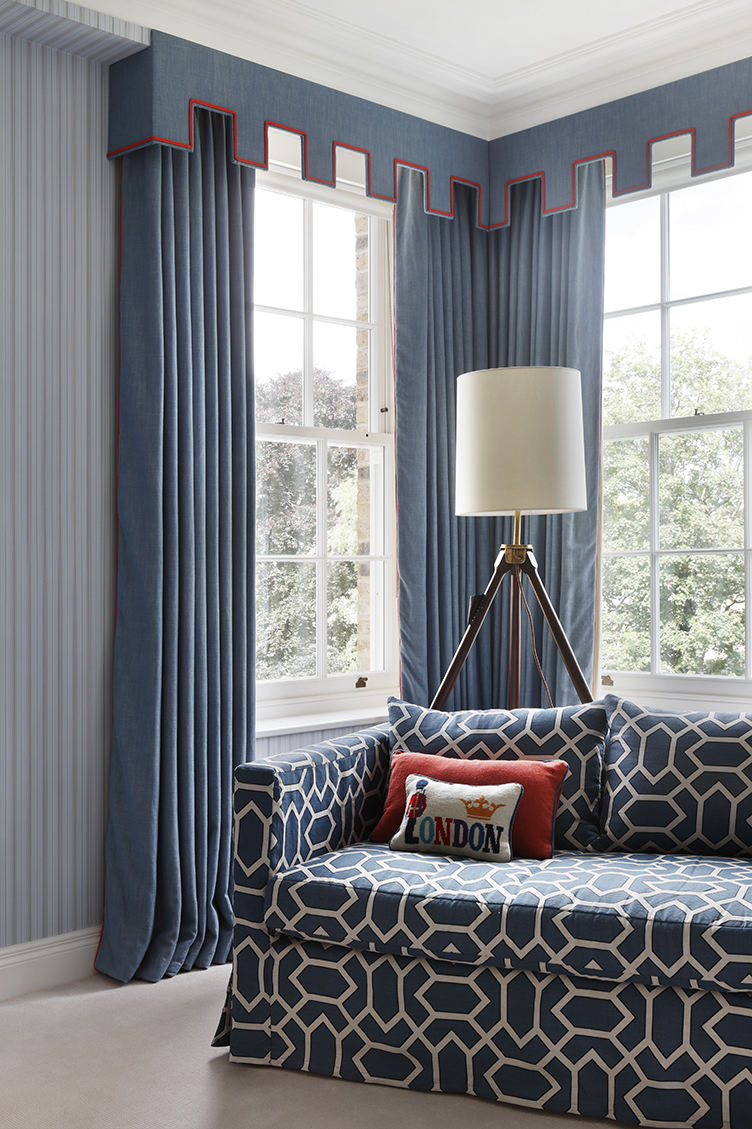
13 curtain ideas and styles to help you pick the best drapes for your room

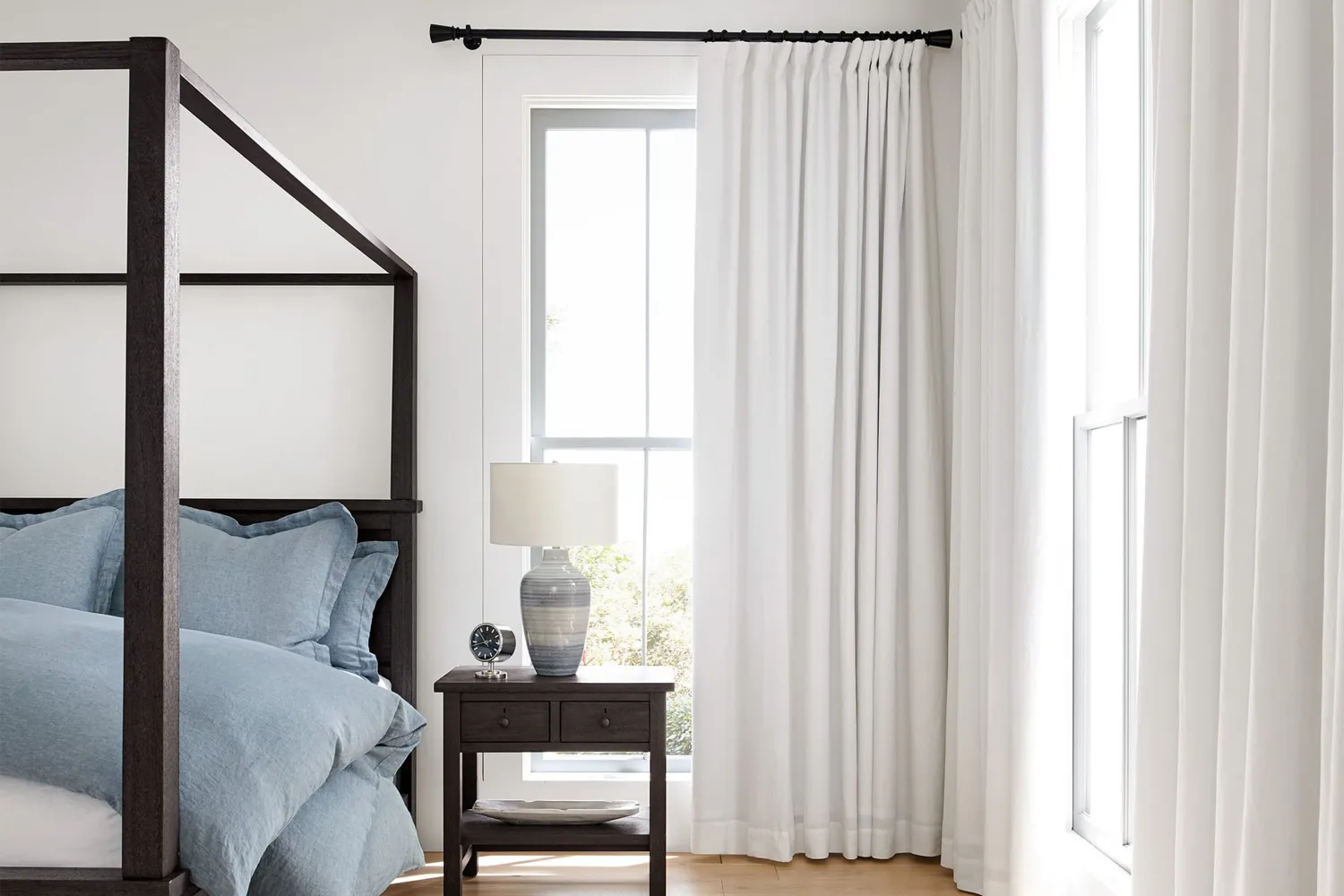
Dress Your Windows in Style: These Are the Top Curtain Retailers We Love

The 7 best places to buy curtains, with interior designer tips

54 Stylish Window Treatment Ideas to Completely Transform Your Space

15 Best Places to Buy Curtains Online in 2023
7 Window Treatment Mistakes You Might Be Making