1/5
How to Hang Curtains: A Hassle-Free 5-Step Guide
Successfully hanging curtains can significantly enhance a room's aesthetic, making windows appear larger and ceilings higher while also filtering light and adding texture. This guide provides a five-step process for hanging curtains, incorporating expert advice from interior designers Bobby Berk and Katie Hodges.
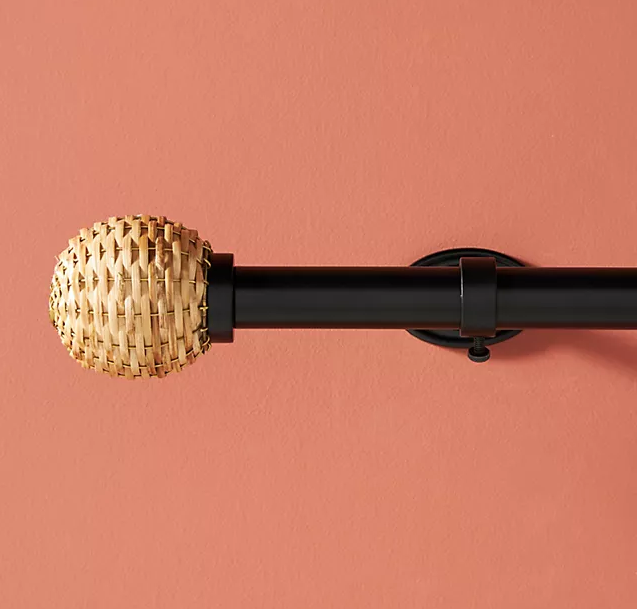
The initial step involves gathering all necessary tools and materials. This includes the curtains themselves, a curtain rod with its corresponding hardware, a ladder for reaching high areas, a measuring tape, a pencil for marking, a level to ensure straight installation, a drill with appropriate bits, safety glasses, and optionally, a stud finder and wall anchors. An iron or steamer is also recommended to remove creases from new curtains. While it's possible to hang curtains solo, having a helper can make the process considerably easier, particularly for positioning the rod and attaching the curtains.
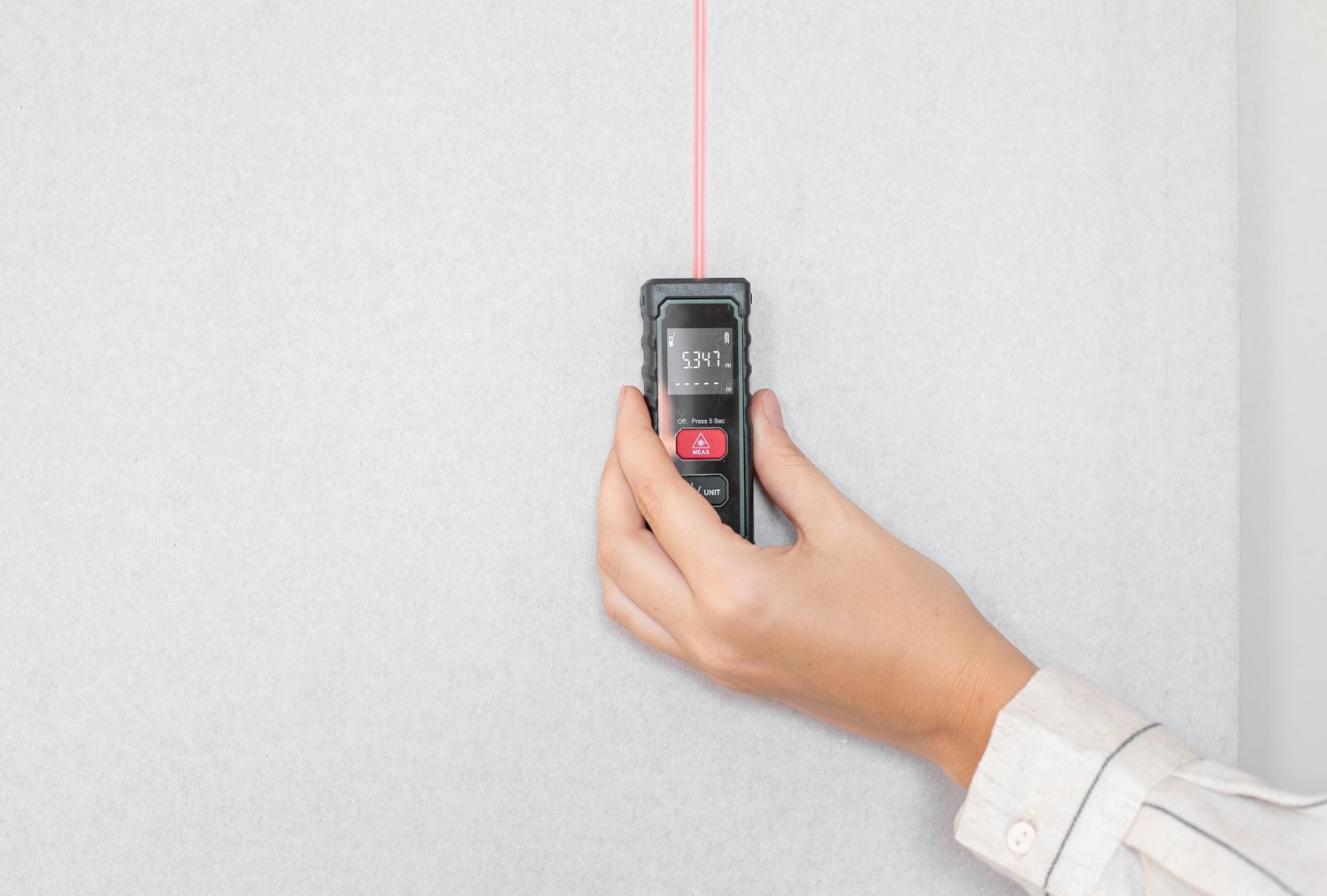
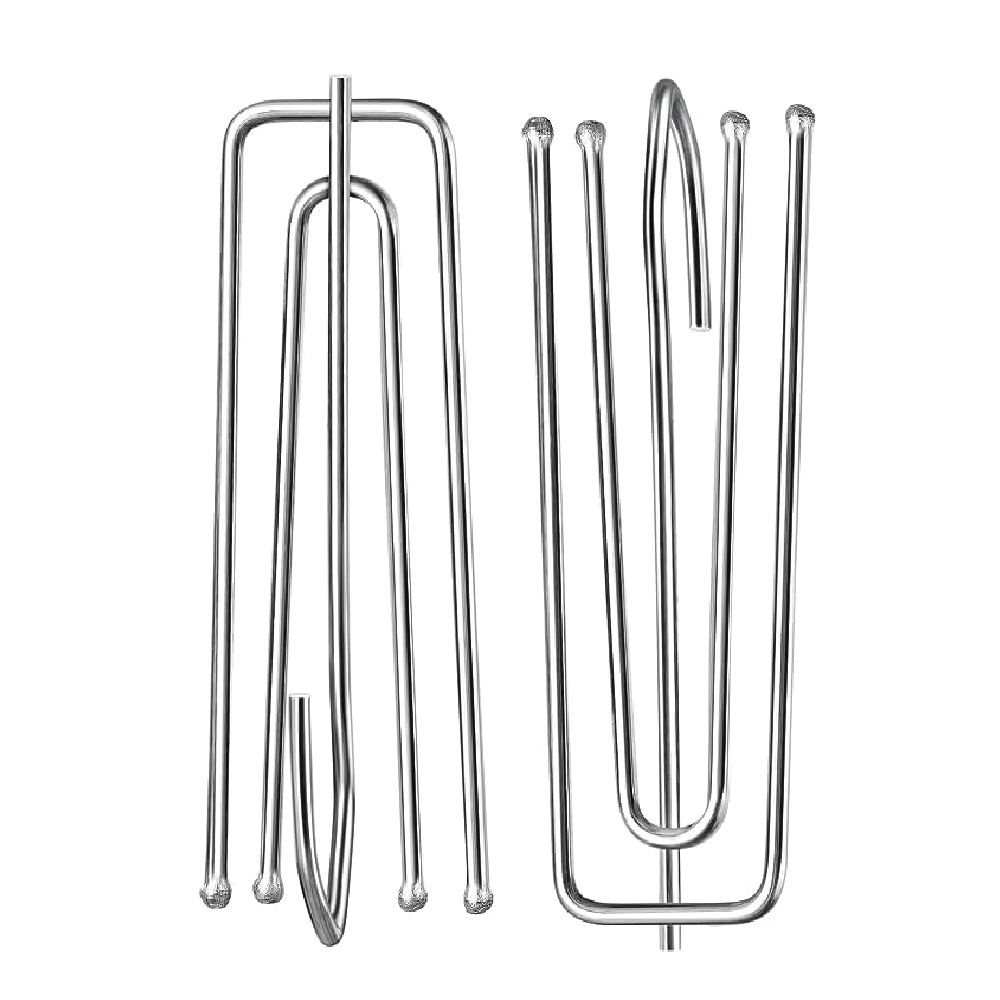
The second crucial step is accurate measurement. Begin by measuring the width of the window, including the trim. To achieve a full, visually appealing look, add 8 to 10 inches to each side, making this the total length of the curtain rod. For drapery that slightly overlaps the glass, designers recommend curtains that are twice the width of the window and rod combined. For height, measure from the ceiling (or just below the crown molding) down to the floor. Adjustments may be needed based on the chosen curtain style and bracket type, as rod pocket curtains hang differently from those using rings or pinch pleats.
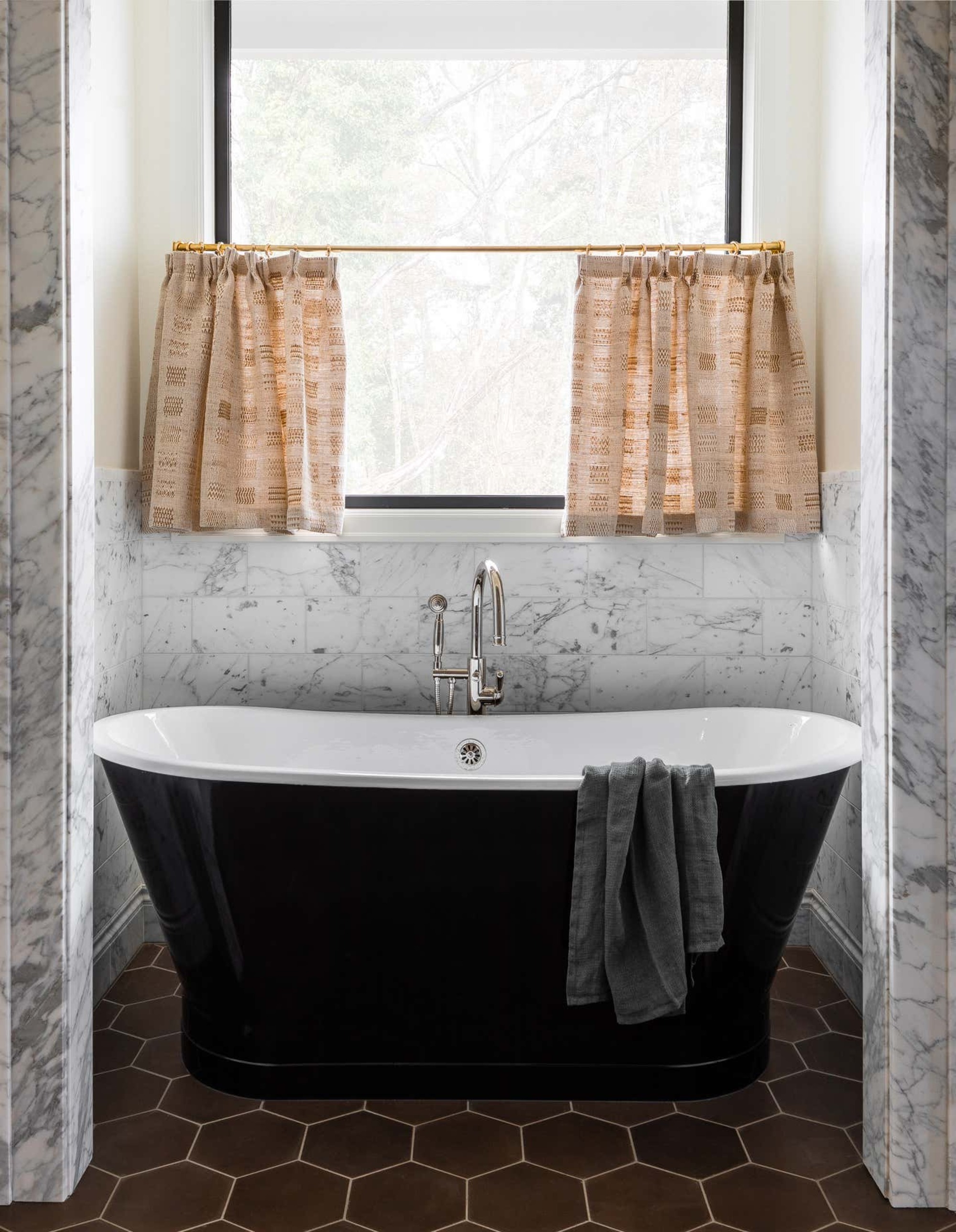
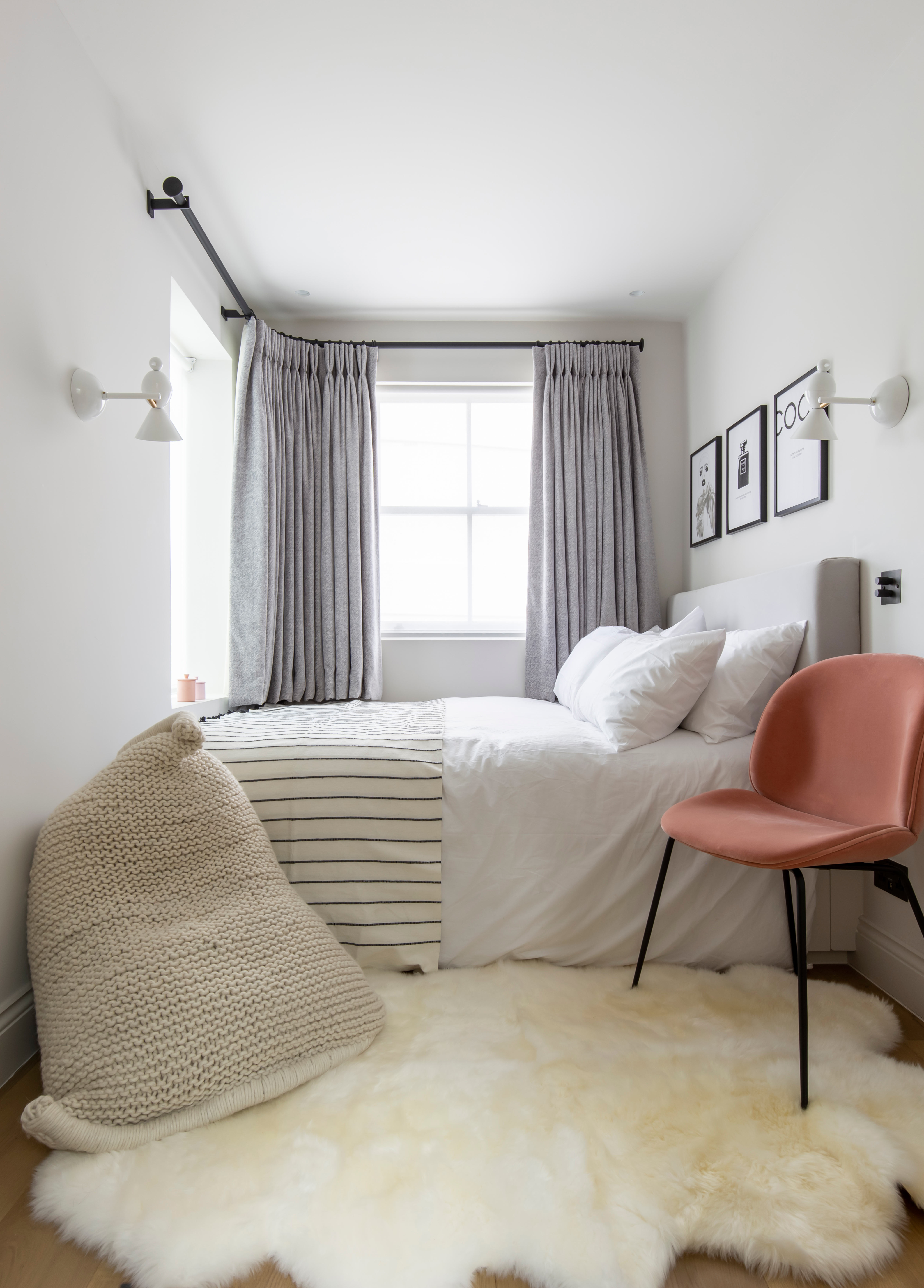
Next, decide on the rod placement. The curtain style chosen during the measurement phase will influence this decision. Generally, rods should be mounted generously above the window frame but not so high as to be distracting. A common rule is to place the rod closer to a standard-height ceiling (eight to nine feet) than the window frame, as this creates an illusion of taller windows and higher ceilings. The only exception is for rooms with exceptionally high ceilings where this optical enhancement is not needed; in such cases, the rod can be placed directly above the window frame. For rod length, Berk suggests it should extend 16 to 20 inches beyond the window frame, unless the window spans wall-to-wall, which helps make the window appear larger.
Installation of the brackets follows. Mark the drill holes with a pencil, ensuring each bracket is positioned at the determined height and about four to six inches from the side of the window frame to allow for full curtain opening. Use a level to confirm the marks are straight, as an unlevel rod will result in crooked window treatments. A stud finder can help locate wall studs for secure mounting; if no studs are present, wall anchors should be used after drilling the holes. Once holes are drilled, screw the brackets firmly into the wall.
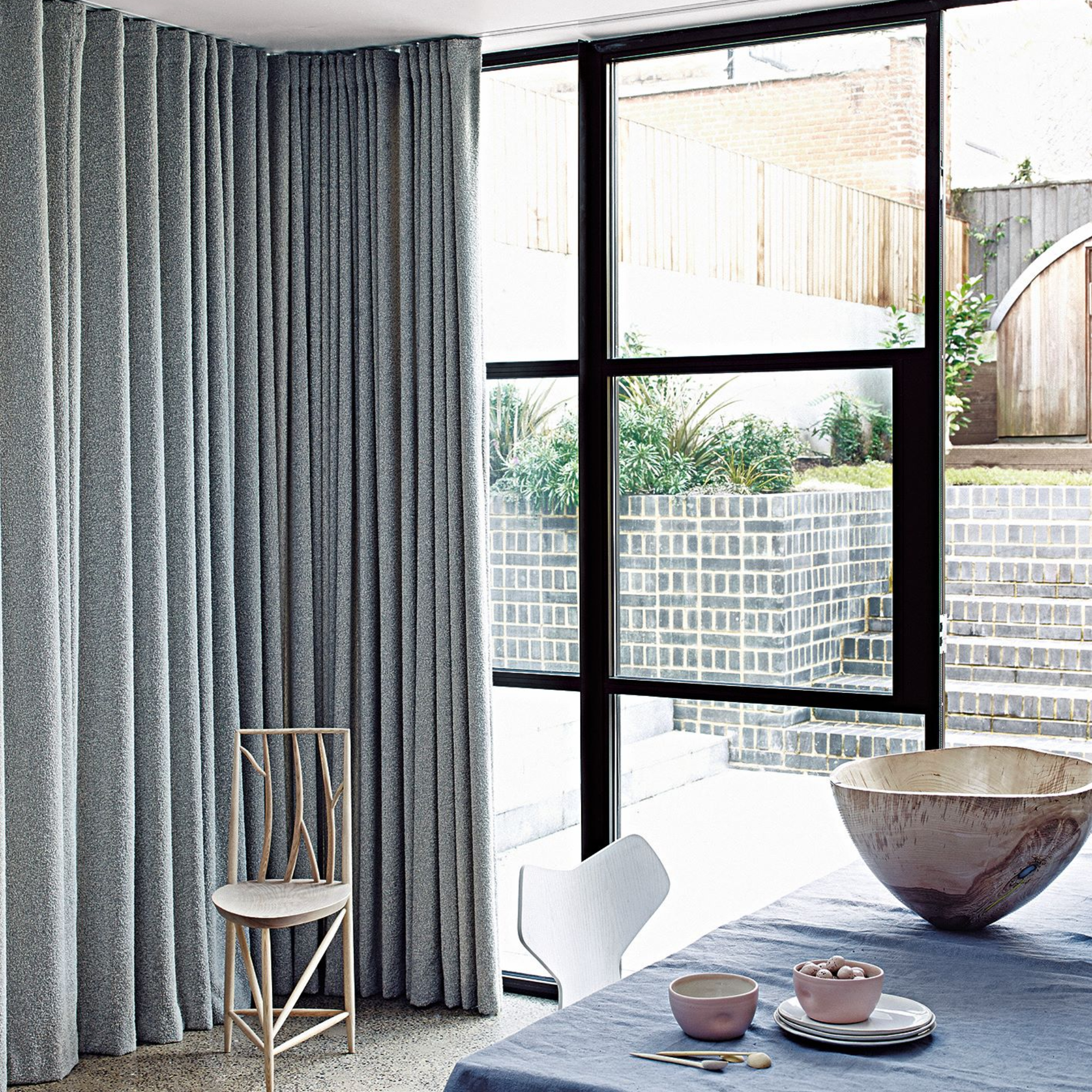
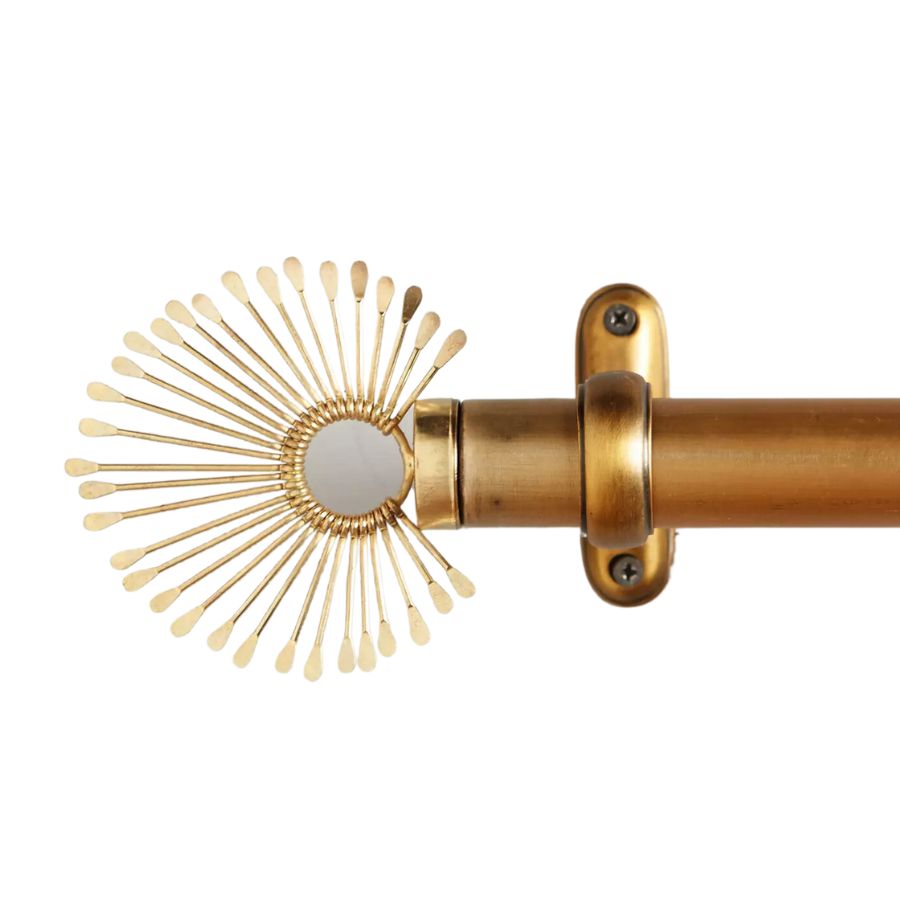
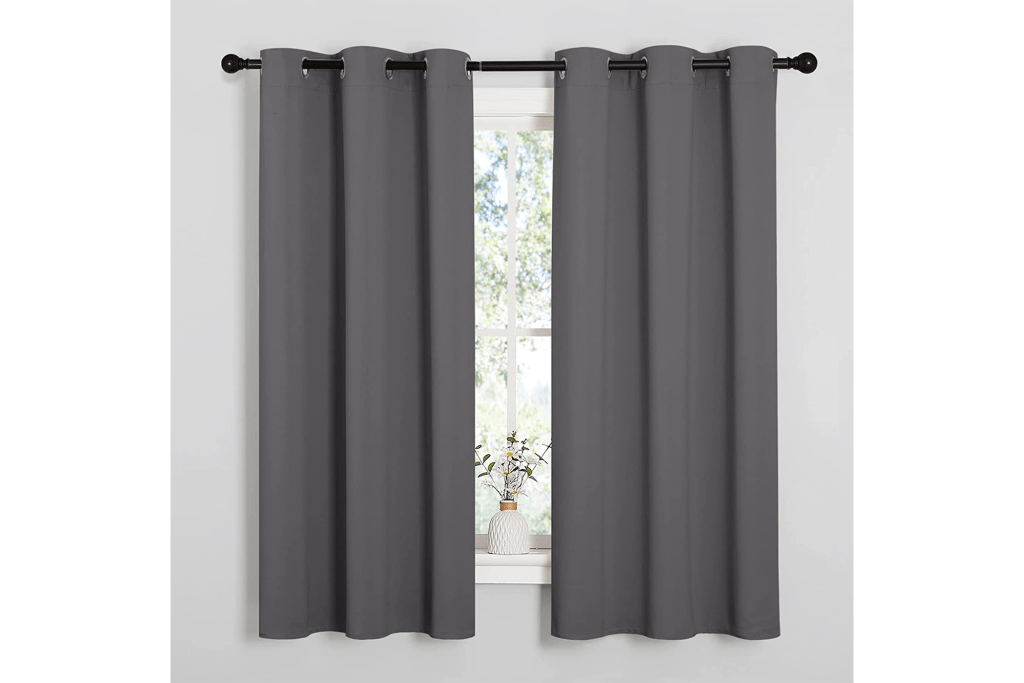
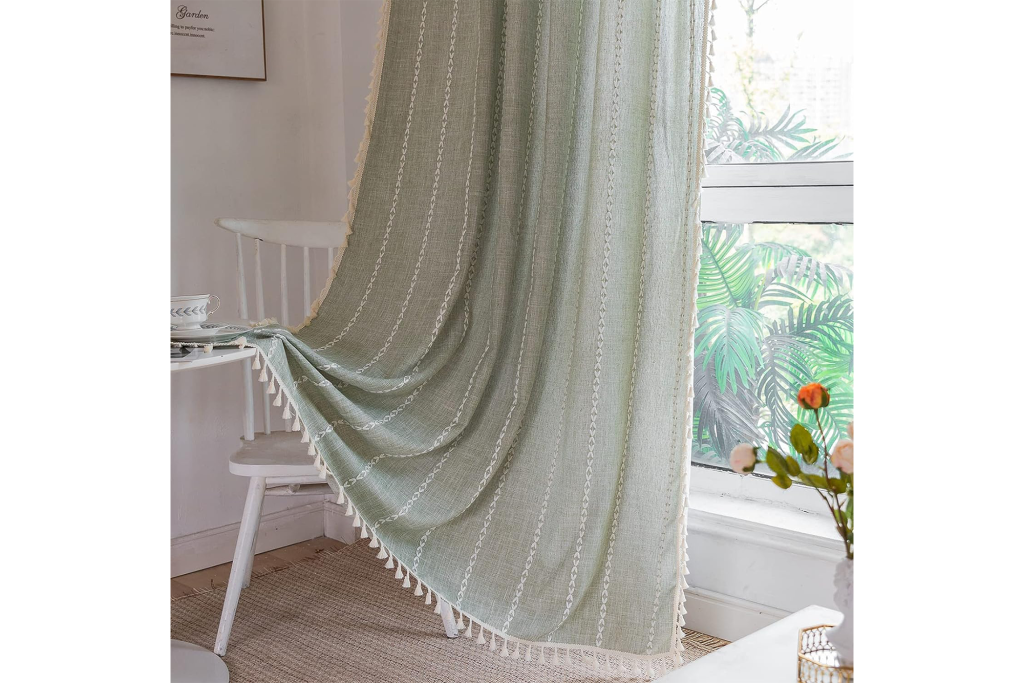
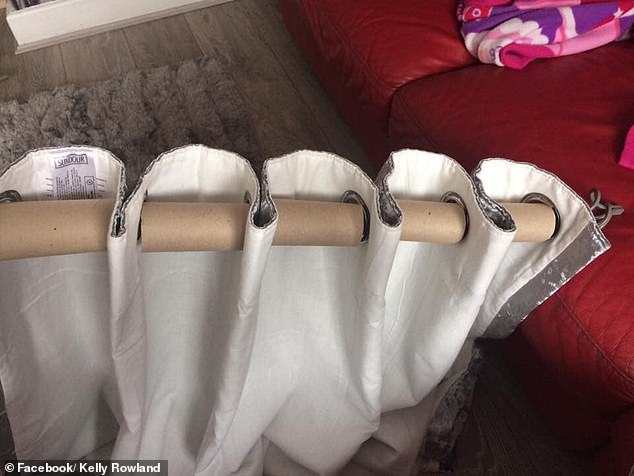
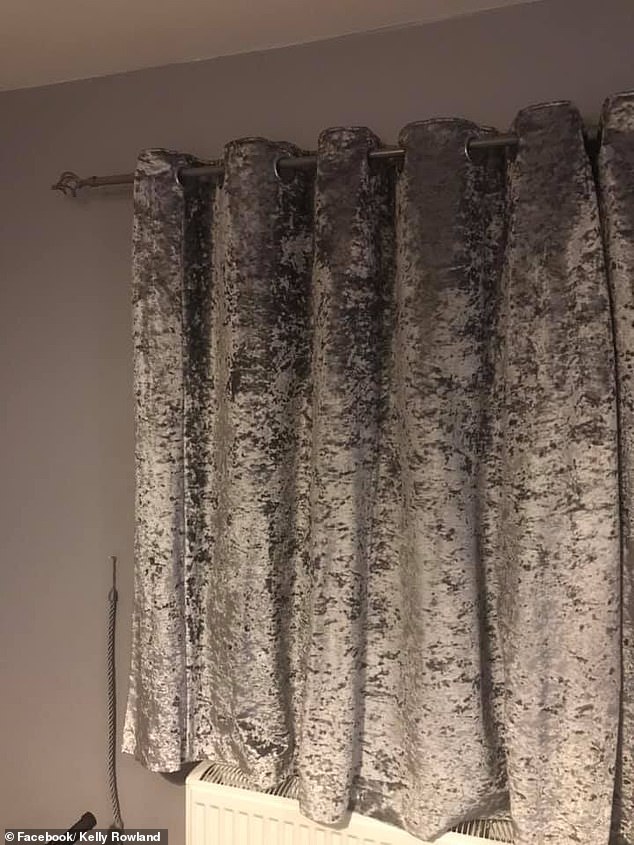
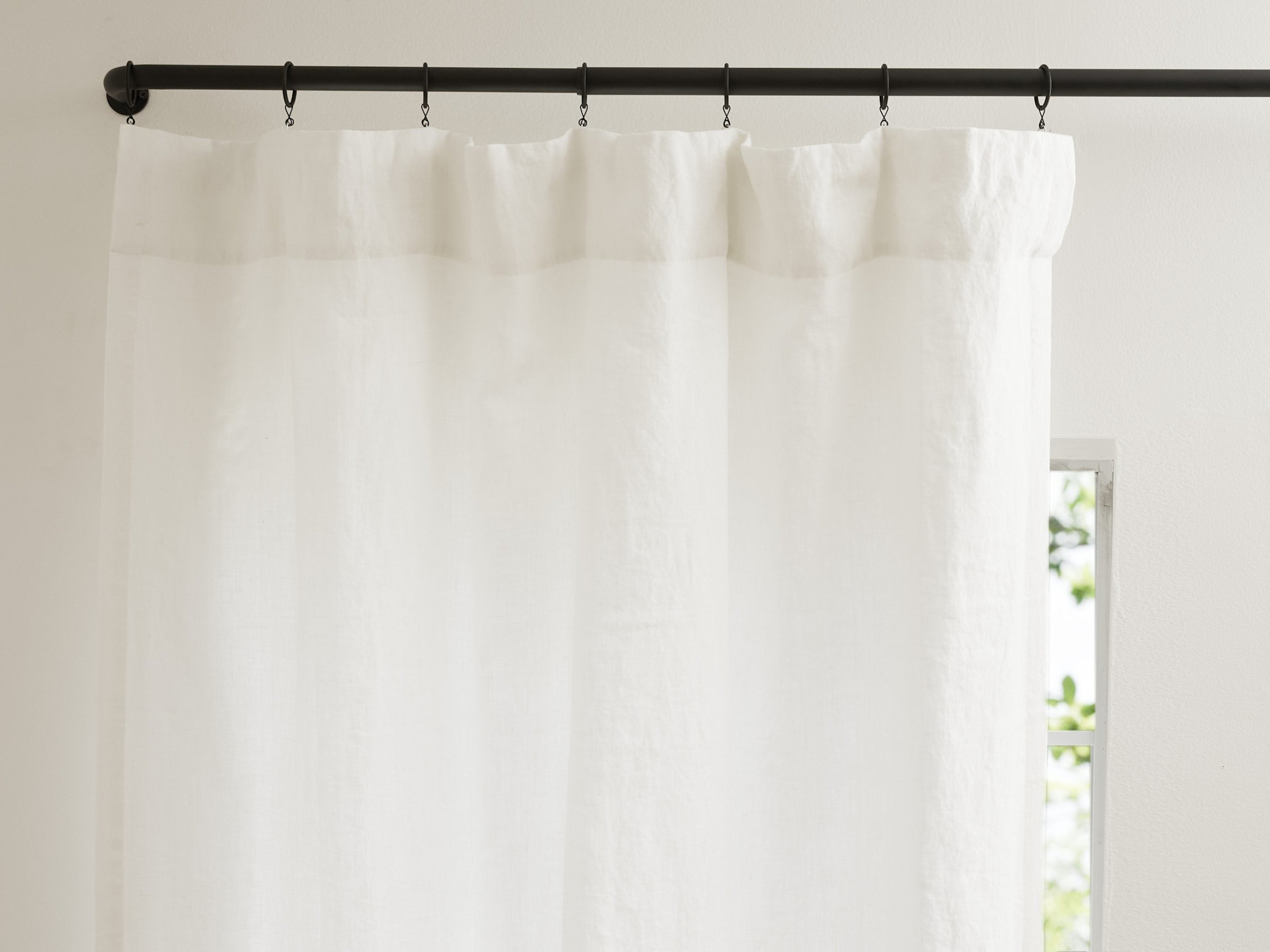
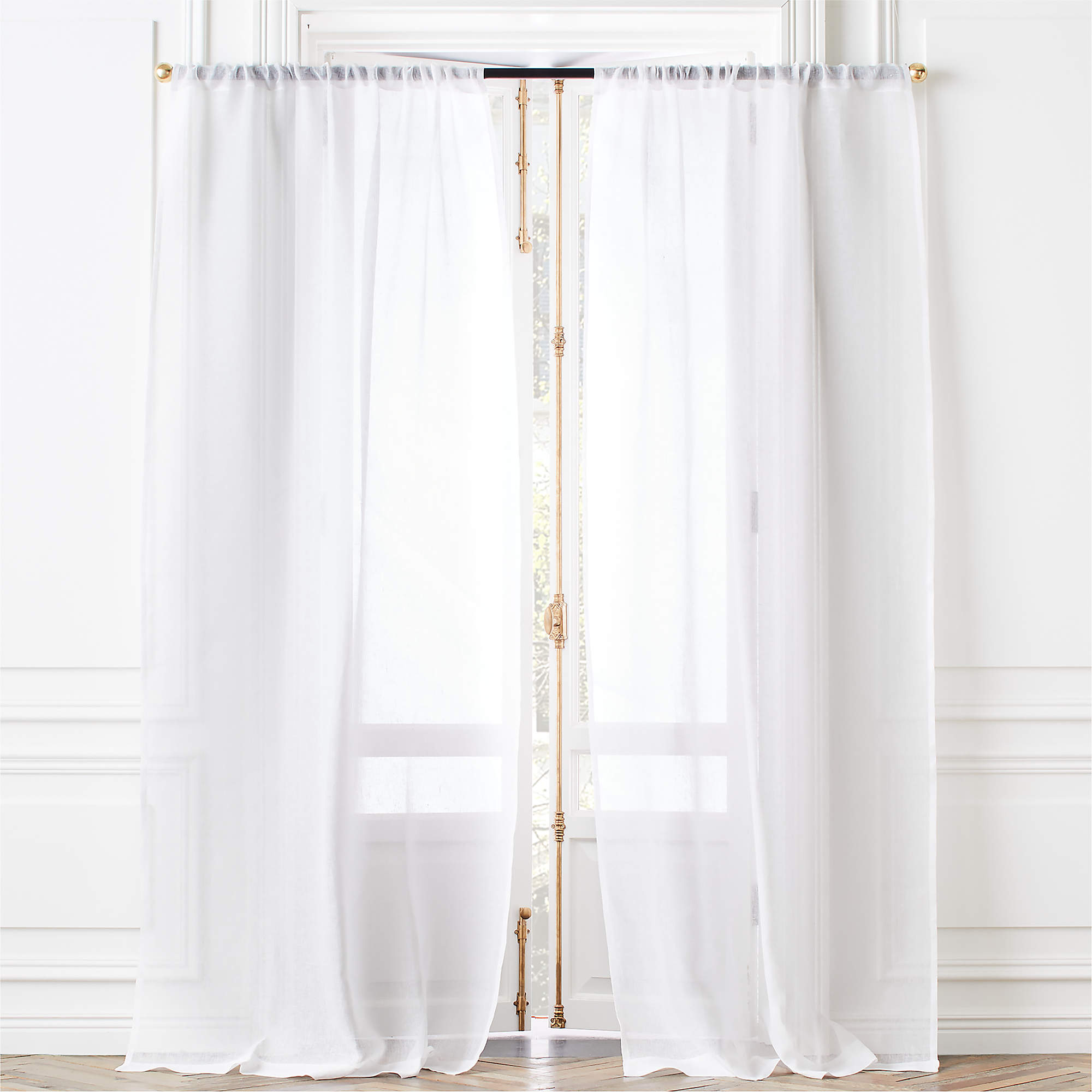
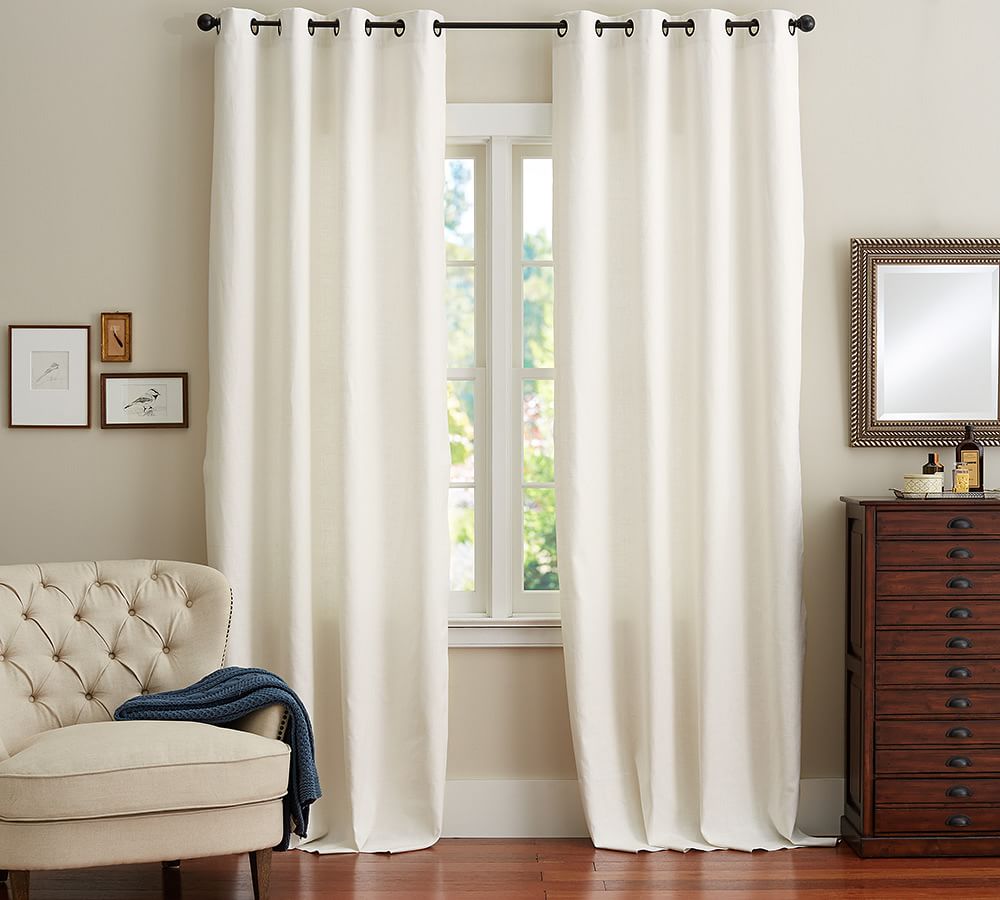
The final step involves hanging the curtains. If curtains are new, iron or steam them to remove wrinkles. Remove the finials from the curtain rod, thread the curtains onto the rod, and then place the rod into the installed brackets. Replace the finials. If the brackets have set screws, tighten them to secure the rod in place. Following installation, attention turns to styling. Designers favor cotton and linen for their versatility, noting that velvet can create a cozier, sound-dampening effect. Silk and lace are generally advised against unless the home's architecture demands it. For patterns, neutrals are often preferred for main living areas, while bold patterns might be better suited for children's rooms or dens. Timeless designs, such as understated pleats like box, tailored, or pinch pleats, are recommended. To maintain the pleats' structure, they should be “trained” by gathering them neatly and securing them with a ribbon for a day or two. Regarding curtain length, designers agree that curtains should “kiss” the floor, meaning they gently touch it, to achieve a clean and natural look, with a slight deduction in length for fabrics like linen that tend to stretch over time. For renters, less invasive hanging methods like tension rods or adhesive hooks are available, and professional advice often confirms that patching drywall holes is a straightforward task. Finally, coordinating the curtain rod and finial hardware with other metal accents in the room, and selecting rod thickness appropriate for the curtain fabric weight, contributes to a cohesive design.
#CurtainHanging #HomeDecor #InteriorDesign #DIYProjects #WindowTreatments #StylingTips #MeasuringGuide #FabricSelection #BobbyBerk #CurtainHanging #HomeDecor #InteriorDesign #DIYProjects #WindowTreatments #StylingTips #MeasuringGuide #FabricSelection #BobbyBerk
0 comment in total
 No comments yet
You may also like
How to hang a curtain pole


7 DIY tips for how to hang a gallery wall from experts

How to Hang Wallpaper Yourself in 8 Simple Steps, Straight from a Pro


How to Hang Curtains From the Ceiling And Why It’s Better Than Using a Rod


4 renter-friendly ways to hang curtains without drilling, according to both DIY and interior experts

5 finishing touches that will elevate your curtains and make them look a hundred times better


How to Hang Drapery (Published 2023)


How to Hang Wallpaper (the Permanent Kind!)


How to Hang Curtains the Way an Interior Designer Would — To Balance, Blur Lines, and Bring Impact to a Room

The Easiest, Foolproof Way to Hang Curtains, According to Design Pro

Woman reveals how she achieves neat pleats in her curtains using empty TOILET tissue rolls

How To Hang a Garland on a Mantel — 6 Easy, Damage-Free Tricks Interior Designers Use

How To Hang Curtains Like A Professional

The 7 best places to buy curtains, with interior designer tips

This hack for your curtains will instantly make them look more expensive – and it evens work on ones from IKEA
Best curtains to shop now: From blackout to linen and top tips for installation

How to hang paintings: Everything you need to know

How to hang plants from the ceiling - expert tips to add greenery overhead safely

How to Hang Wallpaper (the Permanent Kind!)

Five Clever Ways to Hang a Quilt