1/2
How to Choose the Right Curtain Length for Your Specific Windows
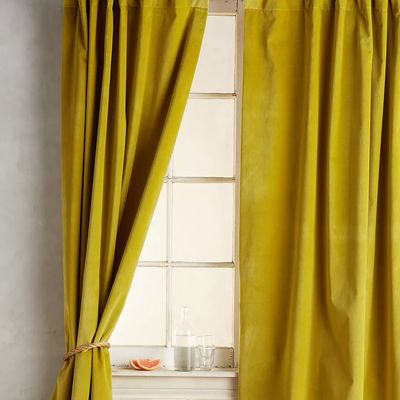
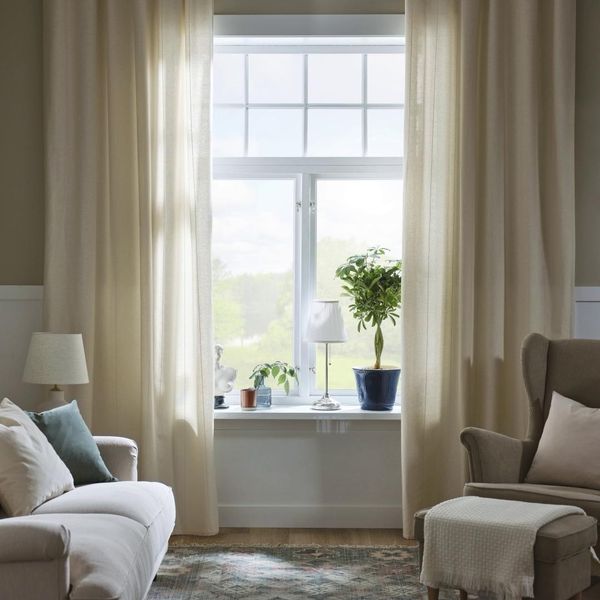
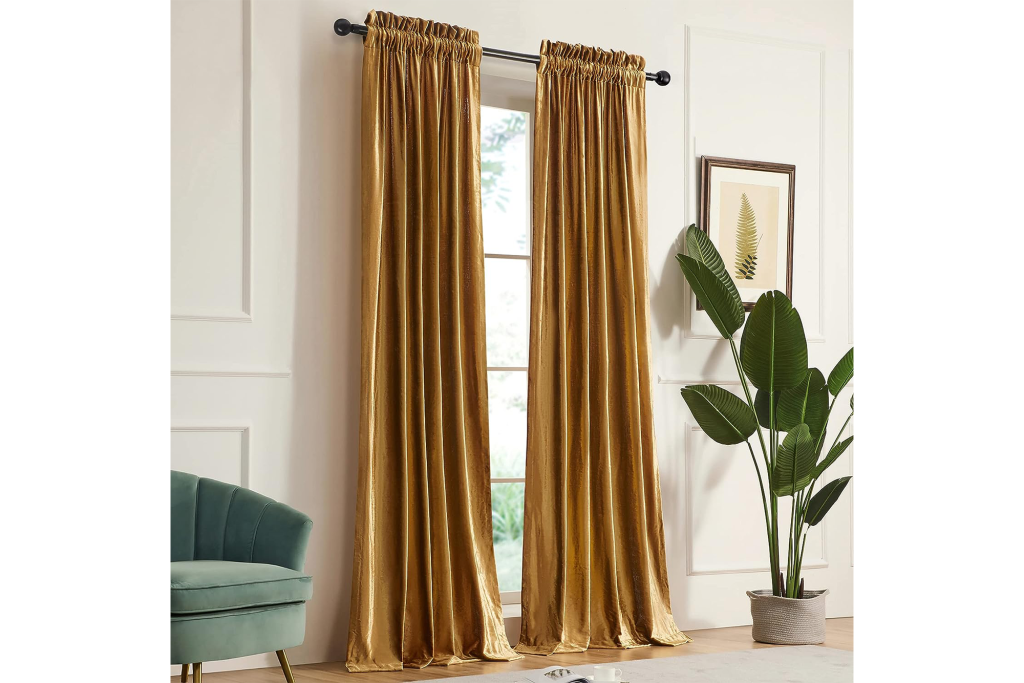

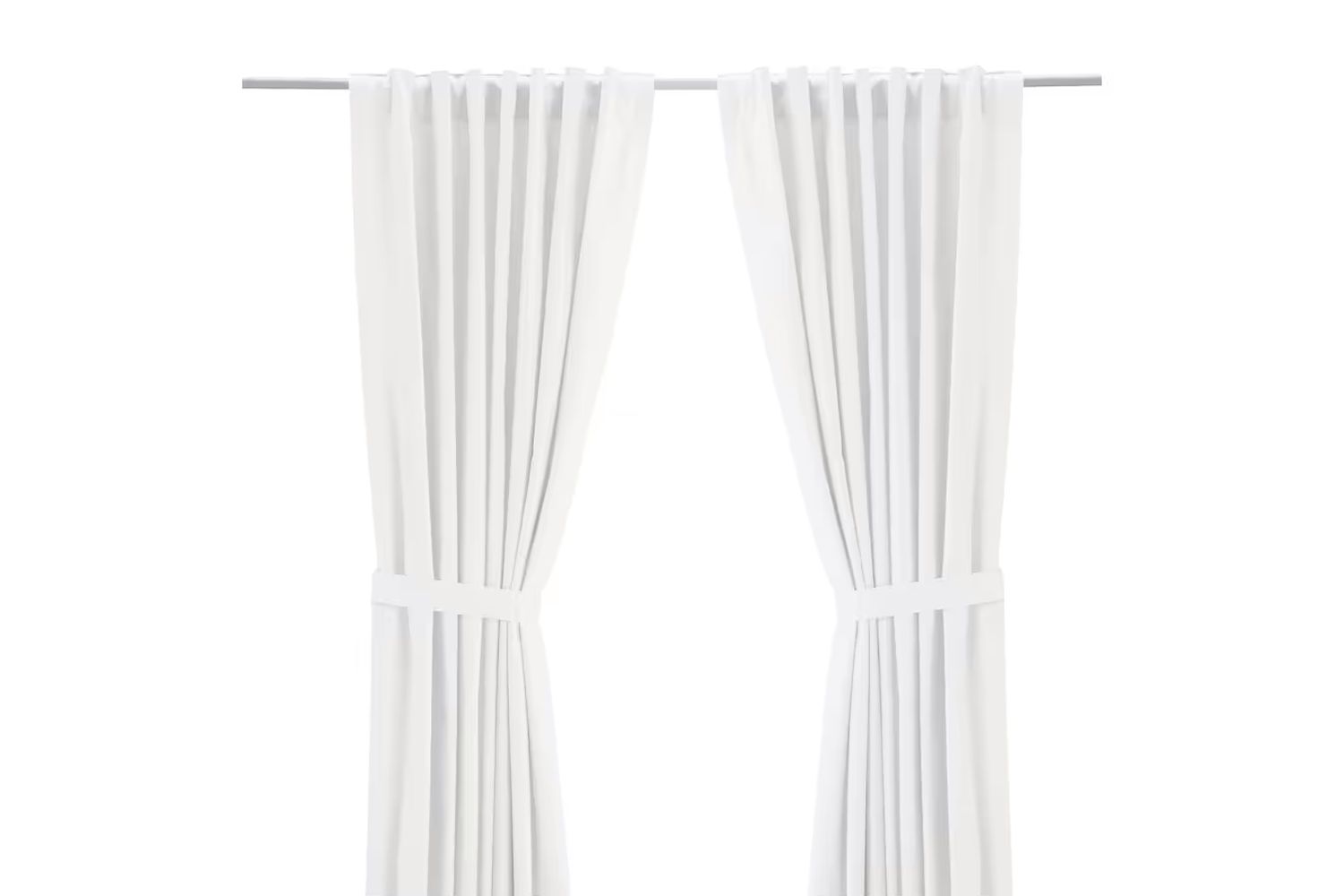
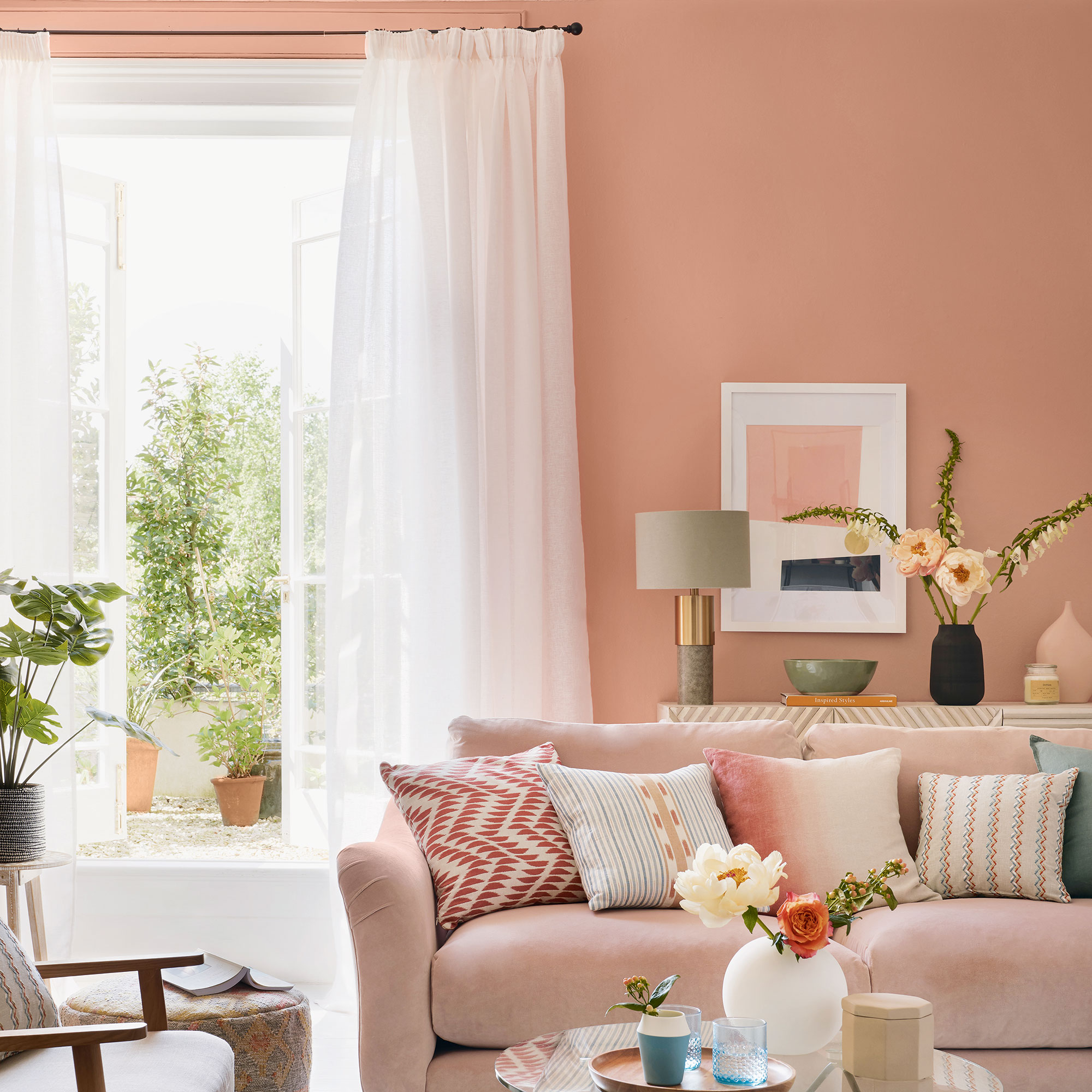
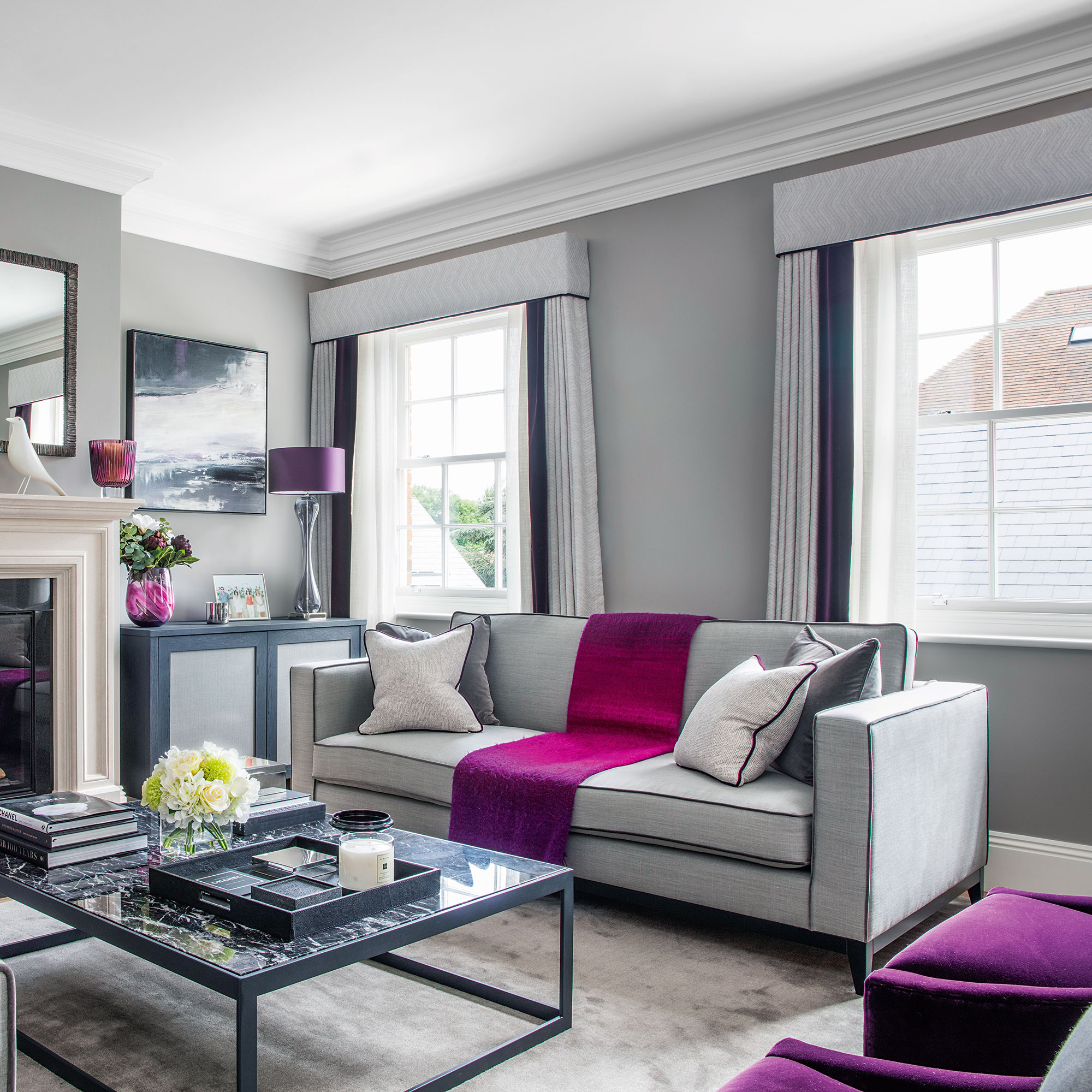
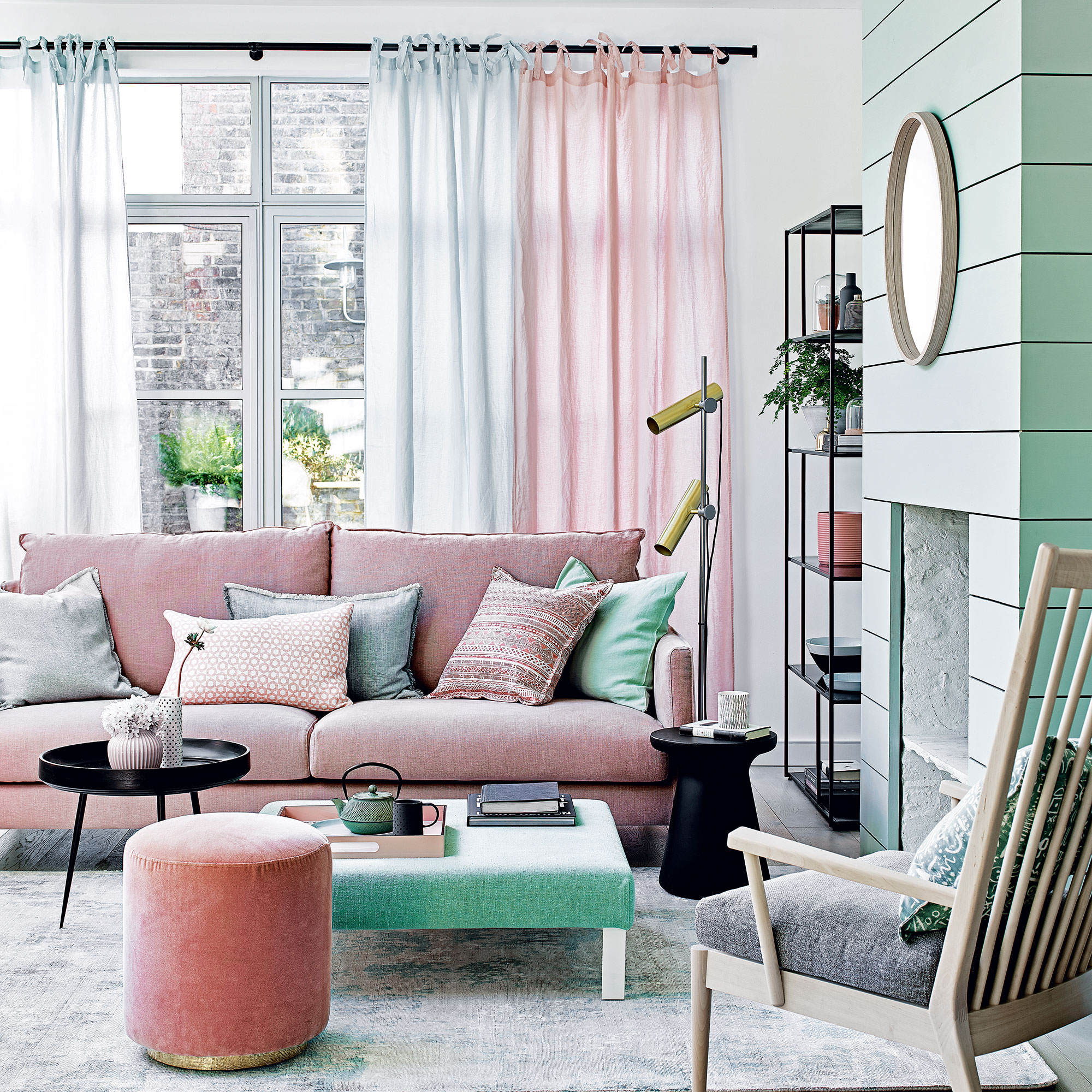
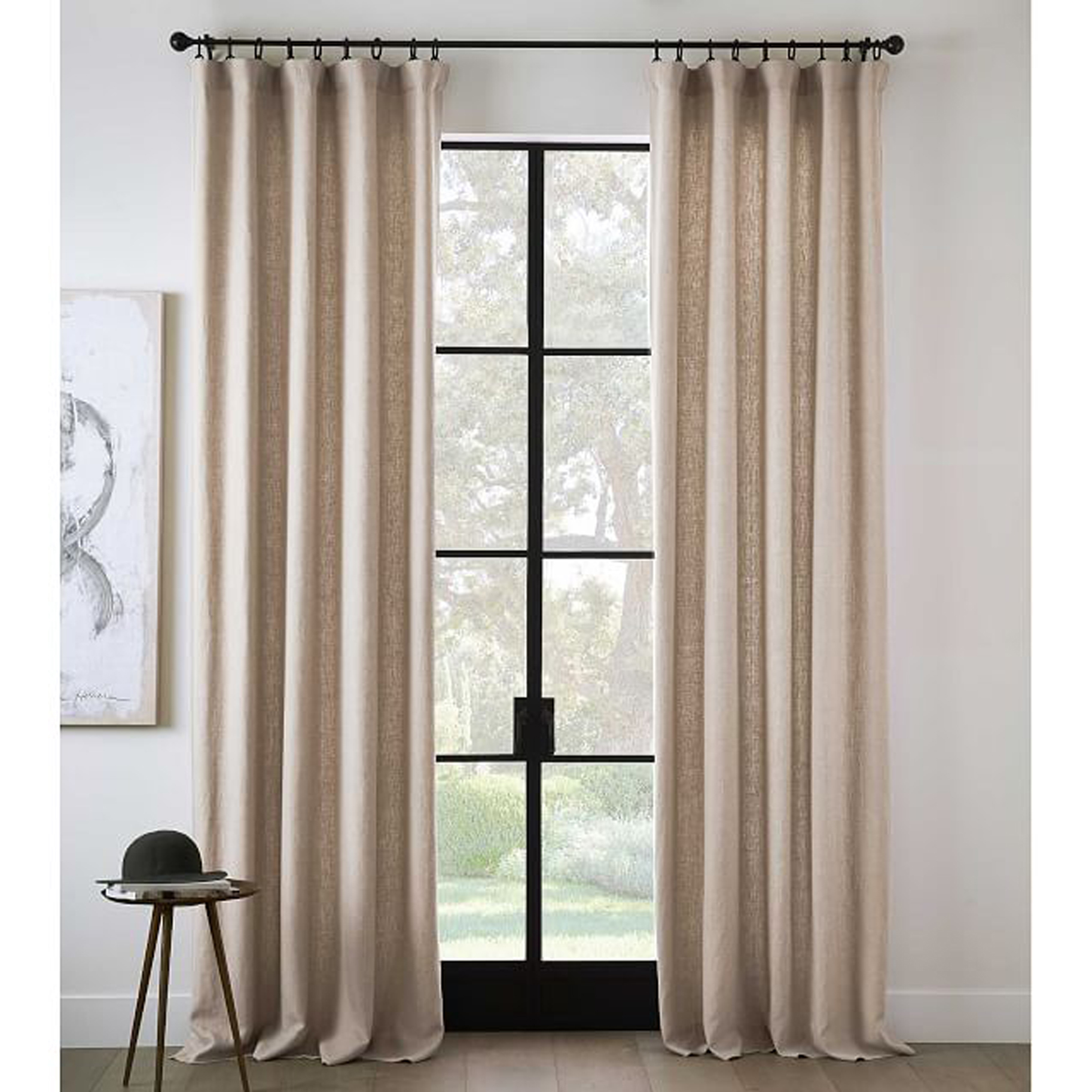
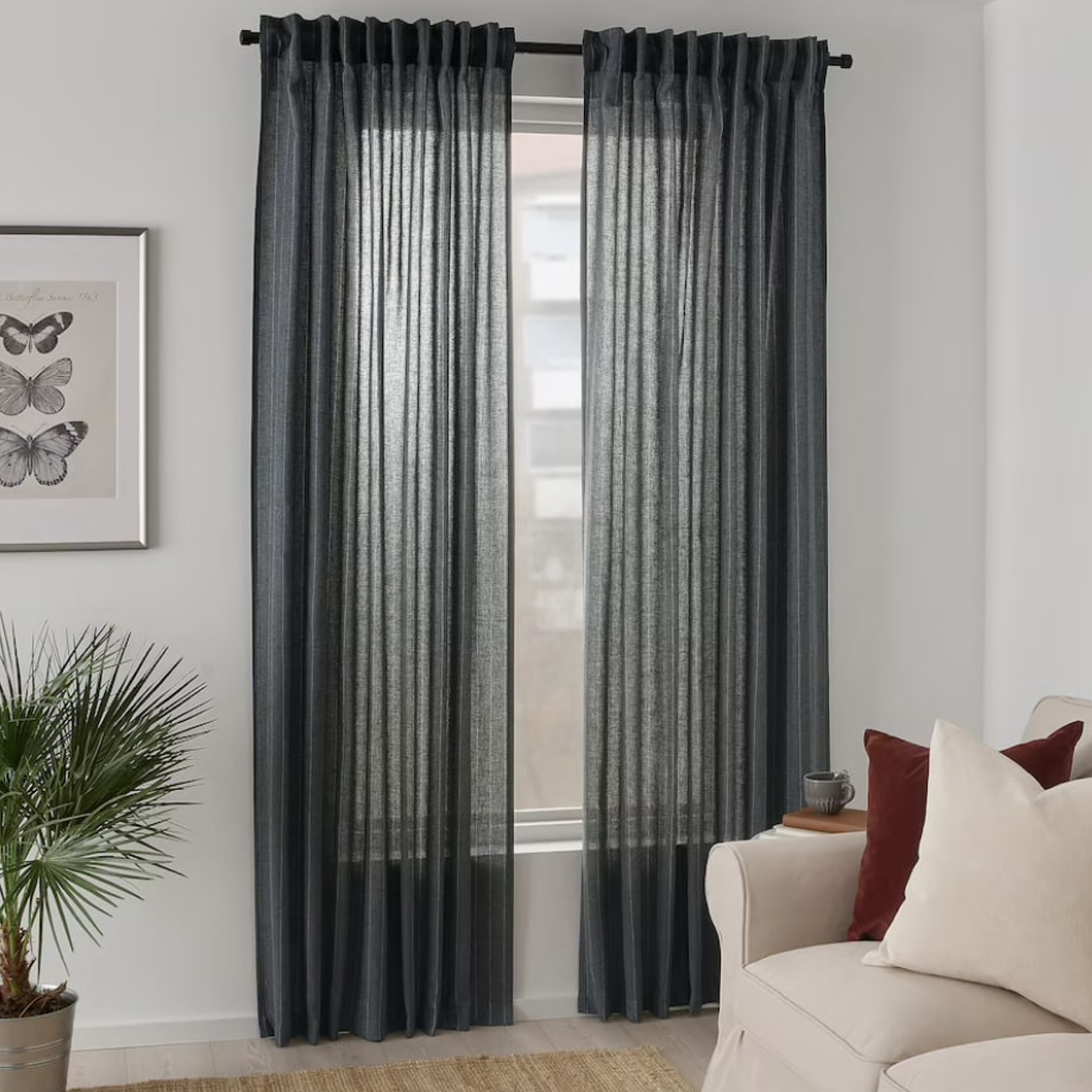
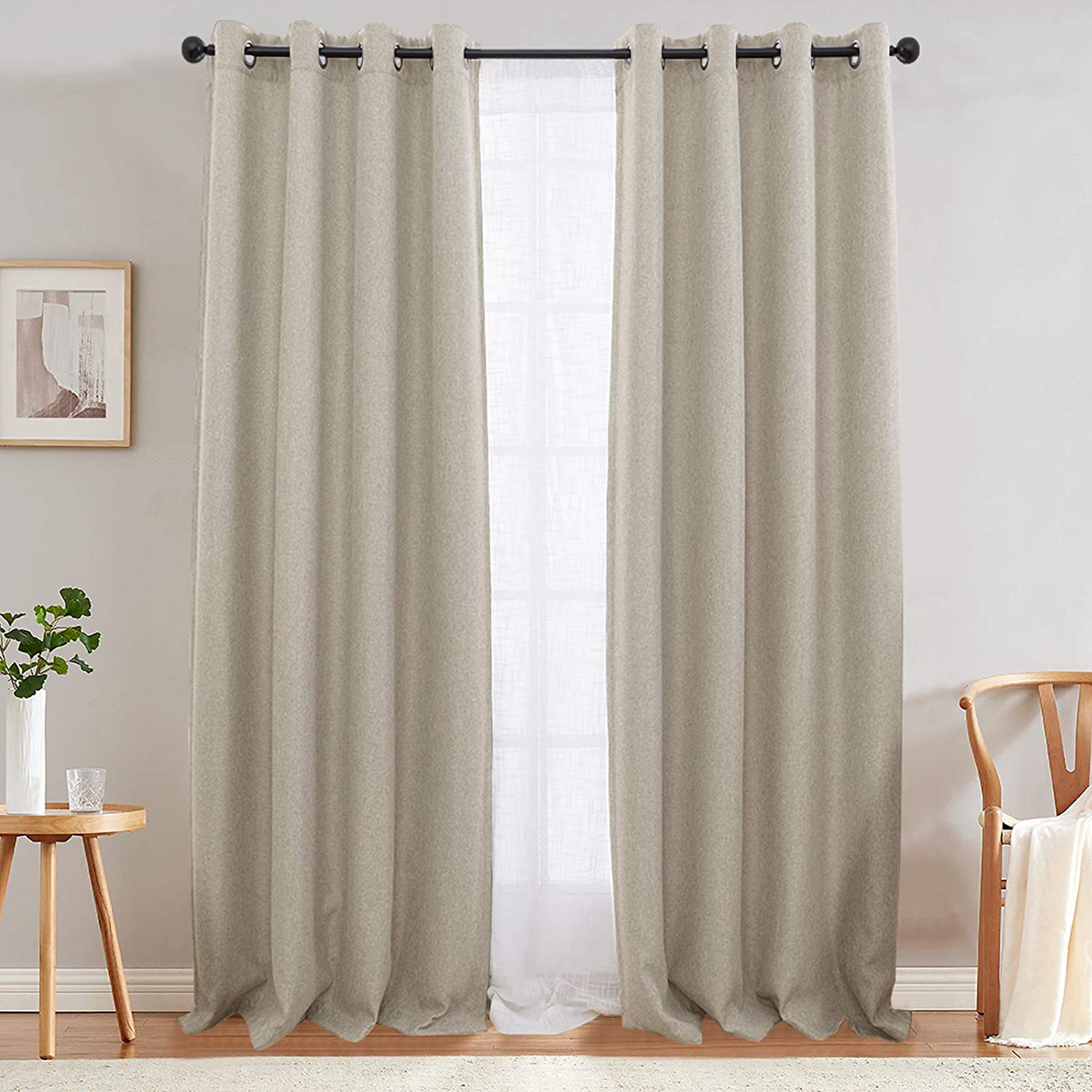
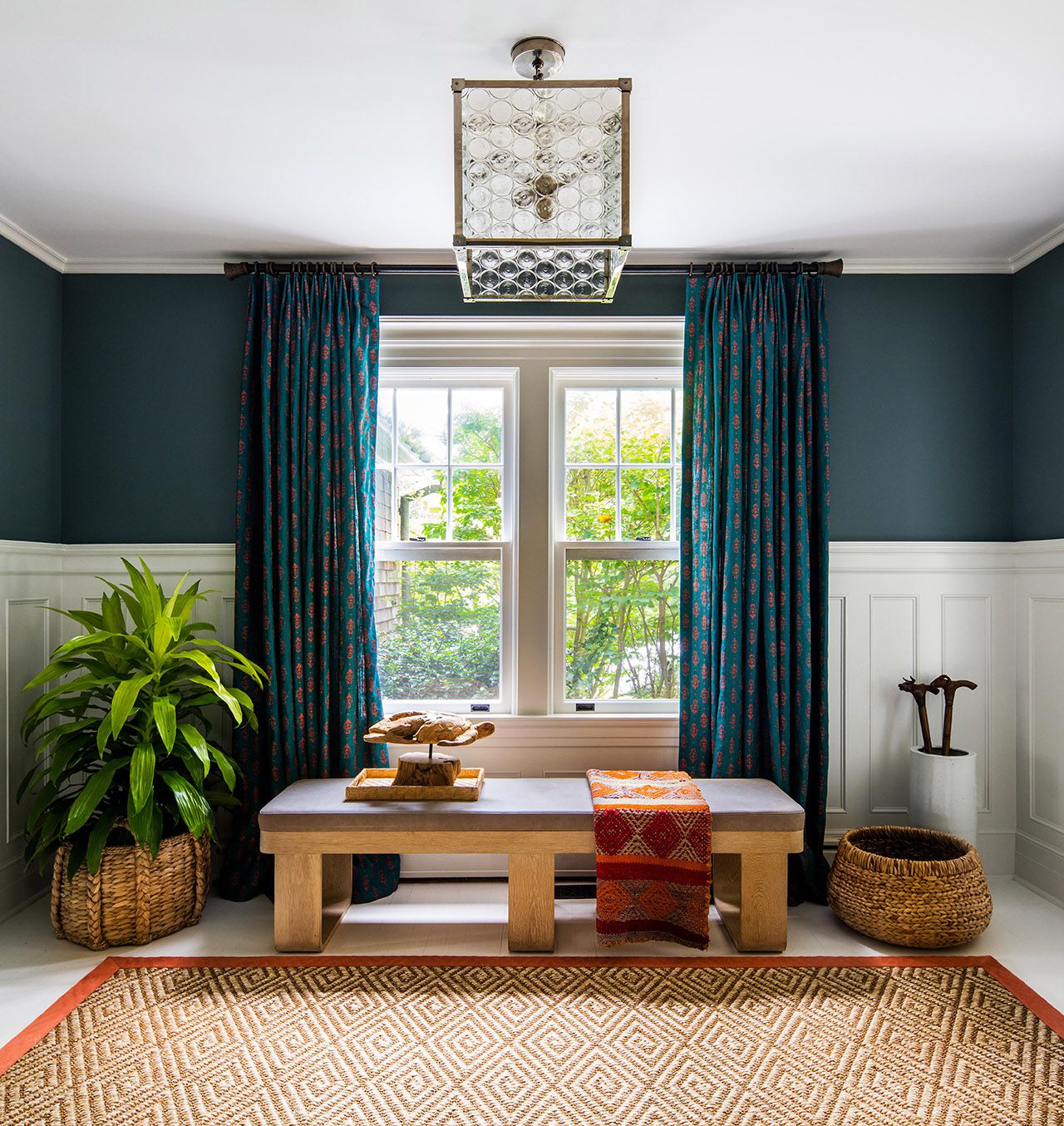
Selecting the appropriate curtain length is crucial for enhancing the aesthetic appeal of a room. Interior designers often adhere to a fundamental principle: curtains should gracefully skim the floor. Achieving this ideal length necessitates accurate measurements of the window and meticulous fabric selection to ensure a cohesive and polished appearance within the space.
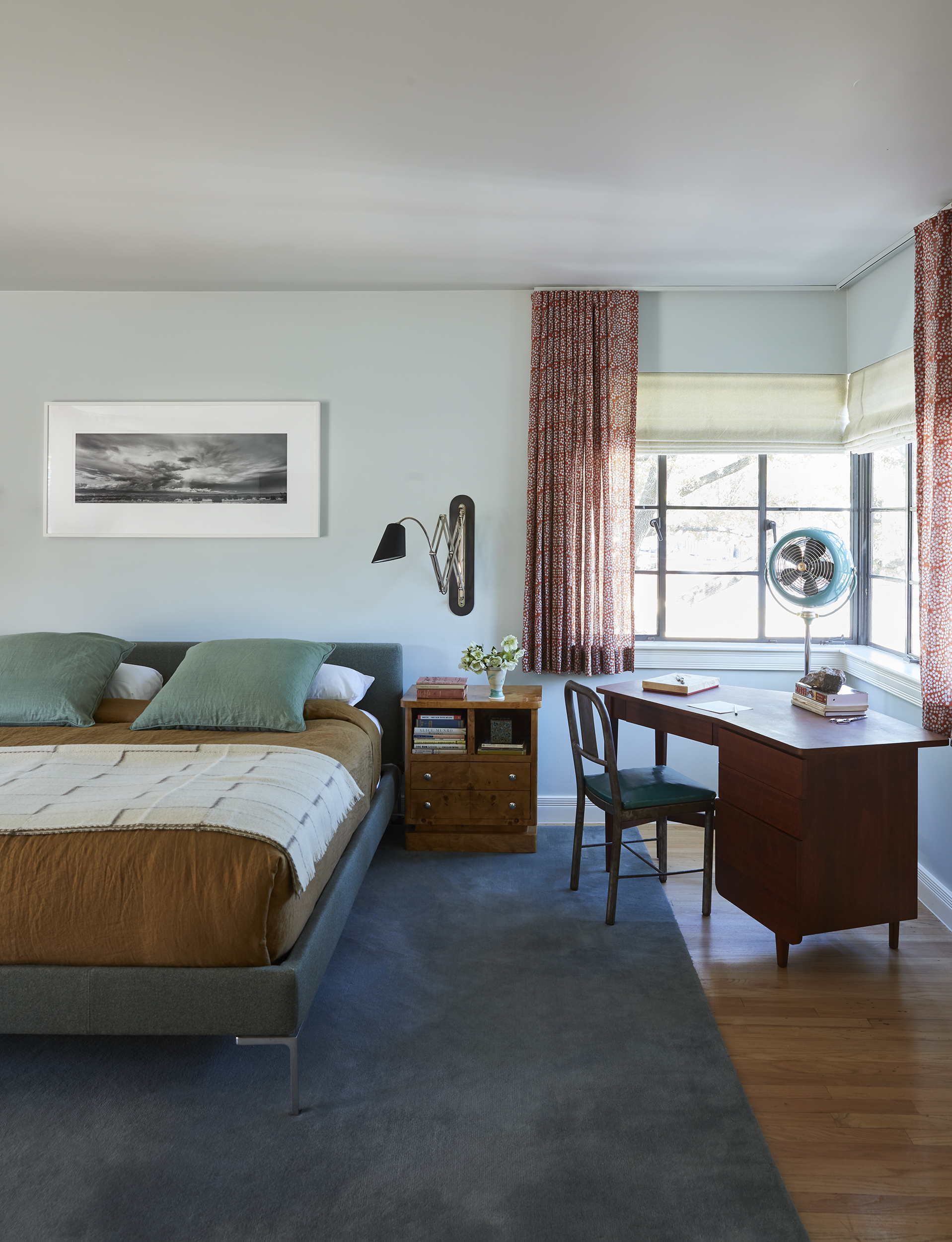
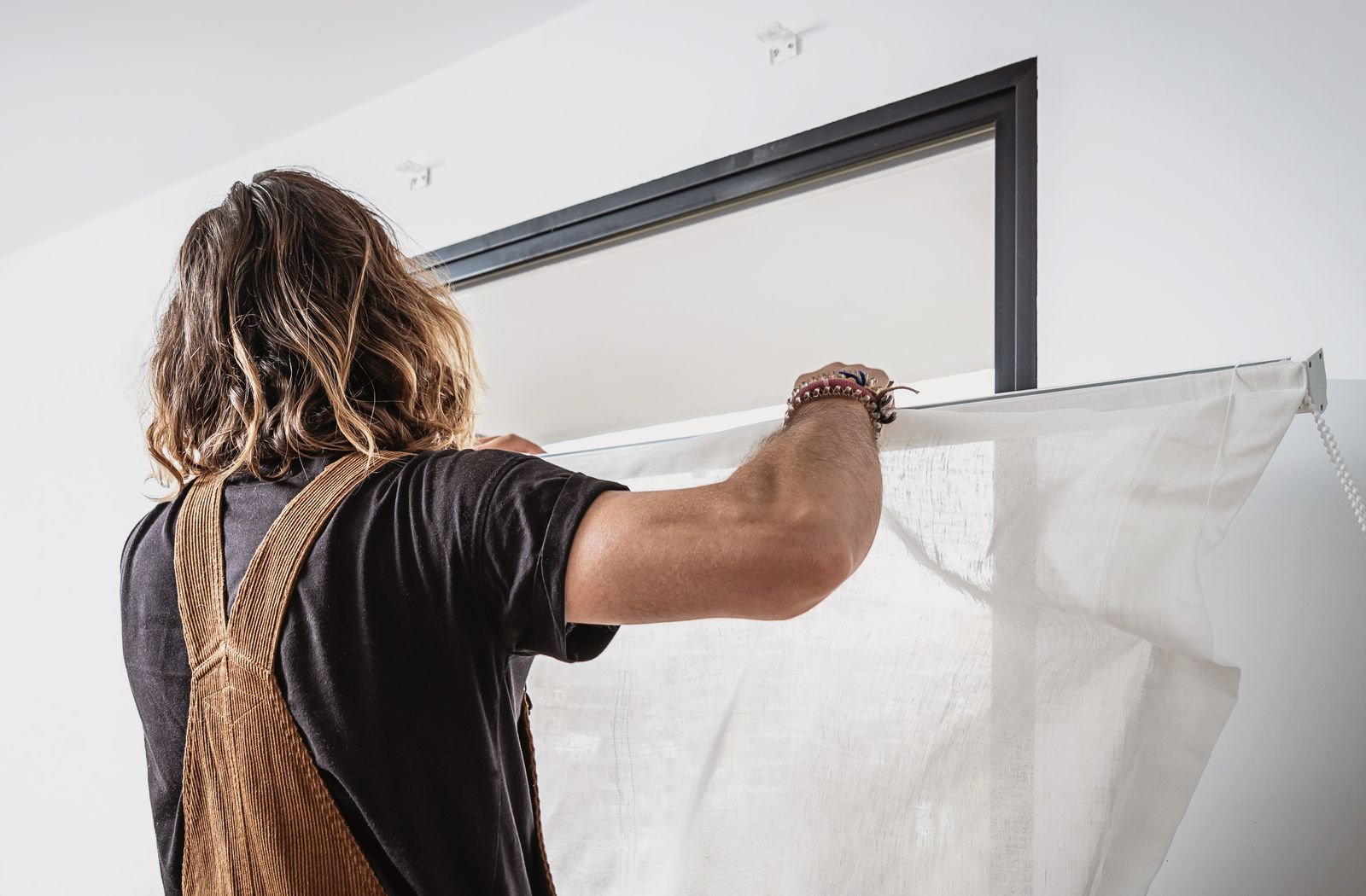
The process of accurately measuring for curtains is a foundational step in ensuring they complement the room effectively. A practical guideline suggests following the "Rule of 10s," which dictates that curtains should extend approximately 10 inches above the window trim and 10 inches wider than the window on each side. If spatial constraints prevent this, a reduced extension of 4 or 5 inches can be applied. For rooms with higher ceilings, the placement of the curtain rod or hardware should align with the ceiling, sit just below the crown molding, or be positioned 12 to 24 inches above the window trim.
It is also recommended to conduct multiple measurements, referred to as "field measuring," from the intended top of the curtain to the floor. This is particularly important because floors and ceilings in many homes may not be perfectly level. Taking several measurements across the width of the window allows for precise fabrication of curtains that can accommodate any subtle inconsistencies in the room's architecture, ensuring a perfectly tailored fit.
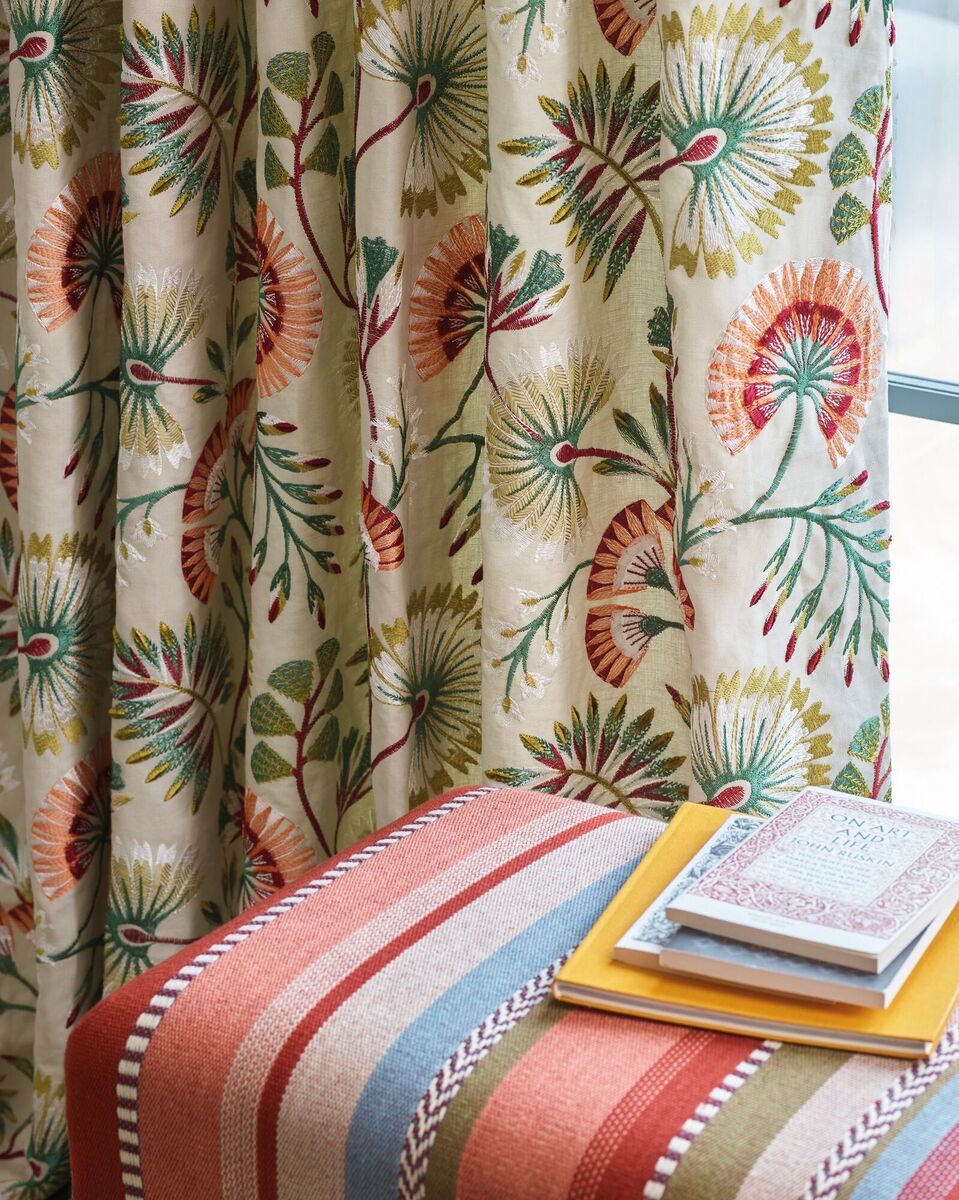
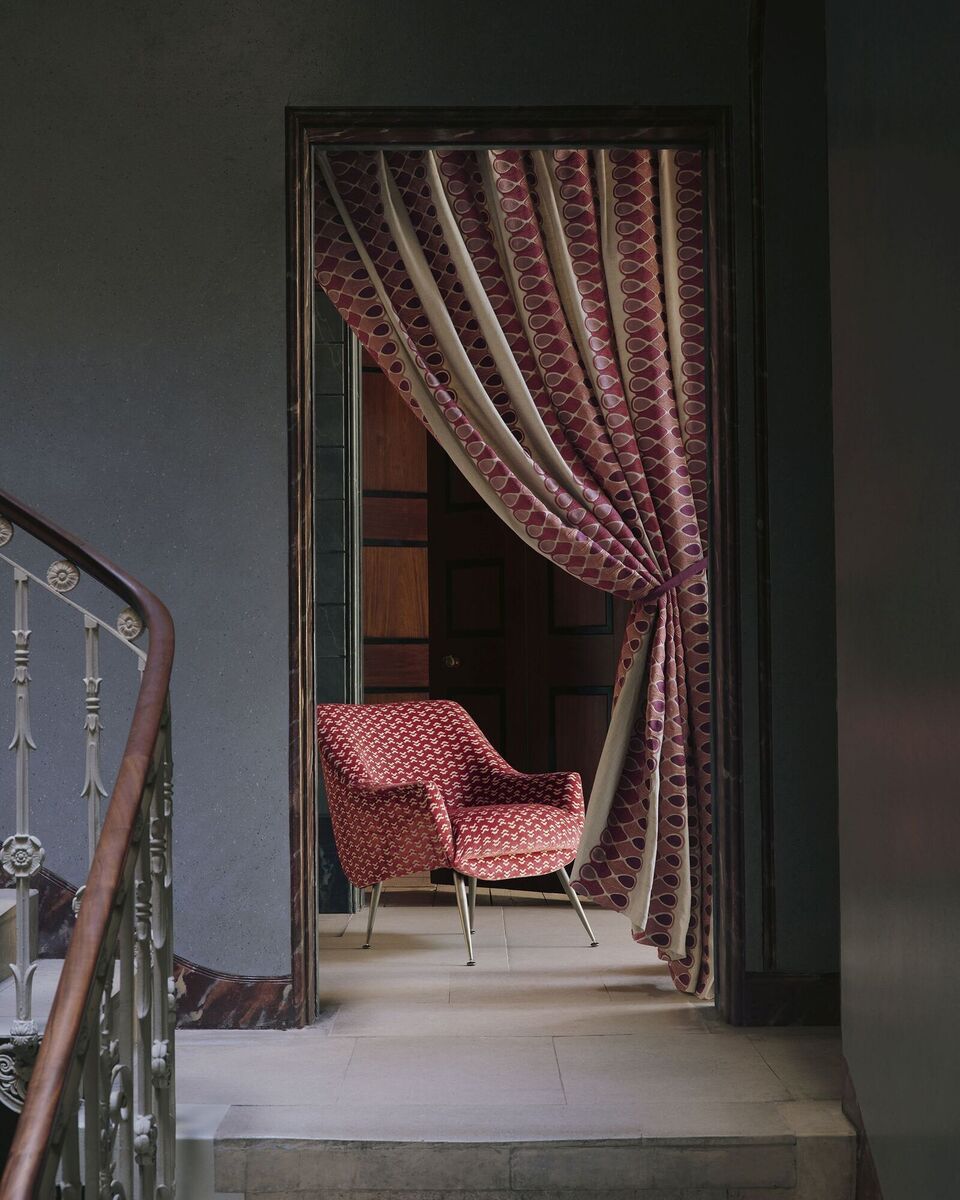
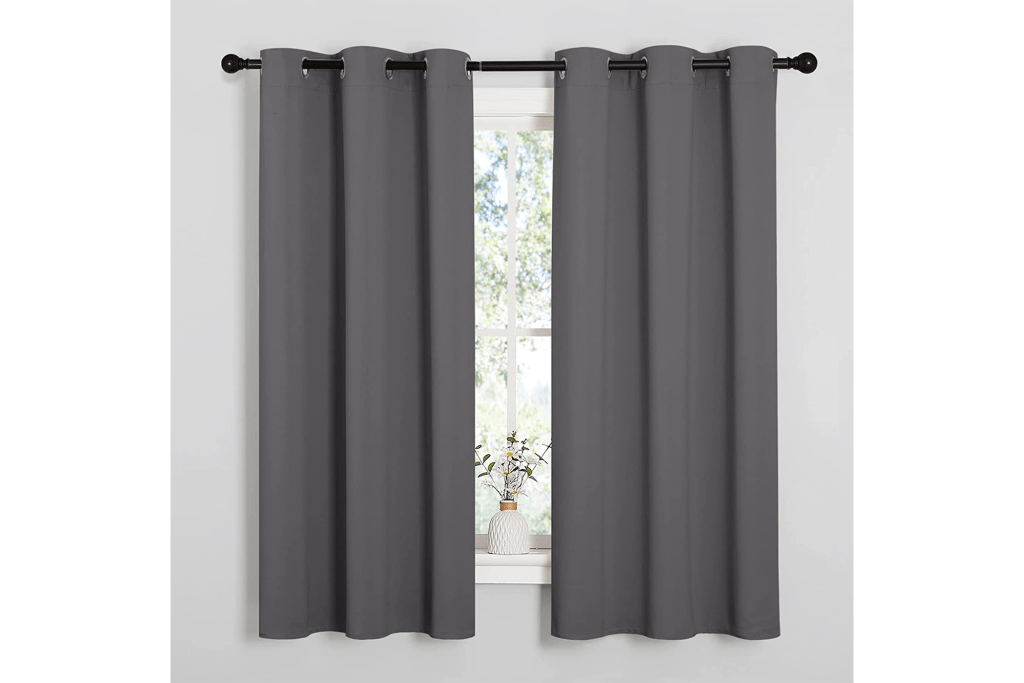
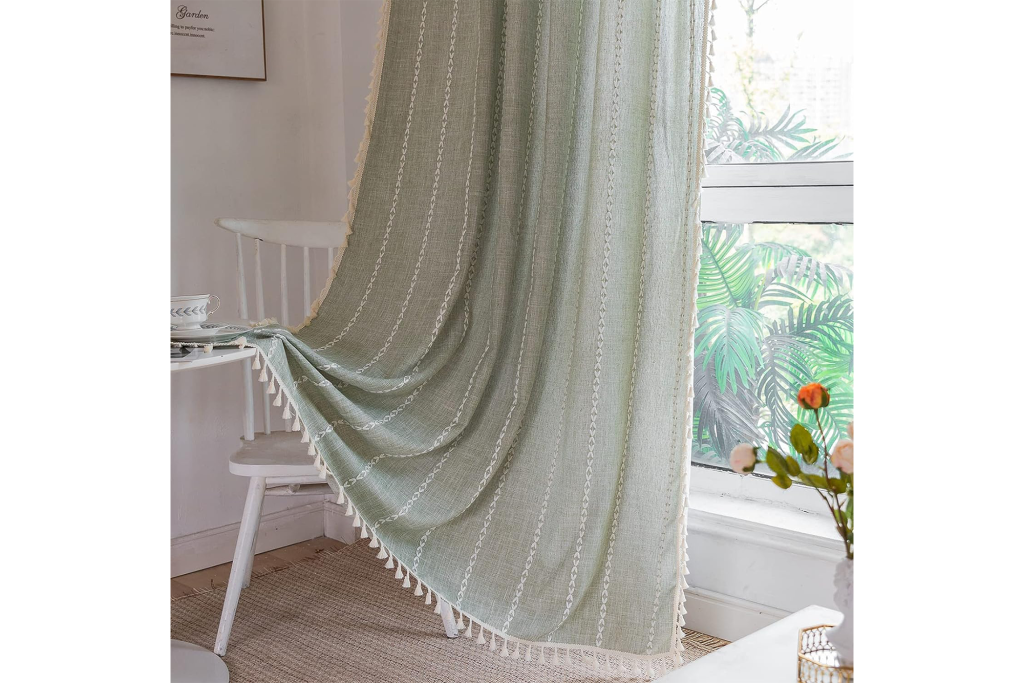
When considering standard curtain lengths, three common options are available: 84 inches, 96 inches, and 108 inches. The 84-inch length is generally advised against unless ceilings are notably low, as it often results in an awkward appearance. The 96-inch and 108-inch lengths are more versatile and suitable for a broader range of typical room dimensions. When faced with a decision, it is always preferable to select a length that errs on the side of being slightly longer rather than noticeably short. This principle holds true even when curtains are placed behind furniture, as a full length contributes to both the physical and visual weight of the drapery, preventing a contrived or unfinished look.
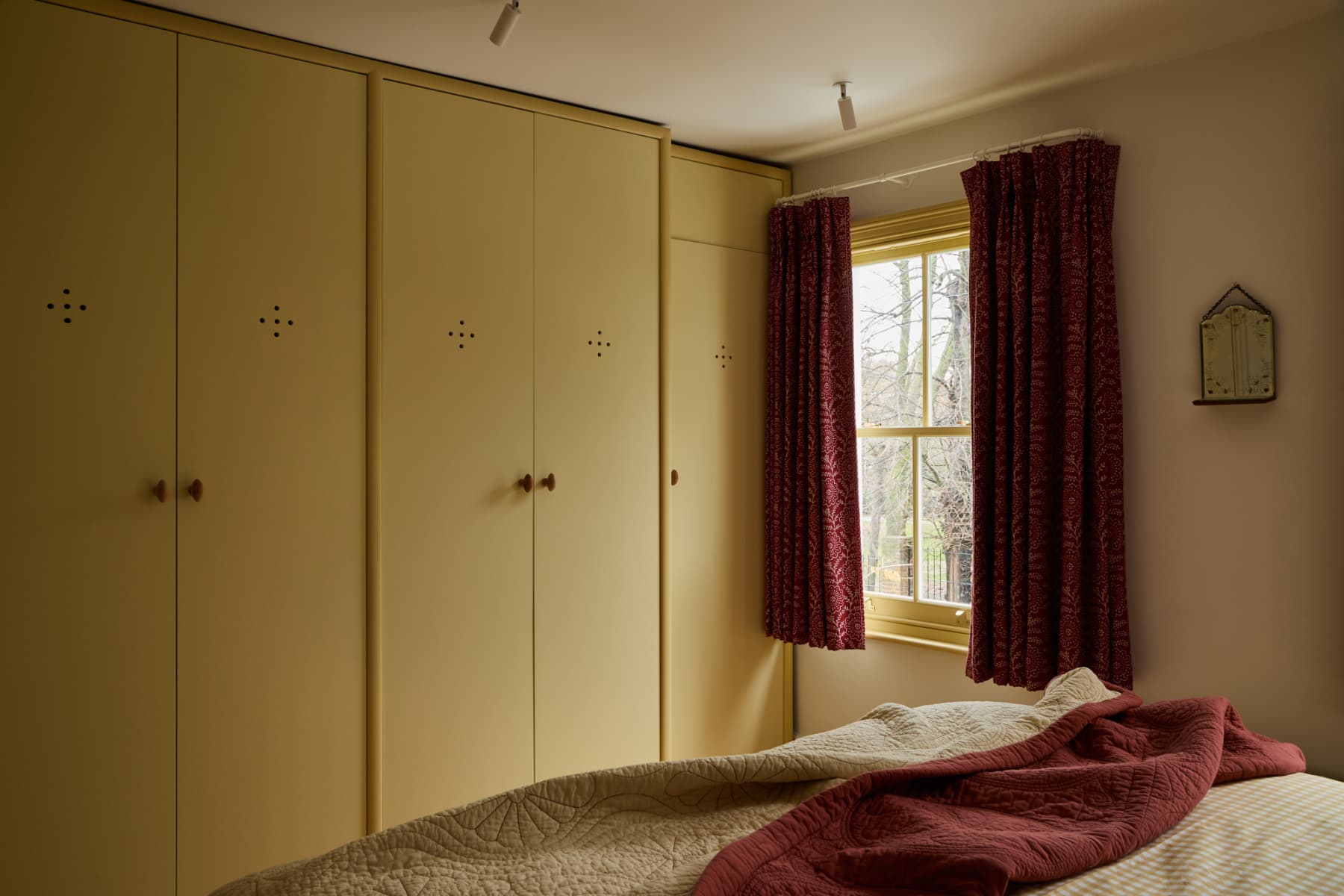
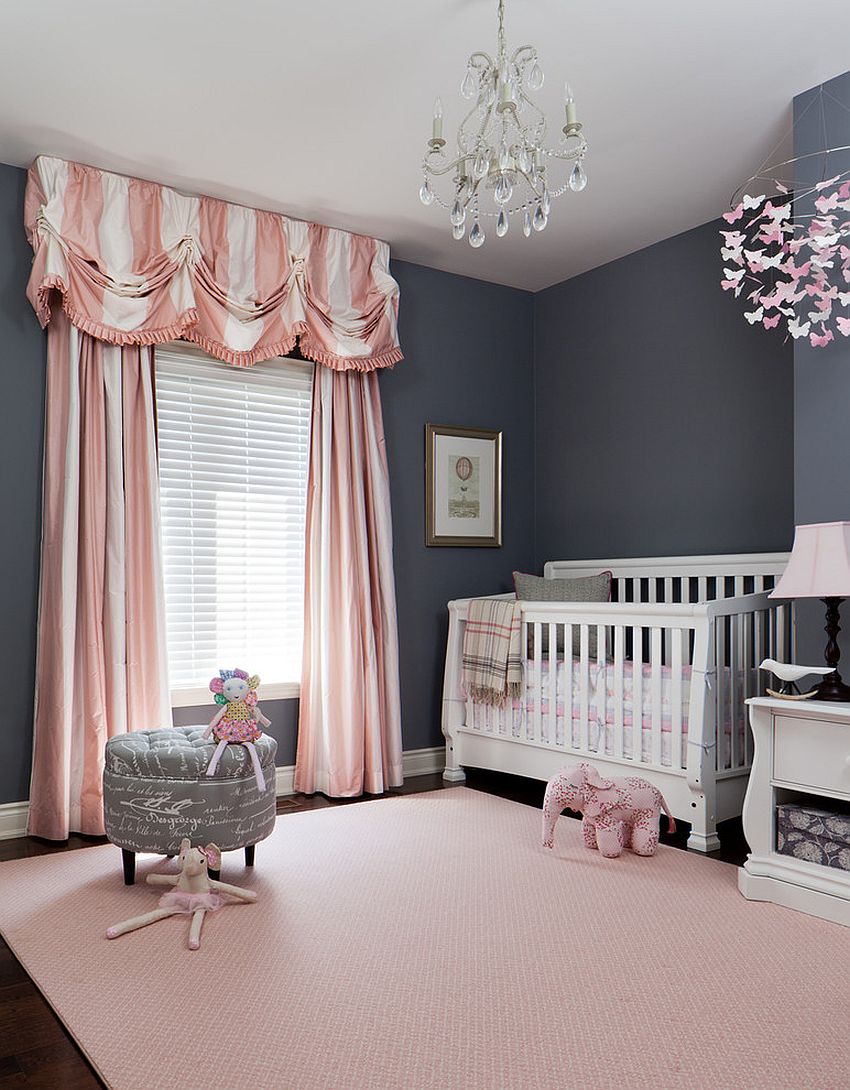
While standard curtains might suffice for temporary or less permanent spaces, such as children's rooms or offices slated for renovation, custom curtains are generally encouraged for all other situations due to their superior fit and finish. Collaborating with a professional designer can ensure curtains are crafted to the exact required length, even accounting for uneven floors. Designers can also assist in choosing patterns and scales that harmonize with the room's overall design. Given that window treatments represent a significant investment in a home, professional guidance helps avert costly mistakes and guarantees a refined outcome. For those seeking a custom aesthetic on a more limited budget, local tailors can hem pre-made curtains to specific measurements, though this approach may not offer the comprehensive benefits of working with a full-service designer.
#CurtainLength #WindowTreatments #HomeDecor #InteriorDesign #MeasuringTips #CustomCurtains #StandardCurtains #DesignTips #CurtainLength #WindowTreatments #HomeDecor #InteriorDesign #MeasuringTips #CustomCurtains #StandardCurtains #DesignTips
0 comment in total
 No comments yet
You may also like

Curtain call: How to choose window treatments

How high should I hang my curtains? The rules designers follow

Living room curtain ideas to dress windows to perfection - whatever your style

Curtain Call: Choosing Window Treatments

Suddenly, Short Curtains Have Got My Attention in the 'Long vs Short Curtain' Debate

The Best Curtains for Every Style and Light Level, Tested by BHG


How to Choose Curtains for Your Home the Right Way

The Best Window Curtains and Shades, According to Interior Designers

The Very Best Window Curtains
4 Easy Tips For Measuring Curtain Length Like A Pro
Everhem’s Cofounder Says the Best Curtains Are a Supporting Act, Not the Headliner


The Best Places to Buy Curtains, Whether You Want to Go Custom or Off the Rack

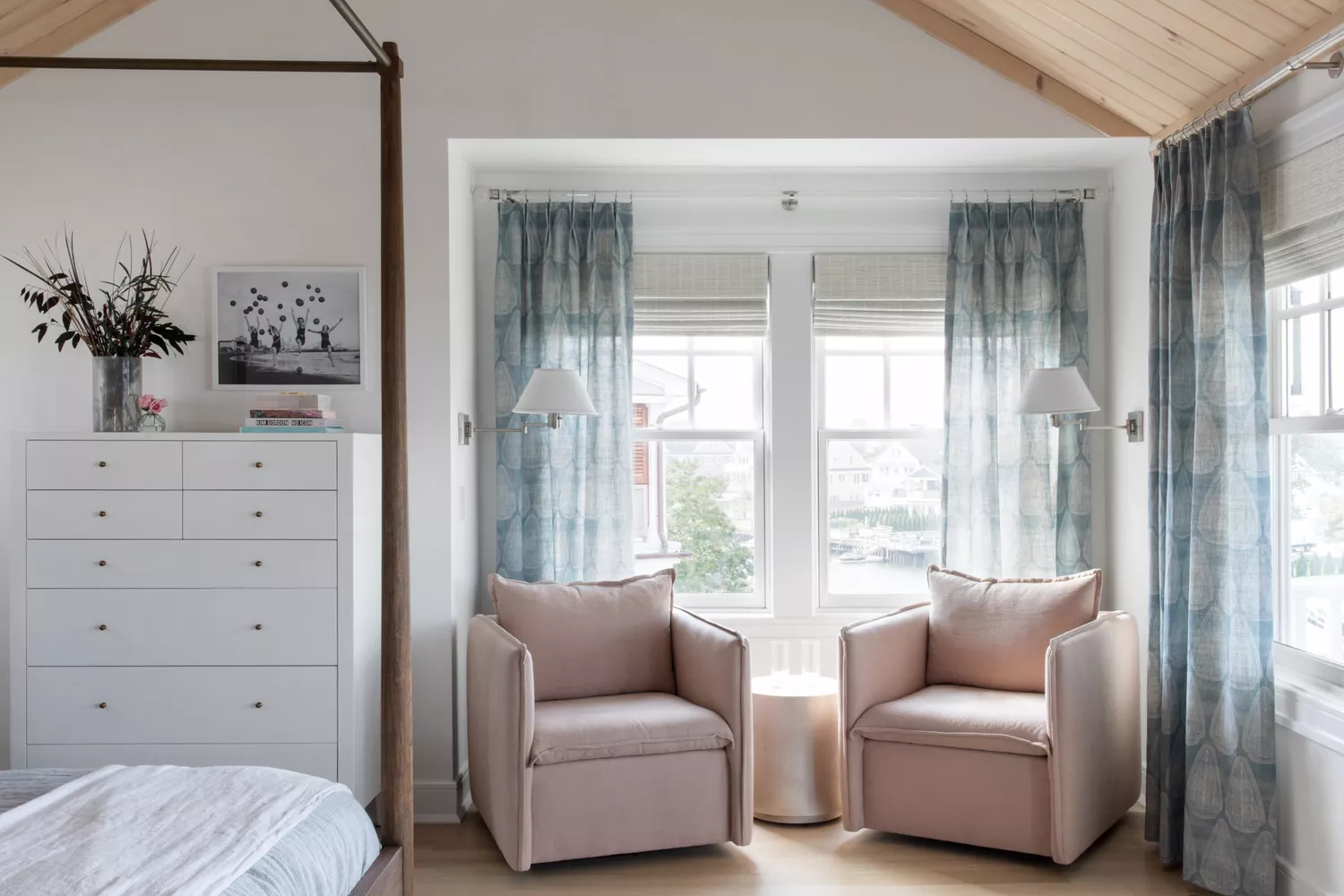
How to Choose the Right Curtain Length for Your Specific Windows


How to Hang Curtains: A Hassle-Free 5-Step Guide

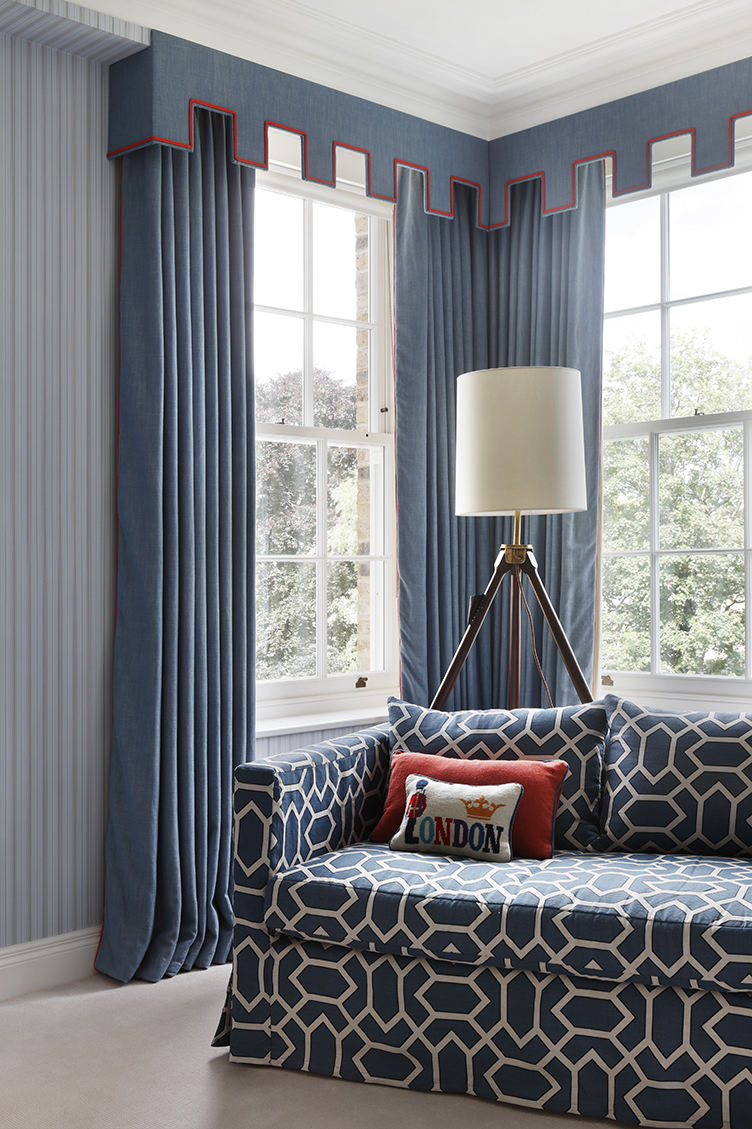
13 curtain ideas and styles to help you pick the best drapes for your room

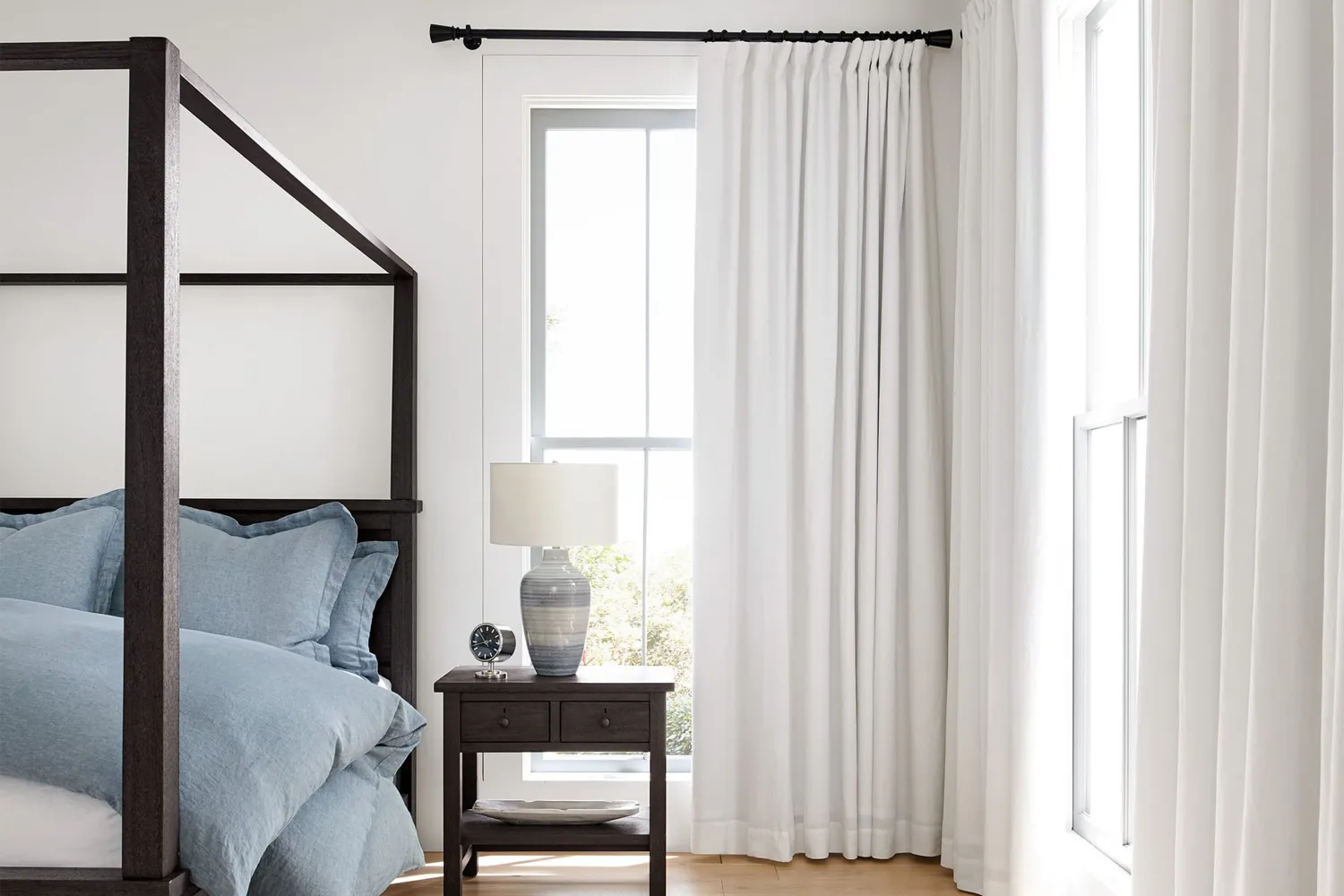
Dress Your Windows in Style: These Are the Top Curtain Retailers We Love

The 7 best places to buy curtains, with interior designer tips

54 Stylish Window Treatment Ideas to Completely Transform Your Space

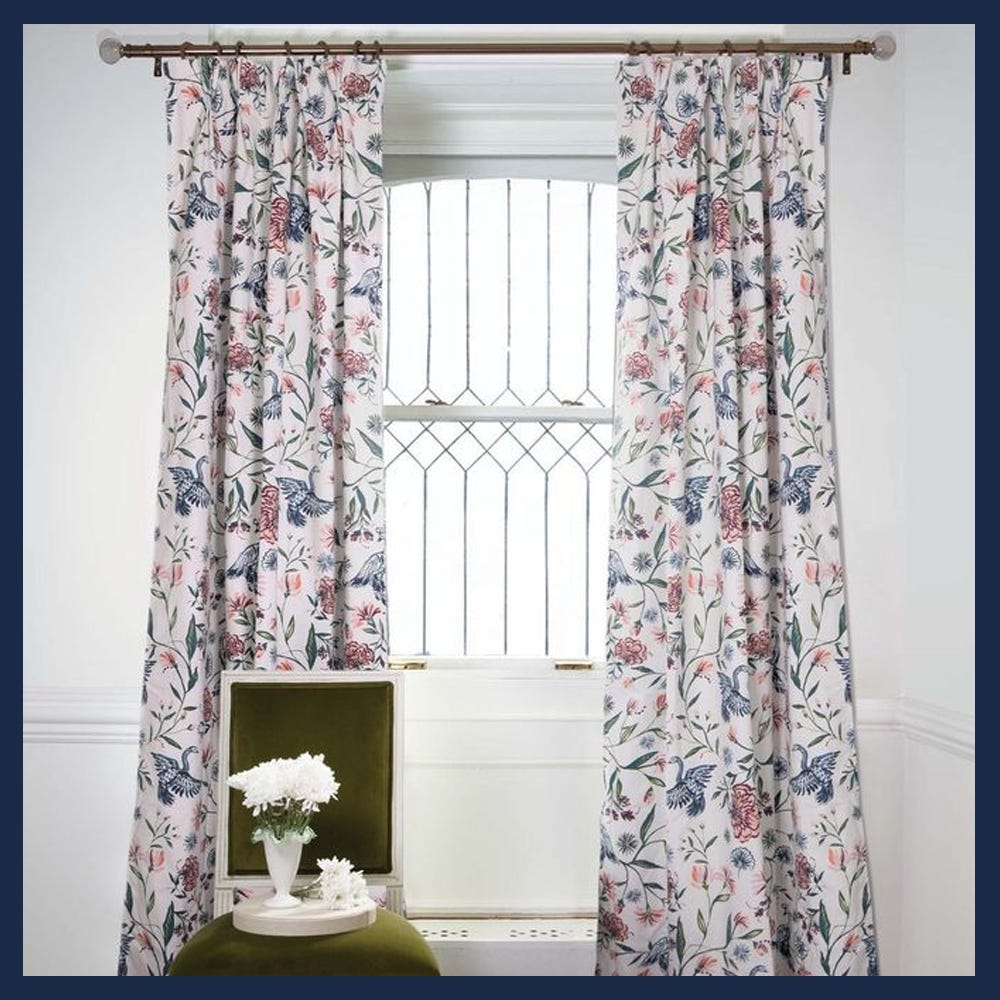
15 Best Places to Buy Curtains Online in 2023
7 Window Treatment Mistakes You Might Be Making