1/2
How to insulate your period house
While the allure of energy generation through solar panels and intricate systems often captures attention, the fundamental importance of energy efficiency, particularly through proper insulation, is frequently overlooked. Government research indicates a significant disparity in energy efficiency between older and newer homes. Properties built before 1929, regardless of size, commonly possess Energy Performance Certificate (EPC) ratings of E or worse, contrasting sharply with the mere 3% of homes built since 1996 that fall into this category. Despite attractive features and size, older country houses are not immune to the benefits of improved insulation, which can significantly reduce fossil fuel consumption.
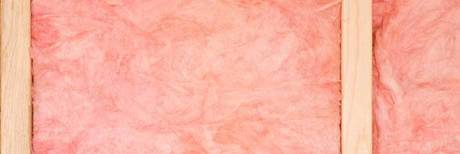
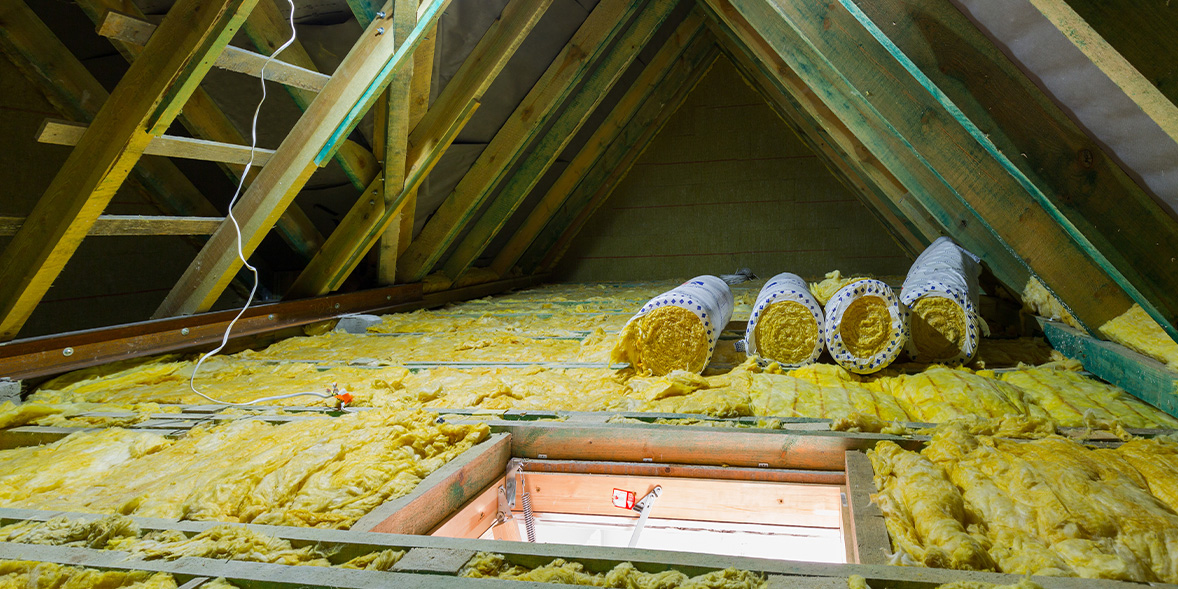
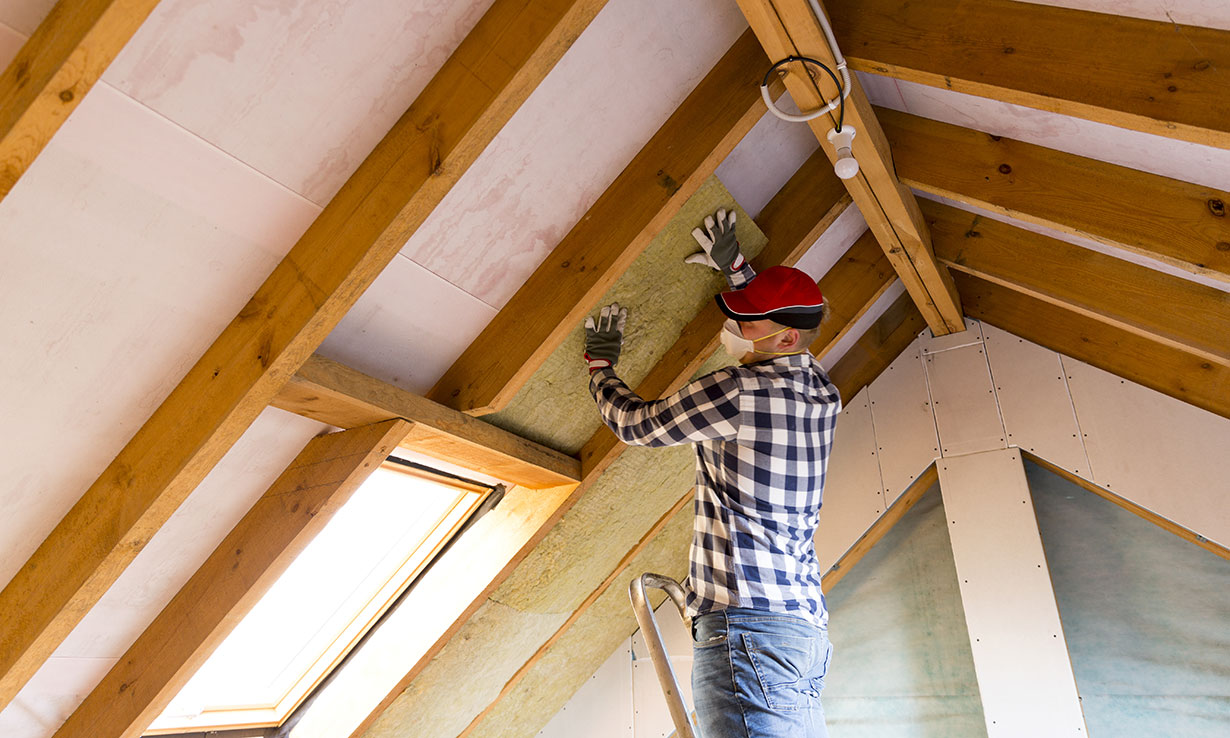
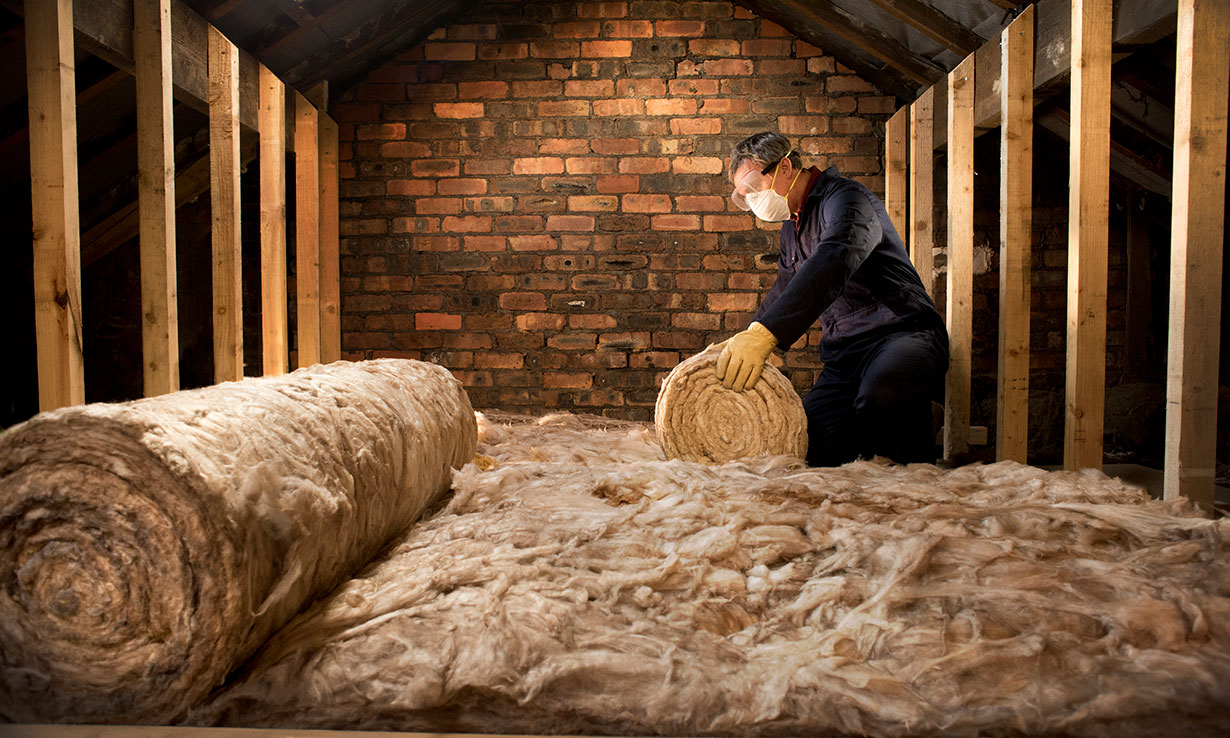
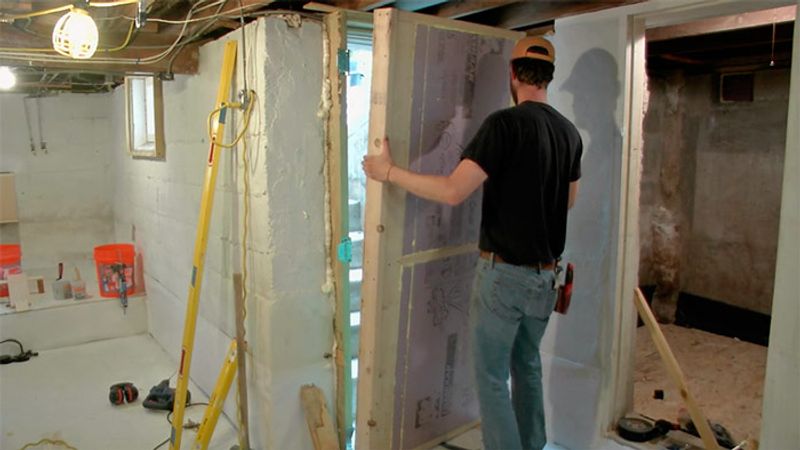
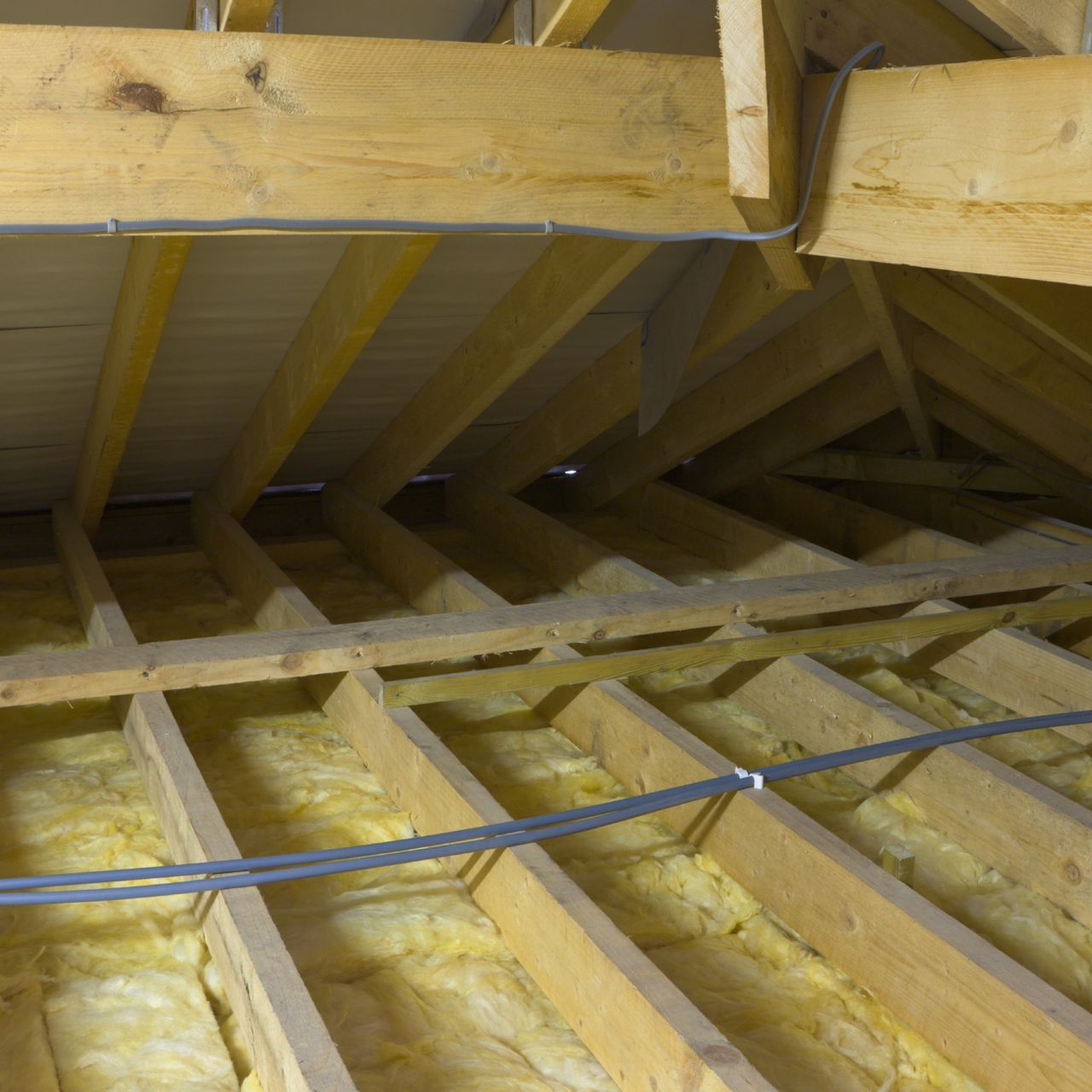
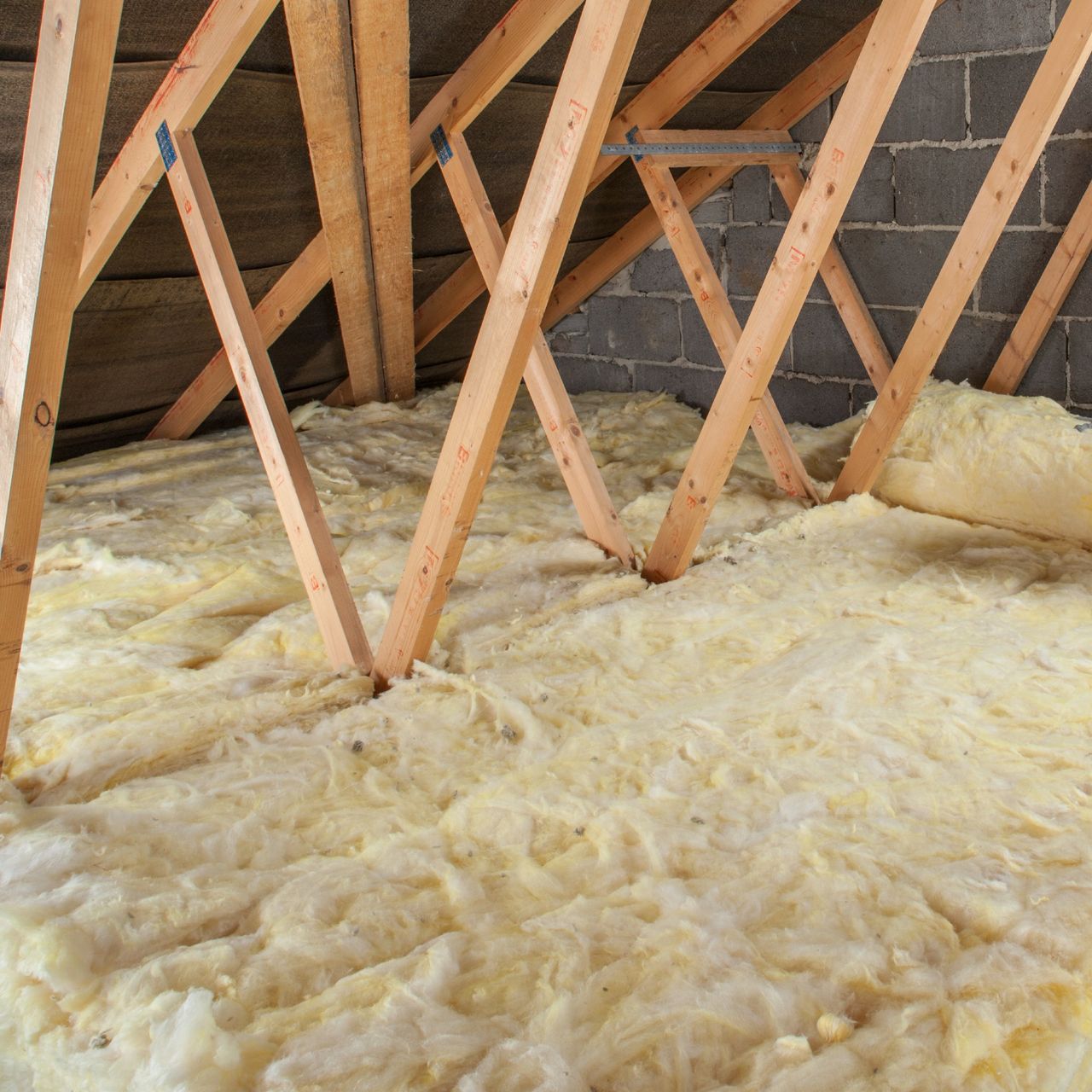
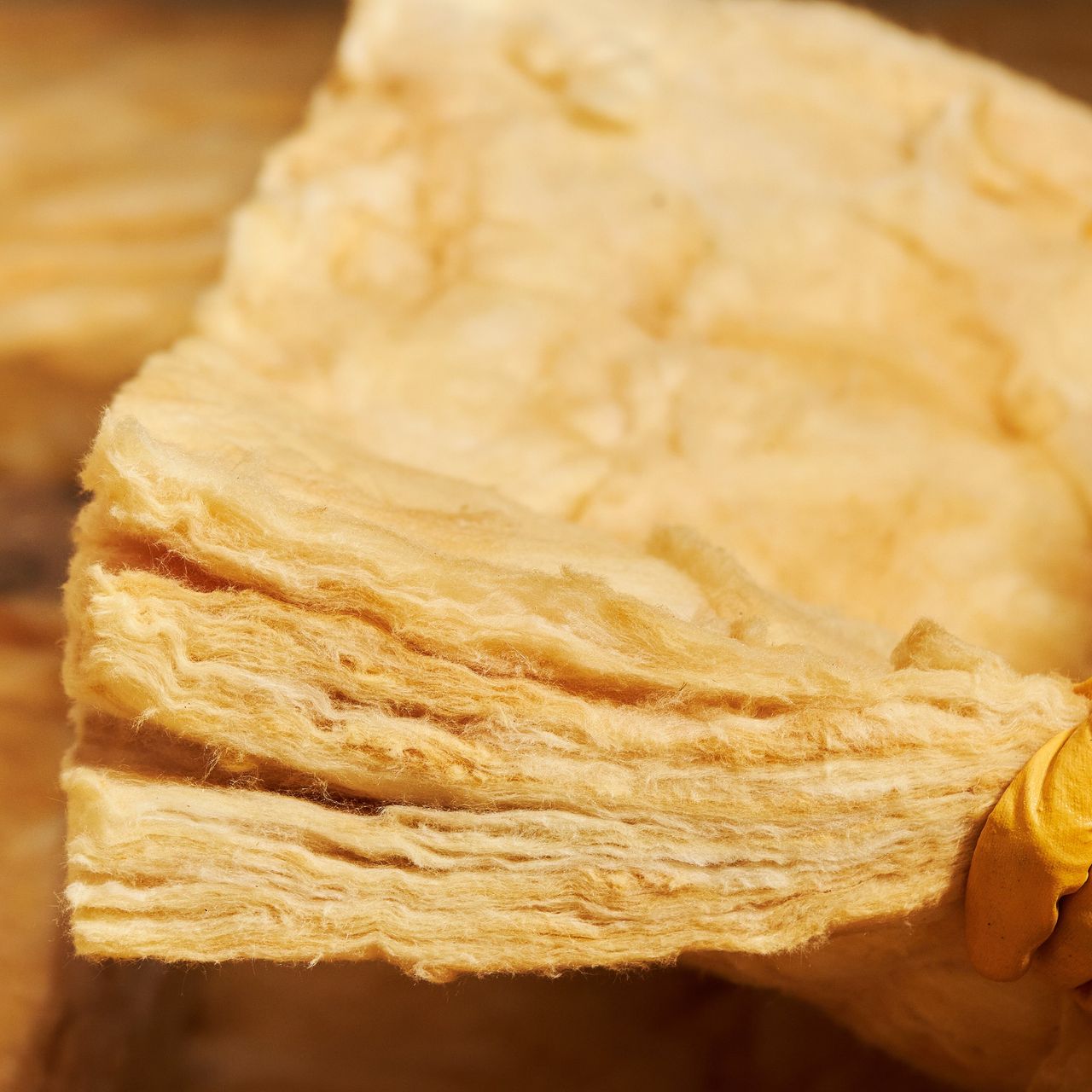
Basic insulation measures are often affordable and impactful. Loft insulation, for instance, can be a straightforward DIY project in uncomplicated spaces or managed by specialists for more complex areas. For homes constructed prior to the 1920s, which typically feature solid walls, specialized insulation solutions are available. These methods, designed to meet building regulations and specific U-values, effectively minimize heat loss by approximately 45% and reduce condensation. While external and internal insulation can pose challenges due to period features, external options can be discreetly installed behind hung tiles or during roof replacements. Internal solid wall insulation, involving rigid prefabricated boards or timber/metal studwork filled with insulation, is a professional undertaking that can cost thousands of pounds. Homeowners of smaller cottages should consider the potential reduction in room size due to the insulation's thickness, though thinner DIY veneers exist.
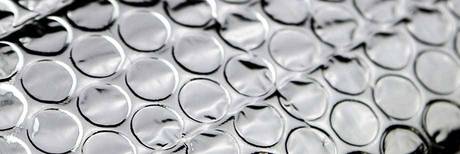
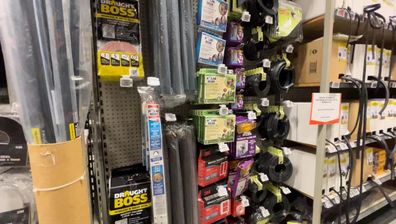
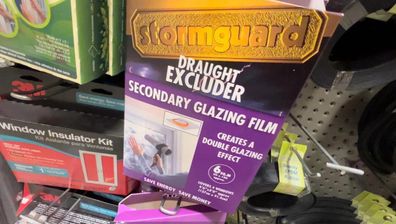
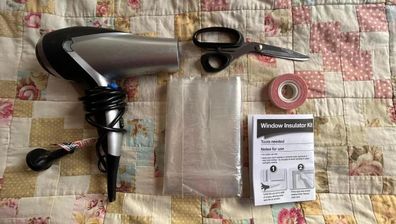
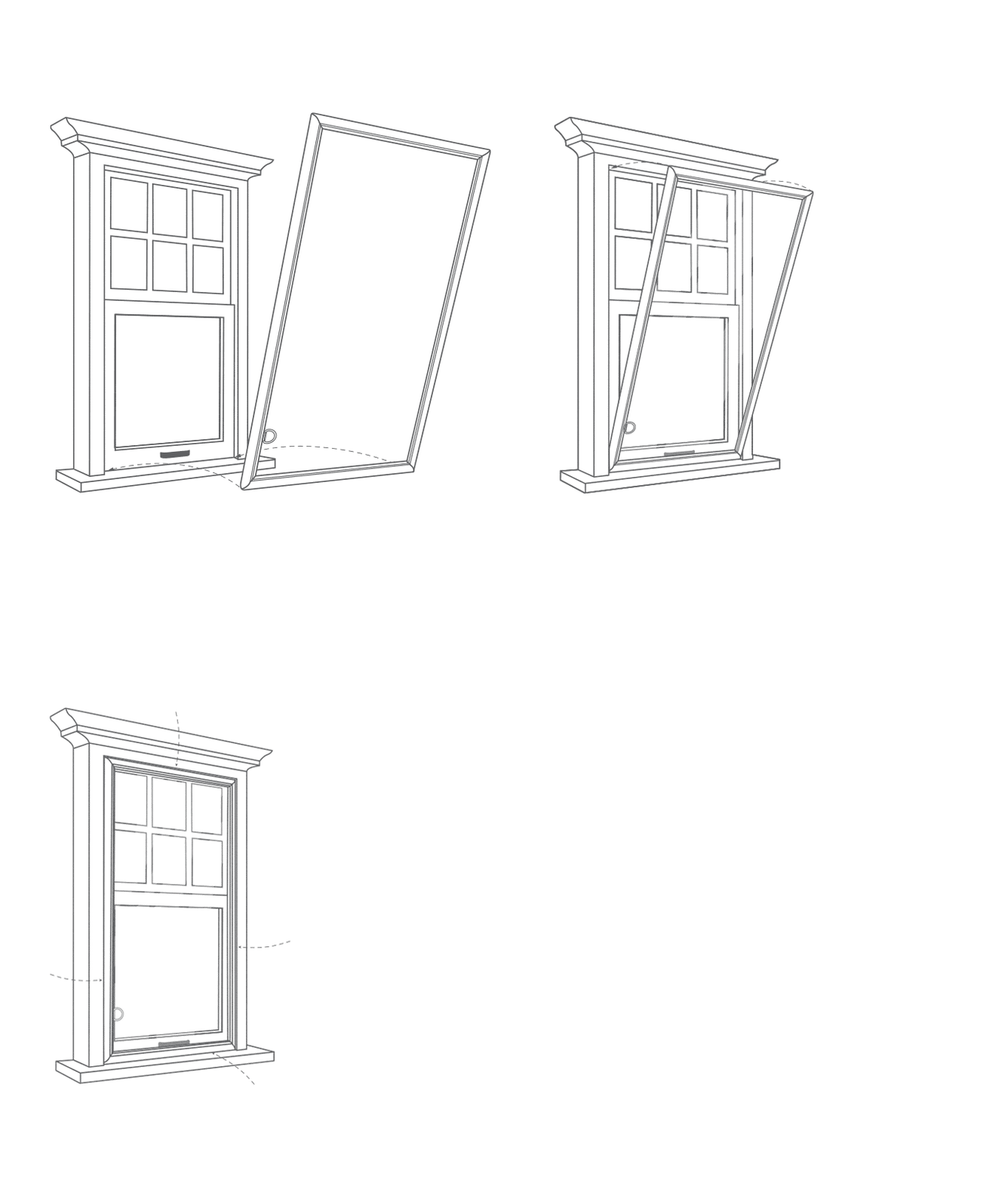
Window insulation is another critical area. Although double glazing traditionally presented difficulties for listed buildings, modern advancements allow for its installation in sash or leaded windows without compromising authentic styles. New frames, in addition to glazing, offer superior insulation compared to traditional wood. Alternatives include replacing original thin glass or fitting recessed brush strips to sashes, with DIY draught strips being a simple solution for other timber-framed windows and doors. For properties with mains gas, investing in an A-rated high-efficiency condensing boiler is advisable, as it recovers wasted heat from the flue. Enhancing existing central heating systems can involve professionally flushing radiators and replacing old-style radiators with modern fin-types for increased heat output. Optimizing radiator placement by inserting reflective panels behind those on external walls is also beneficial, as the historical practice of mounting them under windows is less efficient. Implementing a zoning system, either through computer control in new systems or inexpensive thermostatic valves on existing radiators, allows for manual temperature regulation in rooms or wings not in constant use. Ultimately, the most effective approach to energy conservation in a period home is ensuring its airtightness. For example, the Grade II-listed Mill House in Tidmarsh, Berkshire, showcases how period features can be preserved while integrating modern insulation, an air-source heat pump, and underfloor heating, demonstrating a successful blend of heritage and energy efficiency.
#PeriodHomeInsulation #EnergyEfficiency #LoftInsulation #SolidWallInsulation #WindowInsulation #DoubleGlazing #CentralHeating #SustainableLiving #HistoricHomes #PeriodHomeInsulation #EnergyEfficiency #LoftInsulation #SolidWallInsulation #WindowInsulation #DoubleGlazing #CentralHeating #SustainableLiving #HistoricHomes
Hay 0 comentarios en total
 Aún no hay comentarios
También te puede gustar
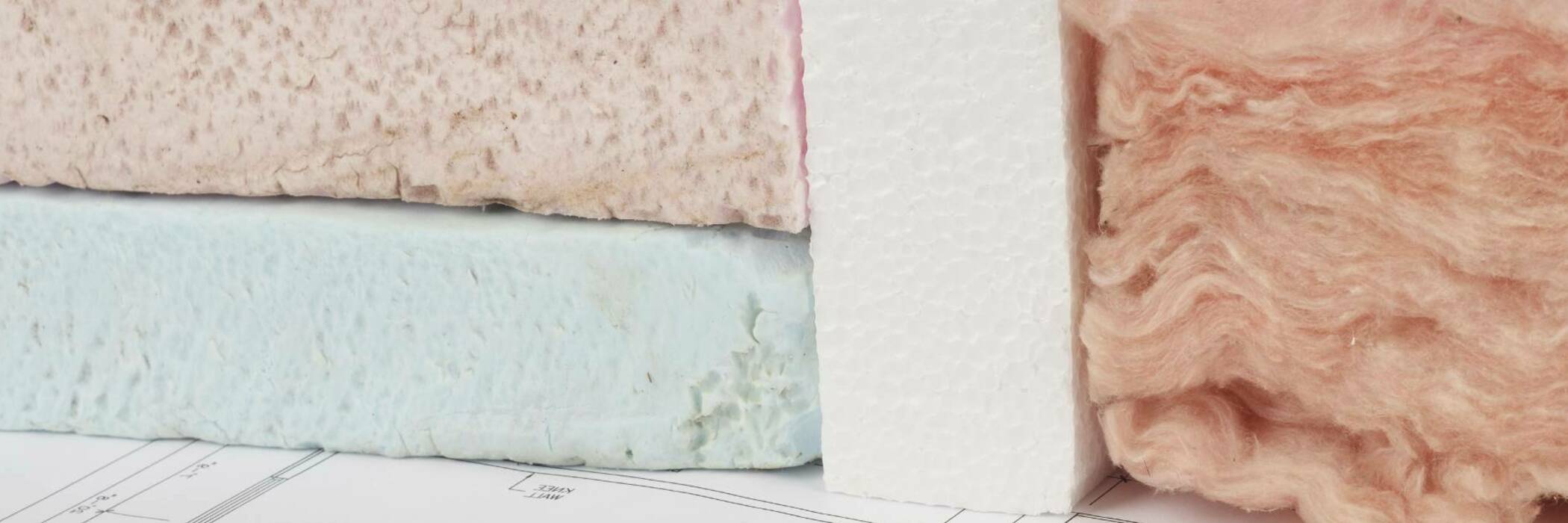
Home insulation materials


The 4 areas of your home pros say to always insulate to keep it toasty in colder weather – plus, where to never insulate

This $8 hack to keep the cold out works almost as well as double glazing
Insulate Your Basement, Part 3

An Easy Way To Build a Well-Insulated House
How to insulate a loft or roof
Insulate Your Basement, Part 1
This is how to get your roof and loft insulation right so that your home stays warm and energy efficient all winter long

How to insulate a loft

Insulate Your Basement, Part 2
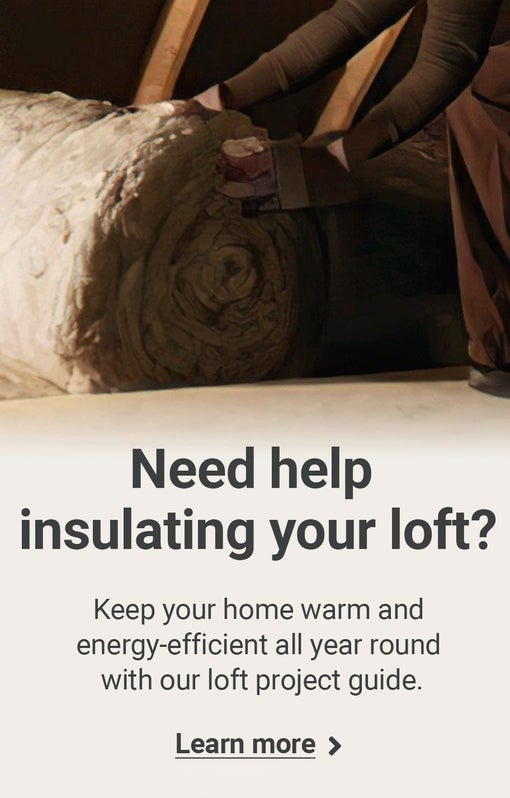
Loft Insulation
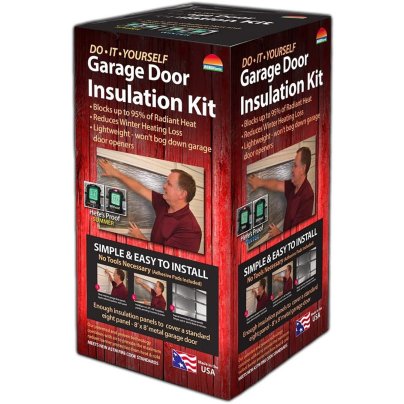
This Simple DIY Upgrade Keeps Your Garage Comfortable and Warm

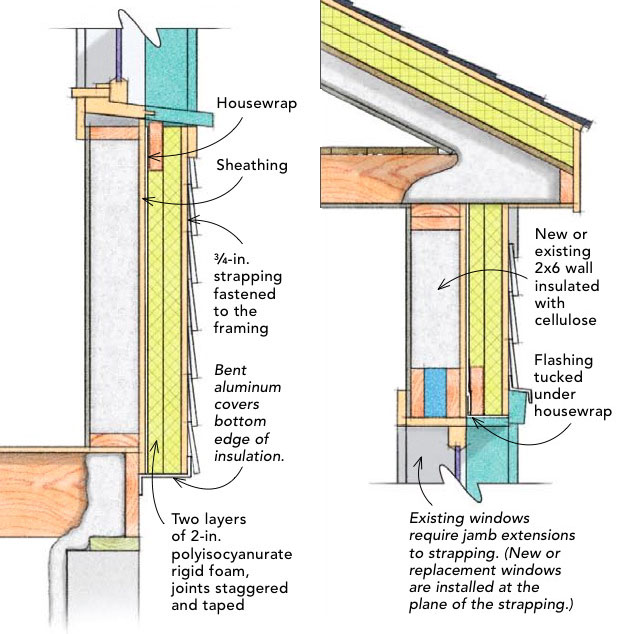
Insulating an Old House from the Outside

How to insulate a cold wall from the inside, and why the type of wall you have matters
The best floor insulation options for your home, explained

10 Expert-Recommended Products For Keeping Drafts Out

Should you insulate a basement ceiling? Expert advice for a comfortable home
The 6 Best Garage Door Insulation Kits for Temperature Control

9 basement insulation ideas

6 Expert-Backed Ways to Keep Cold Air—and High Energy Bills—Out of Your House This Winter