1/8
1920s and now: Kitchen design trends through the decades
Over the past century, kitchen design has undergone significant transformations, oscillating between "fun and funky" and "sleek and restrained" aesthetics. Kitchens have consistently served as a central gathering place, reflecting broader societal and design attitudes. The evolution of kitchen design from the 1920s to the present day showcases how technological advancements, social changes, and artistic movements have shaped this vital space in the home.
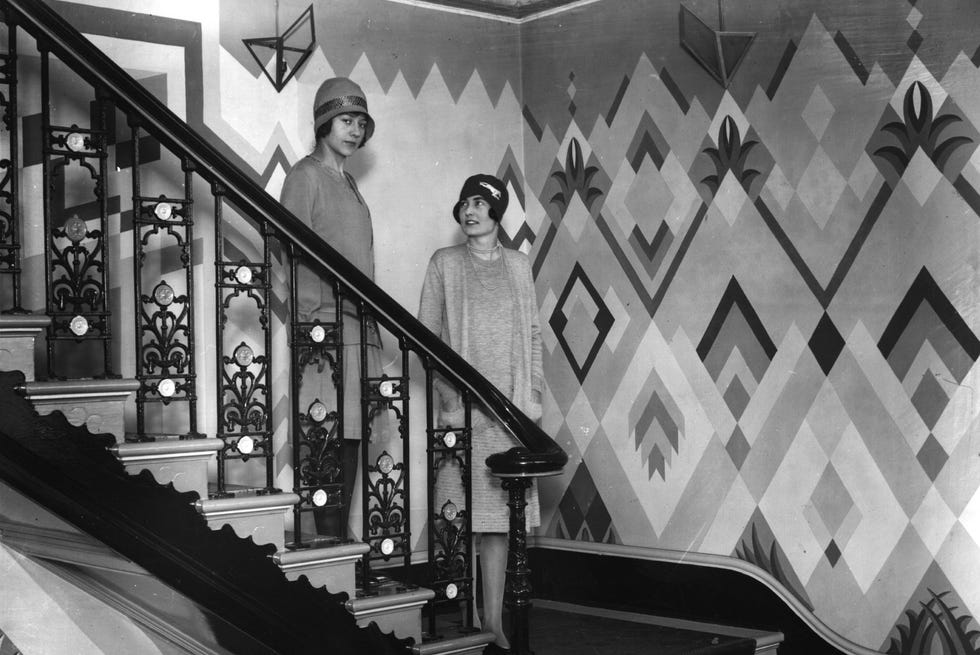
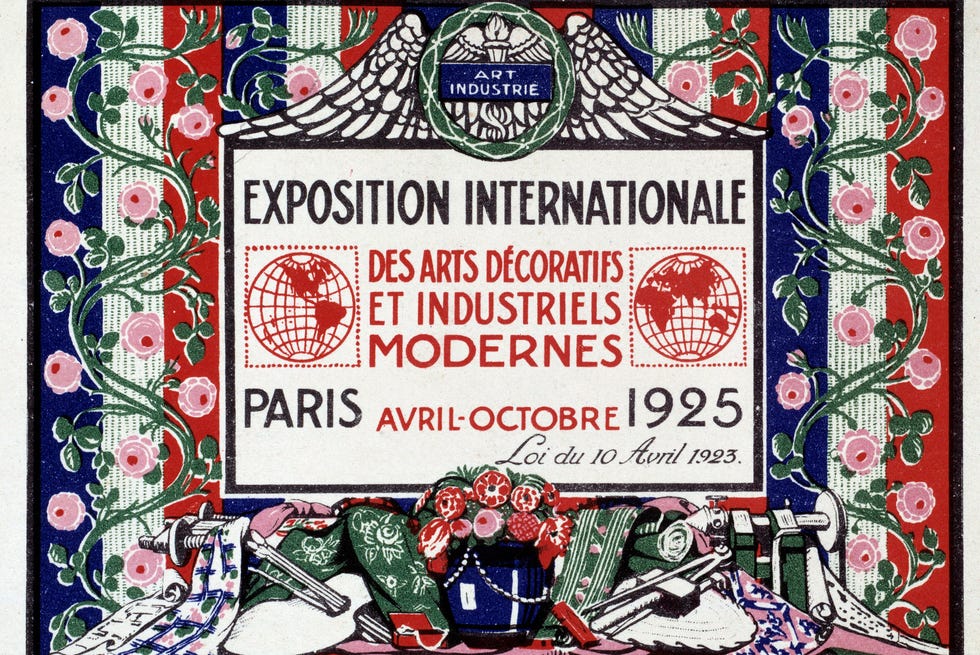
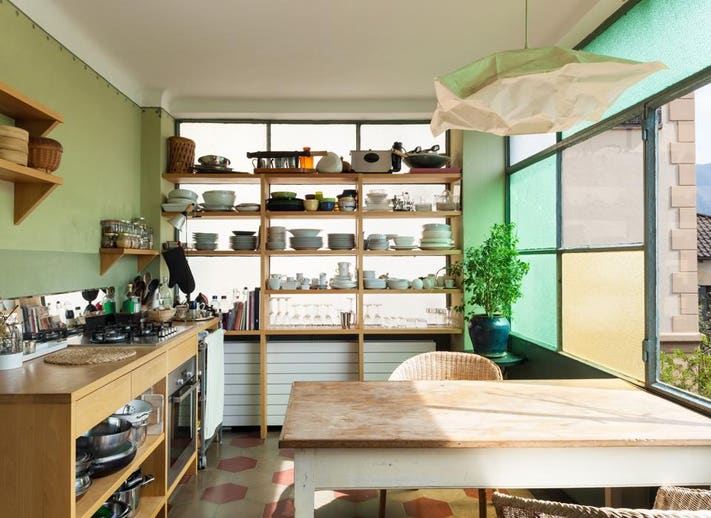
The 1920s and 1930s saw a shift from ornate Victorian and Edwardian styles to more restrained Art Deco influences. Tiling became prominent for its hygiene and ease of cleaning, applied to both floors and walls. Geometric patterns, particularly checkerboard linoleum and angular designs, gained popularity. Breakfast nooks emerged as beloved components, transforming kitchens into spaces for both labor and leisure, reflecting a gradual shift in attitudes about women's roles within the home.
The 1940s brought a more minimal and traditional approach, characterized by crisp white backgrounds accented with cherry red, navy blue, butter yellow, and kelly green. Decorative elements such as gingham curtains and whimsical knickknacks like cookie jars were common. New appliances, including the Monarch electric oven range and Gibson refrigerator, offered increased functionality. Organic motifs like flowers, fruits, and roosters replaced the futuristic chrome of the previous decade.
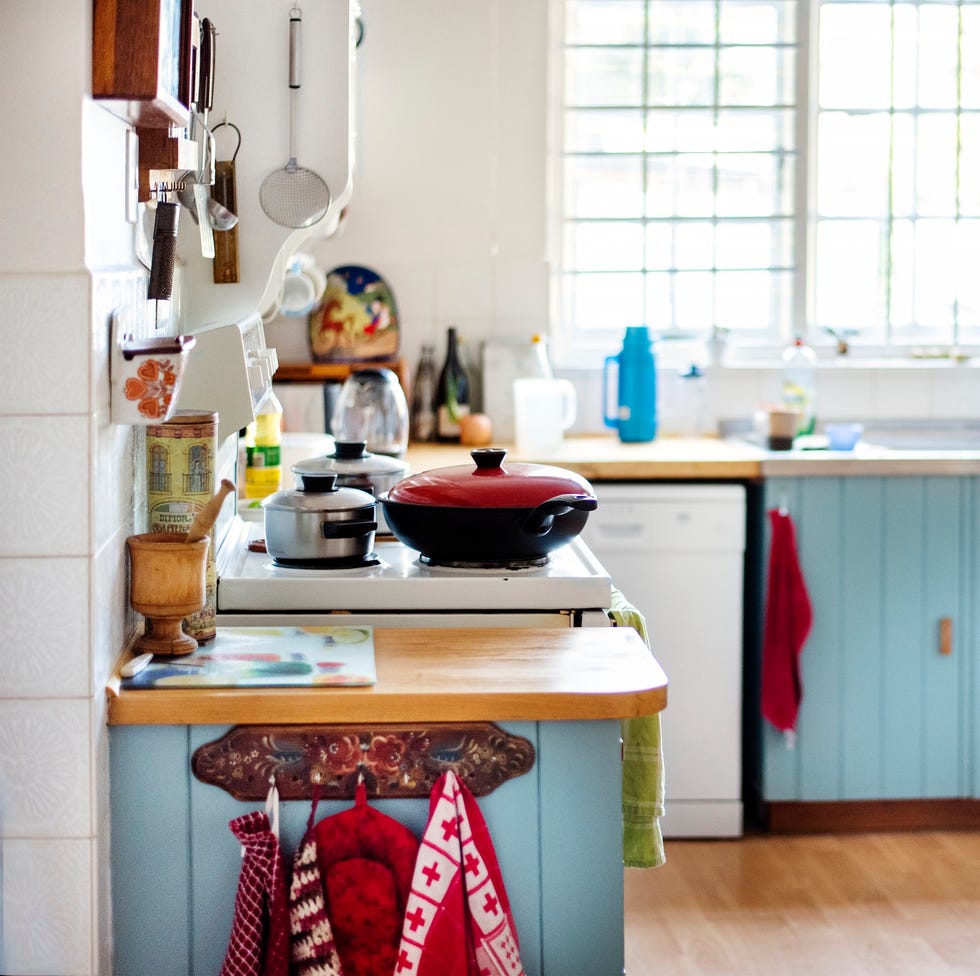
The 1950s and 1960s embraced the Atomic Age, fueled by the excitement of space travel. Interiors featured midcentury modern designs with starbursts, boomerangs, and asterisk patterns. Technology and appliances were proudly displayed, not hidden away, serving as symbols of modernity for middle-class homeowners. Popular color schemes included robin's egg blue, baby pink, and sunshine yellow, often contrasted with natural wood tones.
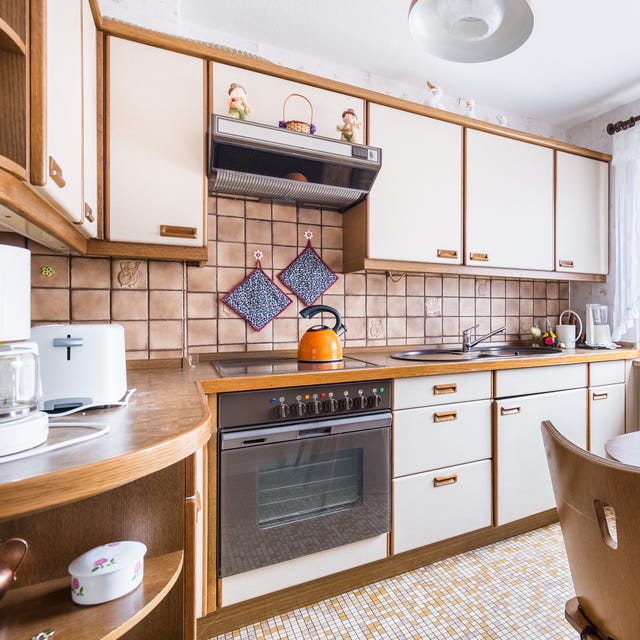
The 1970s marked a departure from technological focus, emphasizing comfort and personal expression. Kitsch and earthy tones like muted rainbows, avocado green, and harvest gold became prevalent. Wood-paneled walls and matching cupboards were common. Personal decor, including macramé plant hangers, swag lamps, and floating cabinets, allowed homeowners to infuse personality into their kitchens, making them relaxed social spaces.
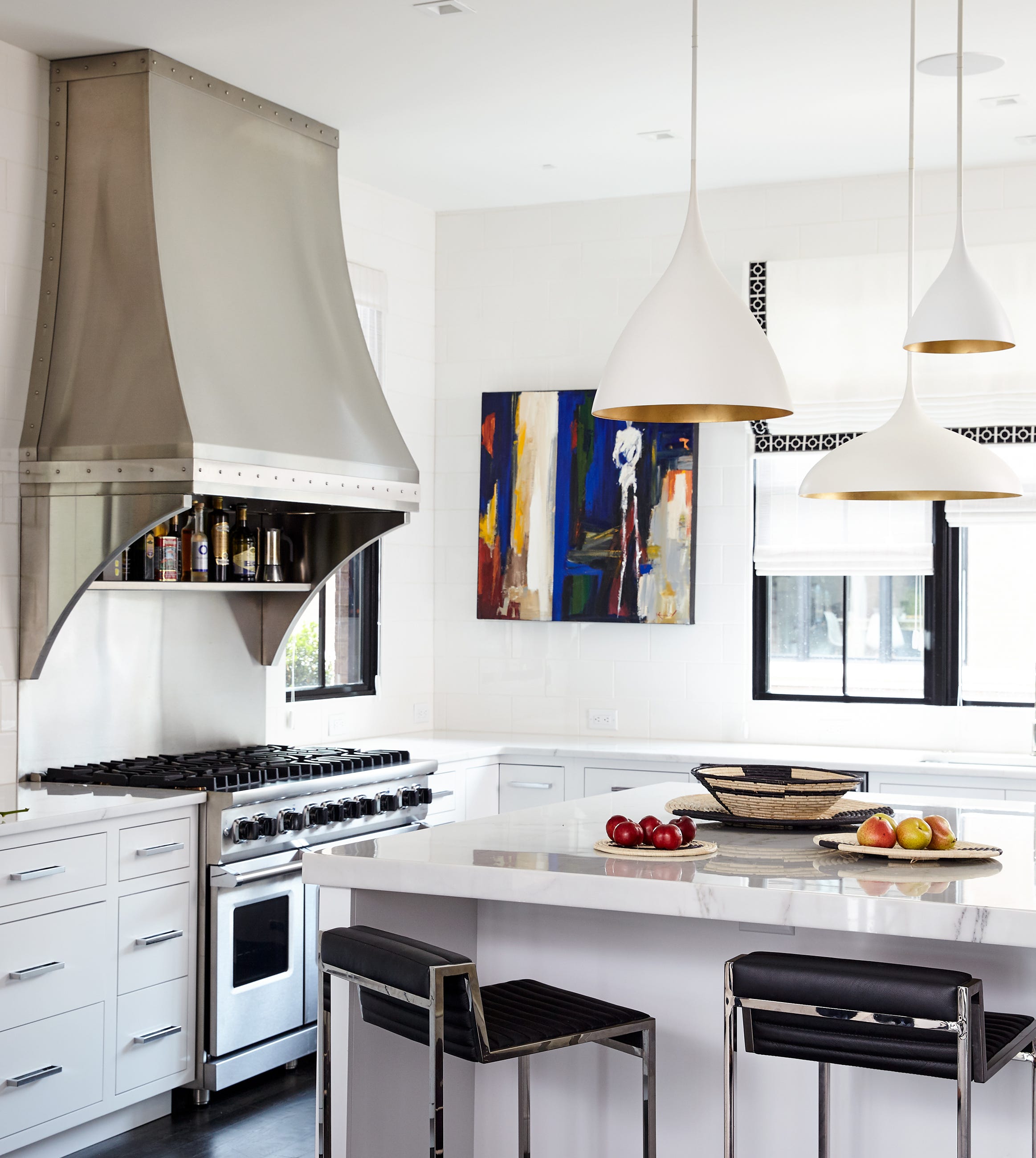
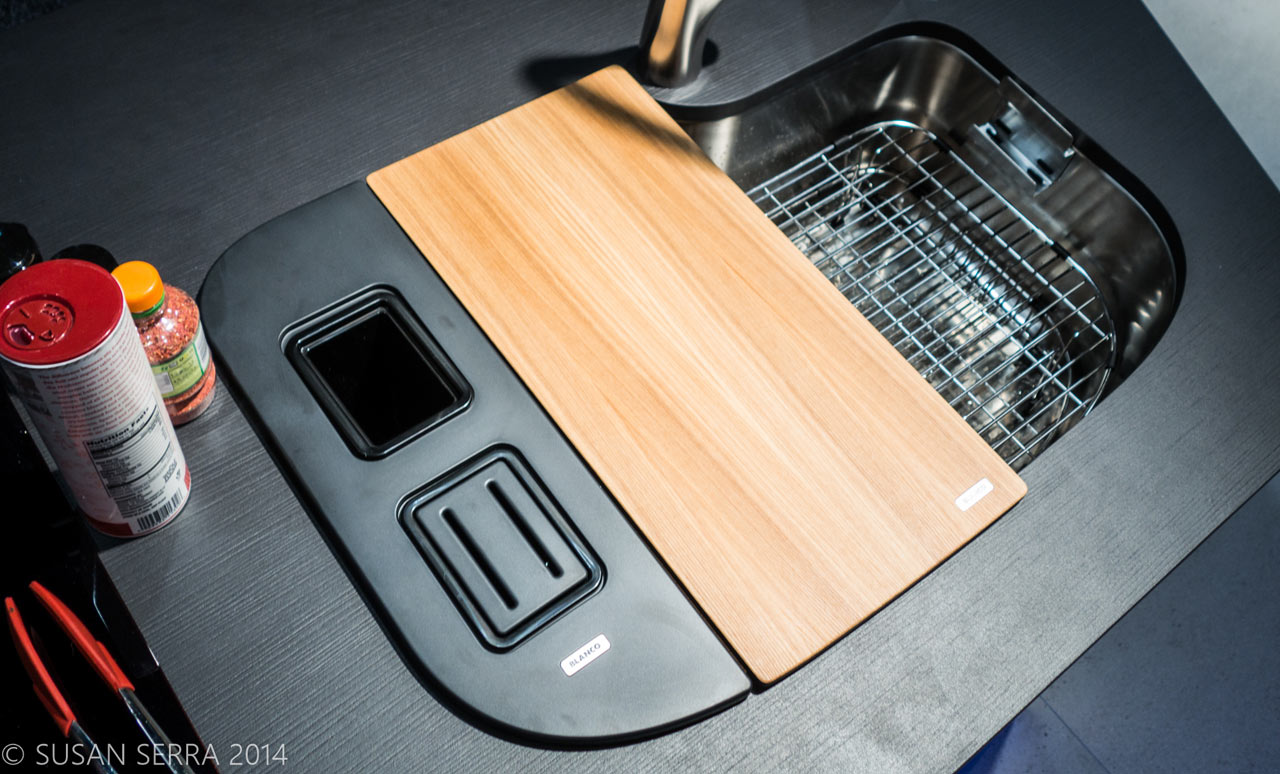
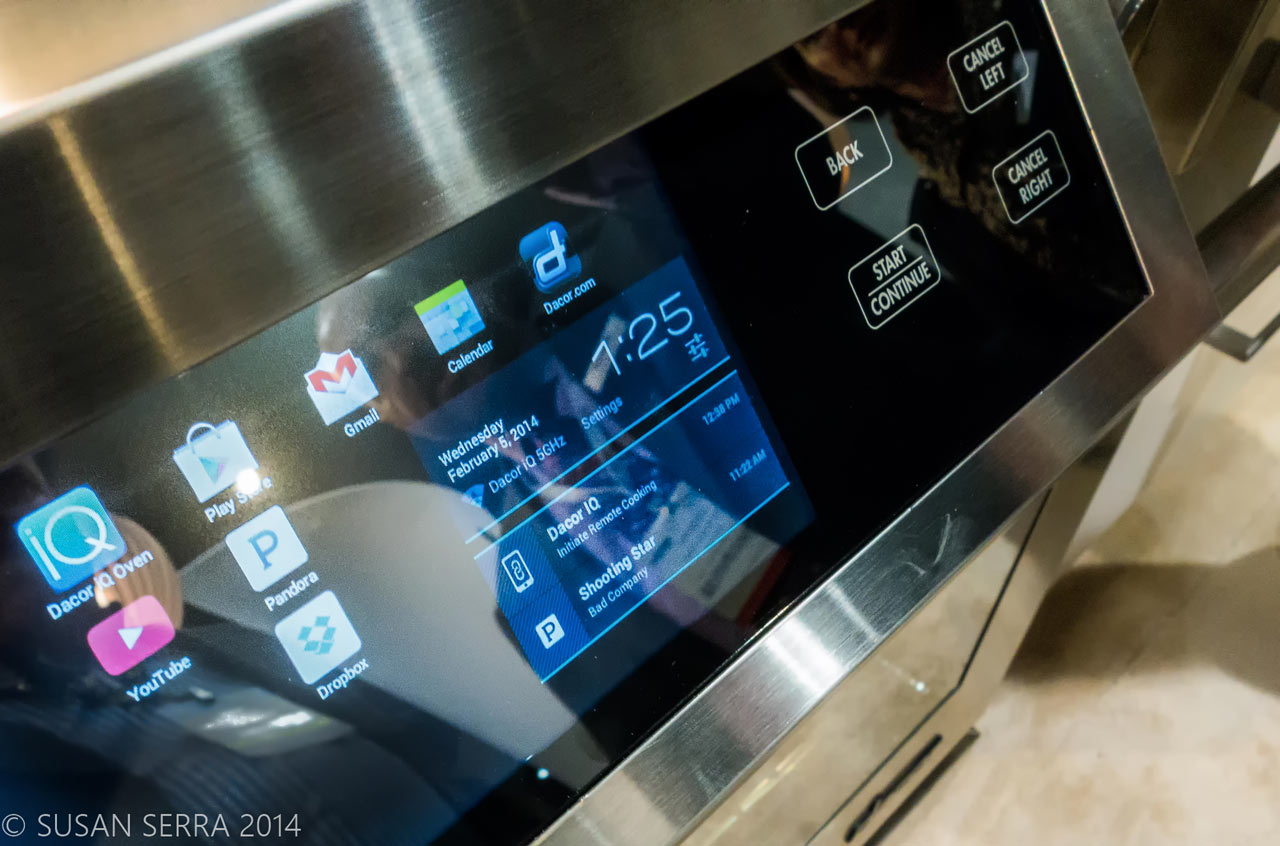
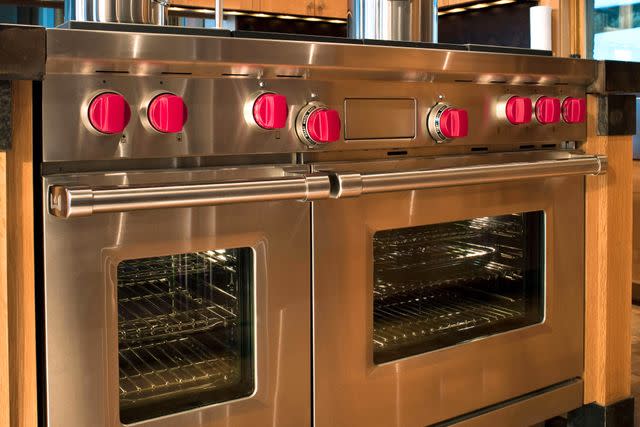
Postmodernism influenced kitchens in the 1980s and 1990s, particularly in urban loft settings. The era highlighted cutting-edge technology and domestic gastronomy, featuring chrome, stainless steel, and high-tech appliances. Reflective brushed steel, large French door refrigerators, and Italian-inspired designs with track lighting became fashionable. The blend of gleaming metals with exposed brick created a sophisticated yet industrial aesthetic.
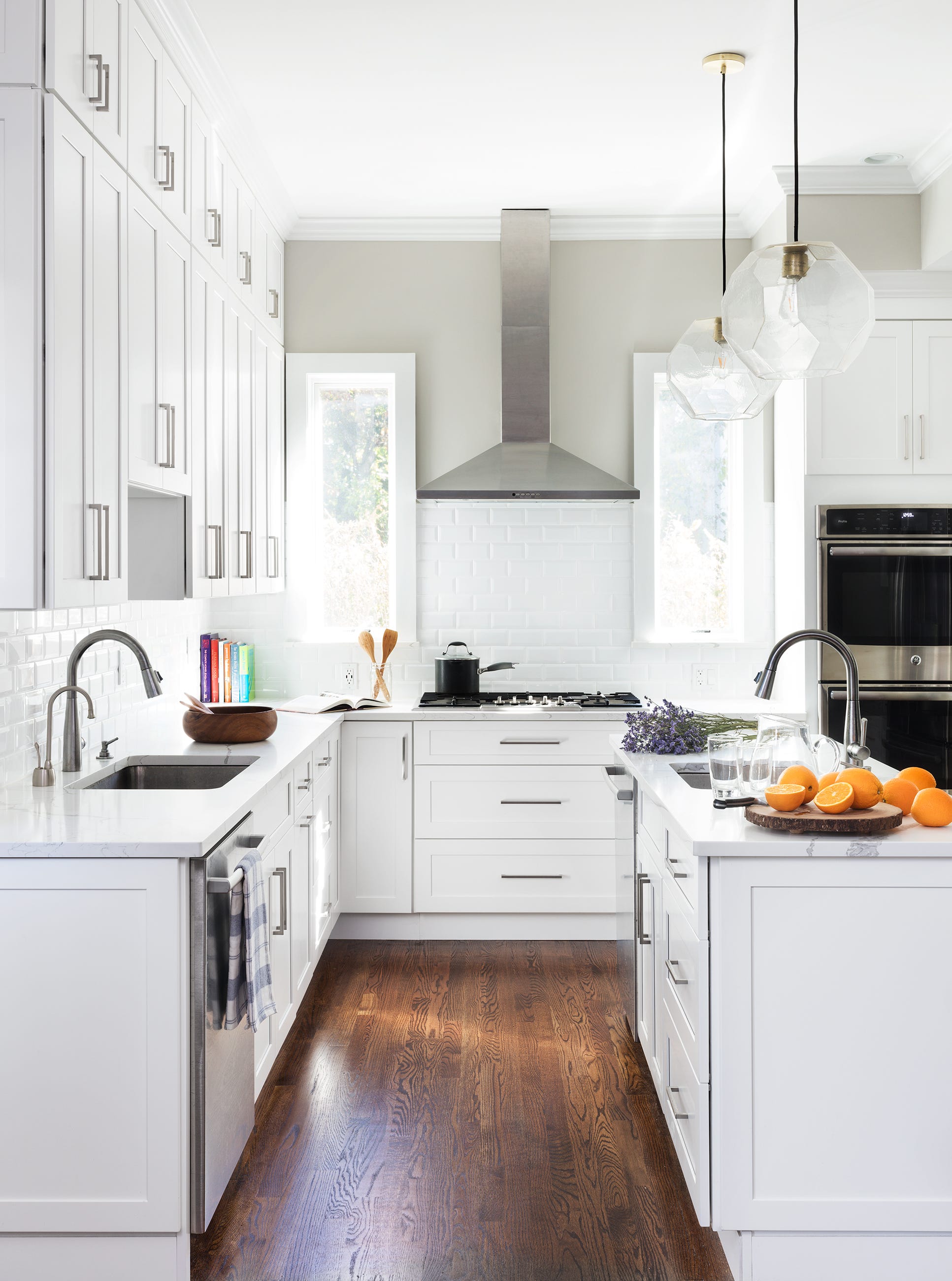
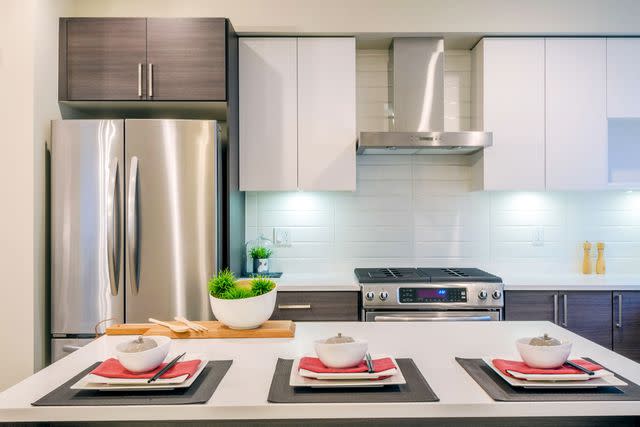
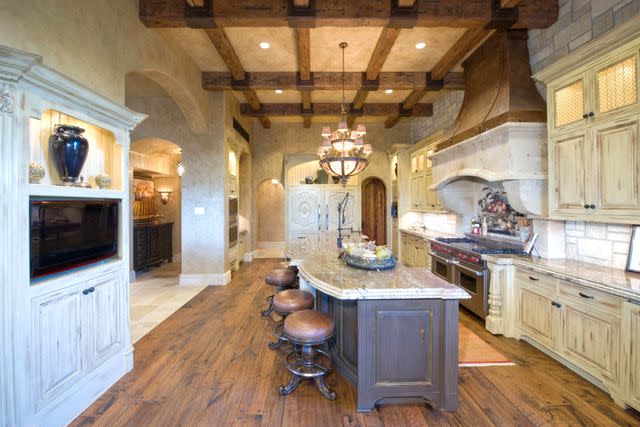
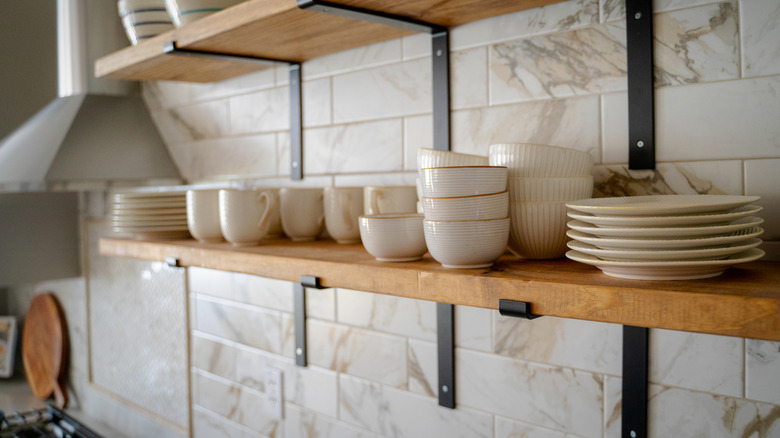
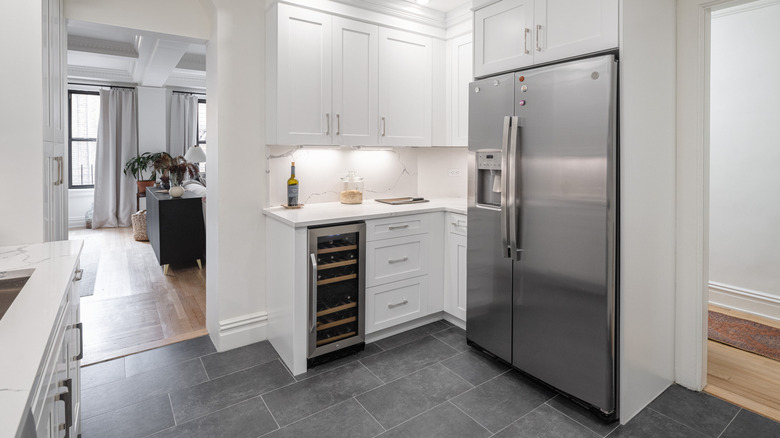
The 2000s and 2010s saw kitchens expanding significantly to accommodate larger homes, with islands becoming central gathering points. Stainless steel appliances dominated, offering a futuristic yet sometimes prone-to-dents look. Natural wood tones, especially honey-colored oak, and Mediterranean influences like terra-cotta hues and olive oil displays, also gained traction.
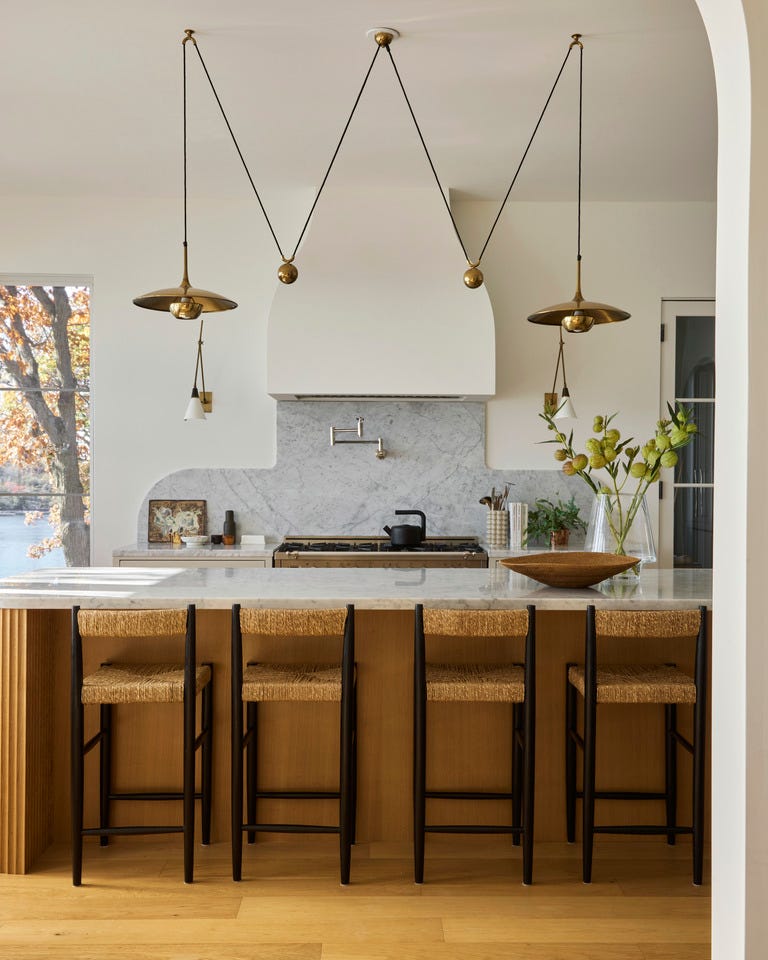
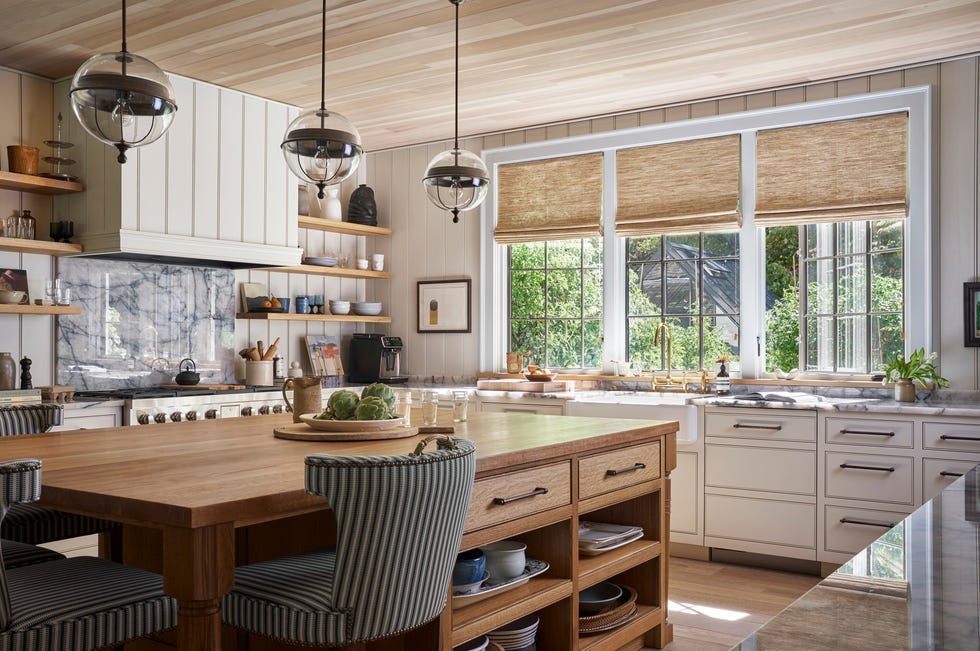
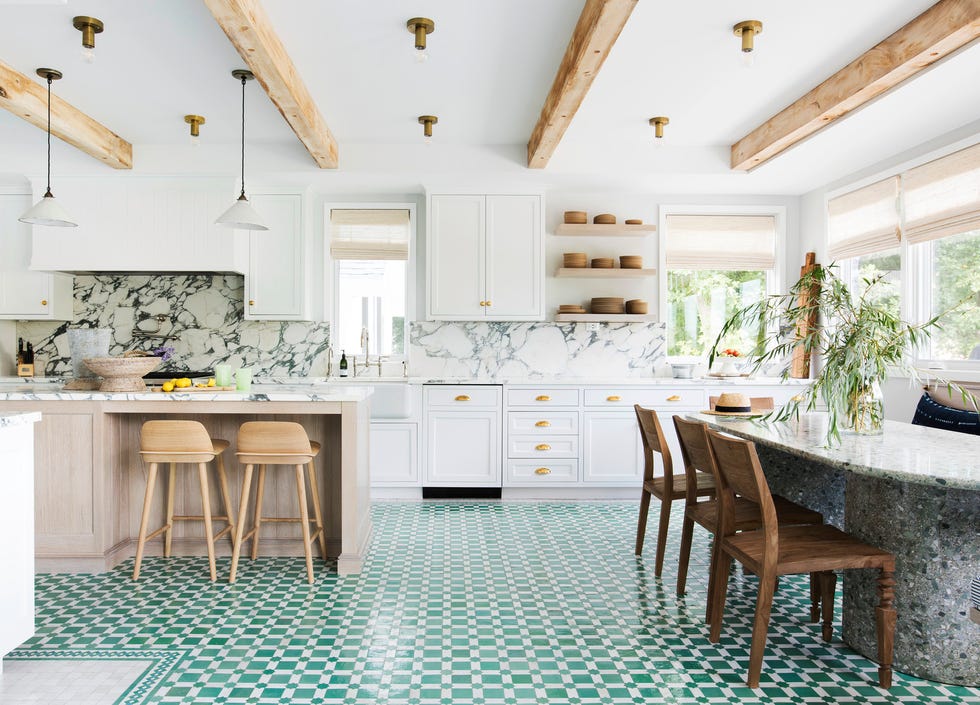
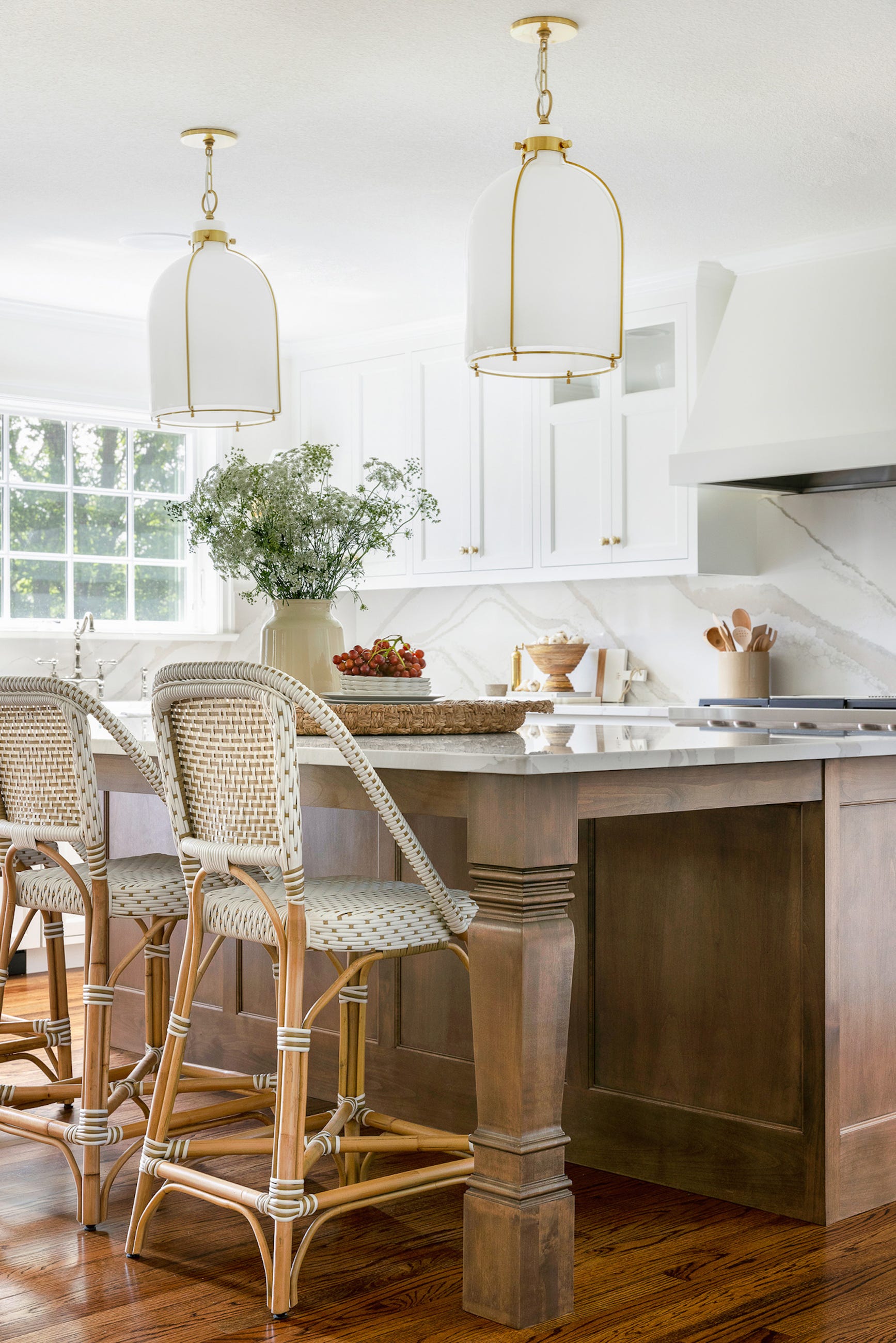
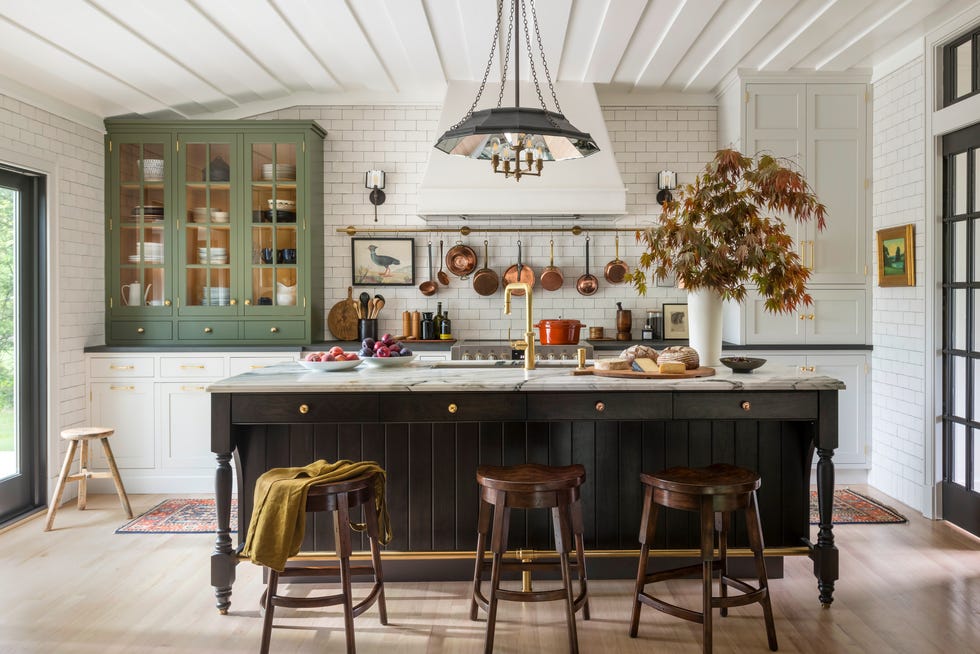
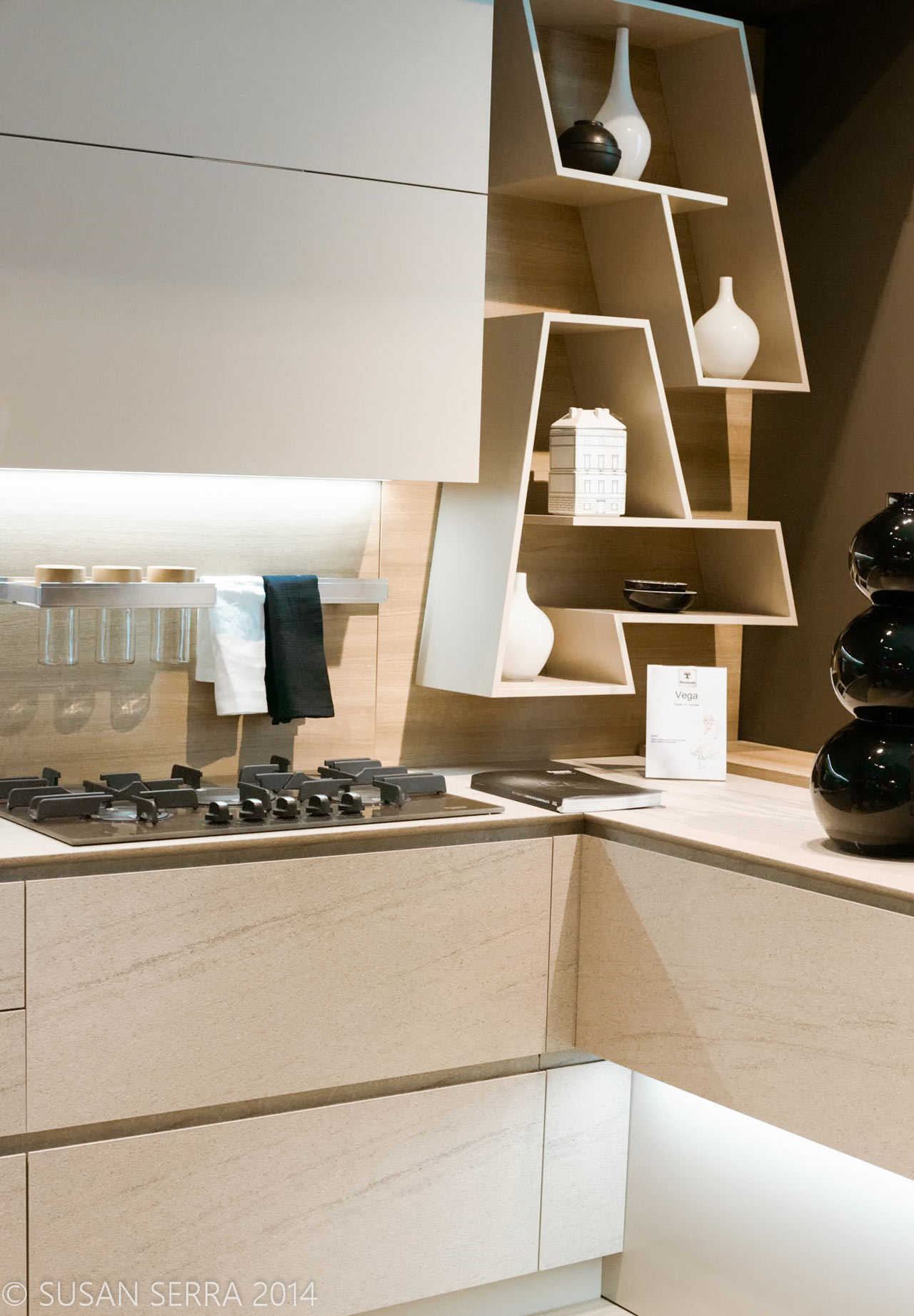
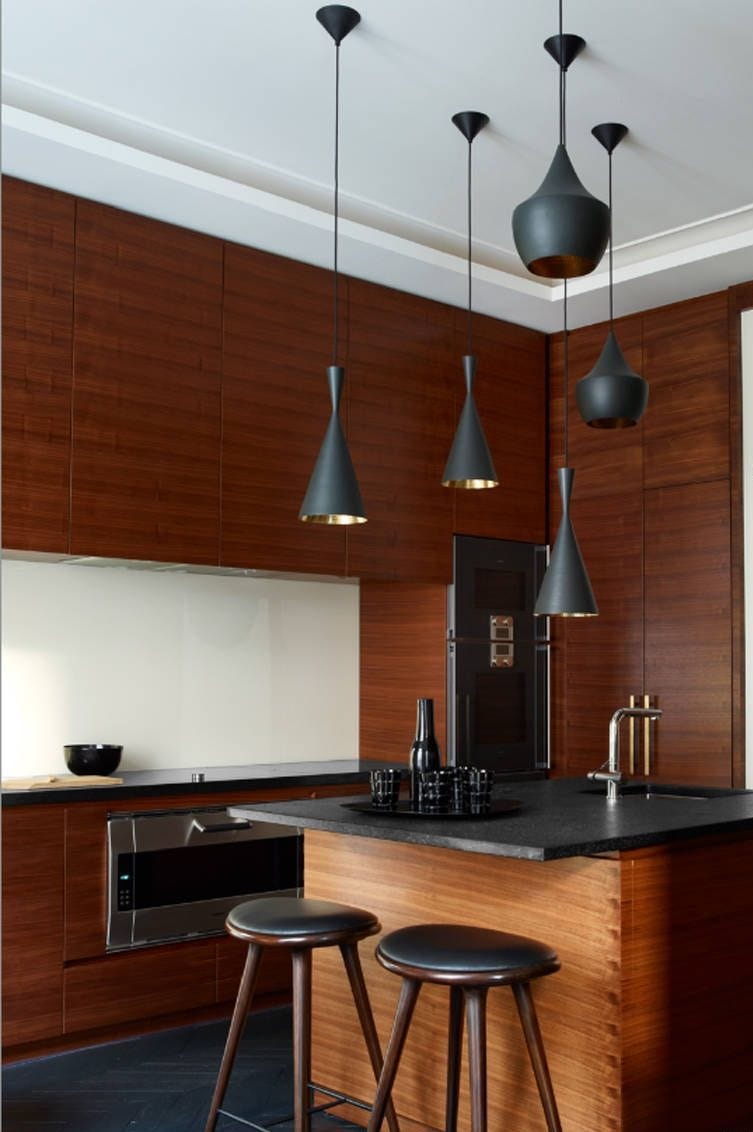
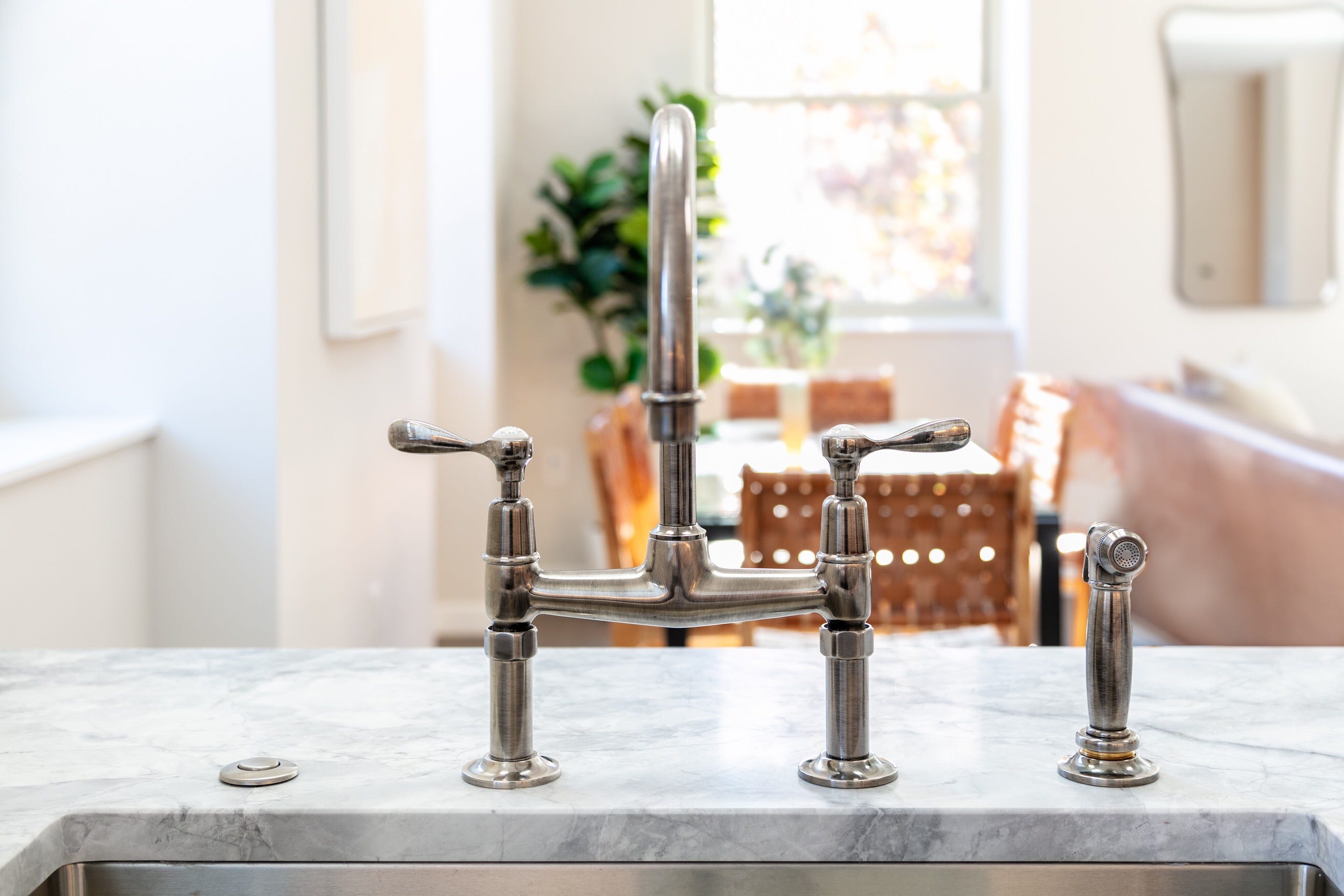
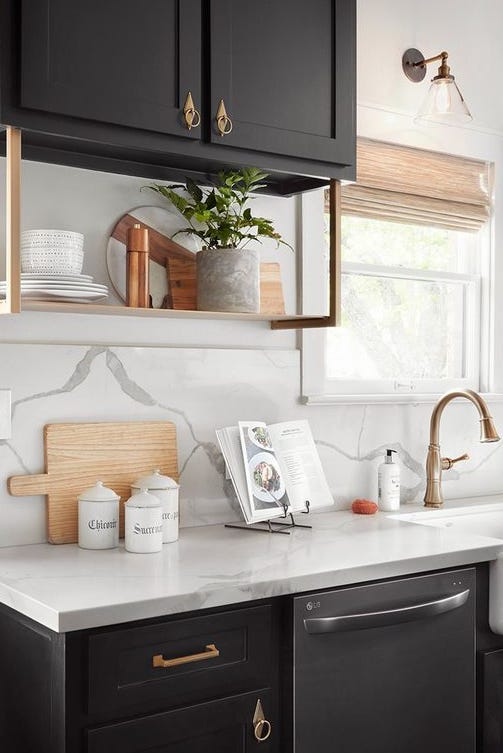
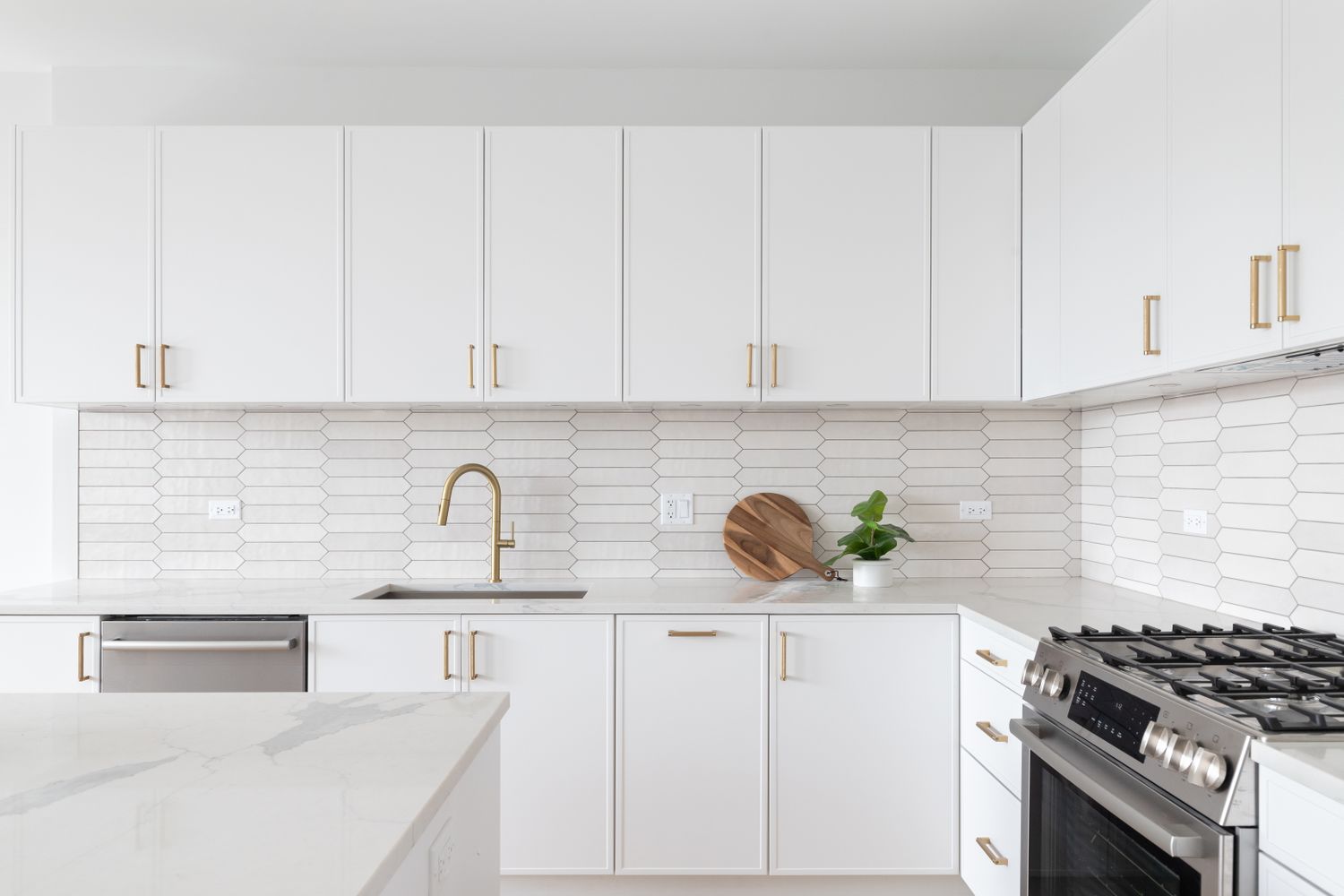
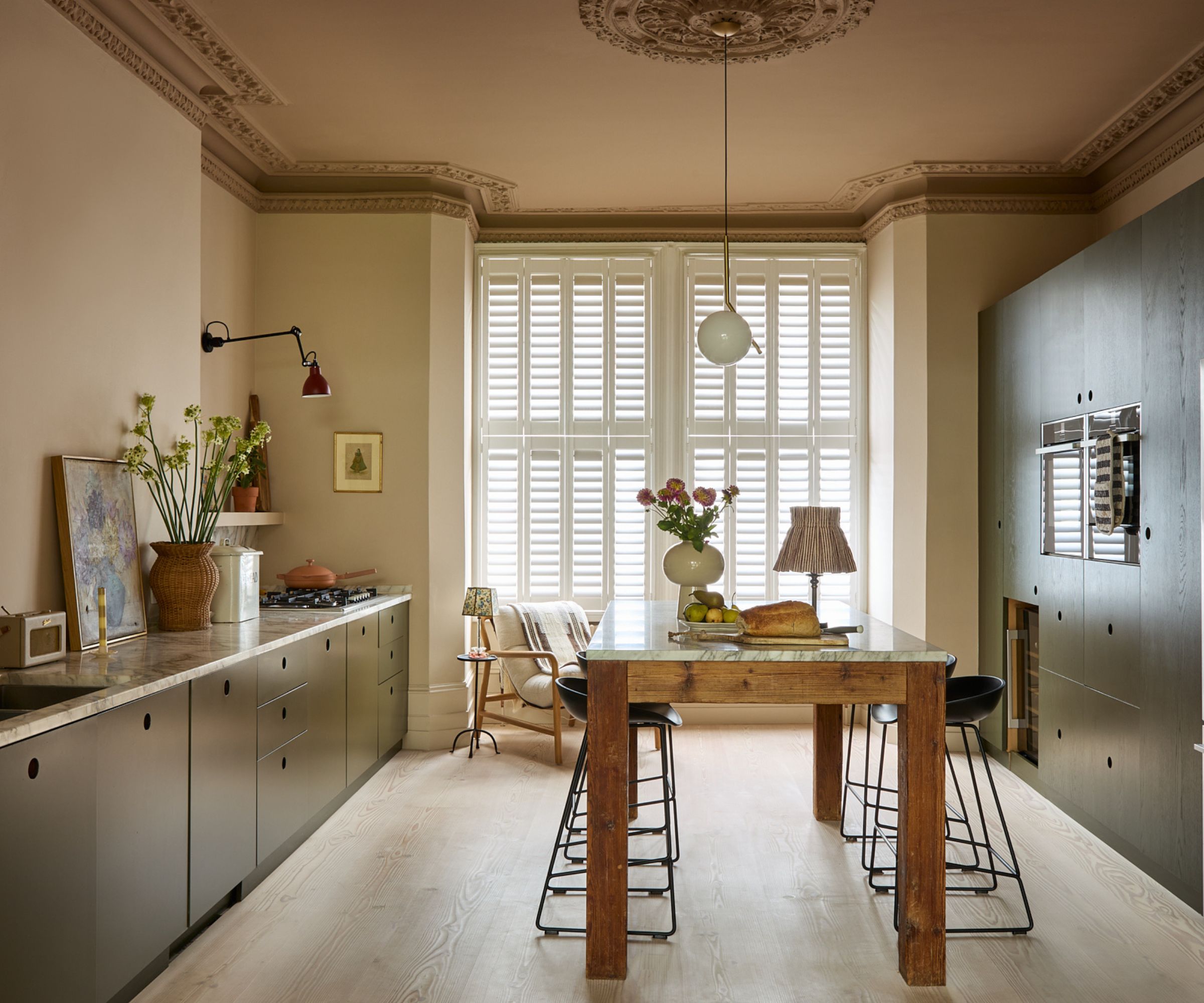
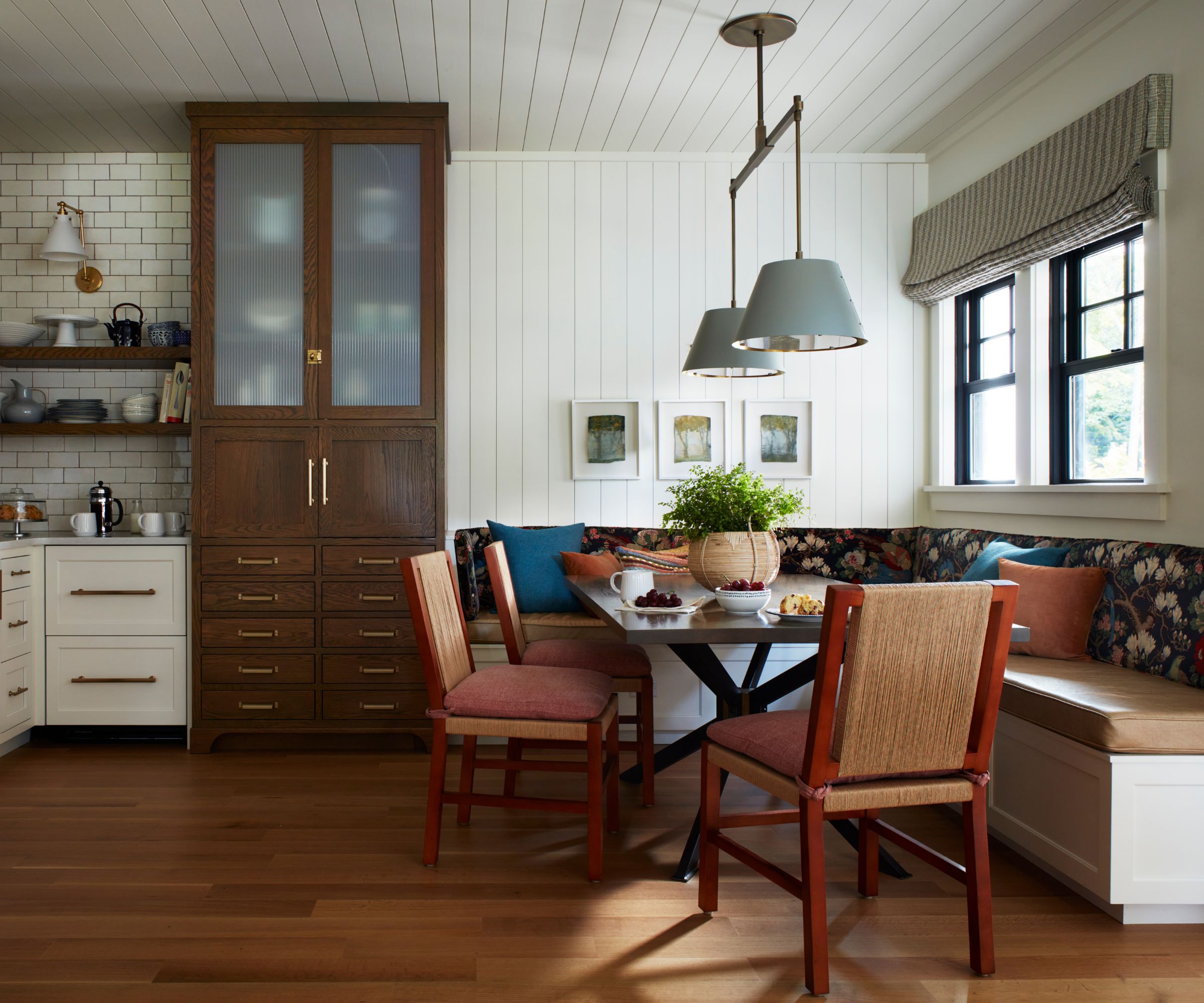
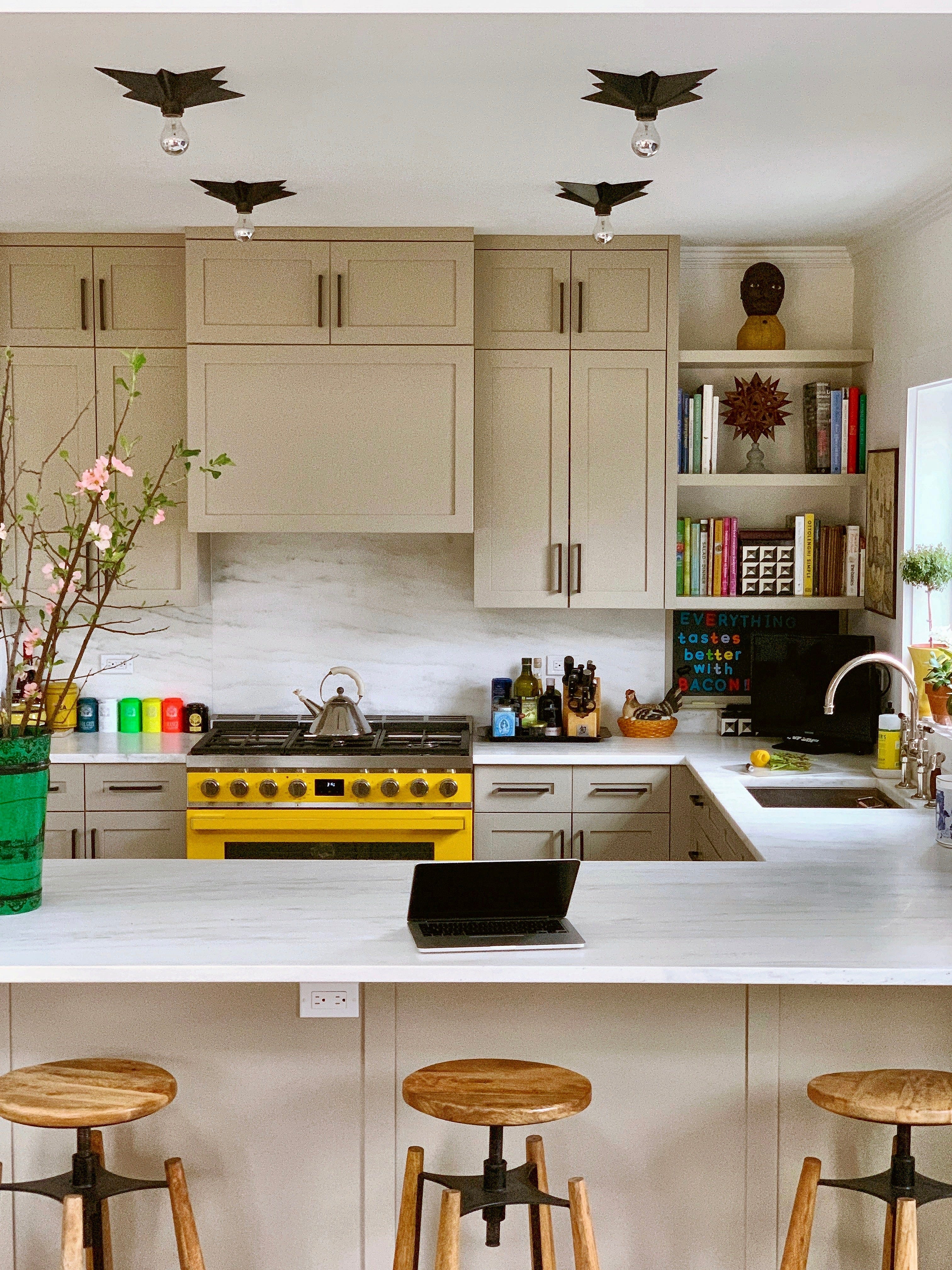
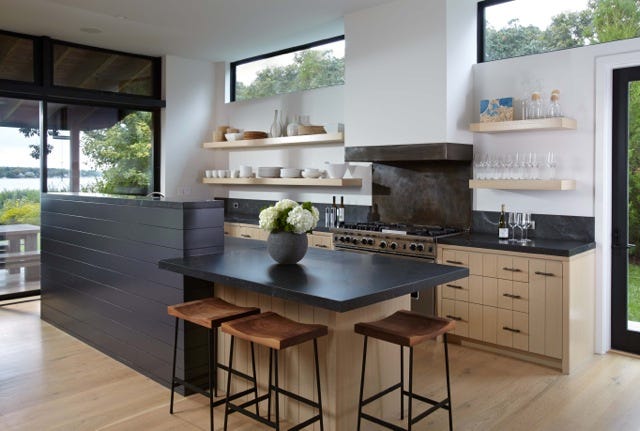
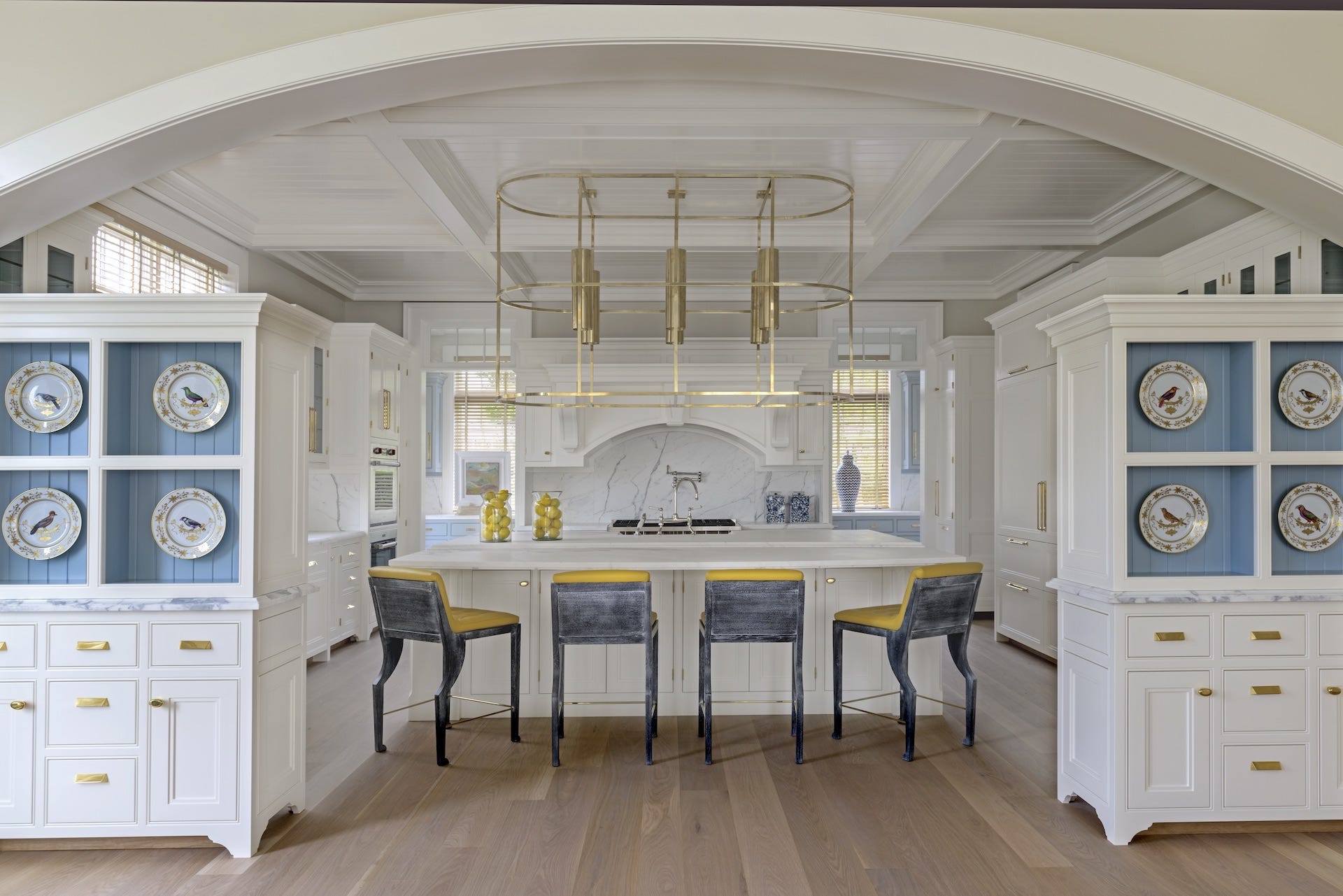
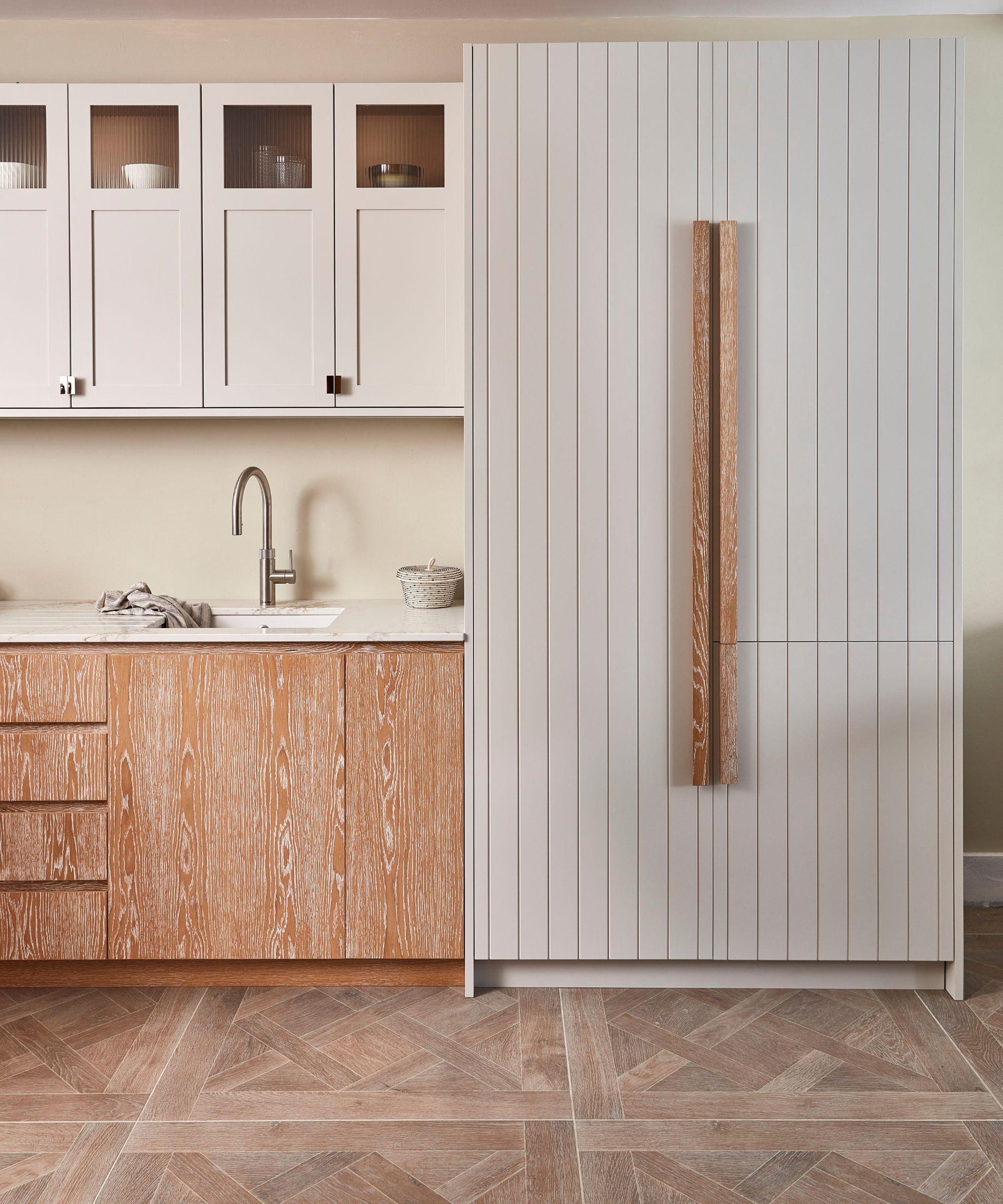
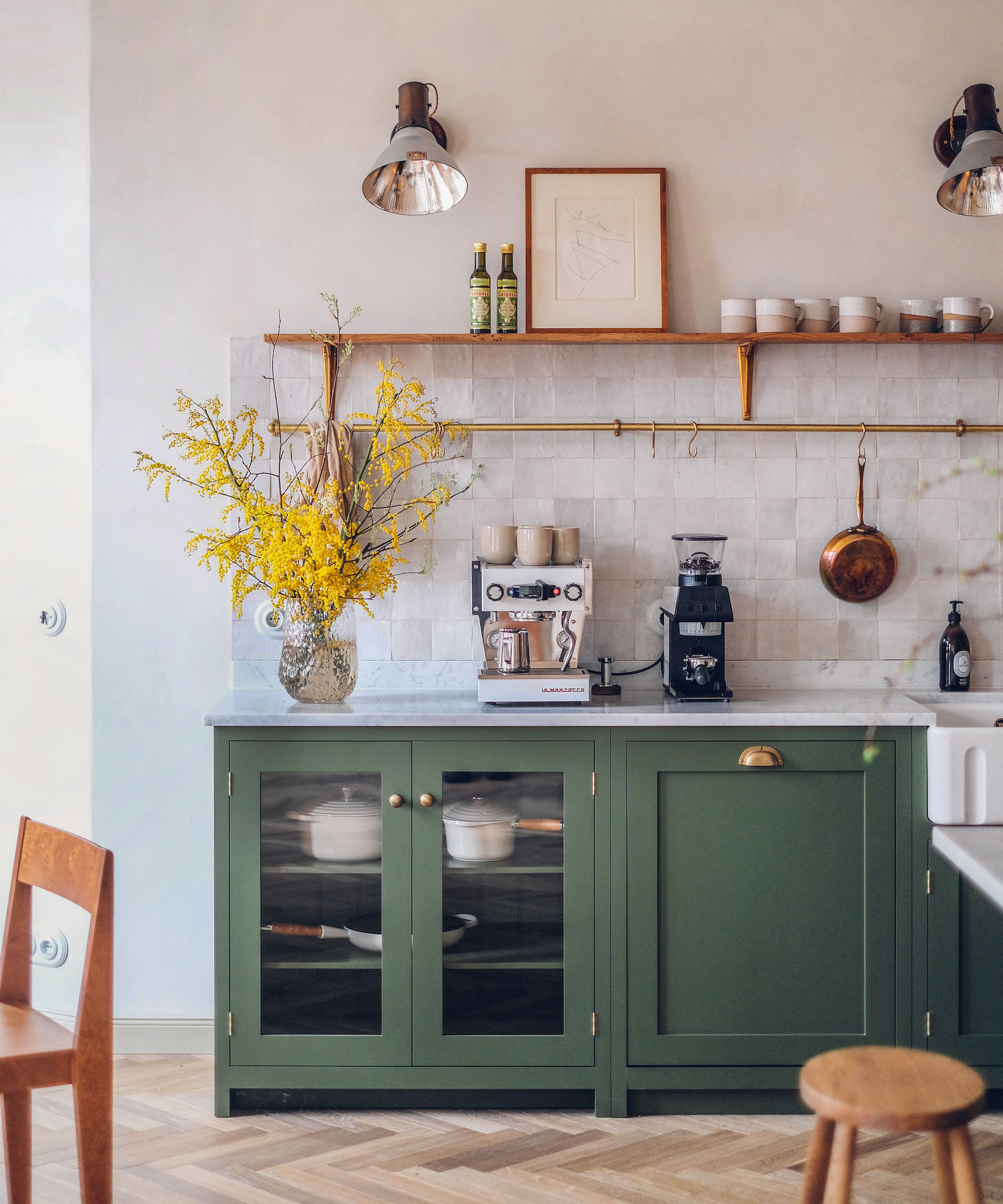
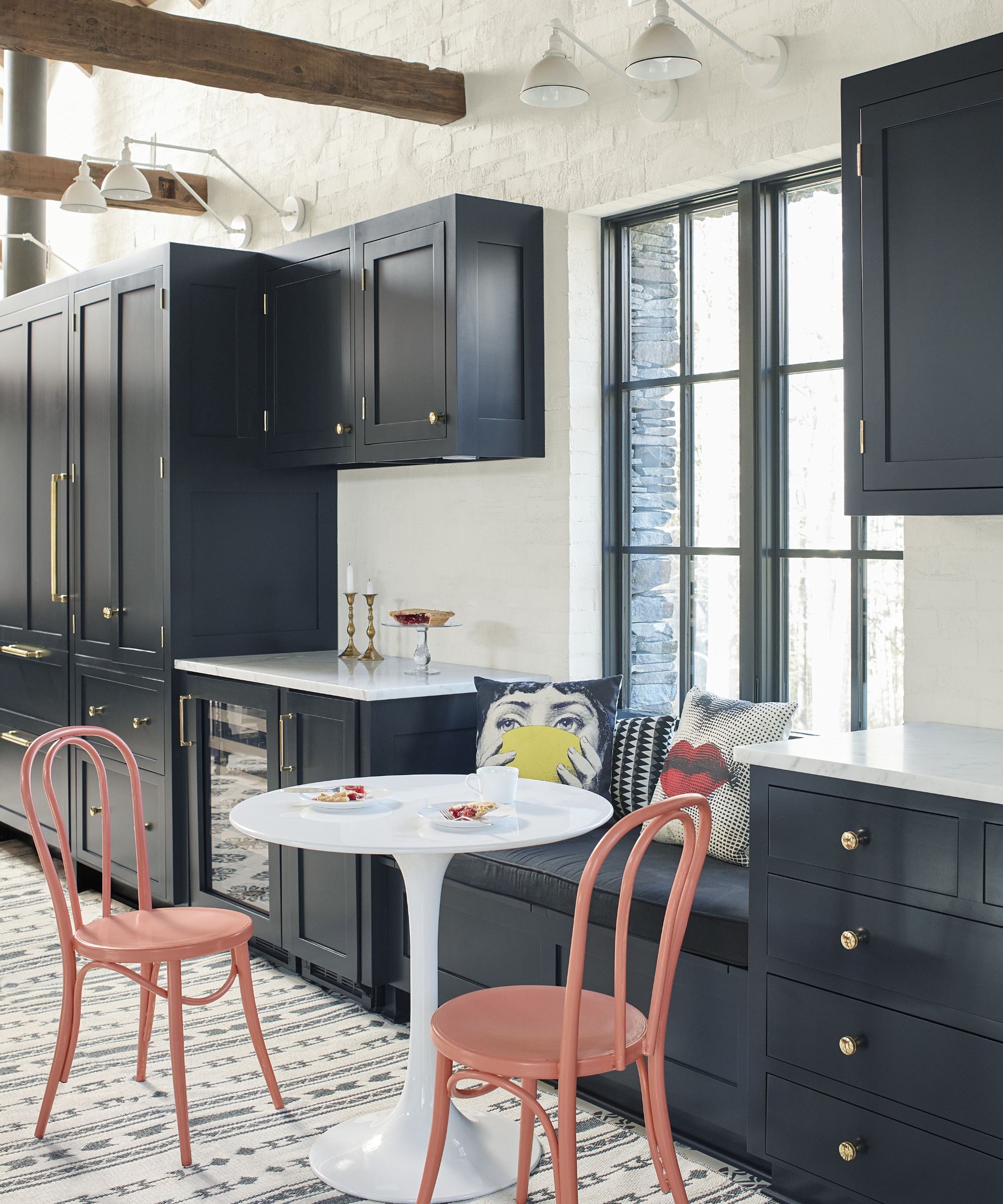
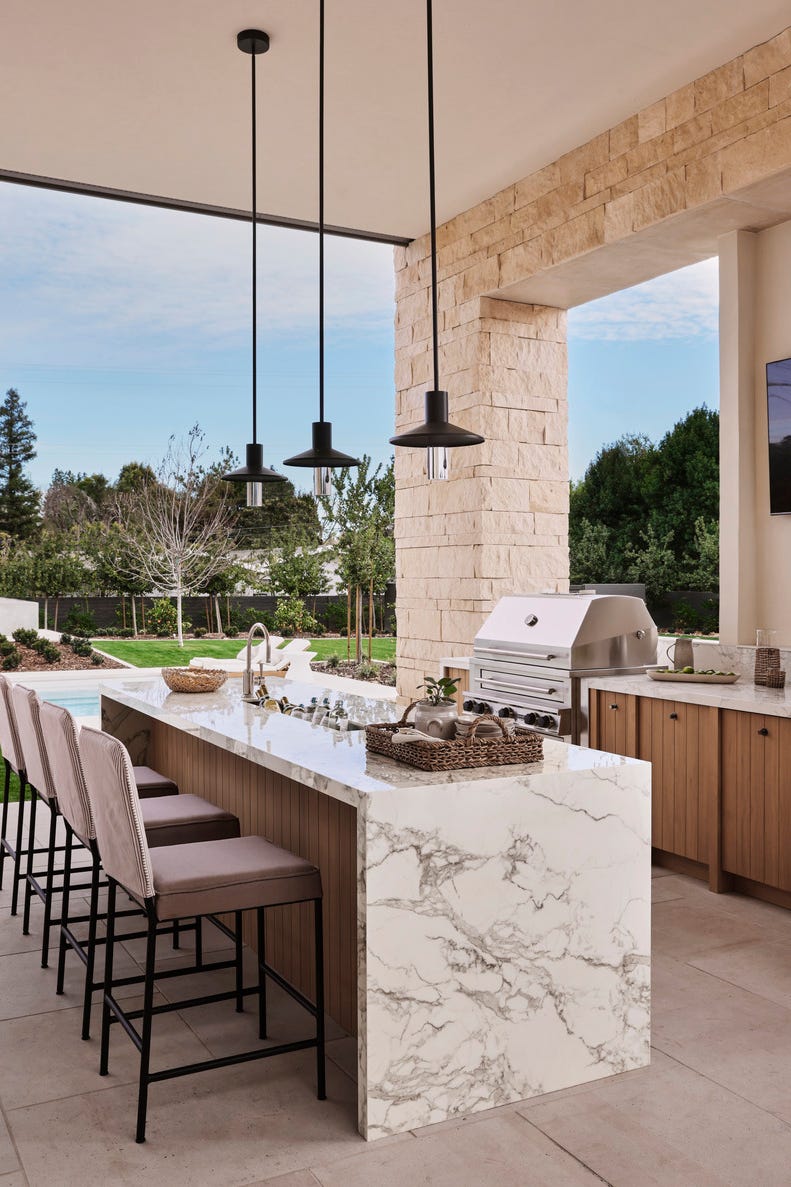
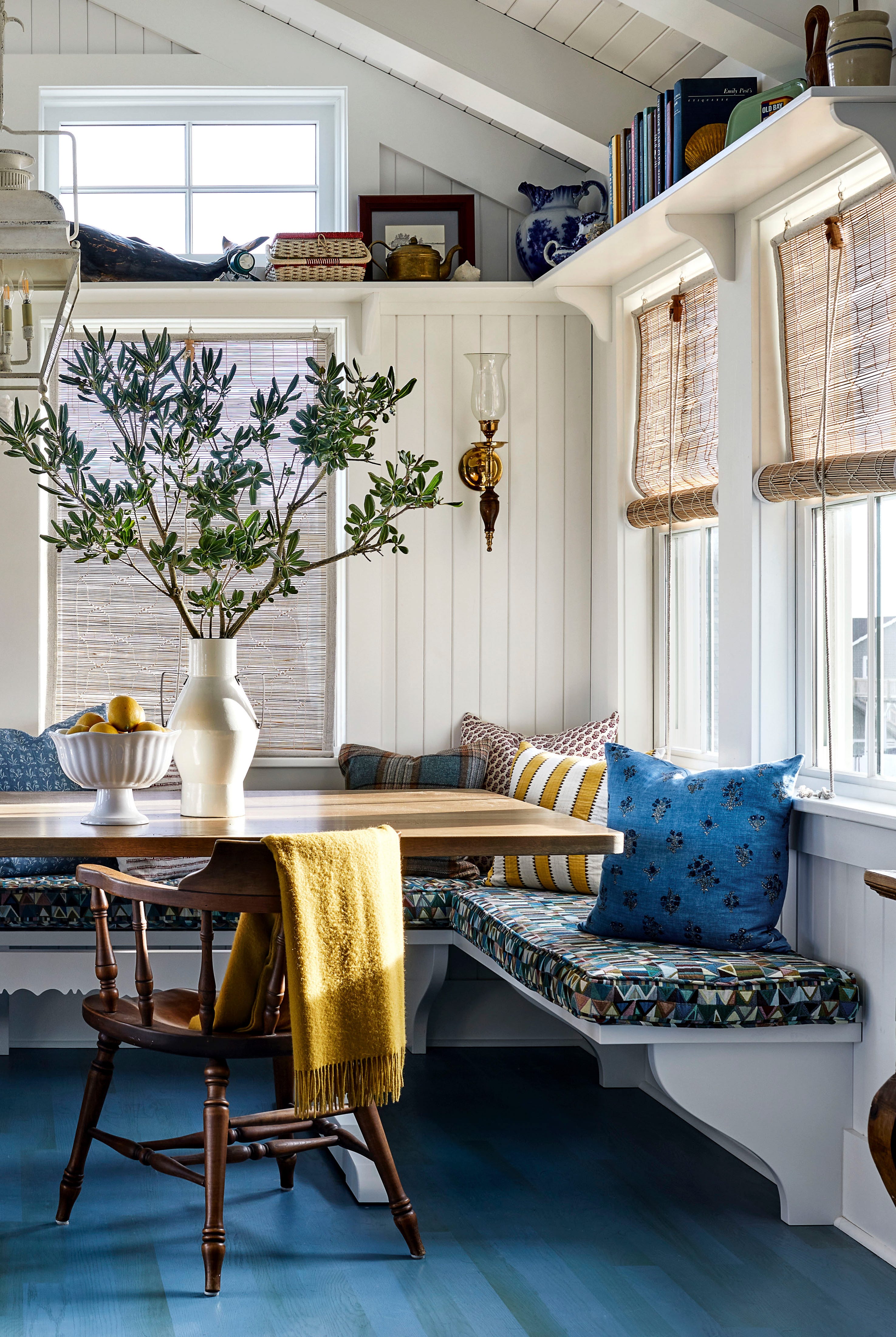
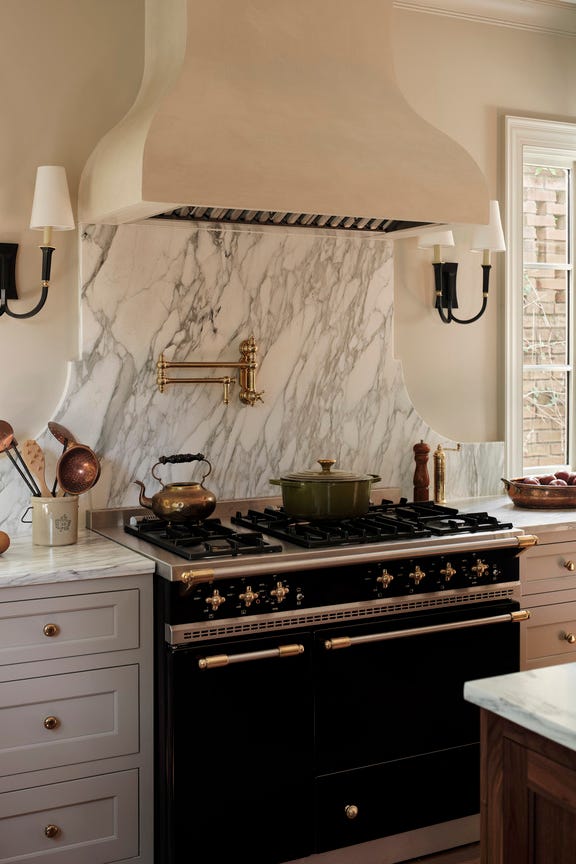
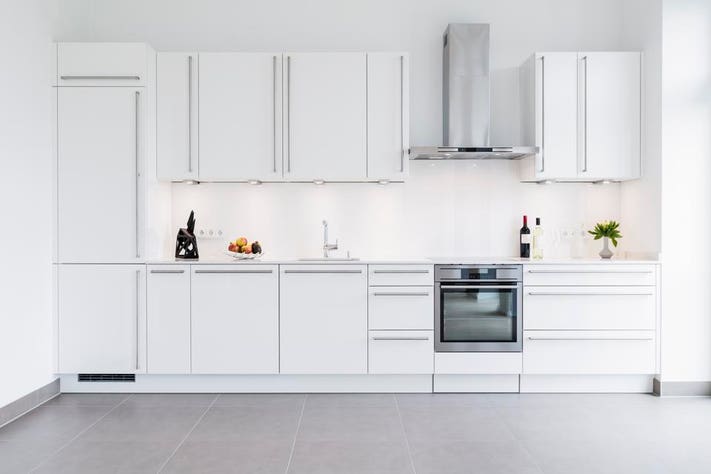
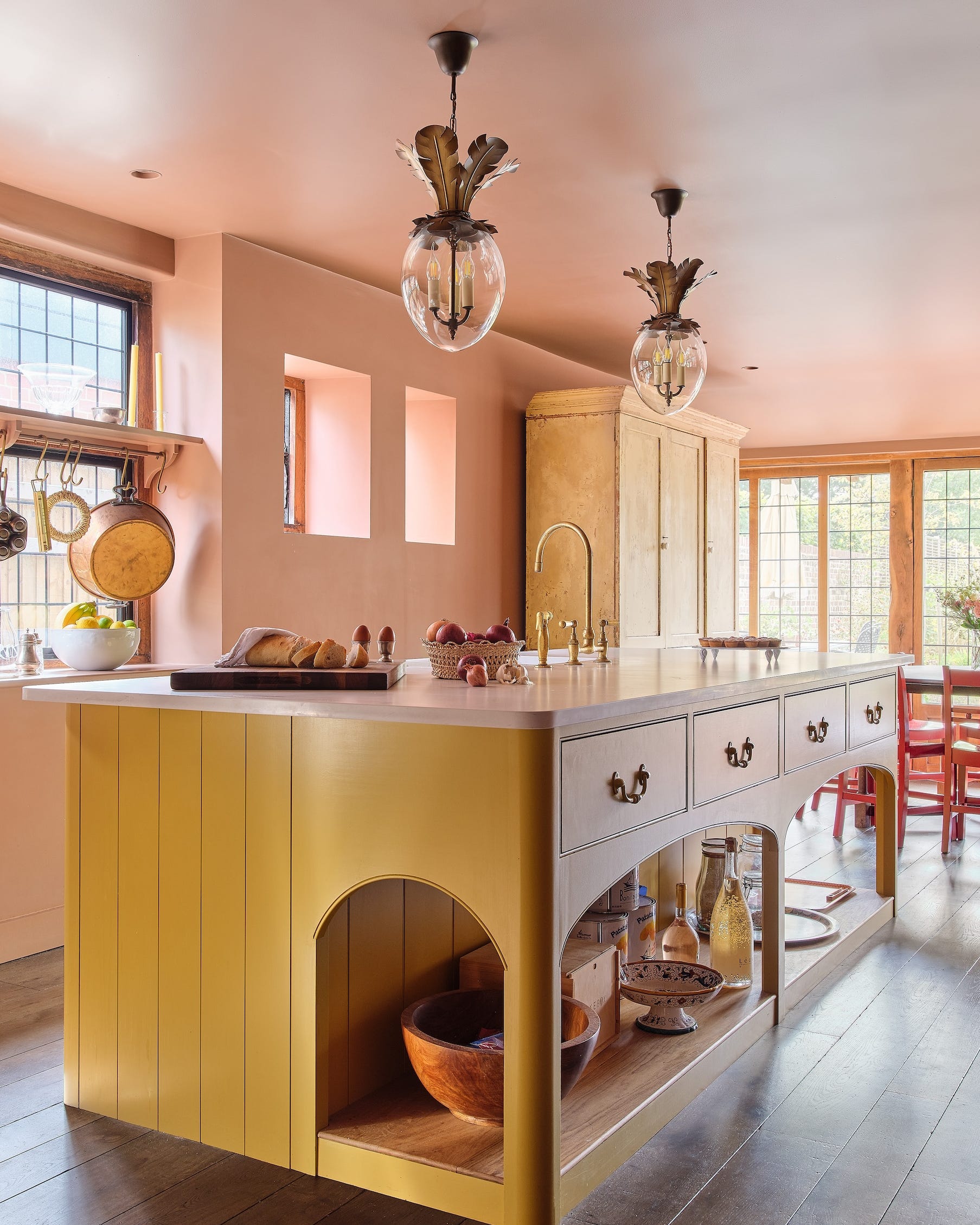
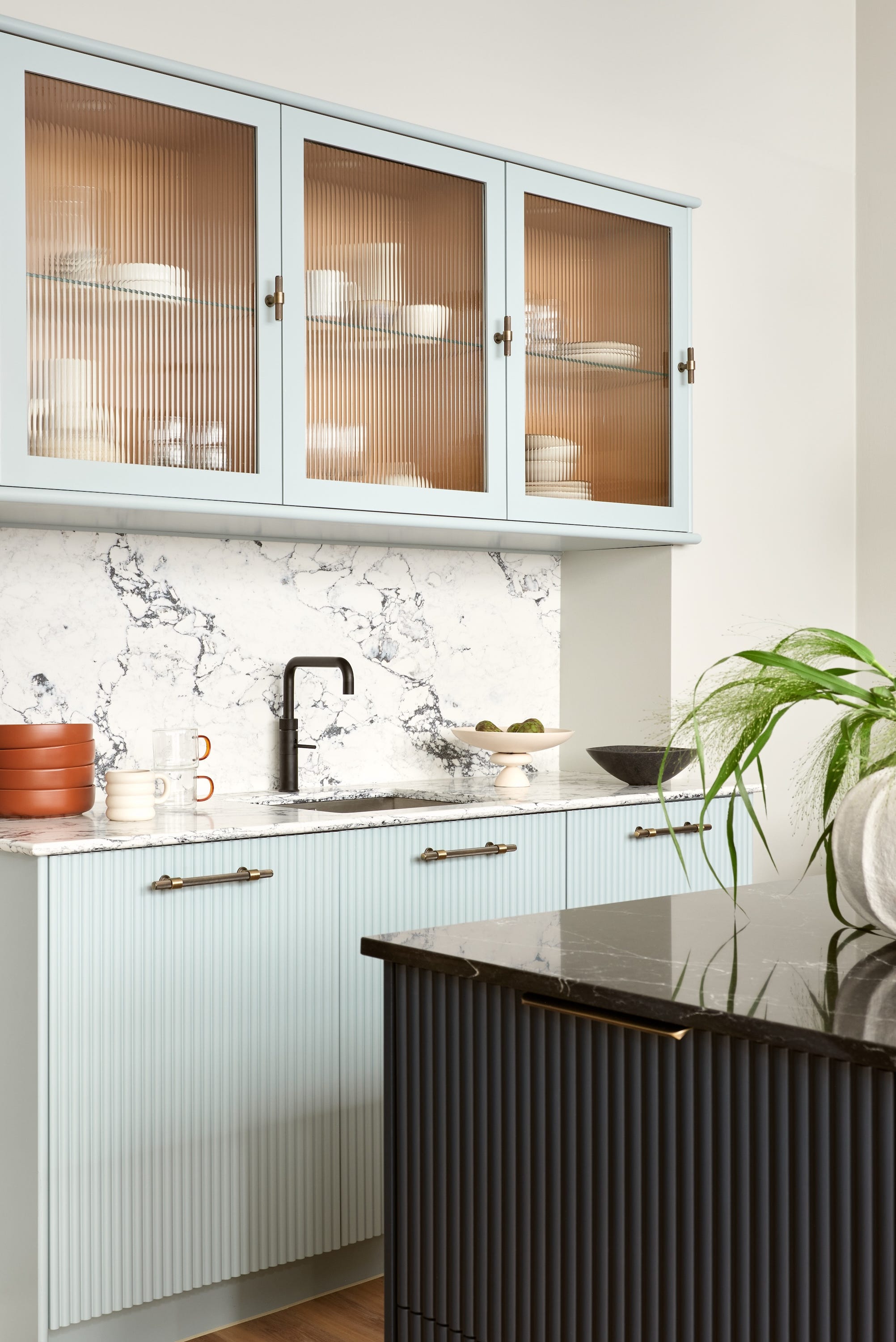
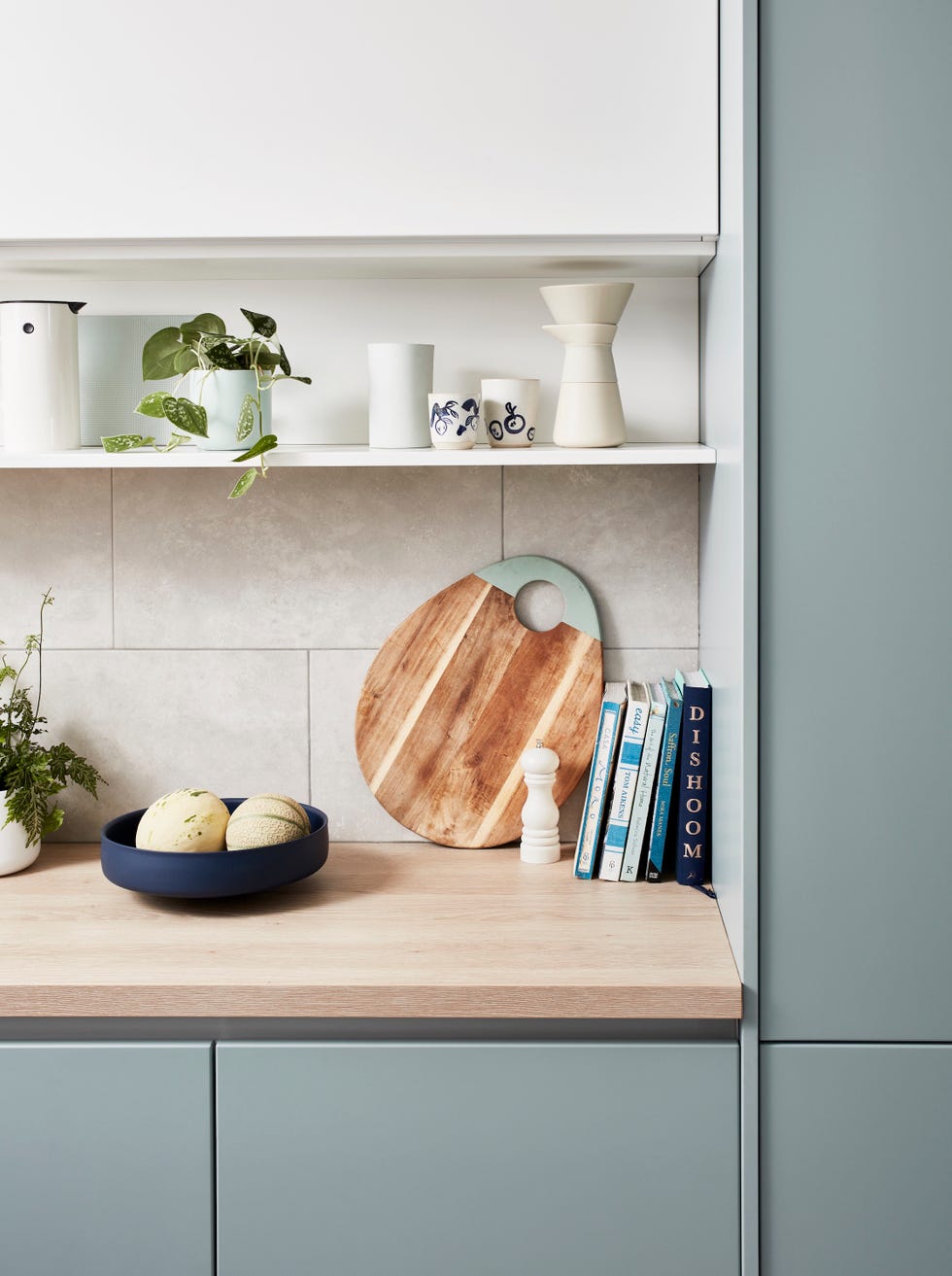
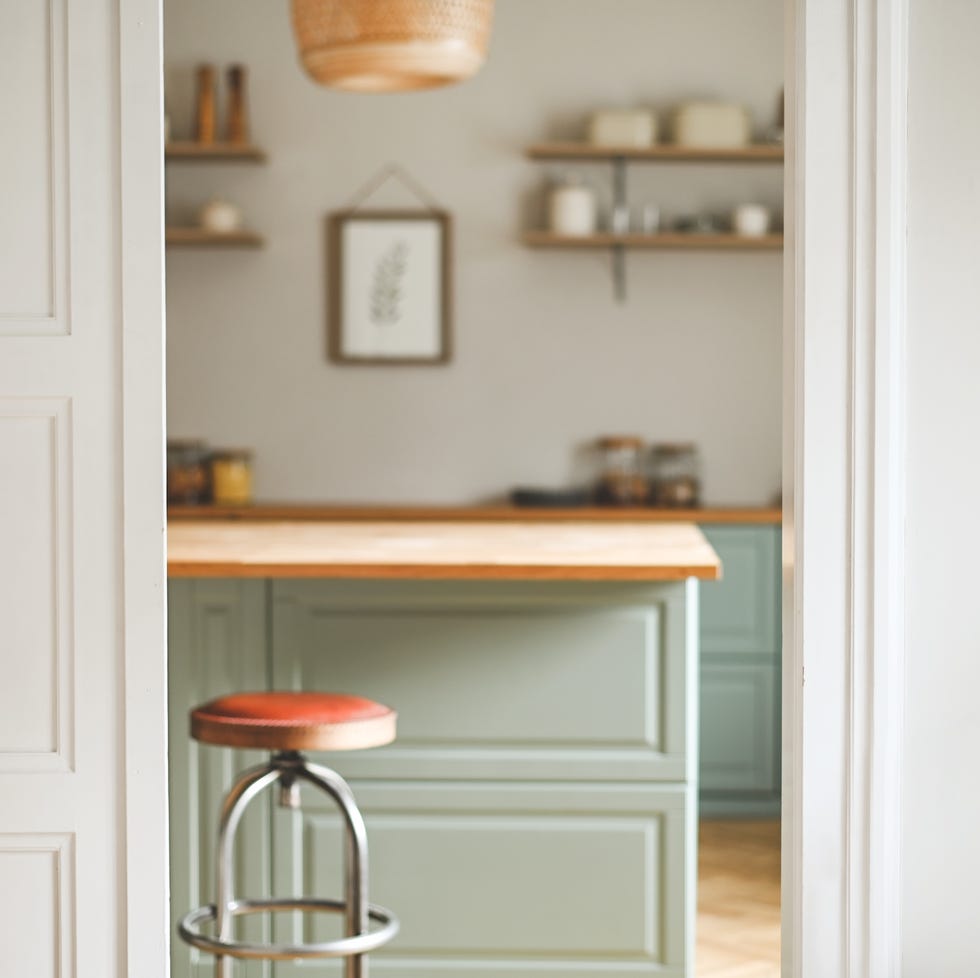
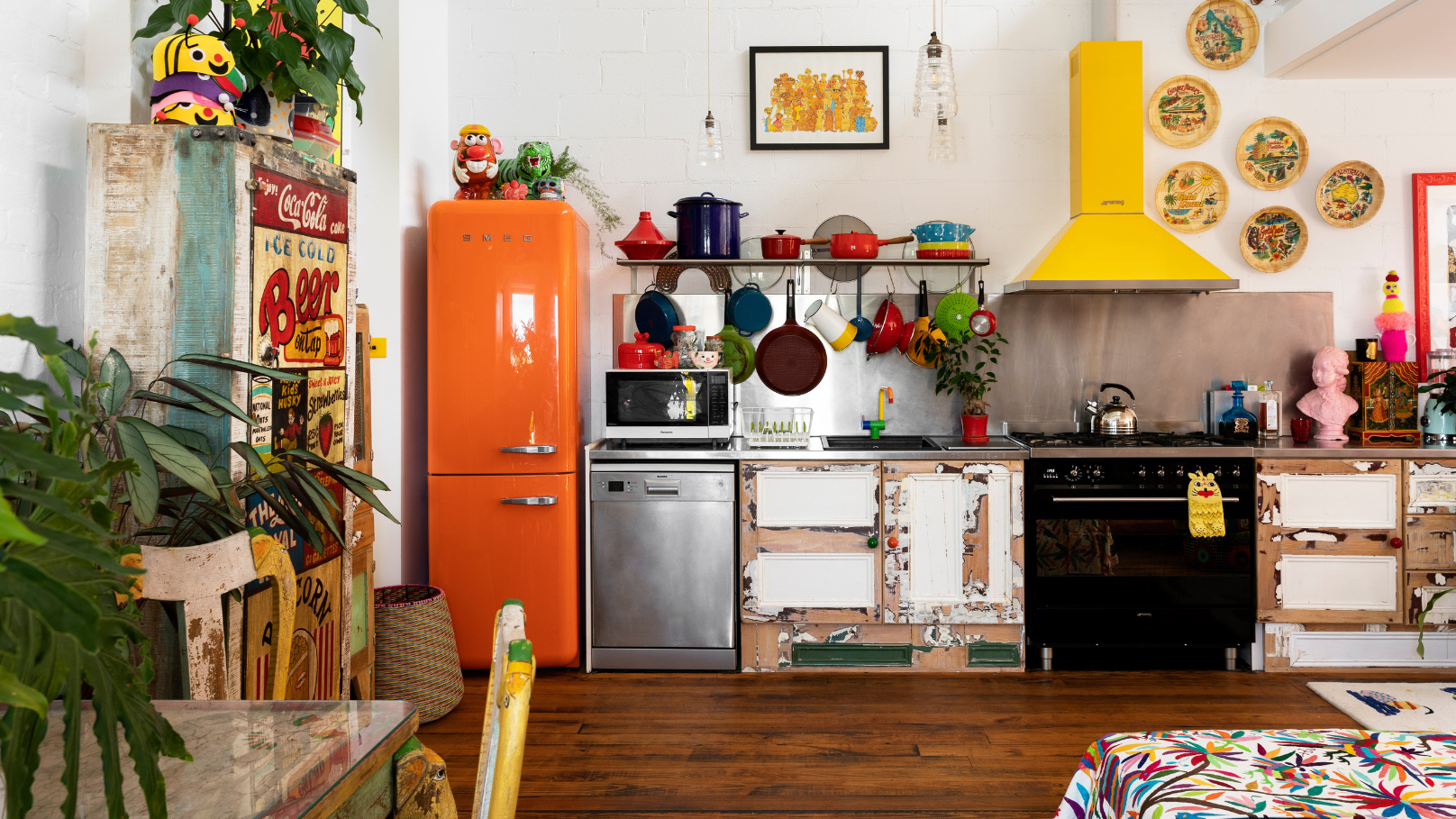
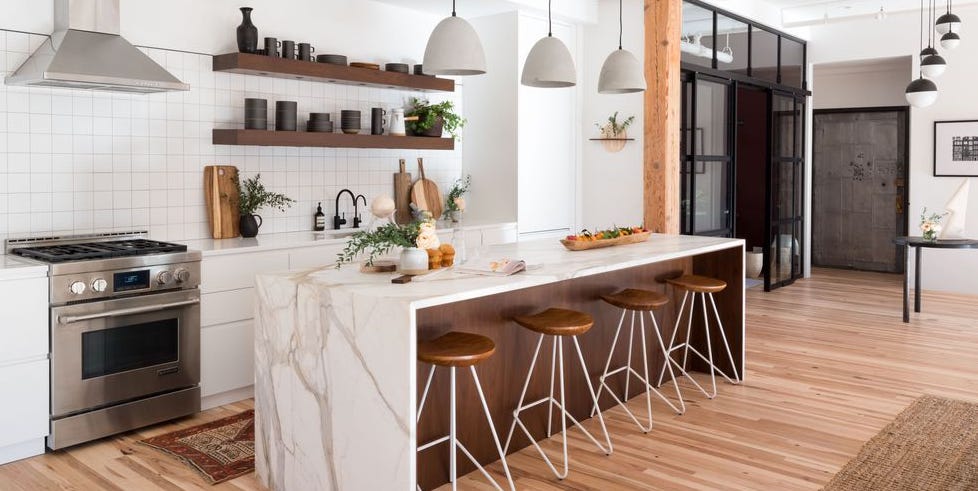
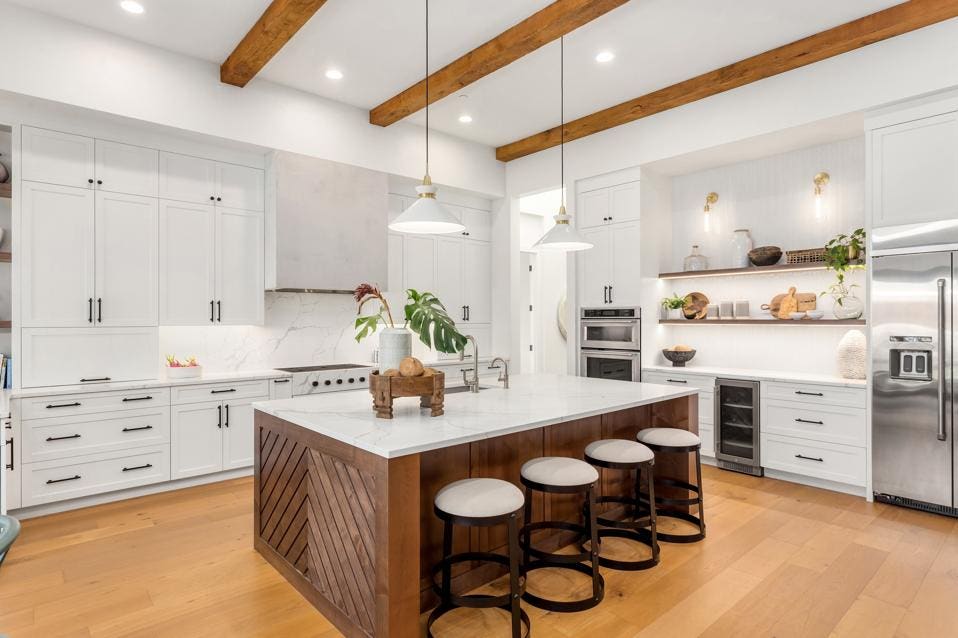
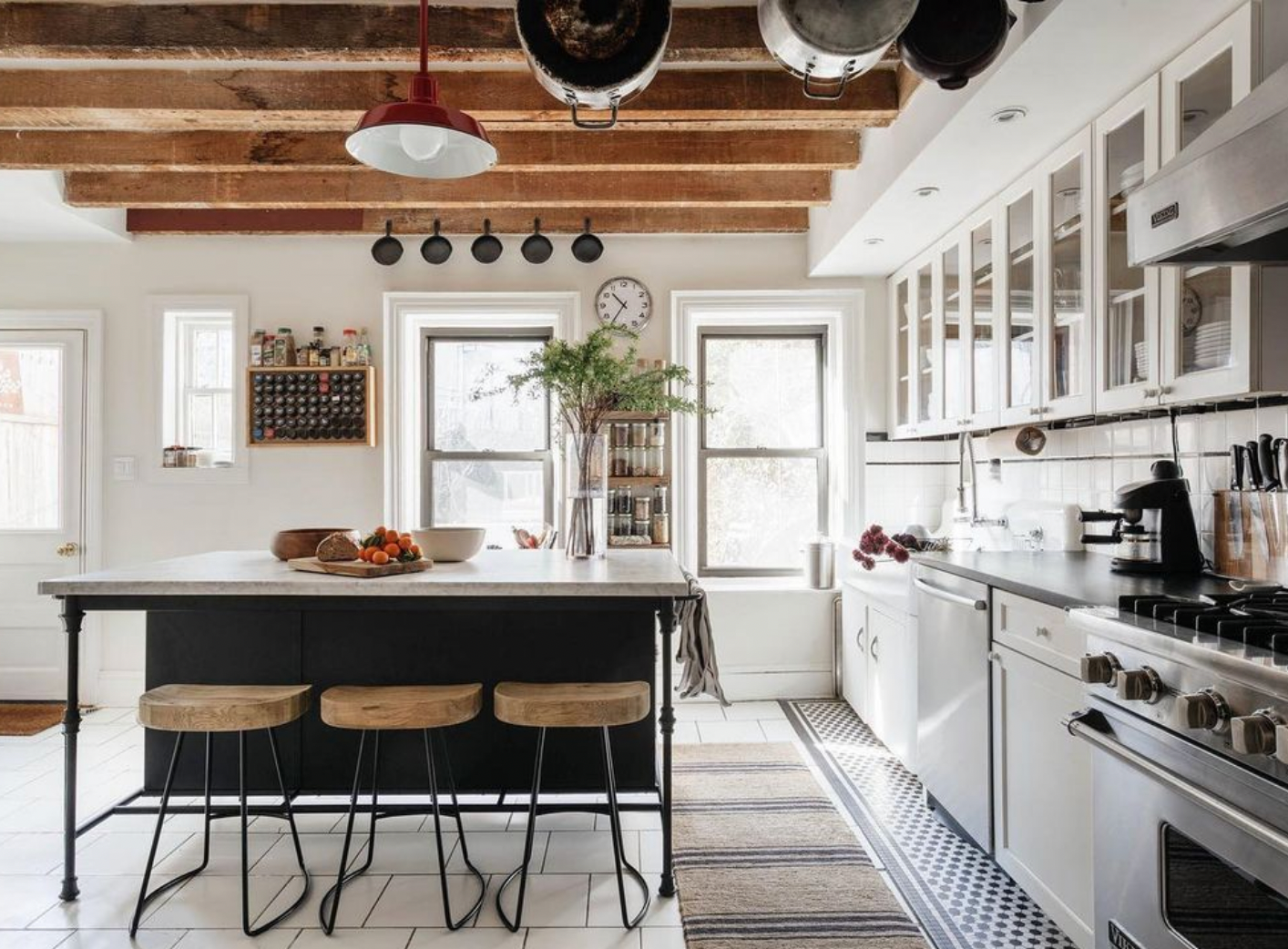
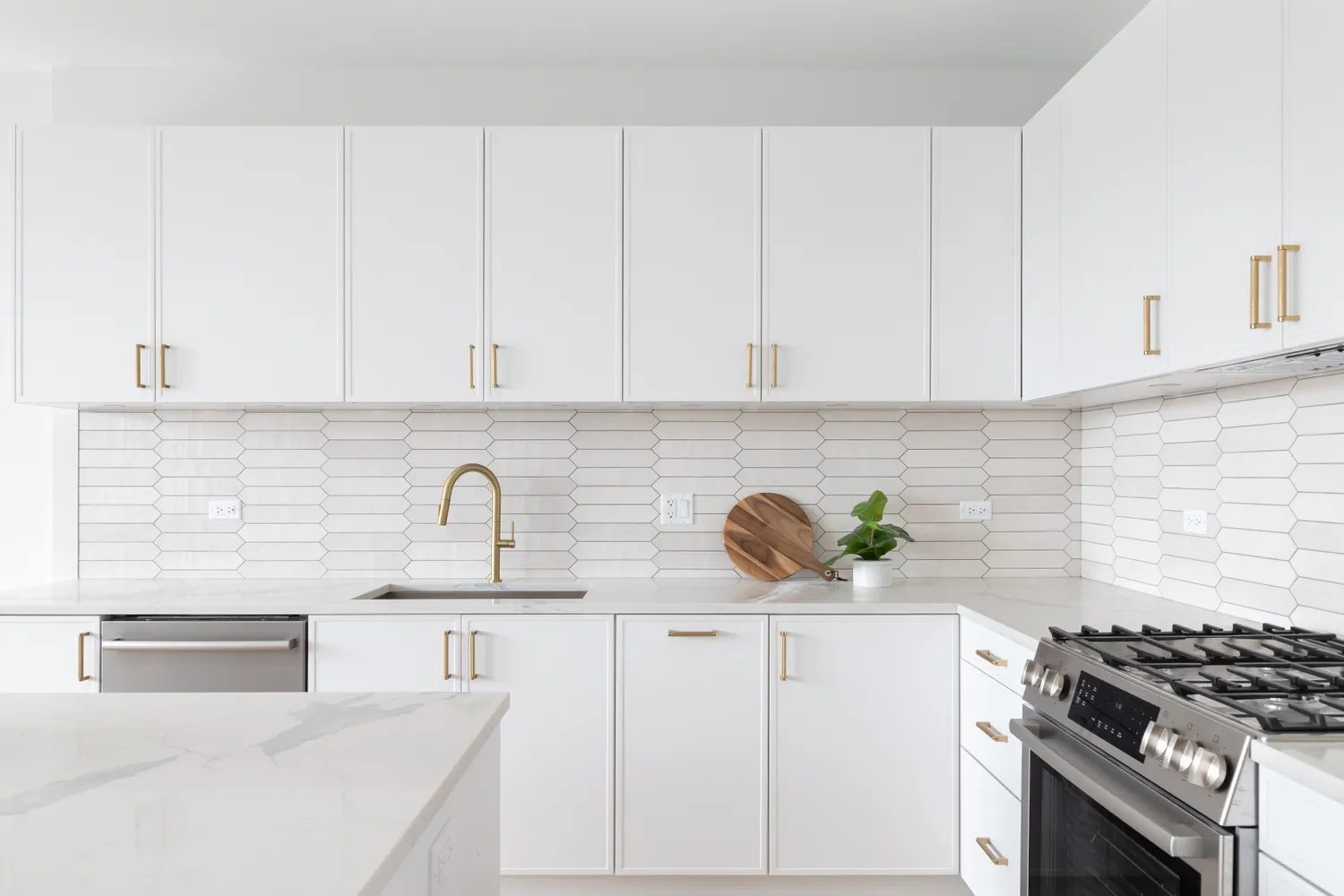
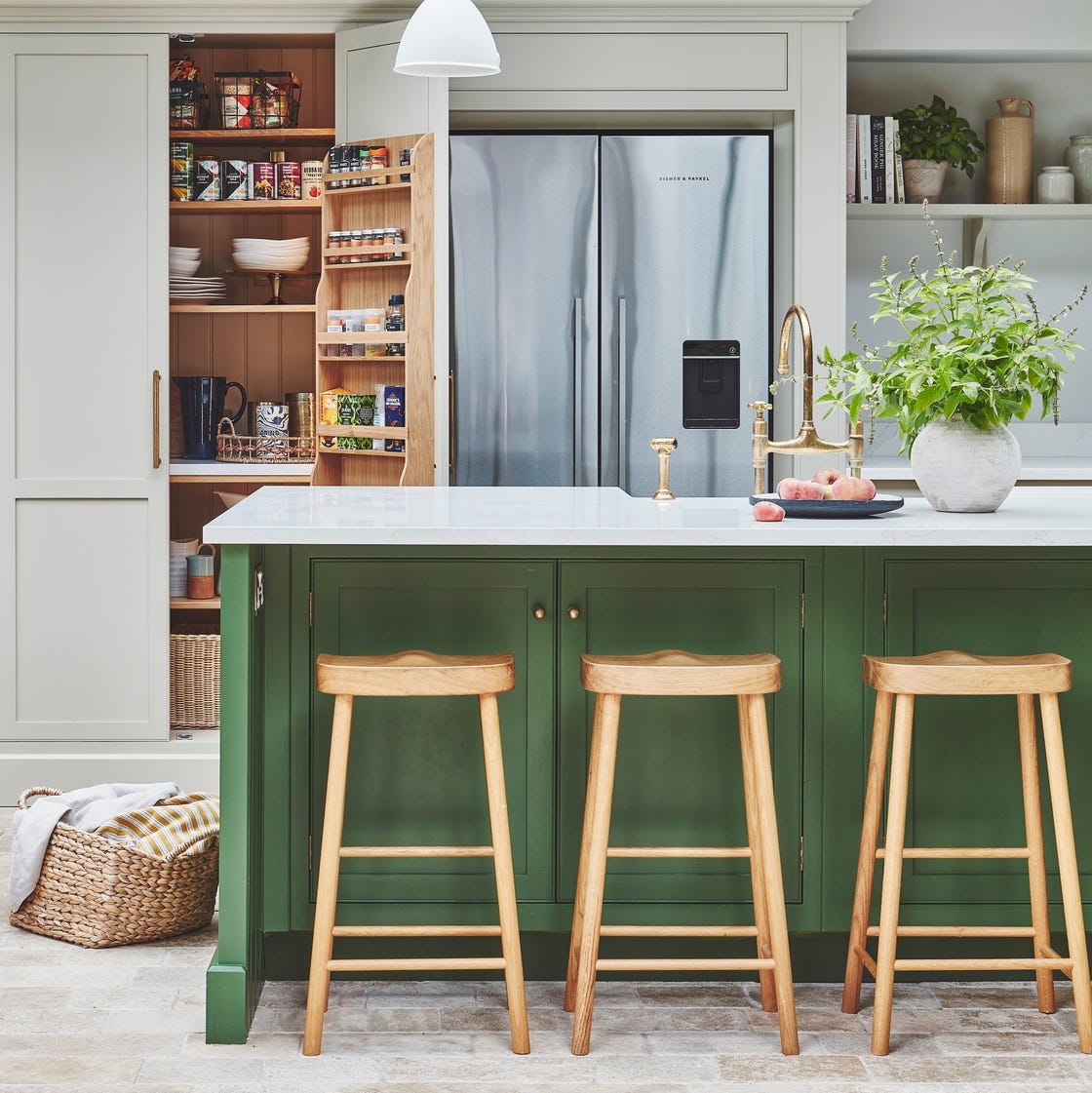
Present-day kitchens in 2023 combine some elements from past trends while evolving towards brighter, airier spaces. Waterfall-style islands in white marble, often paired with minimalist pendant lights, are popular. Modern farmhouse styles with contrasting white glossy marble and matte black metal hardware are also widespread. A notable return to colorful appliances, from brands like Smeg and Samsung Bespoke, allows for personalization with hues like cherry blossom pink and tangerine orange. Contemporary kitchens also reincorporate elements of coziness, such as banquettes and built-ins, to foster human interaction and a sense of intimacy.
#KitchenDesign #InteriorDesignTrends #HomeDecor #ArchitecturalHistory #MidcenturyModern #ArtDeco #PostmodernDesign #KitchenAppliances #HomeRenovation #KitchenDesign #InteriorDesignTrends #HomeDecor #ArchitecturalHistory #MidcenturyModern #ArtDeco #PostmodernDesign #KitchenAppliances #HomeRenovation
Hay 0 comentarios en total
 Aún no hay comentarios
También te puede gustar
12 "Outdated" Kitchen Trends You Should Ditch In 2025 (But You Probably Have)

Current Kitchen Interior Design Trends

Top Designers Say These Kitchen Trends are Long-Lasting

Open Shelves, Farmhouse Sinks, Wolf Ranges — 25 Trends That Changed Home Kitchens in the 2000s

22 Outdated Things You Should Avoid in Your Kitchen, According to Designers

Top Designers Reveal the Biggest Kitchen Design Trends of the Year
See the latest trends in kitchen design

10 Kitchen Design Trends Going Out Of Style In 2025

21 of the Biggest Kitchen Trends Design Pros Love Right Now

5 Kitchen Styles That Are Definitely Out of Style, Designers Say

16 Outdated Kitchen Features That Are Unexpectedly Coming Back In Style
20 kitchen design trends you'll see everywhere in 2025, according to experts
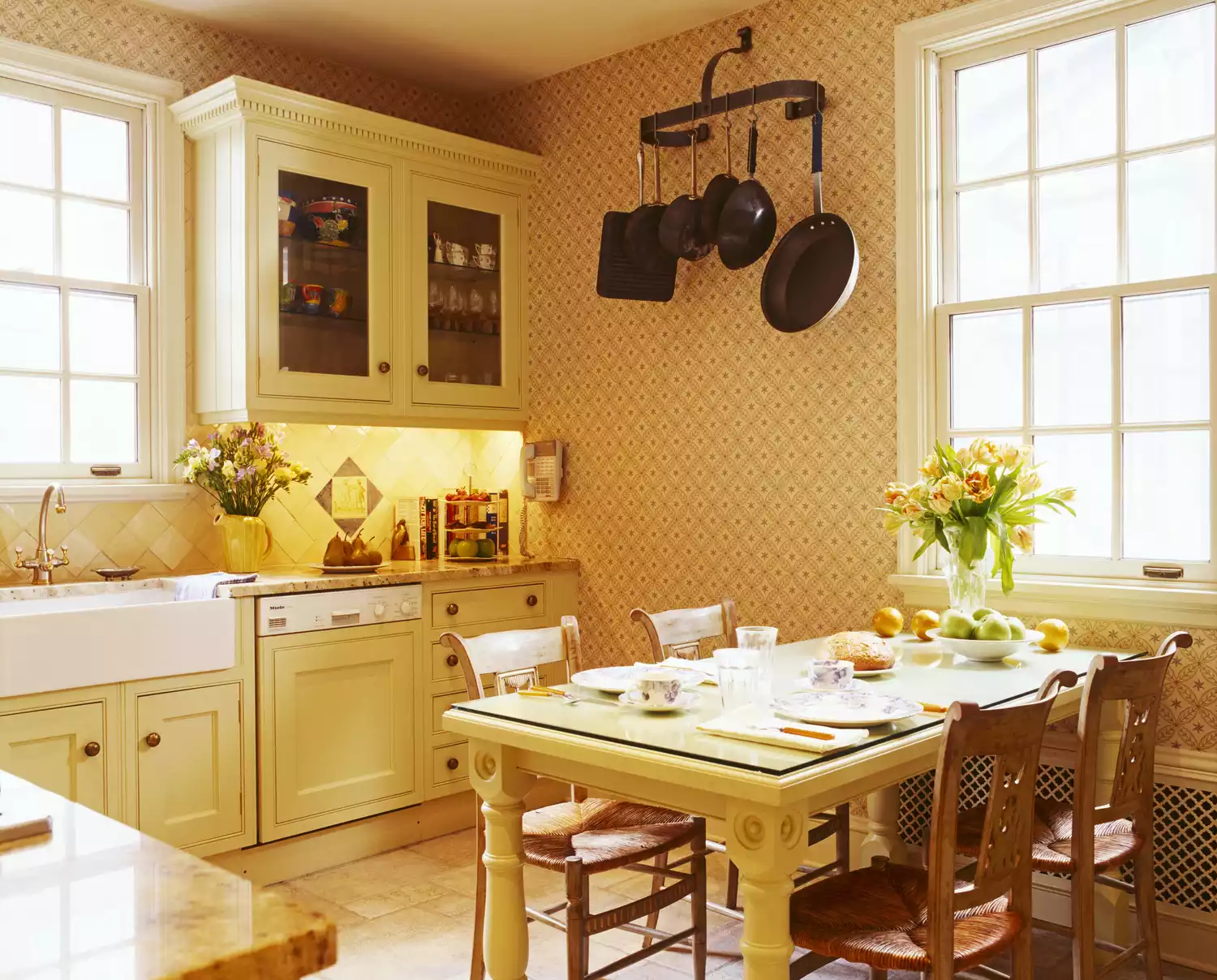
1990s Kitchen Trends We’re Falling In Love With All Over Again
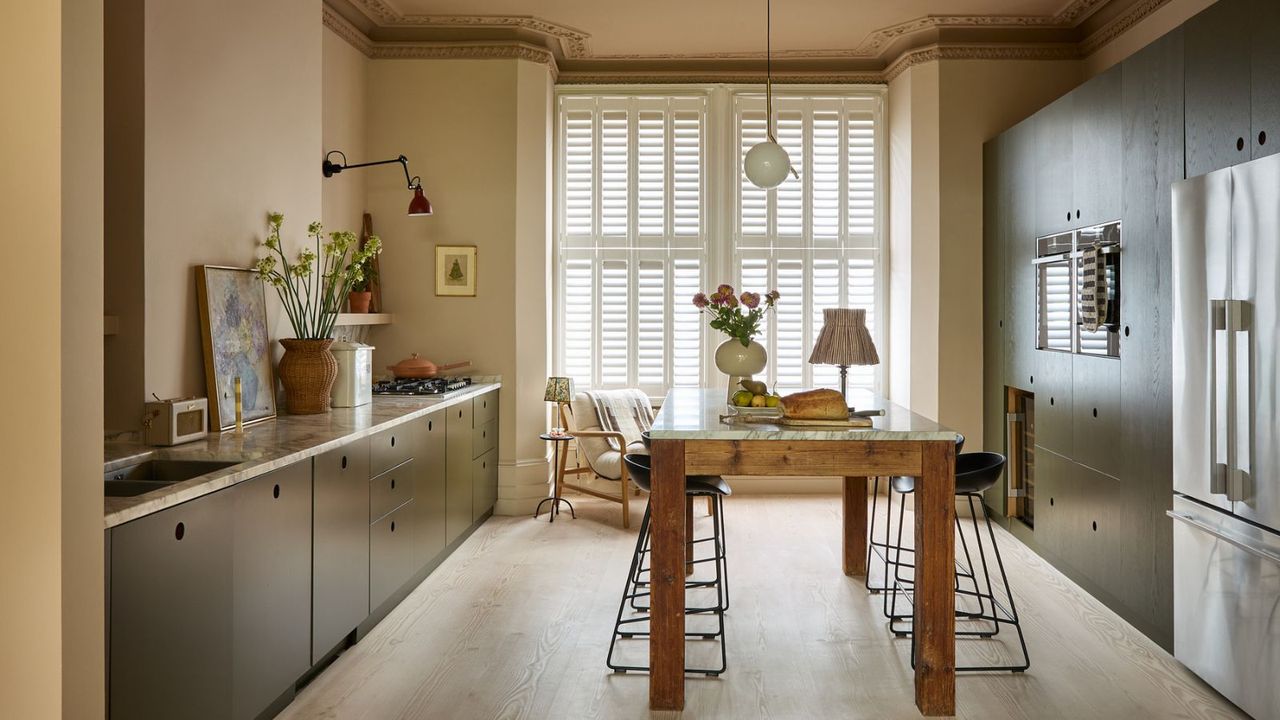
These 3 Layouts Are Making Your Kitchen Look Dated – Why Designers Say They Don’t Want to See Them in 2026
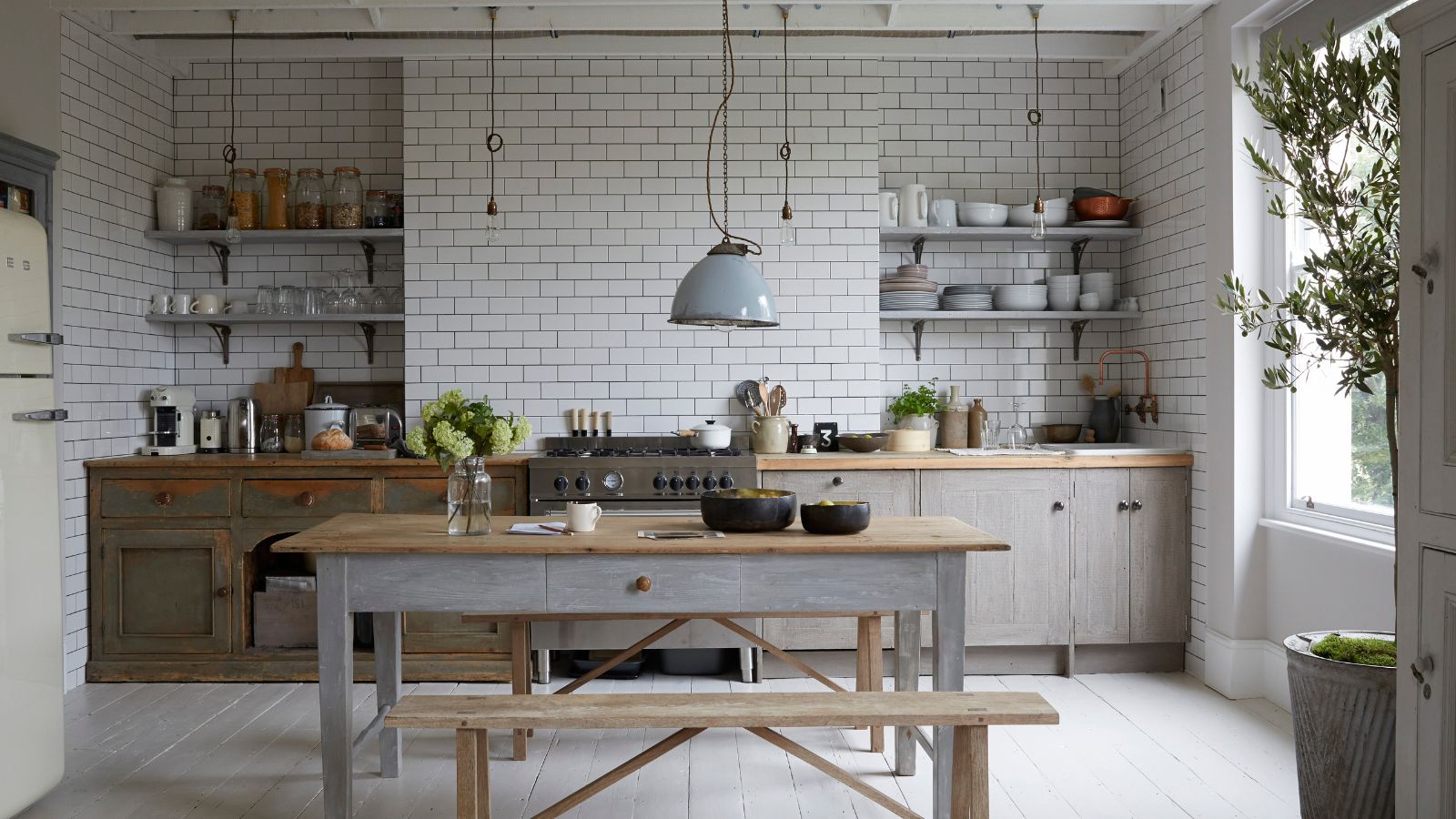
These are the outdated kitchen cabinet trends designers say you should ditch in 2025
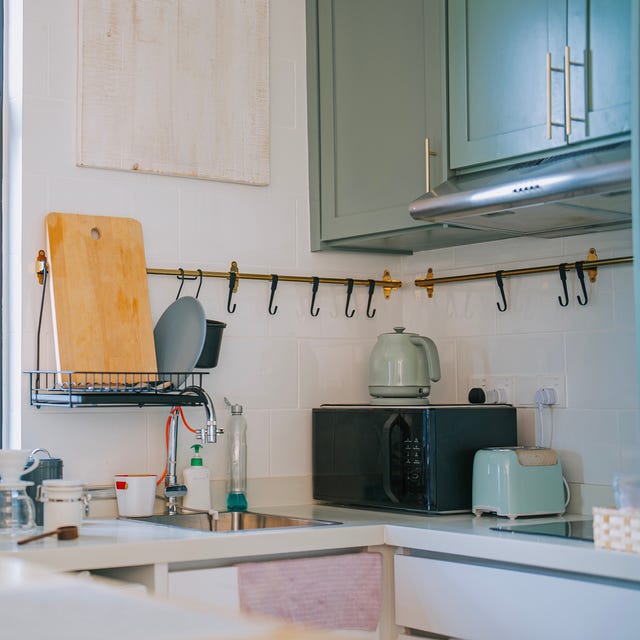
15 Outdated Things You Should Avoid In Your Kitchen, According To Designers
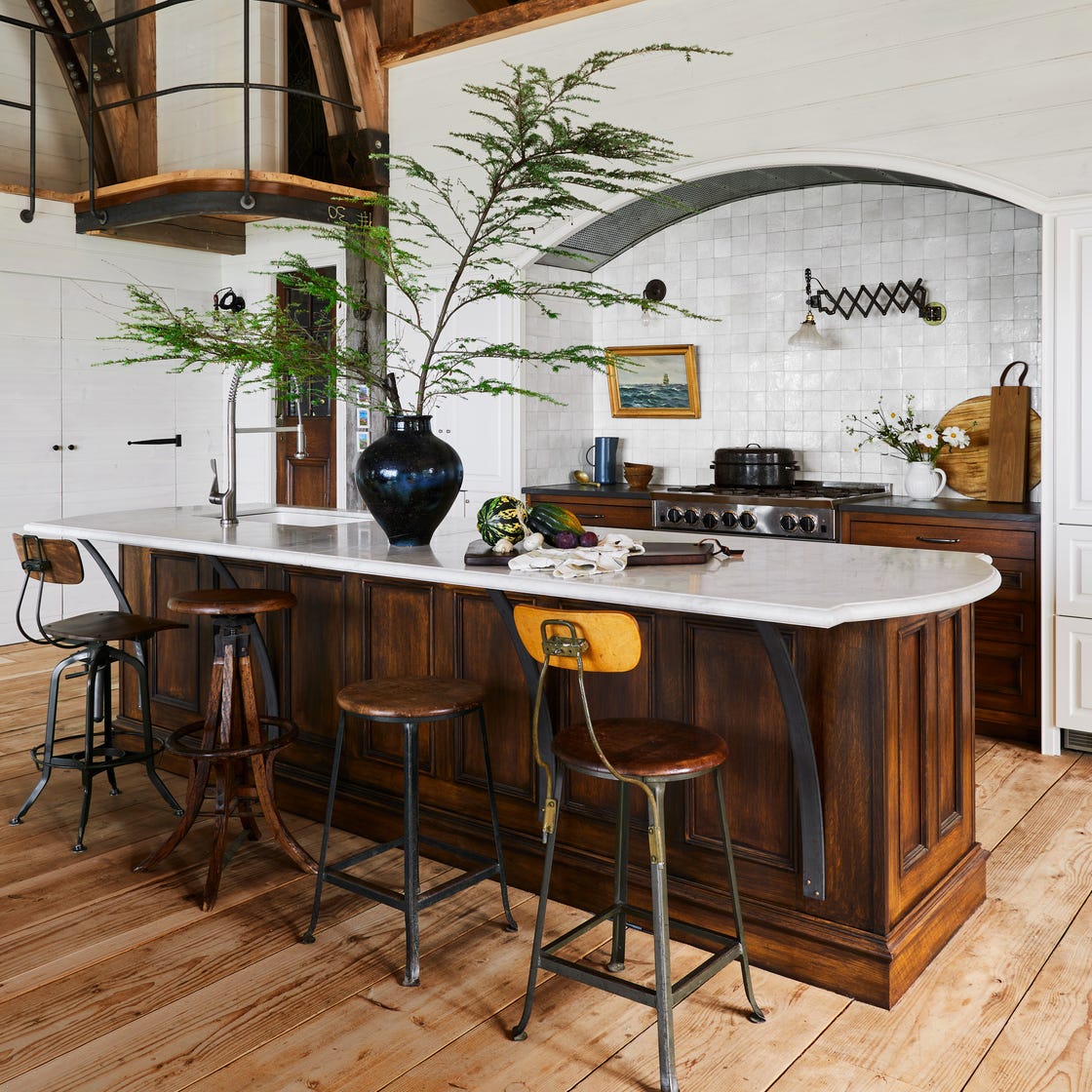
This 1920s-Inspired Design Trend Is Taking Over Homes in Fall 2025
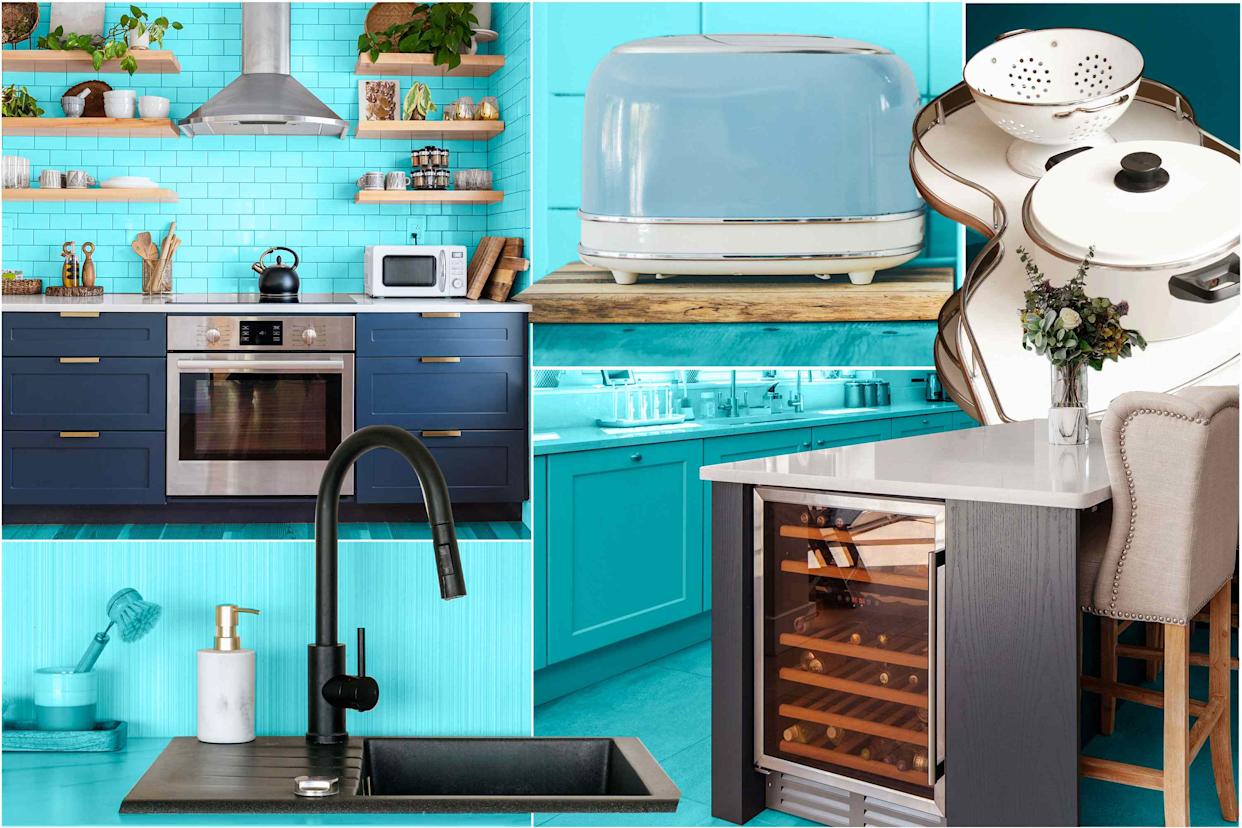
The Top 25 Kitchen Design Trends That Defined the Past 25 Years

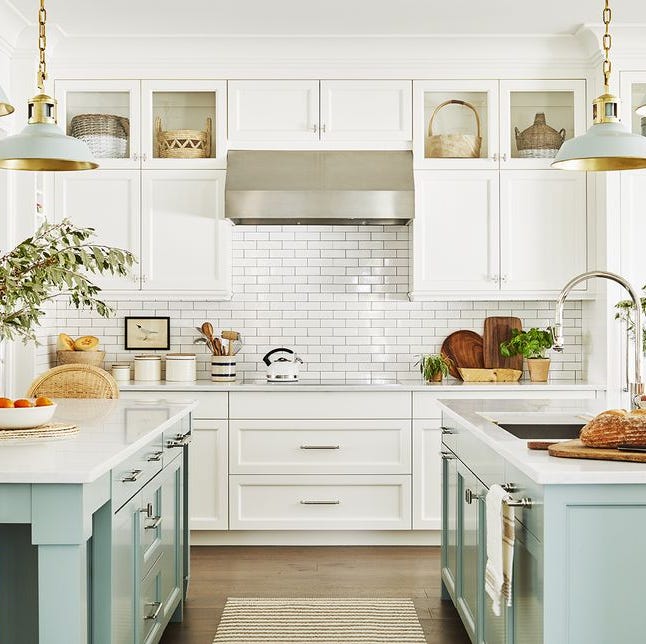
20 Kitchen Design Trends You’ll See Everywhere in 2025, According to Experts
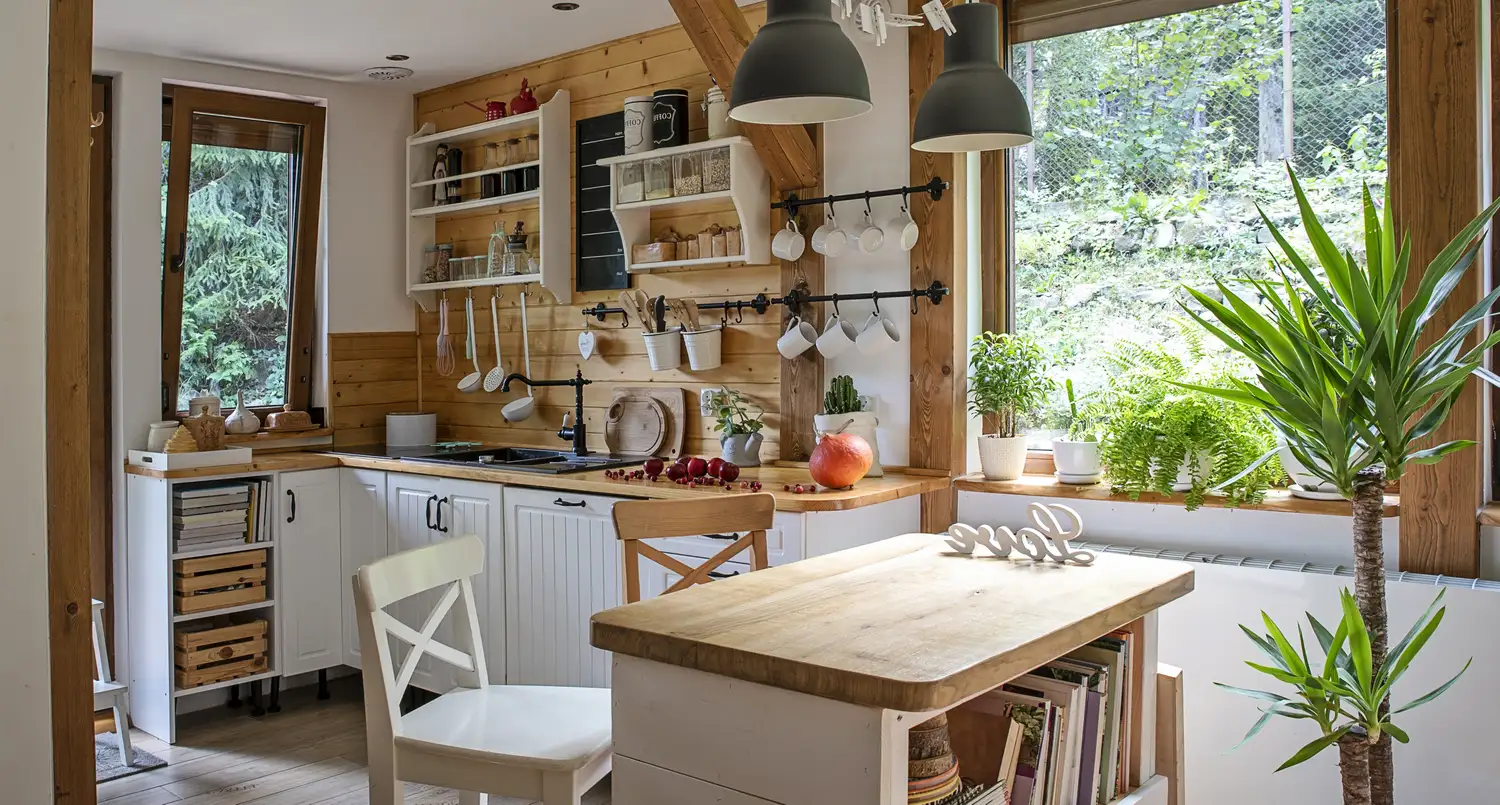
6 Kitchen Design Styles That Are No Longer Trendy, Designers Share