1990s Kitchen Trends We’re Falling In Love With All Over Again
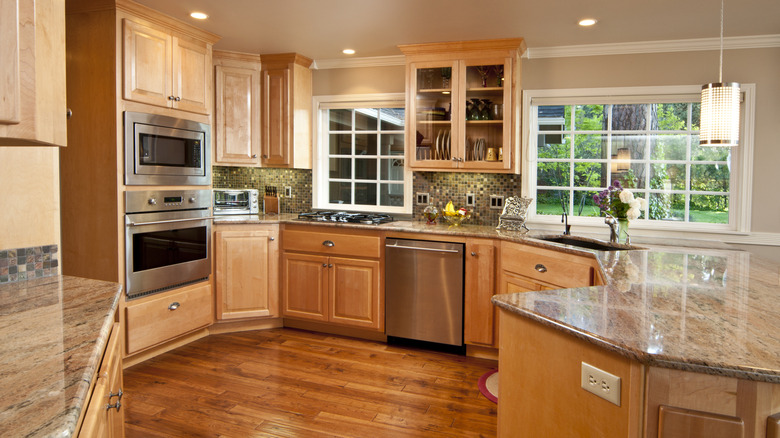
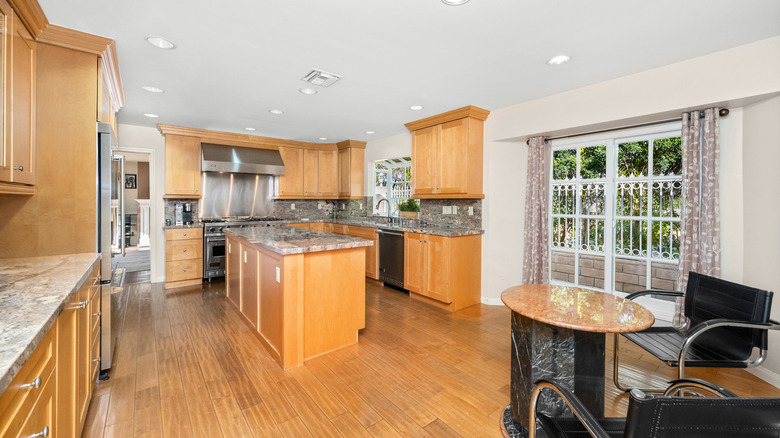
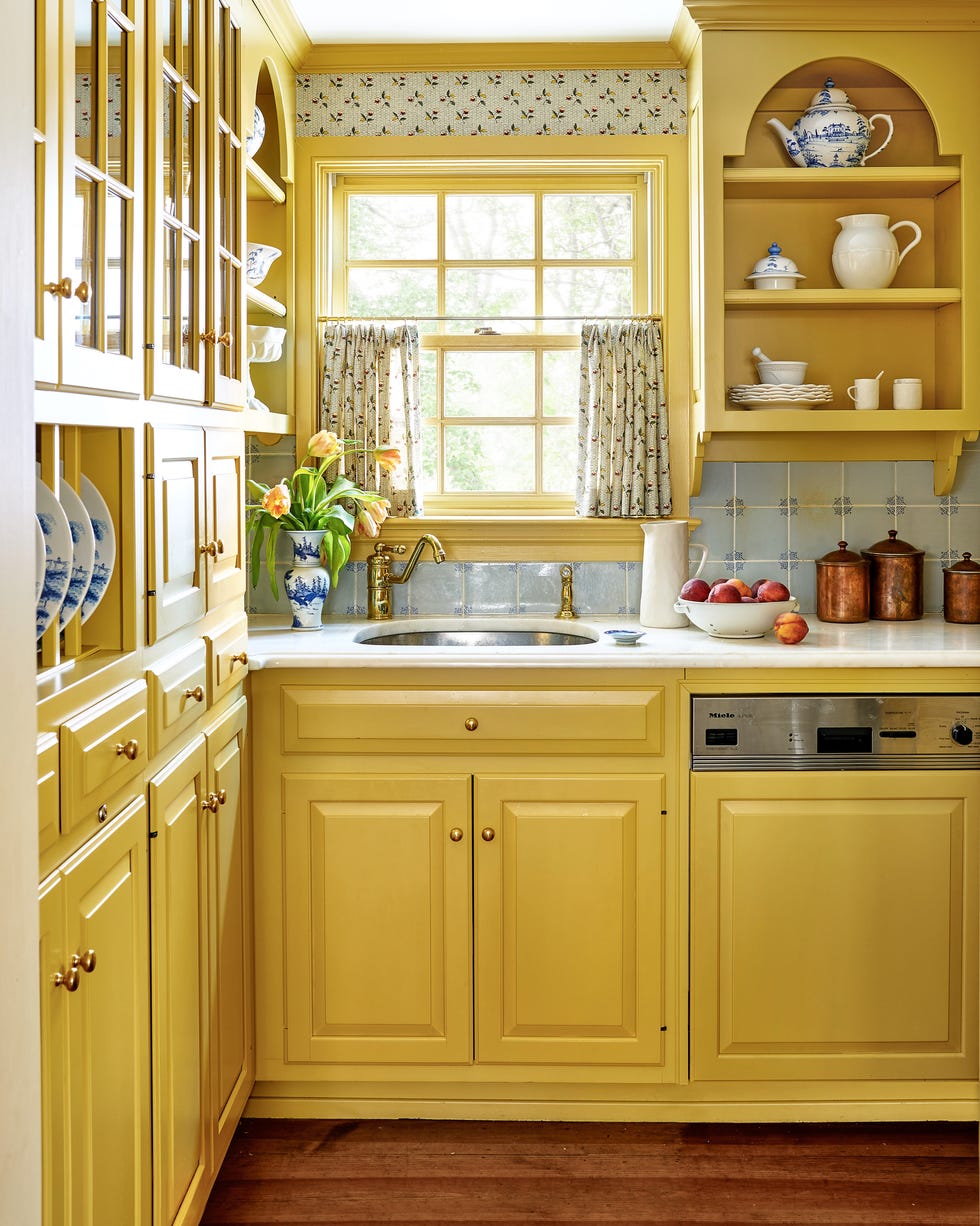
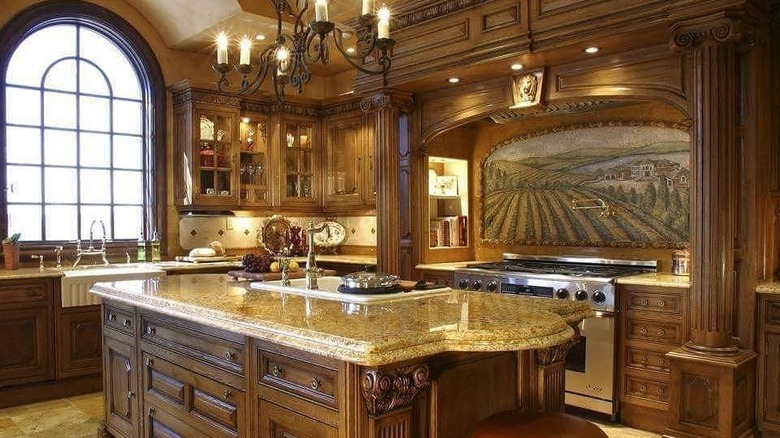
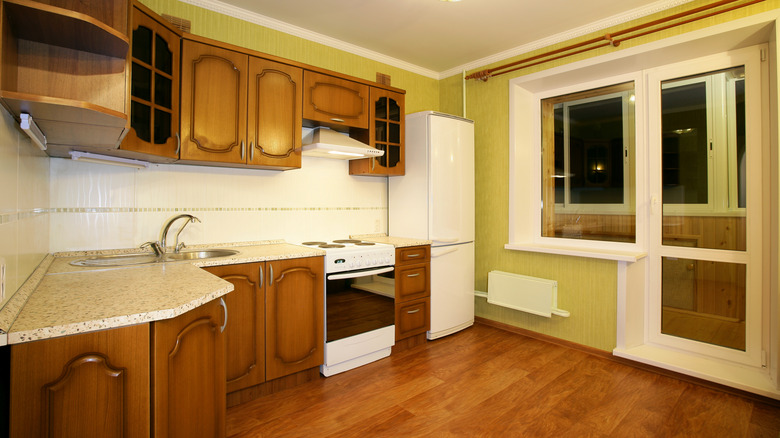
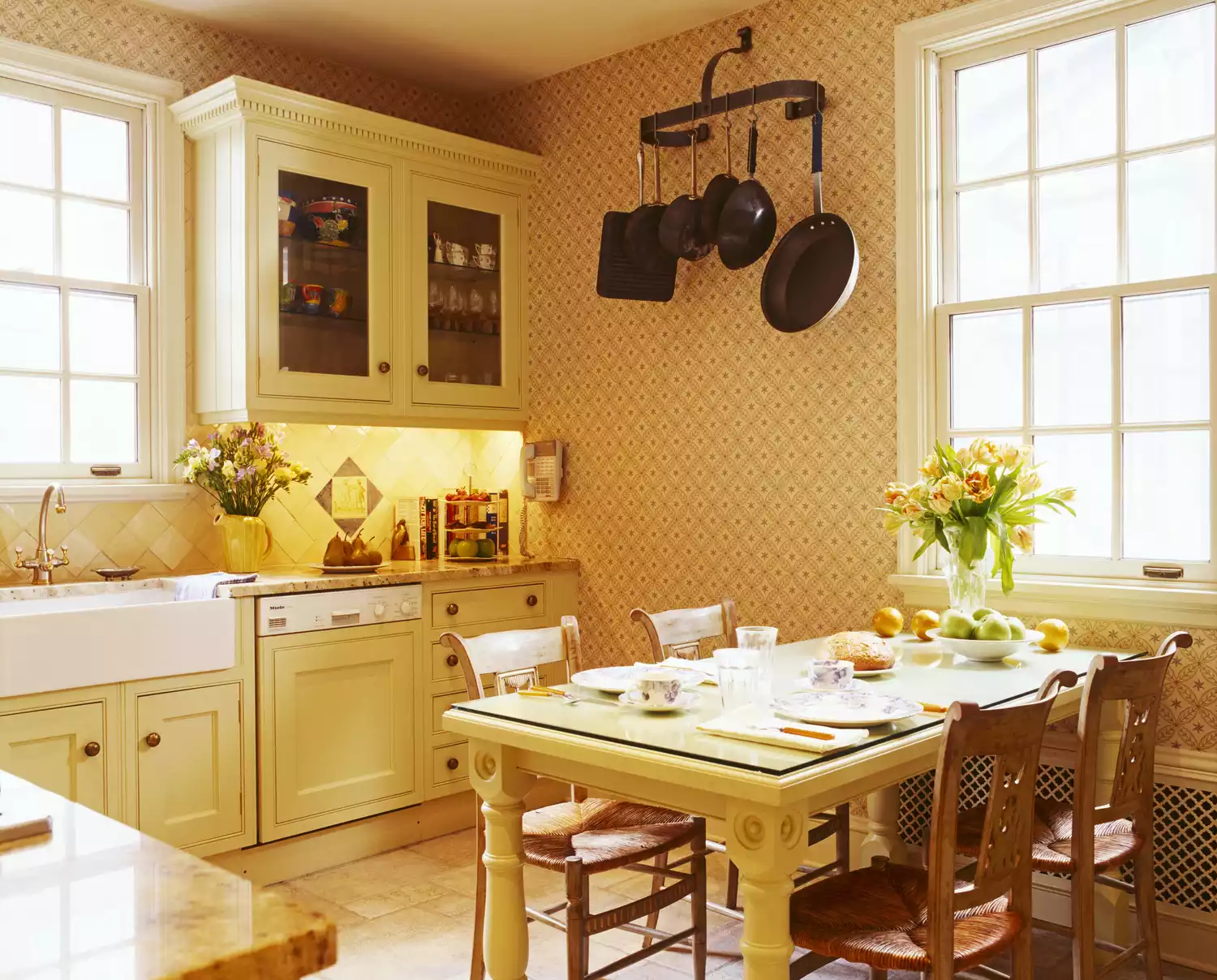
The article explores a resurgence of certain 1990s kitchen design trends, emphasizing their cozy and inviting appeal in the current year. Laura Thurman, owner and principal designer of Thurman Design Studio, highlights that kitchens of the 90s were often treated more like an extension of the living room, characterized by warm wood tones and nature-inspired fabrics like floral and stripe prints. This approach fostered a unique and inviting aura, making these spaces desirable for social gatherings. While acknowledging that some 90s elements, particularly orange-toned wood, are best left in the past, several other trends are identified as worthy of revival for their charm and functionality.
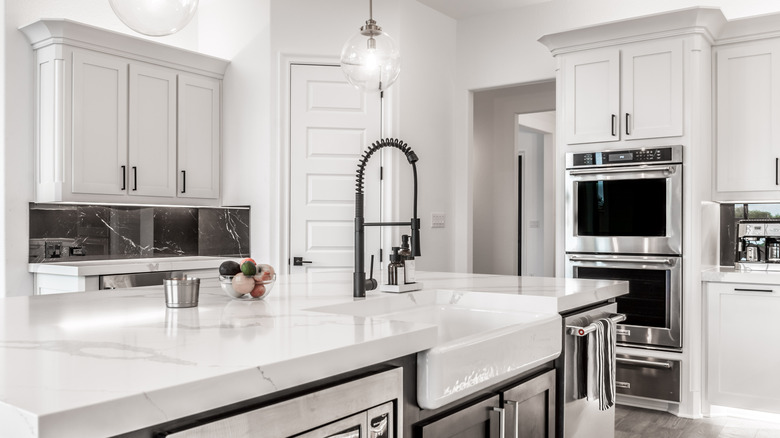
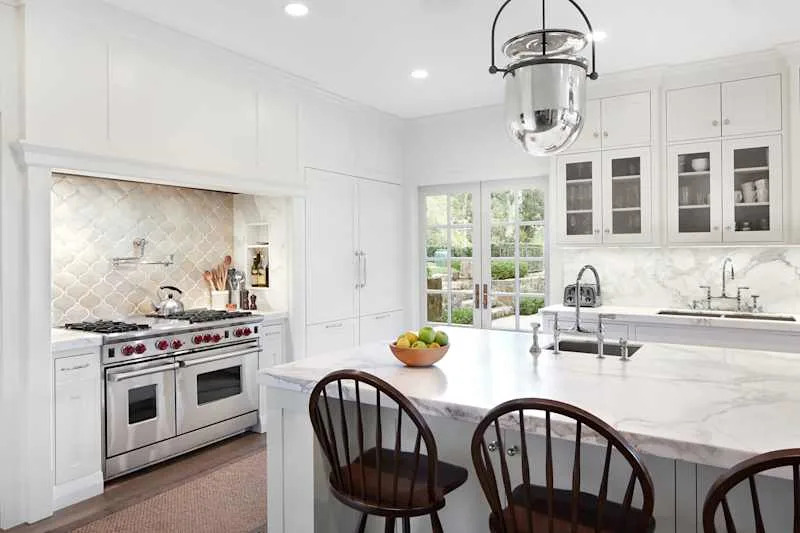
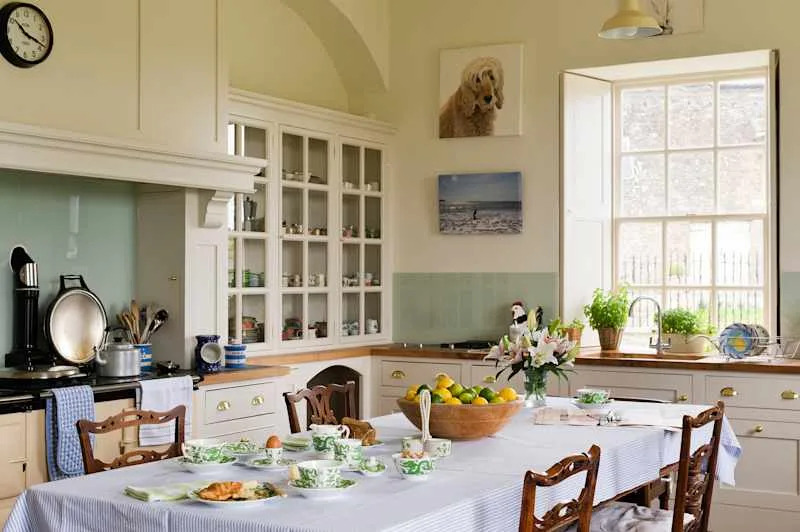
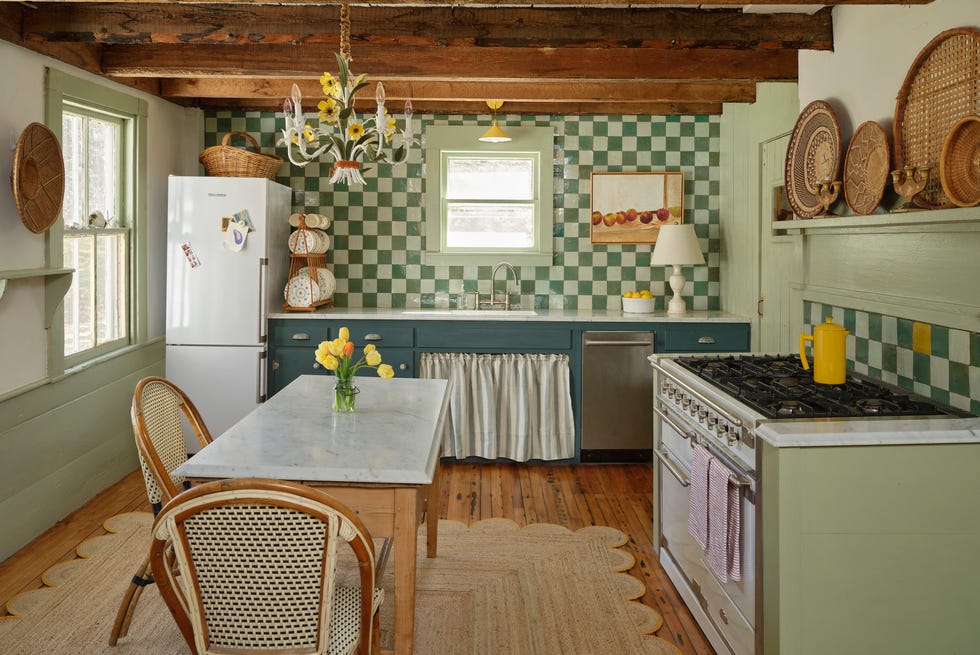
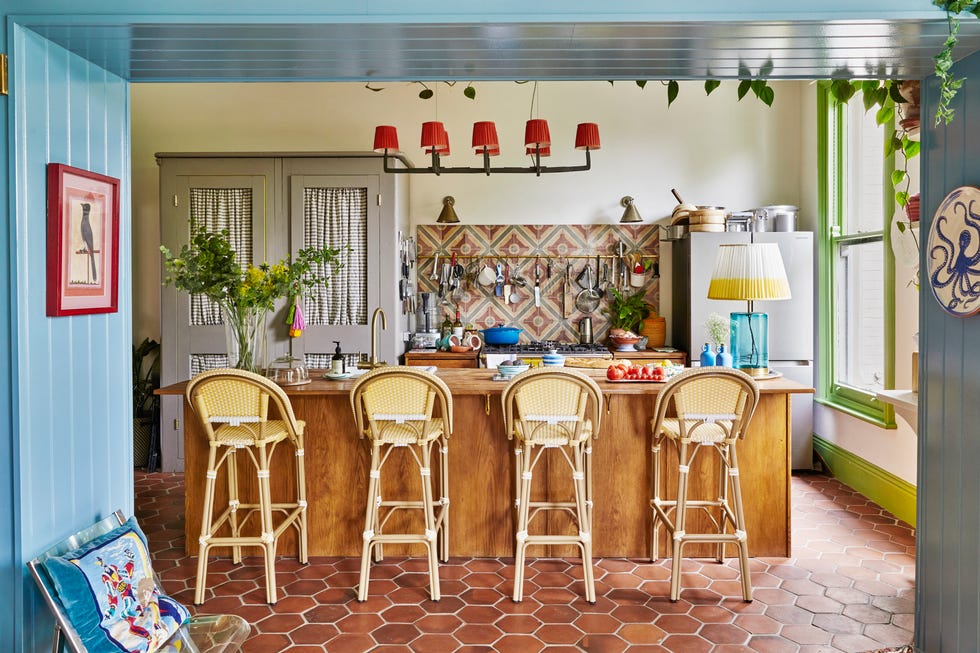
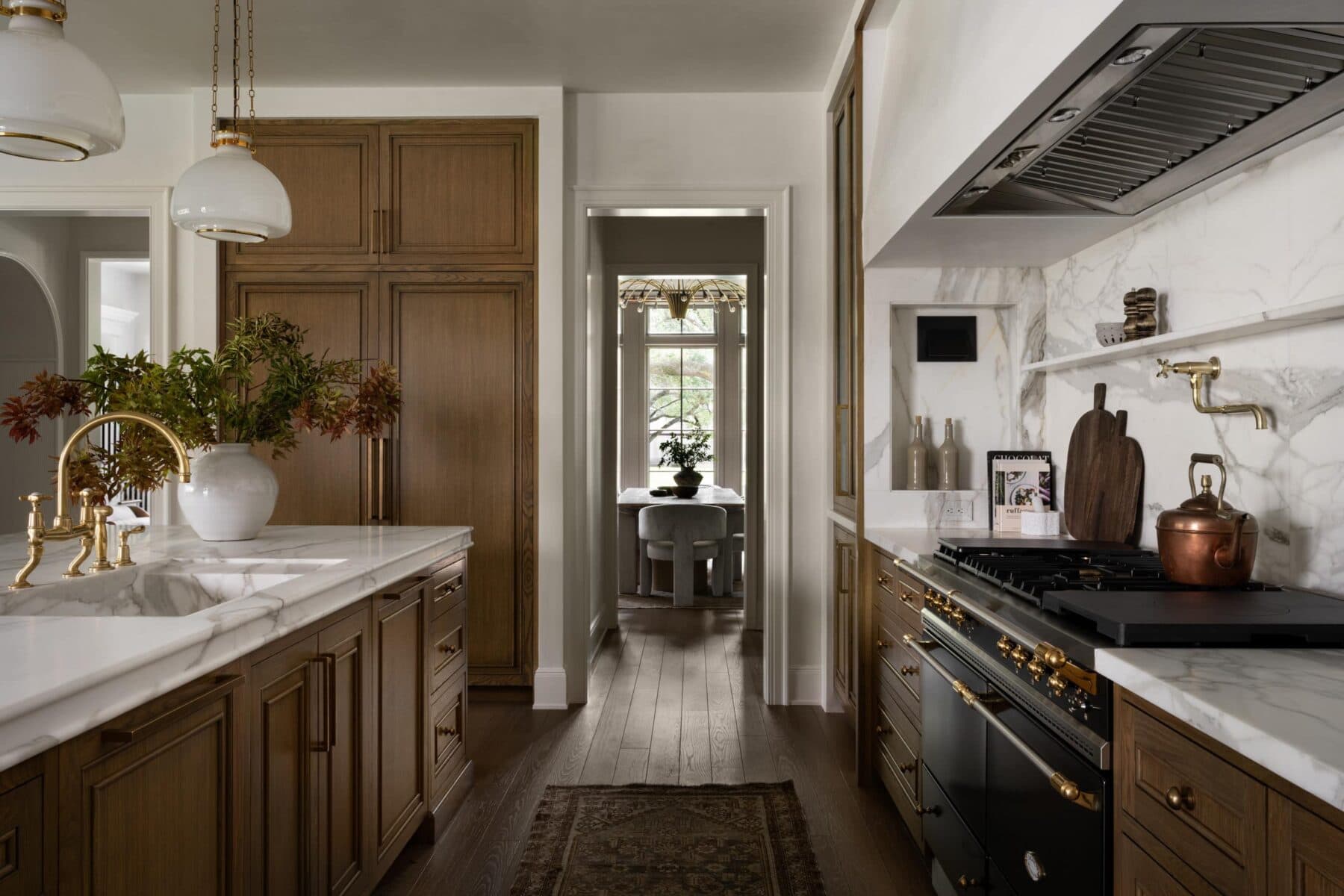
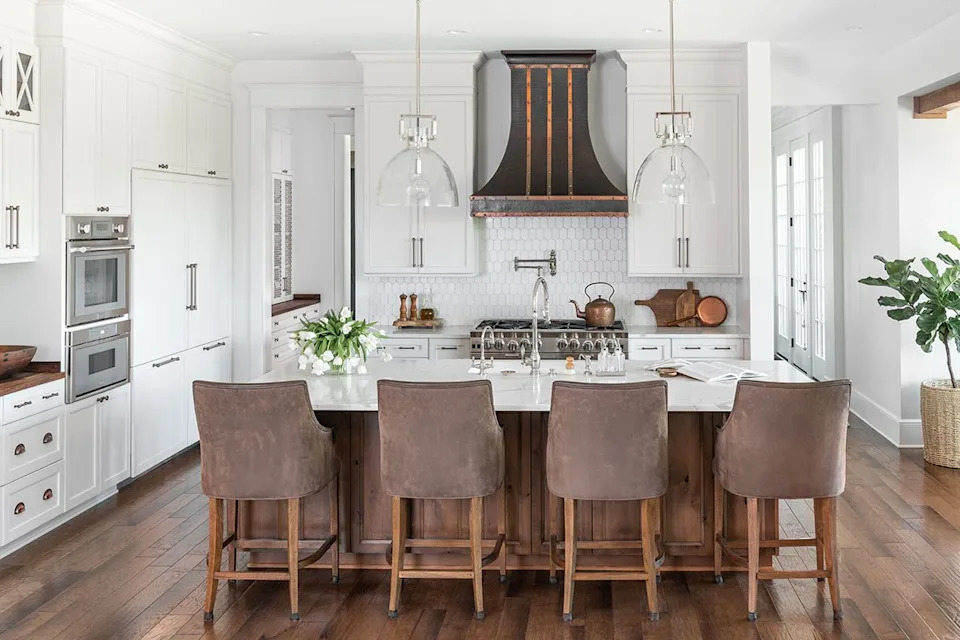
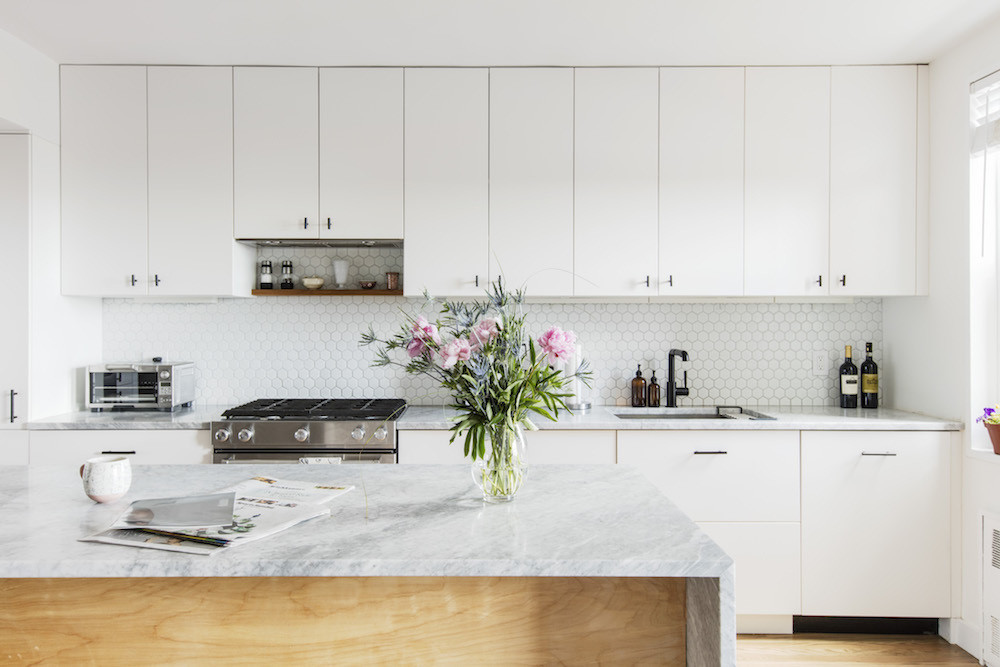
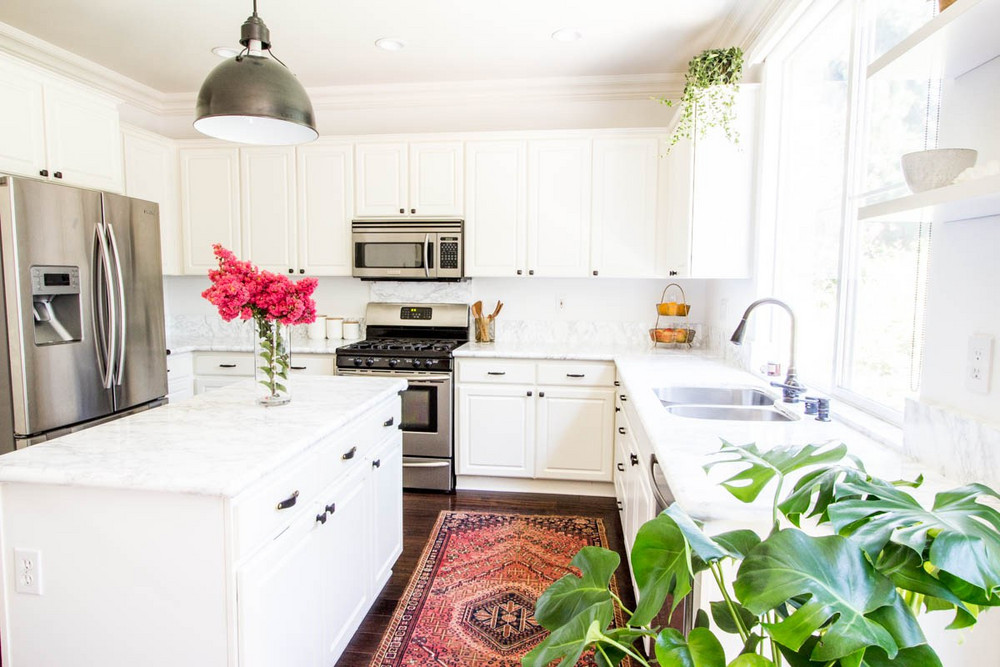
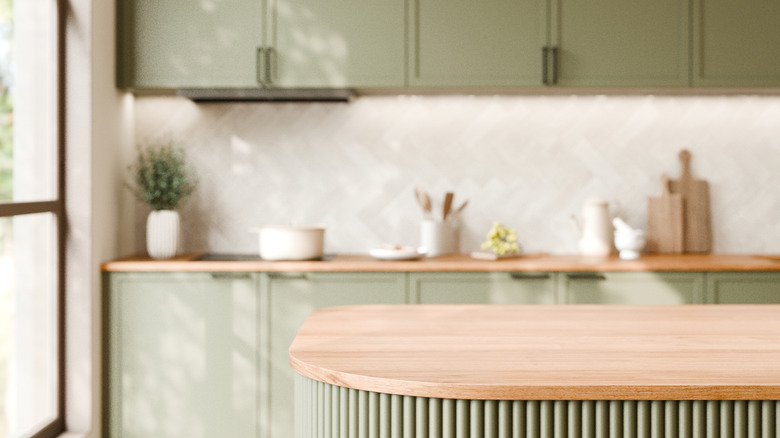
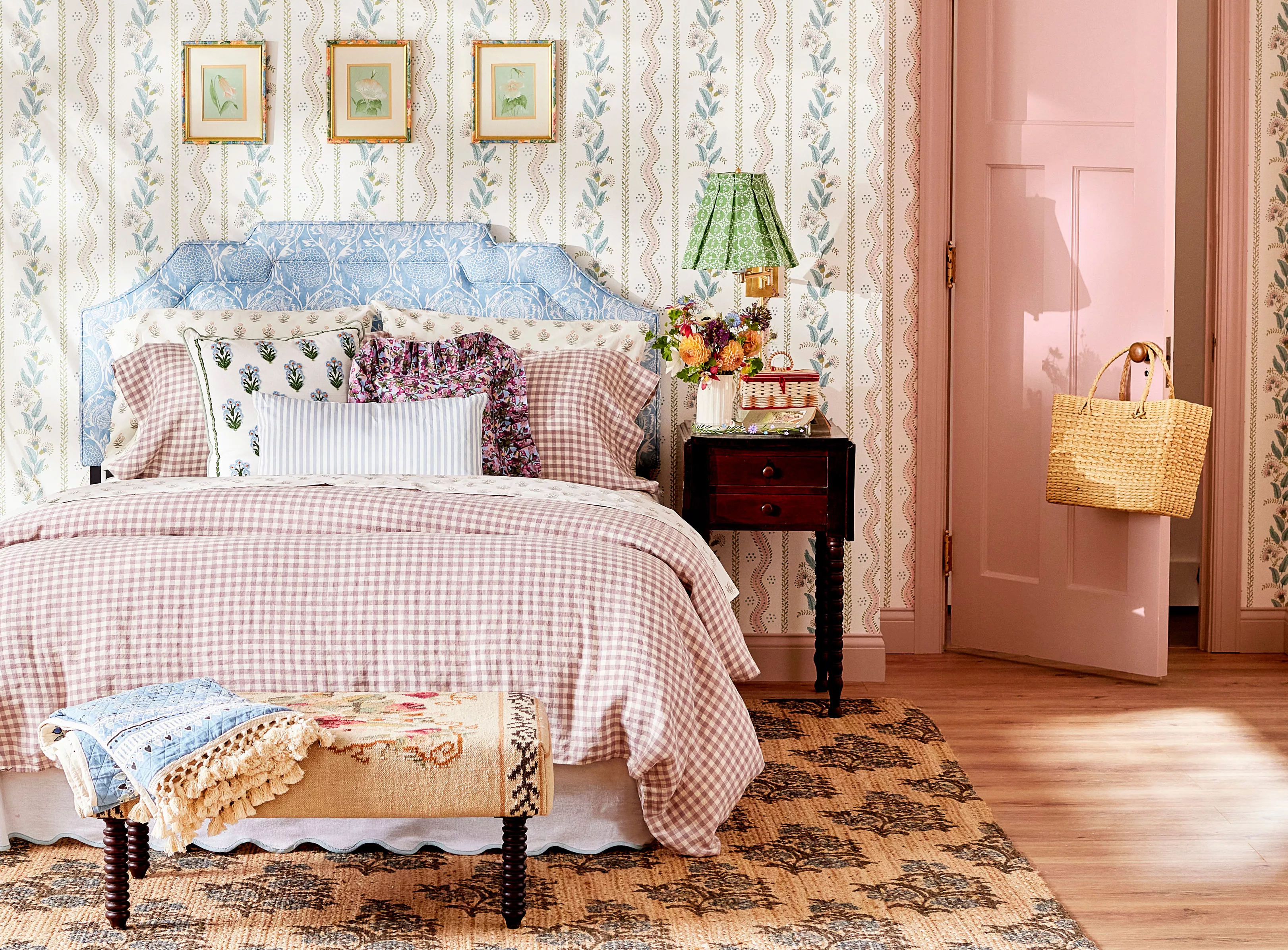
One such trend is the use of skirted cabinets. Thurman notes their practicality, allowing easy access while breaking up the hard surfaces prevalent in kitchens. This idea can also be applied to laundry rooms or powder baths to add character. Another emerging trend involves not raising cabinets to the ceiling. Instead of filling the space with soffits, designers are now intentionally creating a gap, which, when executed thoughtfully, can still draw the eye upward without making the kitchen feel overly imposing. The article also advocates for a return to traditional lighting silhouettes, suggesting that unique and even antique lighting can infuse kitchens with a much-needed sense of coziness, counteracting the often soulless feel of sleek, modern minimalist designs. Adding shades to existing shadeless chandeliers or linear fixtures is presented as a simple way to achieve a warmer look.
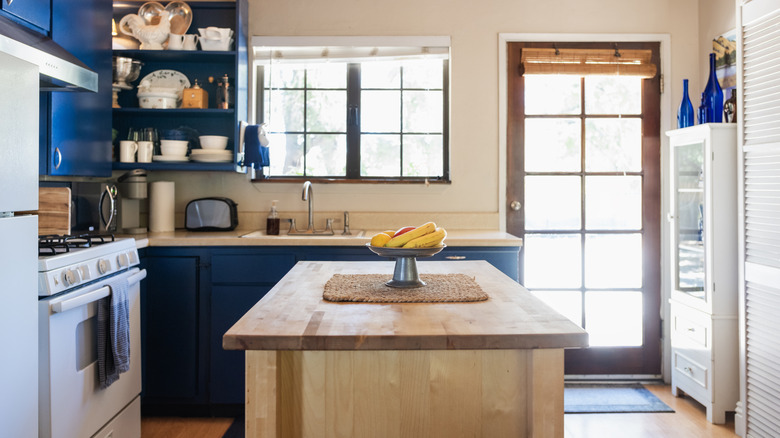
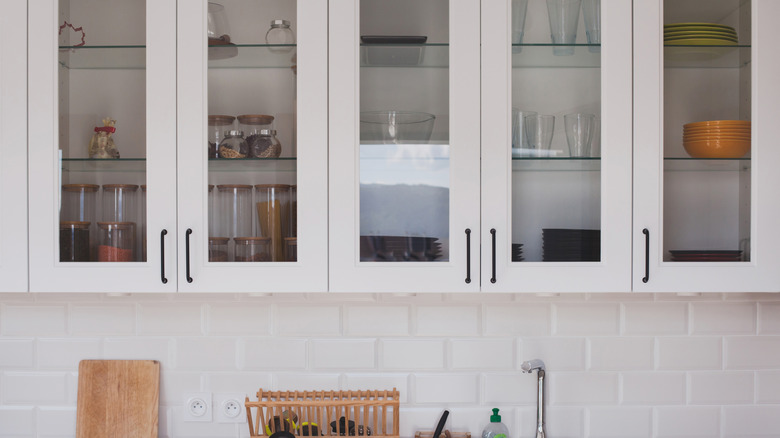
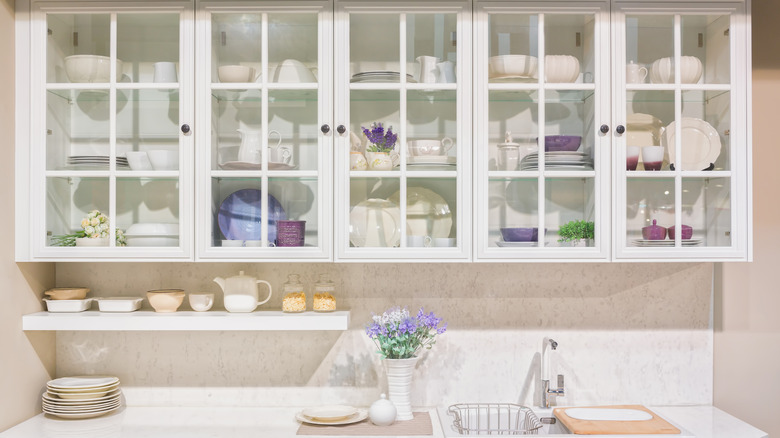
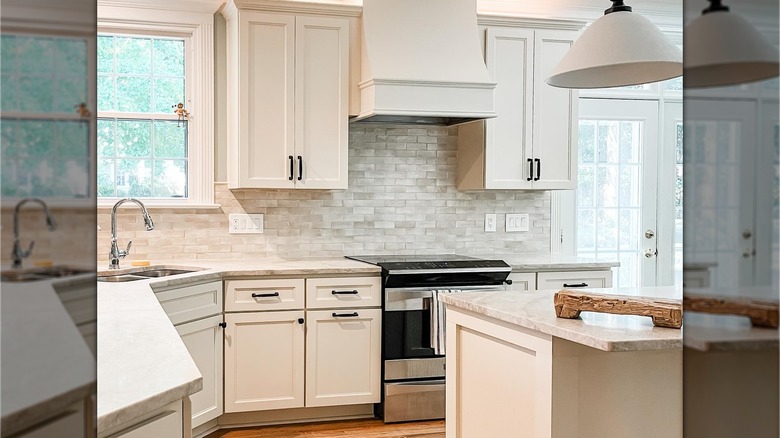
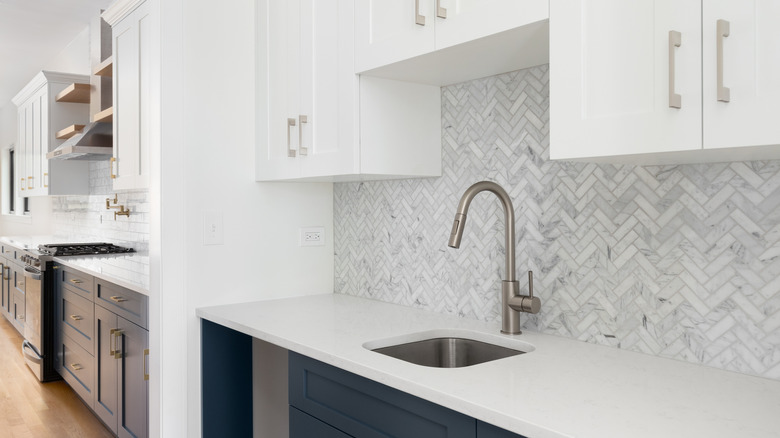
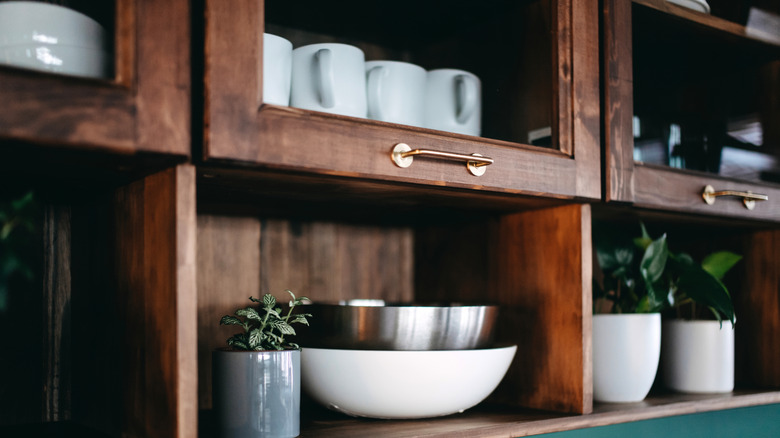
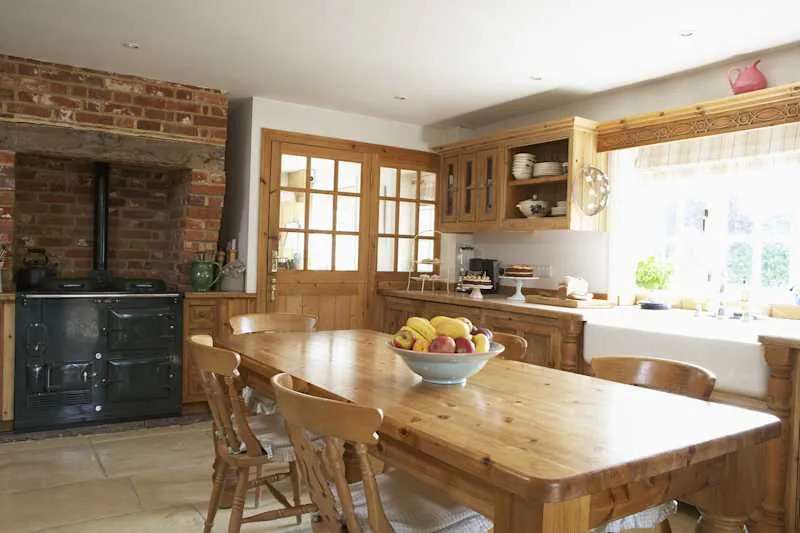
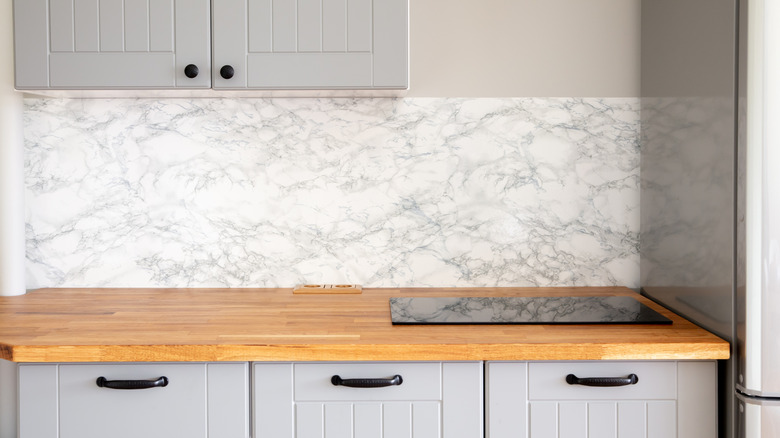
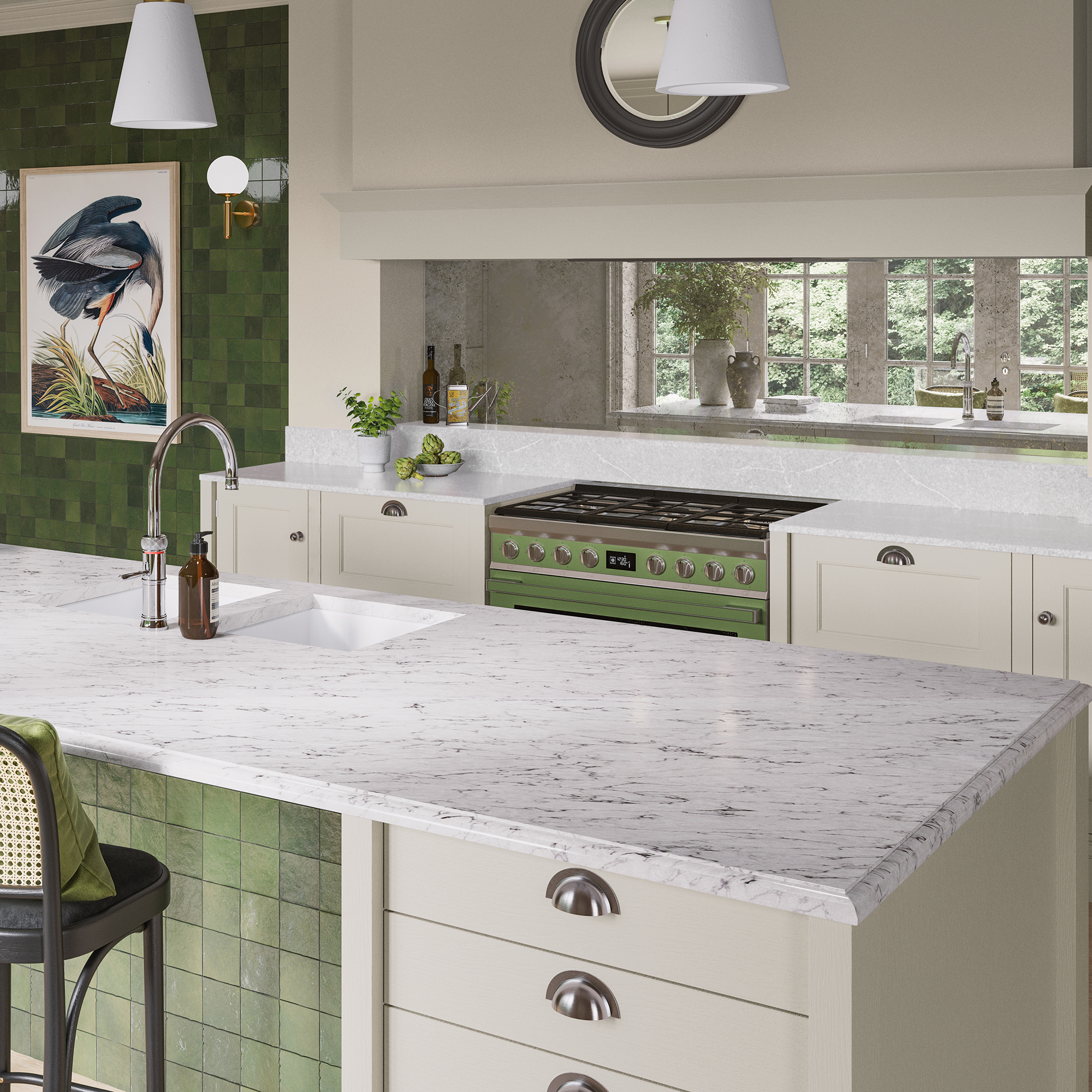
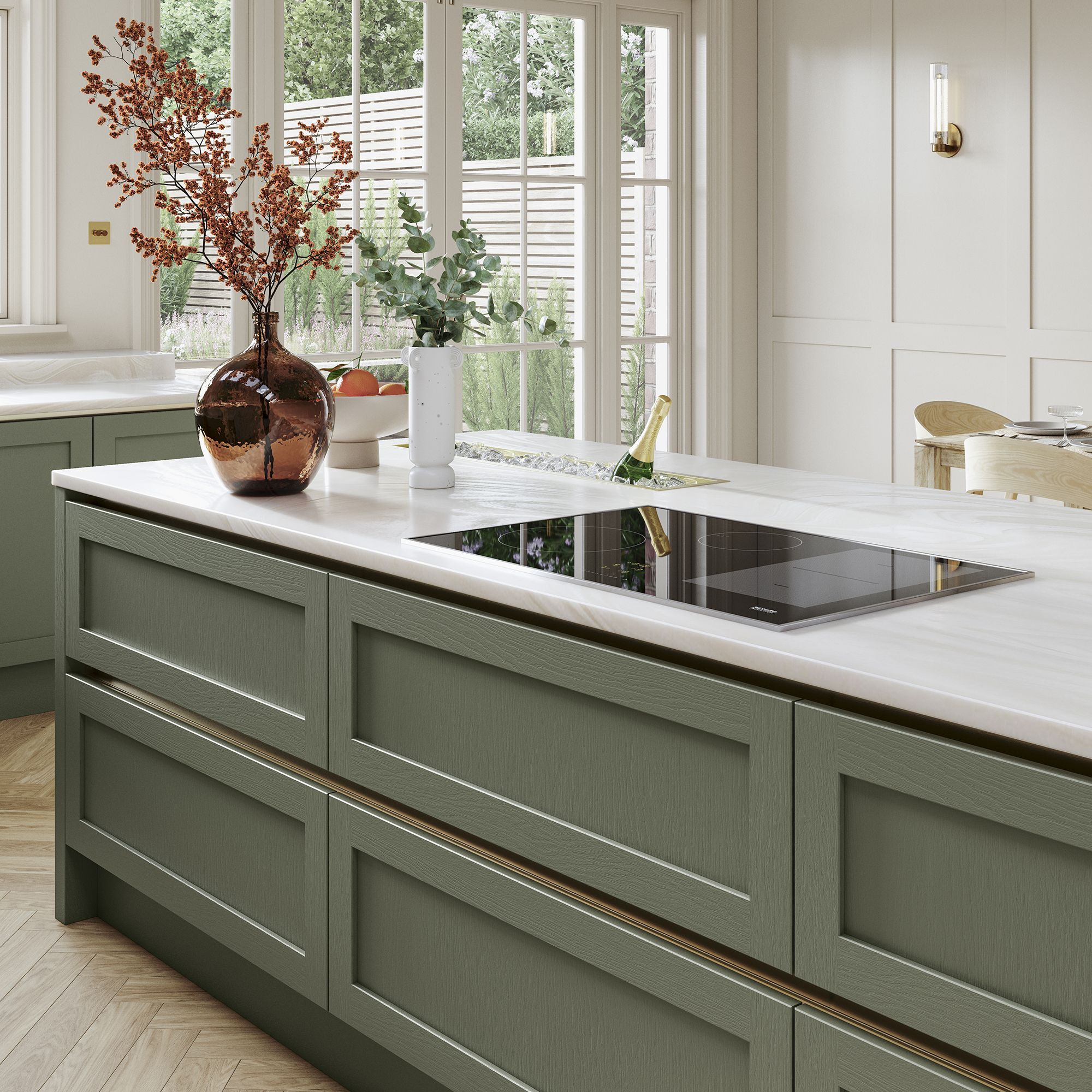
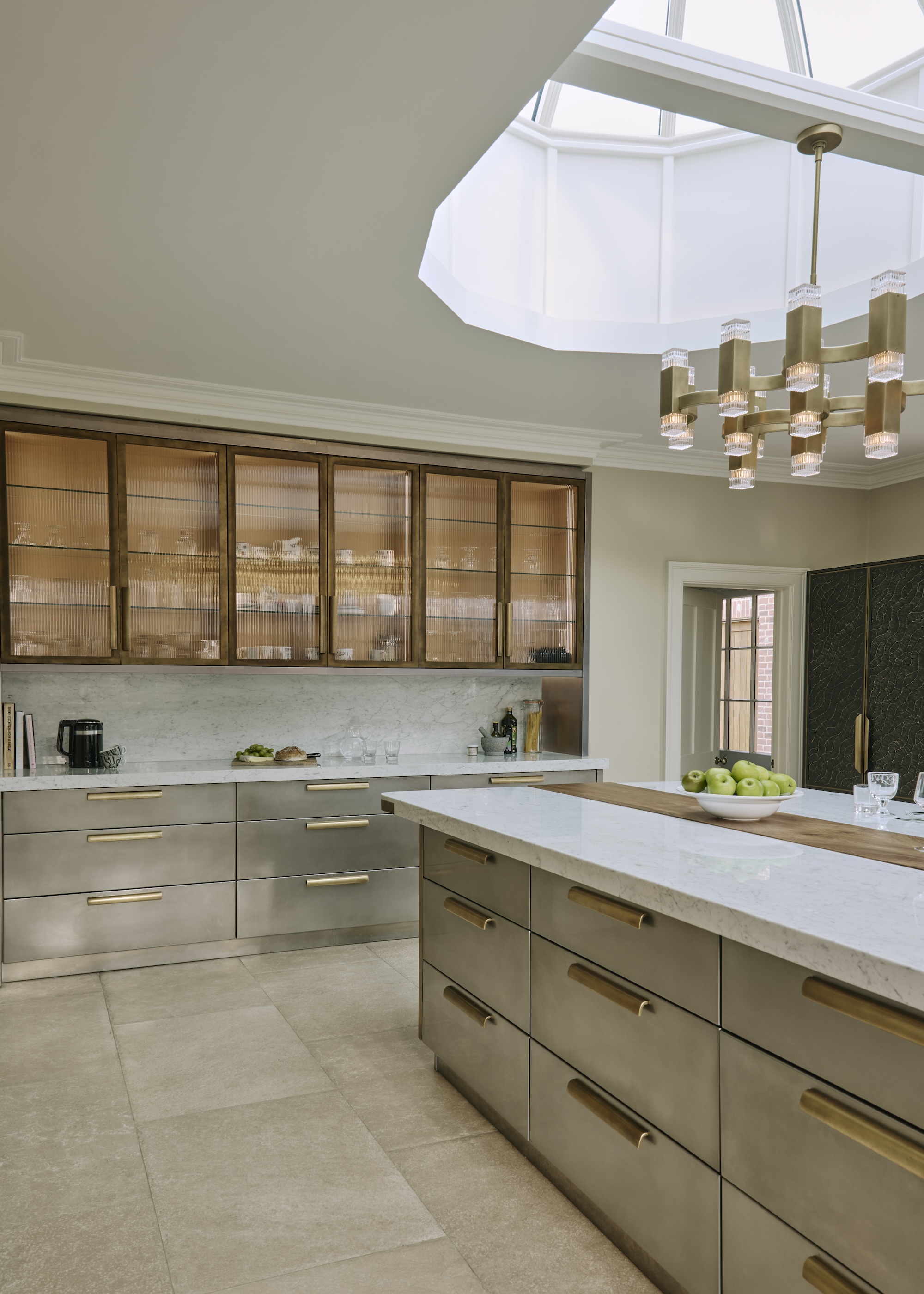
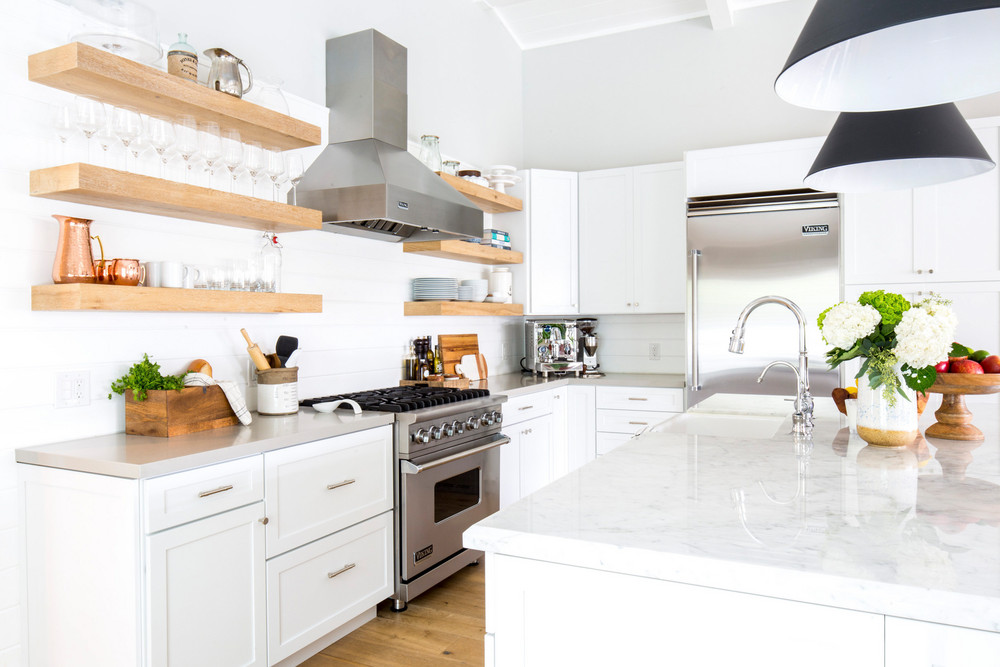
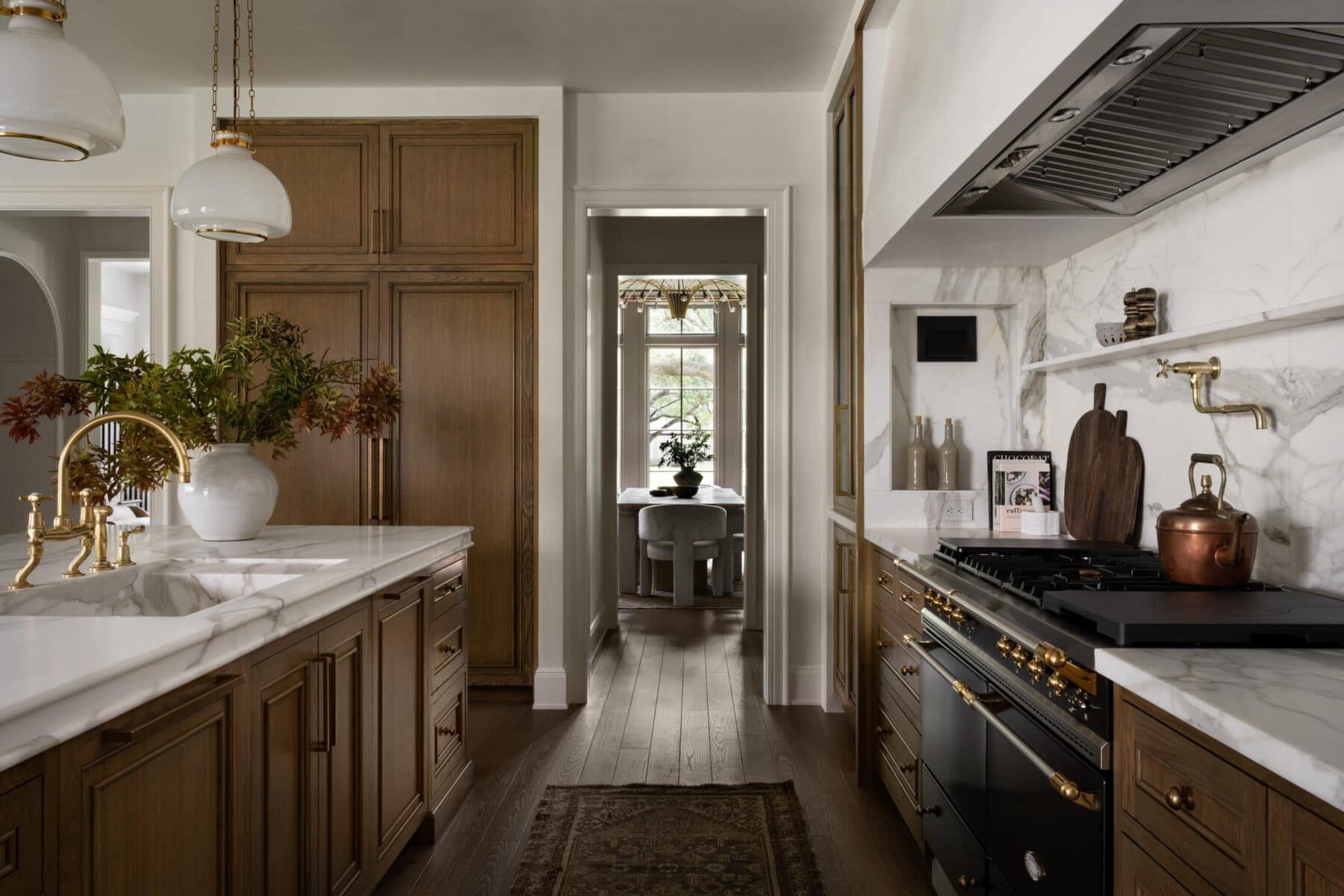
Butcher block countertops are another 90s feature making a comeback. The article points out that wood was a ubiquitous element in 1990s kitchens, and incorporating butcher block for countertops can add warmth and character when the right wood tone is selected. An example provided is the use of walnut butcher block for surrounds paired with quartz for an island. The concept of "skipping the matchy-matchy" aesthetic is also discussed. Instead of monotone palettes like all-white or greige kitchens, the article encourages mixing metals, integrating open storage with concealed storage, and blending vintage elements with new ones to create a more visually interesting and unique space. This approach aligns with the 90s tendency to infuse kitchens with more personality.
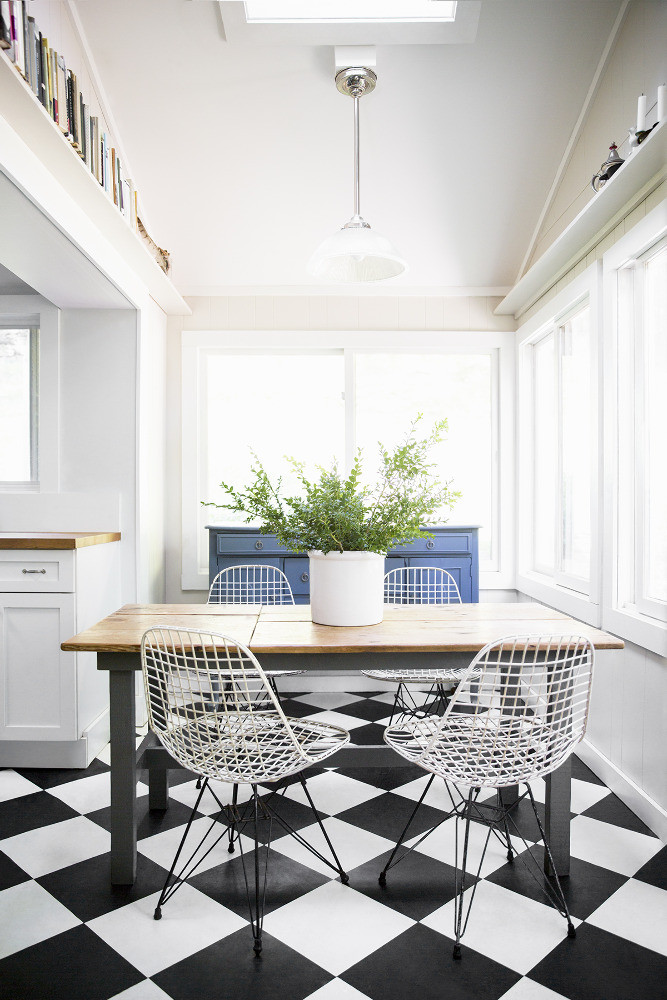
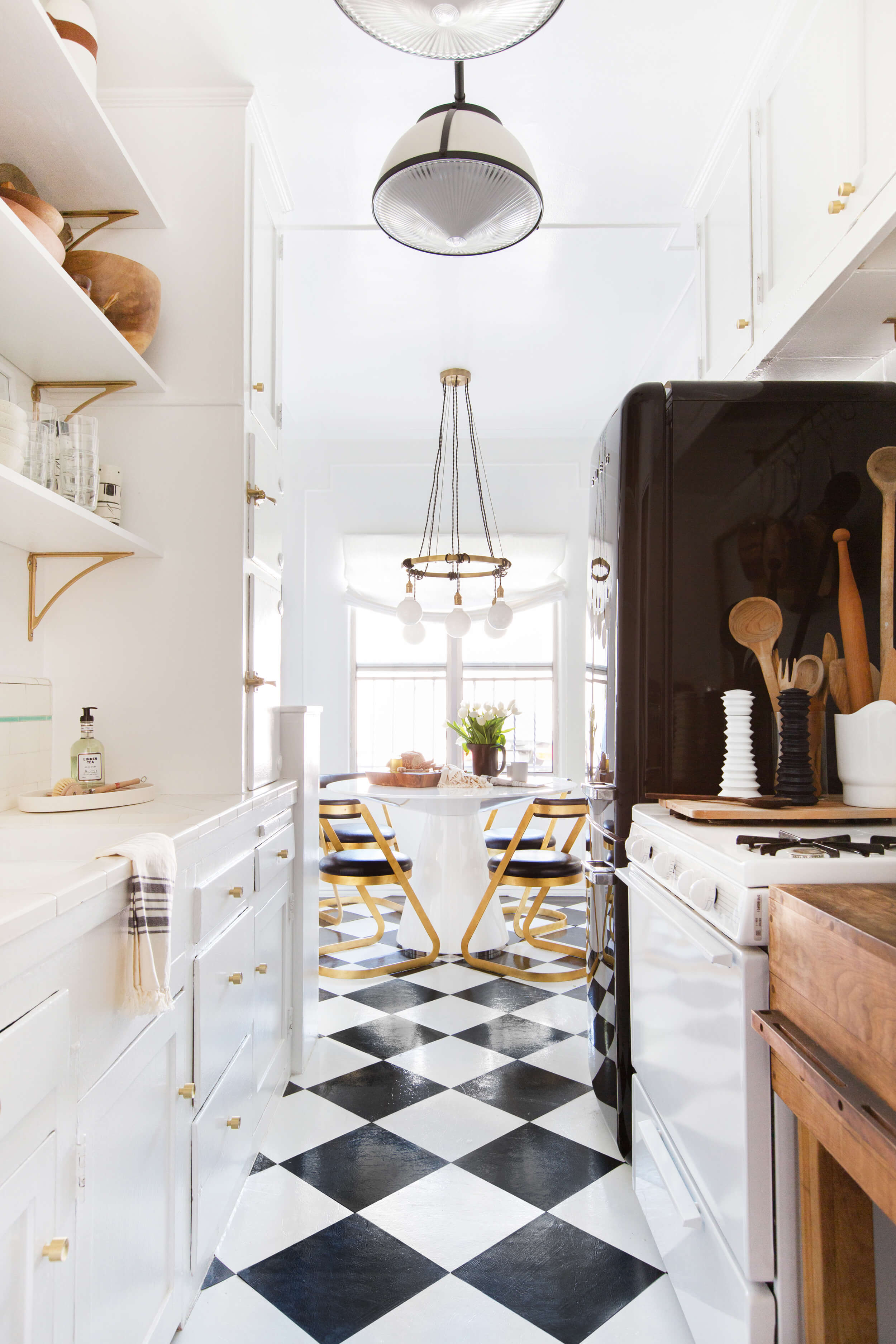
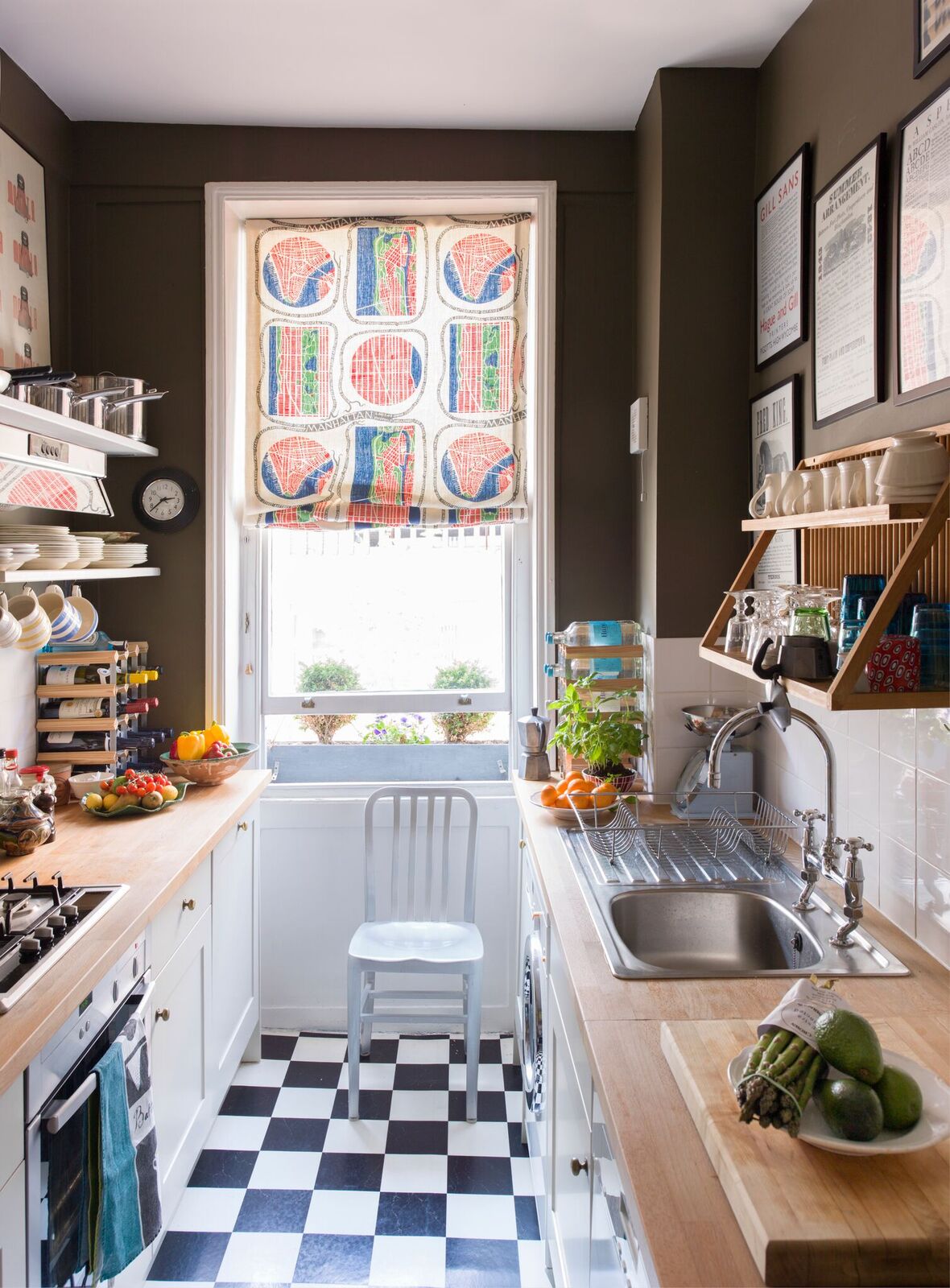
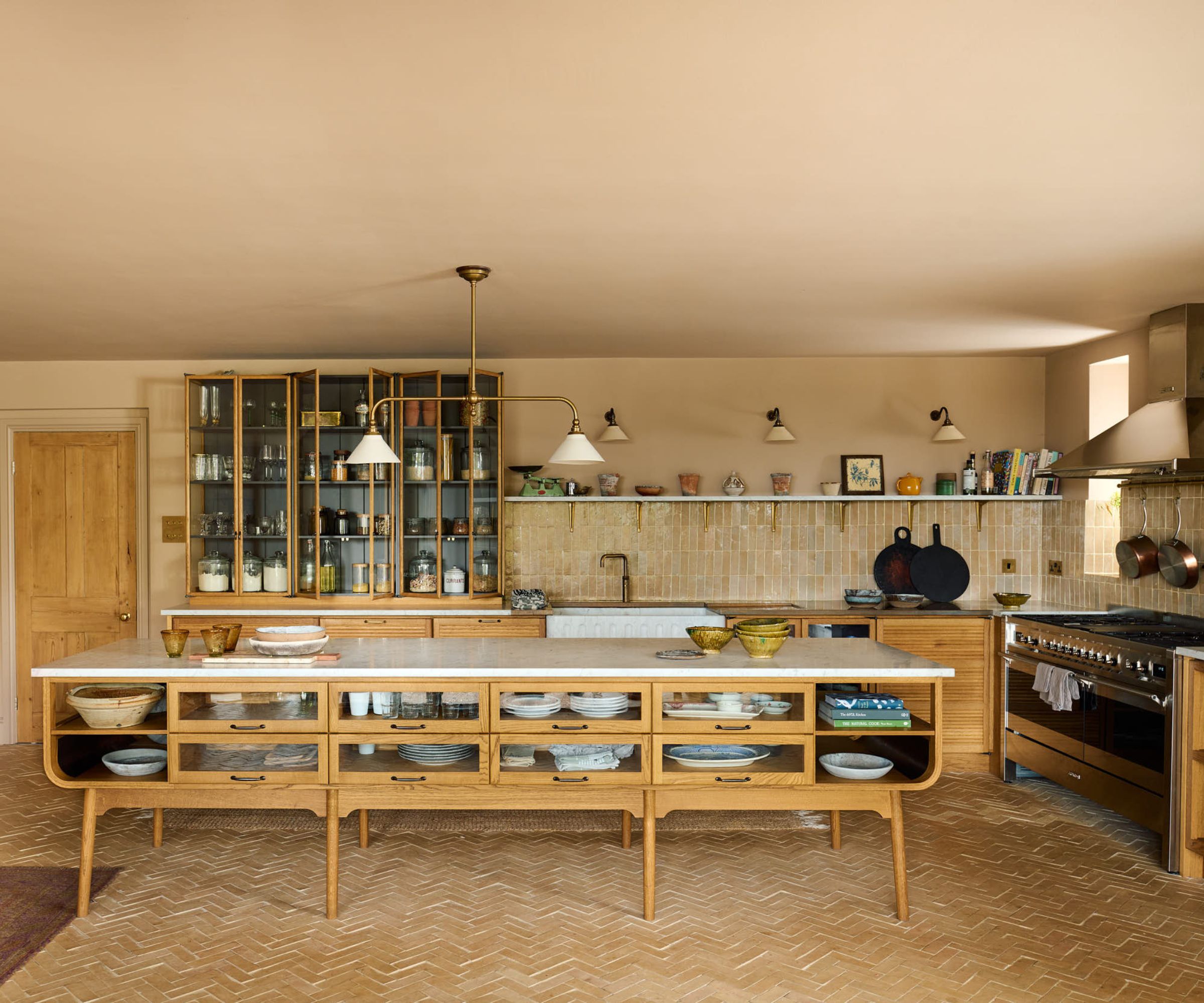
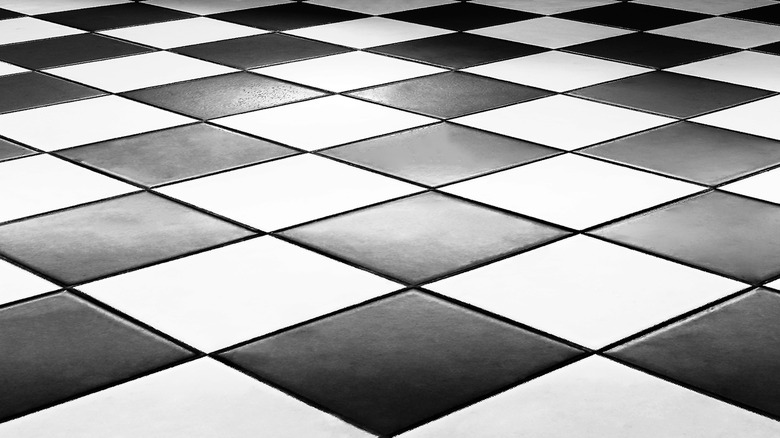
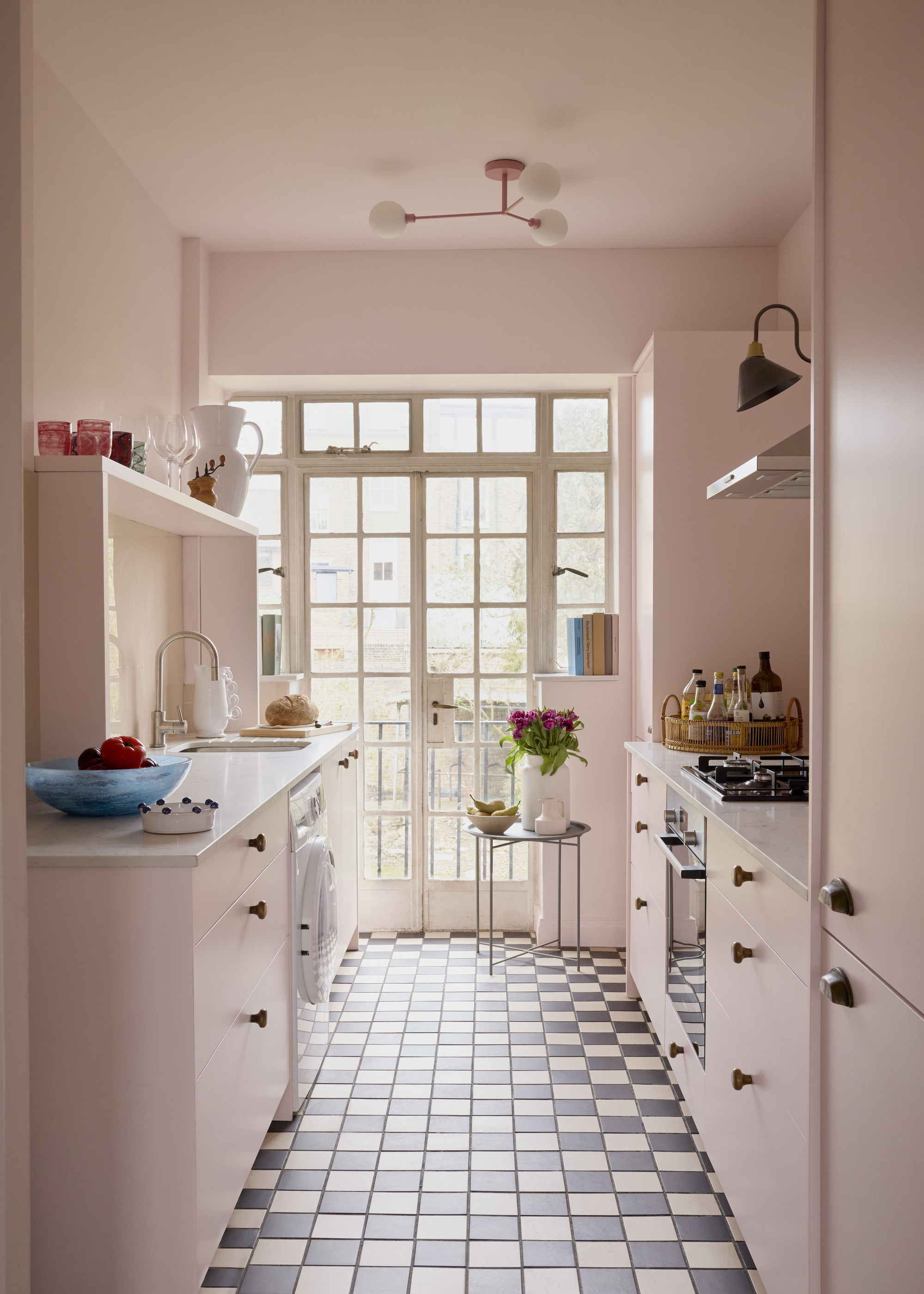
Finally, the article highlights the return of tiled floors, particularly those that differentiated the kitchen from the rest of the home and added a whimsical touch. Thurman expresses enthusiasm for this idea, suggesting that patterned tiled floors are an enjoyable way to introduce interest and uniqueness to a kitchen, especially since cabinets typically lack patterns. Overall, the article suggests that by embracing these specific 1990s design elements, contemporary kitchens can recapture the warmth and inviting personality that defined the era, starting from the ground up to create spaces that are as welcoming as a living room.
#KitchenDesign #1990sTrends #HomeDecor #InteriorDesign #KitchenRenovation #Cabinetry #Countertops #LightingDesign #TiledFloors #KitchenDesign #1990sTrends #HomeDecor #InteriorDesign #KitchenRenovation #Cabinetry #Countertops #LightingDesign #TiledFloors
0 comment in total
 No comments yet
You may also like
9 Kitchen Trends From The '90s That Are Making A Comeback

This Is the Old-World Interior Design Trend Taking Over Kitchens Again
This nostalgic kitchen trend is back and here to stay, according to experts
Design Experts Agree: This Kitchen Style Is Making a Major Comeback
10 '90s Kitchen Design Trends We Think Need A Comeback

9 ideas to steal from the kitchens of the 1990s and how to make them actually look chic in 2025
This ’90s Countertop Material Is Making a Surprising Comeback—Plus, 3 Other Kitchen Trends Designers Are Loving Right Now

This Ever-Popular Kitchen Layout Is Back (Again)

This “Dated” Kitchen Trend Is Back (and We’re Into It)
Wait, Are '90s Kitchens Back in Style? Why Designers Are Embracing Them Again

The Surprising Retro Kitchen Design That's Making a Major Comeback

7 Kitchen Styles That Dominated The Early 2000s

5 Kitchen Design Trends From the '90s That Are Back in Style (and We Can't Believe We Actually Love Them)
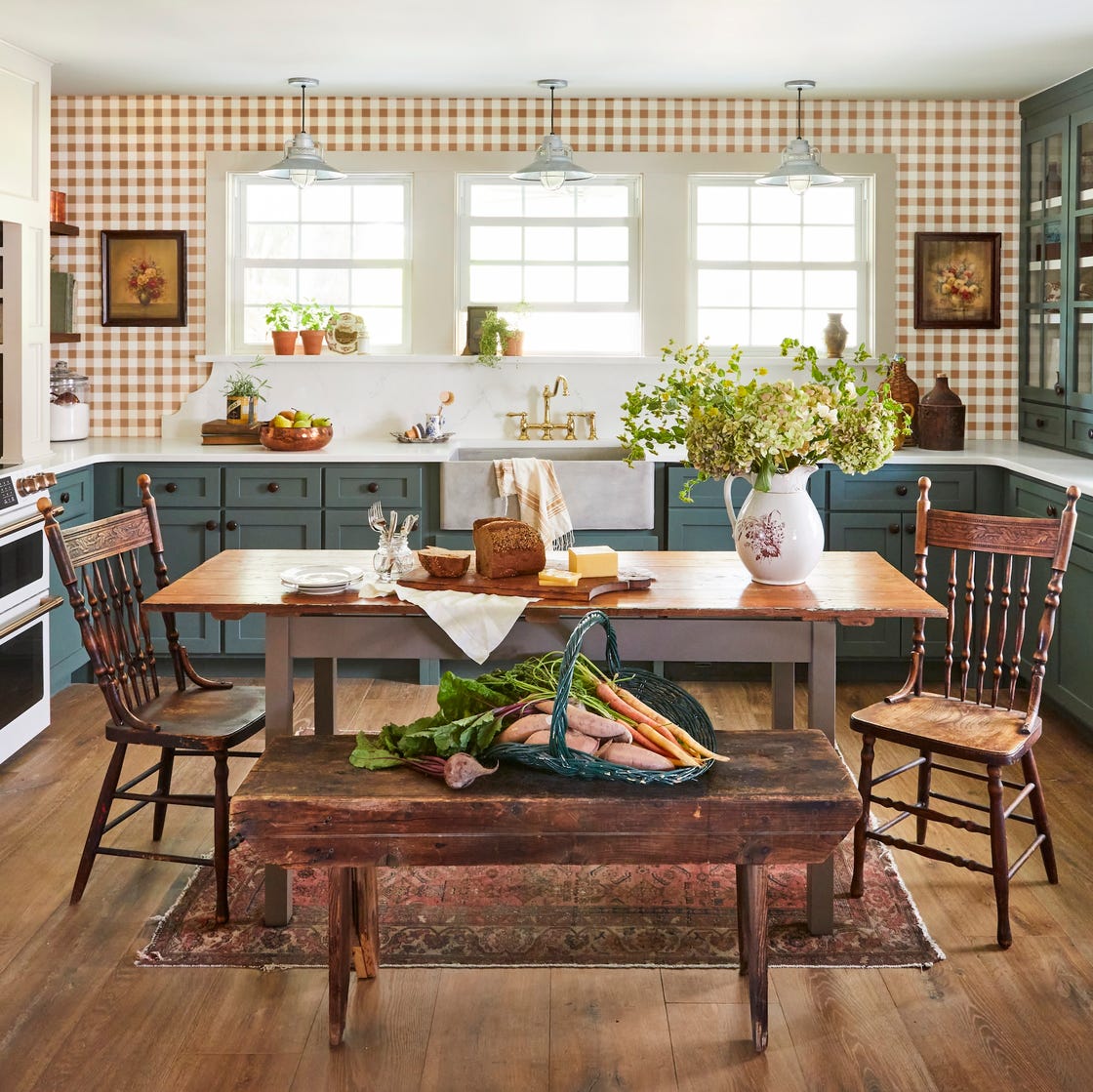
The Actually Charming ’80s Country Kitchen Trends Designers Are Loving Again
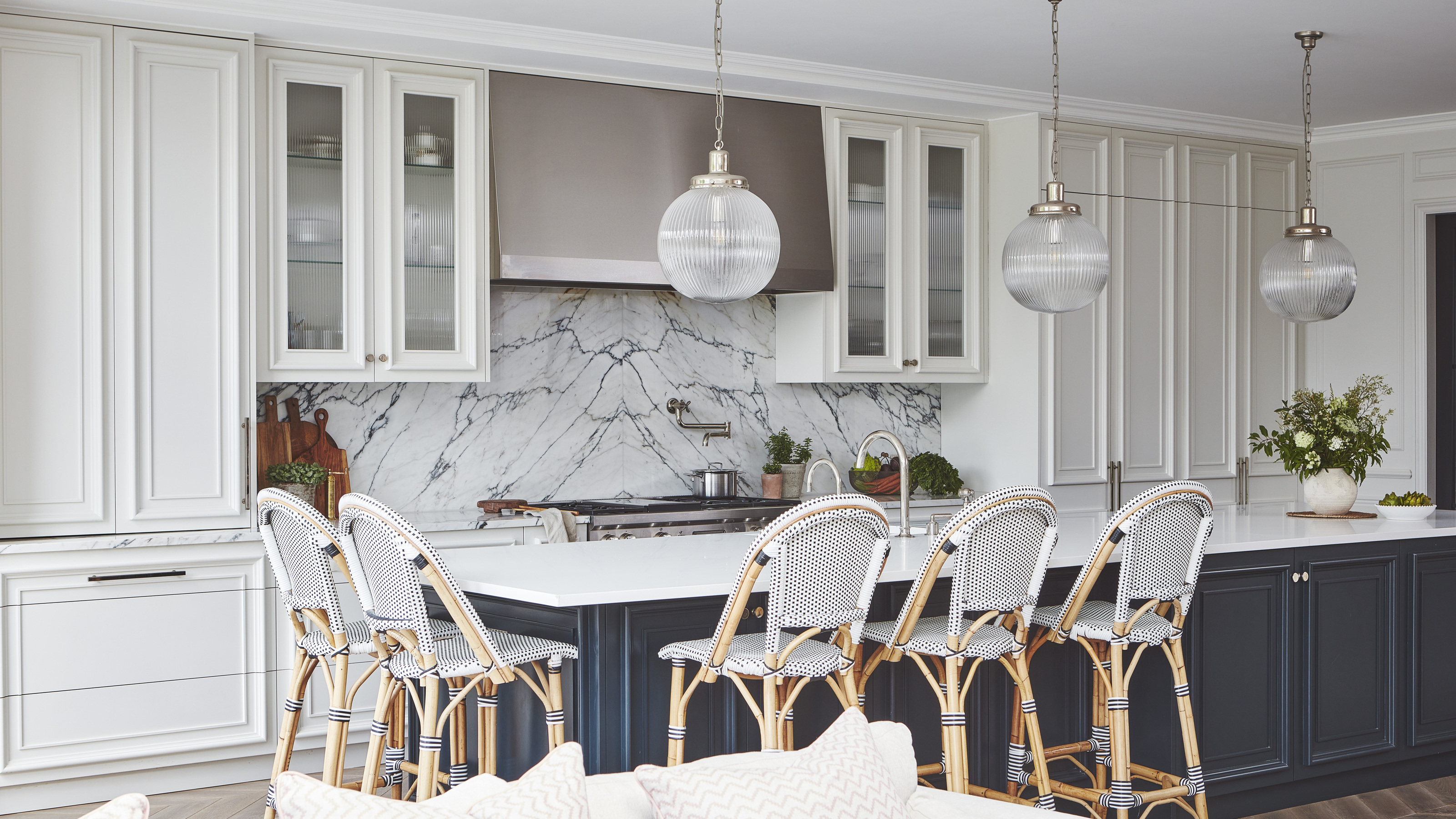
The 90s Kitchen Trends We're Seeing Come Back in 2025 — 5 Features Making Waves in Modern Designs

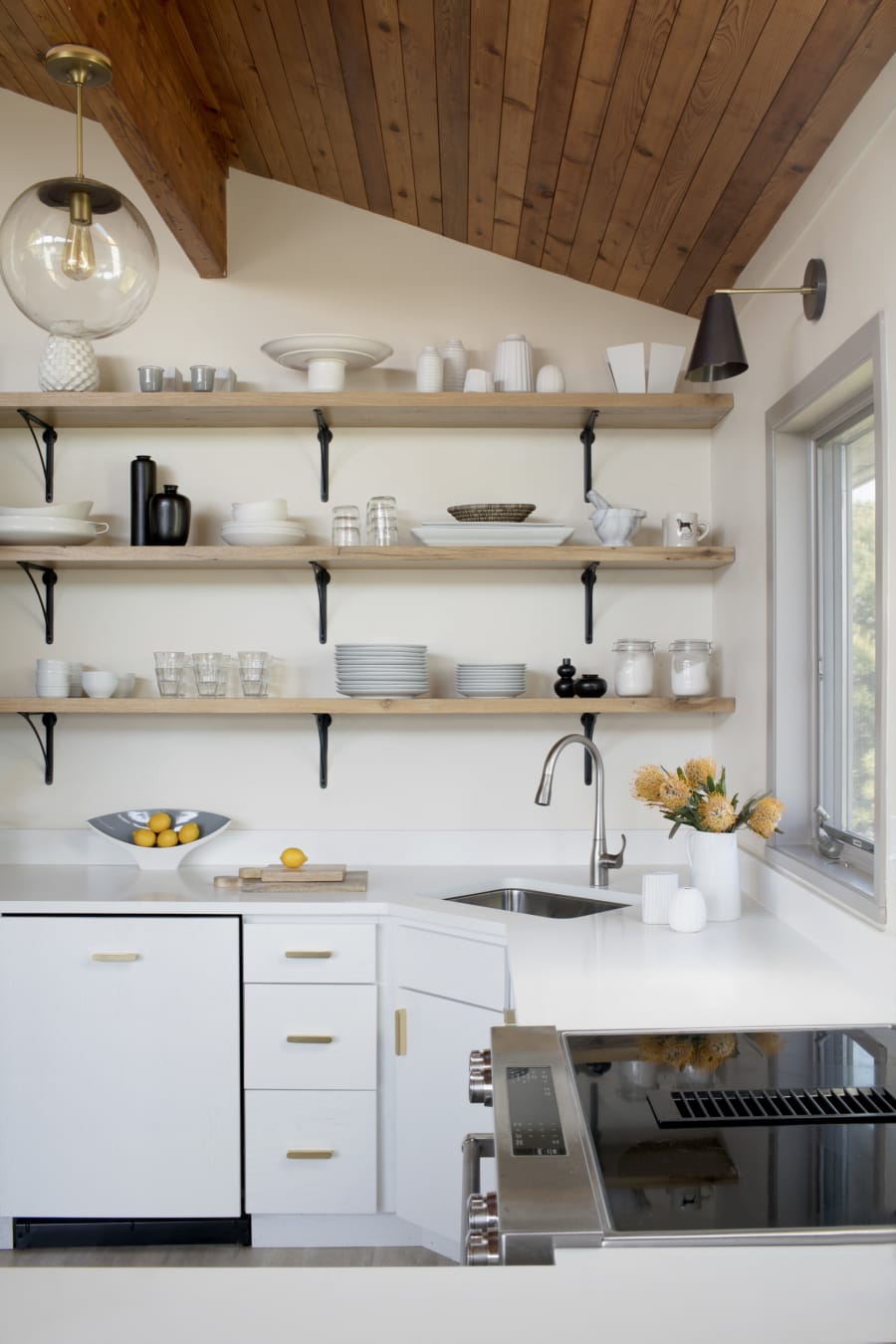
Timeless Kitchen Trends That Are Here to Stay (We Hope)

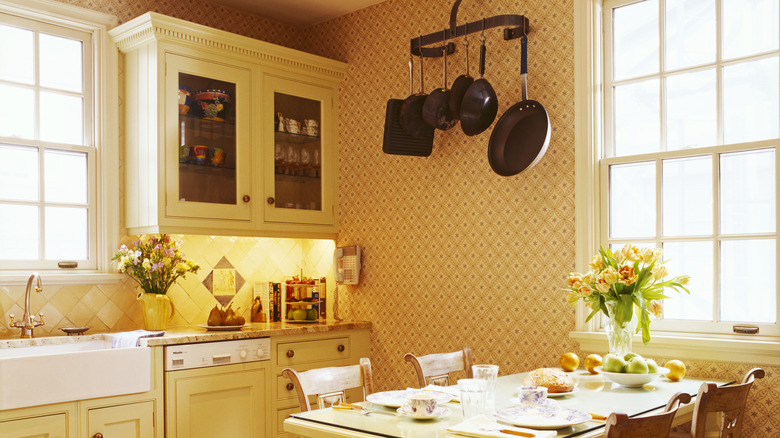
Charming '90s Kitchen Color Schemes That Deserve A Comeback

10 Outdated Kitchen Trends Making A Comeback, According To A Design Expert
What’s Hot in Kitchen Trends Right Now

'90s Decorating Trends We're Still Obsessed With