'90s Decorating Trends We're Still Obsessed With
The 1990s represented a pivotal era in interior design, characterized by a unique blend of comfort, creativity, and individuality. Many of the prominent decorating trends from this decade are experiencing a significant resurgence, underscoring their enduring appeal and adaptability to contemporary aesthetics. These trends, ranging from cozy, cottage-inspired spaces to bold integrations of color and pattern, successfully marry nostalgia with modern sensibilities, encouraging homeowners to infuse their spaces with personal touches and make deliberate design choices.
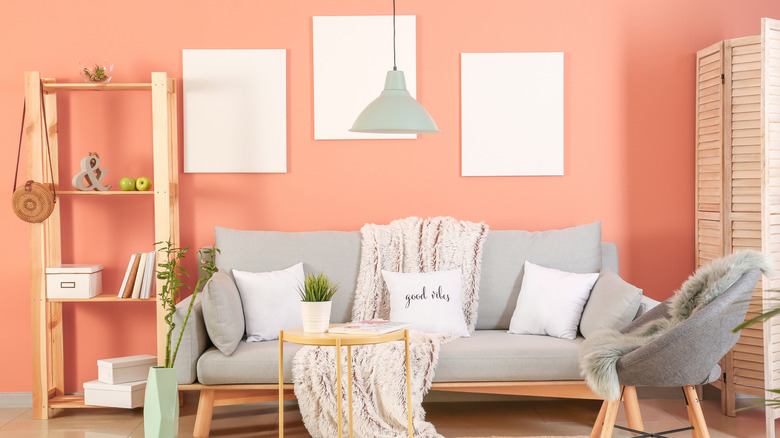
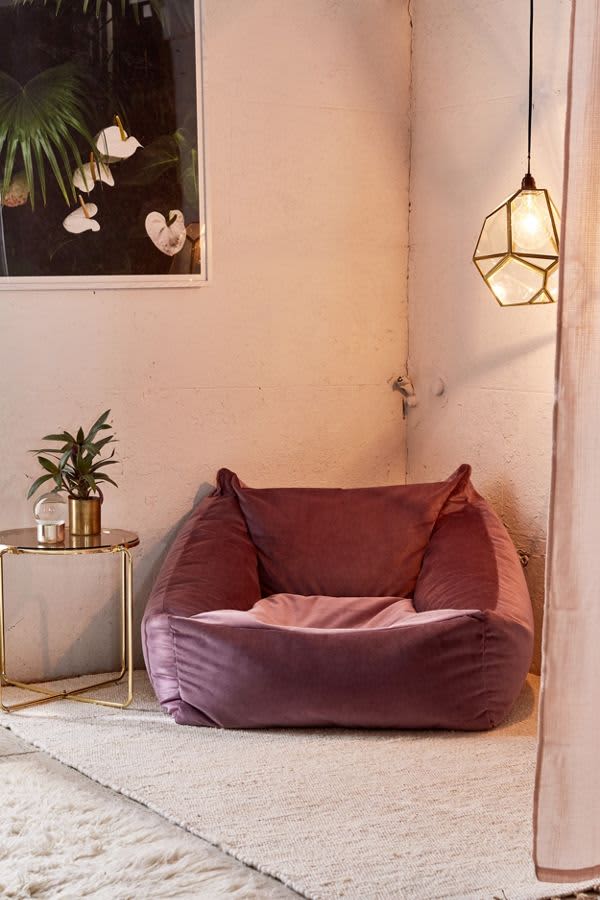
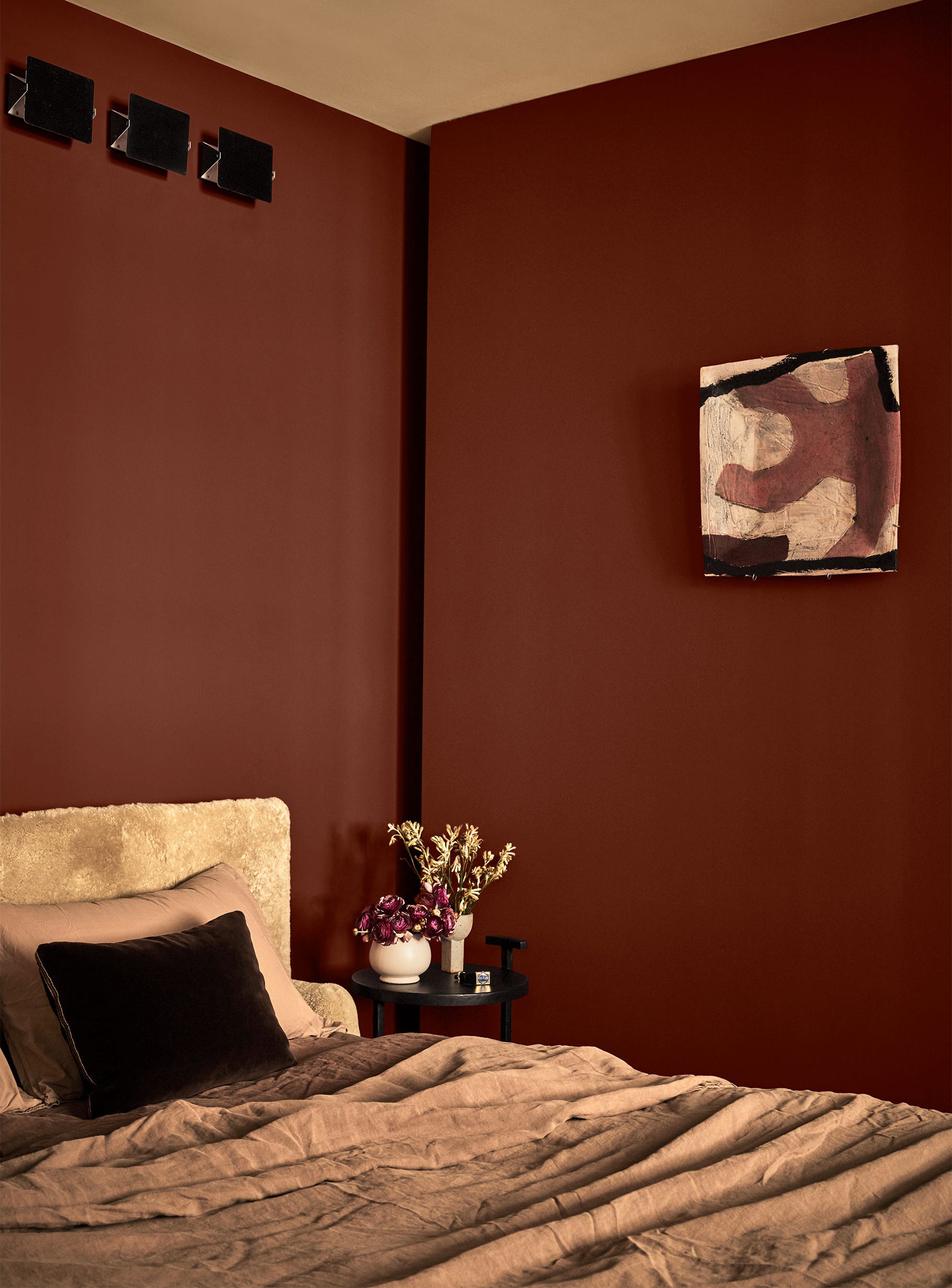
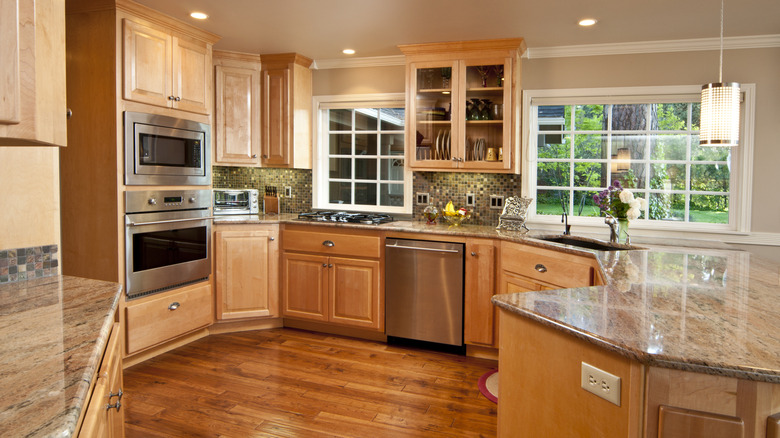
Central to the enduring charm of '90s decor is the emphasis on creating cozy and welcoming environments. This approach is evident in the prevalence of plush furniture, soft lighting, and mellow color palettes, which contribute to a sense of ease and joy. Contemporary design movements such as cabincore, cottagecore, and the whimsical marshmallow aesthetic further expand upon this foundation, prioritizing layered textiles, nostalgic elements, and the incorporation of cherished heirlooms. The core philosophy centers on emotional and physical comfort, transforming living spaces into serene retreats.
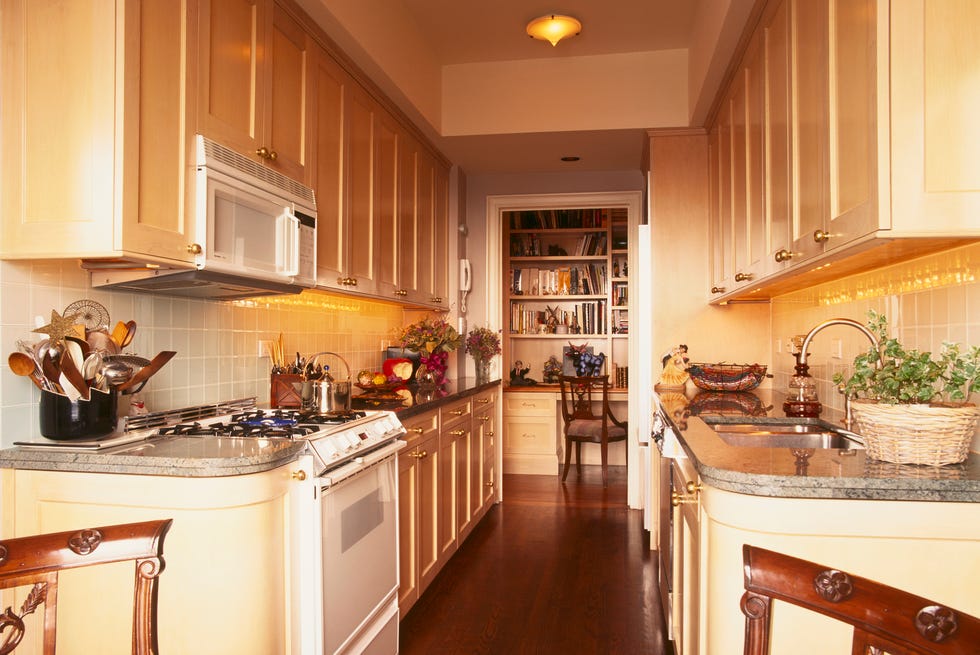
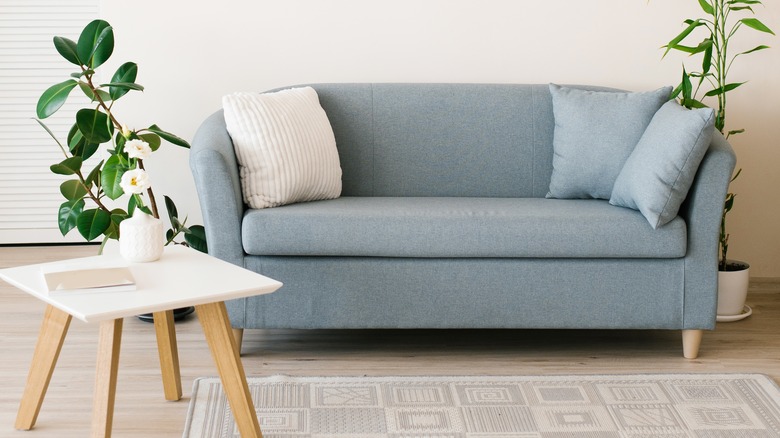
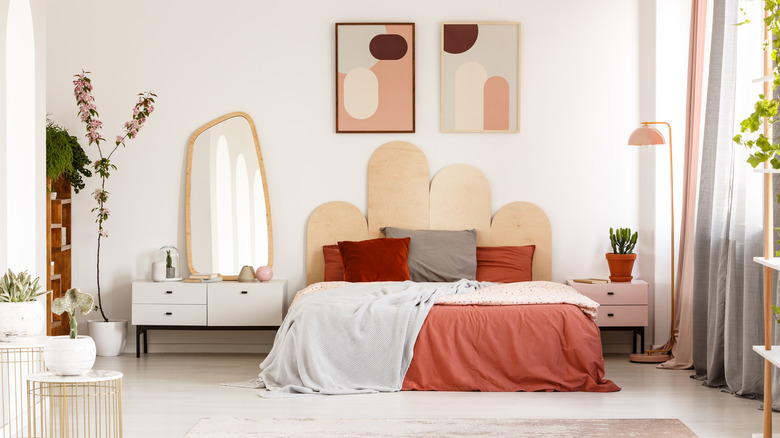
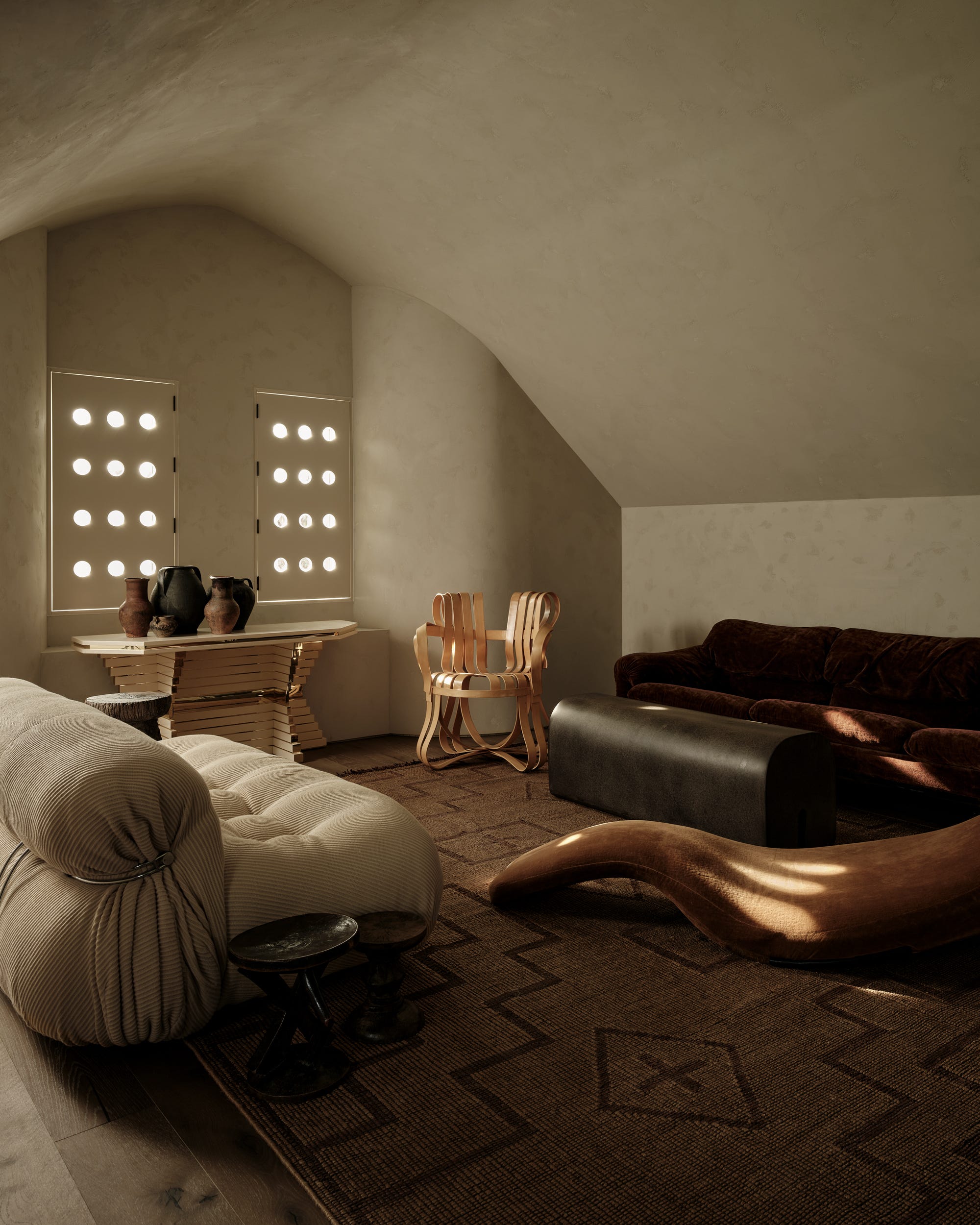
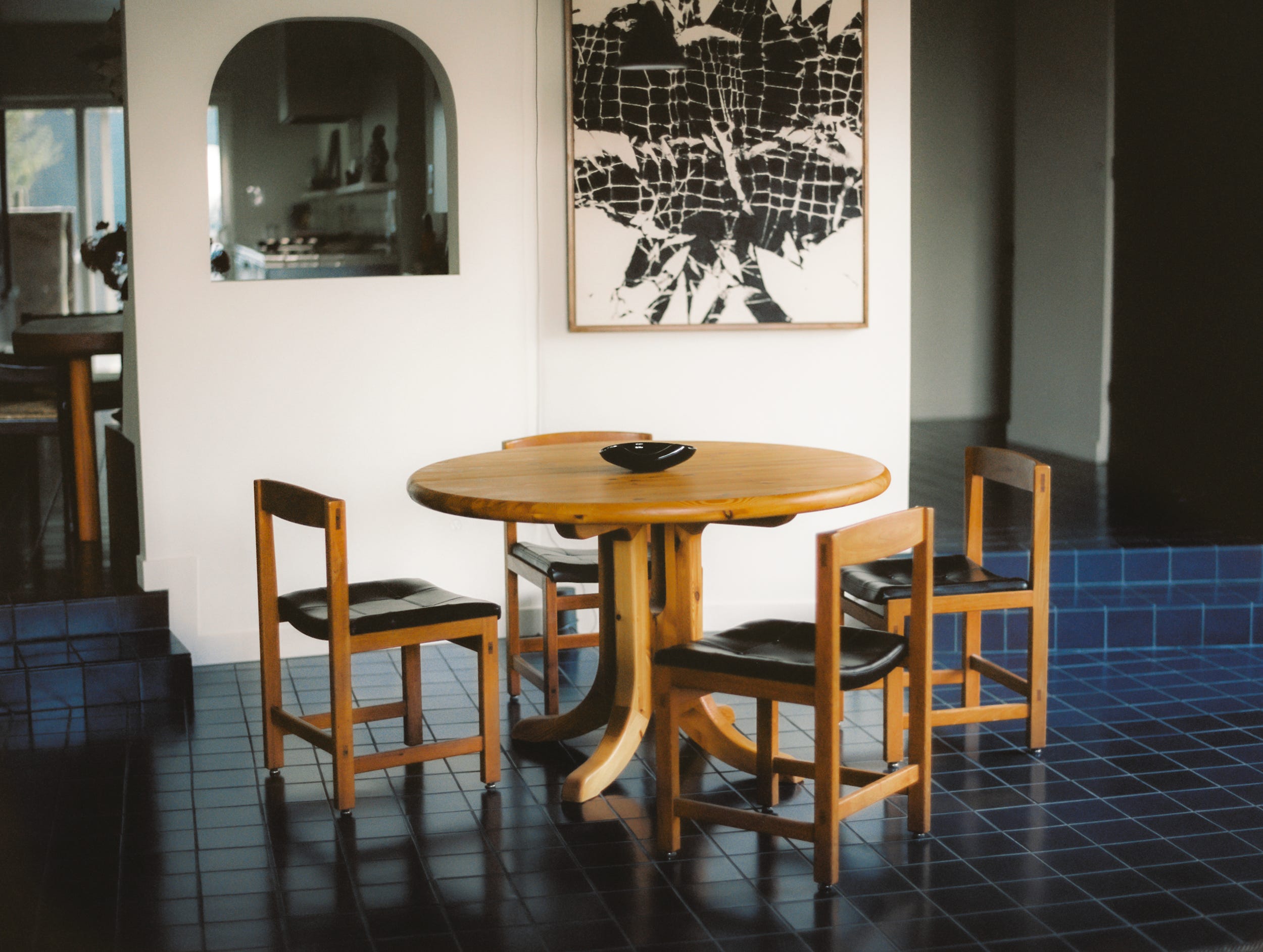
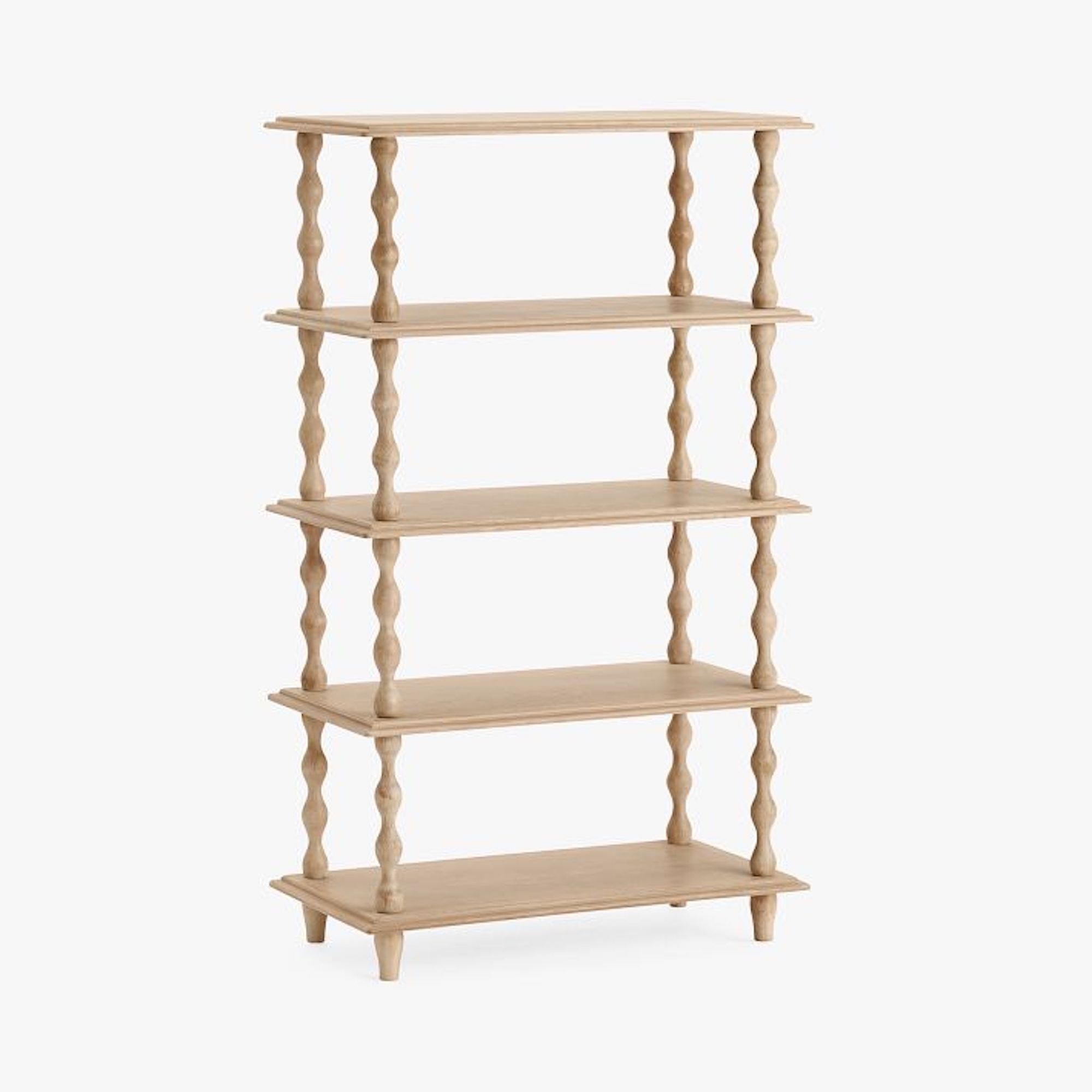
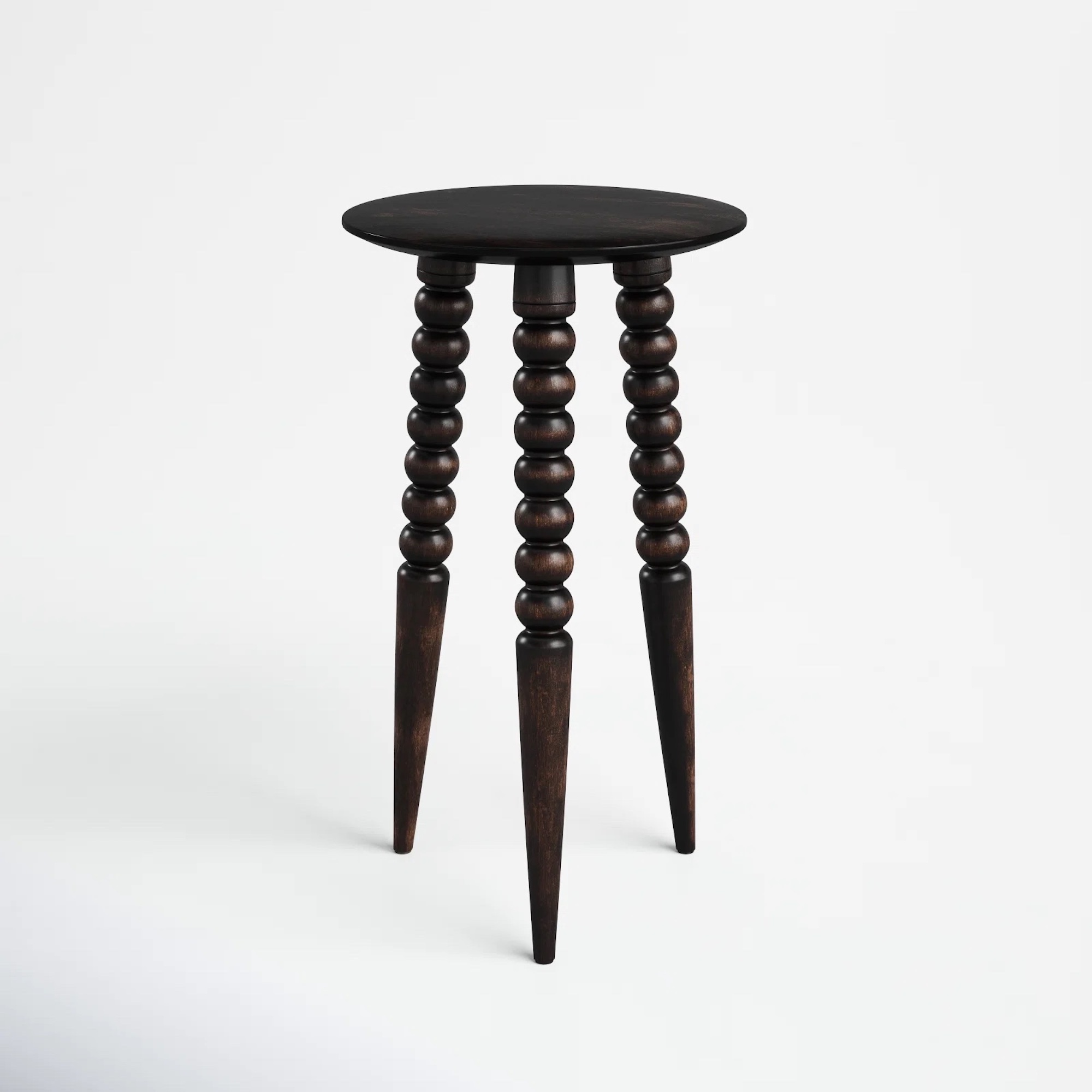
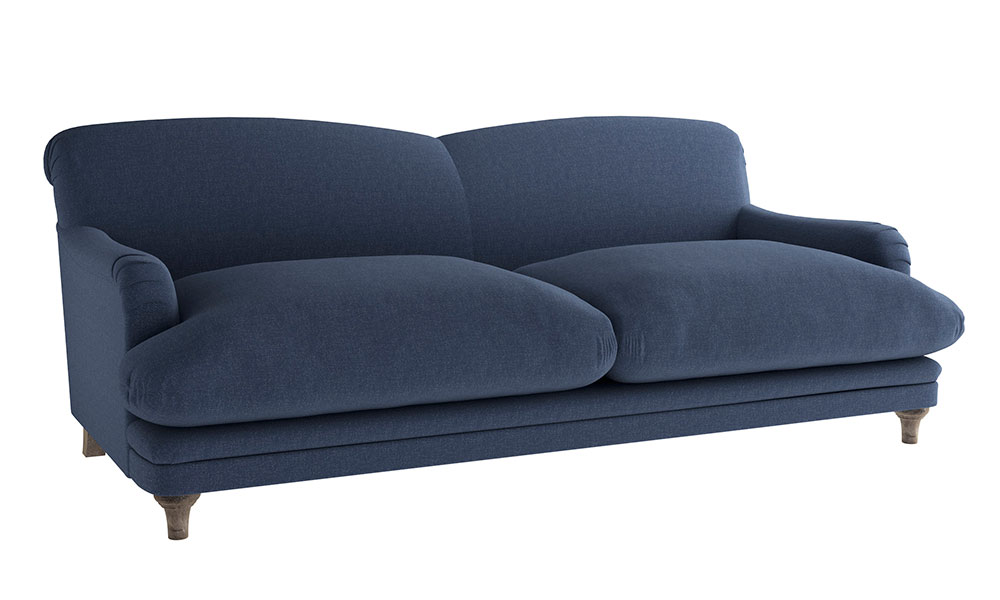
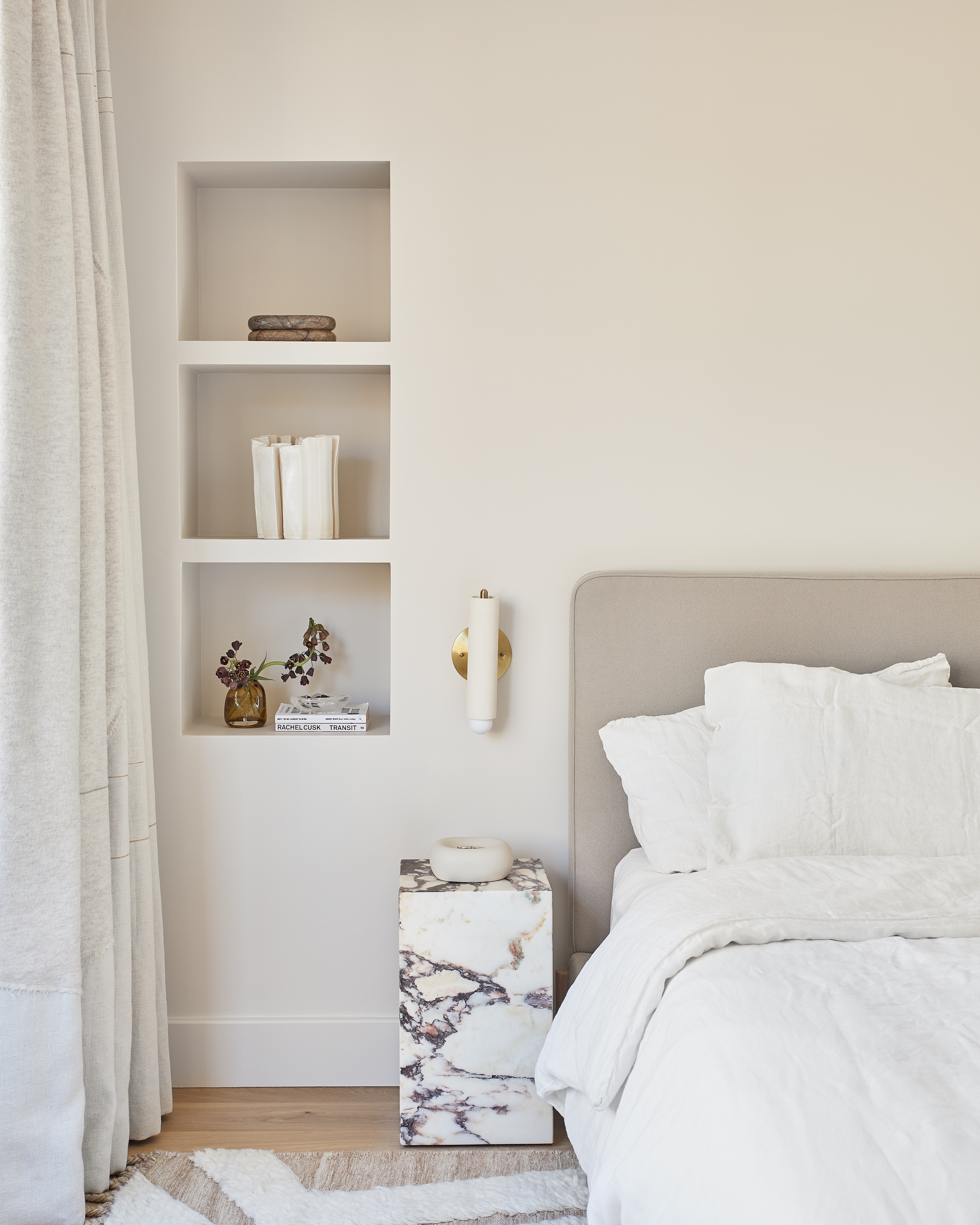
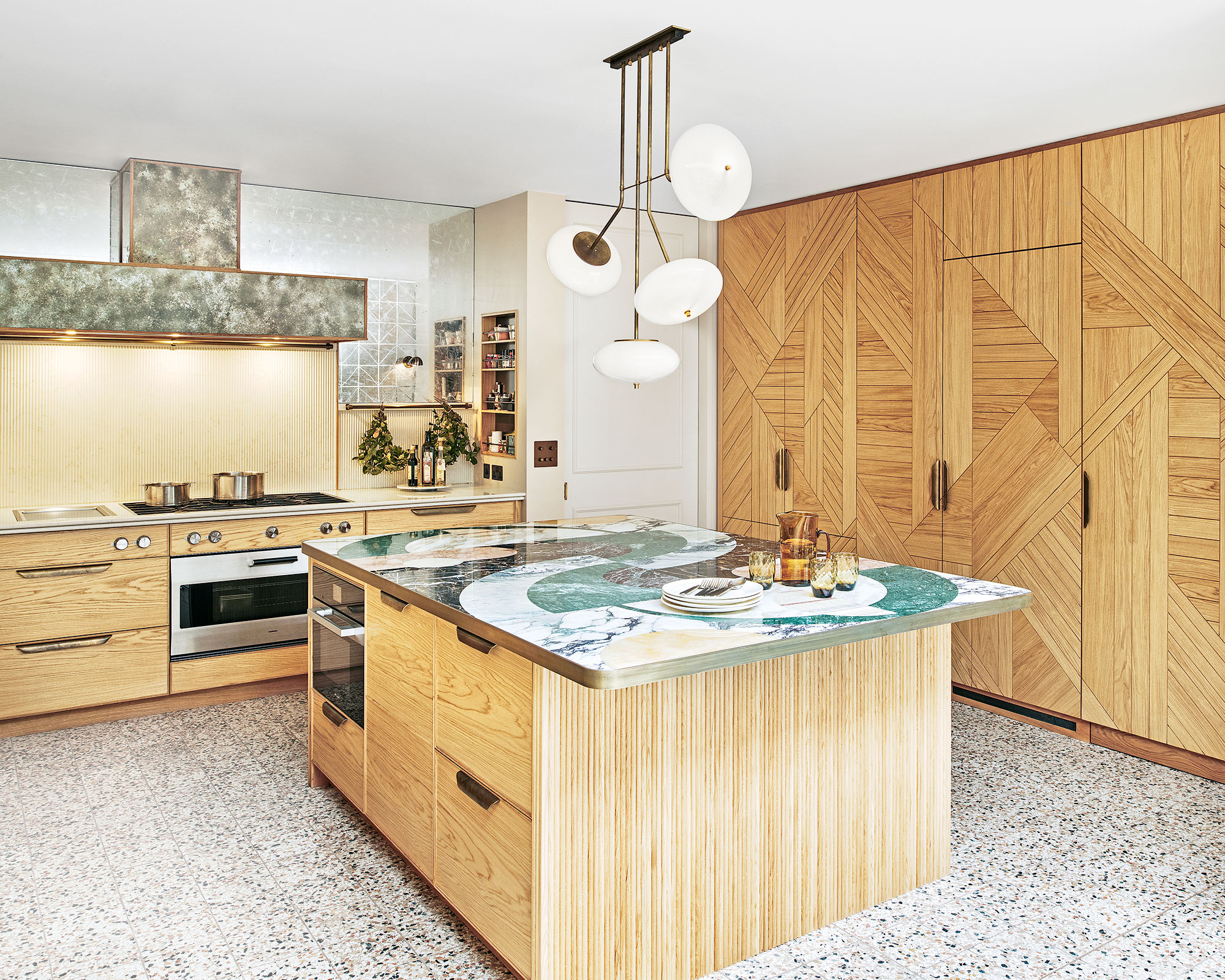
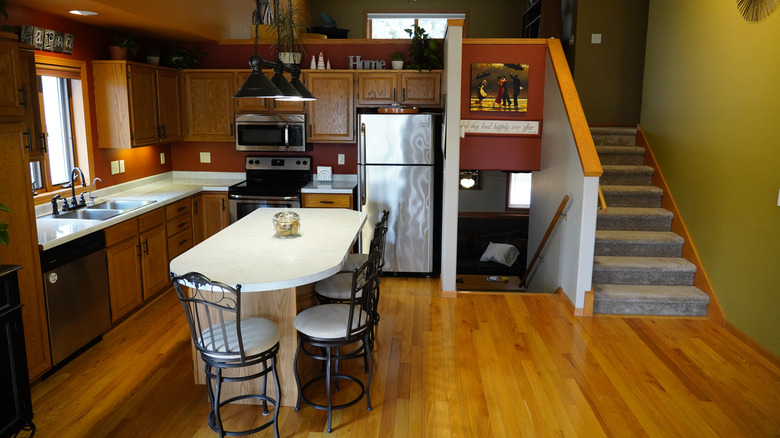
Another distinctive feature of '90s interior design, which is once again gaining traction, is the embrace of soft curves and rounded edges. This design choice, seen in everything from sofas and arched doorways to scalloped tables and curved kitchen islands, introduces a gentle aesthetic that contrasts with the sharper lines of more modern or minimalist styles. Drawing inspiration from the organic modern trend, these curvilinear forms promote a calming atmosphere while simultaneously adding an element of playfulness and sophistication. Strategically utilizing curves can enhance room flow, cultivate harmony, and create inviting social areas.
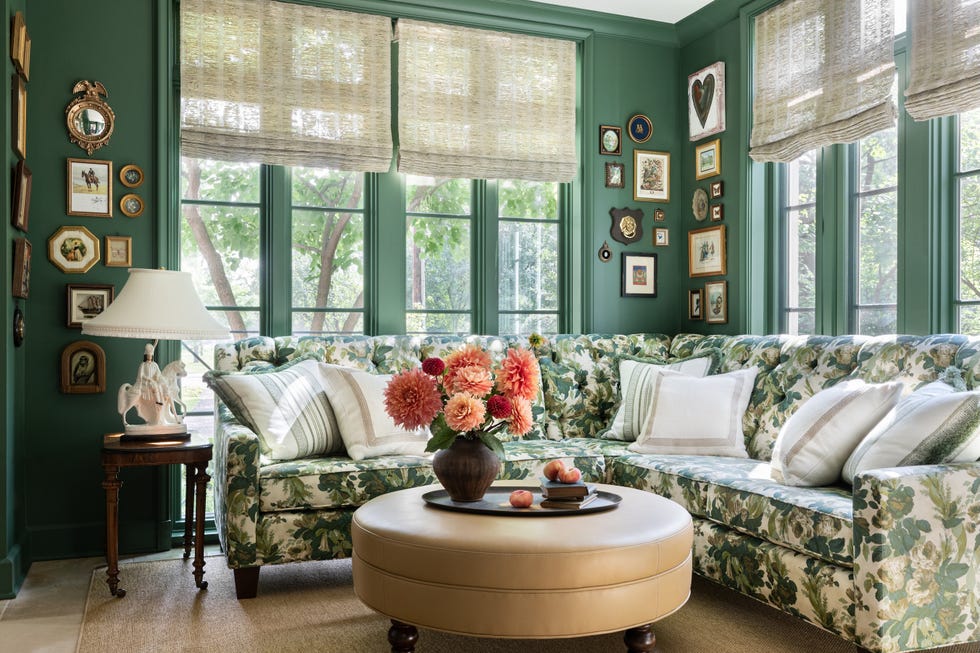
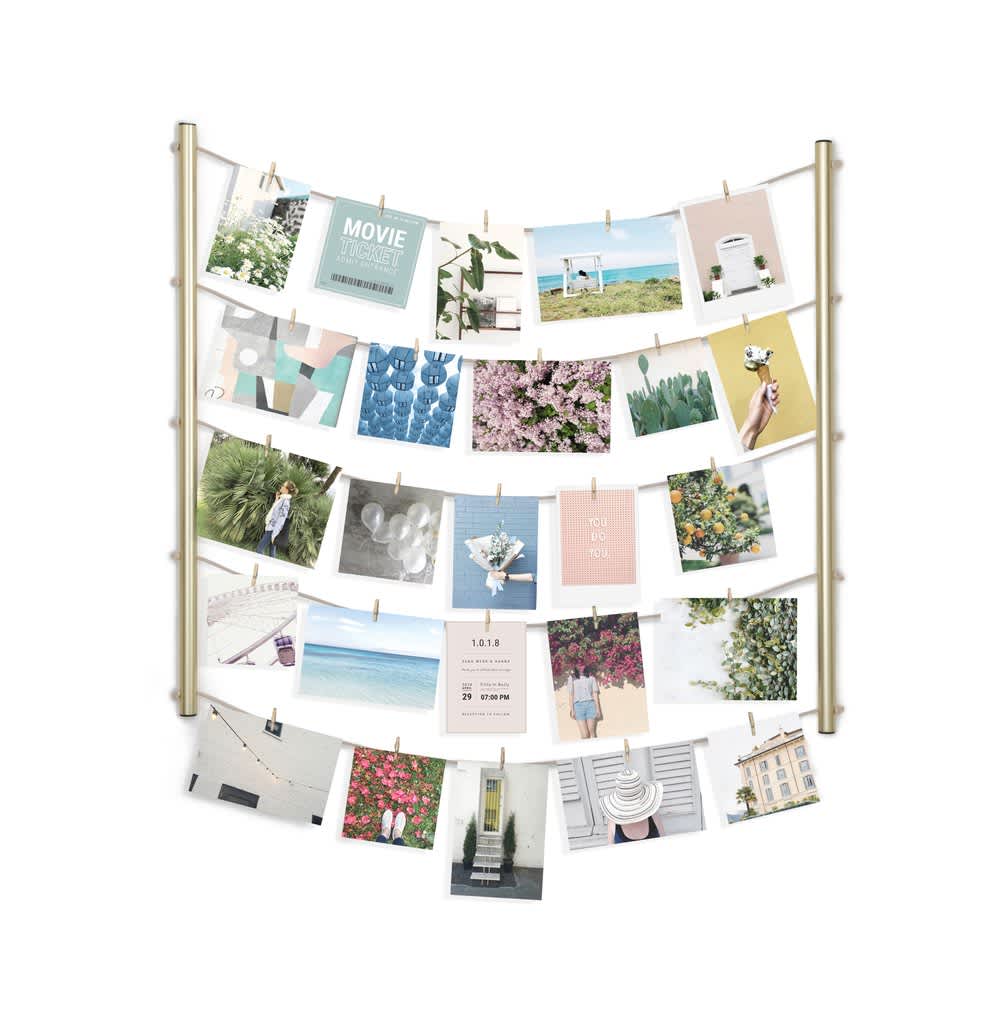
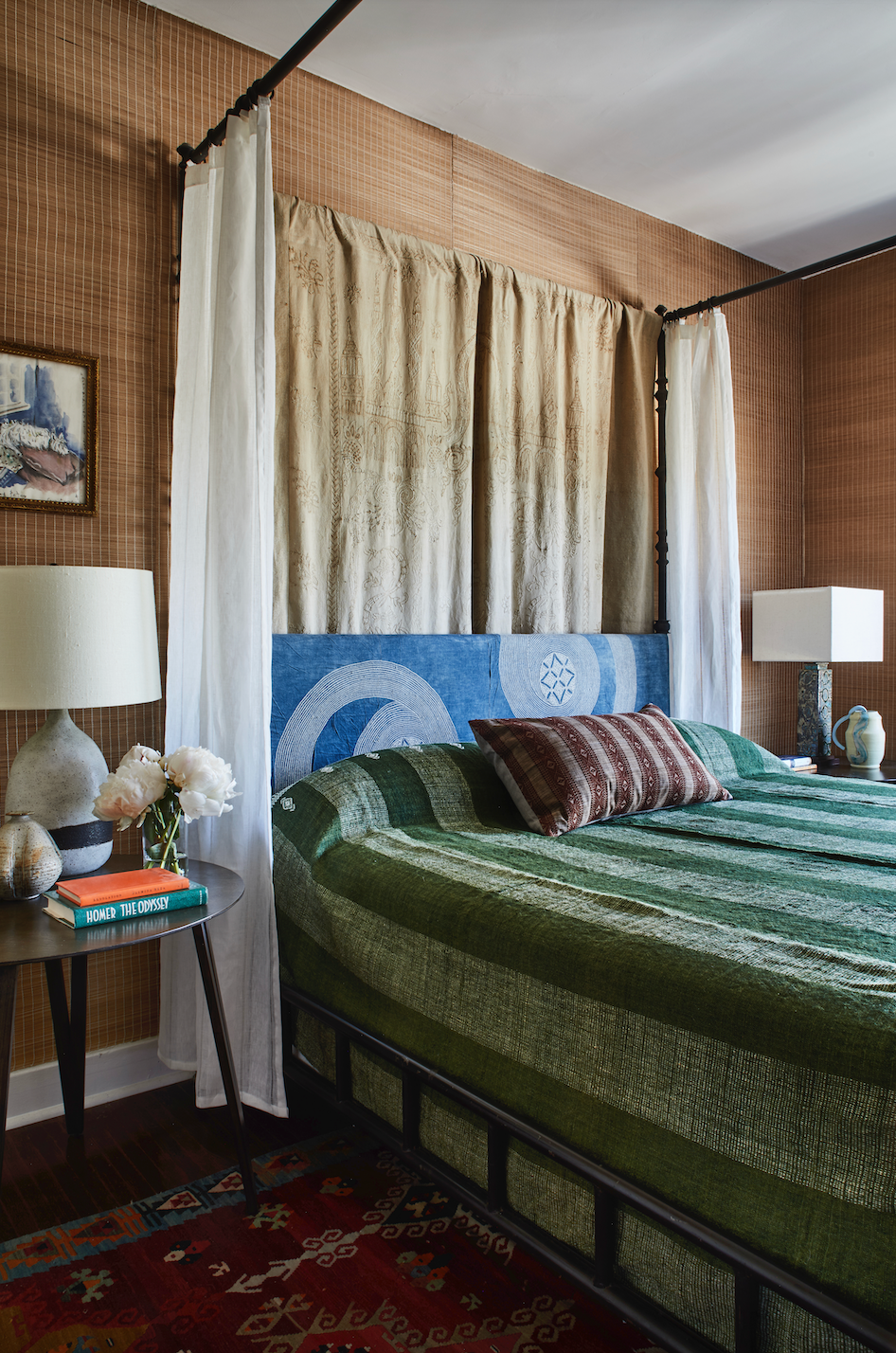
Furthermore, the '90s fostered a strong sense of individuality in home decoration, a principle that remains highly relevant today. The focus shifts from adhering to universal trends to crafting a home that genuinely reflects the inhabitant's personality and narrative. This involves incorporating personal collections, eclectic art, or unique items that tell a story, moving beyond superficial aesthetics to create a deeply personal and meaningful living space.
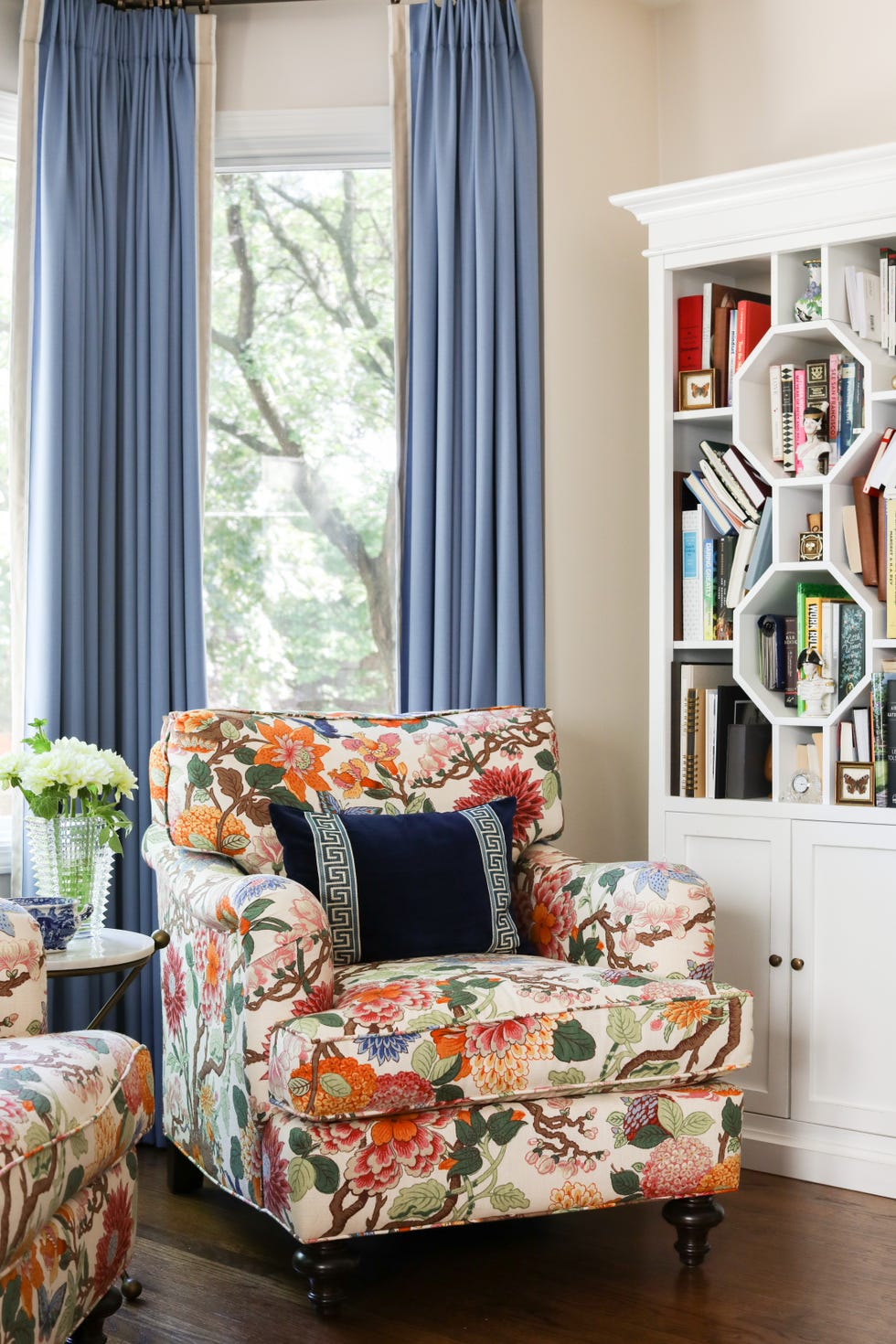
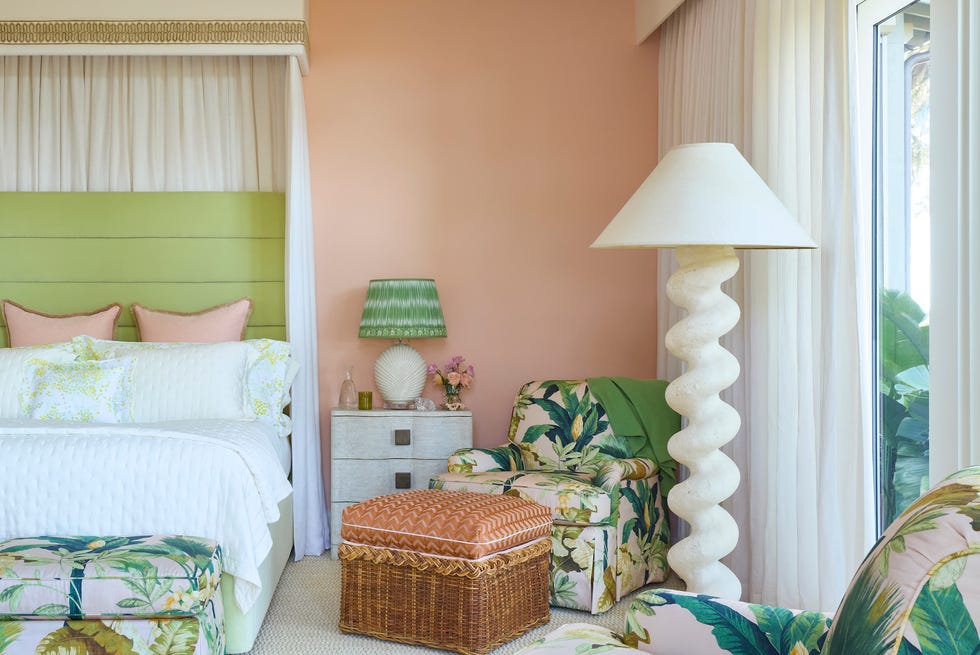
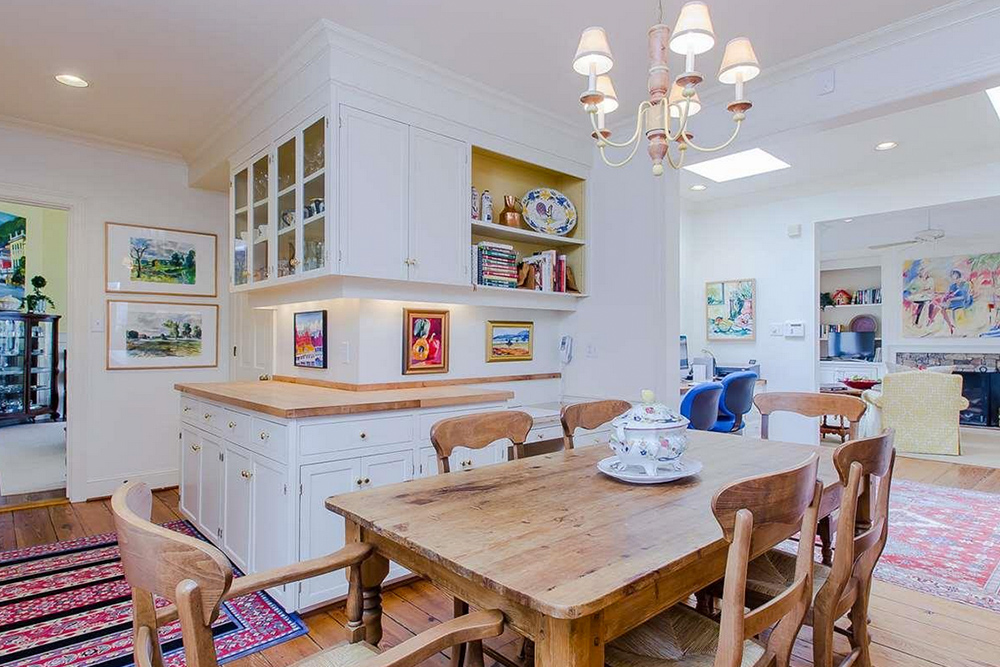
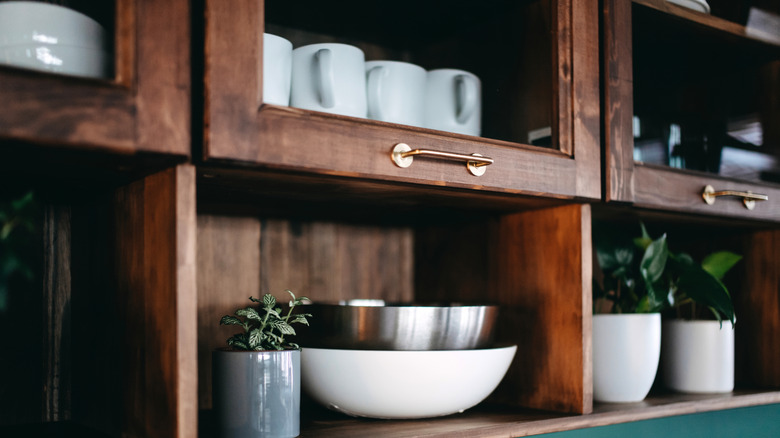
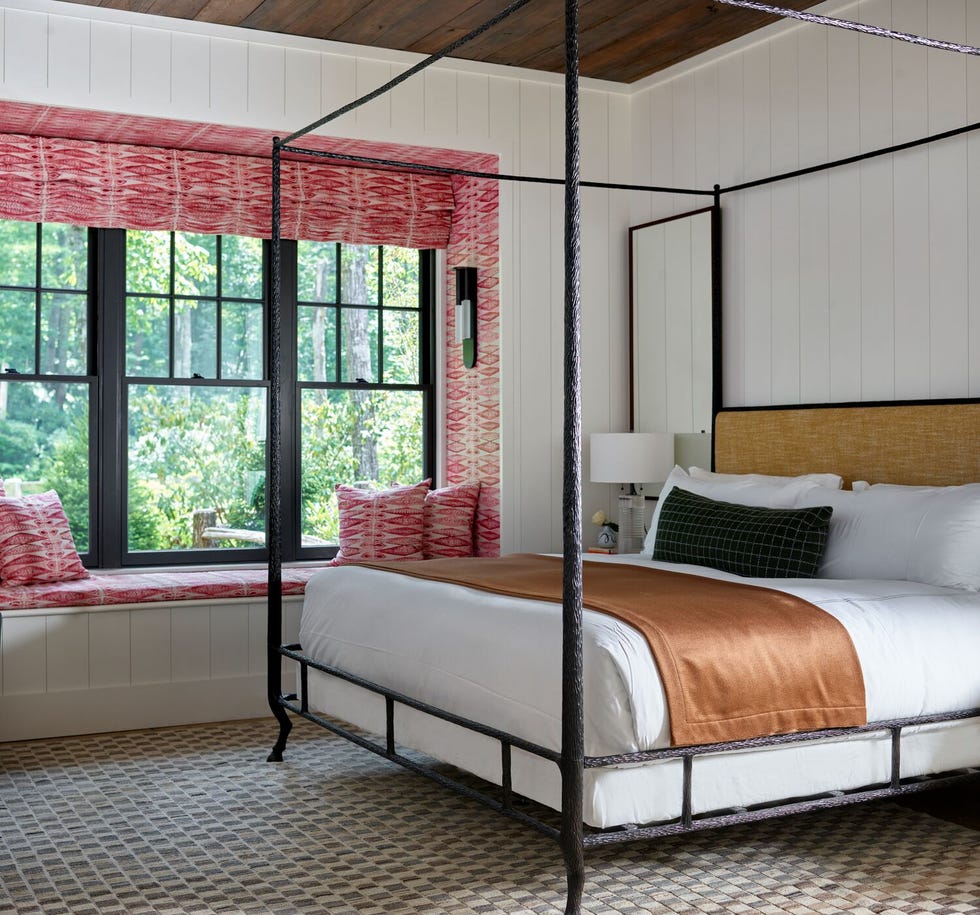
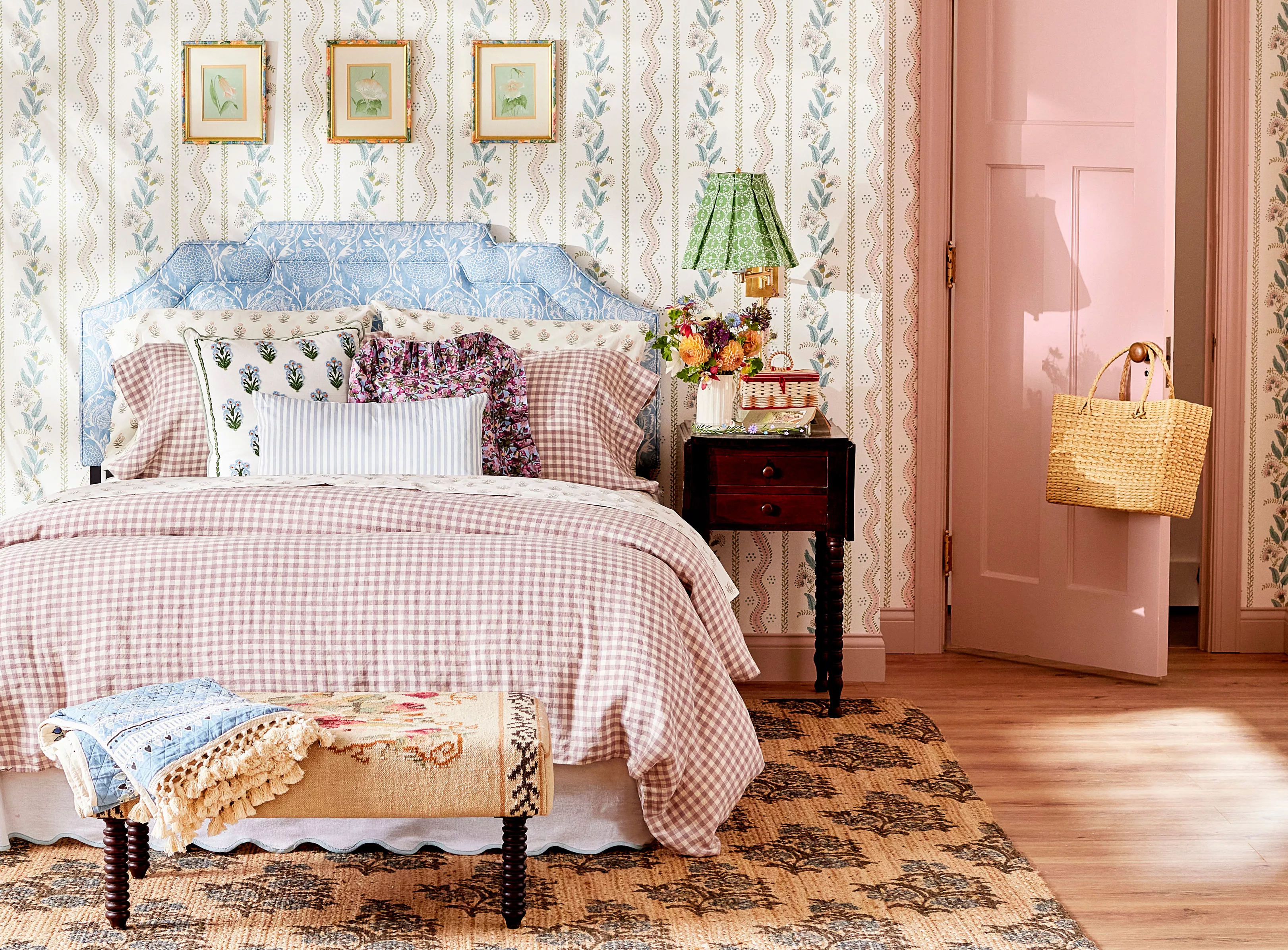
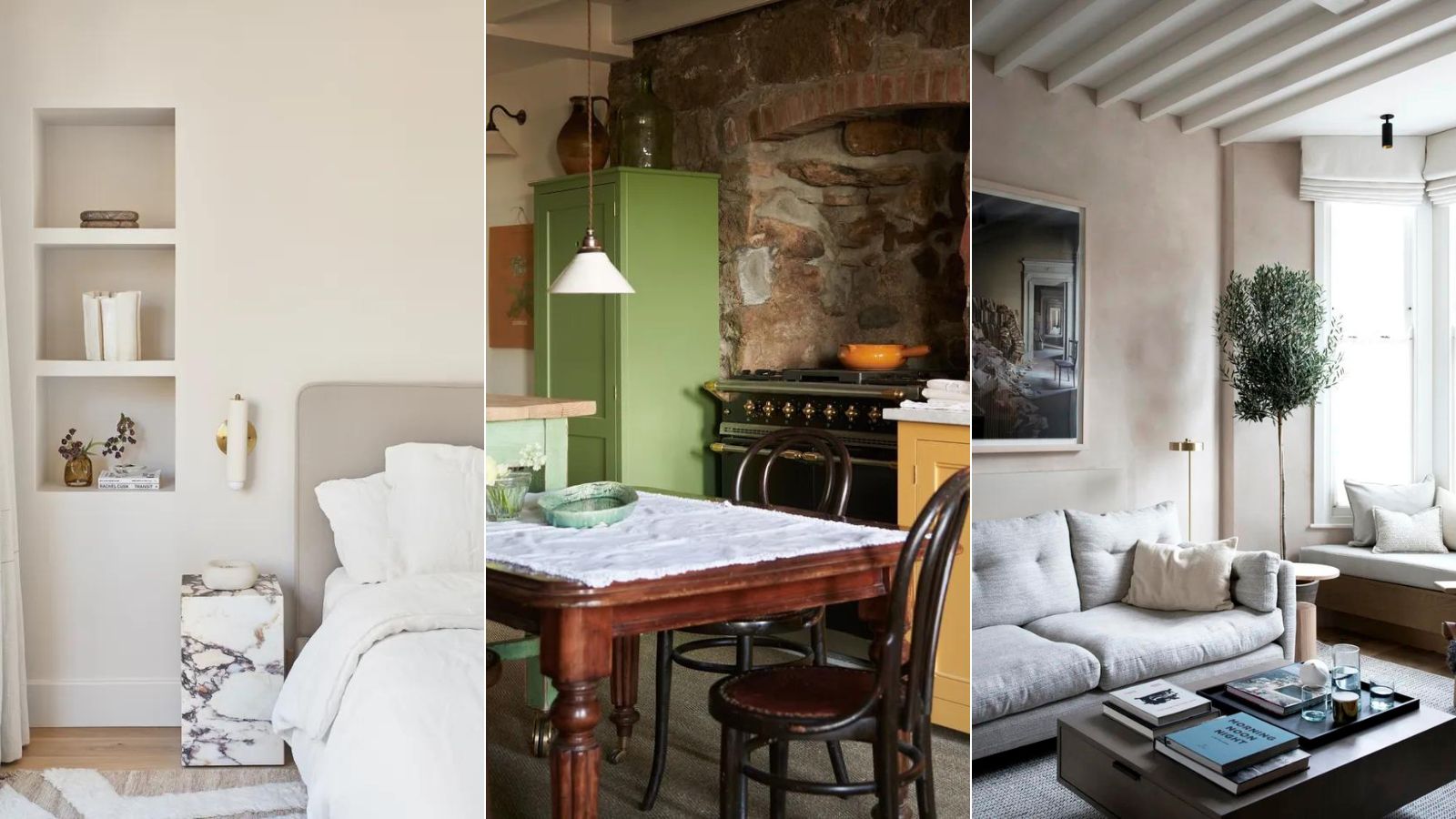
The quaint and nostalgic elements of cottage style, a significant trend in the '90s, continue to captivate. Originally characterized by floral prints, dust ruffle valances, and rustic furniture, this style has evolved into a refined aesthetic. Modern interpretations feature antique finds, diverse wood textures, and garden-inspired color schemes, all contributing to an inviting atmosphere rich with a sense of history. This approach transforms homes into comforting havens, emphasizing a deliberate curation of objects and textures.
Ambient lighting was a hallmark of '90s design, moving beyond purely functional overhead illumination to create mood and depth. The practice of layered lighting, involving floor lamps, wall sconces, and table lamps, was employed to introduce warmth and intimacy. By thoughtfully placing light sources, homeowners could highlight architectural features and decorative elements, replacing harsh glares with a soft, inviting glow.
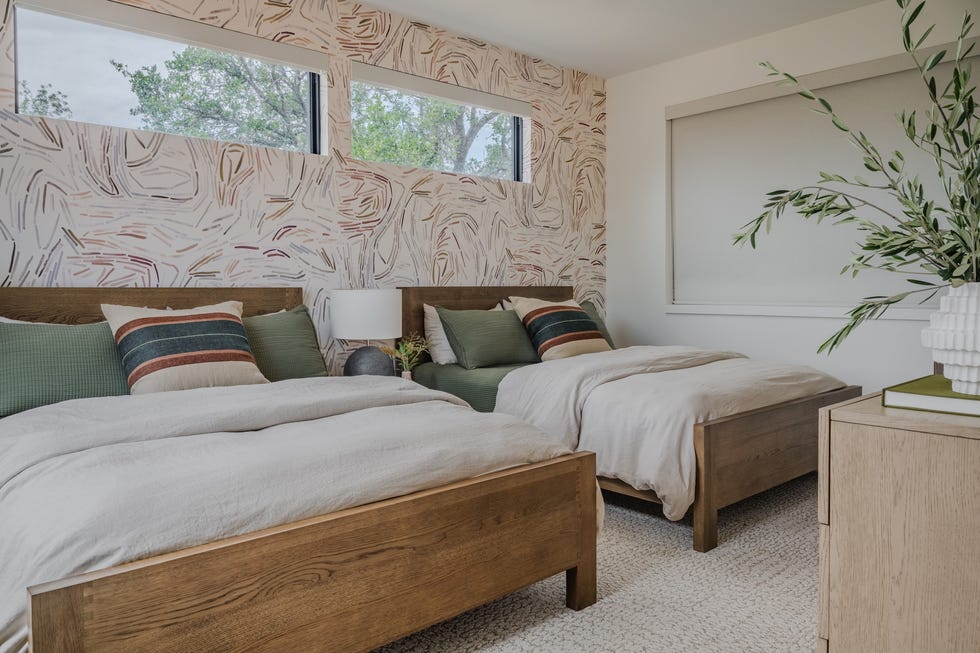
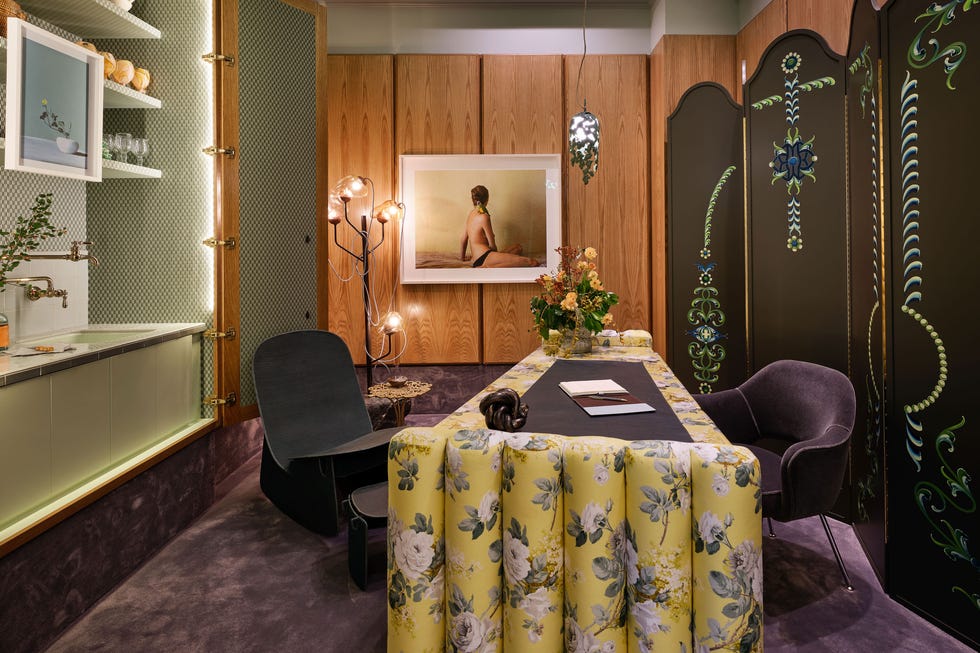
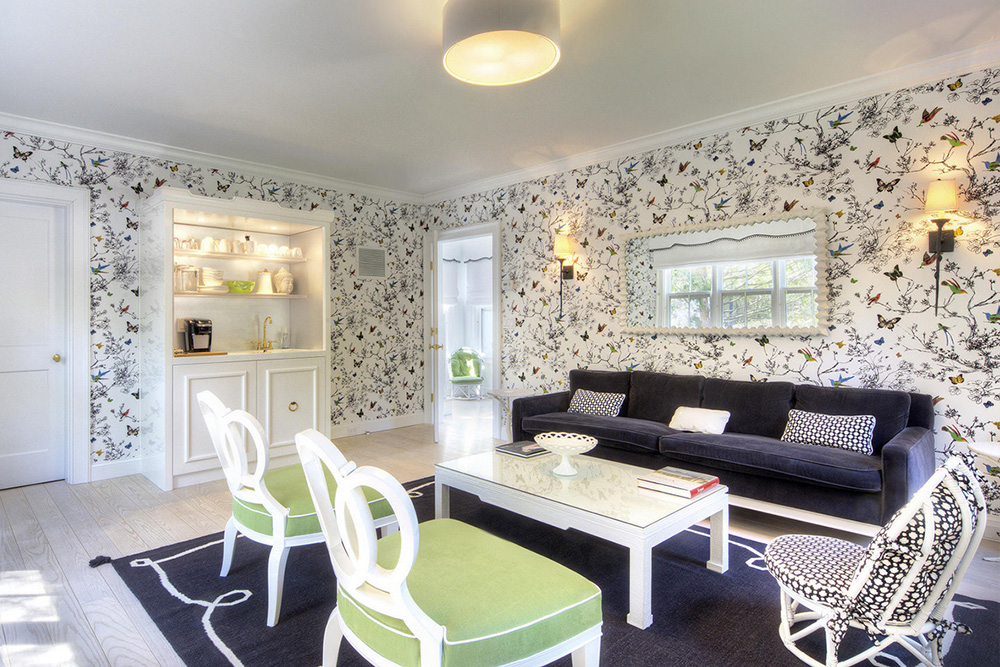
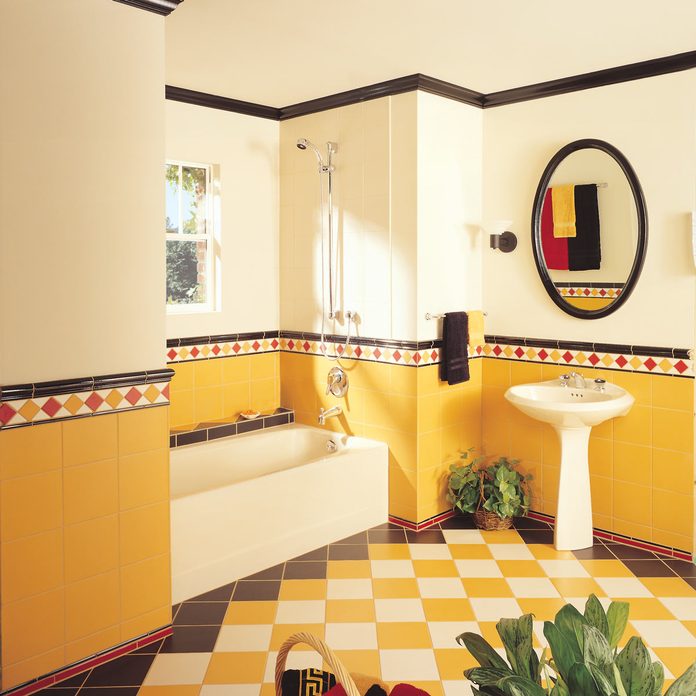
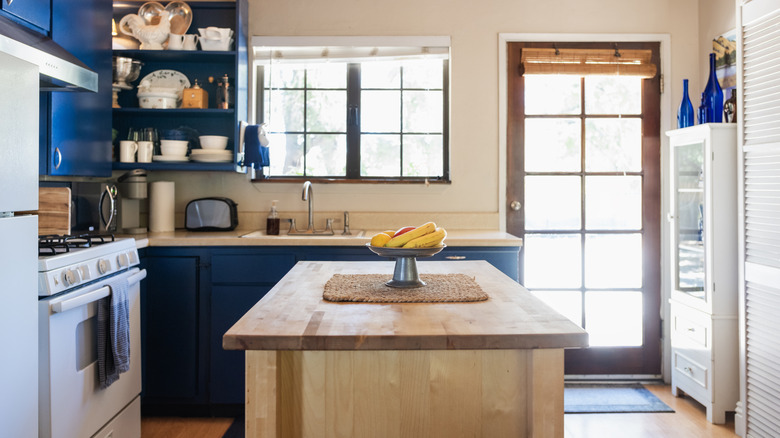
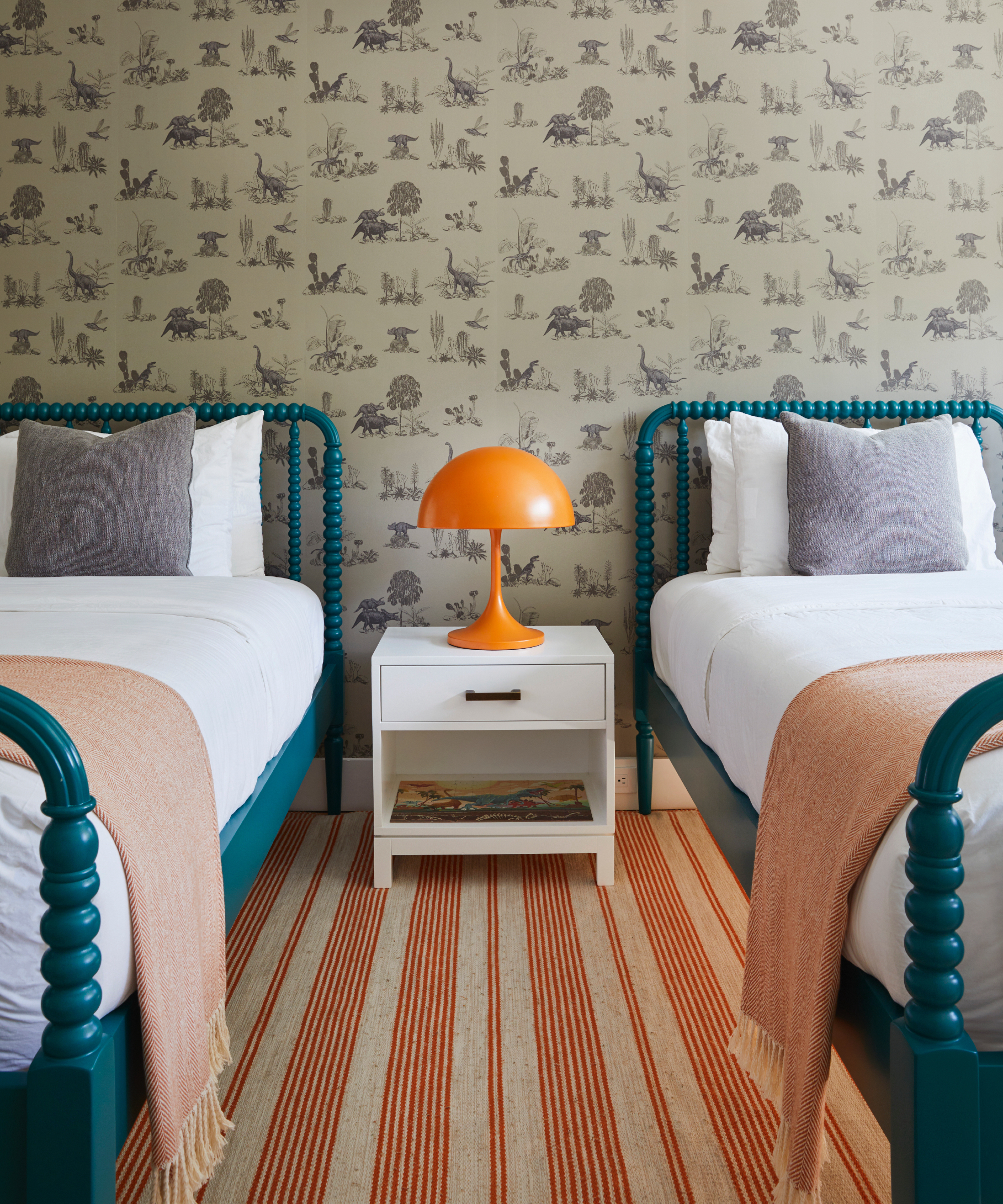
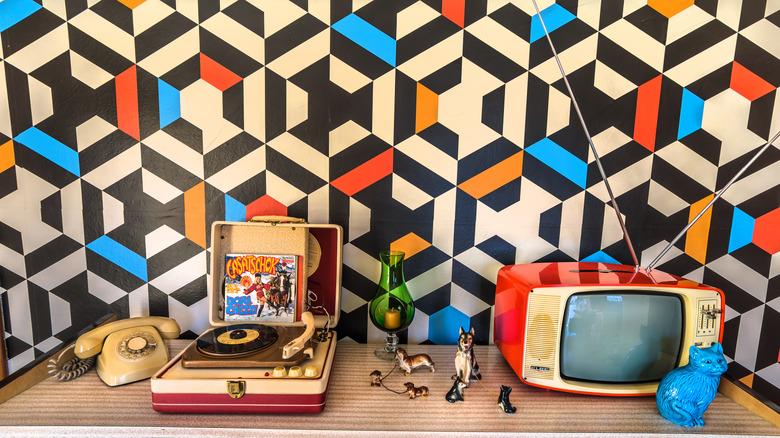
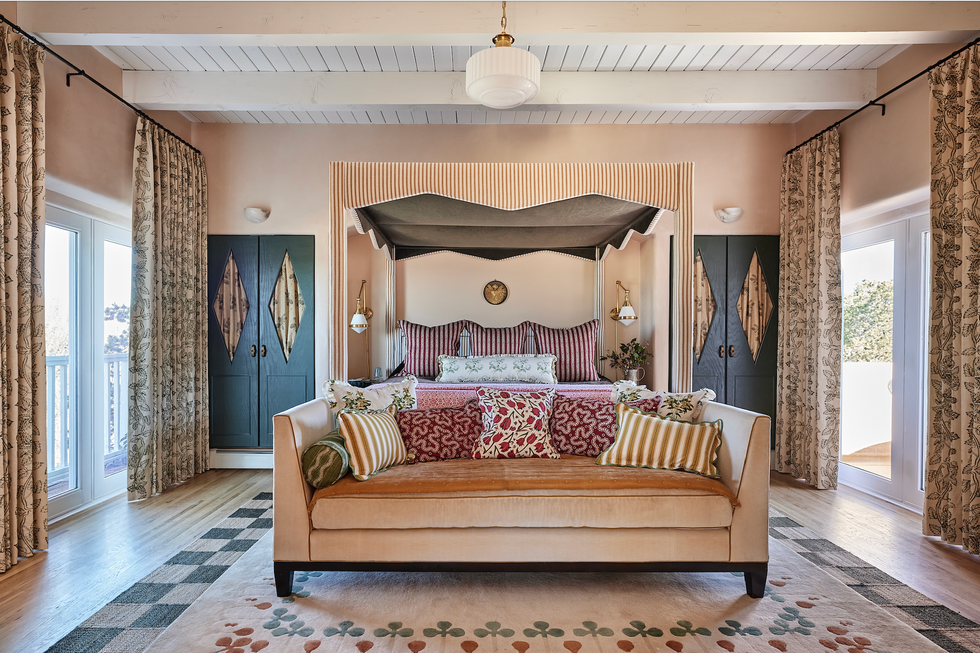
Finally, the '90s boldly challenged monochrome dominance by advocating for the mixing of colors and patterns, a practice that is now enthusiastically re-embraced. This creative approach, extending from maximalist palettes to the "cluttercore" aesthetic, enriches home design with layered textures and visual interest. The key to successfully integrating varied colors and patterns lies in establishing balance through unifying elements like shared textures and motifs, and adhering to a cohesive color scheme. This method, combined with experimenting with different pattern scales and material textures, results in spaces that are brimming with personality, appear intentional, and feel curated rather than chaotic.
The '90s also instilled a valuable lesson in sustainable decorating through the emphasis on secondhand decor. The act of discovering pre-loved items at flea markets or engaging in DIY upcycling projects has become a fulfilling way to personalize spaces while supporting environmental consciousness. This "slow decorating" approach infuses homes with character and charm, as each carefully chosen item carries its own history and contributes to a unique, curated environment, reflecting the dedication and care invested by the homeowner.
#90sDecoratingTrends #HomeDesign #CottageStyle #CurvedFurniture #AmbientLighting #ColorAndPatternMixing #SustainableDecor #PersonalizedHome #90sDecoratingTrends #HomeDesign #CottageStyle #CurvedFurniture #AmbientLighting #ColorAndPatternMixing #SustainableDecor #PersonalizedHome
0 comment in total
 No comments yet
You may also like
Interior Designers Say the 1990s Are Back—Here’s How to Capture the Look

8 Bedroom Decor Icons From the ’90s That Are Cool Again
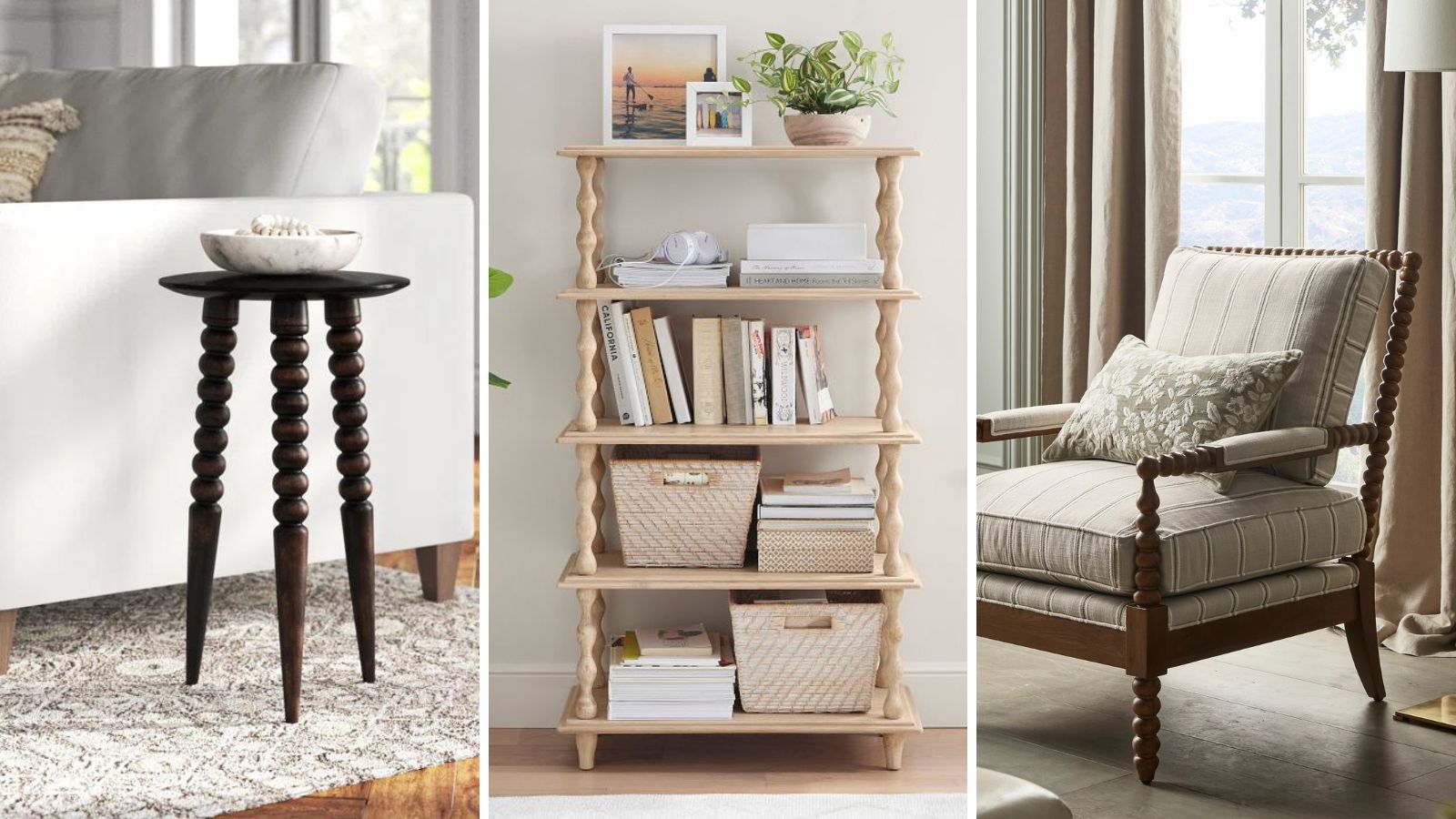
This vintage-inspired furniture trend is still going strong – here are 9 timeless bobbin pieces to add instant charm

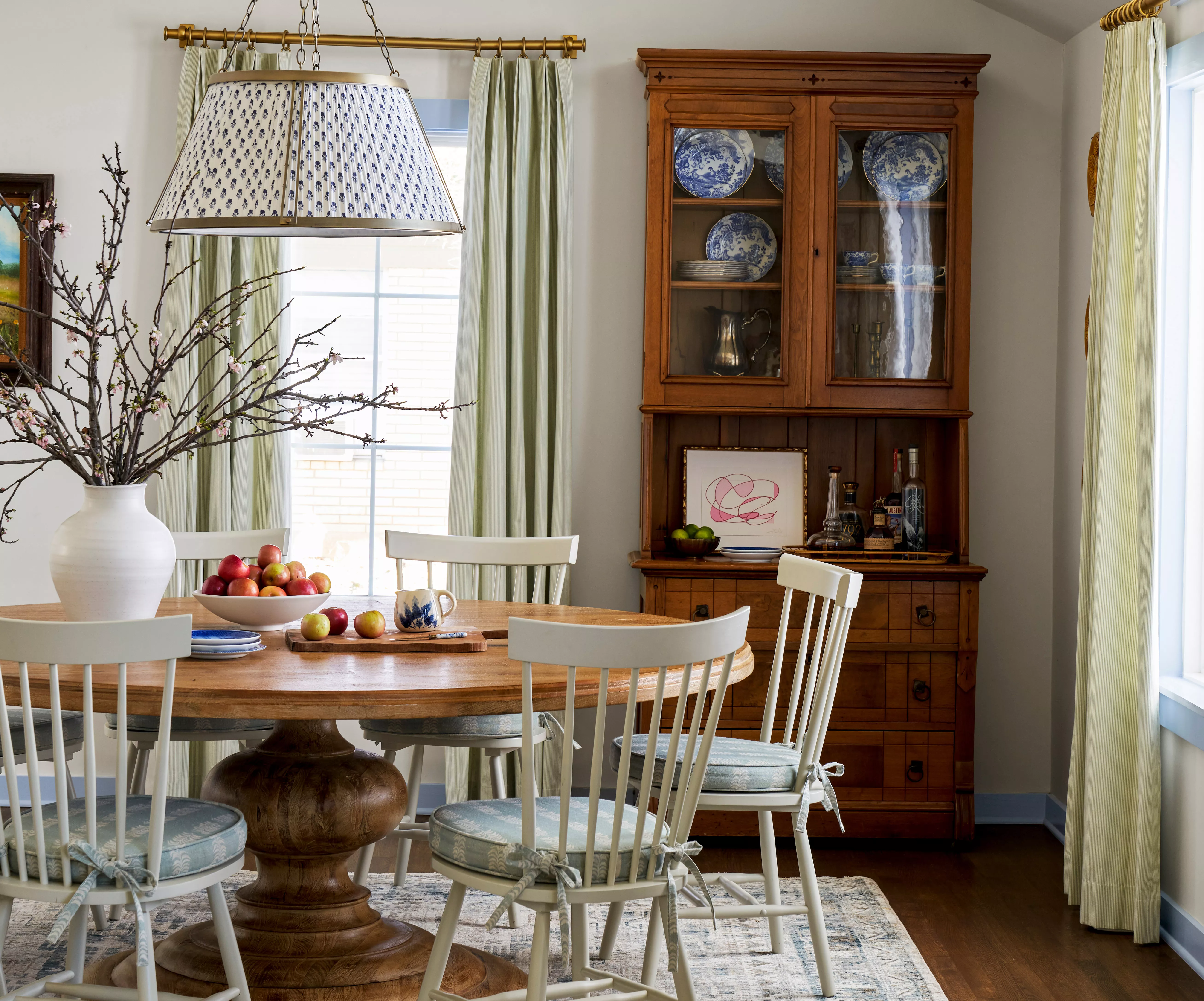
This Classic ’90s Furniture Trend Is Back, and We’re Obsessed All Over Again
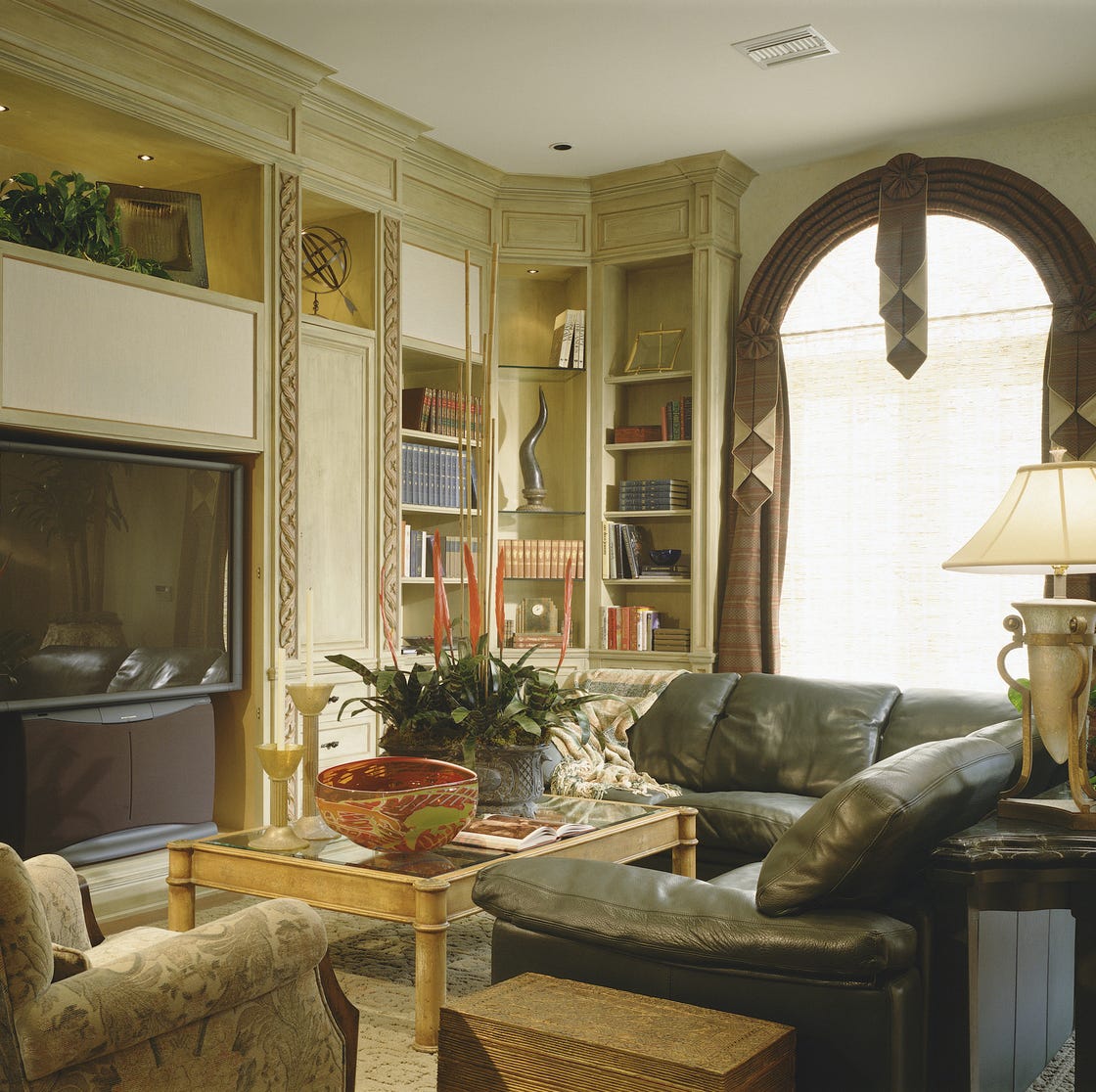
’90s Fashion is Back—But What About ’90s Interiors? Here’s What Designers Say

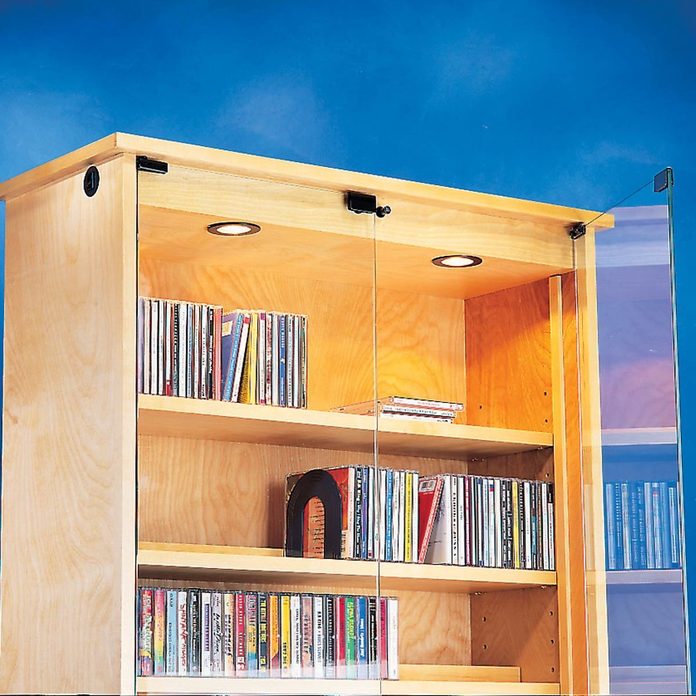
30 Home Trends Kids of the ’90s Remember

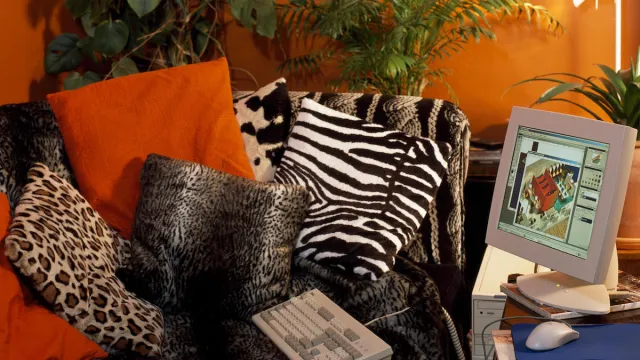
20 Photos of 1990s Home Décor to Overwhelm You With Nostalgia
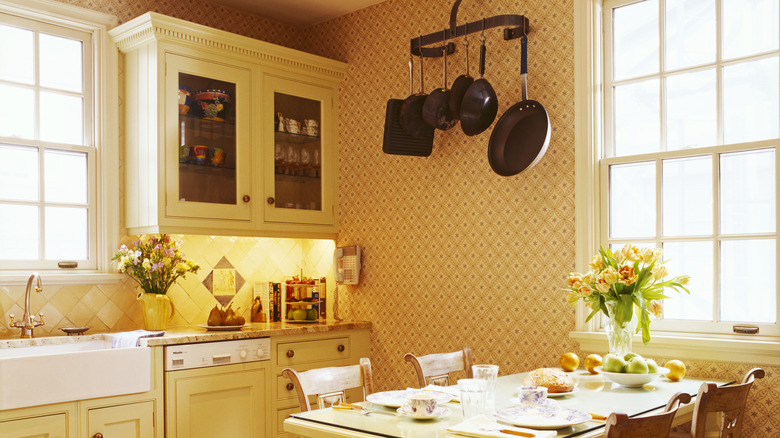
Charming '90s Kitchen Color Schemes That Deserve A Comeback

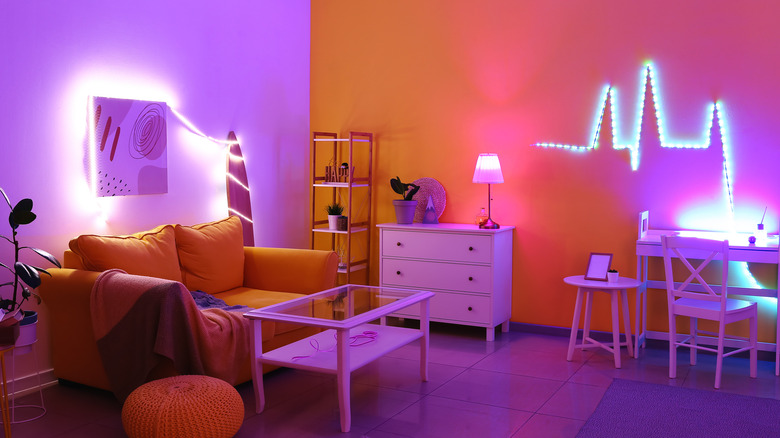
15 Colors To Decorate With For A '90s Aesthetic
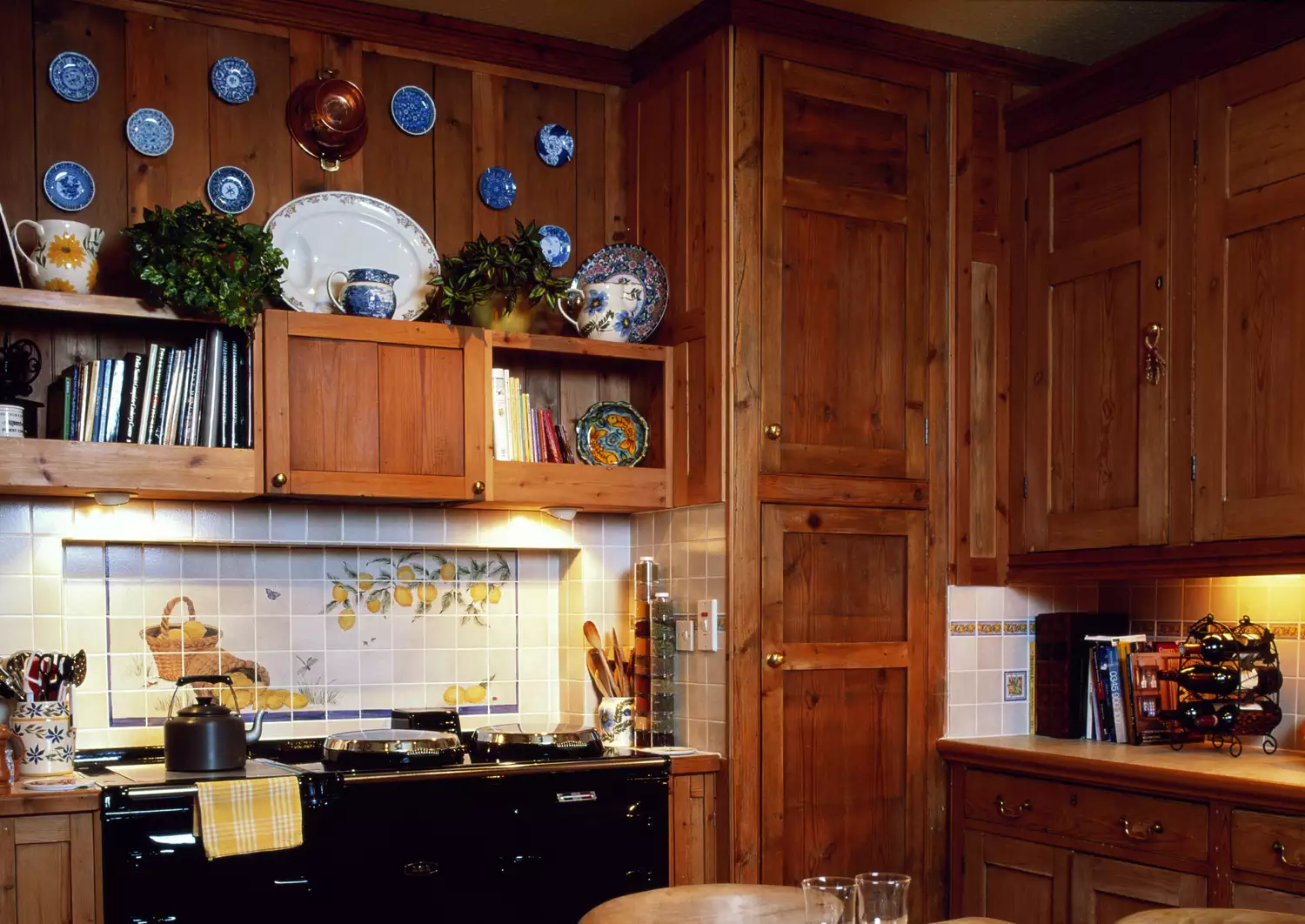
Like it or Not, 90s Décor Is Back and in Homes Everywhere, According to Interior Designers
Vintage Home Design Trends That Are Making Huge Comebacks

This Bedroom Trend From Your '90s Childhood Dreams Is BACK and More Stylish Than Ever

'90s Decor Trends Are So Back in Style—6 Trends to Try This Season

Are the '90s the Next Big Thing in Interior Design?
10 '90s Kitchen Design Trends We Think Need A Comeback

5 outdated '90s interior design trends that everyone will be decorating with again in 2024, and experts agree
Surprise: 1990s Design Trends Are Coming Back
9 Kitchen Trends From The '90s That Are Making A Comeback

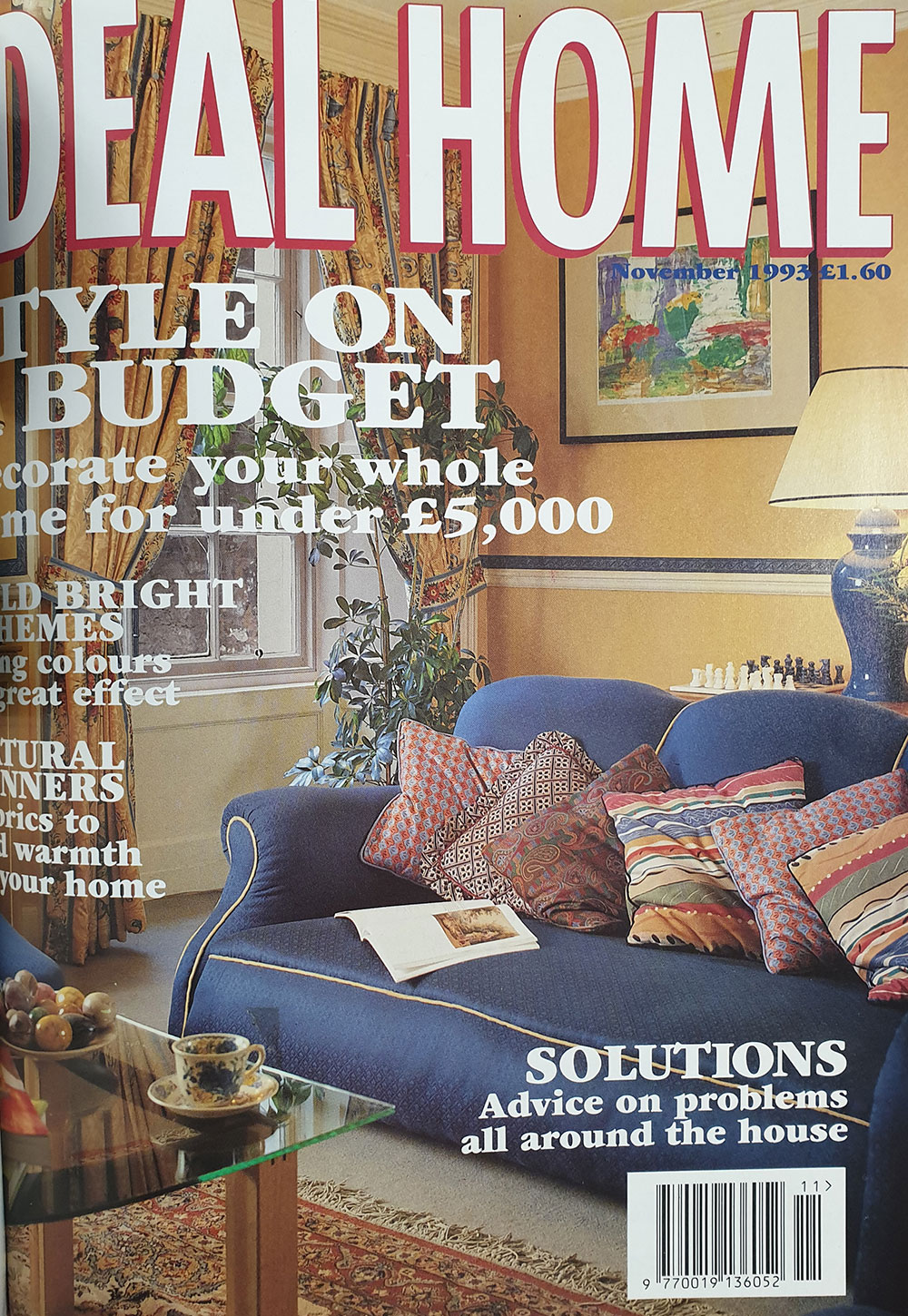
Home decor in the 1990s – recreate a classic living room from then, updated for now
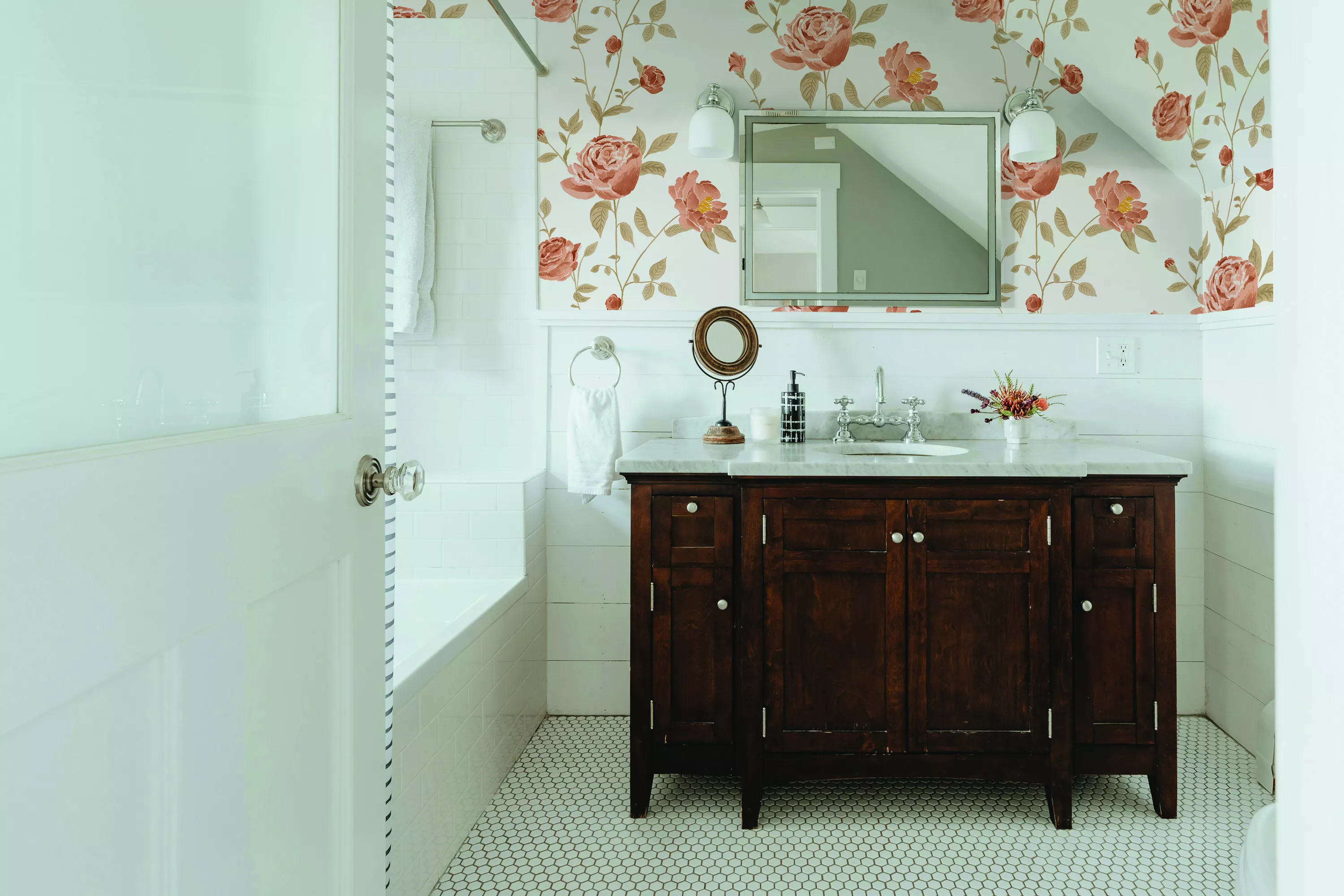
'90s Wallpaper Trends We're Bringing Back