1/5
Open plan living: The new normal or passing trend?
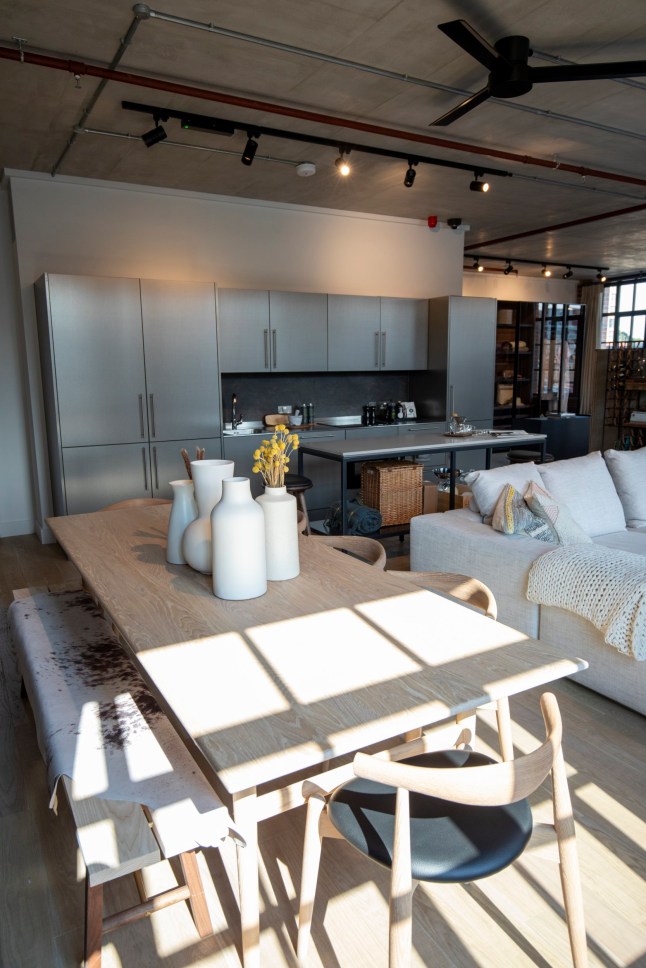
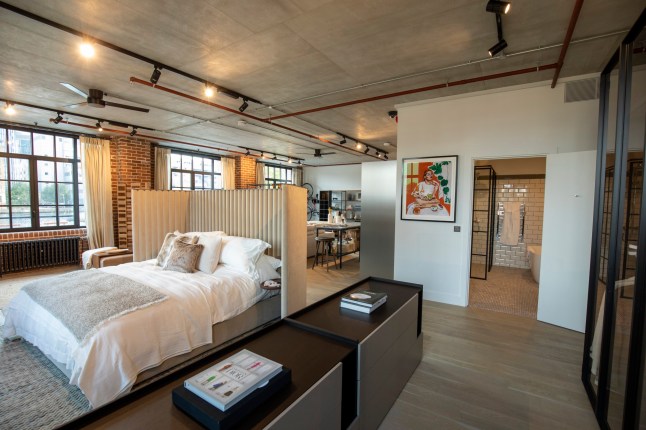
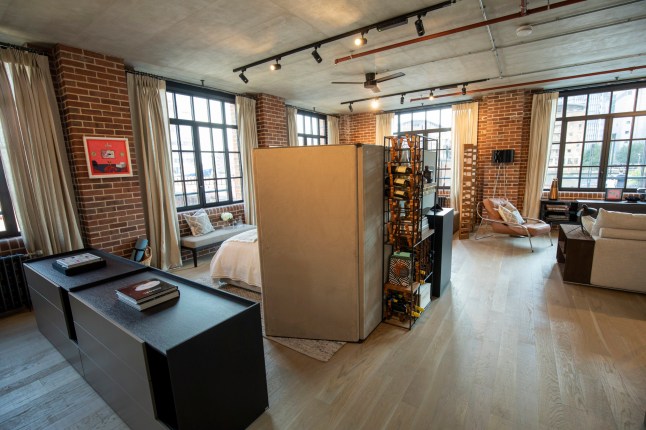
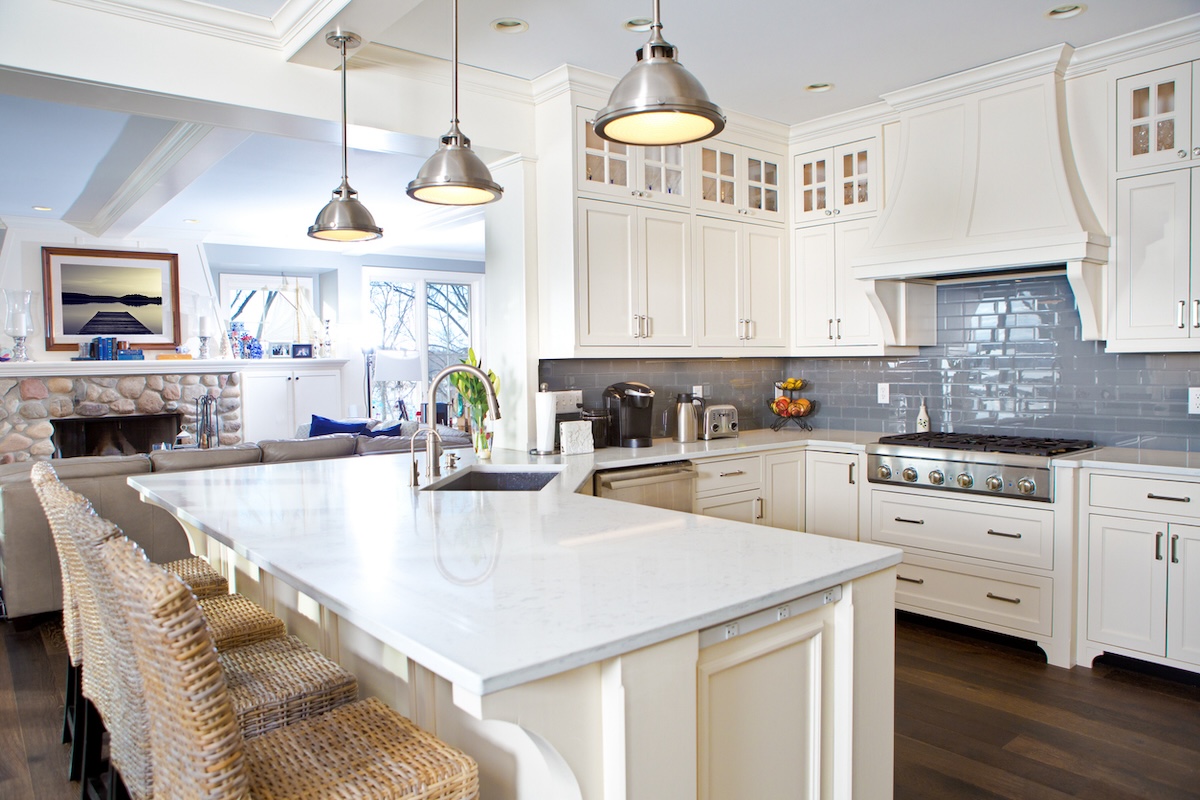
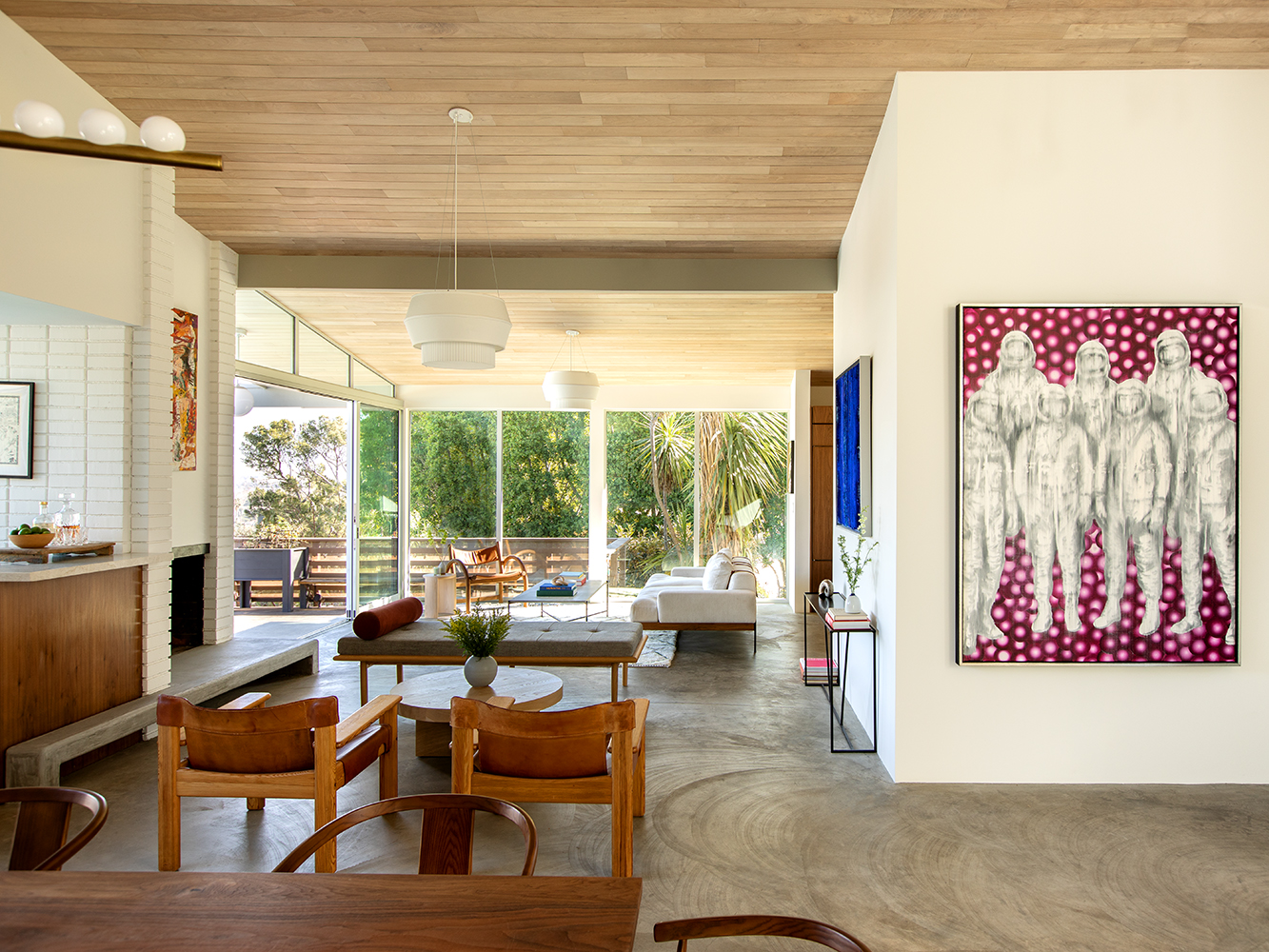
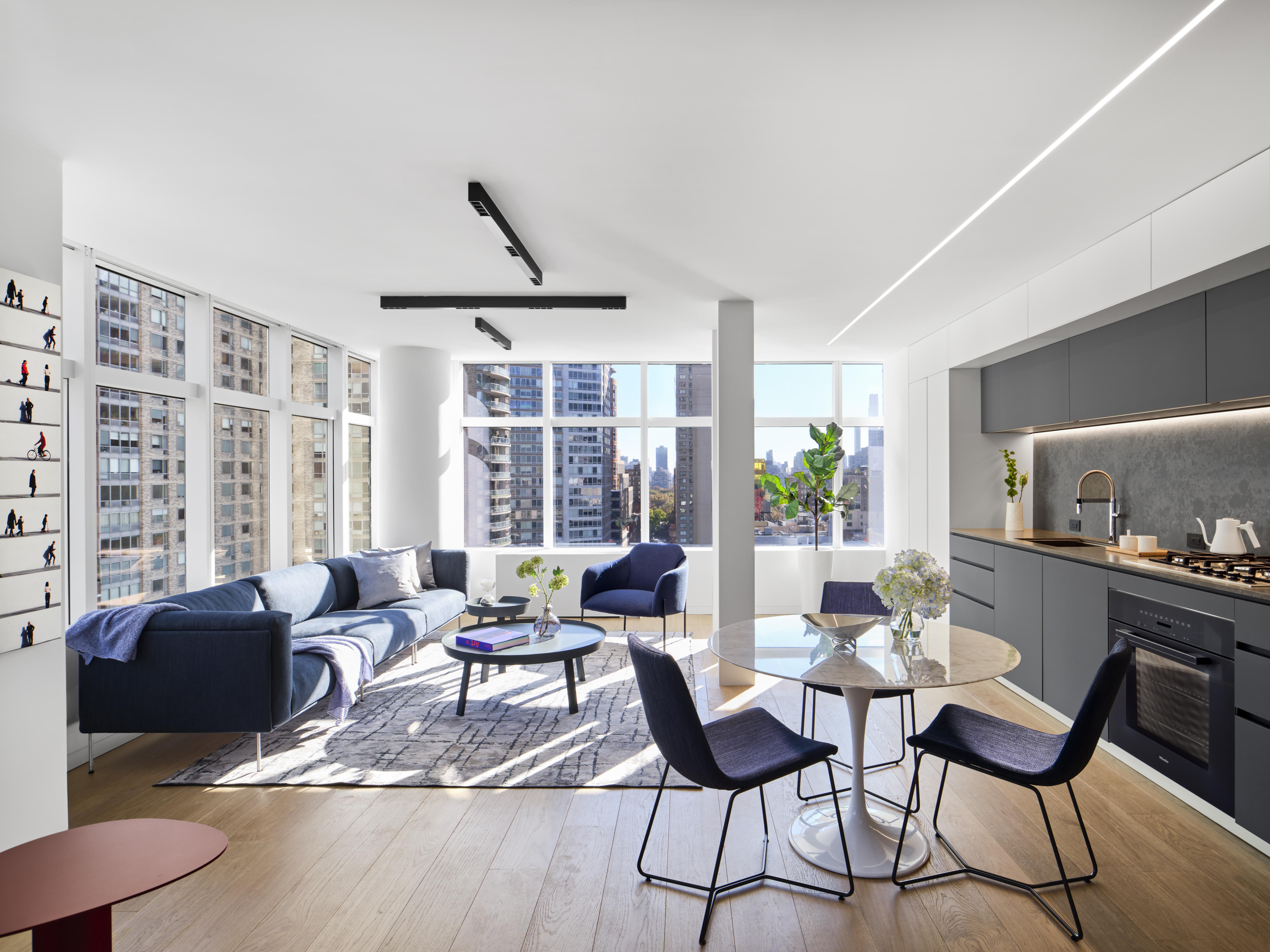
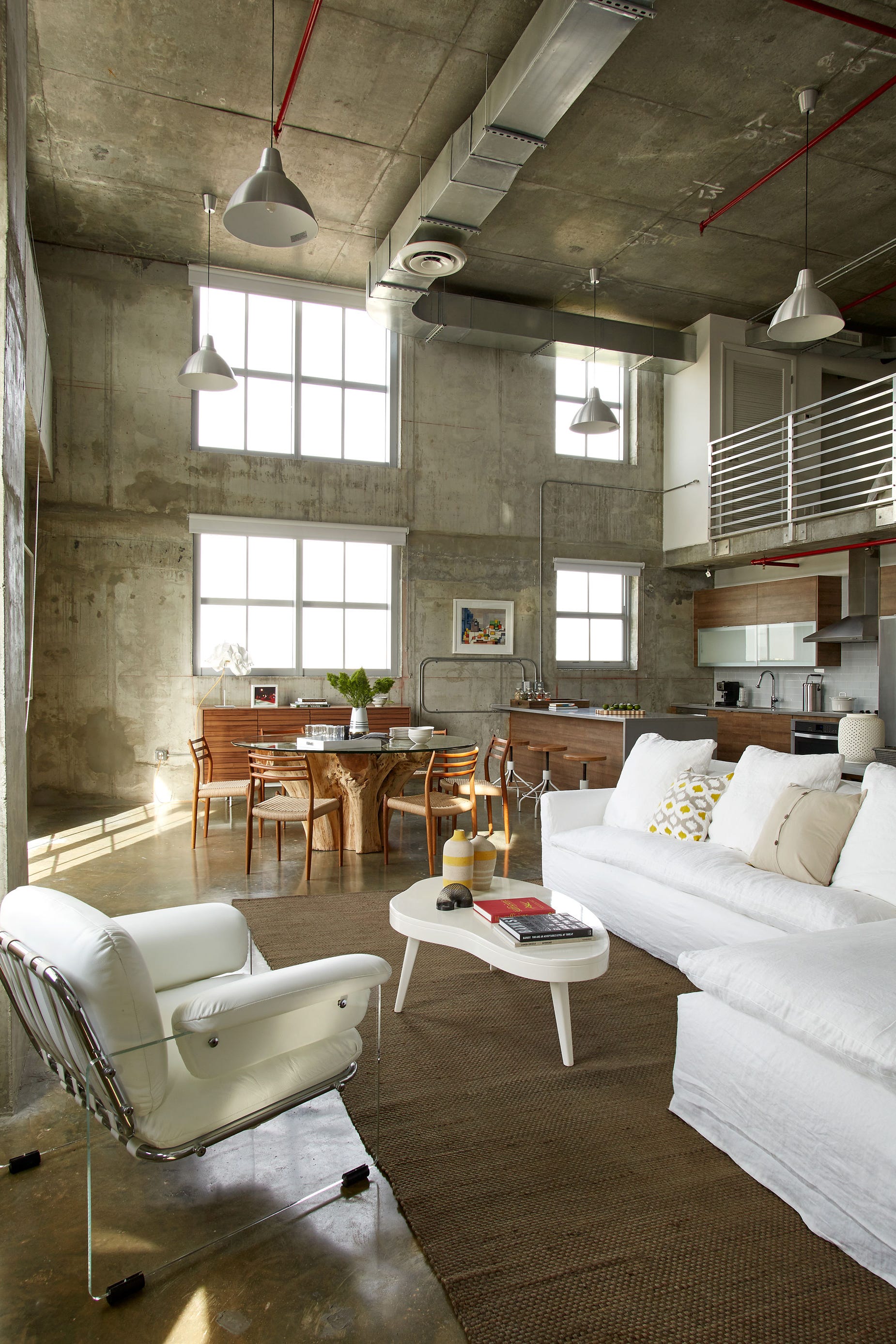
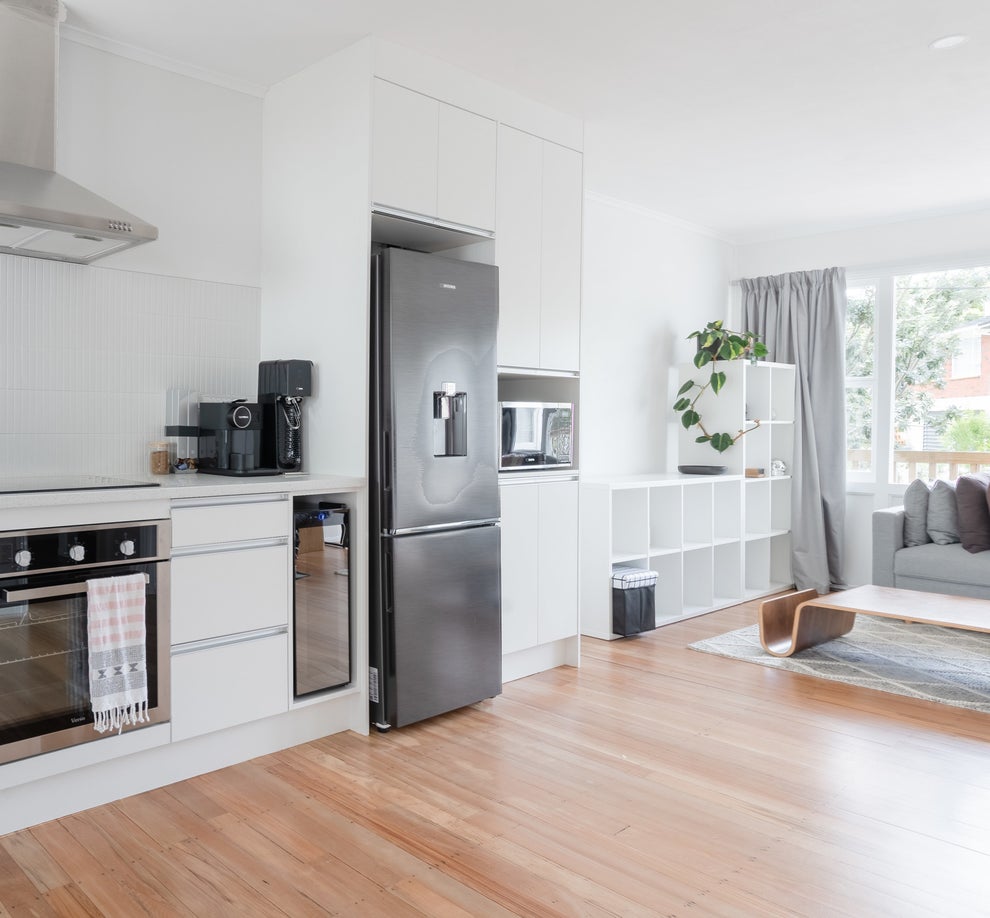
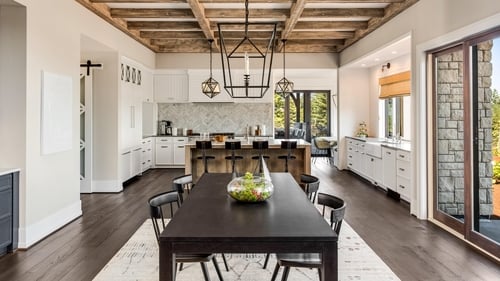
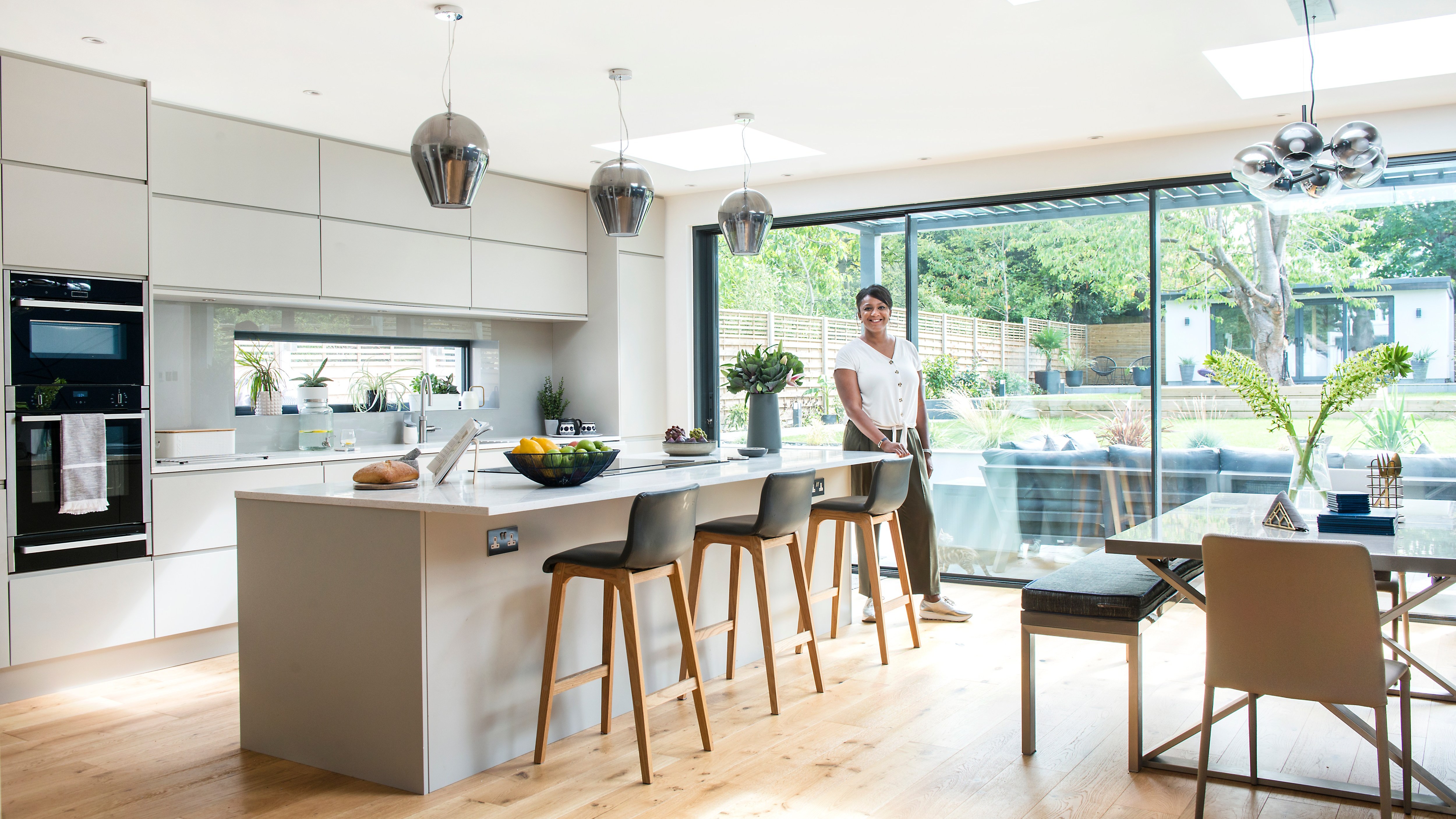
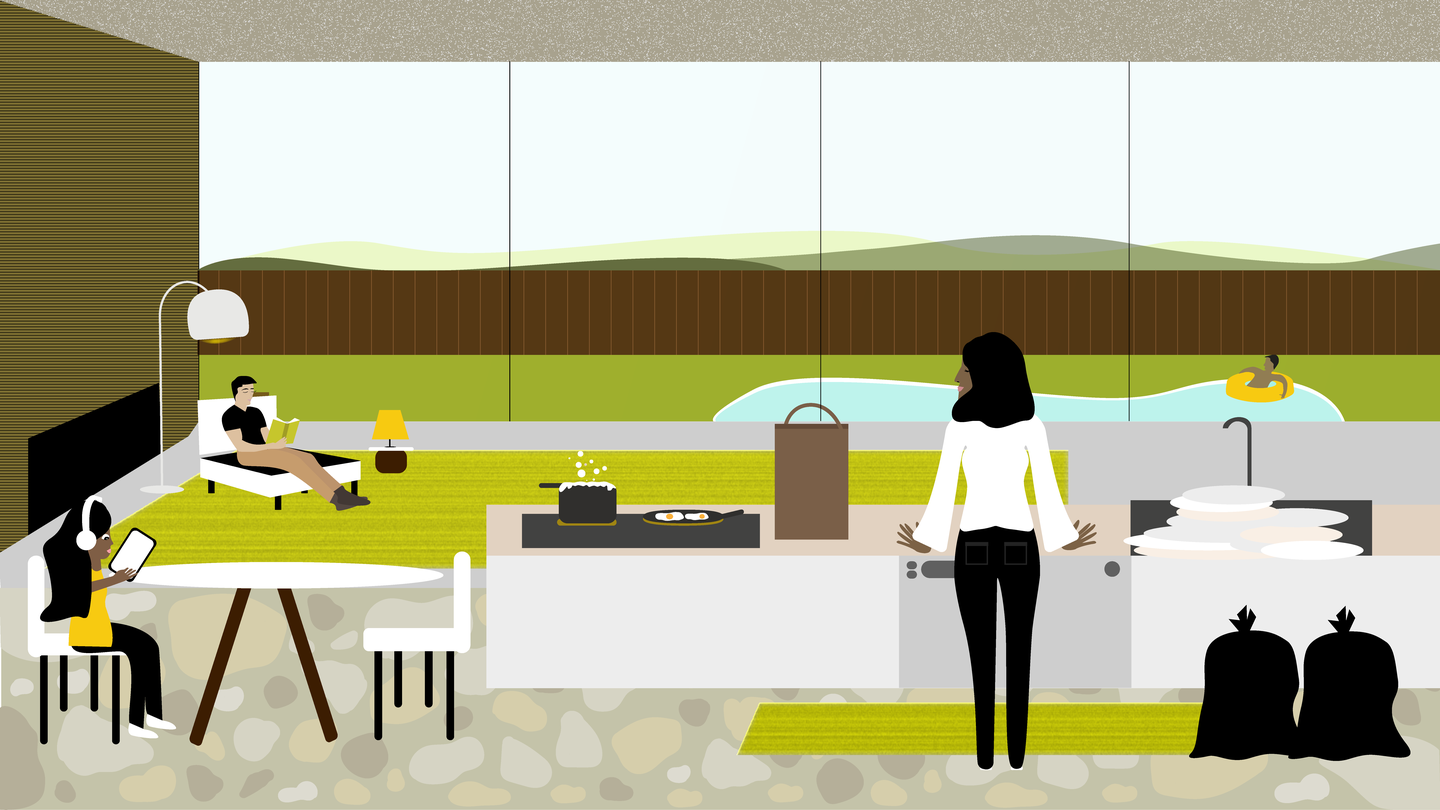
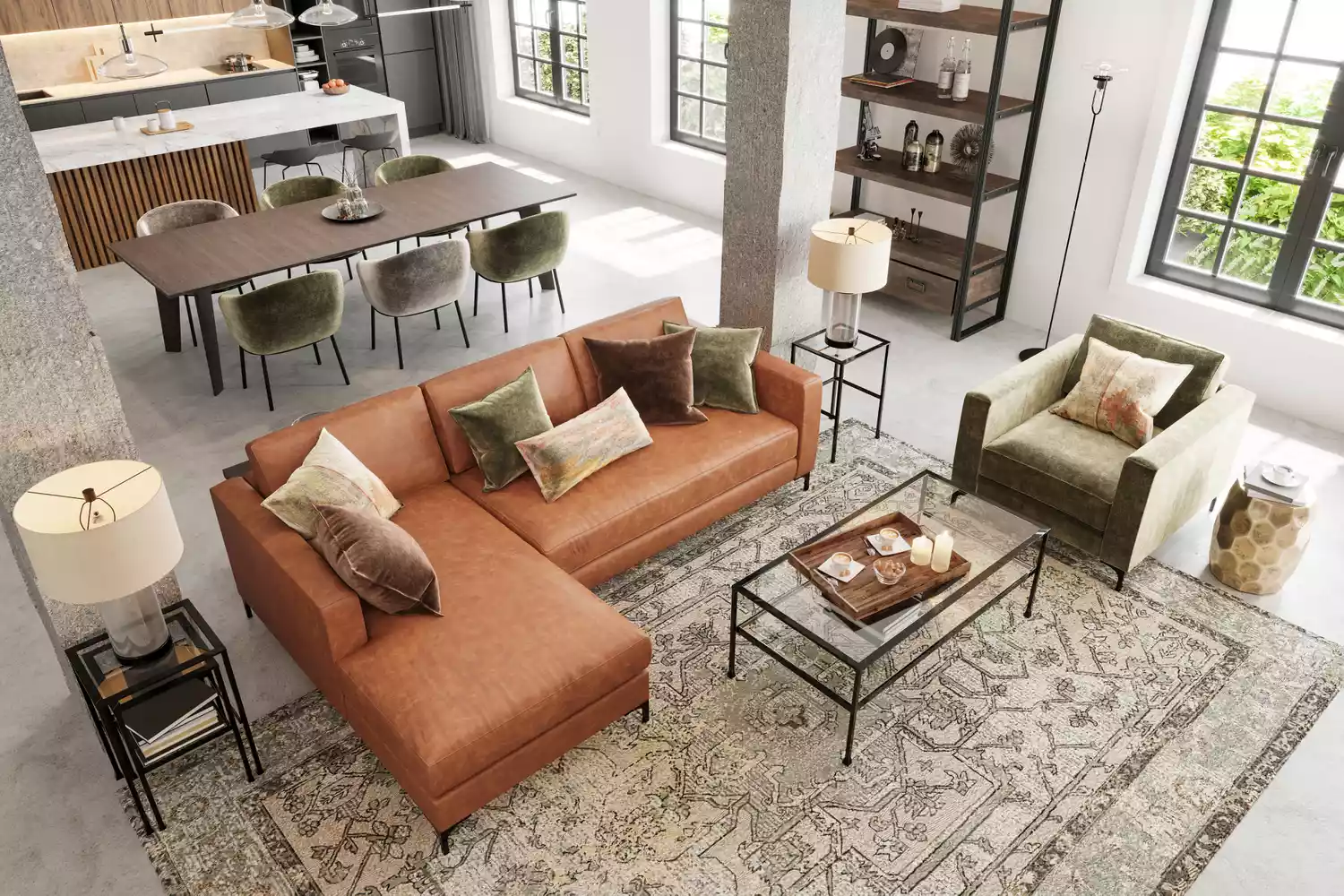
Open plan living, a popular design concept, integrates the living room, dining room, and kitchen into a single fluid space. While images might suggest minimalist, monochrome apartments with modern furniture, the definition can be more nuanced. Charles Bettes, managing director of gpad, a London architecture firm, defines it primarily as connecting these three core functional areas. Open plan bedrooms, though aesthetically appealing in concept, are less common in practice due to privacy concerns, as noted by Bettes. At its most extreme, open plan design manifests as a studio apartment, which is often a space-saving necessity rather than a stylistic choice.
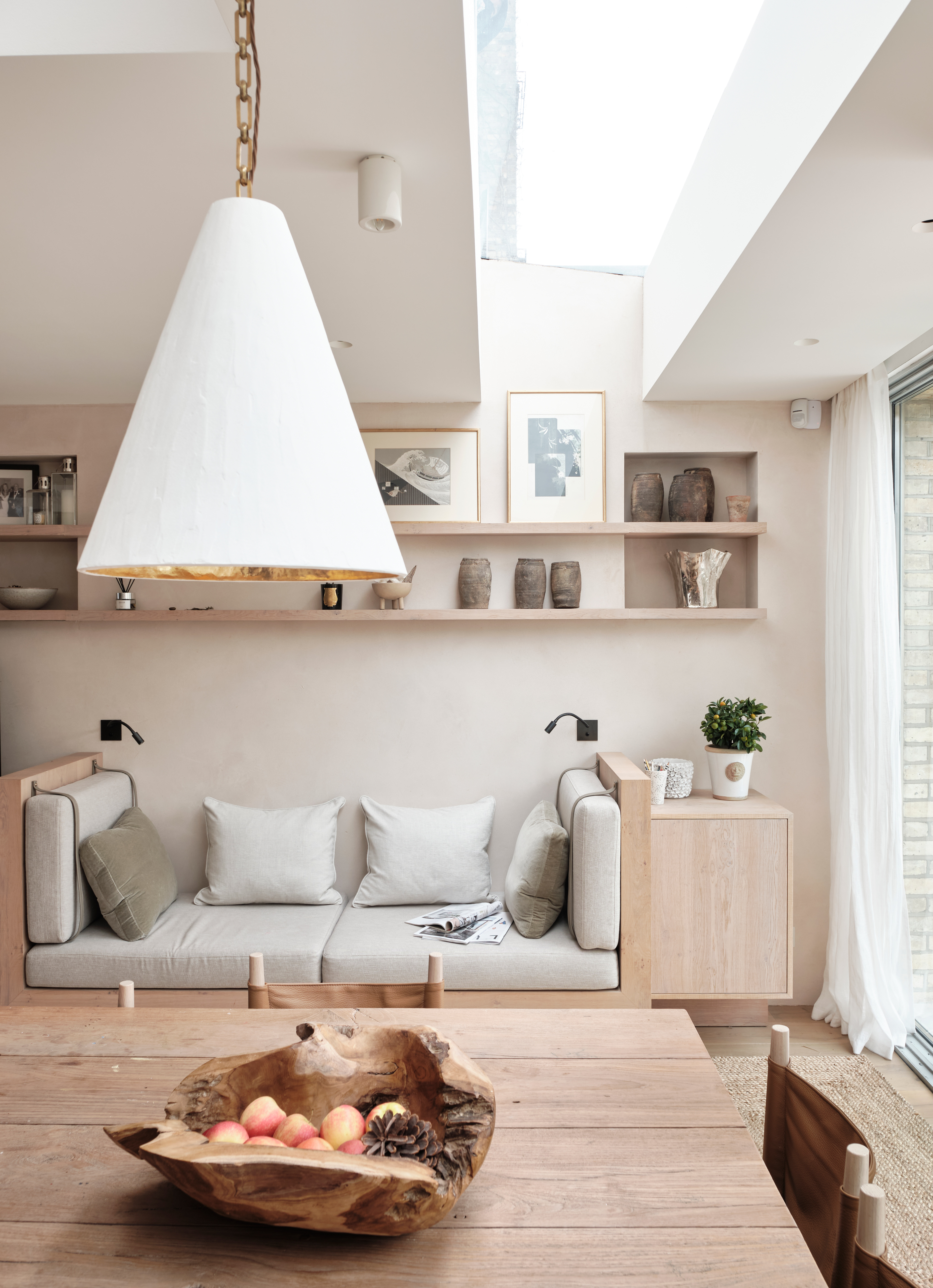
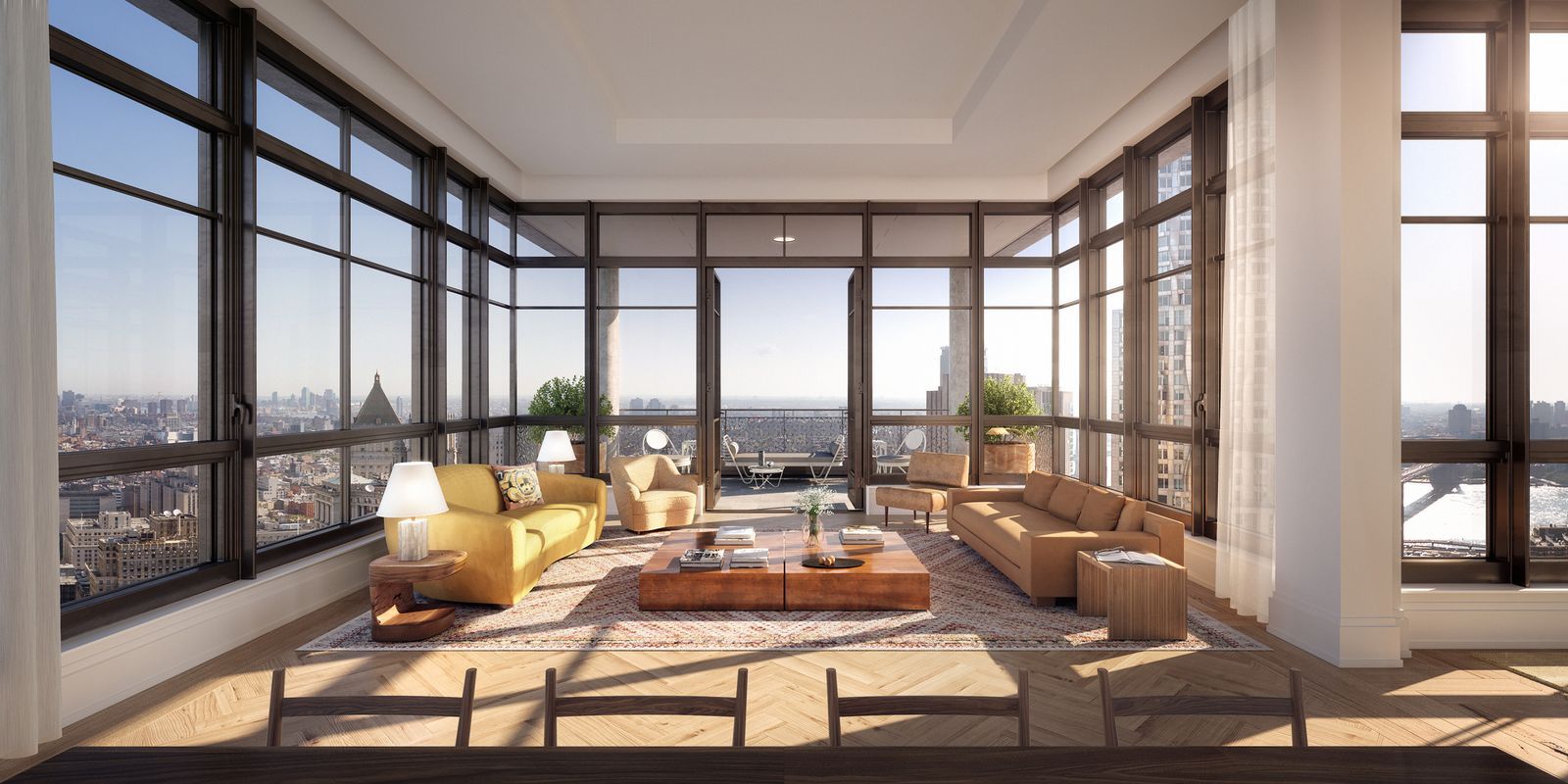
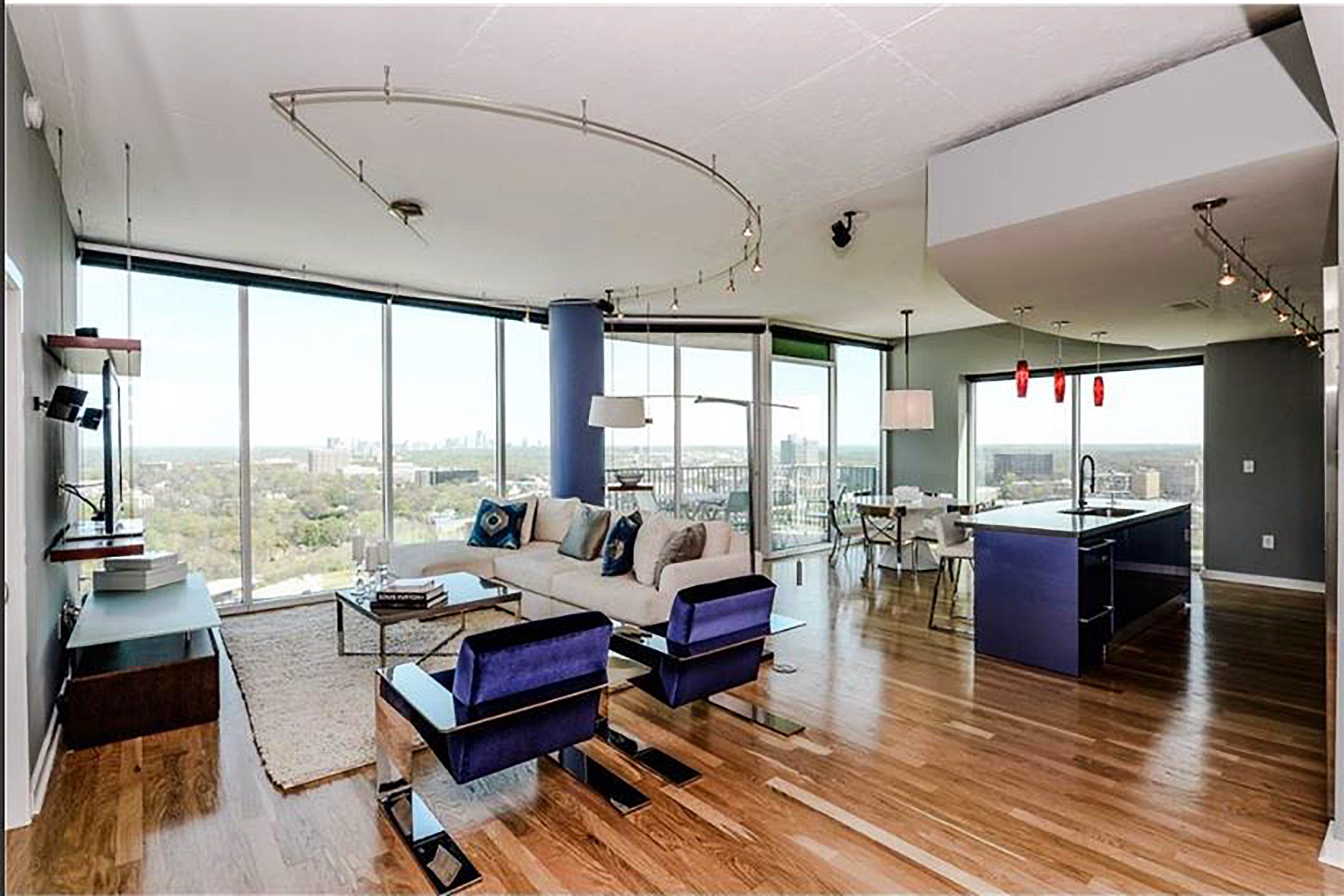
There are several compelling reasons why individuals opt for open plan designs. Firstly, it significantly enhances natural light within a space, as large windows or glass doors can illuminate multiple areas without obstruction from internal walls. Secondly, it fosters social interaction by allowing occupants to remain connected even while engaging in different activities within the home. Thirdly, particularly in urban environments where space is at a premium, open plan layouts are employed to maximize the perceived and functional area of smaller homes and flats, preventing a claustrophobic feel. By consolidating kitchen and dining functions, for instance, two rooms can effectively occupy the footprint of one. Finally, open plan living is currently a dominant trend in interior design, frequently showcased in magazines and advertisements as the epitome of airy, fluid, and light-filled homes.
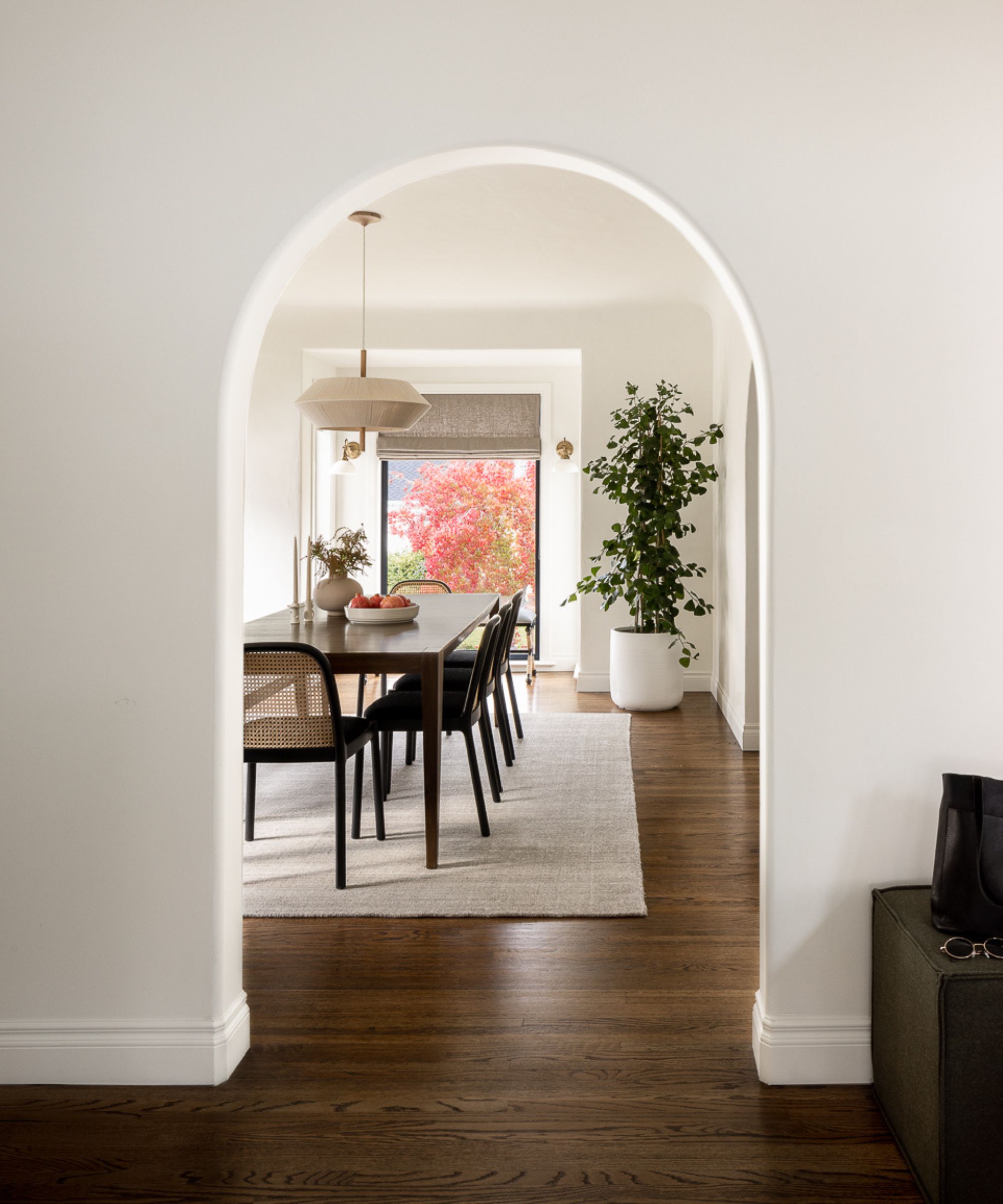
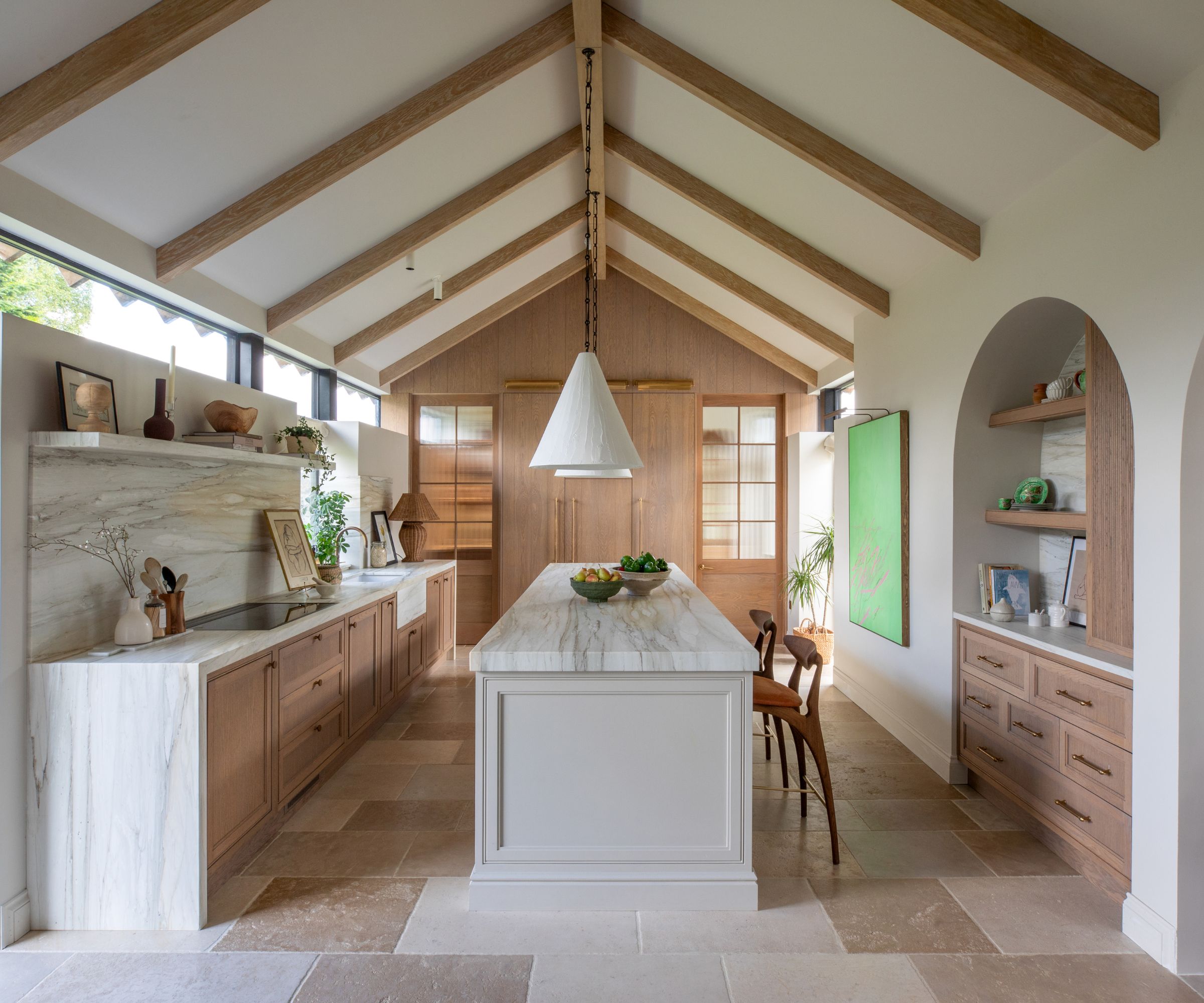
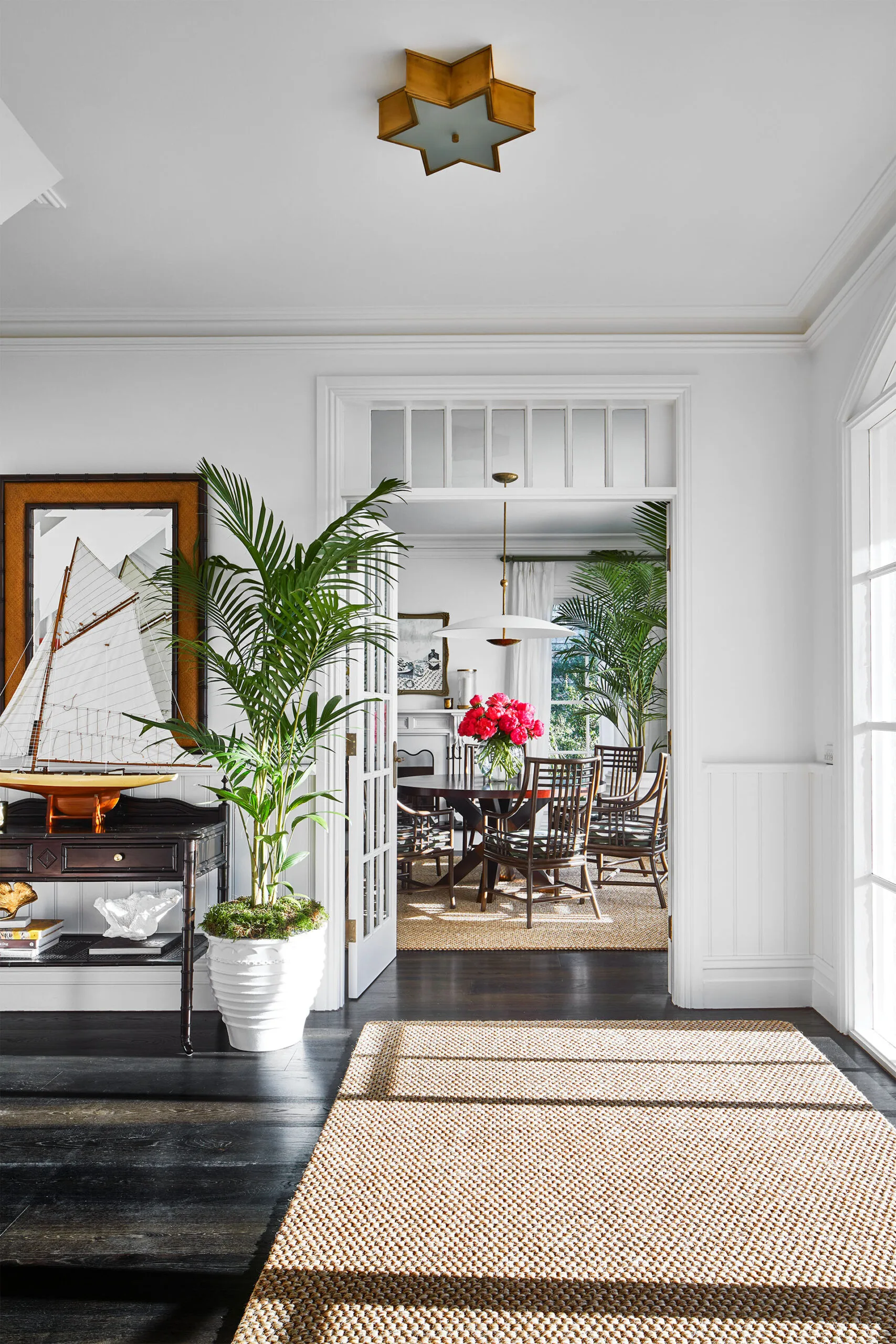
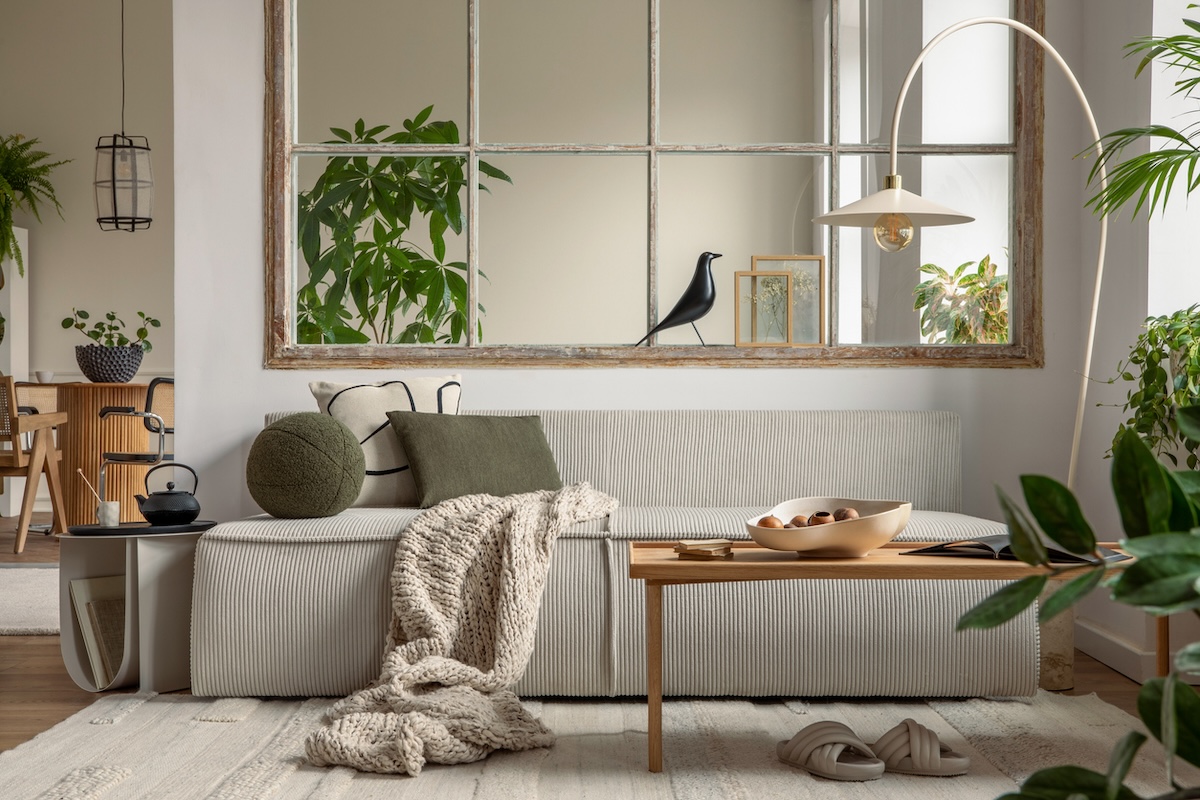
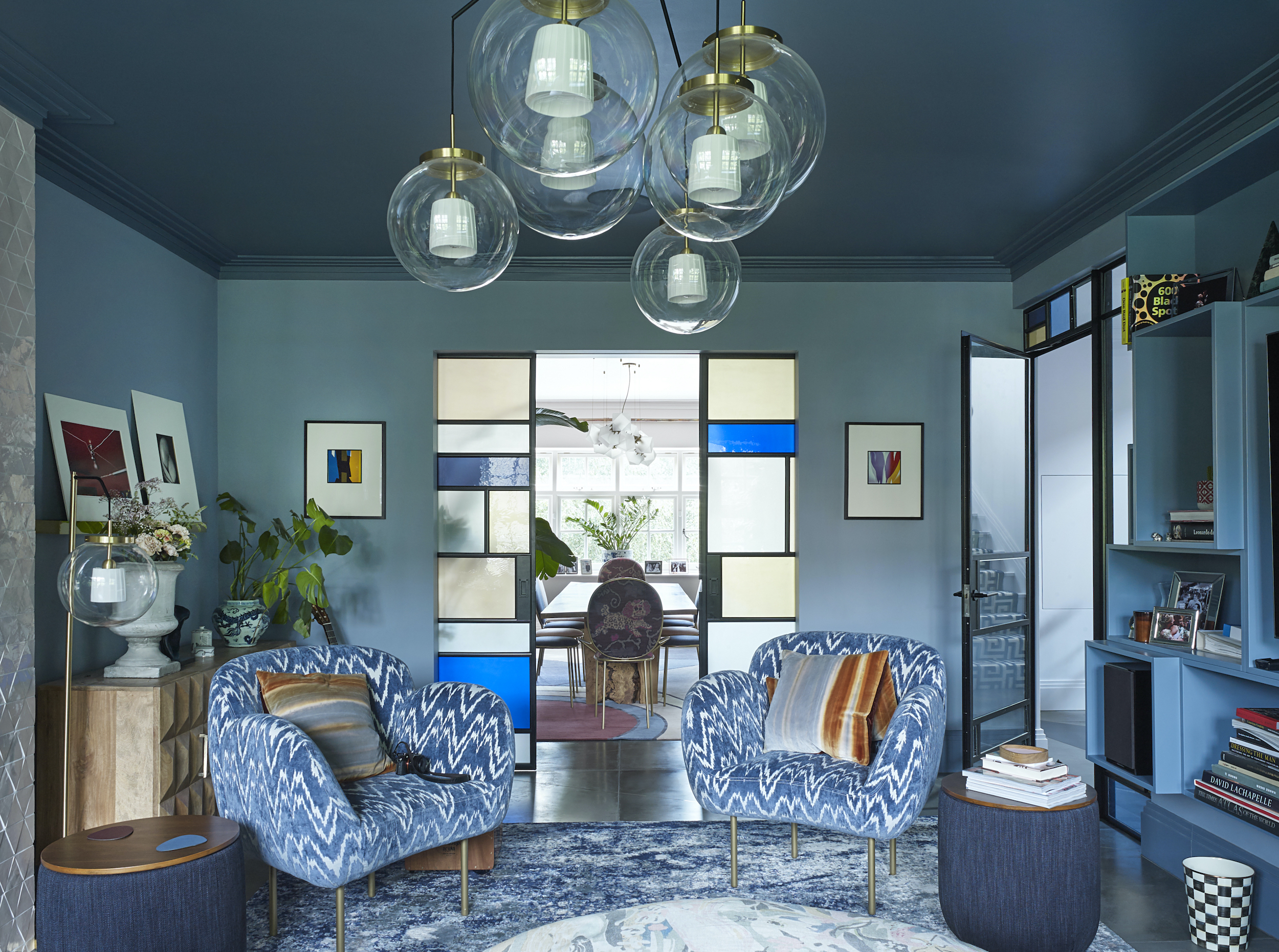
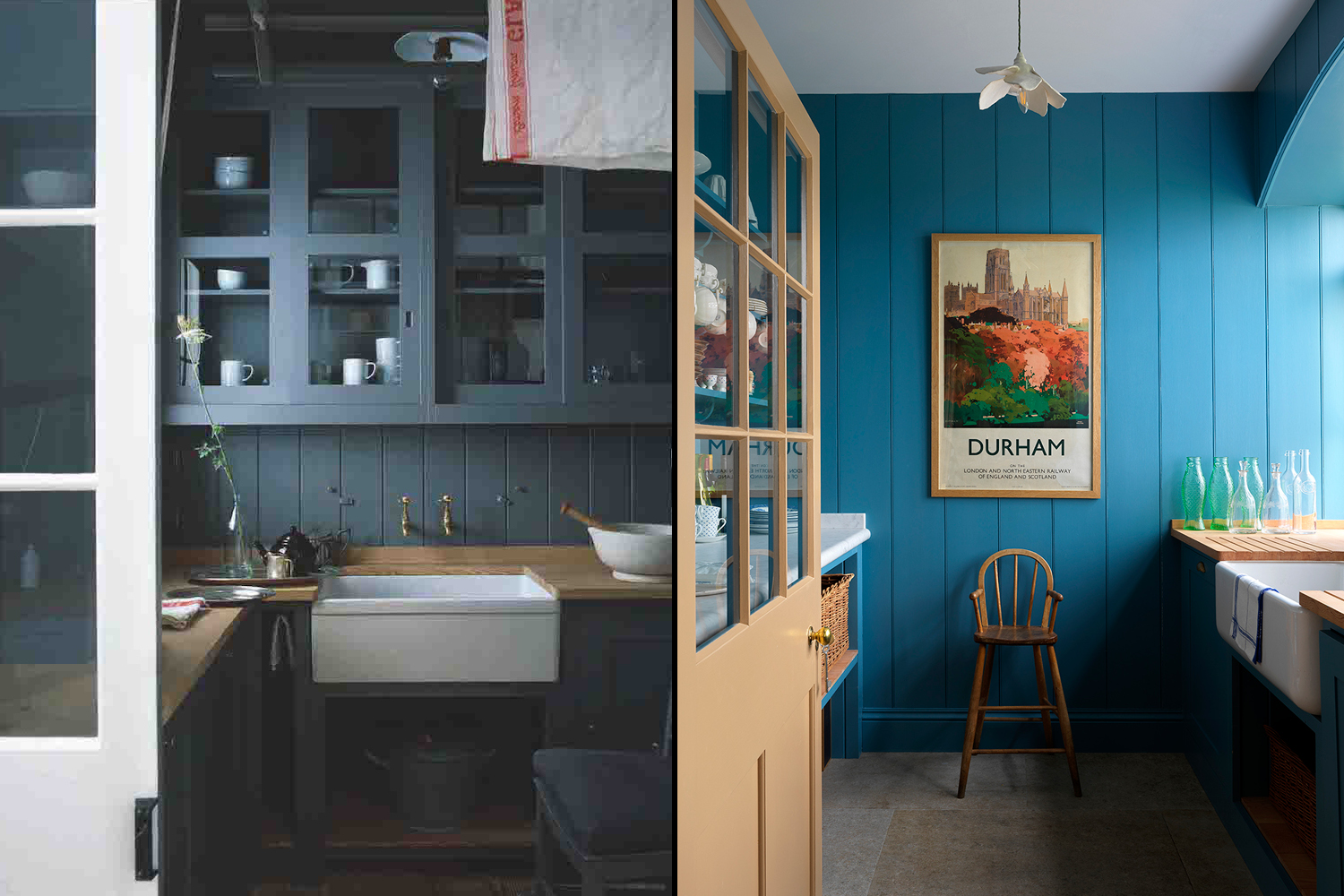
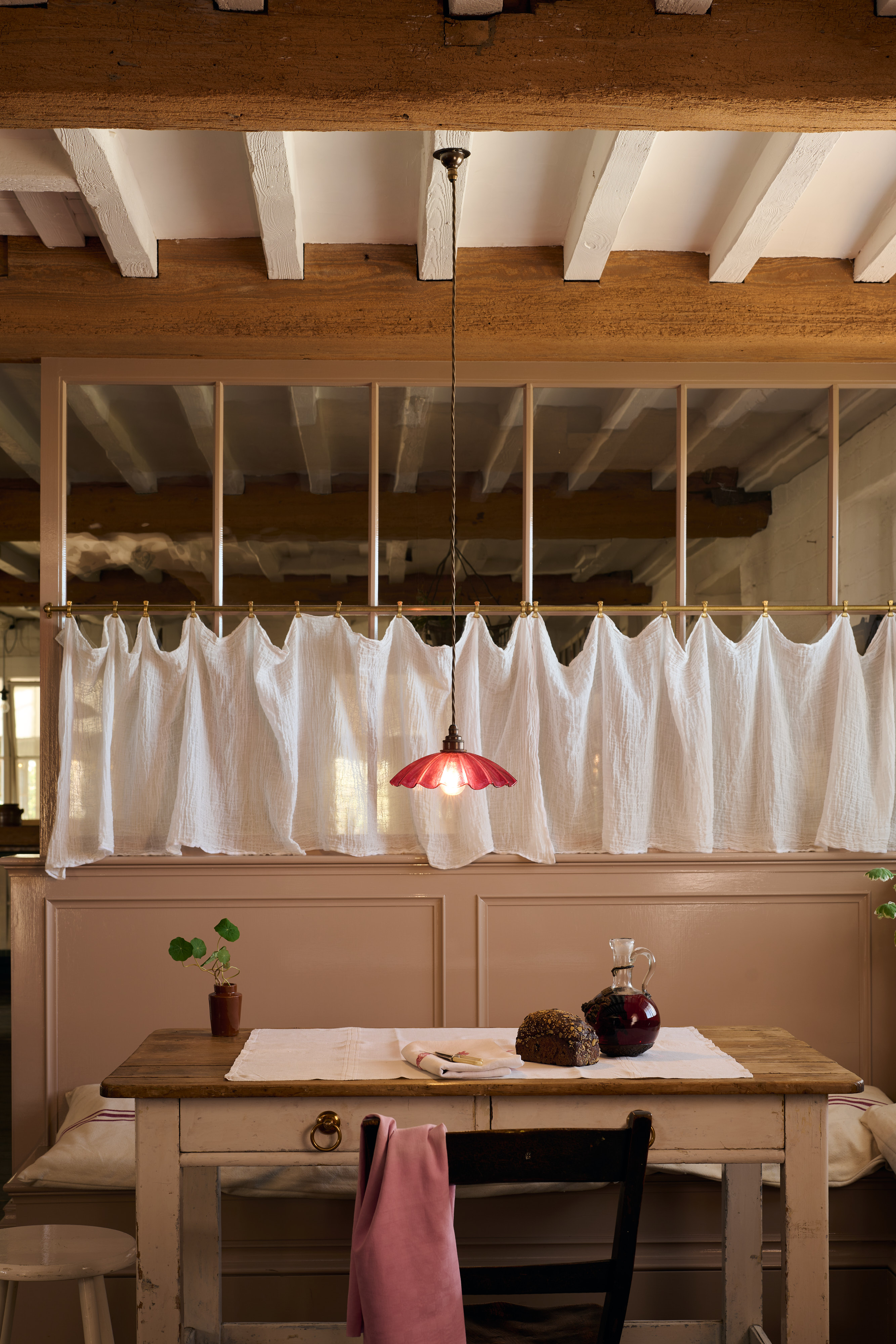
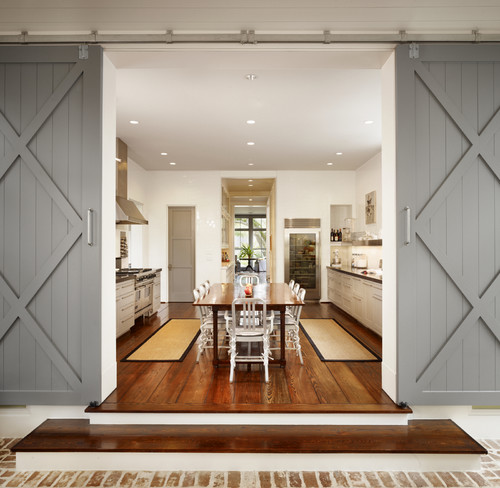
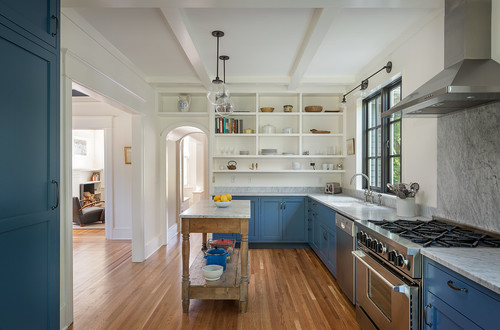
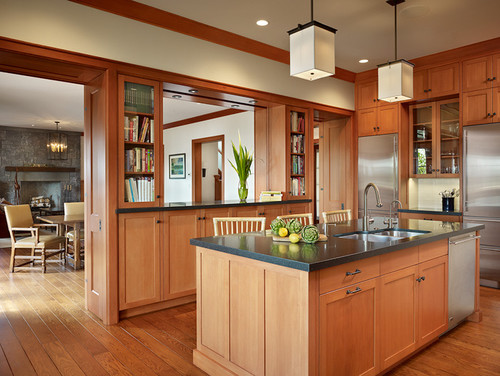
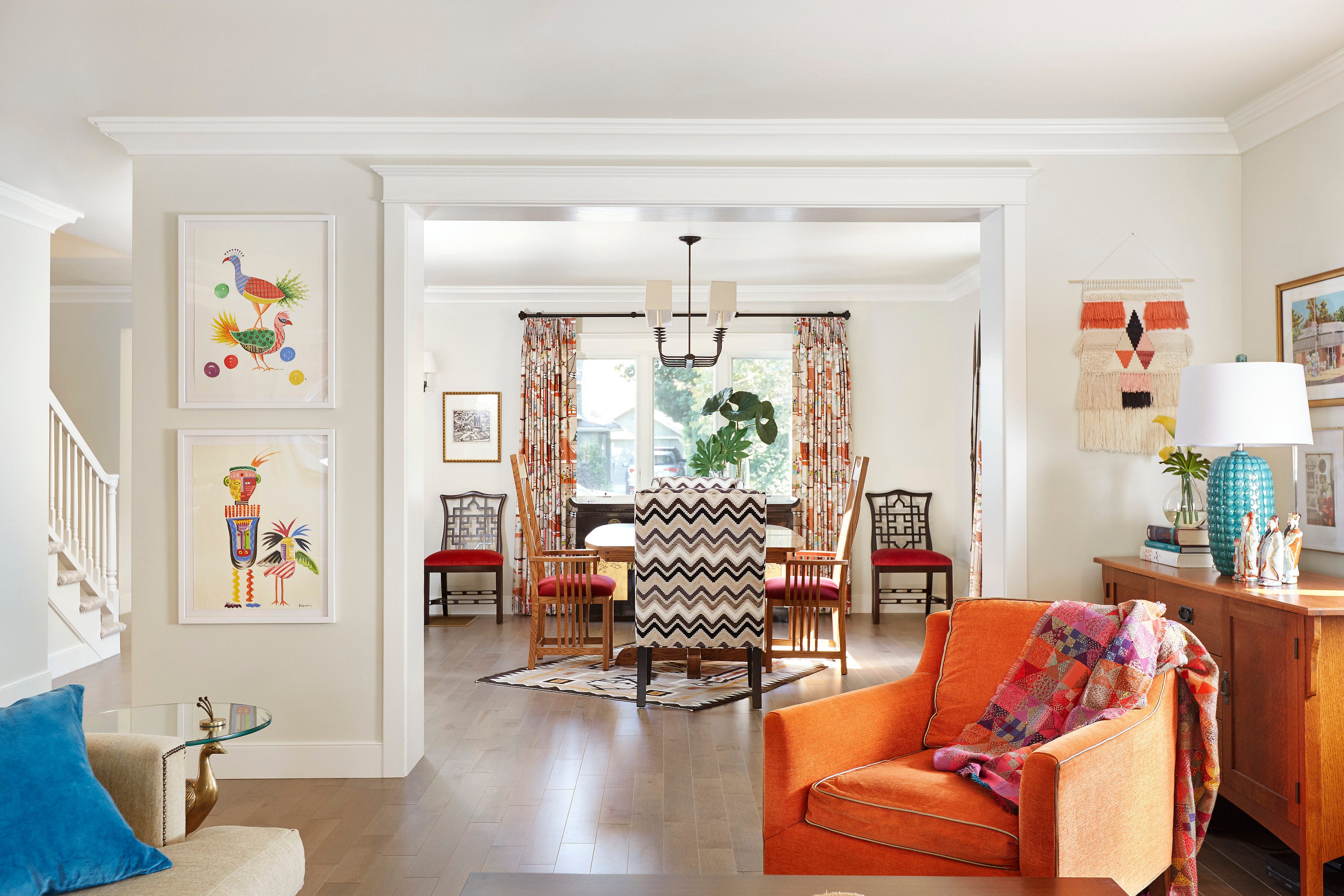
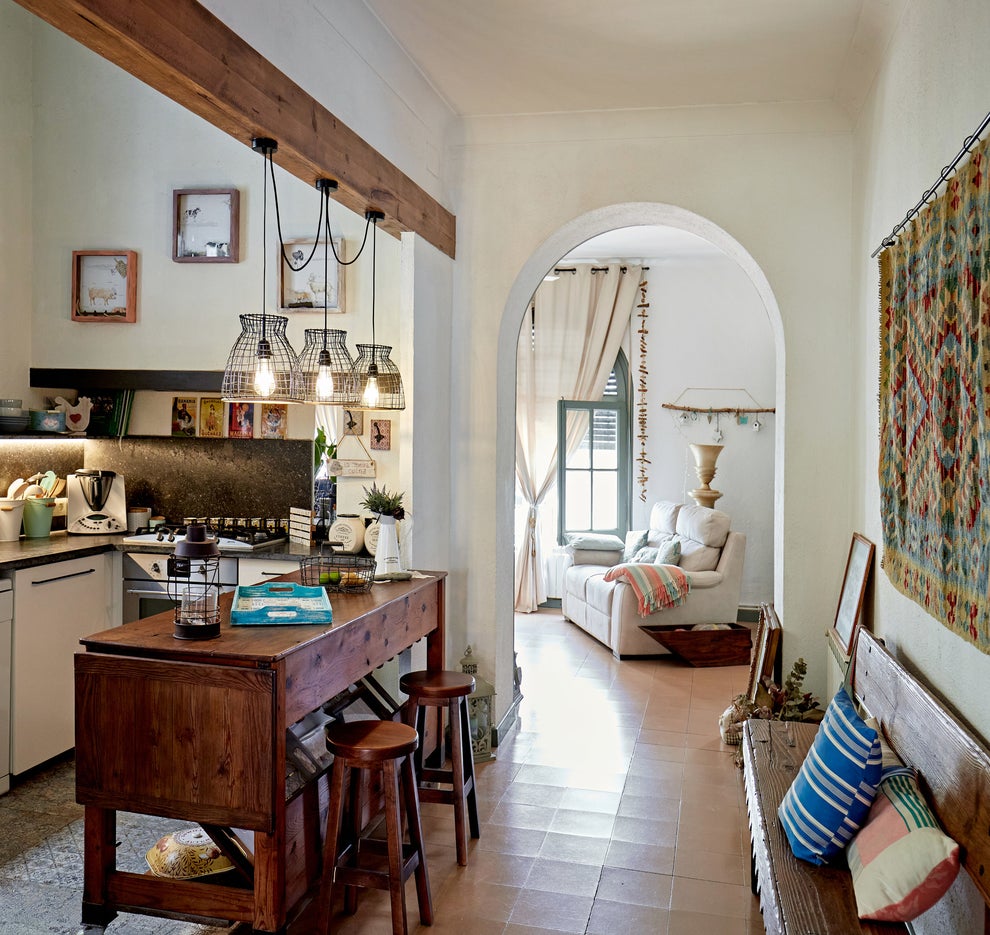
To successfully implement open plan design, the critical element is achieving a balance between fluidity and separation. Bettes emphasizes that this does not necessitate one vast, undifferentiated rectangular space. Strategies include using large bifold or sliding doors that can be opened or closed as needed, glazed partitions that maintain visual connectivity while providing division, or curtains that offer intimacy. The goal is to create distinct zones that are connected but not merged, retaining flexibility. This can also involve employing waist or shoulder-high partitions or archways to delineate areas subtly. Design cohesion is crucial; linking rooms through consistent elements like wall color and universal flooring helps create a unified aesthetic and prevents disjointed clashes.
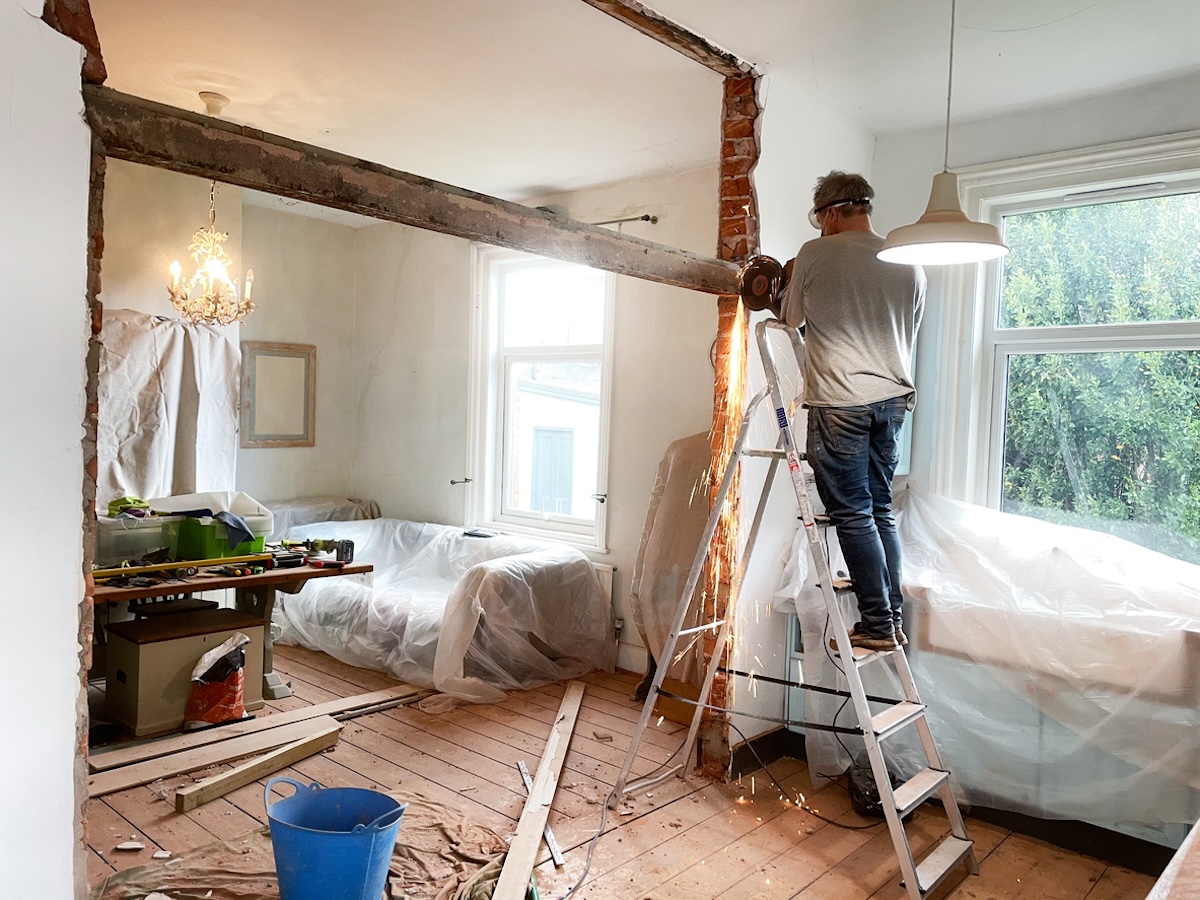
However, implementing open plan design in existing structures, such as Victorian townhouses, can be complex and costly, requiring significant structural changes and planning permissions. The longevity of open plan living as a dominant trend is subject to debate. Some architects suggest it may have peaked, anticipating a return to more conventional, separated floor plans. This shift is partly attributed to the rise of personal devices like iPads, which allow individuals to consume media independently, potentially reducing the traditional family gathering around a central TV. Despite potential shifts, open plan living has undeniably influenced modern residential design, particularly in urban settings, and its impact on future generations' living spaces remains a significant consideration.
#OpenPlanLiving #InteriorDesign #HomeLayout #ModernLiving #ArchitecturalTrends #SpaceMaximization #HomeDesign #NaturalLight #SocialLiving #OpenPlanLiving #InteriorDesign #HomeLayout #ModernLiving #ArchitecturalTrends #SpaceMaximization #HomeDesign #NaturalLight #SocialLiving
0 Kommentare insgesamt
 Noch keine Kommentare
Das könnte Ihnen auch gefallen
Say goodbye walls, open-plan living is the trend that's here to stay

Open plan living is over. Here’s why we all want walls again
Will The Pandemic Be The Death Of The Open Floor Plan?

The End of Open-Plan Everything

Is open plan going out of style? Experts weigh on whether this once-loved layout is starting to date

Are Open Concept Floor Plans Still in Style? Here's Why Designers are Opting Against This Once-Loved Layout

Are Open Concept Floor Plans Going Out of Style? We Asked Designers and They All Agreed

The Challenges and Opportunities of Open-Concept Floor Plans

Is open-plan living dead? Here's what the design experts say

Is the open floor plan really dead?

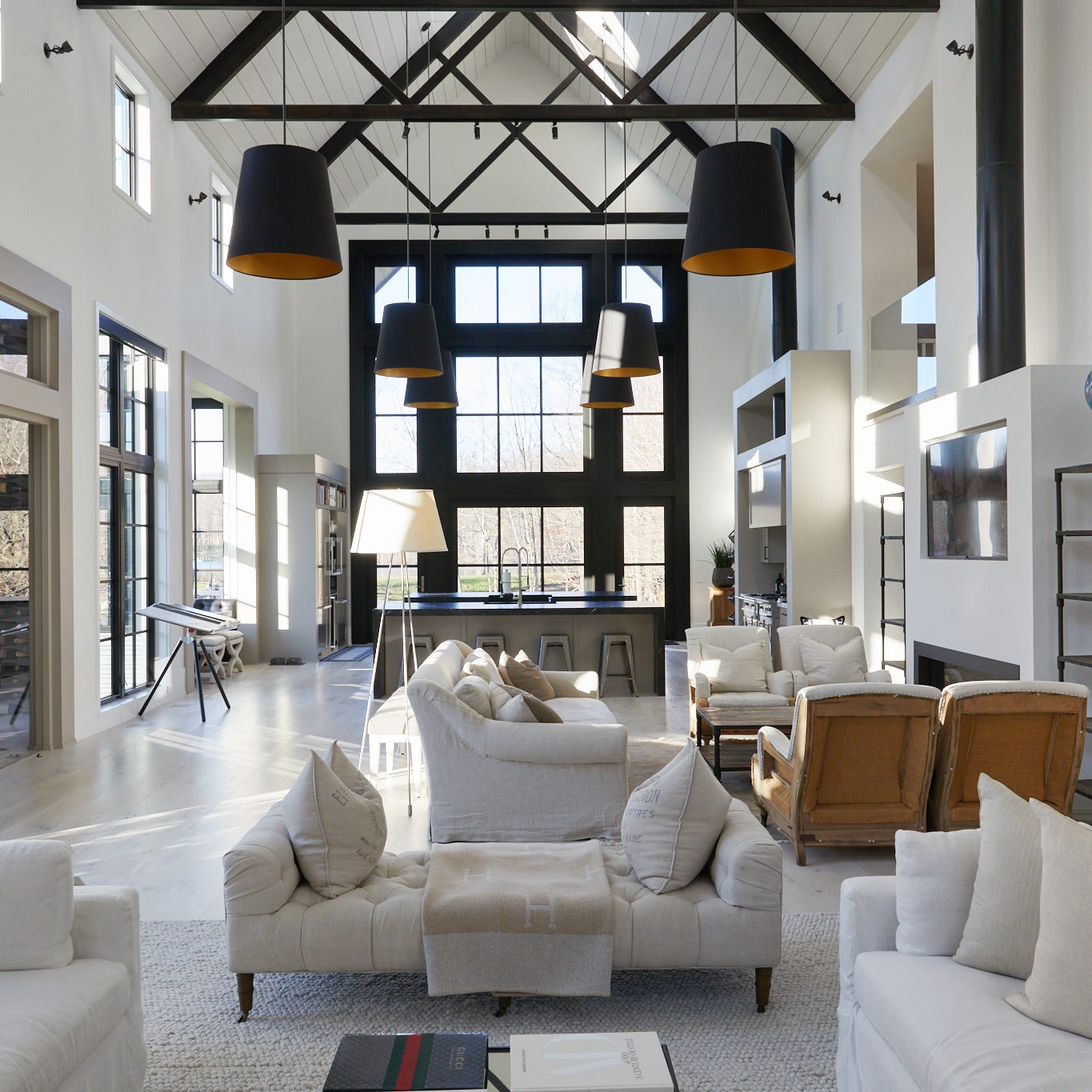
This Controversial Home Layout Has DIVIDED the Design World

“Toilet with a view”: the bathroom trend quickly gaining in popularity

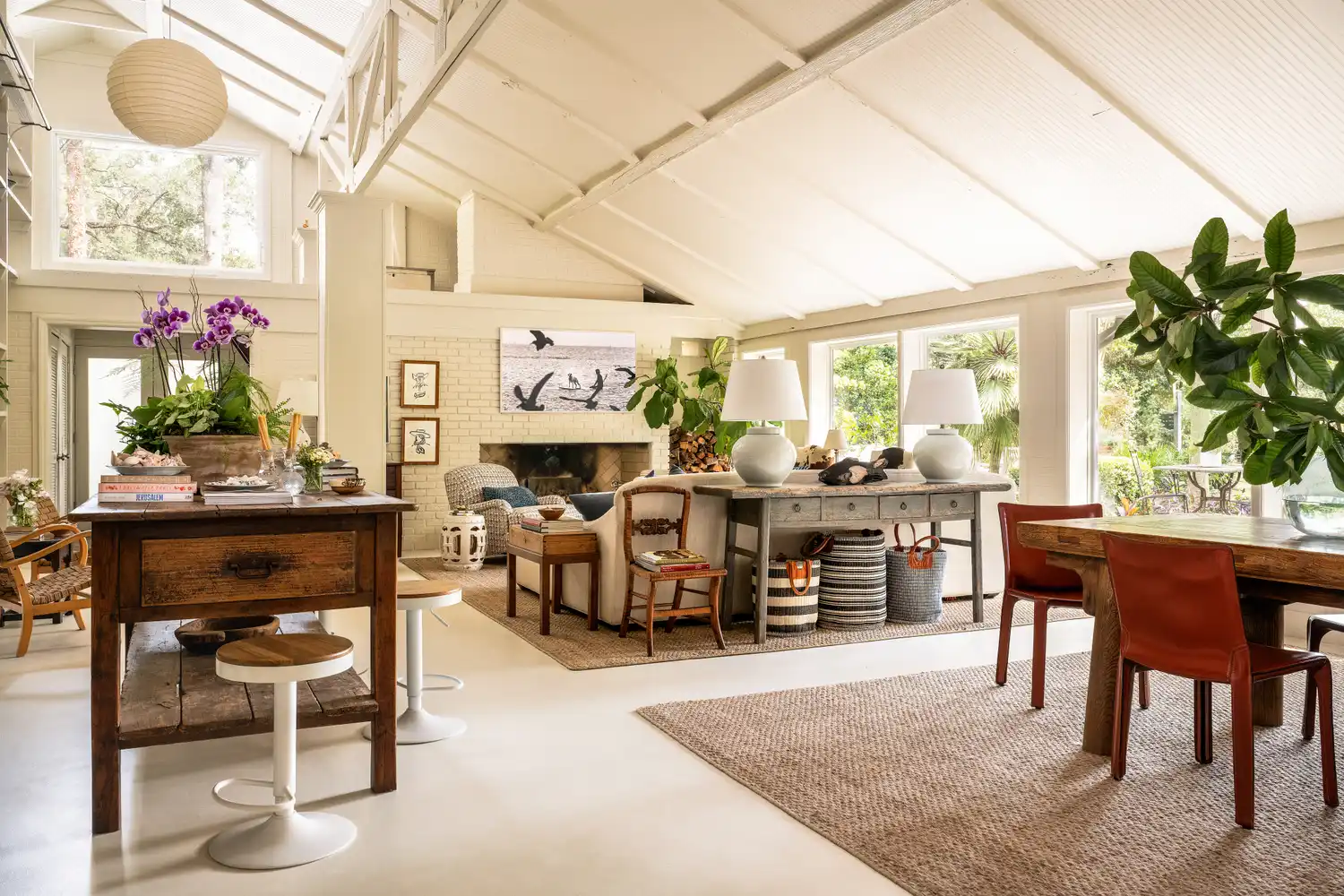
Are Open Floor Plans Going Out Of Style? Designers Share Their Take
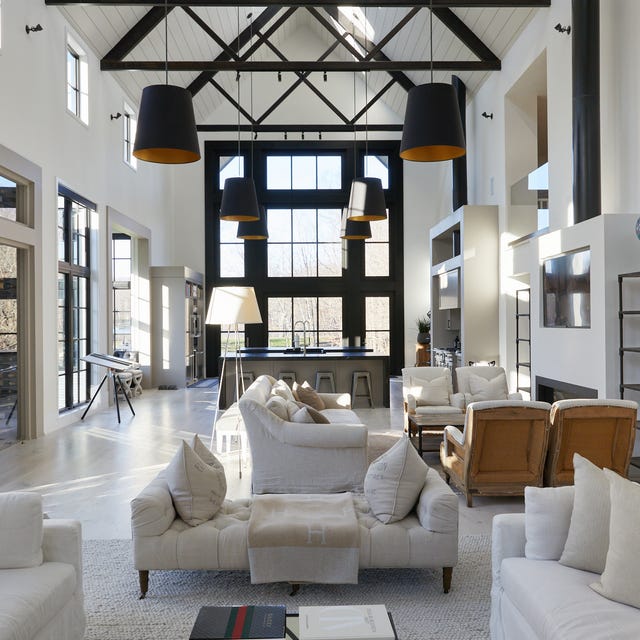
Is It Time to Shut the Door on Open-Concept Living?
5 New Ways With An Open Floor Plan

The "Death Of Open Floor Plans" And 9 Other 2022 Home Trends (That Pros Are Surprisingly Torn Over)

The One Wall Most People Want to Rip Out: Ideas for Open and Semi-Open Floor Plans

Are closed layouts back on trend? Designers weigh in on why we are over open plan
The Curse of an Open Floor Plan
Are Open Concept Floor Plans Going Out of Style? Here's What Interior Designers Say