1/7
Why we need soft textures right now
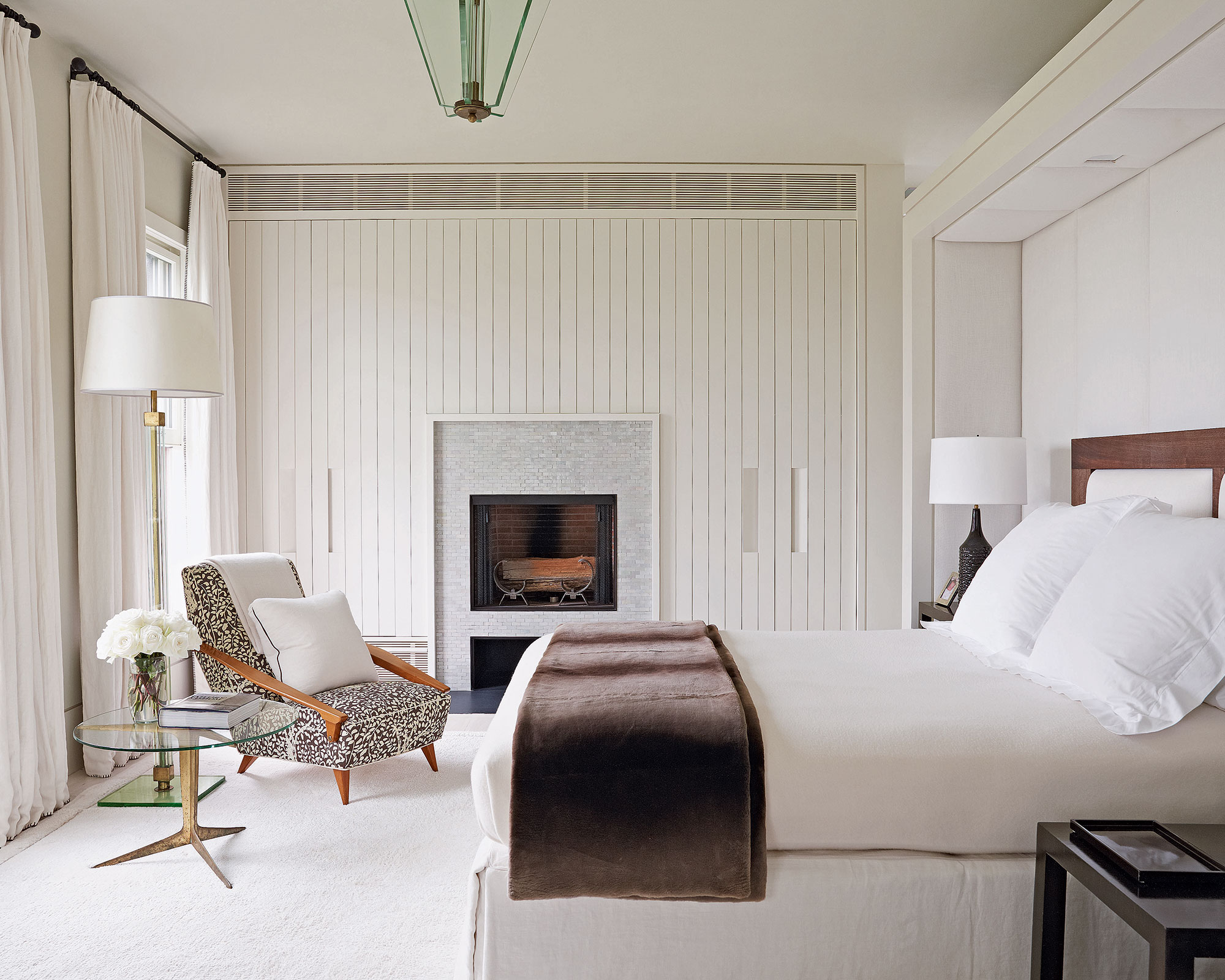
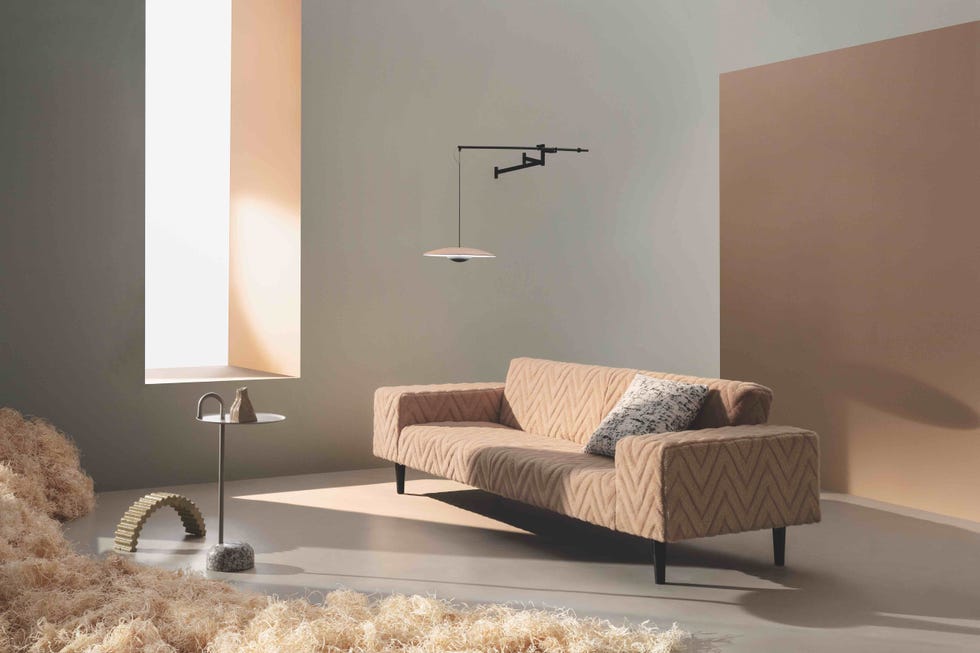
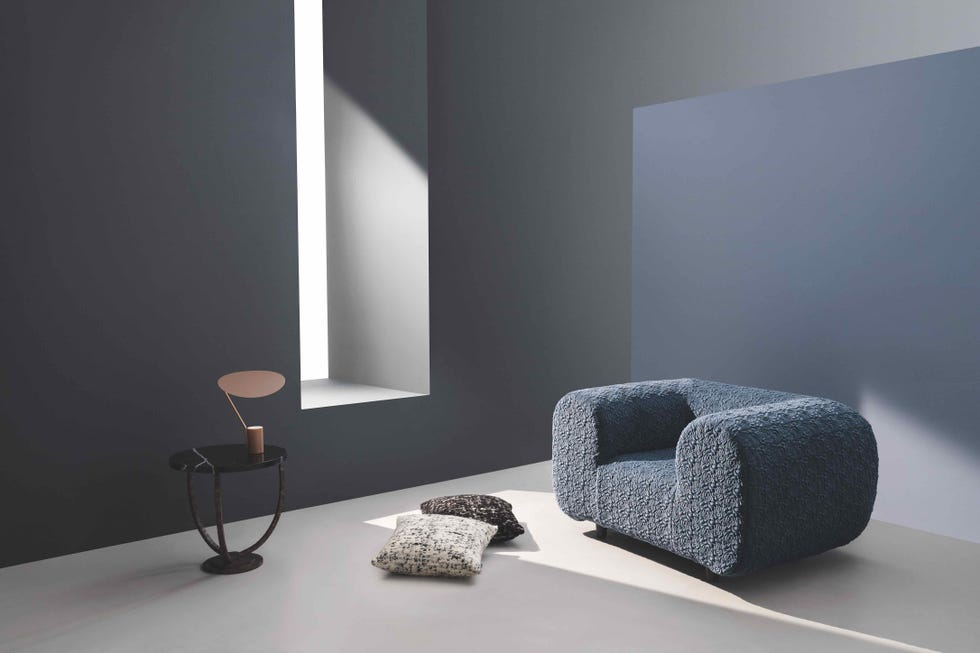
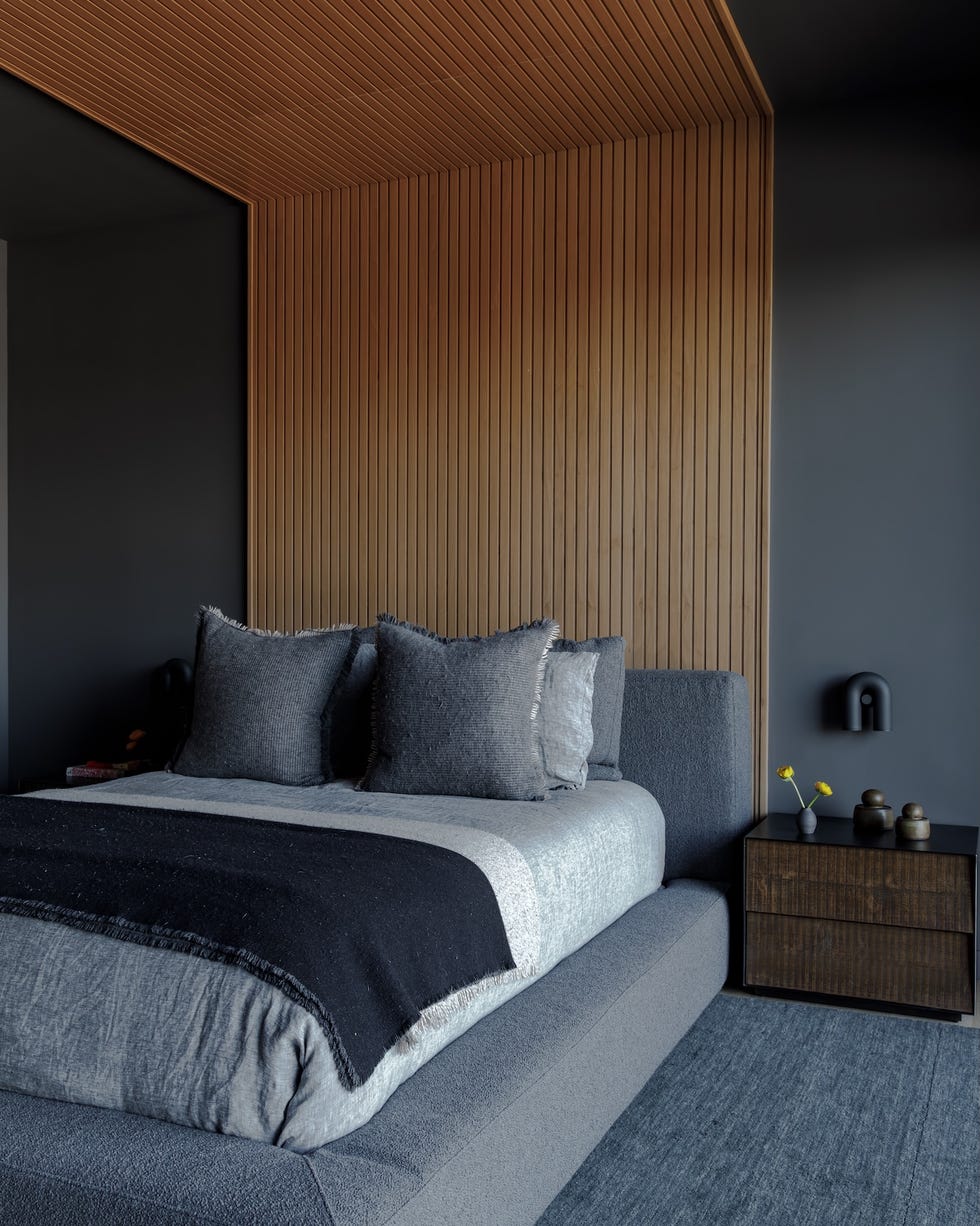
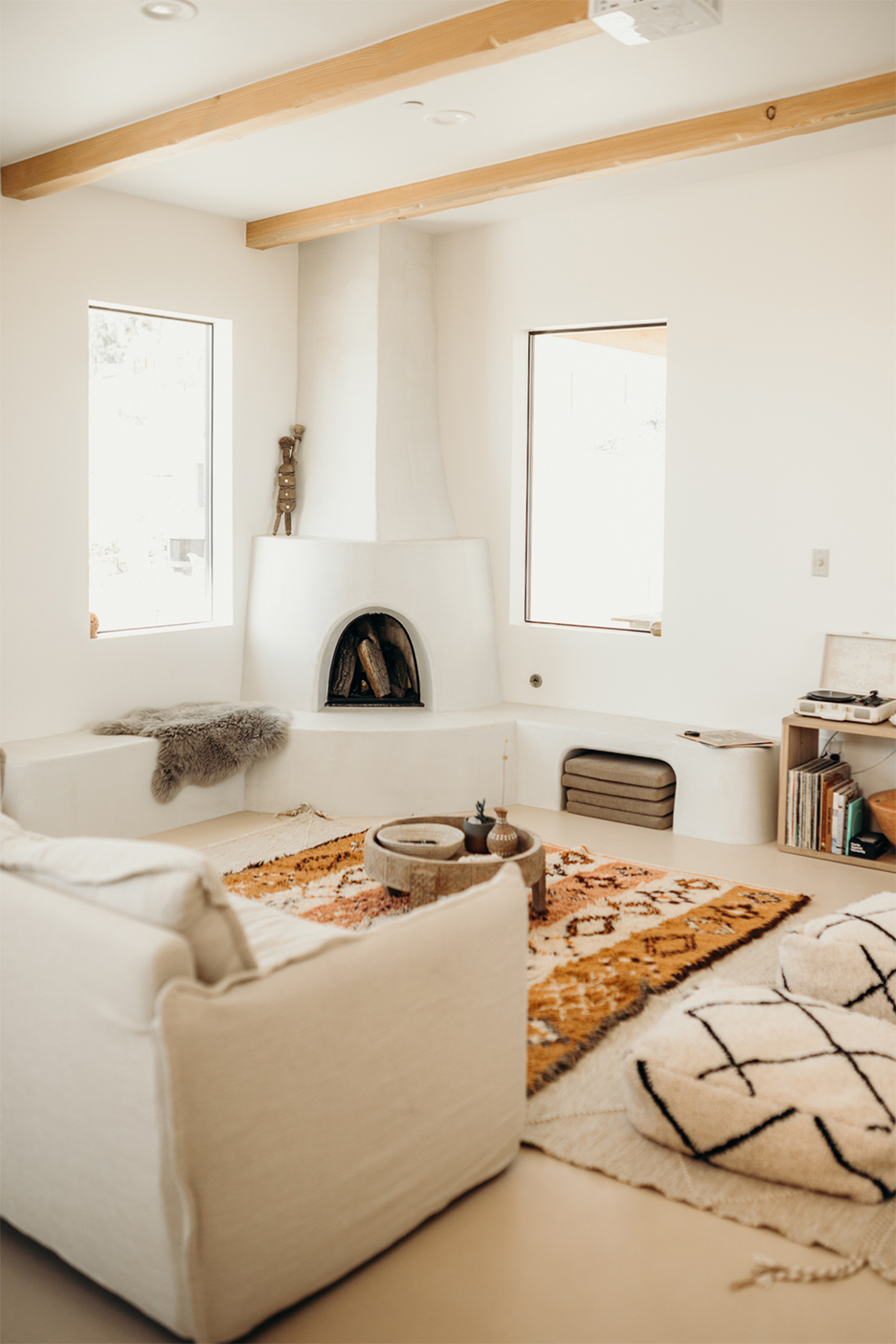
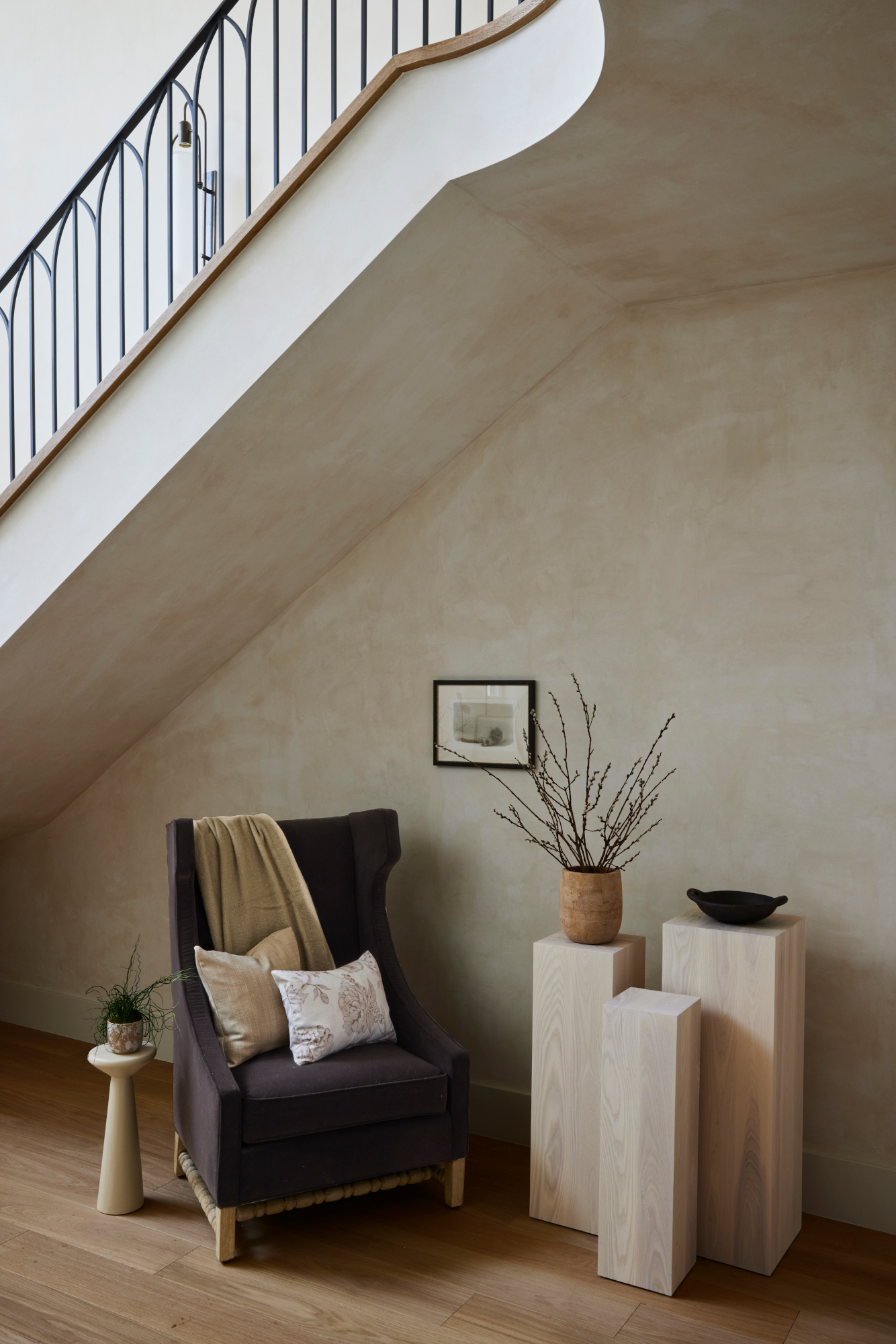
The article explores the growing trend of incorporating soft textures and textiles into home interiors to create more comfortable, cosy, and tactile spaces. This movement is seen as a response to the dominance of digital technology, the anxieties of modern life, and a desire to make homes feel like sanctuaries. The shift towards soft textures builds upon earlier interior design trends, such as the resurgence of wallpaper two decades ago and the preference for moodier paint colours, both aimed at creating cosier environments.
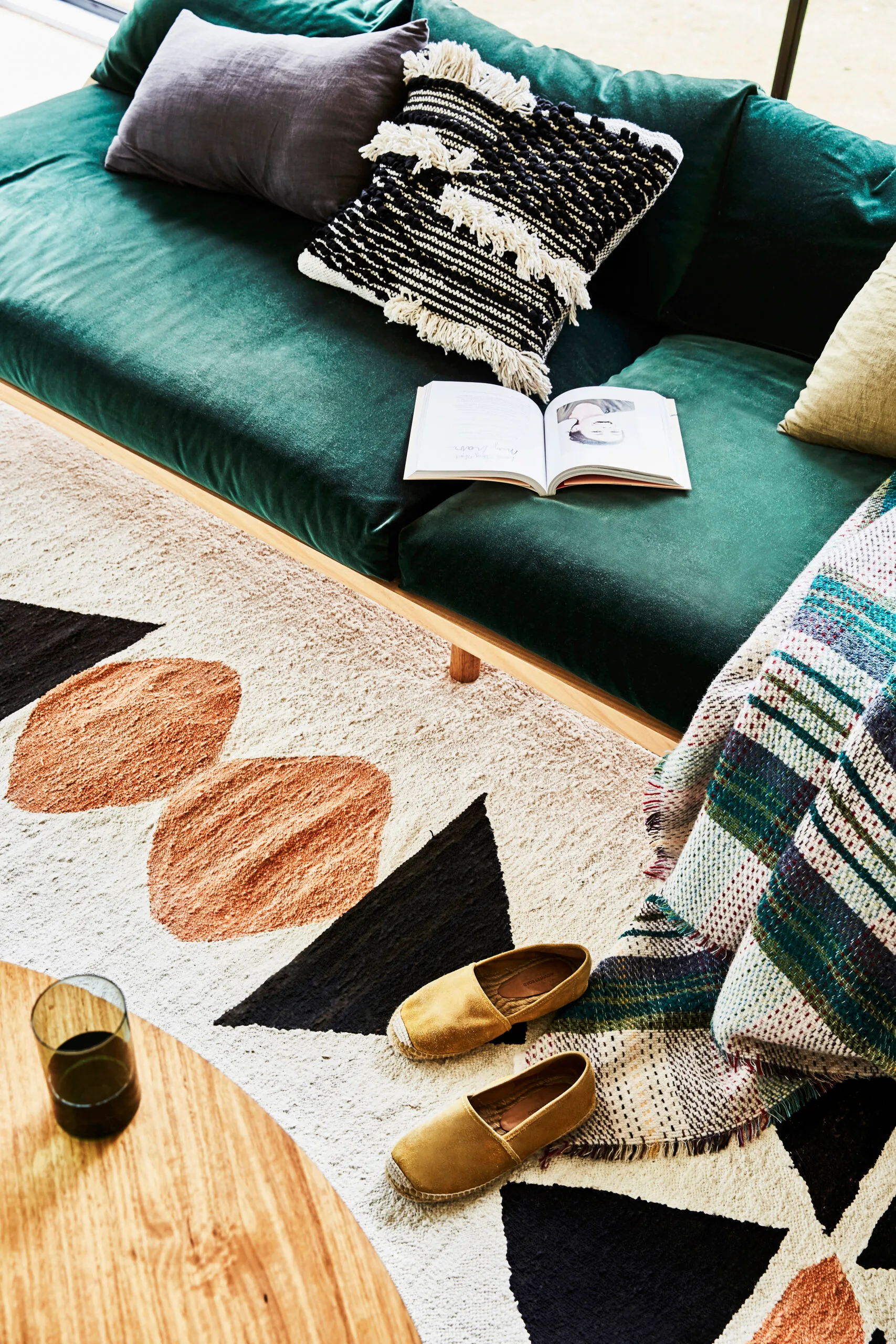
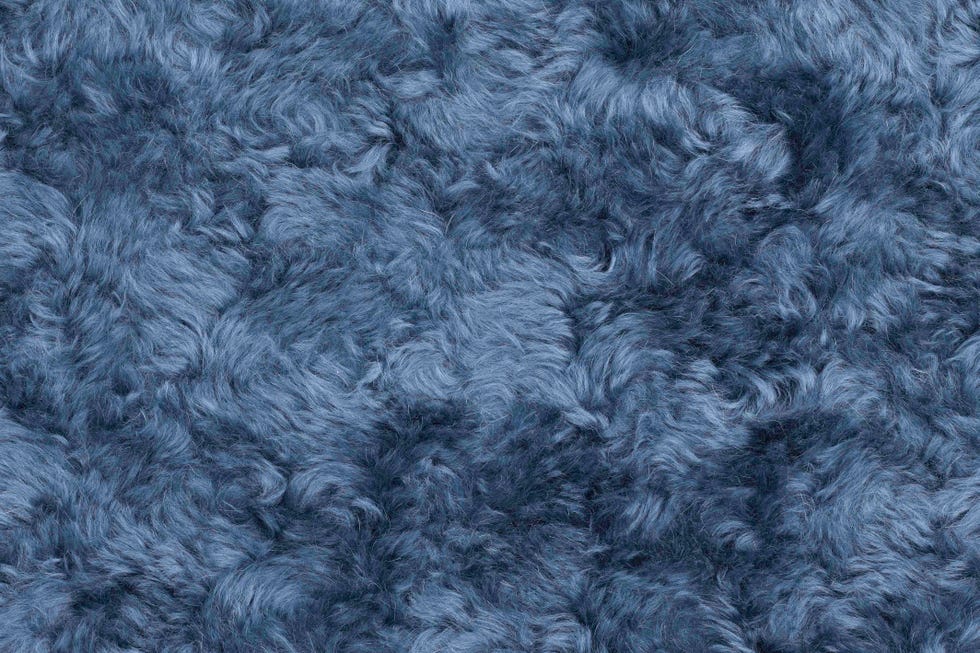
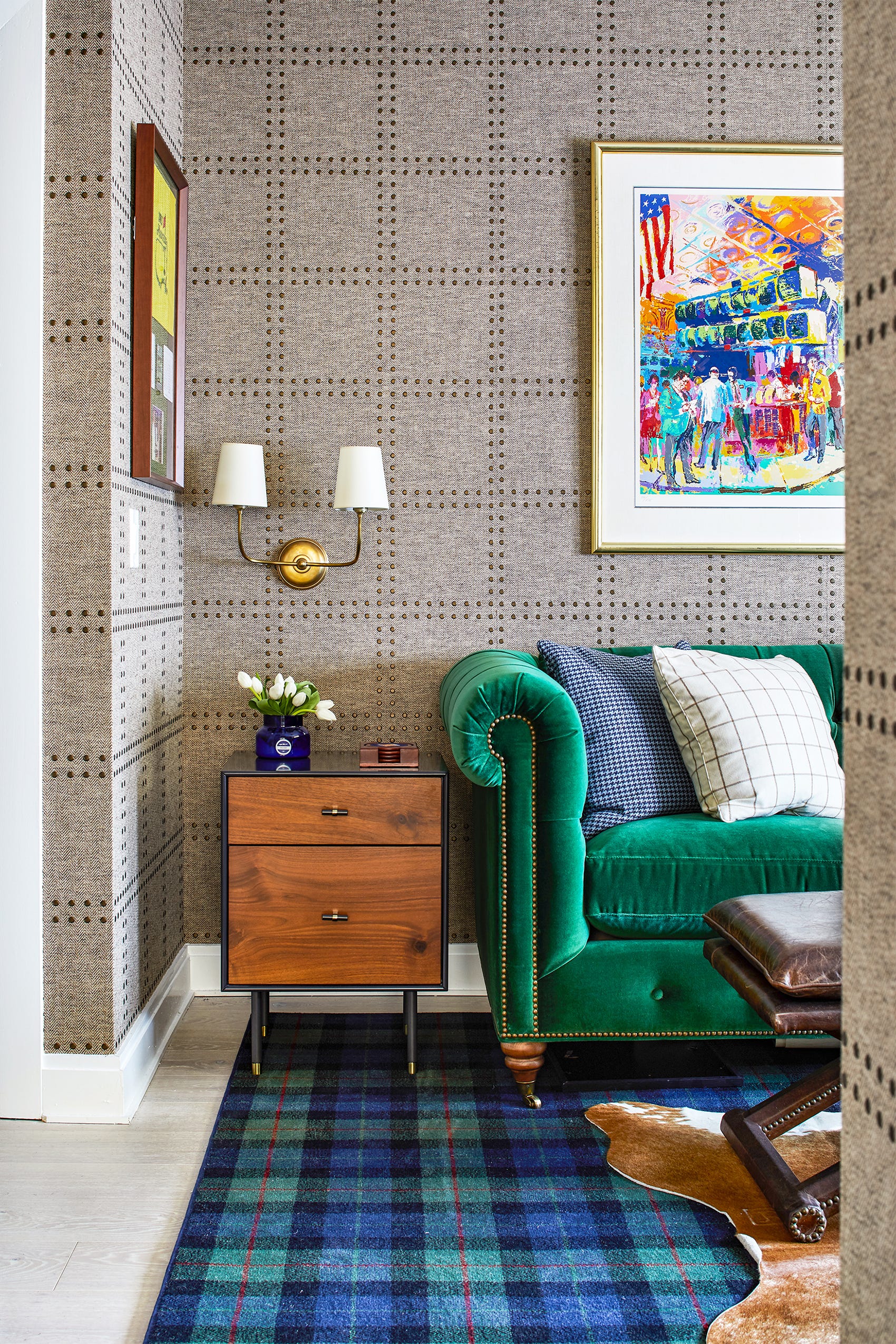
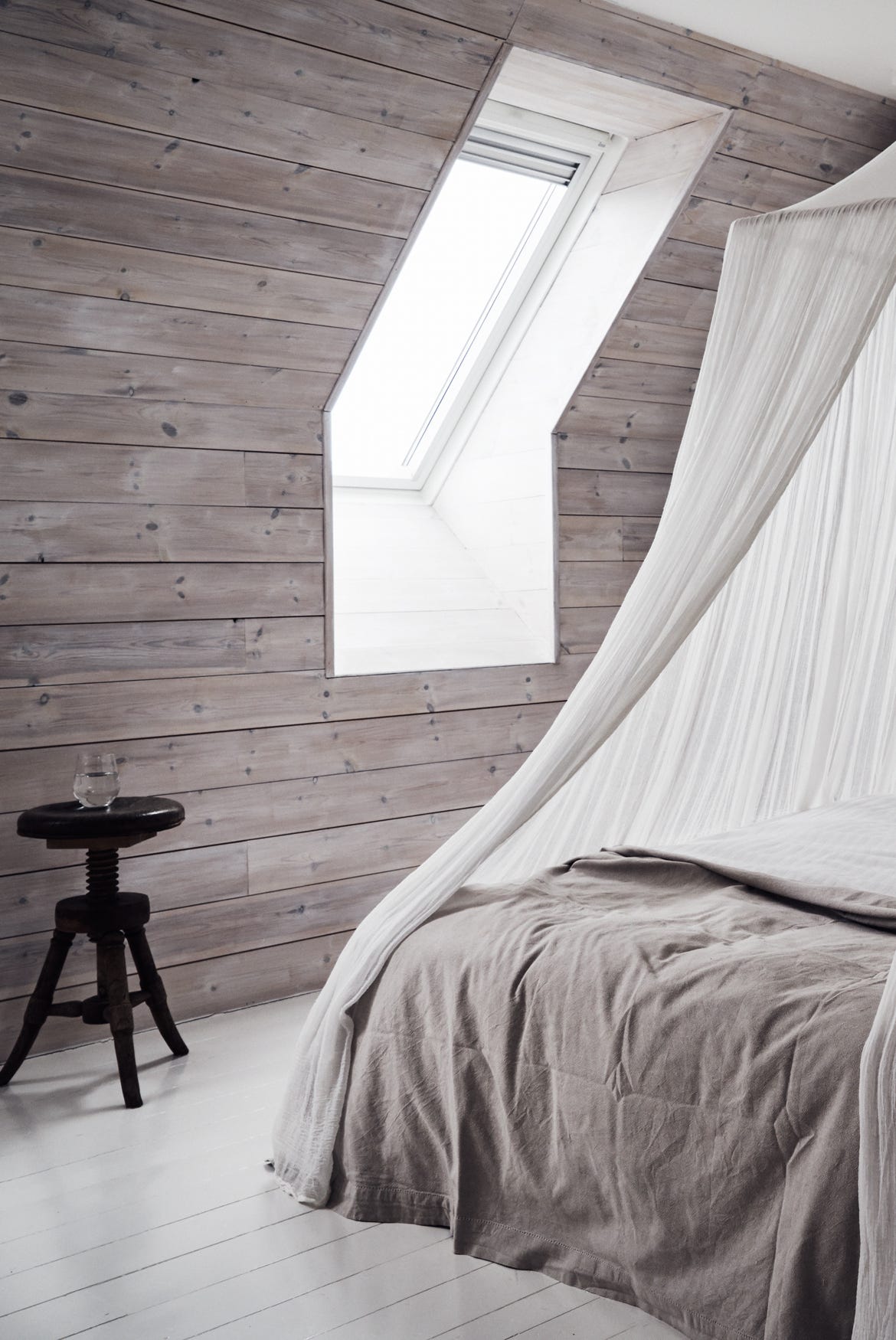
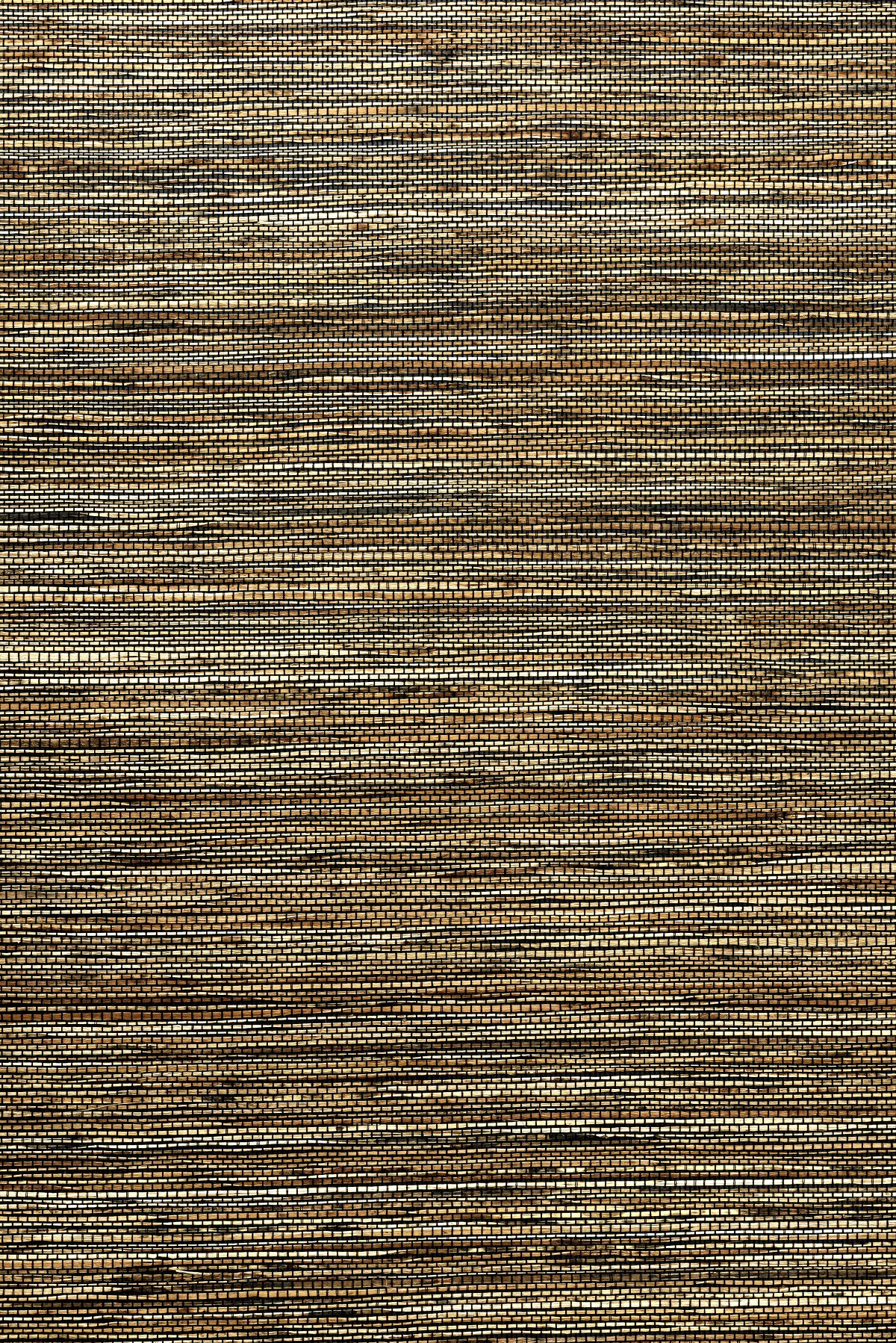
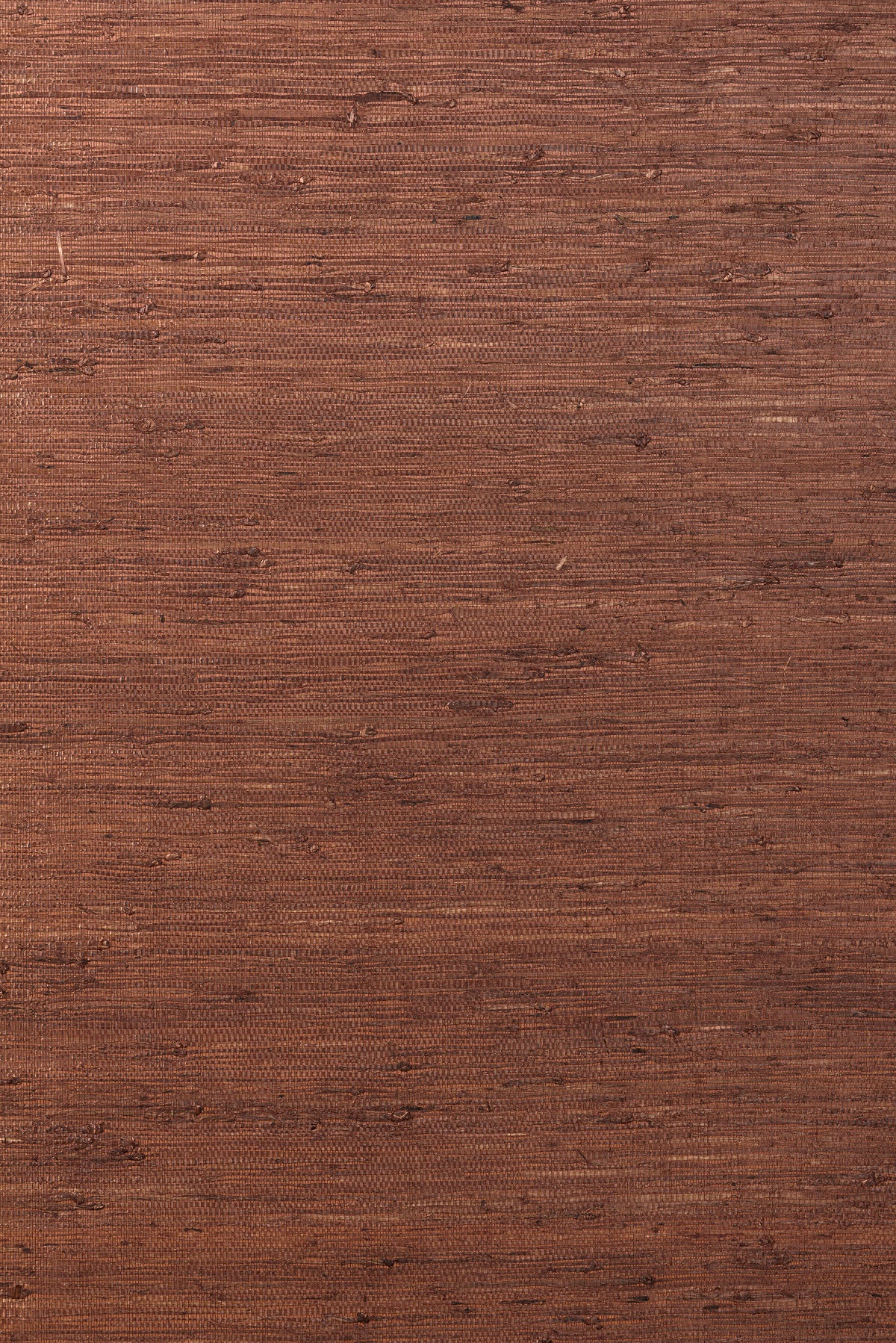
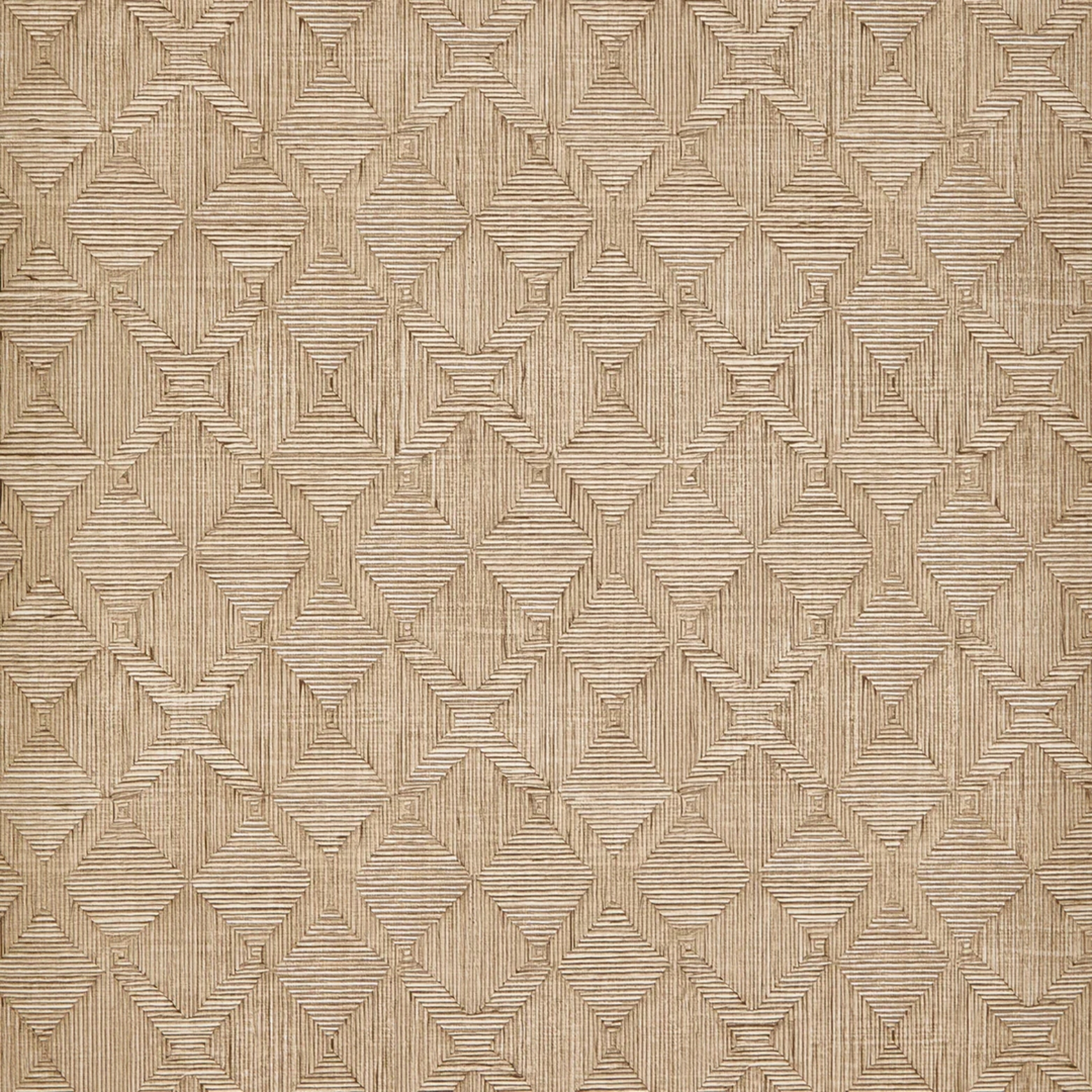
Today, designers are increasingly utilizing textiles for walls, floors, and furniture, moving beyond mere decorative elements to provide cushioning and a sense of luxury. These contemporary textile designs often feature natural, plant-based fibres like bamboo, jute, coconut waste, and even vegetable waste, emphasizing warmth and sustainability. Designers employ a mix of traditional techniques like embroidery and modern digital technology to achieve diverse textures, from matt to glossy finishes. The use of sustainable materials and dyeing methods also reflects a growing environmental consciousness within the design community.
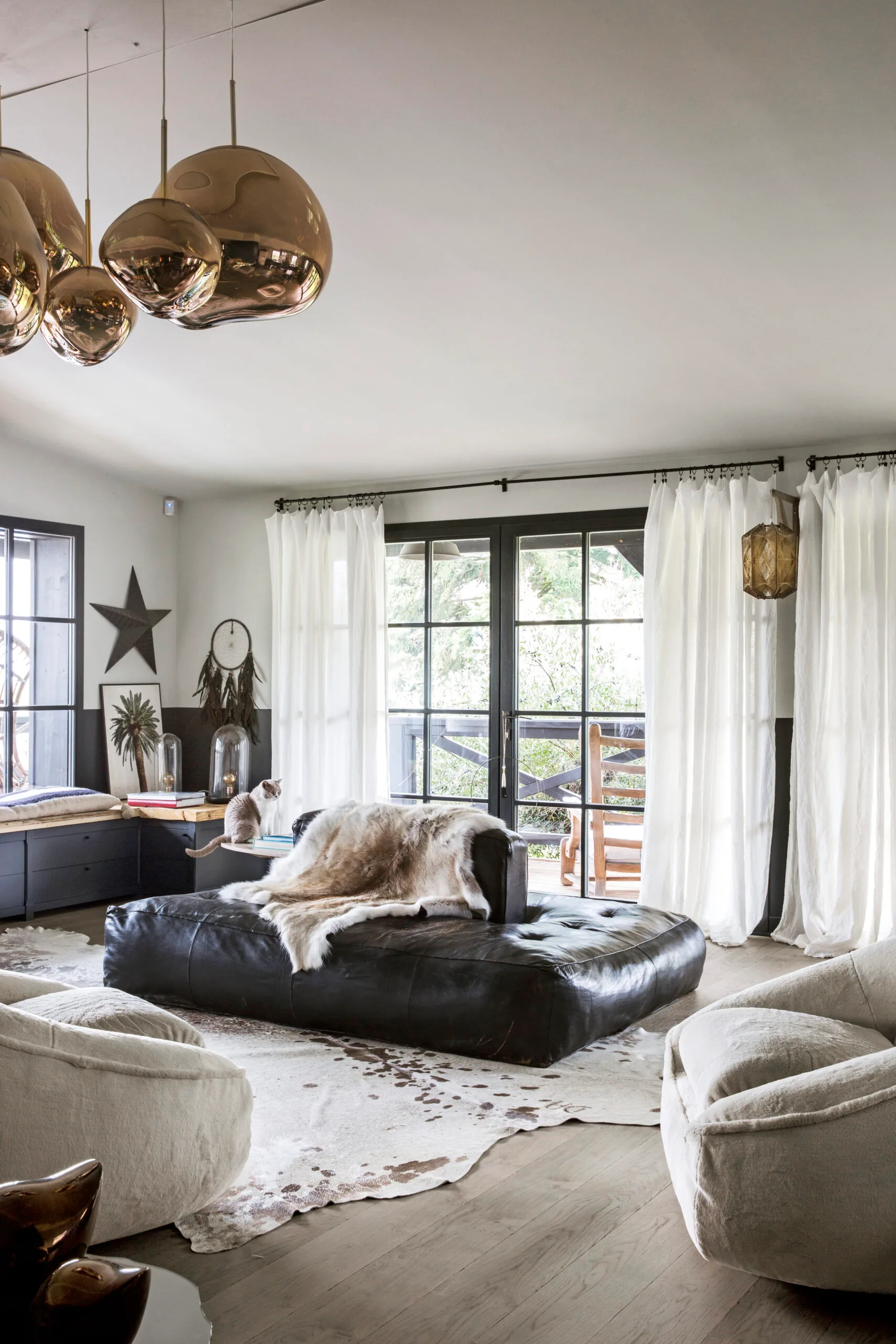
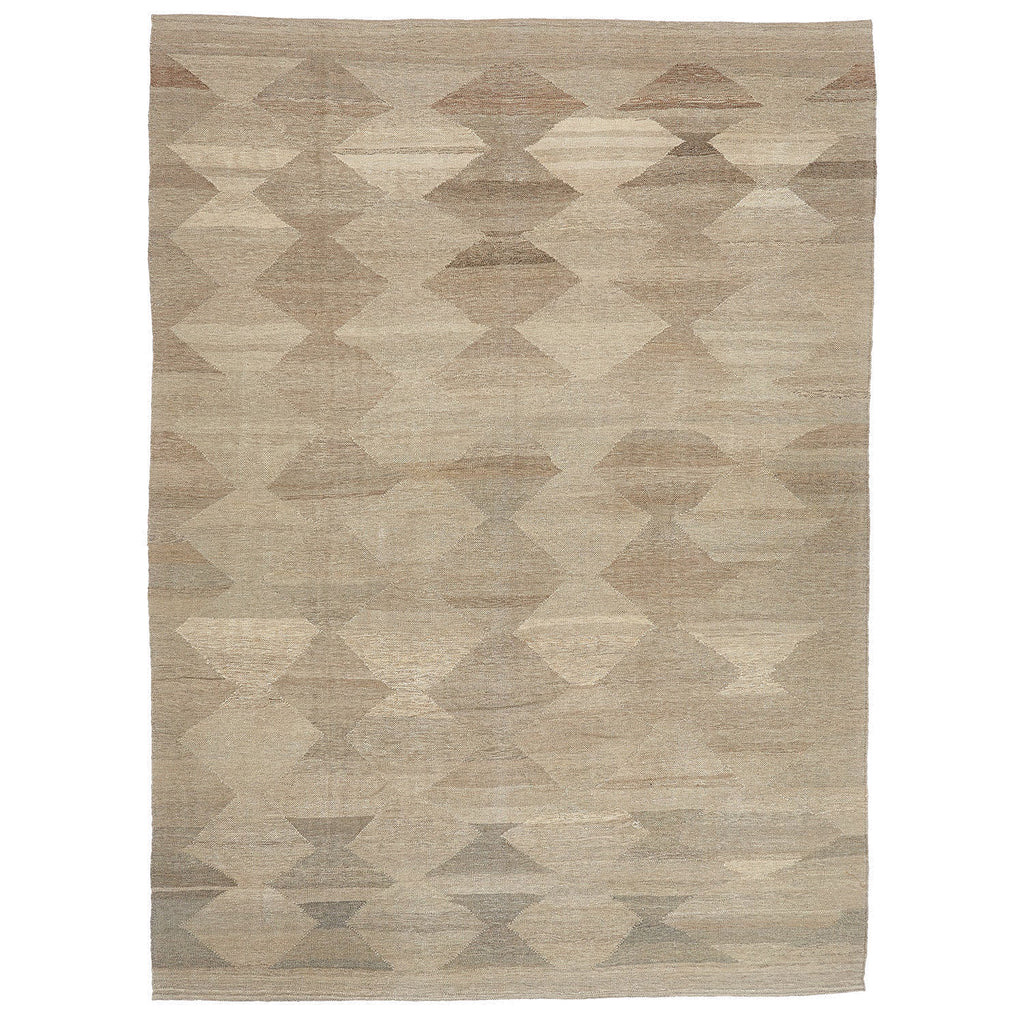
A key advantage of textiles is their adaptability; unlike rigid fixtures, they can be easily repositioned and layered for enhanced comfort. The Covid-19 pandemic significantly boosted sales of throws, cushions, and rugs, as people sought to make their homes more comfortable during lockdown. Charlotte Bastholm Skjold of Kvadrat highlights that textiles counterbalance the pervasive influence of technology by engaging the sense of touch, providing a human quality to spaces dominated by screens.
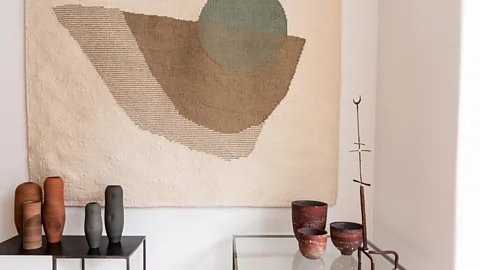
Historically, textiles have played a similar role, with tapestries in medieval times offering portability and insulation, much like modern textiles provide warmth and softness. Textile artist Alan Oliver notes that wall-hangings and rugs evoke feelings of comfort and safety, fulfilling a deep-seated desire to 'nest.' He also points out the perceived impermanence of textiles, which encourages bolder design choices compared to permanent artworks or furniture.
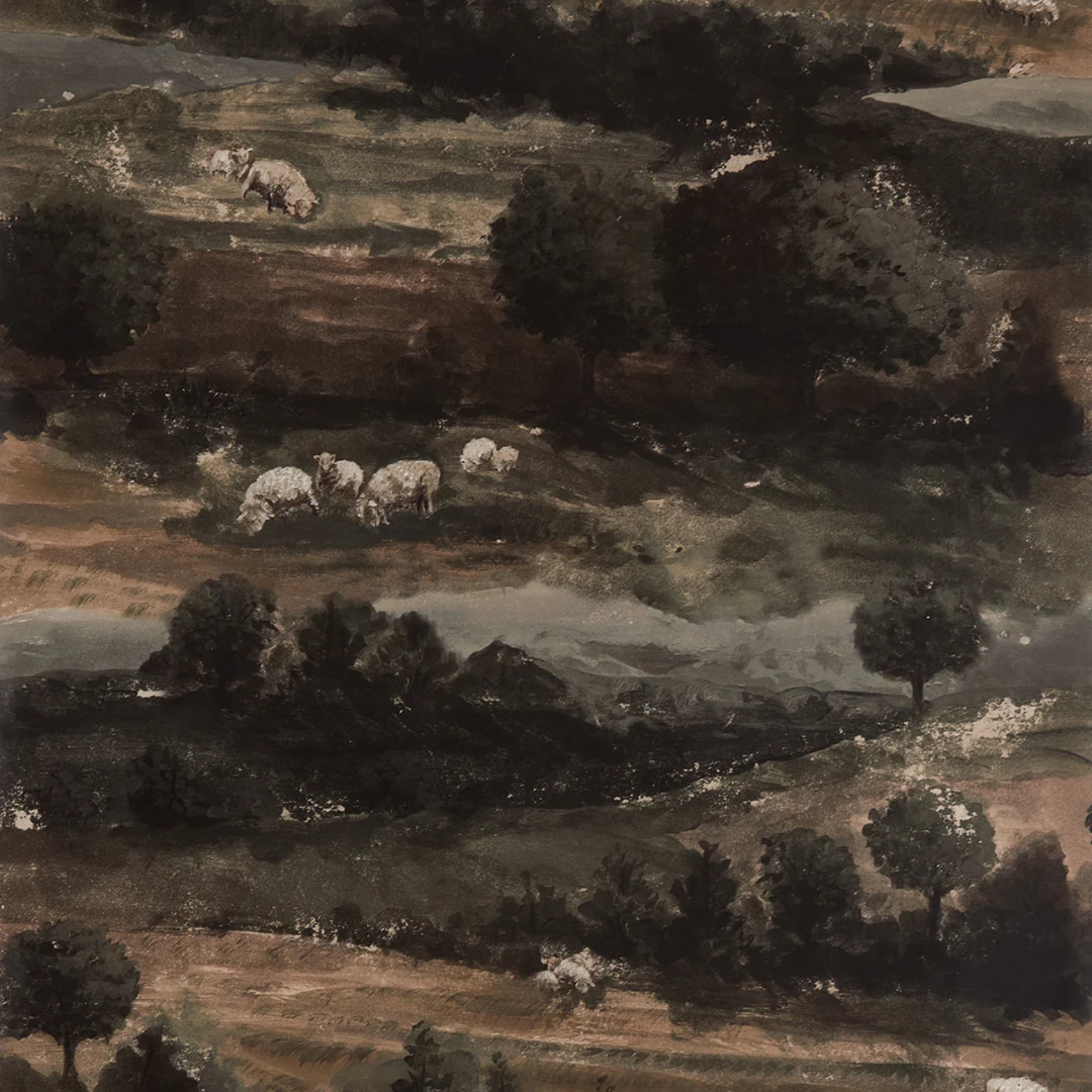
Prominent designers like Sarah Campbell, known for her hand-painted fabrics, emphasize how textiles enliven spaces by reflecting light and showcasing human artistry. Her work, along with that of other textile artists, is currently being exhibited, indicating a vibrant market for craft-based textiles. A younger generation of textile designers is also contributing to this trend, with events like London Craft Week highlighting the renewed interest in this craft, particularly for wall-hangings.
Artists such as Singaporean weaver Tiffany Loy explore sculptural and three-dimensional textiles that offer translucency, sound absorption, and flexible space division. Ekta Kaul creates bespoke, hand-embroidered maps, drawing inspiration from historical and personal narratives. The appreciation for large-scale textiles has been influenced by exhibitions featuring artists like Anni Albers and the quilts of Gee's Bend. Claire Coles's silk wallpapers, incorporating appliquéd floral motifs, exemplify the demand for textured, non-repeating wall coverings.
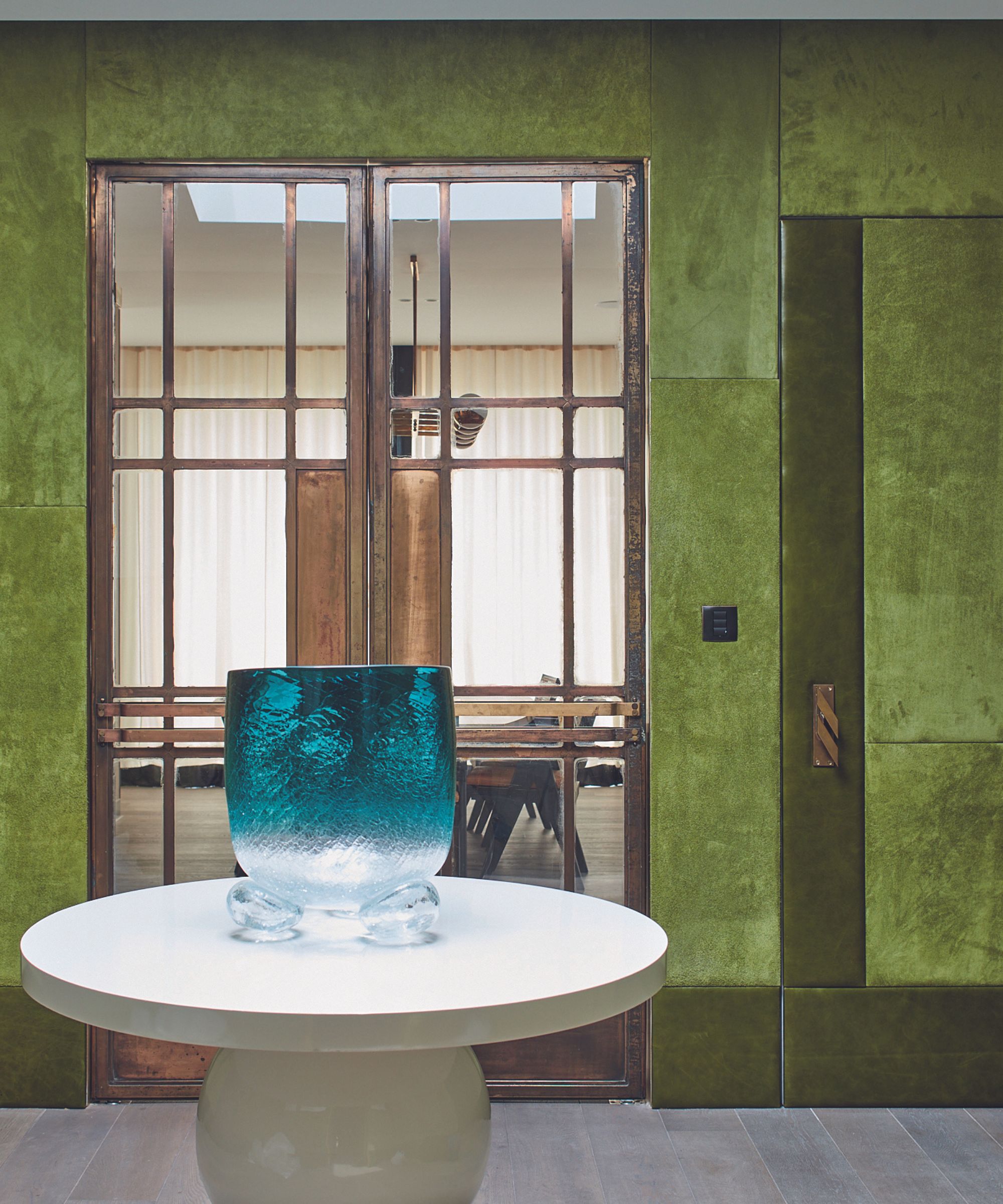
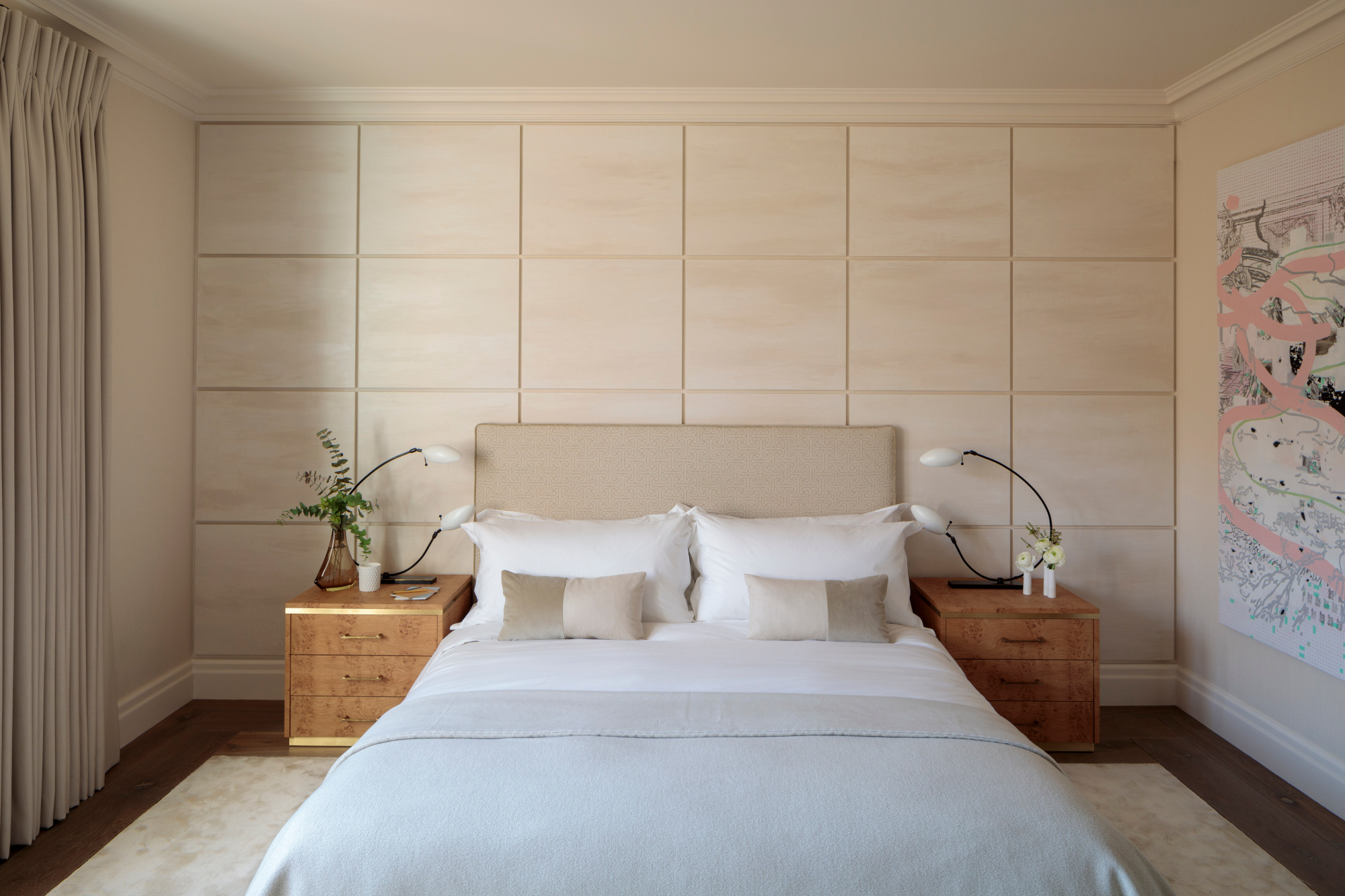
The trend also includes a preference for rugged, raw-looking textures, as seen in the large-scale tapestries by Crossing Threads, which use unconventional materials like coconut husk and discarded denim. Aiveen Daly's monumental upholstered panels, with their soothing monochrome colours and layered suede, are designed to evoke peace and tranquility, underscoring the role of textiles in making homes feel like sanctuaries in an anxious world.
#SoftTextures #HomeDecor #InteriorDesign #TextileArt #CosySpaces #SustainableMaterials #Craftsmanship #TactileAesthetics #ComfortZone #SoftTextures #HomeDecor #InteriorDesign #TextileArt #CosySpaces #SustainableMaterials #Craftsmanship #TactileAesthetics #ComfortZone
0 comment in total
 No comments yet
You may also like
The Power of Texture in Interior Design – 6 Ways Designers Use It to Shape the Look (and Feel) of Every Room

Update your furniture with extreme texture, the biggest trend in upholstery…

Designers Are Ditching "Flat Painted Walls" for THIS Unexpected Trend

The One Design Feature You're Overlooking That Will Instantly Elevate Any Room
How to layer materials and add texture to your home decor

Rich colors and sumptuous textures are on designers' minds
The One Design Feature You're Overlooking That Can Instantly Elevate Any Room

How to texture a wall – 5 expert methods for intriguing wall textures
Textured wall ideas – 13 surfaces you'll want to reach out and touch
Texture Takes Over: Why Matte Finishes Are the New Luxury

6 inspiring sensory surface trends to expect in 2023
Textured Walls Are Still Trending (And Just Got a Whole Lot More Chic Thanks to This Jeremiah Brent Collaboration)

From Flat to Fabulous: Why Texture is the Future of Interior Design

The Best Wall Texture Ideas for Adding Depth to Any Room
More Practical Than Plaster and Cement: This Material Is on Our Reno Radar
5 things minimalists do to add texture to a room - 'it makes all the difference'

9 ways to add texture to your home
"Cluttercore" Is Trending—Here's How to Make It Feel Intentional, According to Designers
Moss-Core, Squishy Shapes, and 6 Other Trends We’re Super Excited About Right Now
Textured Walls Are The Latest Interiors Trend For Adding Warmth To Your Space