1/9
The 3 golden rules of organizing open shelving in the kitchen
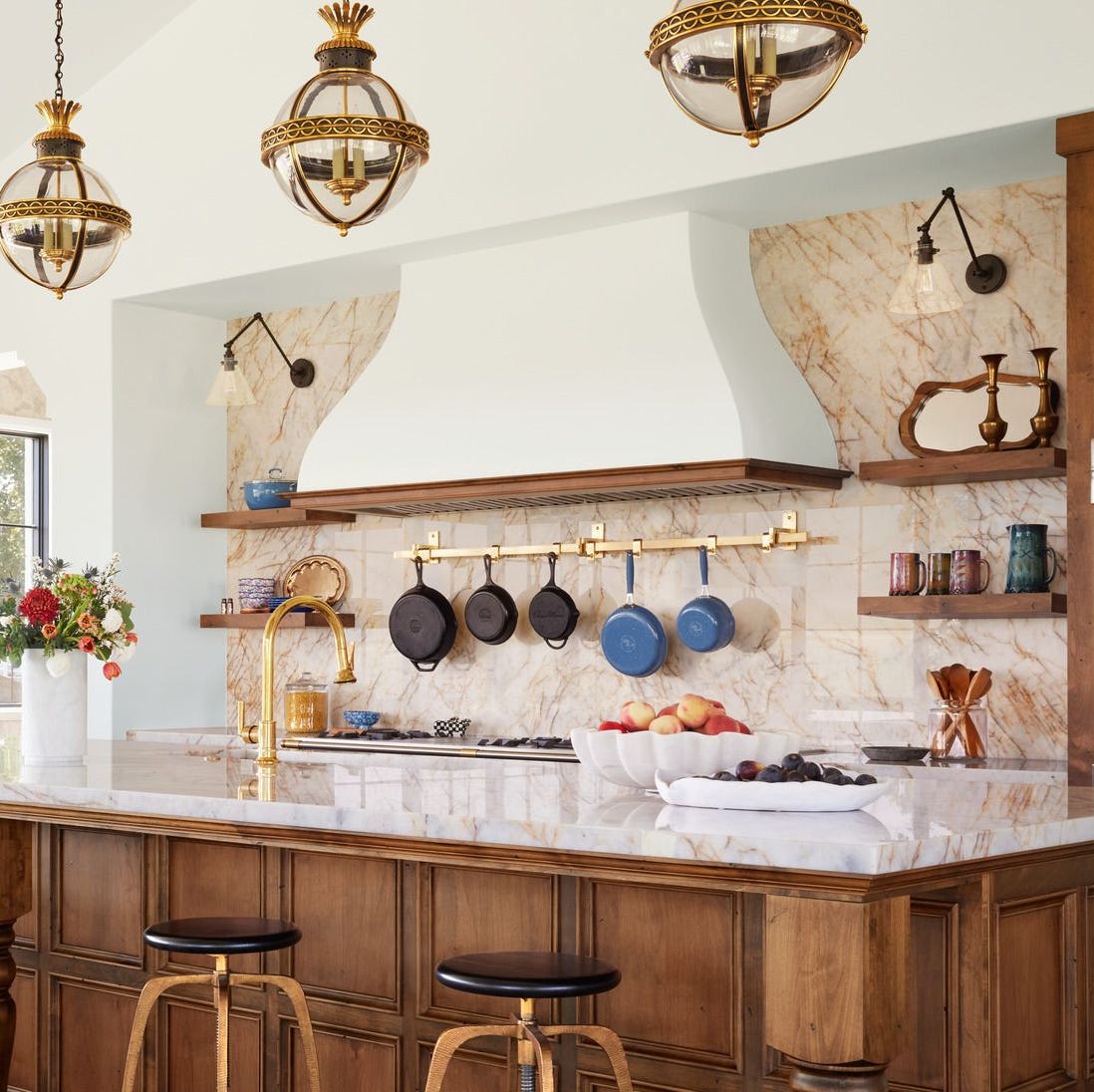
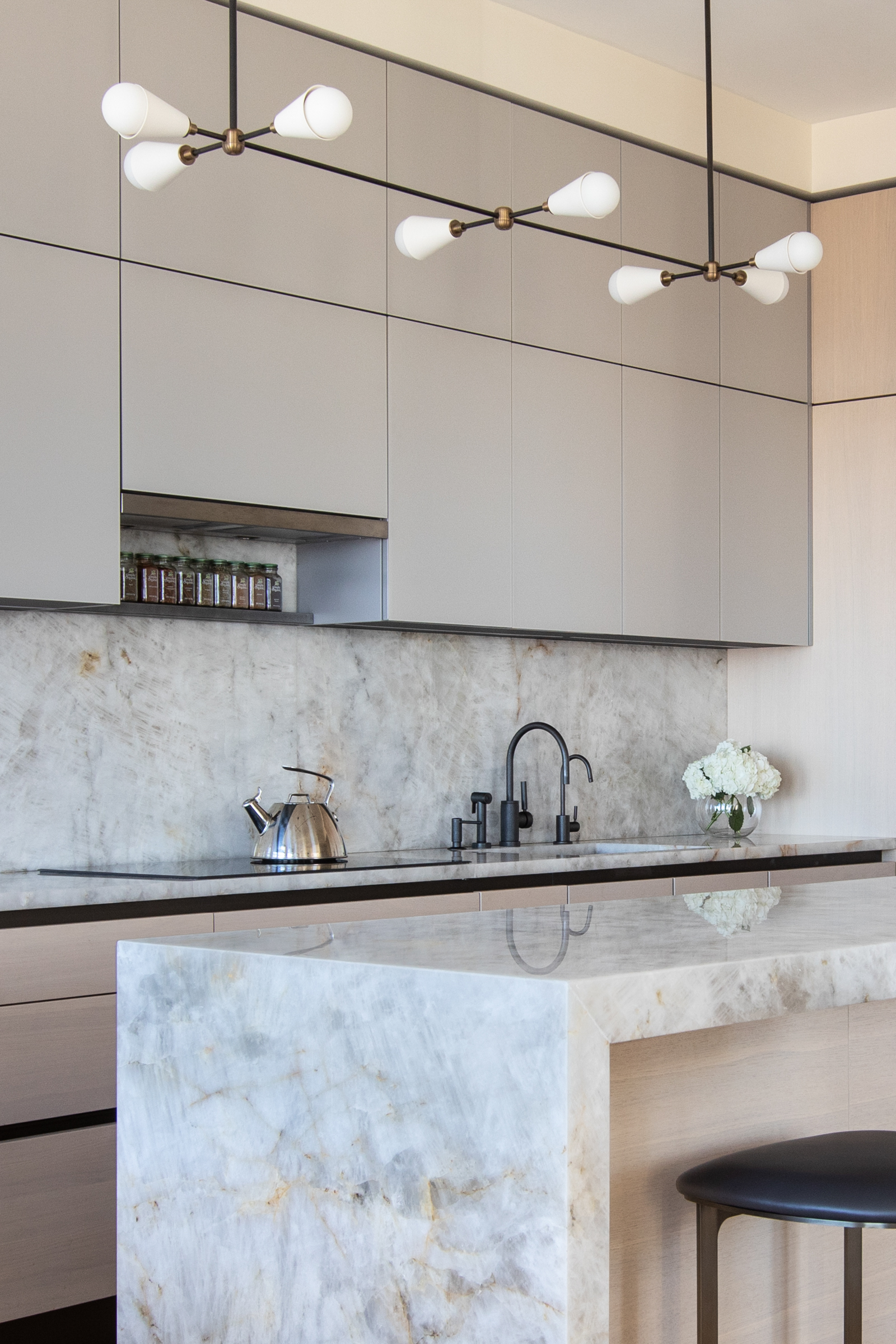
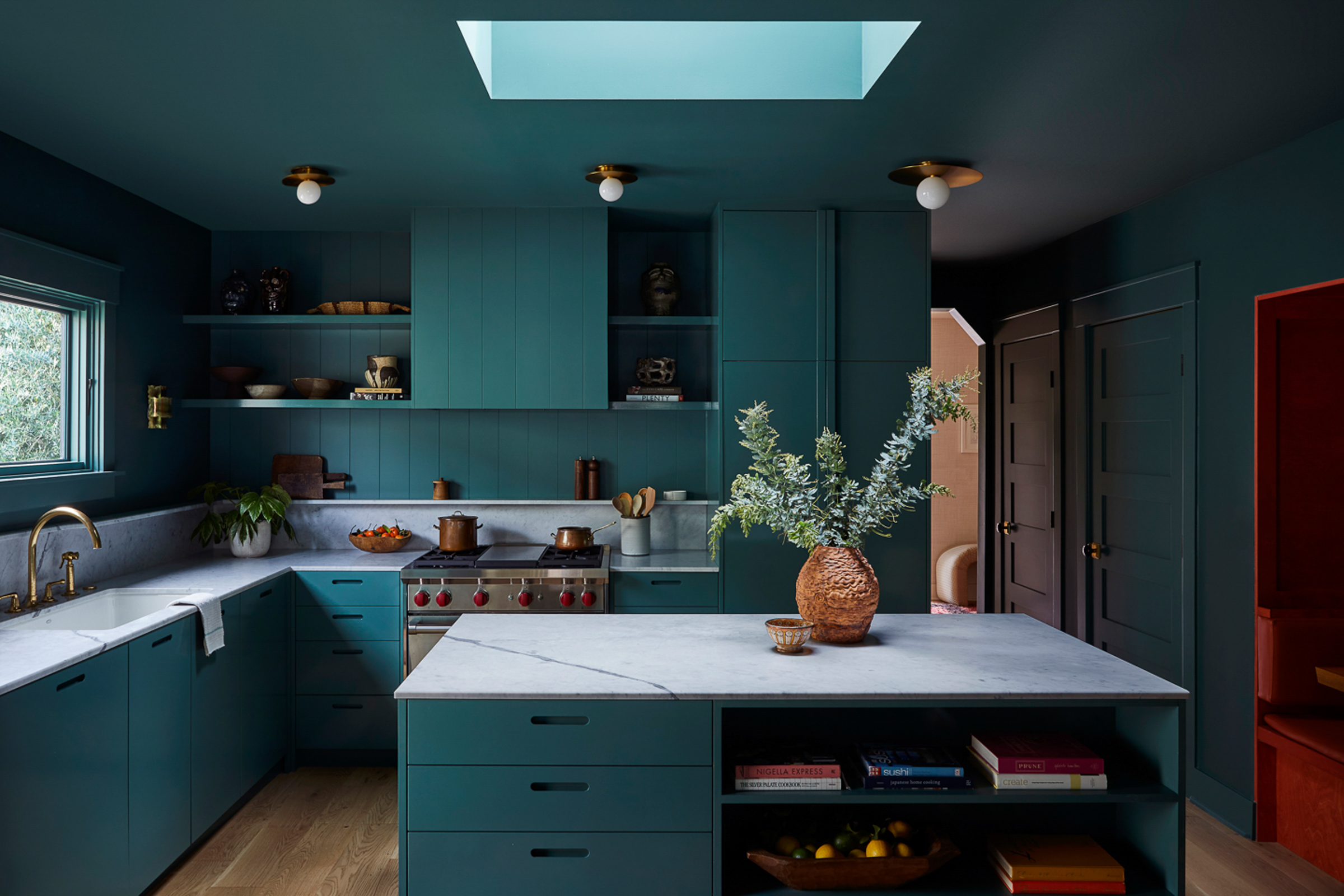
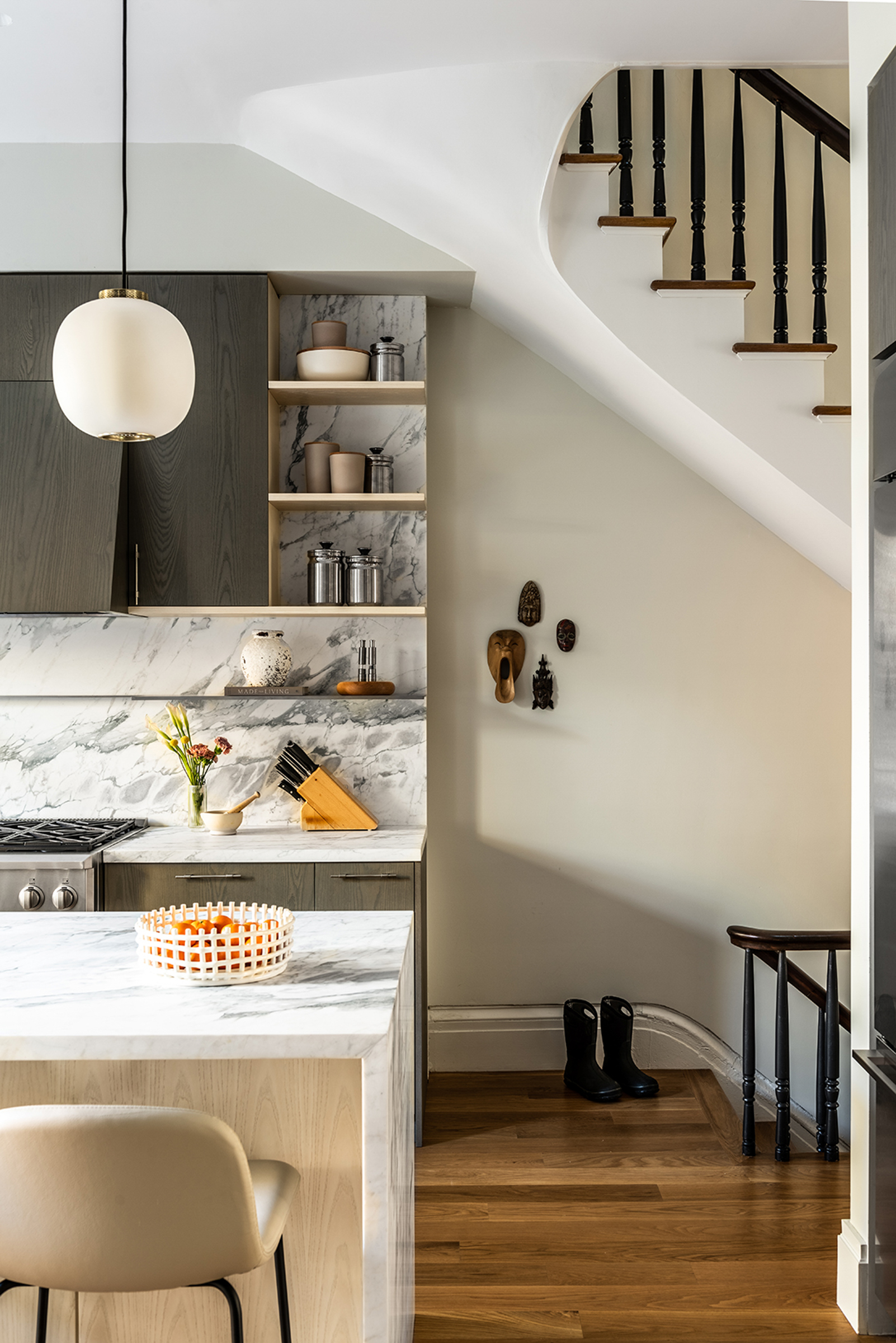
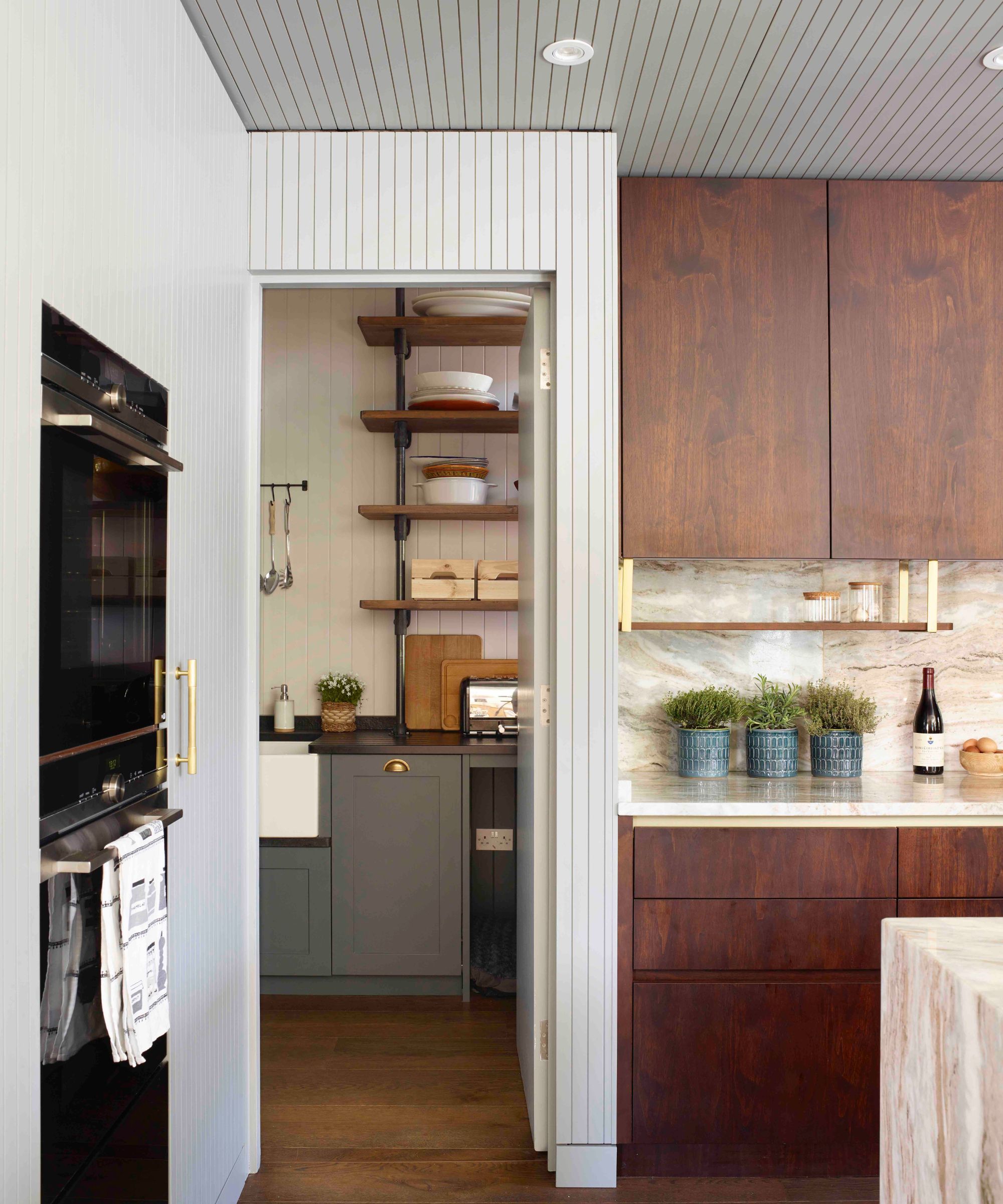
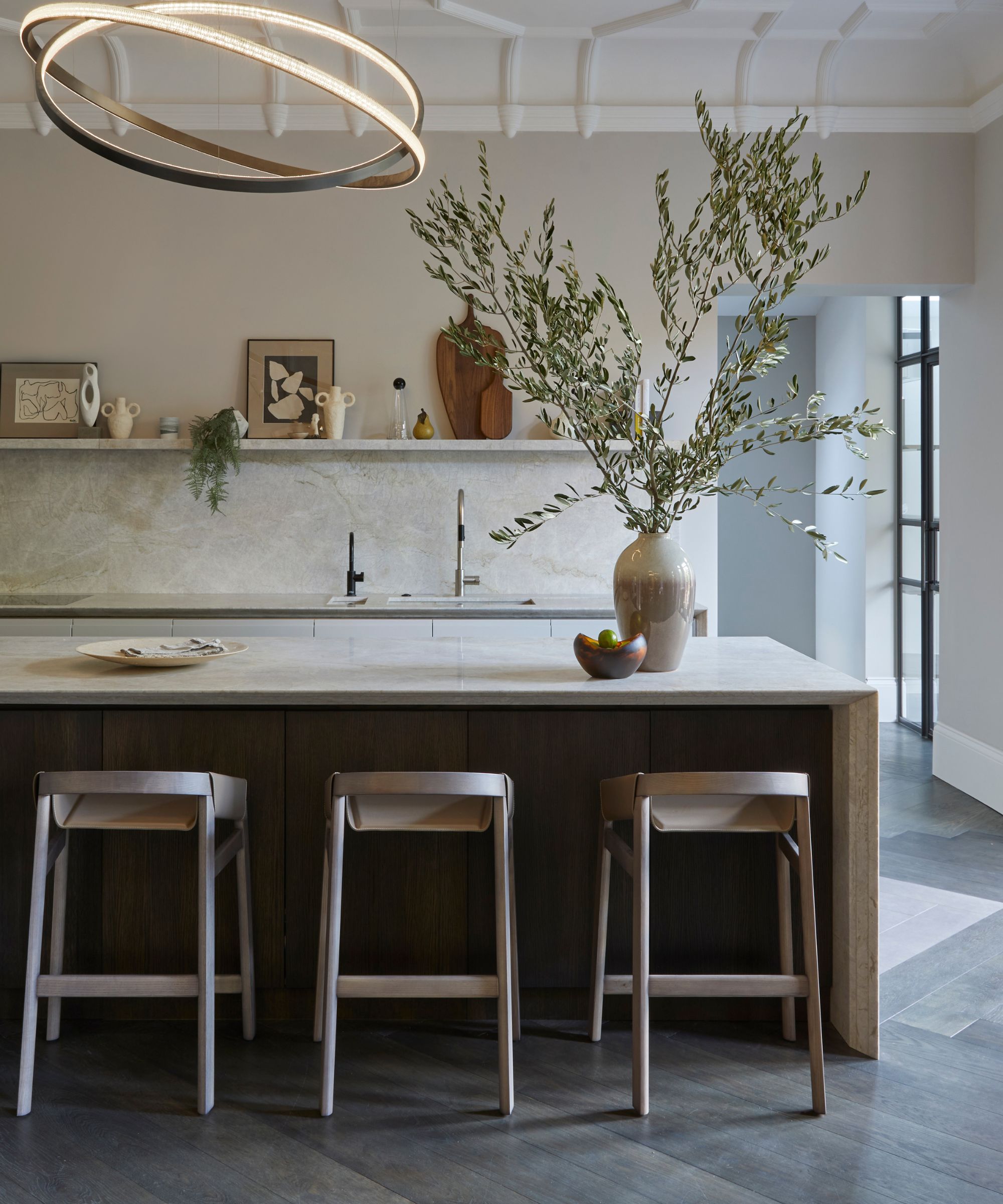
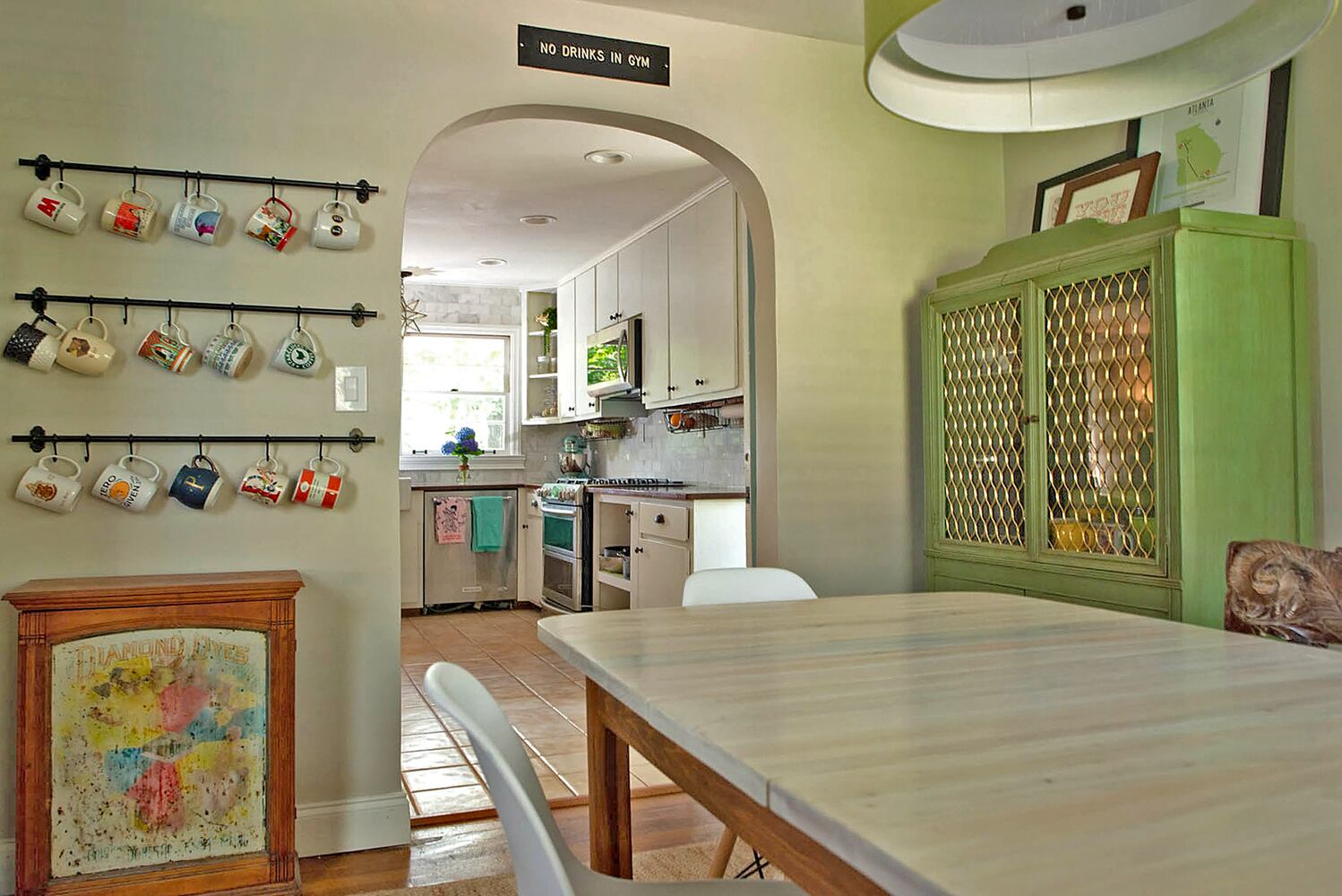
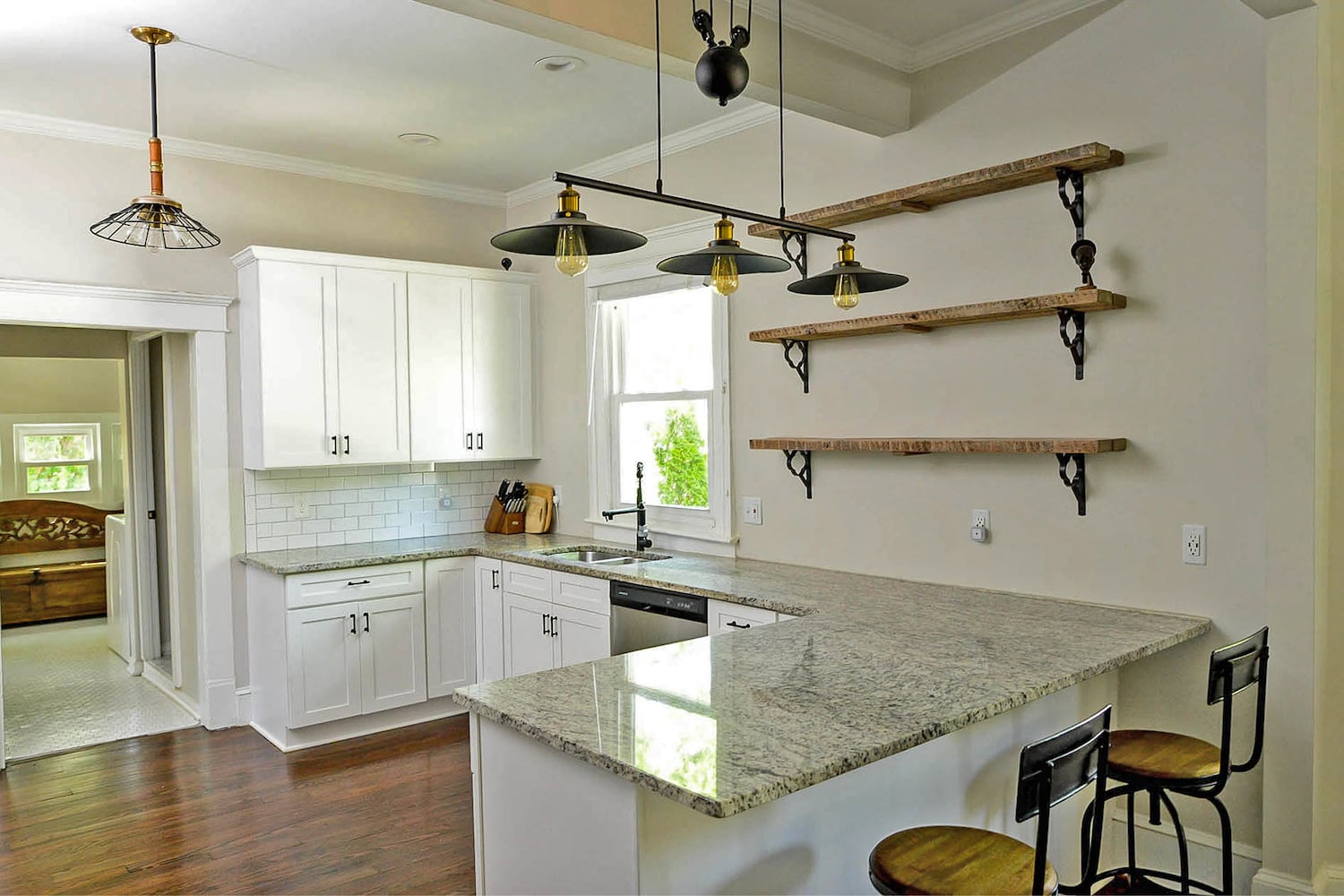
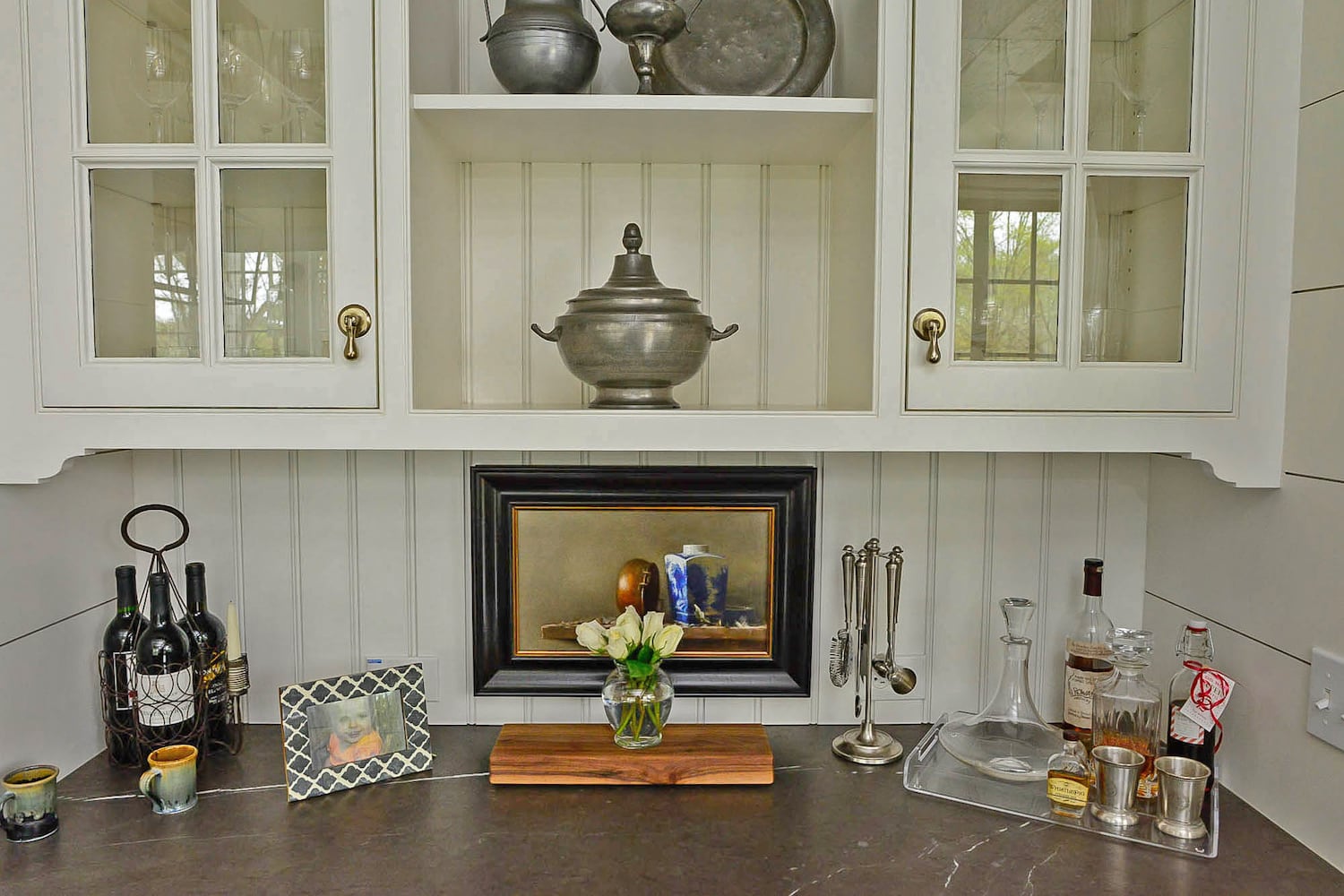
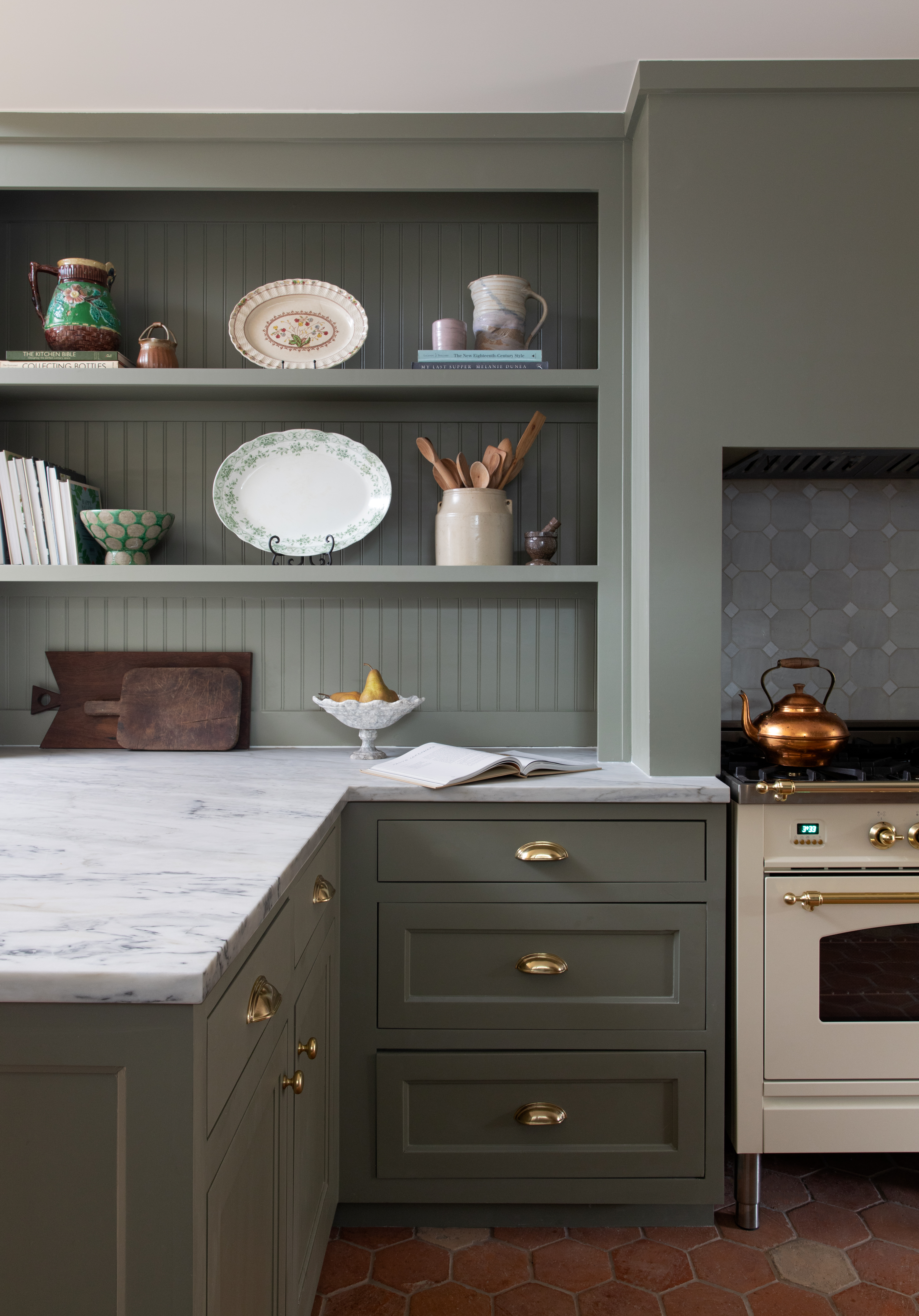
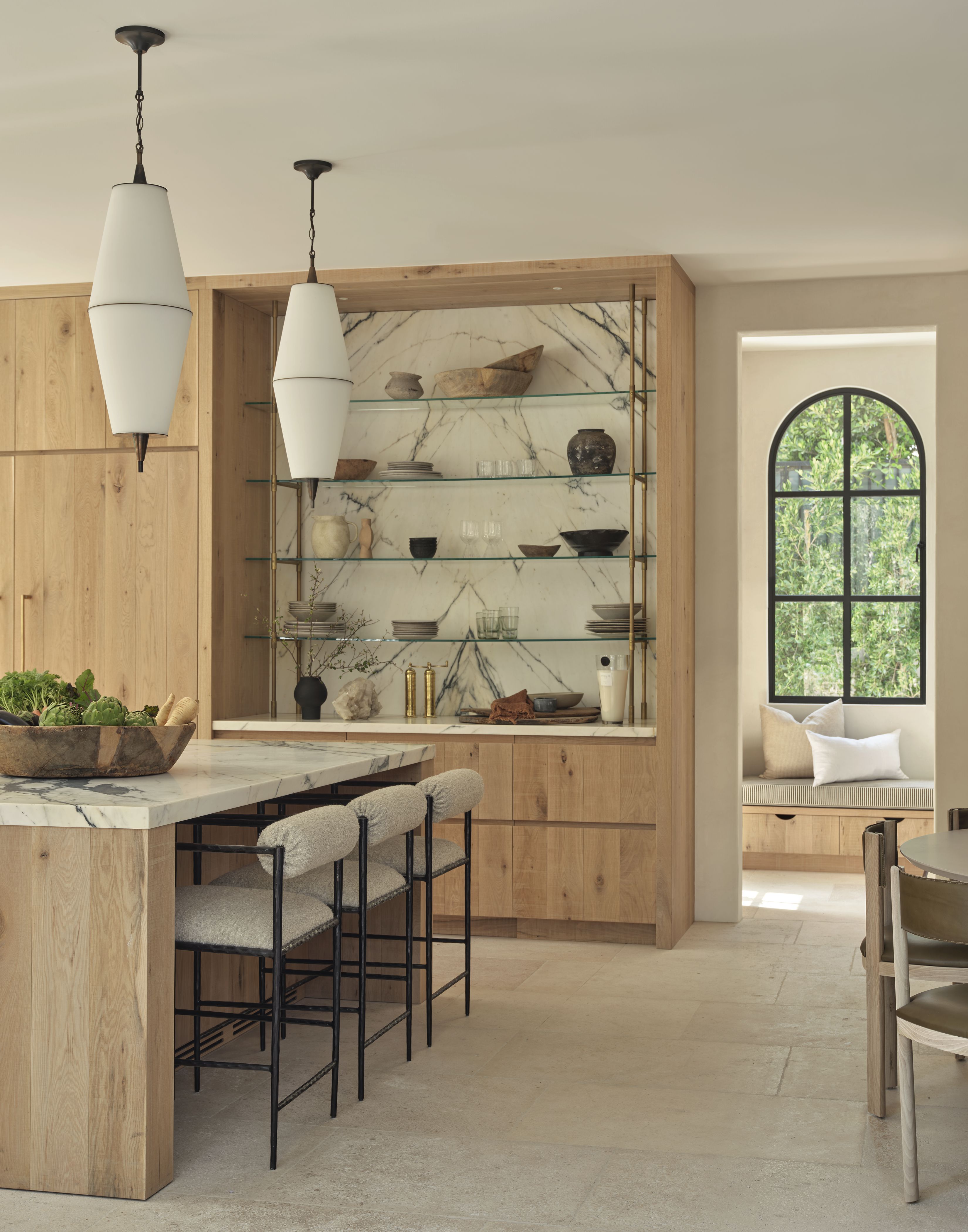
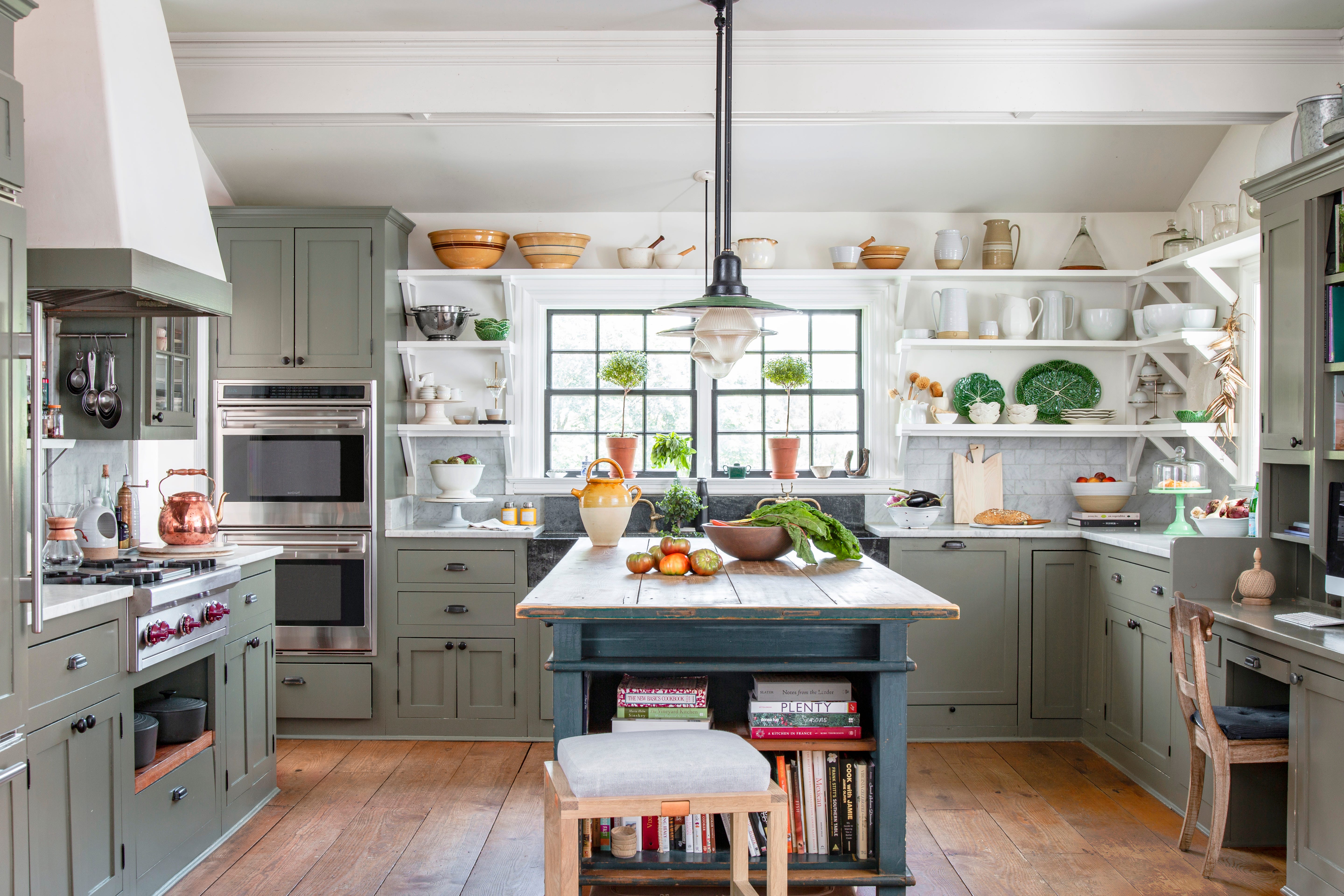
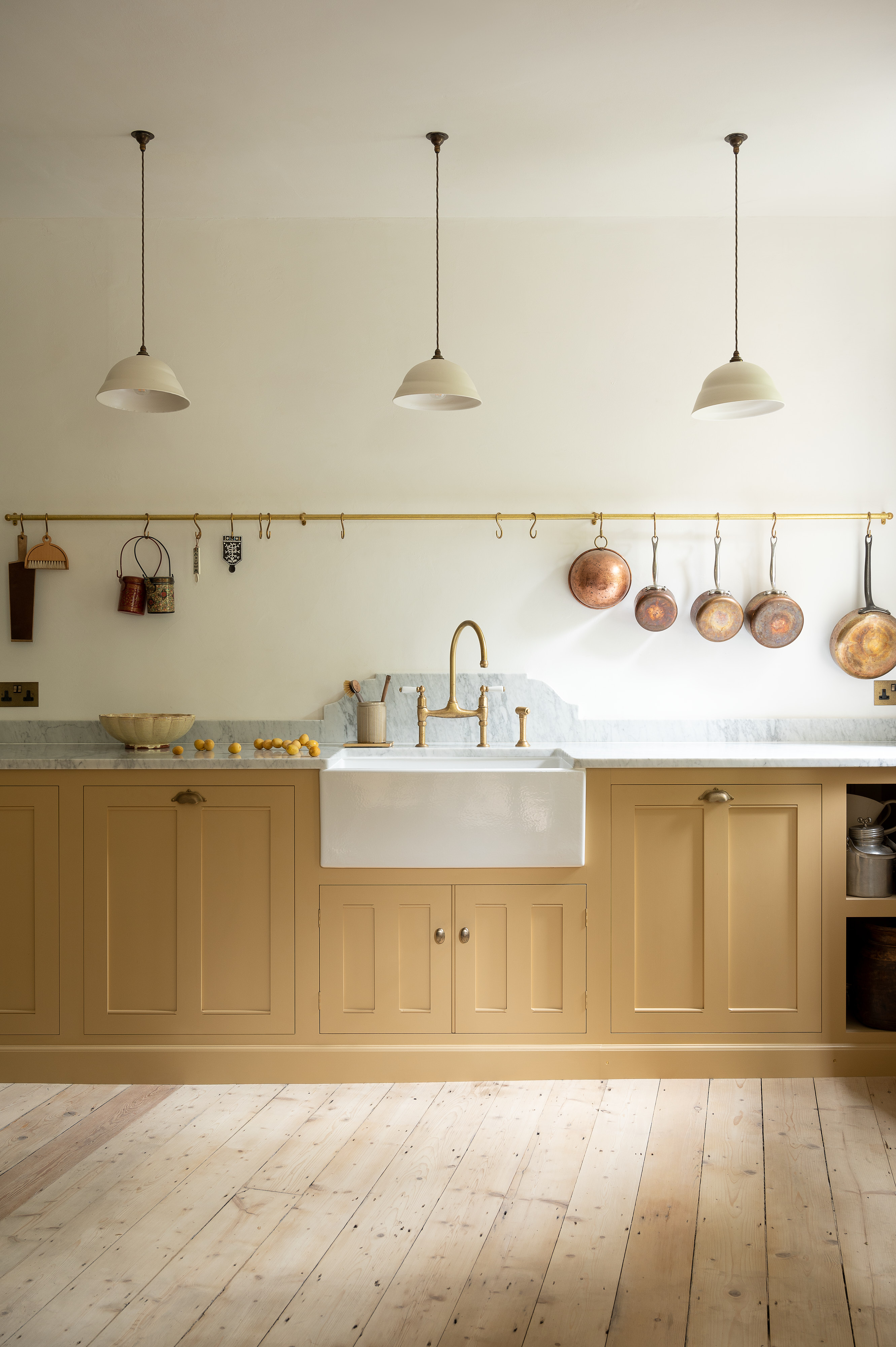
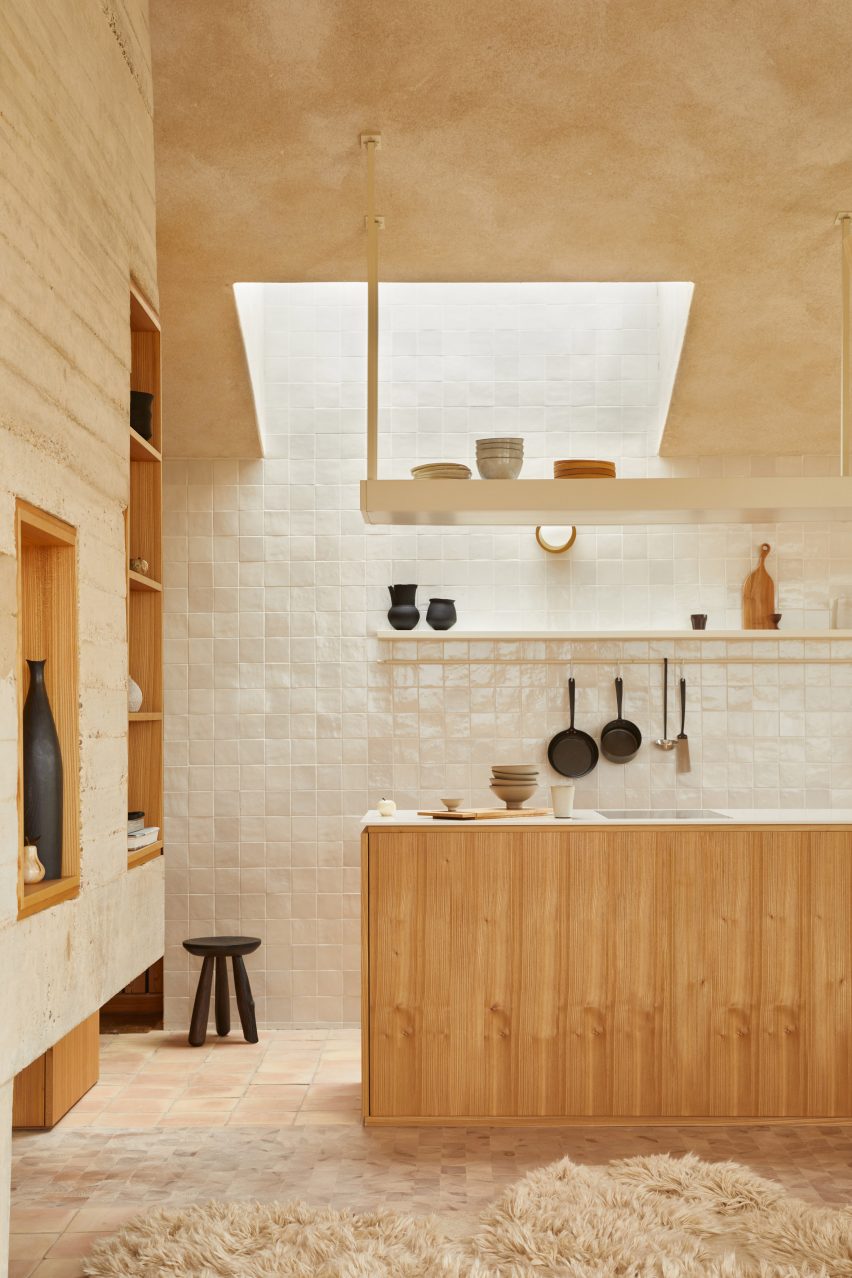
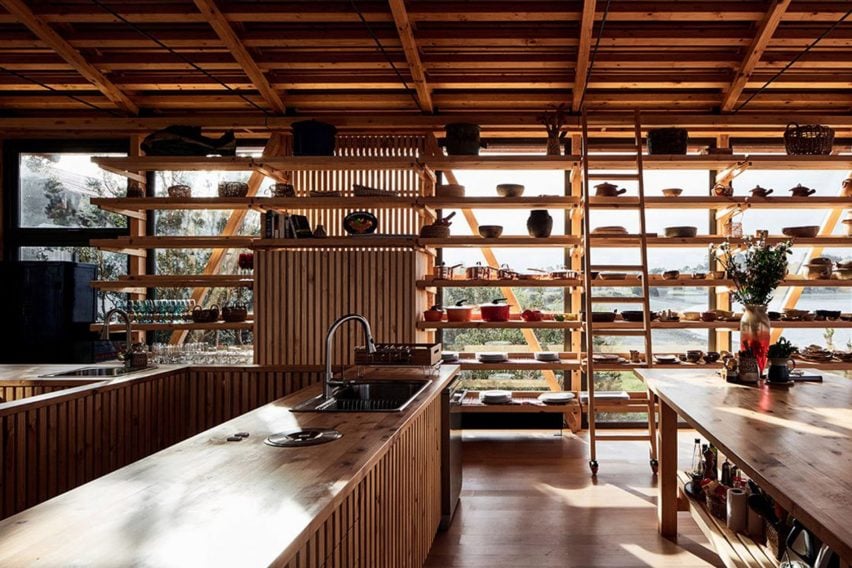
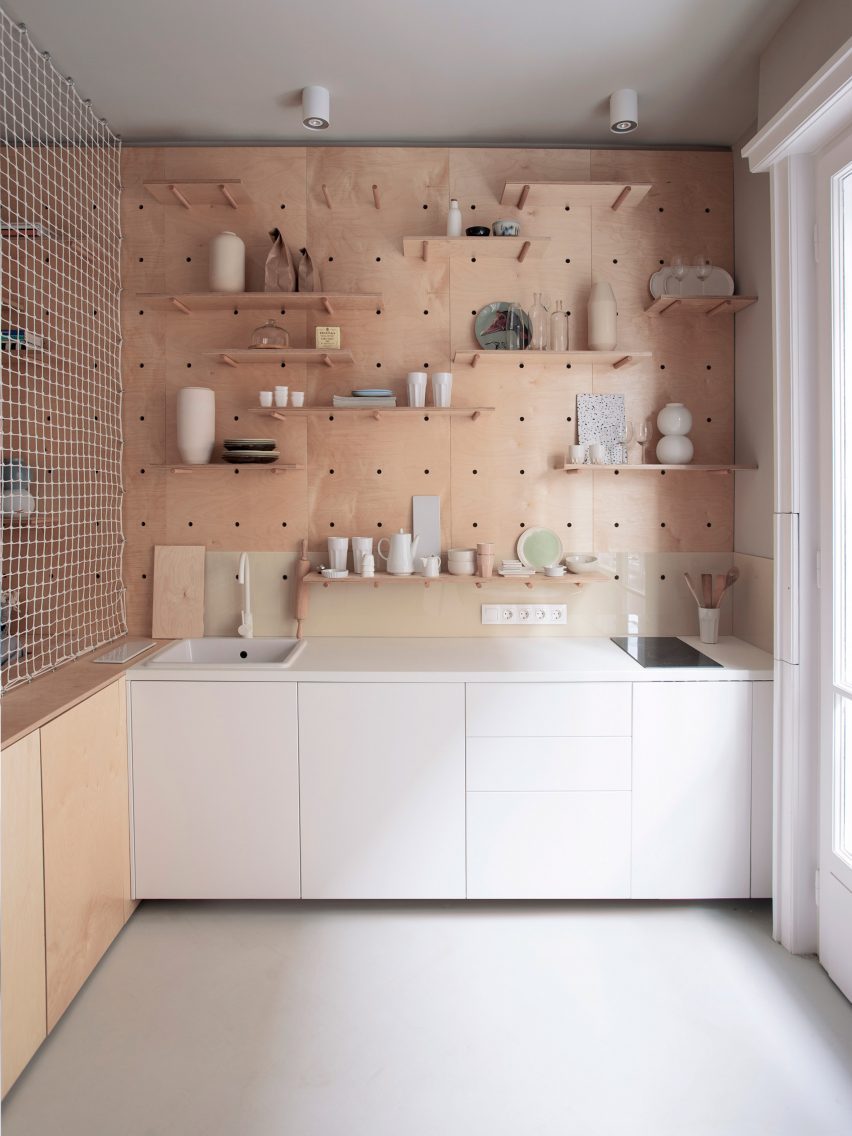
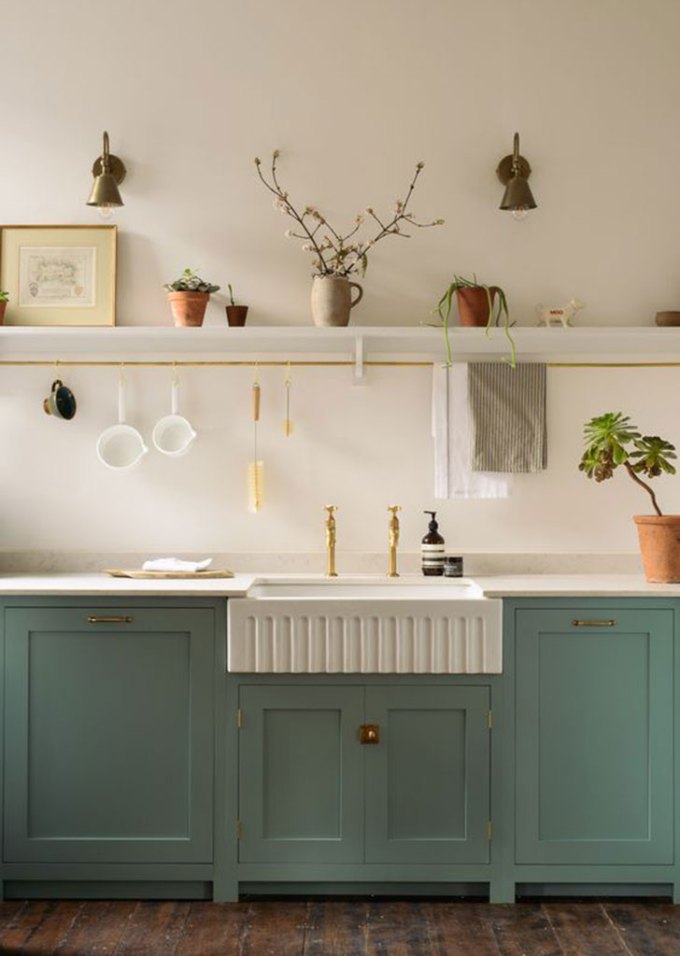
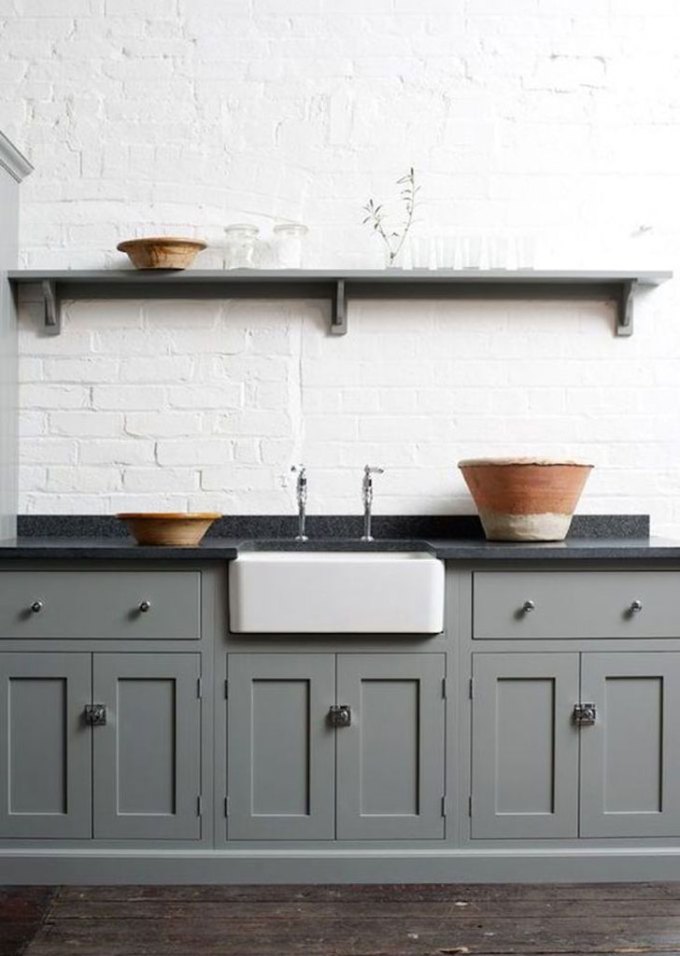
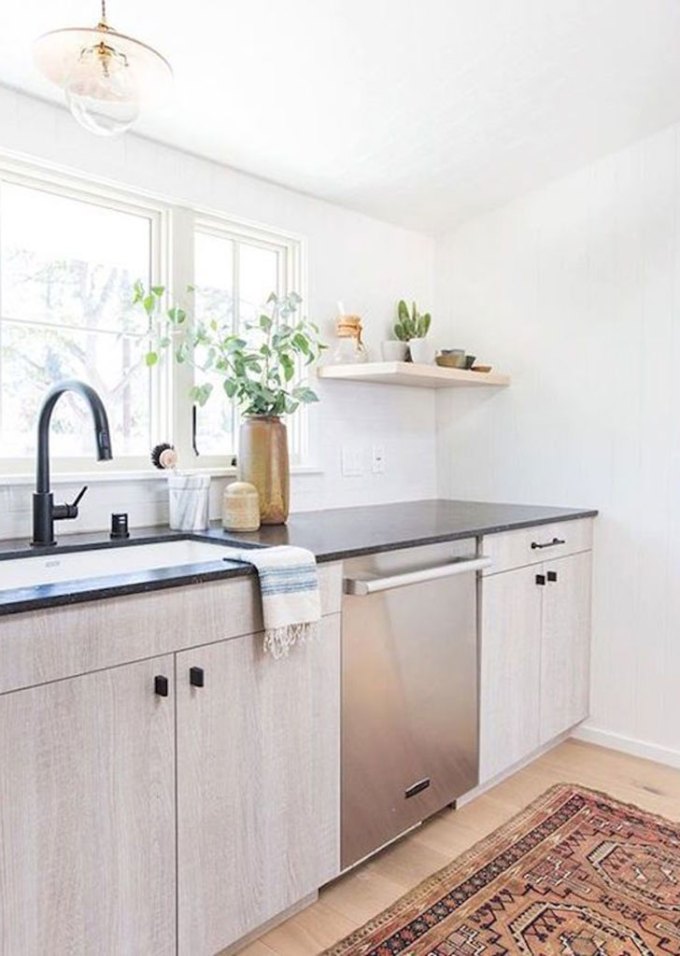
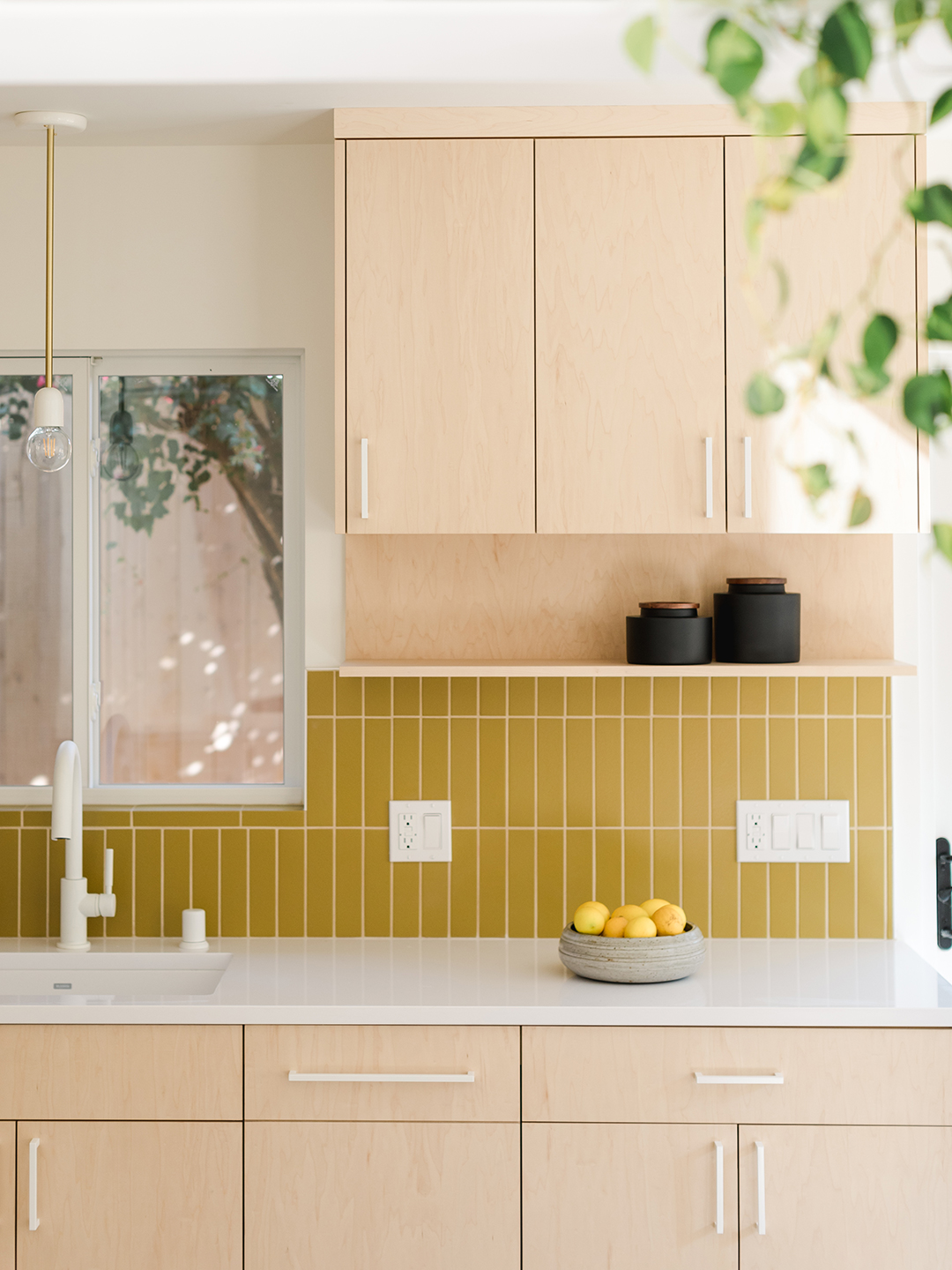
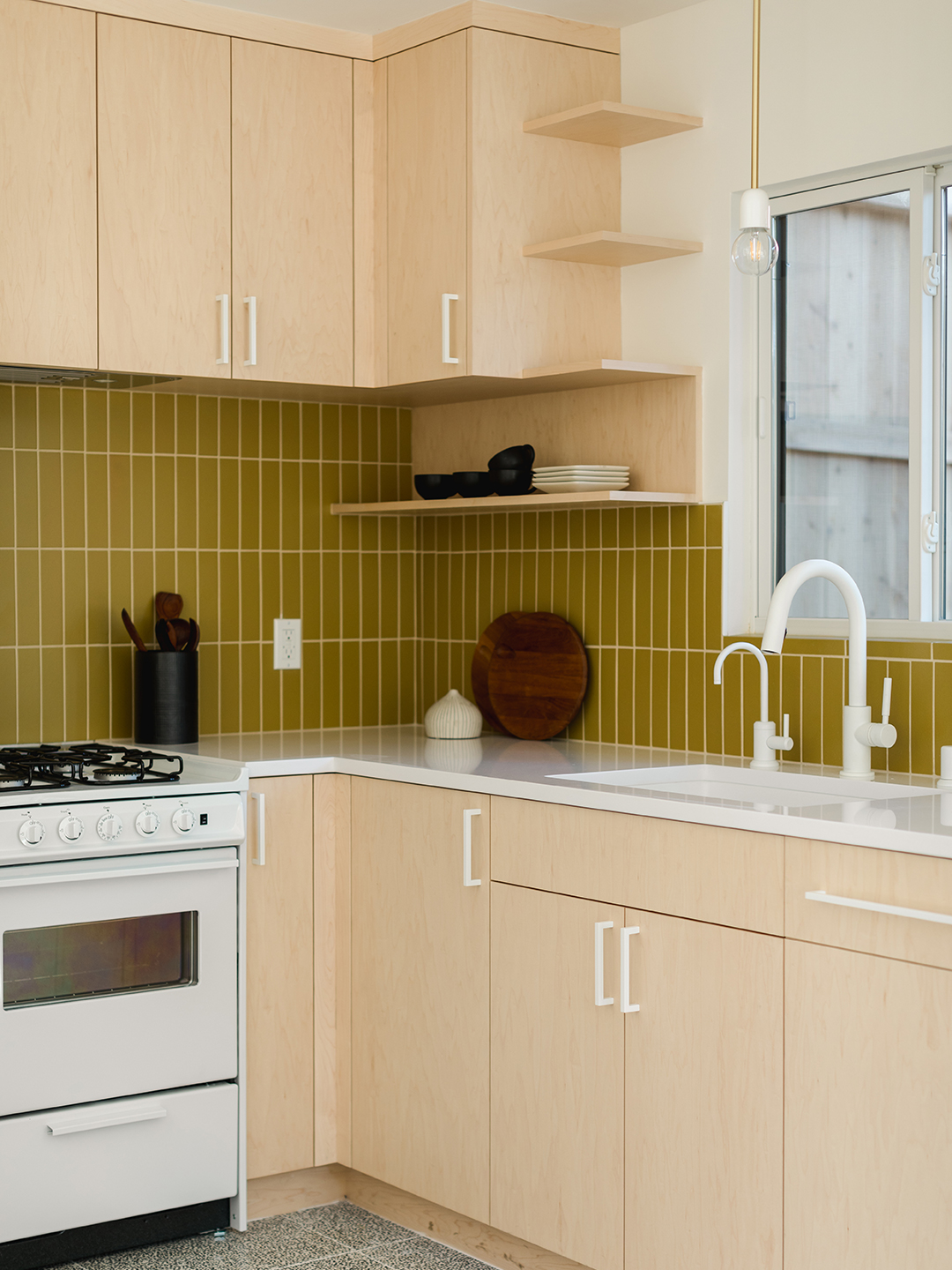
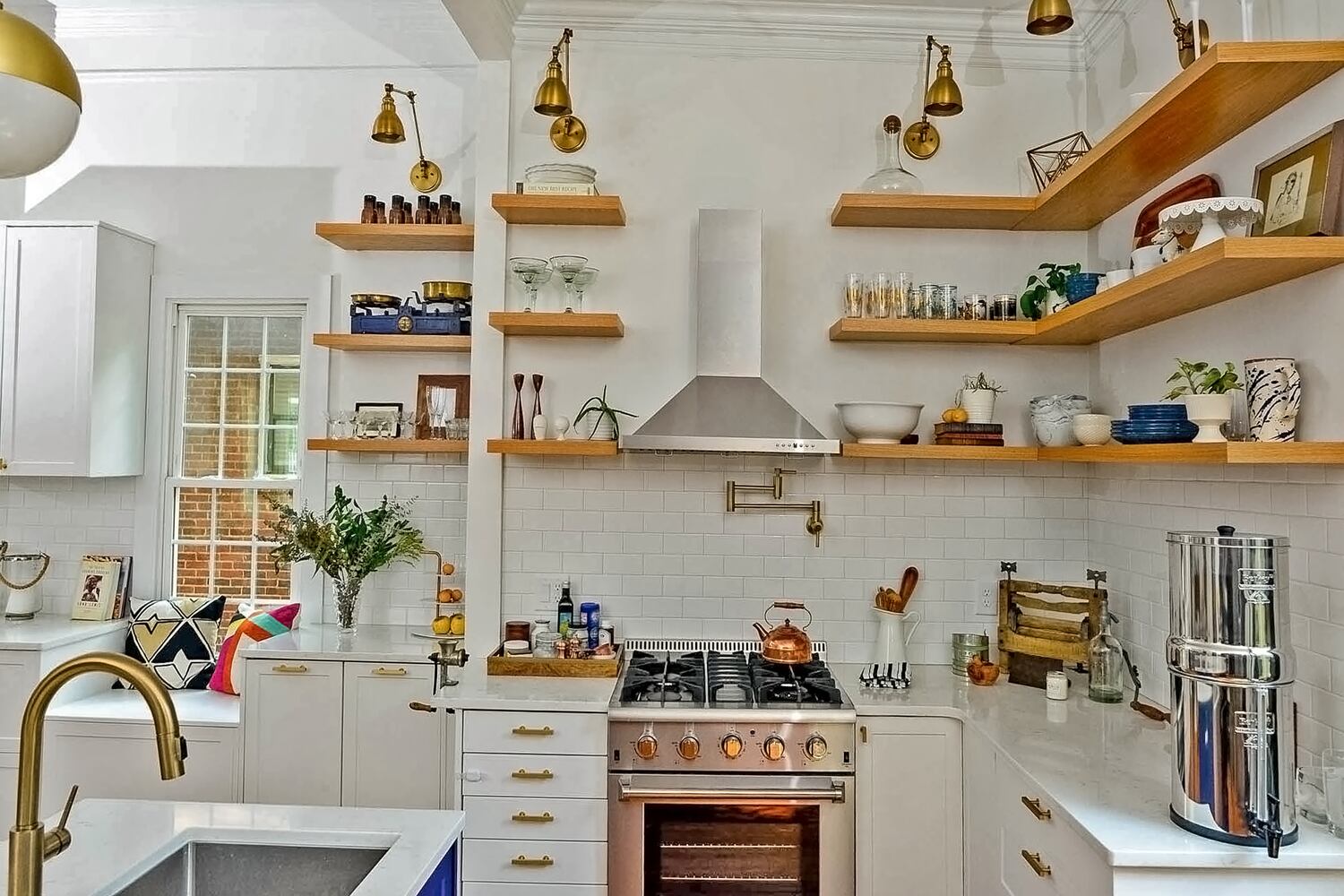
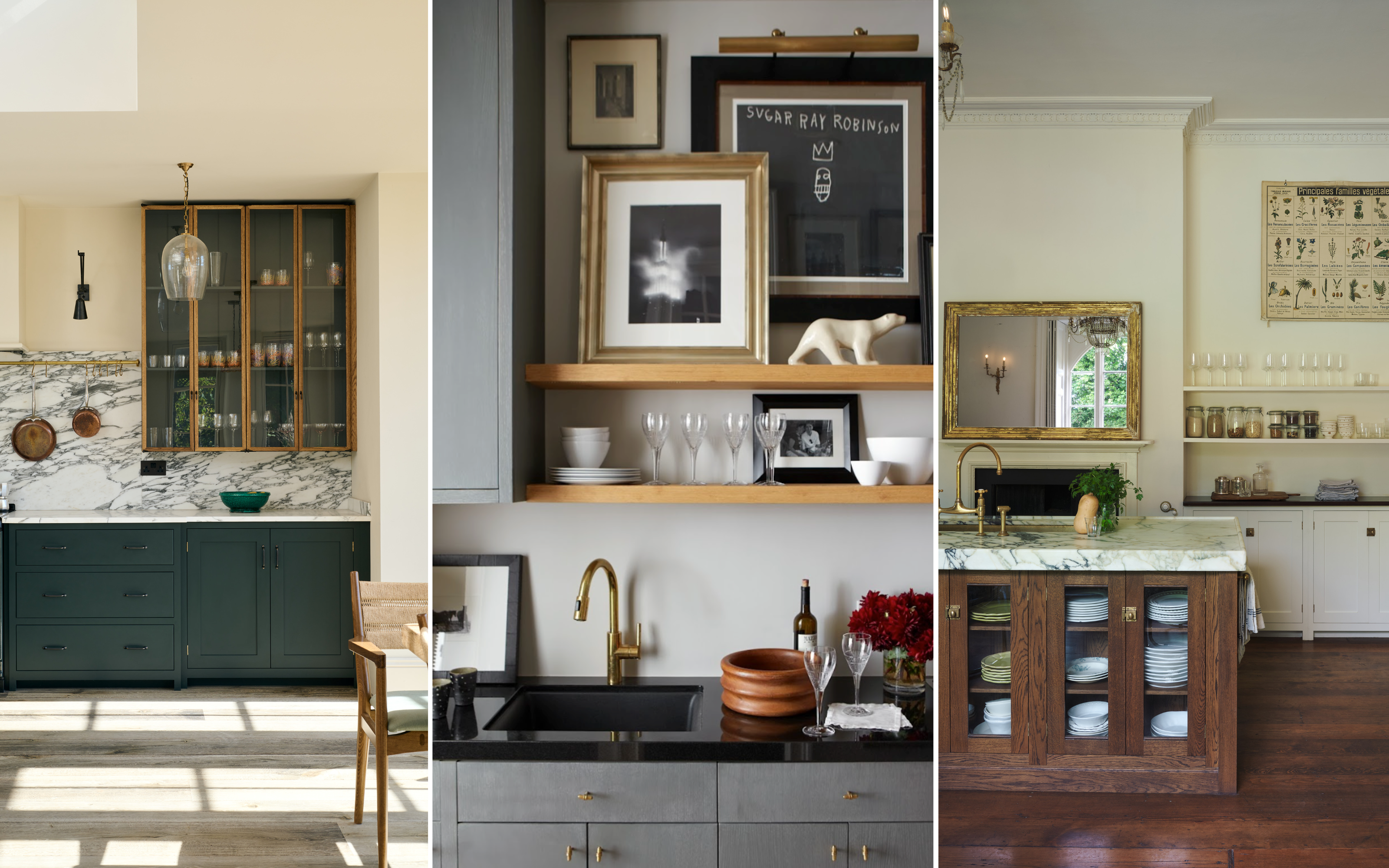
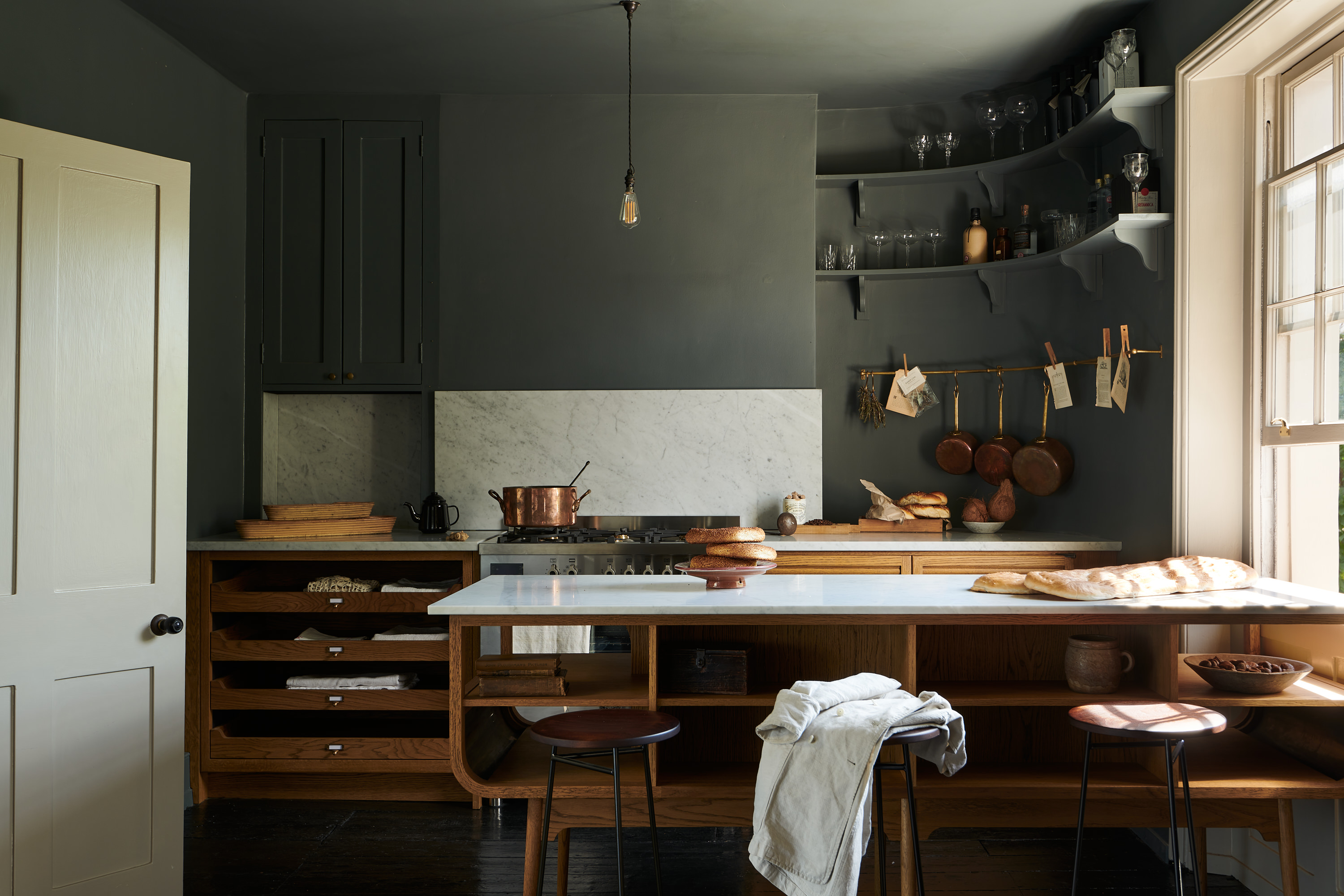
Open shelving in the kitchen offers both aesthetic appeal and practical functionality, but its success hinges on thoughtful organization. When executed properly, open shelves can elevate visual design and support daily culinary routines, from making coffee to serving drinks. Designers like Devon Wegman emphasize combining subtle storage solutions with attractive displays, often placing open shelving near coffee stations or in butler's pantries for easy access to frequently used items like mugs. Lauren Lerner notes that open shelving can break up the visual monotony of cabinetry, creating a more spacious and inviting atmosphere.
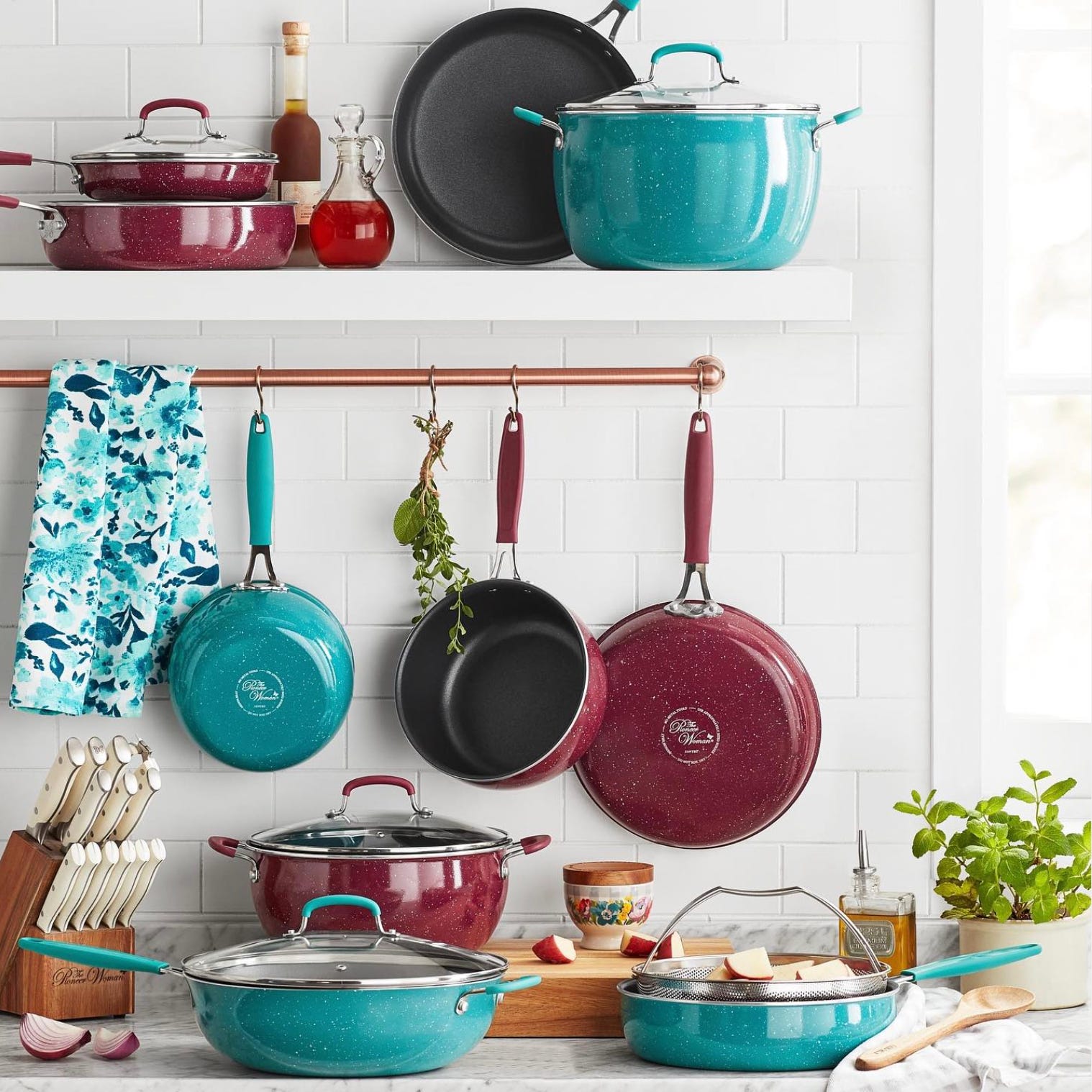
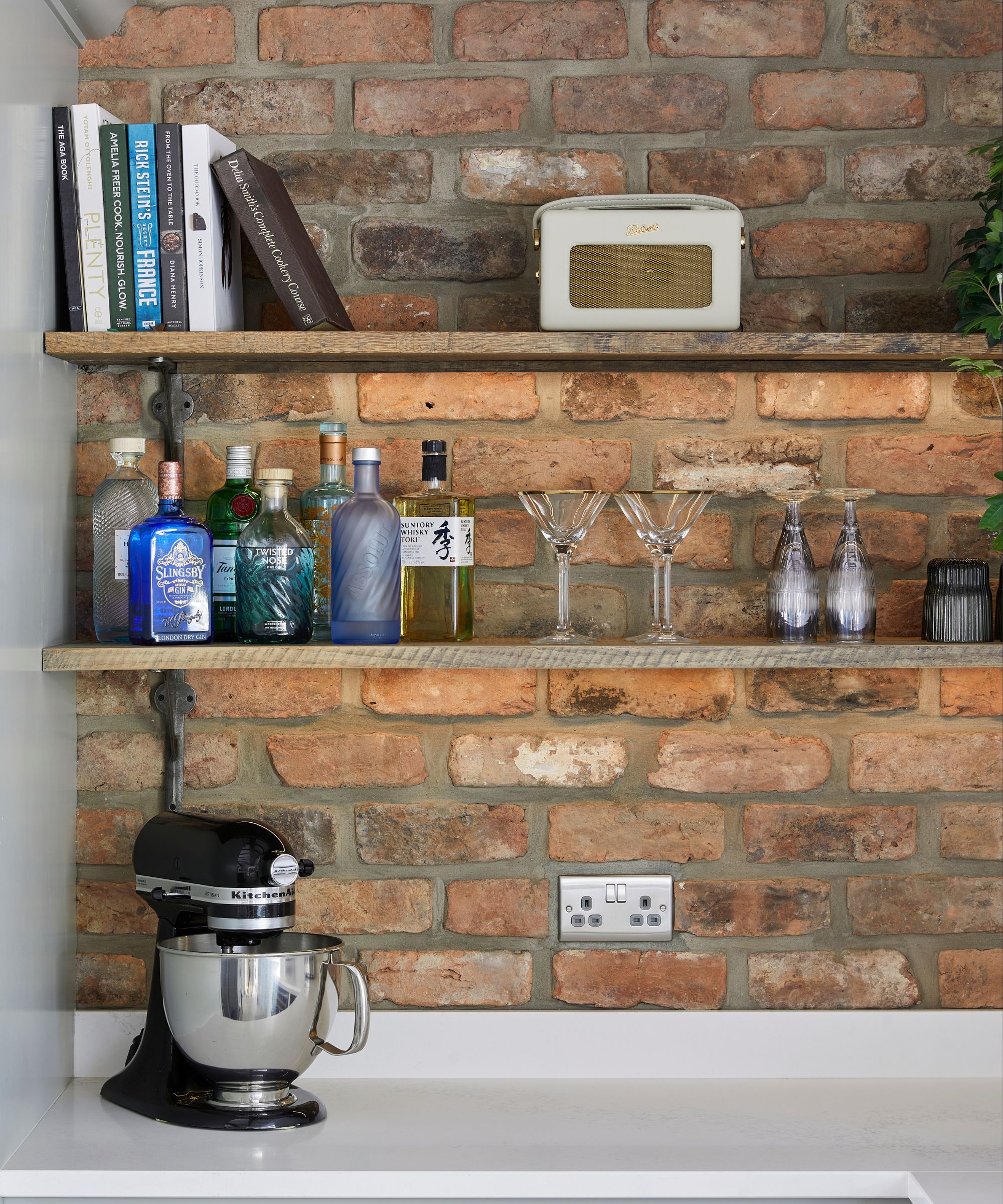
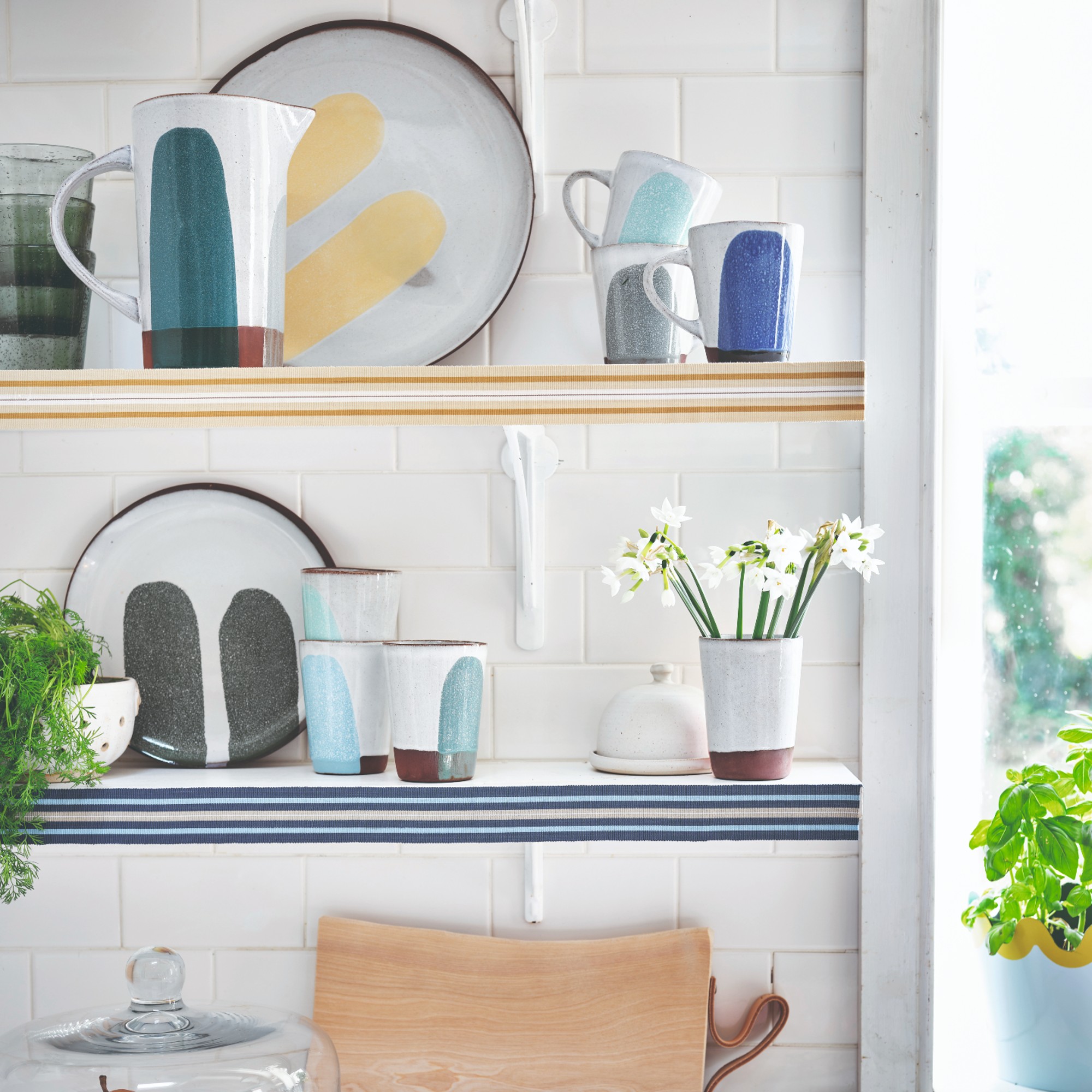
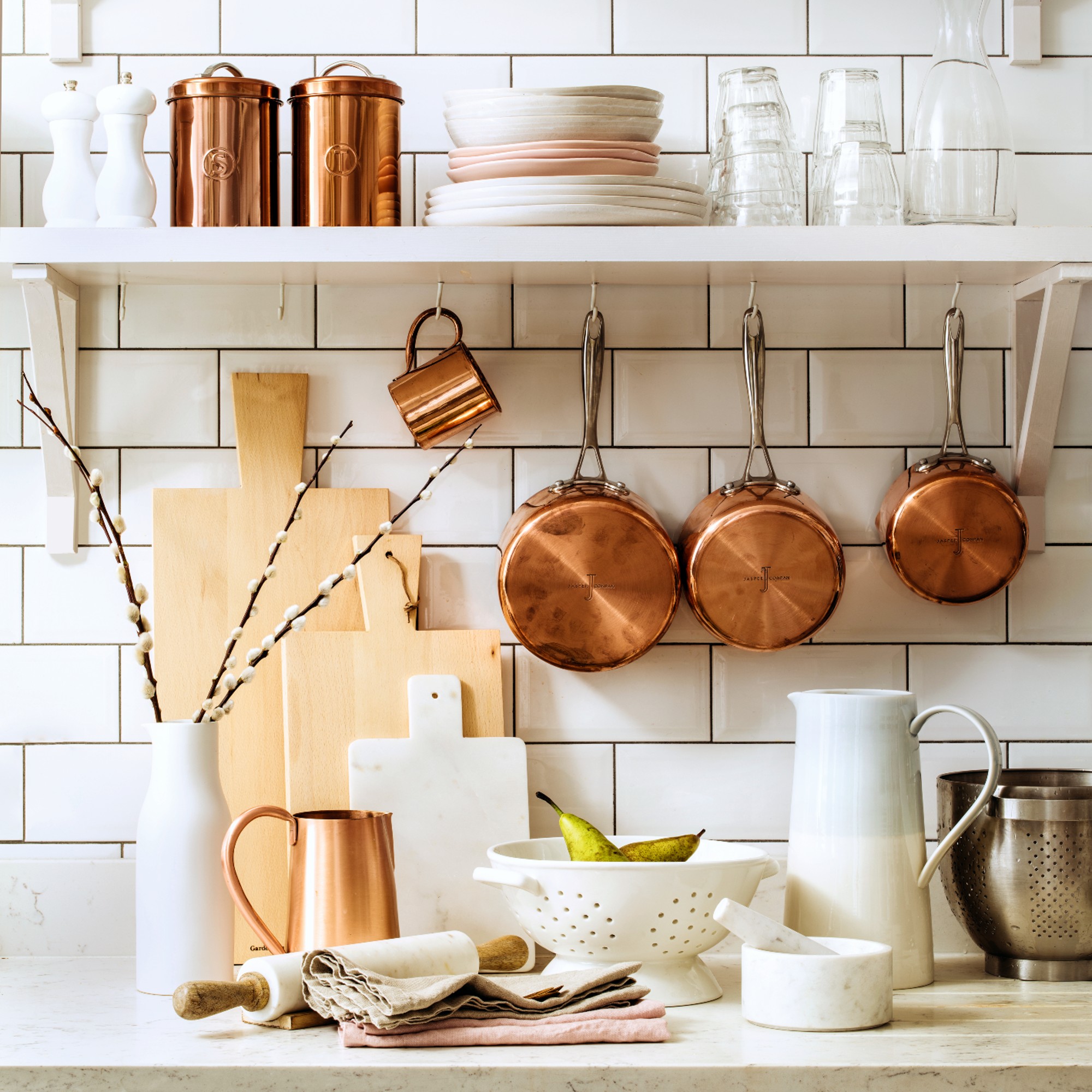
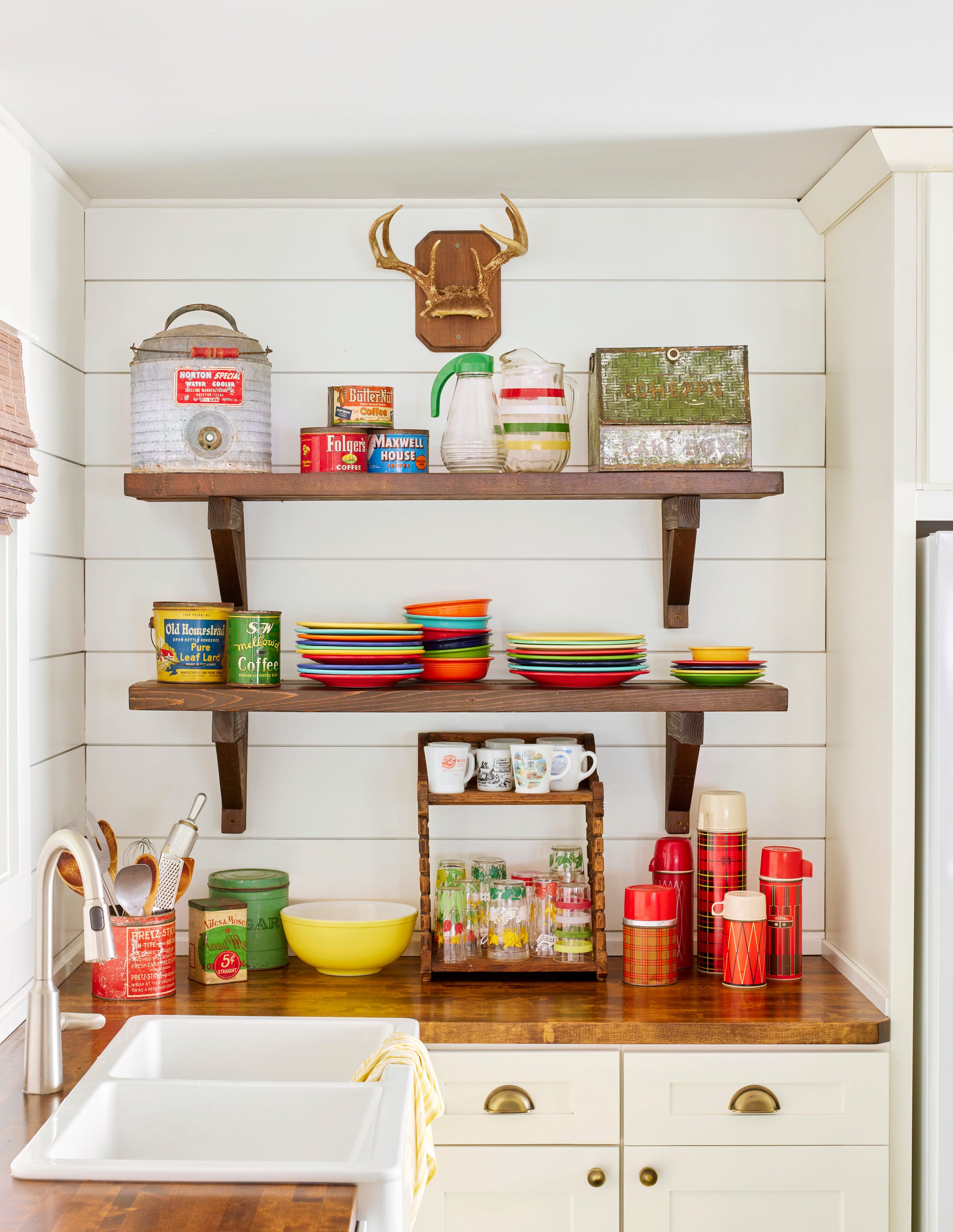
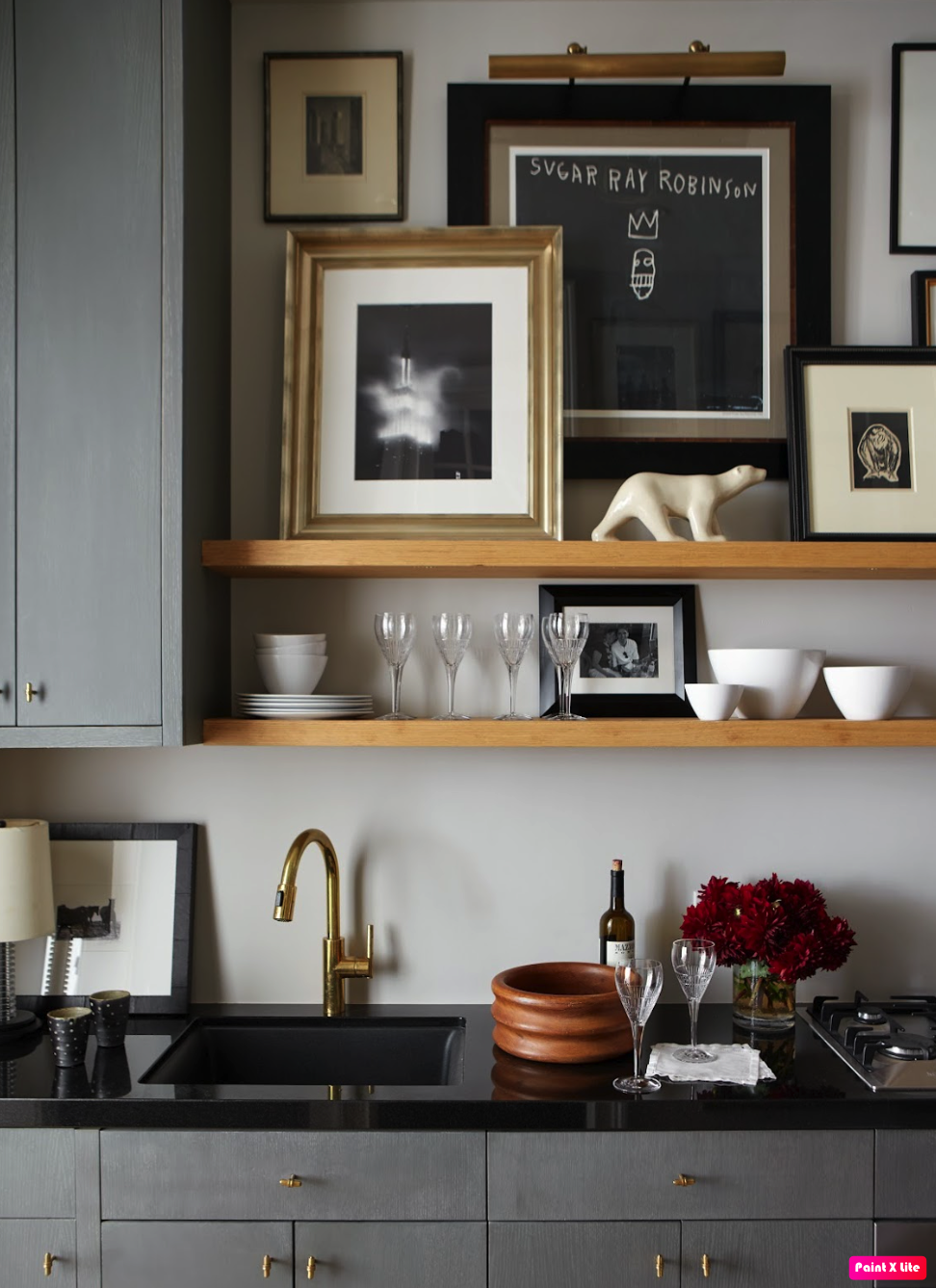
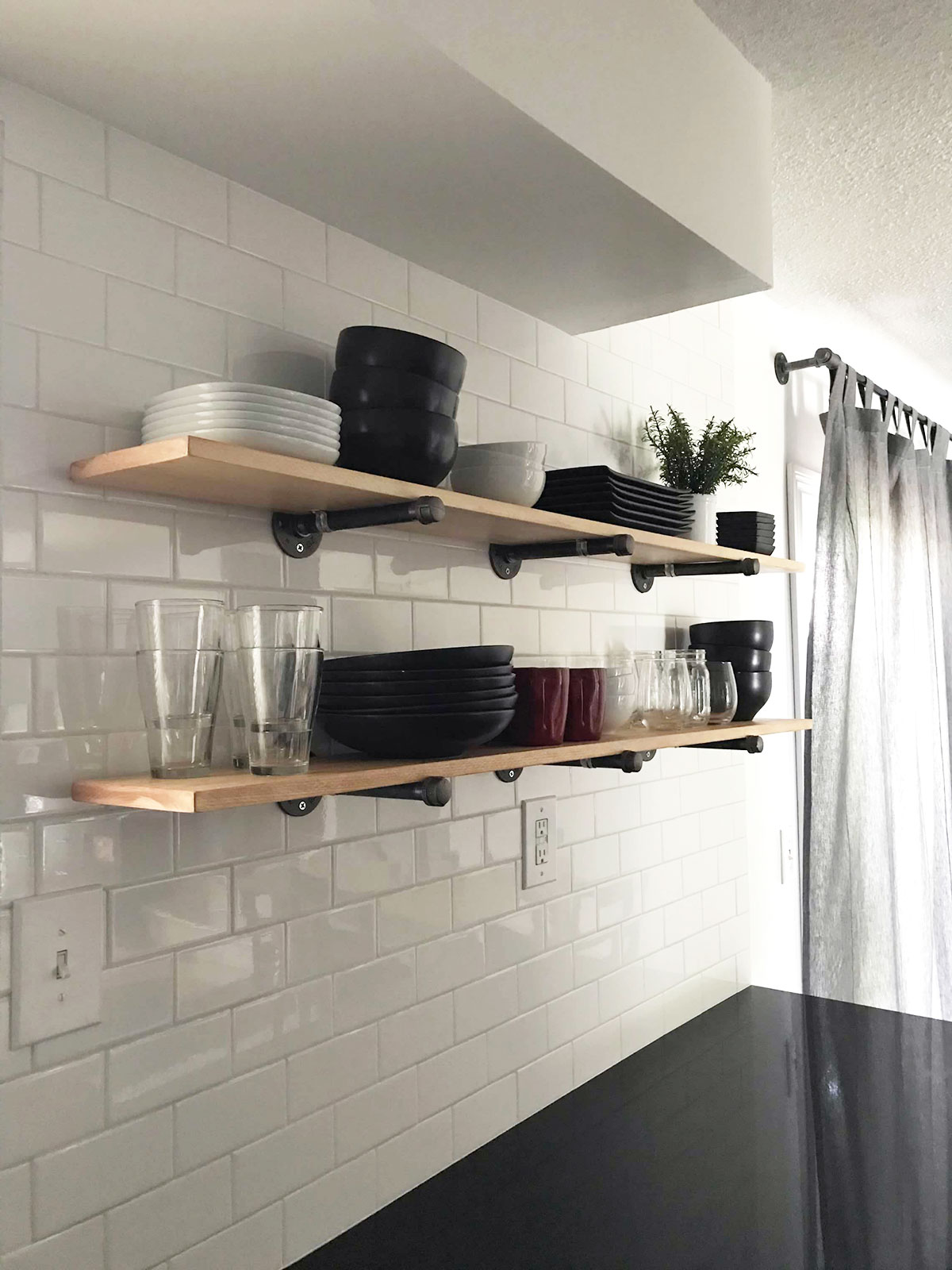
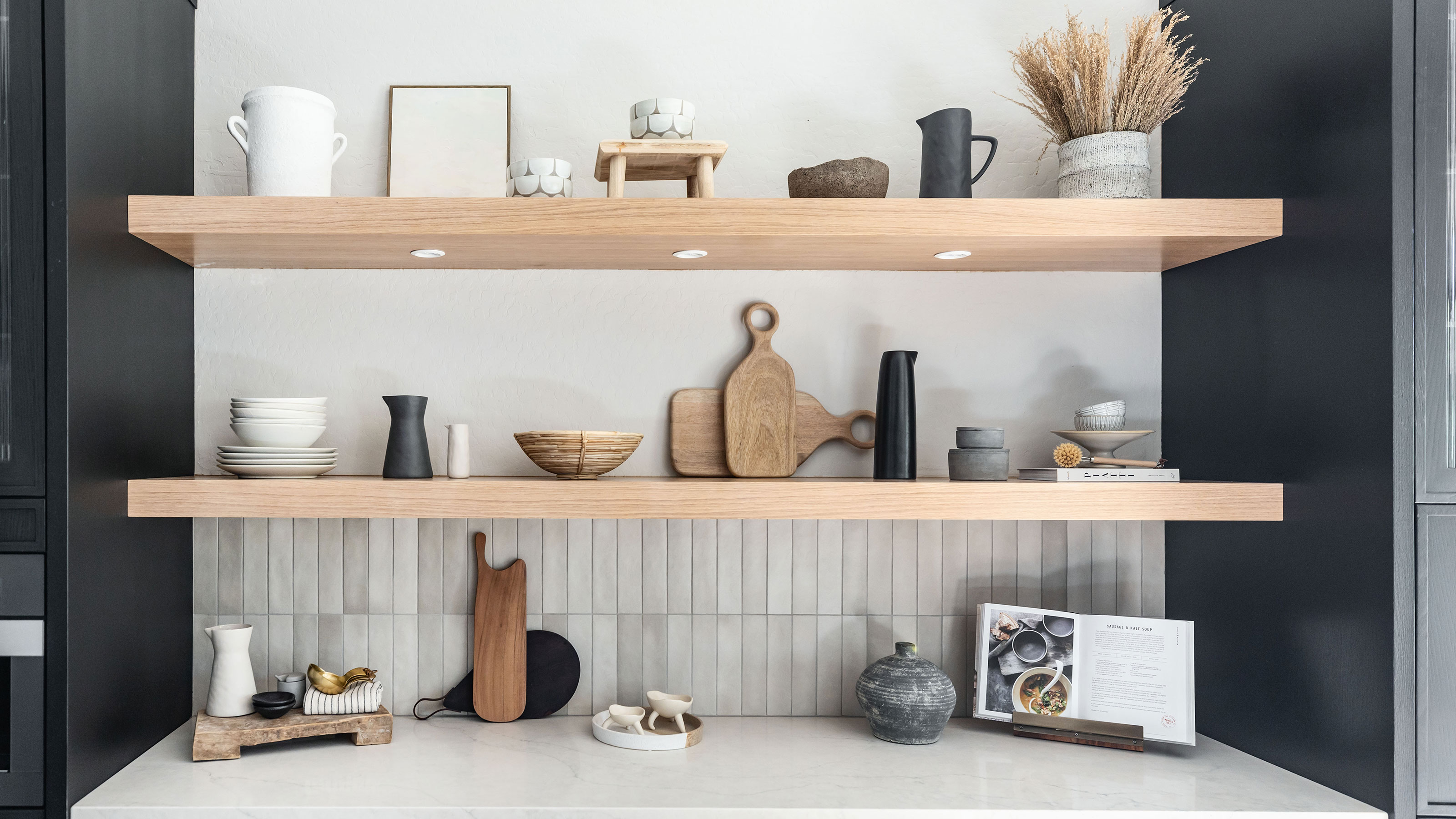
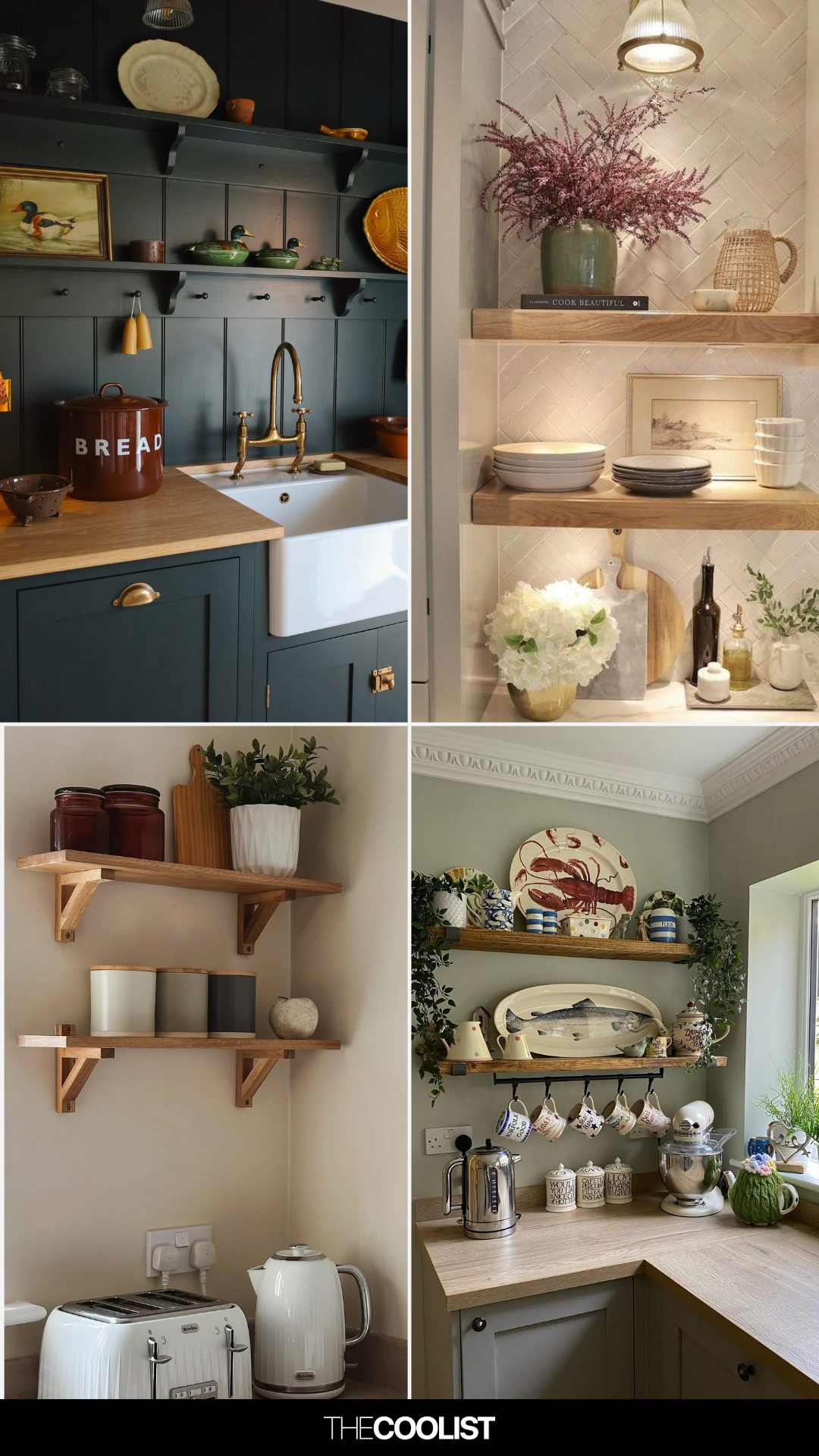
The first golden rule for organizing open shelving is to keep it curated and uncluttered. This starts with selecting attractive items for display. Professional designer Shara Kay suggests showcasing serving dishes, glassware, mugs, or beautiful cookbooks. Victoria Holly recommends decluttering as a crucial first step, not only for styling but also for enhancing kitchen functionality. To prevent a cluttered look, Wegman advises simplifying materials, colors, and textures to achieve a cohesive and intentional display. This might involve using matching dinnerware and glassware, reserving mismatched items for closed cabinets. Holly further warns against overcrowding, as it can detract from the purpose of open shelving, which is to provide both functionality and a minimalist aesthetic. Lerner adds that a neutral color palette and avoiding overly vibrant or flashy items can maintain an aesthetically pleasing and well-organized appearance, emphasizing that simplicity is paramount.
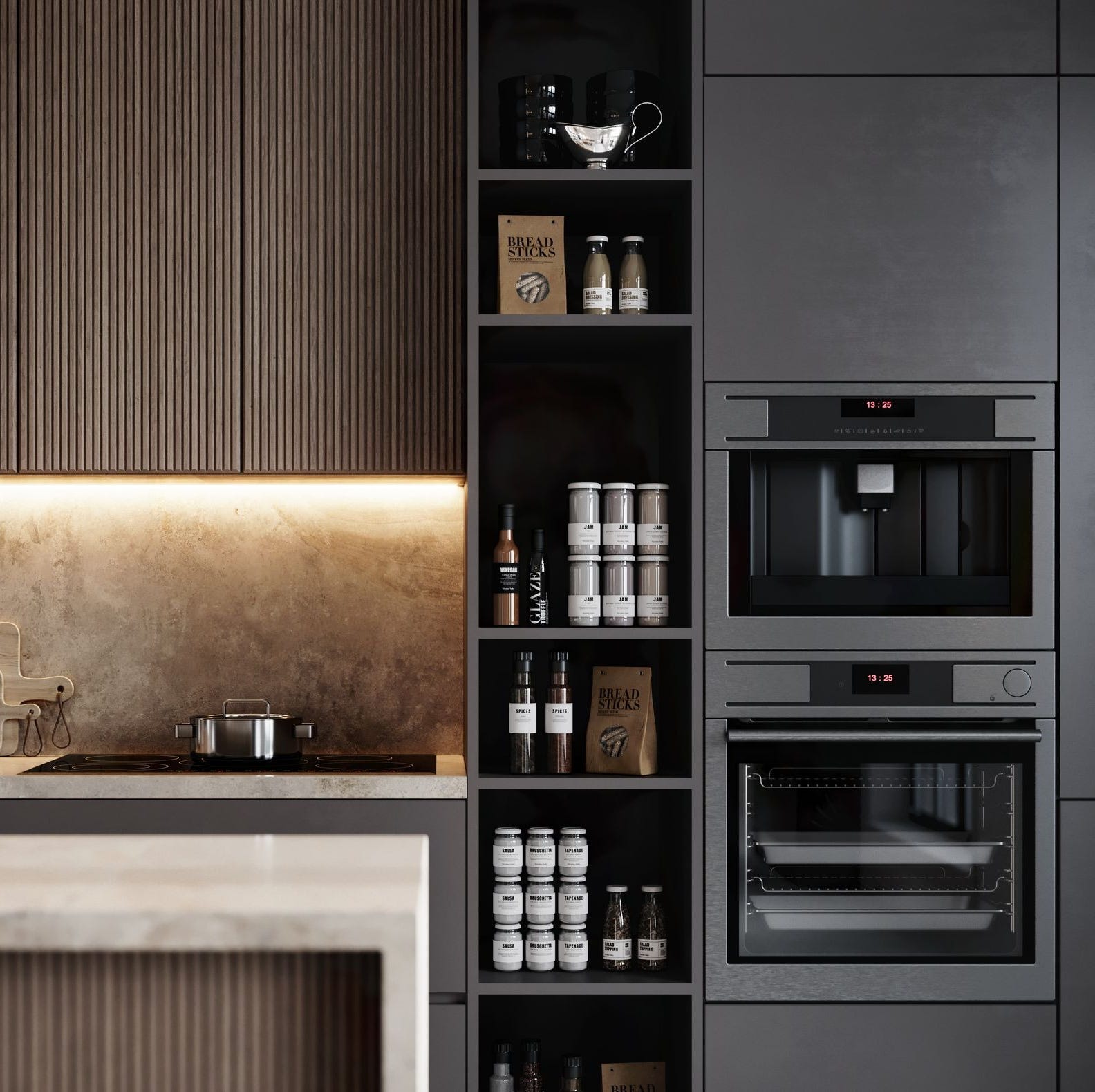
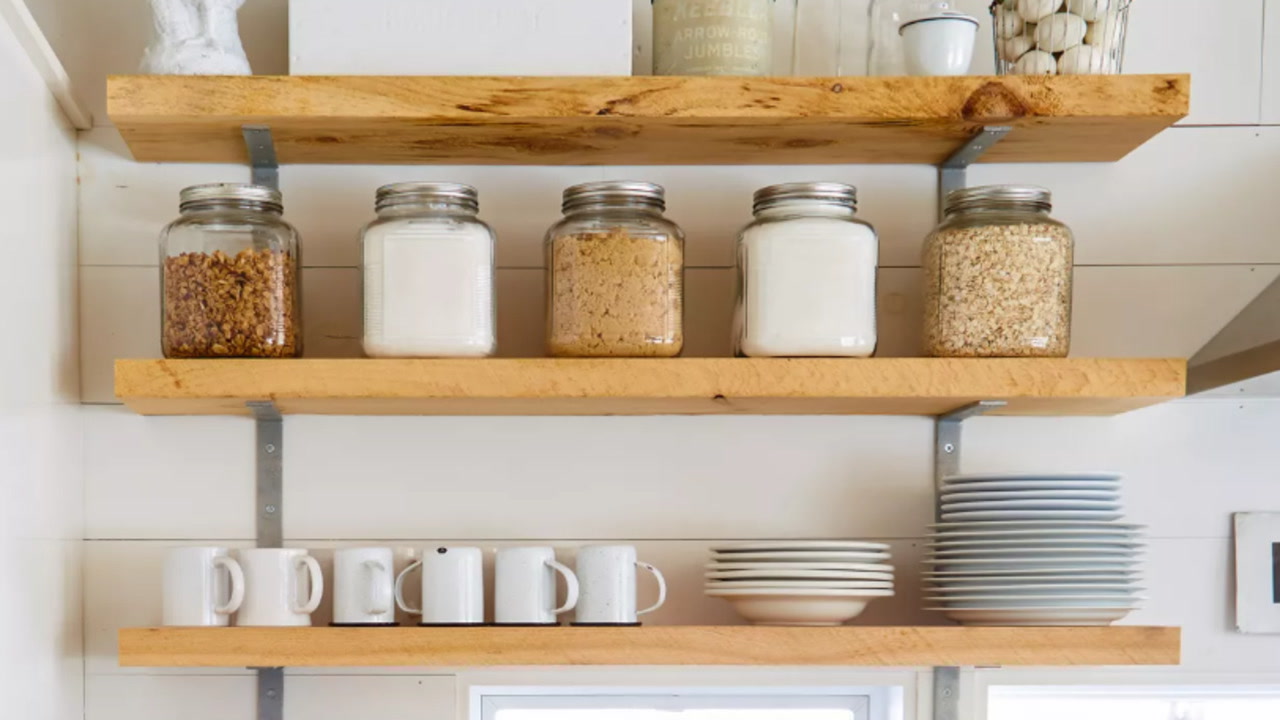
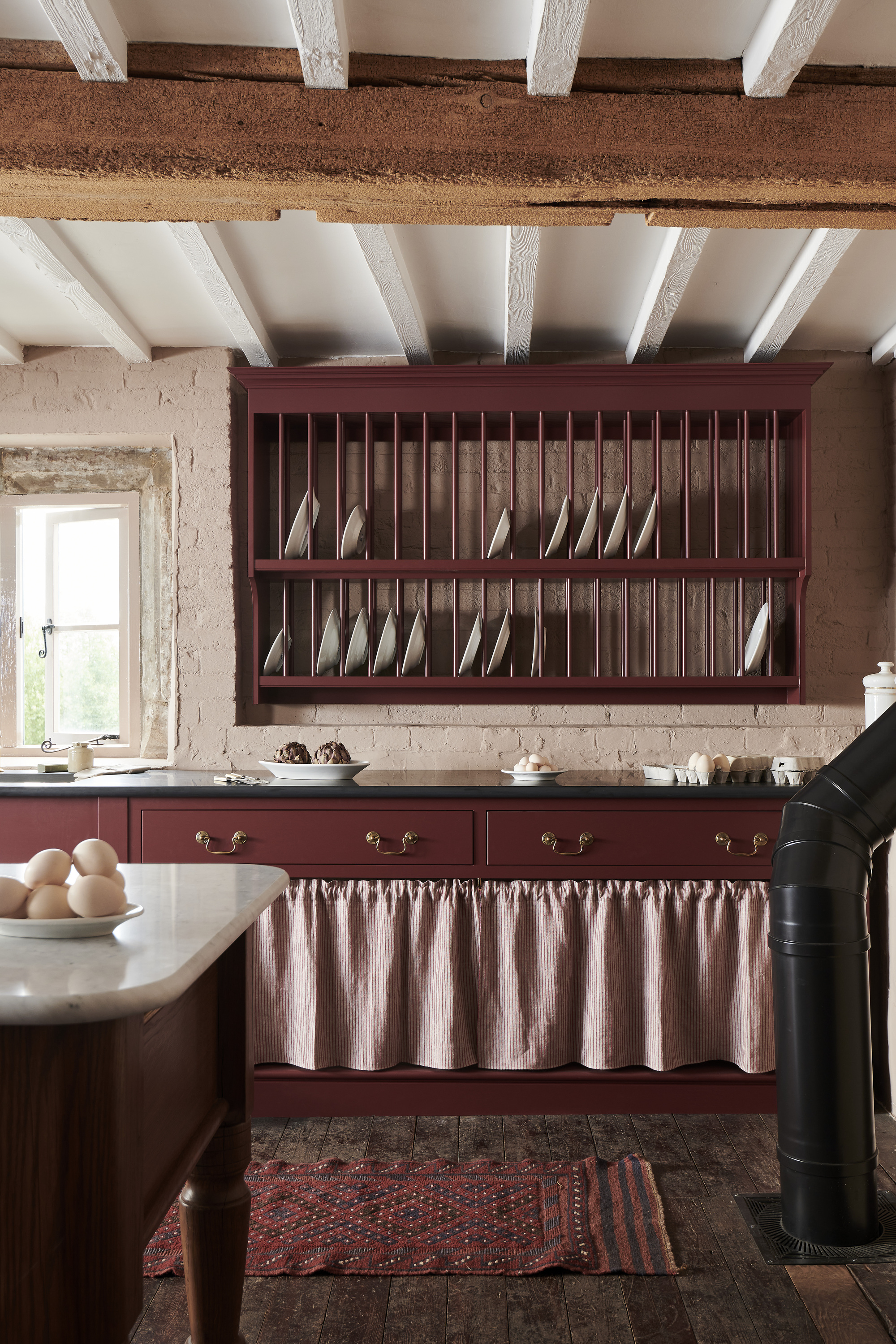
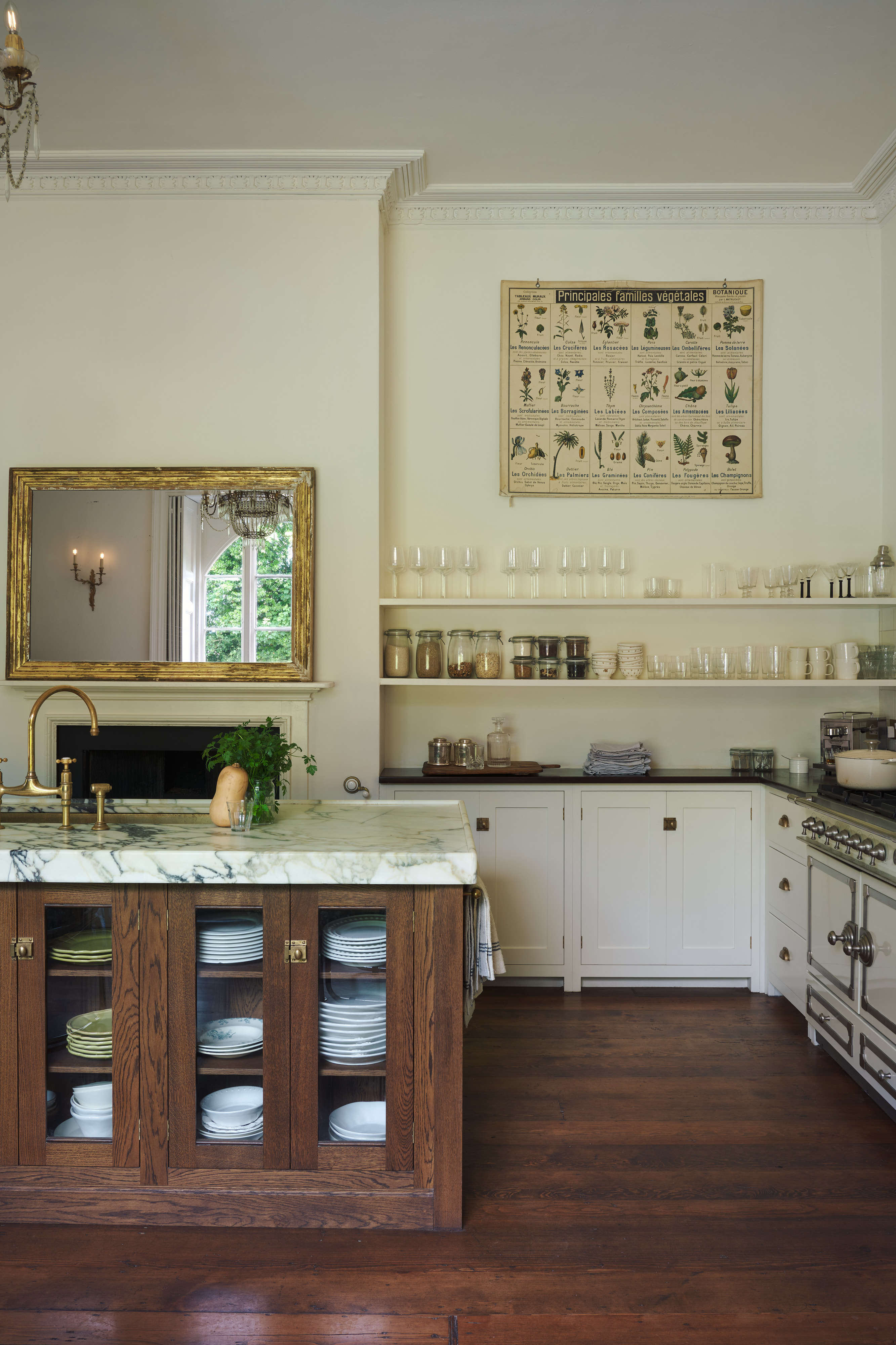
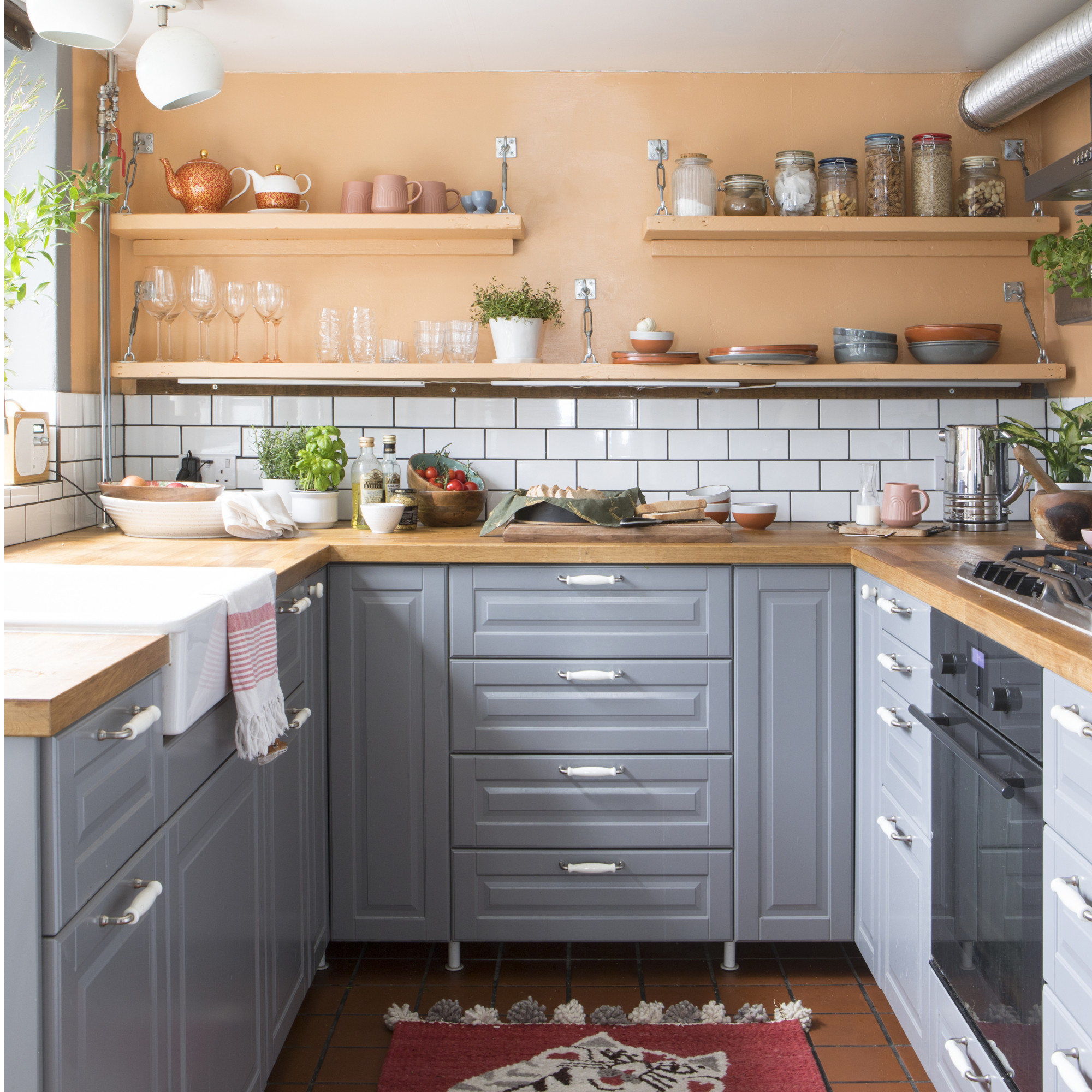
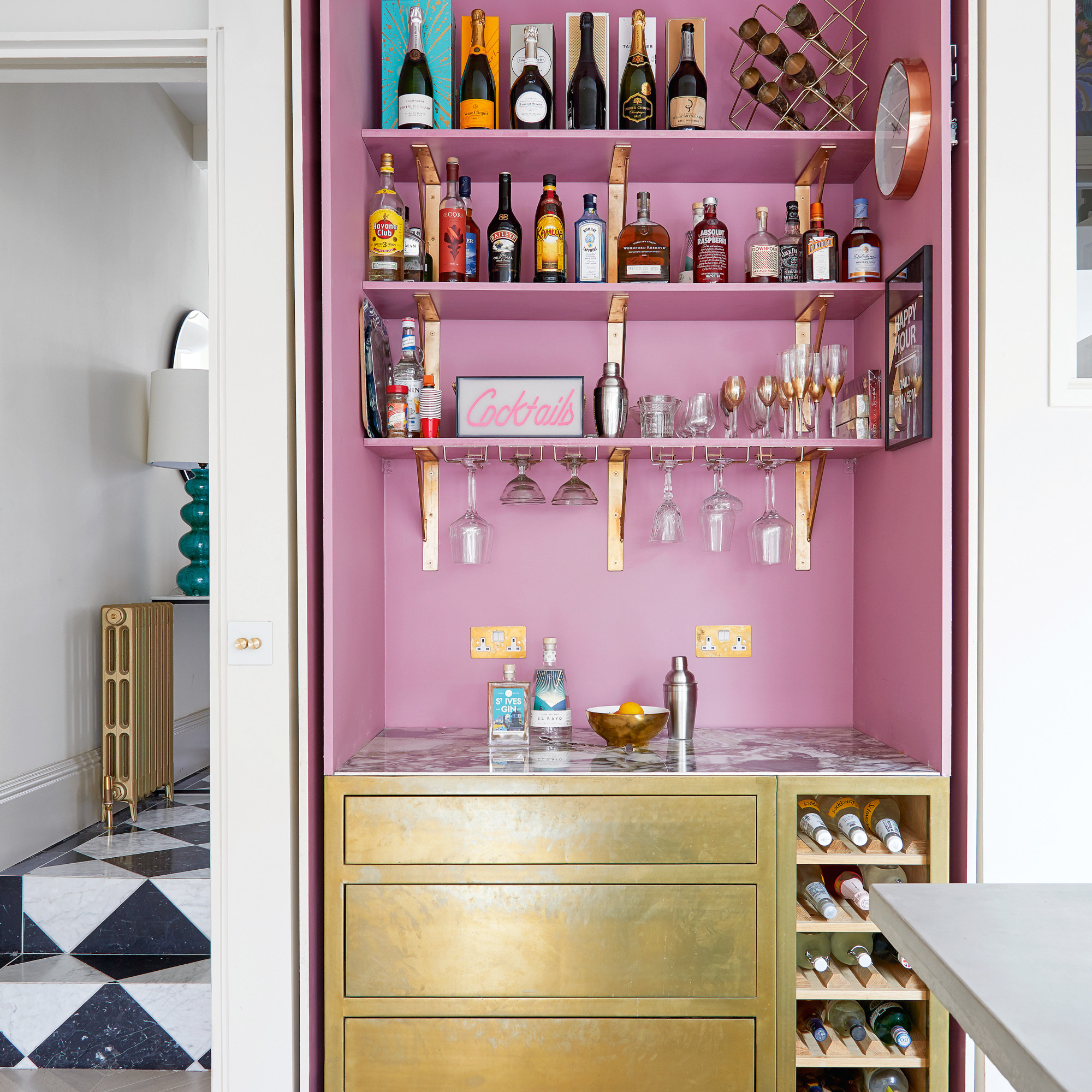
The second rule is to organize items by set style and category. Once a curated selection of kitchenware is chosen, grouping similar items together becomes easier. Holly suggests organizing champagne flutes, coffee mugs, and crockery separately, making both visual sense and practical use. This method facilitates stacking and accessing items efficiently. For infrequently used glassware, Kay recommends storing them upside down to prevent dust accumulation. Sectioning off items can also be beneficial, as Holly advises keeping dishes and glasses in one section while storing cooking-oriented items like spices or oils in another. Frequently used items should be placed on lower shelves for easy access, while decorative pieces or less commonly used items can be arranged on higher, less accessible shelves. Methods for reaching high cabinets, such as decorative stools or ladders, can also be useful.
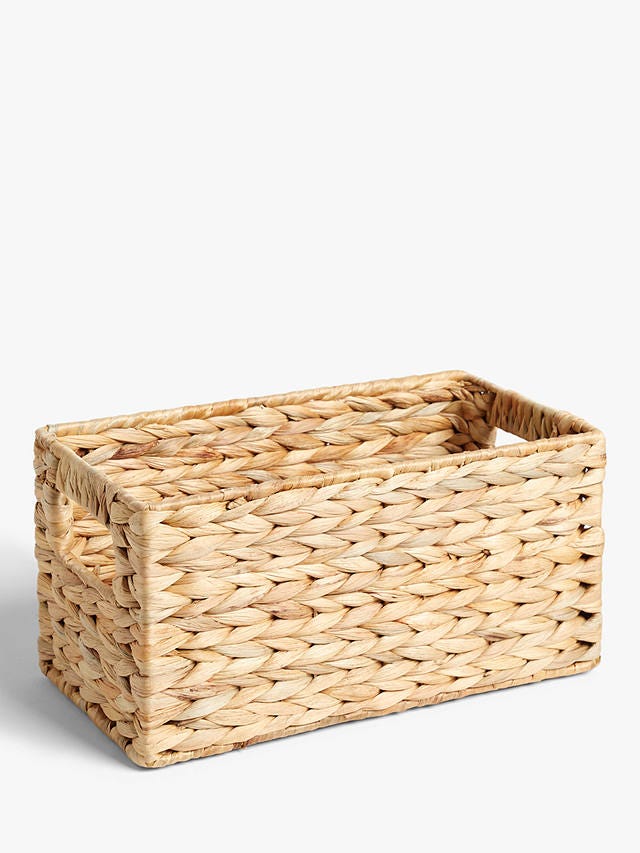
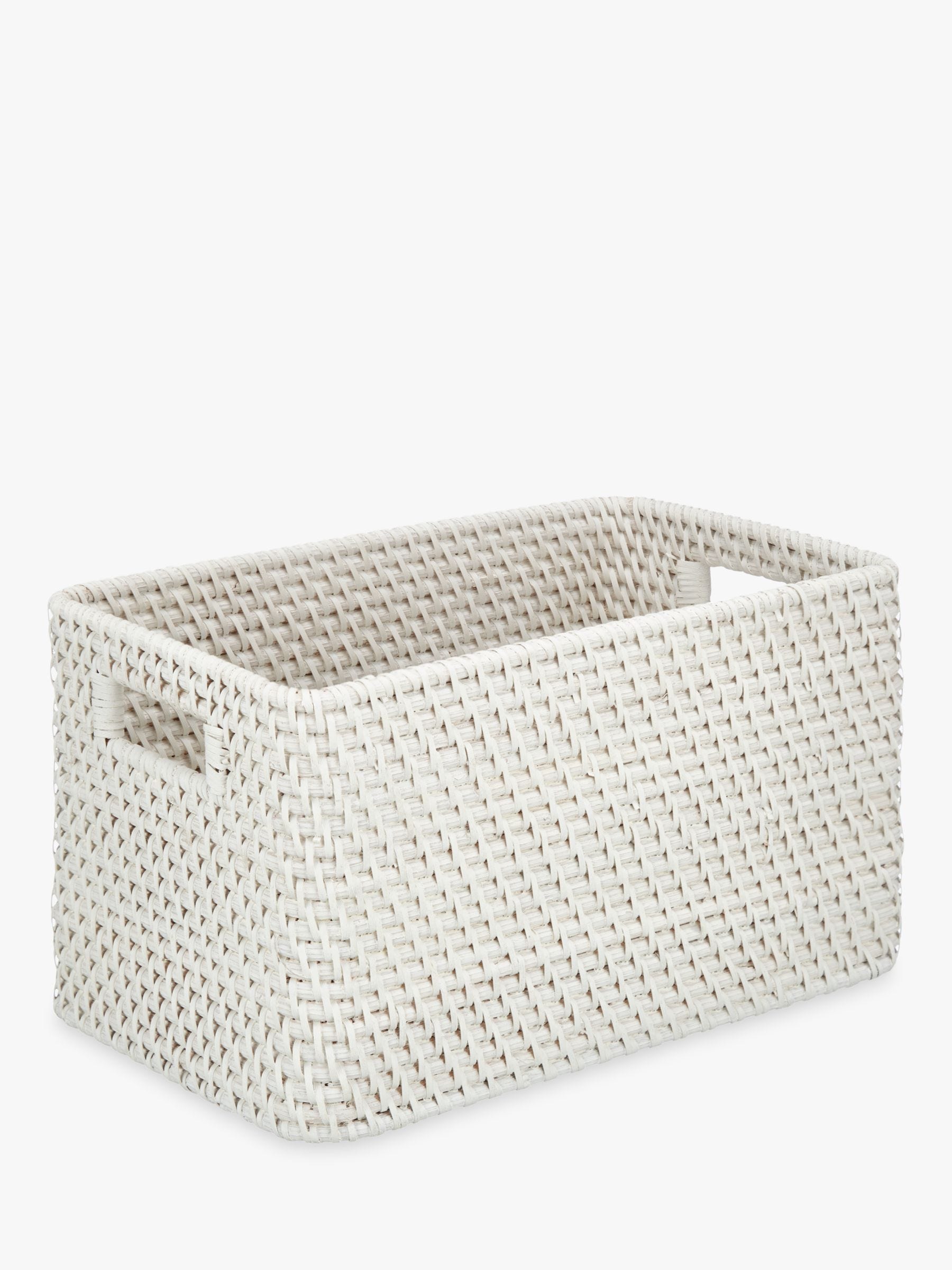
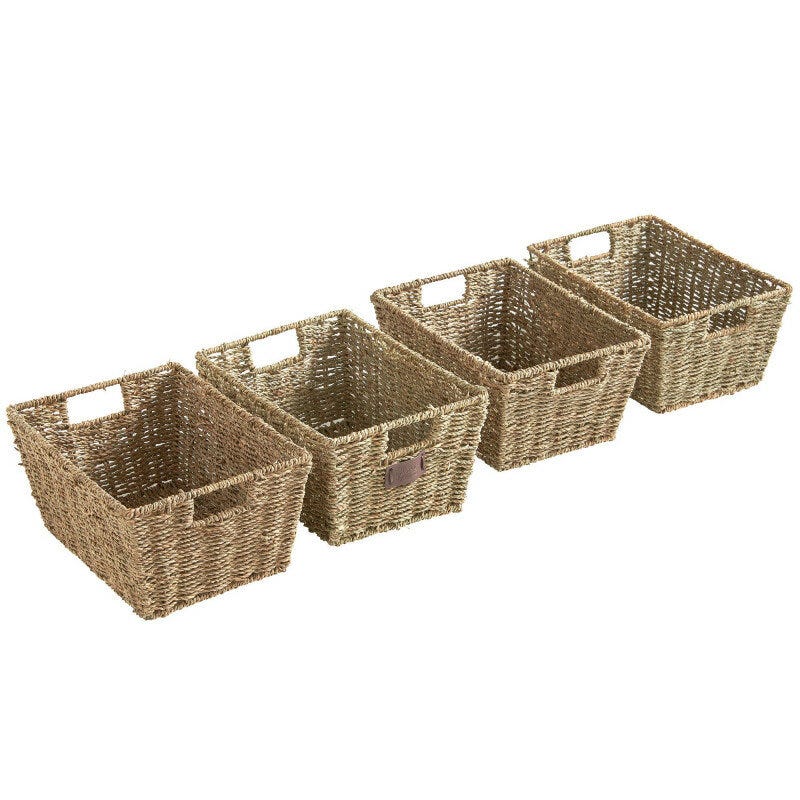
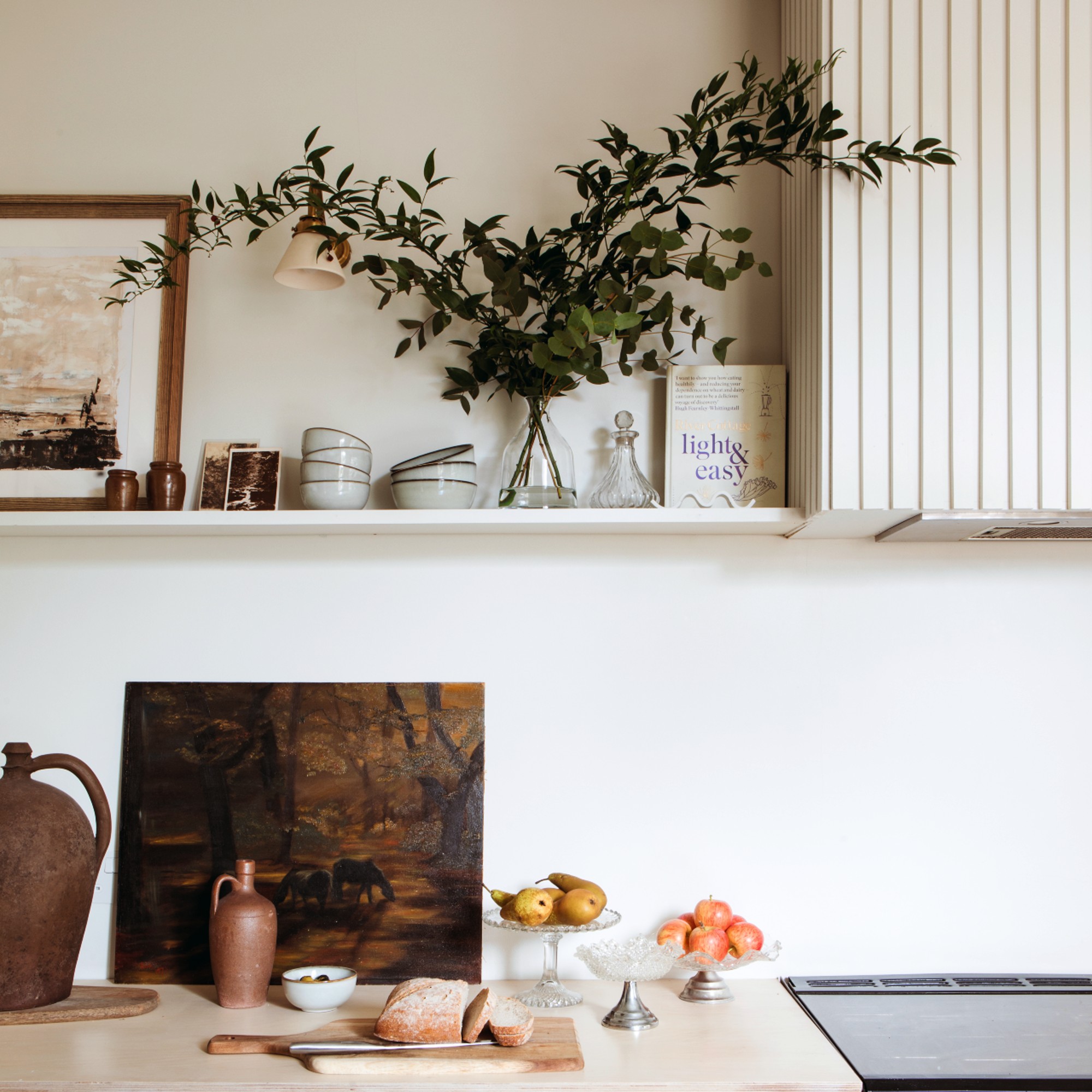
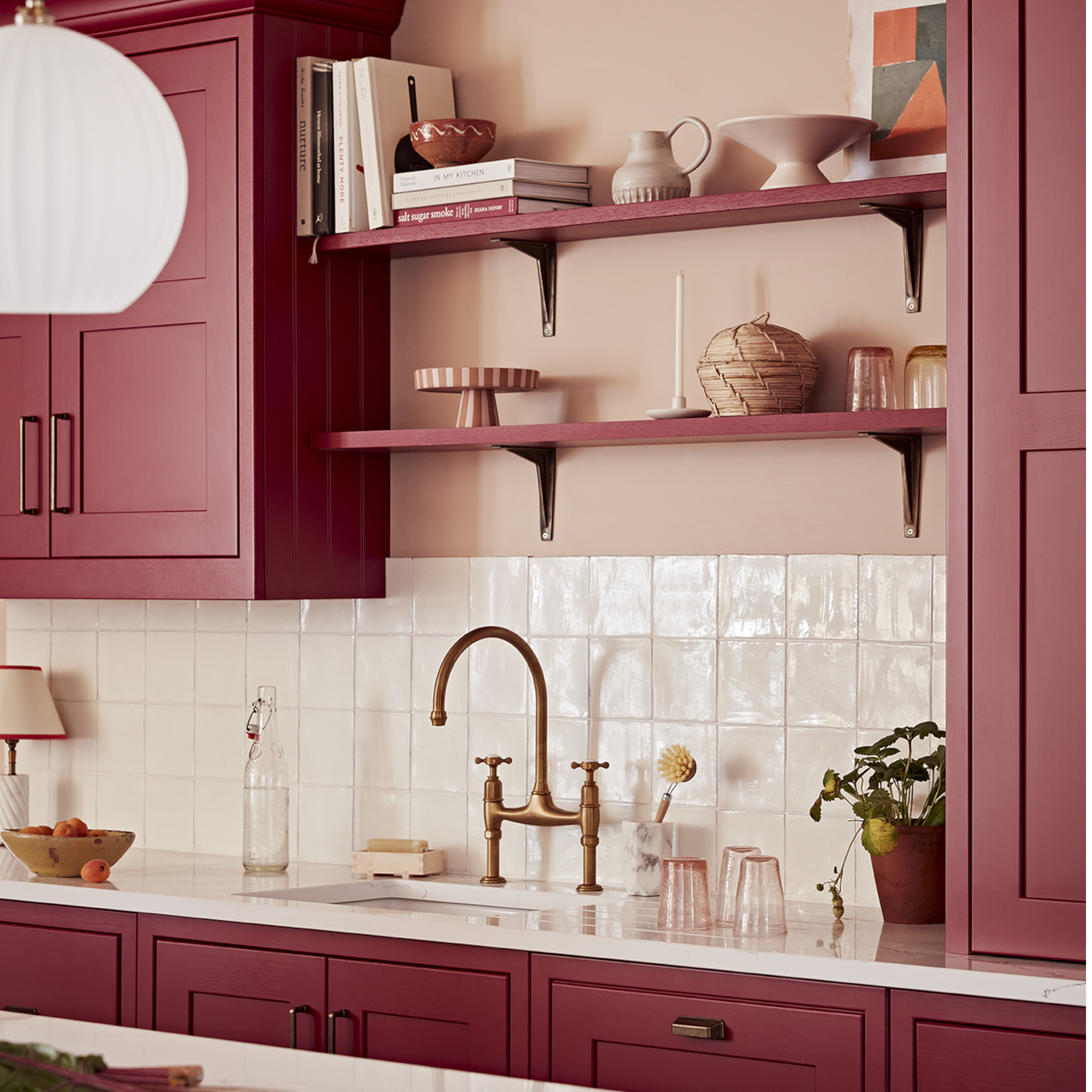
Finally, ensure accessories are displayed with purpose. Accessories can significantly impact the overall look of open shelving. A practical approach is to choose items with dual functions; for example, mugs that are both functional and decorative at a coffee station. However, purely aesthetic items can also enhance organizational efforts. Wegman often incorporates indoor plants to soften the shelves and add earthy texture, a practice also seen in Lerner's designs, which feature foliage alongside wooden cutting boards and pots. For additional storage, Lerner suggests using baskets on open shelves to organize smaller items like cutlery or paper products. Open shelving offers an opportunity to showcase favorite items and allows for easy changes to the kitchen's look, making it a flexible choice for those who enjoy updating their decor. When storing food items, it is recommended to use attractive canisters or storage containers to maintain a sophisticated and intentional look, reserving less appealing items for an organized pantry.
#KitchenOrganization #OpenShelving #KitchenDesign #HomeDecor #InteriorDesign #StorageSolutions #DeclutteringTips #CuratedDisplay #KitchenOrganization #OpenShelving #KitchenDesign #HomeDecor #InteriorDesign #StorageSolutions #DeclutteringTips #CuratedDisplay
0 comment in total
 No comments yet
You may also like
Maximize Your Kitchen Space With These Open Shelving Ideas

Stunning kitchen cabinet organization designs you can put in your home
9 designer-approved ways to turn your kitchenware into decor that deserves to be seen
32 Organized Kitchen Shelving Ideas That Make Even Small Kitchens Feel Surprisingly Efficient


3 simple steps to organised kitchen cupboards

Are Open Kitchen Shelves Still in Style? This Interior Designer Told Us to Ditch Them — Here's Why

Designers Agree: This Kitchen Trend Instantly Makes Your Home Look Outdated

22 Kitchen shelving ideas for a stylish display that doesn't compromise storage

This Is the Most Optimal Place for an Open Shelf in Your Kitchen

How to Optimize Storage on Open Kitchen Shelves
All The Secrets To Organize Your Kitchen

The Controversial Kitchen Trend the Design World Is Buzzing Over
10 Organization Tips for Optimizing Open Kitchen Shelving

Never store these 6 things on open kitchen shelving, warn pro organisers
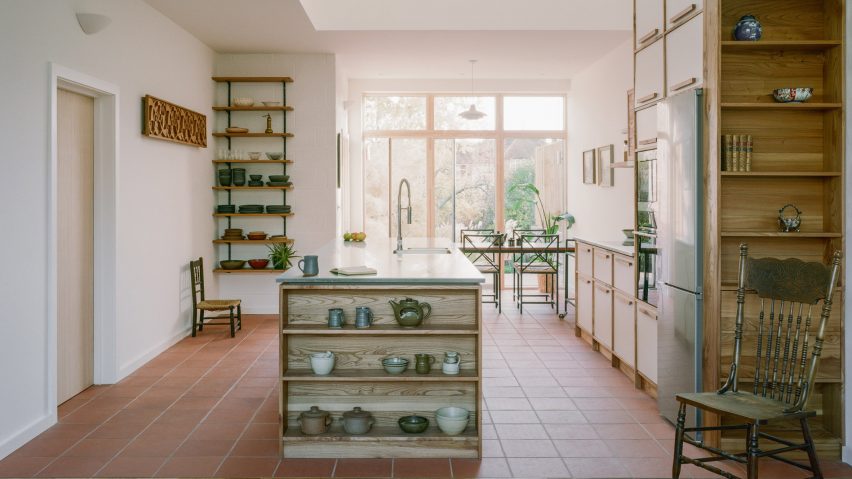
Eight kitchens where open shelving turns storage into display
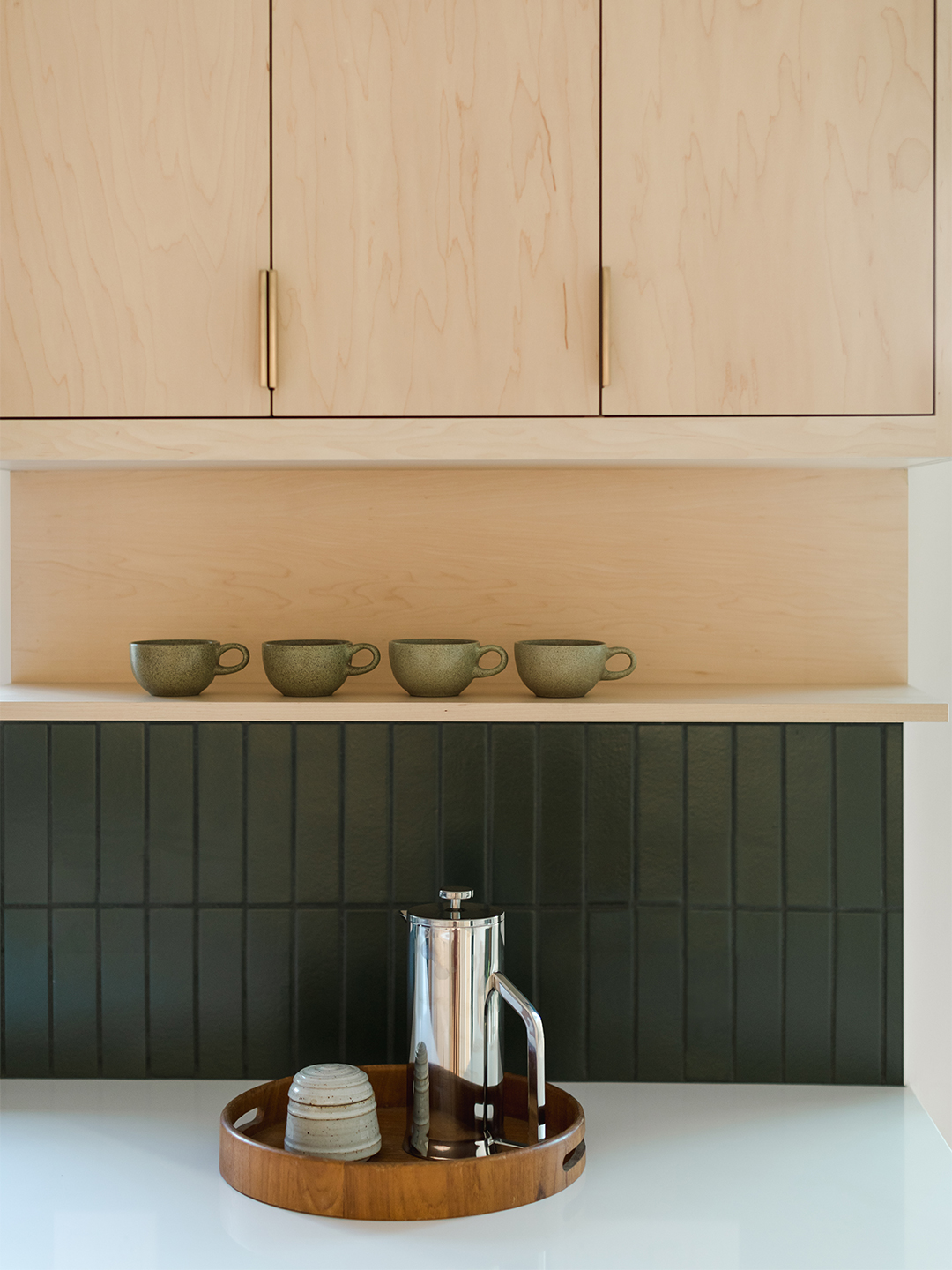
You Don’t Have to Choose Between Open Shelving and Upper Cabinets
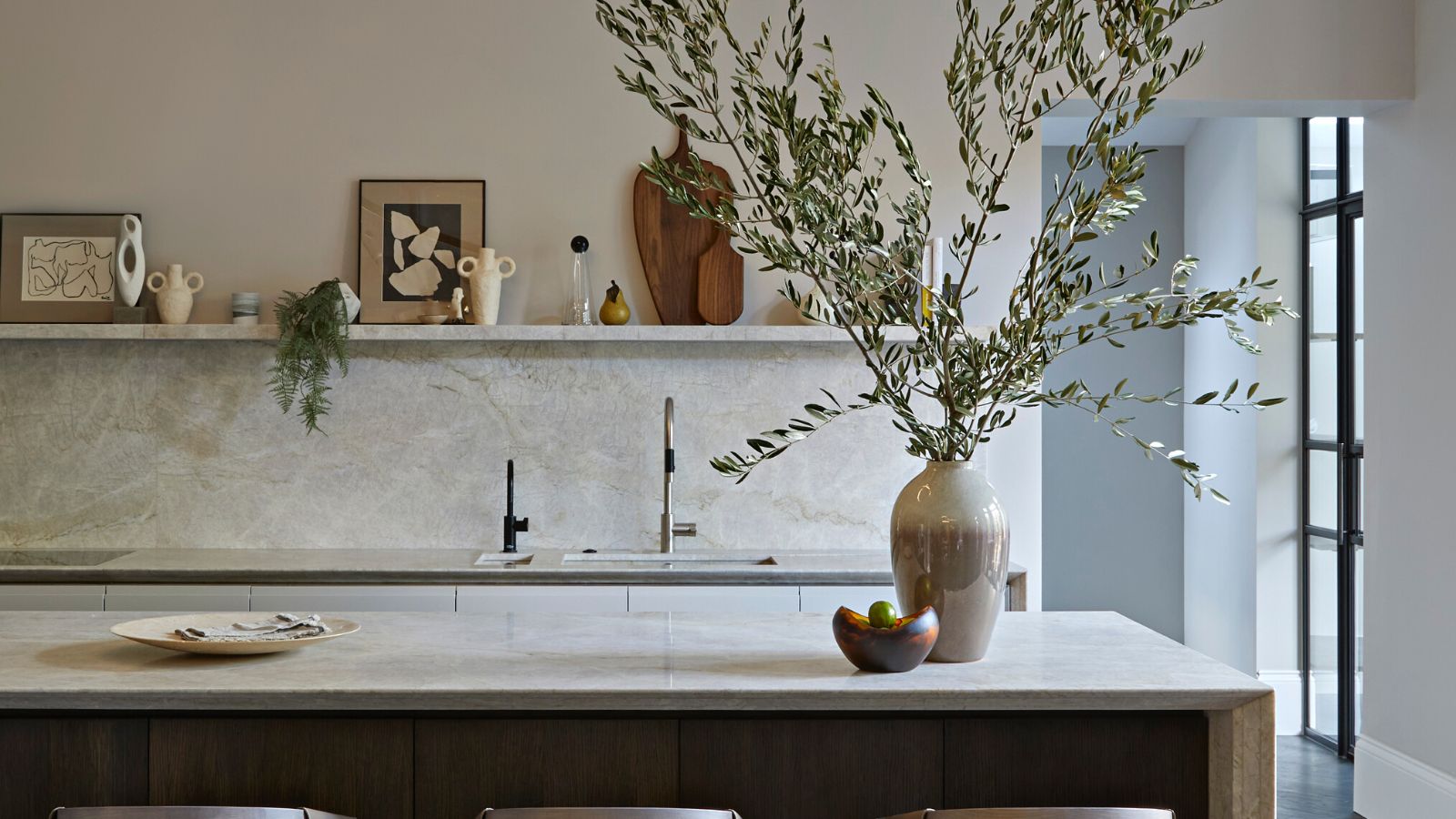
The downsides of open shelving – why this much-loved kitchen look may not be for you
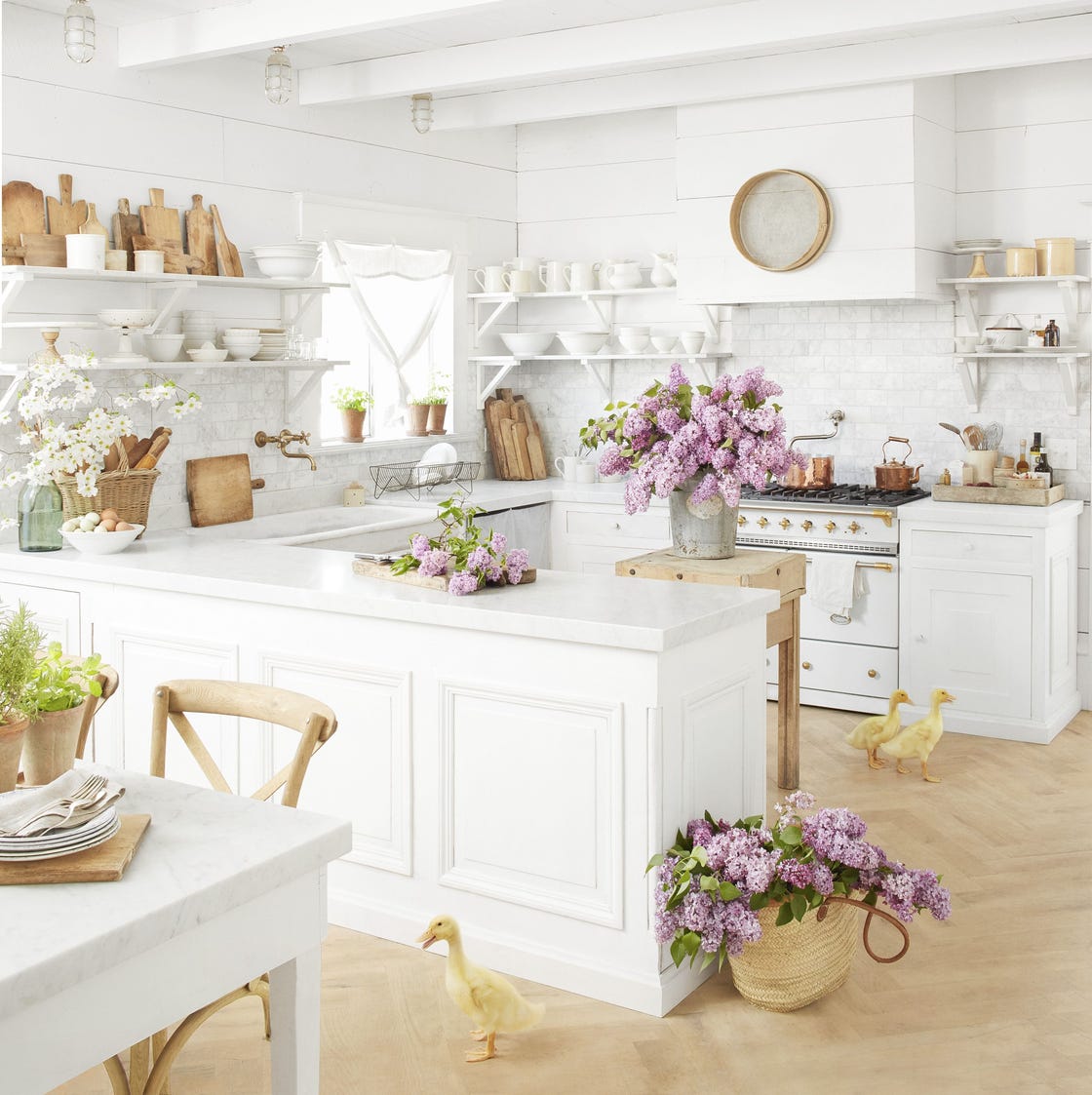
Yes, Open Shelving in a Kitchen Can Be Stylish and Functional
I Swapped My Upper Kitchen Cabinets for Open Shelves—Here’s How I Feel About It Now
How to Transition from Cabinets to Open Shelves in Your Kitchen