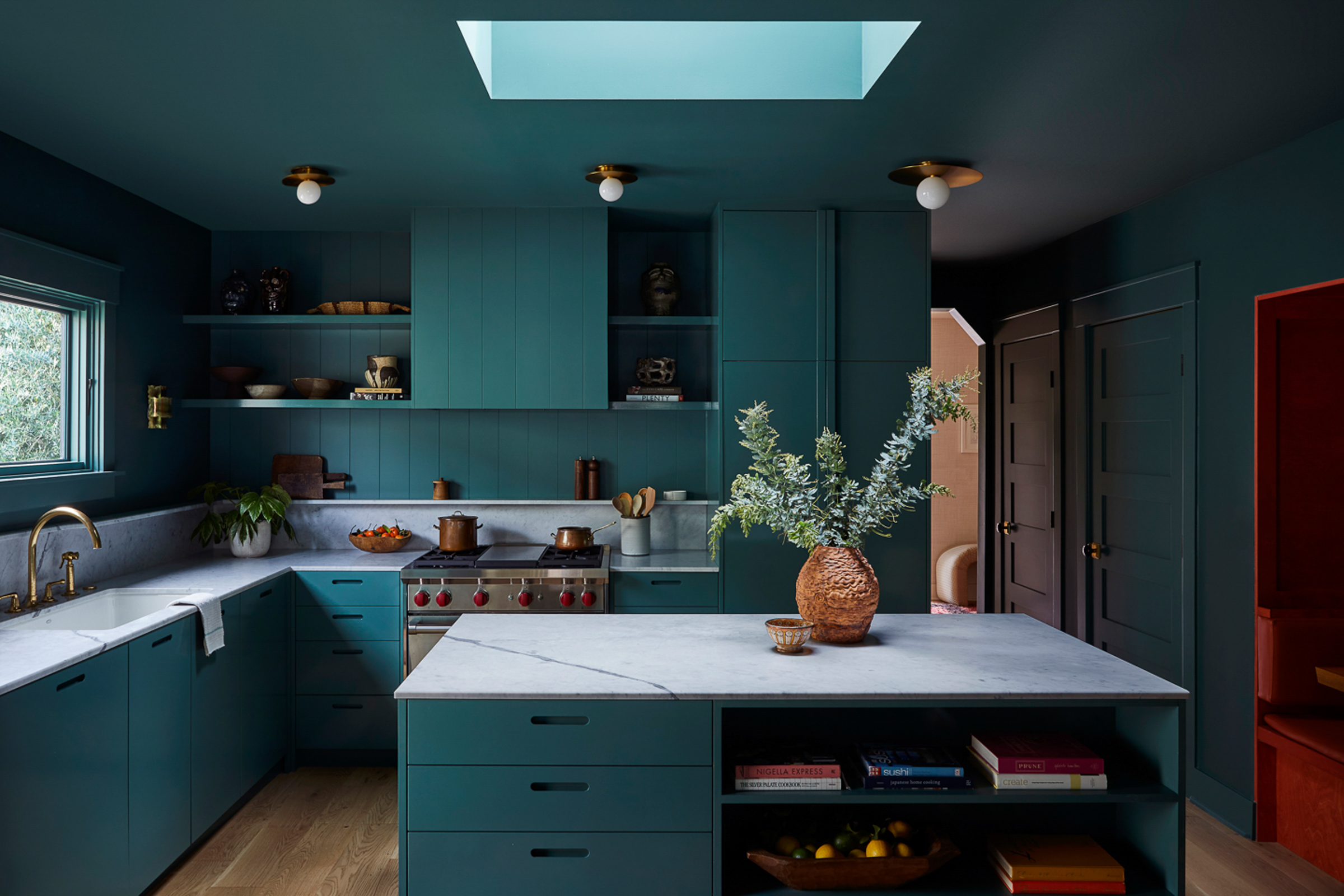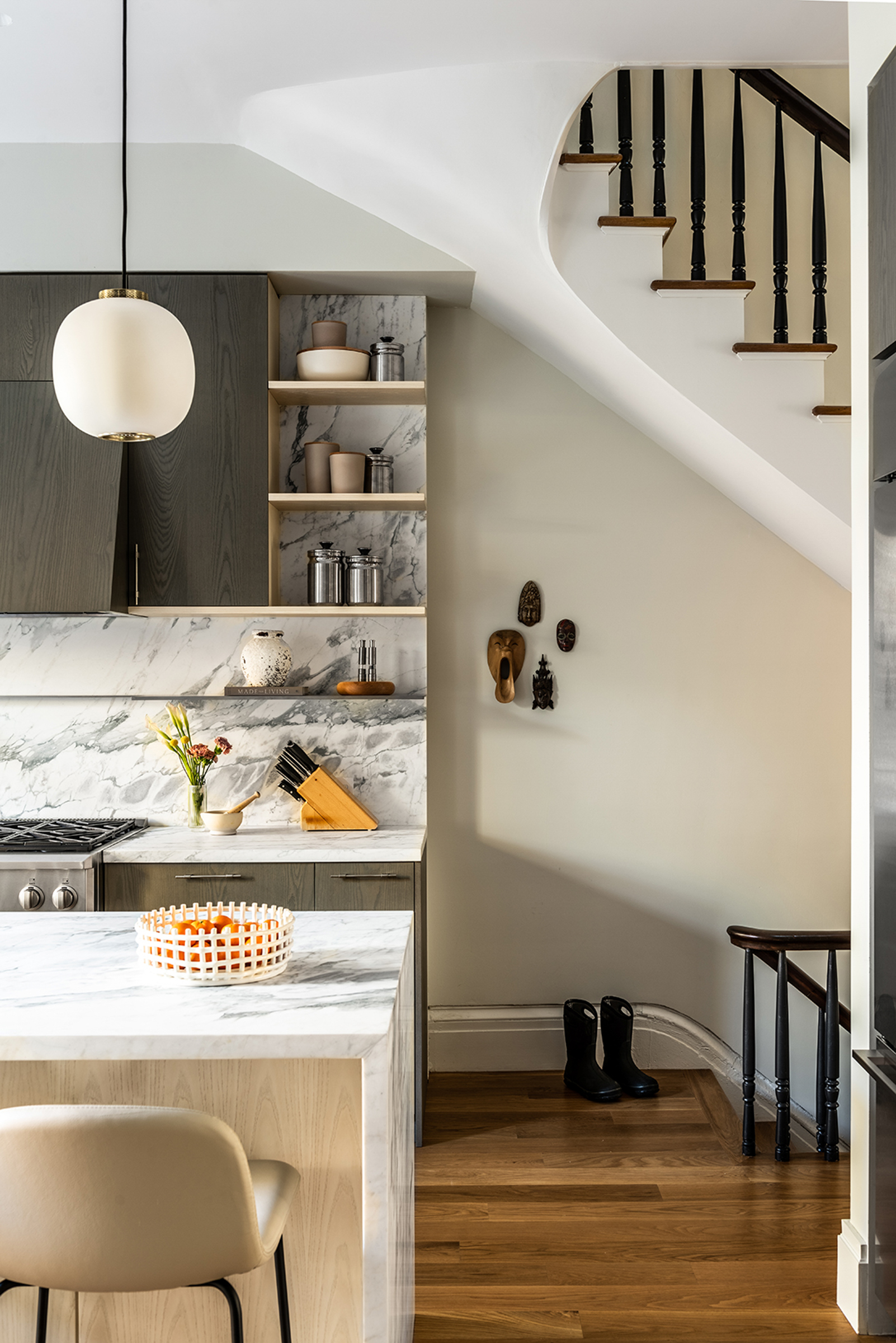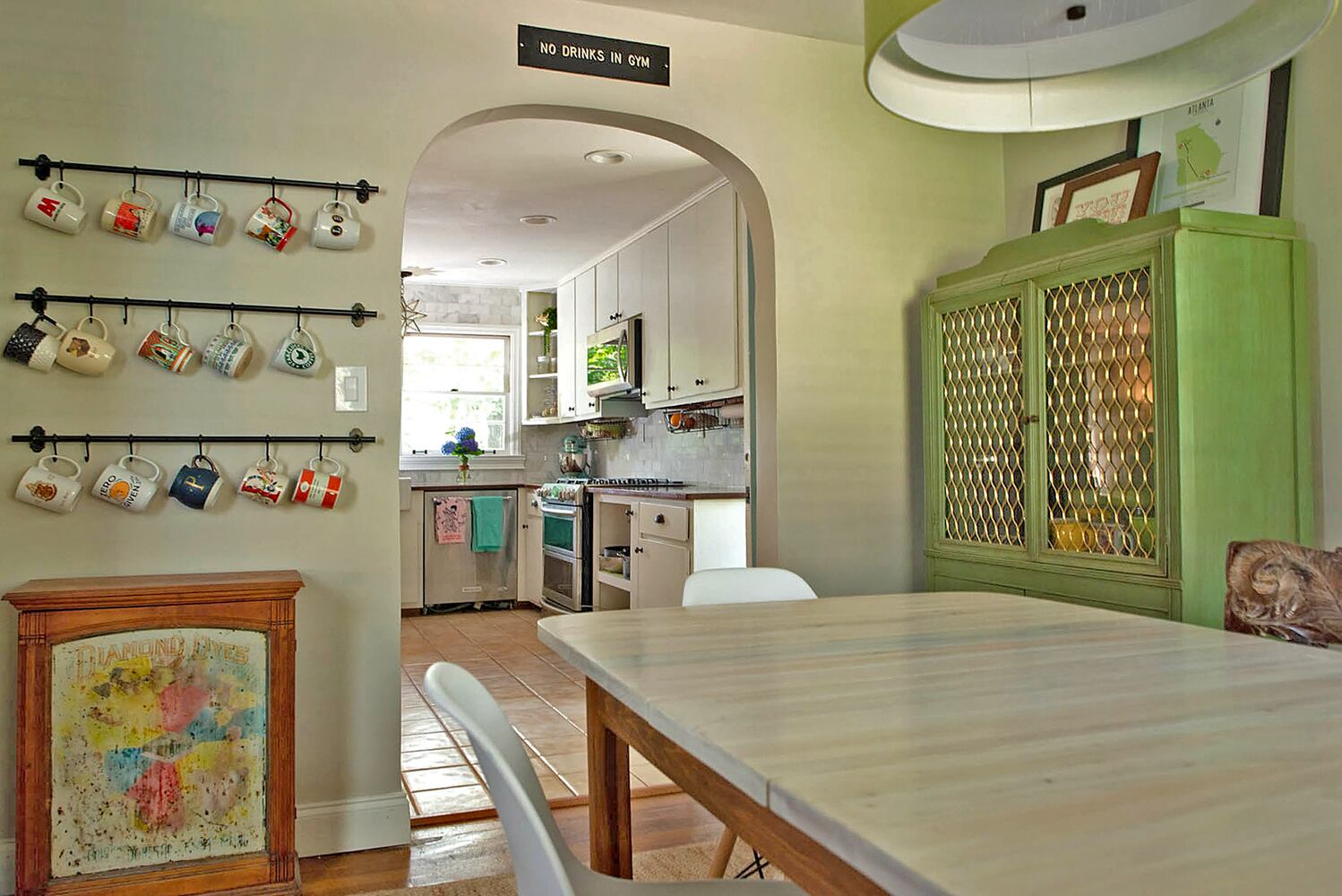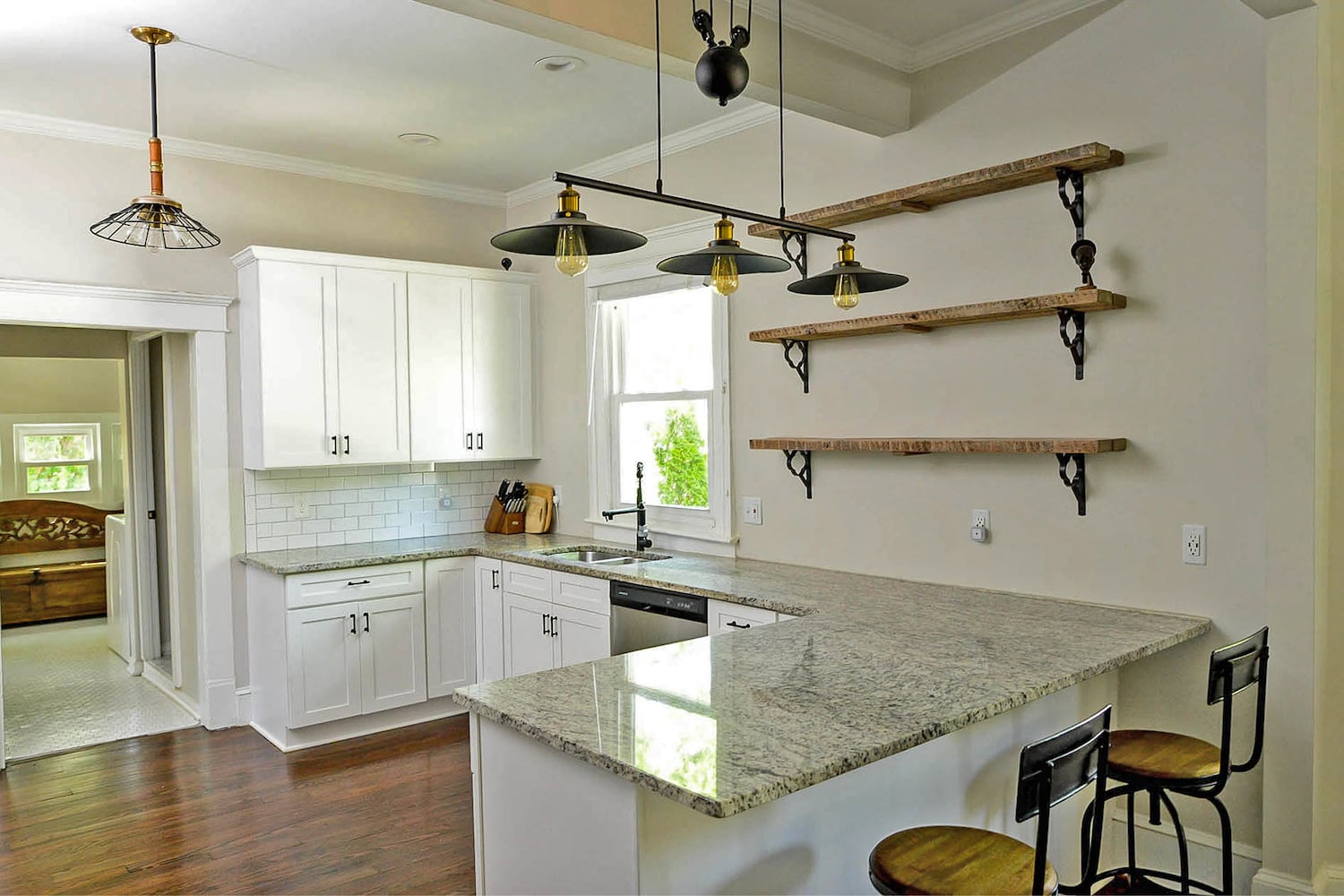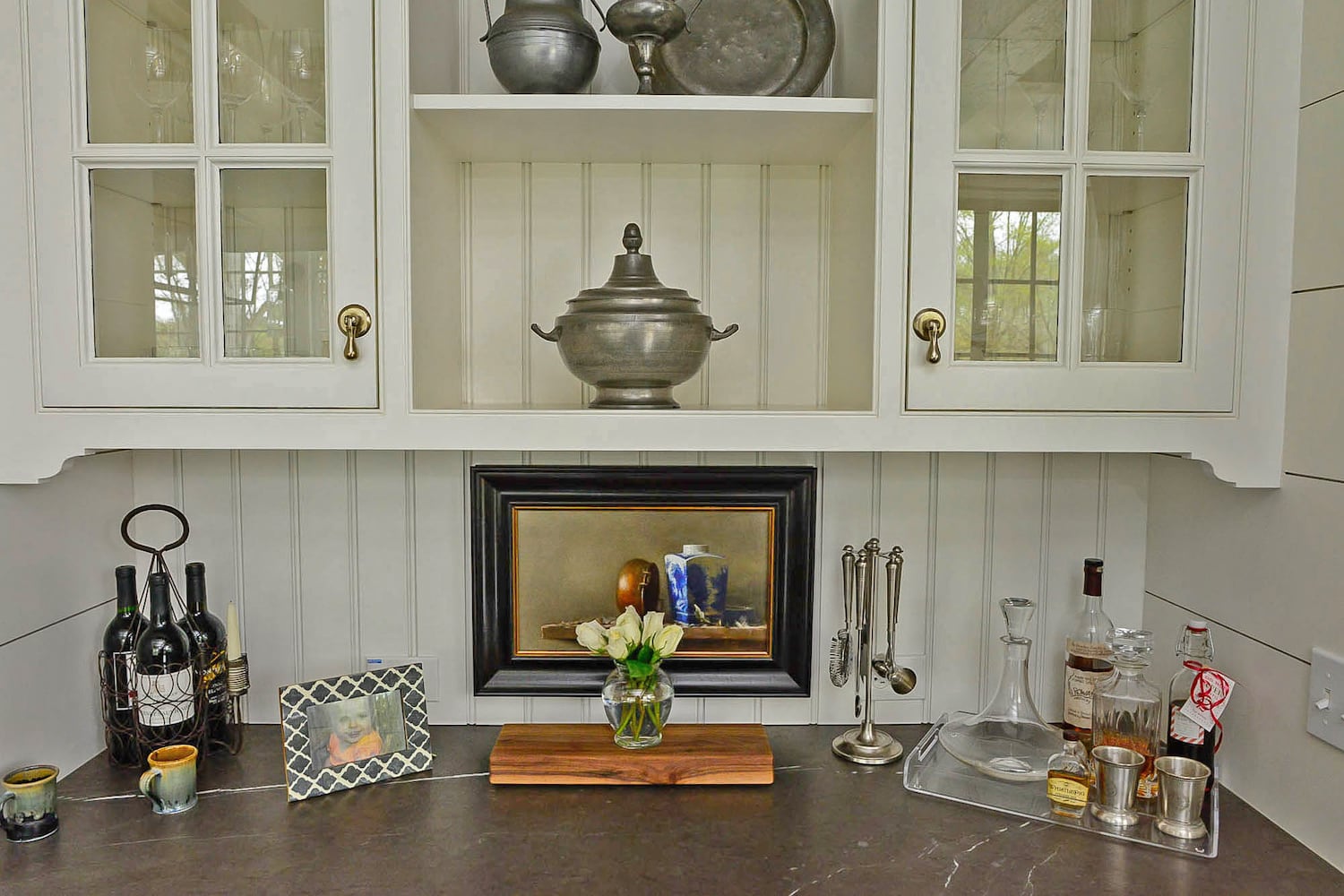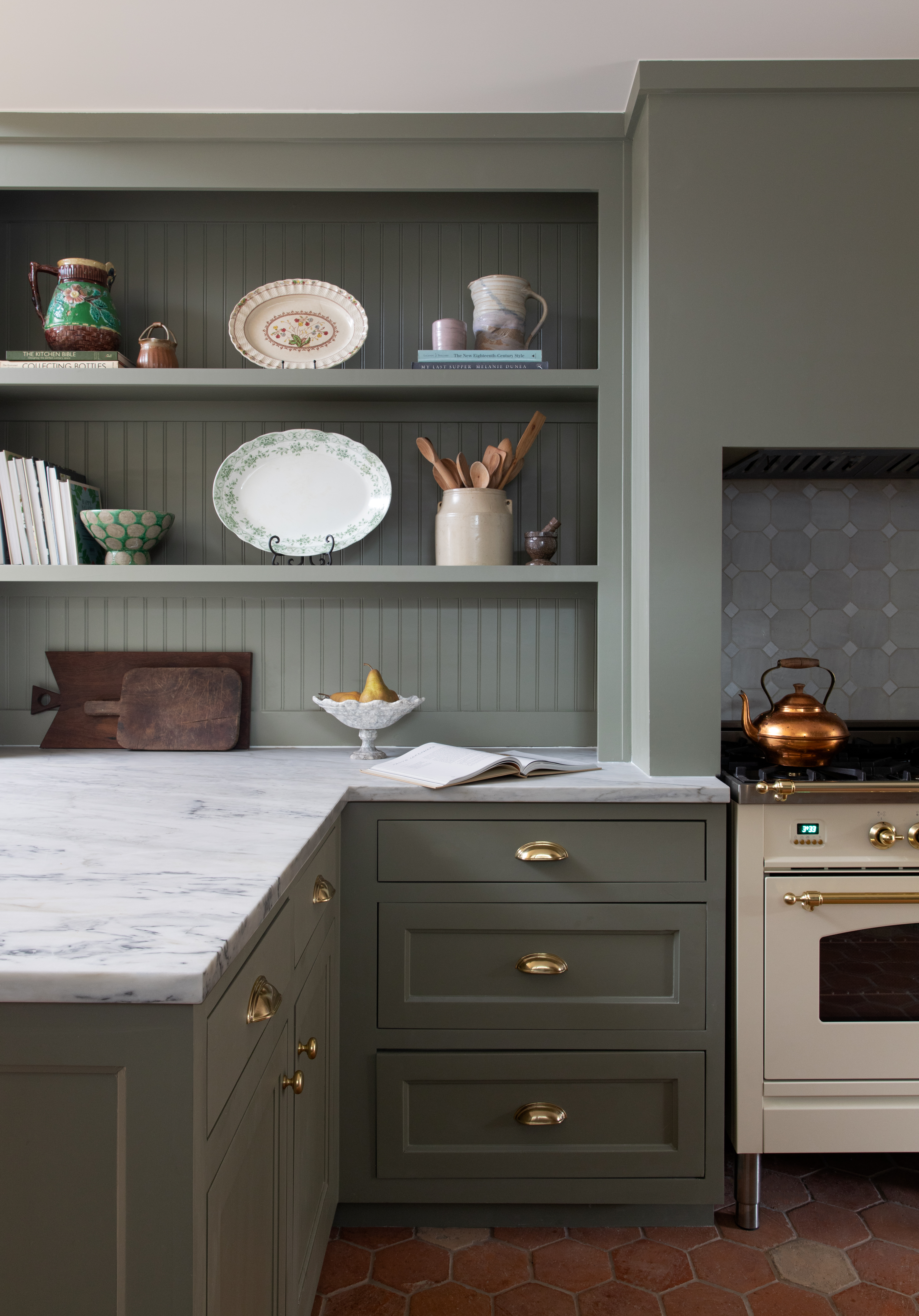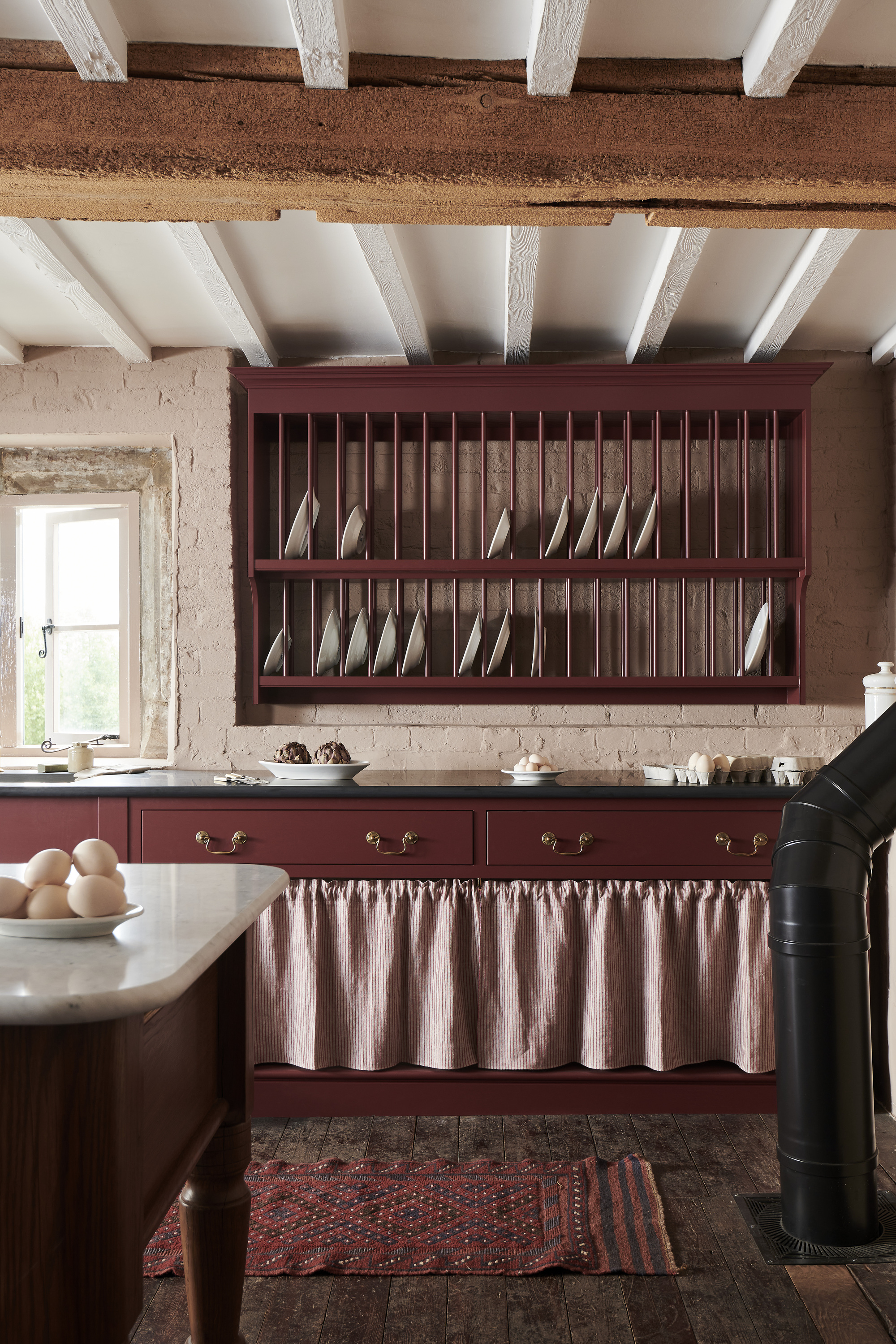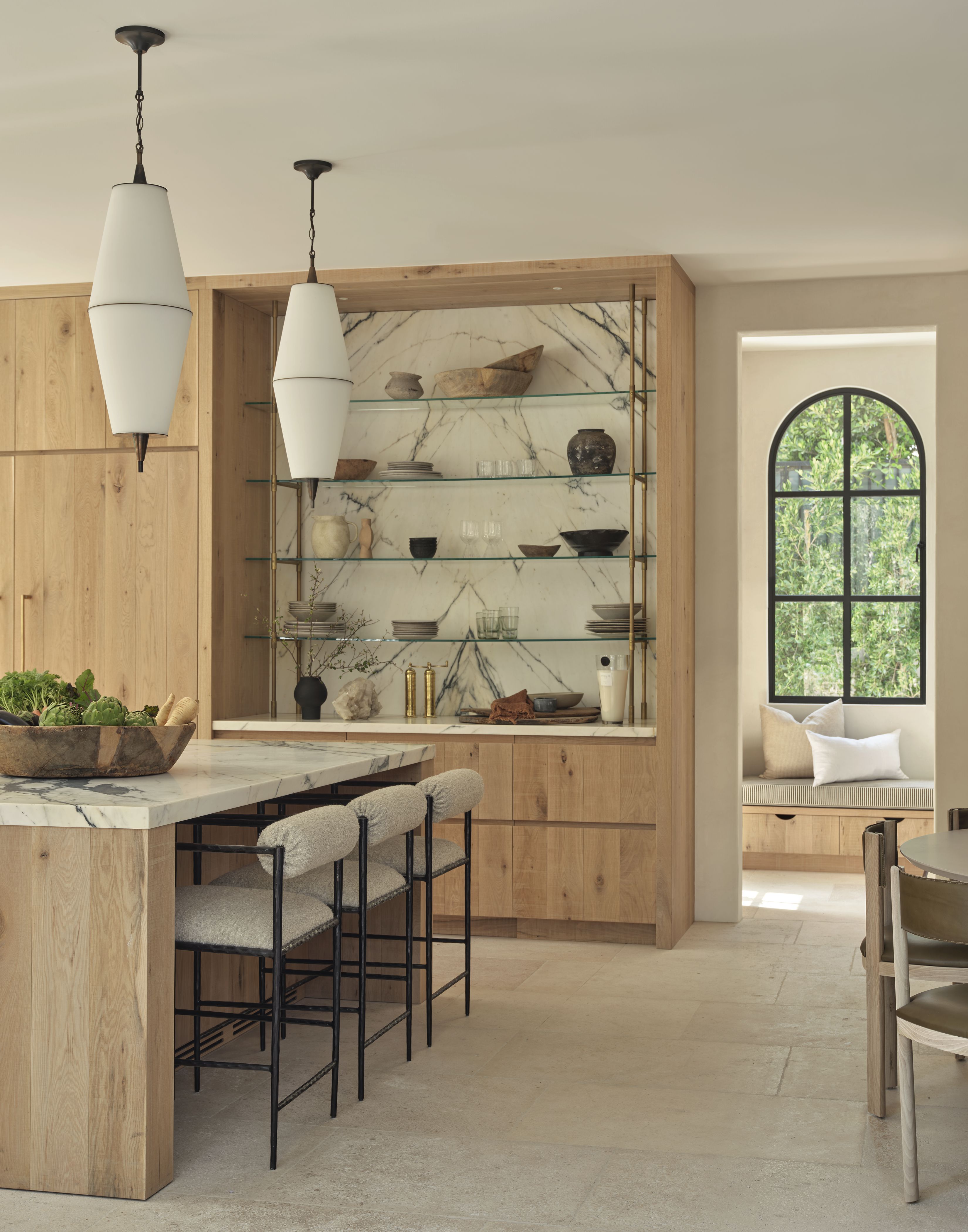
How to Transition from Cabinets to Open Shelves in Your Kitchen
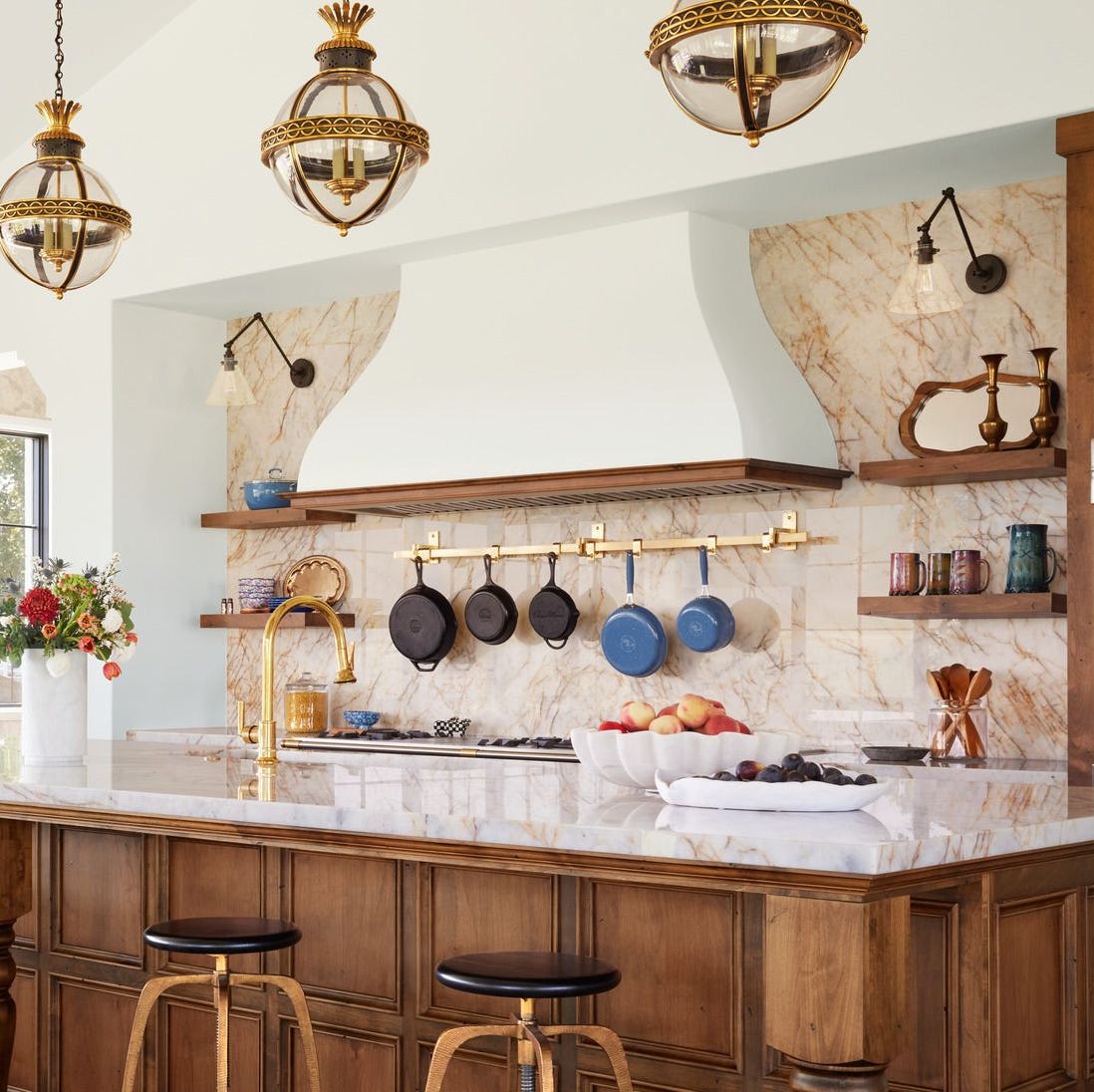
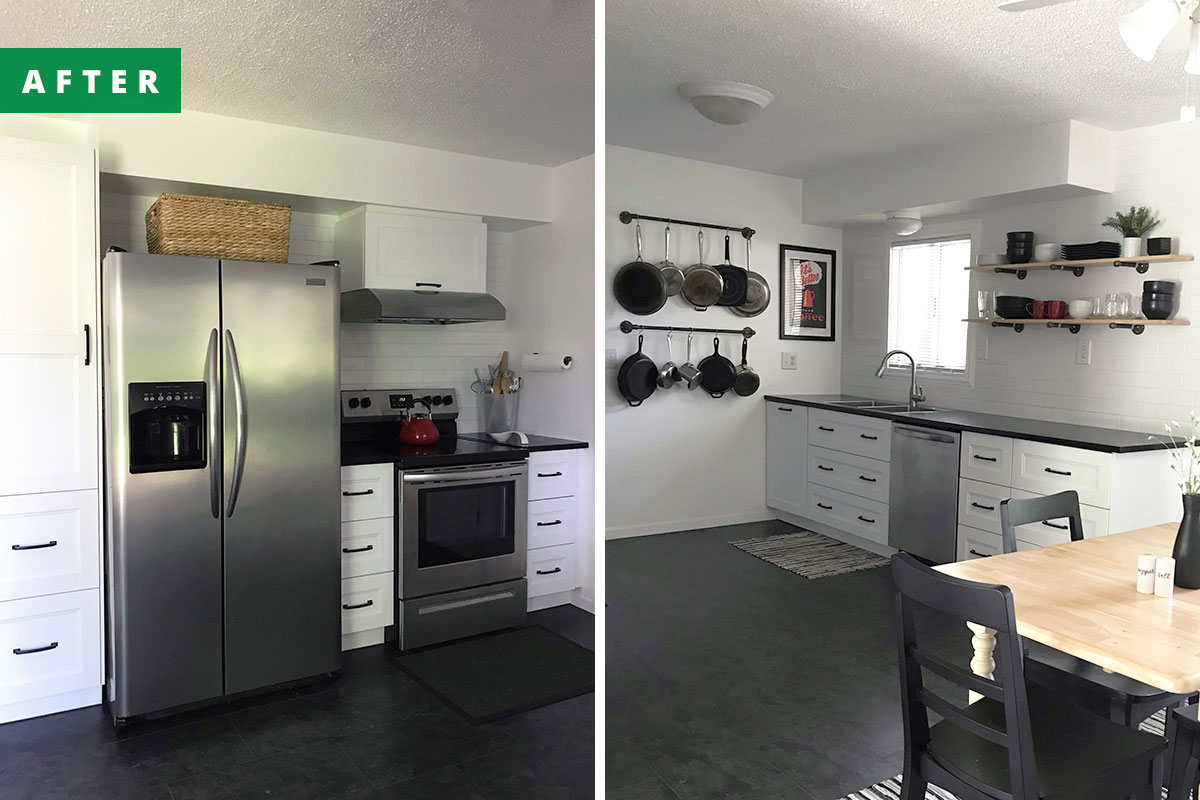
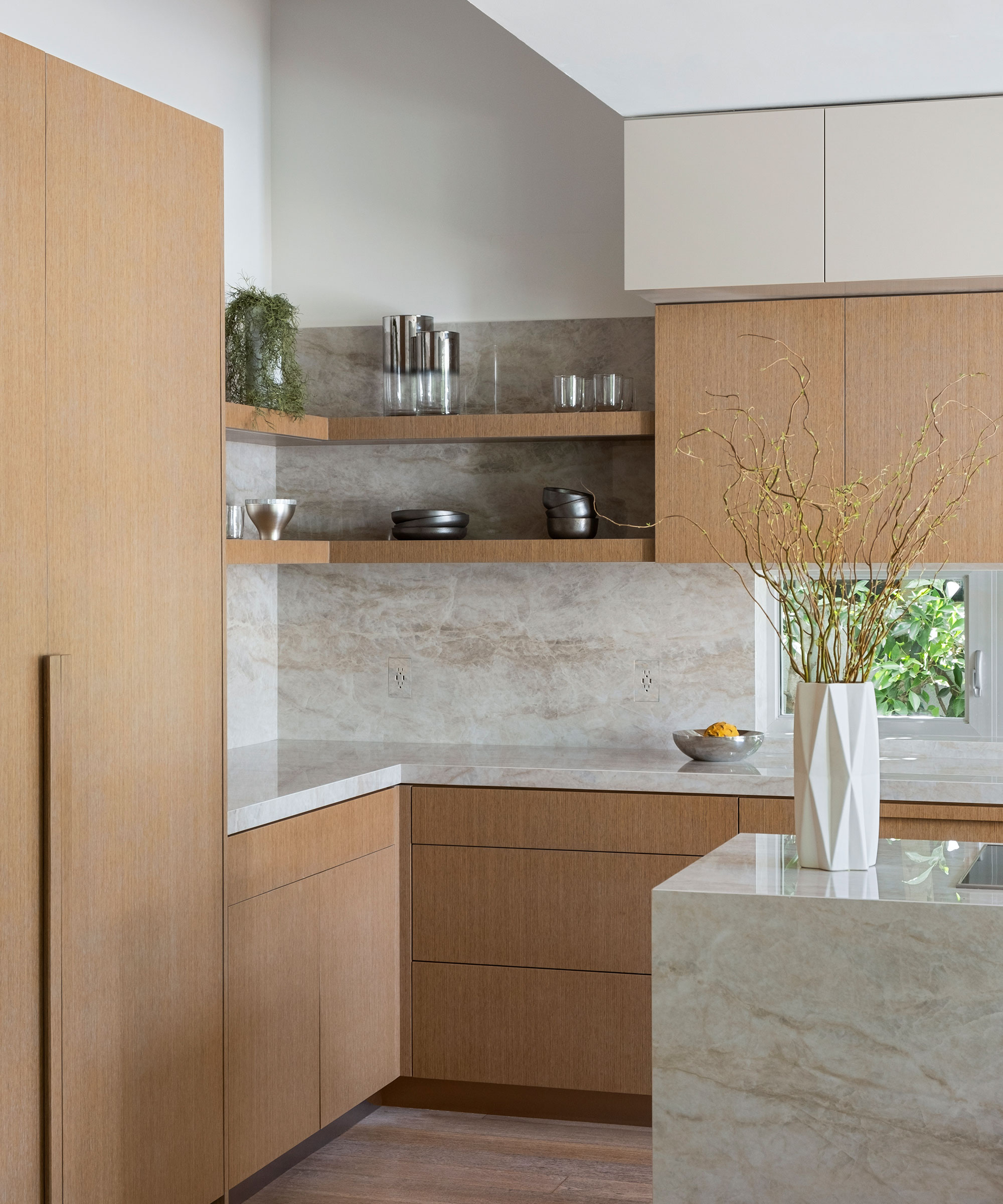
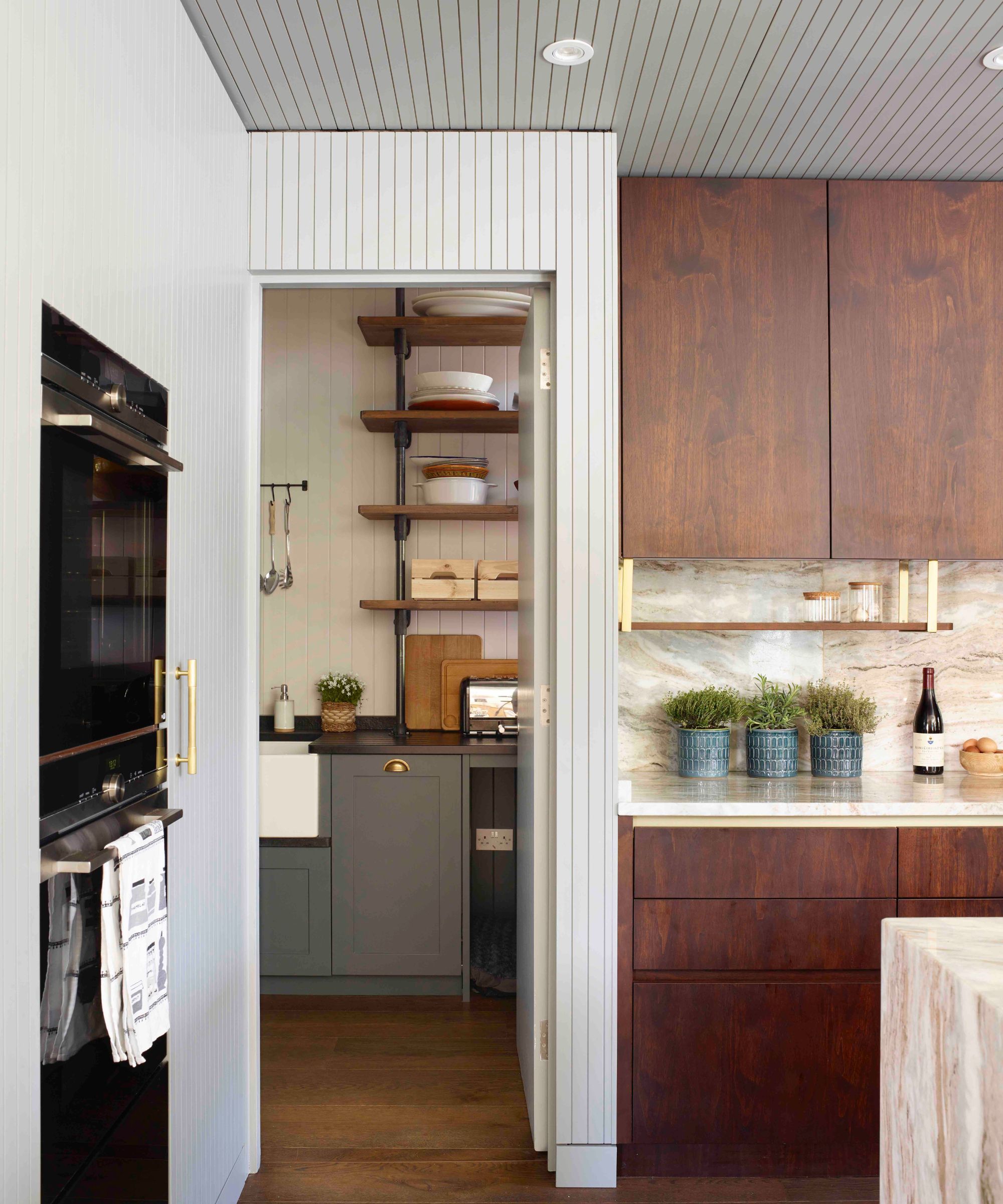
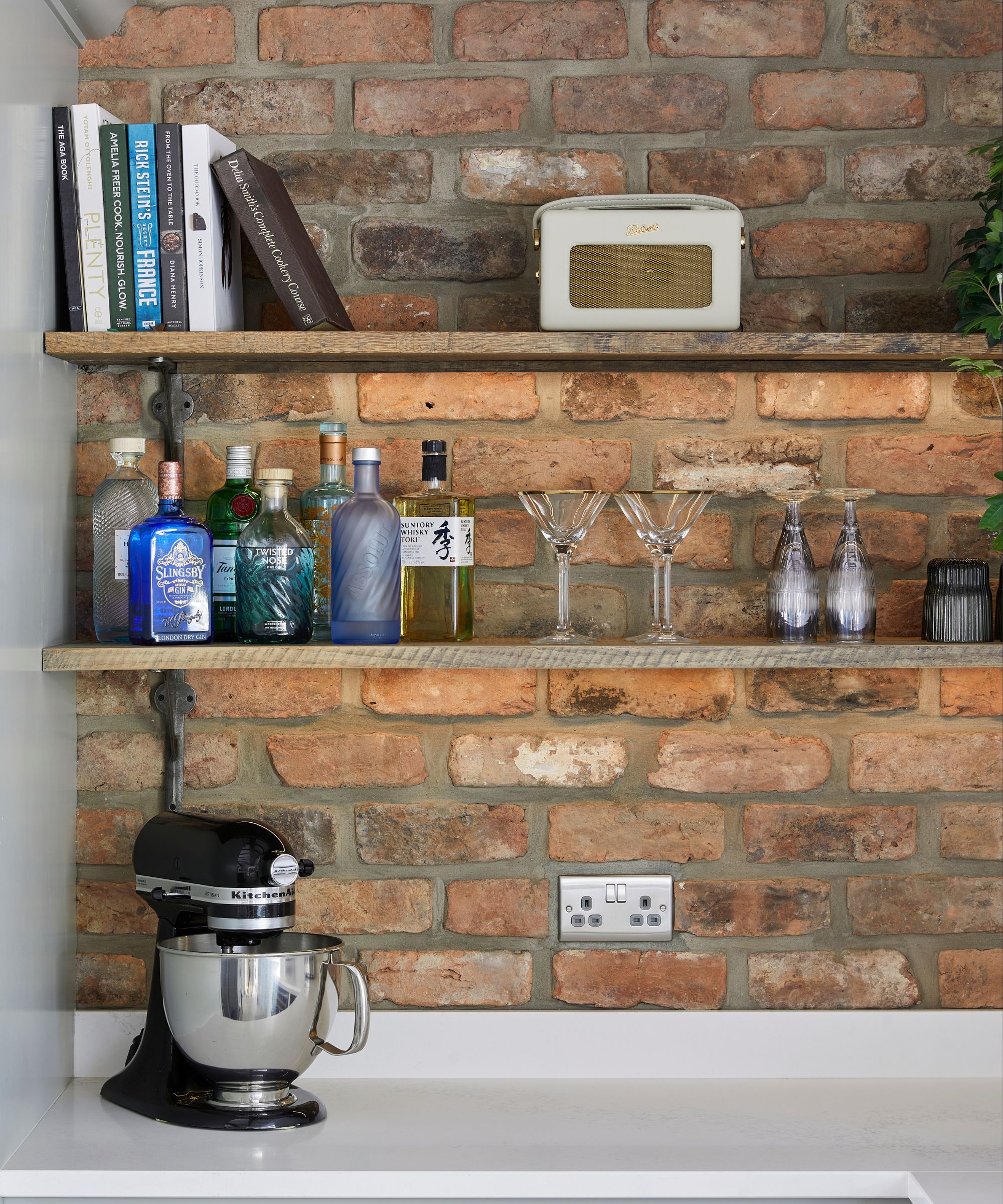
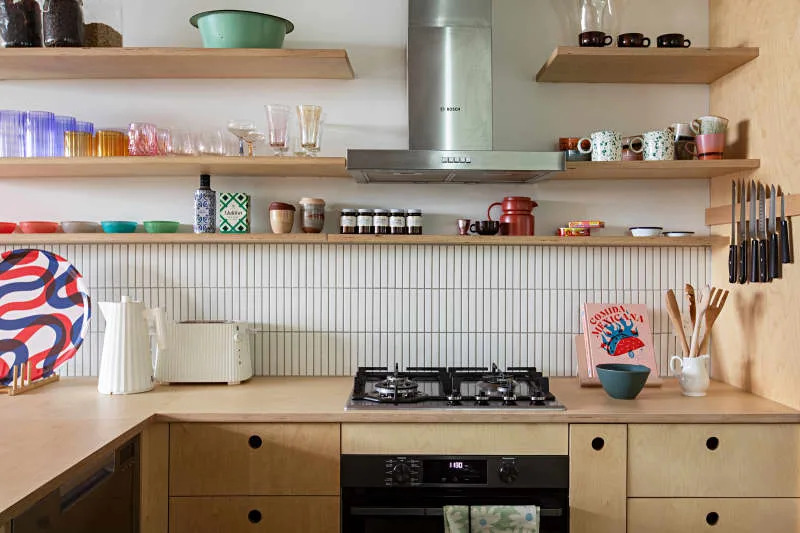
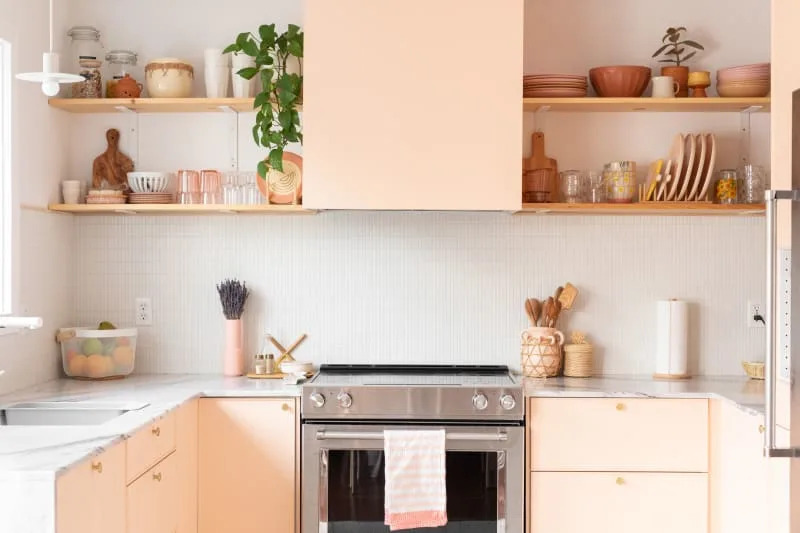
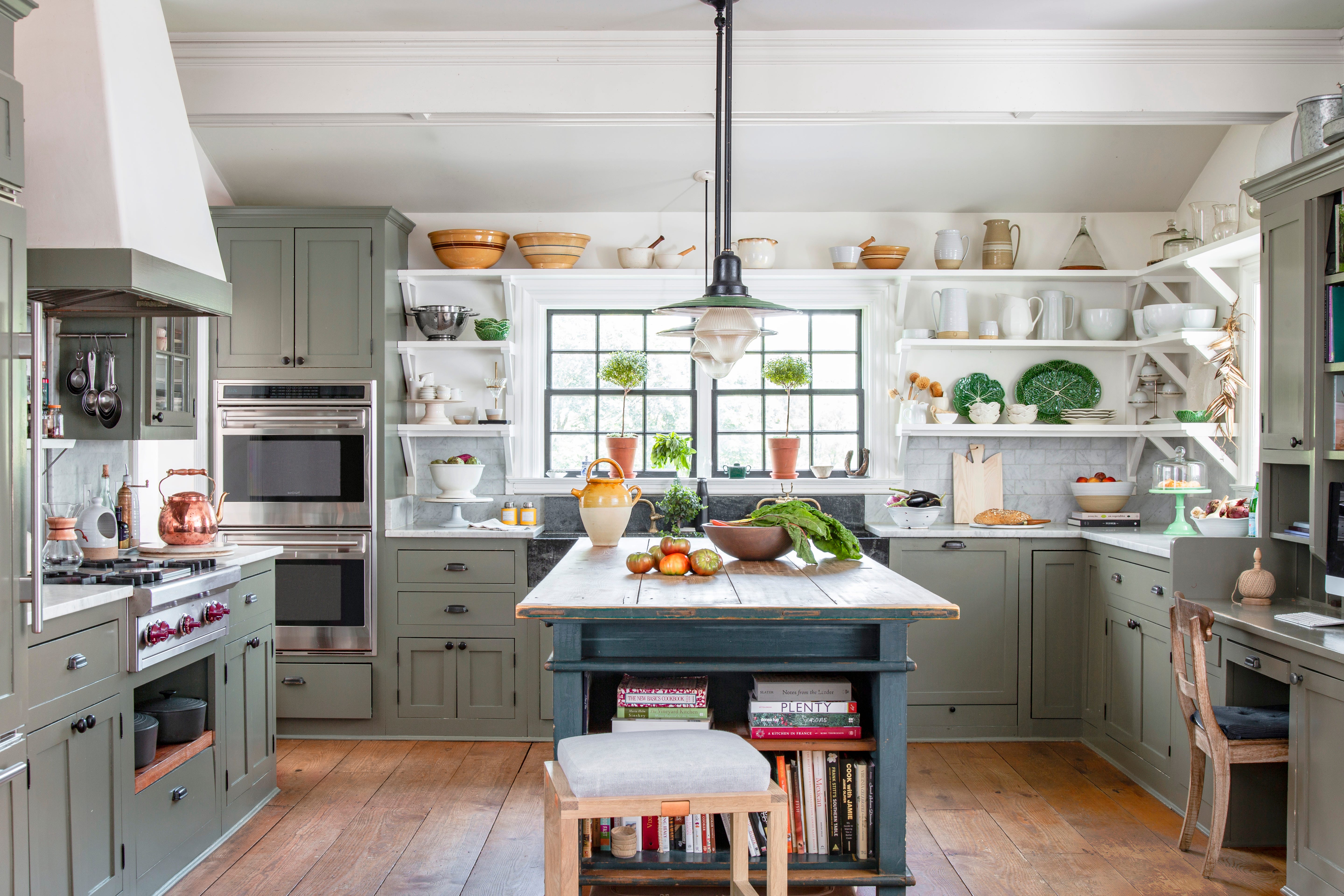
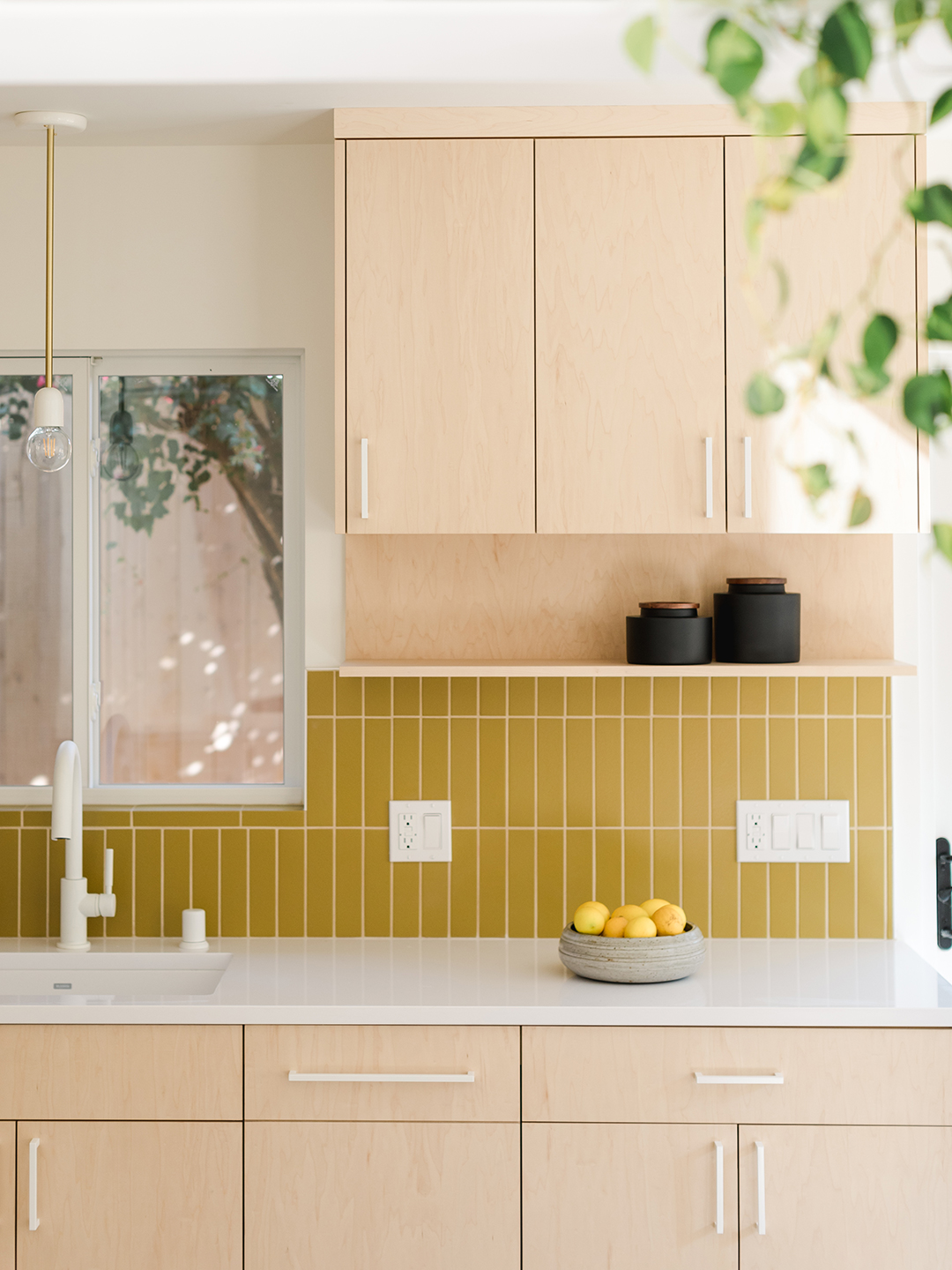
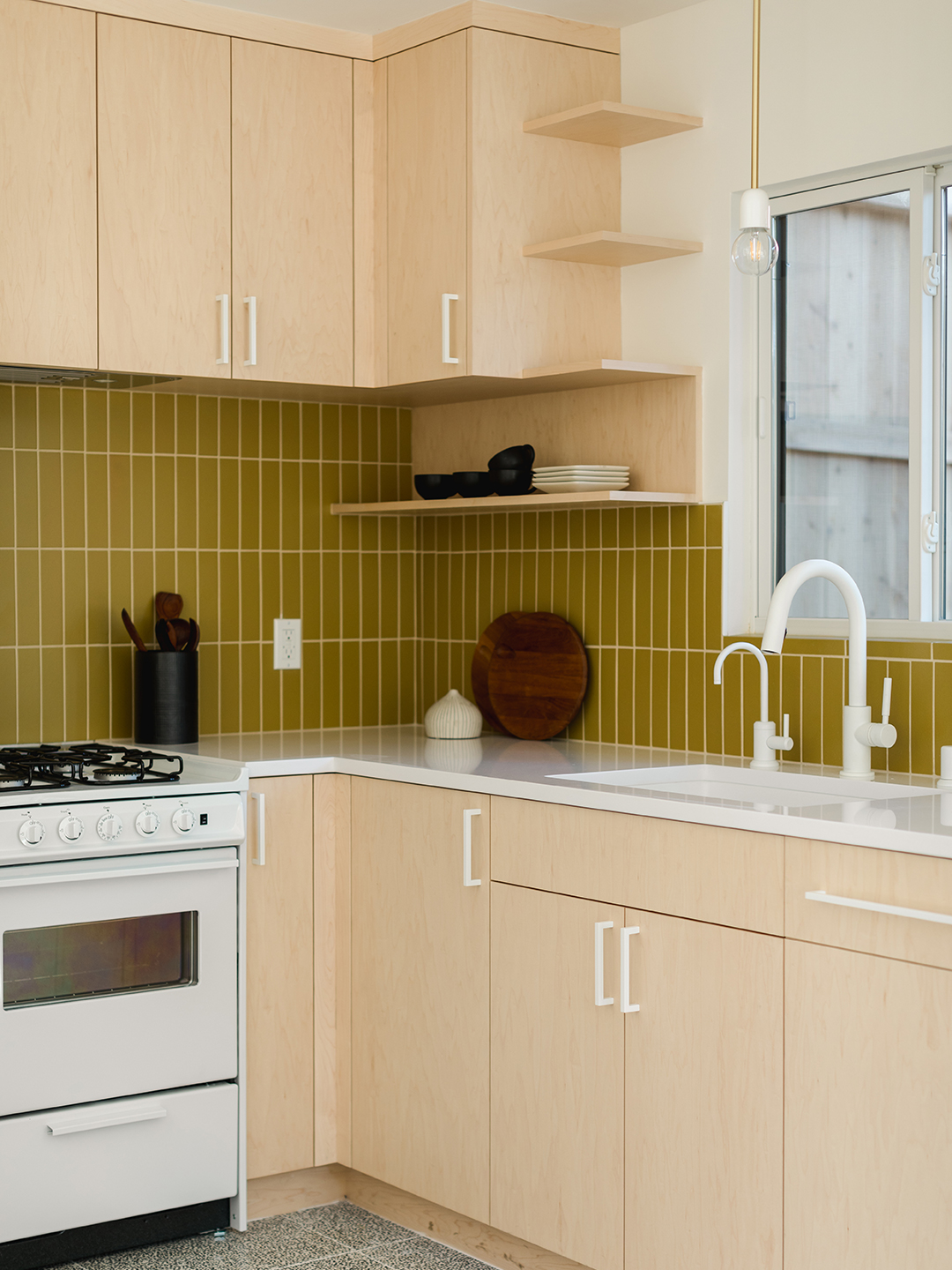
Modern kitchen design has seen a shift from traditional cabinetry to more casual, open storage, allowing for easy access and aesthetically pleasing displays. This transition, while popular, presents challenges in balancing beauty and function. Professional organizers offer guidance on making this switch effectively, emphasizing the importance of streamlining current collections.
The initial step in transitioning to open shelving is to meticulously pare down existing items. This involves evaluating one's collection of kitchenware, such as mugs and knick-knacks, and retaining only those that meet high standards of utility and appearance. The process encourages individuals to display the best items the kitchen has to offer, focusing on both function and beauty. To manage this sorting, a suggested method involves categorizing items and comparing them to keep only those in optimal condition or with the most practical use.
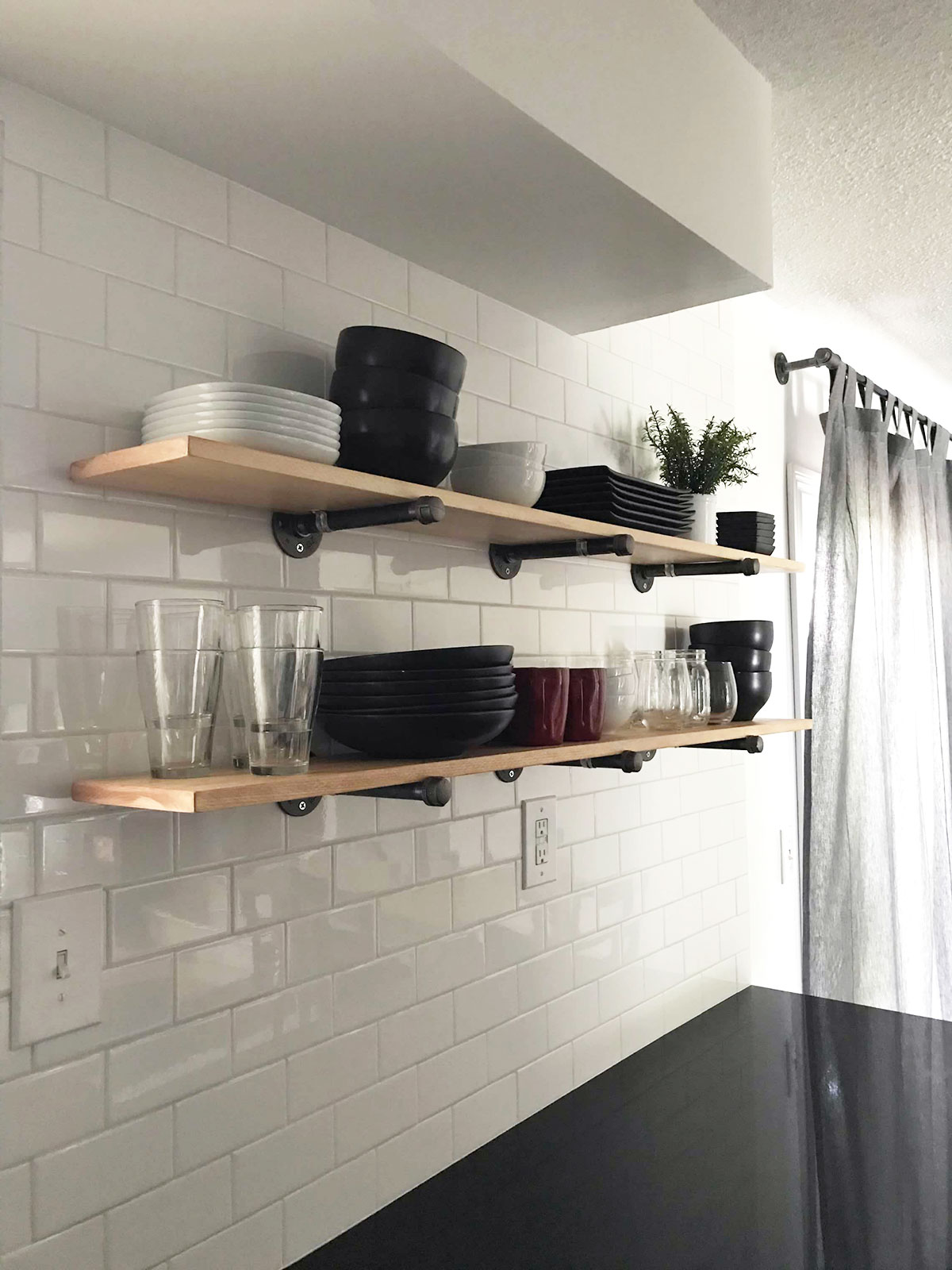
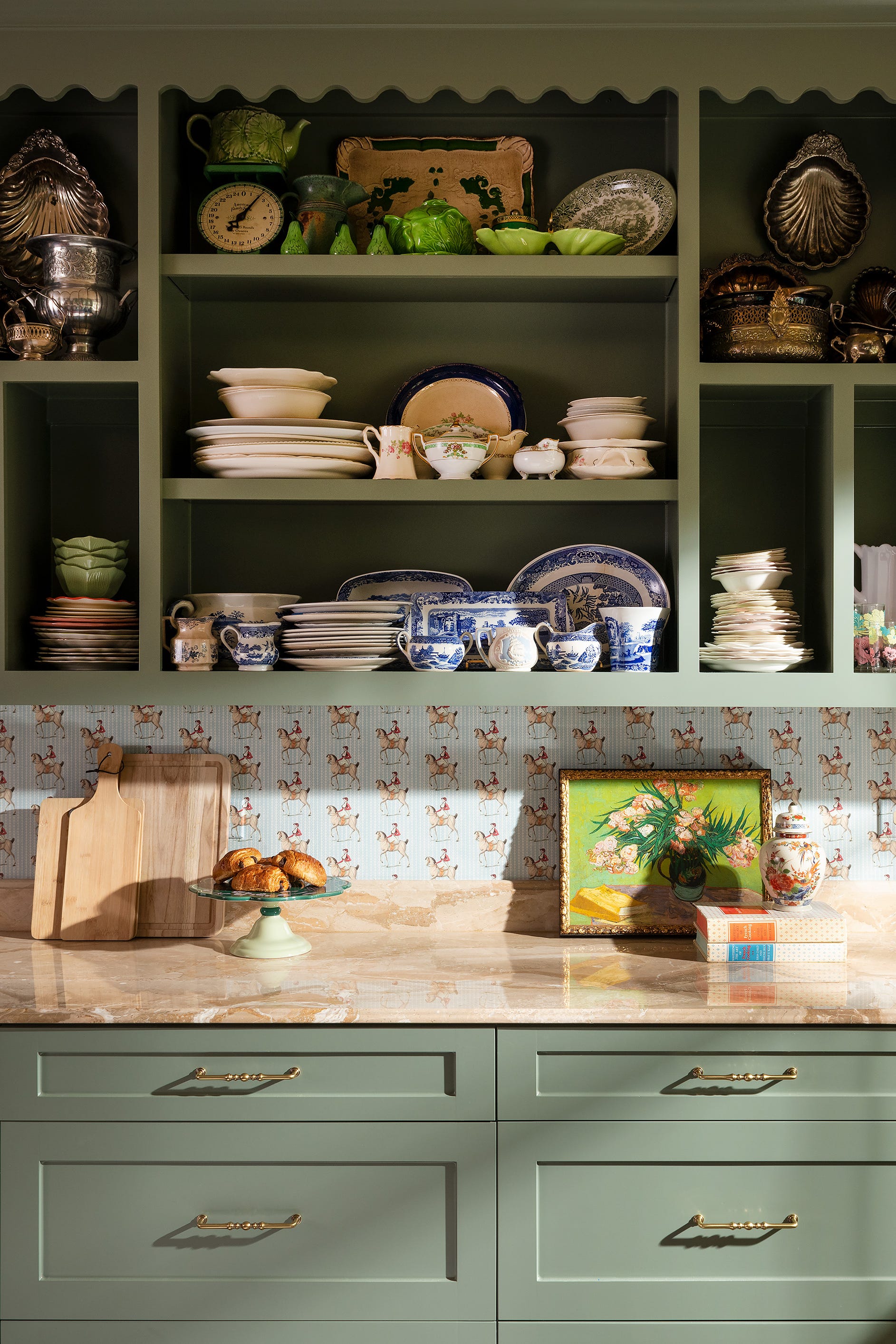
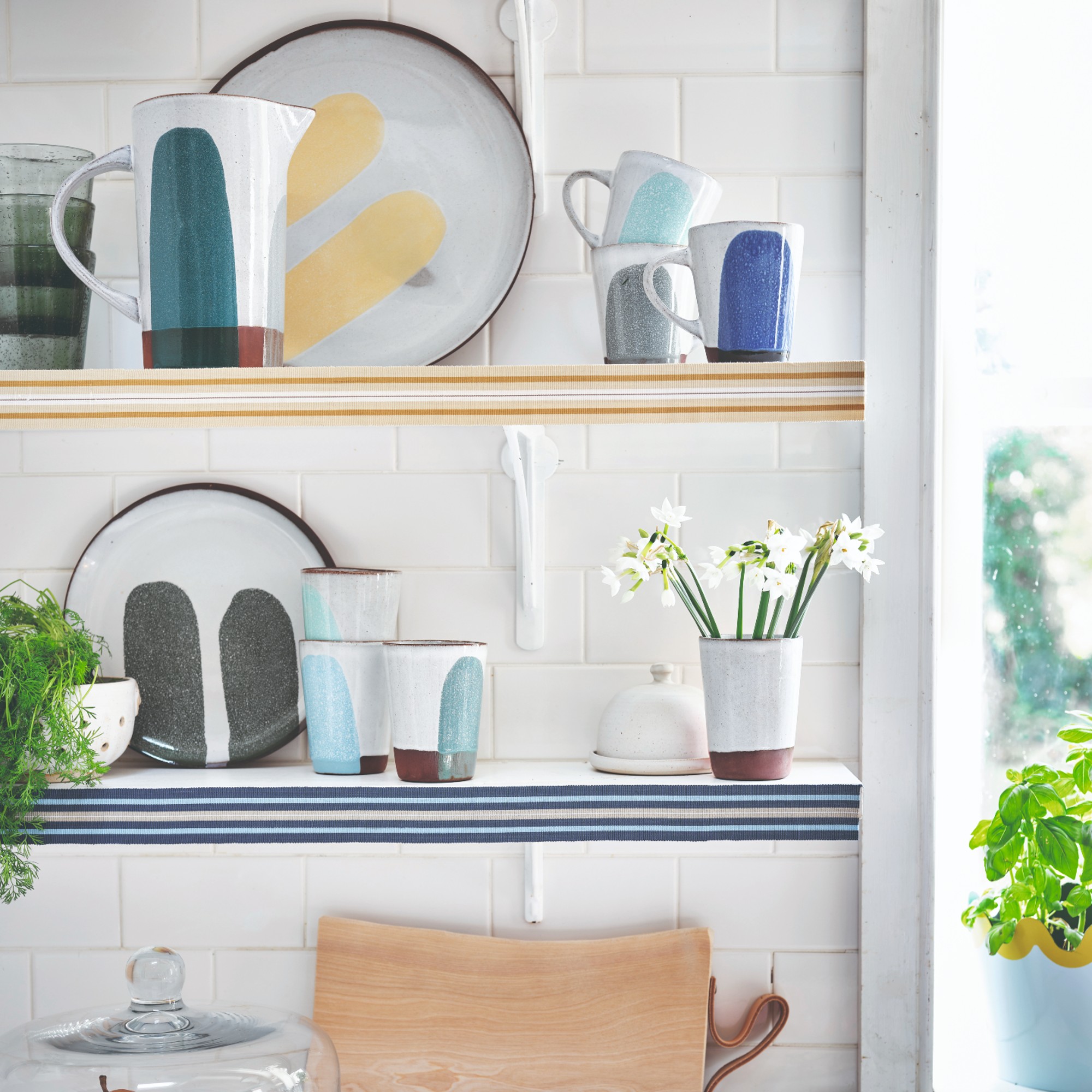
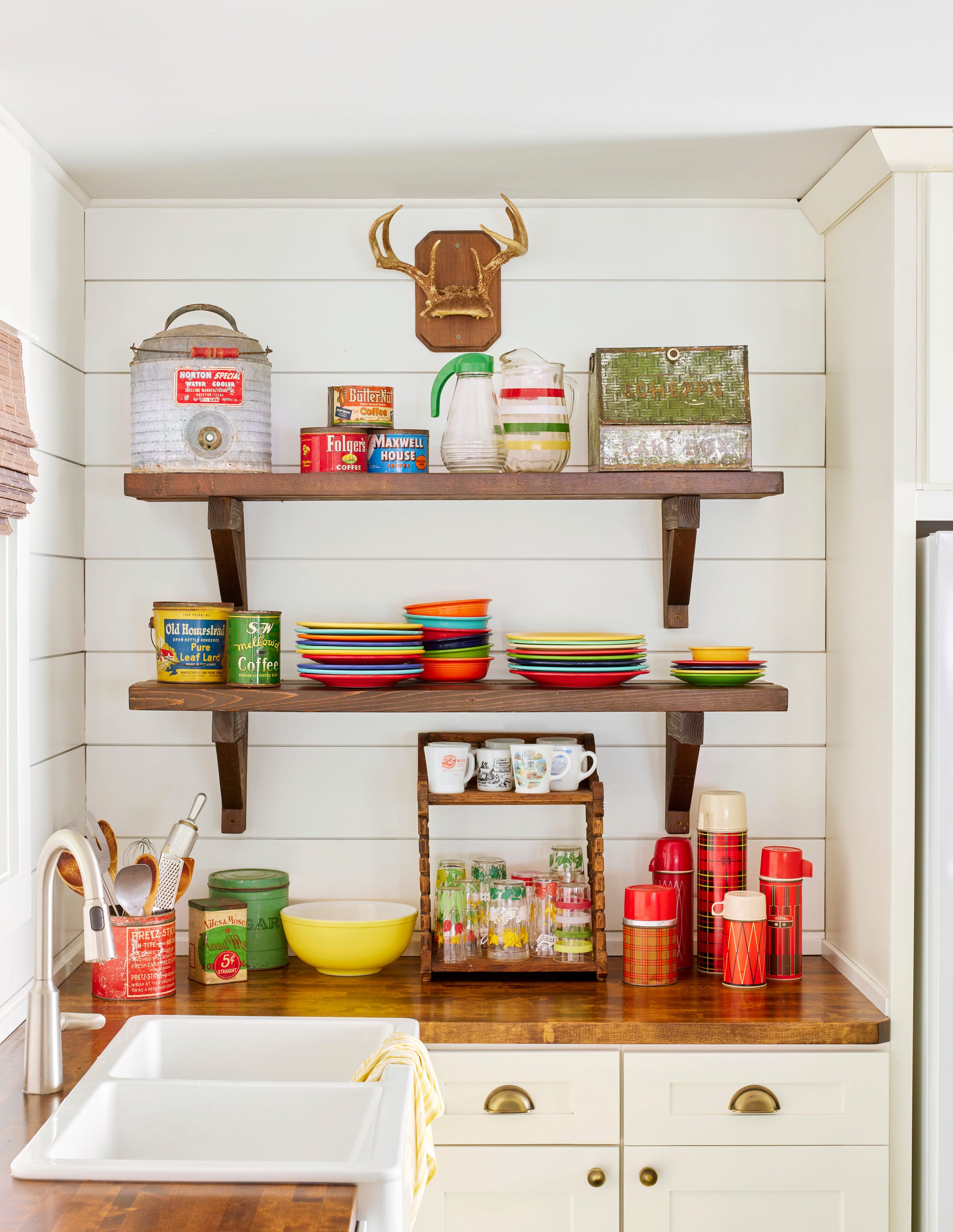
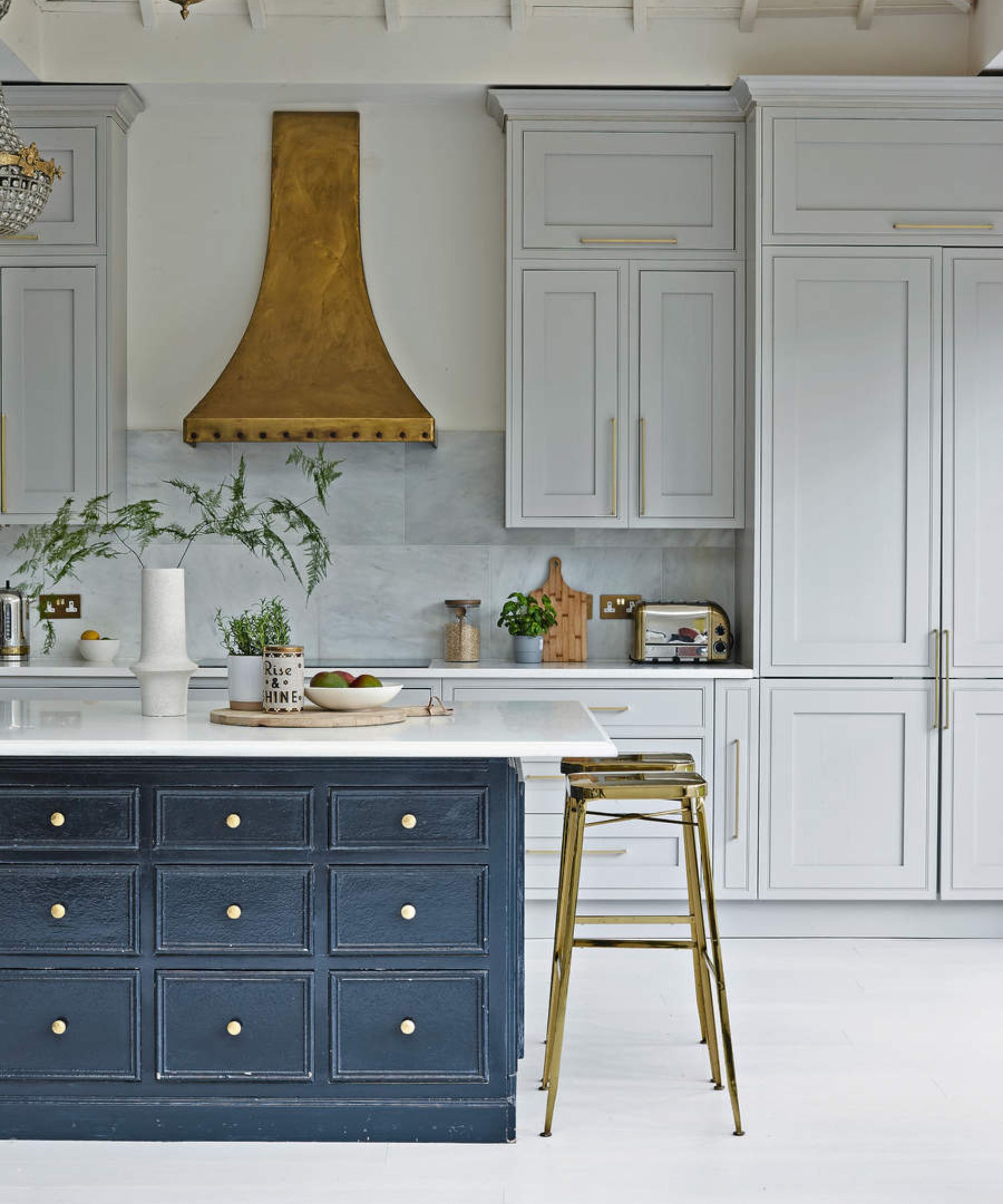
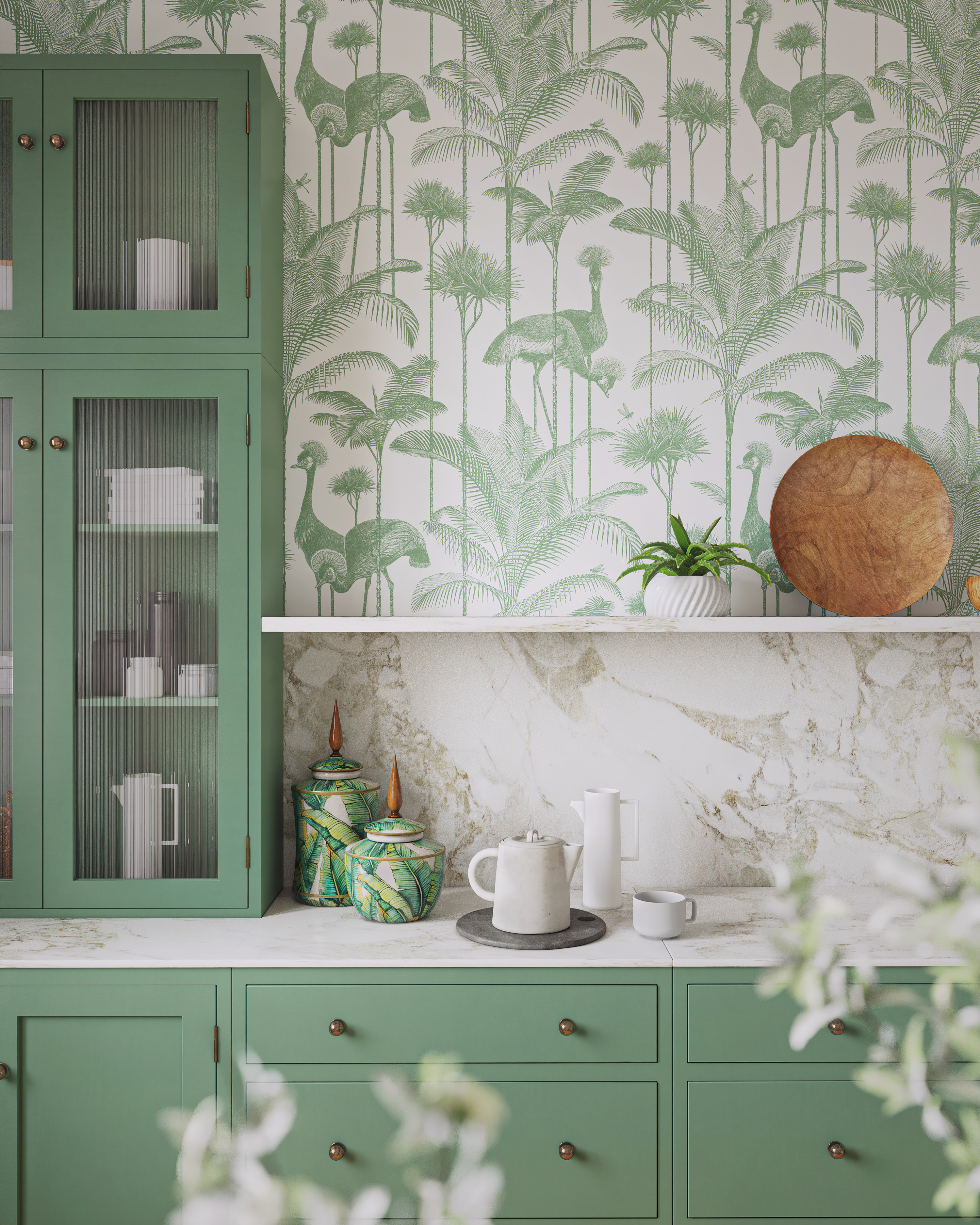
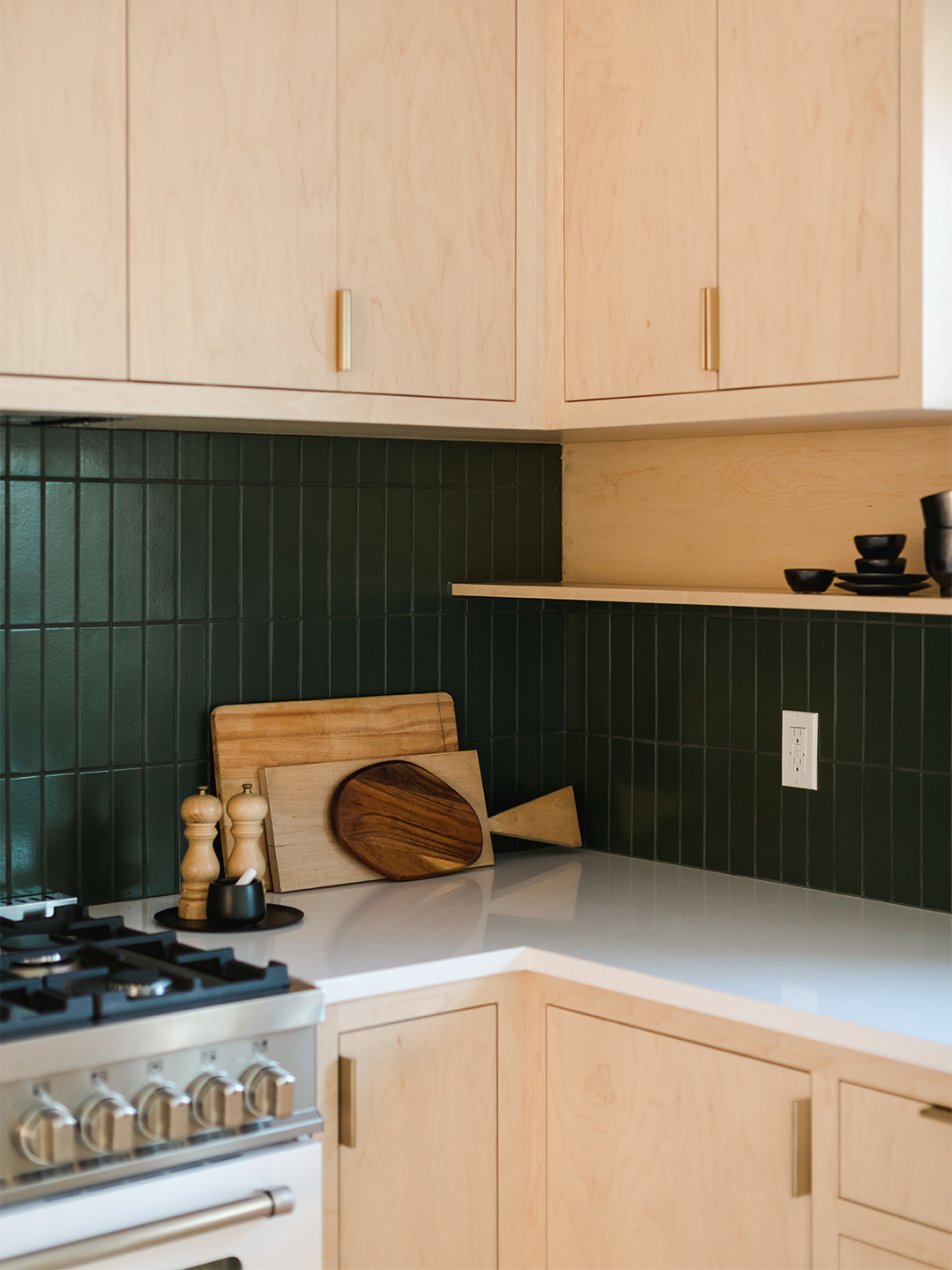
Following the decluttering process, curating a specific color palette is crucial to maintain visual coherence. By selecting a restrained palette, which can include a specific color, texture, and metallic accent, the display of varied shapes and materials on the open shelves can appear unified rather than chaotic. This approach helps in reducing visual clutter and enhances the overall aesthetic of the kitchen.
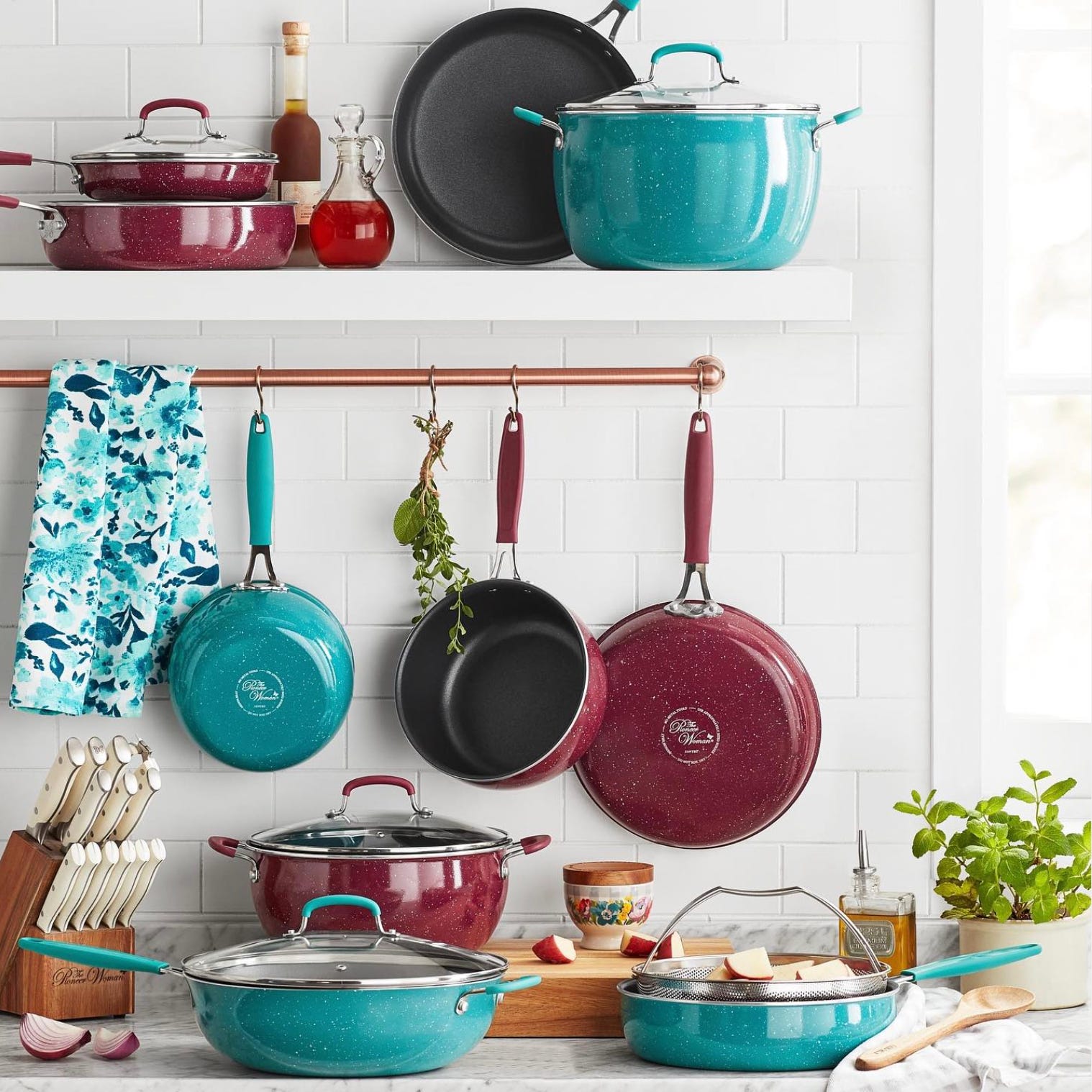
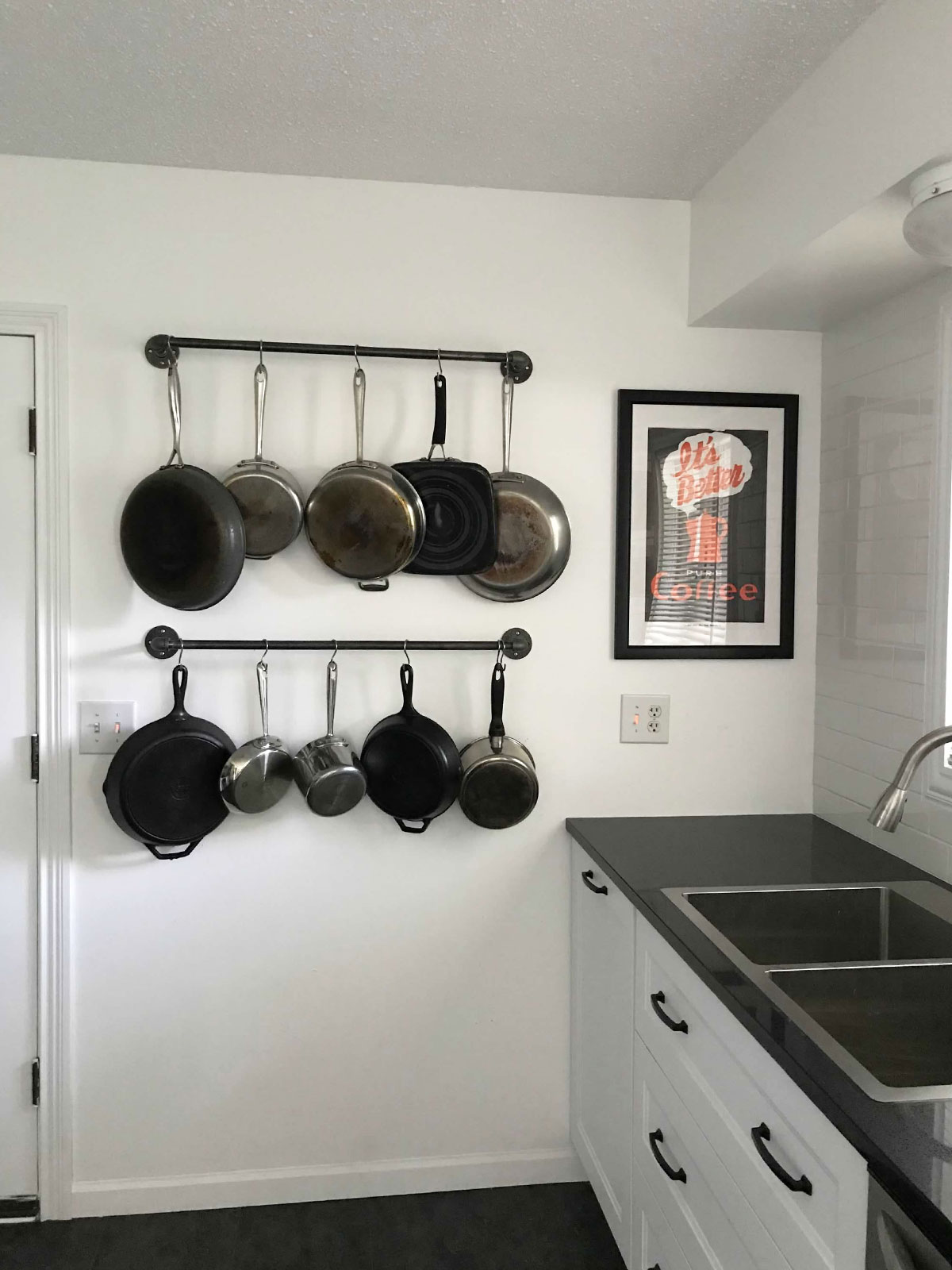
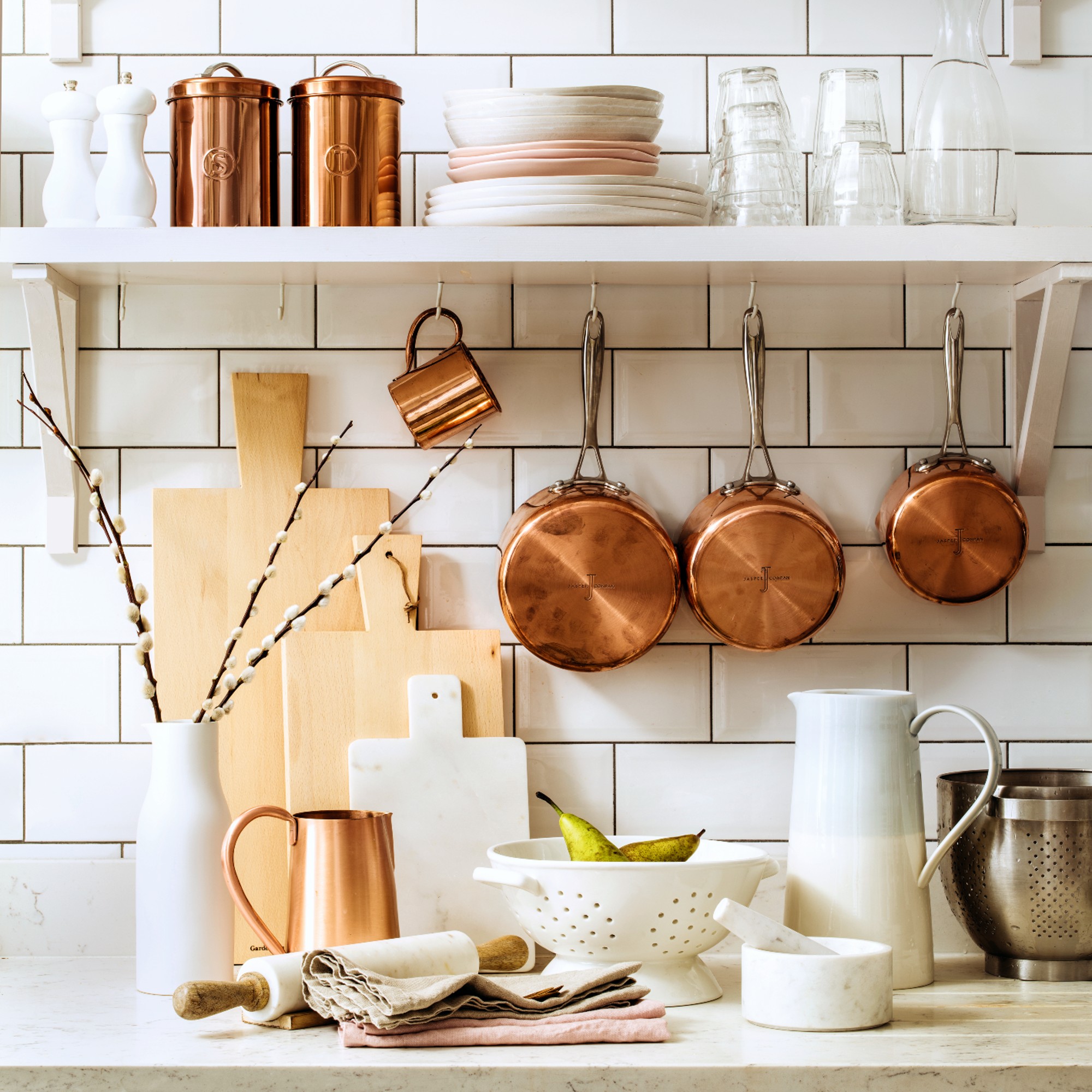
When considering new purchases for open shelving, practicality is key. Recommendations include choosing dishes that stack efficiently and cookware collections that nest together seamlessly. This not only optimizes storage but also makes effective use of the vertical space between shelves, addressing potential storage challenges inherent with open designs.
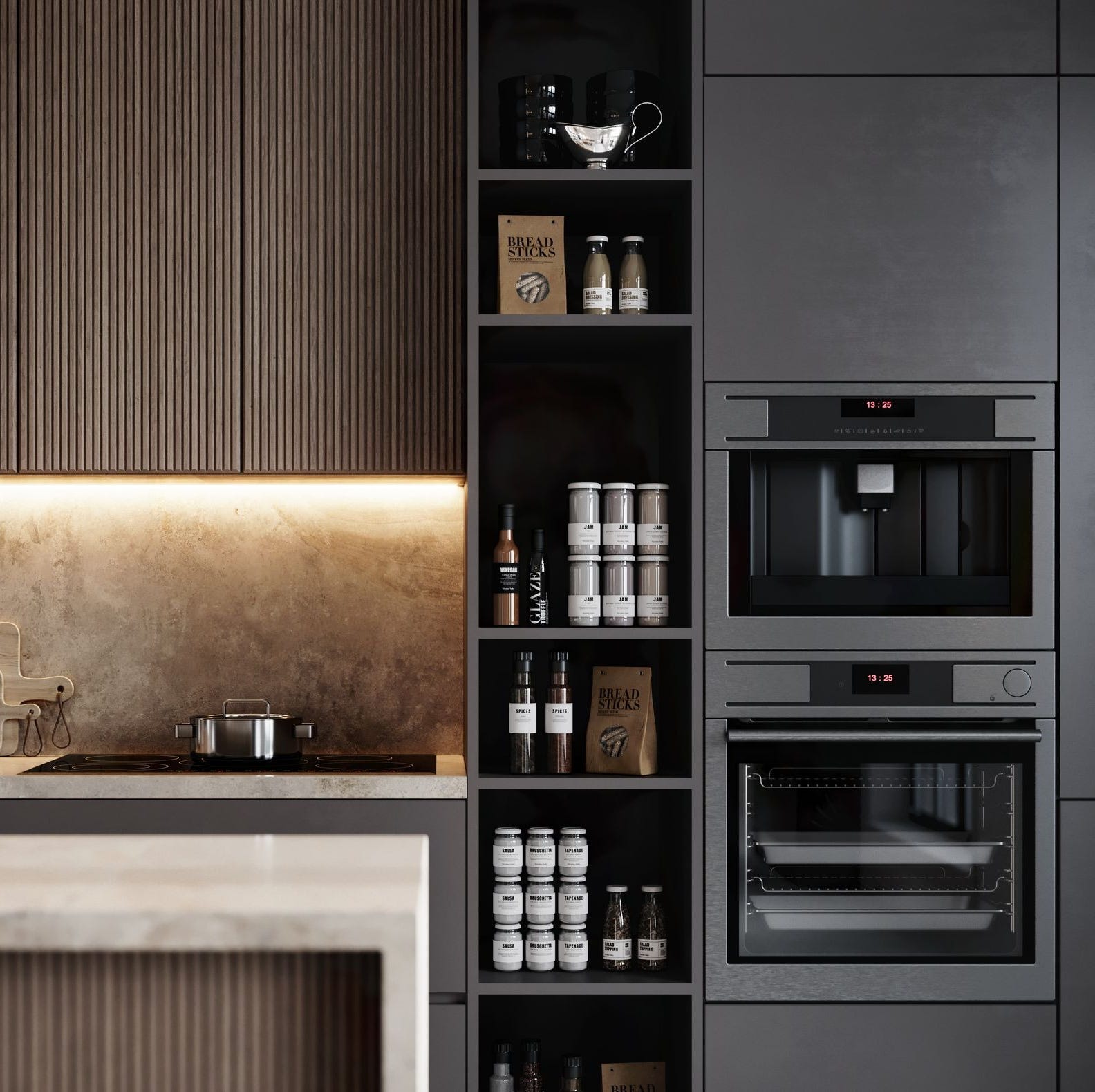
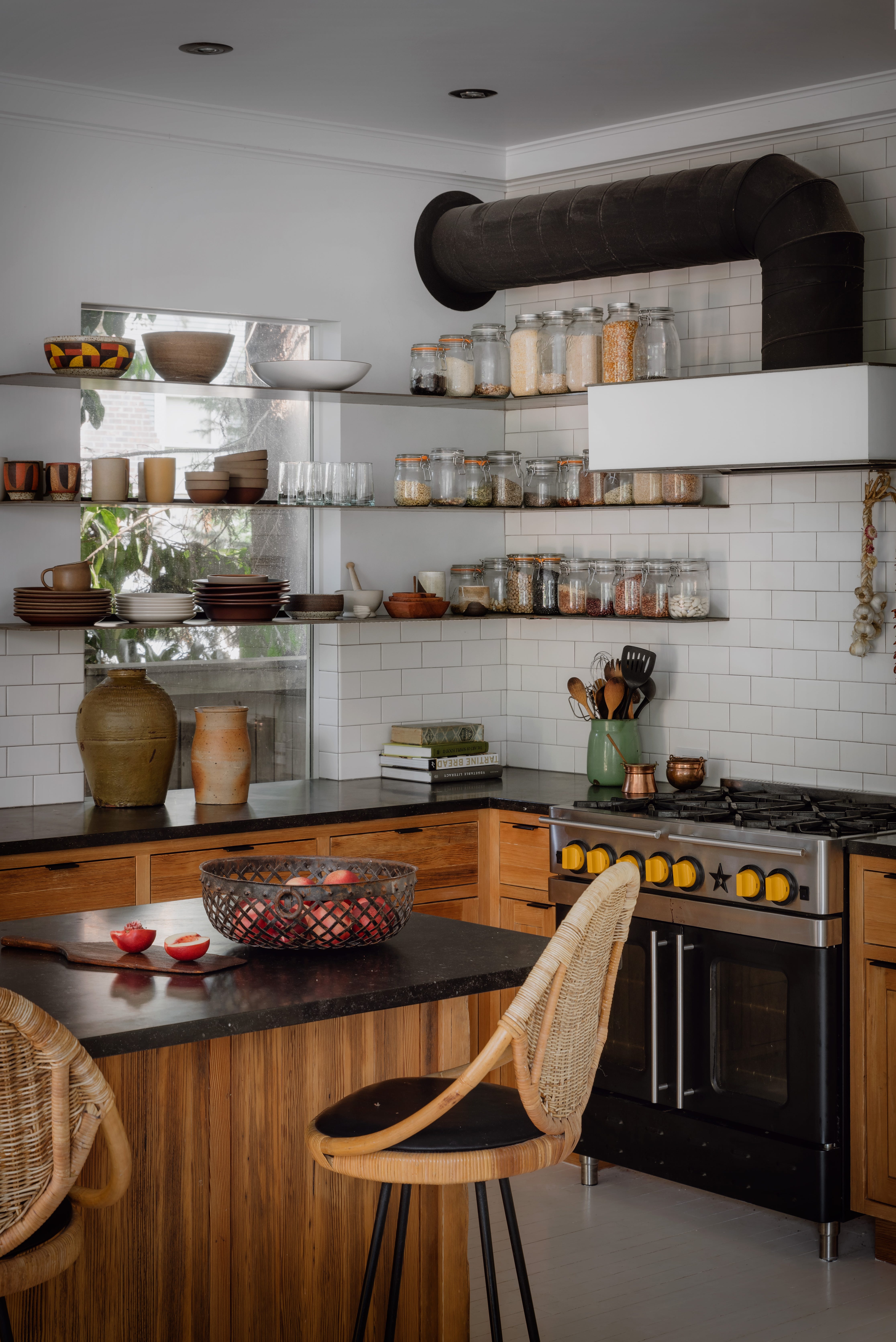
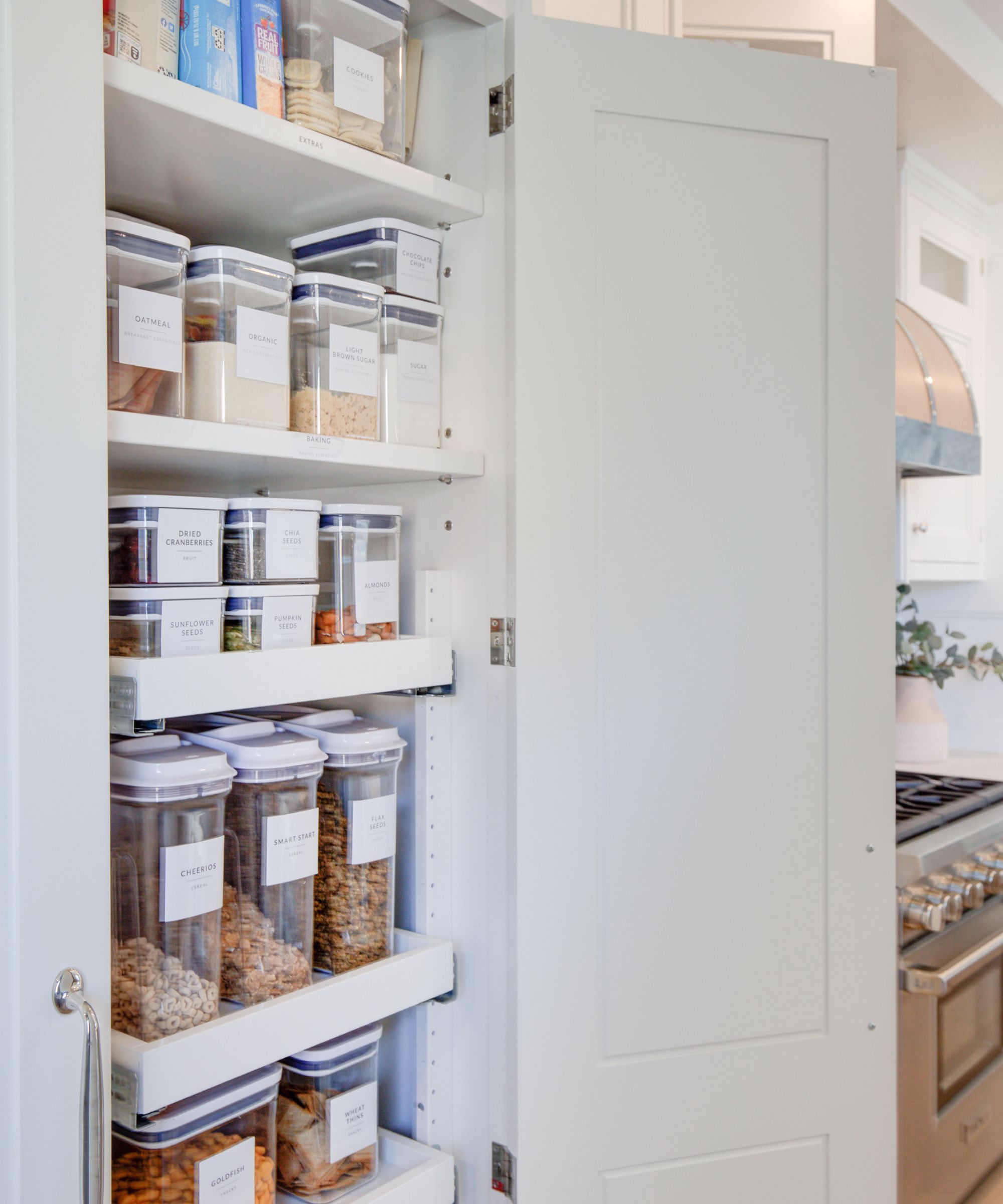
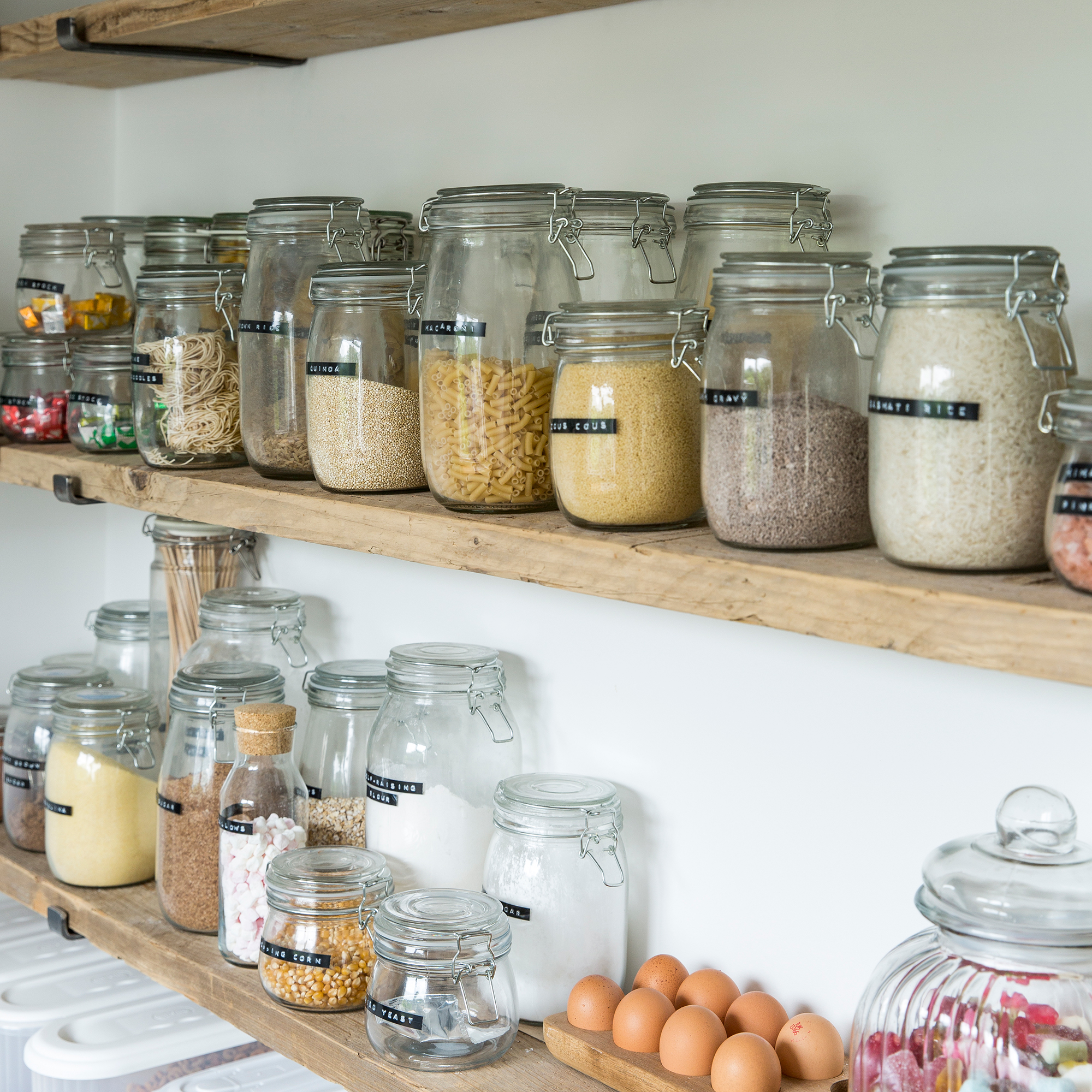
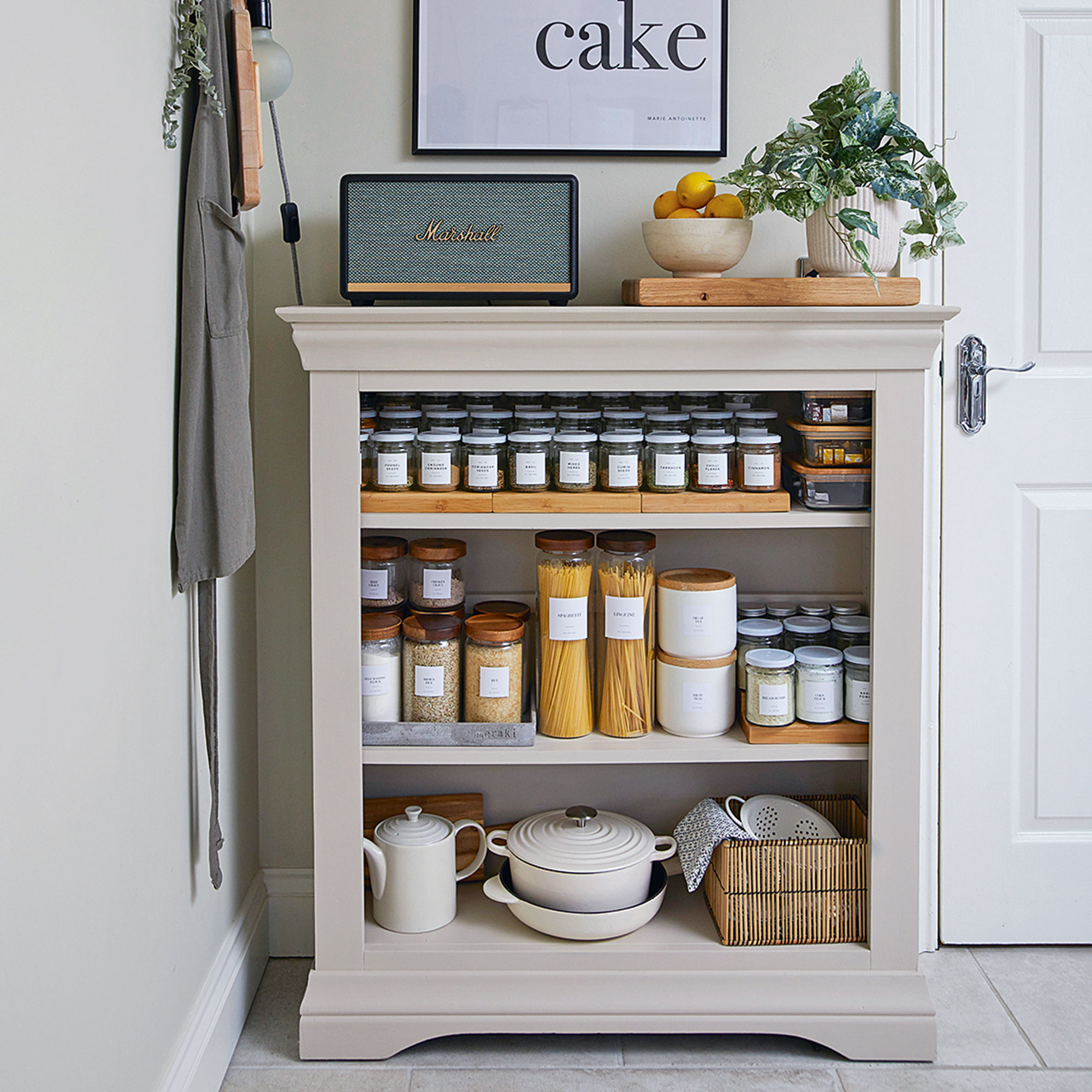
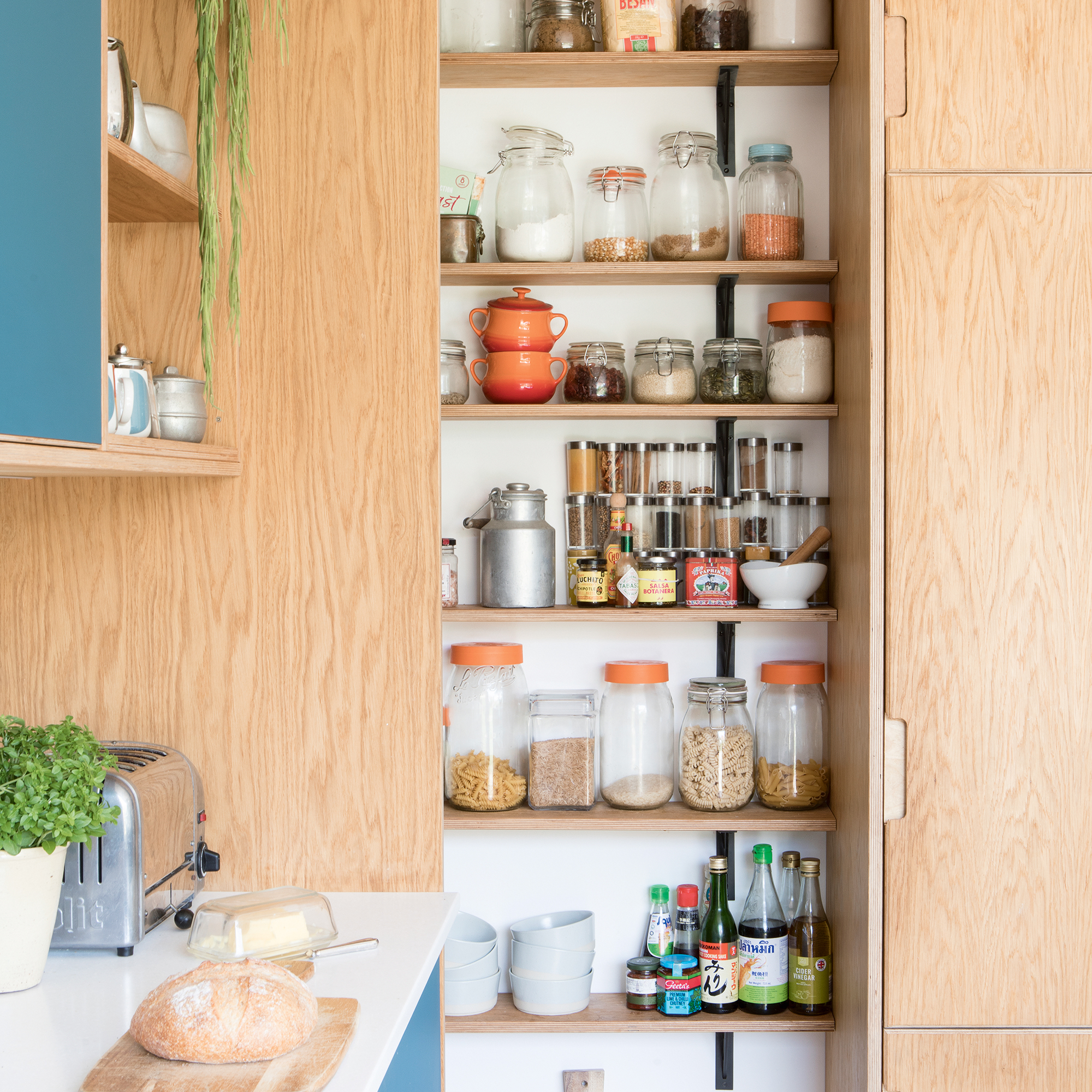
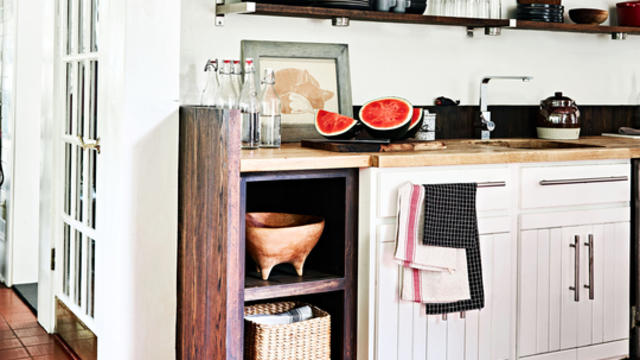
For pantry items, decanting dry goods into coordinating canisters is advised for both proper storage and display. Incorporating baskets and opaque bins can add texture and discreetly hide unattractive packaging. Labeling these containers and ensuring labels face outwards helps maintain organization, allowing everyone using the kitchen to easily identify and return items to their designated places.
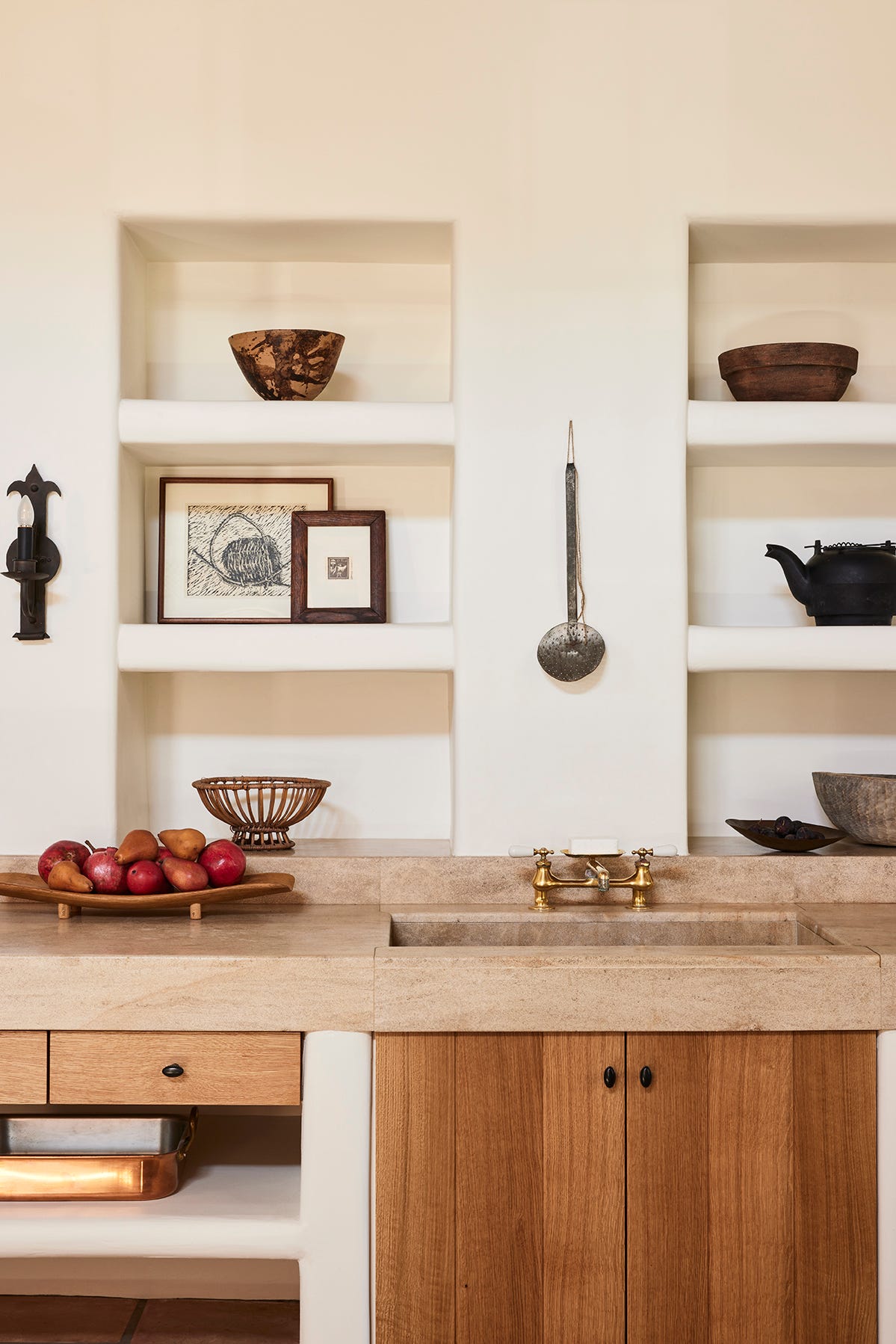
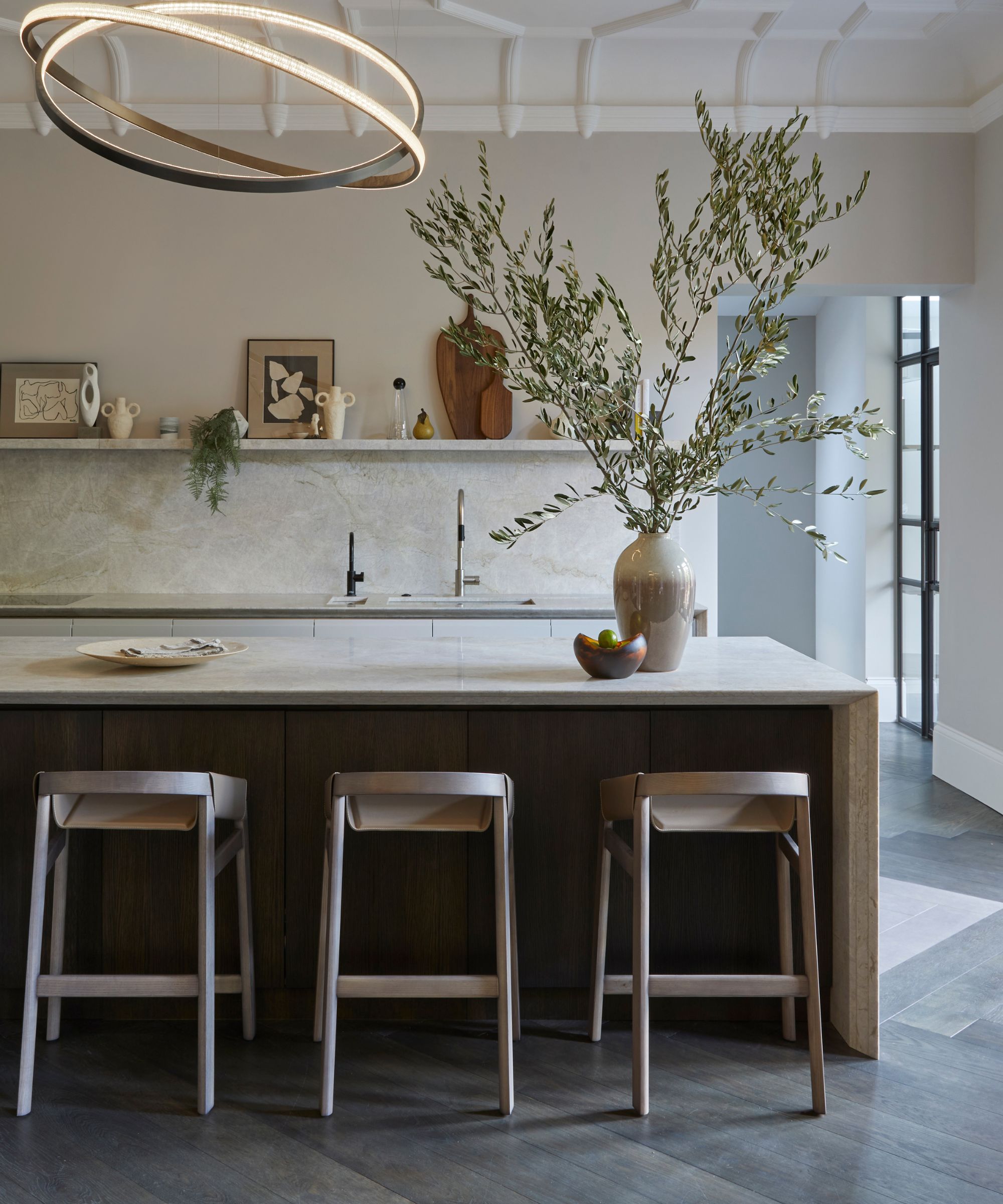
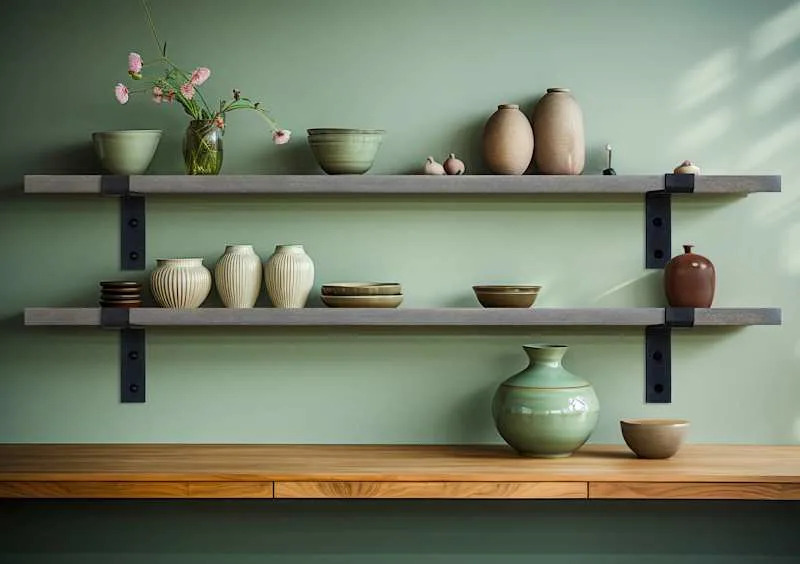
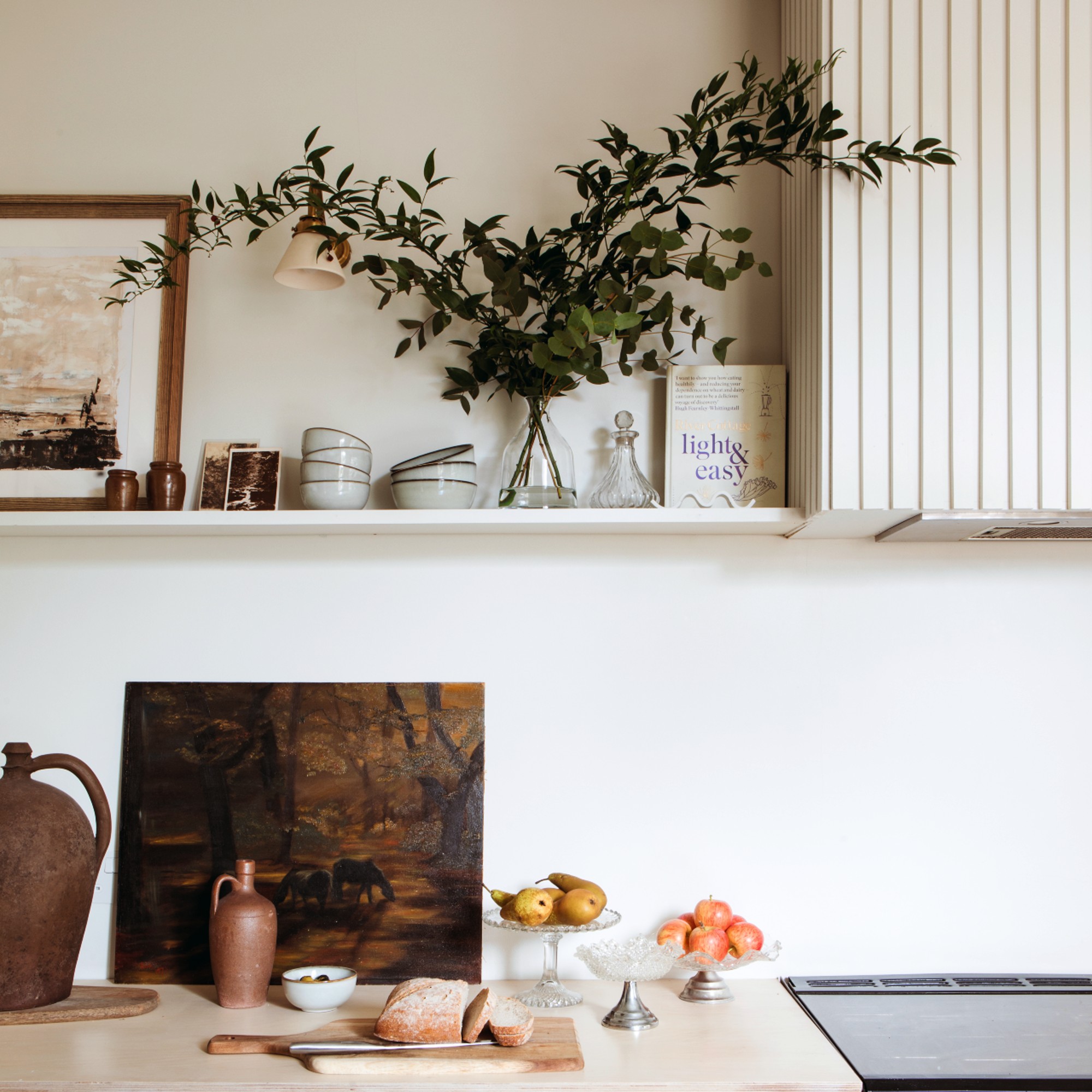
Embracing negative space is another essential principle for open shelving. Instead of filling every available spot, leaving deliberate gaps between categories of items can create visual balance and reduce clutter. This approach allows individual kitchen collections to stand out and enhances the overall beauty of the display, preventing an overcrowded appearance.
Finally, defining the purpose of each item is vital for functional arrangement. Items used frequently should be easily accessible, while decorative pieces or those used on special occasions can be stored on higher shelves. This strategic placement ensures that the most used items are within reach, optimizing the workflow and convenience in the kitchen. By adhering to these guidelines, the transition from cabinets to open shelves can be both visually appealing and highly functional.
#KitchenDesign #OpenShelving #HomeOrganization #KitchenStorage #DeclutteringTips #InteriorDesign #HomeDecor #KitchenMakeover #KitchenDesign #OpenShelving #HomeOrganization #KitchenStorage #DeclutteringTips #InteriorDesign #HomeDecor #KitchenMakeover
0 comment in total
 No comments yet
You may also like
Maximize Your Kitchen Space With These Open Shelving Ideas

The downsides of open shelving – why this much-loved kitchen look may not be for you

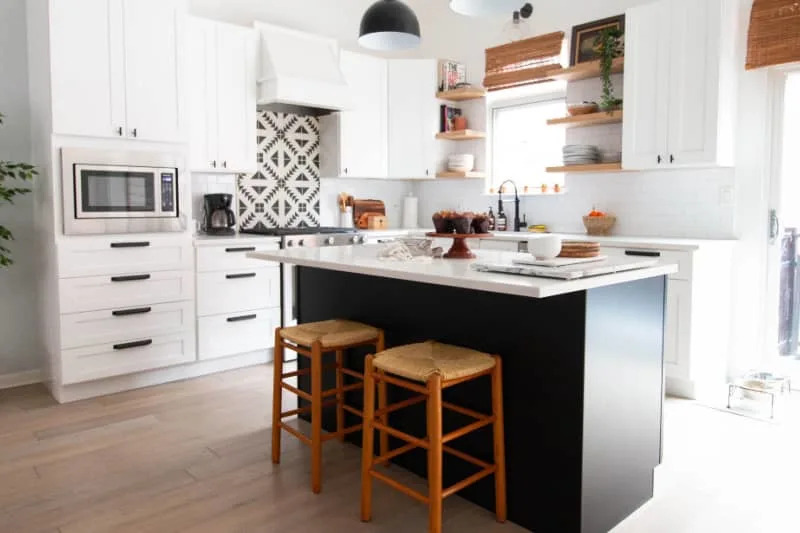
Upper Kitchen Cabinets Are on Their Way Out in 2025 — Here’s What’s Replacing Them
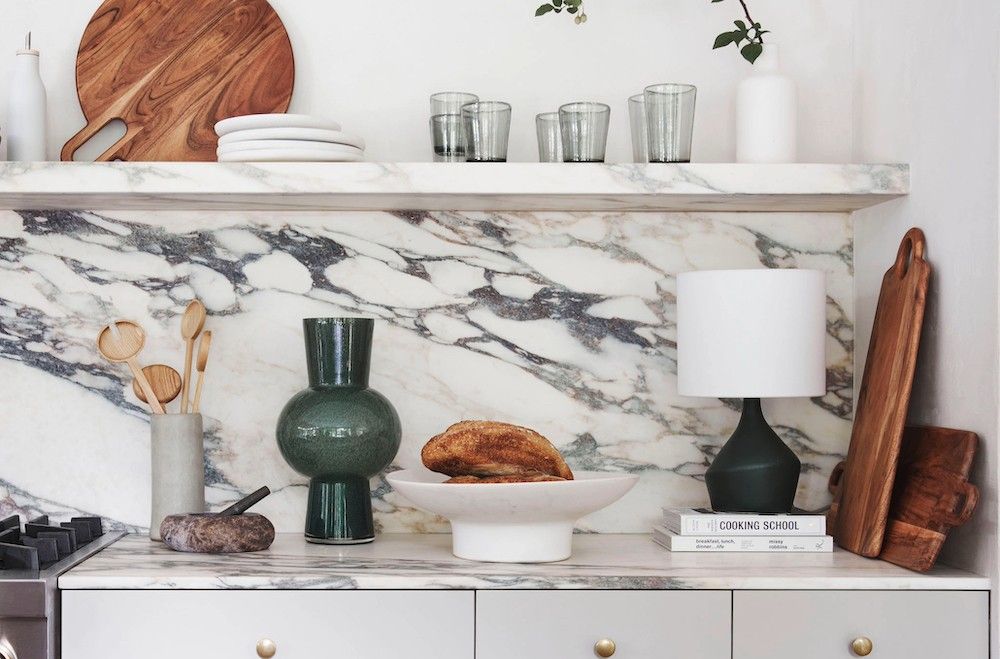
Upper Kitchen Cabinets Are Totally "Outdated" For 2025 — What You Want Instead

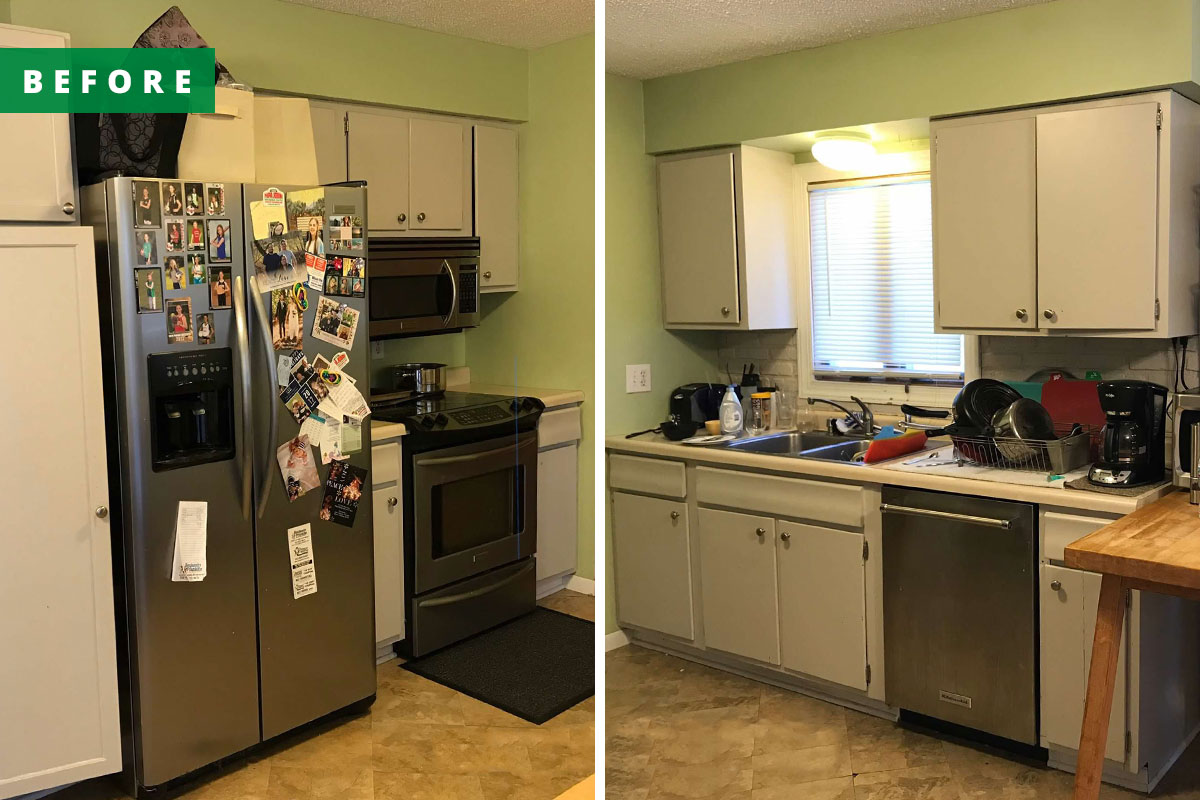
I Swapped My Upper Kitchen Cabinets for Open Shelves—Here’s How I Feel About It Now
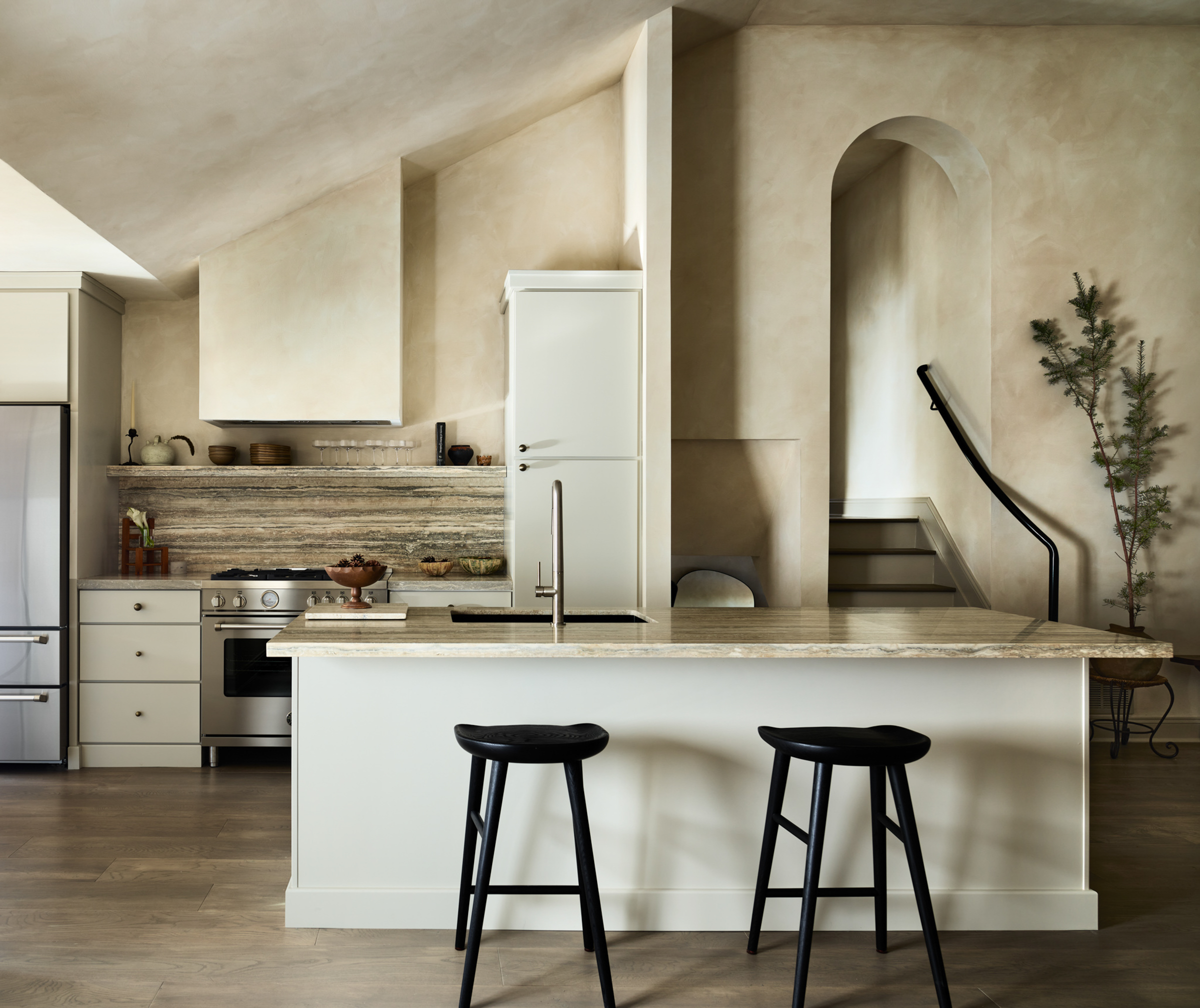
This Is the Most Optimal Place for an Open Shelf in Your Kitchen

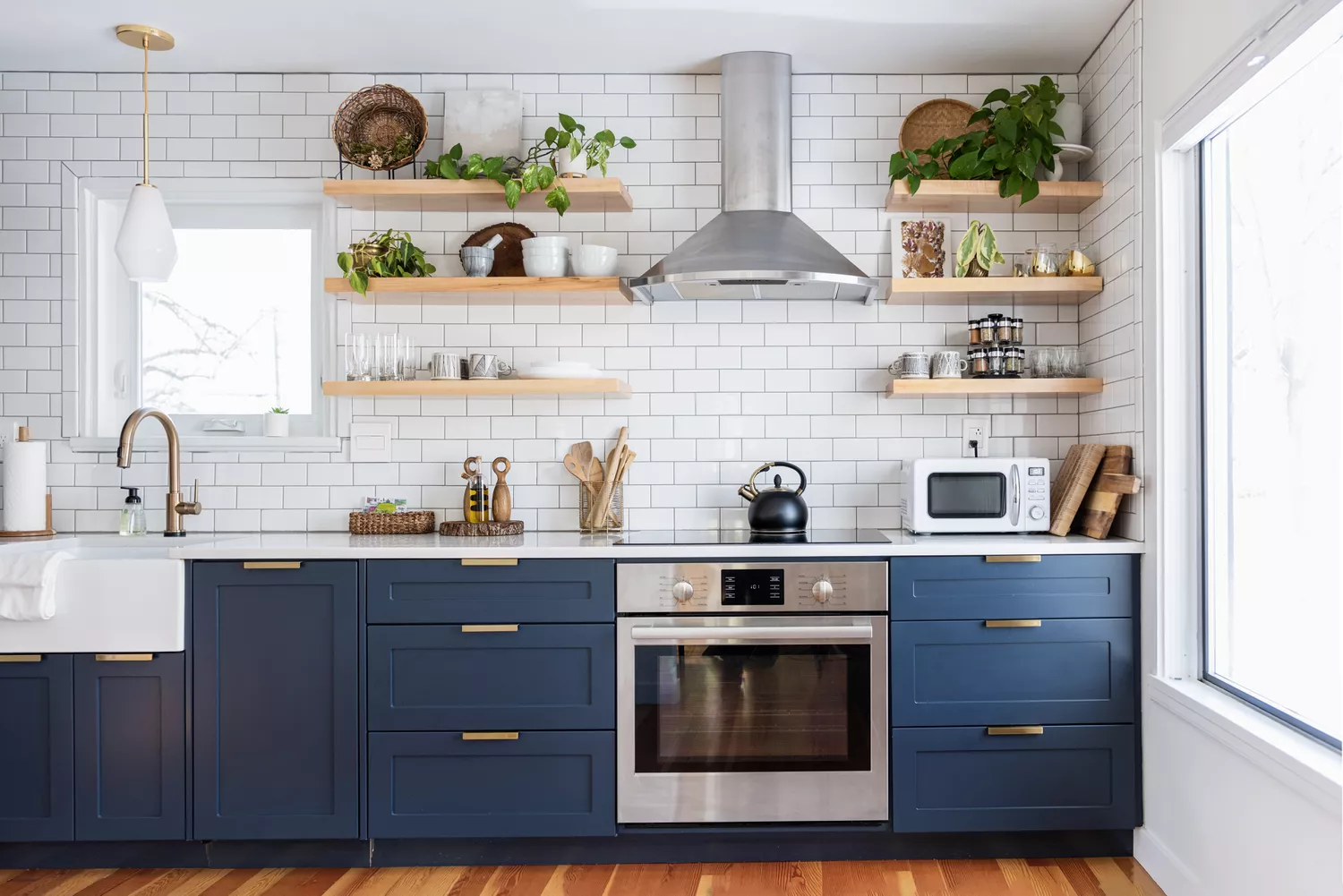
Open Kitchen Shelves Are Losing Their Appeal—Here's What to Use Instead, According to Interior Designers
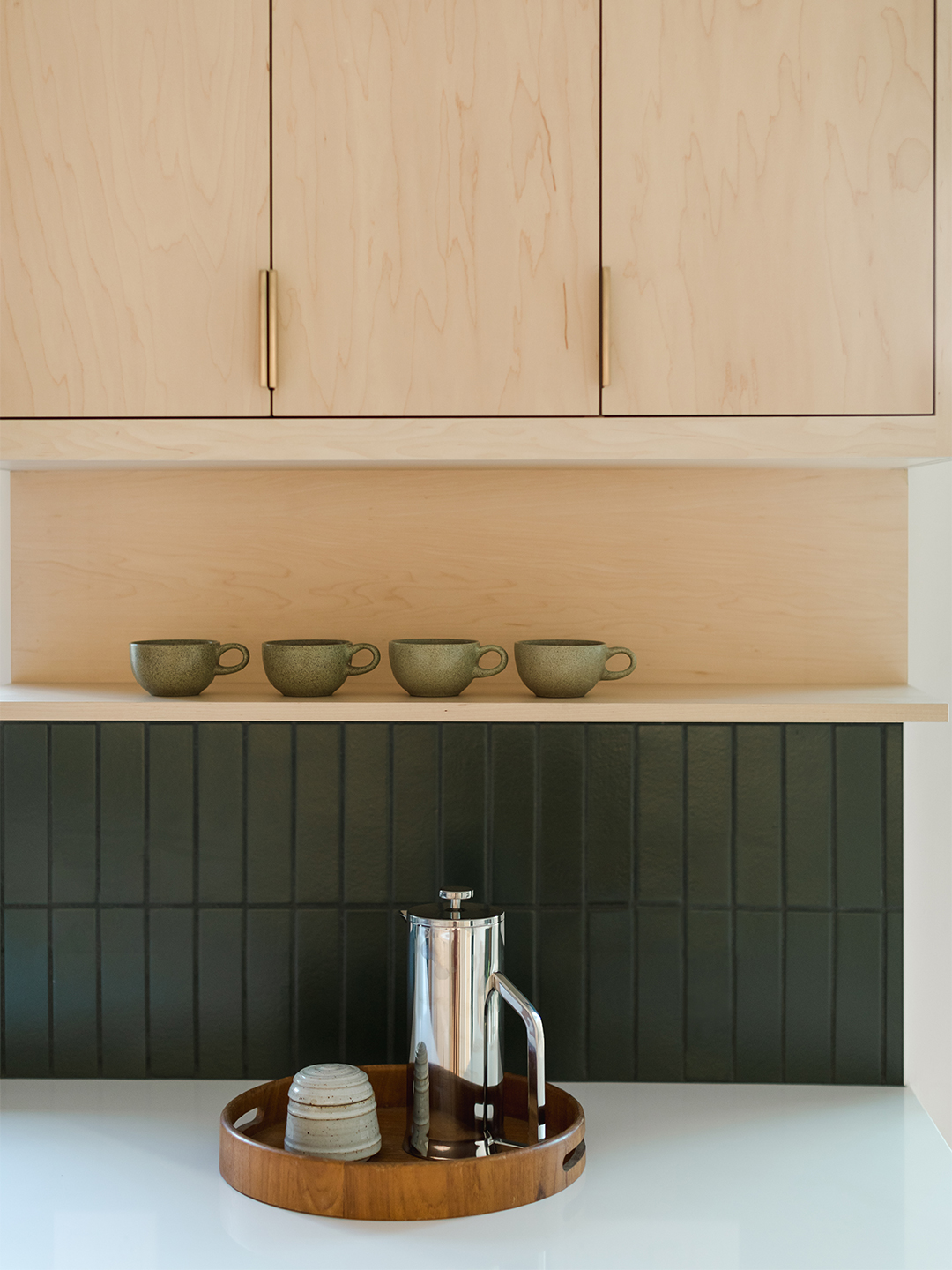
You Don’t Have to Choose Between Open Shelving and Upper Cabinets
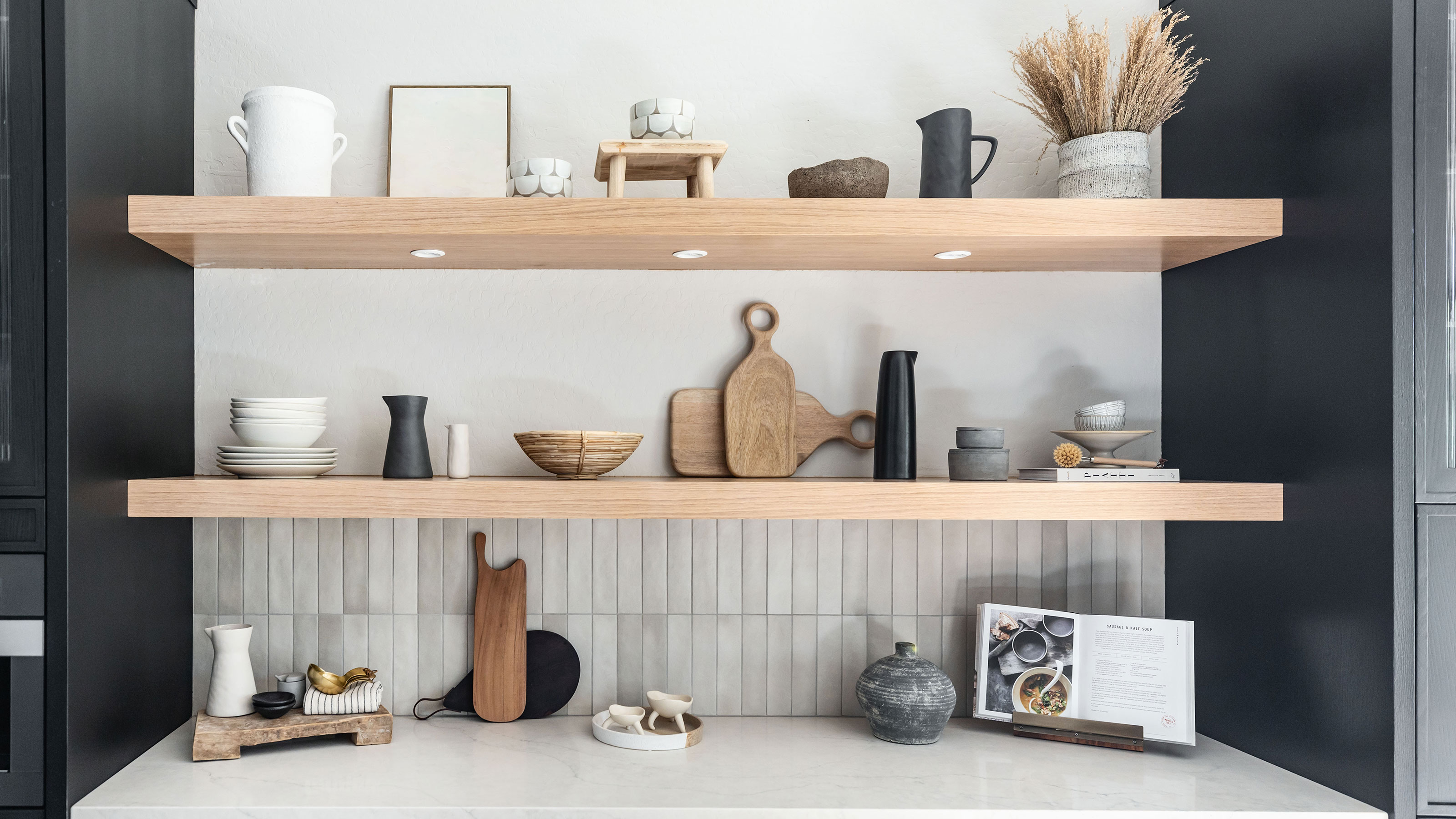
The 3 golden rules of organizing open shelving in the kitchen
Designers Say They Secretly Hate This Popular Kitchen Design Trend

Never store these 6 things on open kitchen shelving, warn pro organisers
The kitchen storage trend I regret falling for – an open pantry might look great on Instagram, but this is why I ditched mine after 6 months
How to Optimize Storage on Open Kitchen Shelves
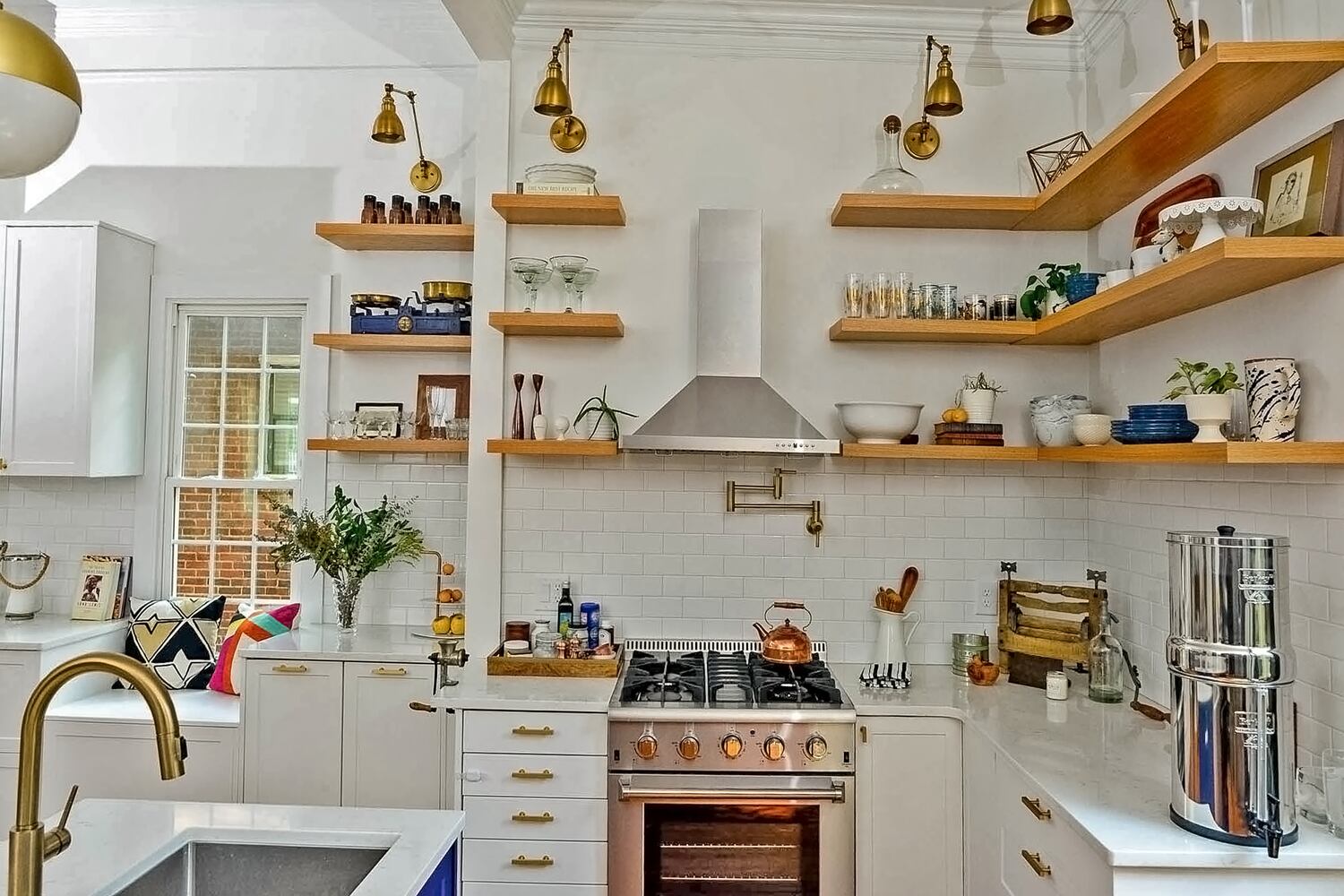
Stunning kitchen cabinet organization designs you can put in your home
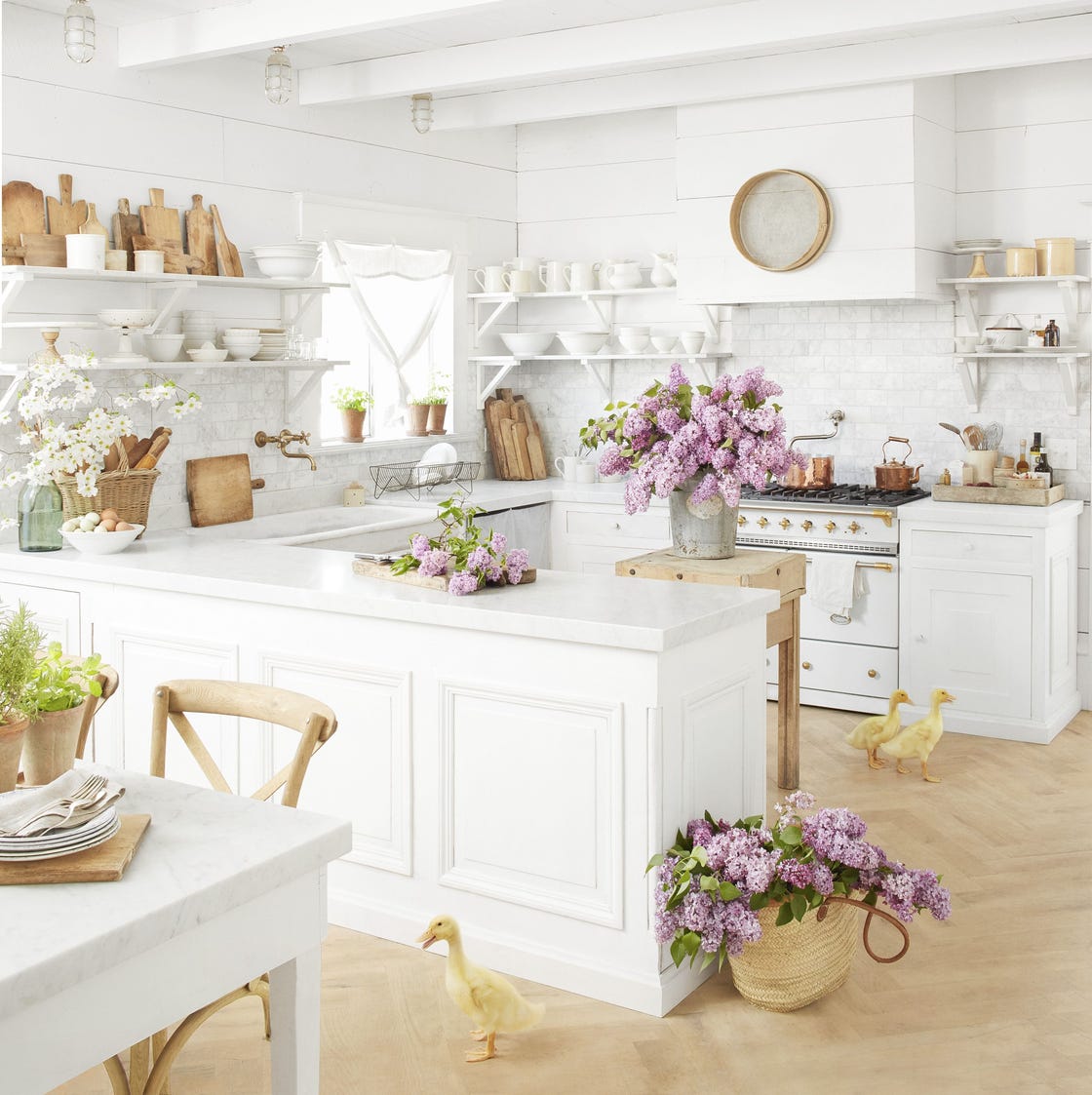
Yes, Open Shelving in a Kitchen Can Be Stylish and Functional
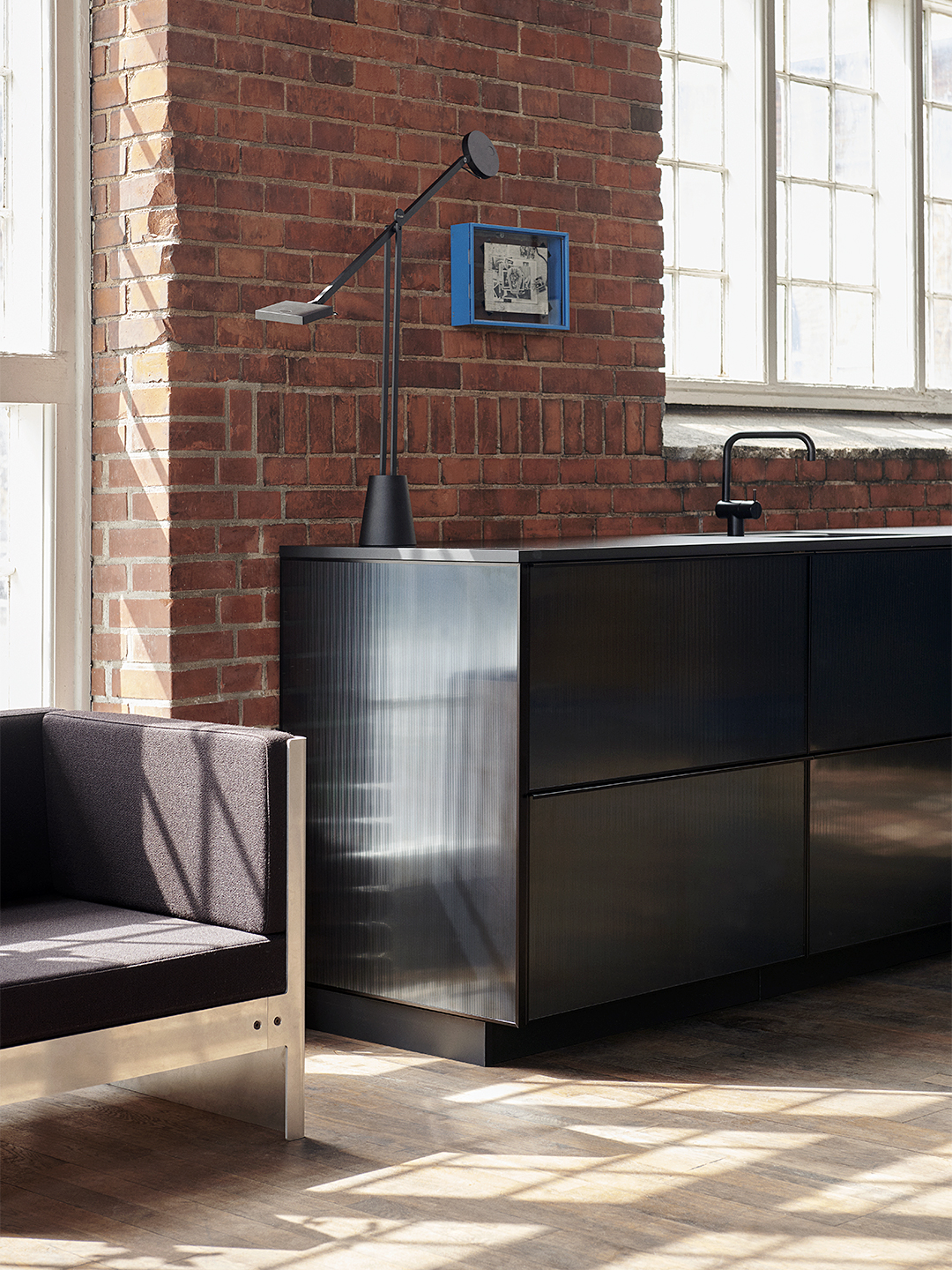
This New Cabinet Style Gives You the Airiness of Open Shelving (Minus the Dust)

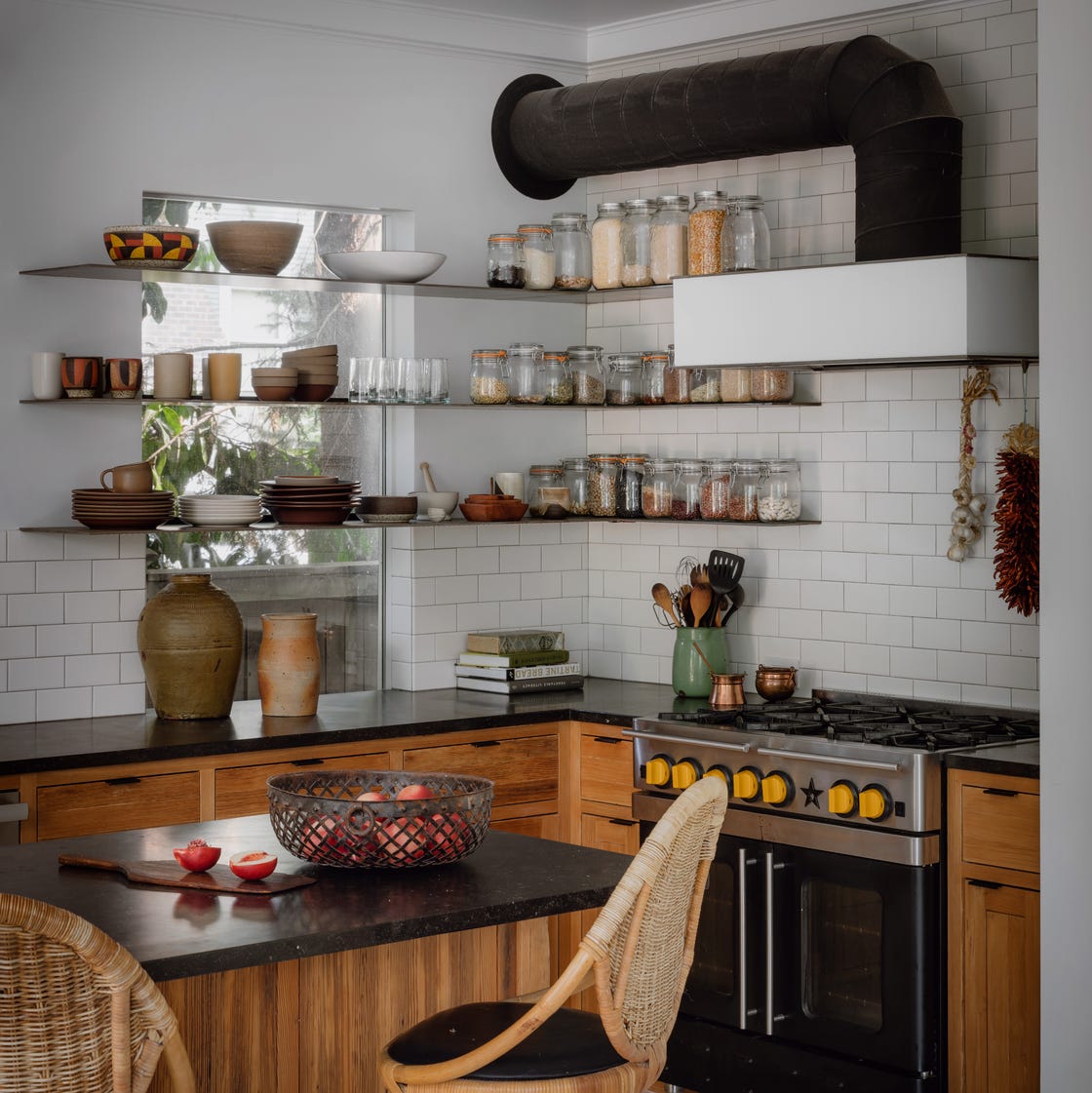
28 Open Shelving Ideas That'll Inspire You to Ditch Those Kitchen Cabinet Doors

Are Open Kitchen Shelves Still in Style? This Interior Designer Told Us to Ditch Them — Here's Why

5 ways to maximize kitchen storage without splurging on new cabinets
Open Shelving Is The Budget-Friendly Secret To Completing Your Kitchen, According To An Expert